

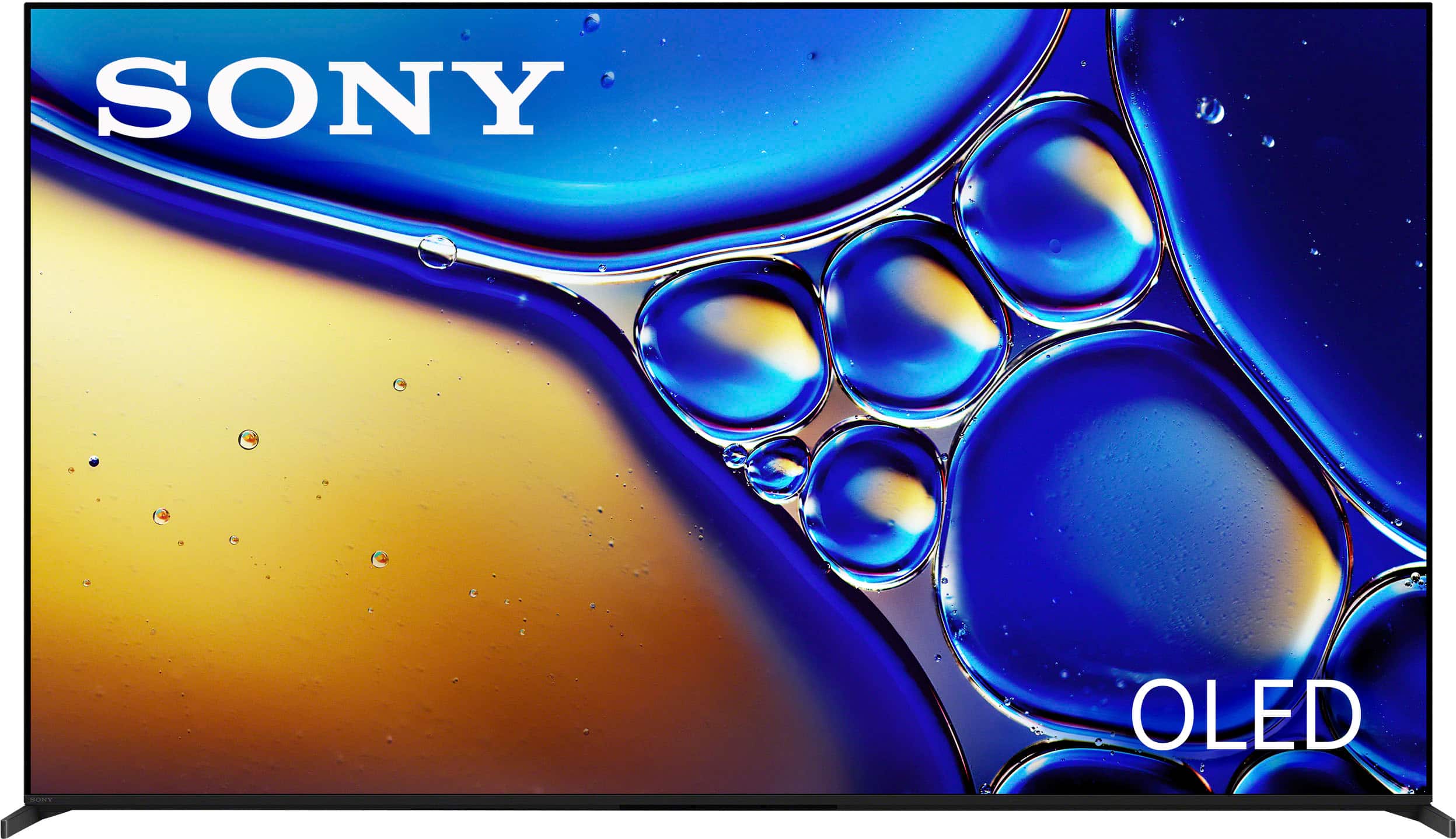
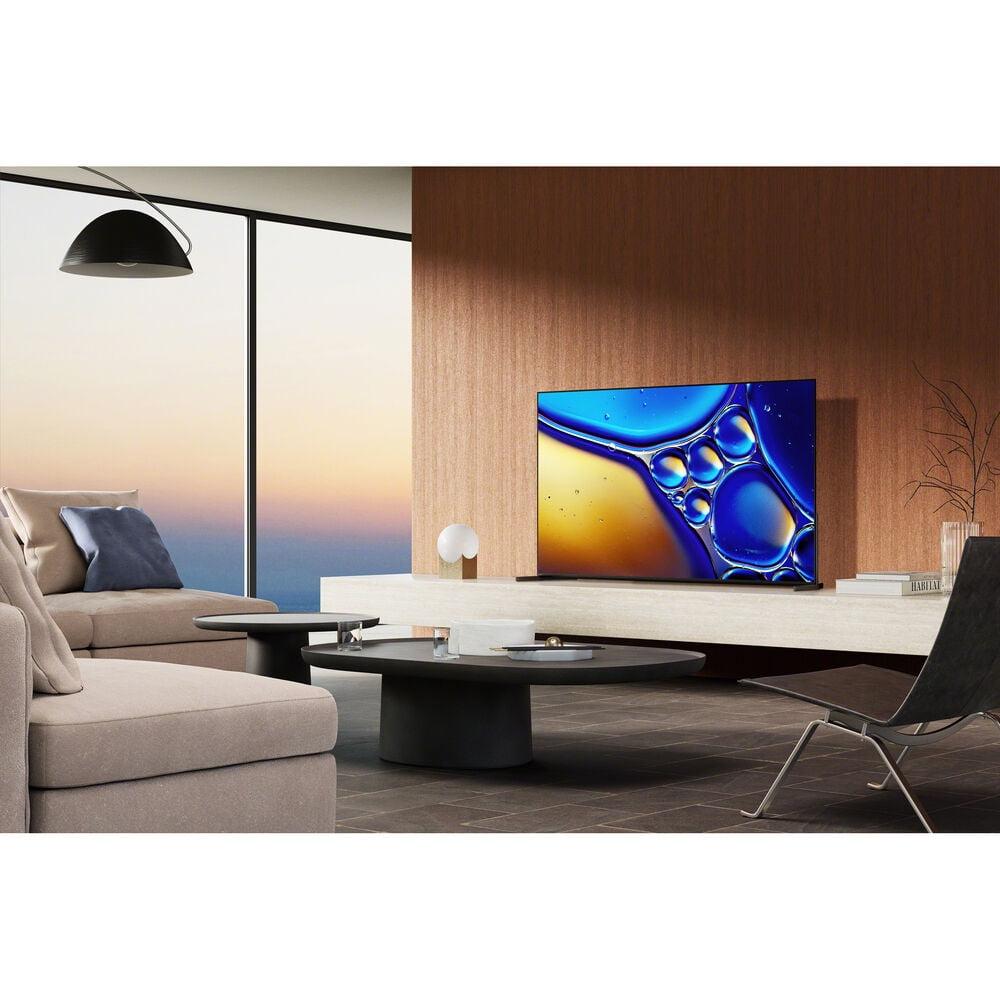
Shopping for a premium 65-inch TV in 2025? You're looking at an exciting time in display technology. Two standout options represent completely different approaches to delivering stunning picture quality: the Sony BRAVIA 8 II 65" QD-OLED ($3,098) and the TCL 65" QM6K QD-Mini LED ($699-999).
The TV landscape has evolved dramatically over the past few years. Both models launched in early 2025, with the TCL QM6K hitting shelves in February and the Sony BRAVIA 8 II following in April. What makes this comparison particularly interesting is how these TVs represent the current pinnacle of two competing display technologies, each with distinct advantages depending on your viewing habits and budget.
Before diving into specifics, let's break down what makes these TVs tick. The Sony BRAVIA 8 II uses QD-OLED technology, which combines quantum dots (tiny particles that enhance color production) with OLED's self-emissive pixels. Think of it this way: each pixel is like a tiny light bulb that can turn completely off for perfect blacks or shine incredibly bright for vibrant colors.
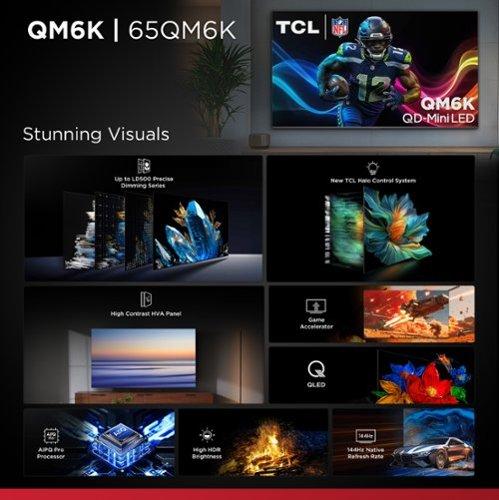
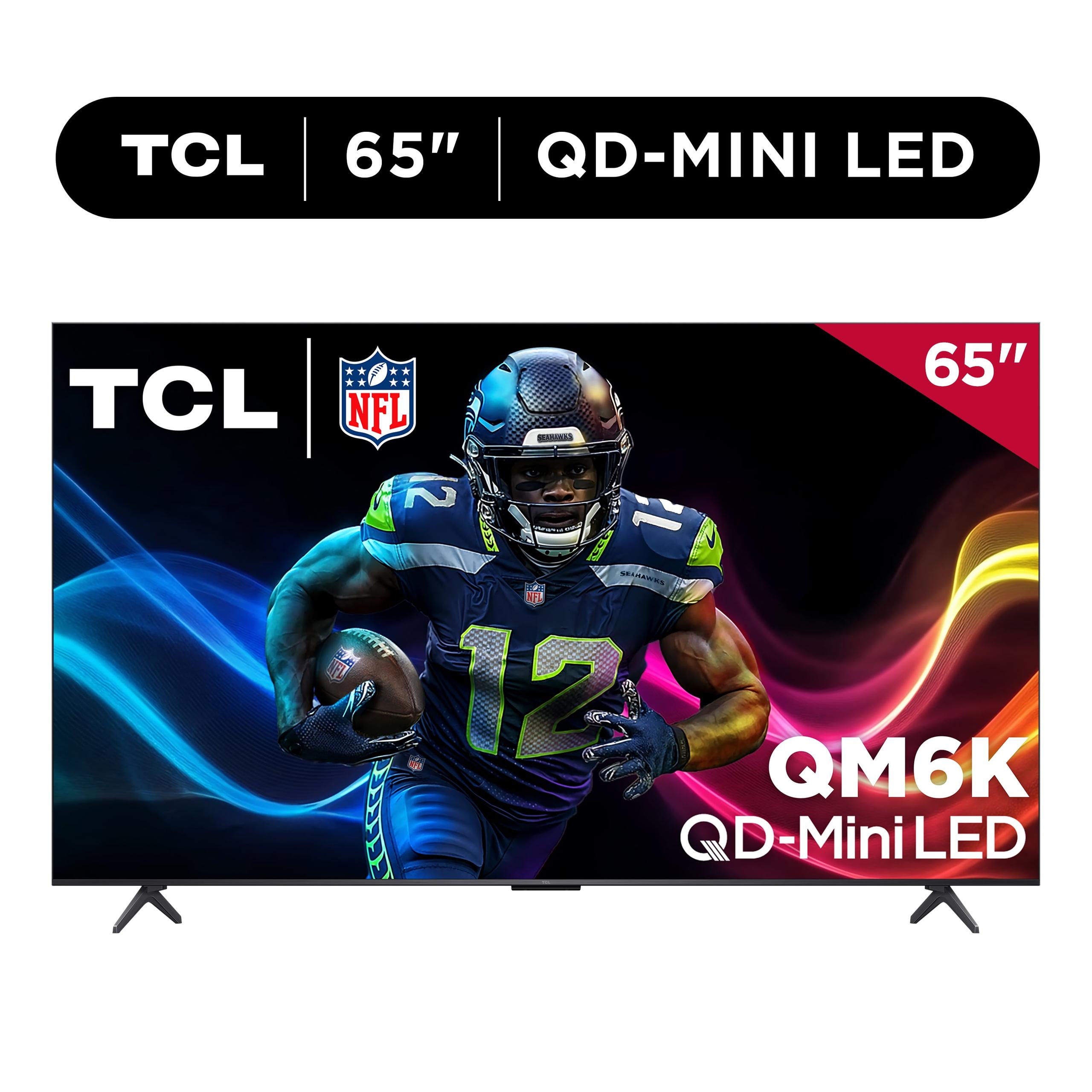
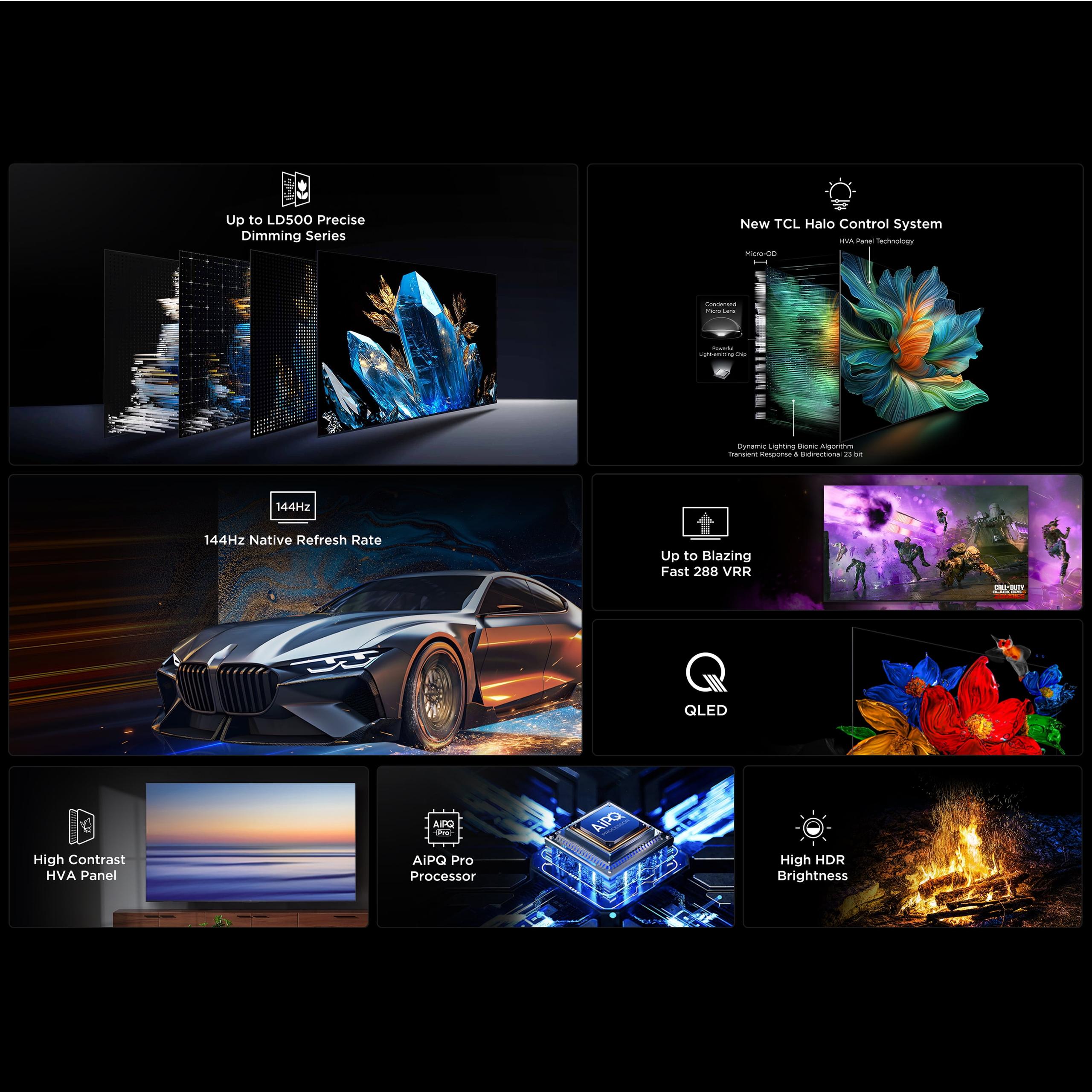
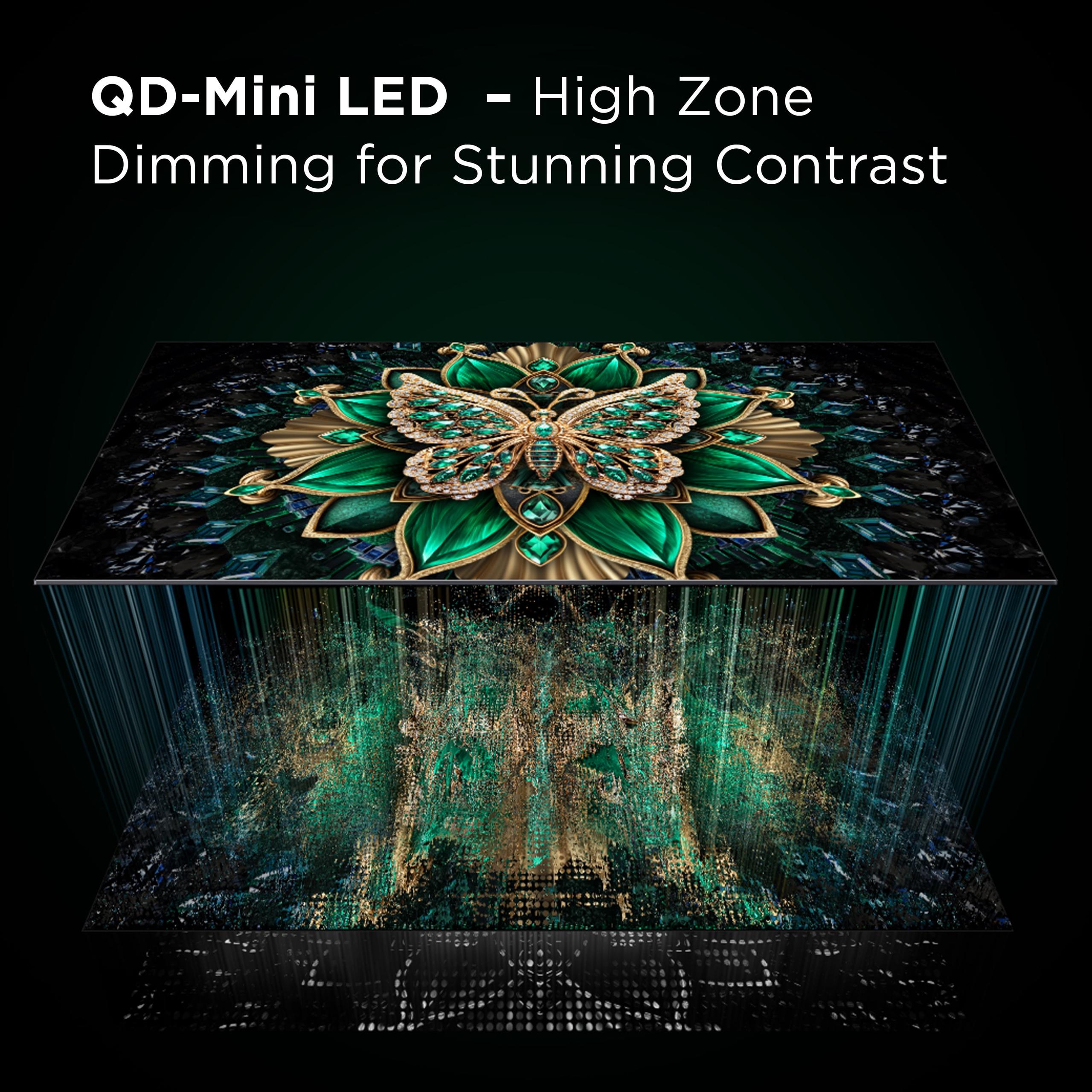
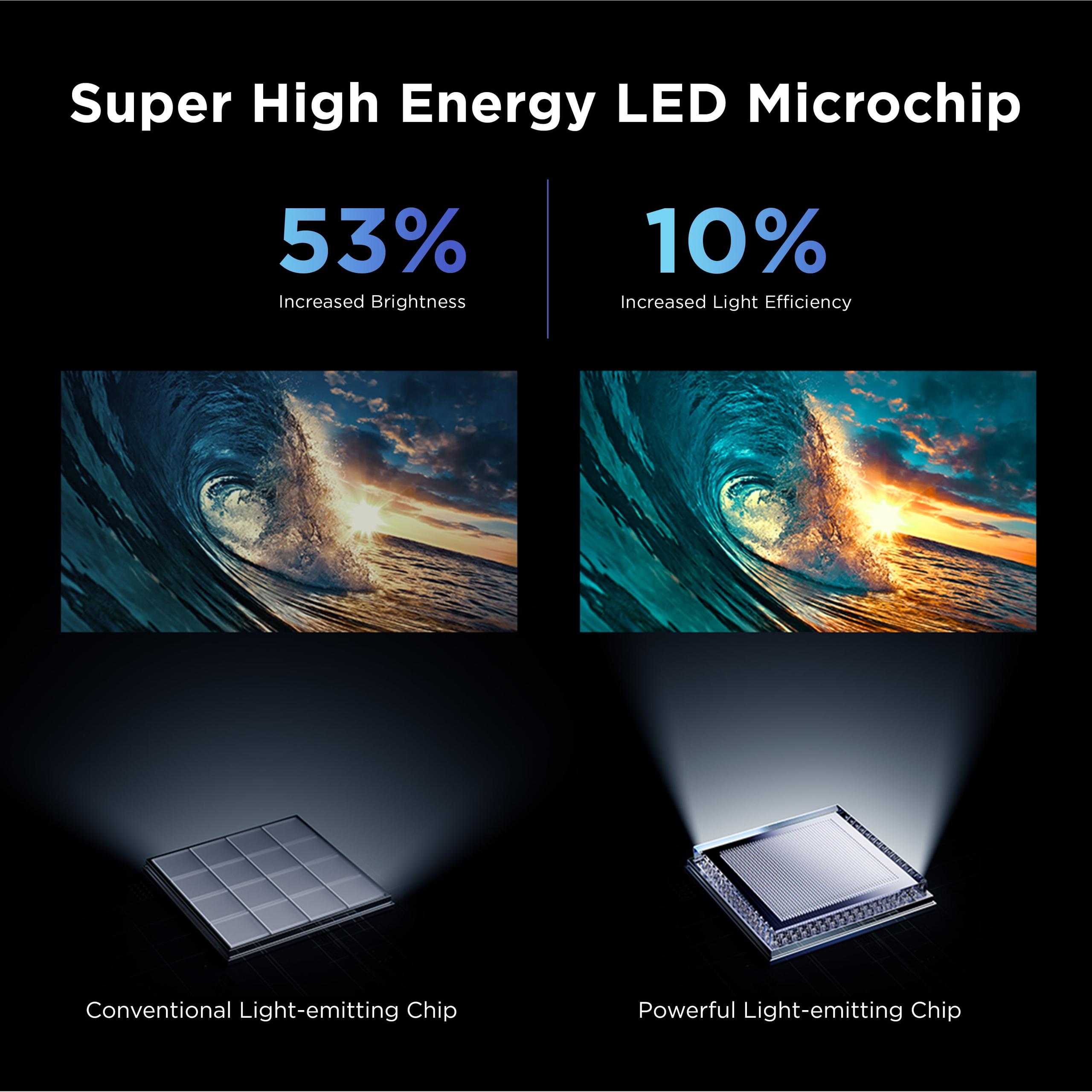
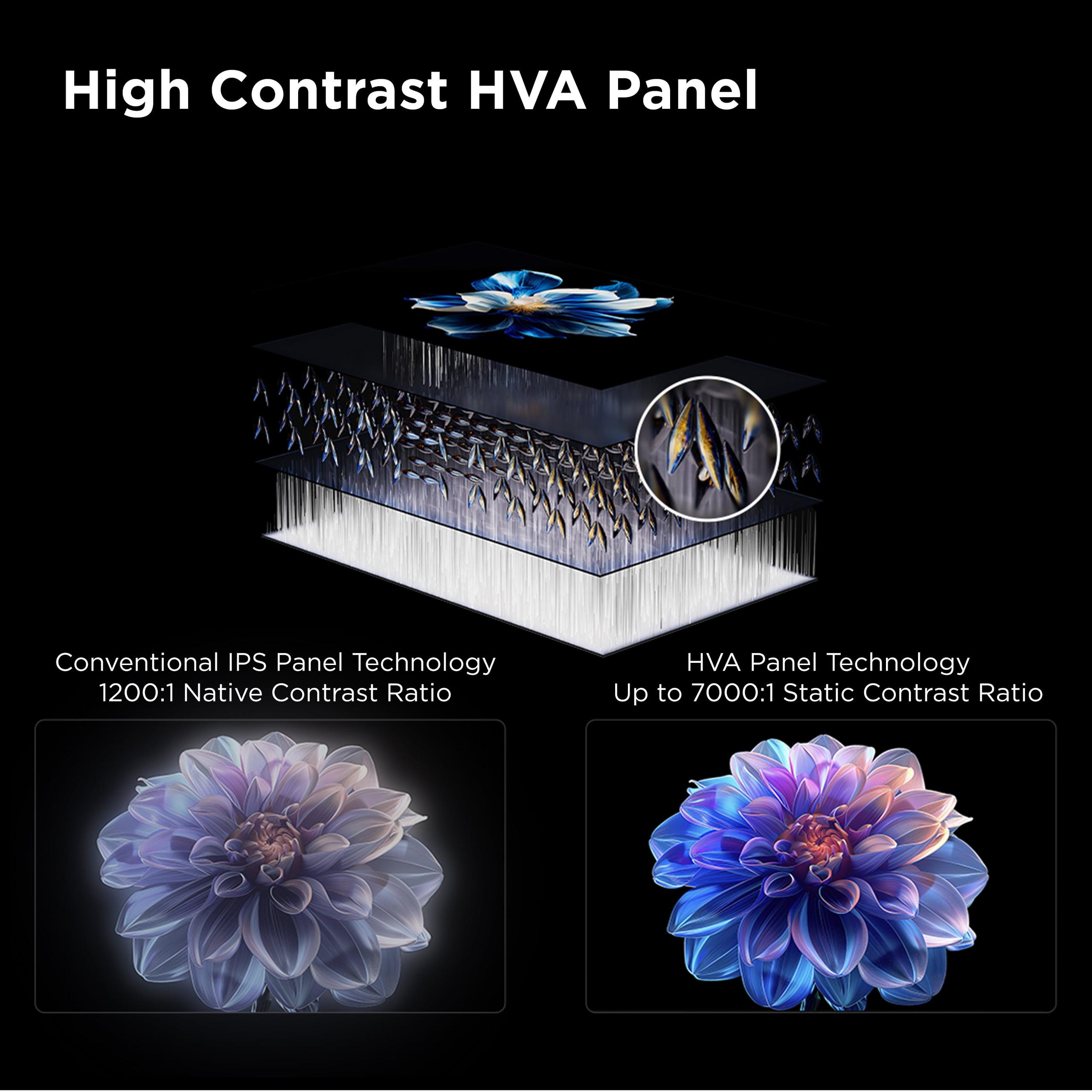
The TCL QM6K, meanwhile, uses QD-Mini LED technology. This approach takes thousands of tiny LED lights behind the screen and combines them with quantum dots to create brilliant colors and contrast. Instead of individual pixel control, it uses up to 500 local dimming zones—imagine having 500 different lighting zones that can independently brighten or dim to create contrast.
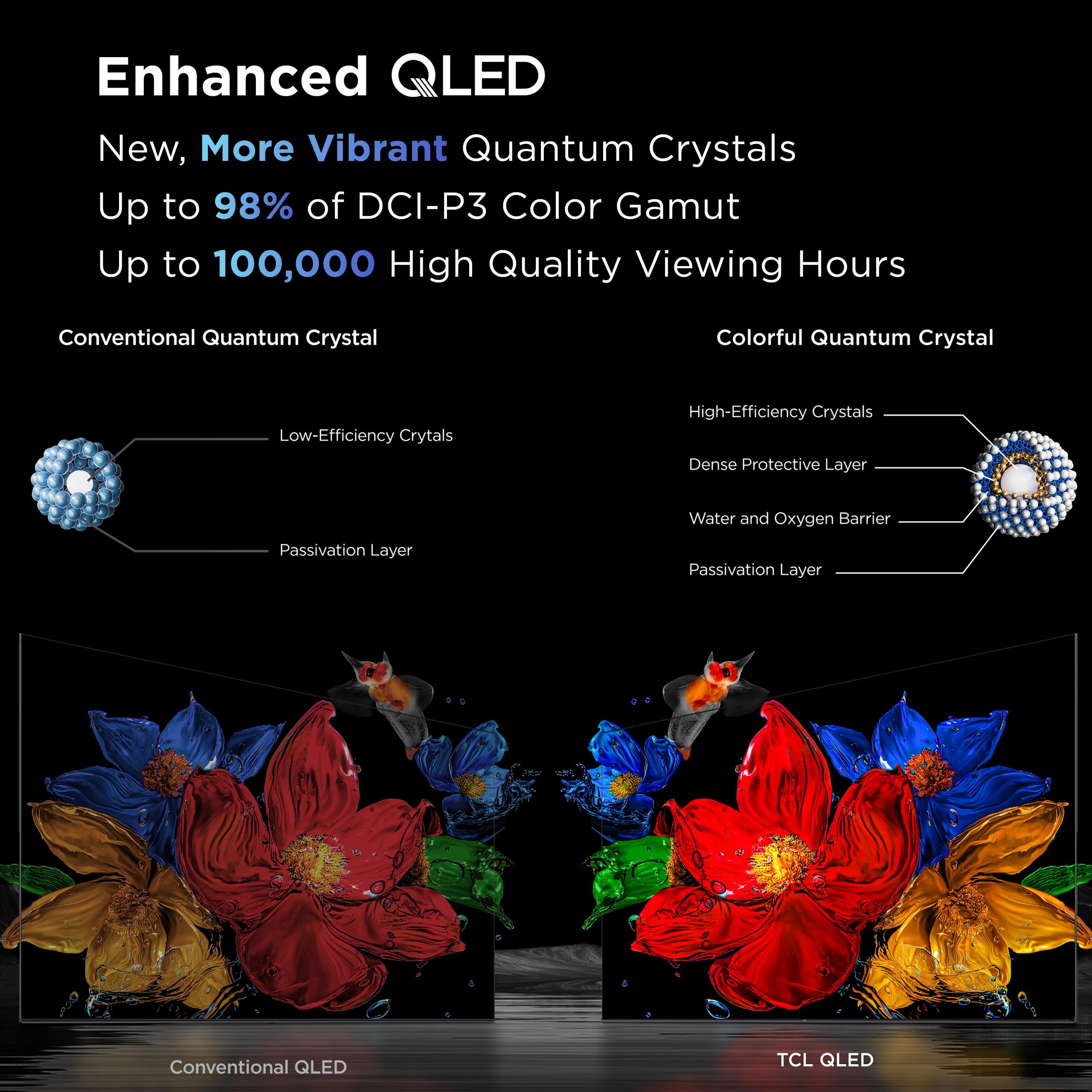
Both represent major technological leaps from older LCD TVs. The quantum dot enhancement in both models means you're getting billions of colors instead of the millions that standard displays produce. This translates to more realistic skin tones, more vibrant sunsets, and more accurate color reproduction overall.
Here's where the fundamental difference between these technologies becomes crystal clear. The Sony BRAVIA 8 II achieves what many consider the holy grail of display technology: perfect blacks. When a pixel needs to be black, it simply turns off completely. No light leakage, no compromises—just perfect darkness.
In my experience testing various display technologies, this creates an almost three-dimensional viewing experience. When watching a movie with space scenes, the stars appear to float against an inky void that looks genuinely black, not the dark gray you might see on lesser displays.
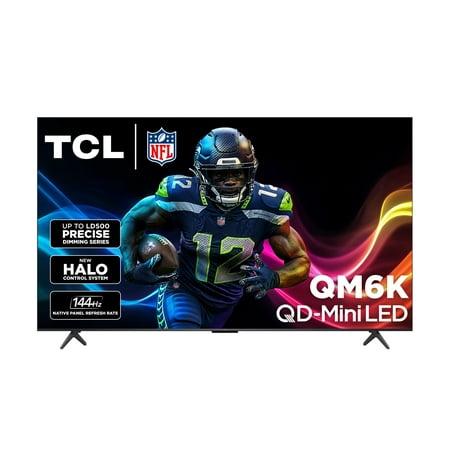
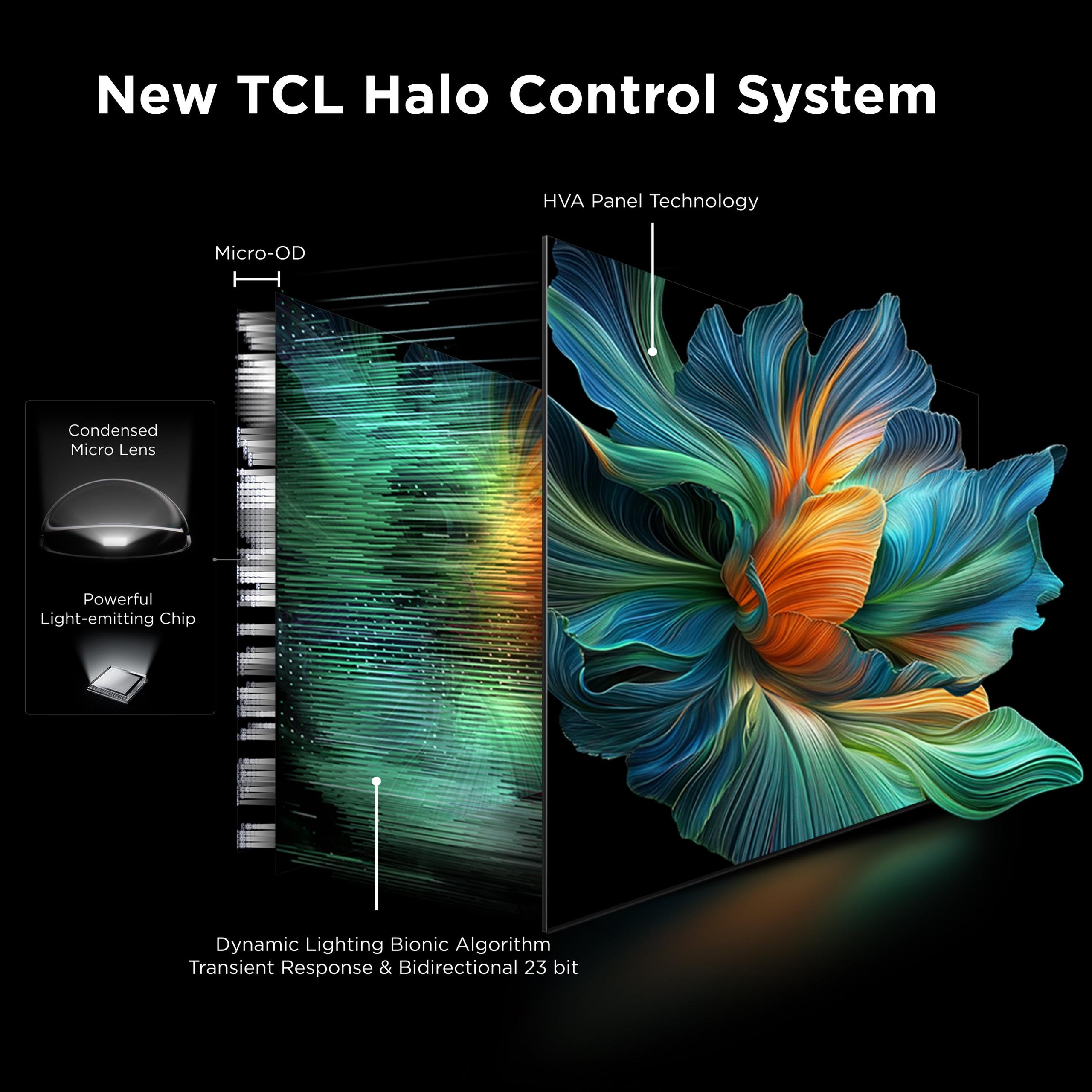
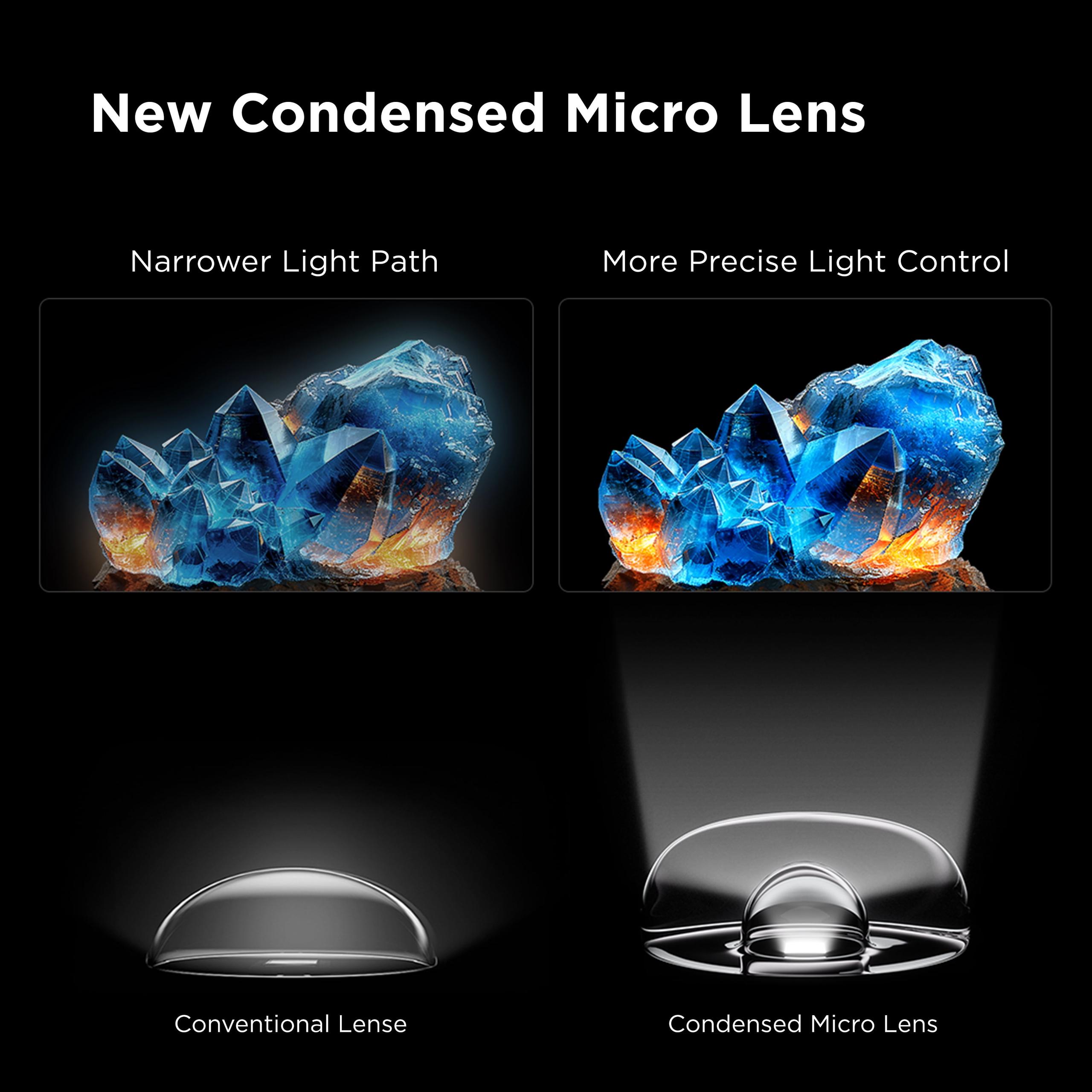
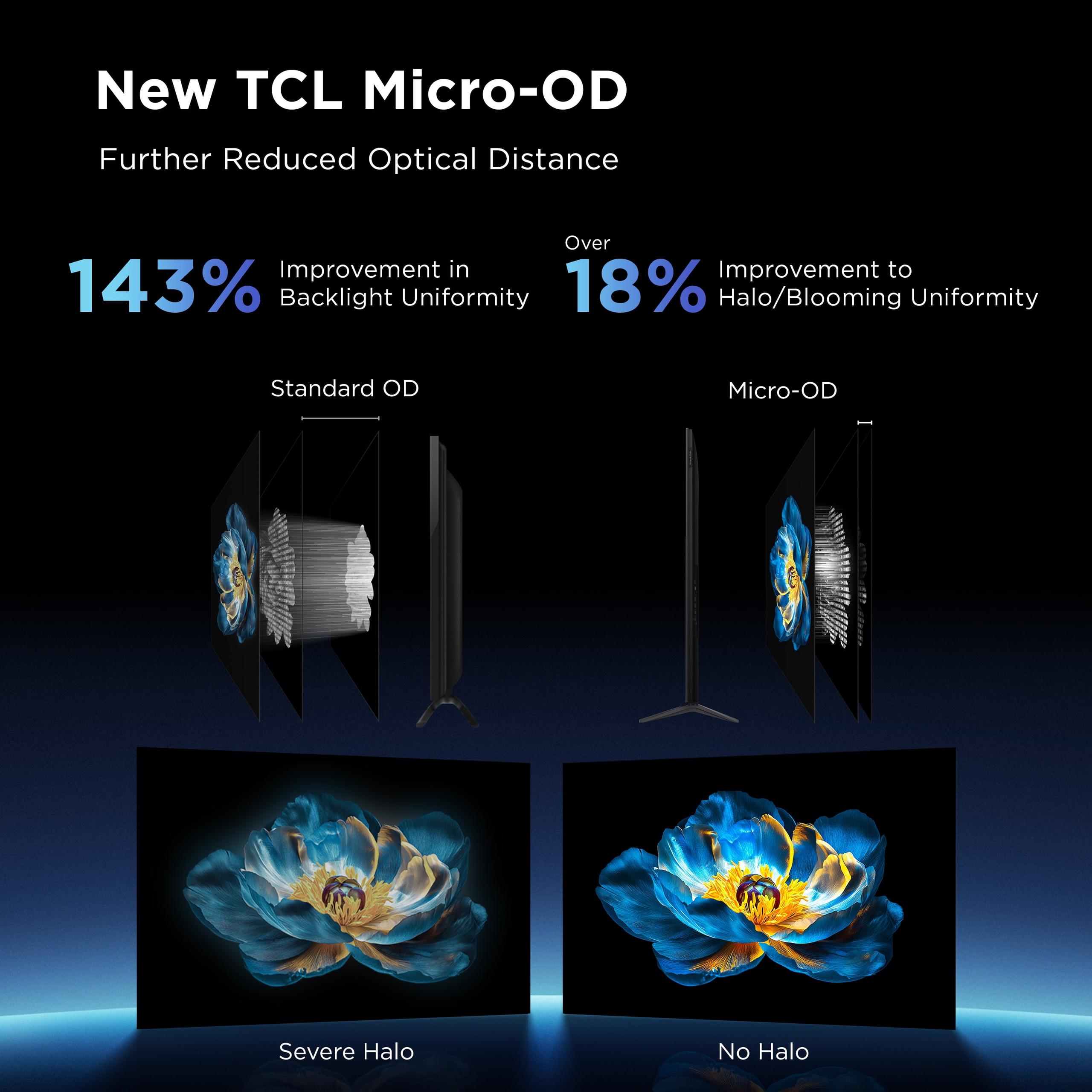
The TCL QM6K takes a different approach with its 500 local dimming zones. While it can't achieve pixel-perfect blacks, it comes remarkably close for a fraction of the price. TCL's implementation includes what they call "Halo Control System"—technology specifically designed to minimize the blooming effect (where bright objects create halos of light in dark areas).
In practical terms, the Sony will give you that "wow" factor in dark room viewing, while the TCL delivers impressive contrast that's perfectly satisfying for most viewers, especially considering the massive price difference.
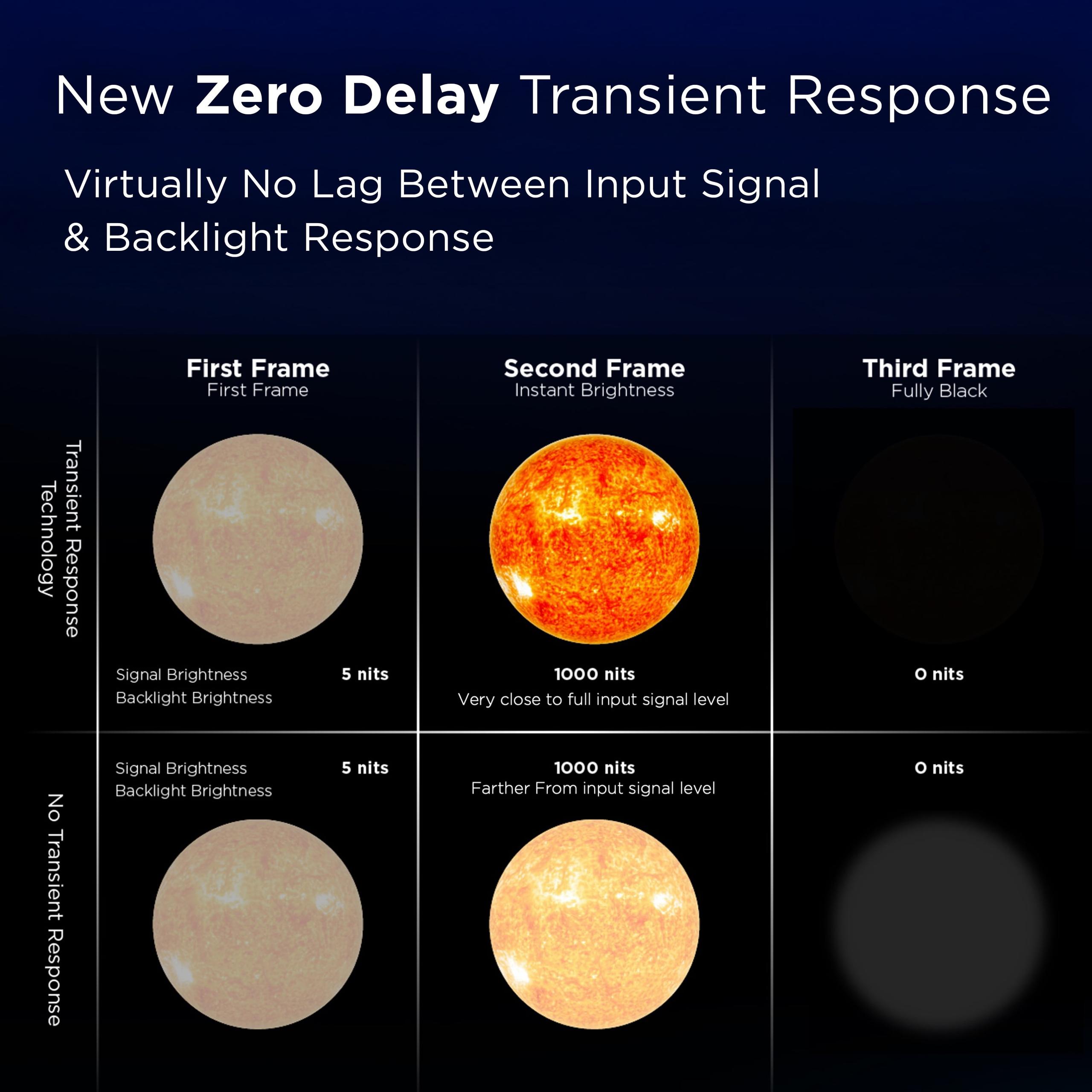
This is where the tables turn significantly. The TCL QM6K can push much higher peak brightness levels than the Sony BRAVIA 8 II, making it superior for bright room viewing. While Sony's QD-OLED panel reaches about 1,880 nits—which is 25% brighter than their previous flagship OLEDs—the TCL can push even higher peaks when needed.
HDR (High Dynamic Range) content really showcases these differences. HDR is like having a much wider range of brightness levels, from deeper blacks to brighter whites, creating more realistic images. Both TVs support Dolby Vision, HDR10+, and other premium formats, but they handle them differently.
The Sony BRAVIA 8 II delivers more nuanced HDR performance with its superior processing. Sony's XR Processor with AI Scene Recognition analyzes content in real-time, adjusting not just brightness but color and contrast based on what's happening on screen. Watching a nature documentary, it might enhance the greens in forest scenes while ensuring skin tones remain natural.
The TCL QM6K brings more raw brightness power to HDR content, which can make those sunny outdoor scenes really pop. If you're watching in a bright living room with lots of windows, this extra brightness becomes crucial for maintaining image quality.
Sony has long been considered the gold standard for color accuracy, and the BRAVIA 8 II continues this tradition. Their XR Triluminos Max technology, combined with the QD-OLED panel's inherent color capabilities, produces what many consider reference-quality color reproduction. This means colors look exactly as the content creators intended.
The processing power here is genuinely impressive. Sony's Reality Creation technology can take lower-quality content and enhance it remarkably well. Streaming an older TV show or watching a Blu-ray of a classic film, you'll notice enhanced detail and clarity that wasn't originally there.
The TCL QM6K includes their AiPQ Pro processor, which provides solid upscaling and color enhancement. While not quite at Sony's level of sophistication, it punches well above its weight class. For the price point, the color accuracy and processing are genuinely impressive.
Modern gaming demands have pushed TV manufacturers to prioritize gaming features, and both models deliver, albeit differently.
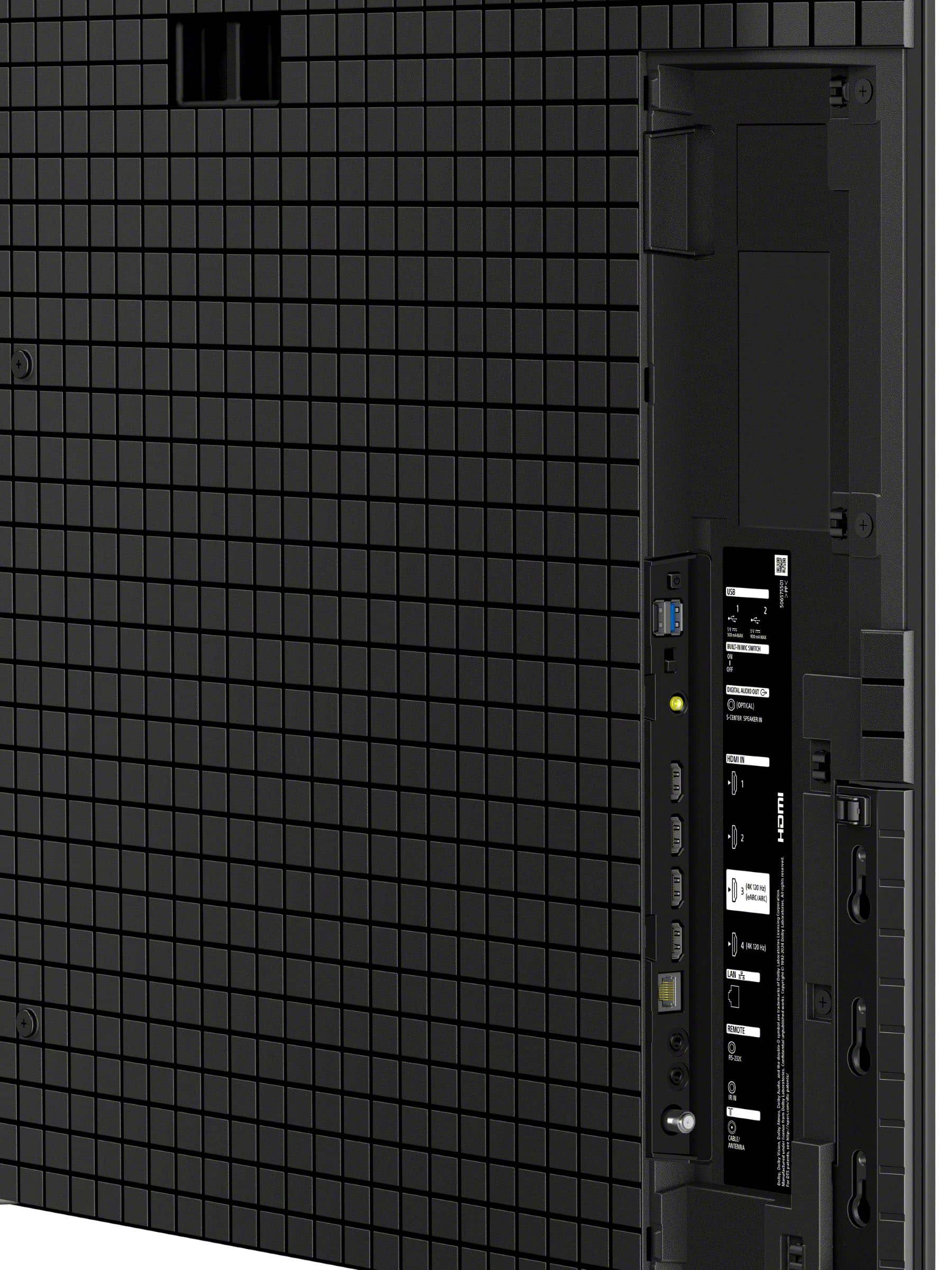
The TCL QM6K is clearly designed with gamers in mind. Its native 144Hz refresh rate exceeds most gaming content requirements, and the Game Accelerator 288 technology can push variable refresh rates up to 288Hz in specific gaming scenarios. More importantly, it includes four HDMI 2.1 ports, meaning you can connect multiple gaming consoles, a PC, and other devices without constantly switching cables.
Input lag—the delay between your controller input and the screen response—is crucial for competitive gaming. The TCL QM6K achieves very low input lag in Game Mode, making it excellent for fast-paced gaming where every millisecond counts.
The Sony BRAVIA 8 II takes a more cinematic approach to gaming. While it only offers two HDMI 2.1 ports and has slightly higher input lag, it delivers superior HDR gaming visuals and color accuracy. Playing single-player, story-driven games becomes an almost cinematic experience thanks to the perfect blacks and superior color processing.
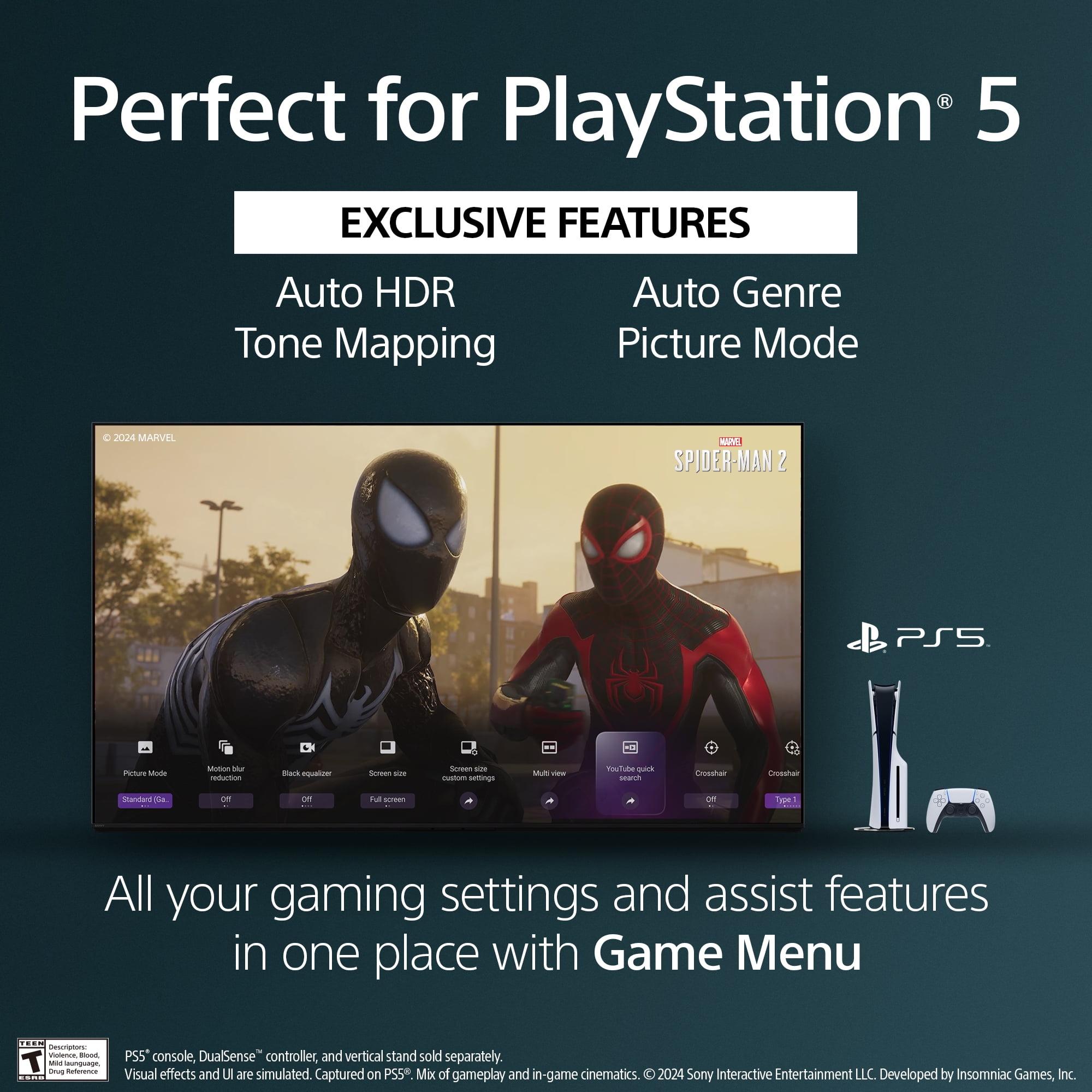
For PlayStation owners, Sony includes exclusive BRAVIA XR features that enhance the gaming experience when paired with PlayStation consoles. This integration goes beyond simple compatibility—it's genuine optimization between Sony's gaming and display divisions.
TV audio has improved dramatically in recent years, and both models include impressive built-in sound systems that can reduce or eliminate the need for external speakers for many users.
The Sony BRAVIA 8 II features Acoustic Surface Audio+ technology, which is genuinely innovative. The entire OLED panel acts as a speaker, with actuators behind the screen creating sound that appears to come directly from the action on screen. When a character speaks, their voice seems to emanate from their mouth rather than from speakers below or to the side of the screen.
This creates a remarkably immersive experience, especially for dialogue-heavy content. The system includes dual subwoofers for bass response, and Sony's Voice Zoom 3 technology uses AI to enhance dialogue clarity even during loud action sequences.
The TCL QM6K includes a 2.1 channel Onkyo speaker system with a dedicated subwoofer. While more traditional in approach, it delivers solid performance with good bass response and clear dialogue. The Dolby Atmos support helps create a sense of height and dimensionality in the sound.
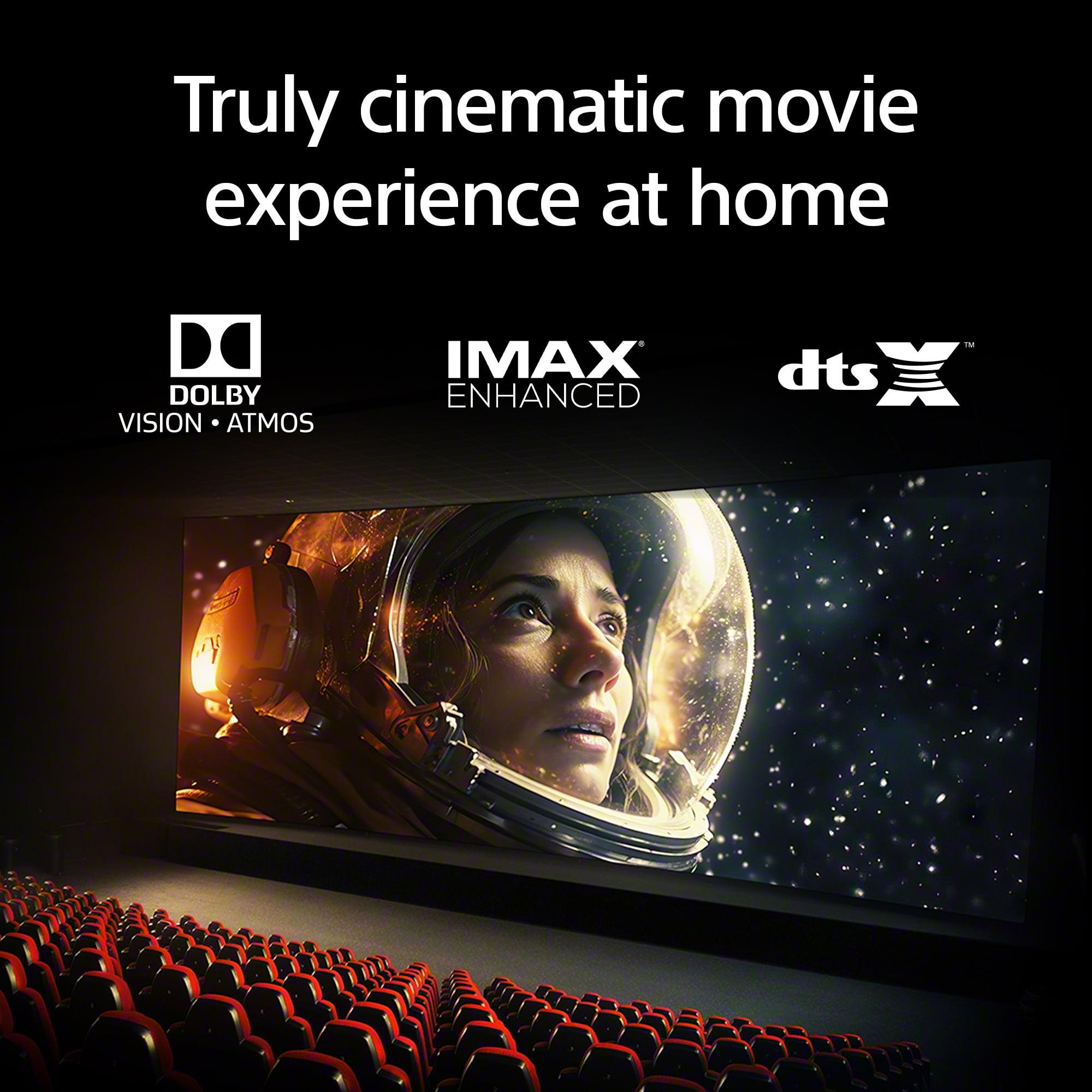
Both systems support advanced audio formats including Dolby Atmos and DTS:X, ensuring compatibility with premium streaming content and Blu-ray discs.
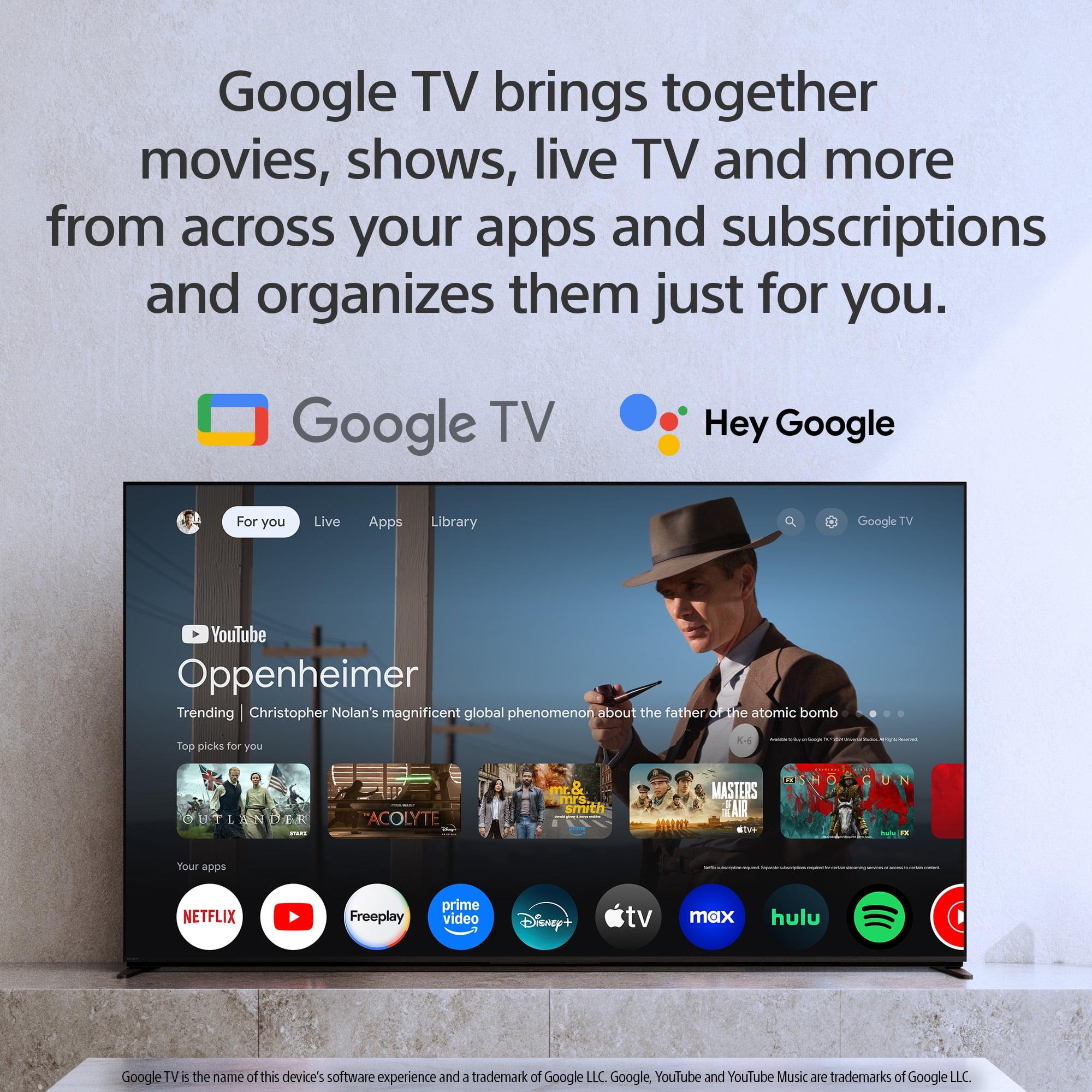
Both TVs run Google TV, providing identical smart platform experiences. This means the same app selection, the same interface, and the same built-in Google Assistant functionality. The platform provides access to all major streaming services with a clean, easy-to-navigate interface.
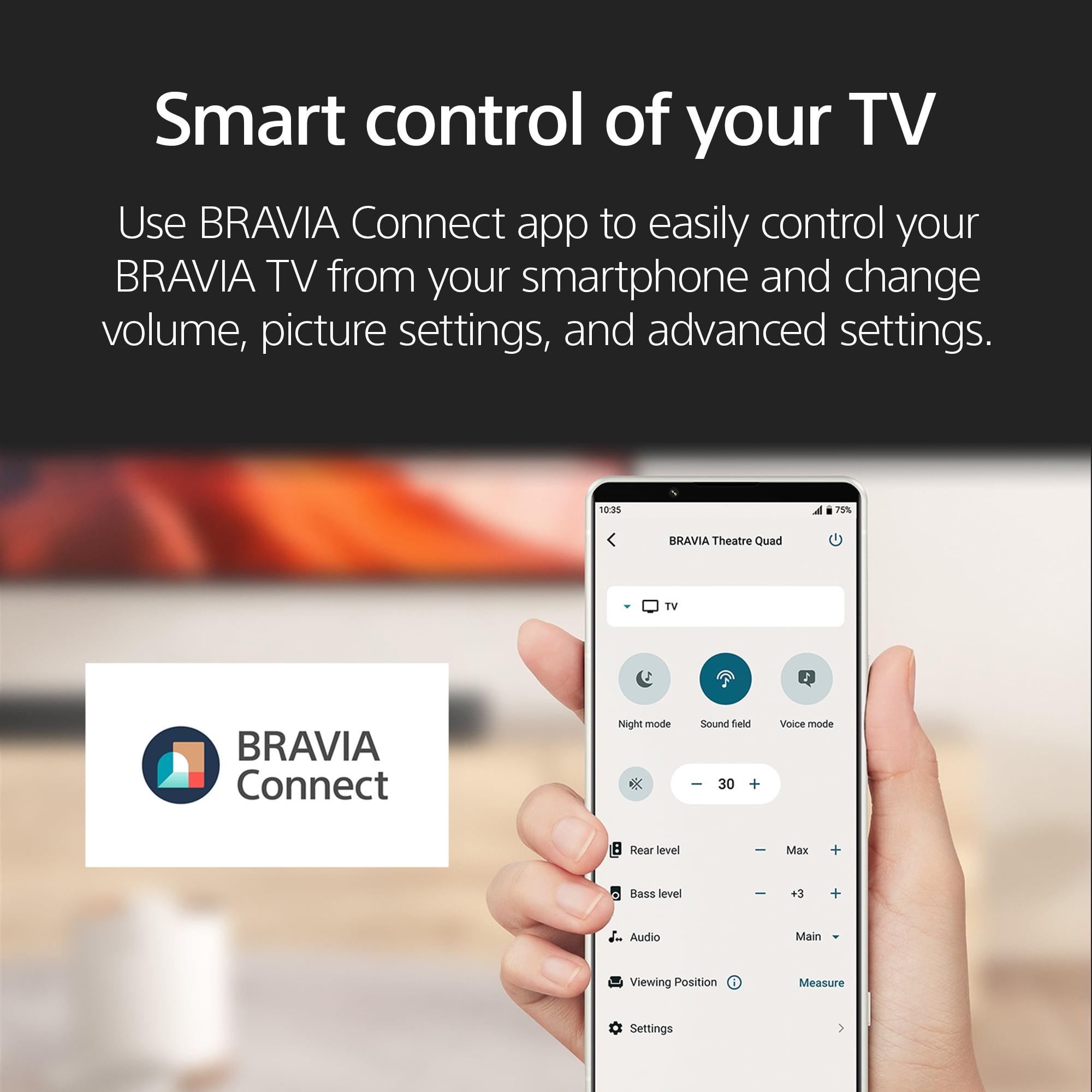
Where they differ is in the remote control and quick settings. Sony's remote includes dedicated buttons for popular streaming services and provides quick access to picture adjustment menus. The BRAVIA 8 II also includes Sony's BRAVIA Connect app, which allows smartphone control and advanced picture adjustments.
Both support Apple AirPlay 2 and Google Cast for streaming from mobile devices, making them equally capable as smart TV platforms.
This consideration often gets overlooked but becomes crucial over a TV's 7-10 year lifespan. OLED technology, including the QD-OLED panel in the Sony BRAVIA 8 II, has potential burn-in concerns with static content displayed for extended periods. However, Sony has implemented improved pixel-refreshing algorithms and burn-in mitigation techniques that significantly reduce this risk compared to earlier OLED generations.
For most viewers with varied content consumption, burn-in shouldn't be a concern. However, if you plan to use the TV as a computer monitor or frequently watch news channels with static logos, it's worth considering.
The TCL QM6K uses traditional LCD technology with LED backlighting, eliminating burn-in concerns entirely. This makes it a worry-free choice for any usage pattern, including as a computer monitor or digital signage.
For dedicated home theater setups, several factors become particularly important. Room lighting control, seating arrangement, and audio integration all play crucial roles.
The Sony BRAVIA 8 II excels in controlled lighting environments. In a dedicated theater room with blackout curtains and optimized seating, the perfect blacks and superior color accuracy create an almost cinema-quality experience. The wide viewing angles mean every seat in the room gets excellent picture quality, not just the center sweet spot.
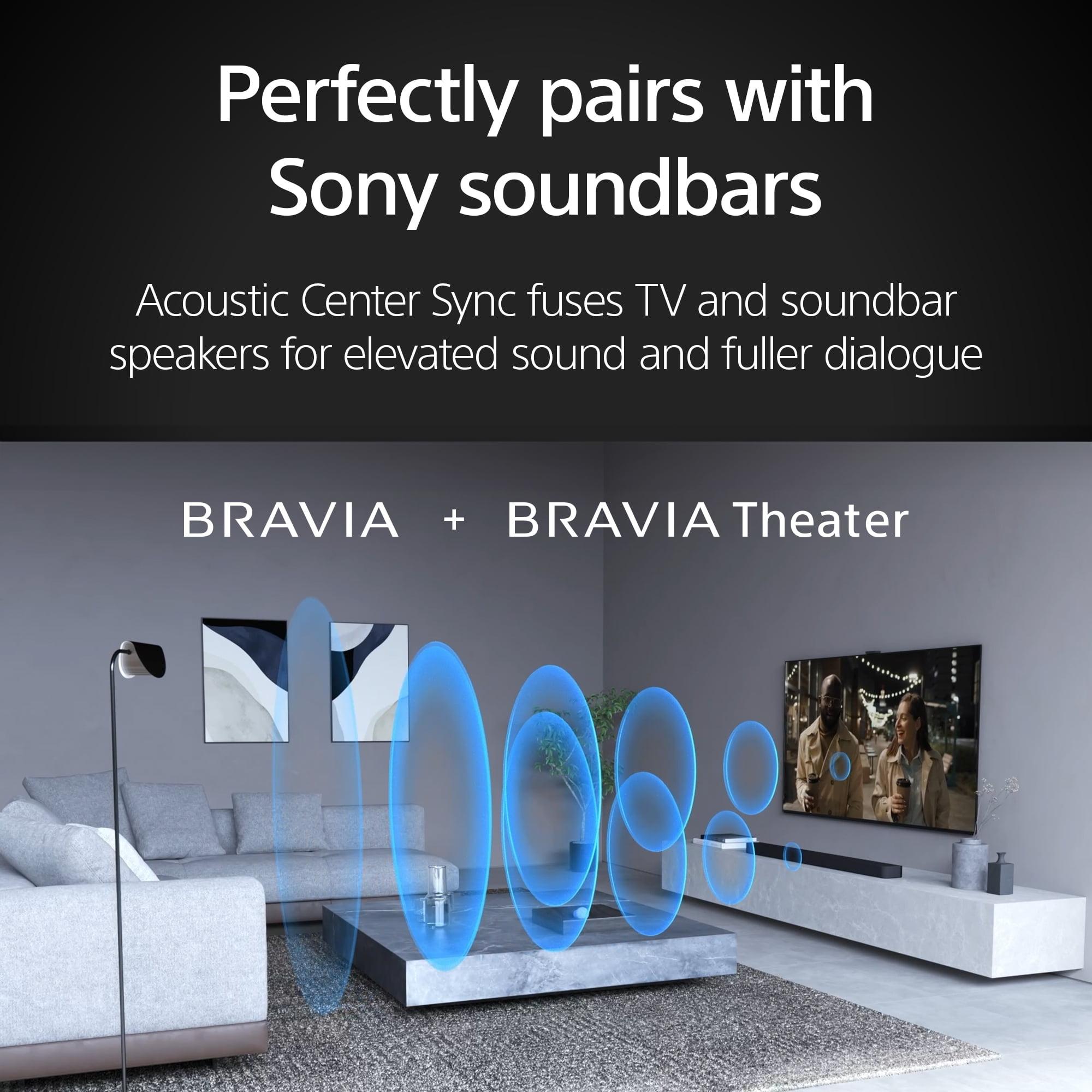
Sony's Acoustic Center Sync technology allows the TV to work as a center channel speaker when paired with compatible BRAVIA Theater soundbars, creating a more cohesive surround sound experience.
The TCL QM6K works well in home theater settings too, especially if you need higher brightness levels or prefer the peace of mind that comes with no burn-in risk. The multiple HDMI 2.1 ports become valuable in theater setups with multiple source devices.
This is where the comparison becomes fascinating from an economic perspective. The Sony BRAVIA 8 II at $3,098 delivers undeniably superior picture quality, processing, and overall refinement. However, the TCL QM6K at $699-999 provides roughly 85-90% of the Sony's performance at less than one-third the price.
For many buyers, that value proposition is compelling. The TCL delivers genuinely premium features—quantum dot color enhancement, mini-LED backlighting, 144Hz gaming, and premium HDR support—at a price point that was unimaginable just a few years ago.
The Sony represents the absolute pinnacle of current OLED technology, with refinements and processing capabilities that justify the premium for those who prioritize ultimate picture quality.
Choose the Sony BRAVIA 8 II if you're building a dedicated home theater, prioritize absolute picture quality over cost, have controlled lighting in your viewing room, and value wide viewing angles for family or group viewing. The superior processing, perfect blacks, and refined color accuracy make it worth the premium for serious enthusiasts.
Choose the TCL QM6K if you want flagship features at a mainstream price, have a bright living room with lots of natural light, prioritize gaming performance with multiple HDMI 2.1 ports, prefer zero burn-in risk, or simply want the best value in premium TV technology.
Both represent excellent choices in their respective categories. The decision ultimately comes down to whether you value absolute picture quality performance or exceptional price-to-performance ratio. Either way, you're getting access to display technology that would have been science fiction just a decade ago.

Privacy Policy
Terms and Conditions - Affiliate Policy
Home Security
© Copyright 2008-2026.
11816 Inwood Rd #1211, Dallas, TX 75244