



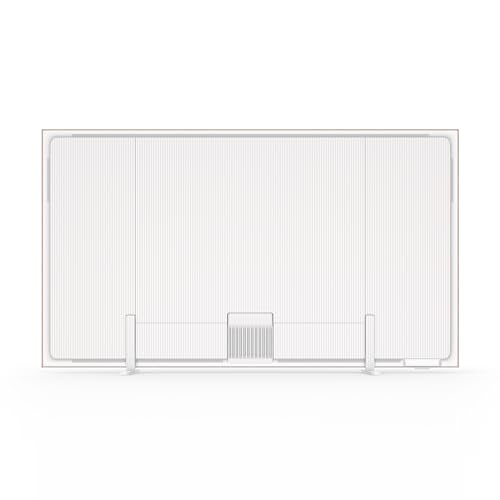
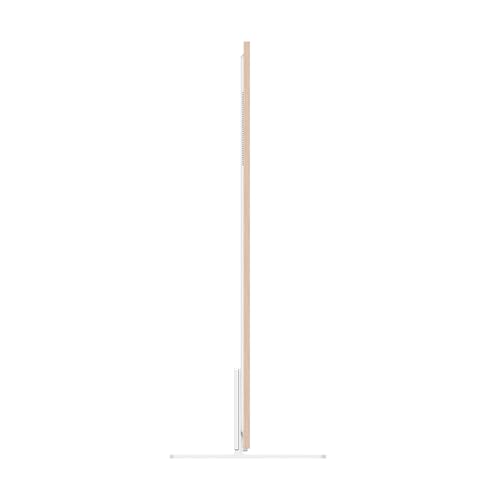
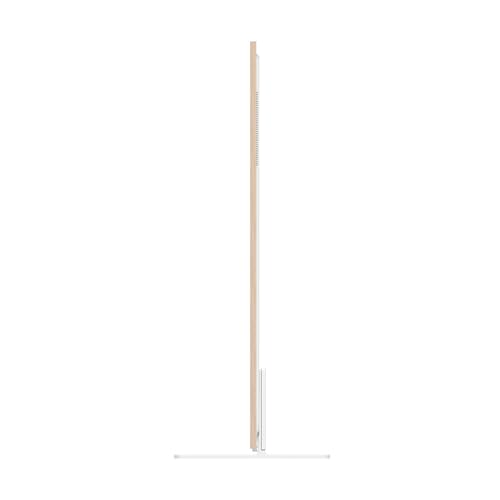
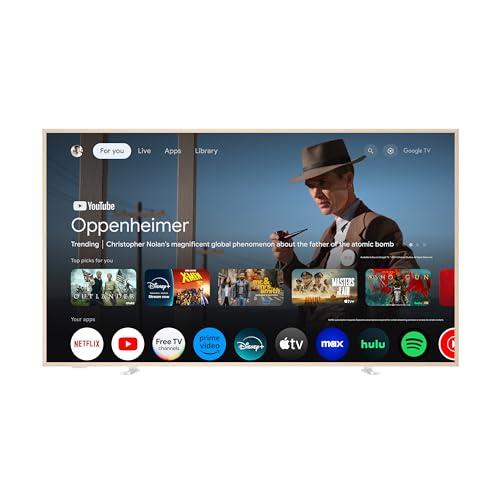
When you're shopping for a 65-inch 4K TV, you might think all premium models serve the same purpose. But the TCL 65" NXTVISION QLED 4K Art Frame TV and Sony BRAVIA 8 II 65" QD-OLED 4K Google TV 2025 represent two completely different philosophies about what a television should be. One wants to disappear into your living room as wall art, while the other demands attention with reference-quality picture performance.
This isn't your typical TV comparison because these products tackle the same screen size but solve different problems. Understanding which approach fits your lifestyle will determine whether you'll be thrilled with your purchase or constantly wishing you'd chosen differently.
The 65-inch TV market hits that perfect sweet spot for most homes – large enough for cinematic immersion without overwhelming your living room. But as TVs have gotten thinner and smarter, manufacturers have started targeting specific lifestyle needs rather than just making bigger, brighter displays.
The key considerations when choosing any premium 65" TV include display technology (how the TV creates its picture), room compatibility (how it performs in your actual viewing environment), primary use case (movies, gaming, or general entertainment), and of course, value proposition. But increasingly, design and room integration have become major factors, especially as TVs have evolved from bulky furniture pieces into slim wall decorations.
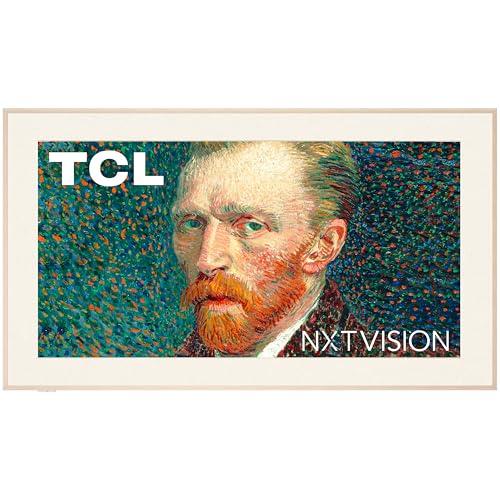
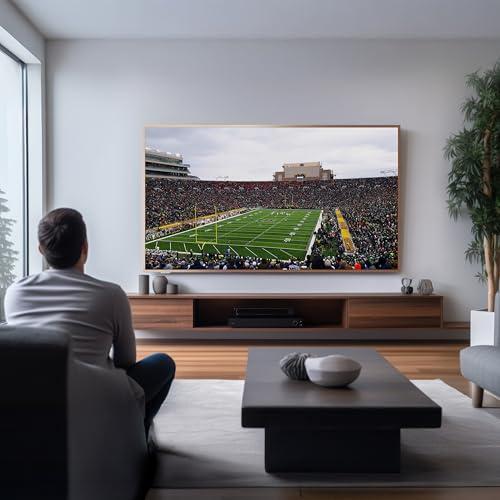
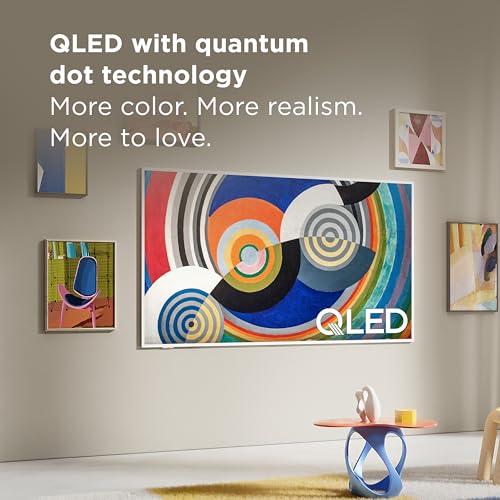
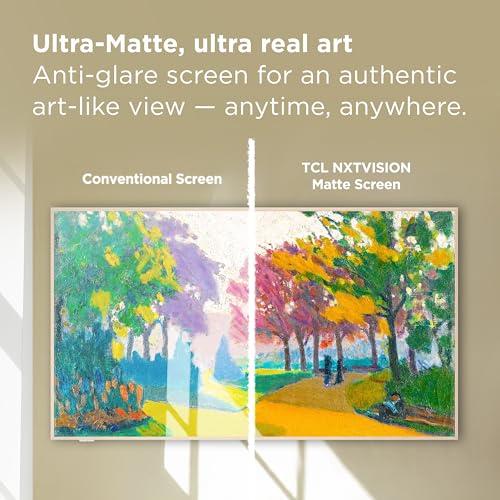
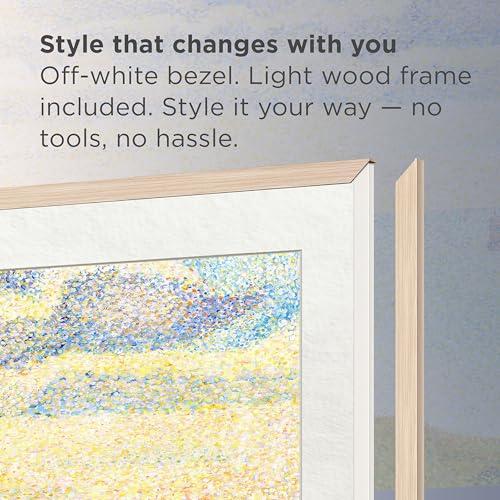
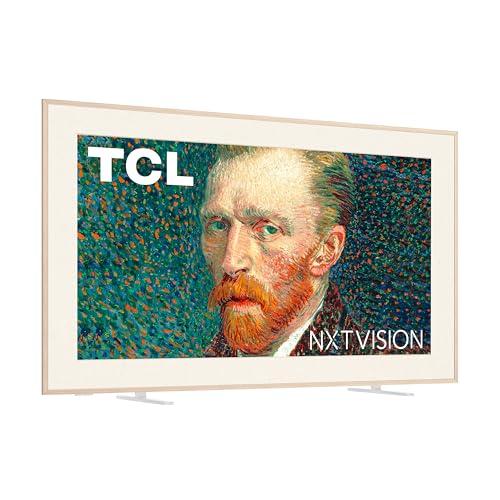
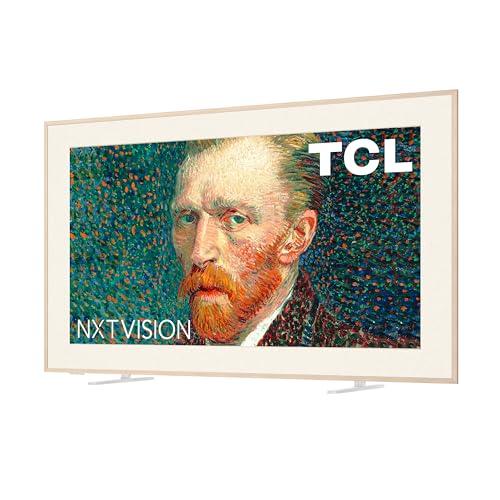
Released in 2024, the TCL NXTVISION represents TCL's answer to Samsung's popular Frame TV. The concept is simple but revolutionary: why should your TV be a black rectangle on the wall when it's not in use? The NXTVISION is designed to function as a digital art display, complete with an ultra-matte screen that mimics canvas and interchangeable frames that make it look like actual artwork hanging in your home.
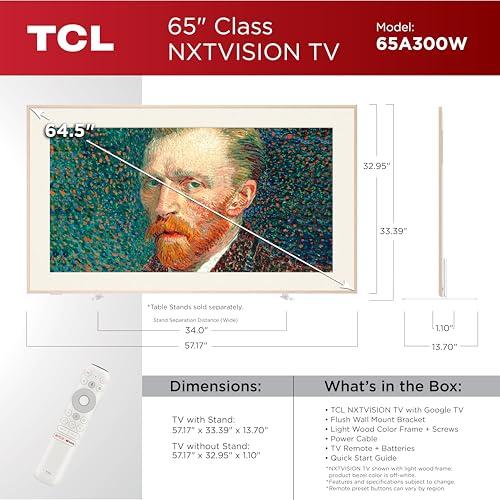
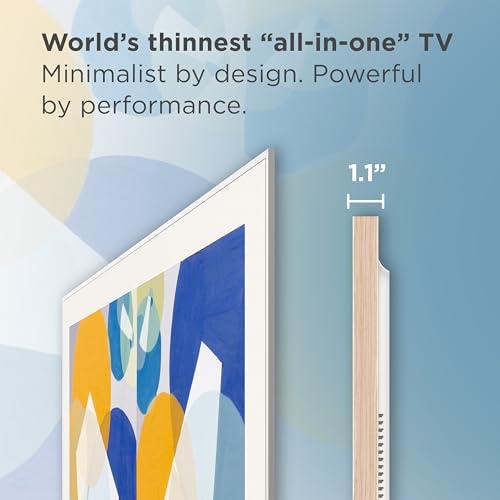
This dual-purpose approach required significant engineering compromises. To achieve its ultra-slim 1.1-inch depth, TCL used edge-lit LED backlighting instead of more advanced full-array local dimming (where LEDs are spread across the entire back of the screen for better contrast control). They also applied a specialized matte coating that virtually eliminates reflections but slightly reduces color vibrancy in dim lighting.
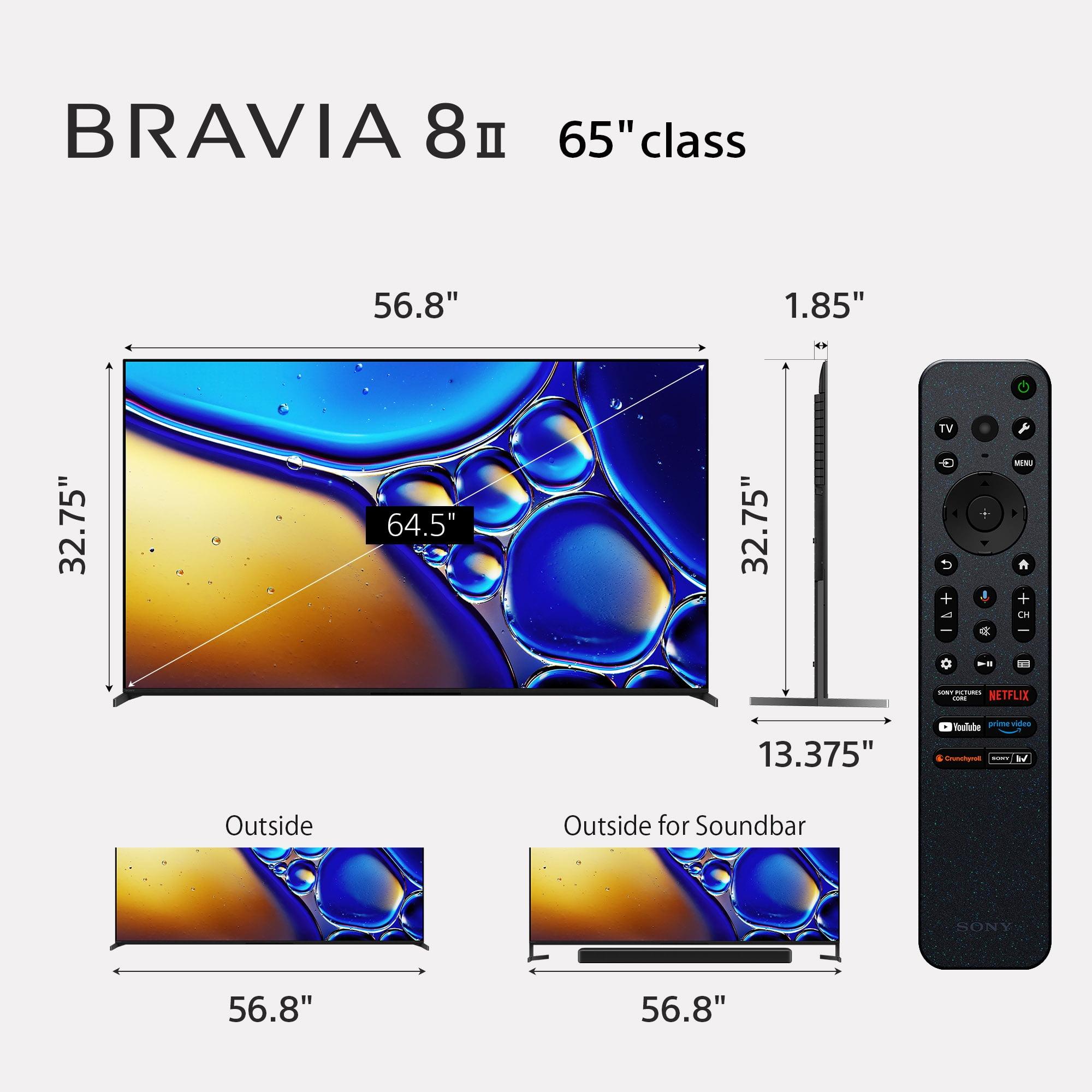
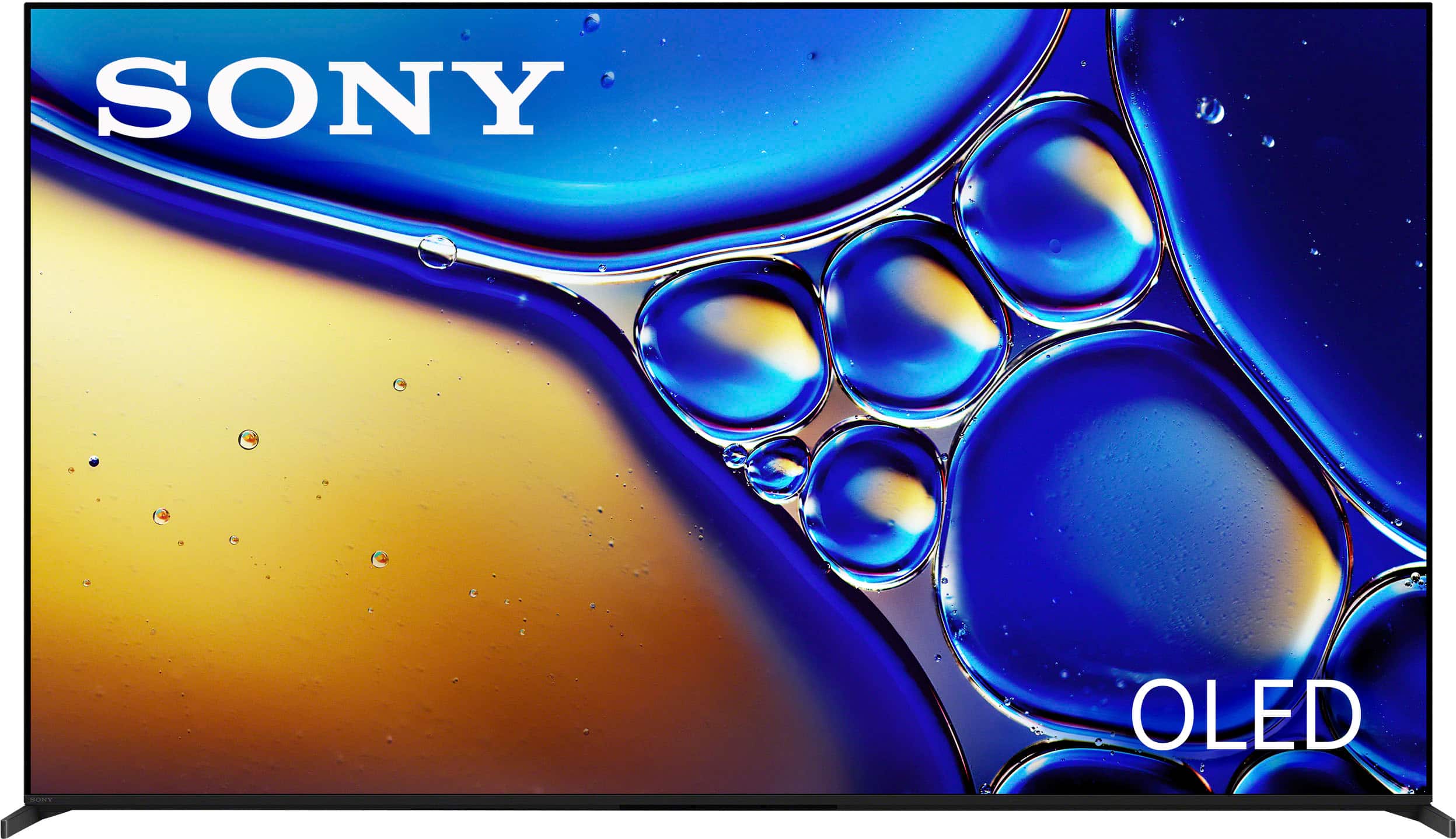
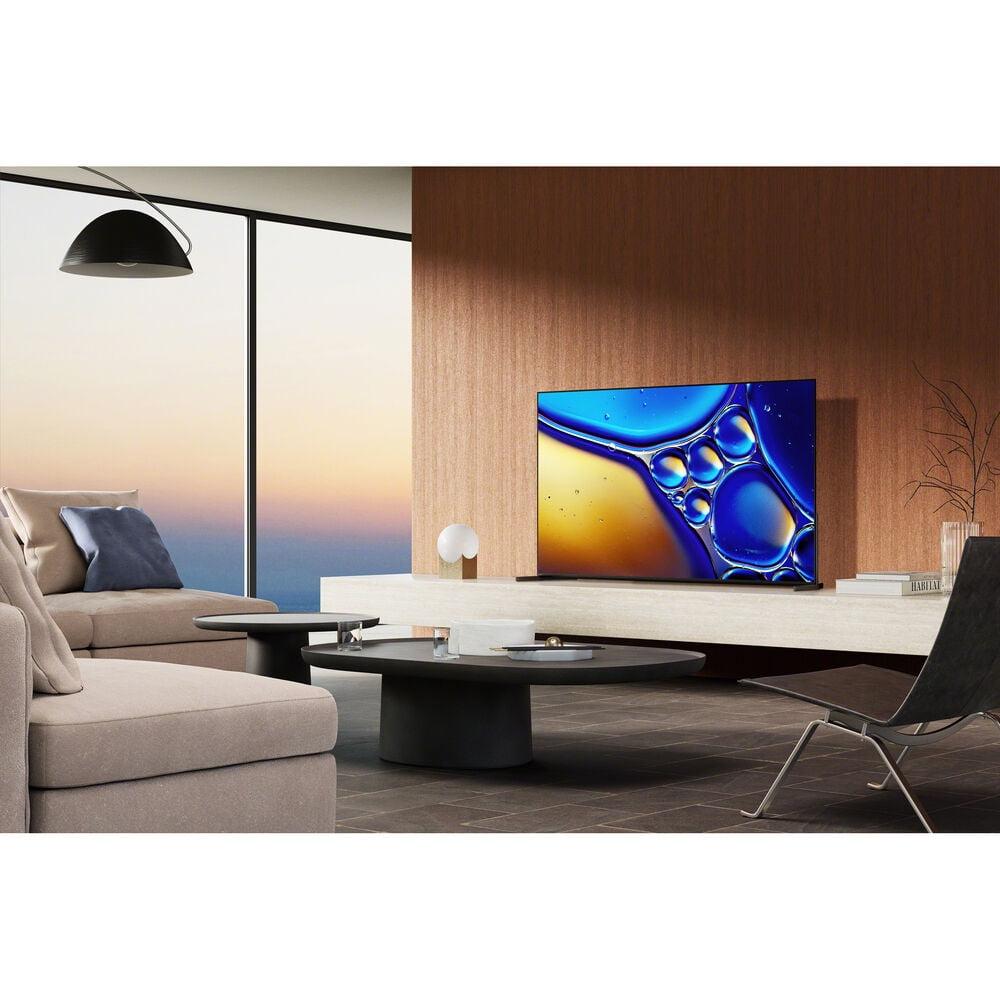
Sony took the opposite approach with their 2025 BRAVIA 8 II, focusing purely on delivering the best possible picture quality. This TV uses QD-OLED technology – a hybrid approach that combines OLED's perfect black levels (each pixel can turn completely off) with quantum dots for enhanced color reproduction and brightness.
The BRAVIA 8 II represents Sony's flagship OLED for 2025, incorporating lessons learned from their acclaimed A95L model. Sony claims this new panel is 25% brighter than its predecessor, addressing OLED's traditional weakness in bright rooms while maintaining the technology's strengths in contrast and color accuracy.
The fundamental difference between these TVs lies in how they create their pictures, and understanding this distinction is crucial for making the right choice.
The NXTVISION uses QLED (Quantum Dot Light Emitting Diode) technology, which is essentially a refined LCD display. Behind the screen, LED lights shine through a layer of quantum dots – microscopic particles that convert blue LED light into precise red and green wavelengths. This creates more accurate colors than traditional LCD TVs, with TCL claiming over 1 billion color variations.
However, because the NXTVISION uses edge-lit LEDs (lights only around the edges of the screen), it can't achieve the deep blacks that make HDR content truly pop. When you're watching a movie with dark scenes, you'll notice the screen appears grayish rather than true black. This is the trade-off for that ultra-thin profile that makes the art mode so convincing.
The real innovation here is the ultra-matte anti-glare coating. Most TVs struggle with reflections from windows or lights, but the NXTVISION's matte surface scatters ambient light so effectively that it remains clearly visible even in direct sunlight. This makes it genuinely useful as an art display during the day.
The Sony BRAVIA 8 II uses QD-OLED, which combines the best aspects of OLED and quantum dot technologies. Each of the 8+ million pixels can turn completely on or off independently, creating perfect blacks and infinite contrast ratios. But unlike traditional OLED panels that use white light filtered through color layers, QD-OLED uses blue OLED emitters combined with quantum dots to create pure red and green light.
This approach delivers several advantages: higher peak brightness (around 1,880 nits compared to traditional OLEDs' 800-1,200 nits), wider color gamut, and better color volume – meaning colors remain vibrant even at high brightness levels. When you're watching HDR content like a Marvel movie, bright explosions will genuinely look bright while maintaining perfect blacks in the shadows.
The downside is that OLED panels are susceptible to burn-in (permanent image retention) if static content like news tickers or game HUDs are displayed for extended periods. Modern OLEDs have mitigation features, but it's still a consideration for certain use cases.
This is where the philosophical differences become most apparent. The TCL NXTVISION was specifically engineered for bright rooms. Its ultra-matte coating doesn't just reduce reflections – it virtually eliminates them. You can place this TV directly across from a large window, and the screen will remain clearly visible throughout the day. This is essential for its art display function, but it also means excellent daytime TV watching.
The Sony BRAVIA 8 II, despite being much brighter than previous OLEDs, still uses a glossy screen that reflects ambient light. In bright rooms, you'll see reflections of windows, lamps, and even yourself on the screen. While the increased brightness helps overcome some ambient light, it can't match the NXTVISION's reflection resistance.
However, there's a trade-off. The NXTVISION's matte coating slightly diffuses the image, making colors appear less saturated in dim lighting. It's a worthwhile compromise for the art TV concept, but it means the Sony will look more vibrant when room lighting is controlled.
In a darkened home theater, the Sony BRAVIA 8 II absolutely dominates. OLED's ability to produce perfect blacks creates an almost three-dimensional image quality that LCD-based displays simply cannot match. When watching movies like "Blade Runner 2049" or "Mad Max: Fury Road," dark scenes reveal subtle details in shadows while bright highlights retain their impact without washing out surrounding areas.
The BRAVIA 8 II's color accuracy is also exceptional. Sony's XR Triluminos Max technology, combined with the QD-OLED panel's wide color gamut, produces colors that look natural rather than oversaturated. Skin tones appear realistic, grass looks genuinely green, and sunset scenes have that warm, golden quality you'd see in real life.
The NXTVISION, while competent for general viewing, cannot compete in this scenario. Its edge-lit backlight creates some uniformity issues in dark scenes, and the matte coating reduces the color depth that makes HDR content impressive. It's perfectly watchable, but it won't provide that cinematic "wow factor" that justifies a premium TV purchase.
Both TVs support modern gaming features, but with different strengths. The NXTVISION offers impressive specifications on paper: 120Hz native refresh rate with support for up to 144Hz Variable Refresh Rate (VRR), and the ability to display 4K content at 144Hz or 1080p at 240Hz. For competitive esports gaming where every frame counts, these higher refresh rates can provide a measurable advantage.
The TV also includes AMD FreeSync Premium certification, which synchronizes the display's refresh rate with compatible graphics cards to eliminate screen tearing. Auto Low Latency Mode (ALLM) automatically switches to a low-lag gaming mode when it detects a console or PC input.
However, the Sony BRAVIA 8 II offers advantages that specifications don't capture. OLED panels have near-instantaneous response times – pixels can change from black to white in under 1 millisecond. This eliminates motion blur during fast-paced games, making it easier to track enemies or react to quick movements. The perfect contrast also helps with spotting details in dark areas of games like "Call of Duty" or "Apex Legends."
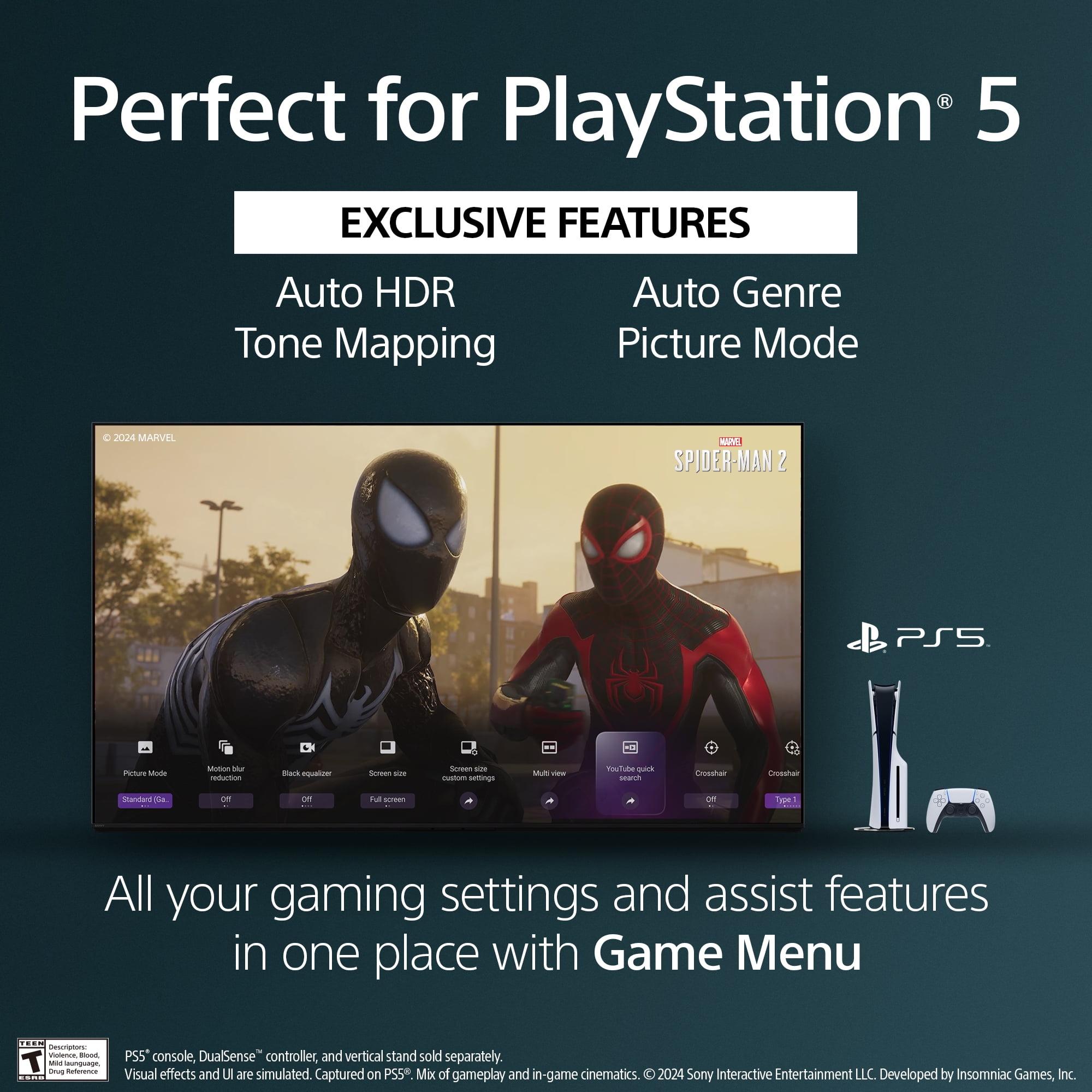
The Sony supports 4K gaming at 120Hz, VRR, ALLM, and even Dolby Vision gaming – a newer standard that improves HDR gaming experience. While it doesn't match the NXTVISION's higher refresh rates, most console gamers will find 120Hz more than sufficient, and the superior image quality makes games look significantly better.
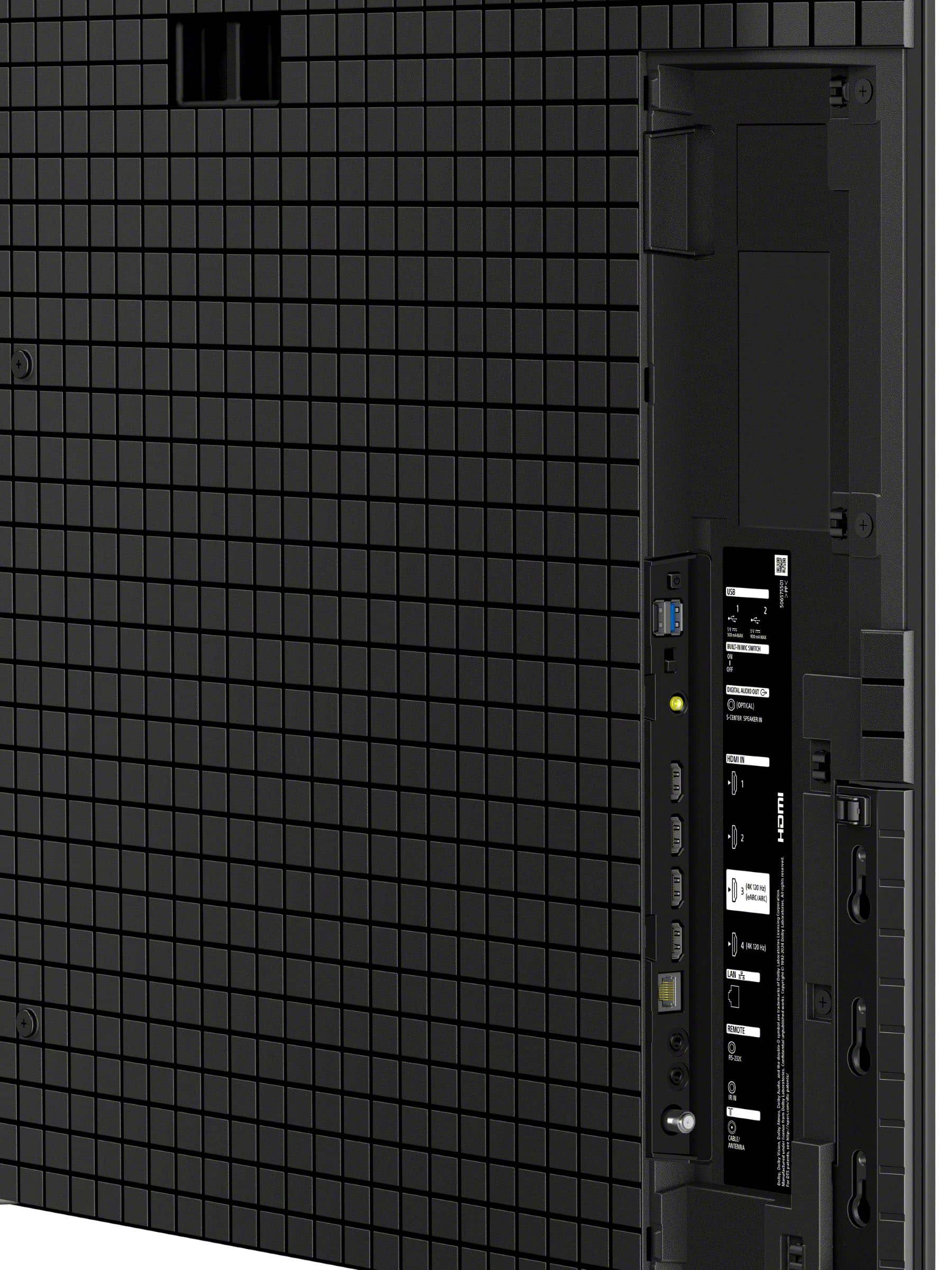
One limitation for both TVs is that they only include two HDMI 2.1 ports out of four total. If you plan to connect multiple gaming devices, a high-end soundbar, and other equipment, you might find yourself port-limited.
Audio represents another area where Sony's premium positioning shows. The BRAVIA 8 II uses Acoustic Surface Audio+, a technology that vibrates the entire screen to produce sound. This creates better audio-visual alignment – dialogue appears to come directly from characters' mouths rather than from speakers below the screen.
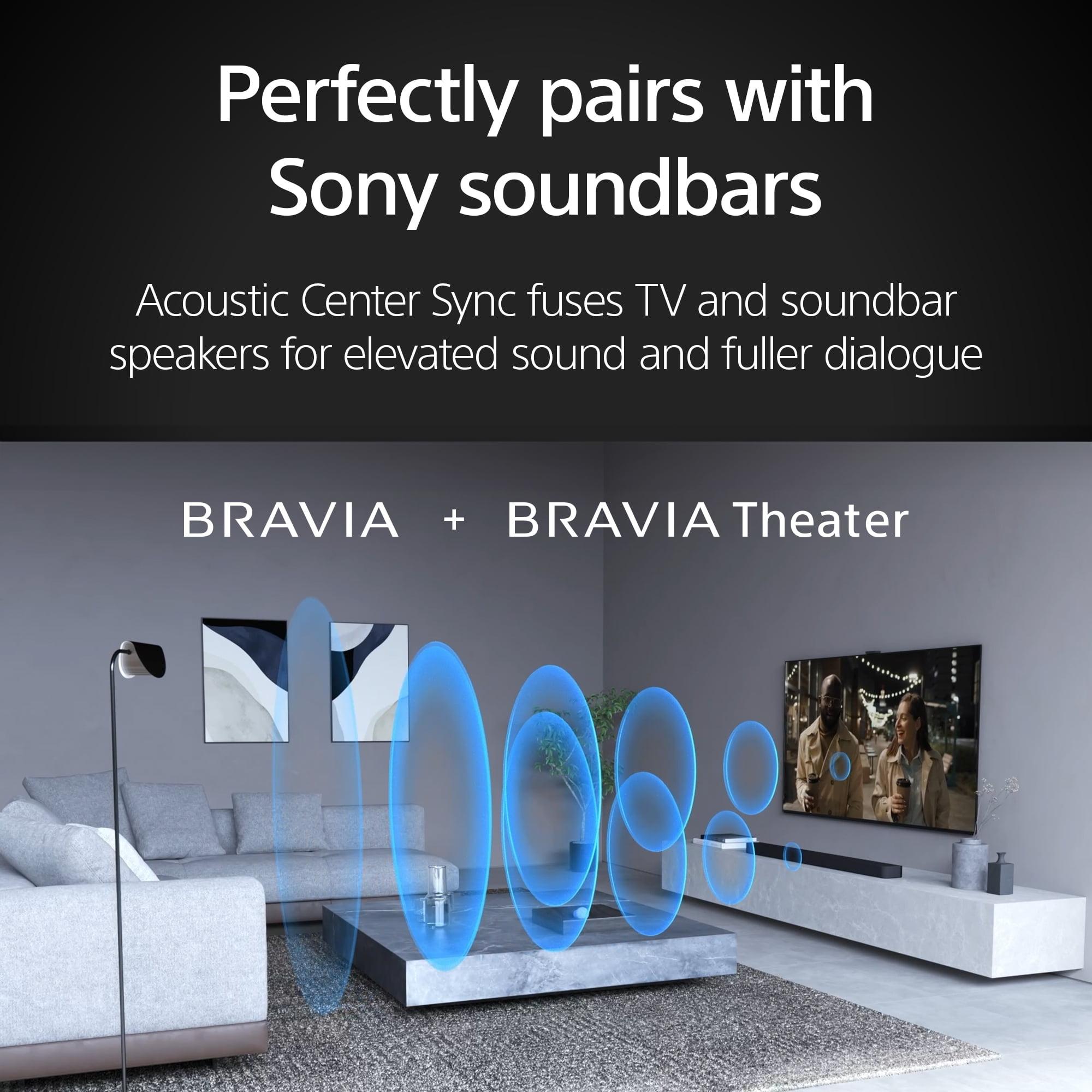
Sony also includes an S-Center input, allowing the TV to function as a dedicated center channel when paired with compatible Sony soundbars. This is particularly valuable for home theater setups, as it can improve dialogue clarity while maintaining surround sound effects from external speakers.
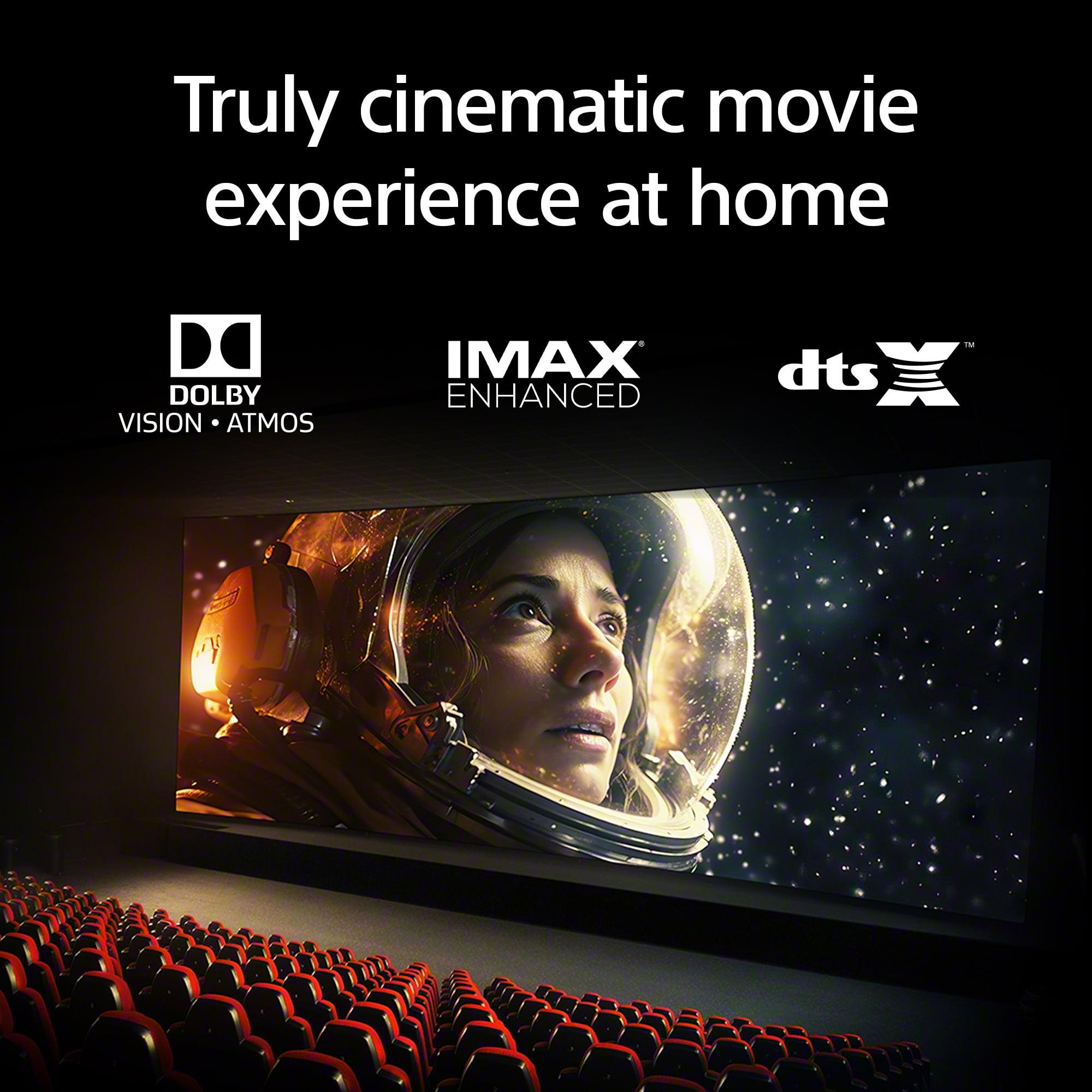
The NXTVISION includes a more conventional 20-watt speaker system (two 10-watt drivers) with support for Dolby Atmos and DTS:X surround sound formats. It also features Enhanced Dialogue Mode to boost speech clarity. While adequate for casual viewing, it lacks the innovation and integration capabilities of Sony's approach.
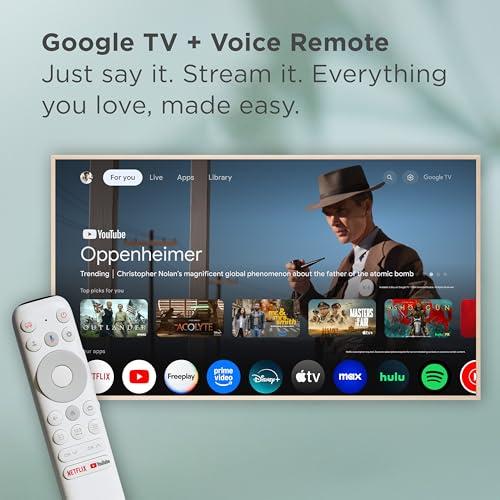
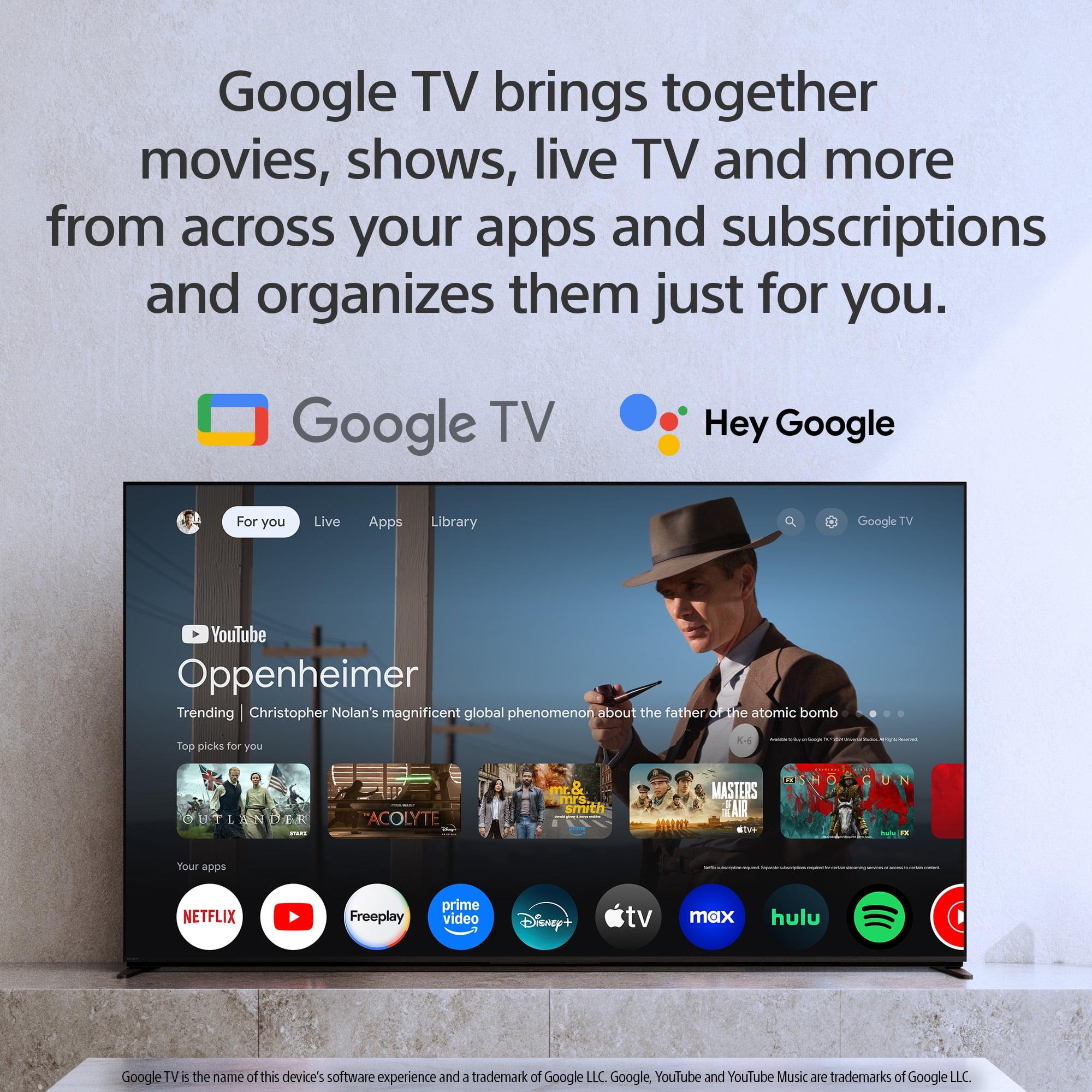
Both TVs run Google TV OS, providing access to the same streaming apps and voice control features. However, their implementations differ based on their target audiences.
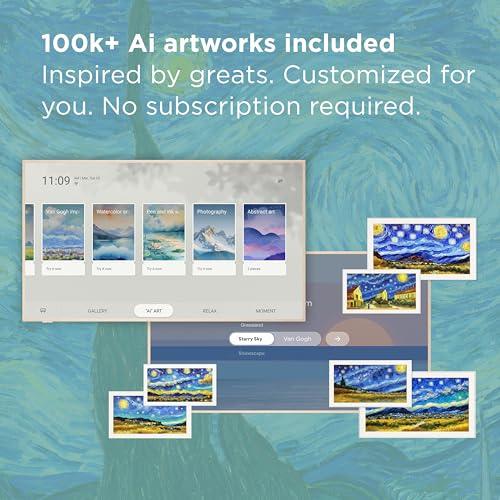
The NXTVISION emphasizes the art display features. The curated art library includes over 400 professionally selected pieces, while AI art generation can create over 100,000 unique images based on your preferences. Personal photo gallery mode lets you display your own pictures with various matte finish options to mimic different art styles.
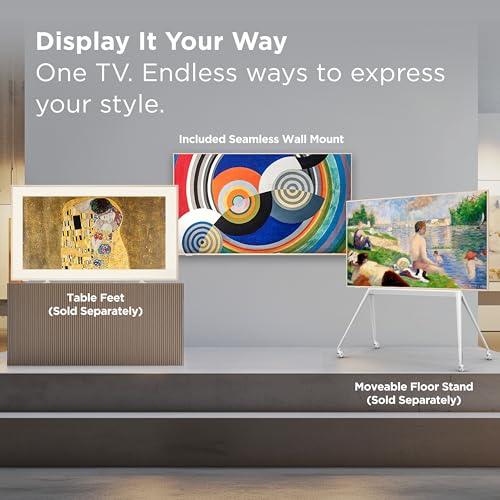
The TV includes interchangeable magnetic frames – a light wood option comes included, with additional colors available separately. The flush wall mount is also included, making the complete art TV experience accessible without additional purchases.
The Sony BRAVIA 8 II focuses on content optimization. Its XR Processor with AI Scene Recognition automatically adjusts picture settings based on content type – recognizing whether you're watching a nature documentary, action movie, or sports broadcast and optimizing accordingly. This hands-off approach appeals to users who want the best possible picture without manual tweaking.
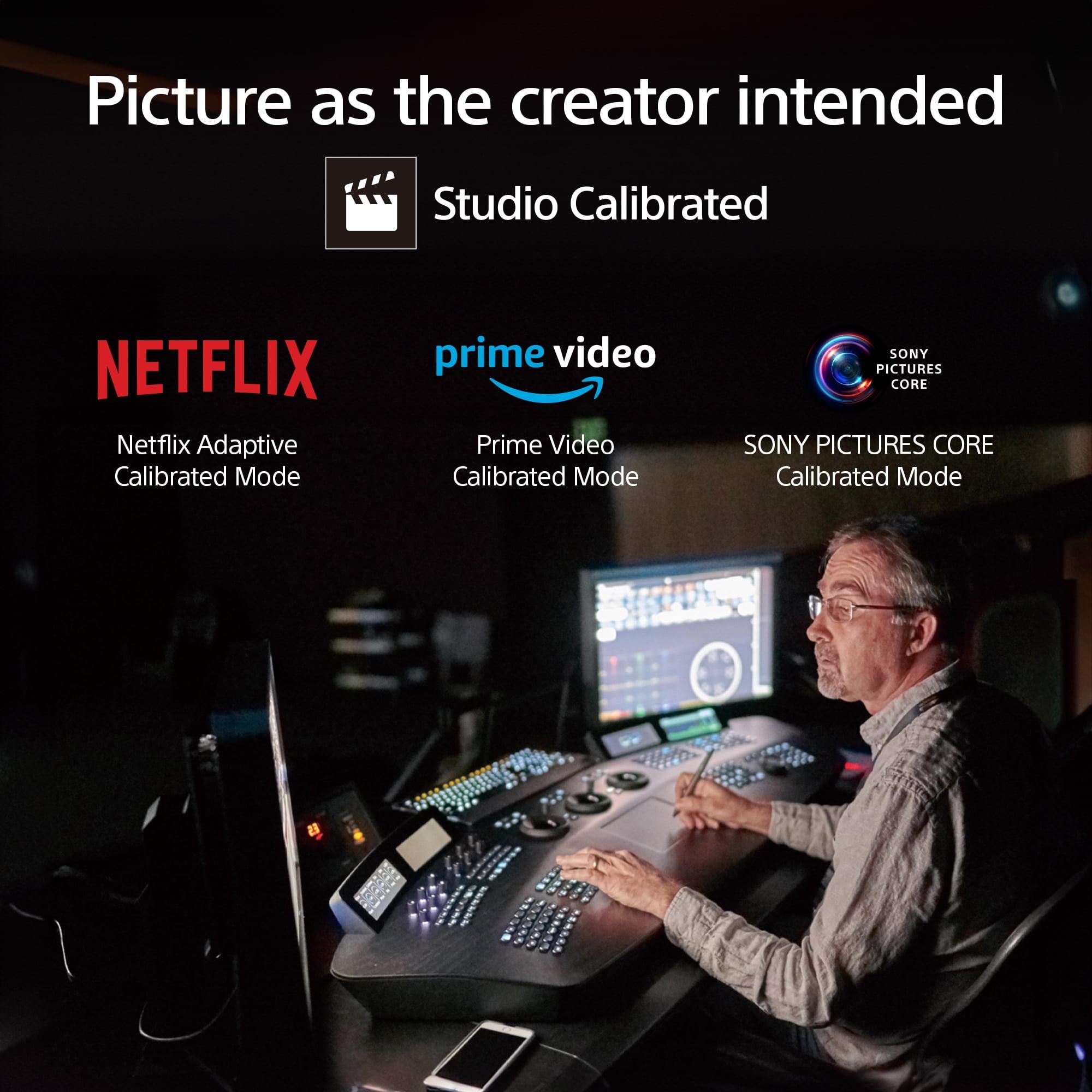
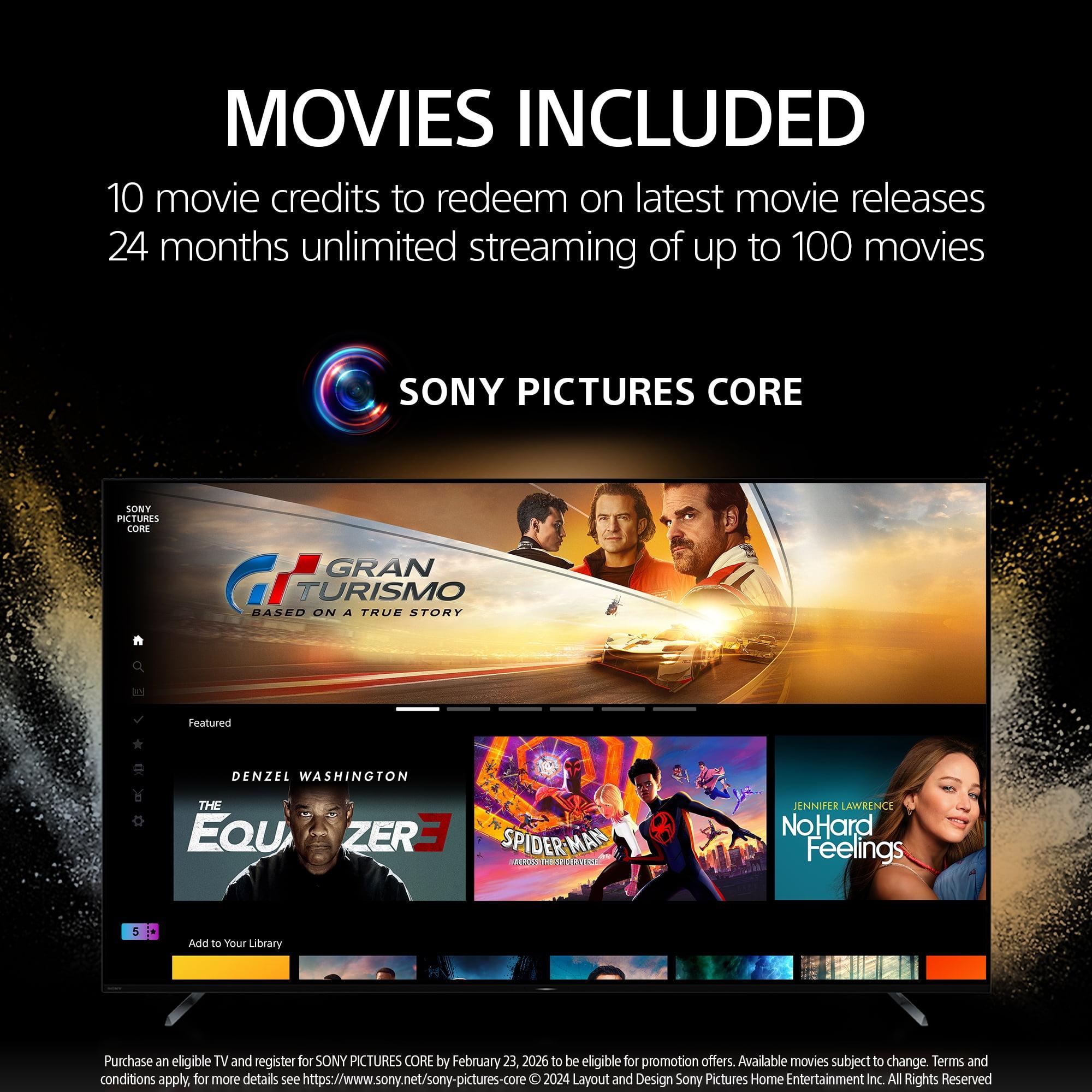
Sony includes studio-calibrated picture modes for Netflix, Prime Video, and Sony Pictures Core, ensuring you see content as creators intended. The TV also comes with two years of Sony Pictures Core streaming service, including access to IMAX Enhanced content.
At the time of writing, these TVs occupy different price segments that reflect their different priorities. The NXTVISION typically costs significantly less than premium OLED models while including unique art TV features that aren't available elsewhere at this price point. When you factor in the included flush mount and decorative frame – accessories that cost extra with competing art TVs – the value proposition becomes even stronger.
The Sony BRAVIA 8 II commands a premium price typical of flagship OLED displays. Some reviewers have suggested that Sony's pricing is aggressive compared to similarly specified competitors, but the TV delivers measurably superior picture quality and includes premium features like the innovative audio system and extensive format support.
For dedicated home theater use, the Sony BRAVIA 8 II is the clear choice. Its perfect blacks, accurate colors, and superior HDR performance create a genuinely cinematic experience. The Acoustic Surface Audio+ technology provides better dialogue clarity than most TV speakers, though serious enthusiasts will still want a dedicated sound system.
The TV's support for IMAX Enhanced content and studio-calibrated modes means you're seeing movies as directors intended. The XR Processor's automatic optimization also works well in theater settings where lighting conditions remain consistent.
The NXTVISION can serve in a home theater, but its edge-lit backlight and matte coating limit the cinematic impact. It's better suited for family rooms where the TV serves multiple purposes and viewing occurs under various lighting conditions.
Choose the TCL NXTVISION if you want a TV that integrates seamlessly into your living space. Its art display capabilities and exceptional bright room performance make it ideal for open-concept homes, rooms with large windows, or anywhere you want the TV to be less visually prominent when not in use. The strong gaming specifications and comprehensive smart features ensure it doesn't sacrifice functionality for aesthetics.
The NXTVISION works best for users who prioritize versatility and room integration over ultimate picture quality. It's an excellent choice for renters who want something that looks more like décor than electronics, or for homes where the TV is visible from multiple seating areas throughout the day.
Choose the Sony BRAVIA 8 II if picture quality is your top priority. This TV excels in controlled lighting environments where you can appreciate its superior contrast, color accuracy, and HDR performance. The innovative audio system and Sony ecosystem integration add value for users who want premium features throughout.
The BRAVIA 8 II is ideal for movie enthusiasts, serious gamers who prioritize image quality over maximum frame rates, and users with dedicated viewing rooms or controllable lighting. Its premium positioning is justified by measurably superior performance in the areas that matter most for critical viewing.
Both TVs succeed at their intended purposes, but they serve fundamentally different needs. The NXTVISION proves that a TV can be both functional and beautiful, while the BRAVIA 8 II demonstrates that there's still room for improvement in pure performance. Your choice should depend on whether you want your TV to blend into your room or command attention with exceptional picture quality.
| TCL 65" NXTVISION QLED 4K Art Frame TV | Sony BRAVIA 8 II 65" QD-OLED 4K Google TV 2025 |
|---|---|
| Display Technology - Determines picture quality and room compatibility | |
| QLED with edge-lit LED backlight | QD-OLED with self-emissive pixels |
| Screen Finish - Critical for bright room performance | |
| Ultra-matte anti-glare coating (eliminates reflections) | Glossy finish (shows reflections but deeper colors) |
| Black Levels - Most important for dark room viewing | |
| Grayish blacks due to LED backlight | Perfect blacks (pixels turn completely off) |
| Peak Brightness - Affects HDR impact and bright room viewing | |
| High Brightness+ LED system (mid-range) | ~1,880 nits (25% brighter than previous Sony OLEDs) |
| Depth/Thickness - Important for wall mounting aesthetics | |
| 1.1 inches ultra-slim (world's thinnest art TV) | Standard slim TV profile |
| Art Display Features - Unique selling point for lifestyle integration | |
| 400+ curated artworks, AI art generation, interchangeable frames included | None (traditional TV design) |
| Gaming Refresh Rates - Higher numbers benefit competitive gaming | |
| 120Hz native, up to 144Hz VRR, 4K@144Hz, 1080p@240Hz | 120Hz native, 4K@120Hz gaming |
| HDMI 2.1 Ports - Needed for next-gen gaming and high bandwidth | |
| 2 out of 4 ports | 2 out of 4 ports |
| HDR Format Support - More formats = better streaming compatibility | |
| Dolby Vision IQ, HDR10+, HDR10, HLG | Dolby Vision, HDR10, HLG (missing HDR10+) |
| Audio Innovation - Affects dialogue clarity and immersion | |
| Standard 20W speakers (2x10W) with Dolby Atmos | Acoustic Surface Audio+ (screen vibrates to produce sound) |
| Smart Platform - Both identical for streaming | |
| Google TV OS with voice control | Google TV OS with voice control |
| Wall Mounting Solution - Important for art TV aesthetic | |
| Proprietary flush mount included | Standard VESA mounting (mount sold separately) |
| Target Use Case - Determines which TV fits your needs | |
| Art display + bright room viewing + casual entertainment | Dark room cinema + critical viewing + premium performance |
| Best Room Type - Where each TV performs optimally | |
| Bright living rooms, open concepts, high ambient light | Dedicated viewing rooms, controlled lighting, home theaters |
The TCL 65" NXTVISION QLED 4K Art Frame TV is significantly better for bright rooms. Its ultra-matte anti-glare screen virtually eliminates reflections from windows and lights, making it clearly visible even in direct sunlight. The Sony BRAVIA 8 II 65" QD-OLED 4K Google TV 2025 has a glossy screen that shows reflections, though it's brighter than previous OLED models.
The TCL NXTVISION is designed as an art TV that doubles as a television, featuring an ultra-slim profile and art display capabilities. The Sony BRAVIA 8 II is a premium performance TV focused on delivering the best possible picture quality with QD-OLED technology and perfect black levels.
The Sony BRAVIA 8 II 65" QD-OLED delivers superior picture quality for home theater use. Its QD-OLED technology produces perfect blacks, higher contrast ratios, and more accurate colors than the TCL NXTVISION. The Sony excels in dark room viewing where its OLED advantages are most apparent.
Only the TCL 65" NXTVISION is designed for art display, featuring over 400 curated artworks, AI art generation, and personal photo gallery modes. It includes interchangeable frames and a flush wall mount for a gallery-like appearance. The Sony BRAVIA 8 II is a traditional TV without art display features.
Both TVs offer strong gaming features, but with different advantages. The TCL NXTVISION supports higher refresh rates (up to 144Hz) and faster frame rates (4K@144Hz, 1080p@240Hz), making it better for competitive PC gaming. The Sony BRAVIA 8 II has near-instantaneous response times and superior motion clarity due to its OLED technology, providing better overall gaming image quality.
The TCL NXTVISION is extremely thin at just 1.1 inches and includes a proprietary flush wall mount for seamless installation. The Sony BRAVIA 8 II has a standard slim profile but requires a separate VESA wall mount. The TCL is specifically designed for flush wall mounting to achieve its art frame aesthetic.
The Sony BRAVIA 8 II has superior audio with its Acoustic Surface Audio+ technology that turns the entire screen into a speaker, creating better audio-visual alignment. It can also function as a center channel speaker with compatible soundbars. The TCL NXTVISION has standard TV speakers with Dolby Atmos support but lacks Sony's innovative audio features.
Yes, both the TCL NXTVISION and Sony BRAVIA 8 II run Google TV OS and support all major streaming services including Netflix, Prime Video, Disney+, and others. Both include voice control and smart home integration features.
The TCL NXTVISION typically offers better value, providing unique art TV features at a lower price point than premium OLEDs. It includes the flush mount and frame accessories. The Sony BRAVIA 8 II commands a premium price for its superior OLED picture quality and advanced features, justified for users prioritizing performance over price.
The TCL NXTVISION supports more HDR formats including Dolby Vision IQ, HDR10+, HDR10, and HLG. The Sony BRAVIA 8 II supports Dolby Vision, HDR10, and HLG but notably lacks HDR10+ support despite its premium positioning.
The Sony BRAVIA 8 II 65" QD-OLED is significantly better for dark rooms due to its perfect black levels and infinite contrast ratio. Each pixel can turn completely off, creating true blacks that the TCL NXTVISION cannot achieve with its LED backlight system.
Both TVs can work as computer monitors, but the TCL NXTVISION may have text clarity issues due to its BGR subpixel layout and matte coating. The Sony BRAVIA 8 II would provide better text clarity and color accuracy for computer use, though both are quite large for typical desk setups.
We've done our best to create useful and informative comparisons to help you decide what product to buy. Our research uses advanced automated methods to create this comparison and perfection is not possible - please contact us for corrections or questions. These are the sites we've researched in the creation of this article: rtings.com - tcl.com - bestbuy.com - tcl.com - bestbuy.com - tcl.com - youtube.com - rcwilley.com - businessinsider.com - bestbuy.com - target.com - youtube.com - support.tcl.com - nfm.com - woodruffappliance.com - flatpanelshd.com - tcl.com - techradar.com - rtings.com - bestbuy.com - whathifi.com - rtings.com - hometechnologyreview.com - youtube.com - hometechnologyreview.com - hometechnologyreview.com - hometechnologyreview.com - valueelectronics.com - smarthomesounds.co.uk - electronics.sony.com - valueelectronics.com - bestbuy.com - youtube.com - displayspecifications.com - hometechnologyreview.com - flatpanelshd.com

Privacy Policy
Terms and Conditions - Affiliate Policy
Home Security
© Copyright 2008-2026.
11816 Inwood Rd #1211, Dallas, TX 75244