

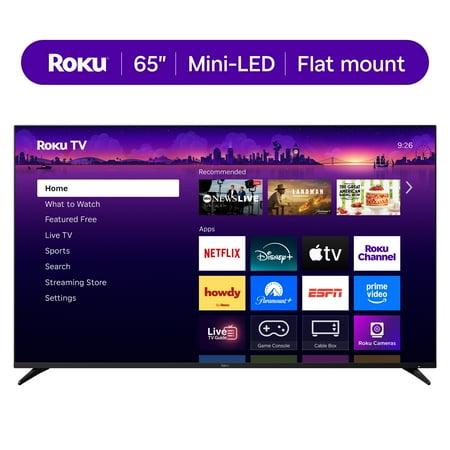
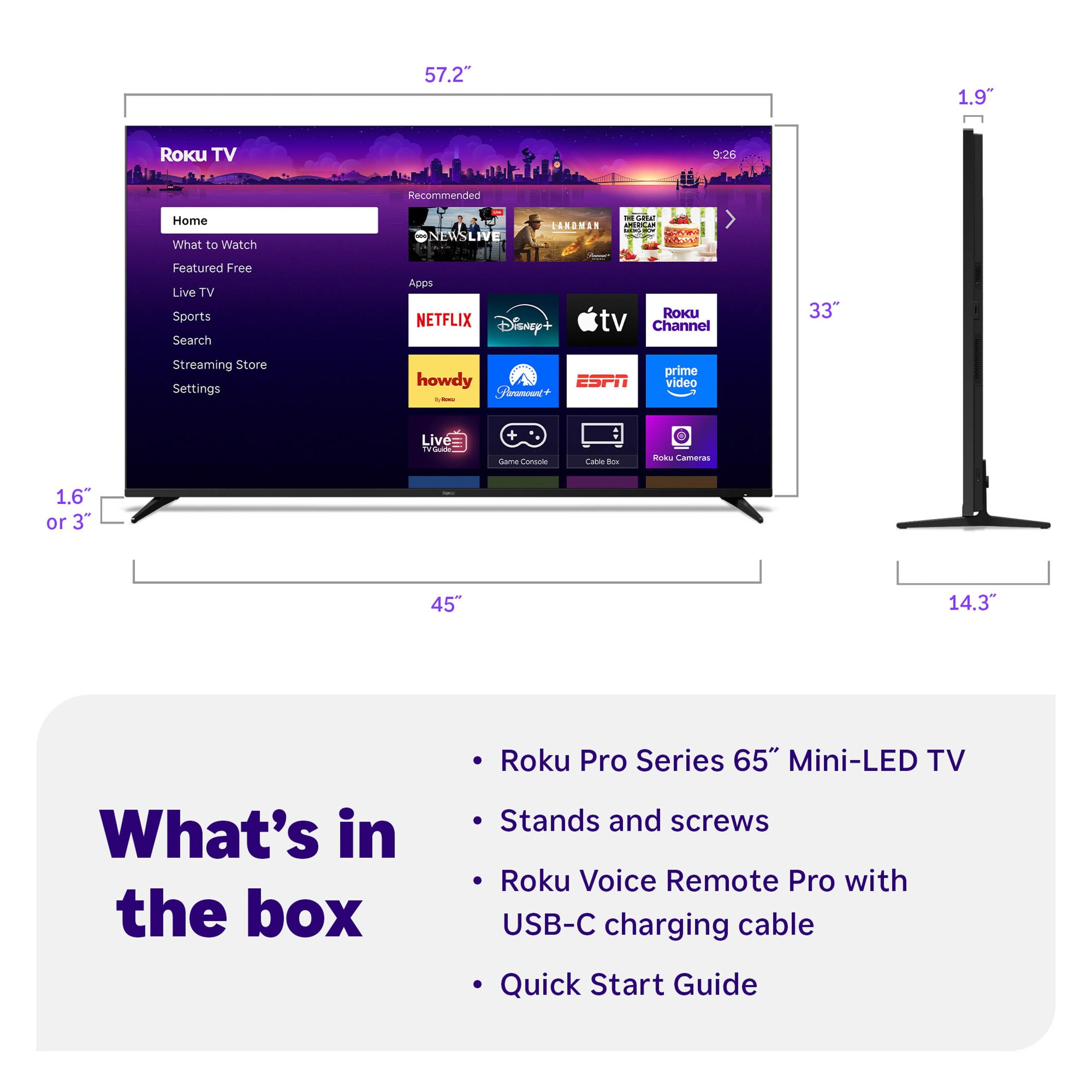
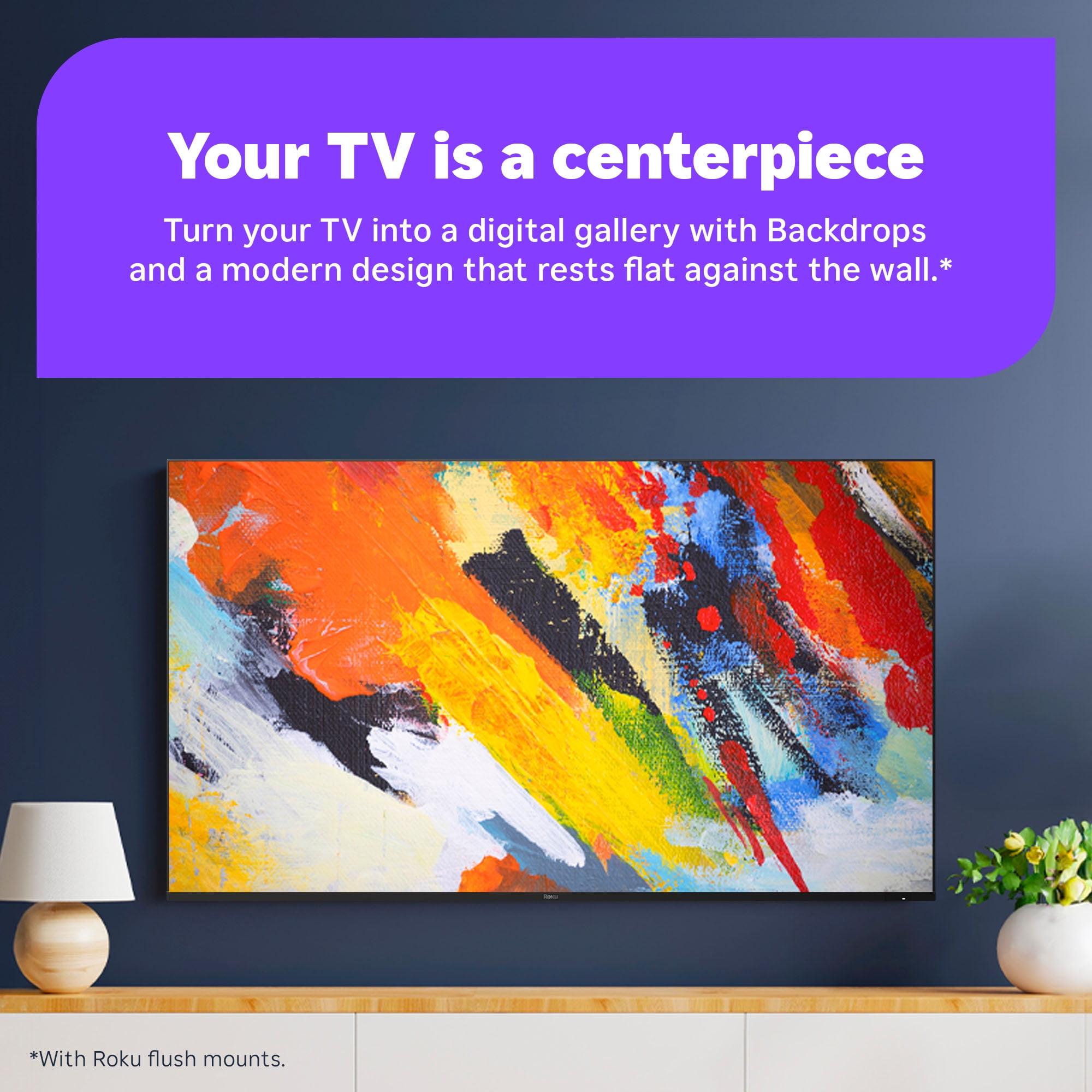
When you're ready to upgrade your home entertainment setup with a premium 65-inch 4K TV, the choices can feel overwhelming. Two standout options that caught our attention in 2025 are the Roku 65" Pro Series 2025 and the Sony BRAVIA 8 II 65". These TVs represent fundamentally different approaches to premium picture quality, and understanding their differences will help you make the right choice for your home.
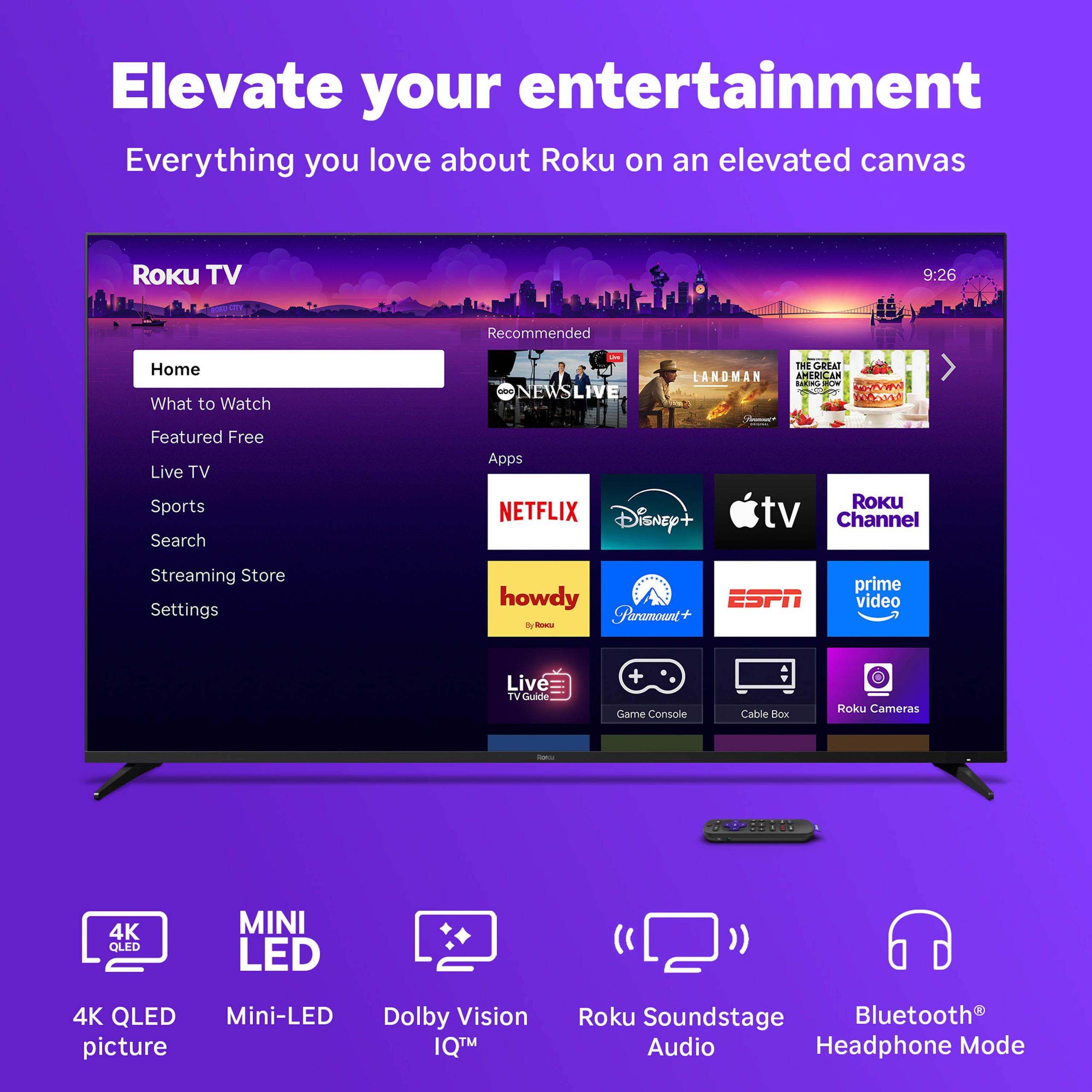
Before diving into specifics, it's important to understand what makes these TVs tick. The Roku Pro Series uses Mini-LED QLED technology—think of it as having thousands of tiny LED lights behind the screen that can dim or brighten independently to create better contrast. The quantum dots (hence "QLED") are microscopic particles that convert blue light into pure red and green colors, resulting in more vibrant and accurate colors than traditional LED TVs.
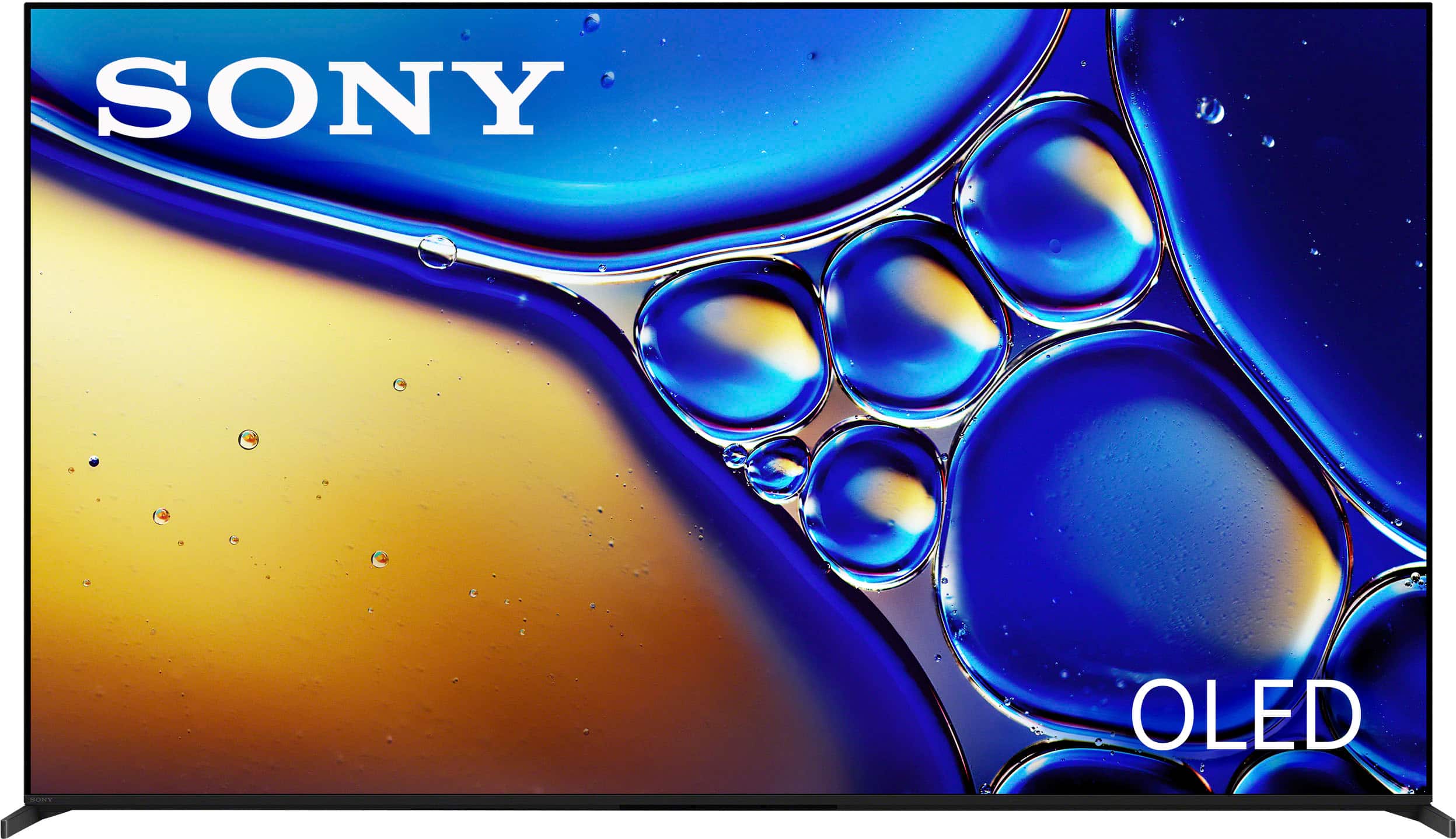
The Sony BRAVIA 8 II, on the other hand, uses QD-OLED technology. Here, each individual pixel creates its own light and can turn completely off for perfect blacks. The "QD" part means it also uses quantum dots like the Roku, but combines them with OLED's self-lighting pixels for what many consider the best of both worlds.
These technological differences create distinct viewing experiences, and at the time of writing, they're reflected in a significant price gap—the Sony costs roughly twice as much as the Roku. The question is whether that premium delivers enough additional value for your specific needs.
This is where the fundamental technology differences become most apparent. The Sony BRAVIA 8 II achieves what's essentially perfect contrast because each pixel can turn completely off, creating true blacks right next to bright highlights. When you're watching a movie with a starfield or city lights at night, those dark areas are genuinely black, not the dark gray you might see on other TVs.
The Roku Pro Series can't match this pixel-perfect control, but its Mini-LED backlighting with full array local dimming does an impressive job. With approximately 100 dimming zones, it can darken specific areas of the screen while keeping others bright. You might notice some subtle blooming (light bleeding around bright objects in dark scenes), but it's minimal and often only noticeable if you're specifically looking for it.
For most viewing, especially in rooms with some ambient light, the Roku's contrast performance is excellent and more than sufficient. The Sony's perfect blacks become most noticeable in dark room viewing, where the cinematic experience truly shines.
Brightness is crucial for HDR (High Dynamic Range) content, which includes most streaming movies and shows today. HDR allows TVs to display a much wider range of brightness levels, from deep shadows to blazing highlights, creating more realistic and impactful images.
The Roku Pro Series excels here, reaching peak brightness levels that make HDR highlights pop even in bright rooms. Whether you're watching during the day with windows open or have bright ceiling lights, the Roku maintains its visual impact. Our research indicates it delivers 75% higher dynamic contrast than previous generation Roku TVs, making everything from sunsets to explosions more believable.
The Sony BRAVIA 8 II represents a major breakthrough for OLED technology, achieving roughly 1,880 nits peak brightness—about 25% brighter than Sony's previous flagship OLEDs. While this isn't quite as bright as the Roku's Mini-LED system, it's more than bright enough for most viewing situations and represents a significant improvement over older OLED TVs that struggled in bright rooms.
The key difference is how this brightness is delivered. The Sony can make specific objects incredibly bright while keeping surrounding areas perfectly dark, creating a more three-dimensional, cinematic image. The Roku's brightness is more uniform across larger areas, which works well for general viewing but lacks the surgical precision of OLED.
Both TVs excel at color reproduction, but through different approaches. The Roku Pro Series covers 96.9% of the UHDA-P3 color space and 80.6% of the wider BT.2020 standard. These technical specifications translate to vibrant, saturated colors that make animated movies pop and nature documentaries come alive. The quantum dot technology ensures colors remain pure and don't shift toward muddy browns or oranges even at high brightness levels.
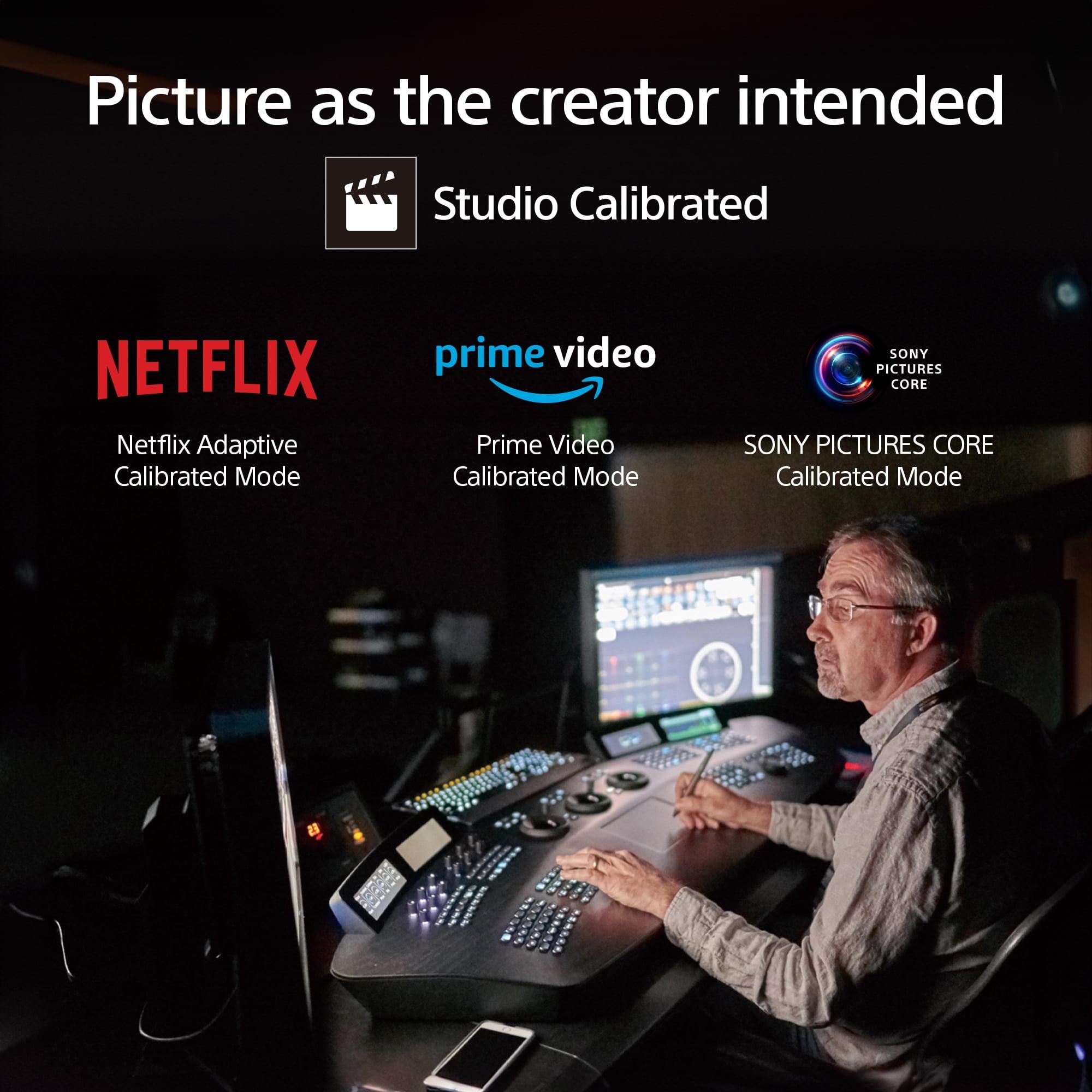
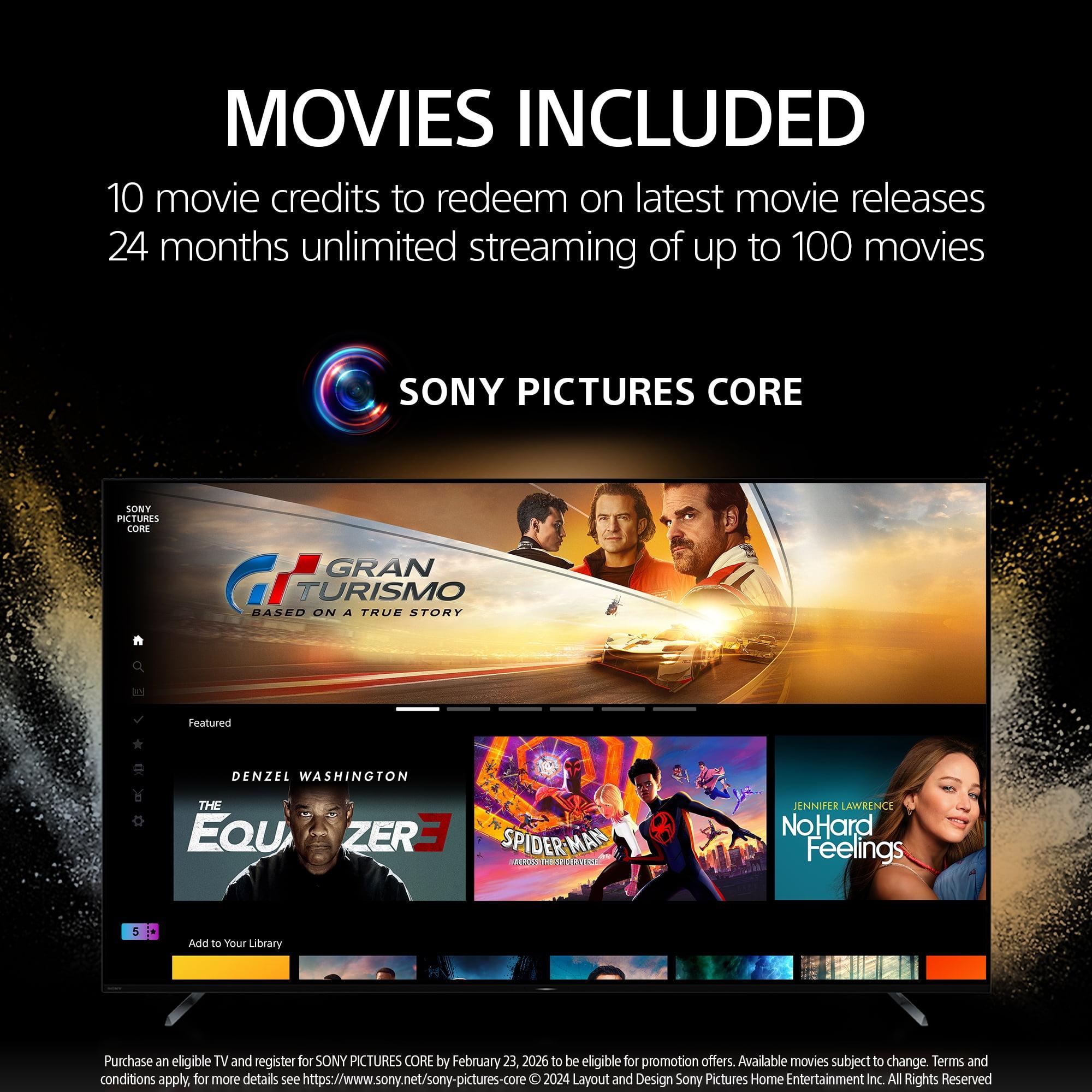
The Sony BRAVIA 8 II features XR Triluminos Max, Sony's most advanced color technology. What sets it apart is color accuracy—the ability to display colors exactly as content creators intended. Sony includes studio-calibrated picture modes developed in partnership with Netflix, Prime Video, and their own Sony Pictures Core streaming service. This means when you're watching a movie, you're seeing it with the same color grading the director approved in the editing room.
The practical difference? The Roku delivers colors that are immediately impressive and eye-catching—perfect for sports, gaming, and casual viewing. The Sony prioritizes accuracy and subtlety, creating a more film-like experience that reveals nuanced details in skin tones, natural environments, and carefully crafted cinematography.
Both TVs support modern gaming features, but their implementation differs. Gaming performance depends on several key factors: input lag (how quickly the TV responds to controller inputs), support for high refresh rates, and variable refresh rate technology that eliminates screen tearing.
The Roku Pro Series achieves input lag as low as 5.2ms at 120Hz with its dedicated Game Mode activated. This is excellent—professional esports players typically consider anything under 10ms acceptable. It supports AMD FreeSync Premium Pro, which works seamlessly with Xbox Series X/S and gaming PCs. The TV automatically switches to Game Mode when it detects a gaming console, reducing processing delays without requiring manual adjustment.
The Sony BRAVIA 8 II delivers 8.5ms input lag, which is still very good for gaming, though slightly higher than the Roku. Where it excels is in motion clarity—OLED pixels can change states instantly, eliminating motion blur that can affect fast-paced games. This makes tracking fast-moving objects in competitive games noticeably clearer.
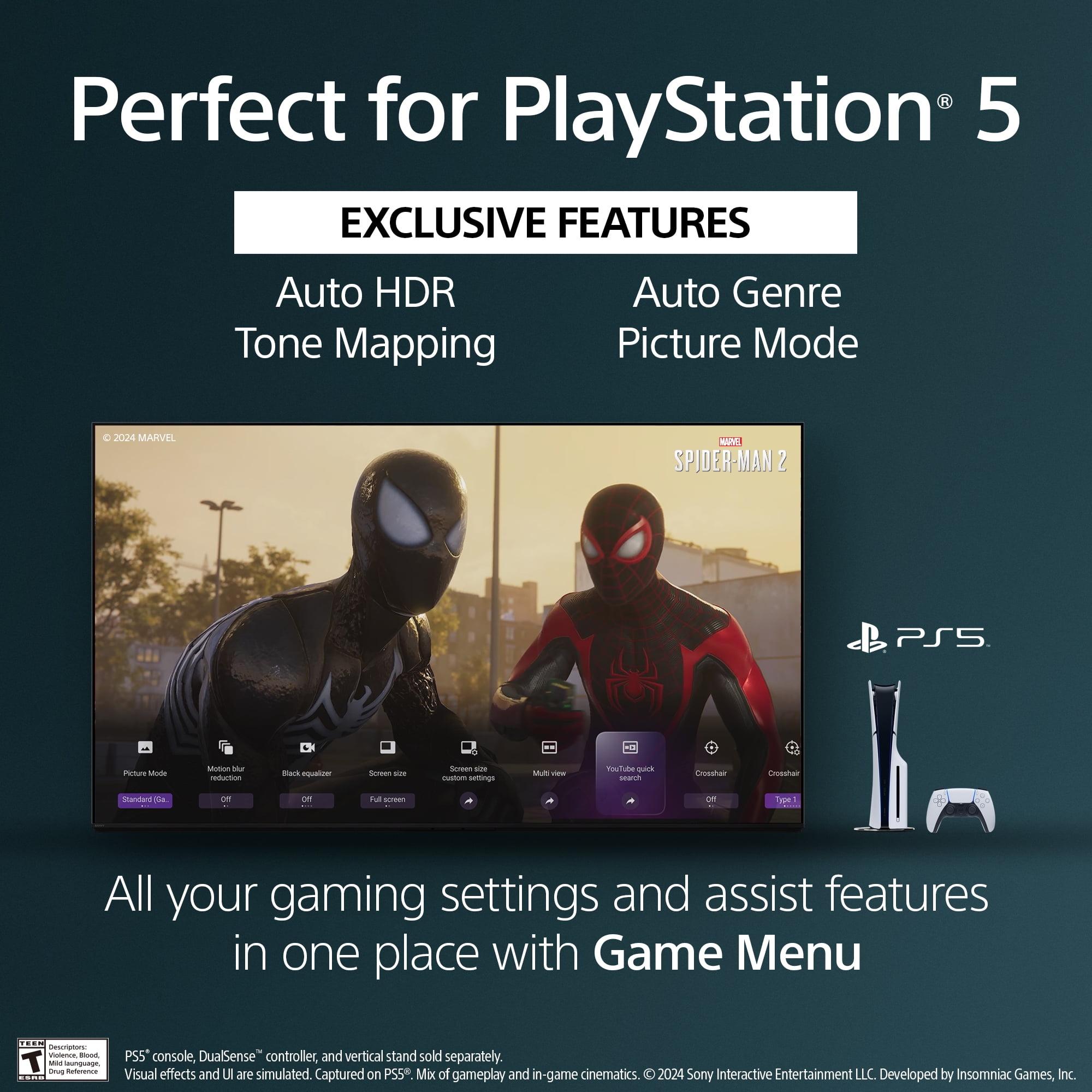
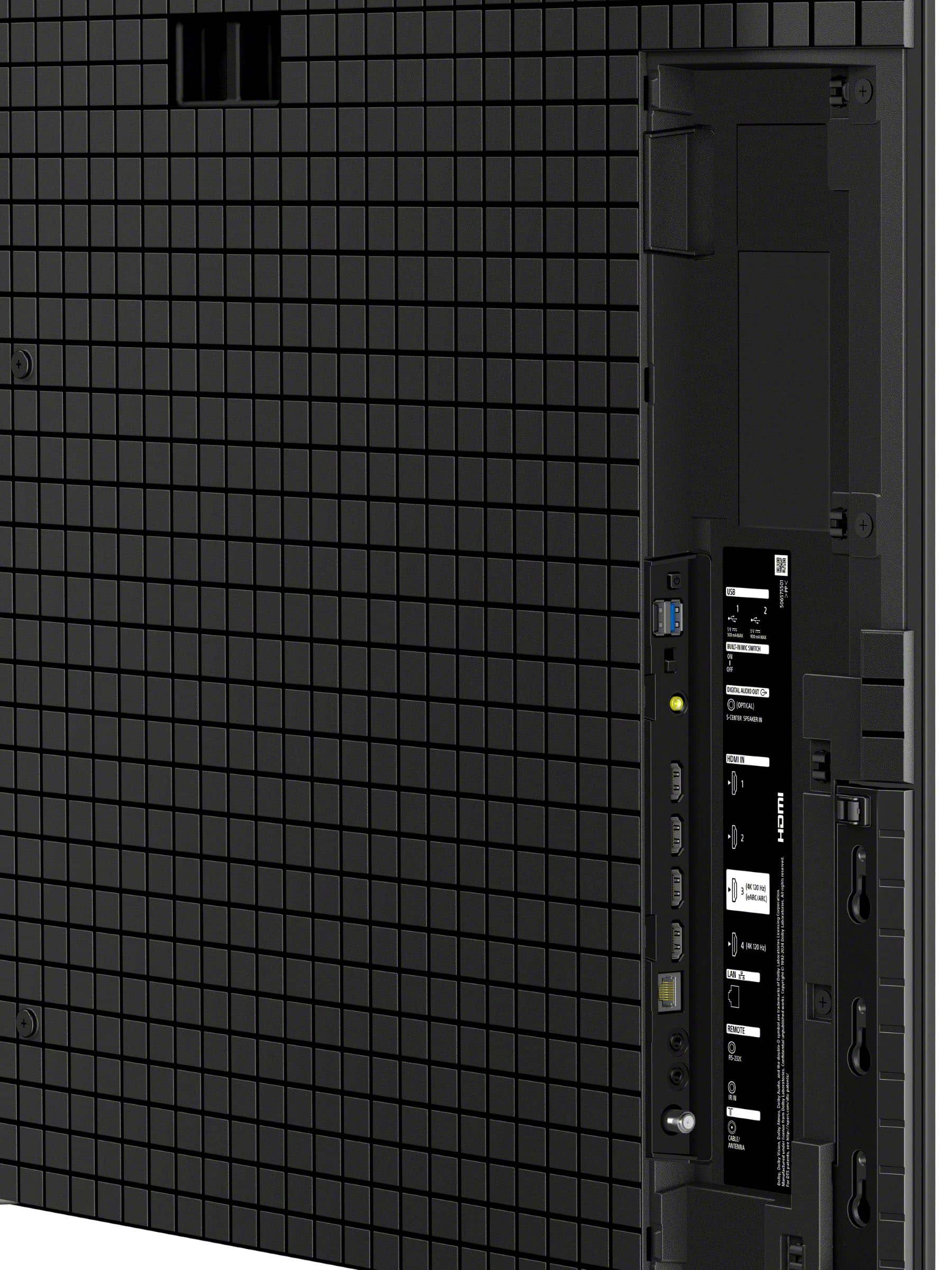
For PlayStation owners, the Sony offers exclusive integration features including automatic picture mode optimization and PS5 Remote Play support. Both TVs include two HDMI 2.1 ports supporting 4K at 120Hz, which is sufficient for most setups but might require port management if you have multiple next-gen consoles plus other devices.
The verdict for gaming? The Roku edges ahead for competitive gaming due to lower input lag and FreeSync support, while the Sony provides a more cinematic gaming experience with superior motion clarity and PlayStation integration.
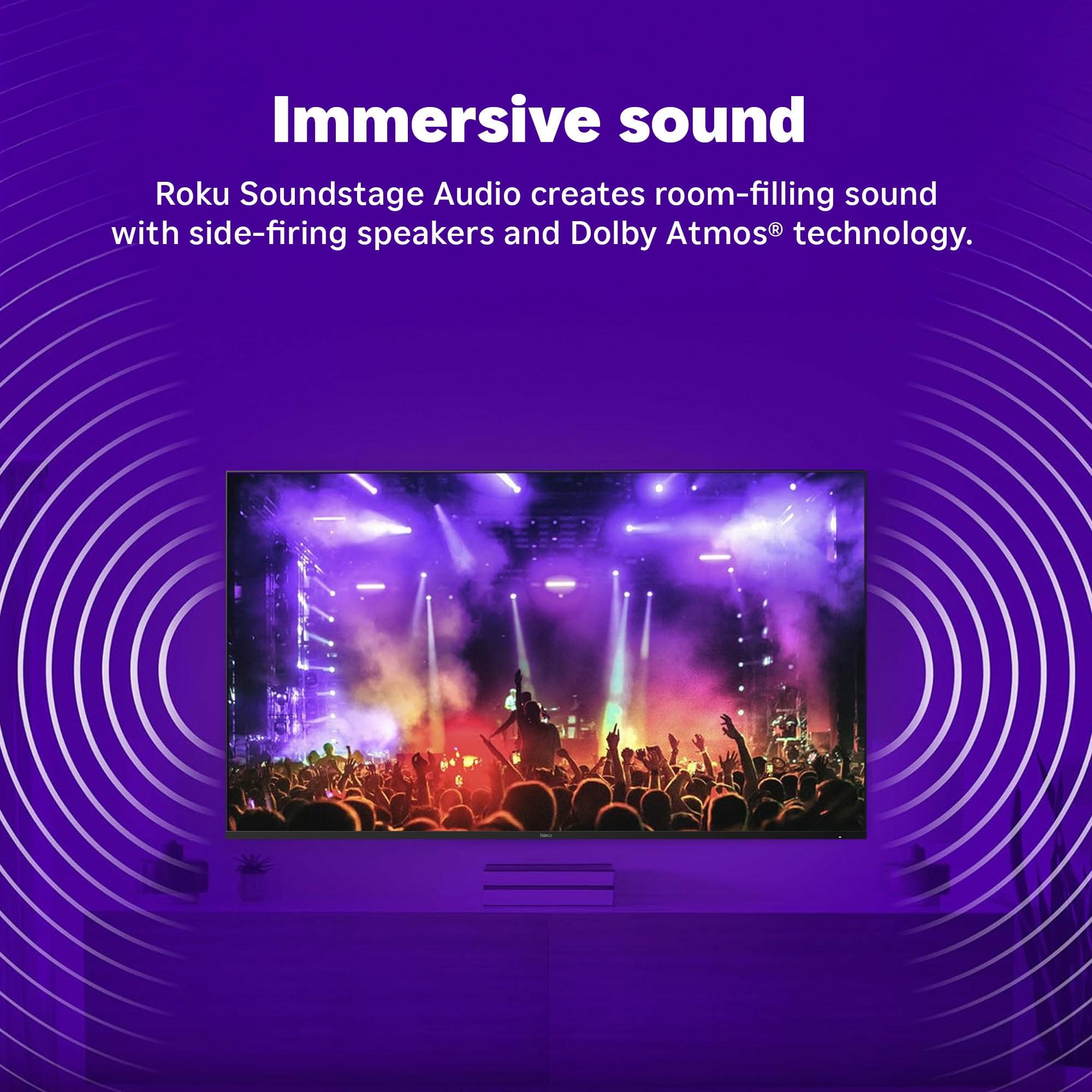
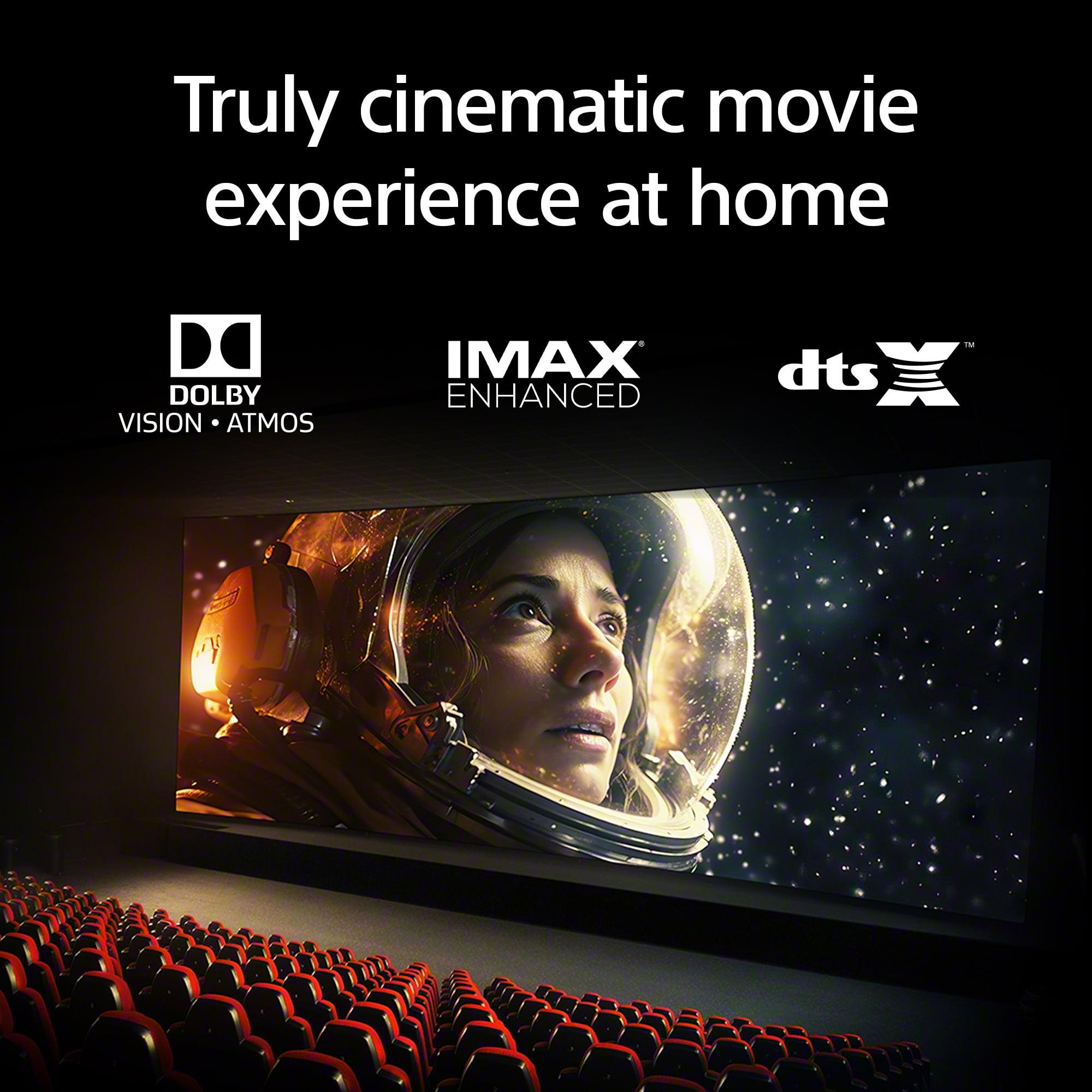
TV audio has traditionally been an afterthought, but both manufacturers have invested significantly in their sound systems. The Roku Pro Series includes four built-in speakers with Dolby Atmos support. User reviews consistently praise its audio quality, with some describing bass response that "rattles walls"—unusual for a TV without a separate subwoofer. The sound is room-filling and clear, often eliminating the immediate need for a soundbar.
The Sony BRAVIA 8 II takes a revolutionary approach with Acoustic Surface Audio+ technology. Instead of traditional speakers, actuators behind the screen make the entire display vibrate to produce sound. This creates an incredibly immersive experience where dialogue appears to come directly from characters' mouths on screen, and sound effects originate from their visual locations.
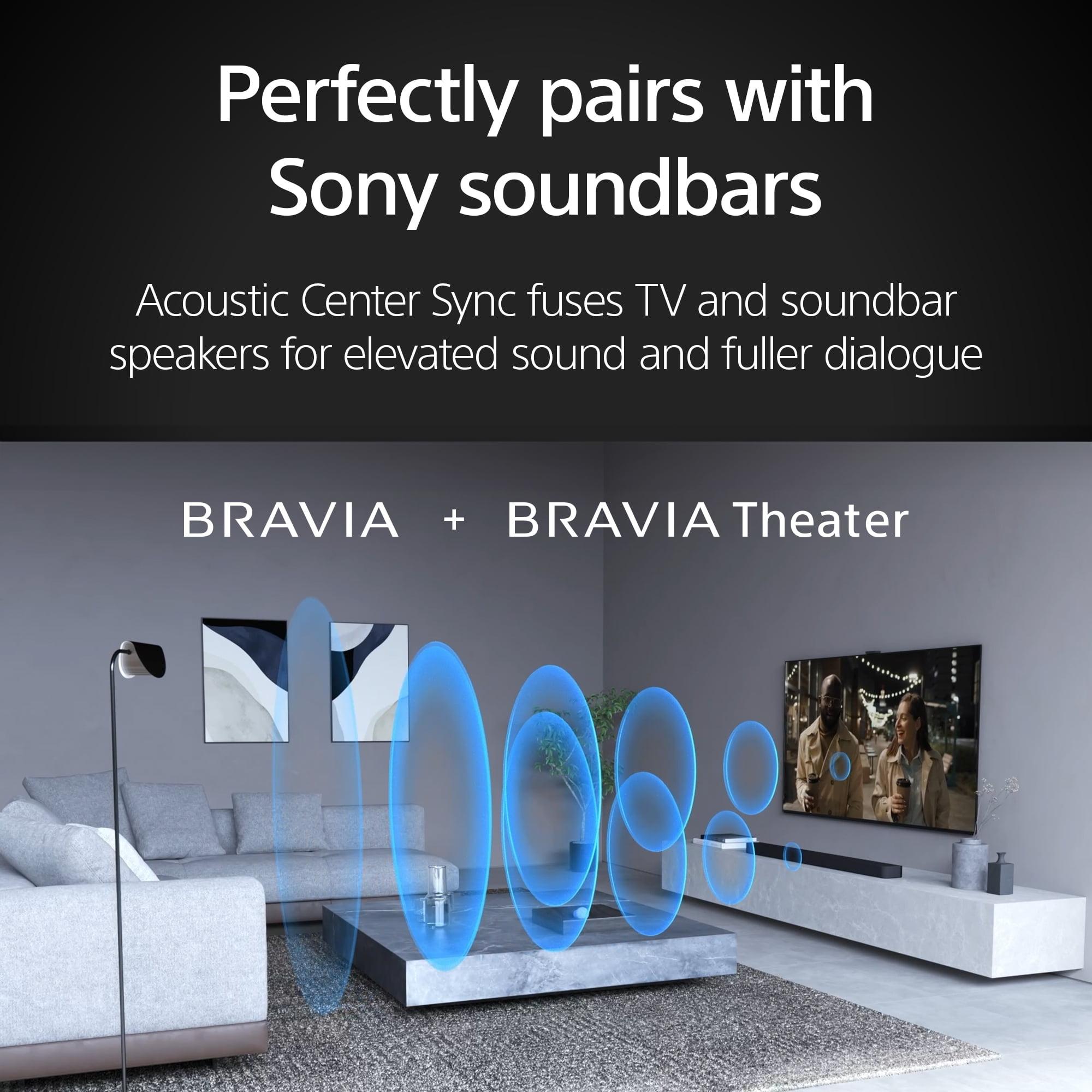
Sony's approach excels for movies and dramatic content where audio placement enhances immersion. The Roku's more traditional system provides better overall volume and bass response for casual viewing, sports, and music. For home theater enthusiasts, the Sony's compatibility with BRAVIA Theater soundbars allows the TV to function as a dedicated center channel, creating a more cohesive surround sound experience.
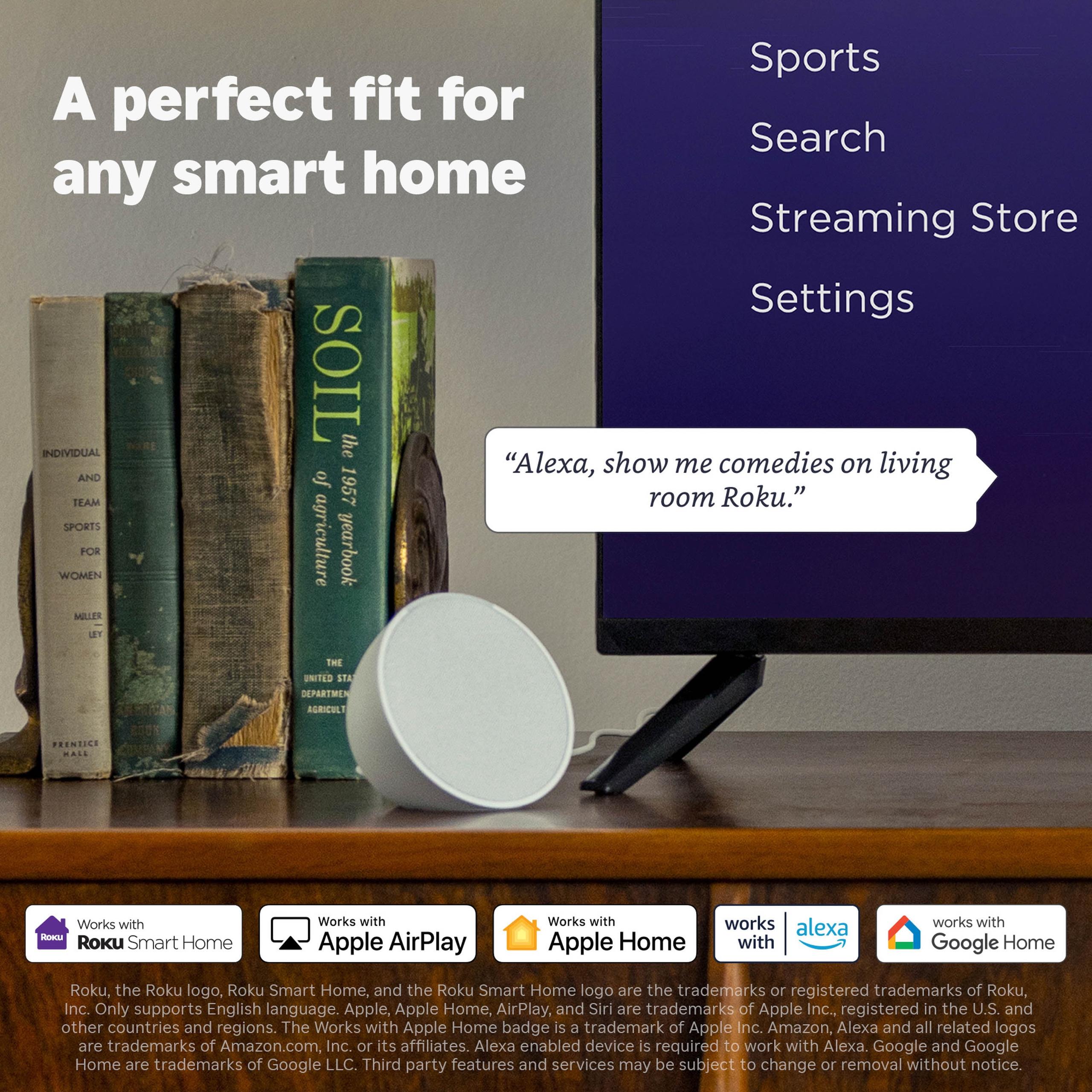
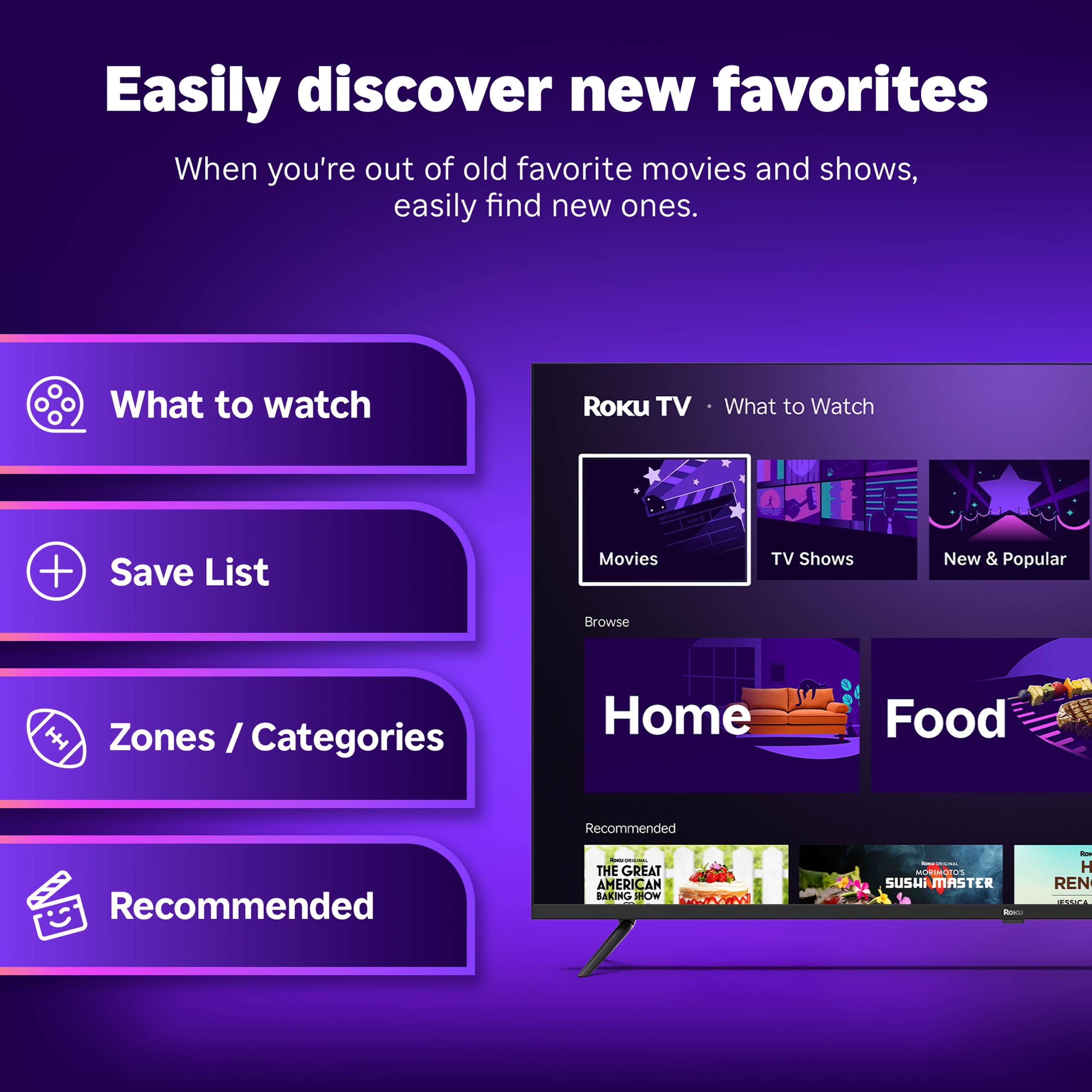
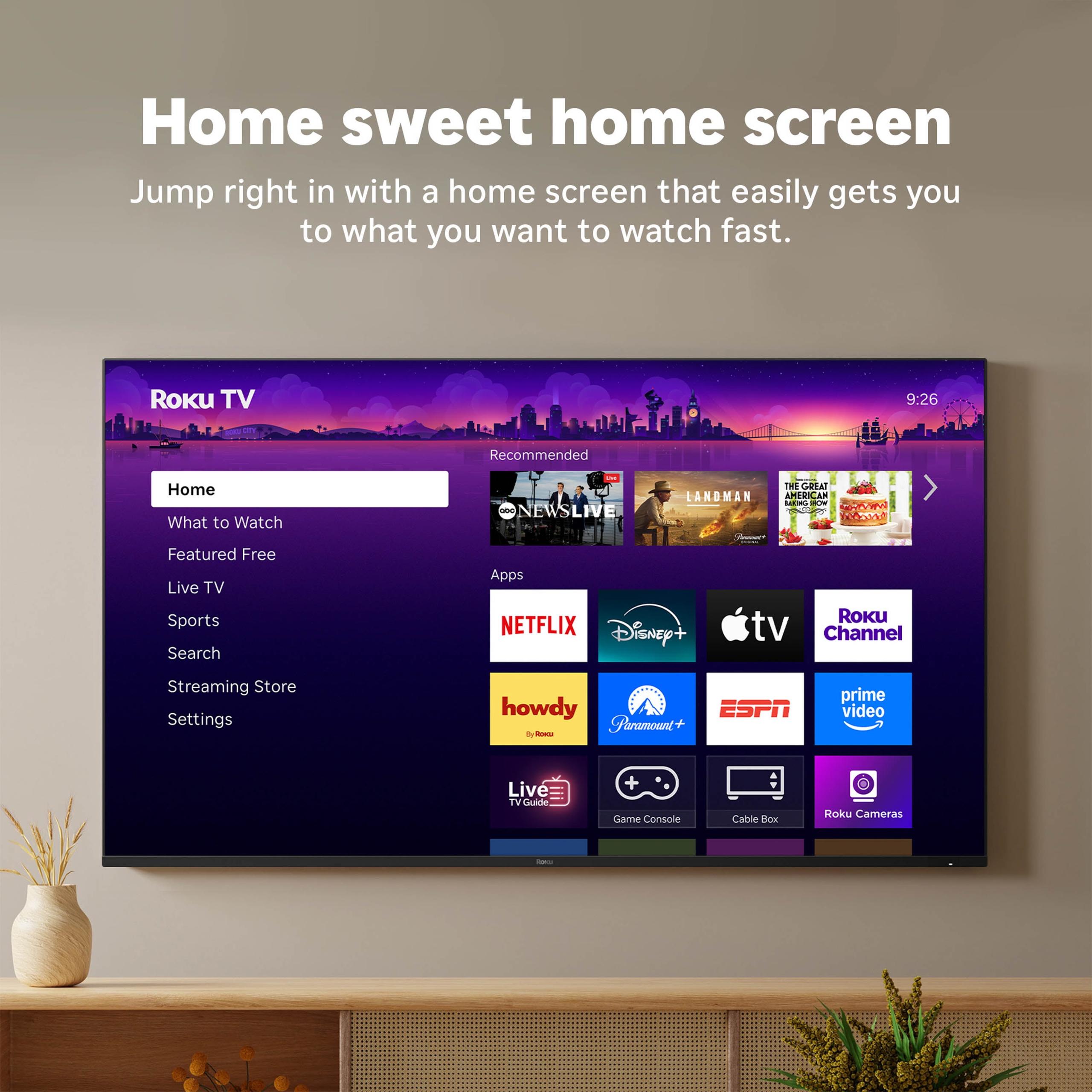
Smart TV platforms have become as important as picture quality for many users. The Roku Pro Series runs Roku TV OS, which prioritizes simplicity and speed. The interface is clean and intuitive, with universal search across all streaming services and personalized recommendations. Roku's platform compatibility is exceptional—it works with virtually every streaming service and supports multiple voice assistants including Alexa, Google Assistant, and Apple HomeKit.
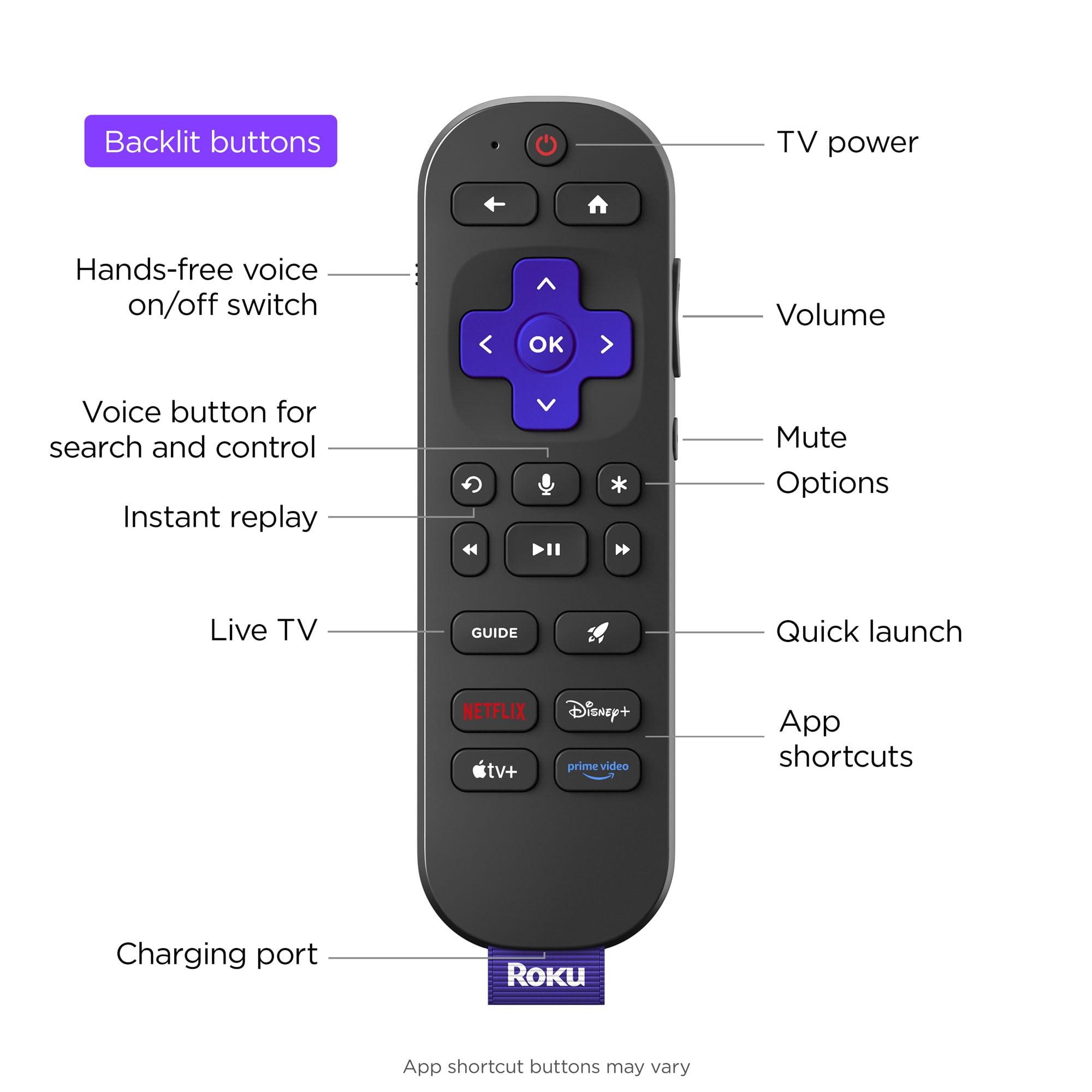
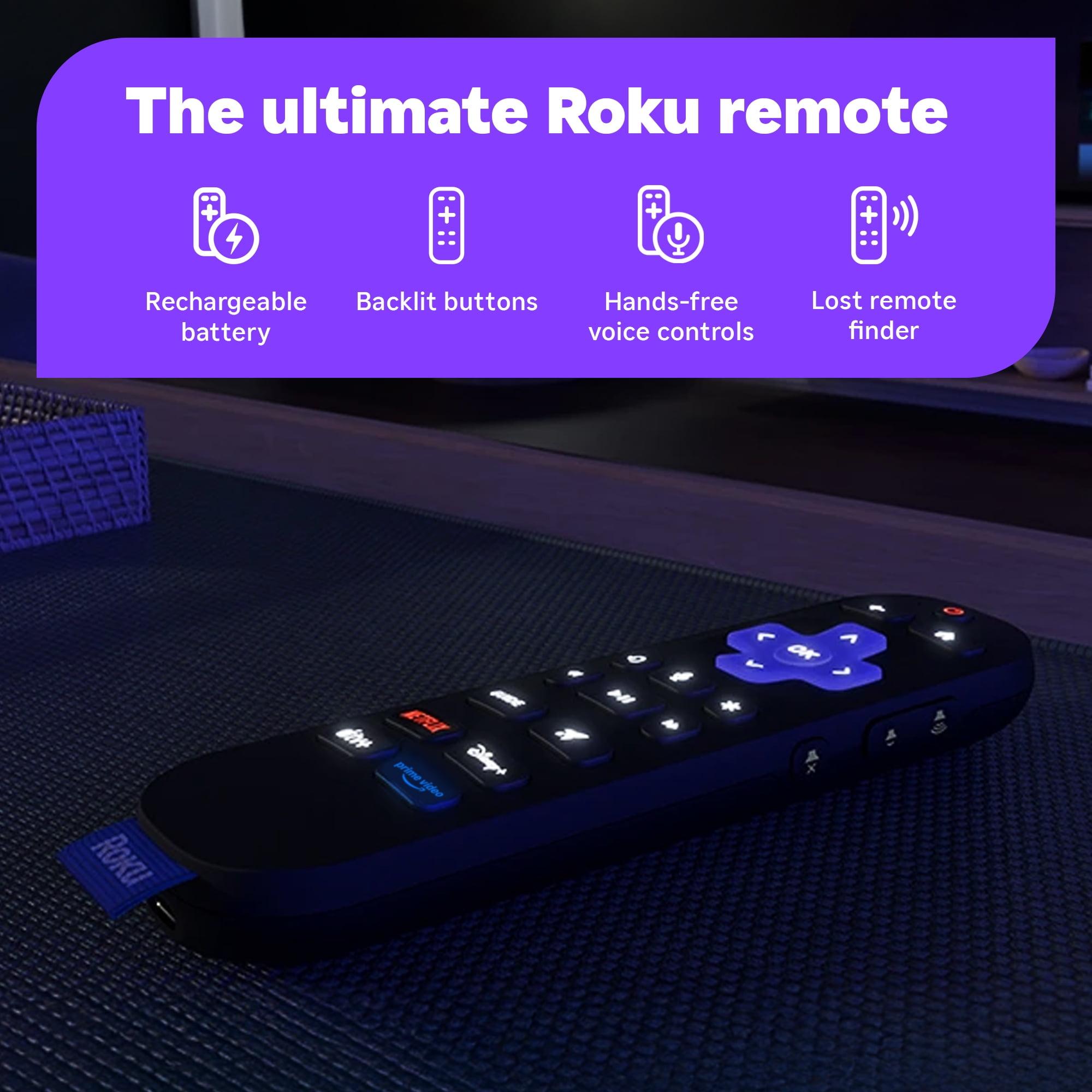
The included Roku Voice Remote Pro deserves special mention. It's fully rechargeable with backlit buttons for dark room use, includes a headphone jack for private listening, and features a finder function—press a button on the TV and the remote beeps and lights up. These thoughtful details enhance daily usability significantly.
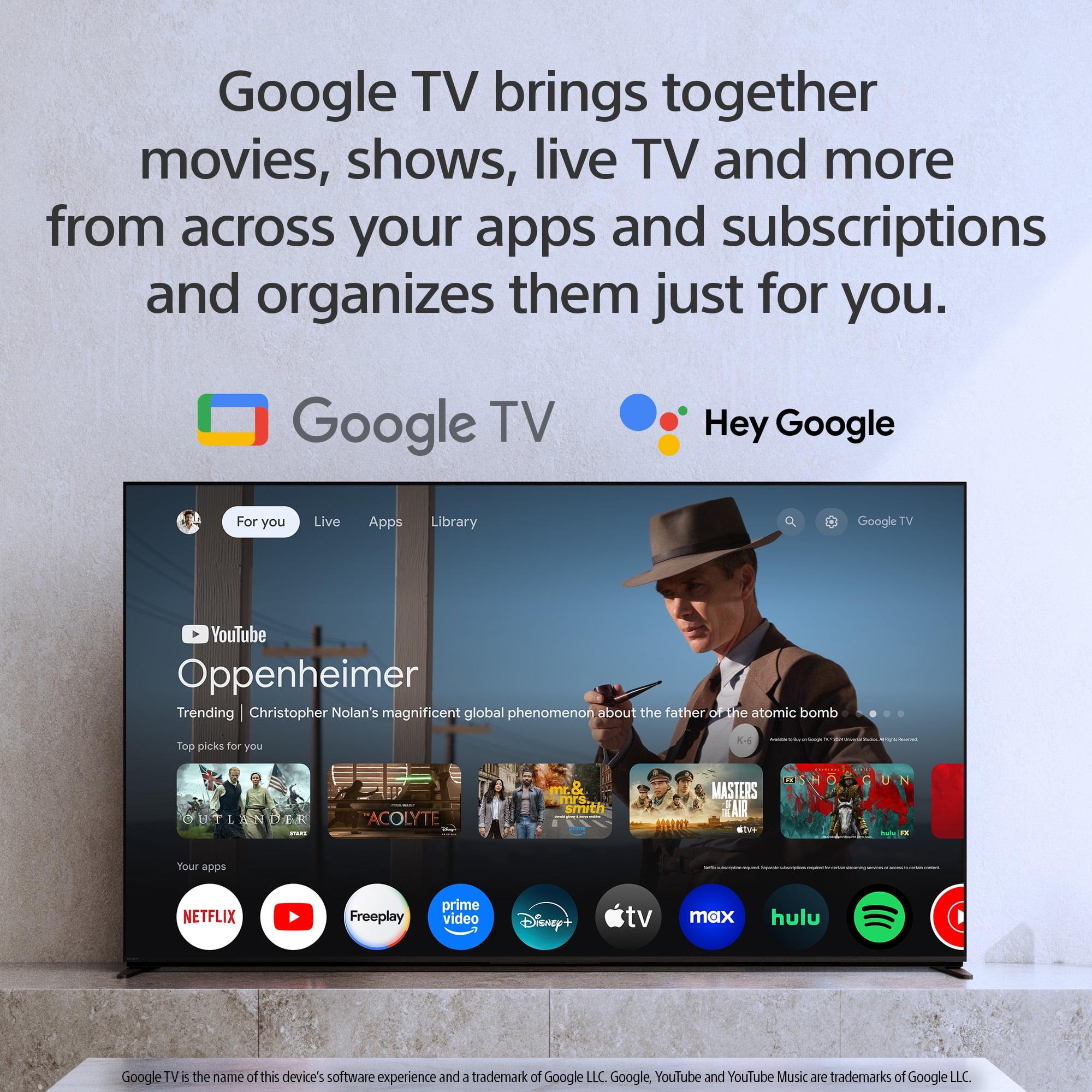
The Sony BRAVIA 8 II runs Google TV (Android 12), providing access to the extensive Google Play ecosystem and deep integration with Google services. The interface is more visually rich than Roku's, with larger preview images and more detailed content information. Google Assistant integration is seamless, and the platform excels at content discovery and recommendation.
Google TV's main advantages are its vast app ecosystem and integration with Google services. However, some users find it more complex than Roku's streamlined approach, and app performance can occasionally be less consistent across different streaming services.
At the time of writing, the price difference between these TVs is substantial—the Sony BRAVIA 8 II costs approximately twice as much as the Roku Pro Series. This pricing reflects their different market positions and target audiences.
The Roku Pro Series delivers roughly 80-90% of premium TV performance at about half the cost of flagship models. It's engineered for mainstream consumers who want excellent picture quality, gaming features, and smart platform integration without paying premium prices. The Mini-LED technology provides impressive contrast and brightness while avoiding OLED's potential burn-in issues with static content like news channels or video game HUDs.
The Sony BRAVIA 8 II targets enthusiasts and home theater aficionados who prioritize absolute picture quality. The QD-OLED technology, advanced processing, and audio innovation justify the premium for users who view their TV as the centerpiece of their entertainment system. Sony's reputation for longevity and software support also factors into the value equation.
For dedicated home theater setups, several factors become particularly important. Room lighting control, seating arrangements, and integration with audio systems all influence which TV works best.
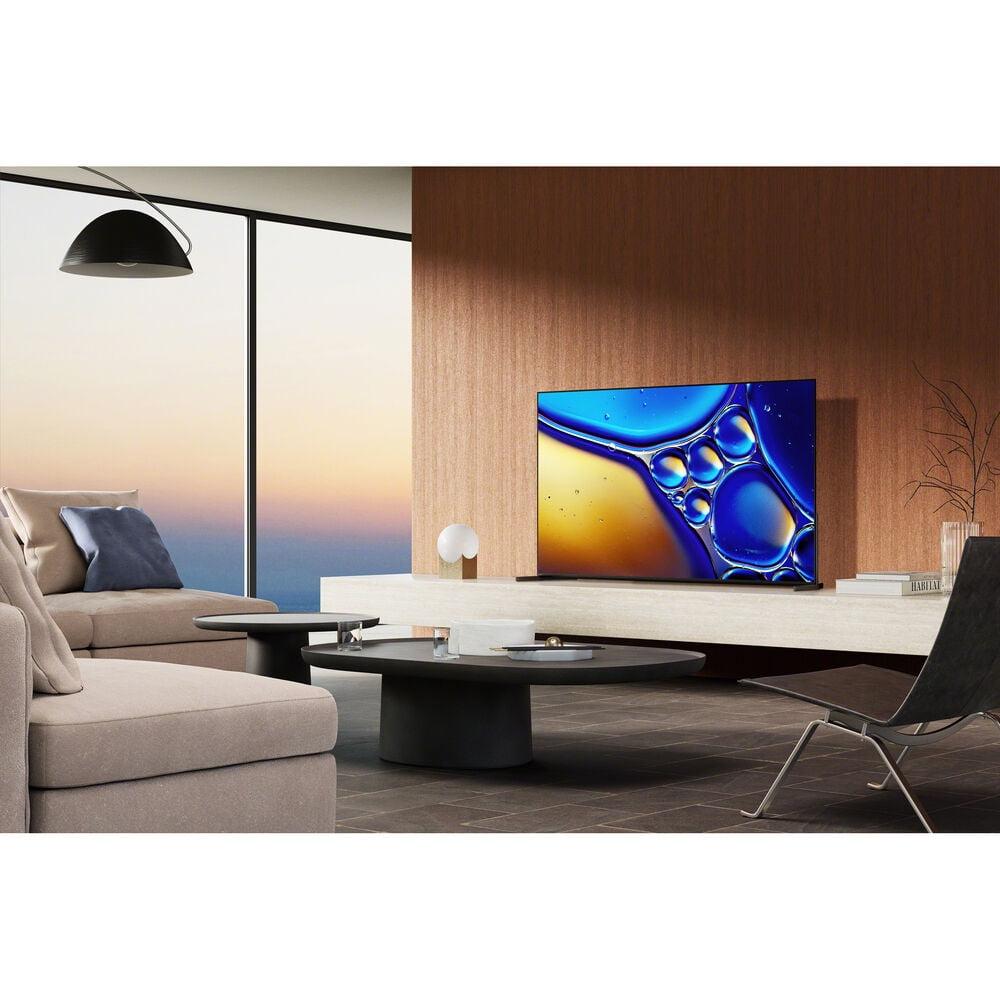
The Sony BRAVIA 8 II excels in controlled lighting environments where its perfect blacks and accurate colors create a truly cinematic experience. Its wide viewing angles mean everyone in the room gets excellent picture quality, regardless of seating position. The Acoustic Surface Audio+ technology enhances immersion, and compatibility with Sony's soundbar ecosystem provides professional-level audio integration options.
However, if your home theater doubles as a family room with windows and ambient lighting, the Roku Pro Series might be more practical. Its higher peak brightness maintains visual impact even with some ambient light, and its gaming features make it versatile for family entertainment beyond movies.
Both TVs represent significant technological advances from their 2024 predecessors. The Roku Pro Series 2025 improved its Mini-LED backlighting system for 75% higher dynamic contrast and enhanced the Smart Picture Max AI processing for scene-by-scene optimization. The addition of Wi-Fi 6 and improved app performance addresses previous generation connectivity concerns.
The Sony BRAVIA 8 II marks Sony's transition from W-OLED to QD-OLED technology, delivering the 25% brightness improvement that addresses OLED's traditional weakness in bright rooms. The second-generation Cognitive XR processor includes AI scene recognition that automatically optimizes picture settings based on content type—a meaningful advancement over static picture modes.
Both TVs include comprehensive next-generation features: HDMI 2.1, 4K at 120Hz, VRR, and modern HDR formats. They should remain relevant for many years as streaming and gaming technology evolves.
Choose the Roku 65" Pro Series 2025 if you want excellent overall performance at a reasonable price point. It's ideal for bright rooms, gaming enthusiasts, families who value the intuitive Roku platform, and anyone seeking premium features without flagship pricing. The lower burn-in risk makes it suitable for varied content including news, sports, and gaming with persistent UI elements.
Choose the Sony BRAVIA 8 II 65" if picture quality is your primary concern and your budget allows for the premium. It's perfect for home theater enthusiasts, movie lovers who appreciate accurate colors and perfect contrast, and users who value Sony's ecosystem integration. The superior viewing angles make it excellent for wide seating arrangements.
The decision ultimately comes down to priorities and budget. The Roku delivers exceptional value and versatility, making premium TV features accessible to mainstream buyers. The Sony provides reference-quality performance that justifies its premium for users who prioritize the ultimate viewing experience. Both represent excellent choices within their respective market segments, and either will significantly upgrade your home entertainment experience from older TV technology.
| Roku 65" Pro Series 2025 | Sony BRAVIA 8 II 65" QD-OLED |
|---|---|
| Display Technology - Fundamental difference affecting picture quality and price | |
| Mini-LED QLED with ~100 local dimming zones | QD-OLED with 8+ million self-lit pixels |
| Peak Brightness - Critical for HDR impact and bright room viewing | |
| Excellent brightness for bright rooms, 75% higher than previous gen | ~1,880 nits peak, 25% brighter than previous Sony OLEDs |
| Black Levels - Most noticeable difference in dark room viewing | |
| Very good blacks with minimal blooming | Perfect pixel-level blacks with zero blooming |
| Color Performance - Affects how vibrant and accurate colors appear | |
| 96.9% UHDA-P3, vibrant and punchy colors | XR Triluminos Max with studio-calibrated accuracy |
| Gaming Input Lag - Lower is better for competitive gaming | |
| 5.2ms at 120Hz (excellent for esports) | 8.5ms (very good, with superior motion clarity) |
| Audio System - Determines if you need a soundbar immediately | |
| 4 conventional speakers with impressive bass response | Acoustic Surface Audio+ (entire screen vibrates as speaker) |
| Smart Platform - Your daily interface experience | |
| Roku TV OS with universal search and simple interface | Google TV with extensive app ecosystem and AI recommendations |
| Remote Control - Daily usability features | |
| Rechargeable Voice Remote Pro with finder button and backlit keys | Standard voice remote with Google Assistant |
| Viewing Angles - Important for wide seating arrangements | |
| Limited (typical for QLED technology) | Excellent 89° horizontal/vertical with consistent colors |
| Burn-in Risk - Long-term durability consideration | |
| No burn-in risk (LED backlight technology) | Potential OLED burn-in with static content over time |
| HDMI 2.1 Ports - For next-gen gaming consoles | |
| 2 ports supporting 4K@120Hz with VRR/ALLM | 2 ports supporting 4K@120Hz with VRR/ALLM |
| Value Proposition - Performance per dollar spent | |
| Exceptional value delivering 80-90% of premium performance | Premium pricing justified by flagship OLED picture quality |
The Sony BRAVIA 8 II QD-OLED delivers superior picture quality in dark rooms due to its perfect black levels and infinite contrast ratio. Each pixel can turn completely off, creating true blacks right next to bright highlights. The Roku 65" Pro Series 2025 offers excellent contrast with its Mini-LED technology, but can't match OLED's pixel-perfect control in dark viewing environments.
The Roku 65" Pro Series 2025 excels in bright rooms with its high peak brightness that maintains HDR impact even with ambient lighting. While the Sony BRAVIA 8 II is 25% brighter than previous Sony OLEDs, the Roku's Mini-LED backlighting system delivers more consistent brightness across the entire screen for daytime viewing.
QLED (like the Roku Pro Series) uses LED backlighting with quantum dots for enhanced colors, while QD-OLED (like the Sony BRAVIA 8 II) combines self-lighting OLED pixels with quantum dots. QD-OLED offers perfect blacks and viewing angles but costs significantly more, while QLED provides excellent brightness and value without burn-in risk.
Both TVs offer excellent gaming performance, but the Roku 65" Pro Series 2025 has a slight edge with 5.2ms input lag versus 8.5ms on the Sony BRAVIA 8 II. The Roku also includes AMD FreeSync Premium Pro for Xbox compatibility. However, the Sony provides superior motion clarity due to OLED's instant pixel response and includes PlayStation-specific optimizations.
The Sony BRAVIA 8 II features Acoustic Surface Audio+ technology that turns the entire screen into a speaker, providing impressive built-in audio that may eliminate the immediate need for a soundbar. The Roku Pro Series 2025 also delivers surprisingly good sound with room-filling bass, though it uses a more traditional speaker setup.
The Roku 65" Pro Series 2025 runs Roku TV OS, known for its simple, fast interface with universal search across streaming services. The Sony BRAVIA 8 II uses Google TV, which offers more features and app selection but can be more complex. Roku generally provides a more streamlined experience, while Google TV offers deeper customization and integration.
The Sony BRAVIA 8 II QD-OLED provides excellent viewing angles up to 89° horizontally and vertically with consistent colors and brightness. The Roku Pro Series 2025 has more limited viewing angles typical of QLED technology, making it better suited for centered seating arrangements rather than wide room layouts.
The Roku 65" Pro Series 2025 has no burn-in risk since it uses LED backlighting technology. The Sony BRAVIA 8 II, like all OLED TVs, has potential for burn-in with static content displayed for extended periods, though modern OLEDs include protective features to minimize this risk during normal use.
The Roku Pro Series 2025 delivers exceptional value, providing roughly 80-90% of premium TV performance at approximately half the cost of the Sony BRAVIA 8 II. The Sony justifies its premium pricing with cutting-edge QD-OLED technology and superior picture quality, but the Roku offers better performance per dollar for most users.
Both TVs excel at color reproduction through different approaches. The Roku 65" Pro Series 2025 delivers vibrant, punchy colors covering 96.9% UHDA-P3 color space, ideal for sports and casual viewing. The Sony BRAVIA 8 II focuses on color accuracy with studio-calibrated modes that reproduce content exactly as creators intended, better for cinematic viewing.
For dedicated home theaters with controlled lighting, the Sony BRAVIA 8 II QD-OLED provides a more cinematic experience with perfect blacks, accurate colors, and immersive screen-based audio. The Roku Pro Series 2025 works better for multipurpose rooms with ambient lighting and offers excellent gaming features for family entertainment.
Choose the Roku 65" Pro Series 2025 for excellent overall performance at reasonable cost, bright room viewing, gaming focus, and simple smart features. Choose the Sony BRAVIA 8 II if picture quality is your top priority, you have a controlled lighting environment, and your budget allows for premium OLED technology with superior contrast and viewing angles.
We've done our best to create useful and informative comparisons to help you decide what product to buy. Our research uses advanced automated methods to create this comparison and perfection is not possible - please contact us for corrections or questions. These are the sites we've researched in the creation of this article: bestbuy.com - rtings.com - techradar.com - youtube.com - roku.com - youtube.com - walmart.com - bestbuy.com - youtube.com - electronicexpress.com - roku.com - pcvarge.com - ecoustics.com - techradar.com - rtings.com - bestbuy.com - whathifi.com - rtings.com - hometechnologyreview.com - youtube.com - hometechnologyreview.com - hometechnologyreview.com - hometechnologyreview.com - valueelectronics.com - smarthomesounds.co.uk - electronics.sony.com - valueelectronics.com - bestbuy.com - youtube.com - displayspecifications.com - hometechnologyreview.com - flatpanelshd.com

Privacy Policy
Terms and Conditions - Affiliate Policy
Home Security
© Copyright 2008-2026.
11816 Inwood Rd #1211, Dallas, TX 75244