

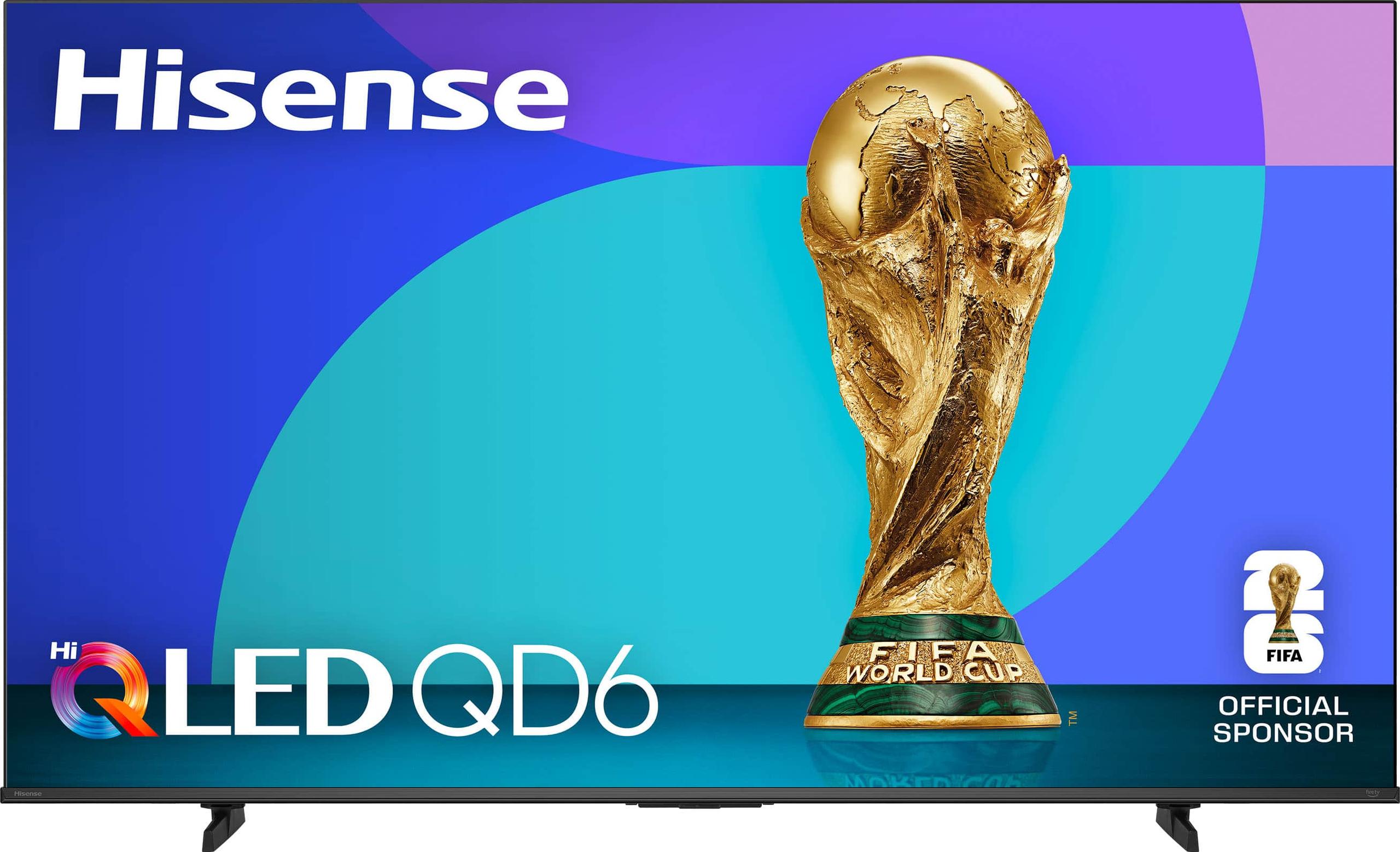

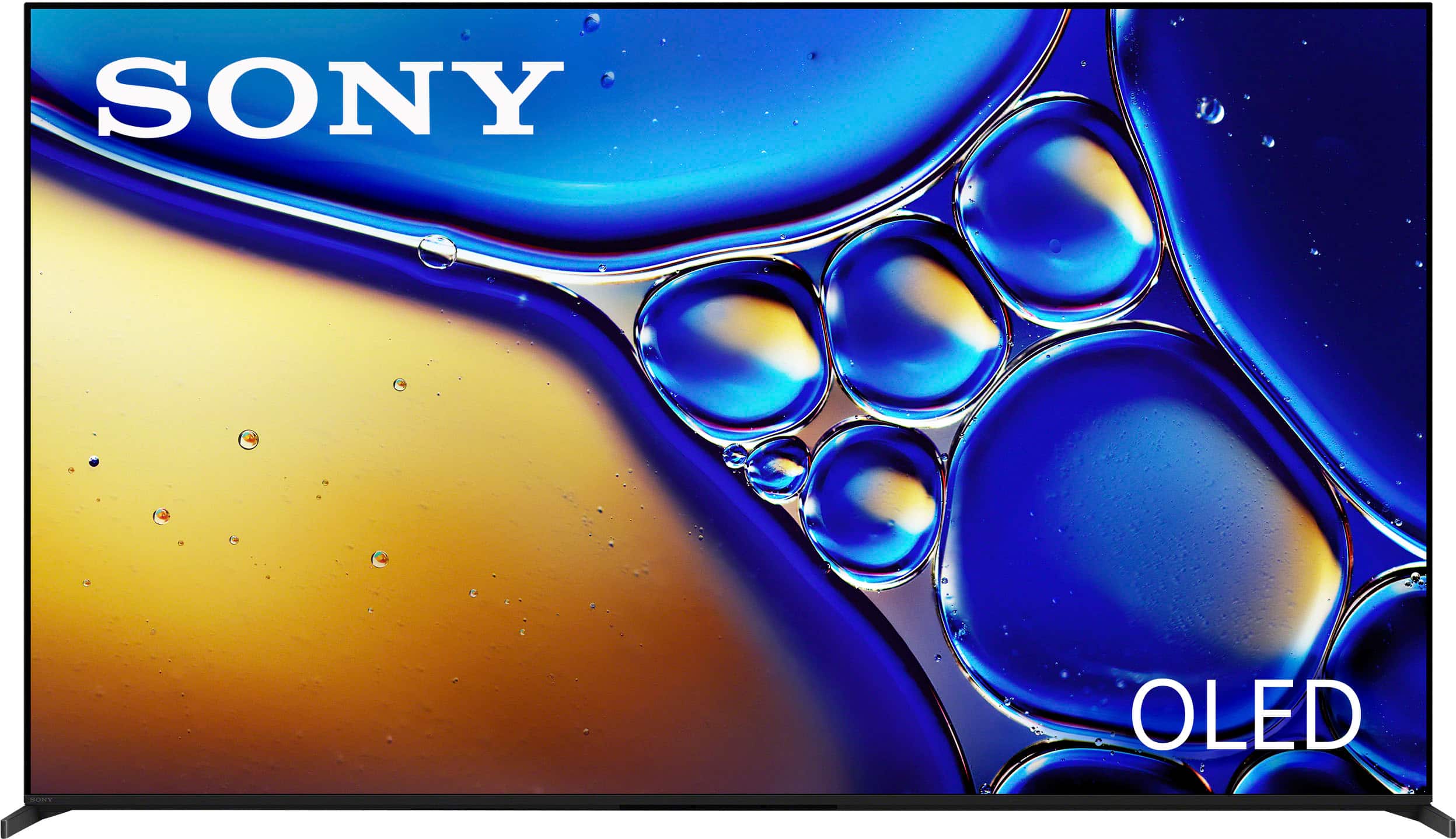
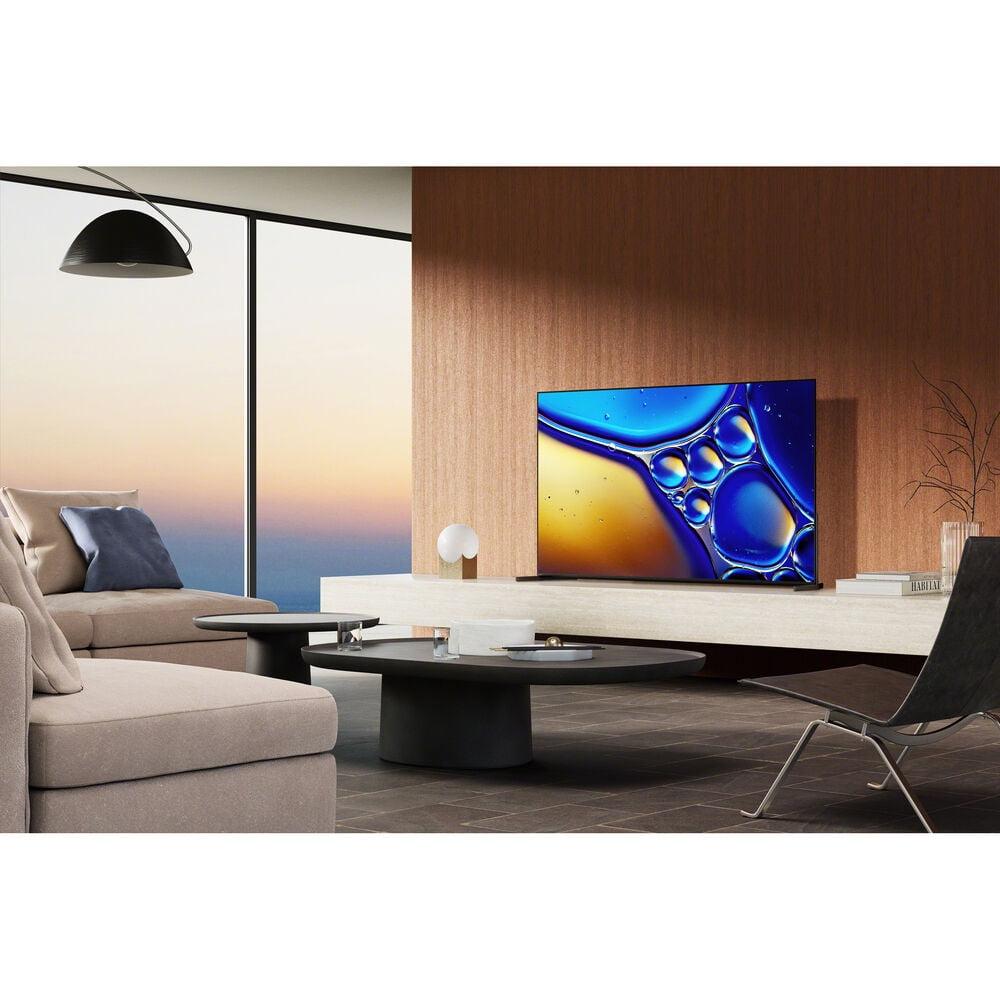
Finding the right 65-inch TV can feel overwhelming, especially when comparing models that seem similar on paper but perform very differently in your living room. Today we're breaking down two popular 2025 options that represent opposite ends of the TV market: the budget-friendly Hisense 65" QD6 Series and the premium Sony BRAVIA 8 II.
At the time of writing, these TVs sit in completely different price brackets – the Hisense costs roughly six times less than the Sony. But does that price difference translate to meaningful performance gaps, or can you get 90% of the experience for a fraction of the cost? Let's dig into the details.
Before diving into specifics, it's crucial to understand what separates budget TVs from premium models. The display technology forms the foundation of everything else – how bright the screen gets, how deep the blacks appear, and how vibrant colors look.
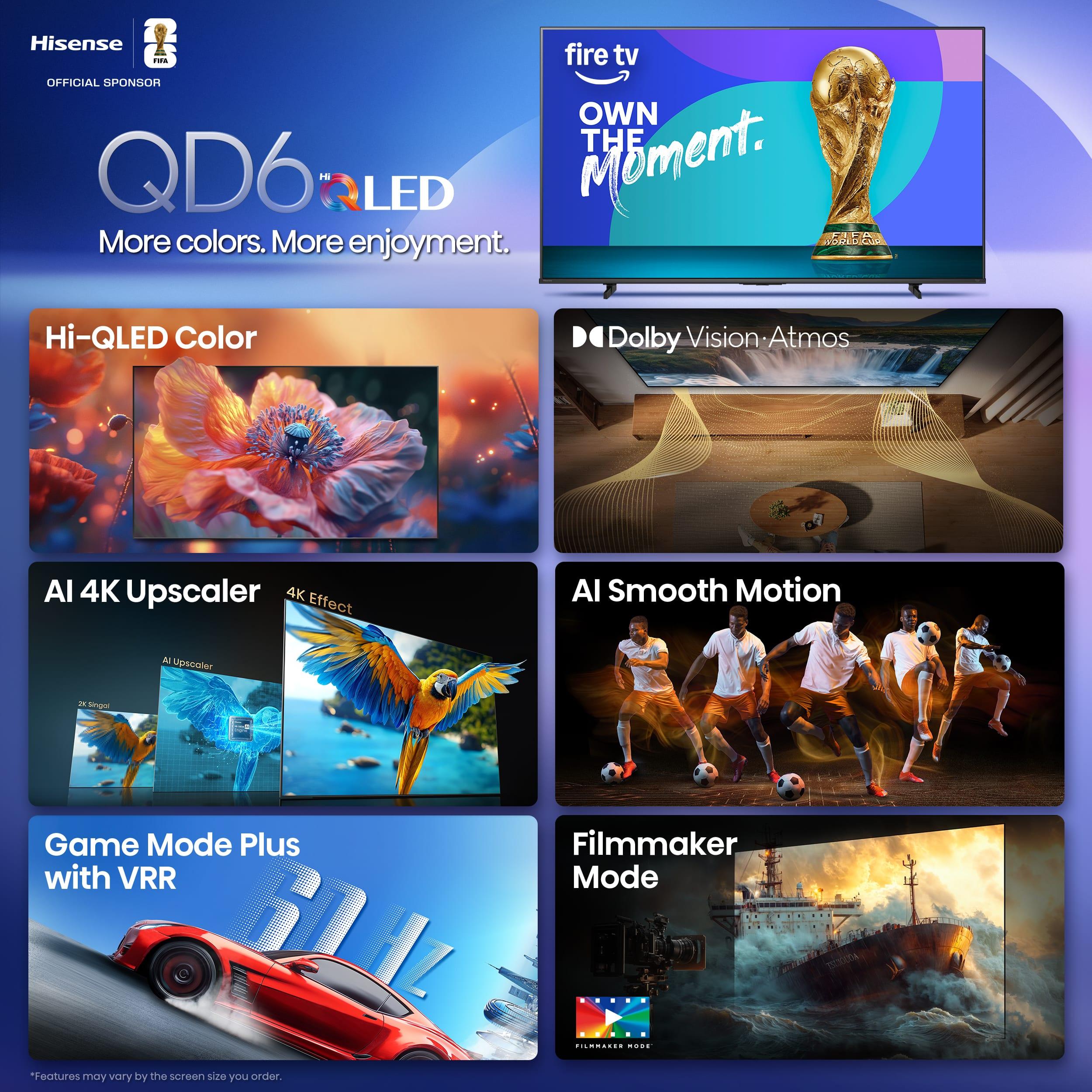
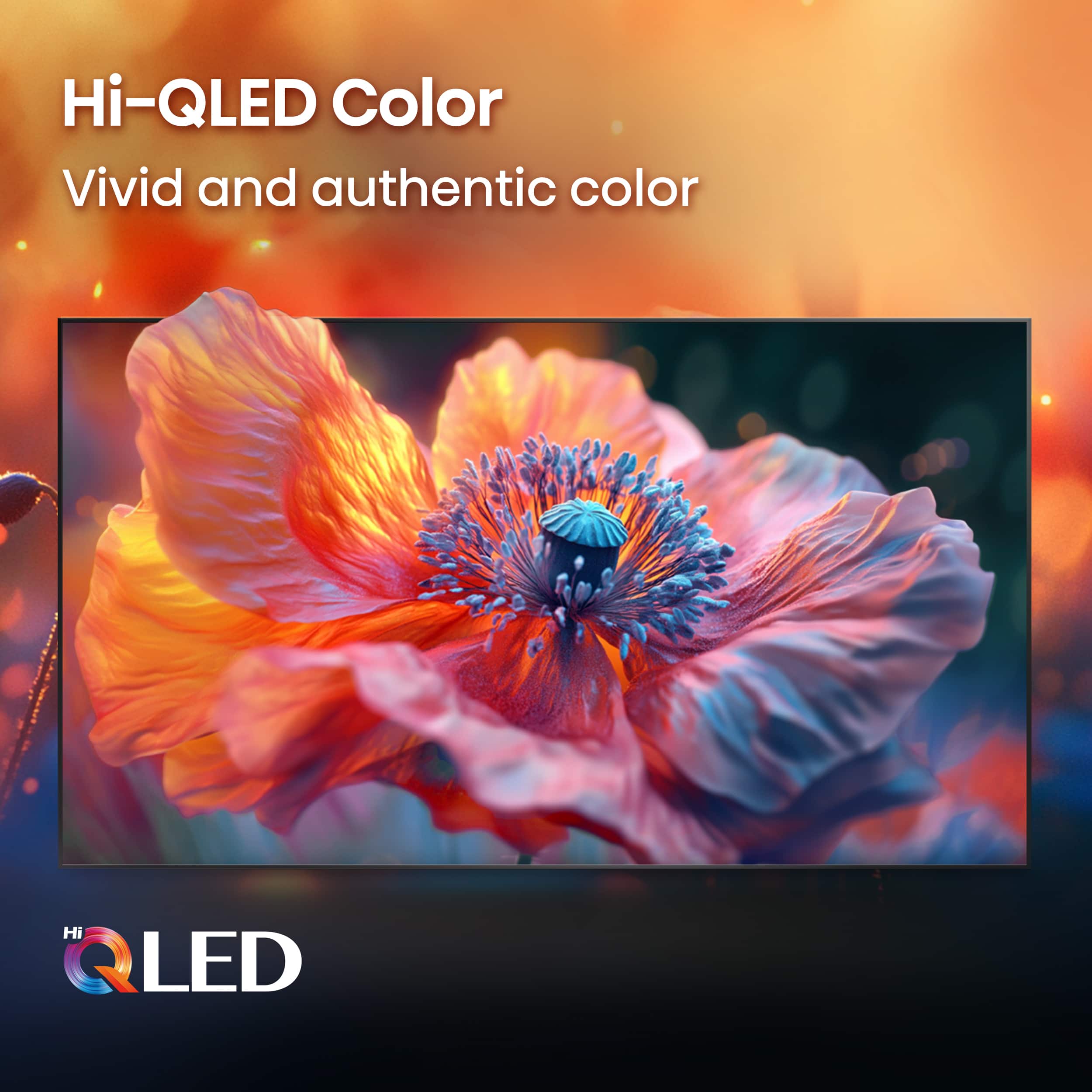
The Hisense QD6 uses QLED technology, which stands for Quantum Dot LED. Think of it as a traditional LED TV with a special layer of quantum dots – microscopic particles that enhance color production when light passes through them. The TV still relies on LED backlights shining through an LCD panel, but those quantum dots help produce more vibrant and accurate colors than standard LED TVs.
The Sony BRAVIA 8 II, however, uses QD-OLED technology – a completely different approach. OLED stands for Organic Light Emitting Diode, where each of the 8+ million pixels produces its own light and can turn completely off. Sony combines this with quantum dots for enhanced color, creating what many consider the holy grail of display technology. When an OLED pixel displays black, it emits zero light – creating true, infinite contrast that's impossible with backlit displays.
This fundamental difference affects everything from how movies look in a dark room to how the TV performs during bright afternoon viewing sessions.
Contrast ratio – the difference between the brightest whites and darkest blacks – arguably matters more than any other picture quality metric. It's what makes movie scenes feel three-dimensional and immersive rather than flat and washed out.
Here's where the technology gap becomes apparent. The Sony BRAVIA 8 II achieves infinite contrast because its pixels can turn completely off. When you're watching a space scene with stars against the void, those black areas emit literally zero light. The Hisense QD6, being backlit, cannot achieve true blacks. Even in its darkest scenes, the LED backlights behind the panel create some light bleed, resulting in dark gray rather than pure black.
This difference becomes especially noticeable in dark room viewing. Based on our research into expert reviews, the Sony creates that coveted "floating image" effect where bright objects seem to pop off a perfectly black background. The Hisense, while offering decent contrast for its price range, shows visible gray areas where blacks should be absolute.
HDR (High Dynamic Range) represents one of the biggest advances in TV technology over the past decade. It expands the range between darkest and brightest parts of an image, making sunset scenes actually look bright and cave scenes appropriately dark – closer to what your eyes see in real life.
The Sony BRAVIA 8 II excels here with peak brightness reaching approximately 1,880 nits – that's 25% brighter than Sony's previous flagship models. When a car's headlight flashes across the screen or sunlight reflects off water, these highlights genuinely appear bright and impactful. The TV's XR Triluminos Max technology, combined with quantum dots, ensures these bright highlights maintain accurate colors rather than washing out to white.
The Hisense QD6 manages around 385 nits peak brightness – adequate for budget expectations but insufficient for compelling HDR. Expert reviews consistently note that HDR content appears flat and dull, lacking the punch that makes premium TVs special. However, for the price point, this performance isn't surprising and may not matter if you primarily watch standard definition or non-HDR content.
Color performance involves two key aspects: accuracy (how faithful colors appear to real life) and volume (how vibrant colors can be while maintaining accuracy).
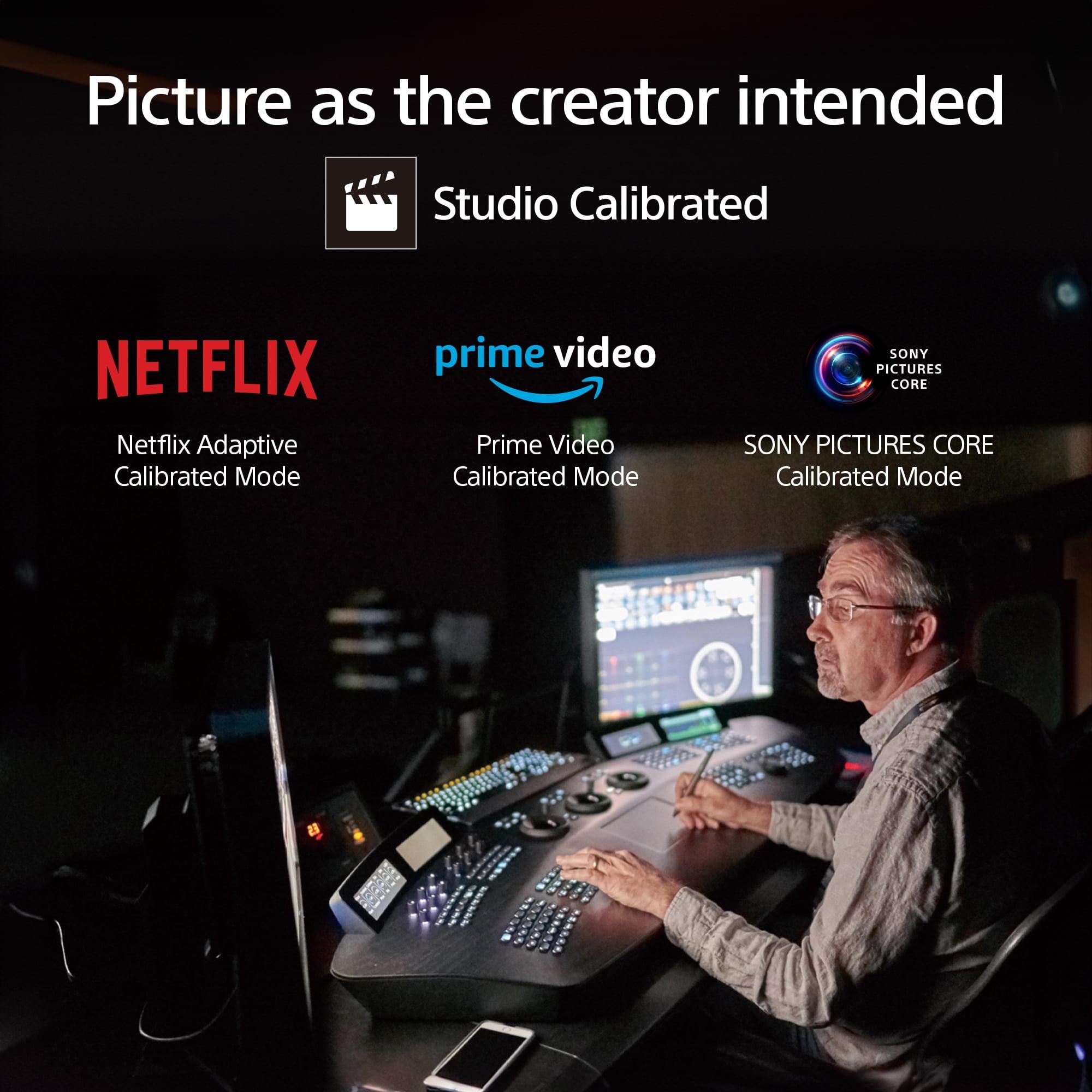
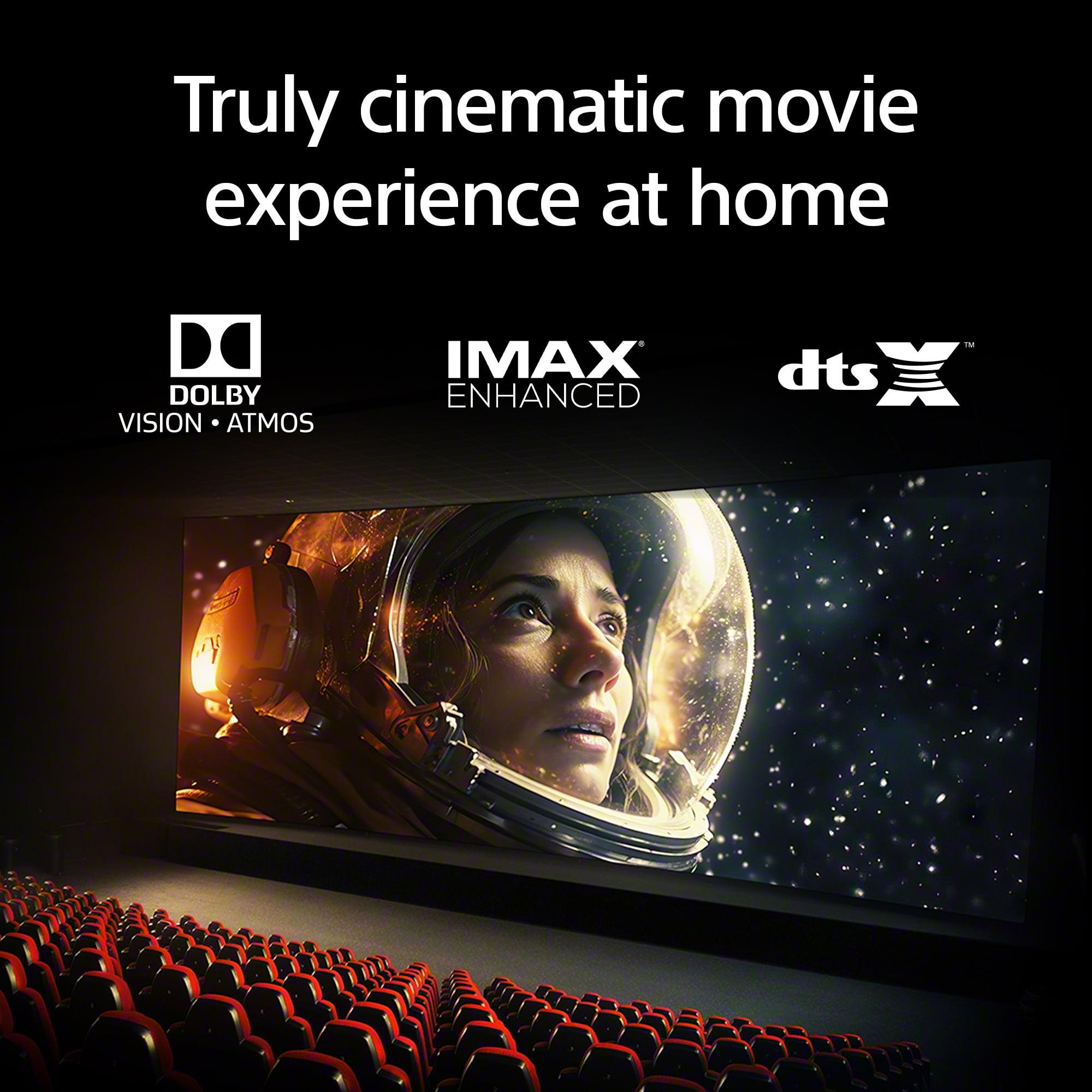
Sony's reputation for color accuracy stems from their cinema industry connections. The BRAVIA 8 II includes professionally calibrated picture modes for Netflix, Prime Video, and Sony Pictures Core, ensuring movies appear exactly as directors intended. The combination of QD-OLED technology and Sony's XR Processor analyzes each scene and adjusts colors in real-time using AI.
The Hisense QD6 covers about 90% of the DCI-P3 color gamut – impressive for a budget model. Quantum dots help produce more vibrant reds and greens than standard LED TVs. However, expert testing reveals limitations in color volume, meaning colors become less saturated at higher brightness levels, and color accuracy, while decent out of the box, doesn't match professional standards.
Motion clarity becomes crucial when watching sports, action movies, or playing fast-paced games. How well a TV handles moving objects separates good displays from great ones.
OLED technology provides an inherent advantage here. The Sony BRAVIA 8 II features essentially instantaneous pixel response times – when a pixel needs to change from red to blue, it happens immediately. This eliminates the blur trails that plague many LCD-based displays. Sony's XR OLED Motion processing adds intelligent frame interpolation, analyzing moving objects and creating smooth motion without the "soap opera effect" that makes movies look artificial.
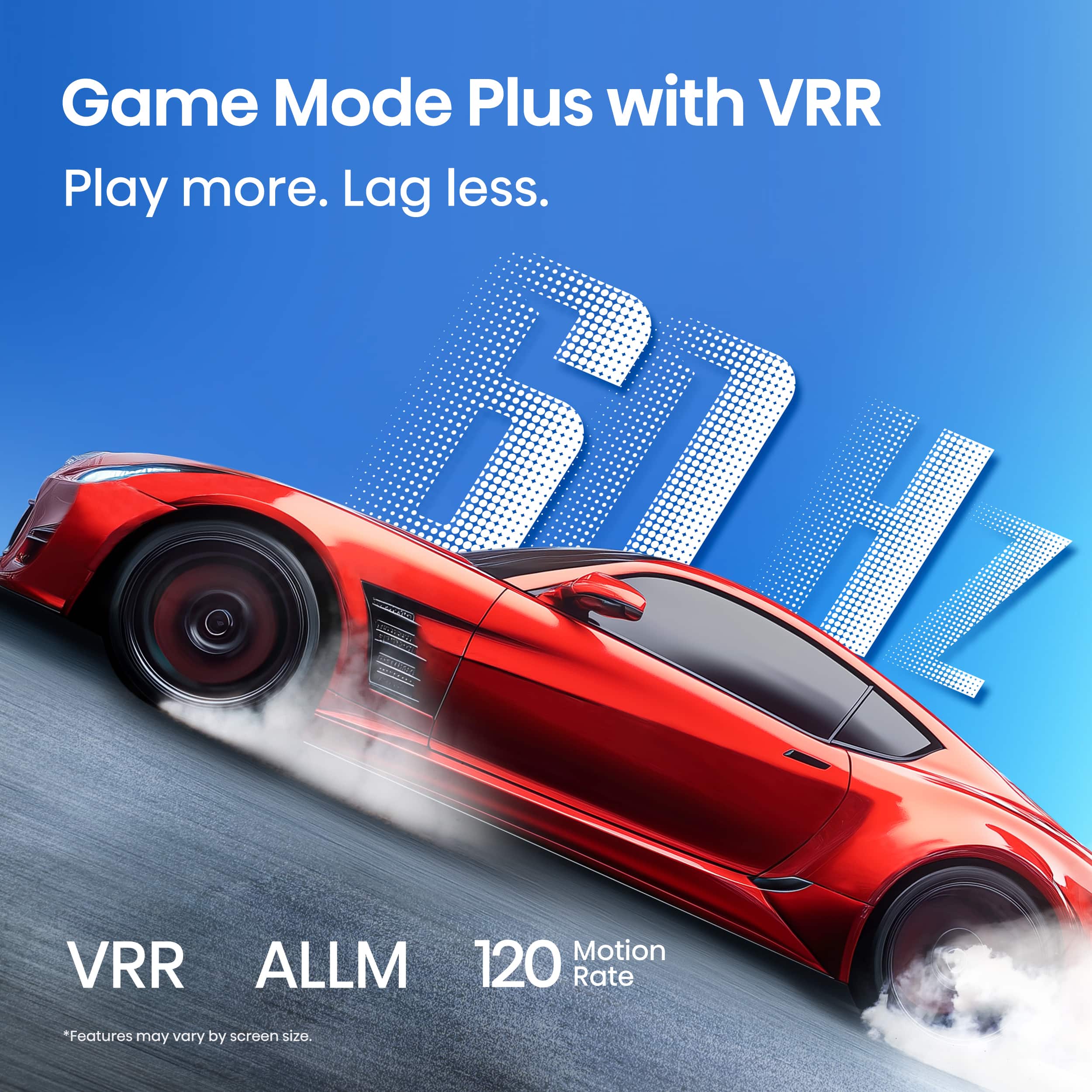
The Hisense QD6 struggles more with motion. Expert reviews note blur trails behind fast-moving objects, particularly problematic during sports viewing. The TV includes Motion Rate 120 technology, which interpolates frames to create smoother motion from its native 60Hz panel, but this can't match the fundamental advantages of OLED's instant response times.
For sports enthusiasts, the difference becomes immediately apparent. Soccer balls appear crisp and defined on the Sony, while the Hisense shows noticeable blur during quick camera pans across the field.
Gaming has become a major consideration for TV buyers, especially with PlayStation 5 and Xbox Series X pushing 4K gaming at high frame rates.
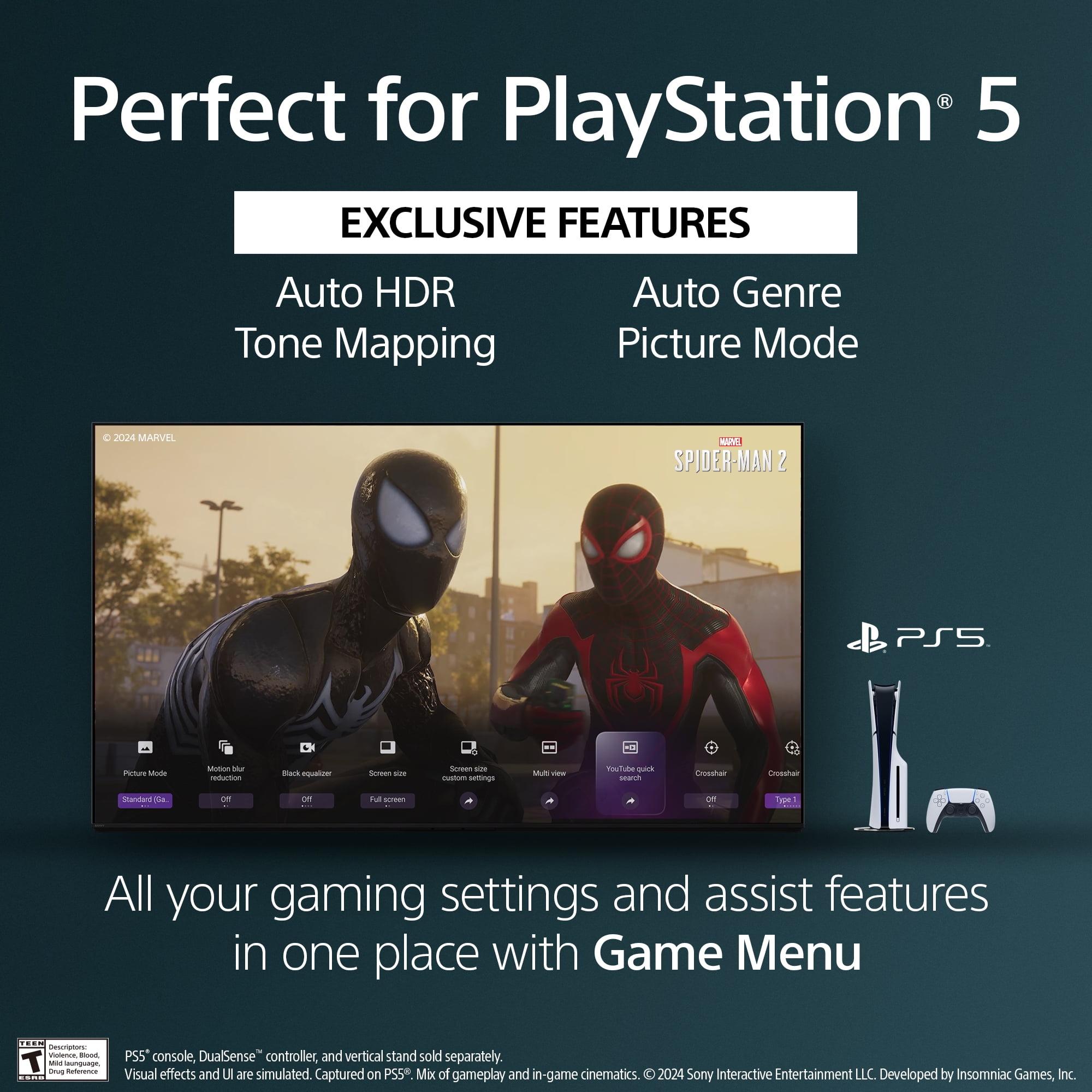
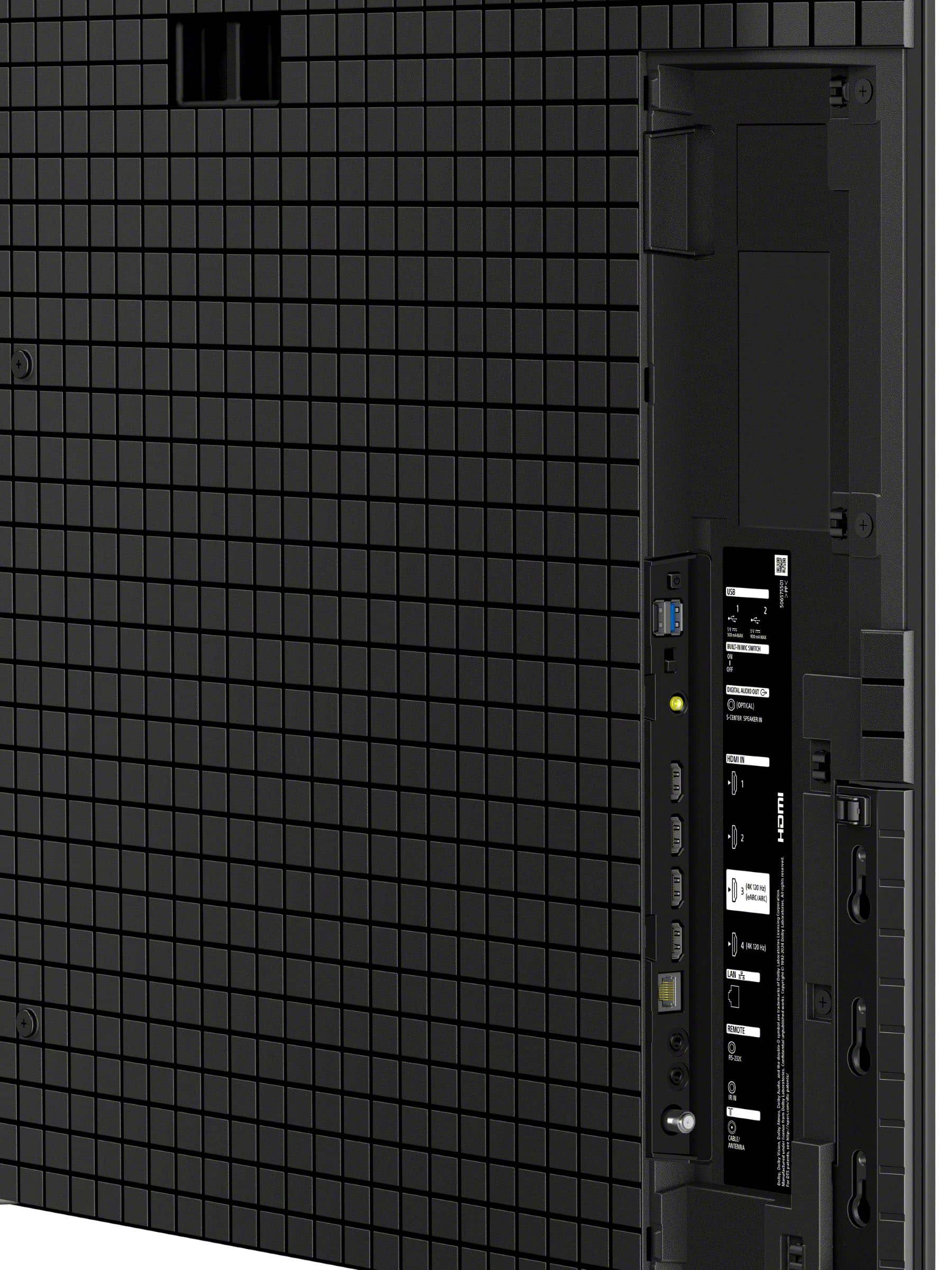
The Sony BRAVIA 8 II embraces modern gaming with two HDMI 2.1 ports supporting 4K resolution at 120Hz refresh rates. This means games can display 120 frames per second at full 4K resolution – twice as smooth as standard 60fps gaming. Variable Refresh Rate (VRR) eliminates screen tearing by synchronizing the TV's refresh rate with the console's frame output. Auto Low Latency Mode (ALLM) automatically switches to game mode when it detects a gaming signal, reducing input lag to just 8.5 milliseconds – essentially imperceptible delay between controller input and on-screen response.
The Hisense QD6 includes VRR and ALLM features but limits gaming to 4K at 60Hz due to its HDMI 2.0 ports. While 10.2ms input lag remains reasonable for casual gaming, the 60Hz ceiling means you can't take full advantage of next-generation consoles. For current gaming, this works fine, but it lacks future-proofing as more games target 120fps.
Both TVs run modern smart TV platforms, but with different philosophies and ecosystems.
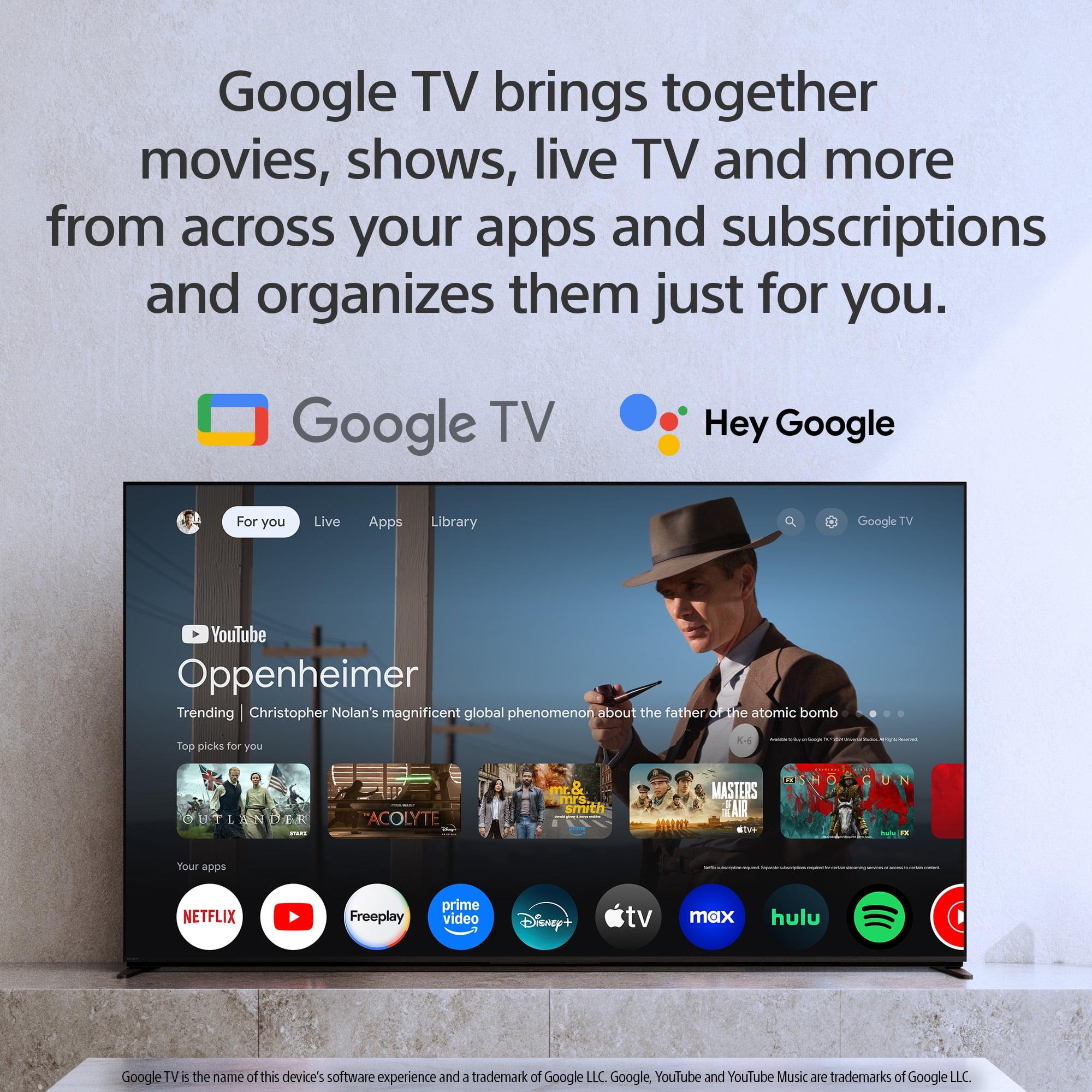
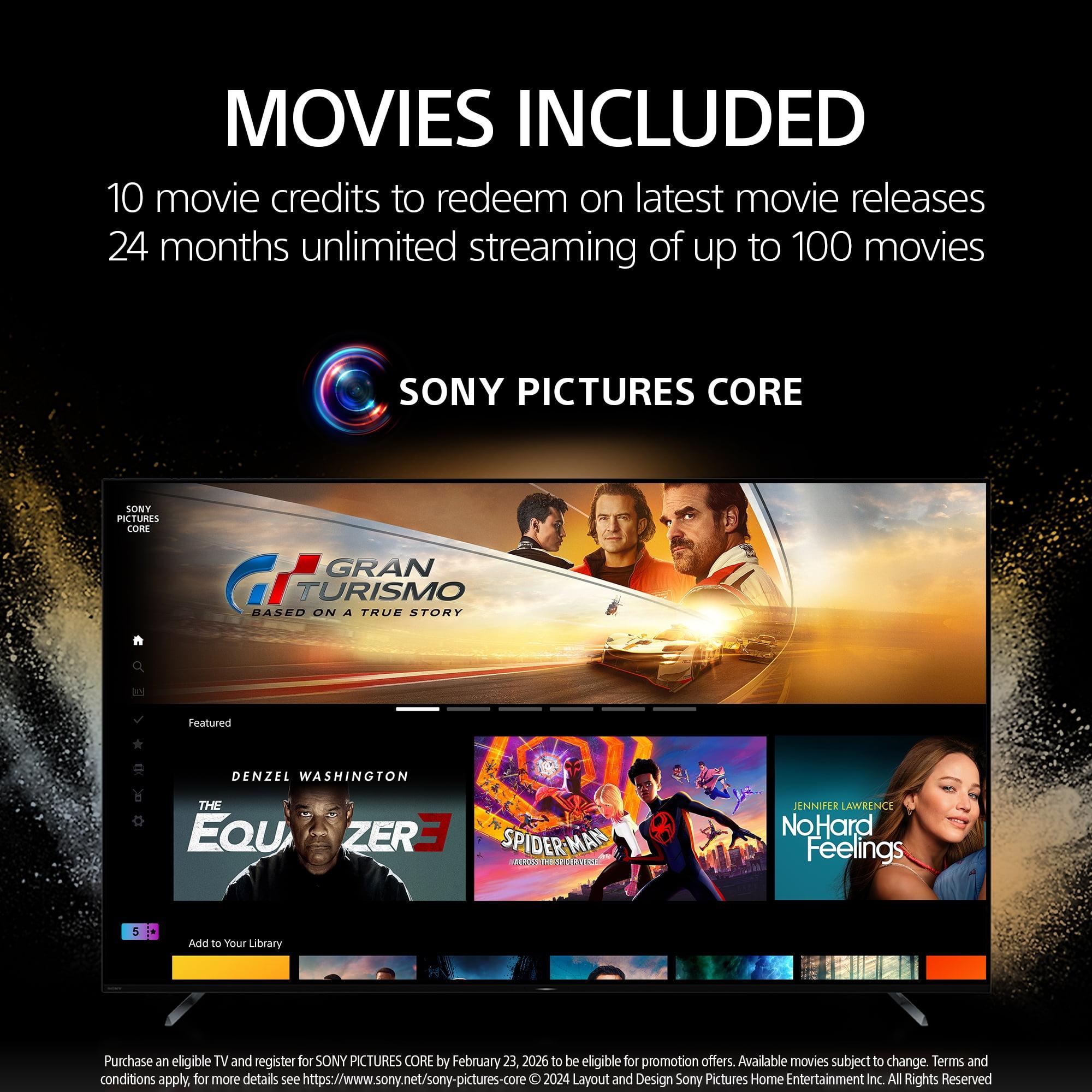
The Sony BRAVIA 8 II uses Google TV, which organizes content across all your streaming services into personalized recommendations. The interface feels responsive and intuitive, with Google Assistant integration for voice control. Sony adds unique touches like Sony Pictures Core, offering two years of unlimited streaming and credits for new movie releases – essentially a premium streaming service included with the TV.
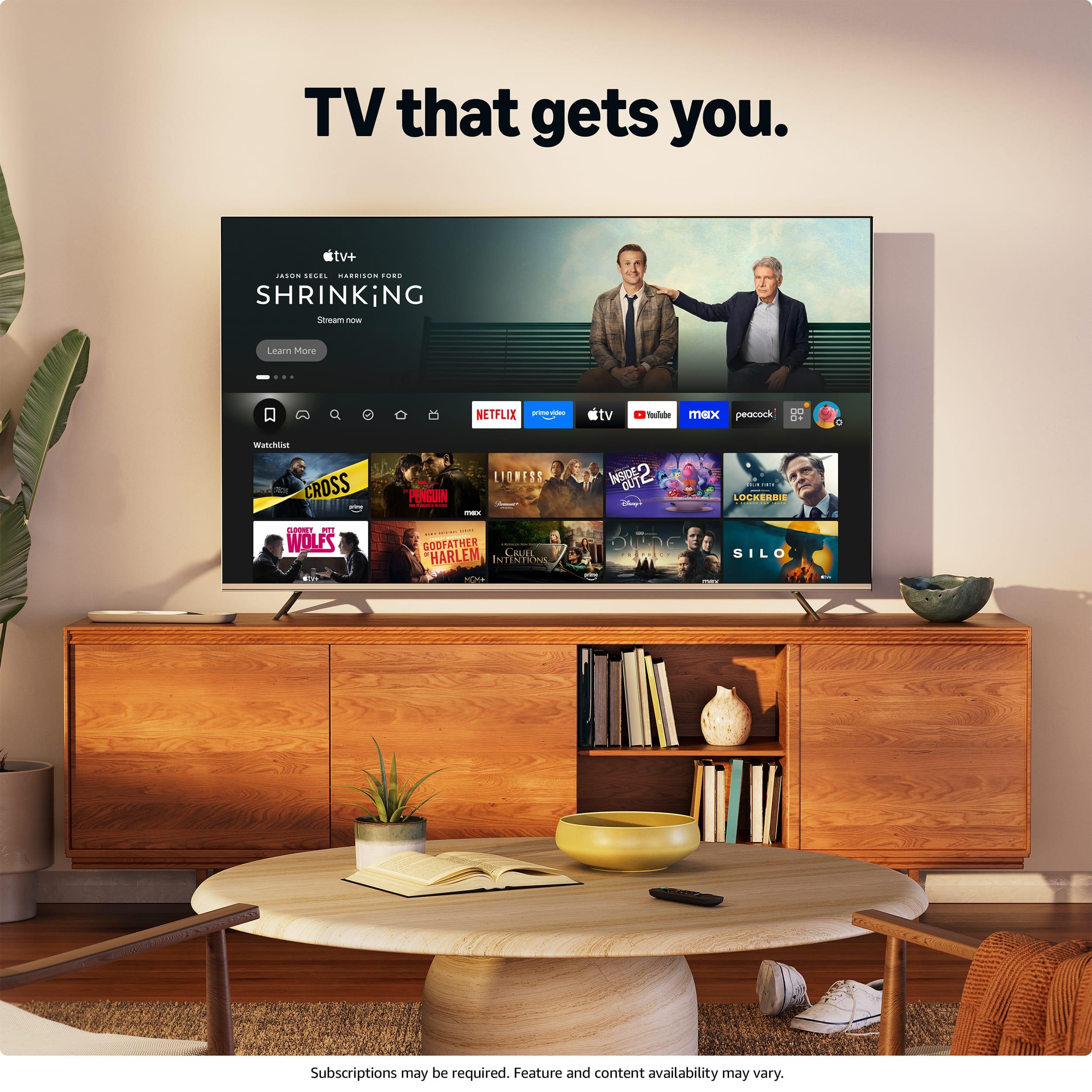
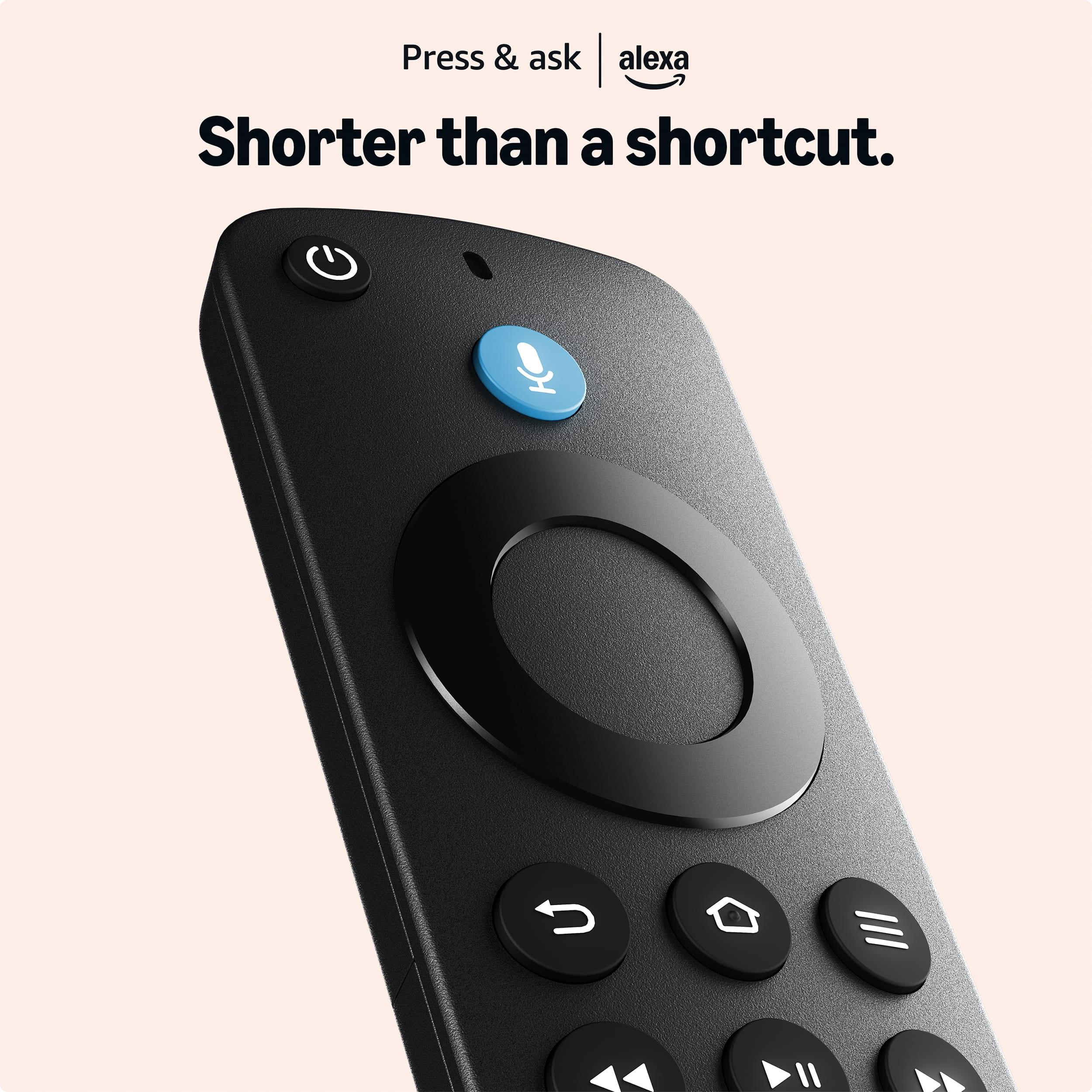
The Hisense QD6 runs Amazon's Fire TV platform, which works seamlessly if you're already invested in the Amazon ecosystem. Alexa voice control handles smart home integration well, and the platform includes all major streaming apps. Some users report occasional interface lag, but overall performance remains solid for daily use.
TV audio typically disappoints, but these models take different approaches to the challenge.
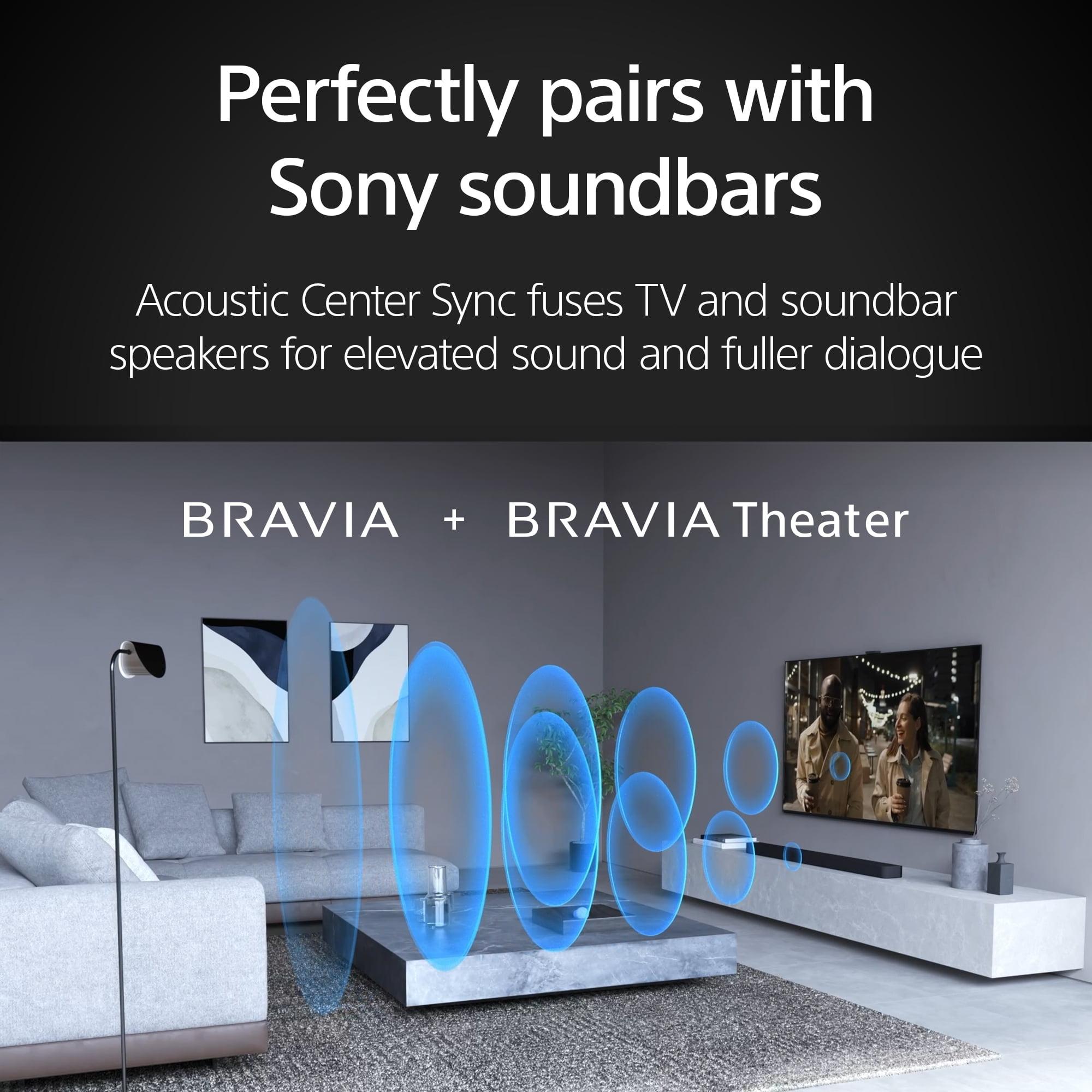
Sony's Acoustic Surface Audio+ technology in the BRAVIA 8 II turns the entire screen into a speaker using actuators behind the panel. Sound appears to come directly from the action on screen rather than from below, creating a more immersive experience. The system supports Dolby Atmos and can even serve as the center channel in a home theater setup when paired with compatible Sony soundbars – a unique feature that adds genuine value for audio enthusiasts.
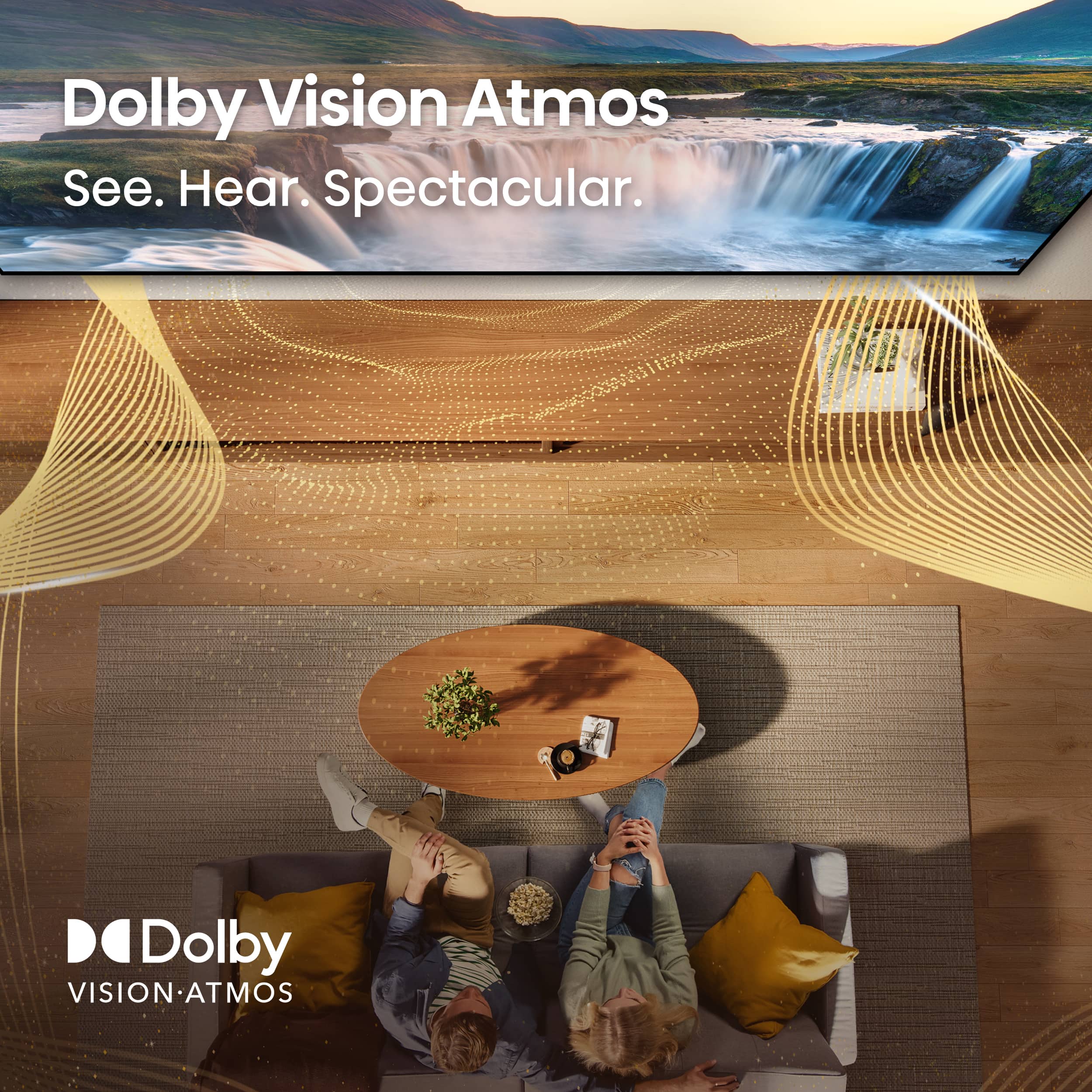
The Hisense QD6 includes standard speakers with Dolby Atmos processing. While adequate for basic viewing, don't expect rich bass or room-filling sound. Most buyers in this price range plan to add a separate soundbar anyway, making the TV's built-in audio less critical.
Surprisingly, the budget Hisense QD6 actually performs better in very bright rooms. Its higher sustained brightness across the full screen and anti-glare properties help maintain picture quality when sunlight streams through windows. The Sony BRAVIA 8 II, while featuring excellent anti-reflective coating, is optimized for controlled lighting environments where its perfect blacks provide maximum impact.
For dedicated home theater setups, the Sony BRAVIA 8 II proves transformative. The combination of perfect blacks, accurate colors, and impressive HDR creates a cinema-like experience that justifies the premium price. Movies feel three-dimensional and immersive in ways that backlit displays simply cannot match.
The Hisense QD6 excels for families who watch various content throughout the day in different lighting conditions. Its Fire TV platform, robust daytime performance, and budget-friendly price make it ideal for living rooms where the TV stays on for background viewing, kids' shows, and evening entertainment.
At the time of writing, you'll pay roughly six times more for the Sony BRAVIA 8 II compared to the Hisense QD6. This dramatic price difference requires careful consideration of your priorities and viewing habits.
The Hisense delivers approximately 85% of premium TV performance at 15% of flagship pricing – exceptional value if your priorities align with its strengths. For bright room viewing, casual gaming, and general family entertainment, it punches well above its weight class.
The Sony justifies its premium through technological superiority that will remain relevant for years. Perfect blacks, cutting-edge gaming features, and professional-grade color accuracy create experiences impossible at lower price points. Factor in longer software support and premium build quality, and the total cost of ownership becomes more reasonable.
The Hisense makes perfect sense for practical buyers who want a large, feature-rich TV without premium pricing. It's particularly smart for secondary TVs or family rooms where viewing conditions vary throughout the day.
The Sony targets enthusiasts who view their TV as a long-term investment in home entertainment. If picture quality ranks as your top priority and budget allows, the technological advantages create genuinely superior viewing experiences.
These TVs serve fundamentally different markets despite sharing the same screen size. The Hisense QD6 maximizes practical value for everyday viewing, while the Sony BRAVIA 8 II delivers reference-quality performance that justifies its premium positioning.
Your viewing environment matters most in this decision. Bright living rooms favor the Hisense, while dark home theaters showcase the Sony's strengths. Gaming enthusiasts and movie purists will appreciate the Sony's advanced features, while budget-conscious families get tremendous value from the Hisense.
Both represent smart choices within their respective markets. The key is honest assessment of your priorities, viewing habits, and long-term plans for the TV. Neither will disappoint when matched to appropriate expectations and use cases.
| Hisense 65" QD6 Series Hi-QLED Fire TV (2025) | Sony BRAVIA 8 II 65" QD-OLED 4K Google TV 2025 |
|---|---|
| Display Technology - The fundamental difference that affects all picture quality | |
| QLED with LED backlight and quantum dots | QD-OLED with self-emissive pixels and quantum dots |
| Peak Brightness - Critical for HDR impact and bright room viewing | |
| ~385 nits (adequate for budget, limits HDR) | ~1,880 nits (25% brighter than previous Sony flagships) |
| Contrast Ratio - Most important spec for picture depth and realism | |
| Limited by LED backlight (decent blacks) | Infinite contrast with perfect pixel-level blacks |
| Refresh Rate - Essential for smooth motion and gaming | |
| 60Hz native with Motion Rate 120 interpolation | 120Hz native with XR OLED Motion processing |
| Gaming Features - Future-proofing for next-gen consoles | |
| VRR, ALLM, 4K@60Hz, 10.2ms input lag | VRR, ALLM, 4K@120Hz, 8.5ms input lag, 2x HDMI 2.1 |
| Color Coverage - Affects how vibrant and accurate colors appear | |
| 90% DCI-P3 with quantum dots (good for price) | XR Triluminos Max with wider gamut (cinema-grade accuracy) |
| HDR Support - Premium content compatibility | |
| Dolby Vision, HDR10+, HDR10, HLG | Dolby Vision, HDR10, HLG, IMAX Enhanced |
| Smart Platform - Daily interface and app ecosystem | |
| Fire TV with Alexa integration | Google TV with Google Assistant and Sony Pictures Core |
| Audio Technology - Built-in sound quality | |
| Standard speakers with Dolby Atmos processing | Acoustic Surface Audio+ (screen becomes speaker) |
| Viewing Angles - Important for wide seating arrangements | |
| Limited (VA panel characteristics) | Excellent (89° x 89° OLED advantage) |
| Motion Handling - Critical for sports and action content | |
| Slower response time with blur trails | Instant pixel response eliminates motion blur |
| Best Use Case - Where each TV excels most | |
| Bright living rooms, budget-conscious families | Dark home theaters, gaming enthusiasts, movie purists |
| Value Proposition - What you get for your investment | |
| 85% of premium performance at budget pricing | Reference-quality display with cutting-edge features |
The Hisense QD6 performs better in bright rooms due to its higher sustained brightness across the full screen at around 385 nits and anti-glare properties. While the Sony BRAVIA 8 II reaches much higher peak brightness for HDR highlights, it's optimized for controlled lighting environments where its perfect blacks provide maximum impact.
The Hisense QD6 uses QLED technology with LED backlights shining through quantum dots and an LCD panel, while the Sony BRAVIA 8 II features QD-OLED where each pixel produces its own light and can turn completely off. This gives the Sony infinite contrast with perfect blacks, while the Hisense cannot achieve true blacks due to its backlight design.
The Sony BRAVIA 8 II is significantly better for gaming with two HDMI 2.1 ports supporting 4K at 120Hz, plus VRR, ALLM, and 8.5ms input lag. The Hisense QD6 only supports 4K at 60Hz through HDMI 2.0 ports, though it does include VRR and ALLM with 10.2ms input lag for basic gaming needs.
The Sony BRAVIA 8 II runs Google TV with personalized recommendations and includes Sony Pictures Core streaming service, while the Hisense QD6 uses Fire TV with excellent Amazon ecosystem integration and Alexa voice control. Both platforms support all major streaming apps with responsive performance.
The Sony BRAVIA 8 II delivers superior picture quality with perfect blacks, infinite contrast, and peak brightness up to 1,880 nits for impactful HDR. The Hisense QD6 offers decent picture quality for its price range but HDR content appears flat and lacks the contrast needed for truly cinematic viewing experiences.
The price difference reflects fundamental technology gaps. The Sony BRAVIA 8 II justifies its premium through perfect blacks, cinema-grade color accuracy, advanced gaming features, and long-term software support. The Hisense QD6 offers exceptional value at roughly 15% of the Sony's cost while delivering about 85% of premium TV performance for everyday viewing.
The Sony BRAVIA 8 II excels in dedicated home theater environments with its perfect blacks, accurate colors, and Acoustic Surface Audio+ technology that turns the screen into a speaker. The combination creates a truly cinematic experience that the Hisense QD6 cannot match due to its backlit design and limited contrast capabilities.
The Sony BRAVIA 8 II features instant pixel response times that eliminate motion blur, making it excellent for sports and action content. The Hisense QD6 has slower response times that cause blur trails behind fast-moving objects, though its Motion Rate 120 processing helps somewhat with basic motion smoothing.
The Sony BRAVIA 8 II features superior audio with Acoustic Surface Audio+ technology that makes the entire screen function as a speaker, supporting Dolby Atmos and center channel functionality with compatible soundbars. The Hisense QD6 has standard speakers with Dolby Atmos processing that are adequate but not exceptional.
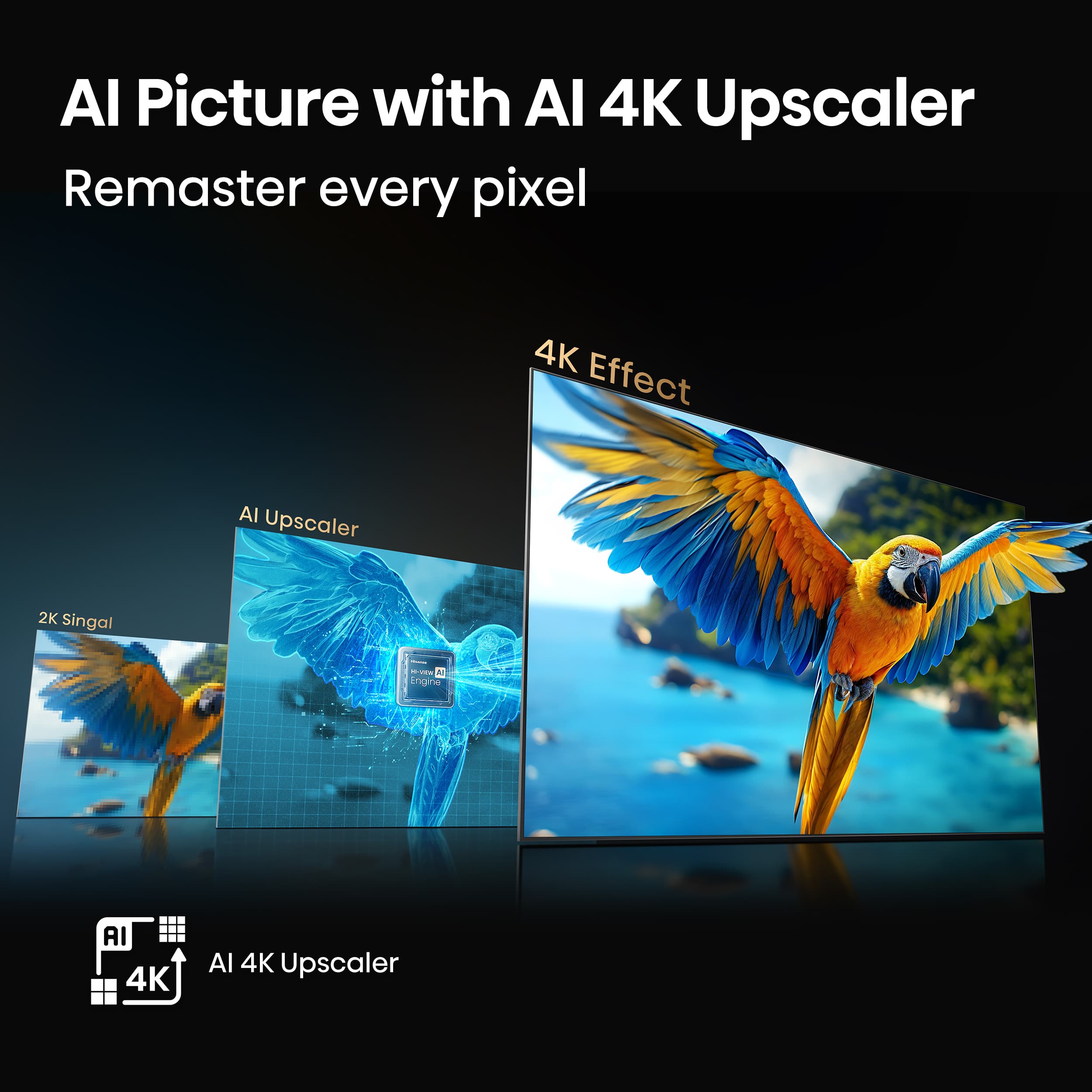
Yes, both handle 4K content effectively. The Sony BRAVIA 8 II includes advanced XR 4K Upscaling with AI processing that excels at improving lower resolution content. The Hisense QD6 features AI 4K Upscaler that provides decent upscaling performance, sharpening HD content to near-4K quality for its price range.
Sports viewing favors the Sony BRAVIA 8 II due to its instant motion response, excellent viewing angles, and superior motion processing. The Hisense QD6 struggles with fast motion blur and has limited viewing angles, though it performs adequately for casual sports viewing in well-lit rooms.
Choose the Hisense QD6 for budget-conscious families who want quantum dot color enhancement, Fire TV integration, and solid performance in bright rooms. Choose the Sony BRAVIA 8 II for home theater enthusiasts, serious gamers, and anyone prioritizing the best possible picture quality with perfect blacks and cinema-grade color accuracy.
We've done our best to create useful and informative comparisons to help you decide what product to buy. Our research uses advanced automated methods to create this comparison and perfection is not possible - please contact us for corrections or questions. These are the sites we've researched in the creation of this article: pcvarge.com - bestbuy.com - rtings.com - youtube.com - rtings.com - youtube.com - consumerreports.org - leaseville.com - hisense-usa.com - device.report - hisense-usa.com - youtube.com - flatpanelshd.com - displayspecifications.com - retailspecs.com - techradar.com - rtings.com - bestbuy.com - whathifi.com - rtings.com - hometechnologyreview.com - youtube.com - hometechnologyreview.com - hometechnologyreview.com - hometechnologyreview.com - valueelectronics.com - smarthomesounds.co.uk - electronics.sony.com - valueelectronics.com - bestbuy.com - youtube.com - displayspecifications.com - hometechnologyreview.com - flatpanelshd.com

Privacy Policy
Terms and Conditions - Affiliate Policy
Home Security
© Copyright 2008-2026.
11816 Inwood Rd #1211, Dallas, TX 75244