


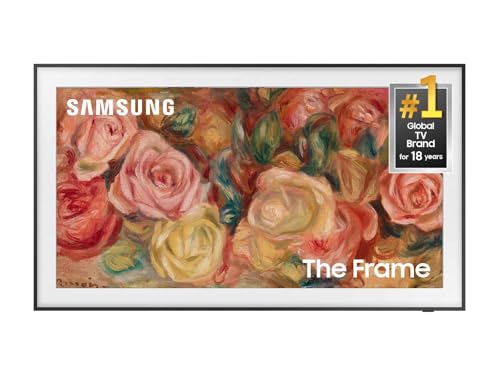


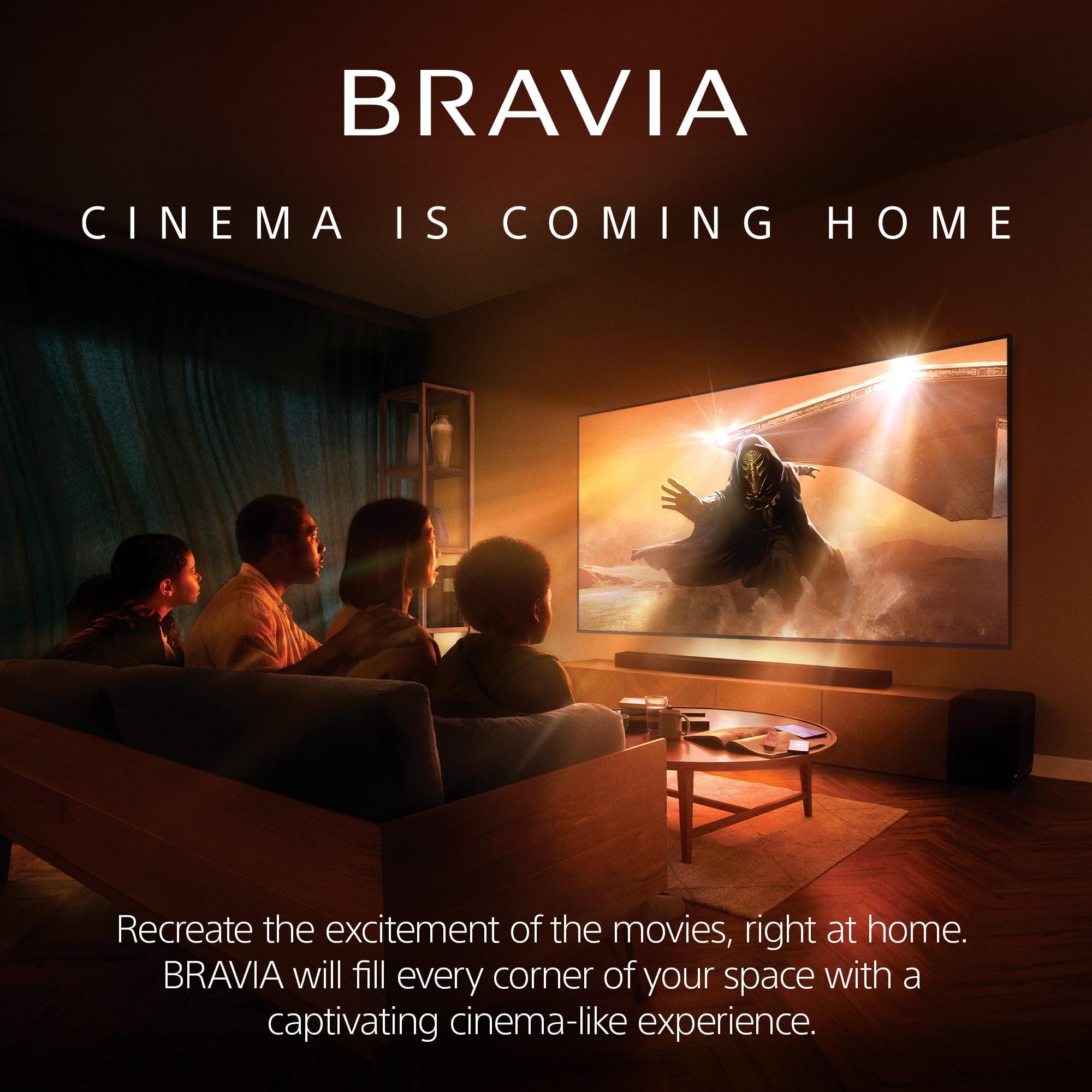

When shopping for a premium 65-inch 4K TV, you're entering a fascinating landscape where technology meets lifestyle choices. The two products we're comparing today represent completely different philosophies about what a television should be in your home. The Samsung 65" The Frame QLED 4K 2024 TV asks: "What if your TV could disappear when you're not watching it?" Meanwhile, the Sony BRAVIA 8 II 65" QD-OLED 4K Google TV 2025 poses a different question: "What if we could bring the cinema experience directly to your living room?"
At the time of writing, these TVs sit at very different price points—the Samsung represents excellent value in the lifestyle TV category, while the Sony commands a premium price that's roughly two and a half times higher. That price gap isn't arbitrary; it reflects fundamental differences in display technology, target audience, and what each TV is trying to achieve.
Today's premium TV market has evolved beyond simple "bigger is better" thinking. We now have lifestyle TVs designed to integrate seamlessly into your home's aesthetic, and performance TVs engineered to deliver the absolute best picture and audio quality possible. This split has created interesting buying decisions that go beyond traditional specs.
The most important performance characteristics to consider include contrast ratio (the difference between the darkest blacks and brightest whites), color accuracy (how close colors appear to real life), peak brightness (measured in nits—higher numbers mean better performance in bright rooms), and input lag (the delay between pressing a button and seeing the response on screen, crucial for gaming).
The Samsung Frame uses traditional QLED technology, which places quantum dots (tiny particles that convert blue LED light into pure colors) in front of an LED backlight. This approach has been refined over several years and offers excellent brightness and color performance, especially in well-lit rooms.
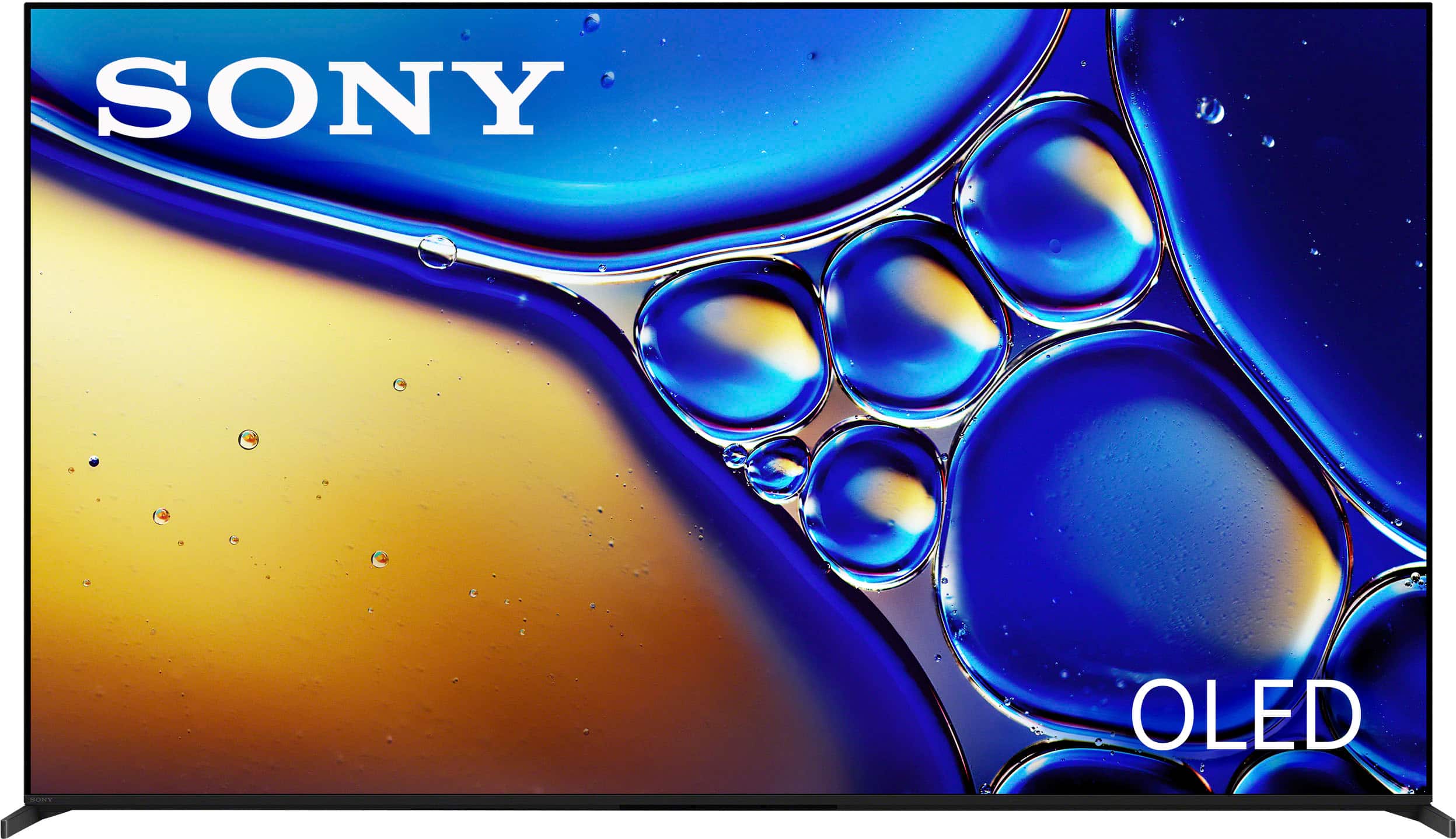
The Sony BRAVIA 8 II, released in 2025, represents the cutting edge with QD-OLED technology. This combines quantum dots with OLED's self-emissive pixels—meaning each pixel produces its own light and can turn completely off for perfect blacks. When Sony adopted this QD-OLED panel technology, they achieved something remarkable: OLED's infinite contrast ratio combined with quantum dot color purity and brightness levels that were previously impossible with traditional OLED panels.
The technical differences create dramatically different viewing experiences. The Samsung Frame's LED backlighting means it can't achieve true black levels—dark scenes will appear slightly gray, especially in dim rooms. However, its higher sustained brightness makes it excellent for daytime viewing when sunlight streams through windows.
The Sony BRAVIA 8 II's QD-OLED panel delivers perfect blacks because pixels actually turn off, creating an infinite contrast ratio. When watching a space scene, the black void of space appears truly black, making stars pop with incredible intensity. This technology achieves peak brightness levels around 1,880 nits in small highlight areas—significantly brighter than previous OLED generations while maintaining those perfect blacks.
Modern TVs rely heavily on processing power to optimize the image you see. The Sony BRAVIA 8 II features the 2nd Generation Cognitive XR Processor with AI Scene Recognition. This isn't marketing fluff—the processor analyzes each frame in real-time, identifying objects like faces, landscapes, or text, then applies different optimization techniques to each element. If you're watching a nature documentary, it will enhance the greens of foliage differently than the skin tones of the narrator.
The Samsung Frame uses a more focused processor optimized for upscaling lower-resolution content and managing its Art Mode functionality. While less sophisticated than Sony's AI-driven approach, it excels at its intended purpose: making both regular TV content and static artwork look their best.
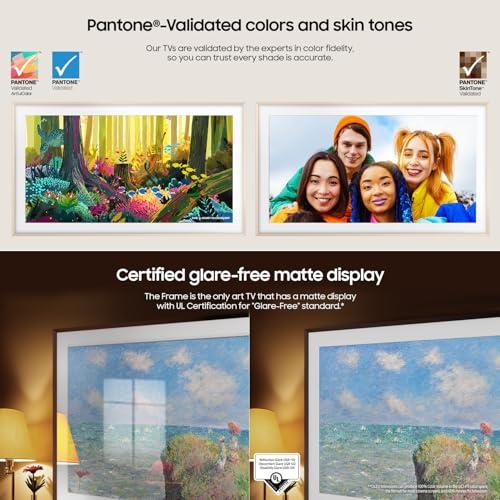
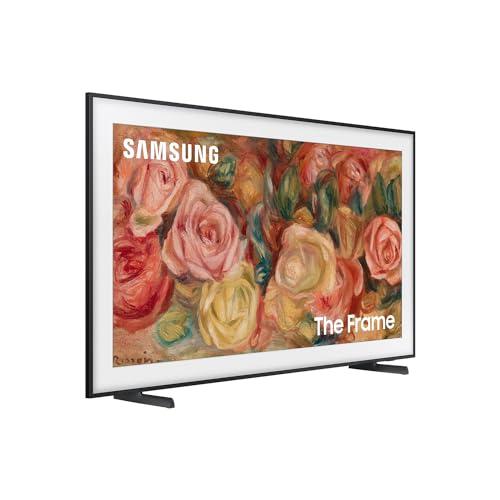
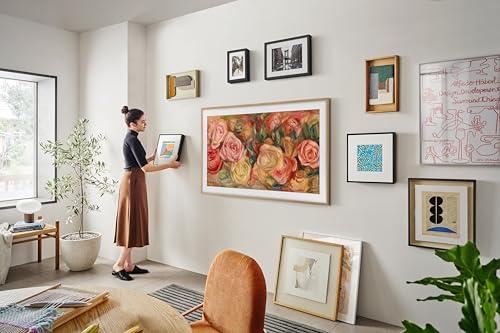
The Samsung Frame represents a genuine innovation in TV design. When powered off, it transforms into a digital art display, showing curated artwork, personal photographs, or other images with remarkable authenticity. The matte display coating scatters light like a real canvas, reducing reflections that would otherwise remind you you're looking at a screen.
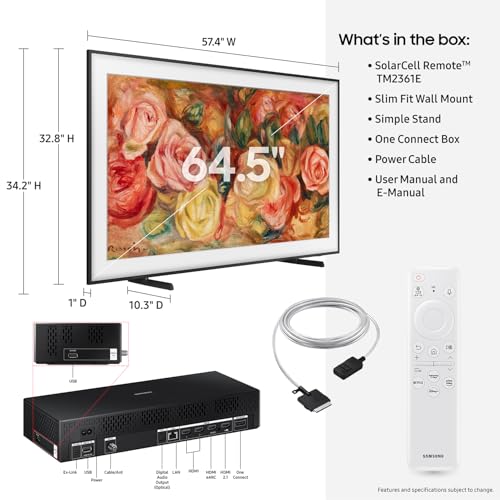
This TV comes with customizable magnetic bezels that you can swap to match your decor—wood grain for rustic settings, metallic finishes for modern spaces, or classic black for traditional rooms. The included slim-fit wall mount allows flush mounting, making the TV appear as if it's a framed painting hanging on your wall.
The motion sensor activates the display when someone approaches and dims it when the room is empty, contributing to the illusion while conserving energy. This isn't just a gimmick—many owners report that guests genuinely don't realize they're looking at a TV until it springs to life.
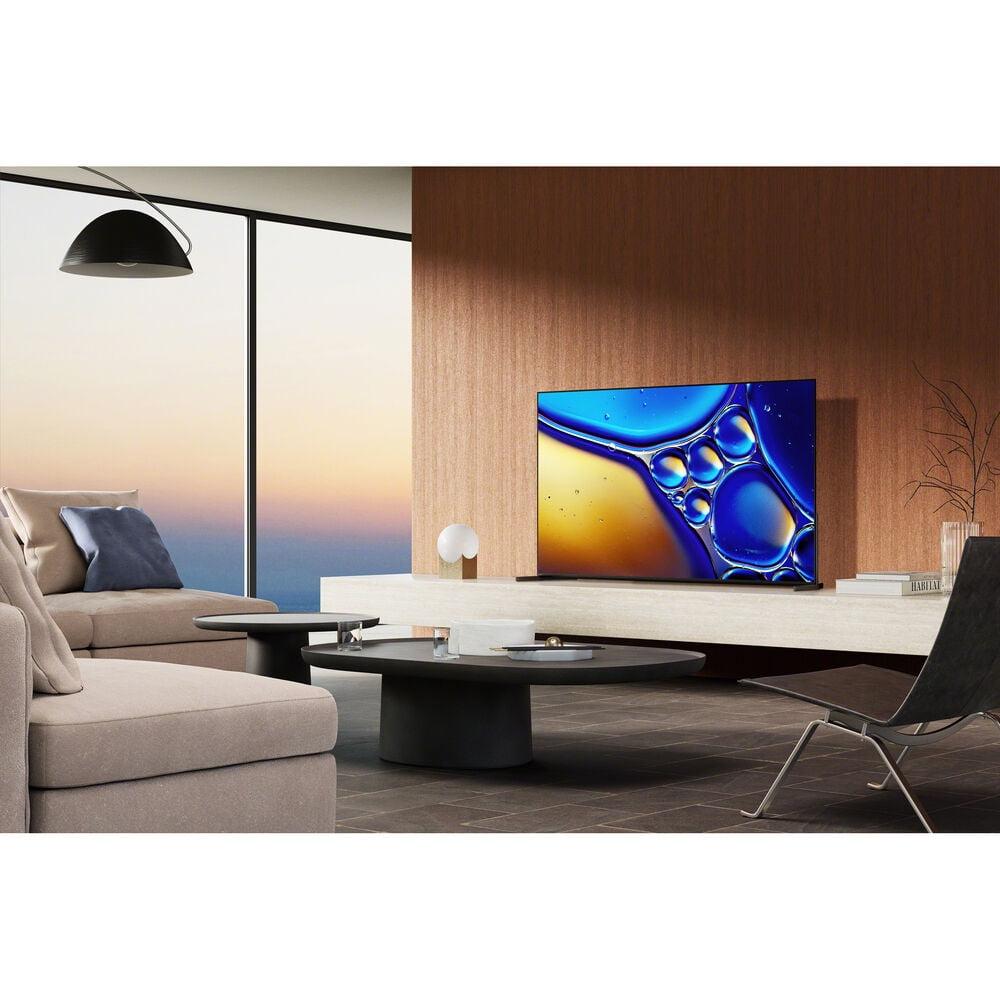
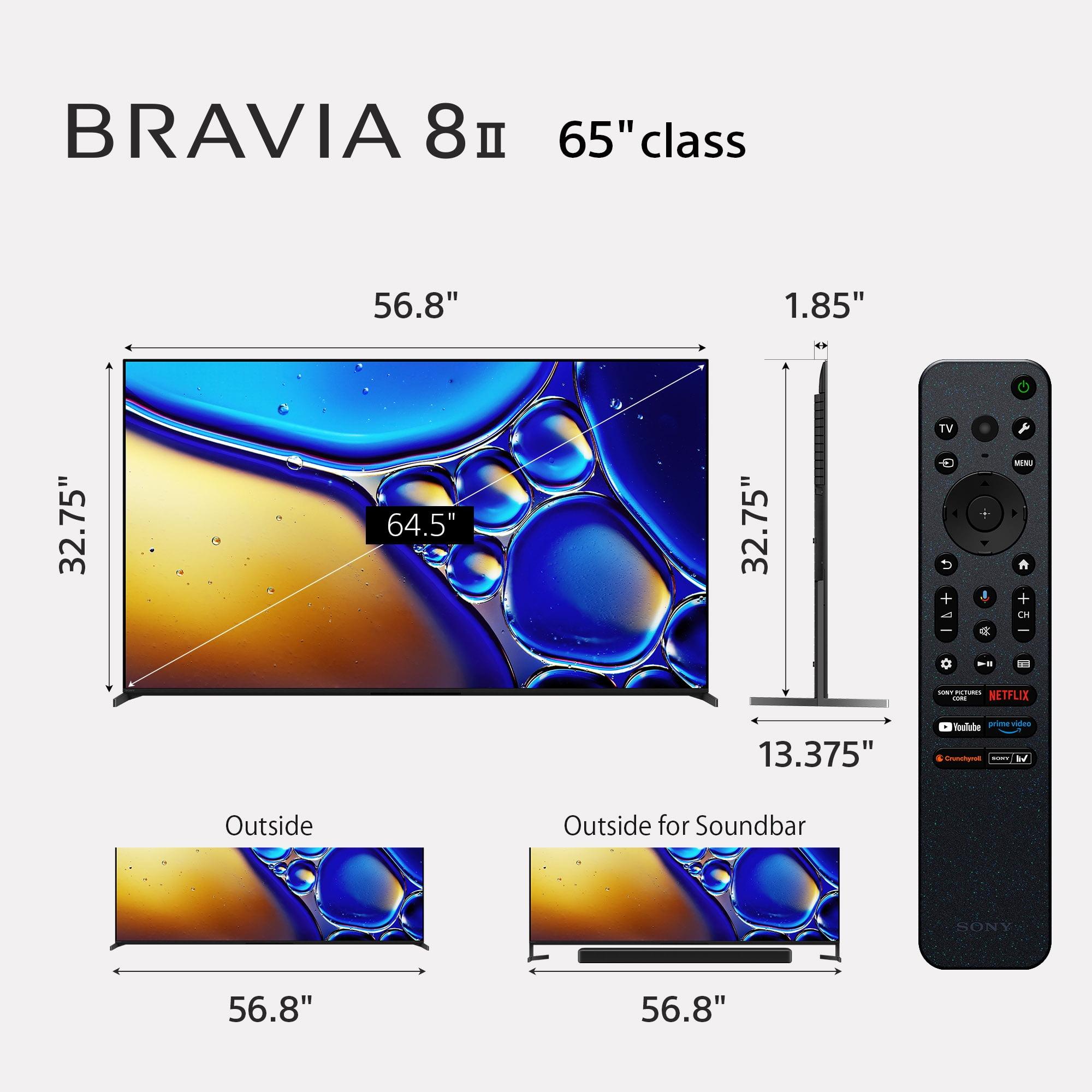
The Sony BRAVIA 8 II takes a minimalist approach that keeps all focus on the screen itself. The ultra-thin bezels disappear when you're watching content, creating an almost floating image effect. The design priority here is eliminating any distraction from the picture quality.
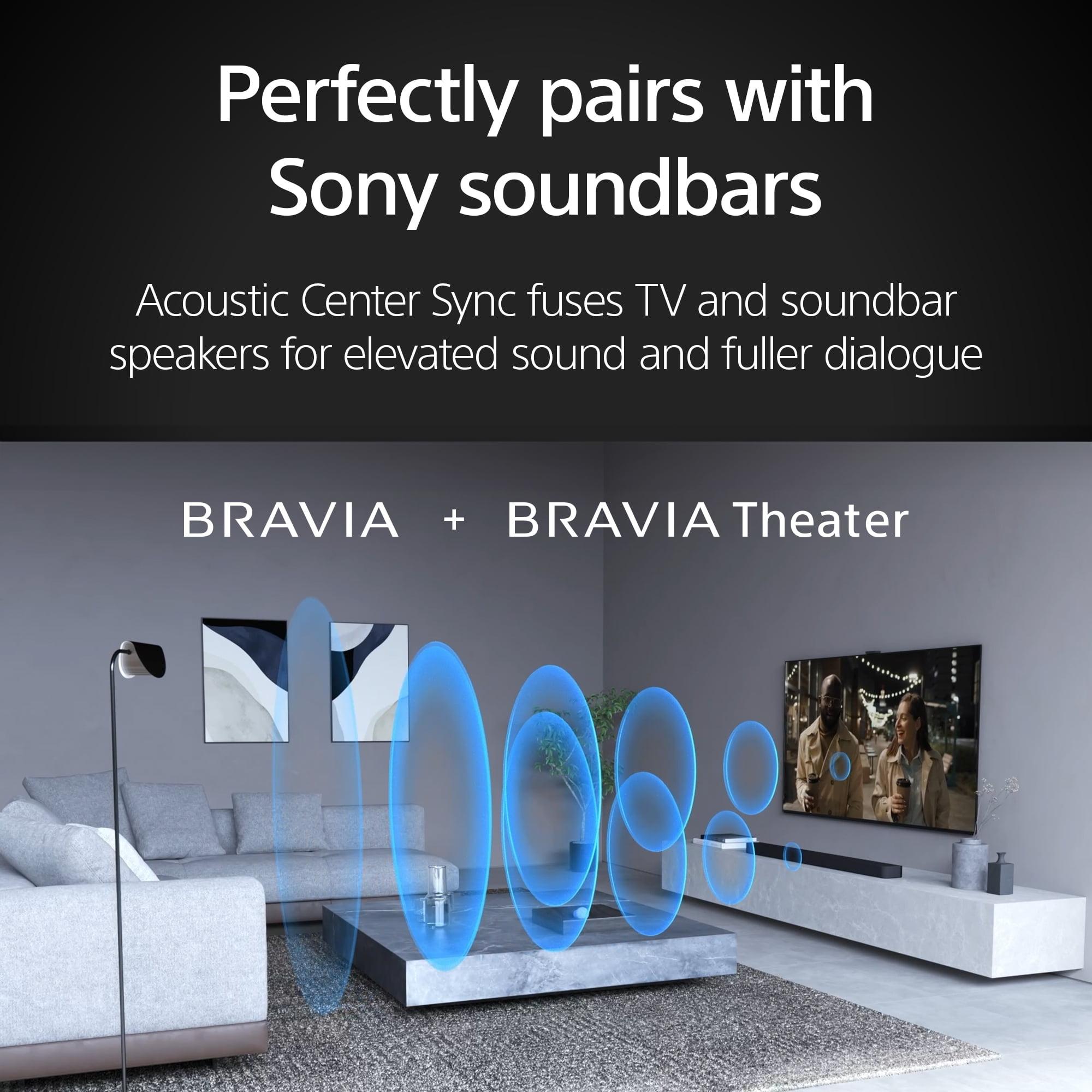
Sony's Acoustic Surface Audio+ technology turns the entire screen into a speaker using actuators positioned behind the panel. This creates a unique audio experience where dialogue appears to come directly from the characters on screen, rather than from speakers positioned below or beside the display. It's particularly effective for movie watching, creating a more immersive experience than traditional speaker placement.
Peak brightness capability has become crucial as content creators push HDR (High Dynamic Range) content to new extremes. HDR allows TVs to display a much wider range of brightness levels, from deep blacks to brilliant highlights that can hurt to look at directly—just like real life.
The Samsung Frame achieves respectable brightness levels that work well for most content, but it's designed more for consistency than peak performance. Its anti-glare coating helps in bright rooms, though this comes with a slight trade-off in color vibrancy.
The Sony BRAVIA 8 II represents a significant leap forward in OLED brightness. Previous OLED TVs often struggled to make HDR highlights truly pop because they couldn't get bright enough. Sony's 2025 QD-OLED panel solves this problem, delivering highlights that can genuinely make you squint while maintaining perfect blacks in the same frame. Watching fireworks scenes or car headlights at night becomes dramatically more realistic.
Color performance involves two key metrics: accuracy (how close colors appear to real life) and volume (how vibrant colors can be at different brightness levels). The Samsung Frame delivers solid color performance with quantum dot enhancement, though it's tuned for consistency across different lighting conditions rather than maximum impact.
The Sony BRAVIA 8 II excels in both areas. Its XR Triluminos Max technology, combined with the QD-OLED panel, covers 99.9% of the UHDA-P3 color space used for HDR content. More importantly, it maintains color accuracy even at high brightness levels—something many TVs struggle with.
Based on our research of professional reviews and user feedback, the Sony consistently delivers more natural skin tones, more vibrant yet realistic landscapes, and better color separation in complex scenes. The difference is particularly noticeable in sunset scenes, where the Sony maintains distinct oranges, reds, and yellows that blend naturally, while lesser displays might crush these colors together.
Both TVs feature 120Hz refresh rates, but they handle motion differently. The Samsung Frame provides adequate motion handling for most content, though fast sports or action scenes might show some blur or judder.
The Sony BRAVIA 8 II includes XR OLED Motion technology that analyzes moving objects frame-by-frame, reducing blur without creating the artificial "soap opera effect" that makes movies look like cheap video. This makes it excellent for sports viewing, where tracking a hockey puck or tennis ball becomes noticeably easier.
Modern gaming demands have pushed TV manufacturers to add features that were once exclusive to computer monitors. Both TVs support 4K gaming at 120Hz, but their implementations differ significantly.
The Samsung Frame includes one HDMI 2.1 port with VRR (Variable Refresh Rate) support, which synchronizes the display refresh rate with your console's frame rate to eliminate screen tearing. Input lag is reasonable for casual gaming, though not quite at competitive levels.
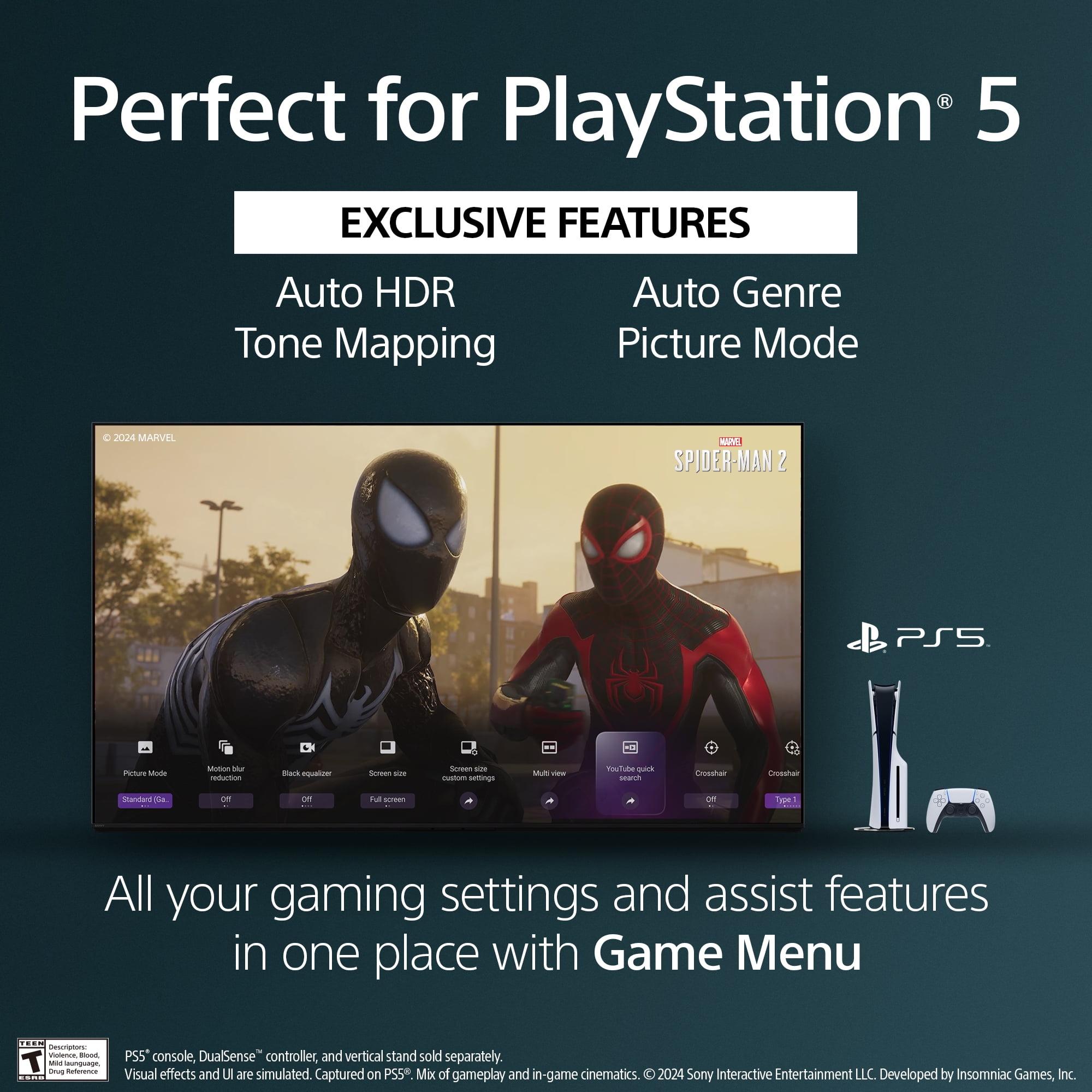
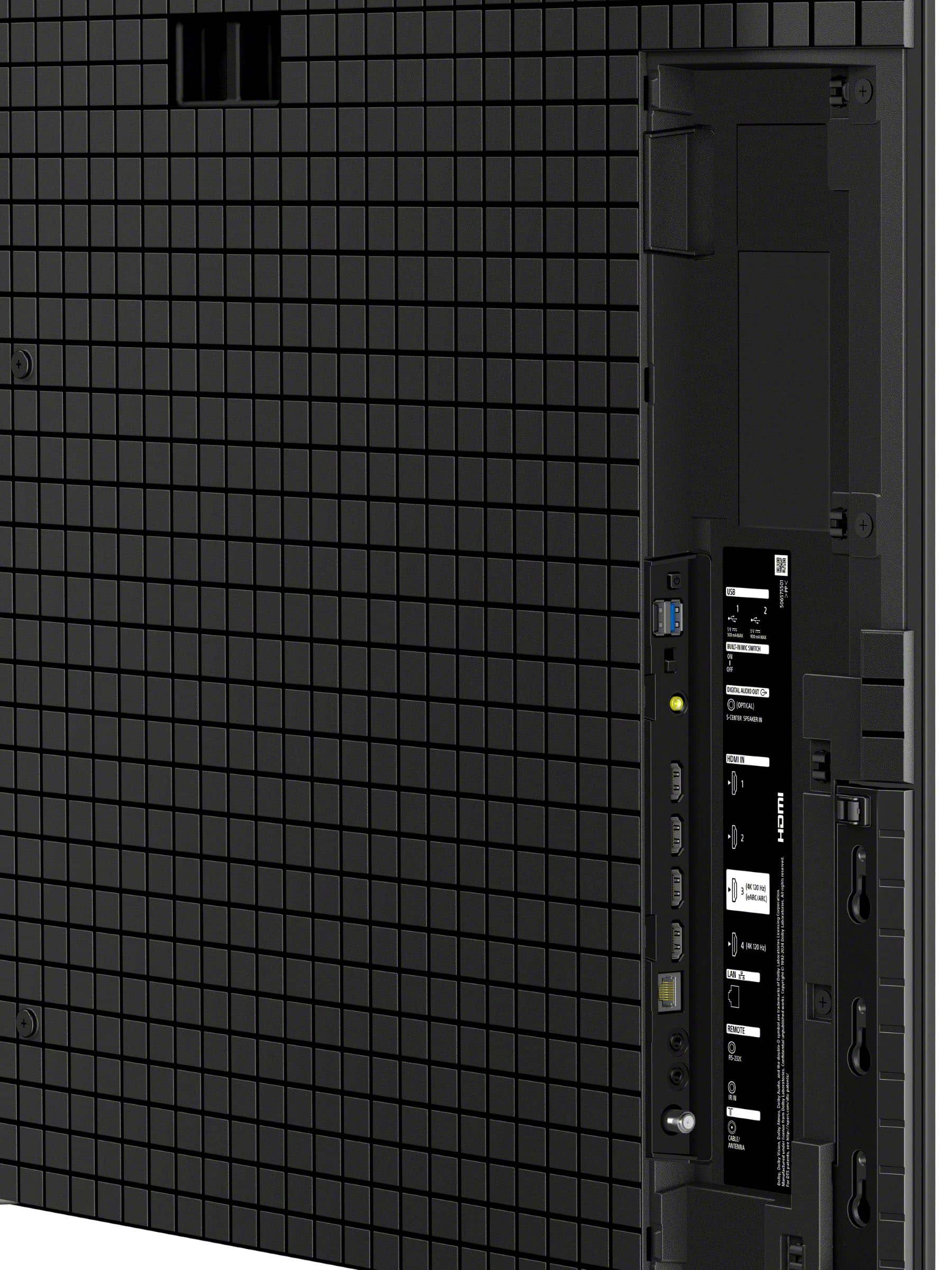
The Sony BRAVIA 8 II offers two HDMI 2.1 ports and achieves input lag as low as 8.5 milliseconds—excellent for competitive gaming. It also supports Dolby Vision gaming, which provides HDR optimization specifically designed for games rather than movies. The Auto Genre Picture Mode recognizes when you're gaming and automatically switches to optimized settings.
For PlayStation 5 owners specifically, the Sony offers enhanced integration that automatically configures optimal settings based on the game being played. This attention to gaming performance reflects Sony's broader ecosystem approach.
Traditional TV speakers have always been an afterthought, but both manufacturers have taken different approaches to solving this problem.
The Samsung Frame's audio is adequate for general viewing, using conventional down-firing speakers that provide clear dialogue and reasonable volume levels. Nothing spectacular, but functional for everyday use.
The Sony BRAVIA 8 II revolutionizes TV audio with Acoustic Surface Audio+. Instead of separate speakers, actuators behind the screen vibrate the display itself, turning it into a massive speaker. This creates precise audio positioning—when someone speaks on the left side of the screen, their voice comes from exactly that location rather than from speakers positioned elsewhere.
The system includes Voice Zoom 3, which uses AI to enhance dialogue clarity even during loud action sequences. Based on expert reviews, the Sony's audio quality approaches what you'd expect from a decent soundbar, making additional audio equipment less necessary.
The software experience has become increasingly important as streaming dominates our viewing habits.
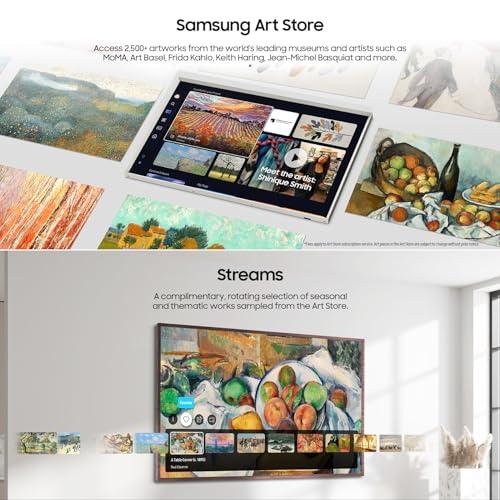
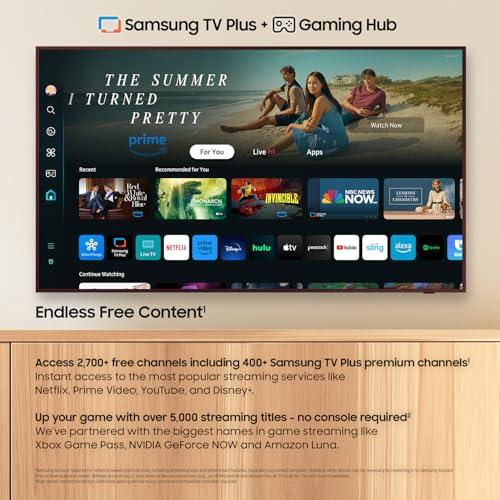
The Samsung Frame runs Tizen OS with integrated SmartThings functionality, turning your TV into a smart home hub. The Art Store provides access to curated artwork, though premium pieces require subscription fees. The interface is clean and responsive, with all major streaming apps available.
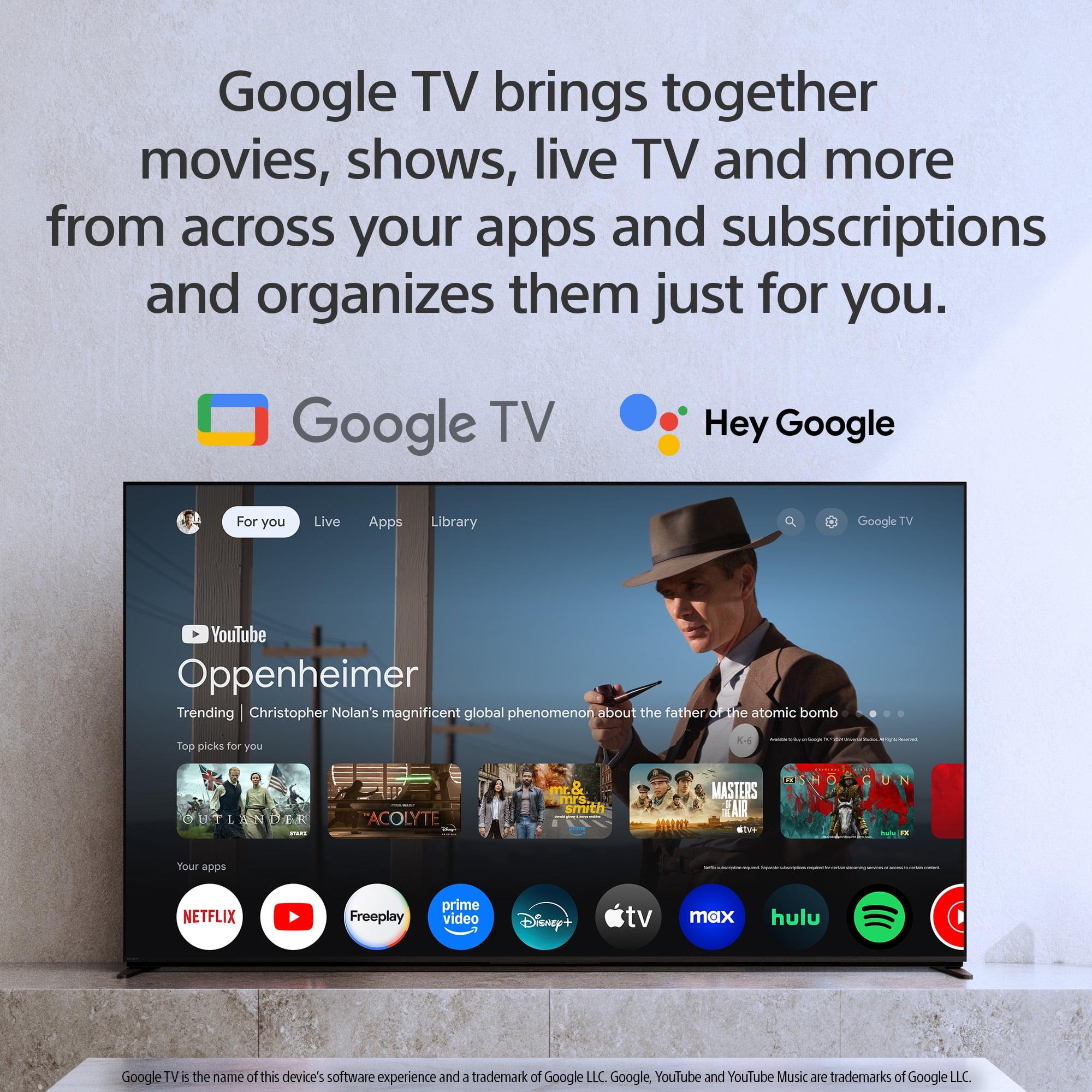
The Sony BRAVIA 8 II uses Google TV OS version 12, which launched in 2025 with improved performance and more intelligent content recommendations. The platform learns your viewing habits across different streaming services and surfaces relevant content more effectively than most competitors.
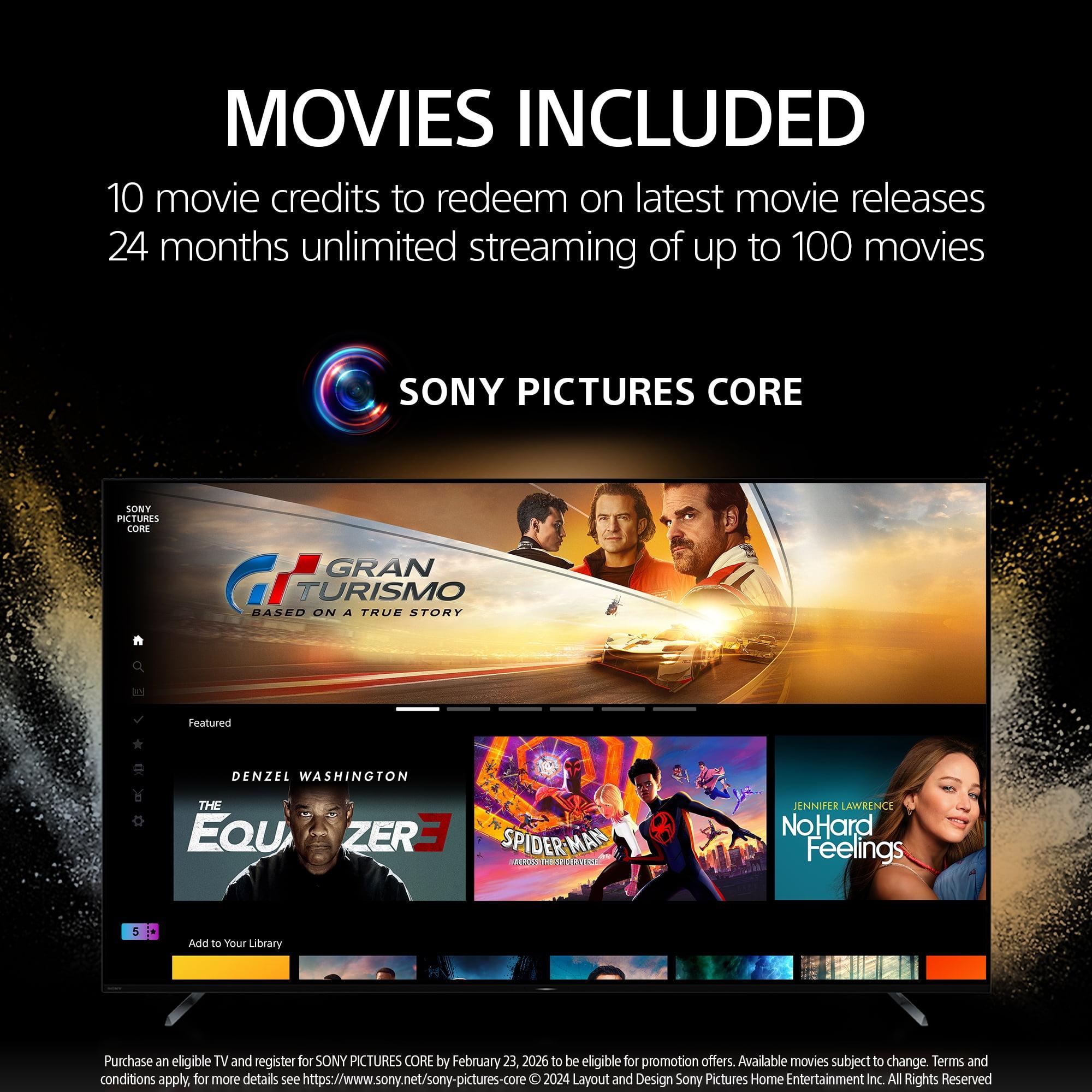
Sony includes 24 months of Sony Pictures Core streaming and credits for new movie releases—a nice value addition that helps offset the higher purchase price.
For dedicated home theater setups, the choice becomes clearer. The Sony BRAVIA 8 II excels in controlled lighting environments where you can appreciate its perfect blacks and infinite contrast ratio. Its Acoustic Surface Audio+ works exceptionally well in smaller dedicated spaces, though larger home theaters might still benefit from a full surround sound system.
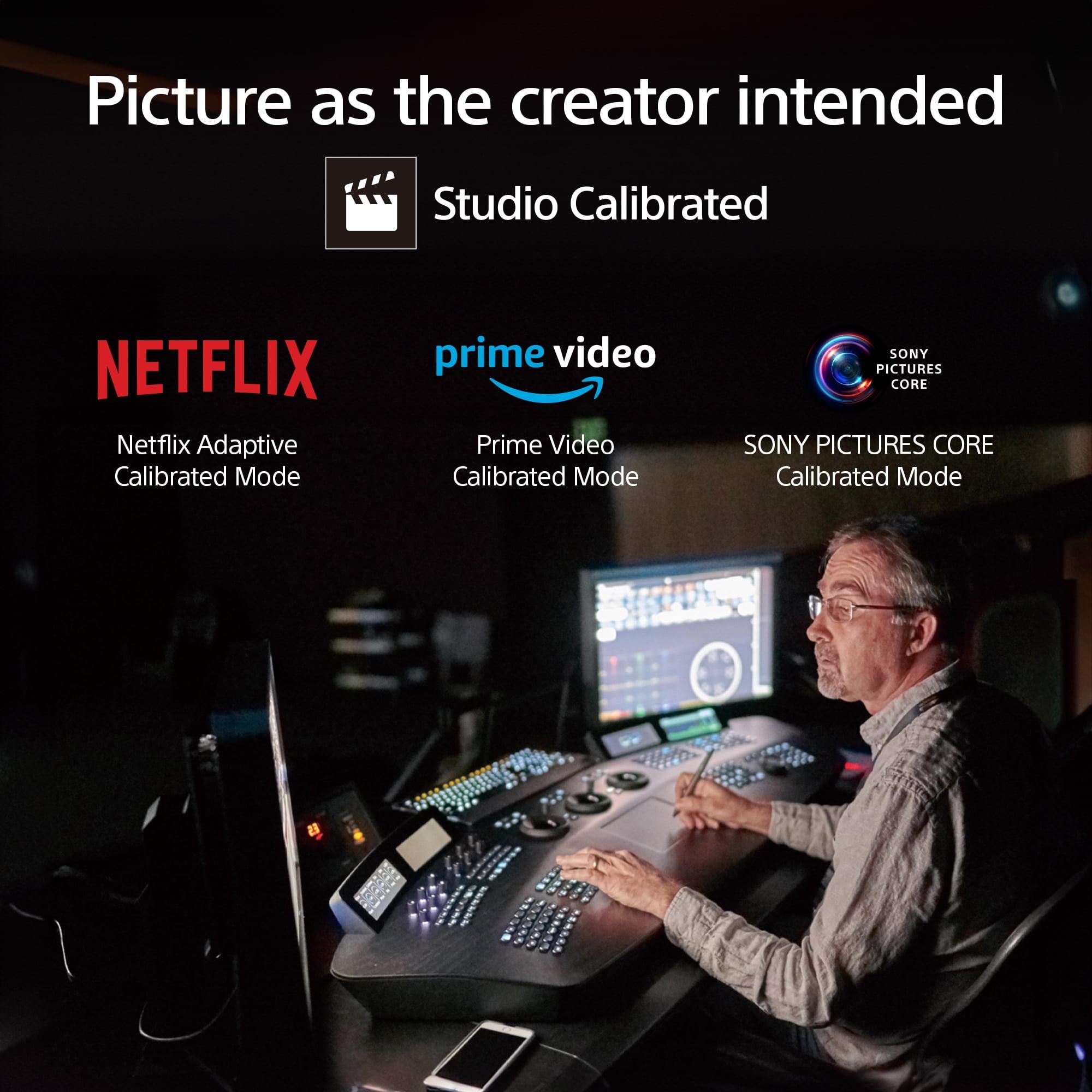
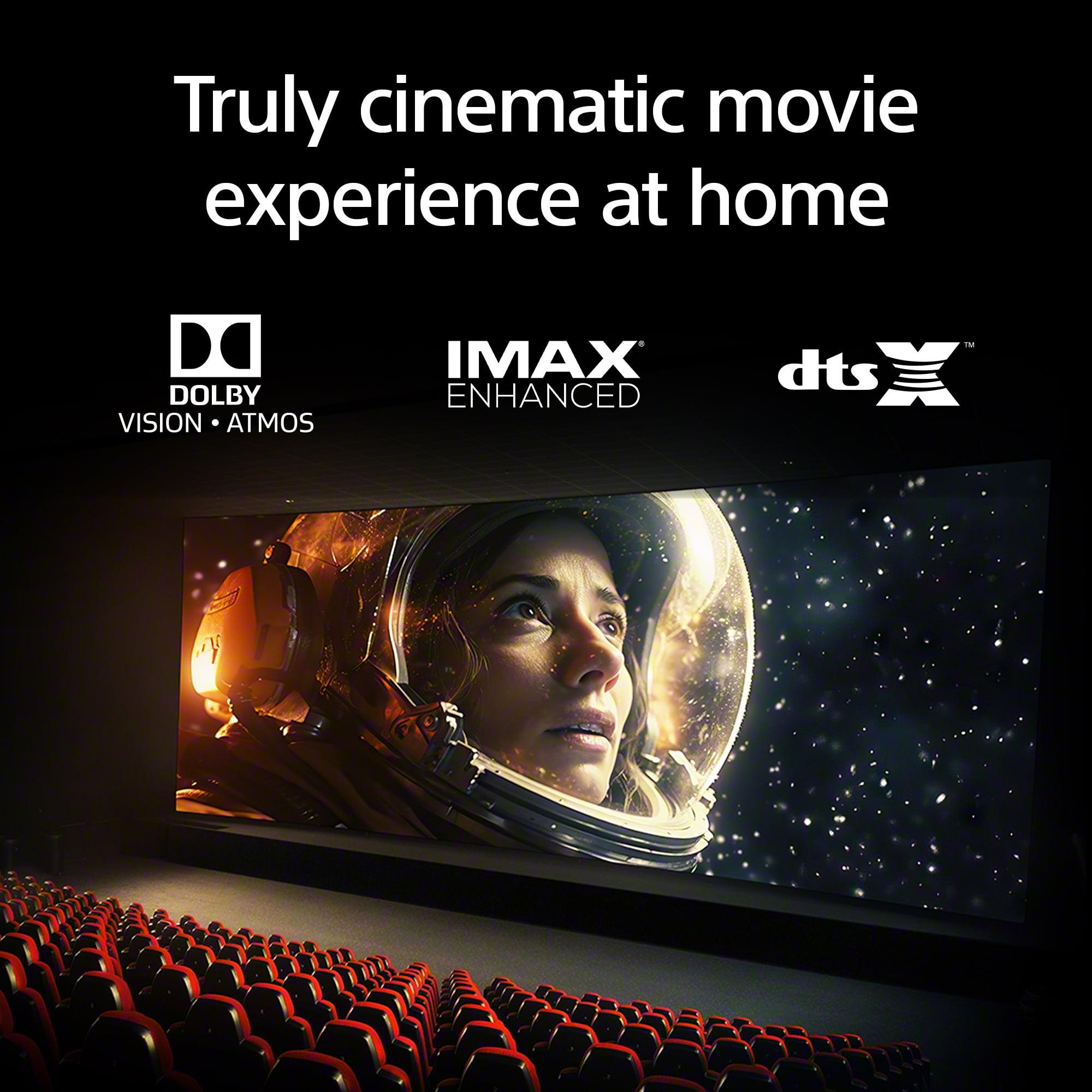
The TV's Filmmaker Mode ensures movies appear exactly as directors intended, without artificial processing that might alter the creative vision. Combined with support for Dolby Vision, IMAX Enhanced, and other premium formats, it delivers a truly cinematic experience.
The Samsung Frame works better in multi-purpose rooms where the TV needs to serve both entertainment and aesthetic functions. Its performance in bright ambient lighting makes it suitable for spaces that can't be darkened completely.
At the time of writing, these TVs target different value propositions entirely. The Samsung Frame offers unique lifestyle functionality at a more accessible price point, while the Sony BRAVIA 8 II commands premium pricing for cutting-edge performance.
You live in a space where aesthetics matter deeply. Maybe you have an open floor plan where the TV is always visible, or you've invested heavily in interior design and don't want a black rectangle dominating your wall. The Frame's ability to display artwork transforms it from an eyesore into a conversation piece.
The TV works best for casual to moderate viewers who watch a variety of content in normally-lit rooms. If you primarily stream shows and movies rather than consuming reference-quality content, the Frame provides perfectly enjoyable picture quality while adding unique room integration benefits.
Budget-conscious buyers who want premium features without flagship pricing will appreciate the Frame's value proposition, though be aware that premium bezels and art subscriptions add to the total cost of ownership.
Picture quality is your primary concern and you're willing to pay for the best available technology. If you notice and care about image quality differences—the kind of person who adjusts TV settings or reads about display technology—the Sony will consistently impress you with its performance.
The TV excels for serious gamers with next-generation consoles who want every advantage possible. Its low input lag, advanced gaming features, and superior motion handling provide tangible benefits for competitive gaming.
Home theater enthusiasts who have dedicated viewing spaces or can control ambient lighting will appreciate the Sony's perfect blacks and exceptional contrast ratio. Combined with its superior built-in audio, it approaches the experience of commercial cinema in your home.
These TVs represent two valid but different approaches to premium home entertainment. The Samsung Frame revolutionizes how televisions integrate into our living spaces, offering unique aesthetic benefits that no other TV can match. The Sony BRAVIA 8 II pushes picture quality boundaries with cutting-edge QD-OLED technology that delivers stunning visual performance.
Neither choice is objectively better—they excel in different areas for different users. Your decision should align with your priorities: aesthetic integration and lifestyle flexibility versus maximum performance and home theater experience.
The significant price difference reflects these different approaches. The Samsung offers excellent value for what it does, while the Sony justifies its premium pricing through superior technology and performance. Consider your viewing habits, room setup, and what you want your TV to contribute to your home beyond just displaying content.
Both televisions represent the evolution of home entertainment, just along different paths. Choose based on which path better matches your vision of the perfect home entertainment experience.
| Samsung 65" The Frame QLED 4K 2024 TV | Sony BRAVIA 8 II 65" QD-OLED 4K Google TV 2025 |
|---|---|
| Display Technology - Determines contrast, blacks, and overall picture quality | |
| QLED with LED backlighting (good brightness, limited contrast) | QD-OLED with self-emissive pixels (perfect blacks, infinite contrast) |
| Peak Brightness - Critical for HDR impact and bright room viewing | |
| ~600-700 nits (adequate for most content) | Up to 1,880 nits (exceptional HDR highlights) |
| Design Philosophy - Defines how the TV fits in your space | |
| Art display when off, customizable bezels, ultra-thin wall mount | Performance-focused minimalist design, premium build quality |
| Anti-Reflective Technology - Important for daytime viewing | |
| Matte display coating reduces glare significantly | Standard glossy OLED screen with some reflection control |
| Gaming Performance - Matters for console gaming | |
| 1 HDMI 2.1 port, decent input lag, VRR support | 2 HDMI 2.1 ports, 8.5ms input lag, Dolby Vision gaming |
| Audio Quality - Affects need for external speakers | |
| Standard down-firing speakers (adequate quality) | Acoustic Surface Audio+ (screen becomes speaker, excellent quality) |
| Smart TV Platform - Determines app selection and ease of use | |
| Tizen OS with Art Store integration and SmartThings hub | Google TV OS 12 with superior content recommendations |
| Color Performance - Impacts realism and vibrancy | |
| Quantum dot enhancement, good color accuracy | XR Triluminos Max, 99.9% UHDA-P3 coverage, superior color volume |
| Motion Handling - Important for sports and action content | |
| 120Hz with standard motion processing | XR OLED Motion with advanced blur reduction |
| Best Use Case - Who should buy this TV | |
| Style-conscious buyers wanting TV-as-art functionality | Home theater enthusiasts prioritizing maximum picture quality |
| Unique Features - What sets each apart | |
| Art Mode, motion sensor, magnetic bezels, flush wall mounting | AI processing, screen-as-speaker audio, perfect pixel-level blacks |
| Room Lighting Suitability - Where each performs best | |
| Excellent in bright rooms, good glare resistance | Best in controlled lighting, stunning in dark rooms |
| Value Proposition - Cost vs benefits at time of writing | |
| Unique lifestyle functionality at accessible premium pricing | Cutting-edge performance technology at flagship pricing |
The Samsung 65" The Frame QLED 4K 2024 TV is designed as a lifestyle TV that doubles as digital artwork when not in use, featuring customizable bezels and Art Mode. The Sony BRAVIA 8 II 65" QD-OLED 4K Google TV 2025 is a performance-focused TV with cutting-edge QD-OLED technology that delivers superior picture quality with perfect blacks and exceptional brightness.
The Sony BRAVIA 8 II offers significantly better picture quality with its QD-OLED panel technology, delivering perfect blacks, infinite contrast ratio, and peak brightness up to 1,880 nits. The Samsung Frame provides good picture quality but can't match OLED's contrast performance due to its LED backlighting system.
The Samsung Frame performs better in bright rooms thanks to its anti-glare matte display coating and higher sustained brightness levels. The Sony BRAVIA 8 II can achieve higher peak brightness but has a glossy screen that may show more reflections in very bright environments.
Only the Samsung Frame features Art Mode, which displays curated artwork, personal photos, or other images when the TV is off. The Sony BRAVIA 8 II is a traditional TV that goes to a black screen when powered off and doesn't offer artwork display functionality.
The Sony BRAVIA 8 II is superior for gaming with 8.5ms input lag, two HDMI 2.1 ports, Dolby Vision gaming support, and advanced motion handling. The Samsung Frame offers decent gaming performance with one HDMI 2.1 port and VRR support, but it's better suited for casual rather than competitive gaming.
The Sony BRAVIA 8 II features Acoustic Surface Audio+ technology that turns the entire screen into a speaker, providing excellent sound quality and precise audio positioning. The Samsung Frame has standard down-firing speakers that deliver adequate audio quality for general viewing.
Value depends on your priorities. The Samsung Frame offers unique lifestyle functionality at a more accessible price point, making it excellent value for design-conscious buyers. The Sony BRAVIA 8 II commands premium pricing but delivers cutting-edge display technology for those prioritizing maximum performance.
The Sony BRAVIA 8 II excels in home theater environments with its perfect blacks, exceptional contrast, and superior HDR performance in controlled lighting. The Samsung Frame works better in multi-purpose rooms where aesthetics matter as much as performance.
The Samsung Frame runs Tizen OS with Art Store integration and SmartThings hub functionality. The Sony BRAVIA 8 II uses Google TV OS 12 with superior content recommendations, Google Assistant, and includes Sony Pictures Core streaming service.
The Samsung Frame is specifically designed for wall mounting with an included slim-fit mount that allows flush installation, making it look like a framed painting. The Sony BRAVIA 8 II can be wall mounted but uses a more traditional approach without the ultra-thin aesthetic focus.
The Sony BRAVIA 8 II offers superior HDR performance with support for Dolby Vision, higher peak brightness, and better color volume in HDR content. The Samsung Frame supports HDR10+ and provides good HDR viewing but can't match the Sony's contrast and brightness capabilities.
Choose the Samsung Frame if you want a TV that doubles as room decor, prioritize aesthetics, view mainly in bright rooms, or want premium features at a lower price point. Choose the Sony BRAVIA 8 II if picture quality is your top priority, you have a dedicated viewing space, are a serious gamer, or want the latest display technology regardless of cost.
We've done our best to create useful and informative comparisons to help you decide what product to buy. Our research uses advanced automated methods to create this comparison and perfection is not possible - please contact us for corrections or questions. These are the sites we've researched in the creation of this article: tomsguide.com - rtings.com - rtings.com - youtube.com - bestbuy.com - techlicious.com - youtube.com - smalllilystudio.com - theeverymom.com - livingetc.com - pcrichard.com - image-us.samsung.com - samsung.com - images.samsung.com - samsung.com - buydig.com - tvsbook.com - bestbuy.com - samsung.com - samsung.com - flatpanelshd.com - techradar.com - rtings.com - bestbuy.com - whathifi.com - rtings.com - hometechnologyreview.com - youtube.com - hometechnologyreview.com - hometechnologyreview.com - hometechnologyreview.com - valueelectronics.com - smarthomesounds.co.uk - electronics.sony.com - valueelectronics.com - bestbuy.com - youtube.com - displayspecifications.com - hometechnologyreview.com - flatpanelshd.com

Privacy Policy
Terms and Conditions - Affiliate Policy
Home Security
© Copyright 2008-2026.
11816 Inwood Rd #1211, Dallas, TX 75244