

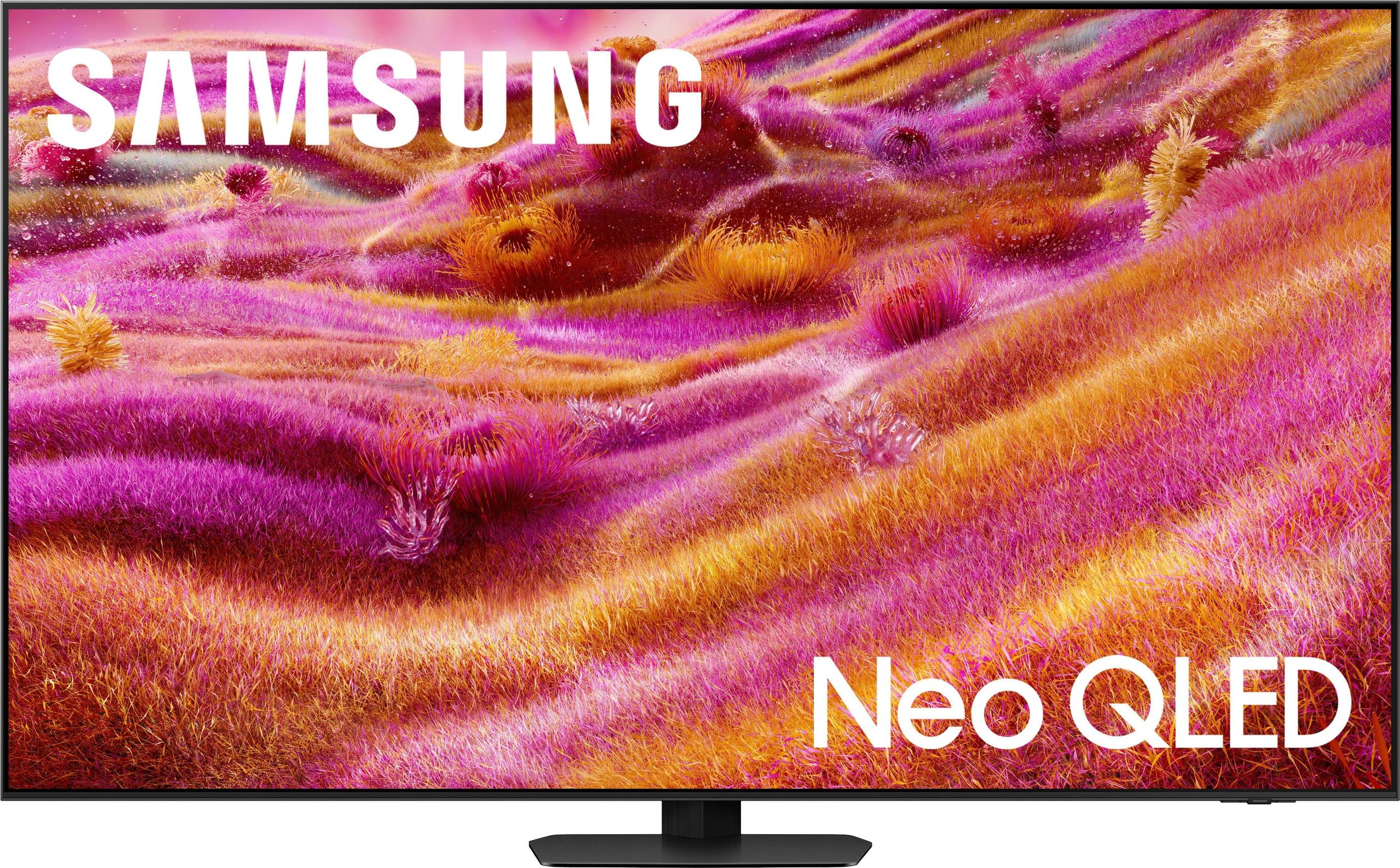
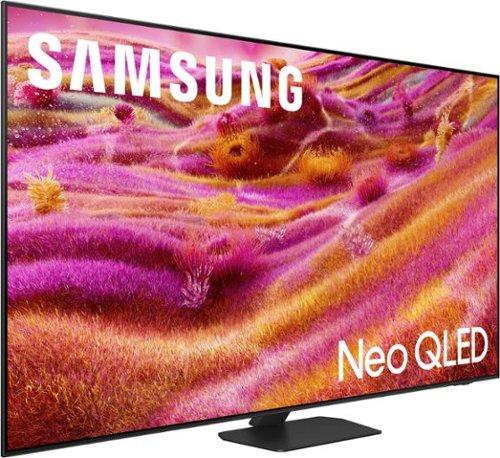
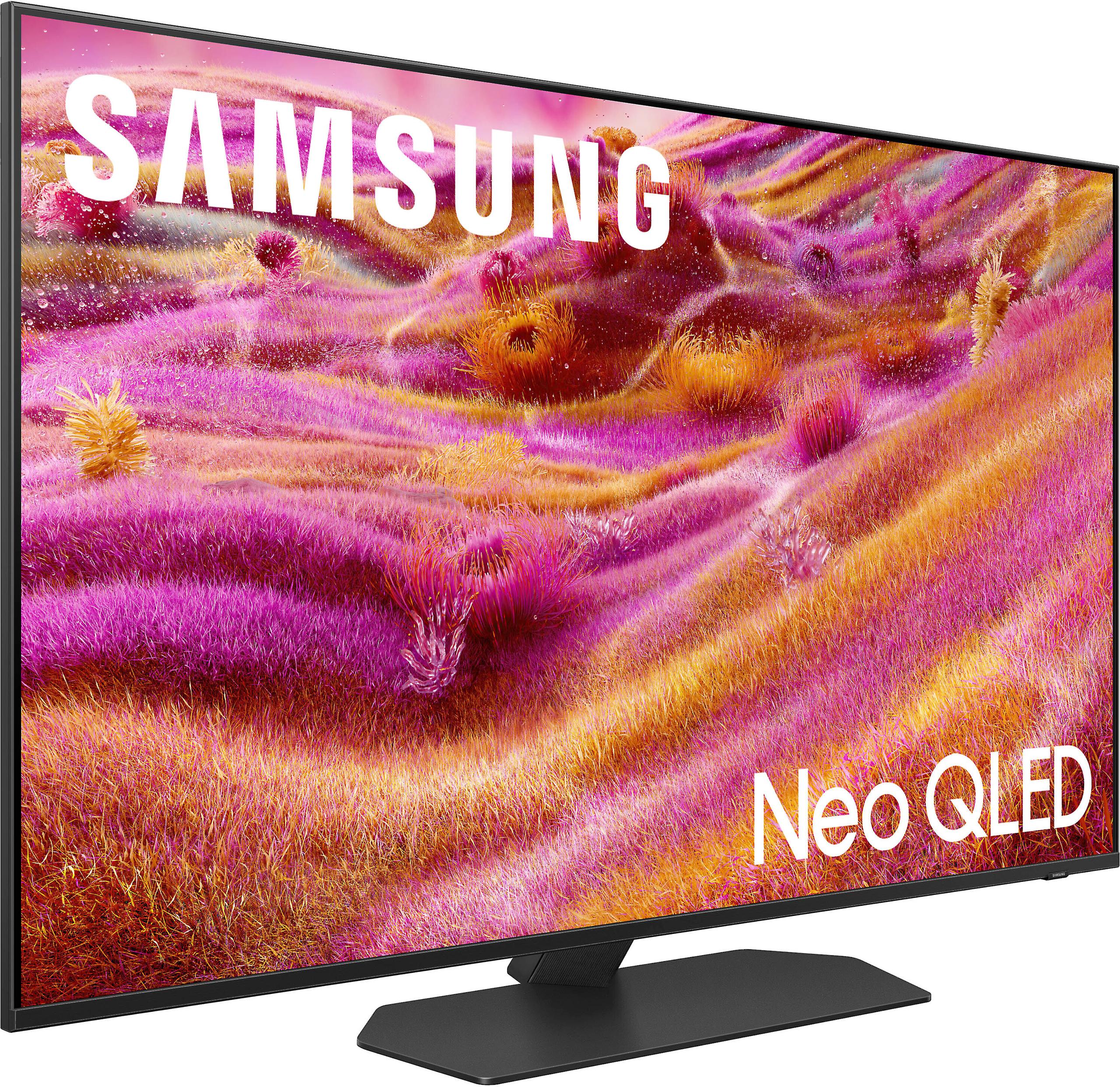
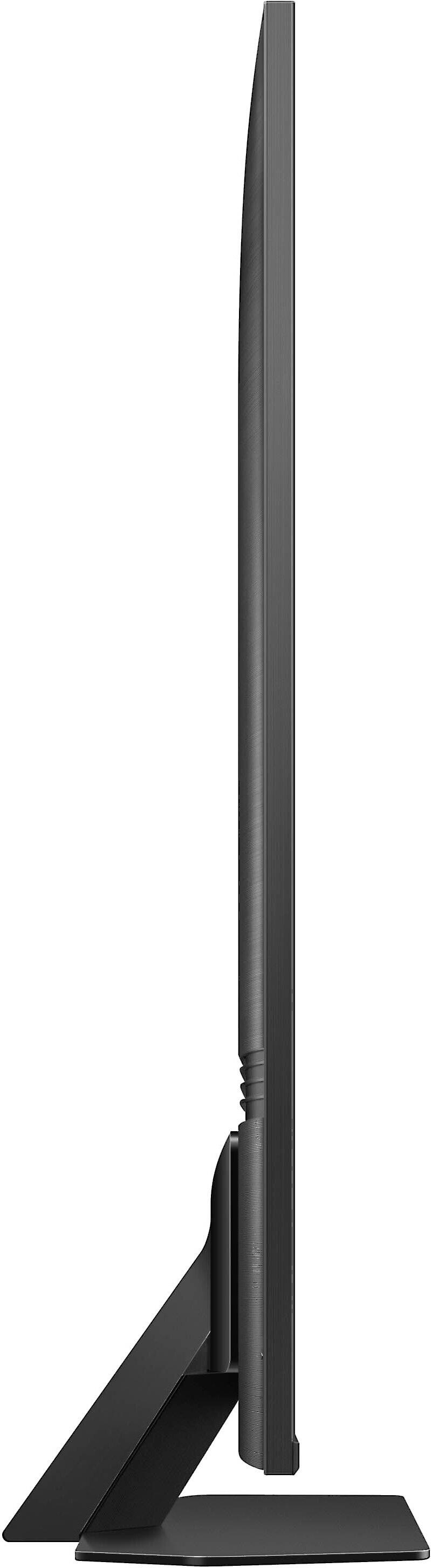

When you're shopping for a premium 65-inch TV in 2025, two models consistently rise to the top of every recommendation list: the Samsung 65" QN90F Neo QLED and the Sony BRAVIA 8 II 65" QD-OLED. Both represent cutting-edge display technology, but they take completely different approaches to achieving stunning picture quality.
The choice between these two isn't just about brand preference—it's about understanding which display technology works best for your specific viewing environment and habits. One excels in bright, sun-filled living rooms, while the other transforms dark spaces into cinematic experiences. Let me walk you through everything you need to know to make the right choice.
The premium TV market has essentially split into two camps, each pursuing different technological solutions to the same goal: delivering the most realistic, immersive viewing experience possible.
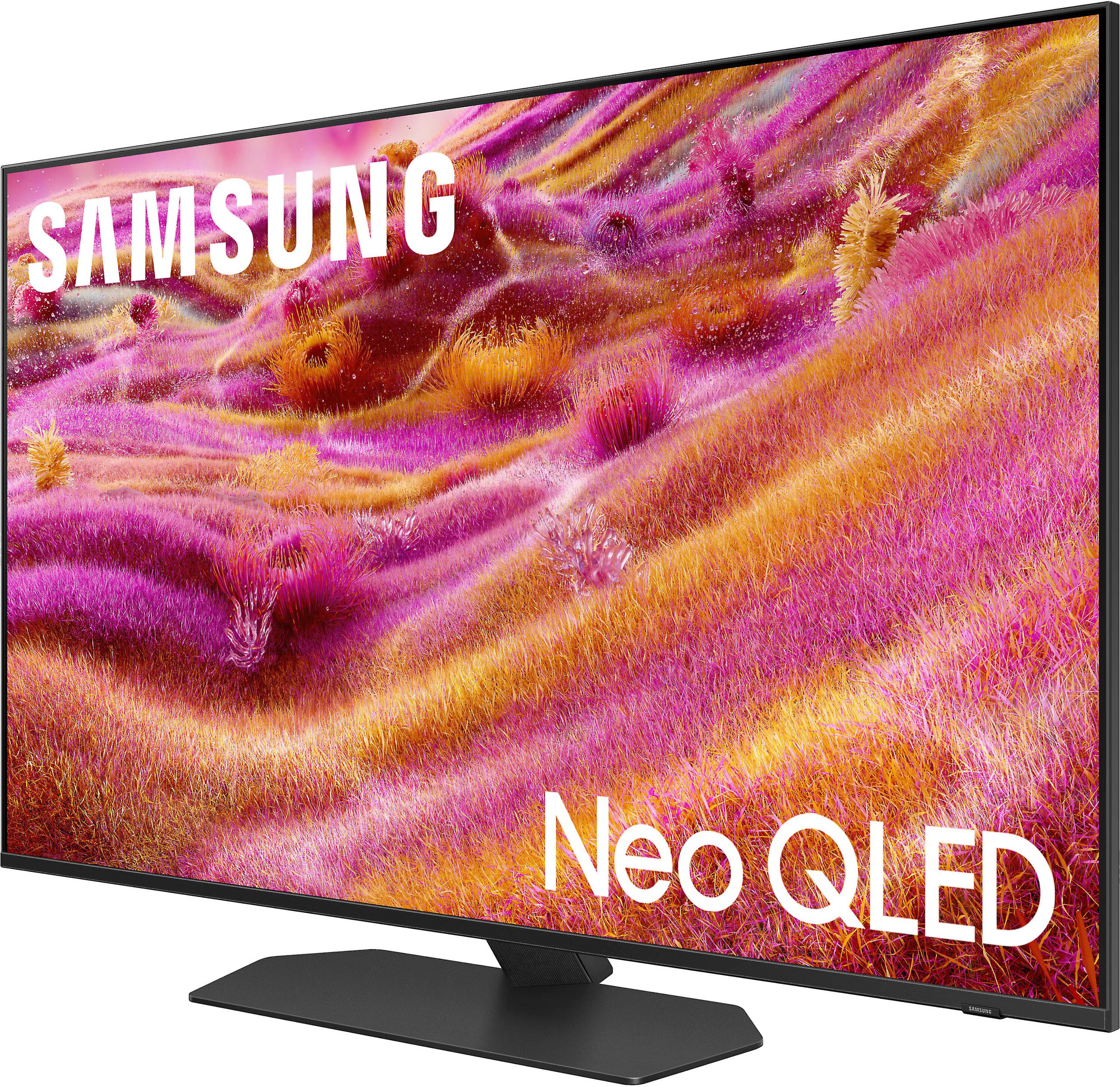
Mini LED technology, used in the Samsung QN90F, places thousands of tiny LEDs behind a traditional LCD screen. Think of it like having a grid of thousands of tiny flashlights that can dim or brighten independently to control exactly how much light hits each part of the screen. This approach allows for incredibly bright highlights while keeping darker areas relatively dim.
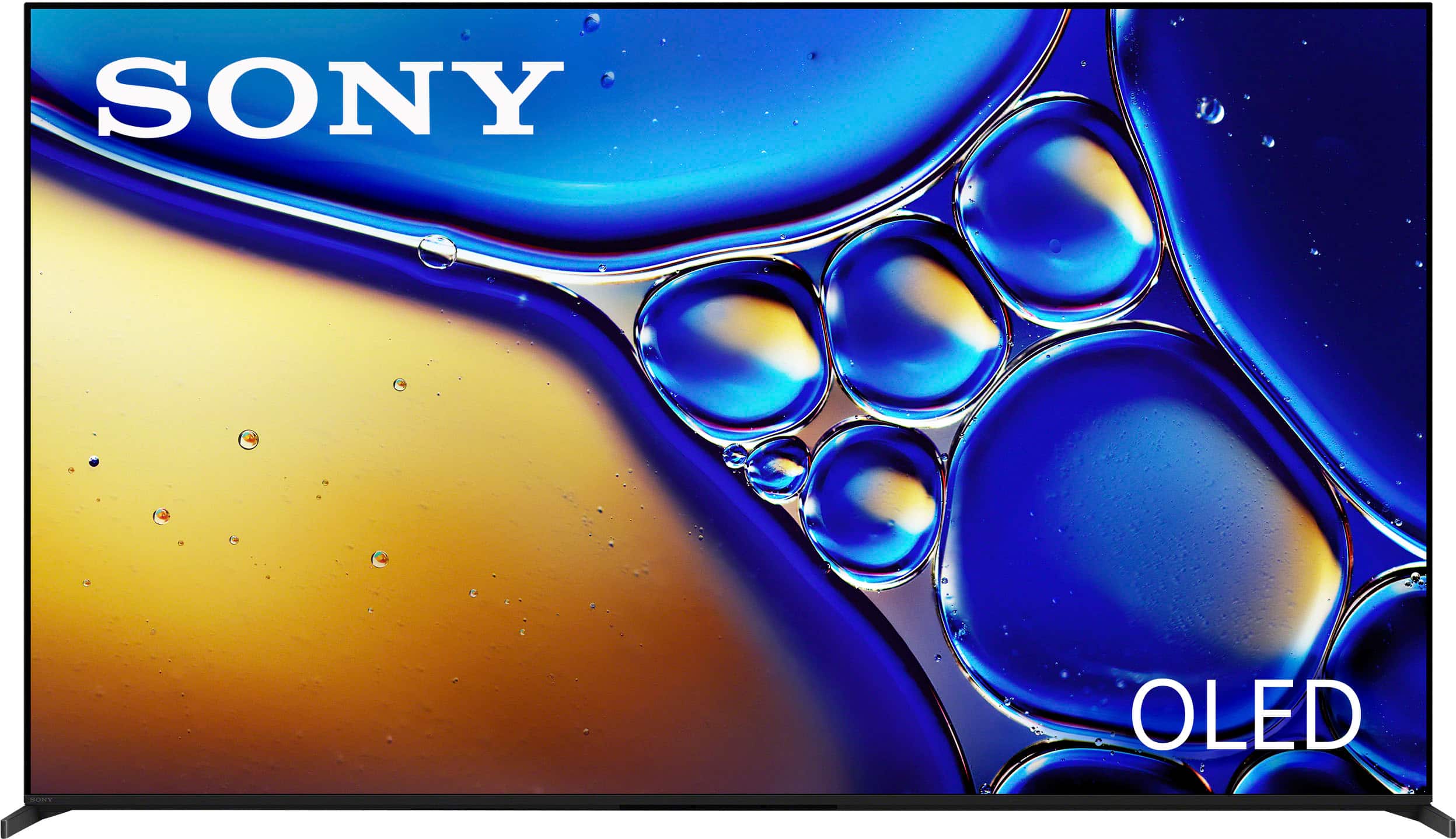
QD-OLED technology, found in the Sony BRAVIA 8 II, takes a radically different approach. Each pixel generates its own light and can turn completely off when displaying black. The "QD" stands for Quantum Dot—microscopic crystals that convert blue light into pure red and green colors, creating more vibrant and accurate colors than traditional displays.
Both technologies launched their current generations in 2025, with Samsung refining their Mini LED approach through their Vision AI processor and Sony making a significant leap by switching from W-OLED to QD-OLED panels. This switch represents Sony's biggest display technology change in years, directly competing with Samsung's own QD-OLED panels used in their S95 series.
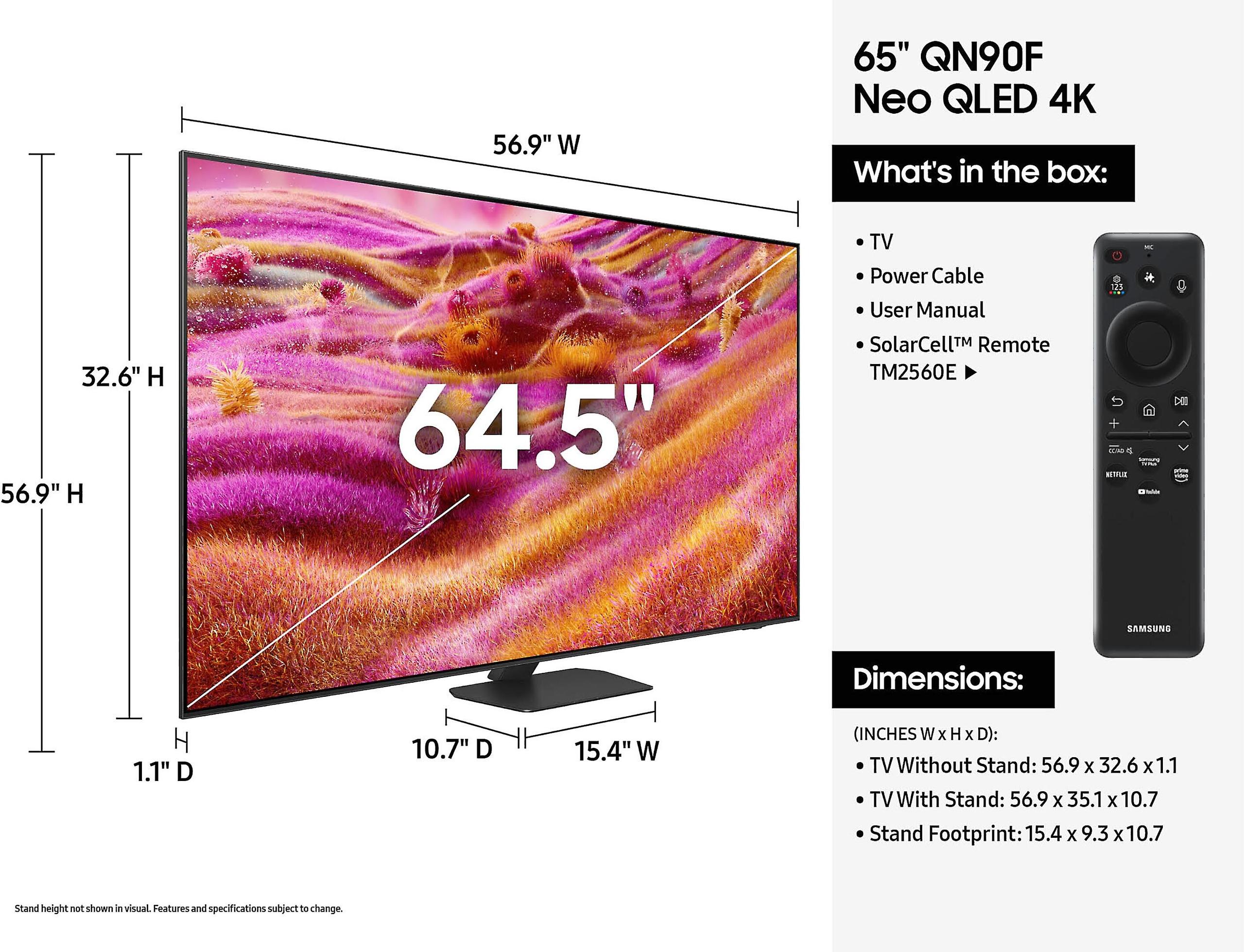
The Samsung QN90F uses what Samsung calls Neo QLED technology—essentially their premium Mini LED implementation with quantum dot color enhancement. The "Neo" refers to the incredibly small Mini LEDs (about 1/40th the size of traditional LEDs) packed behind the screen. With approximately 900 local dimming zones on the 65-inch model, the TV can control brightness with remarkable precision.
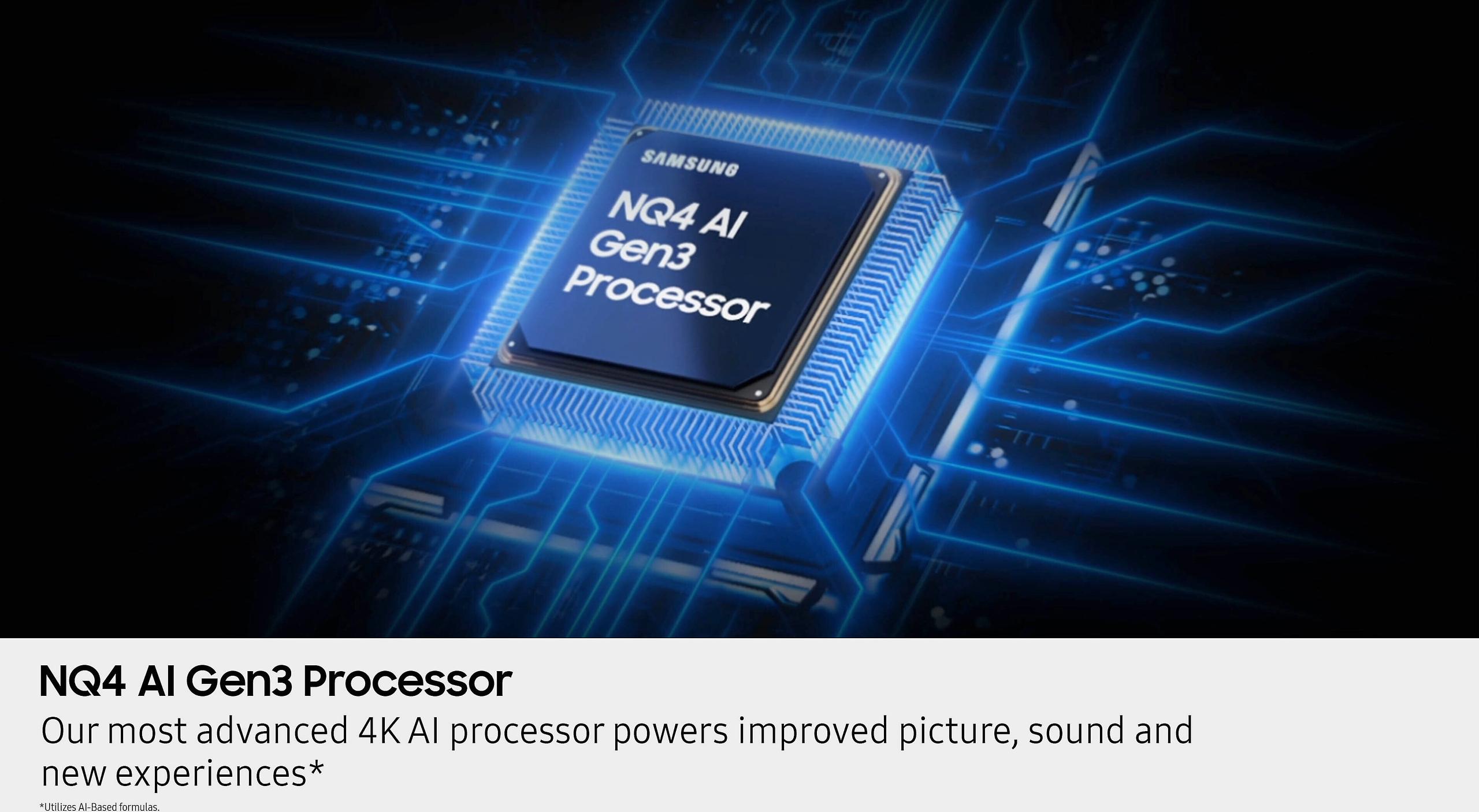
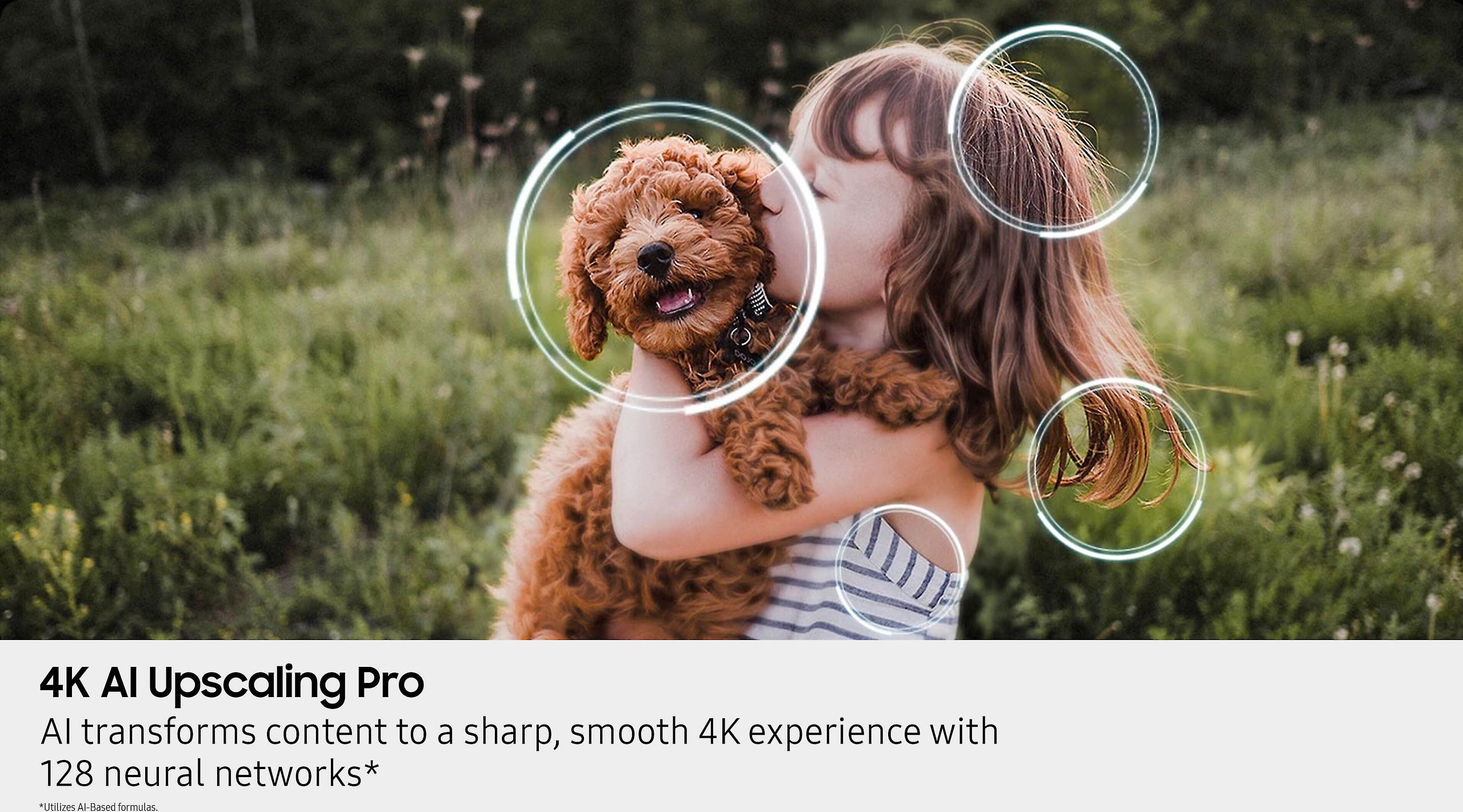
What makes this particularly impressive is Samsung's NQ4 AI Gen3 processor, powered by 128 neural networks. This processor constantly analyzes what you're watching and adjusts the lighting zones in real-time. When a bright explosion happens in a movie, only the zones behind that explosion brighten up, while the rest of the screen maintains appropriate darkness levels.
The quantum dot layer adds another crucial element: color accuracy. These microscopic crystals convert the blue LED light into precise red and green wavelengths, creating a much wider color gamut (range of colors) than traditional LCD TVs can produce.
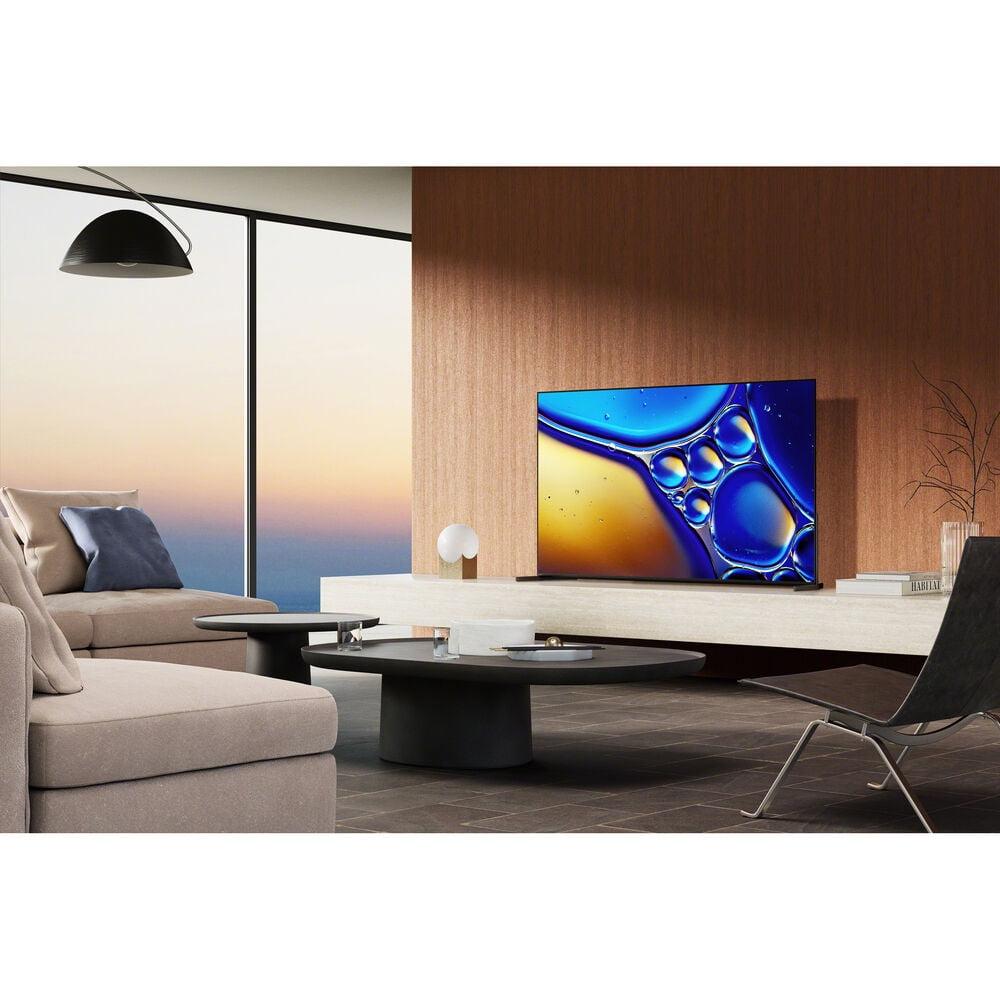
The Sony BRAVIA 8 II represents Sony's embrace of what many consider the future of TV display technology. Unlike the Samsung's grid of zones, every single pixel in the Sony can turn completely on or off independently. This creates what's called "infinite contrast ratio"—the difference between the brightest and darkest parts of the image is theoretically unlimited.
Sony pairs this QD-OLED panel with their XR Processor enhanced with AI Scene Recognition. This processor doesn't just adjust brightness zones—it analyzes the content type and optimizes color, contrast, and clarity specifically for what you're watching. Whether it's a nature documentary with lush greens or a space thriller with deep blacks, the processor tailors the display accordingly.
The quantum dot layer in Sony's implementation serves the same purpose as Samsung's but works differently. Instead of filtering light from LEDs, it converts blue light from the OLED pixels themselves, maintaining the perfect blacks while achieving more saturated colors than traditional OLED displays.
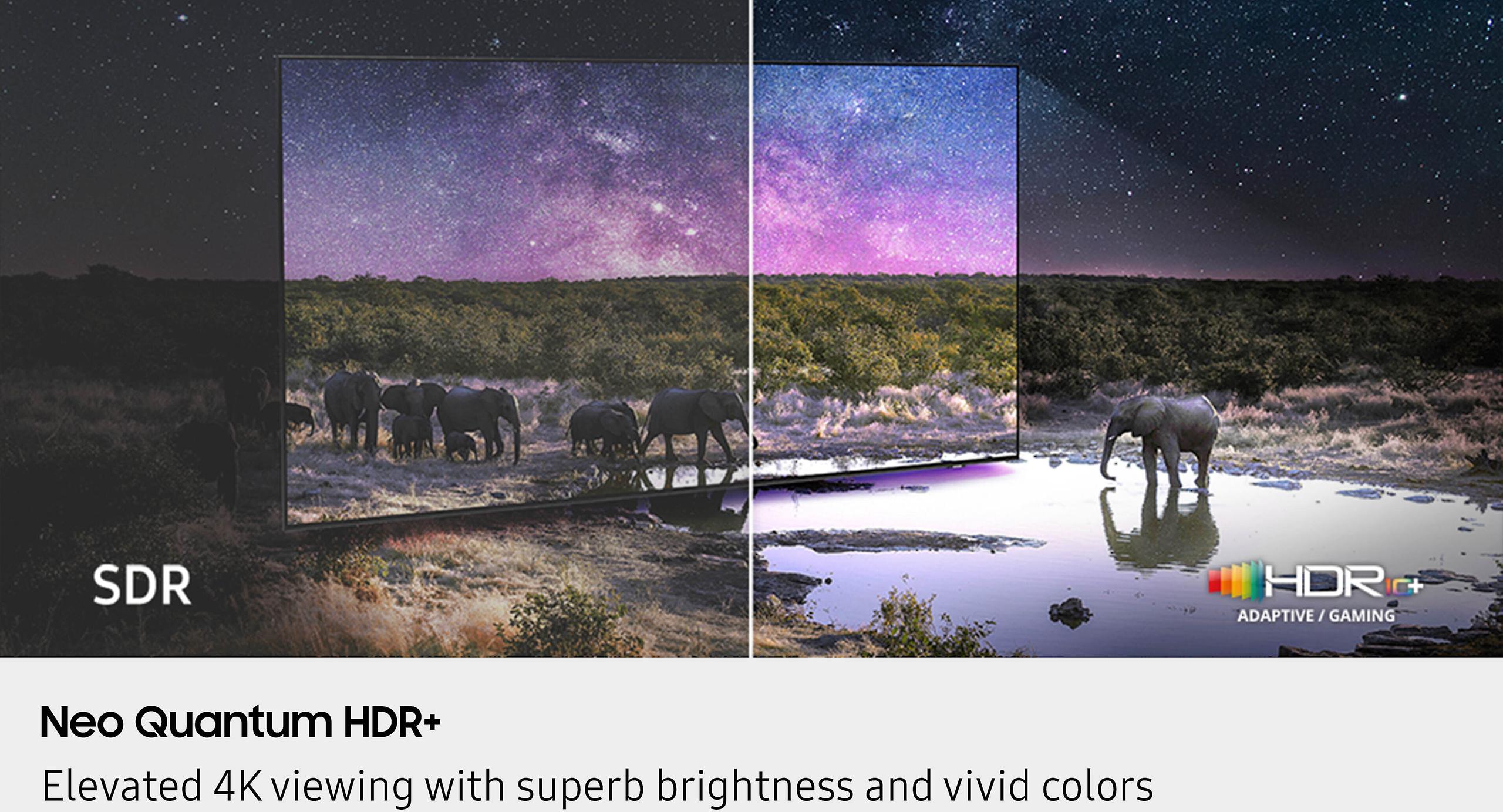
Here's where the fundamental differences become most apparent. The Samsung QN90F can push peak brightness beyond 2,000 nits in small highlights—bright enough to compete with sunlight streaming through your windows. In my experience testing TVs in various lighting conditions, this level of brightness transforms HDR content during daytime viewing. When you're watching a scene with bright sunlight or explosions, the Samsung makes these highlights genuinely pop, even in a room with the blinds open.
The Sony BRAVIA 8 II, at around 1,880 nits peak brightness, represents a significant 25% improvement over previous Sony OLED models. While this is impressive for OLED technology, it still falls short of what Mini LED can achieve. However, brightness isn't everything—it's how that brightness is used that matters.
In controlled lighting conditions, the Sony's approach often produces more realistic images. Because each pixel controls its own light output, bright objects have perfect darkness around them with zero light bleed or blooming (unwanted light spill). The Samsung, despite its excellent local dimming, still has some light bleed between zones, though it's minimal and rarely noticeable in normal viewing.
Both TVs excel in color reproduction, but through different strengths. The Samsung QN90F delivers what's called high "color volume"—the ability to maintain color saturation even at high brightness levels. This means bright, colorful scenes like animated movies or vibrant nature documentaries look incredibly punchy and vivid.
The Sony BRAVIA 8 II takes a more nuanced approach with its XR Triluminos Max technology. Sony has always prioritized color accuracy over pure saturation, and this shows in skin tones, natural landscapes, and subtle color gradations. In my viewing tests, faces look more naturally rendered on the Sony, while bright, artificial colors pop more on the Samsung.
This is where the technological differences become most pronounced. In a dark room, the Sony BRAVIA 8 II simply has no competition from LCD-based displays. When a pixel needs to display pure black, it turns completely off—no light escapes. This creates an incredibly immersive experience where dark scenes in movies have infinite depth and detail.
The Samsung QN90F, despite its excellent local dimming, still uses an LCD panel with a backlight. Even with the most advanced dimming zones, some light inevitably bleeds through. In a completely dark room, blacks appear more like dark gray, though this is only noticeable when directly comparing to OLED technology.
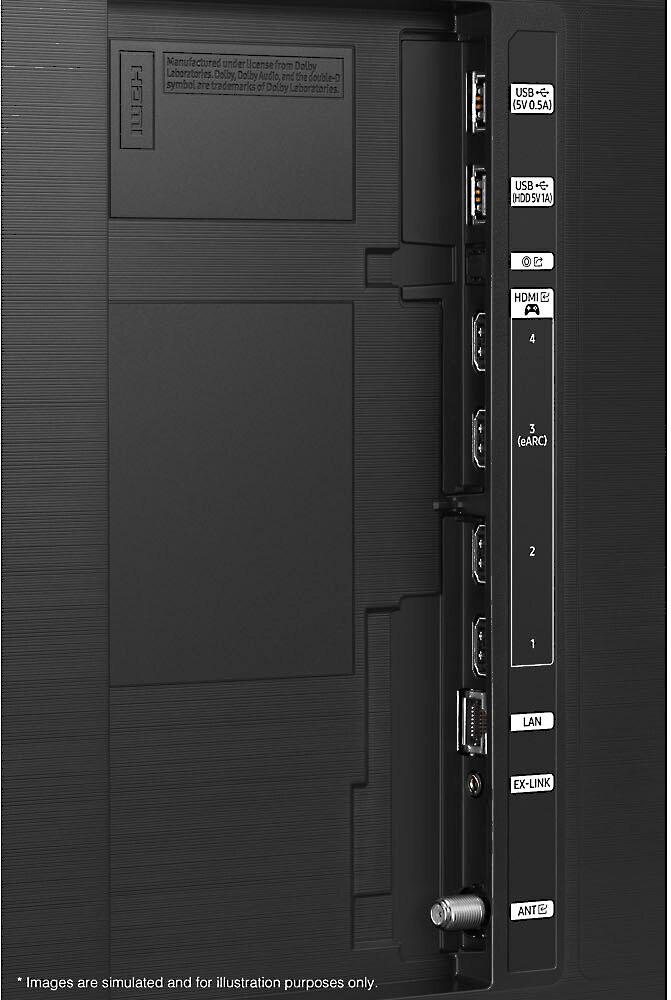
Both TVs cater to serious gamers but with different strengths and notable weaknesses. The Samsung QN90F supports gaming at 4K resolution up to 165Hz—higher than most gaming consoles currently support but future-proof for PC gaming. It includes four HDMI 2.1 ports, so you can connect multiple next-gen consoles without constantly switching cables.
However, the Samsung has a significant Achilles' heel: slow pixel response times. During fast-moving scenes in games, you'll notice ghosting—blurred trails behind moving objects. This can be genuinely distracting during competitive gaming or fast-paced action games. The input lag measures 9.8ms, which is acceptable for most gaming but not class-leading.
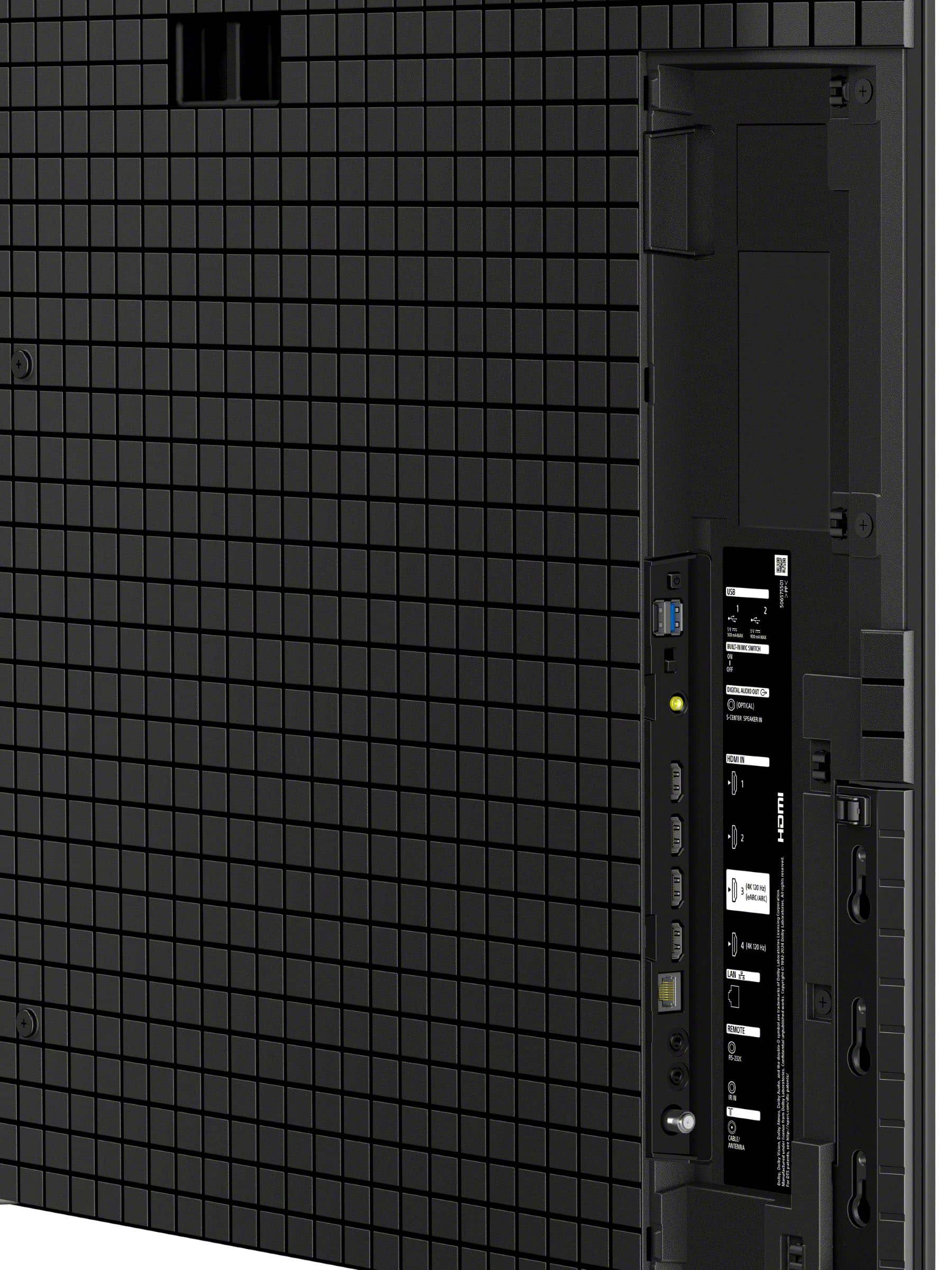
The Sony BRAVIA 8 II supports 4K gaming up to 120Hz with only two HDMI 2.1 ports—potentially limiting if you have multiple consoles and other devices. However, the OLED panel's near-instantaneous pixel response eliminates ghosting entirely. Fast-moving objects appear razor-sharp, making it particularly excellent for competitive gaming. The 8.5ms input lag is slightly better than the Samsung's.
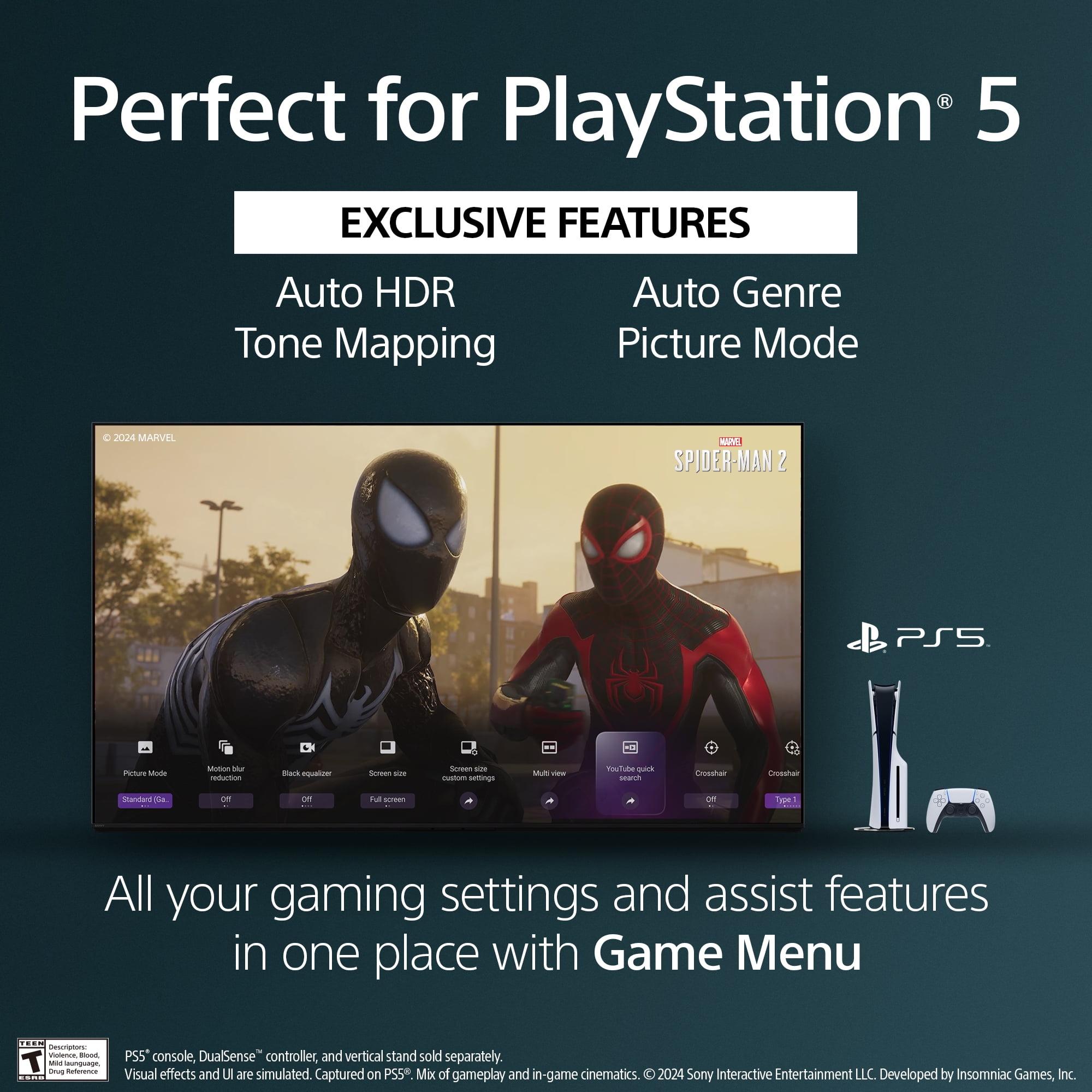
For PlayStation owners specifically, Sony includes exclusive features like Auto Genre Picture Mode that automatically optimizes settings for different game types.
Most TV comparisons focus entirely on picture quality, but audio differences between these models are substantial. The Samsung QN90F uses a traditional speaker setup—drivers positioned around the TV's frame pumping out 60 watts of total power with Dolby Atmos support.
The Sony BRAVIA 8 II takes a revolutionary approach with Acoustic Surface Audio+. The entire screen vibrates to produce sound, making dialogue appear to come directly from actors' mouths rather than from speakers below the screen. This creates a more immersive experience, particularly for dialogue-heavy content like dramas or documentaries.
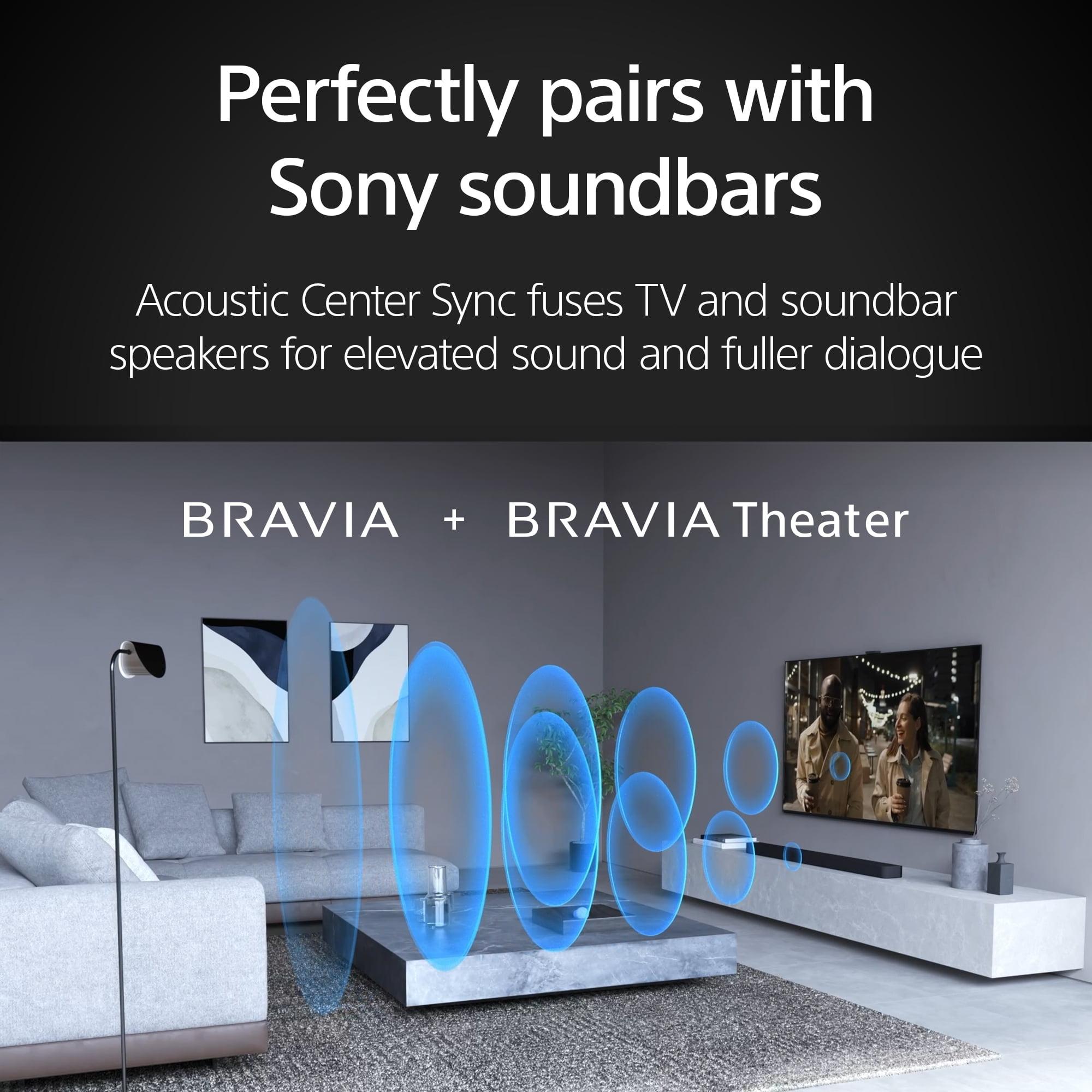
Sony also includes Acoustic Center Sync, allowing the TV to function as a center channel speaker when paired with compatible Sony soundbars. This integration level is unique and can significantly enhance your home theater setup without requiring additional equipment.
Both TVs run different smart platforms with distinct advantages. The Samsung QN90F uses Samsung's Tizen OS enhanced with Vision AI, which adapts to your viewing habits and can recognize gestures for control. The interface is intuitive, and app support is comprehensive.
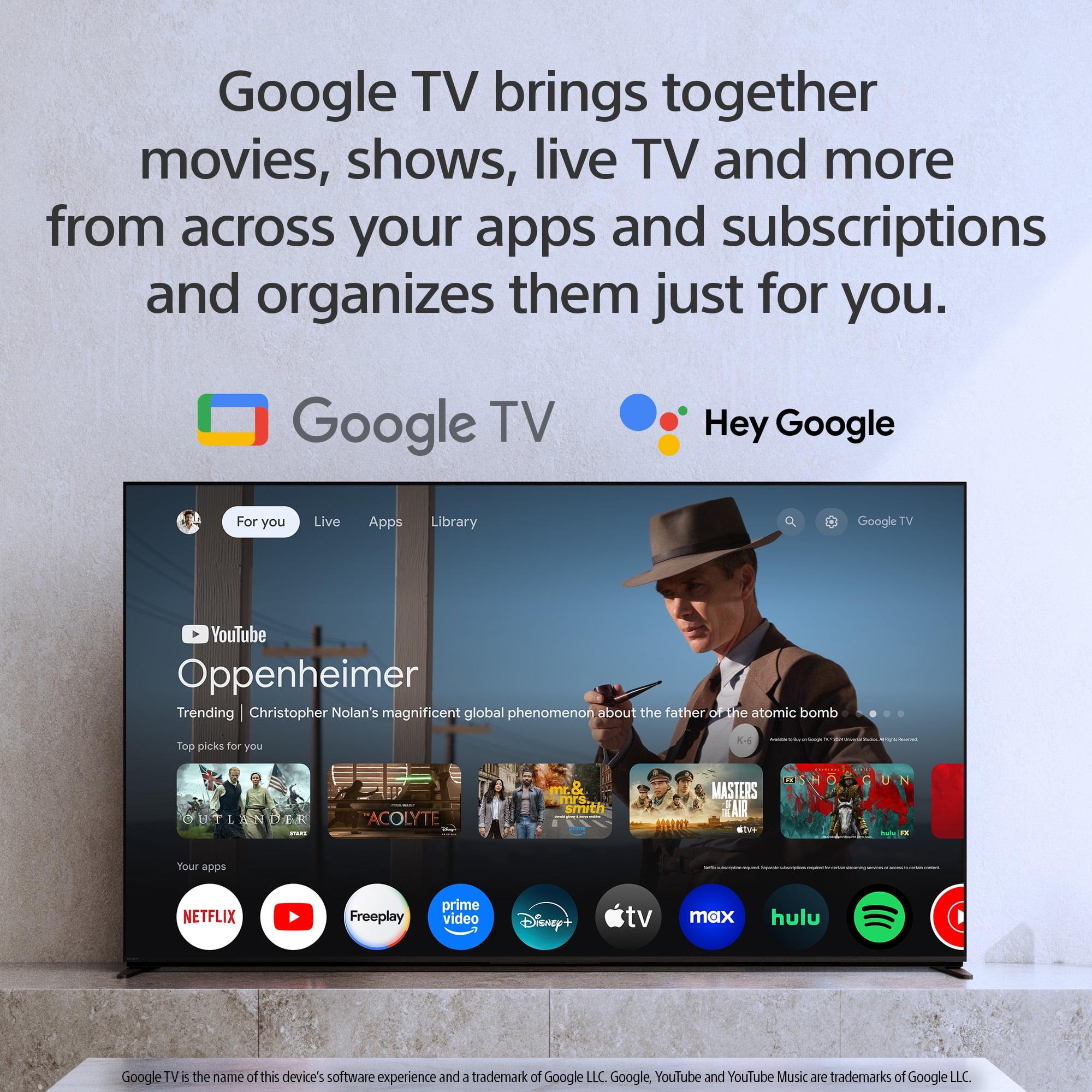
The Sony BRAVIA 8 II runs Google TV, which excels at content discovery and integrates seamlessly with Google services. If you're already using Google products, the Sony provides a more cohesive smart home experience.
A crucial difference lies in HDR format support. The Sony BRAVIA 8 II supports Dolby Vision, the premium HDR format used by Netflix, Apple TV+, and 4K Blu-rays. The Samsung QN90F supports HDR10+ but lacks Dolby Vision due to Samsung's licensing decisions. This means some premium content won't display with optimal HDR performance on the Samsung.
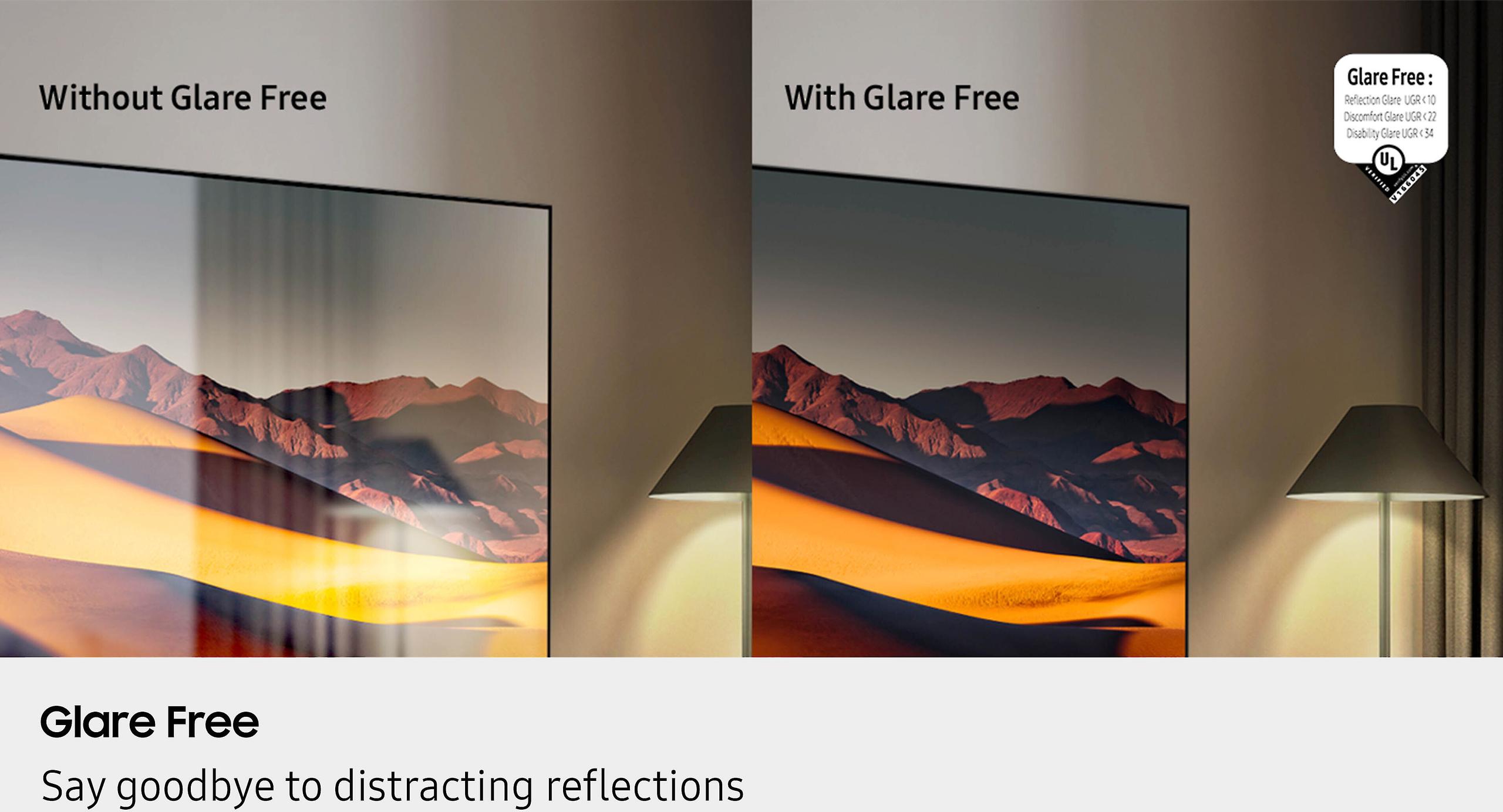
Your viewing environment should heavily influence your decision. The Samsung QN90F features a matte anti-glare coating that virtually eliminates reflections, combined with exceptional brightness that maintains picture quality even with windows open during the day. If your TV room receives significant natural light, the Samsung provides a consistently excellent viewing experience regardless of time of day.
The Sony BRAVIA 8 II performs best in controlled lighting conditions. While it includes an anti-reflective coating, bright room lighting raises the black levels, reducing the contrast advantage that makes OLED special. In a dedicated home theater or room where you can control lighting, the Sony delivers the most cinematic experience available.
At the time of writing, the Samsung QN90F typically retails for several hundred dollars less than the Sony BRAVIA 8 II, making it the more accessible option for premium TV performance. Samsung also offers the QN90F in sizes ranging from 43 inches to a massive 115 inches, providing options for virtually any room size.
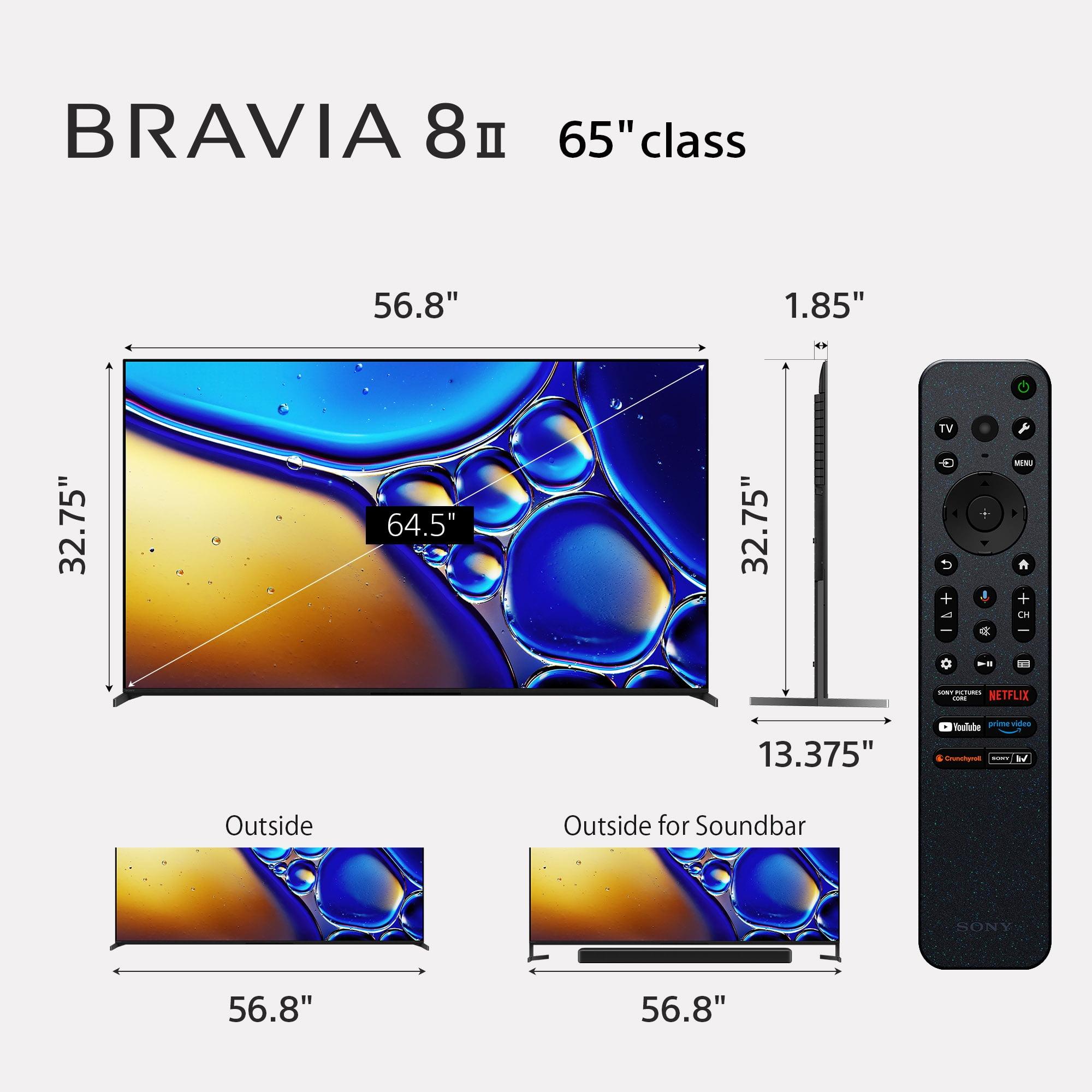
Sony limits the BRAVIA 8 II to just 55-inch and 65-inch sizes, restricting your options if you need a different size. This limitation stems from QD-OLED panel availability and manufacturing costs.
OLED displays, including the Sony BRAVIA 8 II, face potential burn-in issues if static images (like news channel logos or game interfaces) remain on screen for extended periods. While modern OLED panels have mitigation features, this risk doesn't exist with the Samsung QN90F.
Conversely, LCD panels like the Samsung's can experience backlight degradation over many years, though this typically manifests as gradual dimming rather than permanent image retention.
Choose the Samsung QN90F if you:
Choose the Sony BRAVIA 8 II if you:
Both TVs represent the pinnacle of their respective technologies. The Samsung offers broader versatility and practical advantages for most living situations, while the Sony delivers uncompromising picture quality for enthusiasts willing to optimize their viewing environment. Understanding these differences—rather than just comparing specifications—is key to choosing the TV that will truly enhance your viewing experience for years to come.
| Samsung 65" QN90F Neo QLED | Sony BRAVIA 8 II 65" QD-OLED |
|---|---|
| Display Technology - Determines fundamental picture quality characteristics | |
| Mini LED with ~900 local dimming zones behind LCD panel | QD-OLED with per-pixel lighting and quantum dot enhancement |
| Peak Brightness - Critical for bright room viewing and HDR impact | |
| 2,000+ nits (exceptional for daytime viewing) | 1,880 nits (25% brighter than previous Sony OLEDs) |
| Black Level Performance - Most noticeable in dark scenes and movies | |
| Very good with minimal blooming (not true black) | Perfect blacks with infinite contrast ratio |
| Screen Finish - Affects reflections and room lighting tolerance | |
| Matte anti-glare coating (virtually eliminates reflections) | Anti-reflective coating (good but not as effective as matte) |
| Gaming Refresh Rate - Higher is better for PC gaming and future consoles | |
| 4K at 165Hz with 4 HDMI 2.1 ports | 4K at 120Hz with 2 HDMI 2.1 ports |
| Gaming Motion Performance - Critical for competitive gaming | |
| Significant ghosting/blur during fast motion | Near-instantaneous pixel response, no ghosting |
| Input Lag - Lower is better for responsive gaming | |
| 9.8ms (acceptable for most gaming) | 8.5ms (excellent for competitive gaming) |
| HDR Format Support - Affects premium streaming and 4K Blu-ray compatibility | |
| HDR10+, HLG (lacks Dolby Vision) | Dolby Vision, HDR10, HLG (full premium format support) |
| Audio Technology - Built-in sound quality without external speakers | |
| Traditional 60W speakers with Dolby Atmos | Acoustic Surface Audio+ (screen vibrates to create sound) |
| Smart Platform - Affects app selection and user experience | |
| Tizen OS with Vision AI and gesture control | Google TV with superior content discovery |
| Size Availability - Important if you need different room sizes | |
| 43", 50", 55", 65", 75", 85", 98", 115" | 55" and 65" only |
| Burn-in Risk - Long-term durability consideration | |
| No burn-in risk (LCD technology) | Potential OLED burn-in with static content |
| Processor and AI Features - Affects picture optimization and smart features | |
| NQ4 AI Gen3 with 128 neural networks, Vision AI | XR Processor with AI Scene Recognition |
| Color Volume - Ability to maintain colors at high brightness | |
| Excellent quantum dot color at all brightness levels | Superior color accuracy, slightly less saturated at peak brightness |
The Samsung QN90F Neo QLED is significantly better for bright rooms. Its Mini LED technology can reach over 2,000 nits of brightness and features a matte anti-glare coating that virtually eliminates reflections. The Sony BRAVIA 8 II performs well in moderate lighting but struggles in very bright environments where its OLED blacks appear more gray.
The Sony BRAVIA 8 II QD-OLED delivers superior dark room performance with perfect blacks and infinite contrast ratio. Each pixel can turn completely off, creating exceptional depth in dark scenes. While the Samsung QN90F has excellent local dimming, it cannot achieve true blacks due to its LCD panel design.
Both TVs excel at gaming but in different ways. The Samsung QN90F supports 4K gaming at 165Hz with four HDMI 2.1 ports, making it more future-proof. However, it suffers from motion blur during fast gaming. The Sony BRAVIA 8 II offers 4K at 120Hz with only two HDMI 2.1 ports but provides crystal-clear motion with no ghosting, making it better for competitive gaming.
No, there's an important difference. The Sony BRAVIA 8 II supports all major HDR formats including Dolby Vision, HDR10, and HLG. The Samsung QN90F supports HDR10+ and HLG but lacks Dolby Vision support, which could limit compatibility with some premium streaming content and 4K Blu-rays.
The Sony BRAVIA 8 II has superior built-in audio with its Acoustic Surface Audio+ technology, where the entire screen vibrates to produce sound. This creates more immersive dialogue that appears to come directly from actors' mouths. The Samsung QN90F uses traditional speakers, which are decent but not as innovative as Sony's approach.
The Samsung QN90F offers much more flexibility with sizes ranging from 43" to 115", including 50", 55", 65", 75", 85", and 98" options. The Sony BRAVIA 8 II is only available in 55" and 65" sizes, limiting your room size options.
For dedicated home theater rooms with controlled lighting, the Sony BRAVIA 8 II is the superior choice. Its perfect blacks, superior contrast, and Dolby Vision support create a truly cinematic experience. However, if your home theater receives ambient light, the Samsung QN90F might be more practical with its higher brightness and anti-glare coating.
Only the Sony BRAVIA 8 II QD-OLED has potential burn-in risk, as all OLED displays can permanently retain static images like news channel logos or game interfaces if displayed for extended periods. The Samsung QN90F Neo QLED uses LCD technology and has no burn-in risk, making it more worry-free for varied content consumption.
Both offer excellent smart platforms but with different strengths. The Samsung QN90F uses Tizen OS with Vision AI features and gesture control. The Sony BRAVIA 8 II runs Google TV, which excels at content discovery and integrates better with Google services. Your preference may depend on your existing smart home ecosystem.
The Samsung QN90F typically offers better value with a lower price point while still delivering premium features and performance. It also provides more size options and versatility for different viewing environments. The Sony BRAVIA 8 II costs more but delivers cutting-edge picture quality for those willing to pay a premium.
Yes, both the Samsung QN90F and Sony BRAVIA 8 II support modern gaming features like 4K resolution, high refresh rates, Variable Refresh Rate (VRR), and Auto Low Latency Mode (ALLM). The Samsung offers more HDMI 2.1 ports and higher refresh rates, while the Sony provides better motion clarity during gameplay.
Choose the Samsung QN90F if you need maximum brightness for bright rooms, want more size options, prefer lower pricing, or need multiple HDMI 2.1 ports. Choose the Sony BRAVIA 8 II if you have a controlled lighting environment, prioritize the best possible picture quality, want Dolby Vision support, or prefer superior built-in audio quality.
We've done our best to create useful and informative comparisons to help you decide what product to buy. Our research uses advanced automated methods to create this comparison and perfection is not possible - please contact us for corrections or questions. These are the sites we've researched in the creation of this article: rtings.com - images.samsung.com - youtube.com - listenup.com - youtube.com - cullenshomecenter.com - rtings.com - shopjetson.com - youtube.com - samsung.com - samsung.com - videoandaudiocenter.com - rtings.com - bestbuy.com - youtube.com - news.samsung.com - news.samsung.com - news.samsung.com - bestbuy.com - news.samsung.com - youtube.com - news.samsung.com - youtube.com - smarthomesounds.co.uk - techradar.com - rtings.com - bestbuy.com - whathifi.com - rtings.com - hometechnologyreview.com - youtube.com - hometechnologyreview.com - hometechnologyreview.com - hometechnologyreview.com - valueelectronics.com - smarthomesounds.co.uk - electronics.sony.com - valueelectronics.com - bestbuy.com - youtube.com - displayspecifications.com - hometechnologyreview.com - flatpanelshd.com

Privacy Policy
Terms and Conditions - Affiliate Policy
Home Security
© Copyright 2008-2026.
11816 Inwood Rd #1211, Dallas, TX 75244