

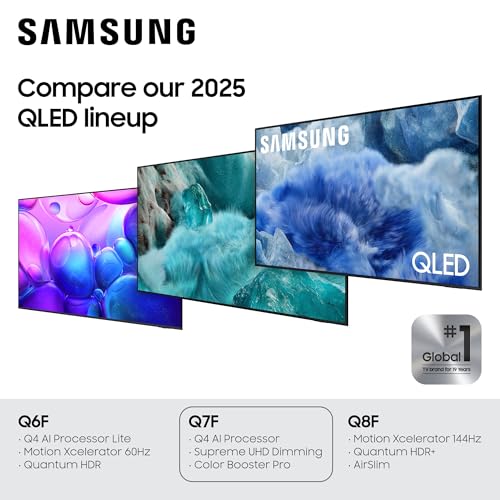
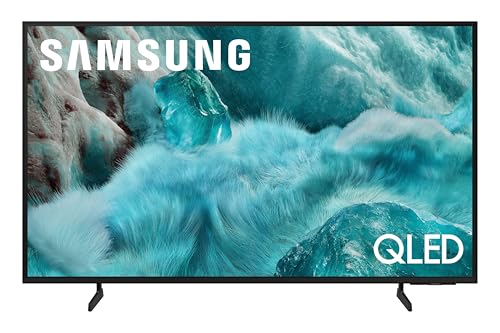
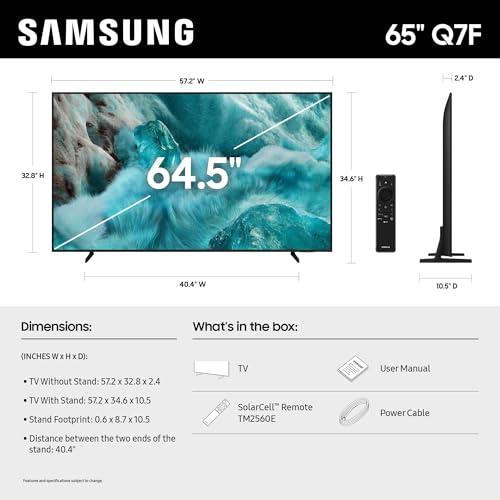
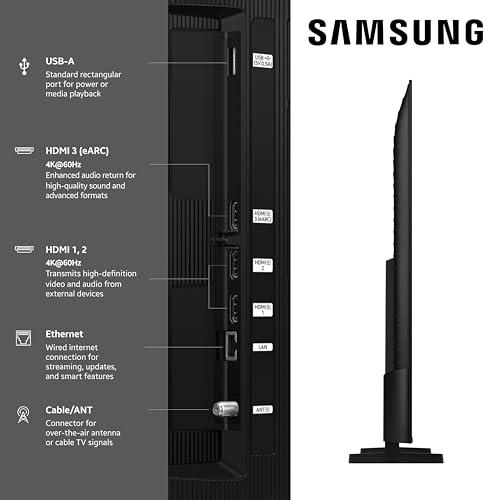
When you're shopping for a 65-inch TV in 2025, you'll quickly discover that not all large screens are created equal. The Samsung Q7F QLED and Sony BRAVIA 8 II QD-OLED perfectly illustrate this point—despite both being 65-inch smart TVs, they represent completely different philosophies about what a premium television should be. At the time of writing, these TVs sit at opposite ends of the price spectrum, with the Samsung costing roughly what you'd spend on a weekend getaway, while the Sony costs as much as a decent used car.
This dramatic price difference isn't arbitrary marketing; it reflects fundamentally different display technologies, target audiences, and performance capabilities. Understanding these differences will help you make the right choice for your specific needs and budget.
Before diving into specifics, it's crucial to understand what separates these TVs at the most basic level: their display technology. Think of this as the engine in a car—everything else builds on this foundation.
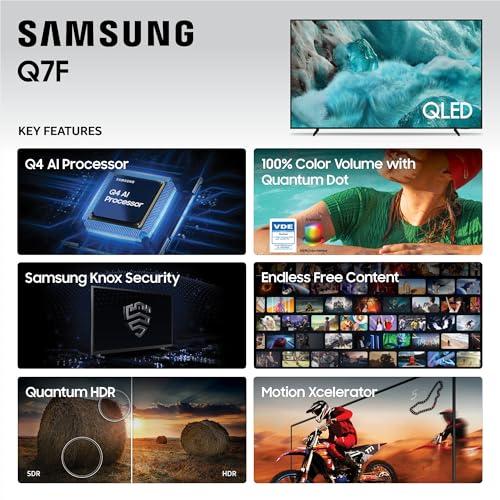
The Samsung Q7F uses QLED technology, which is essentially a traditional LED-backlit LCD display enhanced with a quantum dot layer. Quantum dots are microscopic particles that improve color accuracy and brightness when hit with light from LED backlights behind the screen. However, because the entire screen shares the same backlight system, QLED TVs cannot achieve true black levels—when displaying a black scene, the backlight is still on, creating what we call "grayish blacks."
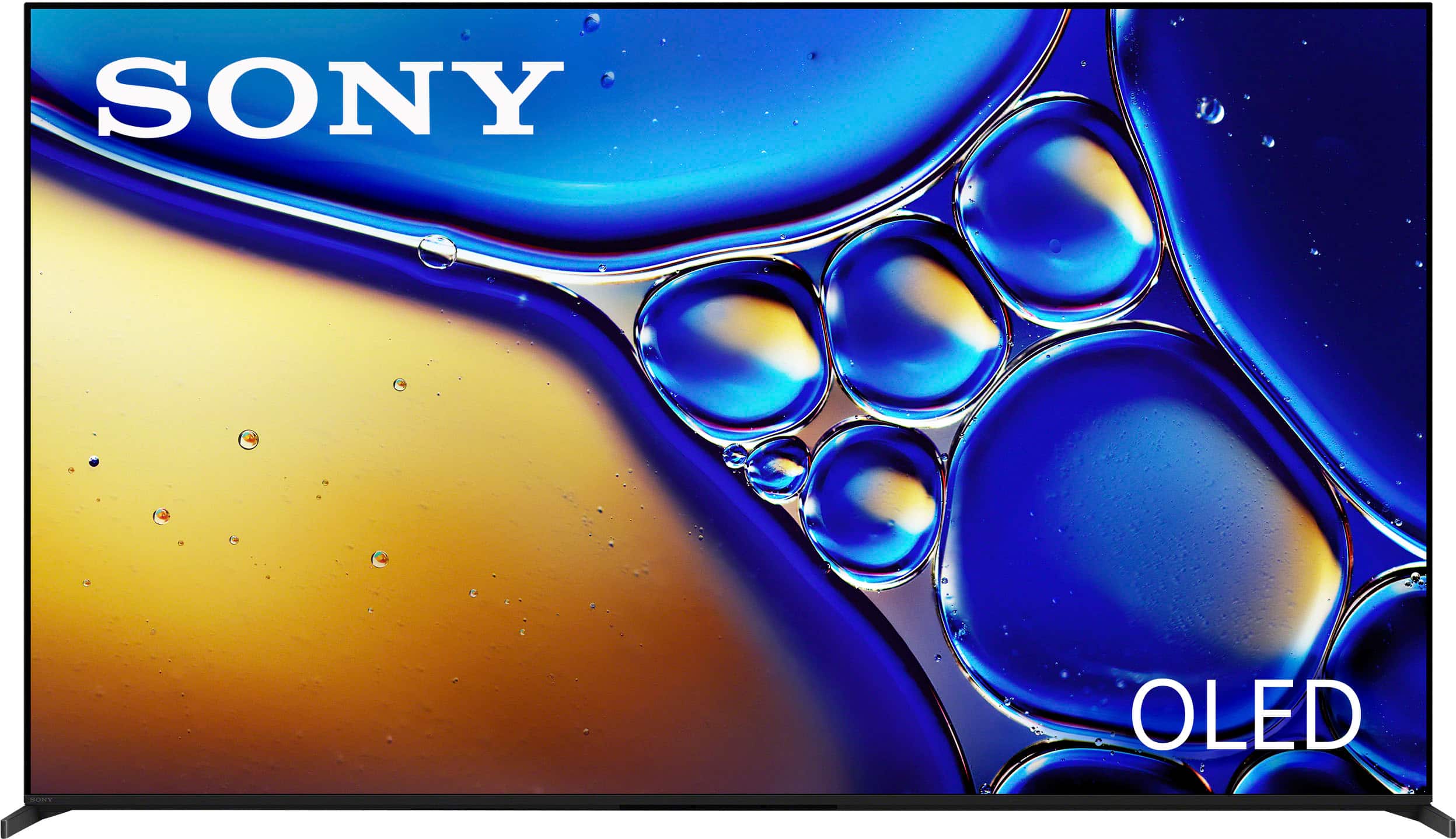
The Sony BRAVIA 8 II uses QD-OLED technology, a newer approach that combines the best aspects of OLED and quantum dots. OLED stands for Organic Light Emitting Diode, where each individual pixel generates its own light and can turn completely off to create perfect black. The "QD" part adds quantum dots to enhance color reproduction. This means you get perfect blacks like traditional OLED, but with better brightness and color volume thanks to quantum dot enhancement.
This fundamental difference in how the displays create images affects everything else about these TVs' performance.
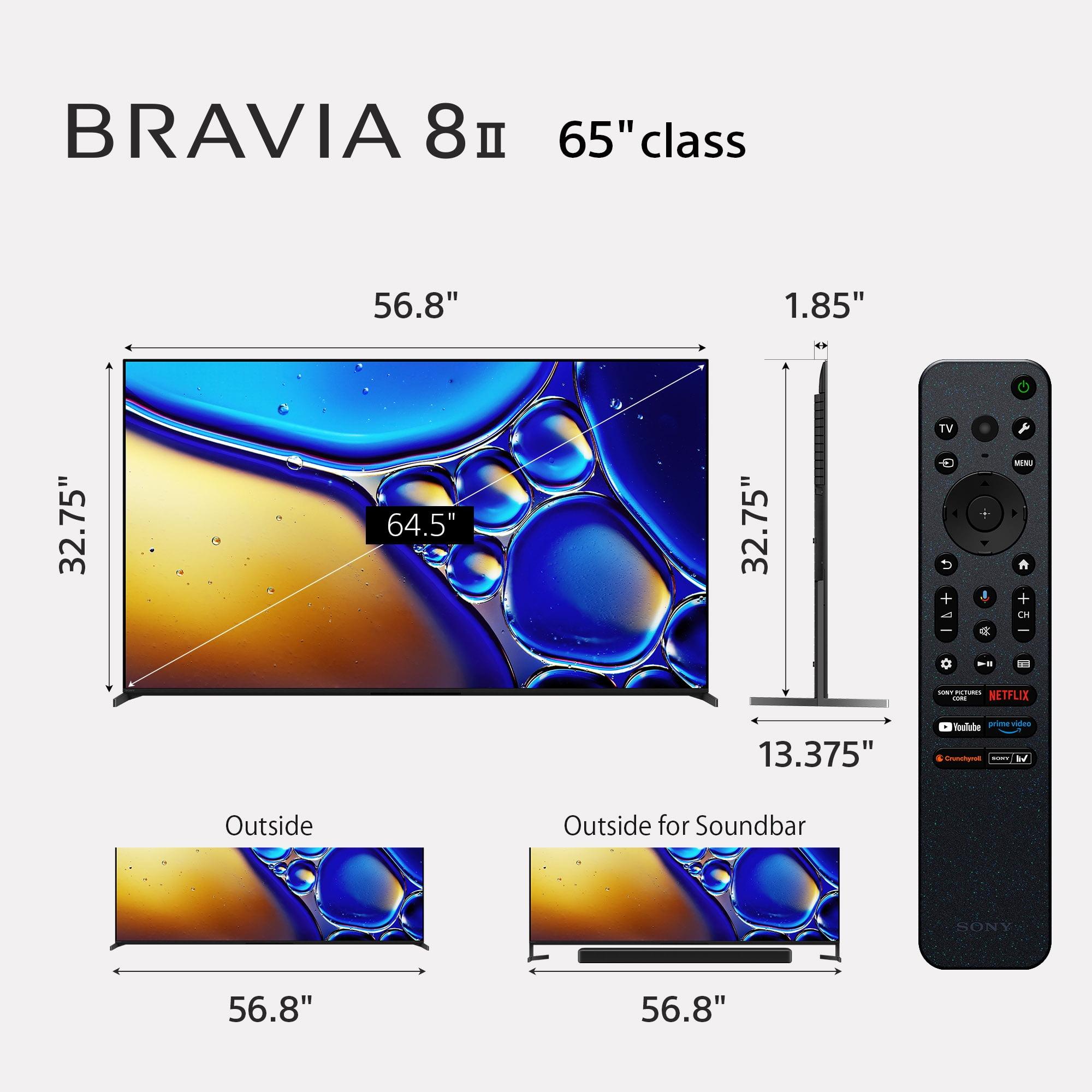
When evaluating TV picture quality, contrast ratio—the difference between the brightest whites and darkest blacks—matters more than almost any other specification. This is where the technology gap between these TVs becomes immediately apparent.
The Sony BRAVIA 8 II achieves what we call "infinite contrast ratio" because its OLED pixels can turn completely off, creating true black. When you're watching a movie scene set in space, the blackness around stars looks genuinely black, not dark gray. This creates an incredibly three-dimensional, immersive viewing experience that makes images appear to pop off the screen.
Our research into user and expert reviews consistently shows that this perfect black capability transforms the viewing experience, particularly for movie watching and gaming in darker environments. The depth and dimensionality that perfect blacks create cannot be replicated by backlit displays.
The Samsung Q7F, lacking local dimming zones (areas where the backlight can be controlled independently), cannot achieve true blacks. Instead, what should be black appears as dark gray, and shadow details often get lost in this elevated black level. While this isn't necessarily problematic for bright, colorful content like sports or animated movies, it significantly impacts the cinematic experience during dramatic scenes or atmospheric content.
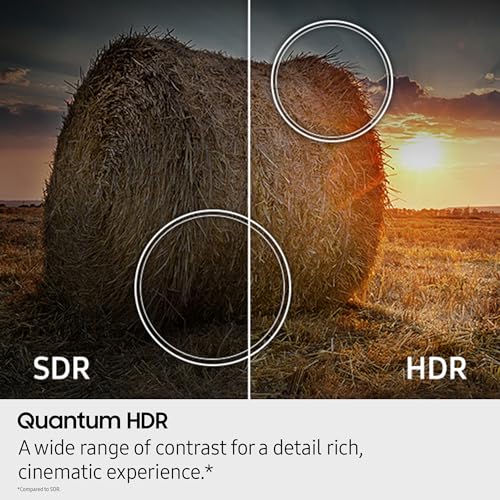
HDR, or High Dynamic Range, expands the range of brightness and color that TVs can display, making images look more lifelike. However, HDR performance depends heavily on a TV's peak brightness capabilities and how well it can control that brightness.
The Sony BRAVIA 8 II represents a significant leap forward for OLED technology, achieving peak brightness levels around 1,880 nits—that's about 25% brighter than Sony's previous flagship OLEDs and 50% brighter than their traditional OLED models. This brightness increase addresses one of OLED's traditional weaknesses in bright rooms while maintaining perfect blacks.
What makes this impressive is that OLED can make specific bright objects (like the sun reflecting off water) incredibly bright while keeping everything around them perfectly black. This creates stunning HDR highlights with natural contrast that looks remarkably close to what your eyes see in real life.
The Samsung Q7F, while capable of good brightness levels typical of QLED technology, lacks the sophisticated control needed for impactful HDR. Without local dimming, bright HDR highlights lift the entire screen's brightness, reducing the dramatic impact that makes HDR content special.
Color reproduction separates good TVs from great ones, and this is where premium processing makes a substantial difference.
The Sony BRAVIA 8 II features Sony's 2nd Generation Cognitive XR Processor with AI Scene Recognition, which analyzes content in real-time and adjusts color, contrast, and clarity accordingly. Sony has built its reputation on cinema-accurate color reproduction, and this TV continues that tradition with XR Triluminos Max technology. The quantum dots work with OLED's natural color reproduction to create billions of accurate colors that look natural rather than artificially enhanced.
Based on professional reviews, skin tones look genuinely lifelike, grass appears naturally green rather than oversaturated, and sunset scenes have that warm, golden quality that makes you feel like you're actually there. This natural color approach particularly benefits movie watching and premium streaming content.
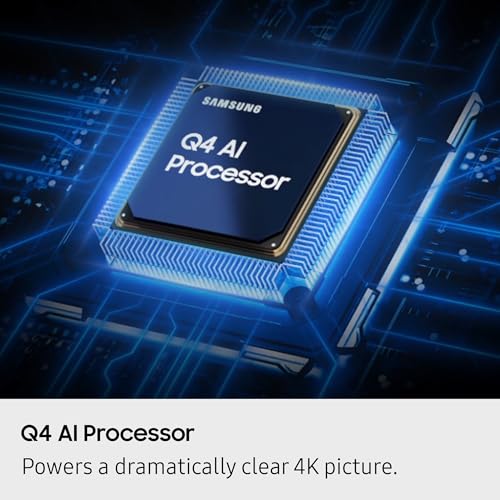
The Samsung Q7F includes Samsung's Q4 AI Processor, which provides basic color enhancement through quantum dot technology. While this creates more vibrant colors than standard LED displays, the processing isn't as sophisticated as premium models. Colors tend to be more saturated and "pop" more, which some viewers prefer for sports and casual content, though it's less accurate for cinema viewing.
Gaming capabilities have become increasingly important as modern consoles like PlayStation 5 and Xbox Series X push gaming into new territory with 120fps gameplay and advanced graphics features.
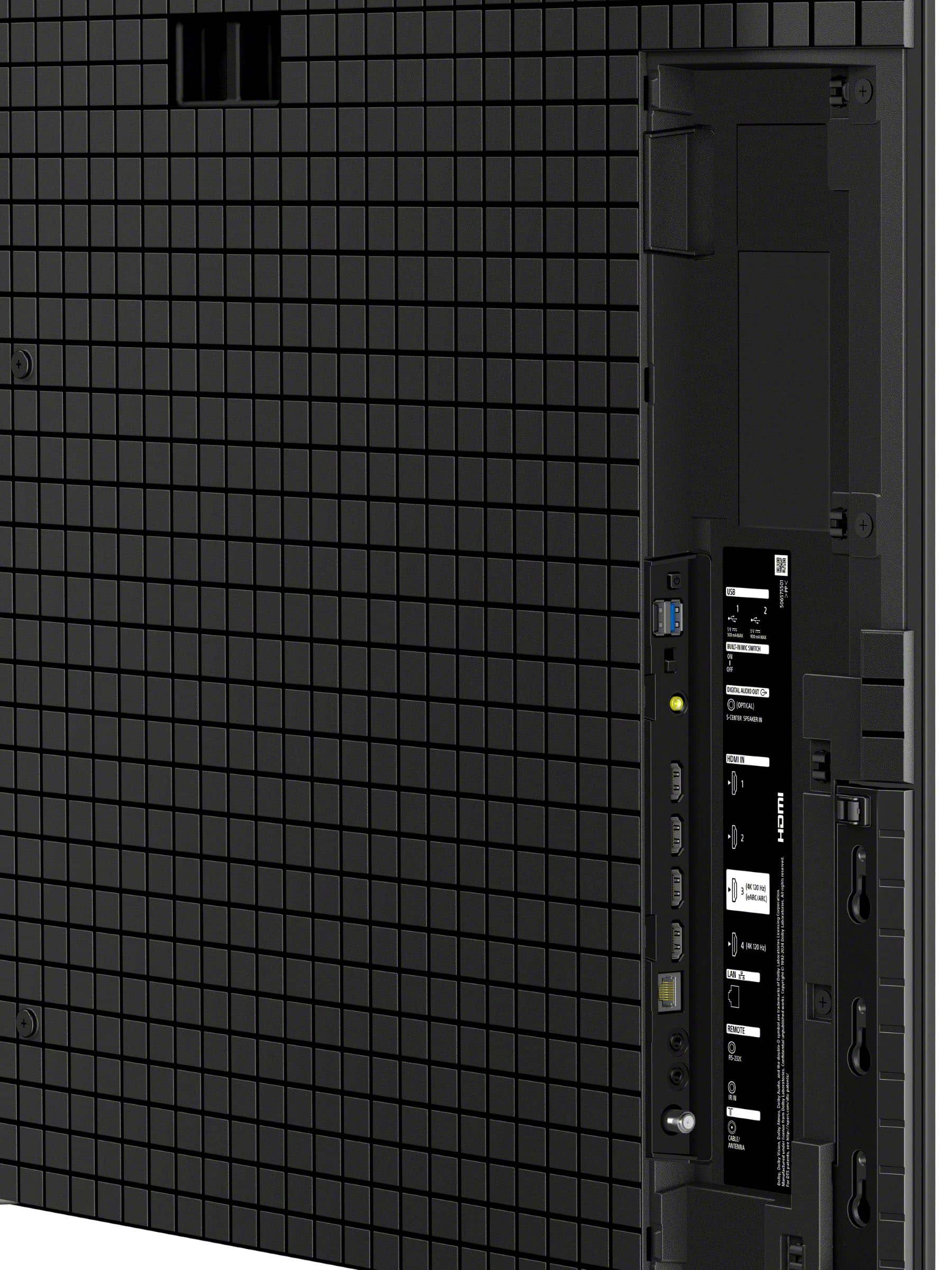
The Sony BRAVIA 8 II includes a native 120Hz refresh rate, supporting 4K gaming at 120 frames per second through two HDMI 2.1 ports. Input lag—the delay between pressing a button and seeing the action on screen—measures an excellent 8.5 milliseconds, which is imperceptible to most gamers. The TV also supports VRR (Variable Refresh Rate), which eliminates screen tearing by synchronizing the display's refresh rate with the console's frame output.
For serious gamers, these features transform the gaming experience. Racing games feel more responsive, first-person shooters display smoother motion, and RPGs with quick camera movements avoid the stuttering that can break immersion.
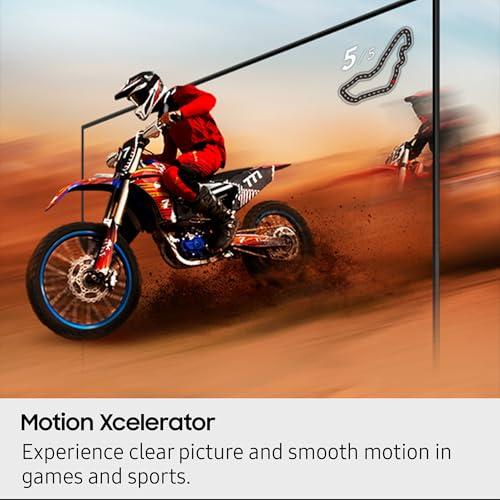
The Samsung Q7F is limited to 60Hz refresh rate, restricting gaming to 60 frames per second maximum. While input lag is reportedly low for responsive control, the 60Hz limitation means you cannot take advantage of modern consoles' advanced capabilities. This isn't necessarily problematic for casual gaming, but serious gamers will notice the difference immediately.
Modern gaming requires more than just low input lag. Features like Auto Low Latency Mode (ALLM) automatically switch the TV to game mode when detecting console input, while VRR prevents screen tearing during gameplay with inconsistent frame rates.
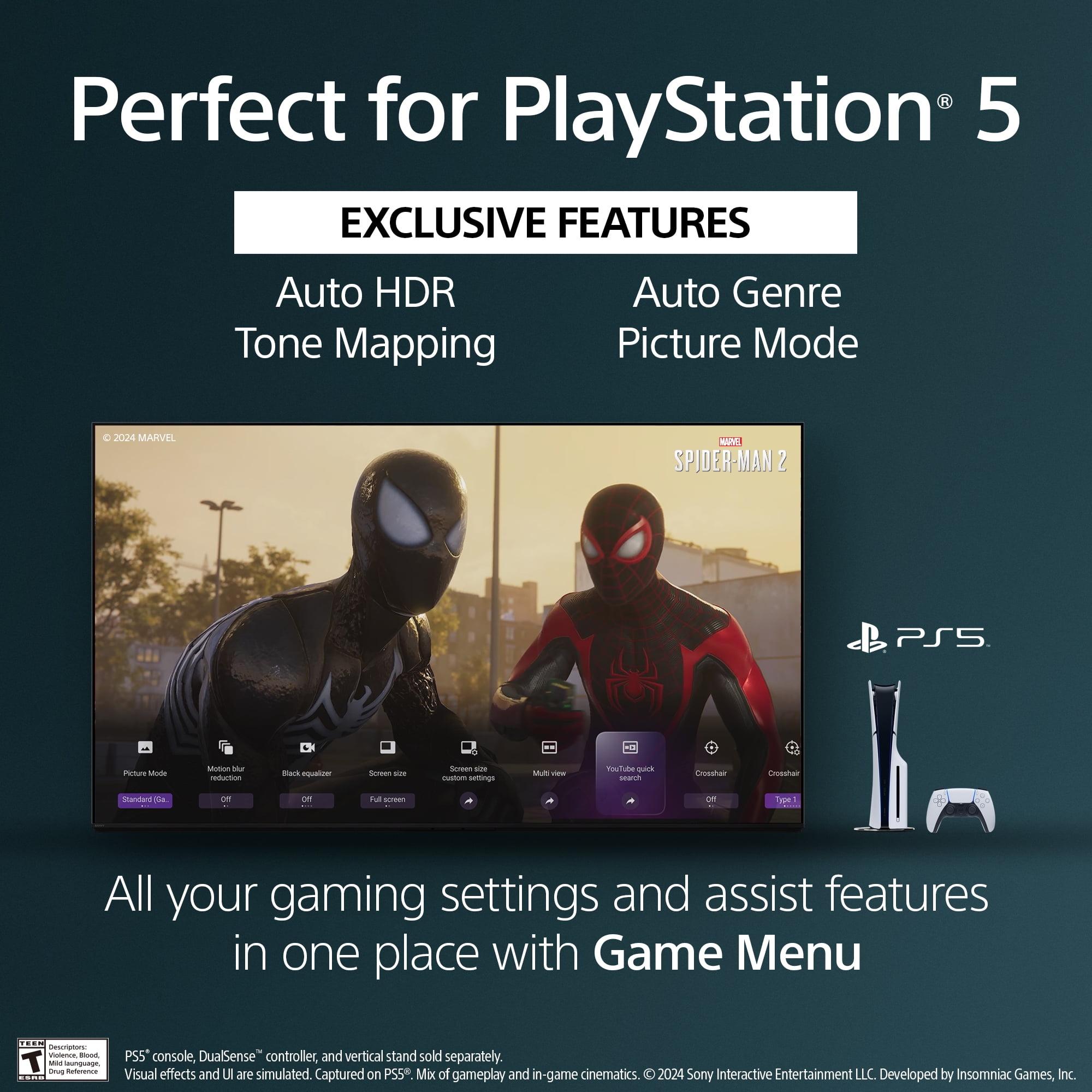
The Sony BRAVIA 8 II includes the full suite of HDMI 2.1 gaming features, plus special optimizations for PlayStation 5 including Auto HDR Tuning that automatically configures picture settings for optimal PS5 gaming. The perfect blacks also enhance gaming atmospherics, particularly in dark, moody games where shadow detail matters.
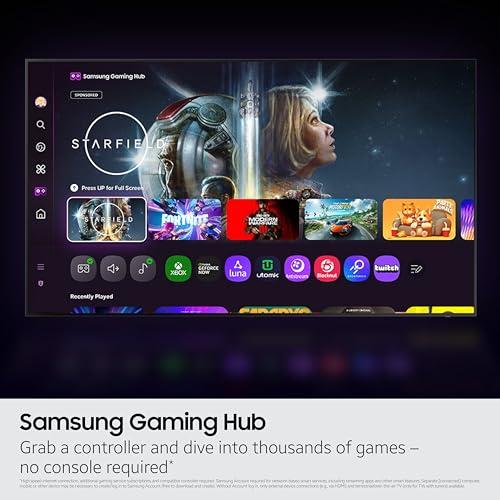
The Samsung Q7F includes basic gaming mode functionality but lacks the advanced features that define modern console gaming, limiting its appeal to serious gamers.
Both TVs offer comprehensive smart TV functionality, but through different approaches that affect daily usability.
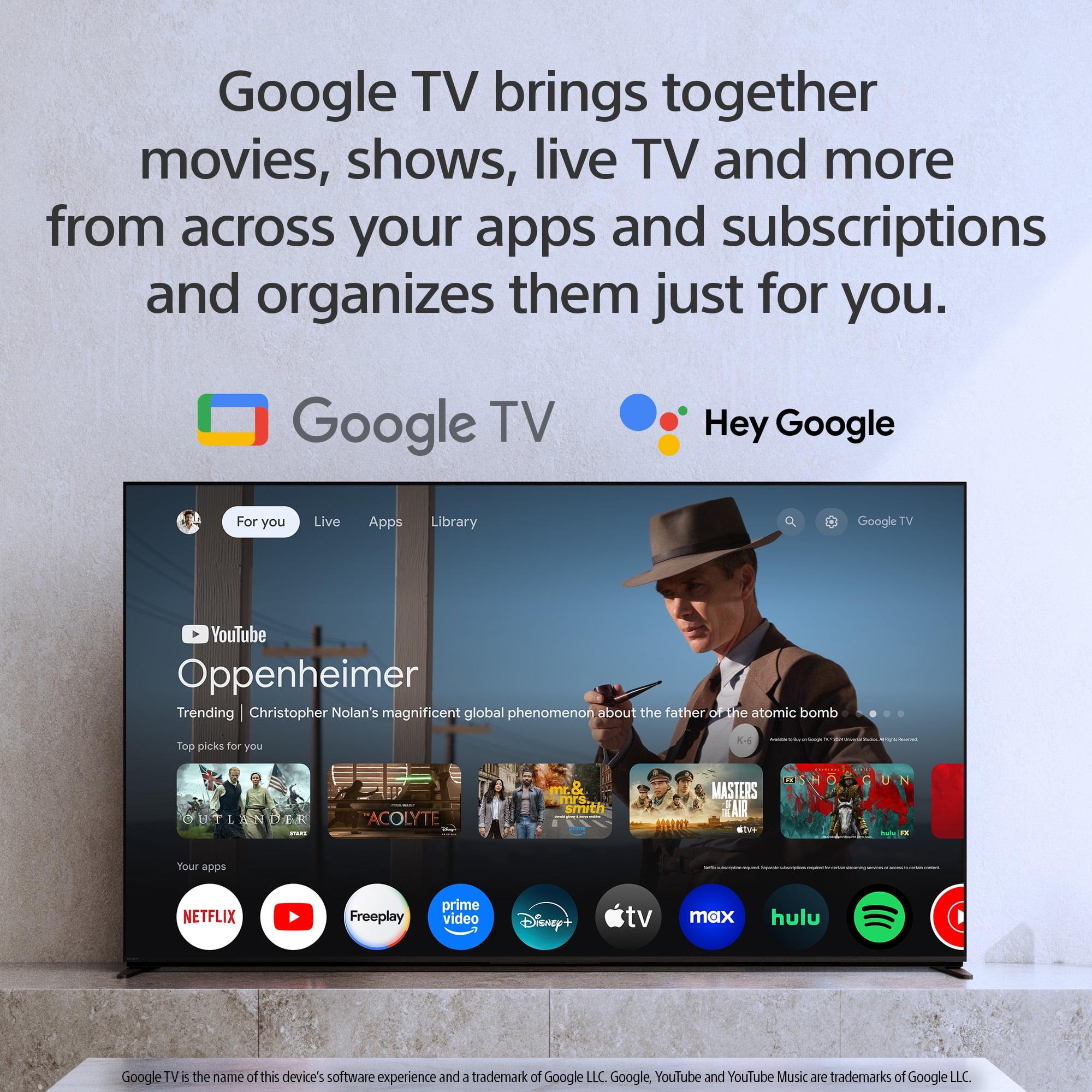
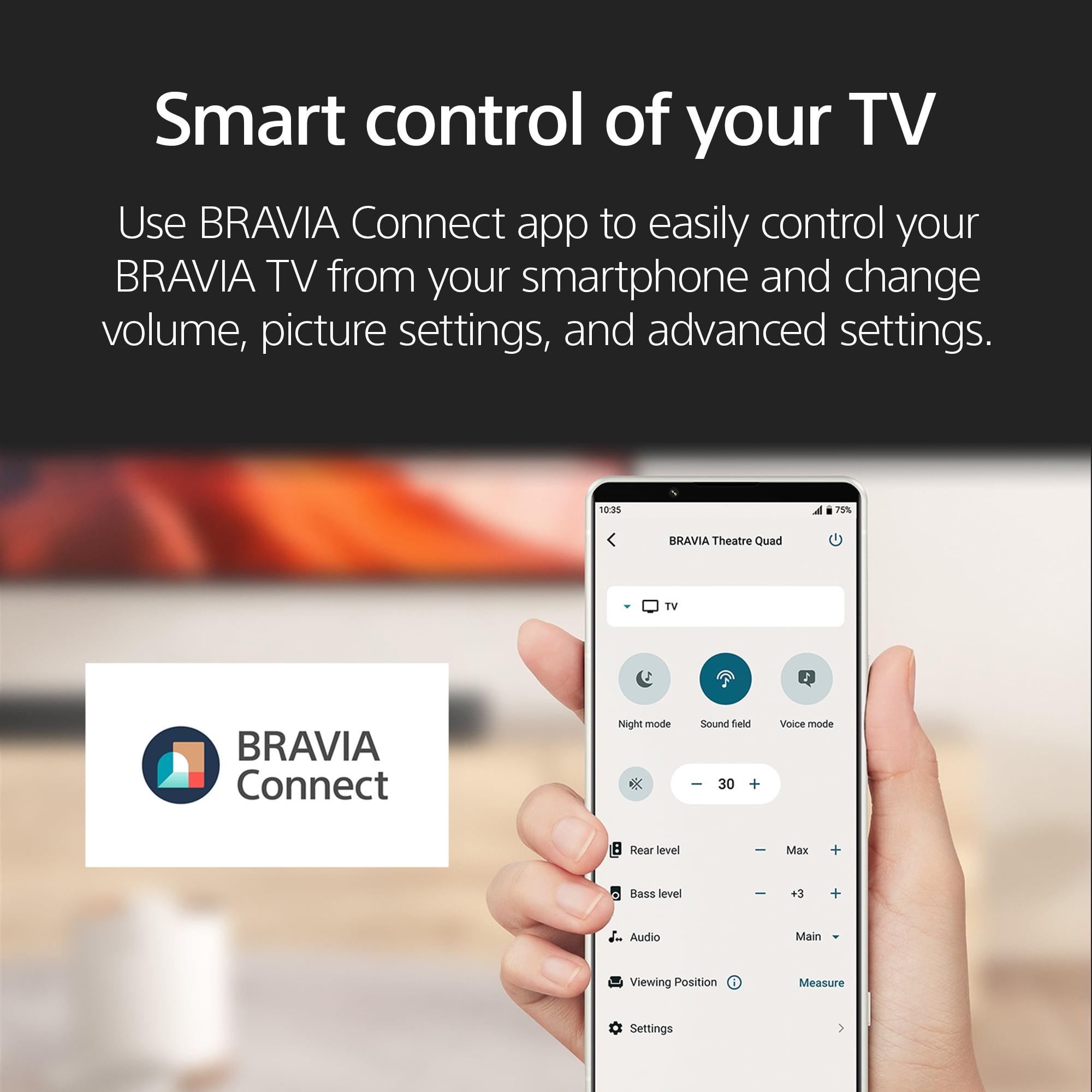
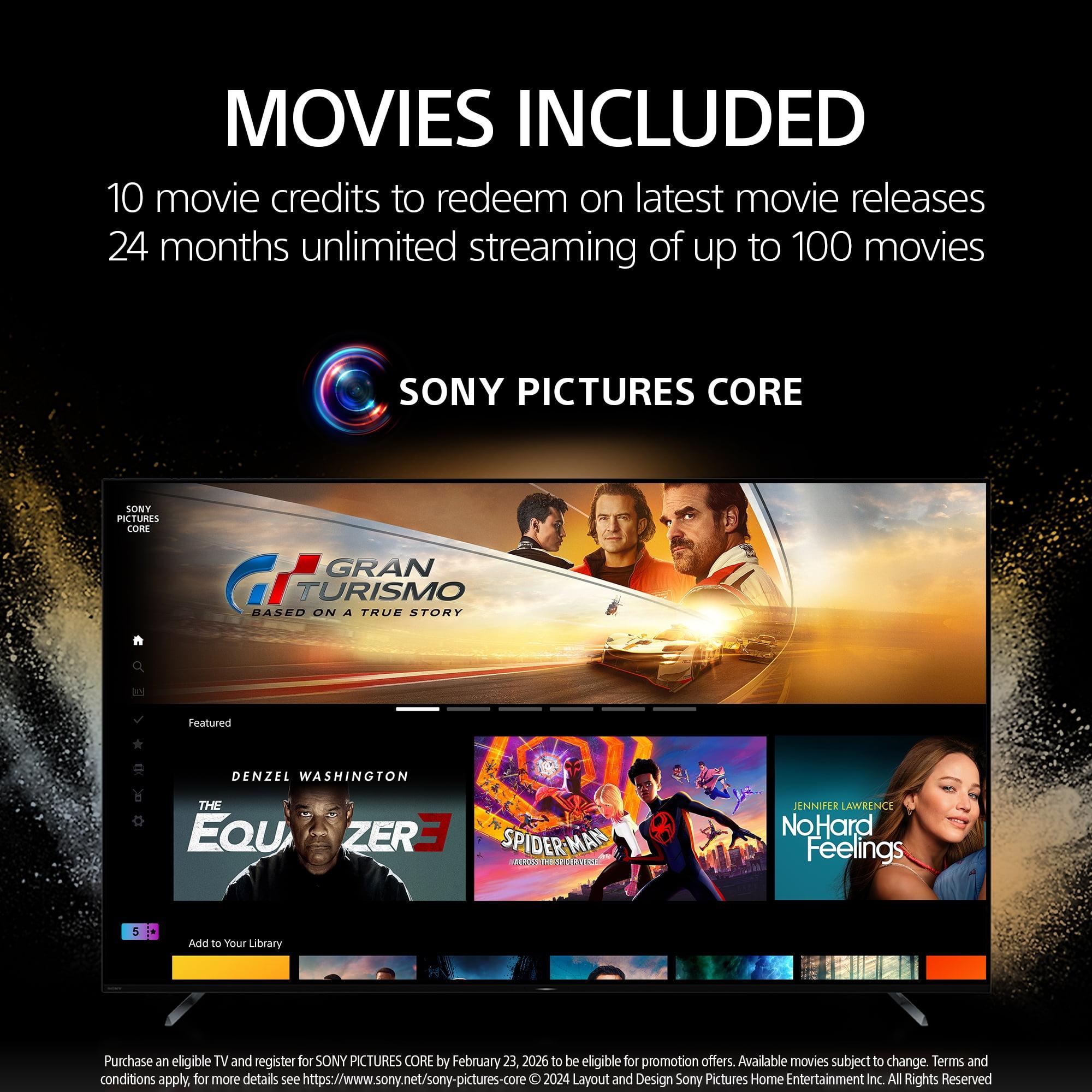
The Sony BRAVIA 8 II runs Google TV OS version 12, which provides excellent app selection, intuitive search functionality, and seamless integration with Google services and smart home devices. The interface feels responsive and well-organized, making it easy to find content across multiple streaming services.
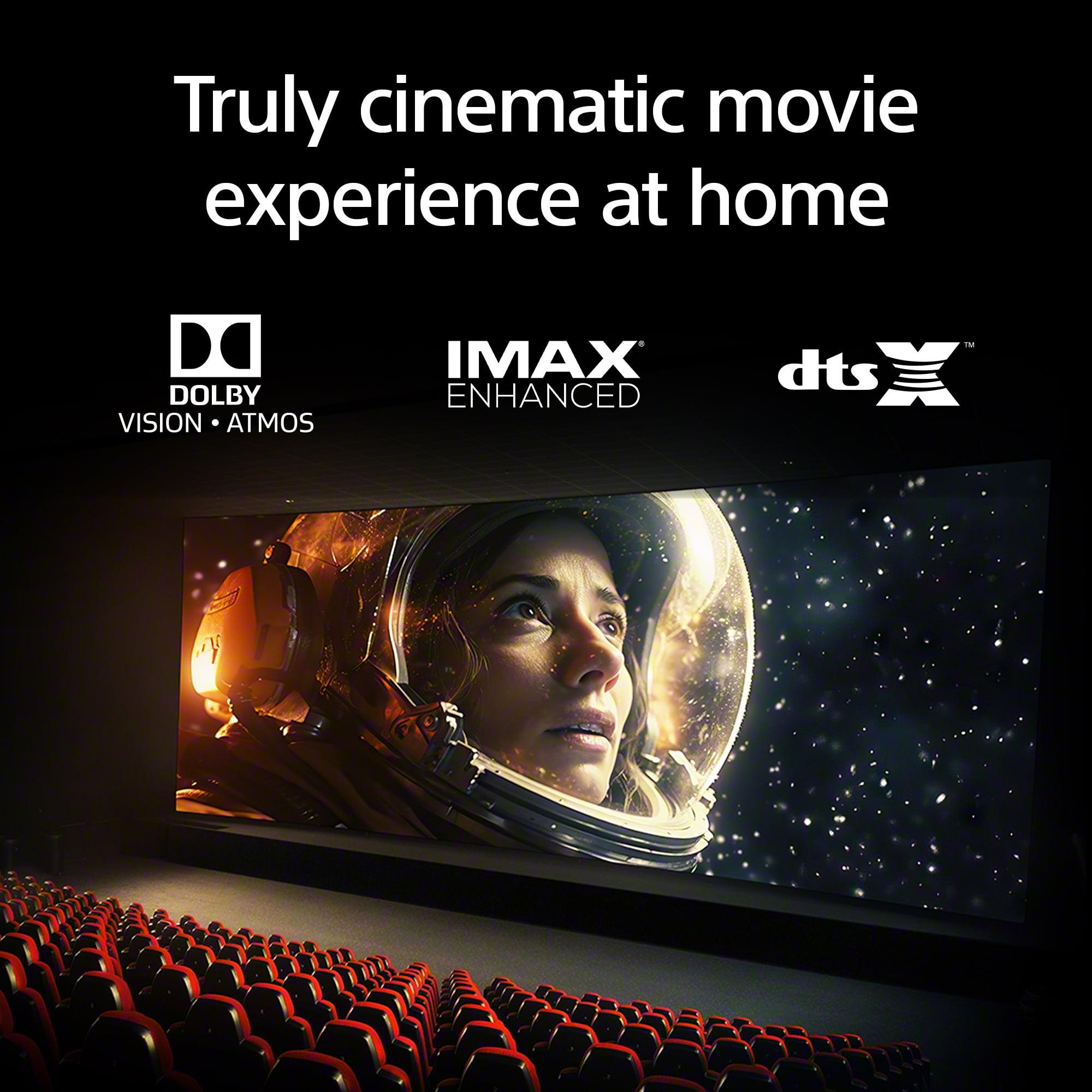
Importantly for premium content, the Sony supports Dolby Vision—a advanced HDR format that provides scene-by-scene optimization for supported content. Netflix, Disney+, Apple TV+, and other premium services increasingly use Dolby Vision for their highest-quality content, making this support valuable for subscribers to these services.
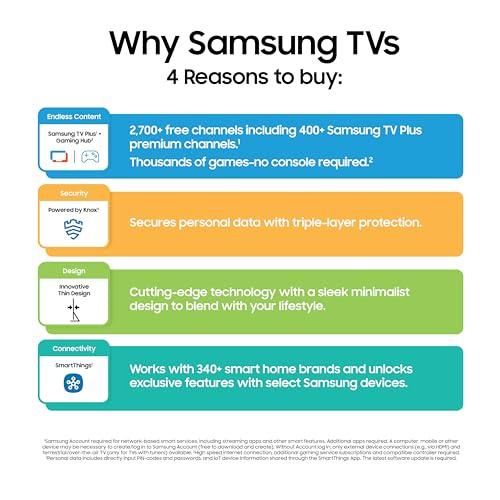
The Samsung Q7F uses Samsung's Tizen OS, which offers solid app selection and integration with Samsung's SmartThings ecosystem. However, Samsung typically supports HDR10+ rather than Dolby Vision, which has significantly less content availability across streaming platforms.
Based on user feedback we've researched, Google TV tends to be more intuitive for daily use, while Tizen excels if you're already invested in Samsung's device ecosystem.
TV audio often gets overlooked, but both these TVs take notably different approaches to sound reproduction.
The Sony BRAVIA 8 II features Acoustic Surface Audio+ technology, which uses actuators behind the OLED panel to turn the entire screen into a speaker. This creates an unusual and immersive experience where sound appears to come directly from the action on screen rather than from speakers below or beside the display.
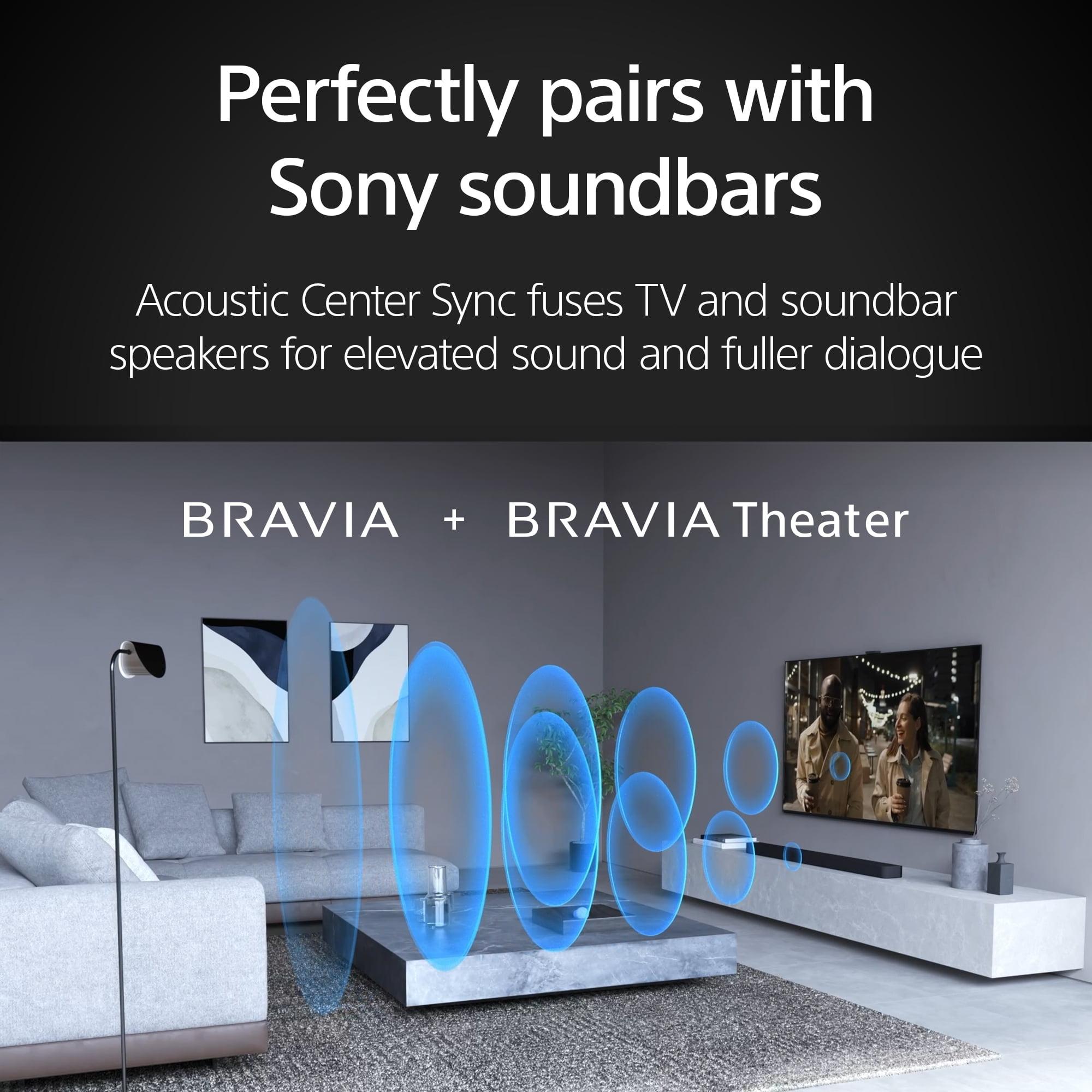
The system includes Voice Zoom 3, which uses AI to enhance dialogue clarity even during loud action scenes—a feature that's particularly valuable for movie watching. Additionally, when paired with compatible Sony soundbars, the TV can function as a dedicated center channel speaker through Acoustic Center Sync, creating a more cohesive surround sound system.
The Samsung Q7F includes standard 20W 2.0 channel speakers that provide adequate volume and clarity for casual viewing but lack the sophistication and immersive qualities of the Sony's audio system.
For home theater use, the Sony's innovative audio approach provides a meaningful advantage, though both TVs would benefit from dedicated soundbar addition for the best audio experience.
At the time of writing, these TVs represent completely different value propositions that appeal to different buyer priorities.
The Samsung Q7F offers tremendous value for buyers prioritizing screen size over advanced features. Getting a 65-inch quantum dot-enhanced display at this price point was unthinkable just a few years ago. For buyers who primarily watch streaming content, sports, and casual entertainment in well-lit rooms, the Q7F provides a satisfying big-screen experience without the premium technology costs.
The quantum dot enhancement does improve color vibrancy over basic LED displays, and the smart TV functionality handles everyday streaming needs effectively. However, buyers should understand they're getting entry-level performance that cannot compete with premium display technologies.
The Sony BRAVIA 8 II commands a significant premium for cutting-edge display technology, sophisticated processing, and comprehensive feature sets. This pricing reflects the cost of QD-OLED panels, advanced processors, and premium engineering that delivers flagship performance.
For enthusiasts who prioritize picture quality, cinema accuracy, and advanced gaming capabilities, the price premium delivers meaningful performance advantages. However, the high cost limits accessibility and raises expectations for exceptional performance in all areas.
If you're building a dedicated home theater or media room, display technology choice becomes even more critical because the controlled lighting environment allows premium displays to shine.
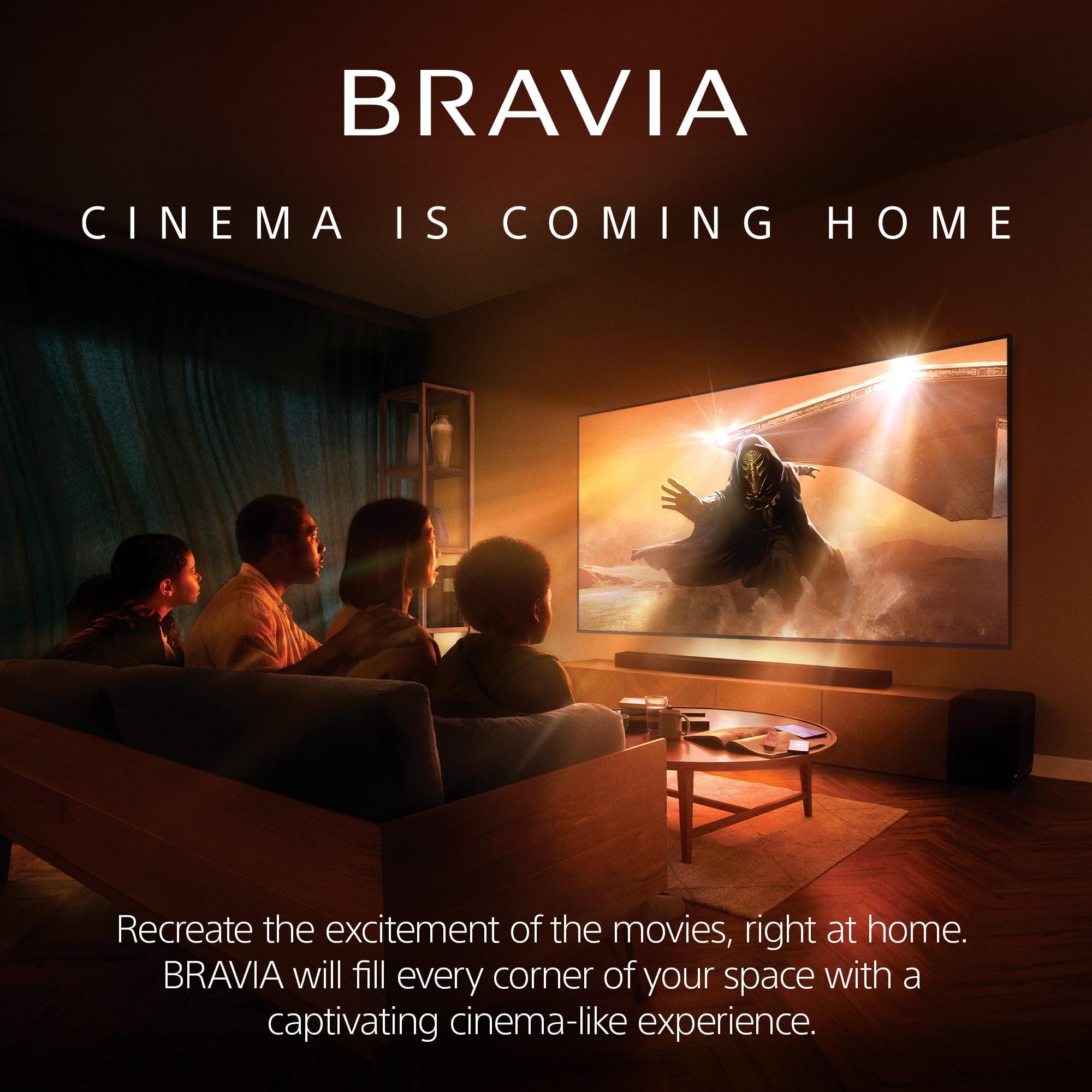
The Sony BRAVIA 8 II excels in home theater environments where its perfect blacks, accurate colors, and sophisticated processing create a truly cinematic experience. The ability to display HDR content with both bright highlights and perfect blacks simultaneously transforms movie watching, particularly for content mastered for theater presentation.
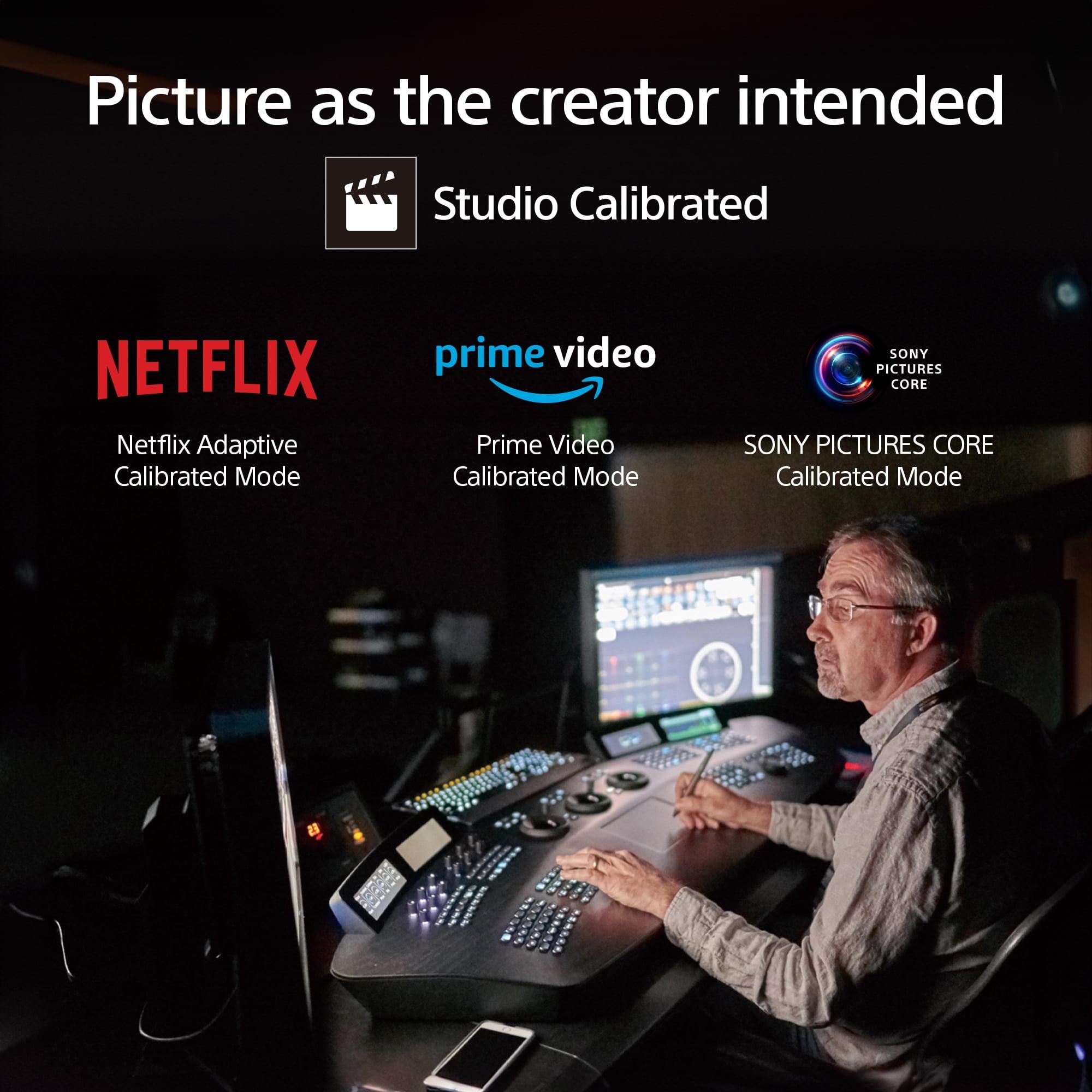
The Acoustic Surface Audio+ technology also provides better integration with home theater audio systems, and the cinema-accurate color reproduction ensures you're seeing movies as directors intended.
The Samsung Q7F can certainly function in home theater settings, but its limited contrast and basic processing mean you won't experience the full impact of high-quality content. For casual movie watching, it's adequate; for serious home theater use, the performance limitations become more apparent.
The Samsung works best for families wanting an affordable big-screen TV for everyday entertainment, sports viewing, and casual streaming in bright living spaces.
The Sony targets enthusiasts who view their TV as a long-term investment in premium entertainment technology and are willing to pay for meaningful performance advantages.
These TVs illustrate how the modern TV market has segmented into distinct categories serving different needs and budgets. The Samsung Q7F democratizes large-screen viewing by making 65-inch displays accessible at entry-level pricing, while the Sony BRAVIA 8 II pushes display technology boundaries for buyers seeking the ultimate viewing experience.
Your choice should align with how you actually use your TV, your viewing environment, and your budget priorities. There's no wrong choice—just different approaches to entertainment technology that serve different households' needs.
The dramatic price difference reflects genuine technology gaps that create meaningful performance differences. Understanding these differences helps ensure your investment aligns with your expectations and viewing habits, whether you're seeking affordable big-screen entertainment or uncompromising picture quality.
| Samsung 65-Inch Q7F Series QLED Smart TV 2025 Display | Sony BRAVIA 8 II 65" QD-OLED 4K Google TV 2025 |
|---|---|
| Display Technology - The foundation that determines picture quality capabilities | |
| QLED with LED backlight and quantum dots | QD-OLED with self-emissive pixels and quantum dots |
| Black Levels - Critical for movie watching and dark scenes | |
| Grayish blacks due to always-on LED backlight | Perfect blacks with infinite contrast ratio |
| Peak Brightness - Important for HDR impact and bright room viewing | |
| Standard QLED brightness levels | ~1,880 nits (25% brighter than previous Sony OLEDs) |
| Gaming Performance - Essential for modern console gaming | |
| 60Hz refresh rate, basic gaming features | 120Hz native, HDMI 2.1, VRR, 8.5ms input lag |
| HDR Format Support - Affects premium streaming content quality | |
| HDR10+ (limited content availability) | Dolby Vision (widely supported by Netflix, Disney+, Apple TV+) |
| Smart TV Platform - Daily usability and app ecosystem | |
| Samsung Tizen OS | Google TV OS version 12 |
| Audio Technology - Built-in sound quality | |
| 20W 2.0 channel speakers | Acoustic Surface Audio+ (screen becomes speaker) with Voice Zoom 3 |
| Processor - Affects upscaling and picture optimization | |
| Q4 AI Processor (basic processing) | 2nd Gen Cognitive XR Processor with AI Scene Recognition |
| Local Dimming - Controls brightness zones for better contrast | |
| None (entire screen shares same brightness) | Pixel-level control (each pixel dims independently) |
| HDMI 2.1 Ports - Needed for 4K/120Hz gaming | |
| 0 HDMI 2.1 ports | 2 HDMI 2.1 ports |
| Viewing Angles - Important for wide seating arrangements | |
| Limited (VA panel degrades when viewed from sides) | Excellent (OLED maintains quality at wide angles) |
| Best Use Case - Where each TV excels | |
| Budget-friendly big screen for casual viewing in bright rooms | Premium home theater and serious gaming in controlled lighting |
The primary difference is display technology. The Samsung Q7F QLED uses traditional LED backlighting with quantum dots, while the Sony BRAVIA 8 II uses advanced QD-OLED technology where each pixel creates its own light. This means the Sony can produce perfect blacks and infinite contrast, while the Samsung cannot achieve true black levels due to its always-on backlight system.
The Sony BRAVIA 8 II is significantly better for gaming, featuring 120Hz refresh rate, HDMI 2.1 ports, Variable Refresh Rate (VRR), and 8.5ms input lag. It fully supports modern consoles like PS5 and Xbox Series X. The Samsung Q7F is limited to 60Hz gaming and lacks advanced gaming features, making it suitable only for casual gaming.
The Sony BRAVIA 8 II delivers superior picture quality with perfect blacks, higher peak brightness (~1,880 nits), and more sophisticated processing. The QD-OLED technology creates stunning contrast and three-dimensional images. The Samsung Q7F offers decent picture quality for the price but cannot match the Sony's contrast performance or color accuracy.
The Samsung Q7F performs better in very bright rooms due to QLED's inherent brightness advantages and lower reflection concerns. The Sony BRAVIA 8 II is significantly brighter than previous OLEDs and handles moderately lit rooms well, but may struggle with direct sunlight or very bright environments where its perfect blacks become less noticeable.
The Sony BRAVIA 8 II excels for movie watching with perfect blacks, cinema-accurate colors, Dolby Vision support, and sophisticated processing that reproduces films as directors intended. The Samsung Q7F can handle movies adequately but lacks the contrast and processing sophistication needed for a truly cinematic experience.
Both TVs support all major streaming apps, but the Sony BRAVIA 8 II has an advantage with Dolby Vision support for premium content on Netflix, Disney+, and Apple TV+. The Samsung Q7F typically supports HDR10+ instead, which has limited content availability compared to Dolby Vision.
The Sony BRAVIA 8 II features superior audio with Acoustic Surface Audio+ technology that turns the screen into a speaker, plus Voice Zoom 3 for dialogue clarity. The Samsung Q7F has basic 20W speakers that are adequate for casual viewing but lack the Sony's immersive audio capabilities.
The Sony BRAVIA 8 II is excellent for home theater use with its perfect blacks, accurate colors, Dolby Vision support, and innovative screen-based audio that integrates well with soundbar systems. The Samsung Q7F can work in home theater setups but won't deliver the premium experience that serious movie enthusiasts expect.
This depends on your priorities. The Samsung Q7F offers exceptional value for buyers wanting maximum screen size at minimum cost, while the Sony BRAVIA 8 II provides premium value for those prioritizing cutting-edge display technology and advanced features.
The Sony BRAVIA 8 II runs Google TV OS with excellent app selection, intuitive search, and Google Assistant integration. The Samsung Q7F uses Tizen OS, which is solid but generally considered less user-friendly than Google TV, though it integrates well with Samsung devices.
The Sony BRAVIA 8 II is more future-proof with HDMI 2.1 ports, 120Hz gaming support, Dolby Vision, and advanced processing that will remain relevant longer. The Samsung Q7F lacks modern gaming features and premium HDR support, limiting its longevity as technology advances.
Choose the Samsung Q7F QLED if you need an affordable large screen for bright rooms and casual viewing. Choose the Sony BRAVIA 8 II QD-OLED if you want the best possible picture quality with perfect blacks, superior gaming features, and are willing to invest in premium display technology.
We've done our best to create useful and informative comparisons to help you decide what product to buy. Our research uses advanced automated methods to create this comparison and perfection is not possible - please contact us for corrections or questions. These are the sites we've researched in the creation of this article: bestbuy.com - rtings.com - bestbuy.com - youtube.com - youtube.com - youtube.com - samsung.com - samsung.com - samsung.com - billsmith.com - costco.com - samsung.com - hometechnologyreview.com - hometechnologyreview.com - bestbuy.com - samsung.com - bestbuy.com - samsung.com - hometechnologyreview.com - samsung.com - samsung.com - techradar.com - rtings.com - bestbuy.com - whathifi.com - rtings.com - hometechnologyreview.com - youtube.com - hometechnologyreview.com - hometechnologyreview.com - hometechnologyreview.com - valueelectronics.com - smarthomesounds.co.uk - electronics.sony.com - valueelectronics.com - bestbuy.com - youtube.com - displayspecifications.com - hometechnologyreview.com - flatpanelshd.com

Privacy Policy
Terms and Conditions - Affiliate Policy
Home Security
© Copyright 2008-2026.
11816 Inwood Rd #1211, Dallas, TX 75244