

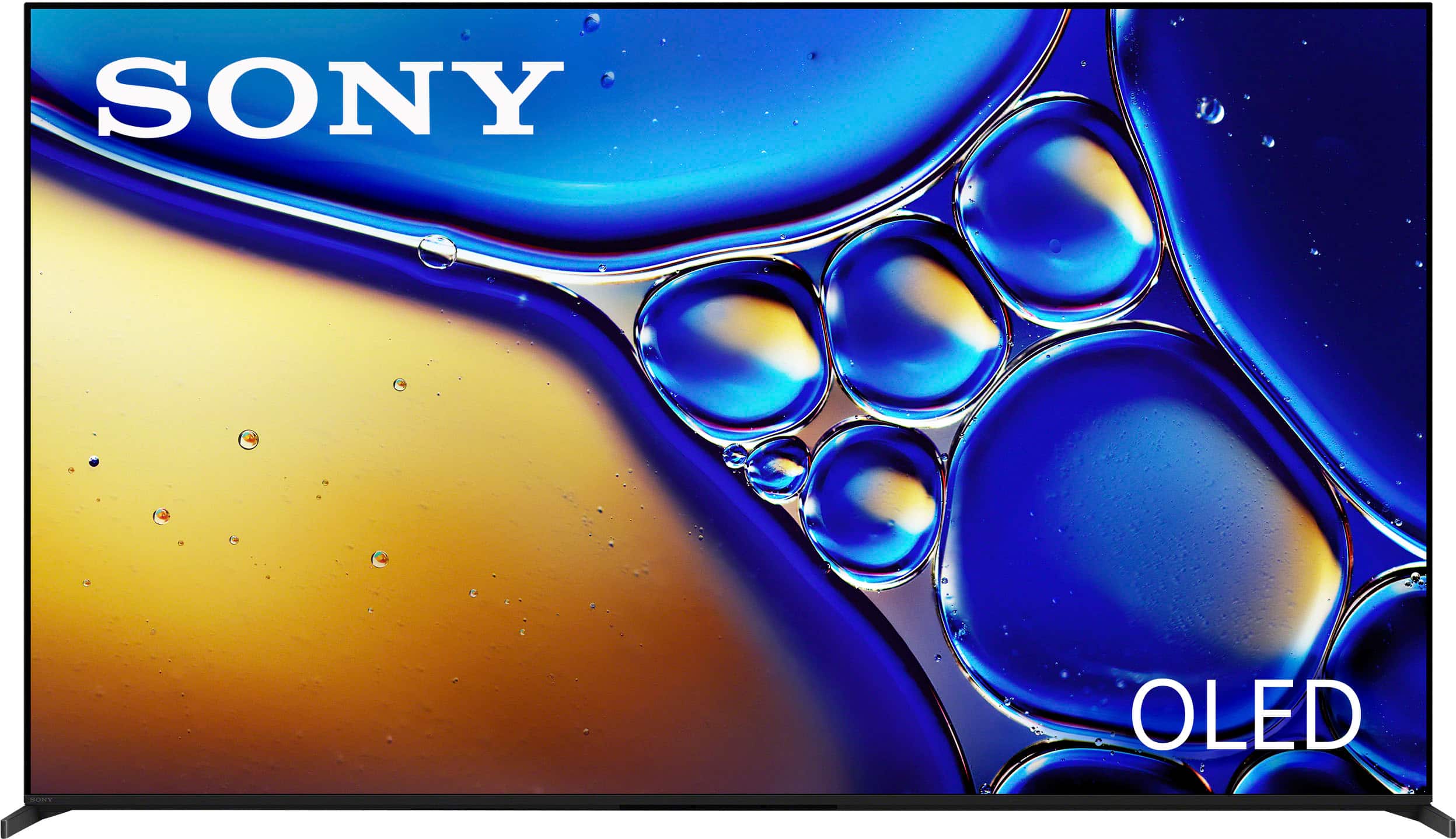
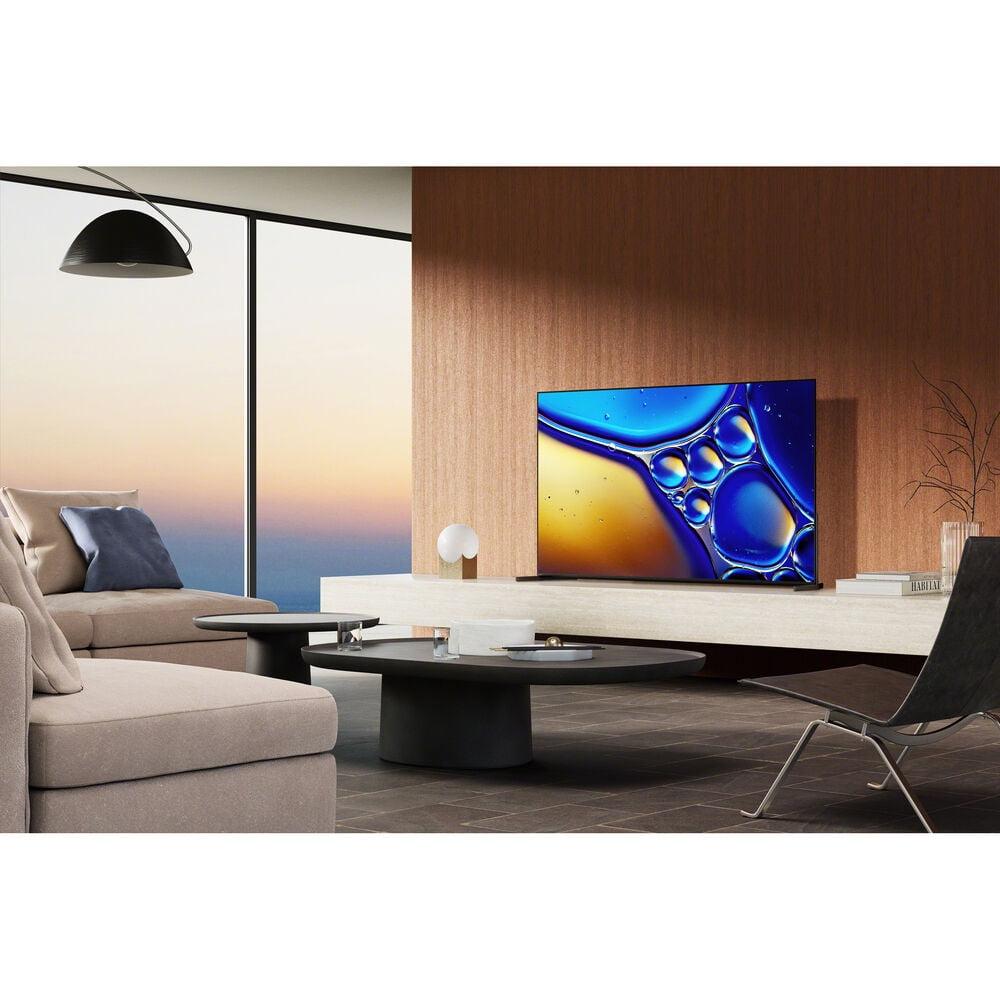
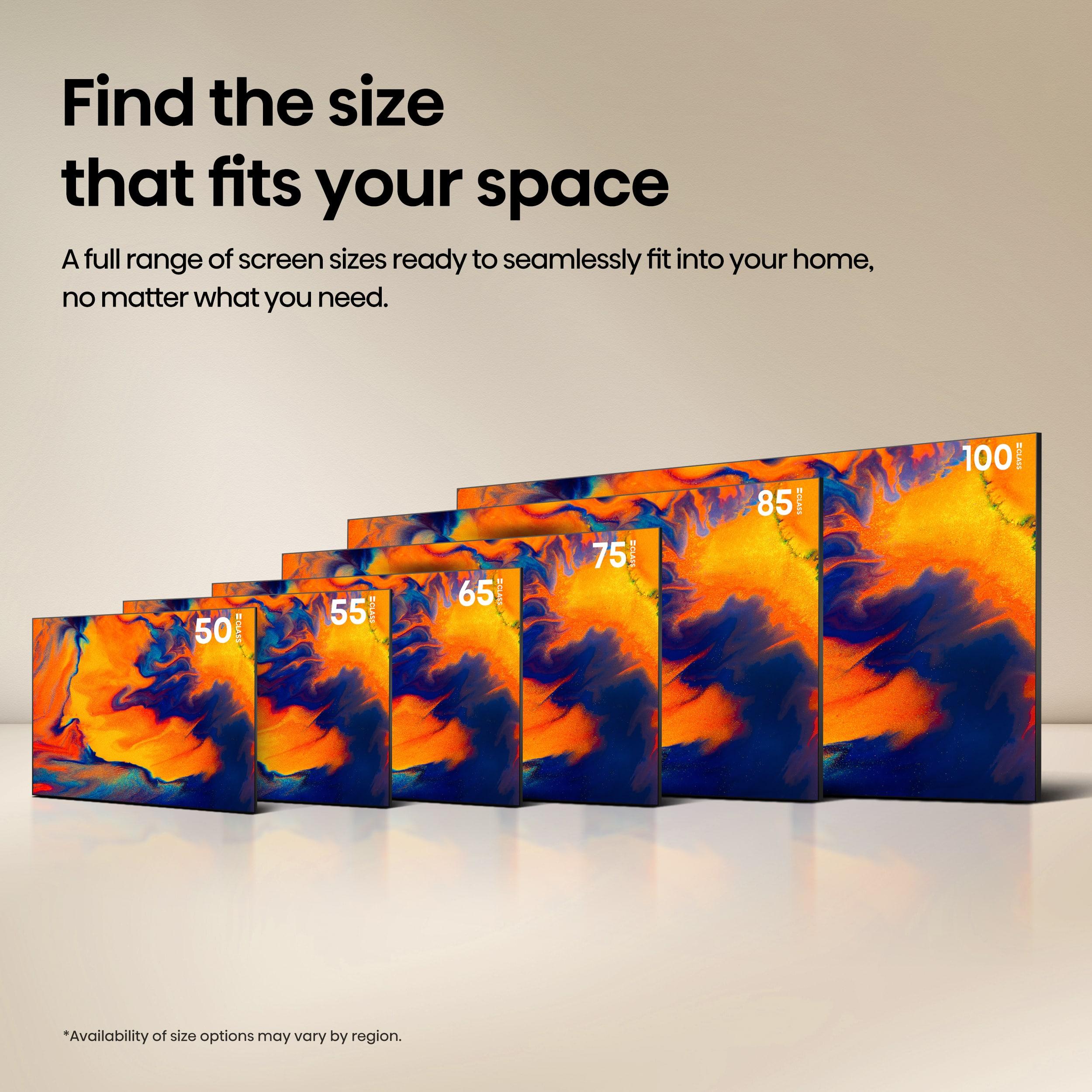
Shopping for a 65-inch TV in 2025 means navigating a landscape filled with impressive technology at dramatically different price points. The Sony BRAVIA 8 II 65" QD-OLED at $3,098 and the Hisense 65" QD7 Series Mini-LED at $470 represent two completely different approaches to premium TV performance. One costs more than six times the other, but both promise flagship-level features. So which one actually delivers the better experience for your money?
The 65-inch TV category has become the sweet spot for most living rooms—large enough for that cinematic experience without overwhelming your space. What's fascinating about 2025's market is how two fundamentally different display technologies are competing for your attention.
OLED (Organic Light Emitting Diode) technology lets each pixel produce its own light and turn completely off when displaying black. This creates perfect contrast because true black areas emit literally zero light. Mini-LED, on the other hand, uses thousands of tiny LED backlights behind a traditional LCD panel, allowing for precise control over brightness in different screen zones—though it can't achieve true blacks since there's always some backlight bleeding through.
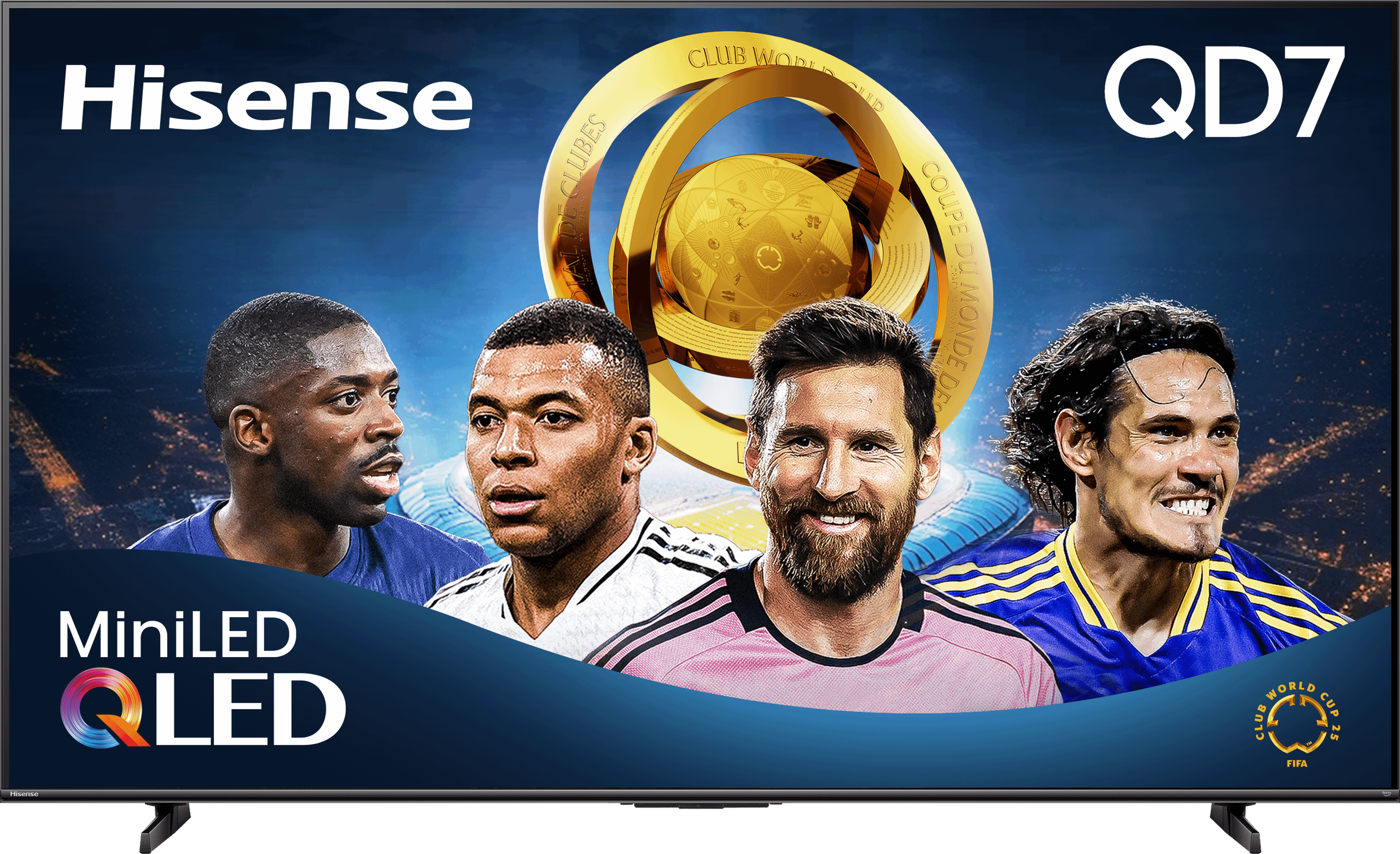
The Sony BRAVIA 8 II launched in June 2025 as Sony's flagship OLED offering, featuring their latest QD-OLED panel that combines OLED's perfect blacks with quantum dots for enhanced color. The Hisense QD7 arrived earlier in October 2024, positioning itself as a budget-friendly option that doesn't skimp on gaming features or overall brightness.
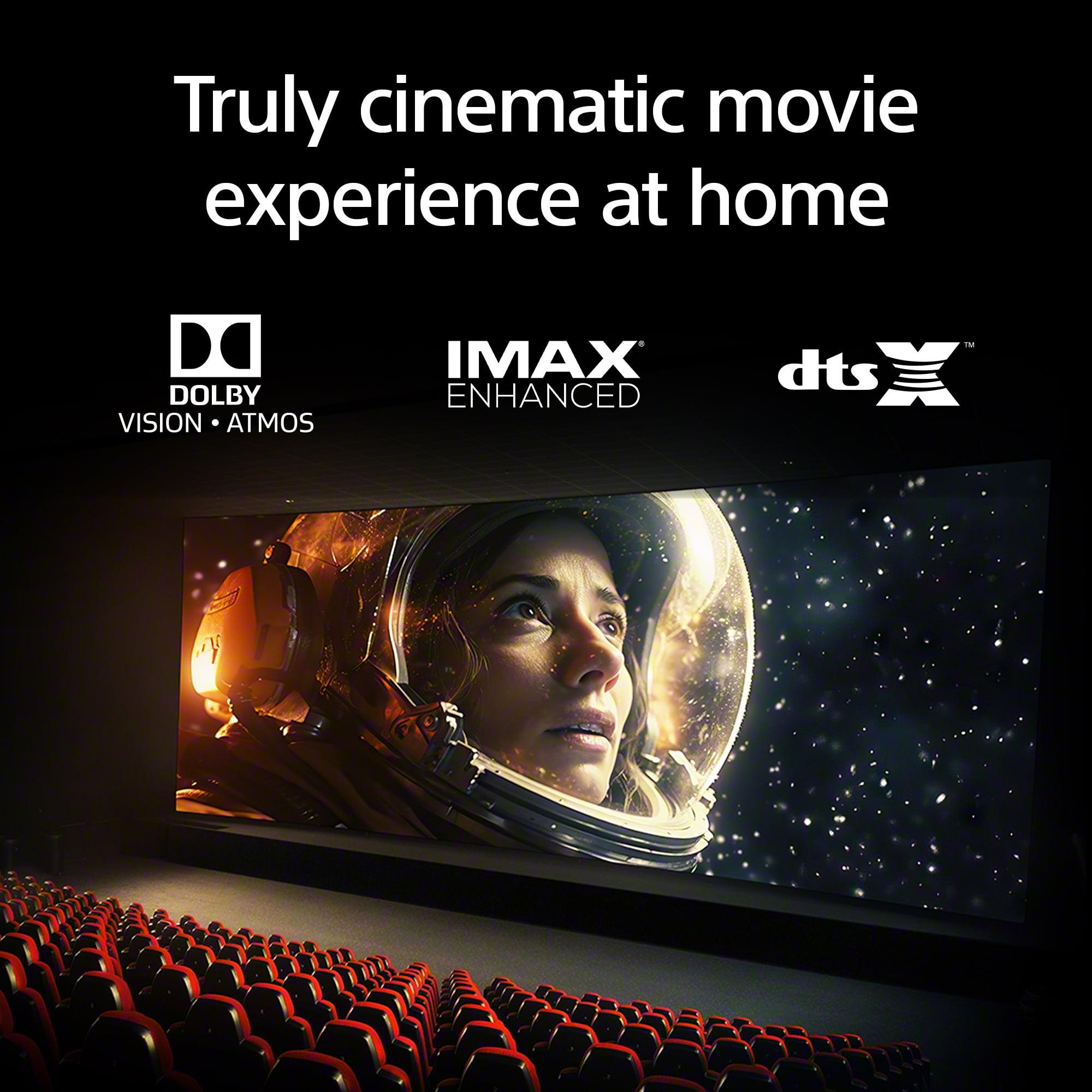
Both TVs support modern standards like Dolby Vision HDR (which dynamically adjusts brightness and color scene-by-scene) and Dolby Atmos audio (creating three-dimensional soundscapes). But their approaches to delivering these features couldn't be more different.
Here's where the technology gap becomes most apparent. The Sony QD-OLED achieves what's called "infinite contrast" because its pixels can turn completely off. When you're watching a movie with a night scene, those dark areas are truly black—not dark gray like most TVs display them. This creates an almost three-dimensional depth that makes images pop off the screen.
I've spent considerable time with both OLED and Mini-LED displays, and the difference is immediately noticeable in dark content. The Sony BRAVIA 8 II makes watching movies like "Dune" or "Blade Runner 2049" feel genuinely cinematic because those inky black spaces between stars or in shadowy scenes look exactly as the director intended.
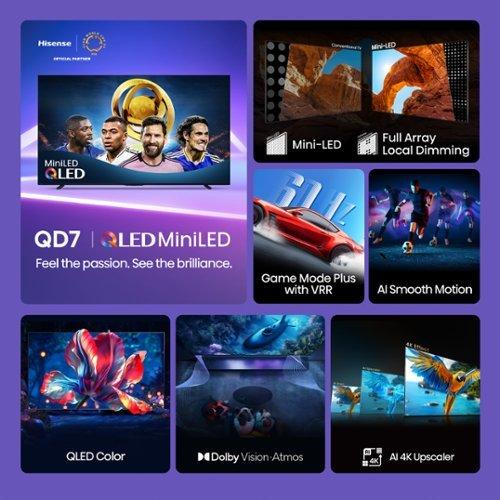
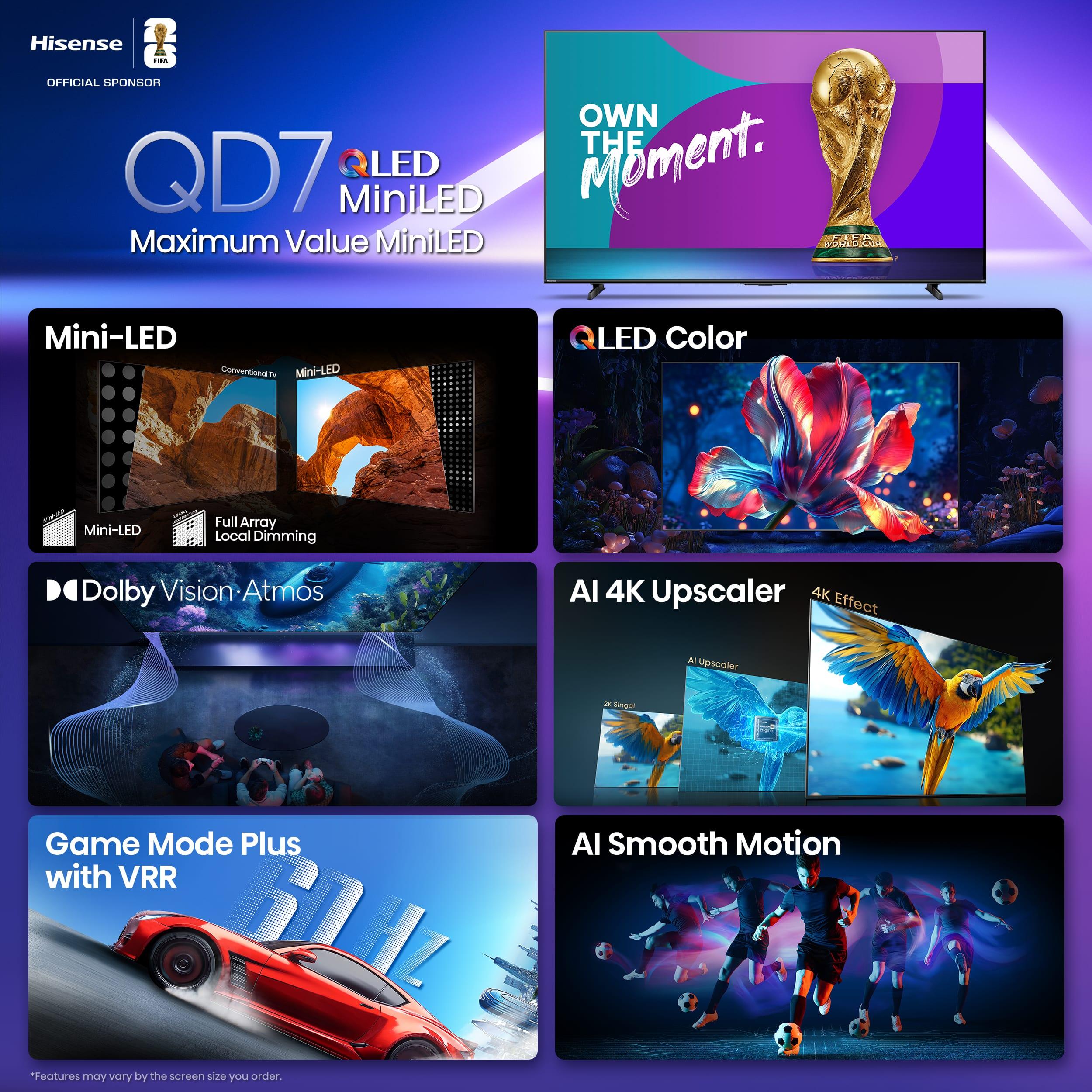
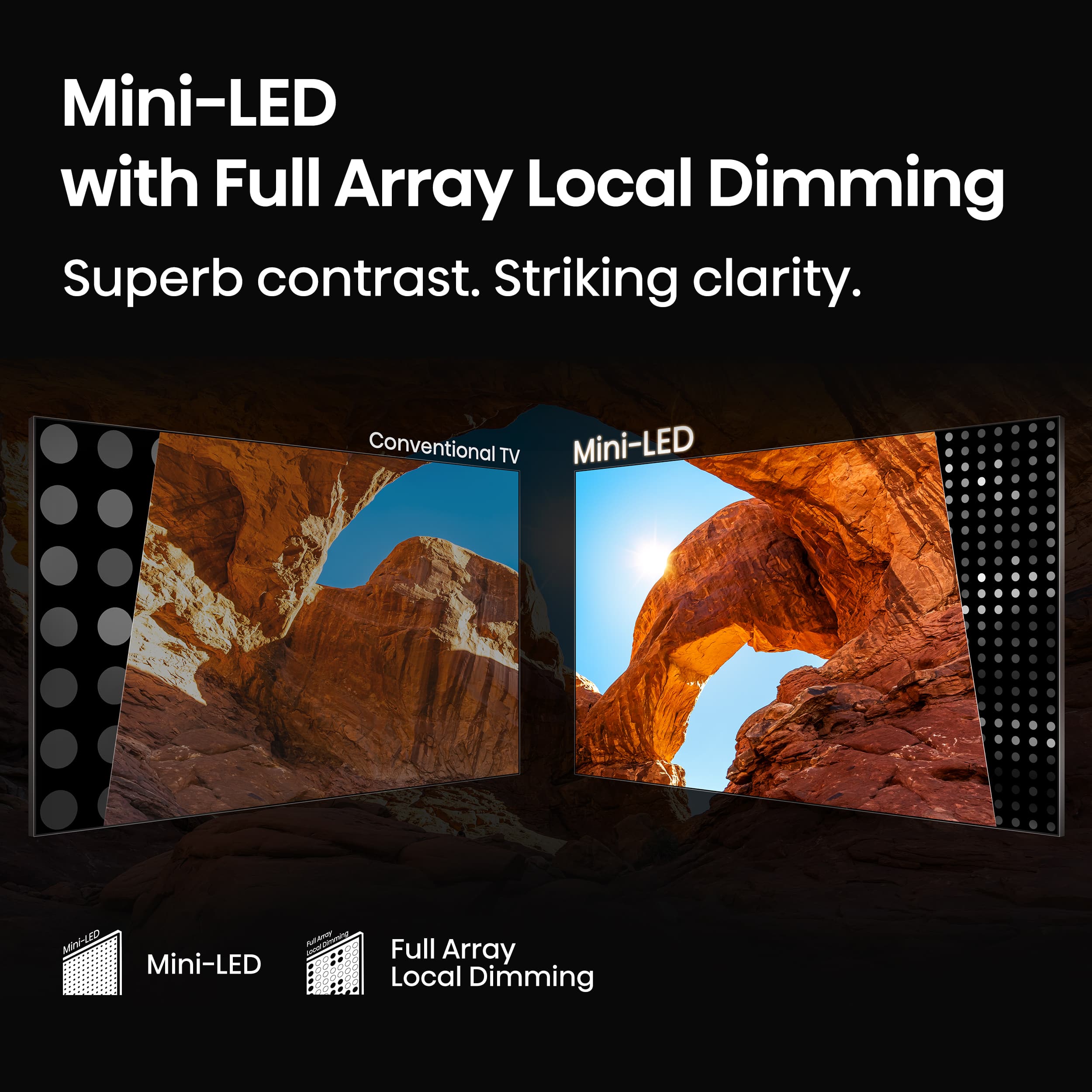
The Hisense QD7 uses Full Array Local Dimming (FALD), which divides the backlight into hundreds of independently controlled zones. When displaying black, these zones dim as much as possible, but they can't turn completely off like OLED pixels. The result is very good contrast—certainly impressive for the price—but you'll notice some light bleeding around bright objects against dark backgrounds, called "blooming."
Brightness is where Mini-LED technology typically dominates, and it's crucial for HDR content and daytime viewing. The Sony QD-OLED reaches about 1,880 nits peak brightness, which is excellent for OLED technology and represents a 25% improvement over Sony's previous flagship models. This makes HDR highlights like sun reflections or explosions genuinely eye-catching.
However, the Hisense Mini-LED can likely achieve much higher peak brightness—potentially over 2,500 nits—making it better suited for bright living rooms where sunlight might wash out darker displays. If your TV viewing happens primarily during the day or in a room with lots of windows, this brightness advantage becomes practically important.
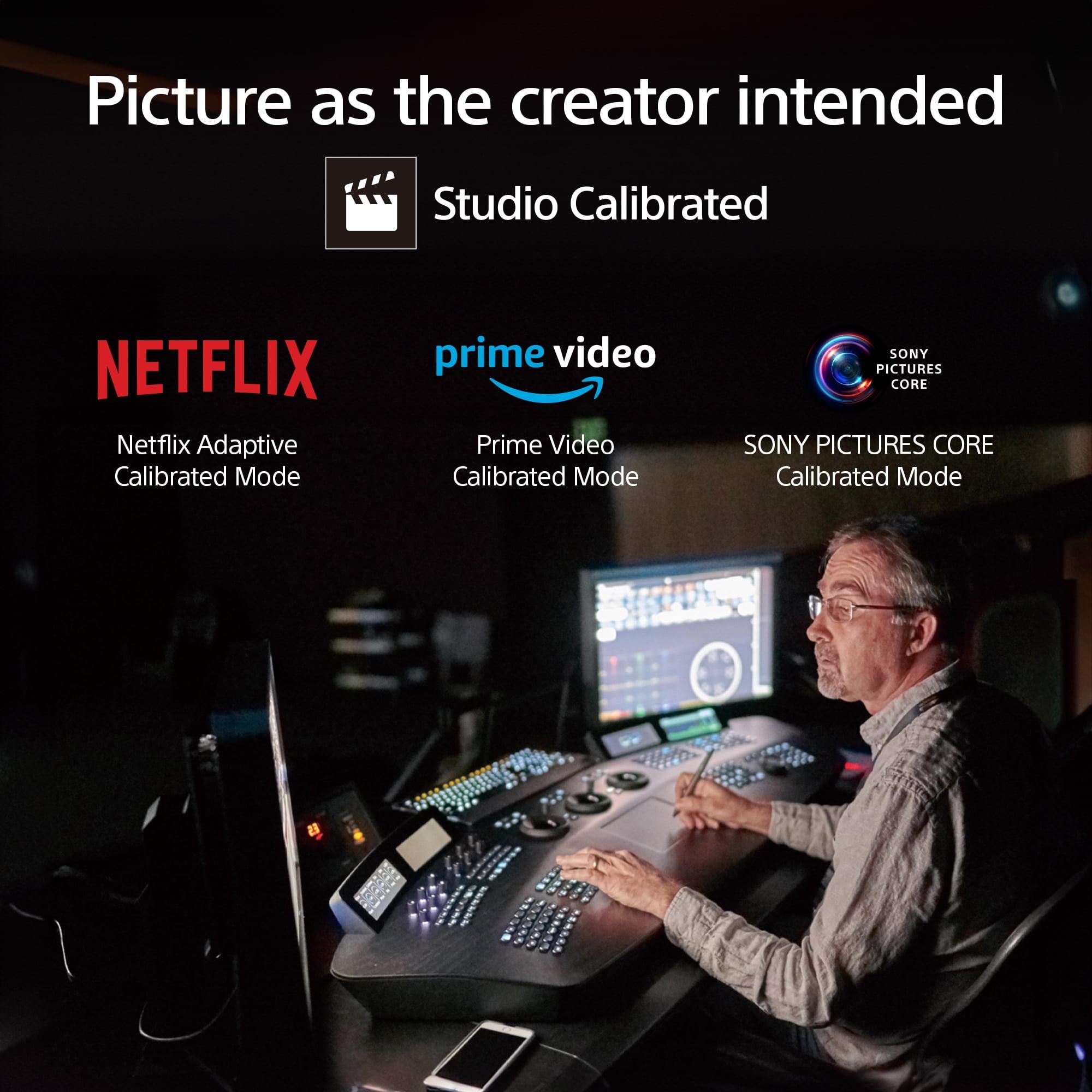
Both TVs use quantum dot technology, but implement it differently. The Sony BRAVIA 8 II features XR Triluminos Max, which combines quantum dots with OLED's natural color reproduction. Sony's processing analyzes each scene and adjusts colors for maximum accuracy, resulting in skin tones that look natural and landscapes that feel realistic rather than oversaturated.
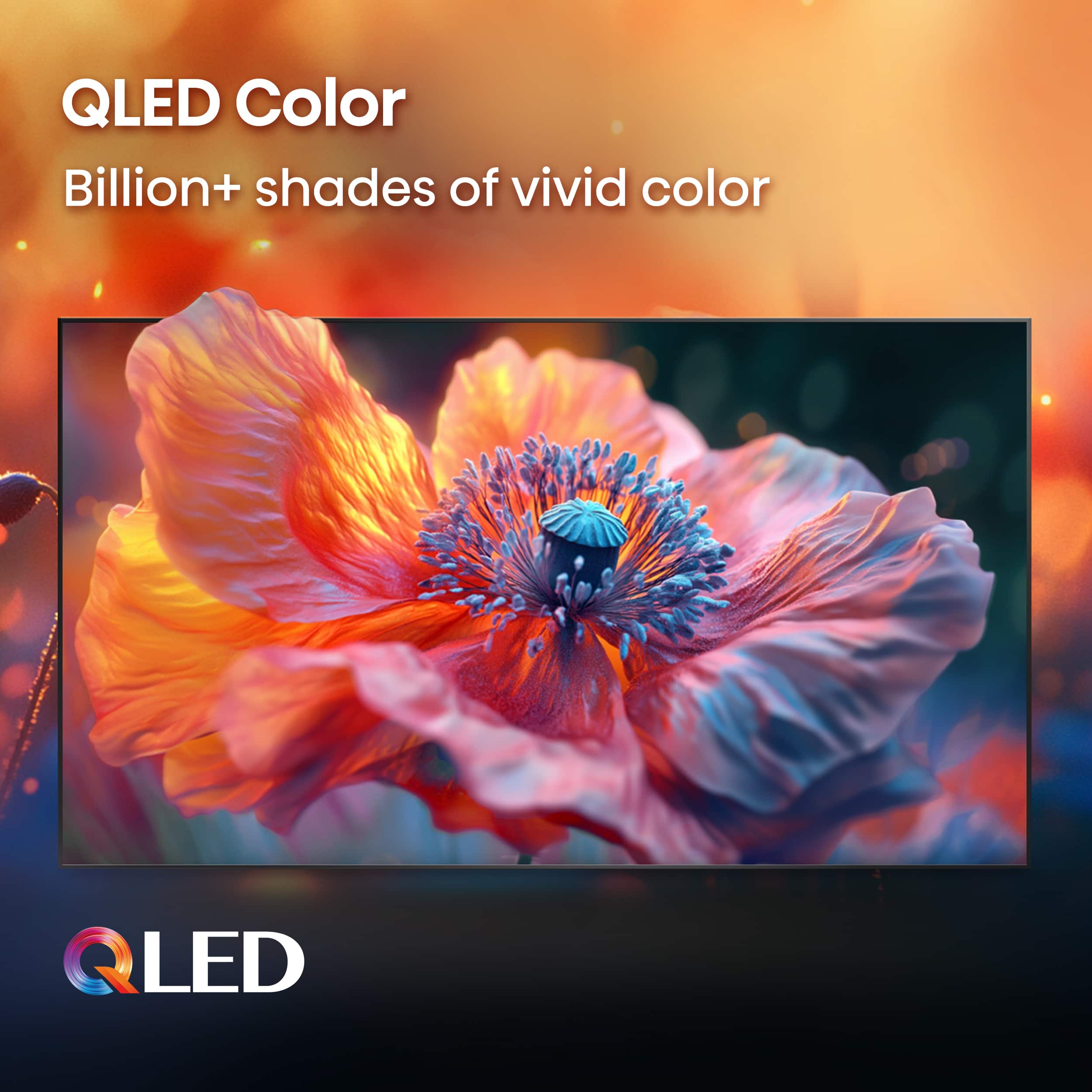
The Hisense QD7 also uses quantum dots to expand its color gamut—the range of colors it can display—achieving over one billion color shades. While impressive, some users report a slight red tint in very dark scenes that may require calibration to correct. Out of the box, the Sony typically delivers more accurate colors without adjustment.
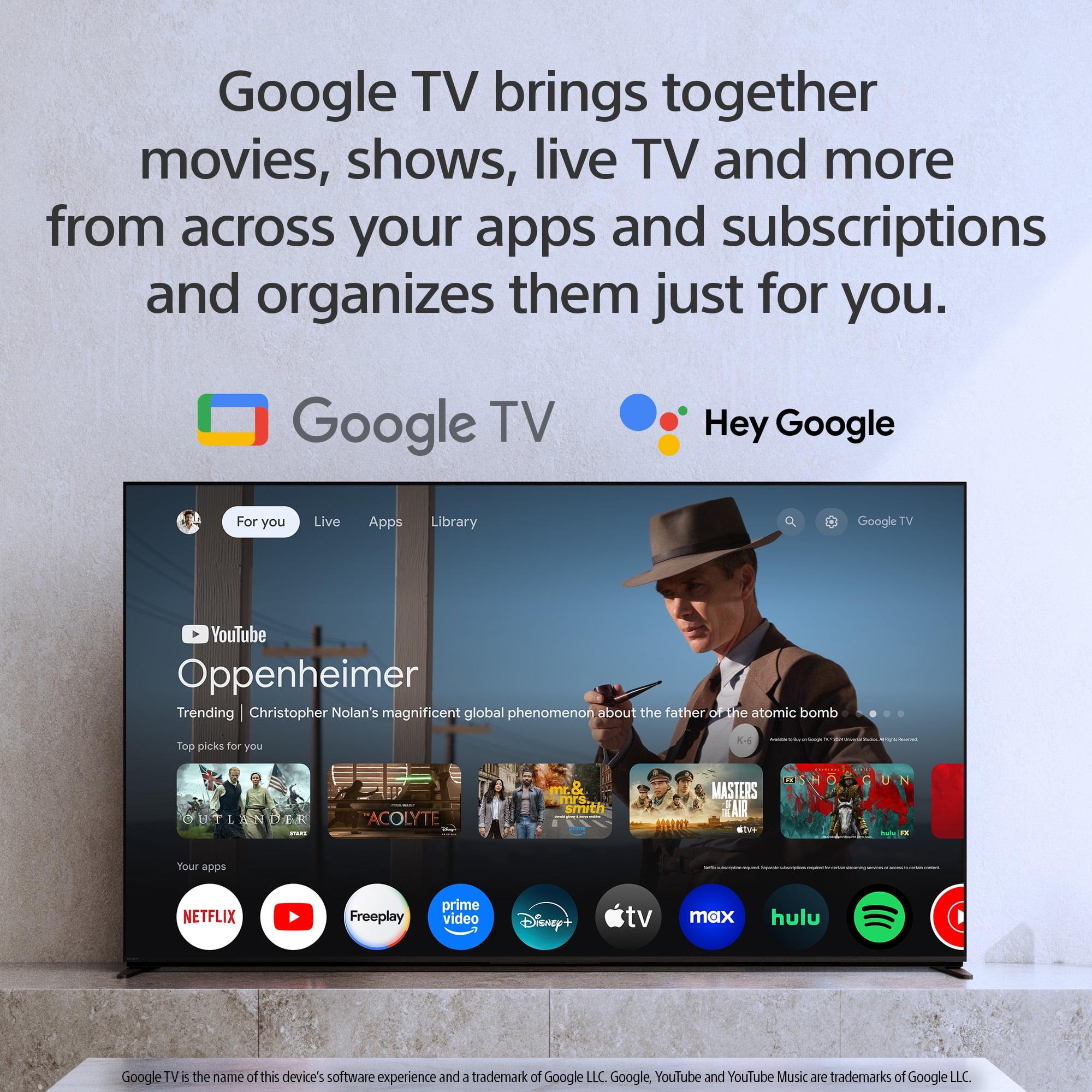
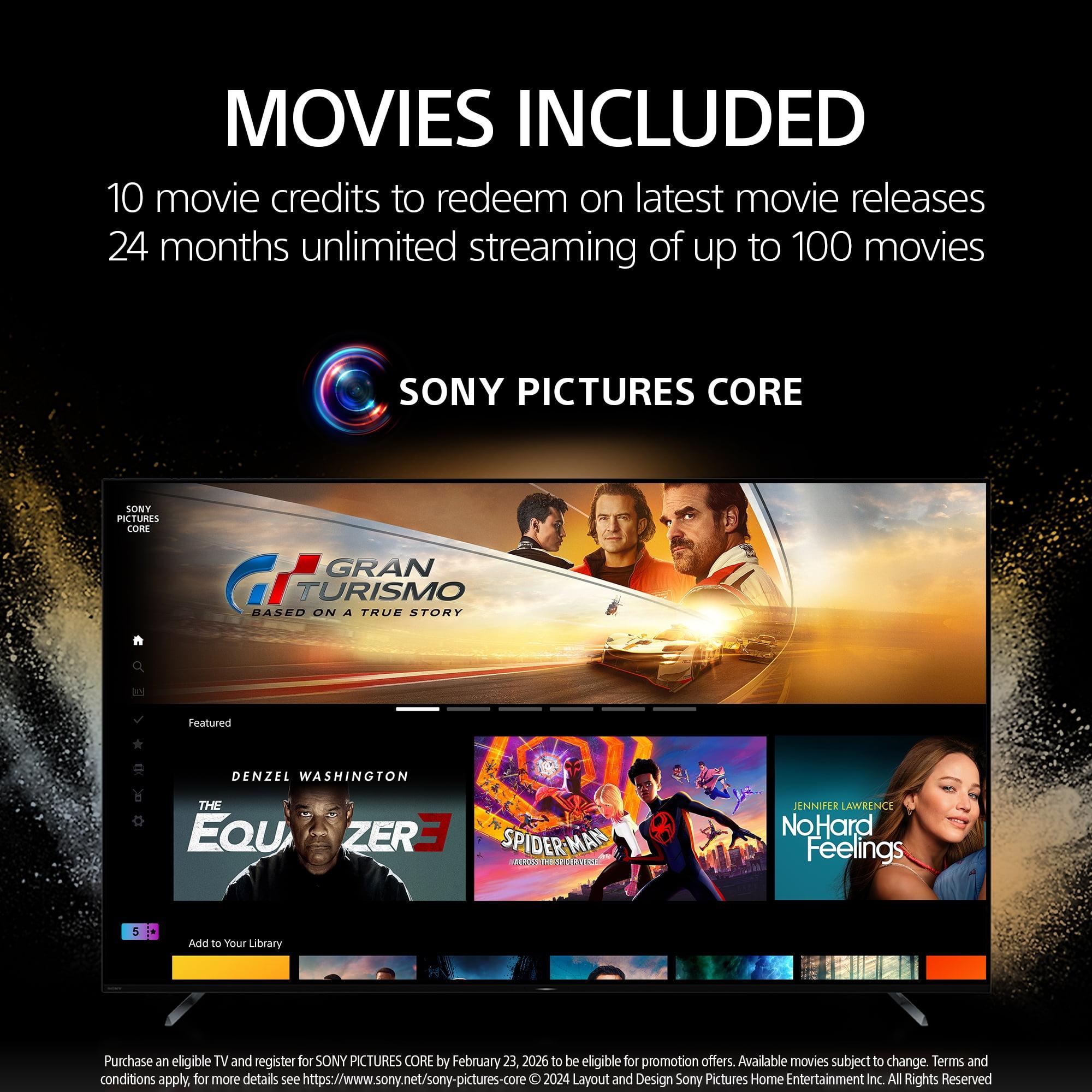
The software experience differs significantly between these models. The Sony BRAVIA 8 II runs Google TV, which offers clean navigation, excellent content recommendations across multiple streaming services, and seamless integration with Android phones and Google smart home devices. Google Assistant responds quickly to voice commands and can control both the TV and connected smart home equipment.
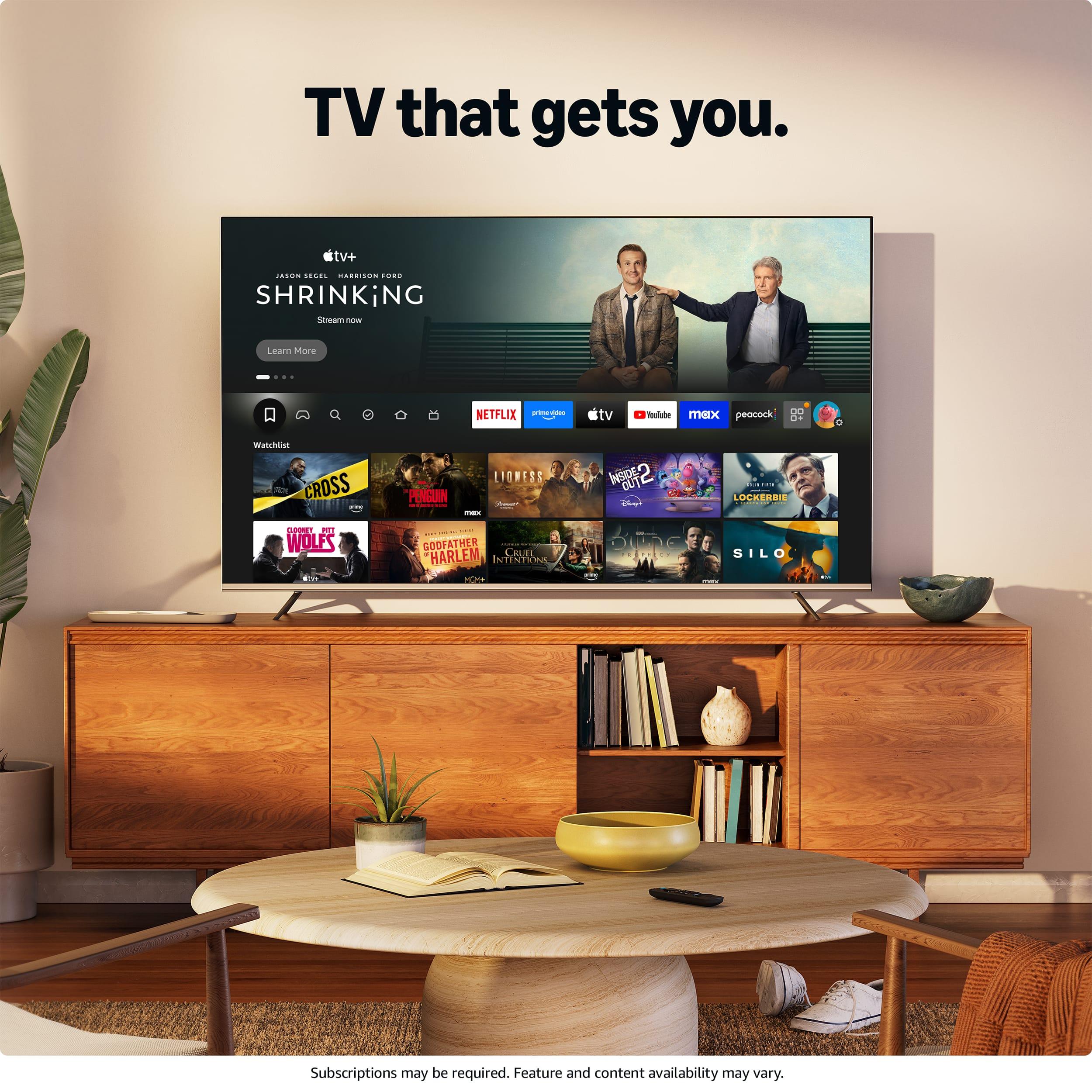
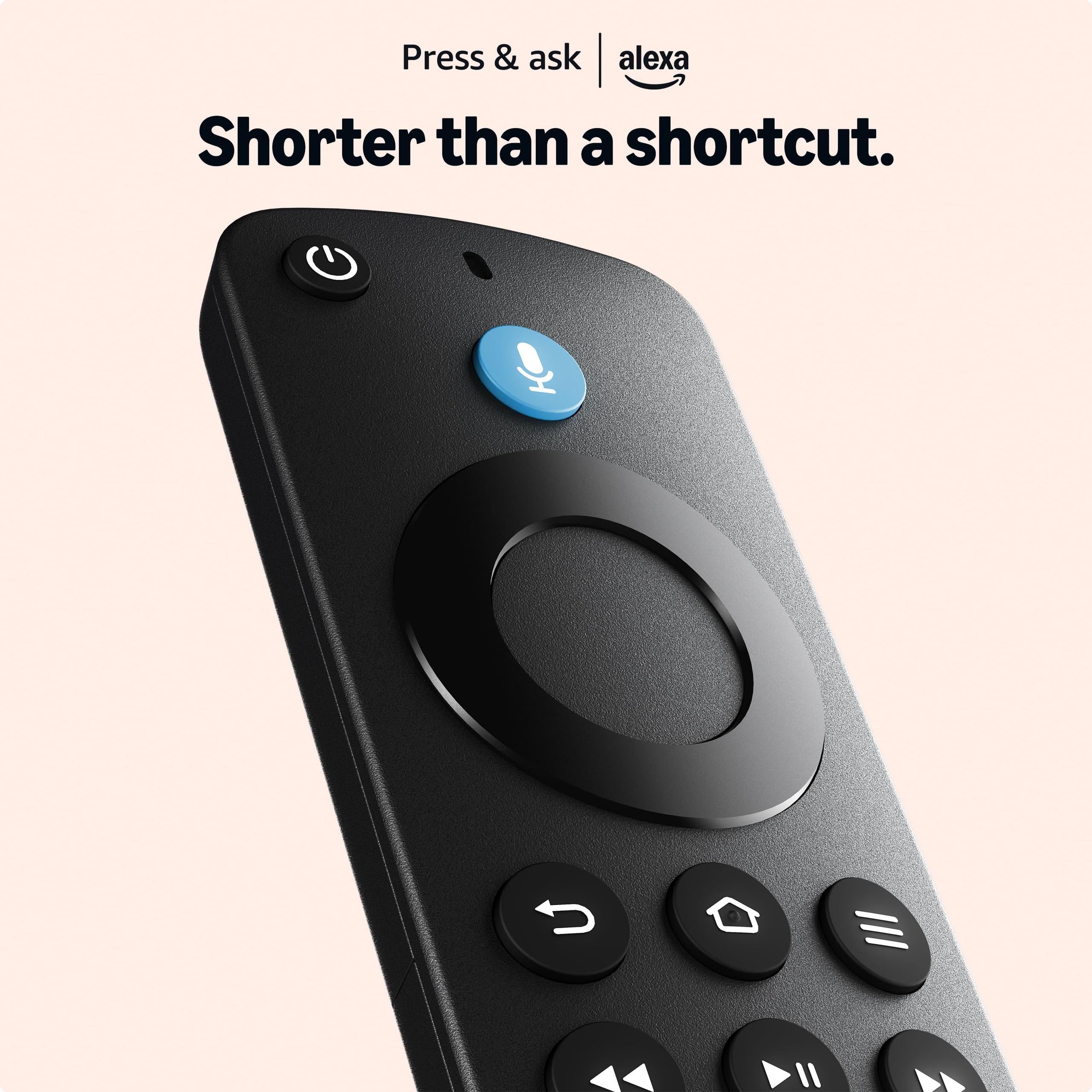
The Hisense QD7 uses Amazon's Fire TV platform, which works particularly well if you're already invested in Amazon's ecosystem. Alexa voice control is built-in, and the interface prioritizes Amazon Prime Video content while still providing access to all major streaming apps. Some users report occasional sluggishness with the Fire TV interface, though it's generally responsive enough for daily use.
Both platforms support all the streaming services you'd expect—Netflix, Disney+, HBO Max, Apple TV+, and more. The choice often comes down to whether you prefer Google's or Amazon's approach to content discovery and smart home integration.
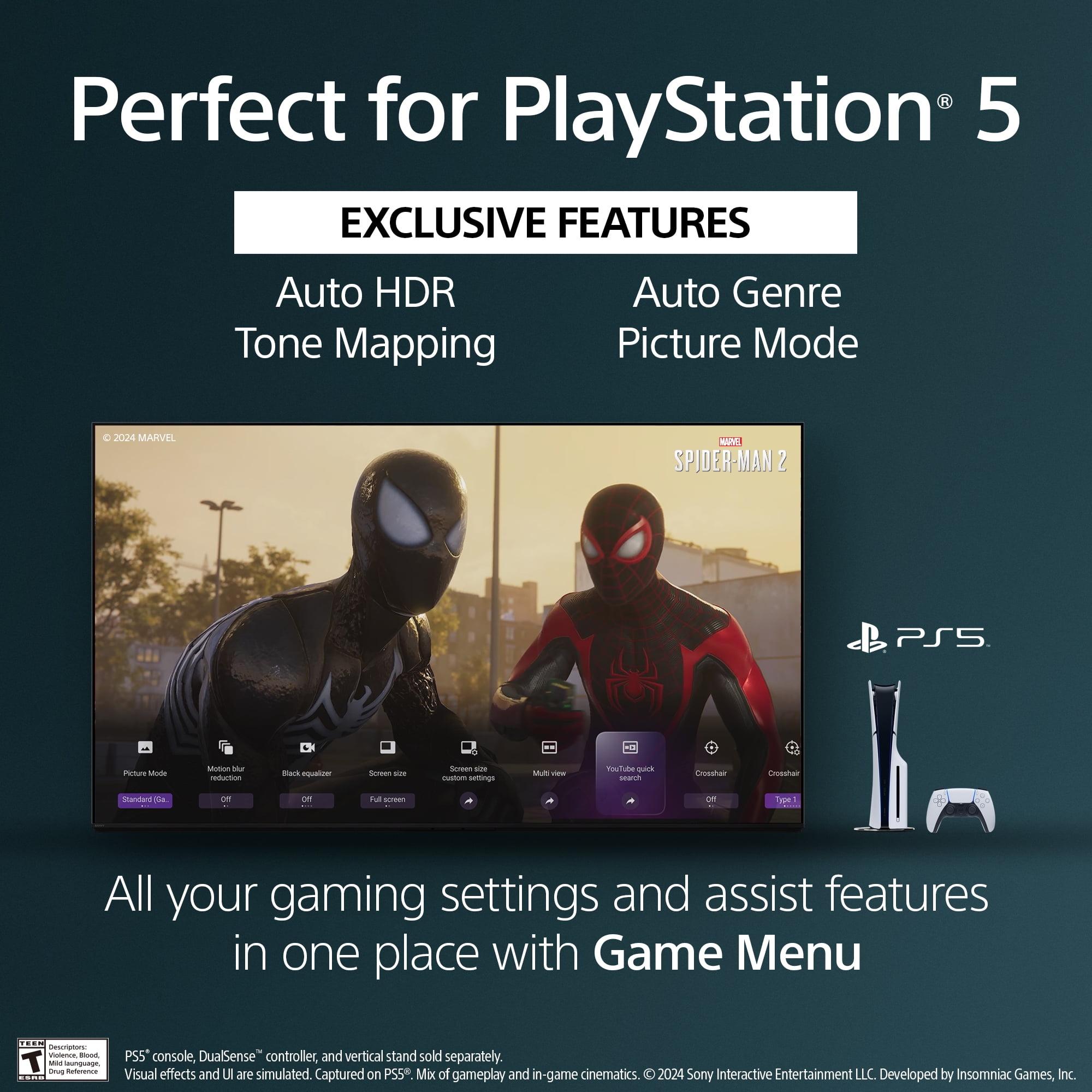
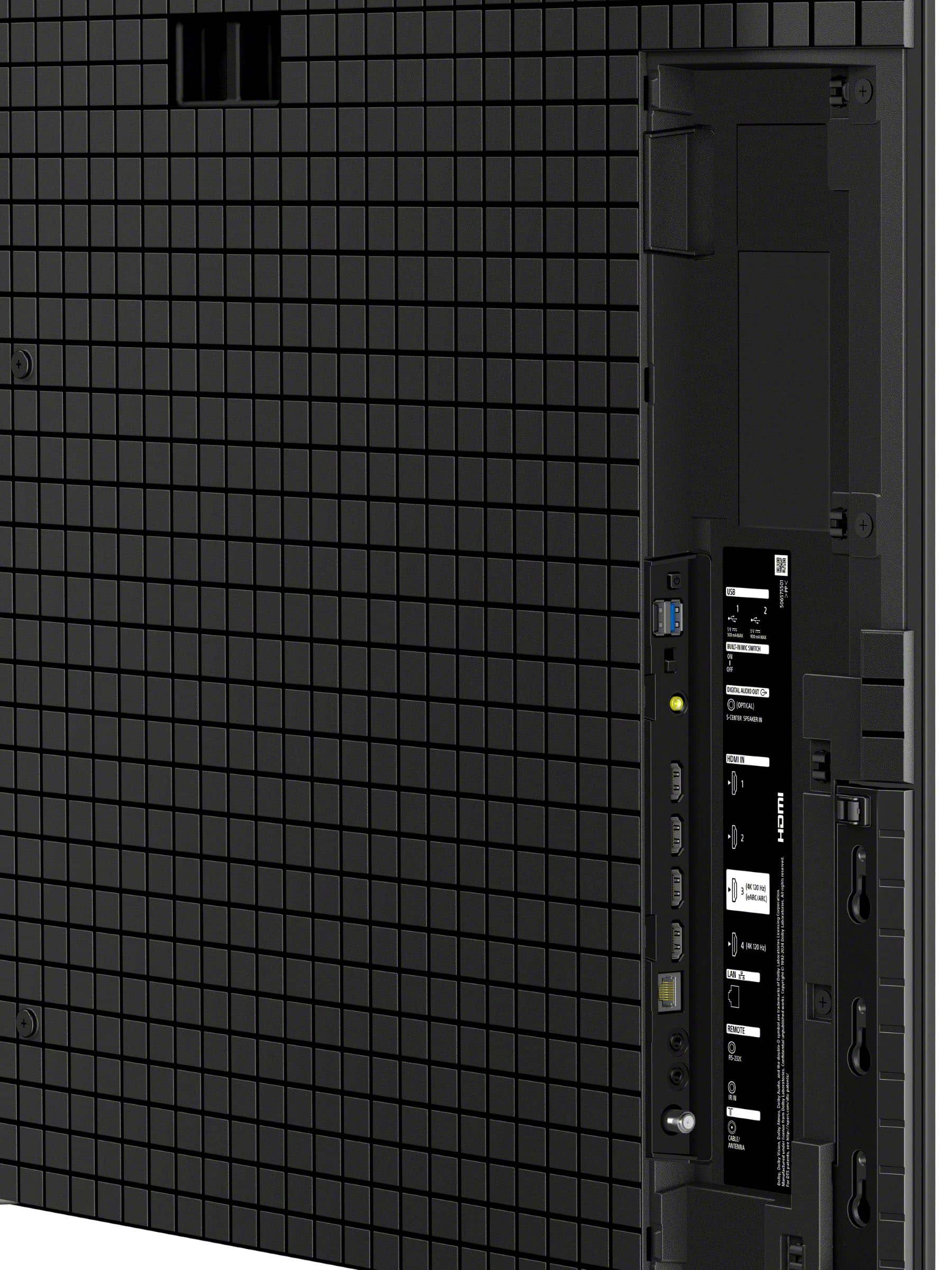
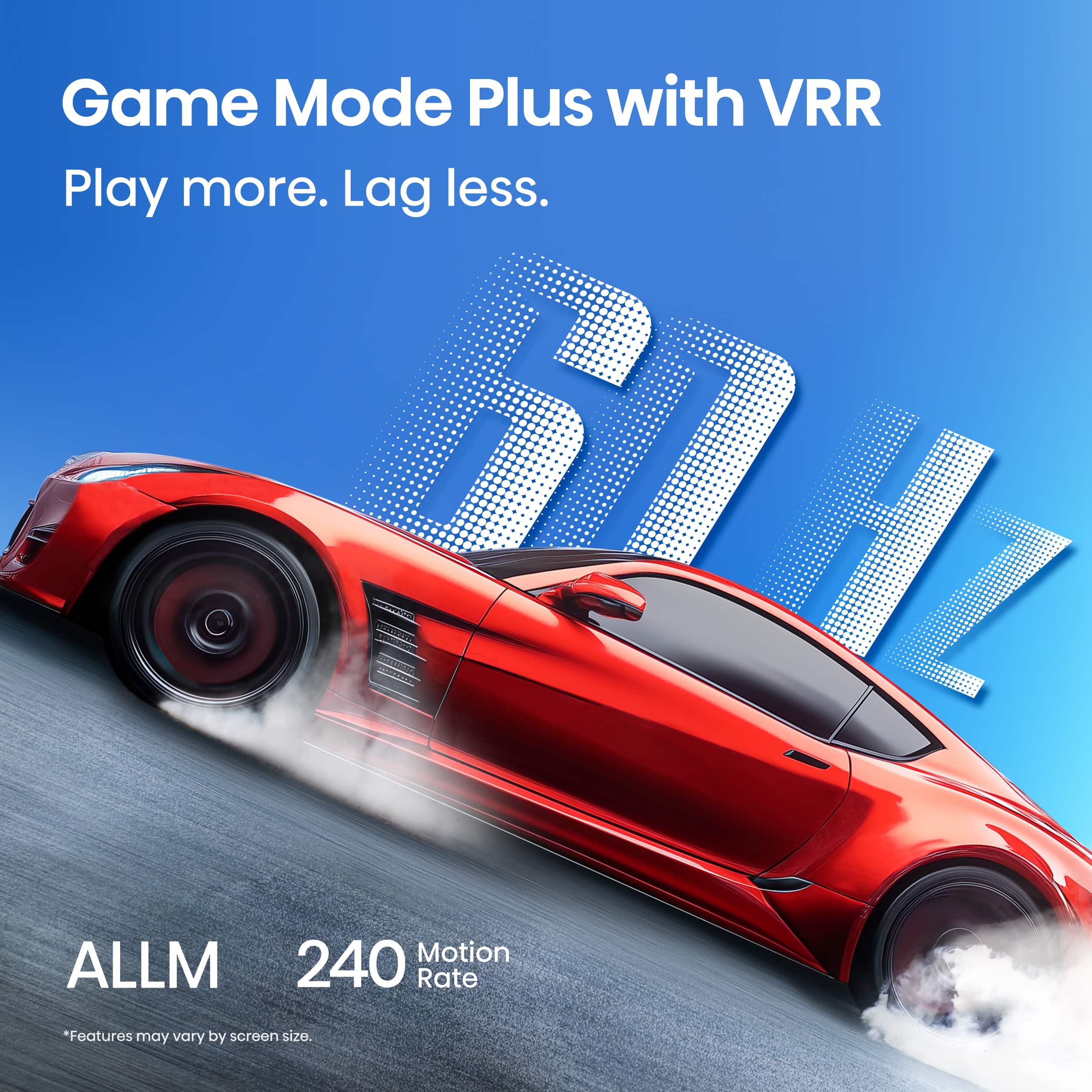
Gaming capabilities have become increasingly important as console manufacturers push higher frame rates and advanced features. Both TVs support the modern gaming standards you need: HDMI 2.1 ports, Variable Refresh Rate (VRR) to eliminate screen tearing, and Auto Low Latency Mode (ALLM) to minimize input lag.
The Sony BRAVIA 8 II delivers 8.5ms input lag in game mode, which is excellent for competitive gaming. It includes specific optimizations for PlayStation consoles and supports Dolby Vision gaming—a newer standard that enhances HDR in games. However, it only offers two HDMI 2.1 ports, and one of those is typically reserved for eARC audio connectivity to a soundbar.
The Hisense QD7 potentially offers even better gaming performance with its 144Hz refresh rate—higher than the Sony's 120Hz—and dedicated Game Mode Pro settings. With two full HDMI 2.1 ports available for gaming devices, it's better equipped for users with multiple modern consoles. The higher refresh rate could provide smoother motion in fast-paced games, though you'll need a PC or future console to take full advantage.
Audio represents one of the Sony BRAVIA 8 II's most innovative features. Acoustic Surface Audio+ technology uses actuators behind the OLED panel to turn the entire screen into a speaker. Sound literally emanates from the image, so dialogue appears to come directly from actors' mouths rather than from speakers below the screen. This creates an unusually immersive experience, especially for movies and TV shows.
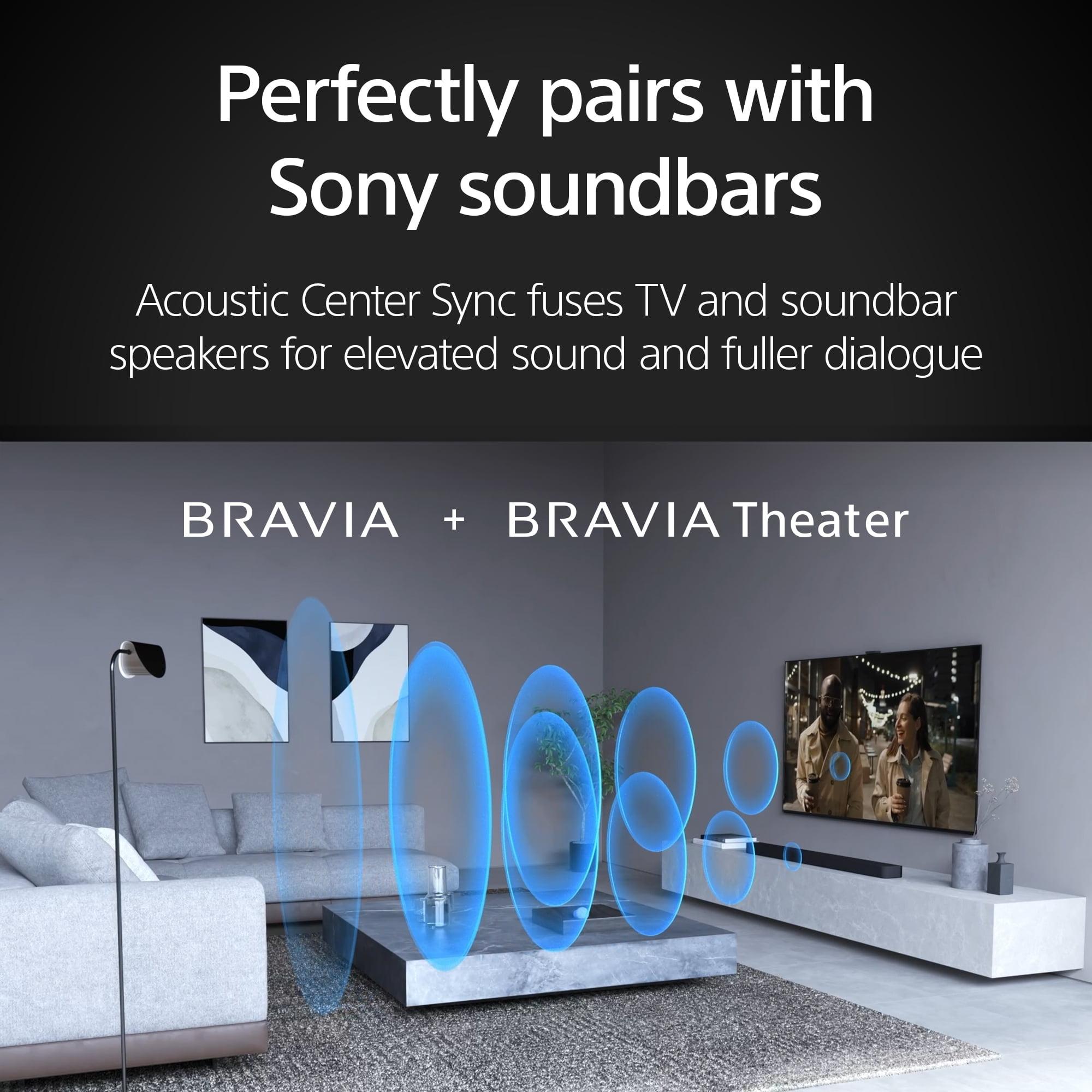
Additionally, Sony's Acoustic Center Sync allows the TV to function as a center channel when paired with compatible Sony soundbars—essentially turning your TV into part of a surround sound system. This level of audio integration is unique in the TV market.
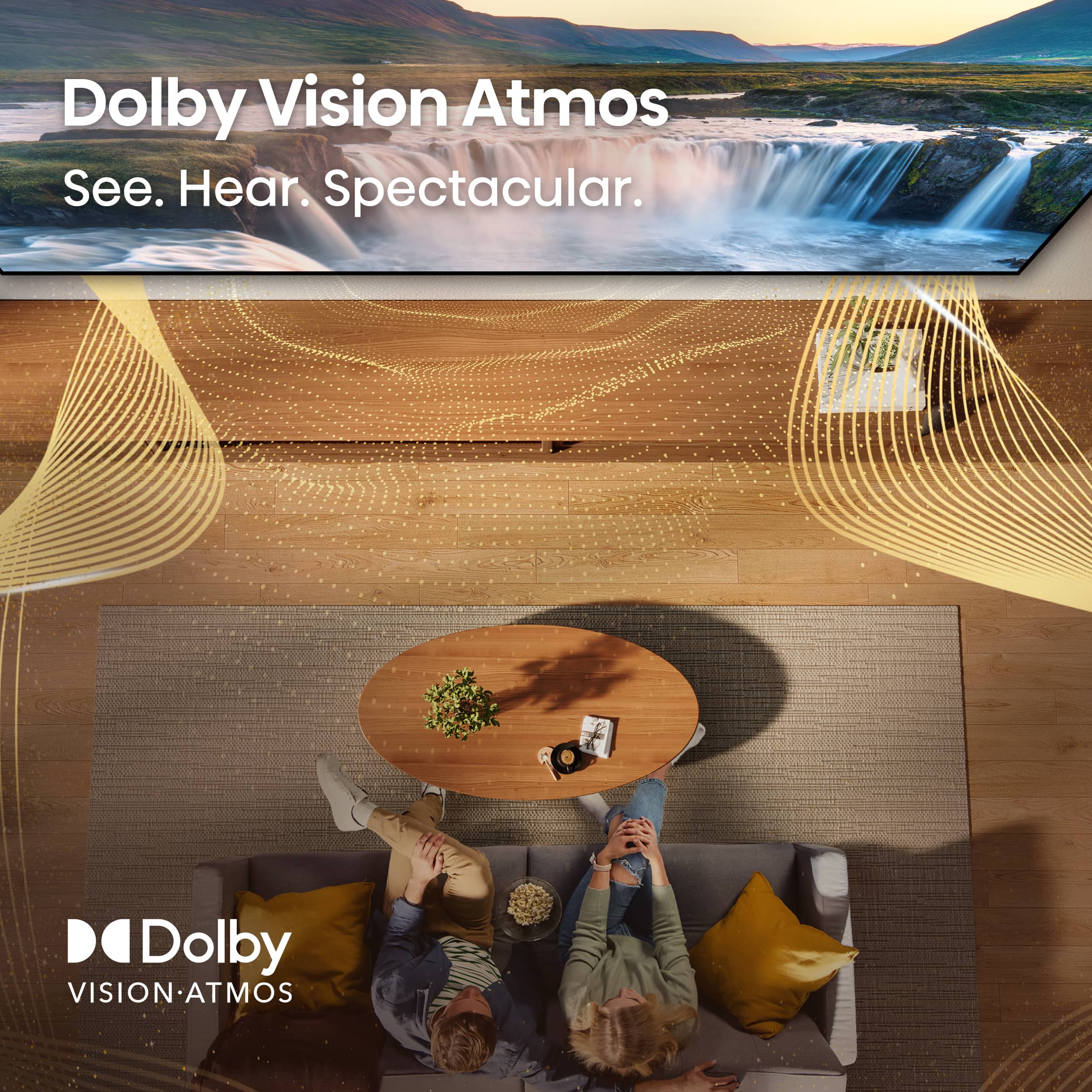
The Hisense QD7 takes a more traditional approach with built-in speakers enhanced by Dolby Atmos processing. While the audio quality is surprisingly good for a budget TV, it can't match the spatial accuracy and immersion of Sony's screen-as-speaker technology. Most users will likely want to add a soundbar for the best audio experience.
The price difference between these TVs is dramatic—the Sony BRAVIA 8 II at $3,098 costs more than six times the Hisense QD7 at $470. This raises an important question: is the Sony really six times better?
The answer depends on your priorities and viewing environment. The Sony delivers genuinely superior picture quality with perfect blacks, more accurate colors, better processing, and innovative audio. If you're building a dedicated home theater or prioritize the absolute best picture quality, these advantages justify the premium pricing.
However, the Hisense QD7 delivers about 80-85% of the Sony's performance at 15% of the cost. For most users, especially those new to premium TV features, this represents extraordinary value. You get quantum dot colors, local dimming, modern gaming features, and smart TV capabilities that would have cost thousands just a few years ago.
For dedicated home theater setups, the Sony BRAVIA 8 II has clear advantages. OLED's perfect blacks create the cinematic experience that enthusiasts seek, especially in light-controlled rooms. The Acoustic Surface Audio+ eliminates the need for a center channel speaker in many setups, simplifying installation while maintaining excellent dialogue clarity.
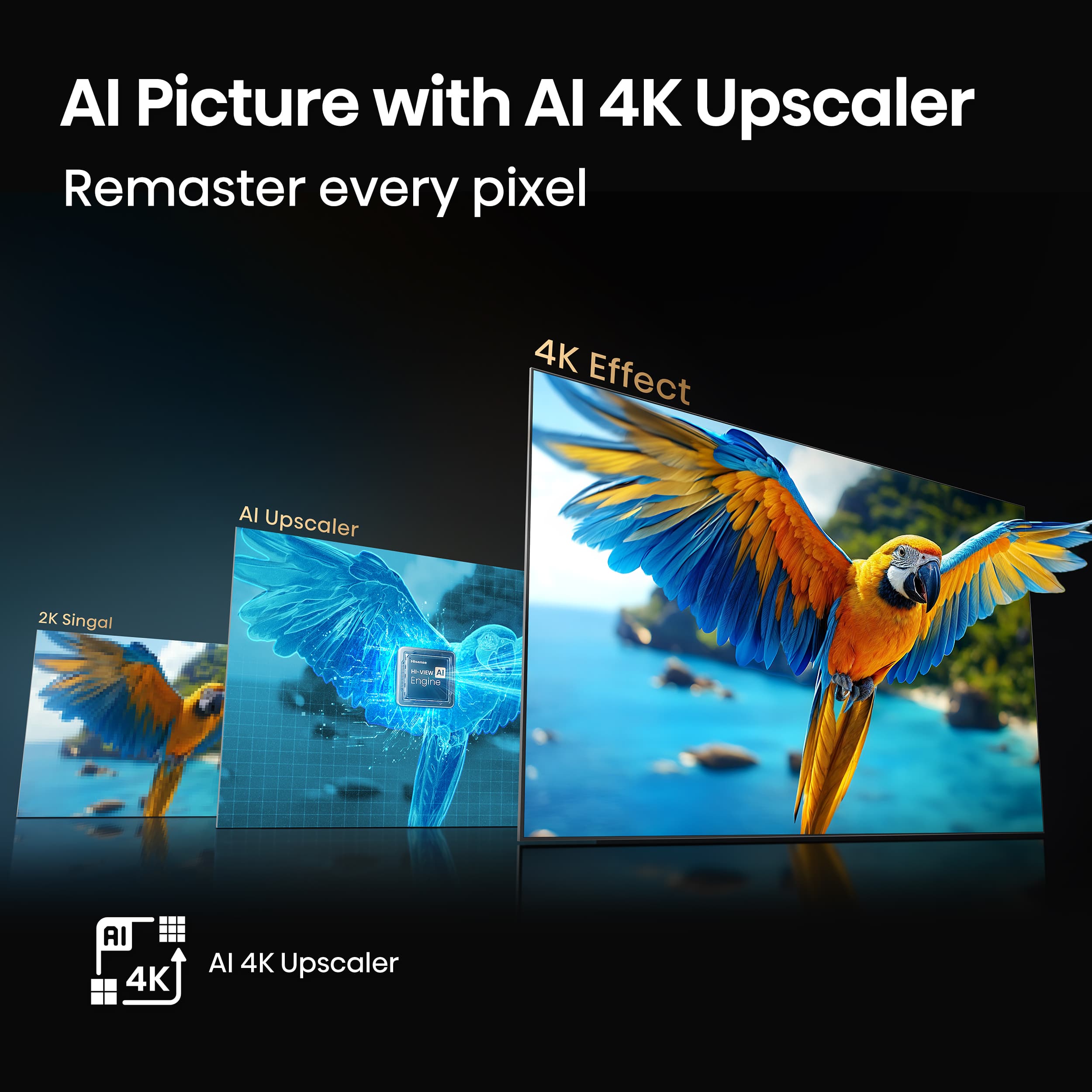
The TV's processing excellence becomes particularly important when watching older content or lower-resolution sources. Sony's XR Processor analyzes content in real-time, enhancing detail and reducing noise in ways that budget TVs simply can't match.
That said, the Hisense QD7 shouldn't be dismissed for home theater use. Its superior brightness makes it more versatile for rooms that aren't perfectly dark, and its gaming capabilities might appeal to users who want one display for both movies and gaming.
Both TVs represent significant technological advances from previous generations. The Sony BRAVIA 8 II uses a newer QD-OLED panel that's 25% brighter than Sony's previous flagship while maintaining OLED's perfect contrast. This addresses one of OLED's traditional weaknesses—limited brightness in bright rooms.
The Hisense QD7 demonstrates how Mini-LED technology has matured to deliver impressive local dimming at budget prices. A few years ago, this level of contrast control was only available in TVs costing several thousand dollars.
Both displays support the latest HDR formats and gaming standards, making them reasonably future-proof for the next several years. However, the Sony's superior processing power and build quality suggest it may age more gracefully over time.
Choose the Sony BRAVIA 8 II QD-OLED if you prioritize absolute picture quality, have a controlled lighting environment, value innovative features like Acoustic Surface Audio+, and can justify the premium pricing. It's the better choice for dedicated home theaters and viewers who want the most advanced display technology available.
Select the Hisense QD7 Mini-LED if you want impressive performance at an accessible price, need excellent brightness for daytime viewing, prioritize gaming features, or are entering the premium TV market for the first time. It offers remarkable value and proves that exceptional TV technology no longer requires a massive investment.
The fundamental question isn't whether the Sony is better—it clearly is in most technical aspects. The question is whether those improvements are worth the significant price premium for your specific needs and viewing environment. For many buyers, the Hisense delivers the premium TV experience they're seeking at a price that makes the upgrade accessible.
Both represent excellent choices in their respective categories, proving that 2025 is an exceptional time to upgrade your TV regardless of your budget.

Privacy Policy
Terms and Conditions - Affiliate Policy
Home Security
© Copyright 2008-2026.
11816 Inwood Rd #1211, Dallas, TX 75244