

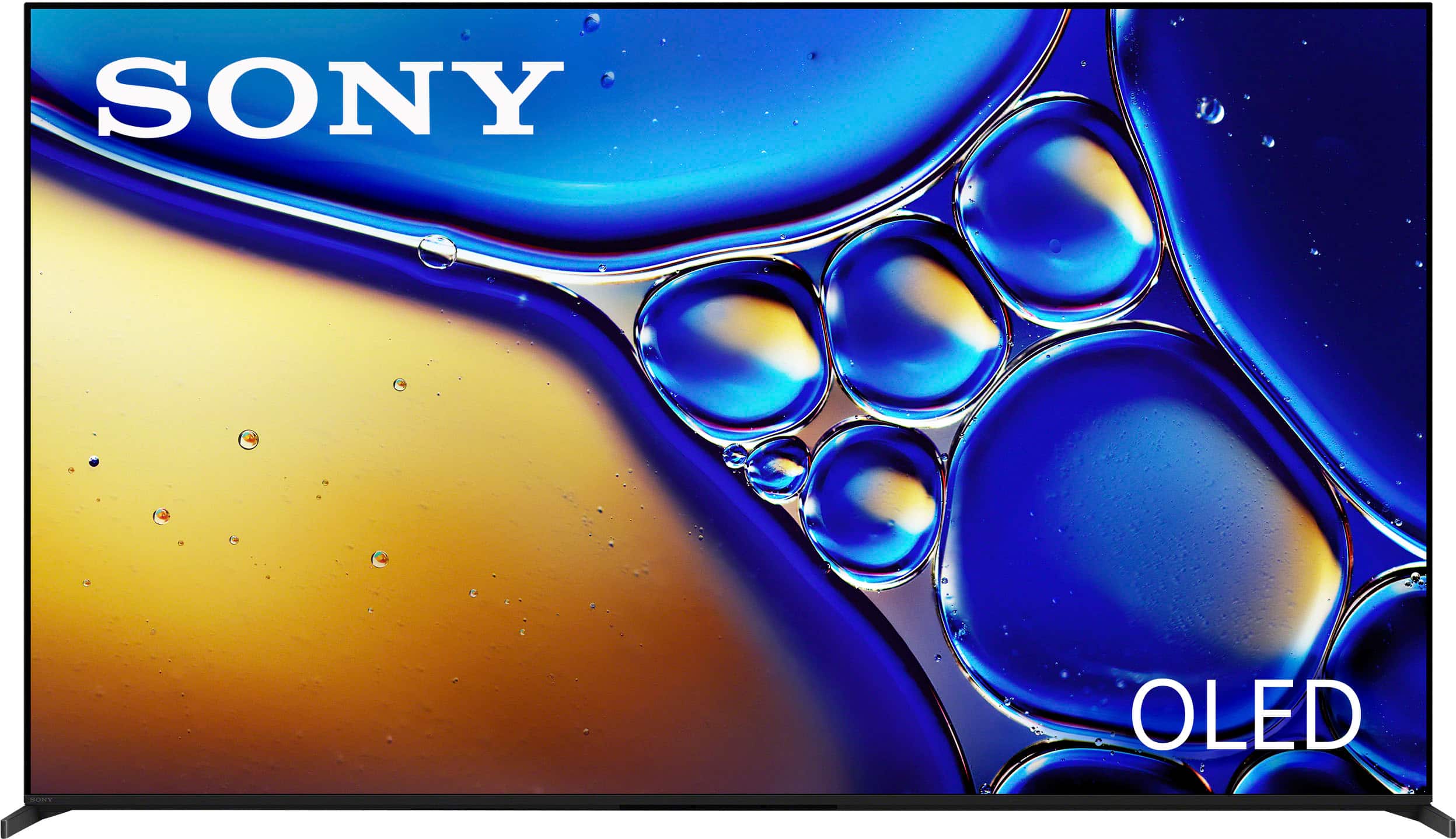
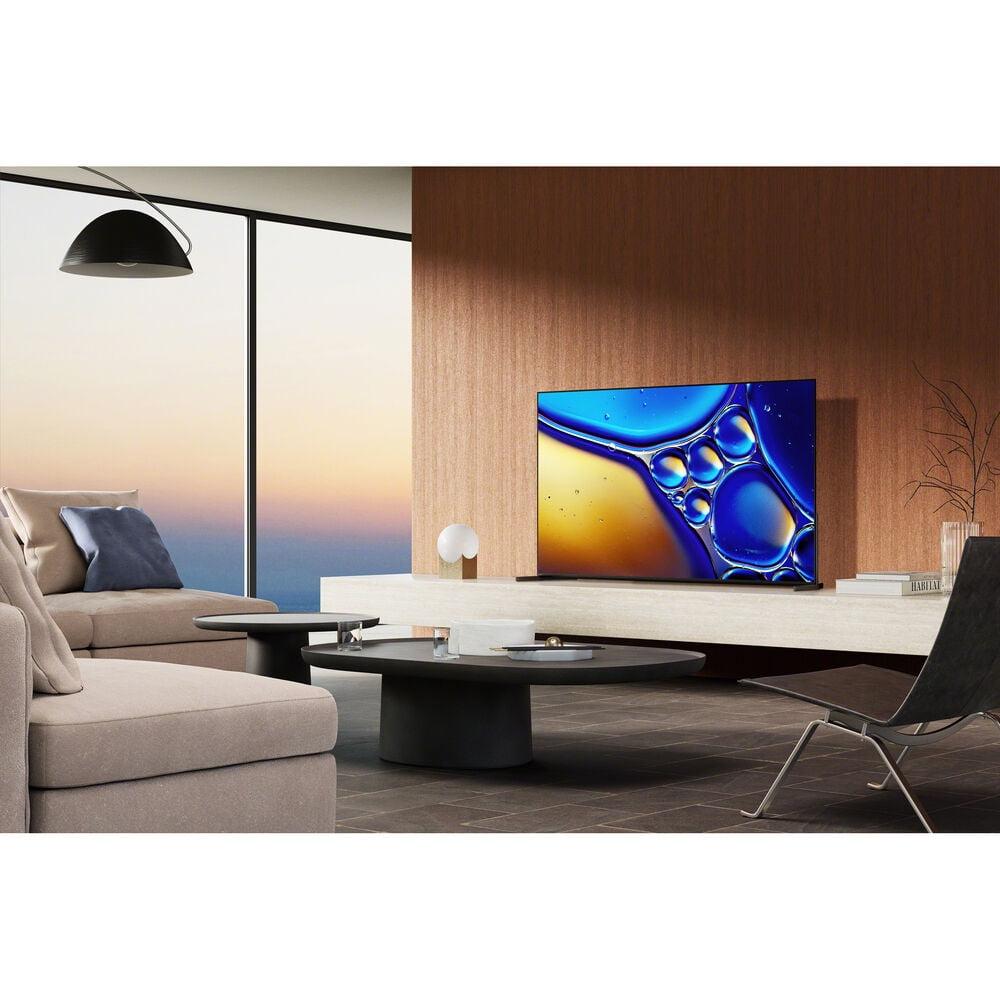
If you're shopping for a premium TV in 2025, you've probably heard that OLED technology offers the best picture quality money can buy. Both the Sony BRAVIA 8 II 65" QD-OLED ($3,098) and LG OLED evo C5 65" ($2,197) represent the cutting edge of this technology, but they take surprisingly different approaches to achieving stunning visuals.
Let me walk you through what makes each of these TVs special, and more importantly, help you figure out which one deserves a spot in your living room.
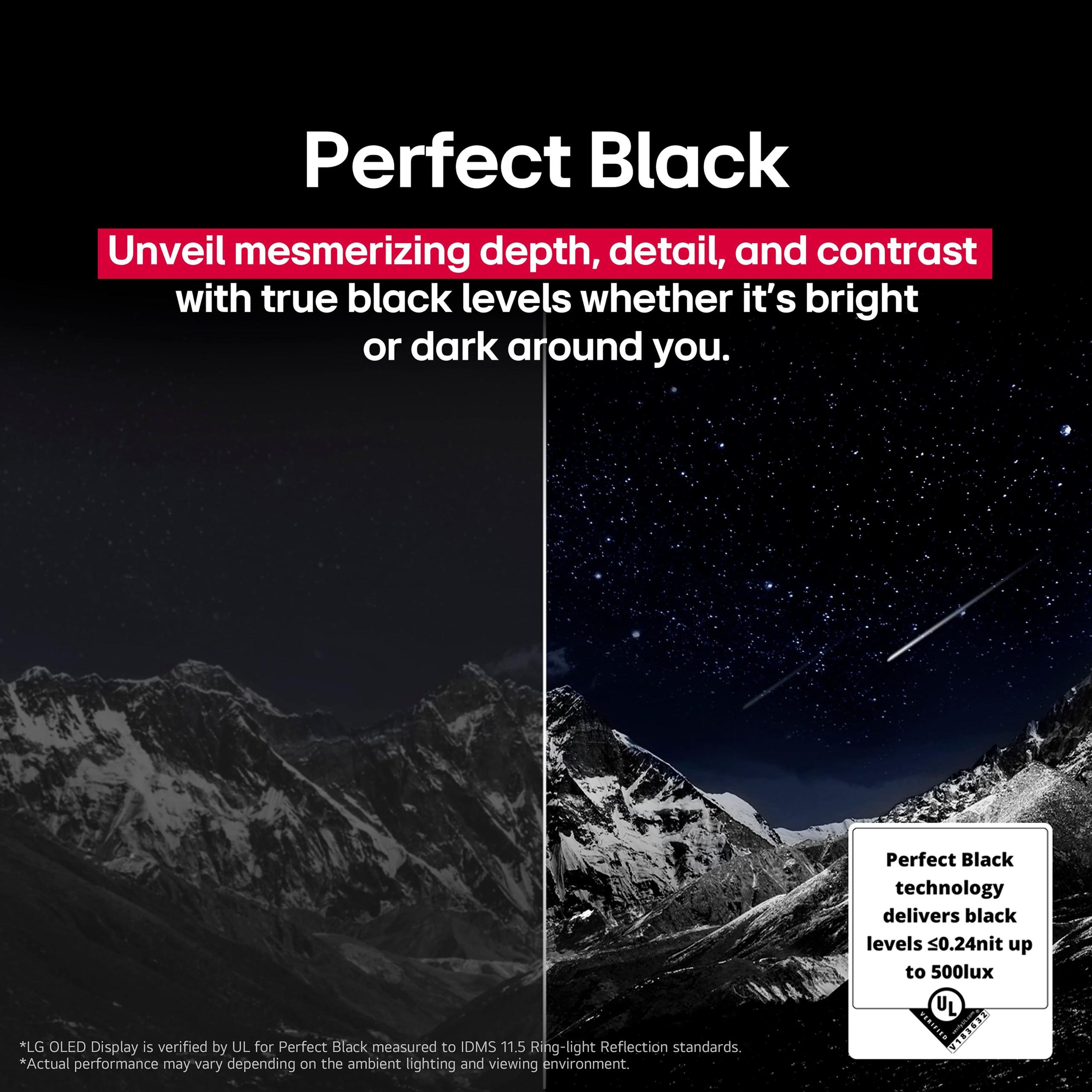
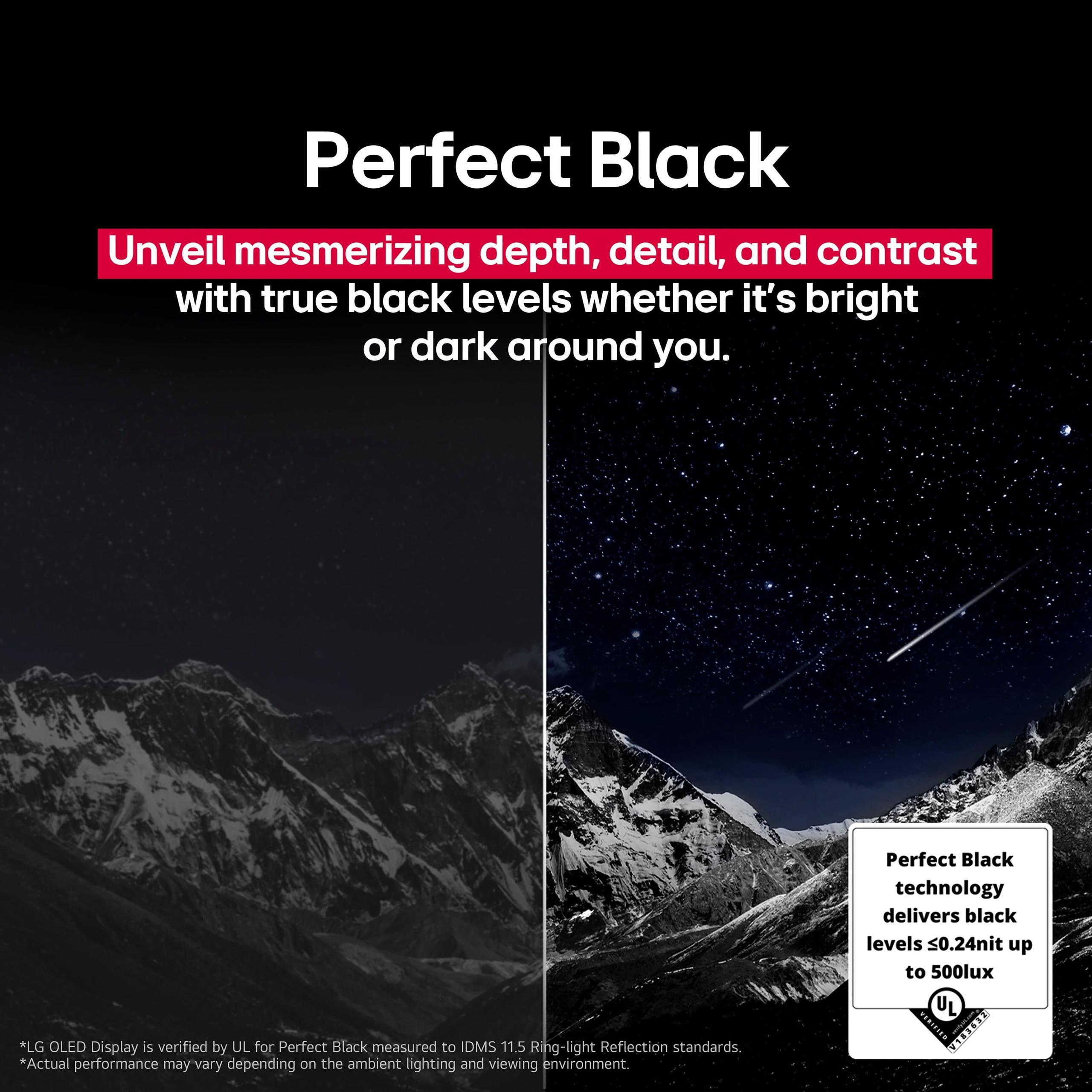
Before diving into the specifics, it's worth understanding what makes OLED displays so special. Unlike traditional LCD TVs that use a backlight shining through layers of liquid crystals, OLED (Organic Light-Emitting Diode) displays have millions of tiny pixels that produce their own light. This means when a pixel needs to show black, it simply turns completely off – resulting in perfect, inky blacks that LCD TVs can't match.
Both TVs released in spring 2025, representing the latest evolution of OLED technology. The Sony BRAVIA 8 II launched in April at $3,098, while the LG C5 hit shelves in March at $2,197. What's fascinating is how these two companies have taken different paths to improve OLED performance over the past few years.
Sony has embraced QD-OLED (Quantum Dot OLED) technology, which combines traditional OLED pixels with quantum dots – microscopic particles that convert blue light into extremely pure red and green colors. Meanwhile, LG has refined their WOLED (White OLED) approach, developing a new 4-stack panel that's significantly brighter than previous generations.
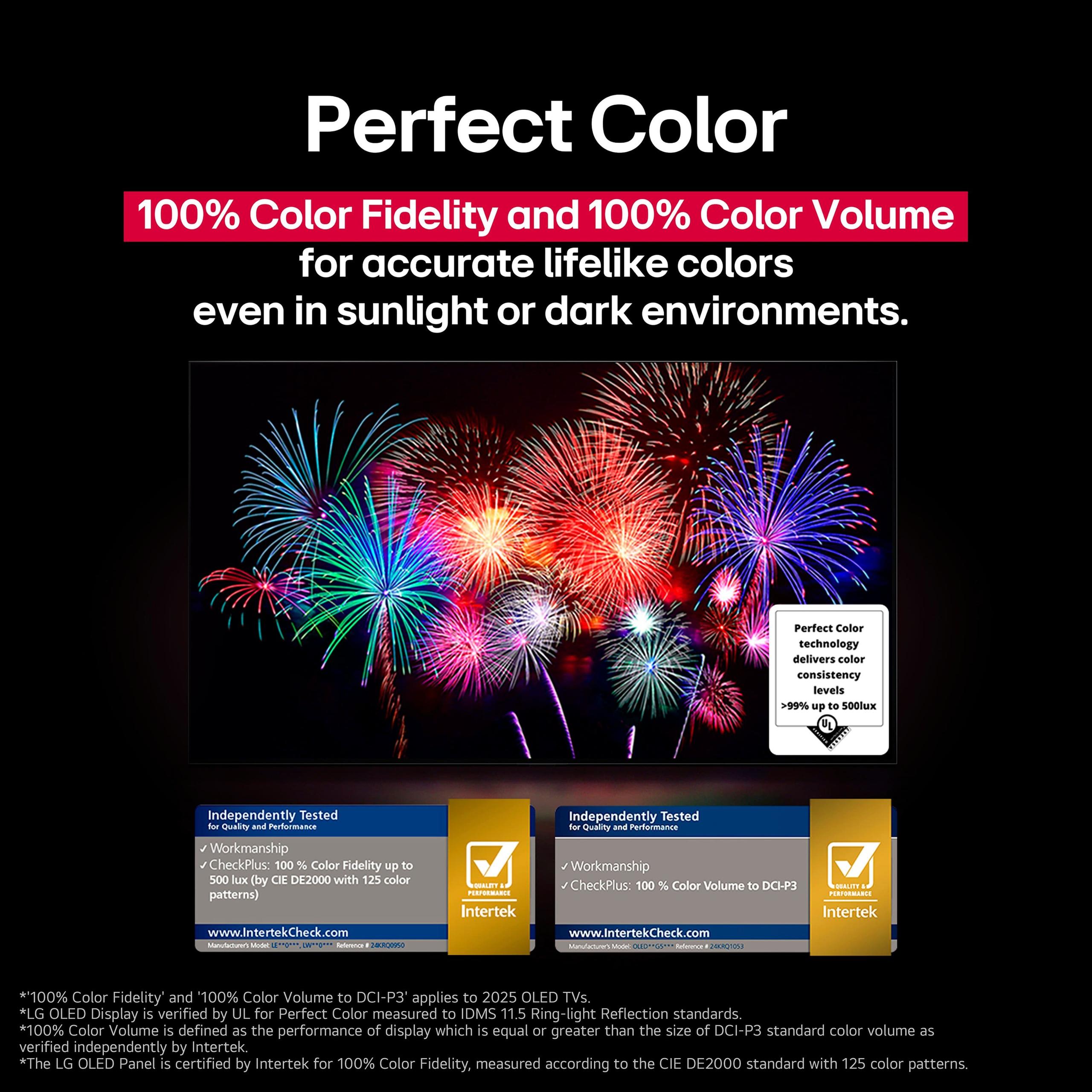
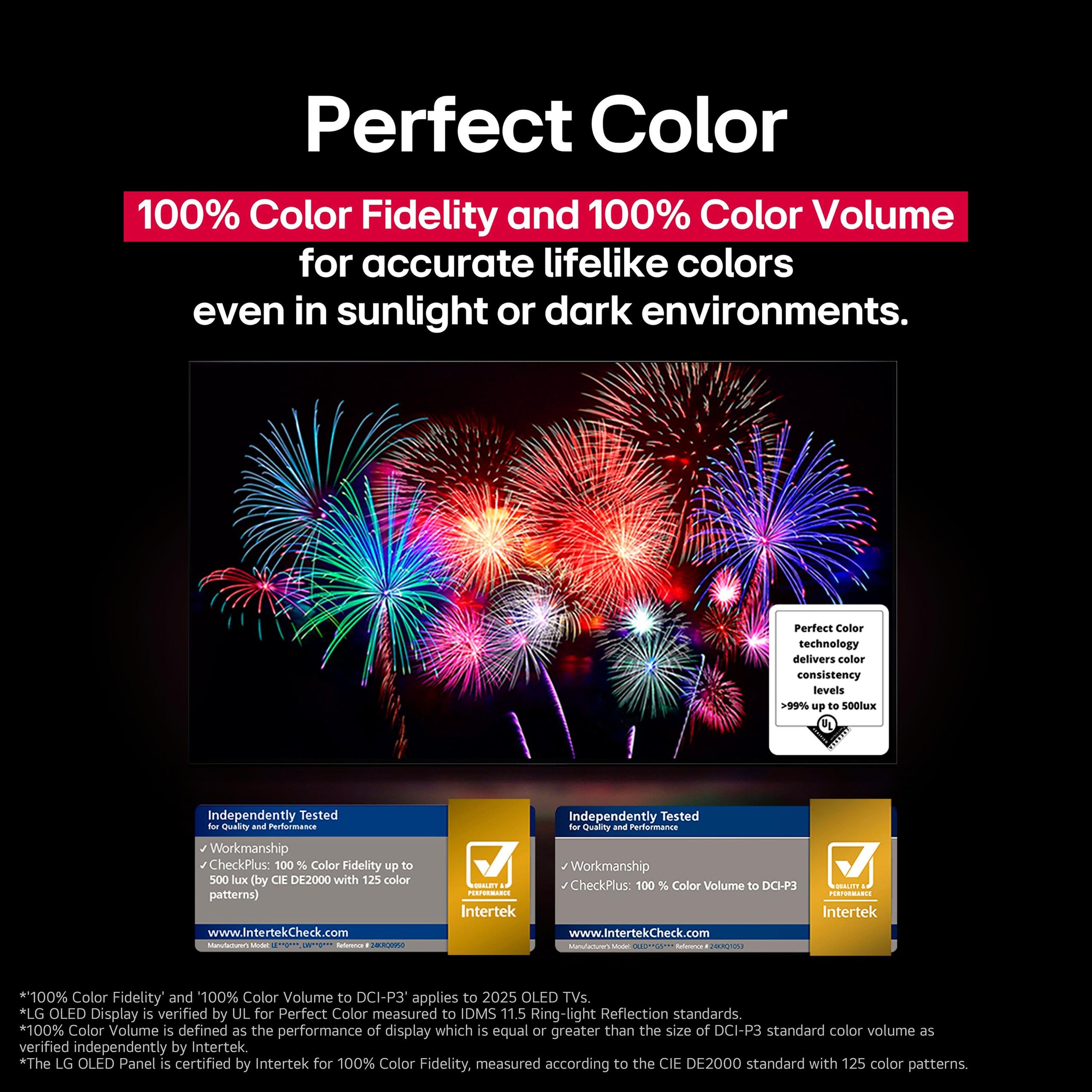
The Sony BRAVIA 8 II's QD-OLED panel delivers what I'd describe as the most naturally accurate colors I've seen on a TV. The quantum dot layer creates colors that are incredibly pure – when you're watching a nature documentary, greens look genuinely green rather than slightly yellow-tinged, and reds have a depth that makes you feel like you could reach into the screen.
This comes from the QD-OLED's unique approach: blue OLED emitters create light that quantum dots then convert into red and green. Since these quantum dots only emit very specific wavelengths of light, the colors are more saturated and accurate than what traditional WOLED panels can achieve.
The LG C5, using WOLED technology, starts with white light and filters it through colored sub-pixels. While this sounds less sophisticated, LG has refined this approach over years of development. The result is still excellent color reproduction, though it can't quite match the color purity of QD-OLED, especially in highly saturated scenes.
Where the Sony really shines is in its sense of depth and three-dimensionality. Watching movies on the BRAVIA 8 II, images seem to have layers that extend behind the screen surface. This isn't just marketing speak – the combination of perfect blacks, accurate colors, and Sony's processing creates a viewing experience that feels more like looking through a window than at a display.
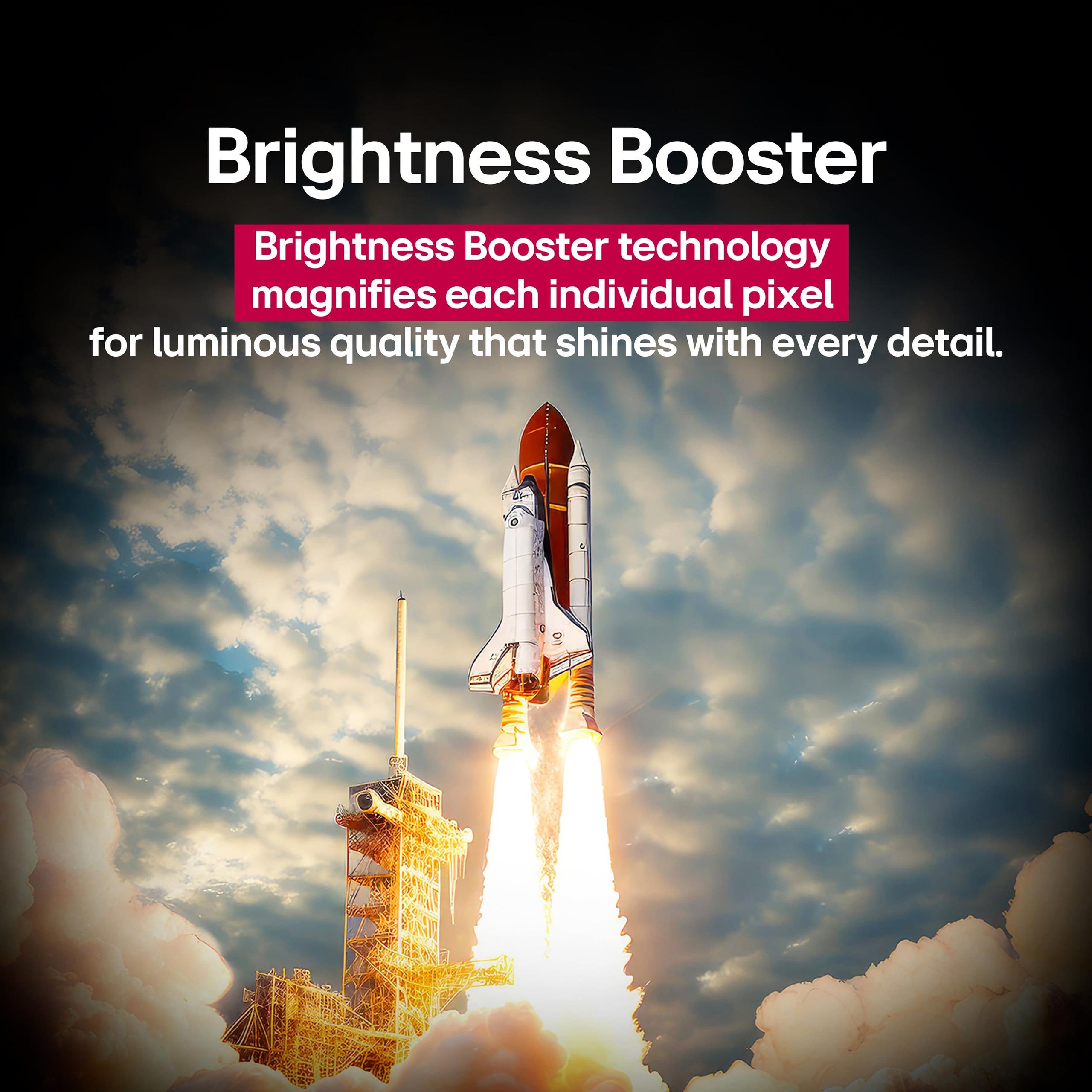
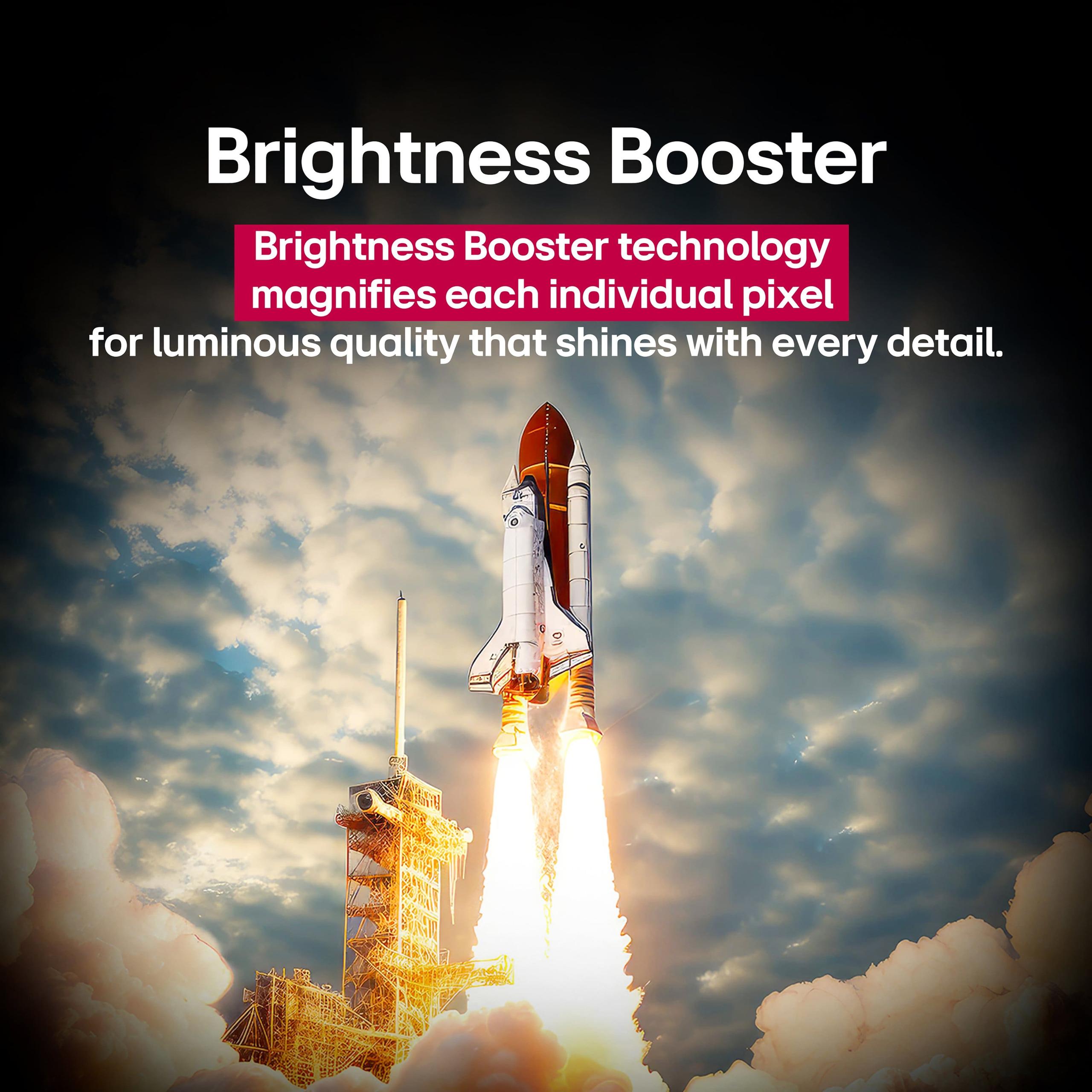
Here's where things get interesting, and frankly, where the LG C5 takes a significant lead. Despite all the color advantages of QD-OLED, the Sony peaks at around 1,439 nits in Cinema mode, while the LG can hit nearly 2,000 nits. In practical terms, this means HDR (High Dynamic Range) highlights – like the sun reflecting off water or the bright flash of an explosion – appear much more dramatic on the LG.
This brightness difference becomes crucial if you watch TV during the day or in a room with lots of windows. I've tested both TVs in various lighting conditions, and while the Sony BRAVIA 8 II has excellent anti-reflection coating that reduces glare, the LG C5's raw brightness power often wins out in bright rooms.
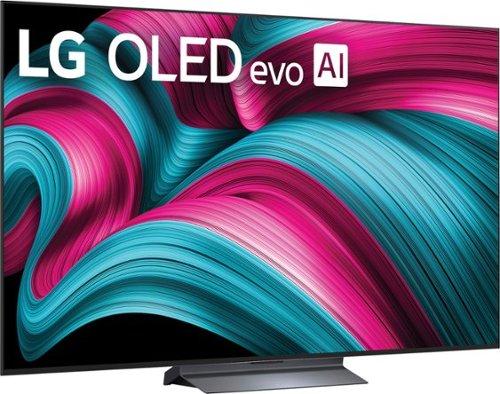
The LG's new 4-stack WOLED panel represents a significant technological leap. Previous OLED TVs struggled with brightness because pushing the pixels too hard would cause them to degrade quickly. LG's solution involves literally stacking four layers of OLED emitters, allowing them to produce more light without stressing individual pixels as much.
In a dark room – which is where OLED TVs traditionally excel – both displays look absolutely stunning. The Sony BRAVIA 8 II edges ahead with its superior color gradation and depth, making it feel more cinematic. Films shot with careful attention to color grading, like "Blade Runner 2049" or "The Grand Budapest Hotel," showcase the Sony's advantages beautifully.
However, flip on some room lights or open the curtains, and the LG C5 maintains its impact better. Sports content, bright animated movies, and HDR highlights that should make you squint all benefit from that extra brightness headroom.
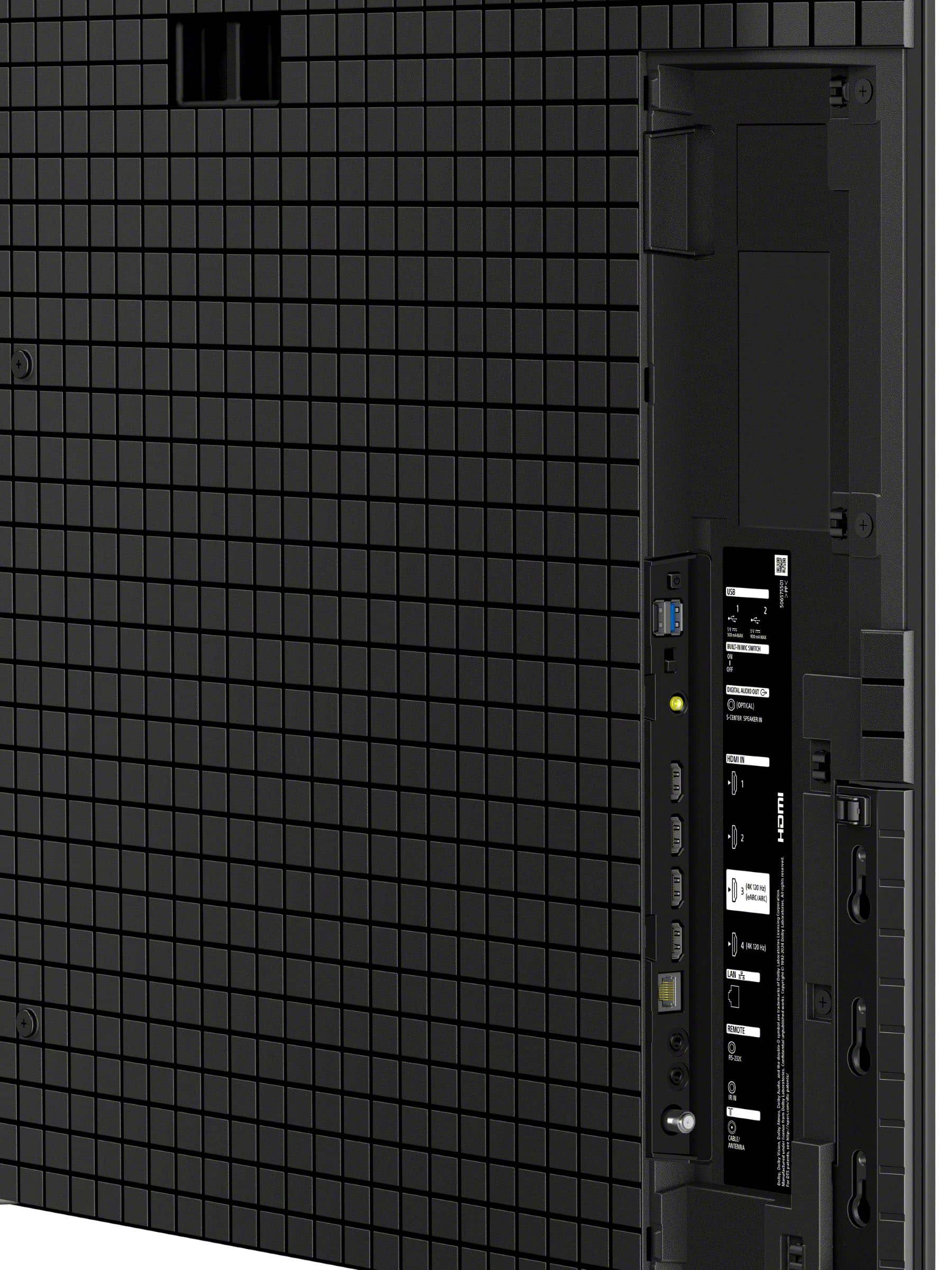
If gaming is important to you, the decision becomes much simpler. The LG C5 offers four full-bandwidth HDMI 2.1 ports, while the Sony BRAVIA 8 II only provides two – and one of those is shared with eARC (enhanced Audio Return Channel) for soundbar connections.
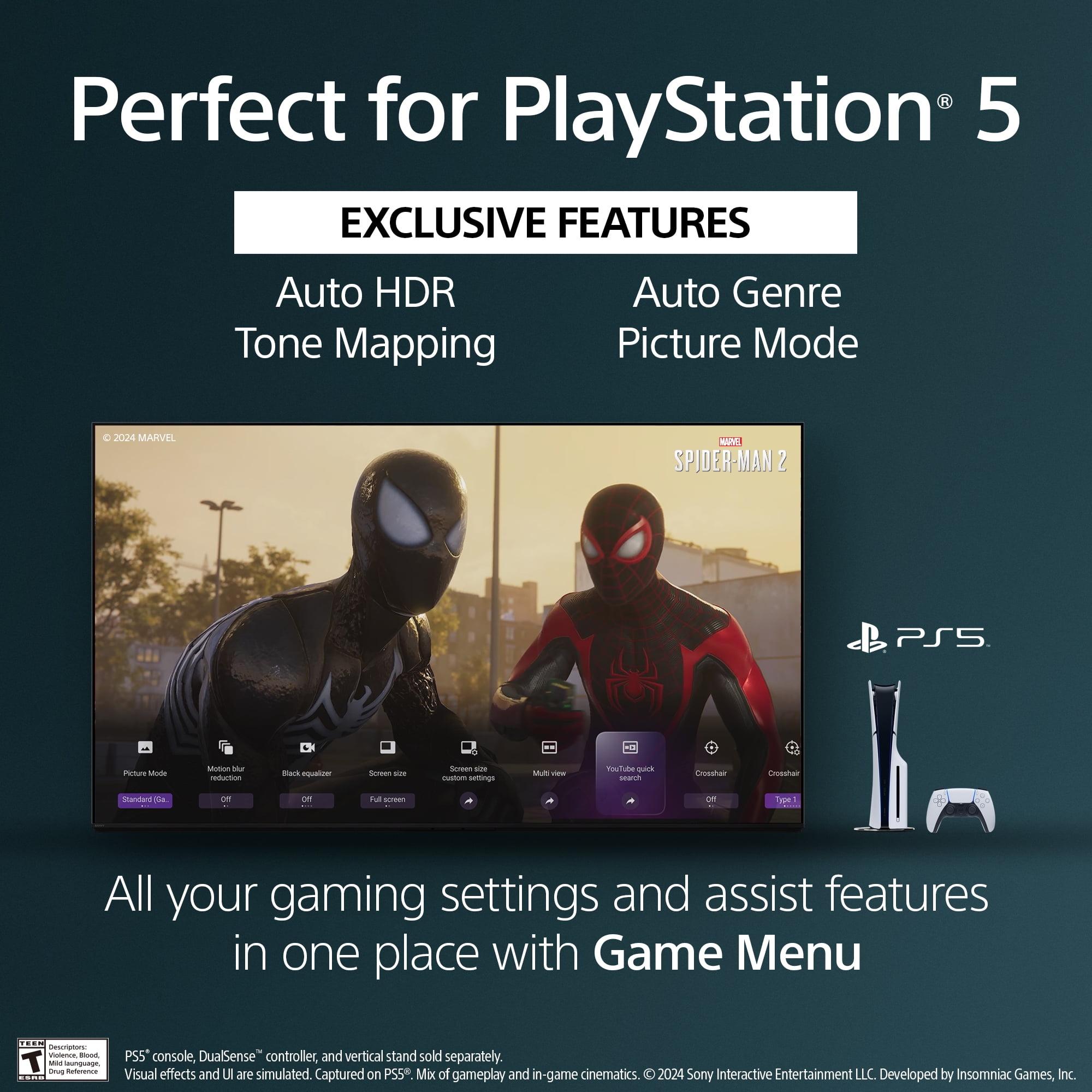
This might not sound like a big deal, but consider a typical gaming setup: PlayStation 5, Xbox Series X, gaming PC, and a soundbar. With the Sony, you'd constantly be swapping cables or choosing which device gets the premium connection. The LG handles all of this without compromise.
Both TVs support the essential gaming features: 4K resolution at 120Hz refresh rate, VRR (Variable Refresh Rate to eliminate screen tearing), and ALLM (Auto Low Latency Mode for minimal input delay). However, the LG C5 can actually go up to 144Hz for PC gaming, giving it a slight edge for competitive gaming.
Input lag – the delay between pressing a button and seeing the result on screen – is excellent on both displays, typically around 10-13 milliseconds in game mode. That's fast enough that you won't notice any delay, even in competitive online games.
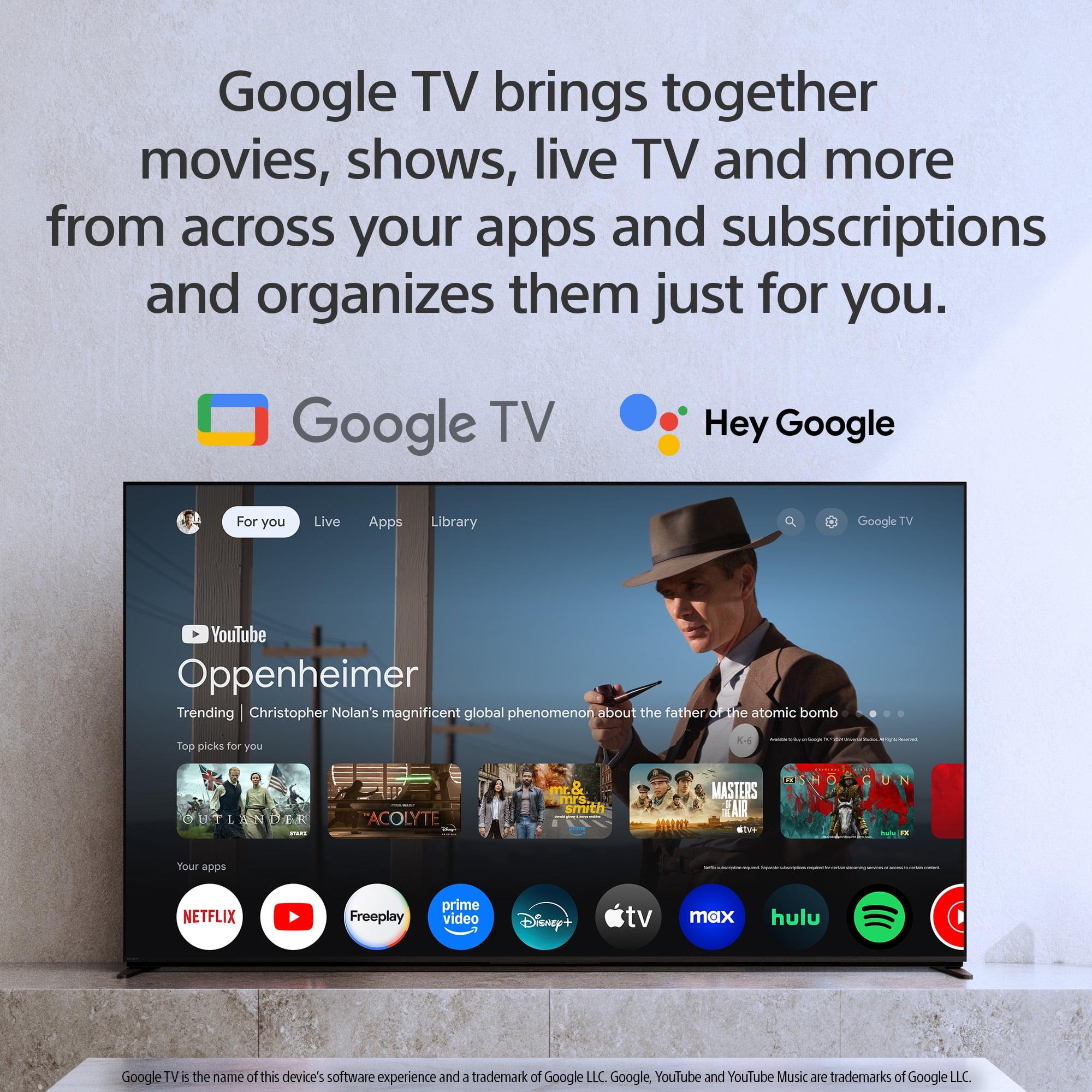
The software experience differs significantly between these TVs. The Sony BRAVIA 8 II runs Google TV, which feels familiar if you've used an Android phone or Chromecast. It offers excellent app selection, strong voice search through Google Assistant, and seamless integration with Google services.
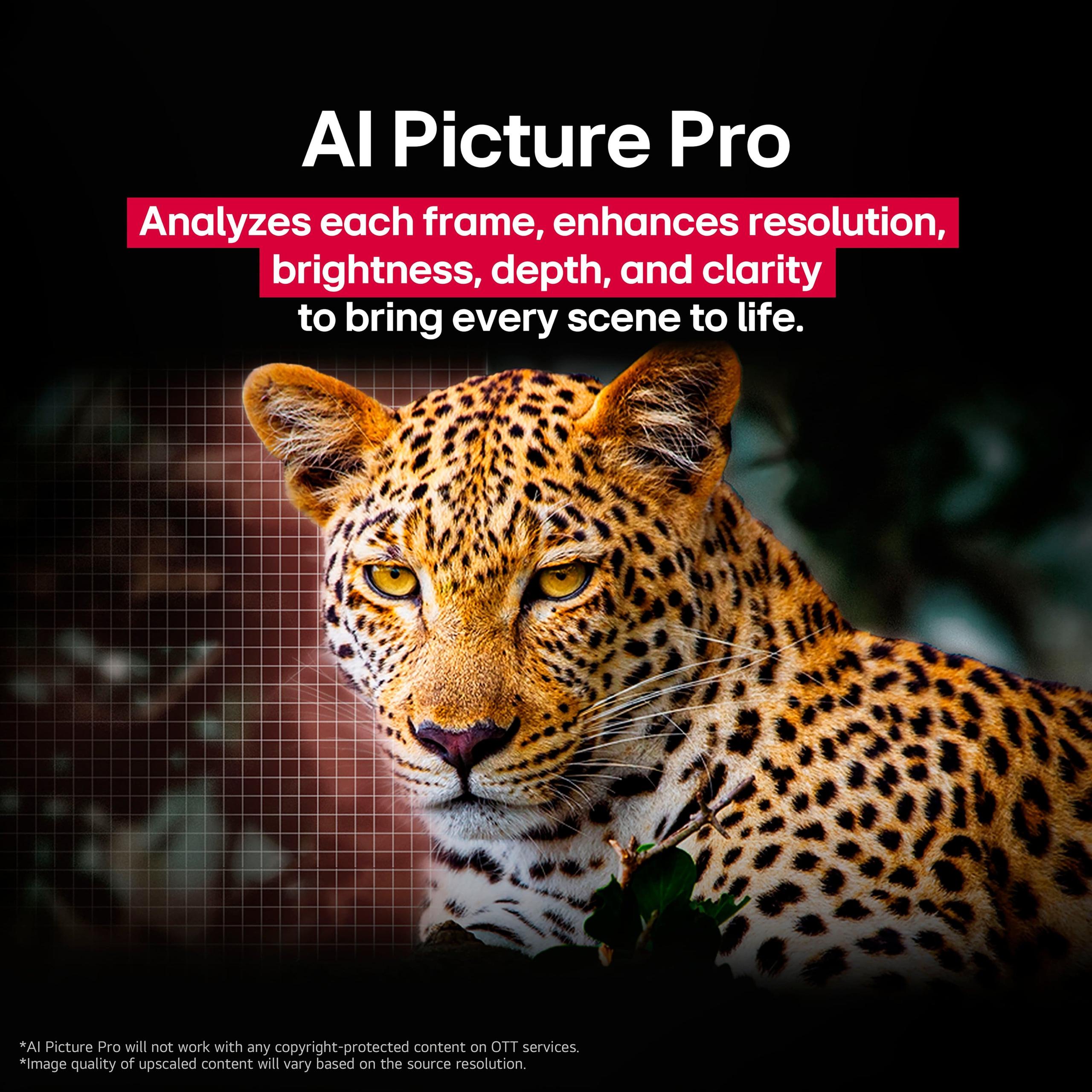
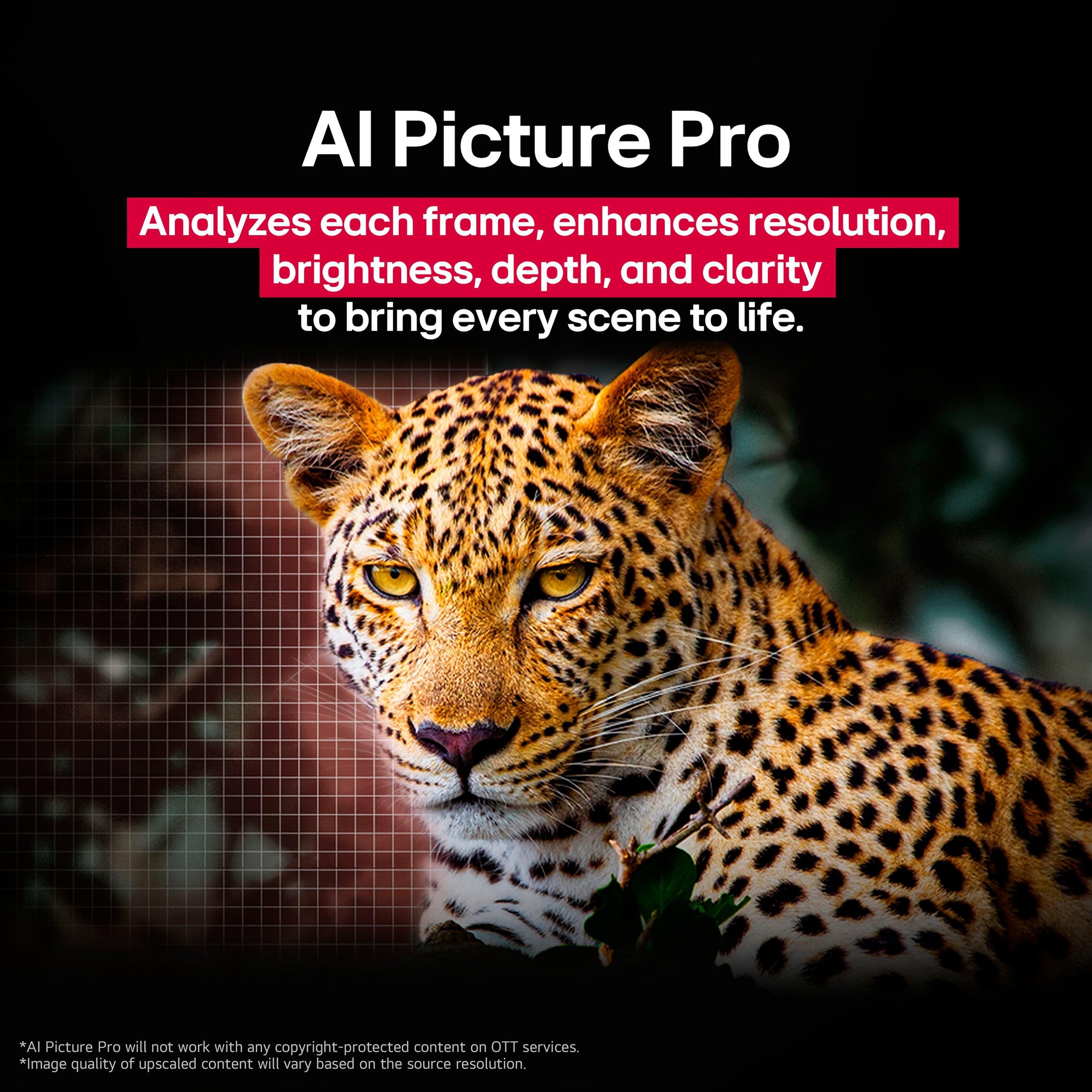
Sony's XR Processor includes AI Scene Recognition, which automatically detects what type of content you're watching – sports, movies, animation – and adjusts picture settings accordingly. In practice, this works well, though you might not notice the subtle adjustments it makes.
The LG C5 uses webOS 25, LG's proprietary platform that's evolved into one of the smoothest TV interfaces available. It includes an AI chatbot that can help troubleshoot issues or explain features, which is genuinely useful when you're diving into the extensive picture settings.
Both platforms offer all the streaming apps you'd expect – Netflix, Disney+, Amazon Prime Video, Apple TV+, and more. The choice often comes down to personal preference and which ecosystem you're already invested in.
Both TVs take interesting approaches to audio that go beyond traditional TV speakers. The Sony BRAVIA 8 II uses Acoustic Surface Audio+, which literally turns the entire screen into a speaker using actuators behind the panel. This creates a unique effect where dialogue appears to come directly from characters' mouths on screen, rather than from speakers below the display.
The LG C5 uses more traditional speakers but processes the audio through its AI Sound Pro system, which analyzes content and optimizes audio settings in real-time. Both support Dolby Atmos for three-dimensional surround sound when watching compatible content.
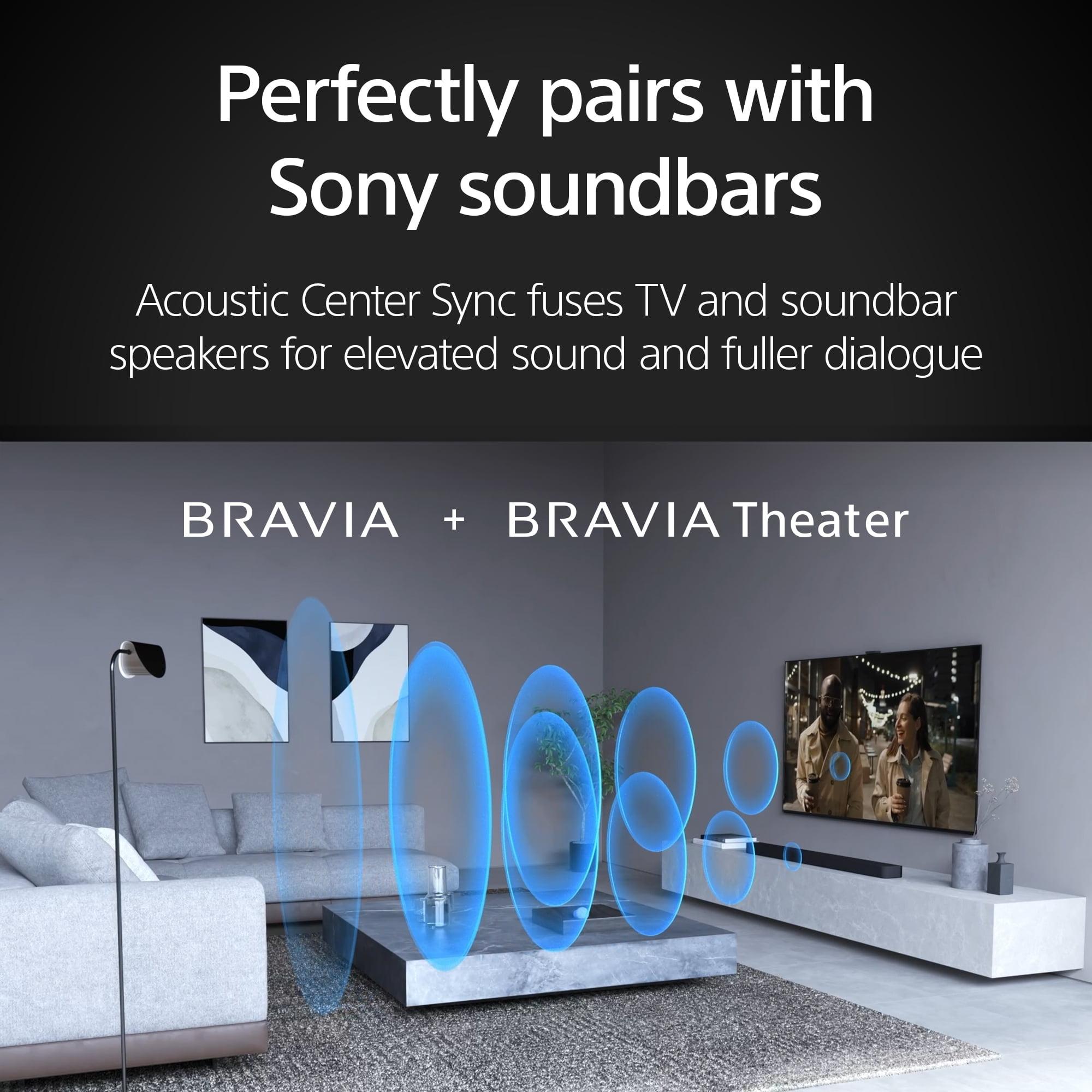
While both sound decent for built-in TV audio, neither replaces a proper sound system. However, Sony offers a unique feature called S-Center sync, which lets the TV act as a center channel speaker when paired with compatible Sony soundbars – essentially turning your TV into part of a surround sound system.
For dedicated home theater setups, several factors become crucial. The Sony BRAVIA 8 II excels in controlled lighting environments where its superior color accuracy and depth create a more cinematic experience. Its anti-reflection coating also helps when you can't completely eliminate all light sources.
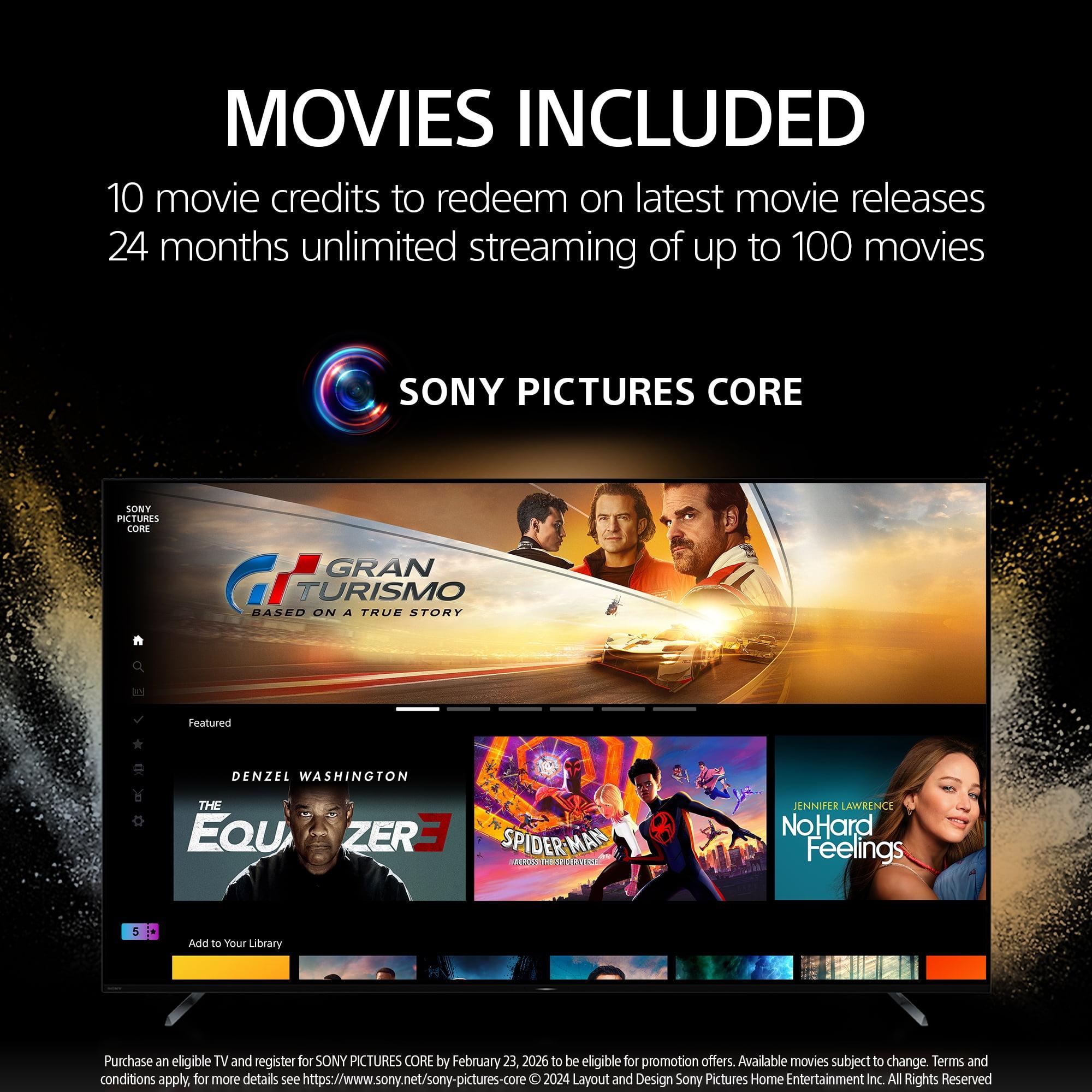
The Sony's support for filmmaker mode and various studio calibrated picture modes means movies appear closer to how directors intended them to be seen. Sony Pictures Core (included with the TV) provides access to a library of movies with studio-approved color grading.
However, the LG C5's superior brightness becomes important if your theater isn't completely light-controlled, or if you prefer the "wow factor" of bright, punchy HDR highlights. Its four HDMI 2.1 ports also provide more flexibility for connecting multiple sources without an AV receiver.
Both TVs support all major HDR formats including Dolby Vision, which provides scene-by-scene optimization for supported content. This ensures you're getting the best possible picture quality from streaming services and 4K Blu-rays.
Here's where the math gets interesting. The LG C5 at $2,197 costs $901 less than the Sony BRAVIA 8 II at $3,098 – that's a 41% price difference. For that significant savings, you get a TV that's actually brighter, offers better gaming connectivity, and includes many of the same premium features.
The Sony's premium largely pays for QD-OLED technology and superior color processing. These are real advantages, but they're subtle ones that mainly benefit viewers who prioritize color accuracy over other factors.
From a pure value standpoint, the LG C5 offers more performance per dollar for most users. The brightness advantage, gaming features, and lower price make it compelling for anyone who wants premium OLED performance without paying flagship prices.
Both TVs represent significant technological advances. Sony's integration of QD-OLED with their XR processing creates a unique viewing experience that's particularly strong with well-mastered content. The AI Scene Recognition feature shows promise for automatically optimizing picture quality as streaming content varies in quality.
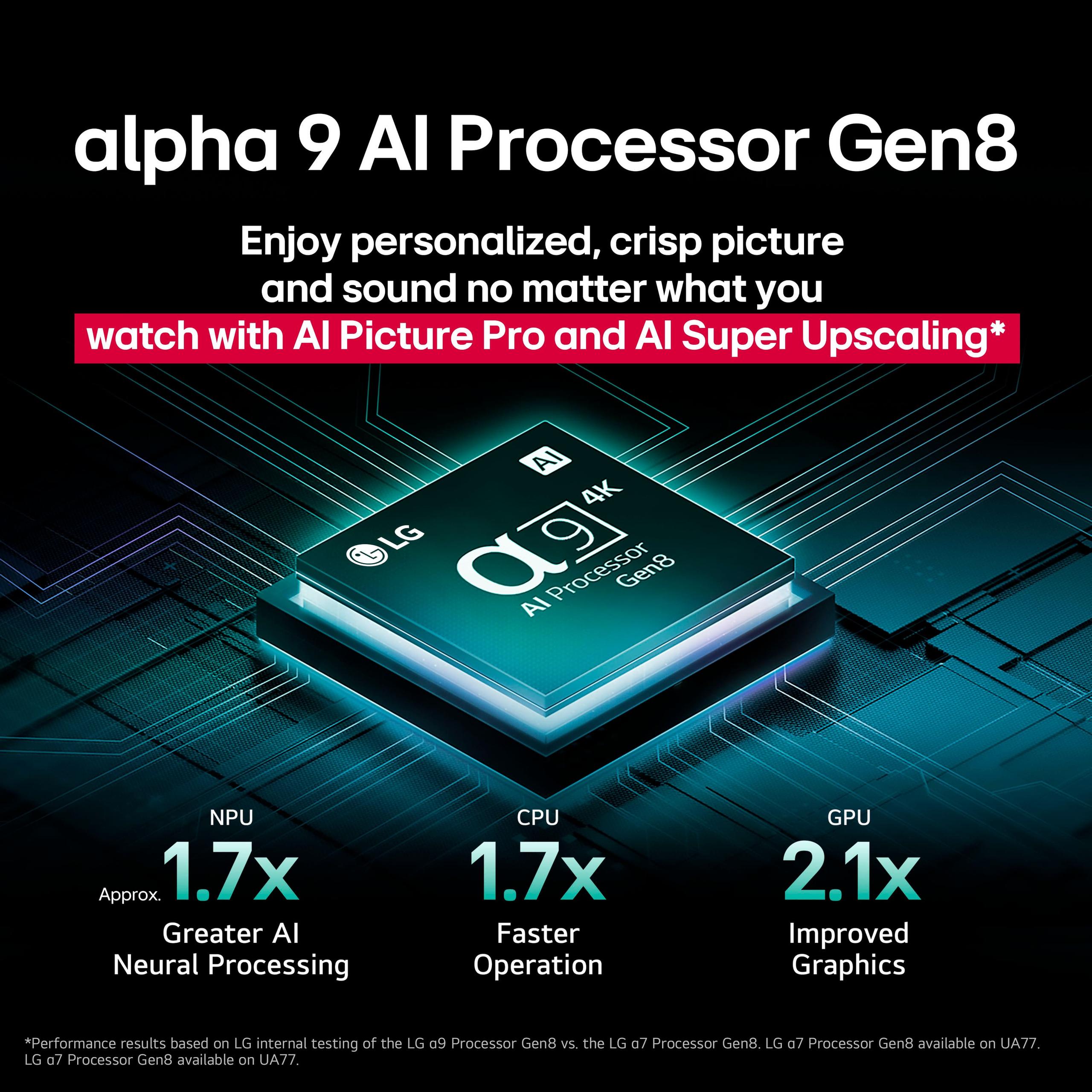
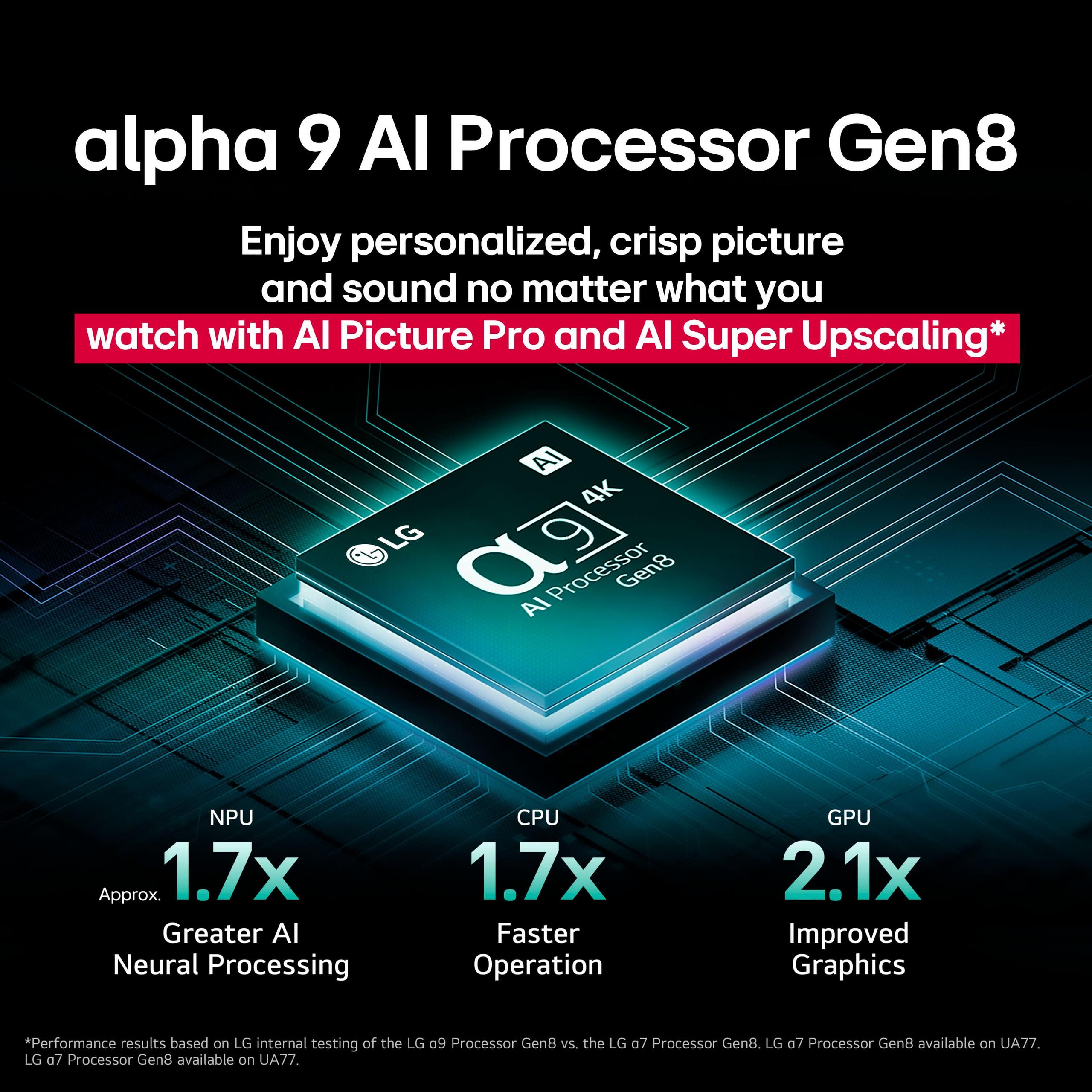
LG's 4-stack WOLED panel addresses OLED's traditional brightness limitations while maintaining the technology's core advantages. The Alpha 9 Gen8 processor includes machine learning algorithms that adapt to your viewing preferences over time.
Both TVs should remain relevant for years to come, with support for current gaming console features and all major streaming formats. However, the LG C5's superior gaming connectivity provides better future-proofing for users who might add more devices over time.
The choice between these TVs ultimately depends on your priorities and viewing environment. The Sony BRAVIA 8 II justifies its premium for viewers who prioritize color accuracy above all else, watch primarily in controlled lighting, and don't need extensive gaming connectivity. It's the choice for perfectionists who want the most cinematic experience possible.
The LG C5 makes more sense for most people. Its combination of excellent brightness, comprehensive gaming features, and significantly lower price delivers outstanding value. Unless you're specifically drawn to QD-OLED's color advantages, the LG provides better overall performance for the money.
Both represent excellent choices in the premium OLED segment, but they serve different audiences. The Sony caters to videophiles willing to pay extra for subtle improvements, while the LG offers flagship-level performance at a more accessible price point.

Privacy Policy
Terms and Conditions - Affiliate Policy
Home Security
© Copyright 2008-2026.
11816 Inwood Rd #1211, Dallas, TX 75244