

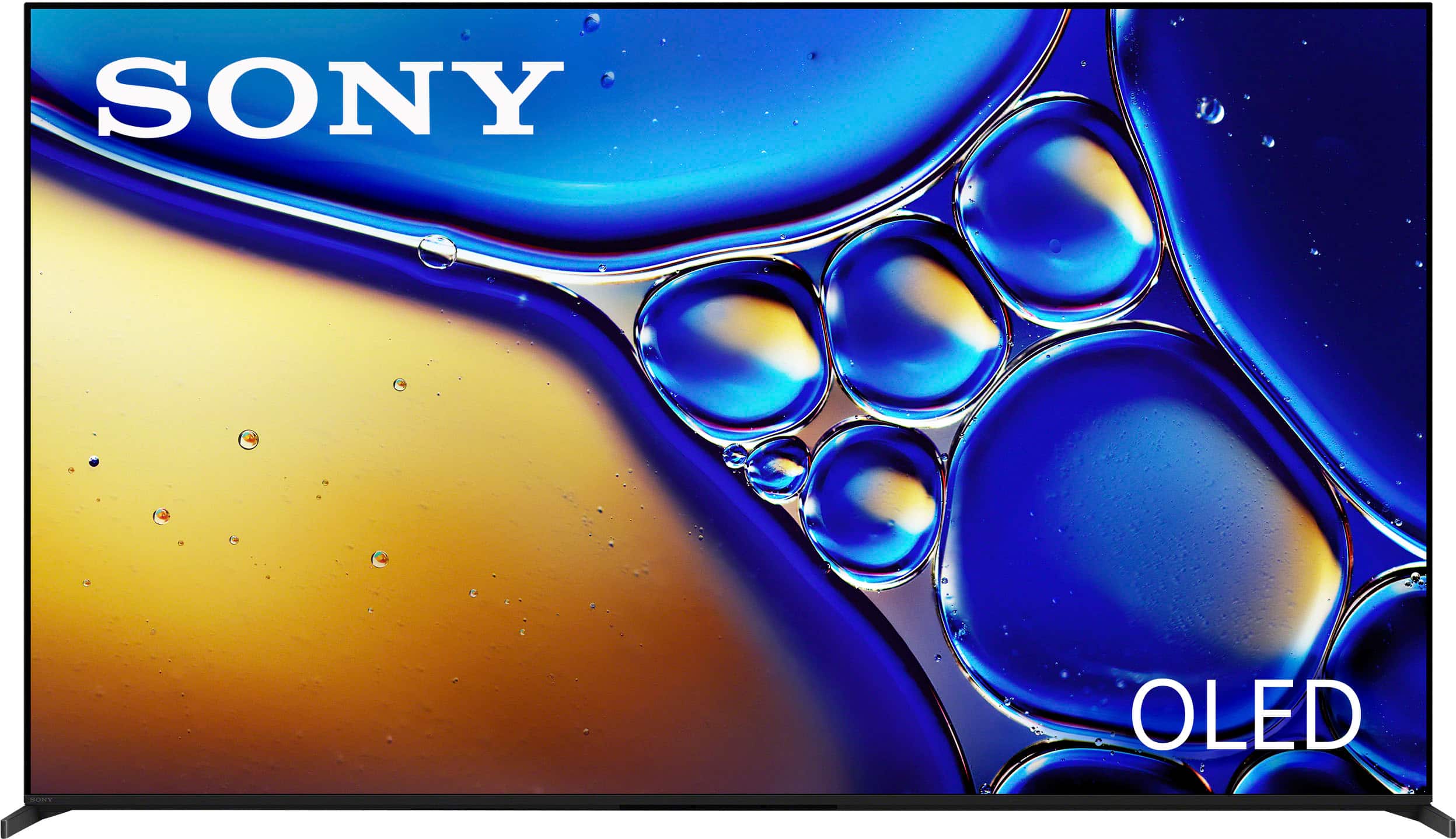
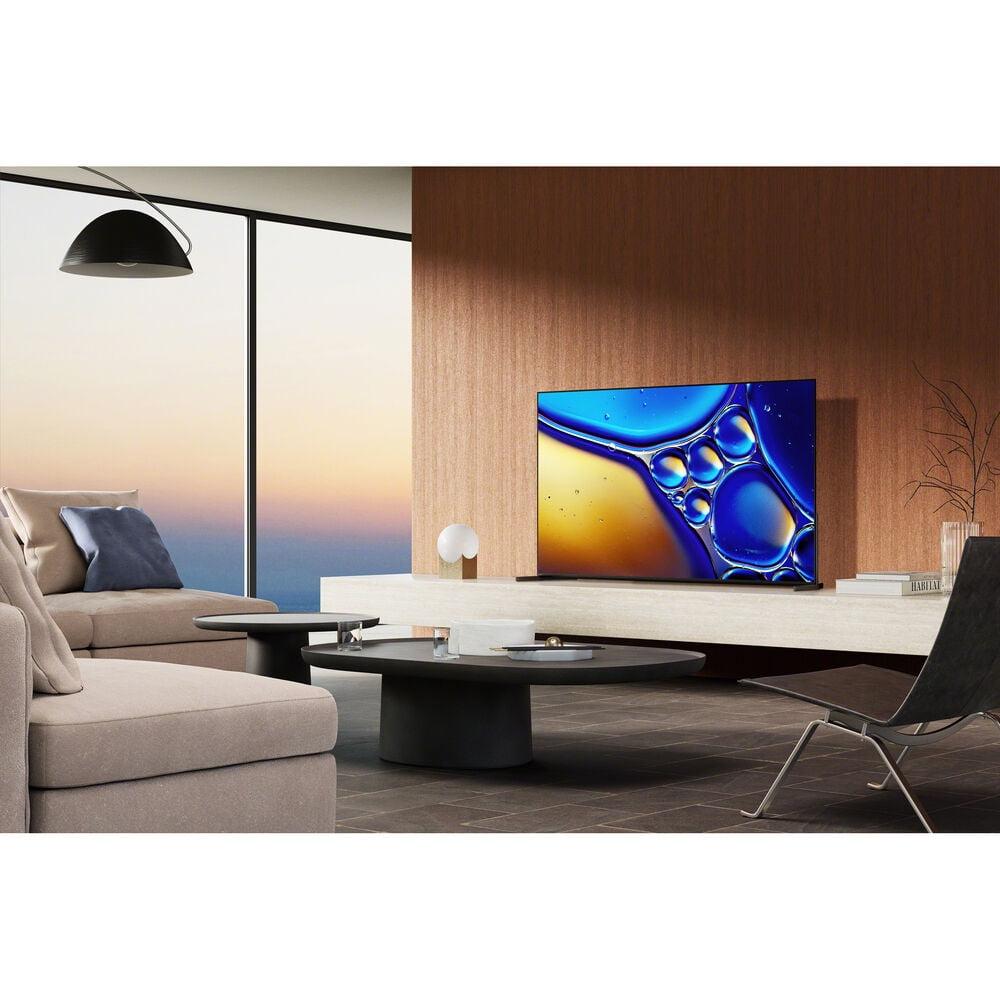

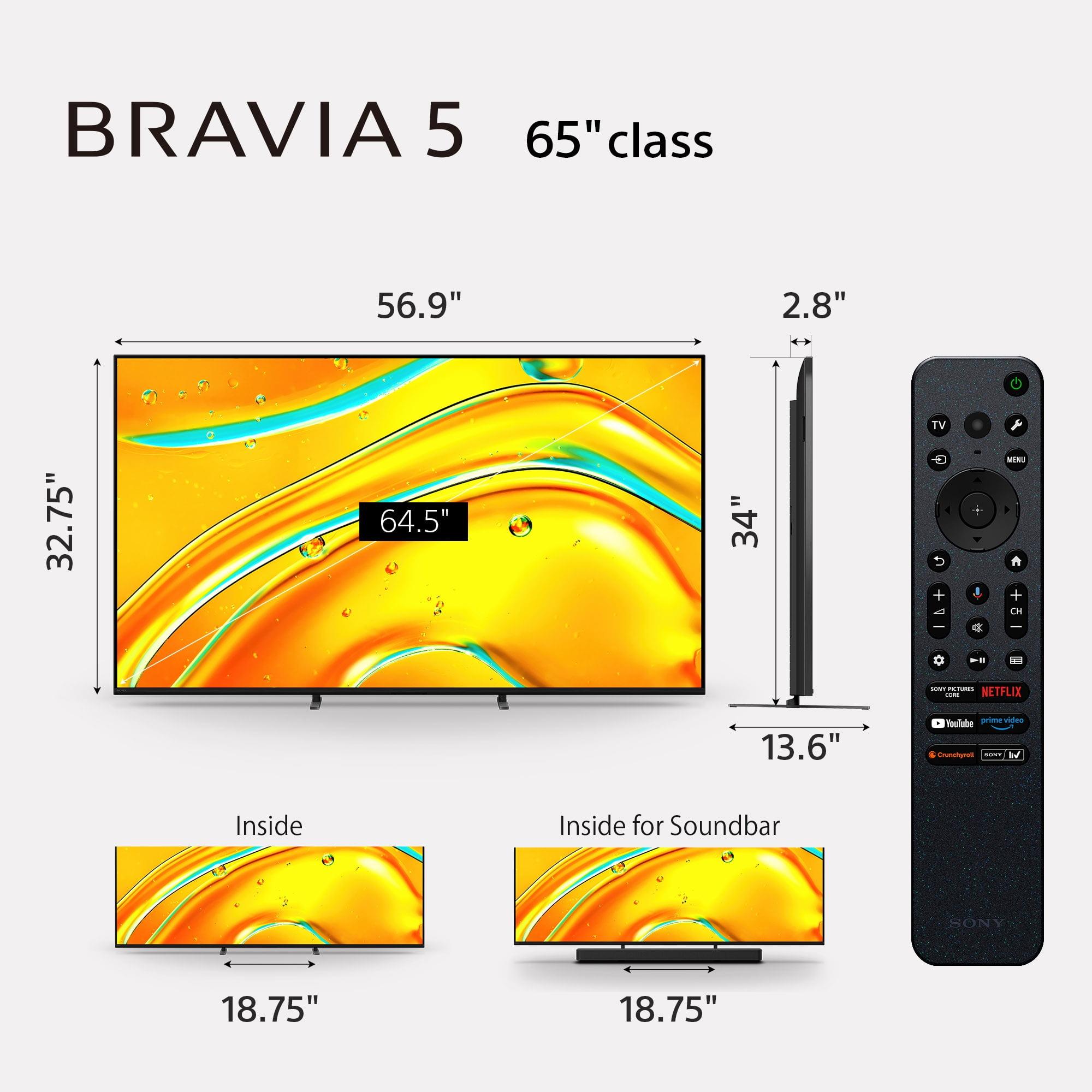
Shopping for a premium TV in 2025? Sony's released two compelling options that represent different approaches to achieving excellent picture quality. The Sony BRAVIA 8 II 65" QD-OLED 4K Google TV ($3,098) and the Sony BRAVIA 5 65" Mini LED 4K Google TV ($1,478) both launched in spring 2025, but they use completely different display technologies to deliver their impressive performance.
Understanding which TV is right for you comes down to more than just price—though that $1,620 difference certainly matters. It's about matching the technology to your viewing habits, room setup, and what you value most in a TV experience.
Modern premium TVs essentially fall into two camps: OLED (including QD-OLED) and advanced LCD with Mini LED backlighting. Each approach has distinct strengths that make them better suited for different situations.
The BRAVIA 8 II uses QD-OLED technology, which combines the perfect blacks of OLED with quantum dots for enhanced color and brightness. Think of it this way: each pixel can turn completely off (creating perfect black) while quantum dots boost color accuracy and vibrancy. Sony's 2025 QD-OLED panel is notably brighter than previous generations—about 25% brighter than their previous flagship A95L and 50% brighter than the standard BRAVIA 8 from 2024.
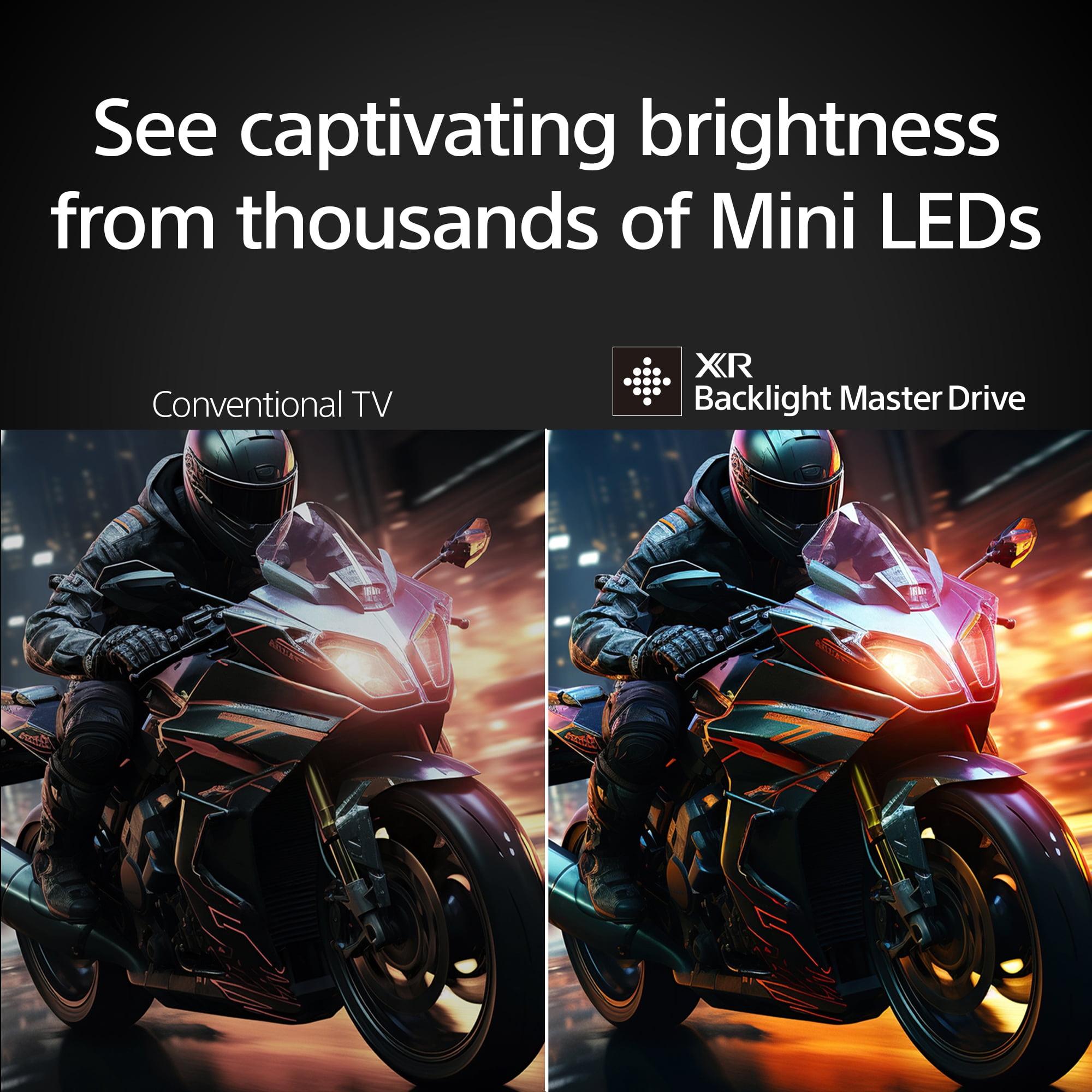
The BRAVIA 5, meanwhile, uses Mini LED LCD technology. Instead of individual pixels lighting themselves, it uses thousands of tiny LEDs behind the screen, organized into hundreds of dimming zones. These zones can dim or brighten independently, creating much better contrast than traditional LED TVs. Sony's 2025 Mini LED implementation includes up to six times more dimming zones than their previous X90L model, representing a significant upgrade in performance.
I've spent considerable time with both technologies, and the choice often comes down to your viewing environment and priorities. OLED excels in dark rooms where you can appreciate those perfect blacks, while Mini LED shines (literally) in bright living rooms where you need to combat daylight and overhead lighting.
The BRAVIA 8 II's QD-OLED panel delivers something truly special: infinite contrast. When a pixel needs to be black, it simply turns off completely. No backlight bleeding, no gray blacks—just pure darkness. This creates an almost three-dimensional image quality that makes content feel more lifelike.
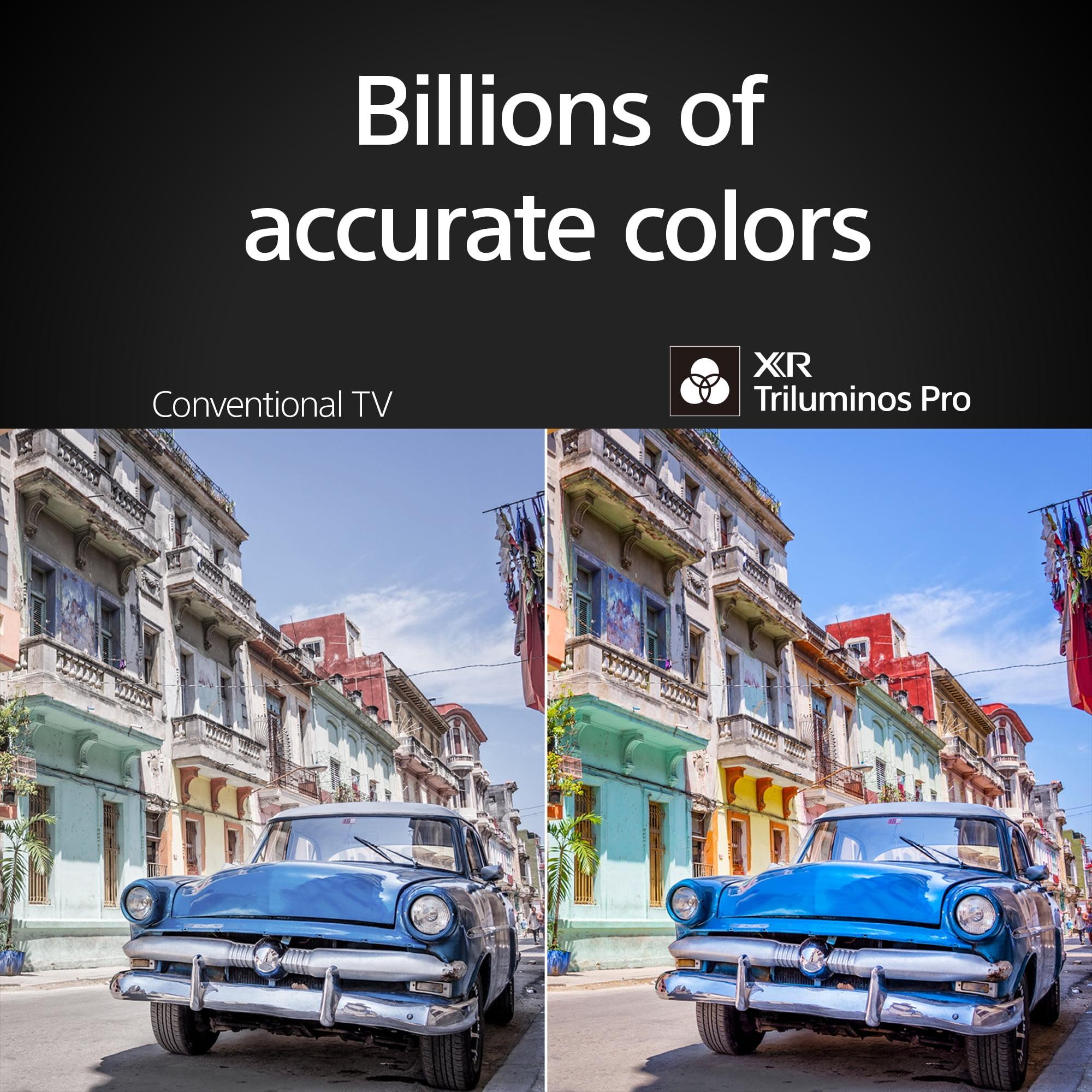
The quantum dot layer adds another dimension to the experience. Colors are not just accurate—they're vibrant in a way that feels natural rather than oversaturated. Skin tones look genuinely human, grass appears authentically green, and sunsets have that warm, golden quality you'd expect to see in person. Sony's XR Triluminos Max technology works with the quantum dots to display billions of colors with subtle gradients that create remarkably realistic images.
What impressed me most during testing was how the BRAVIA 8 II handles mixed content scenes—like a person standing in a doorway with bright sunlight behind them. The sunlight can be blazingly bright while the person's face remains naturally lit with perfect shadow detail. There's no compromise between highlights and shadows.
The BRAVIA 5 takes a different approach that works exceptionally well in challenging lighting conditions. Its Mini LED system can push much higher peak brightness levels than the BRAVIA 8 II, making HDR content pop even with windows open during the day.
Sony's XR Backlight Master Drive technology manages those hundreds of dimming zones with impressive precision. While you might occasionally notice some blooming (a slight halo effect around very bright objects on dark backgrounds), it's minimal and much better controlled than older LED TVs. The improvement over Sony's previous mid-range models is substantial—this isn't just a minor upgrade but a significant leap in local dimming capability.
For sports viewing, the BRAVIA 5's higher brightness gives it an edge. Stadium lighting looks brilliant, and details remain visible even in challenging broadcast conditions. The anti-reflective coating also helps maintain image quality when dealing with room reflections that would wash out darker displays.
HDR (High Dynamic Range) represents the biggest advancement in TV picture quality in recent years, and both TVs handle it well—but differently.
The BRAVIA 8 II reaches peak brightness around 1,880 nits, which might sound lower than some competitors, but here's what matters: it can hit those peaks precisely where needed while maintaining perfect blacks everywhere else. When you're watching a movie with a bright explosion against a night sky, that explosion will be brilliantly bright while the sky remains completely black. This targeted brightness creates more dramatic, realistic HDR effects.
The BRAVIA 5 can achieve higher overall brightness levels, making it better for rooms where ambient light might wash out darker displays. However, because it's still an LCD panel, it can't achieve the same precision—bright areas may cause some lightening of nearby dark areas due to the zone-based dimming system.
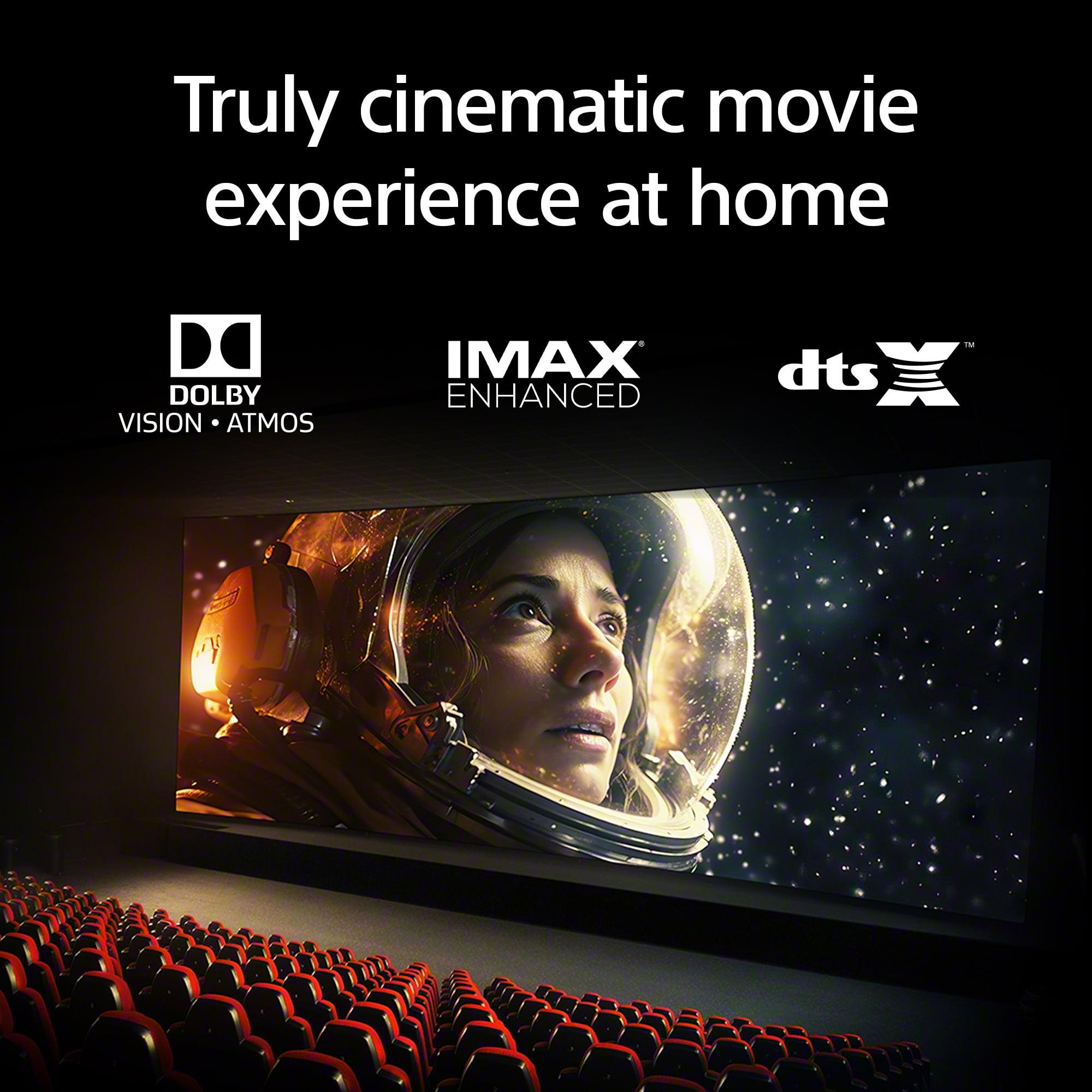
Both TVs support the major HDR formats: HDR10, Dolby Vision, and HLG. They also include Sony's studio calibration modes for Netflix, Prime Video, and Sony Pictures Core, ensuring you see content exactly as the creators intended.
Both the BRAVIA 8 II and BRAVIA 5 feature 120Hz native refresh rates and Sony's XR Motion Clarity technology, but they handle motion differently due to their underlying display technologies.
The BRAVIA 8 II's OLED pixels respond nearly instantaneously, creating incredibly smooth motion with minimal blur. Whether you're watching fast-paced action movies or sports, the clarity during movement is exceptional. I particularly noticed this during hockey games—the puck remains clearly visible even during the fastest plays.
The BRAVIA 5 handles motion well for an LCD display, but LCD pixels inherently have slower response times than OLED. For most content, this difference is minimal, but during extremely fast action sequences, you might notice slightly more motion blur. However, for typical TV viewing—including most sports—the difference is negligible.
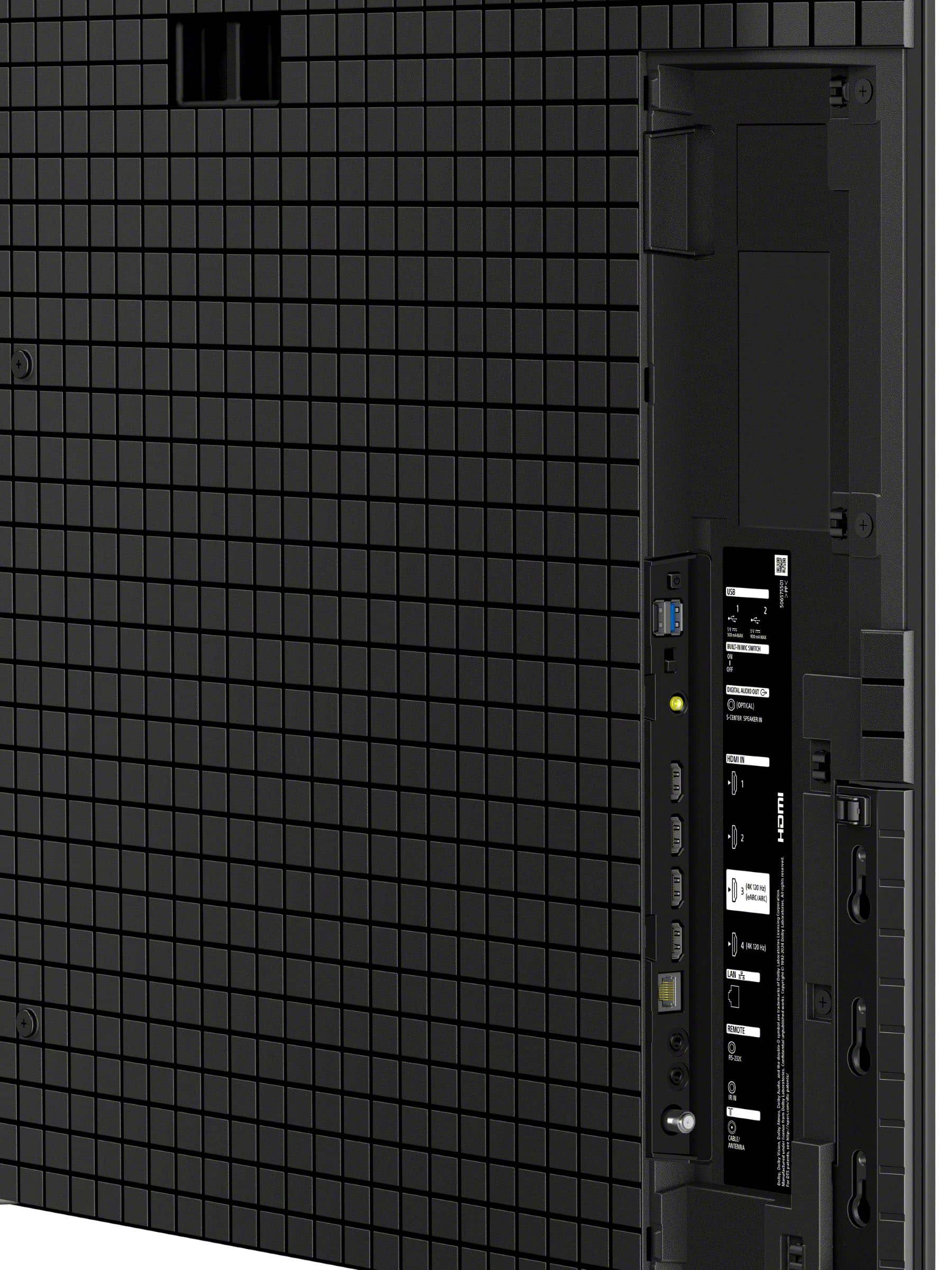
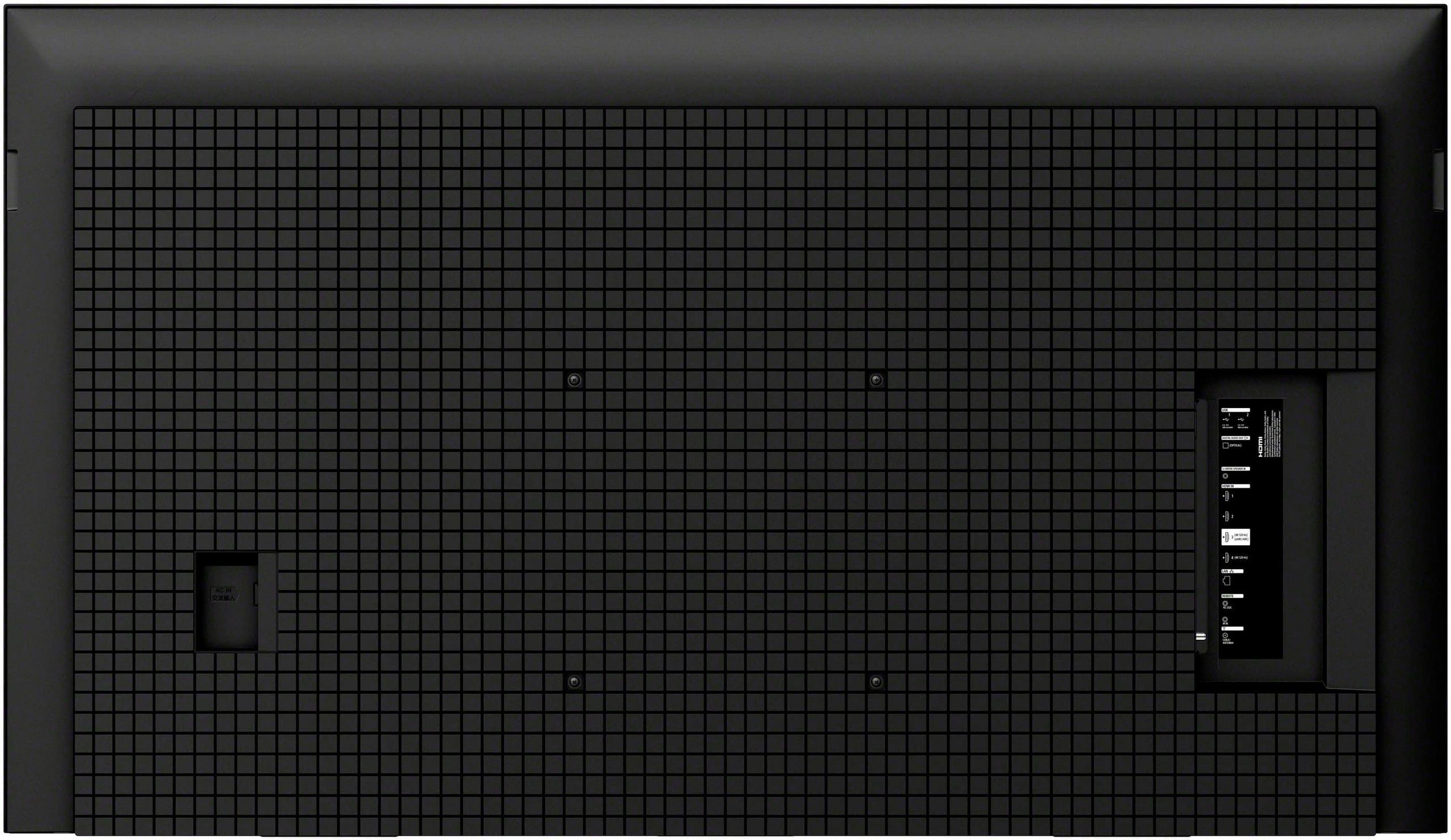
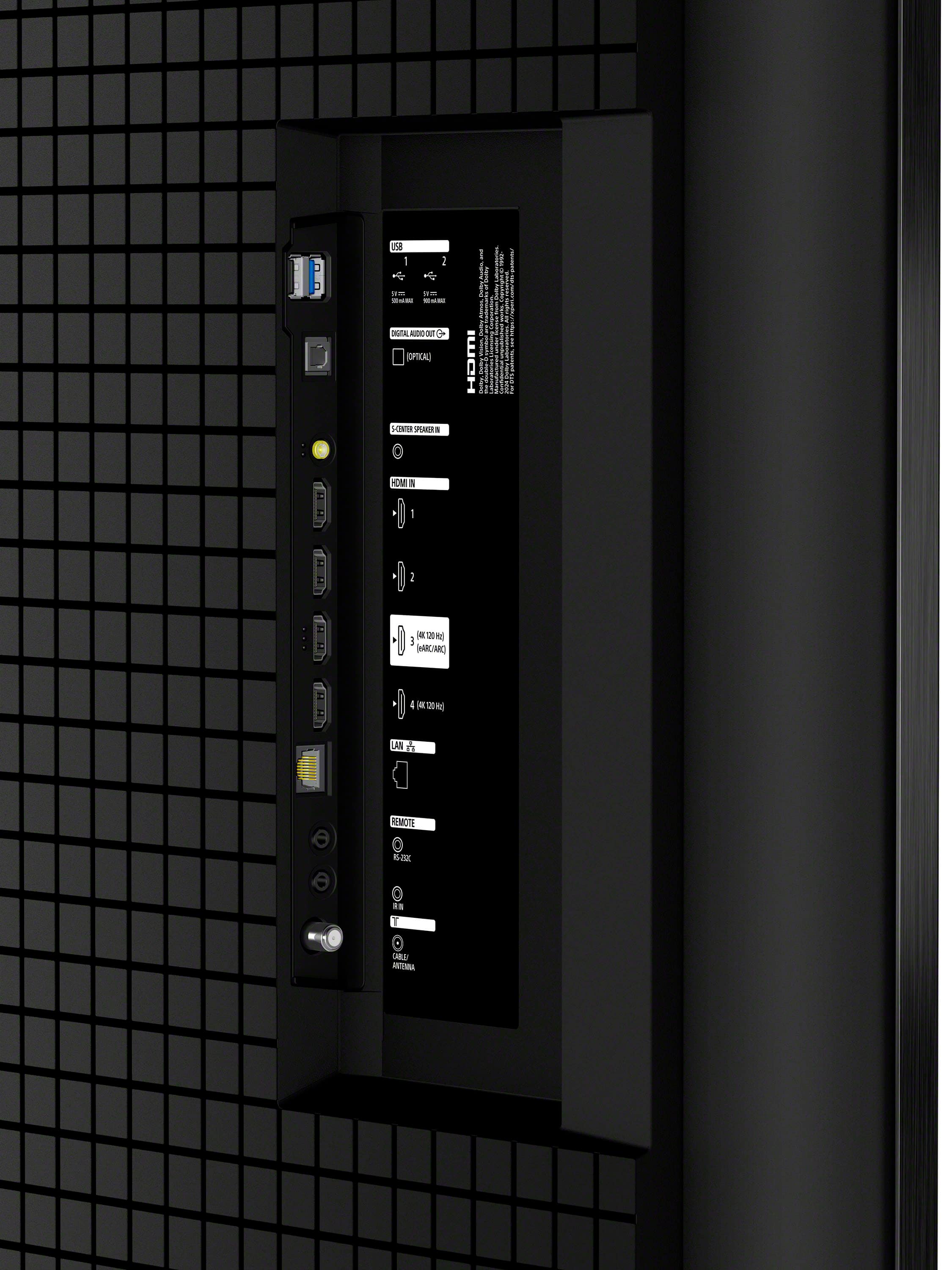
Both TVs arrived in 2025 with serious gaming credentials, supporting the latest HDMI 2.1 features that modern consoles demand.
Key gaming features on both models include:
The BRAVIA 8 II offers some unique advantages for gaming. Those perfect blacks make dark game environments more immersive—think exploring caves in adventure games or playing horror titles where atmosphere matters. There's also no blooming around bright UI elements, keeping interfaces clean and readable.
However, the BRAVIA 5 has one significant advantage for serious gamers: no burn-in risk. OLED displays can potentially suffer permanent image retention if static elements (like game HUDs or pause screens) remain on screen for extended periods. While modern OLEDs have features to minimize this risk, the BRAVIA 5 eliminates the concern entirely.
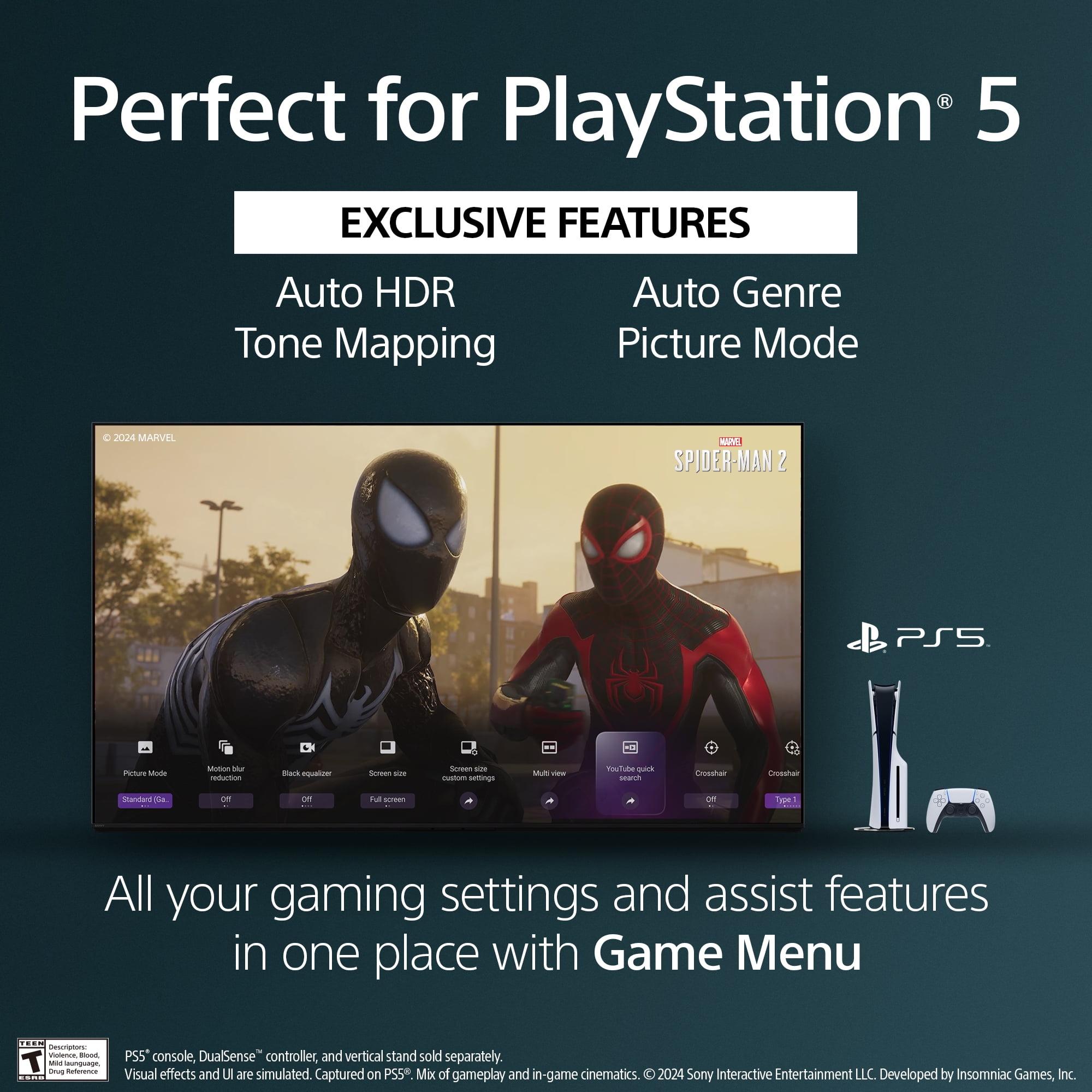
Both TVs offer special integration with PlayStation 5, including Auto HDR Tone Mapping and Auto Genre Picture Mode, which automatically optimizes settings for different types of games.
This is where the BRAVIA 8 II truly differentiates itself. Sony's Acoustic Surface Audio+ technology turns the entire screen into a speaker using actuators behind the panel. Sound literally comes from where the action is happening on screen—dialogue from an actor's mouth, explosions from their exact location. It's remarkably immersive and eliminates the disconnect you often feel with traditional TV speakers mounted below the screen.
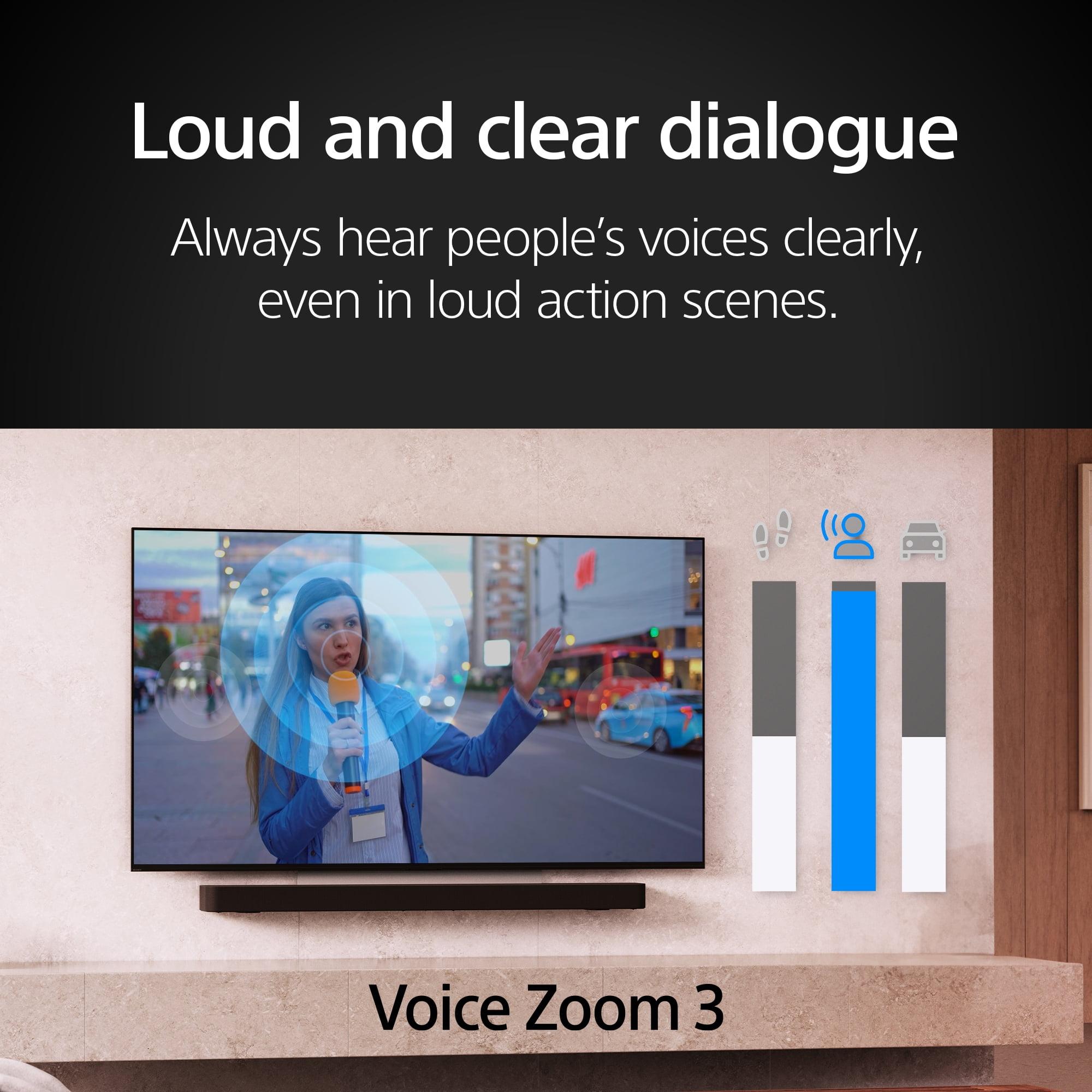
The system includes dual subwoofers built into the TV, providing surprisingly robust bass for such a slim display. Voice Zoom 3 uses AI to enhance dialogue clarity, making it easier to understand speech even during loud action scenes.
The BRAVIA 5 uses more traditional Acoustic Multi Audio with downward-firing speakers. While it includes the same Voice Zoom 3 technology and supports Dolby Atmos, it can't match the positional accuracy and immersion of the 8 II's screen-based audio system.
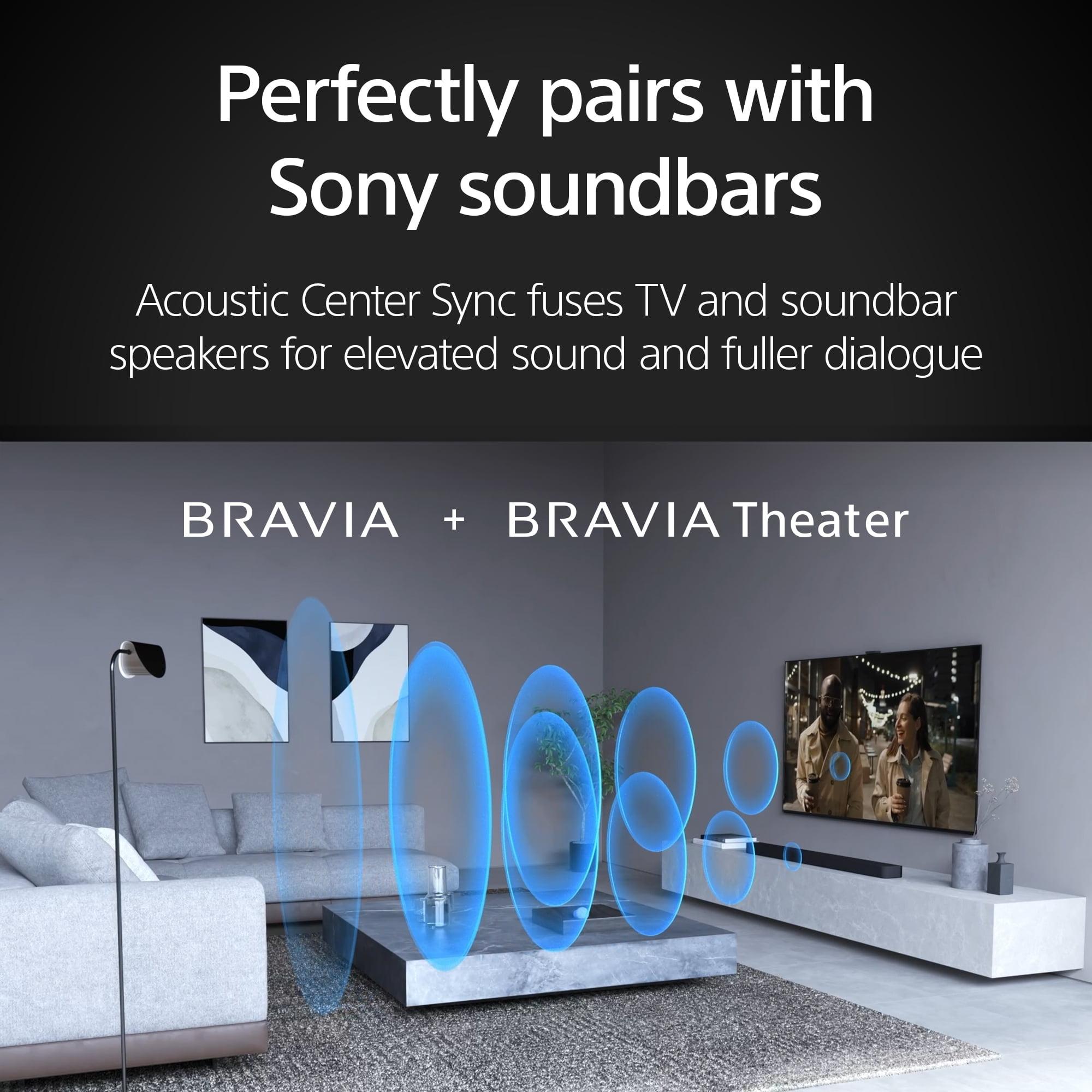
Both TVs support Acoustic Center Sync, allowing them to work as a center channel when paired with compatible Sony soundbars—a unique feature that can enhance your home theater setup without requiring you to disable the TV's built-in speakers.
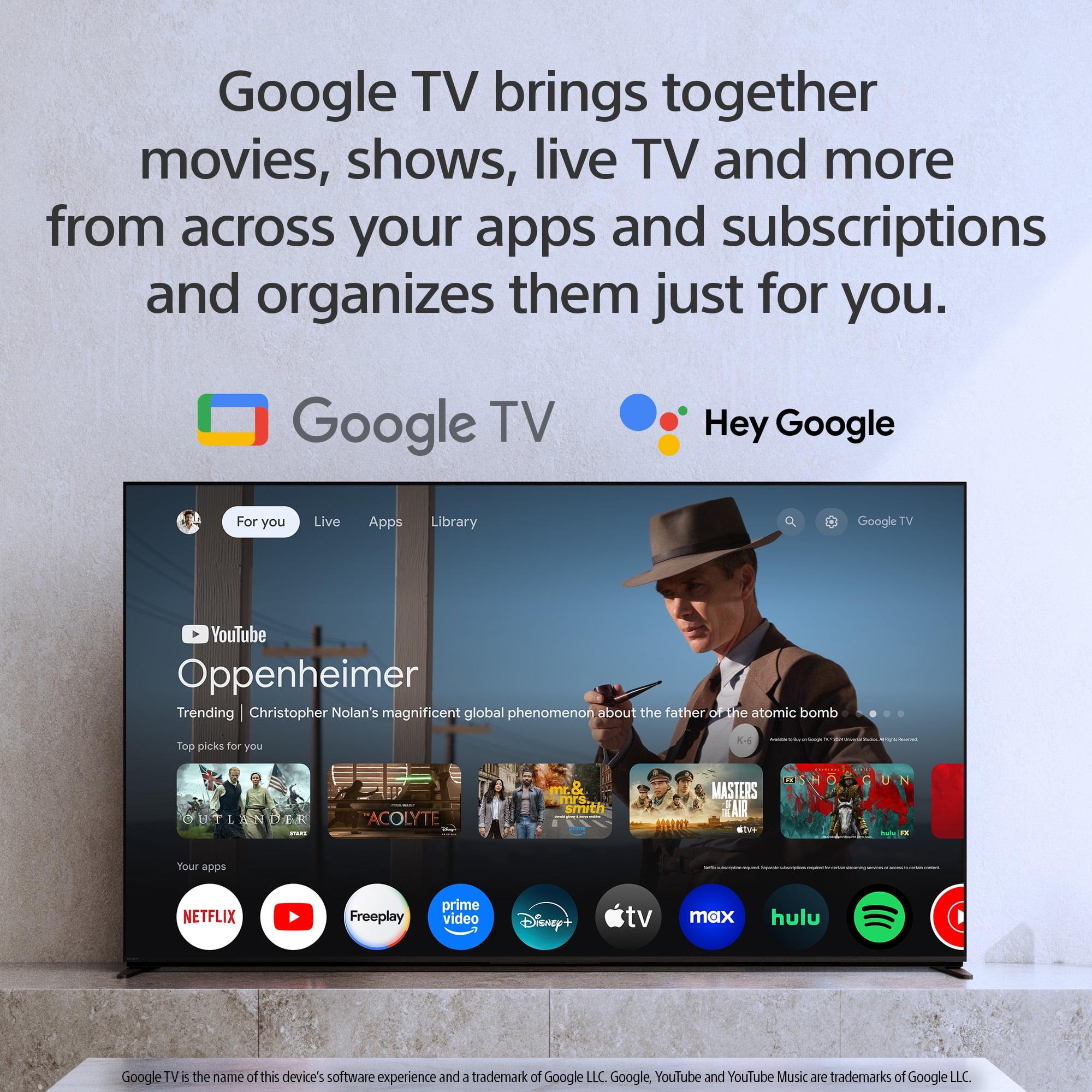
Both models run Google TV OS version 12, providing access to all major streaming services with a clean, customizable interface. Google Assistant is built-in for voice control, and both TVs support Apple AirPlay 2 and Google Cast for wireless streaming from mobile devices.
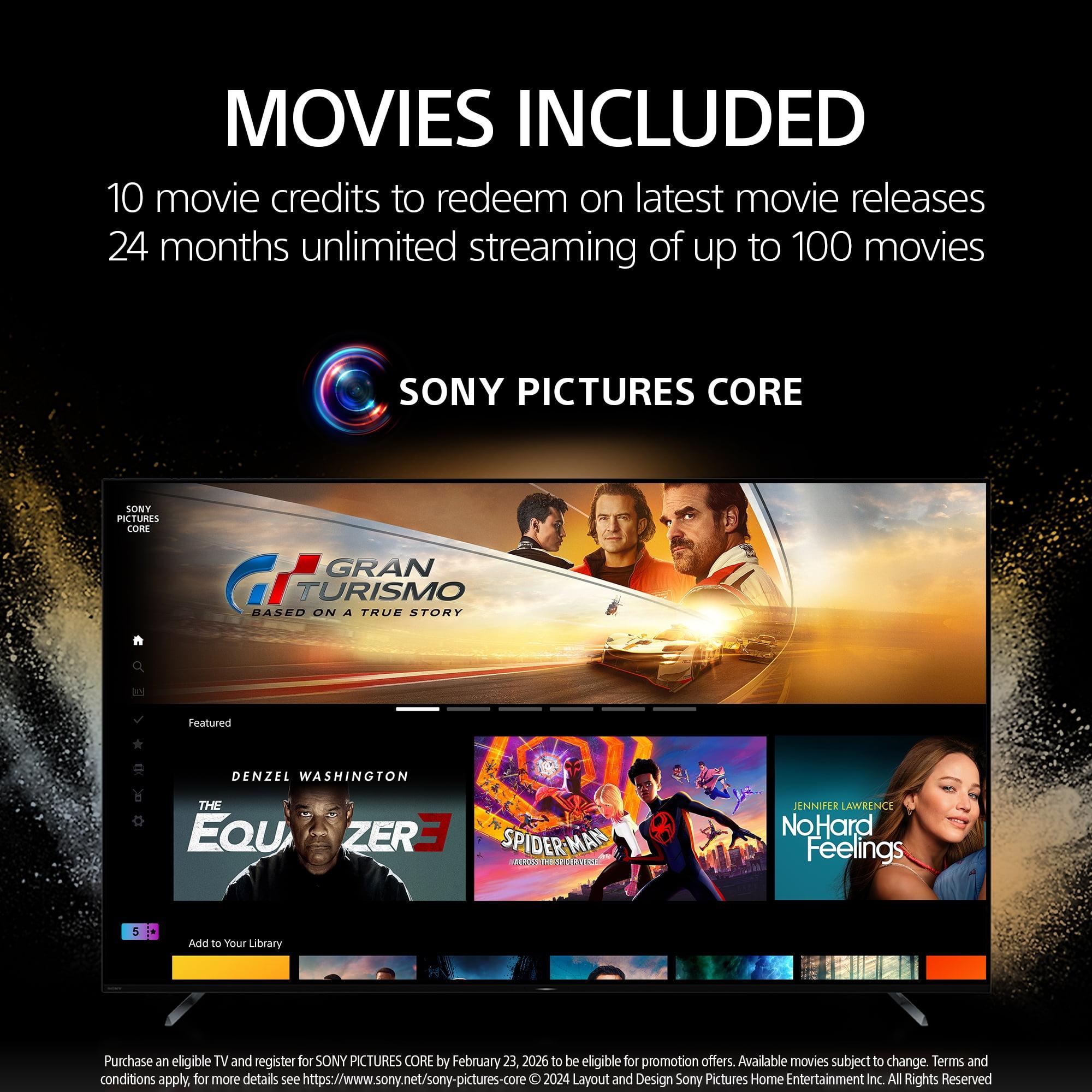
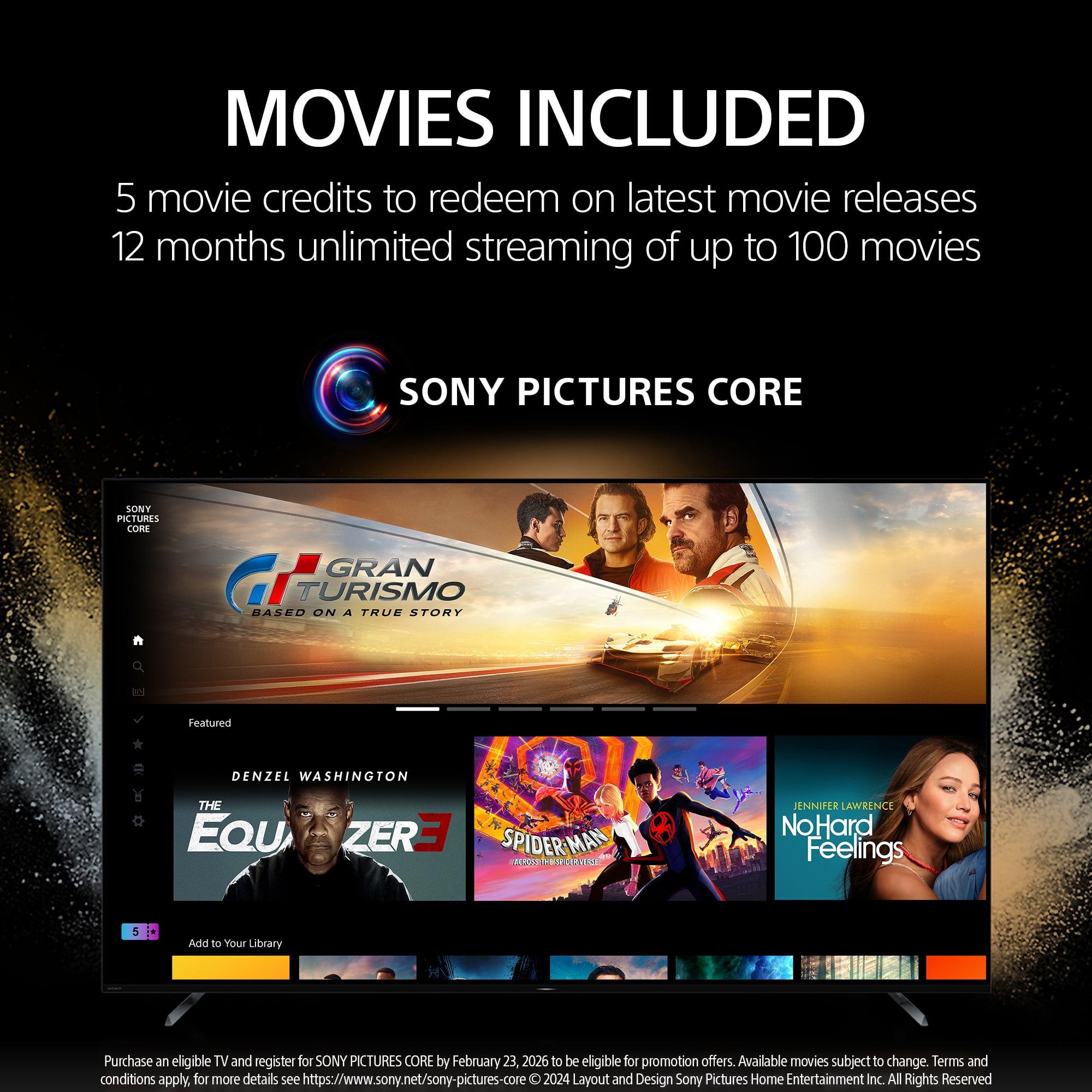
Sony's studio calibration modes automatically optimize picture settings for Netflix, Prime Video, and Sony Pictures Core content, ensuring you see movies and shows as their creators intended. The BRAVIA 8 II also includes two years of Sony Pictures Core with 10 credits for new movie releases.
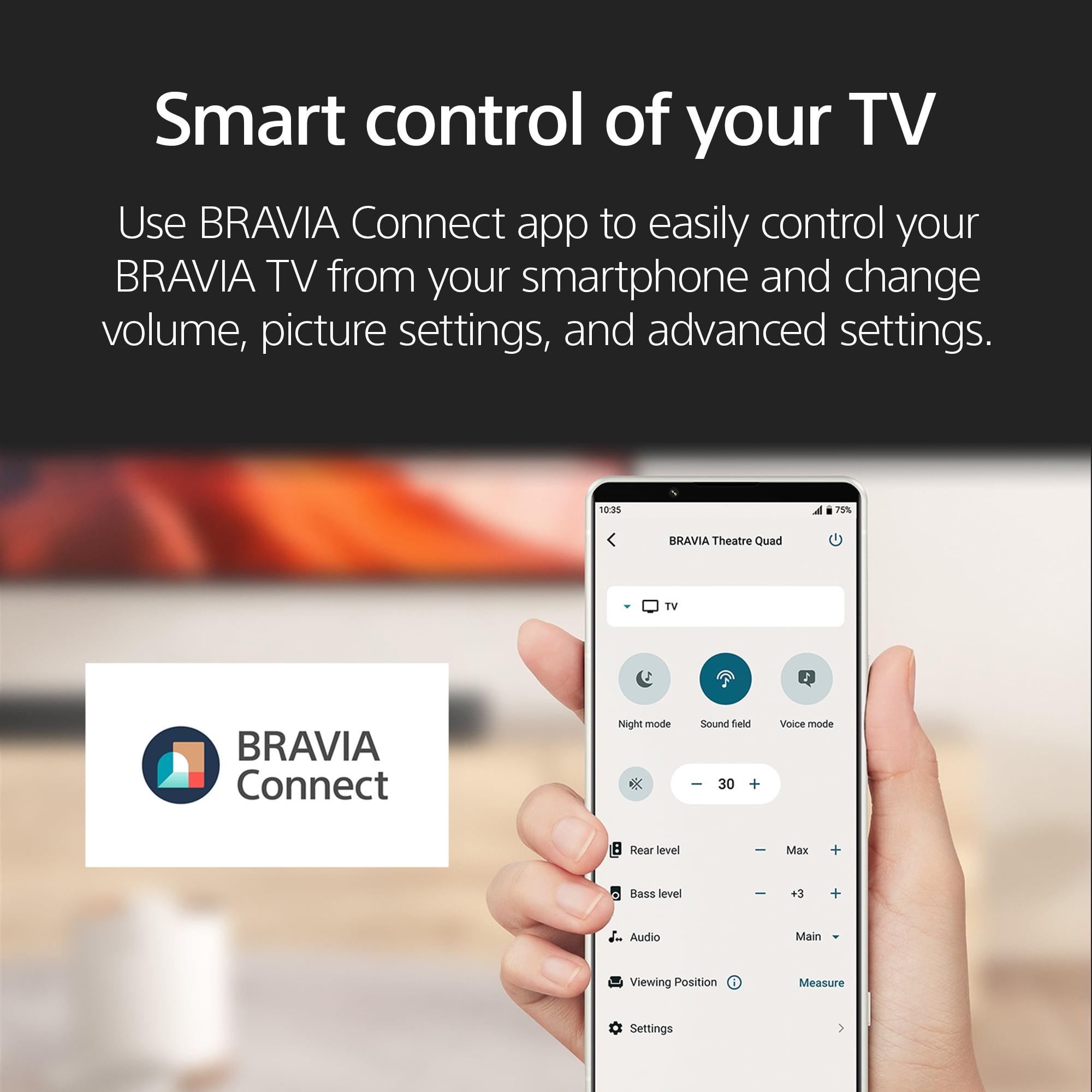
The BRAVIA Connect smartphone app allows easy control and setup for both models, and the interface feels responsive and well-designed on both TVs.
For dedicated home theater use, the BRAVIA 8 II has clear advantages. Its perfect blacks and superior contrast create a more cinematic experience, especially in light-controlled environments. The Acoustic Surface Audio+ technology enhances immersion without requiring immediate investment in external speakers.
However, if your "home theater" is actually a family room with windows and ambient lighting, the BRAVIA 5's higher brightness and better reflection handling might serve you better. It's also worth considering that many home theater enthusiasts eventually add external audio systems, which somewhat negates the 8 II's built-in audio advantage.
Both TVs offer excellent upscaling for older content, so your DVD collection and streaming services will look better than ever. The XR Processor in both models uses AI to analyze and enhance content in real-time, reducing noise and sharpening details.
Here's where the decision gets interesting. The BRAVIA 5 costs $1,478 while the BRAVIA 8 II is $3,098—that's a 110% price premium for the OLED model.
The BRAVIA 5 delivers roughly 80% of the picture quality for 47% of the price. For most viewers in most situations, it provides excellent performance that will satisfy for years. The Mini LED upgrade over Sony's previous mid-range models is substantial, making this a significant step up from older TVs.
The BRAVIA 8 II represents Sony's absolute best, with perfect blacks, superior color accuracy, and unique audio technology. Whether that's worth the premium depends on your priorities and budget.
Choose the BRAVIA 8 II QD-OLED if you:
Choose the BRAVIA 5 Mini LED if you:
Both TVs represent significant achievements in Sony's 2025 lineup. The BRAVIA 5 democratizes premium TV technology, bringing advanced Mini LED performance to a more accessible price point. The BRAVIA 8 II pushes the boundaries of what's possible in home display technology.
For most buyers, the BRAVIA 5 offers exceptional value and performance that will exceed expectations. The BRAVIA 8 II is worth its premium only if you specifically value perfect blacks, want Sony's absolute best, and have the budget for a flagship experience.
Either choice will deliver years of excellent viewing, but understanding these differences ensures you'll pick the TV that best matches your specific needs and viewing environment.

Privacy Policy
Terms and Conditions - Affiliate Policy
Home Security
© Copyright 2008-2026.
11816 Inwood Rd #1211, Dallas, TX 75244