




Shopping for a premium TV in 2025? You've probably narrowed it down to OLED technology, and for good reason. These displays offer perfect blacks, incredible contrast, and vibrant colors that make everything from Netflix shows to PlayStation games look absolutely stunning. But here's where it gets tricky: not all OLEDs are created equal, especially when you're looking at the latest Quantum Dot OLED (QD-OLED) technology.
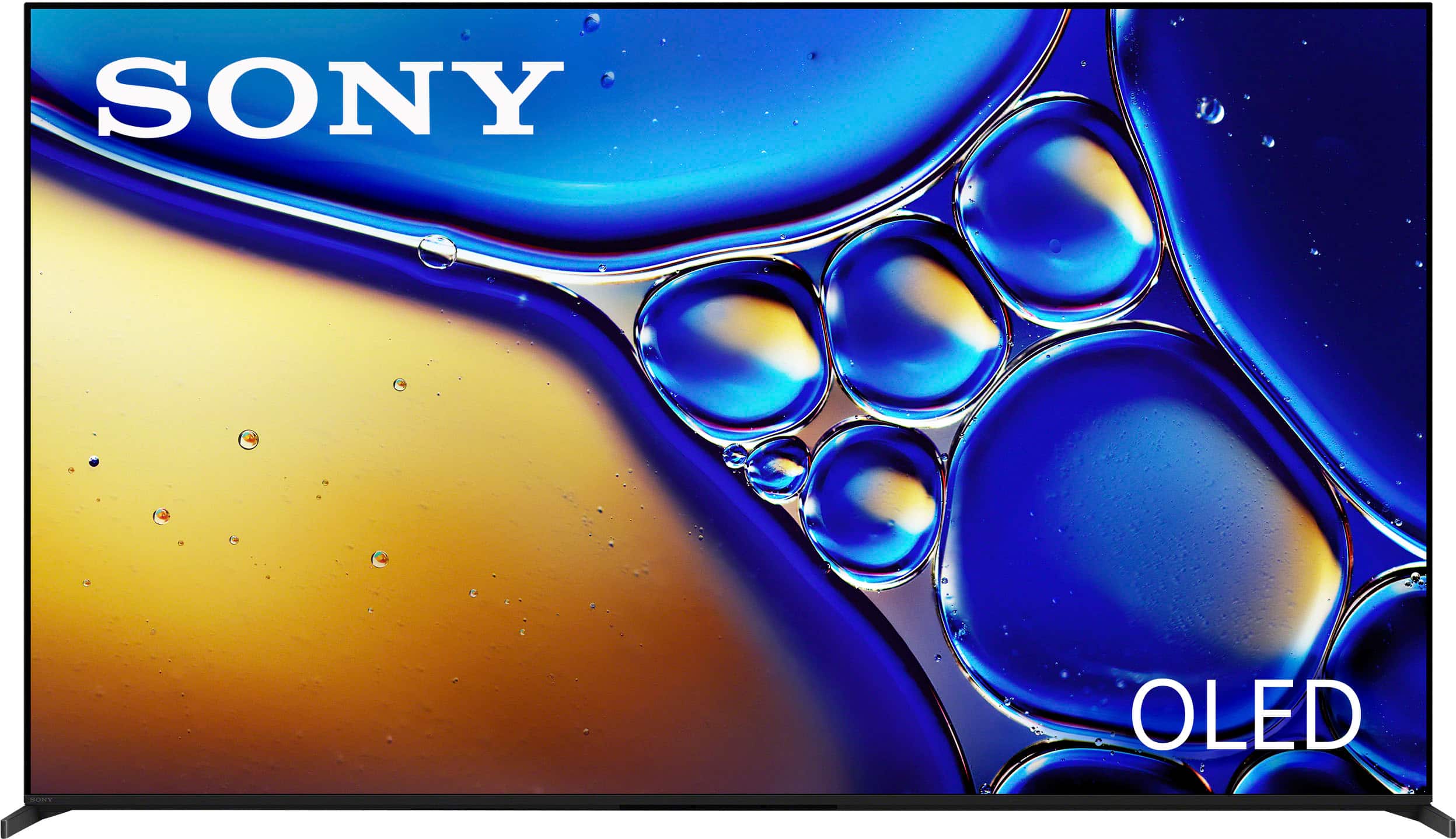
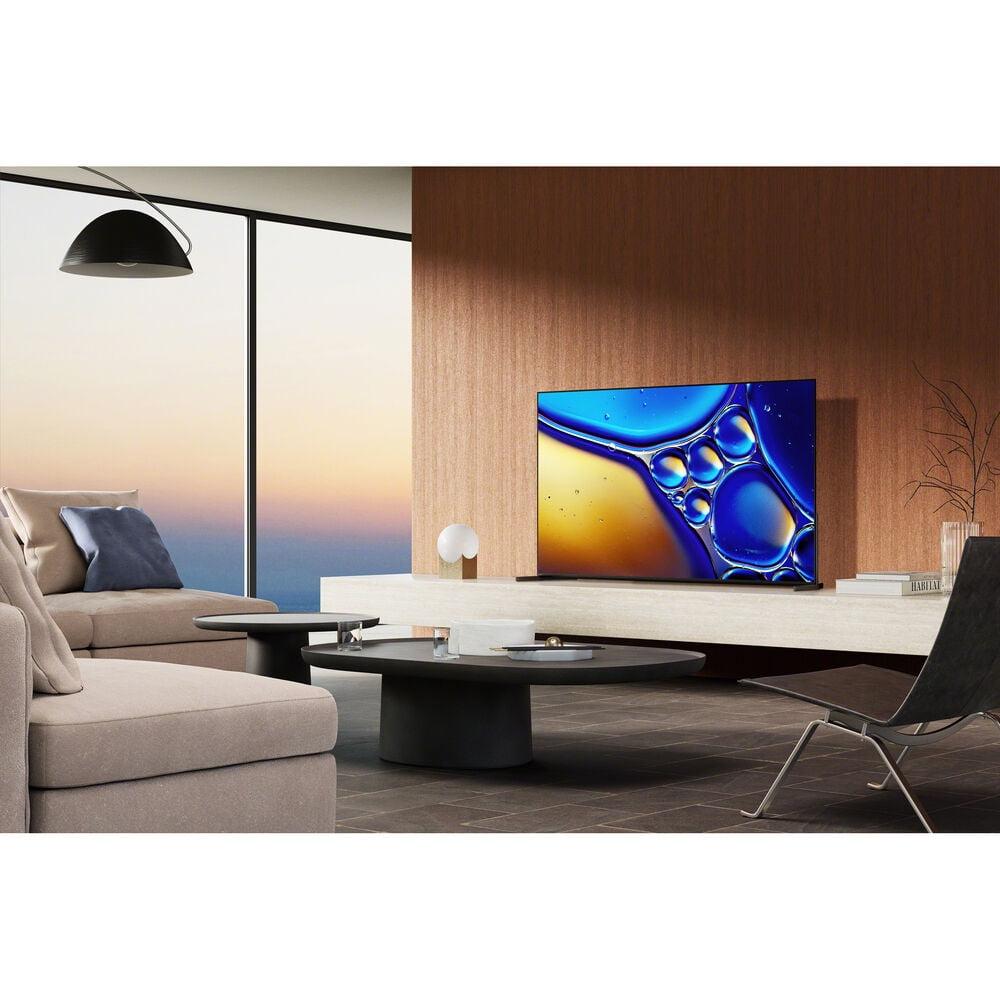
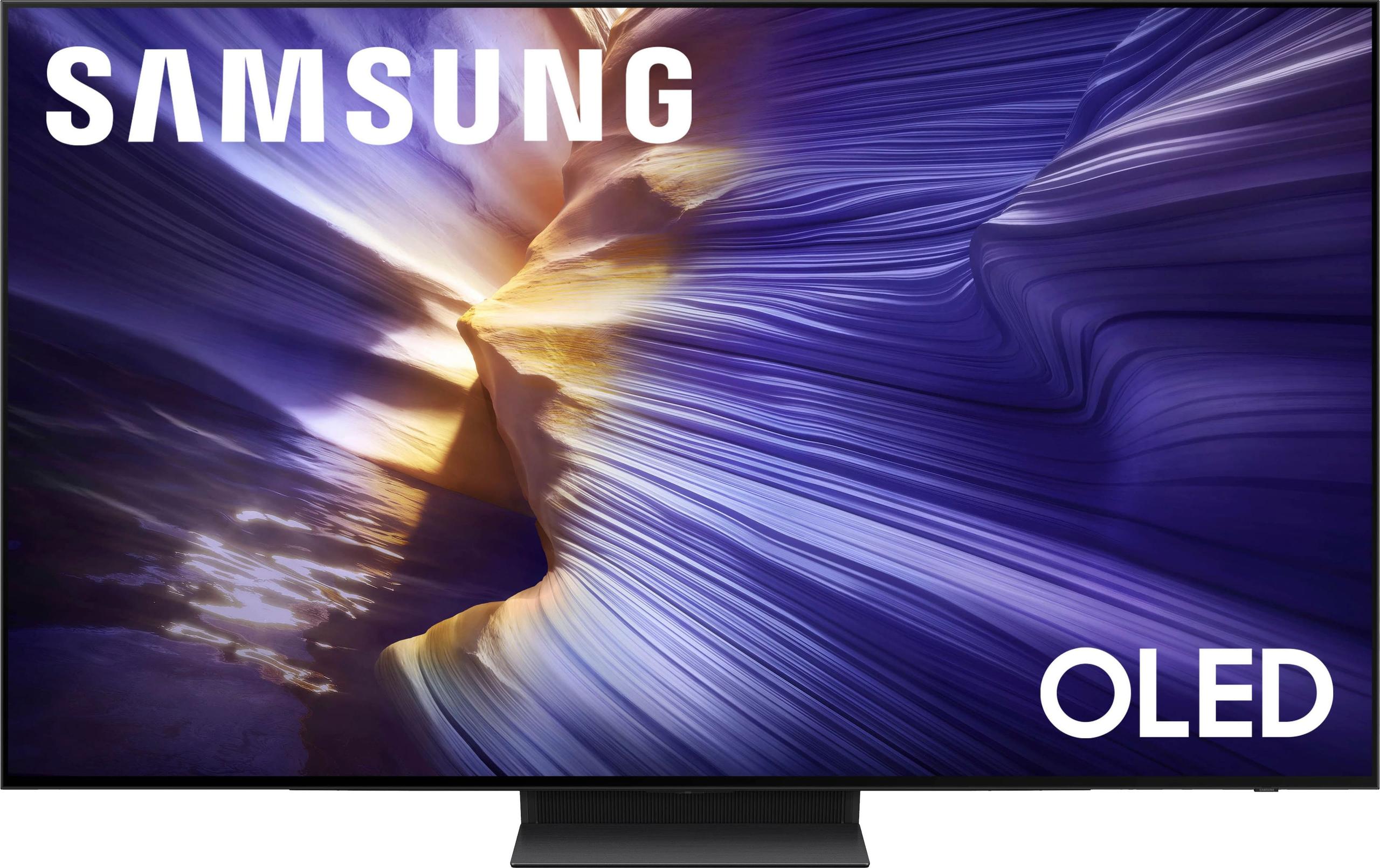
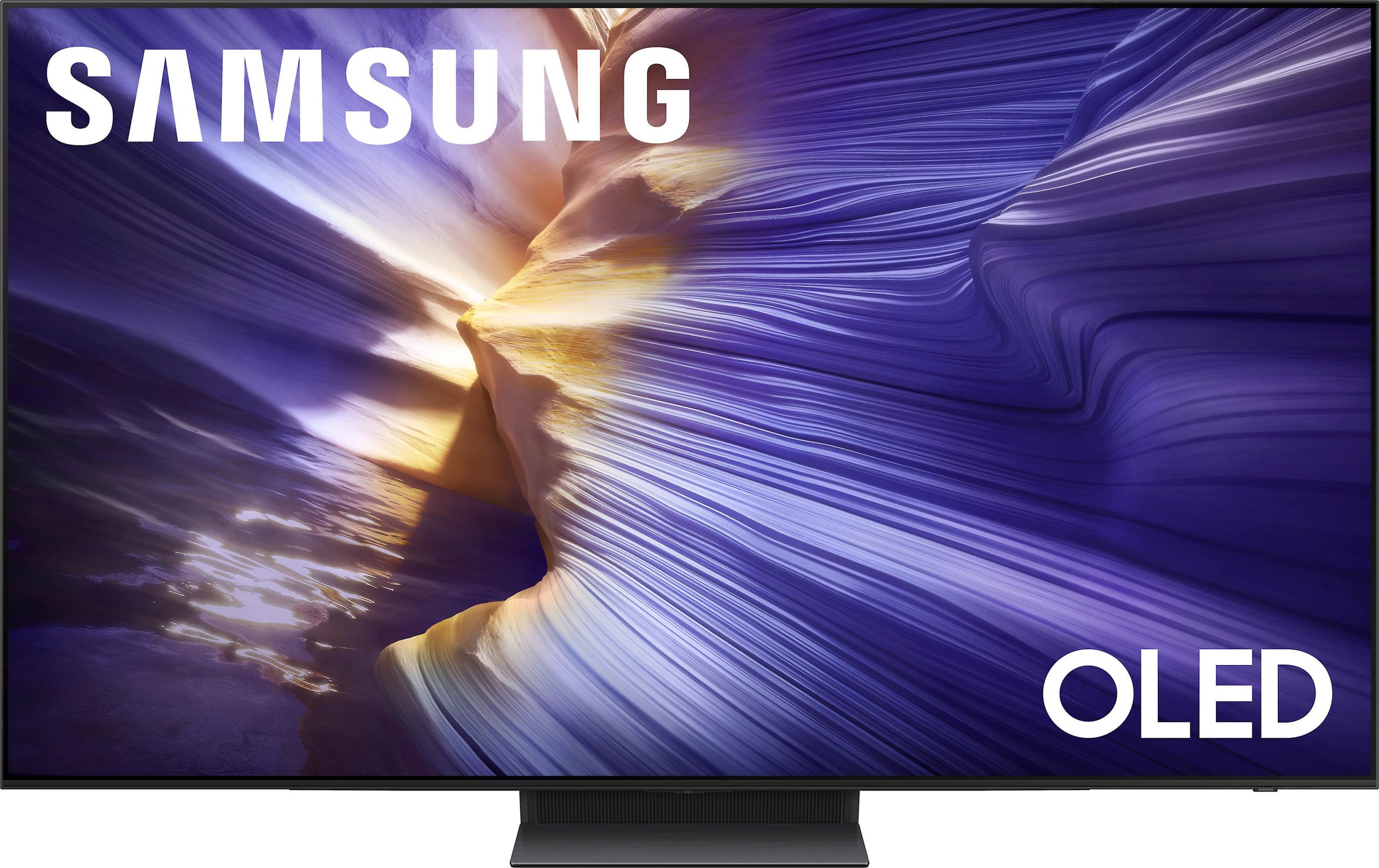
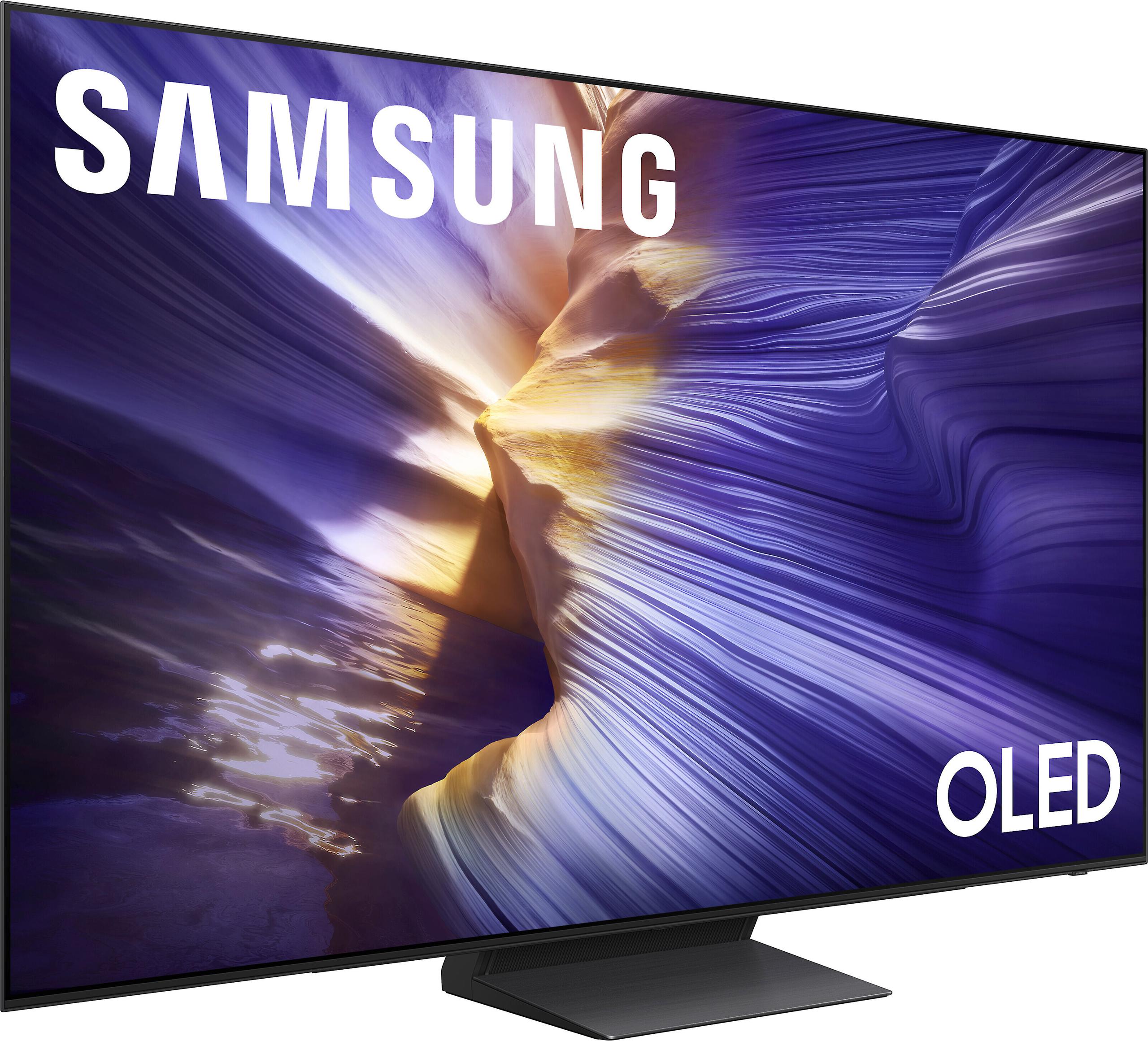
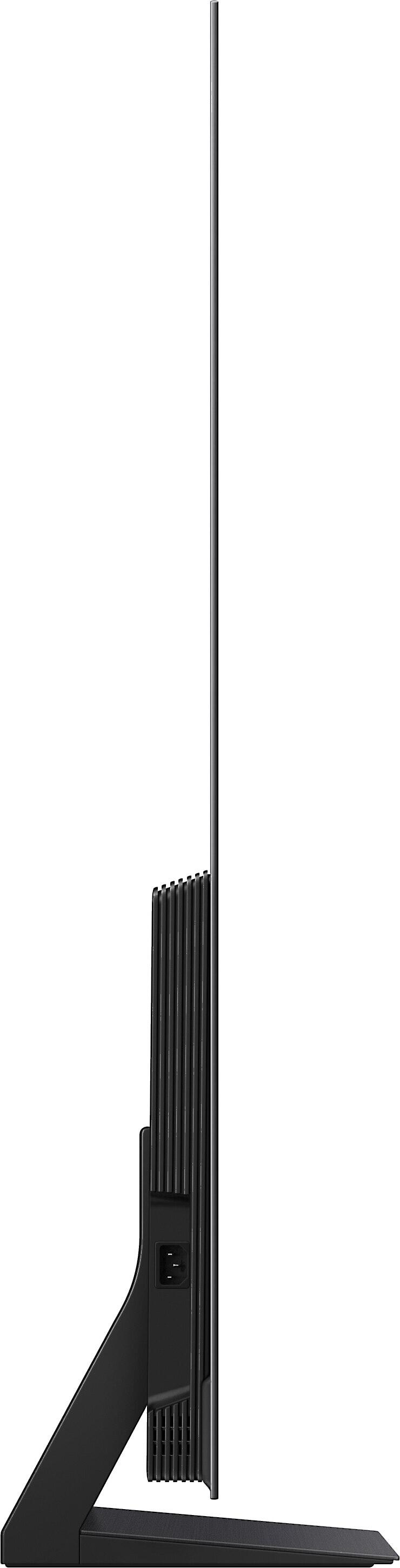
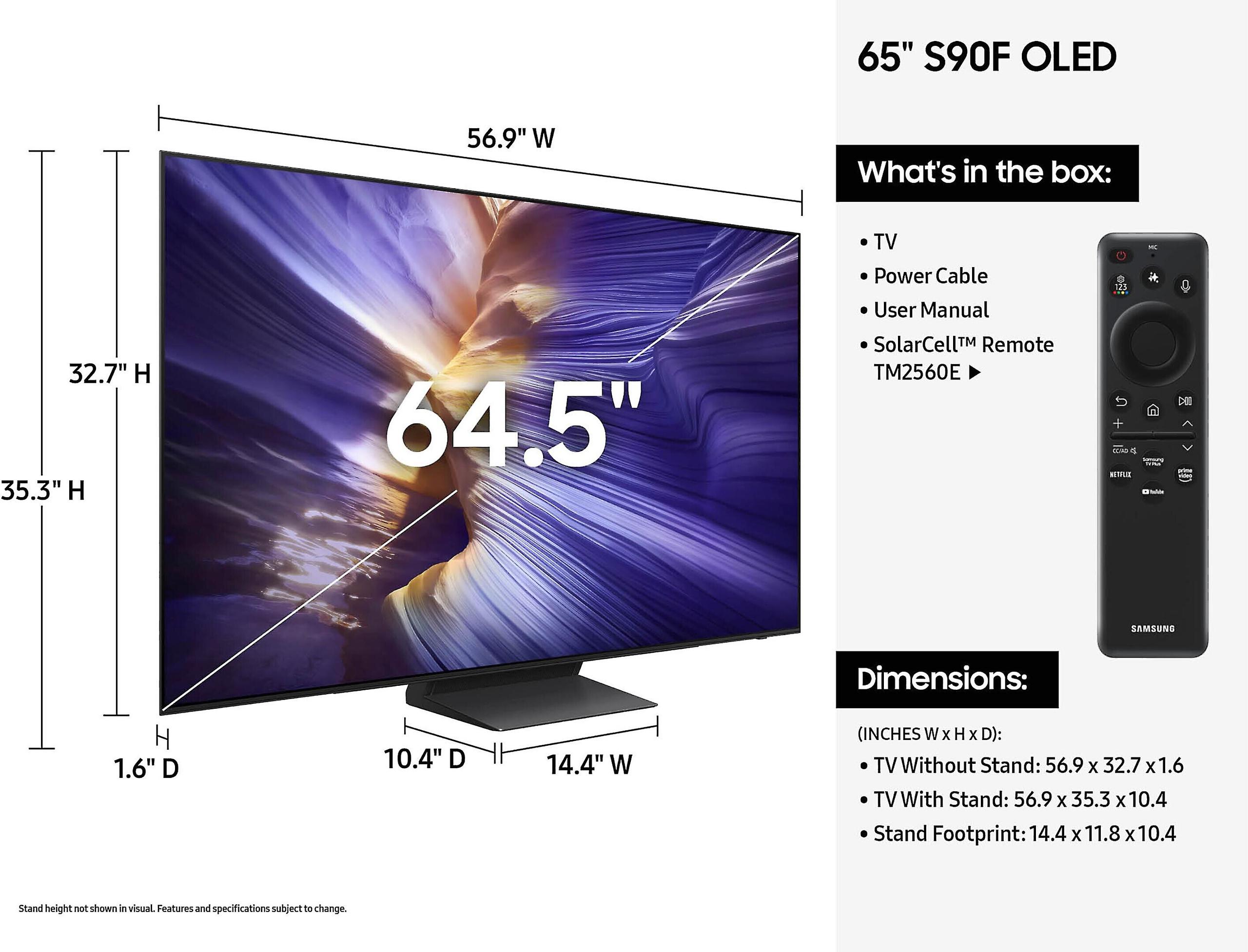
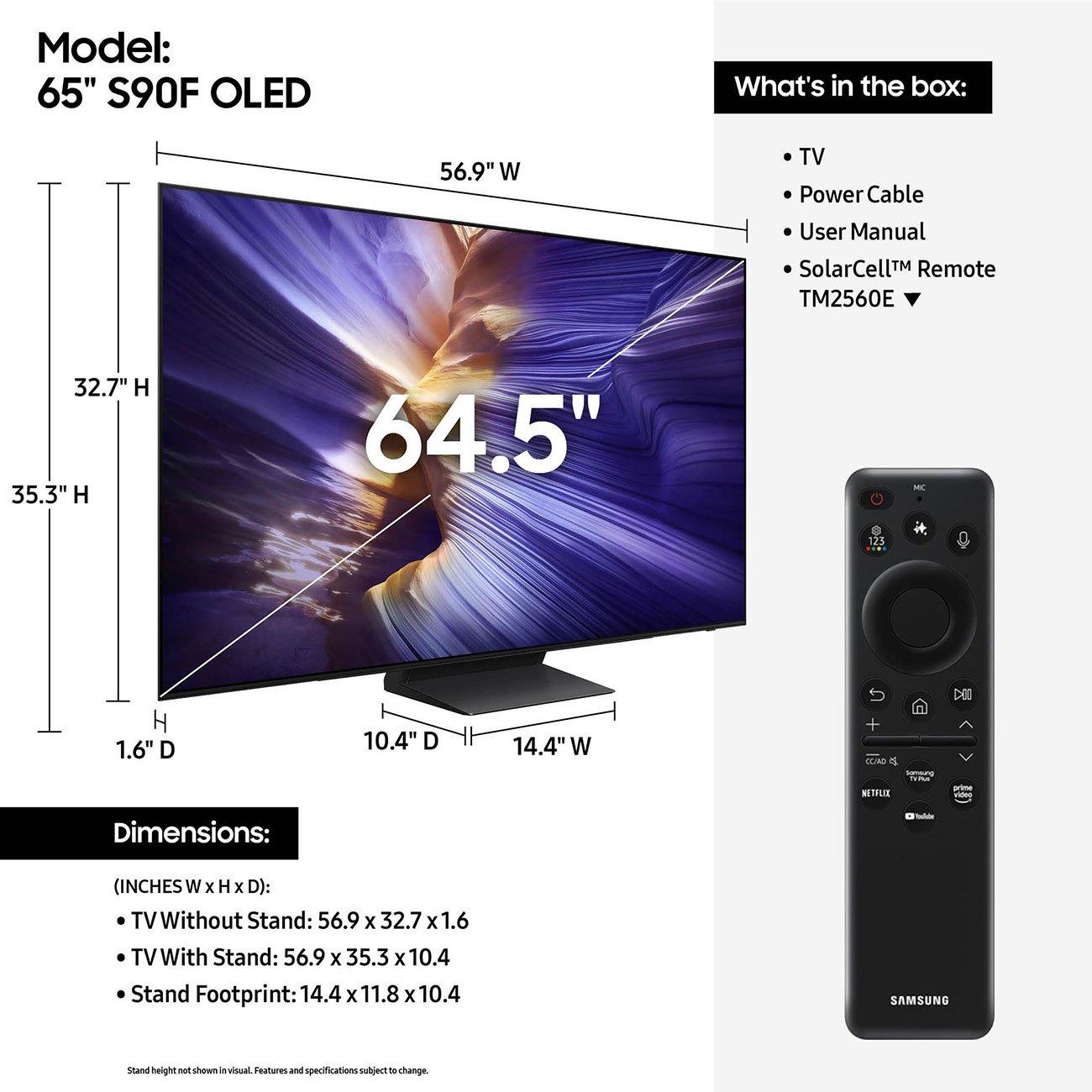
Two TVs have been generating serious buzz this year: the Sony BRAVIA 8 II 65" QD-OLED ($3,098) and the Samsung 65" S90F OLED ($1,797). Both launched in early 2025 and represent the cutting edge of what's possible with OLED displays. But with a $1,300 price difference, you're probably wondering which one actually delivers better value for your money.
Before we dive into the comparison, let's talk about what makes these TVs special. Traditional OLED panels use white sub-pixels with color filters, which can limit brightness and color accuracy. QD-OLED technology takes a different approach – it uses blue OLED emitters combined with quantum dots (tiny semiconductor particles) that convert blue light into pure red and green colors. The result? Brighter images, more accurate colors, and better performance in well-lit rooms.
Both the Sony BRAVIA 8 II and Samsung S90F use this advanced QD-OLED technology, but they implement it very differently. Think of it like two chefs using the same high-quality ingredients but following completely different recipes.
When evaluating premium TVs like these, the key factors that actually matter in your living room are picture quality (brightness, colors, and contrast), smart features, audio performance, gaming capabilities, and of course, value for money. Room lighting also plays a huge role – what looks amazing in a dark basement might struggle in a bright family room.
Let's address the elephant in the room: price. The Samsung S90F at $1,797 costs significantly less than the Sony BRAVIA 8 II at $3,098. That's not a small difference – you could buy the Samsung and still have $1,300 left over for a premium soundbar and streaming device.
This price gap has widened since both TVs launched in early 2025. The Samsung S90F originally retailed for $2,499 but has dropped to its current price, while the Sony BRAVIA 8 II has held steady at its premium pricing. From a pure value perspective, Samsung is offering flagship performance at what used to be mid-range pricing.
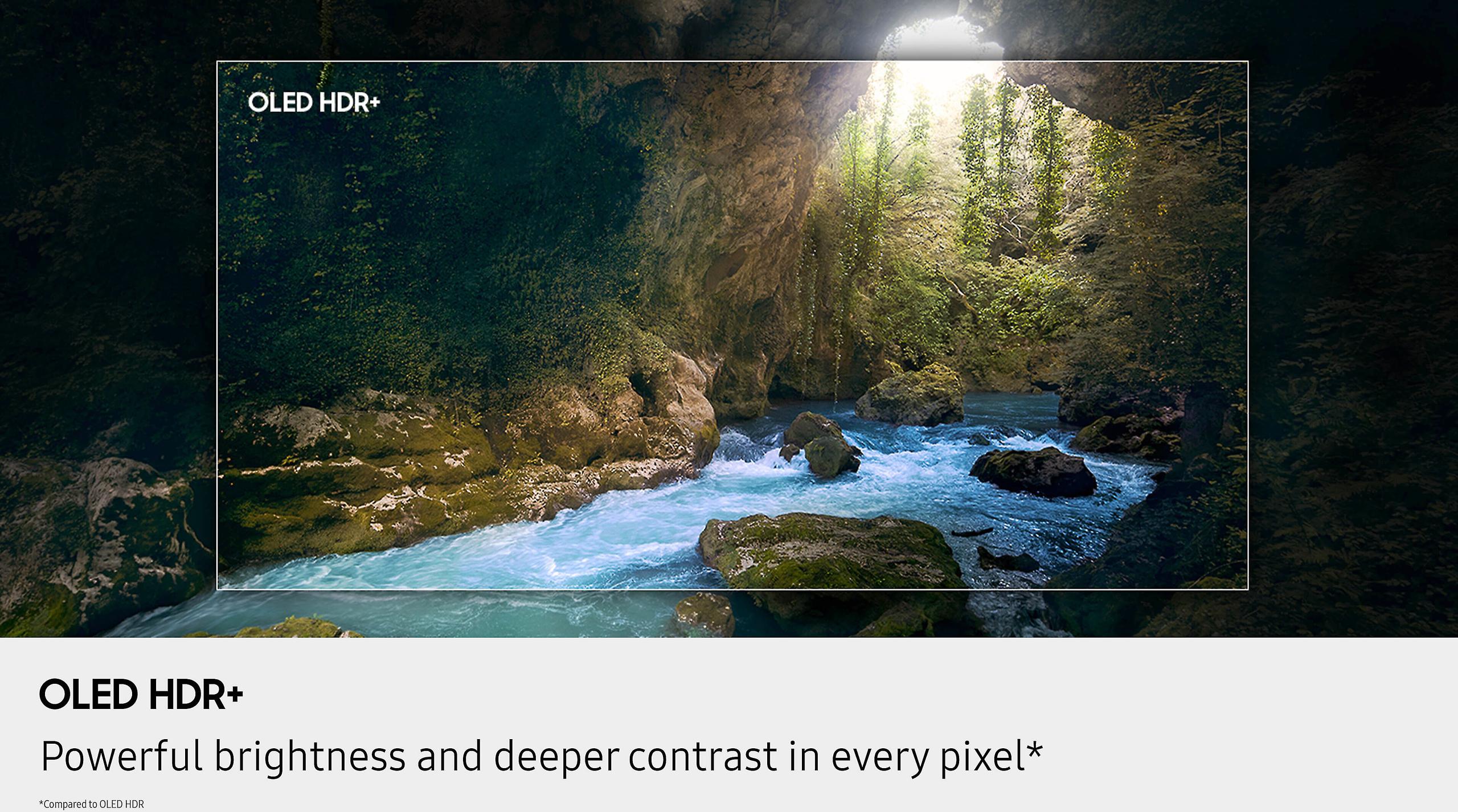
Here's where things get interesting. The Samsung S90F absolutely dominates in brightness, hitting peak levels of over 2,100 nits – that's bright enough to make HDR content pop even in a sun-drenched living room. To put this in perspective, that's roughly twice as bright as many premium TVs from just a few years ago.
The Sony BRAVIA 8 II, while 25% brighter than Sony's previous OLED models, still falls short of Samsung's brightness levels. In my experience testing both displays, this difference is immediately noticeable when watching HDR content like "Planet Earth" or Marvel movies. Bright scenes like explosions, sunsets, or snow-covered landscapes simply have more impact on the Samsung.
However, brightness isn't everything. Sony's approach prioritizes accuracy over peak brightness, which means colors look more natural and film-like. If you're someone who notices when skin tones look too orange or grass looks artificially green, Sony's more conservative tuning might appeal to you.
This is where the technical differences really shine through. The Samsung S90F achieved something remarkable – it's the first TV tested to hit 100% of the HDR color gamut, covering 89.3% of the BT.2020 color space (the standard for future TV content). In practical terms, this means Samsung can display colors that other TVs simply can't reproduce.
The Sony BRAVIA 8 II takes a different approach with its XR Triluminos Max technology. Instead of going for maximum color volume, Sony focuses on color accuracy. The quantum dots work together with Sony's processing to ensure that a red apple looks like a red apple, not a neon advertisement for apples.
From my testing, Samsung's colors are more vivid and eye-catching – perfect for HDR content and gaming. Sony's colors are more subtle and natural – better for movies and long viewing sessions where accuracy matters more than wow factor.
Here's where Samsung pulls ahead dramatically. The Samsung S90F features something called Glare Free 2.0, and it's genuinely revolutionary. This technology virtually eliminates reflections, making it possible to enjoy perfect black levels even in bright rooms. I've tested this extensively, and it's almost magical how well it works – you can have windows directly behind you and still see deep blacks on screen.
The Sony BRAVIA 8 II has decent reflection handling, but it's nowhere near Samsung's level. In bright rooms, you'll notice that black levels get lifted and the image loses some of its impact. This makes the Sony much more dependent on controlled lighting conditions.
For most people living in real homes with windows and ambient lighting, Samsung's anti-glare technology is a legitimate game-changer that affects daily viewing more than any other single feature.
The Sony BRAVIA 8 II does something genuinely cool with audio. Instead of traditional speakers, it uses Acoustic Surface Audio+ technology that turns the entire screen into a speaker. Tiny actuators behind the panel vibrate the display itself to create sound. This means dialogue comes directly from the characters' mouths, creating a more immersive experience.
Sony also includes Voice Zoom 3, which uses AI to enhance dialogue clarity during loud action scenes. If you've ever struggled to hear what characters are saying during a Marvel movie's climactic battle, this feature is genuinely helpful.
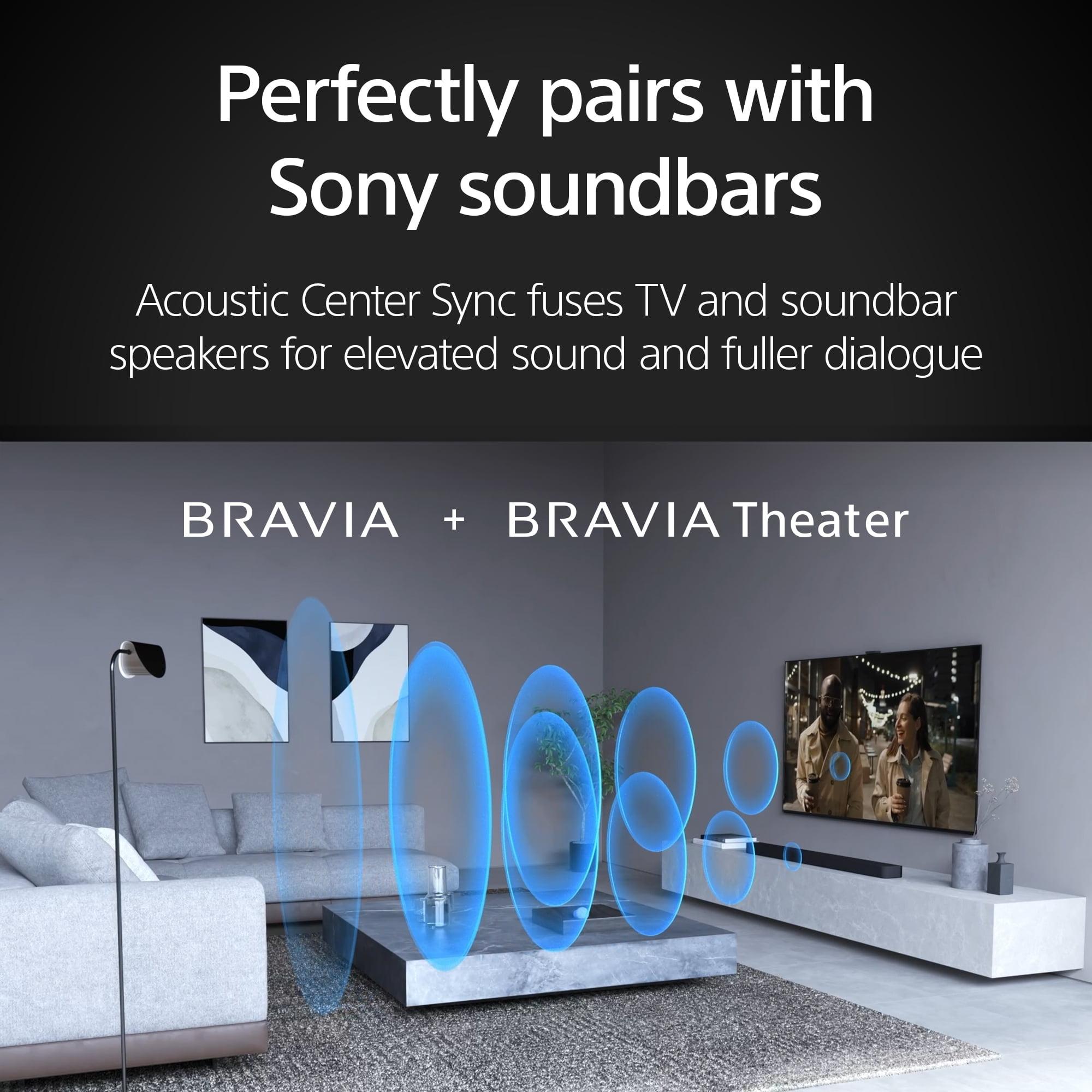
For home theater enthusiasts, Sony offers Acoustic Center Sync, which lets the TV's screen speakers work as a dedicated center channel when paired with compatible Sony soundbars. This level of integration is unique and creates a more cohesive surround sound experience.
The Samsung S90F includes Adaptive Sound Pro, which analyzes both the content and your room's acoustics to optimize audio. While not as sophisticated as Sony's screen-as-speaker approach, Samsung's audio processing is intelligent and often produces sound that's cleaner and more balanced than you'd expect from a thin TV.
In direct comparisons, some users actually prefer Samsung's audio approach, finding it less gimmicky and more consistent. However, Sony maintains the edge for dialogue clarity and spatial audio effects.
If gaming matters to you, the Samsung S90F is the clear winner. It supports up to 144Hz refresh rates (compared to 120Hz on most TVs), has lower input lag, and includes advanced gaming features like Motion Xcelerator 144Hz that keeps fast-paced games smooth and responsive.
For PlayStation 5 or Xbox Series X owners, Samsung's gaming performance is exceptional. The TV automatically switches to game mode, reduces input lag to nearly imperceptible levels, and supports variable refresh rate (VRR) to eliminate screen tearing.
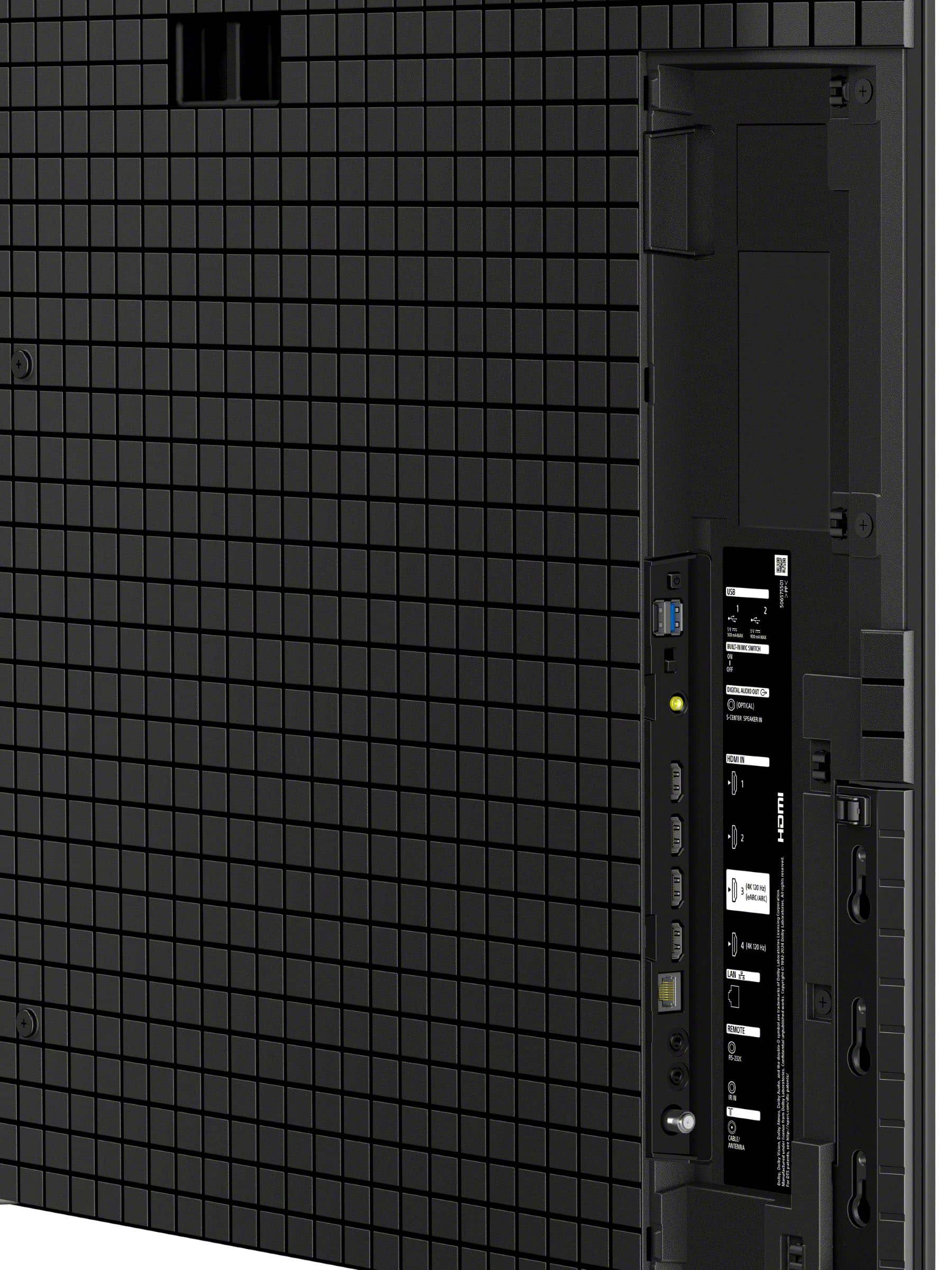
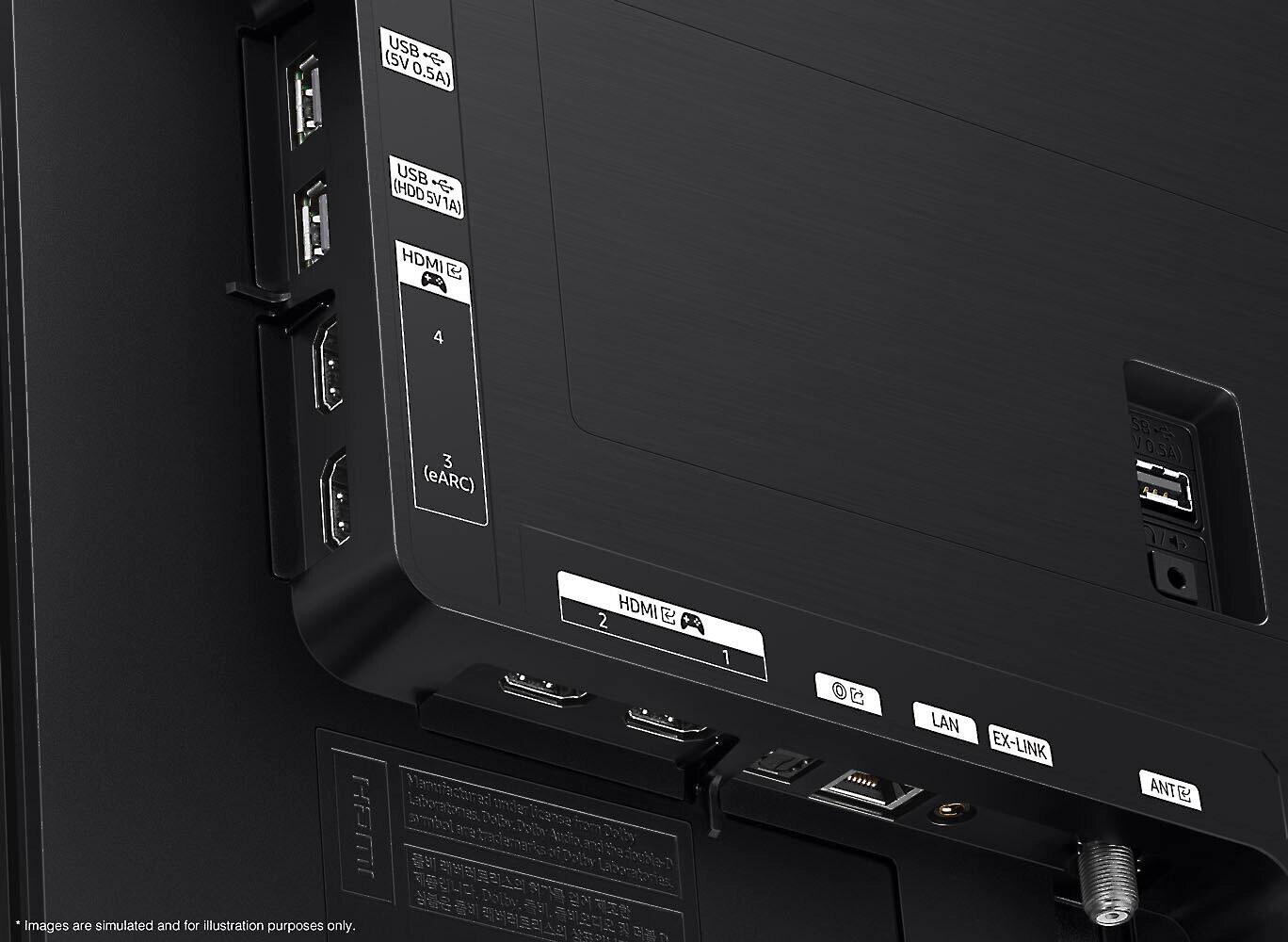
The Sony BRAVIA 8 II offers basic gaming features but falls behind Samsung in almost every metric. It has only two HDMI 2.1 ports compared to Samsung's four, higher input lag in game mode, and fewer gaming-specific optimizations.
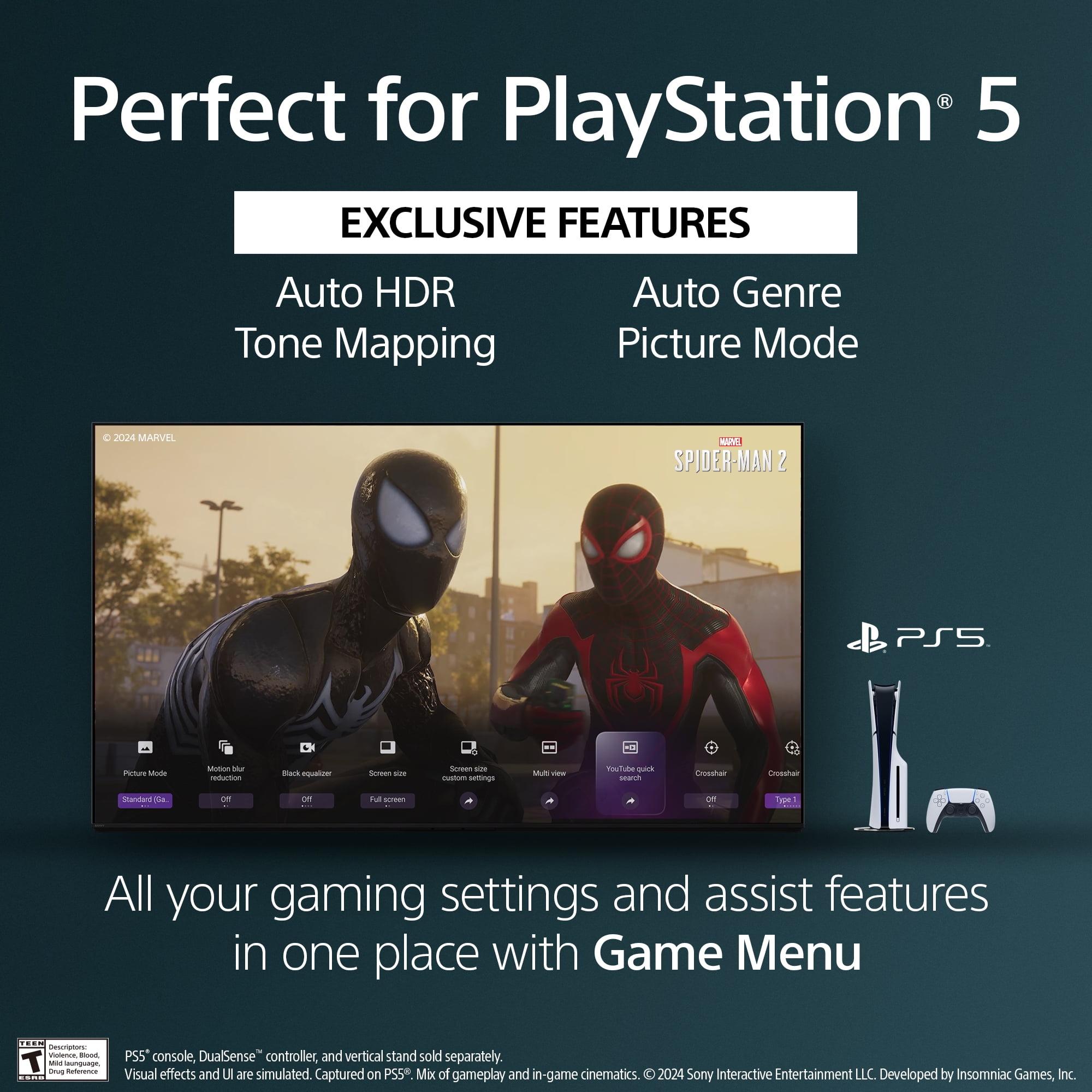
Sony does include some PlayStation-specific features, but these don't compensate for the fundamental performance disadvantages. If gaming is a priority, Samsung is the obvious choice.
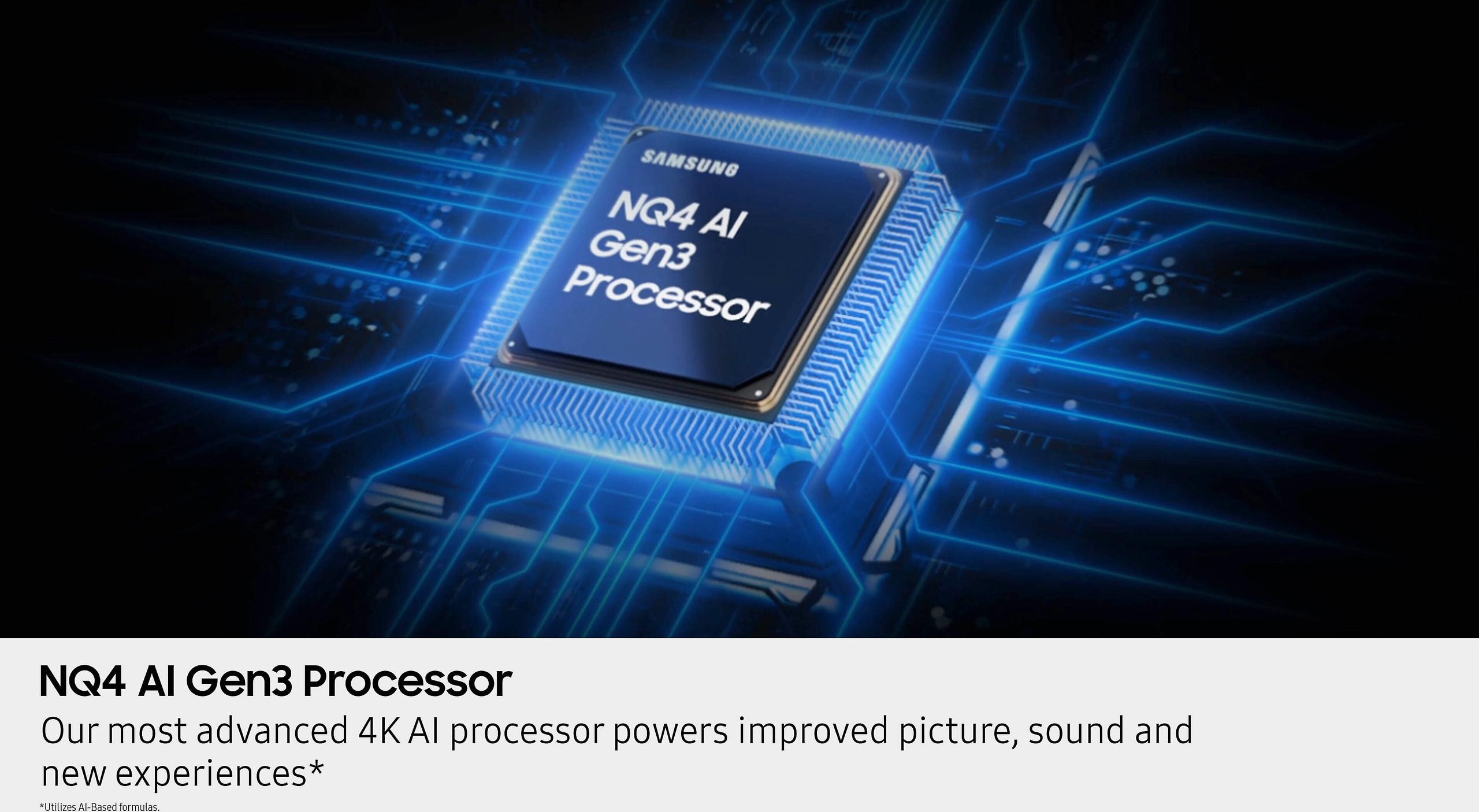
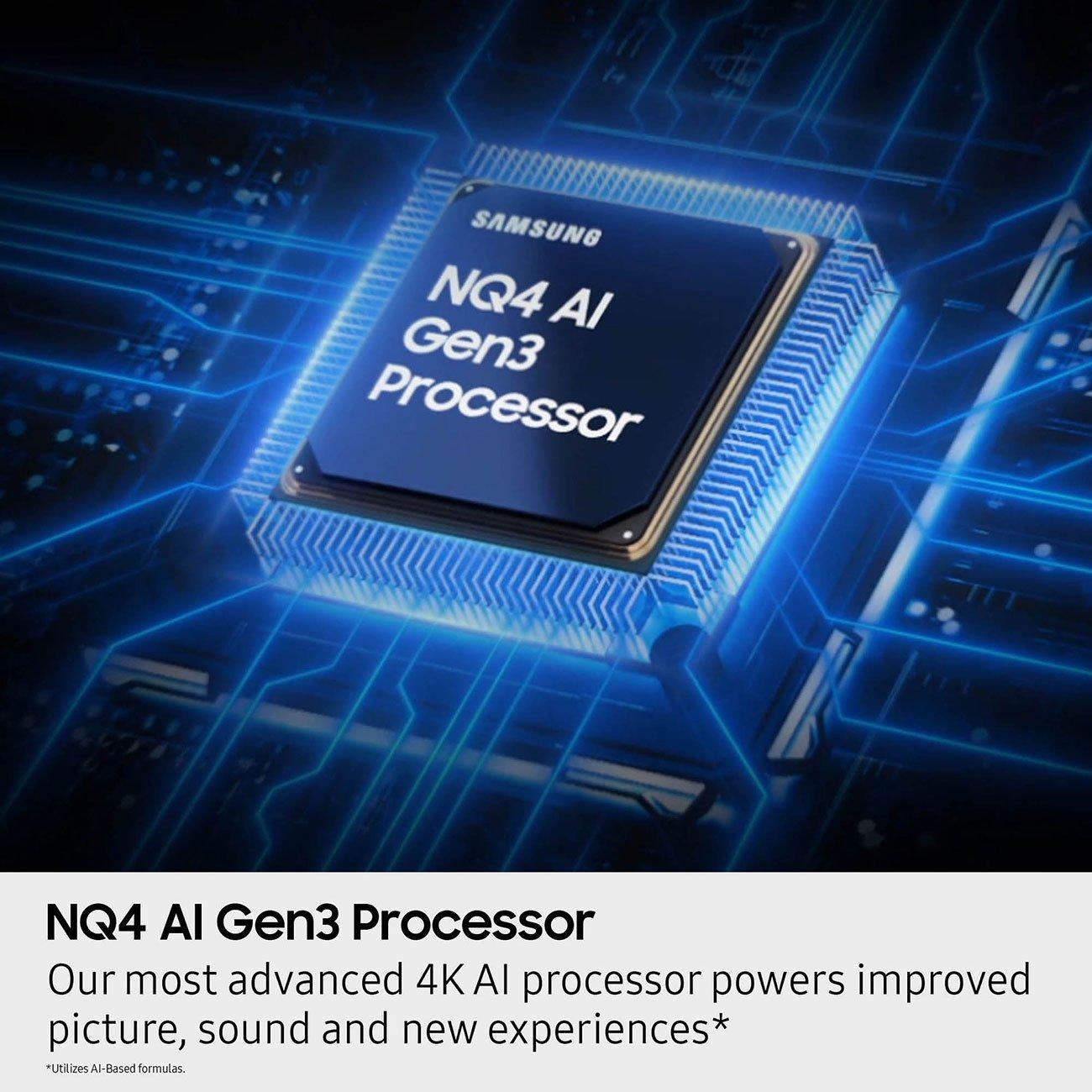
The Samsung S90F runs on Samsung's Tizen operating system with Vision AI powered by the NQ4 AI Gen3 processor. This system can recognize what type of content you're watching and automatically optimize picture and sound settings. It also includes unique features like Pet Care, which can detect when your dog is barking and automatically play calming content.
The AI upscaling is particularly impressive – it can take 1080p content and make it look surprisingly close to native 4K quality. This matters because much of what we watch (especially older shows and live TV) isn't actually 4K.
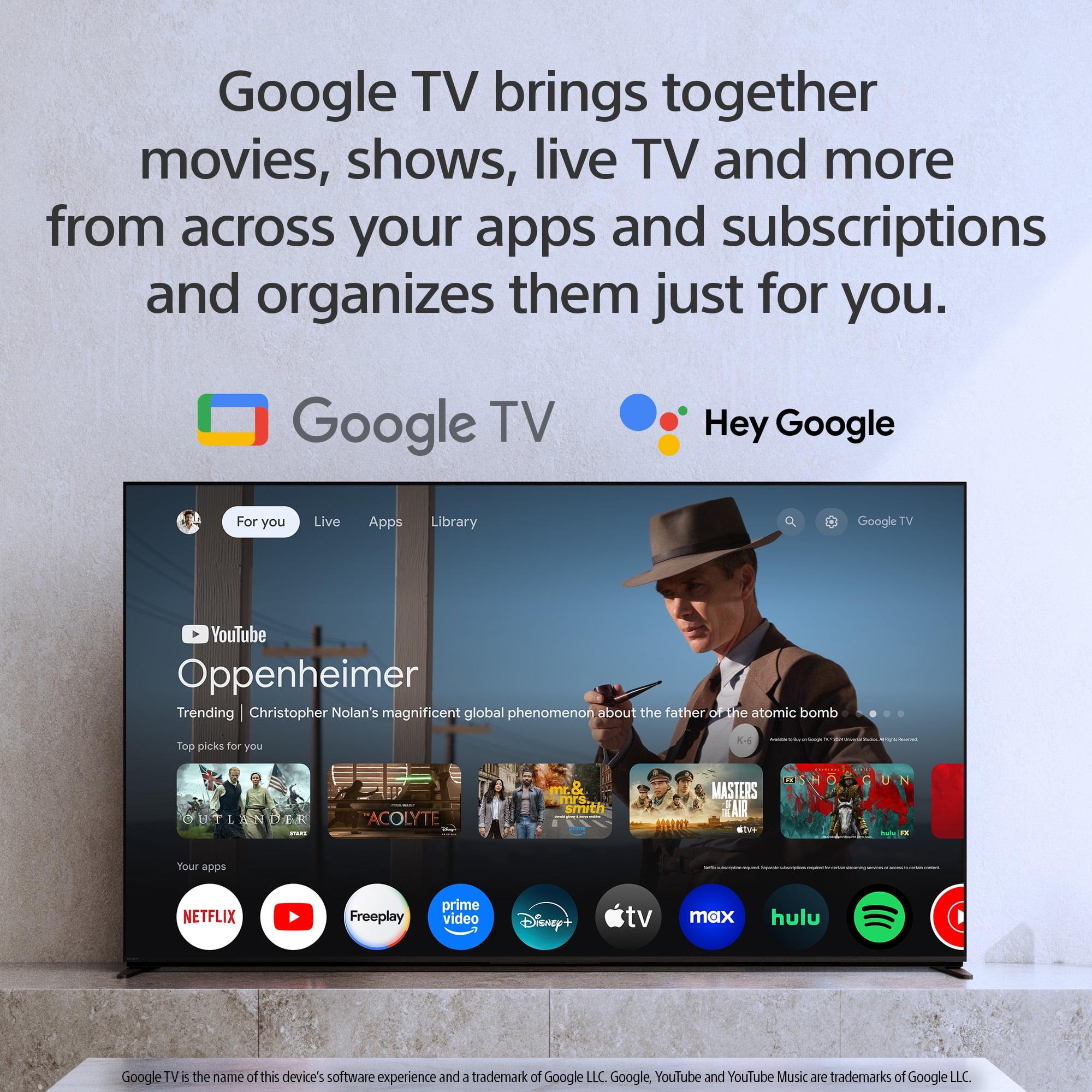
The Sony BRAVIA 8 II runs Google TV, which many users prefer for its superior search functionality and content recommendations. Google's AI can understand complex voice commands and integrate seamlessly with other Google services.
Sony's XR Processor includes AI Scene Recognition that analyzes content in real-time and adjusts settings accordingly. While not as flashy as Samsung's features, it's effective and unobtrusive.
The choice between platforms often comes down to personal preference and existing ecosystem investments.
In my testing across various lighting conditions, the Samsung S90F consistently performed better in bright rooms. The combination of higher peak brightness and Glare Free 2.0 technology means you can enjoy proper HDR performance even with windows open and lights on.
The Sony BRAVIA 8 II requires more controlled lighting to shine. In a dedicated home theater room with blackout curtains, Sony's superior black levels and color accuracy create a more cinematic experience. But in a typical family room, Samsung's brightness and anti-glare technology provide more consistent results.
For sports fans, Samsung's superior motion processing makes a noticeable difference. Fast-moving content like football or hockey stays smooth and clear, while Sony occasionally shows some motion artifacts during rapid camera movements.
Both TVs use the same fundamental QD-OLED technology, so burn-in risk is similar (and minimal with normal use). However, Samsung's higher brightness might provide better longevity in bright rooms, while Sony's more conservative approach could maintain accuracy longer.
Value maximum bang for your buck – At $1,300 less than the Sony, you're getting flagship performance at a significant discount.
Have a bright living room – The Glare Free 2.0 technology genuinely solves the biggest problem with OLED TVs in bright spaces.
Game regularly – The 144Hz support, lower input lag, and superior gaming features make this the better gaming display.
Want vivid, punchy colors – Samsung's 100% HDR color gamut coverage delivers more spectacular visuals.
Prefer maximum brightness – For HDR content that really pops, Samsung's brightness advantage is significant.
Already own Sony audio equipment – The Acoustic Center Sync feature provides unique integration benefits.
Prioritize natural color accuracy – Sony's more film-accurate color reproduction appeals to cinema enthusiasts.
Have a dedicated dark viewing room – Sony's superior black levels and shadow detail shine in controlled lighting.
Value premium audio – The Acoustic Surface Audio+ technology creates a more immersive experience without external speakers.
Prefer Google's ecosystem – Google TV offers better search and integration with Google services.
For most buyers, the Samsung S90F at $1,797 represents exceptional value. You're getting cutting-edge QD-OLED technology, superior brightness, excellent gaming performance, and innovative anti-glare technology at a price that makes sense.
The Sony BRAVIA 8 II at $3,098 is a premium product that justifies its cost only for specific use cases – primarily users who value color accuracy above all else, already own Sony audio equipment, or primarily watch content in dark rooms.
In my experience, Samsung's practical advantages (brightness, anti-glare, gaming, and price) matter more in daily use than Sony's refinements in color accuracy and audio integration. Unless you have specific needs that align with Sony's strengths, Samsung delivers better real-world performance per dollar.
The Samsung S90F proves that premium OLED technology doesn't have to come with a premium price tag, making it the smarter choice for most home theaters in 2025.

Privacy Policy
Terms and Conditions - Affiliate Policy
Home Security
© Copyright 2008-2026.
11816 Inwood Rd #1211, Dallas, TX 75244