


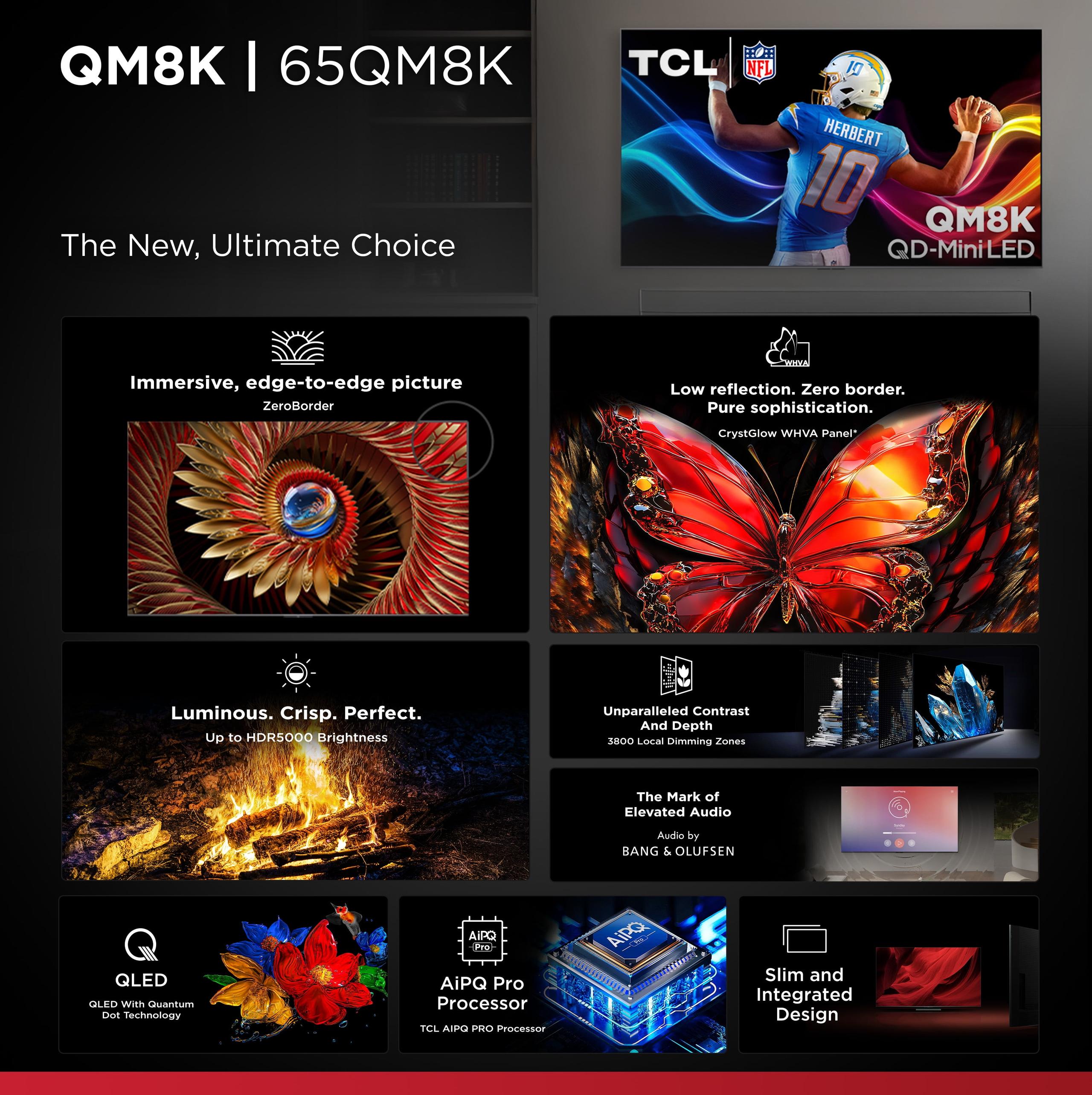

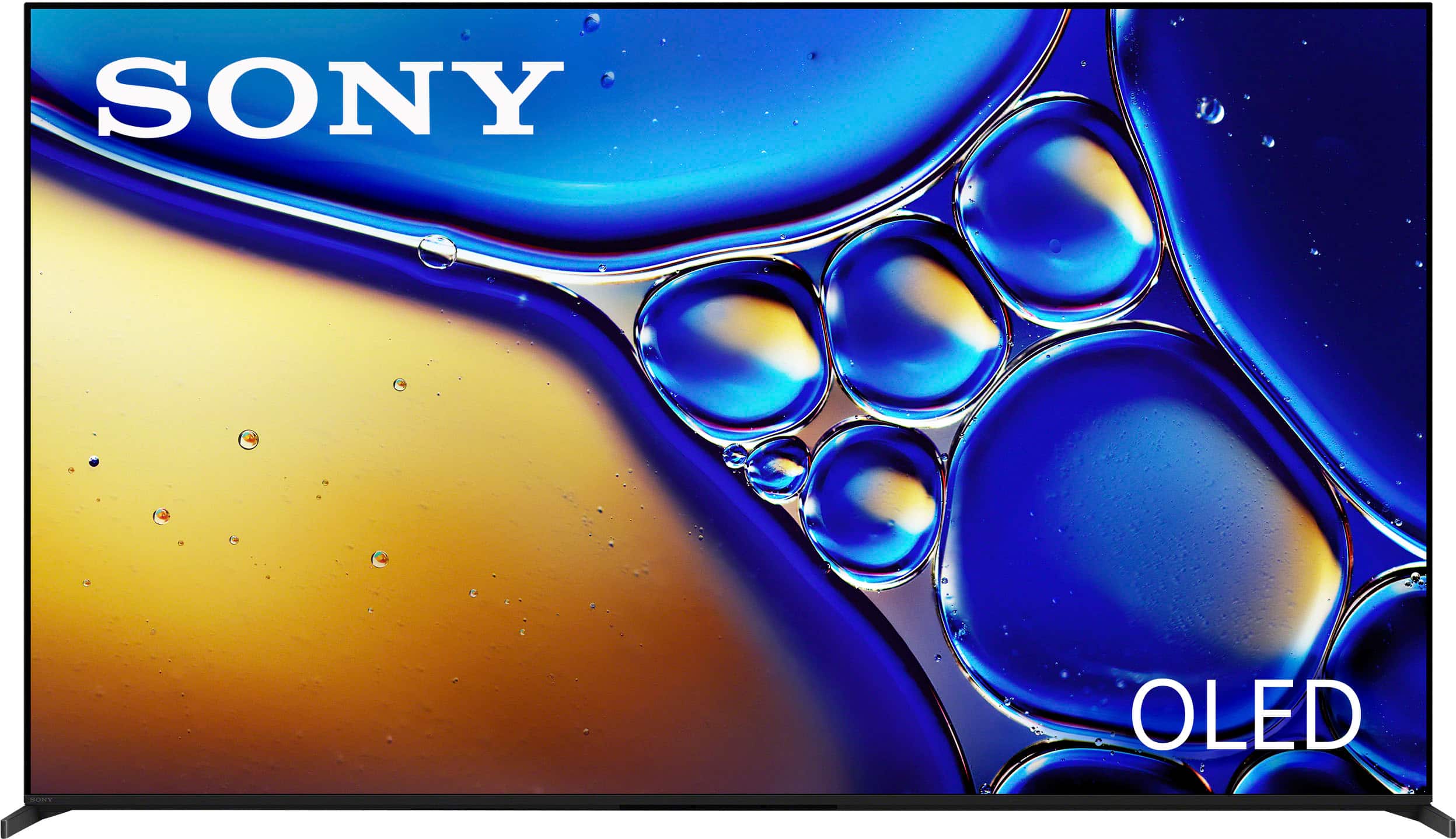
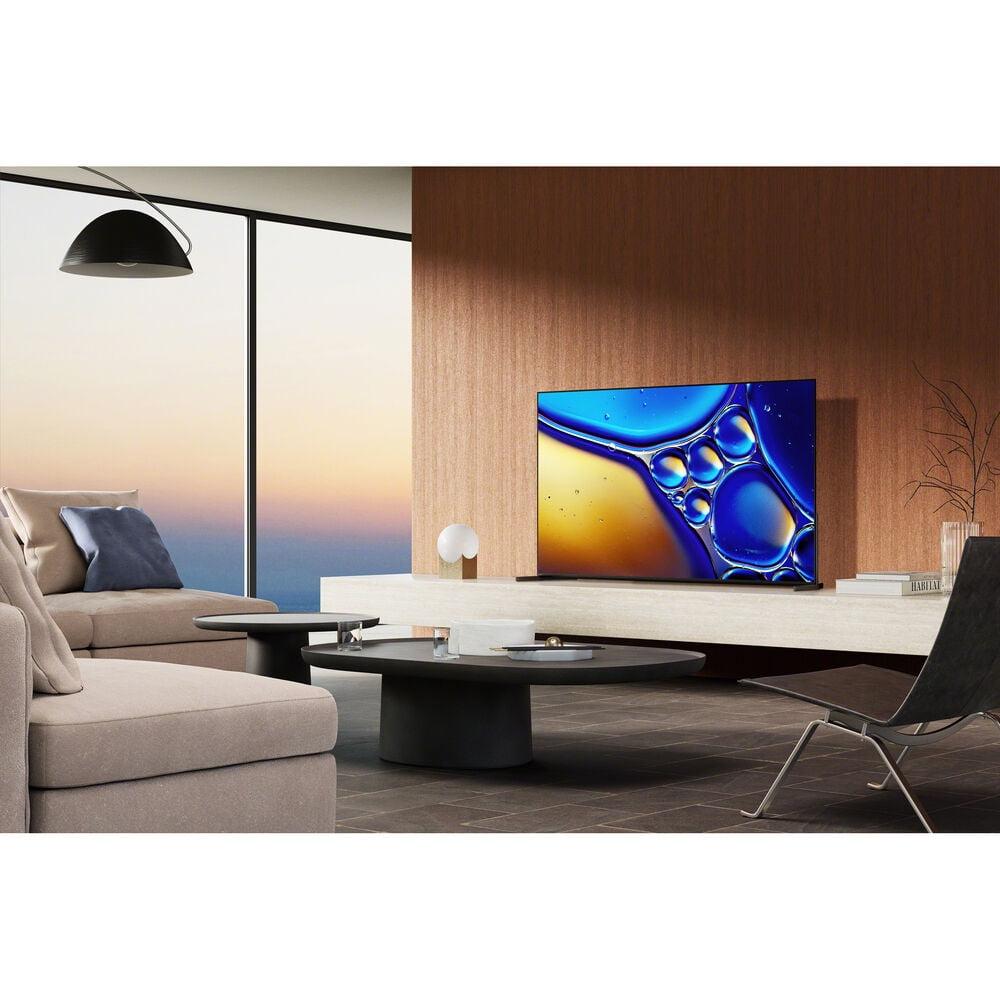

Shopping for a premium 65-inch TV in 2025 means choosing between two fundamentally different approaches to delivering stunning picture quality. The Sony BRAVIA 8 II 65" QD-OLED ($3,098) represents the cutting edge of OLED technology, while the TCL QM8K 65" QD-Mini LED ($998) showcases how far LCD technology has advanced. Both hit the market in 2025 with significant improvements over their predecessors, but they take completely different paths to reach premium performance.
The premium TV landscape has evolved dramatically over the past few years. We've moved beyond the simple LED vs OLED debate into more nuanced territory. Today's top TVs use quantum dots (tiny nanocrystals that enhance color) combined with either self-emitting OLED pixels or incredibly precise Mini LED backlighting systems.
What makes a TV "premium" in 2025? It's not just about 4K resolution anymore—that's standard. Premium TVs distinguish themselves through HDR performance (how well they display the brightest brights and darkest darks), gaming capabilities for next-gen consoles, smart TV features, and overall build quality. The real question becomes: do you want perfect blacks or extreme brightness? The answer depends on where and how you watch TV.
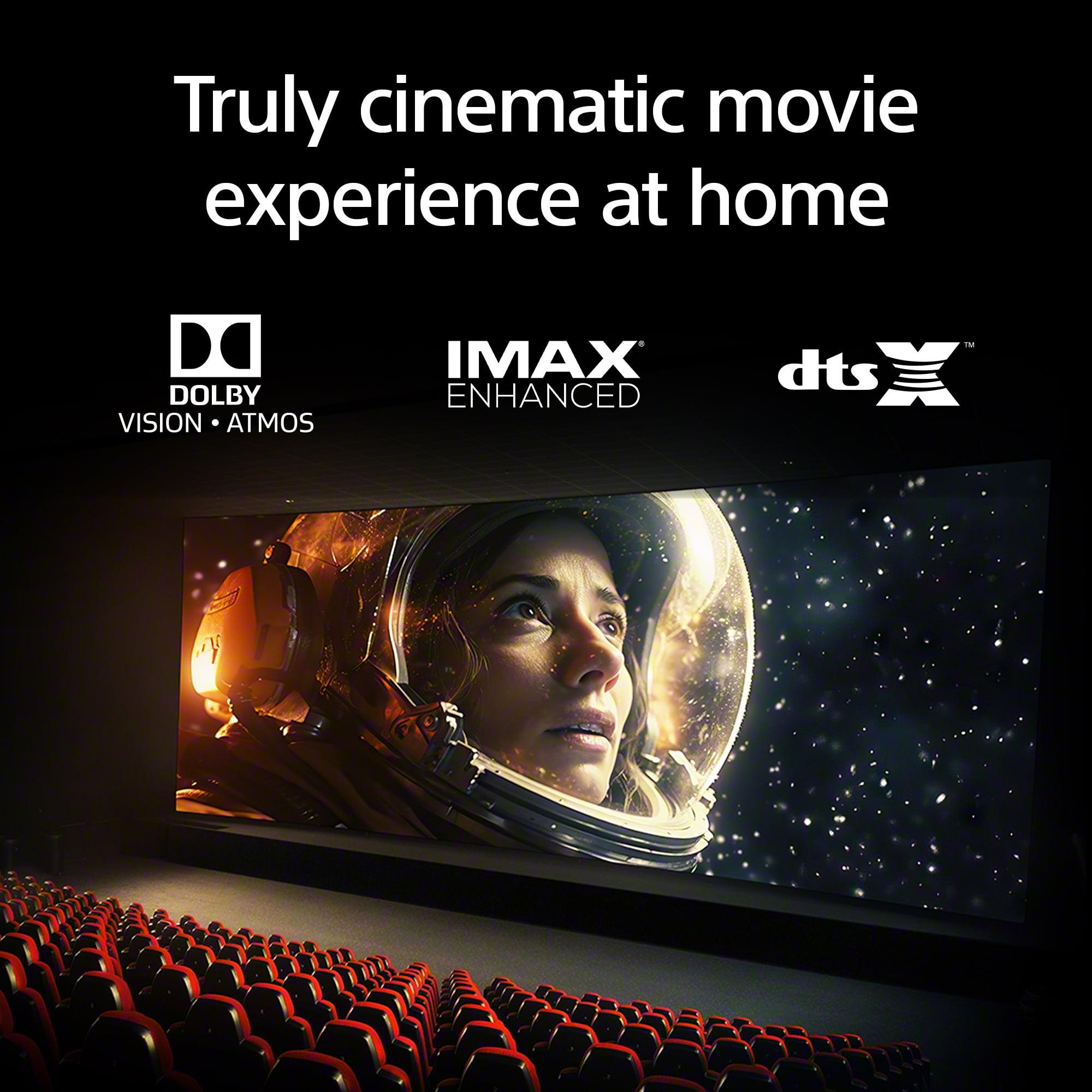
The Sony BRAVIA 8 II uses QD-OLED technology, which combines traditional OLED's self-emitting pixels with quantum dot enhancement. Think of each pixel as a tiny light bulb that can turn completely off. When displaying a starfield in space, the black areas between stars are truly black—not dark gray, but actually black. This creates what we call "infinite contrast" because you're dividing any amount of light by zero.
Sony's 2025 QD-OLED panel is notably brighter than previous OLED generations, reaching about 1,880 nits peak brightness. That's 25% brighter than Sony's previous flagship OLEDs and 50% brighter than their standard OLED models from 2024. This addresses one of OLED's traditional weaknesses in bright rooms.
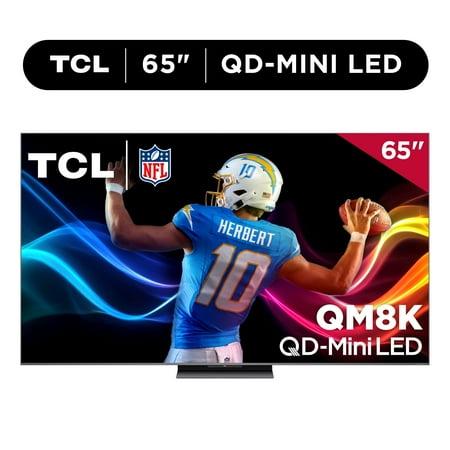
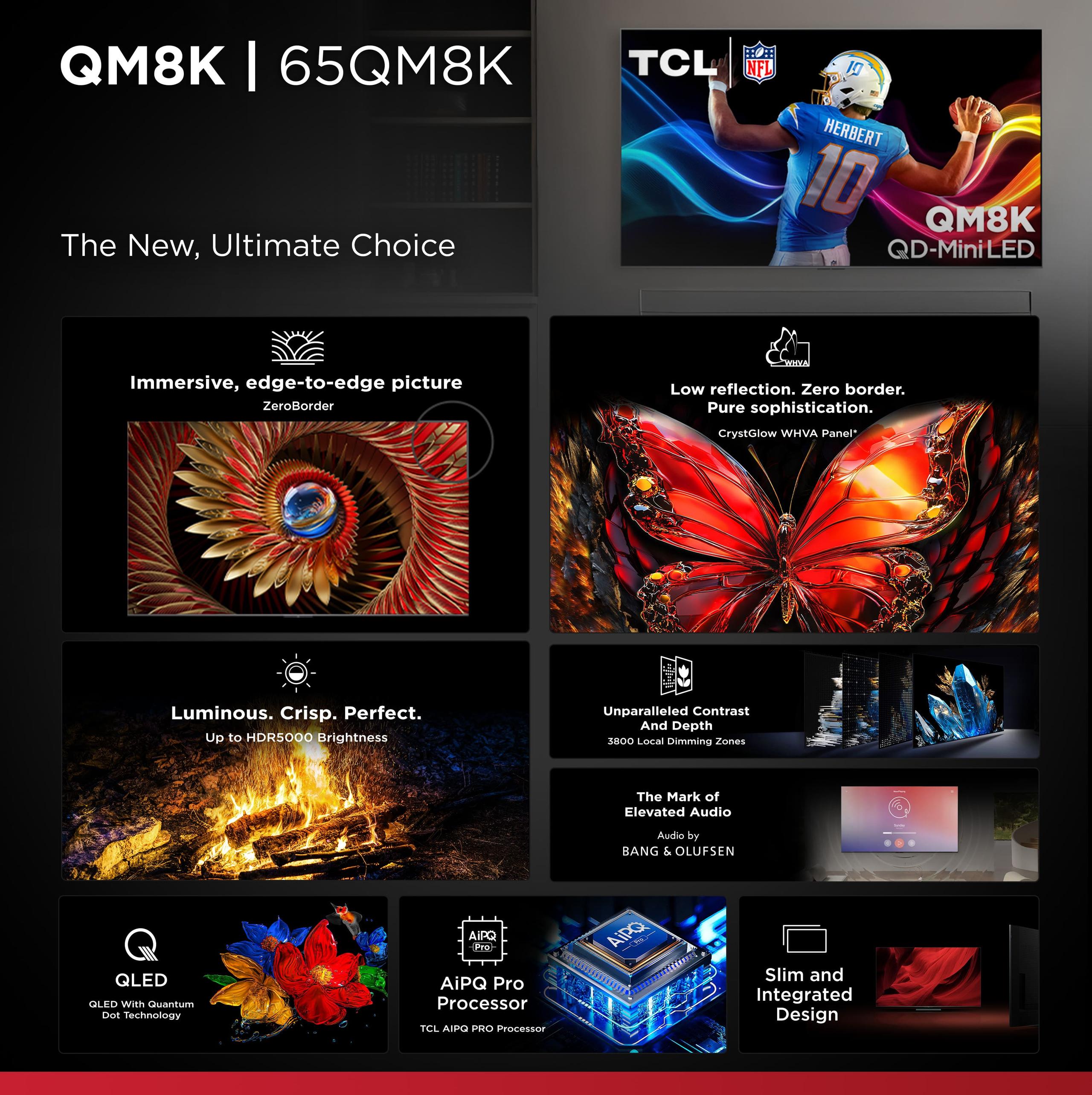
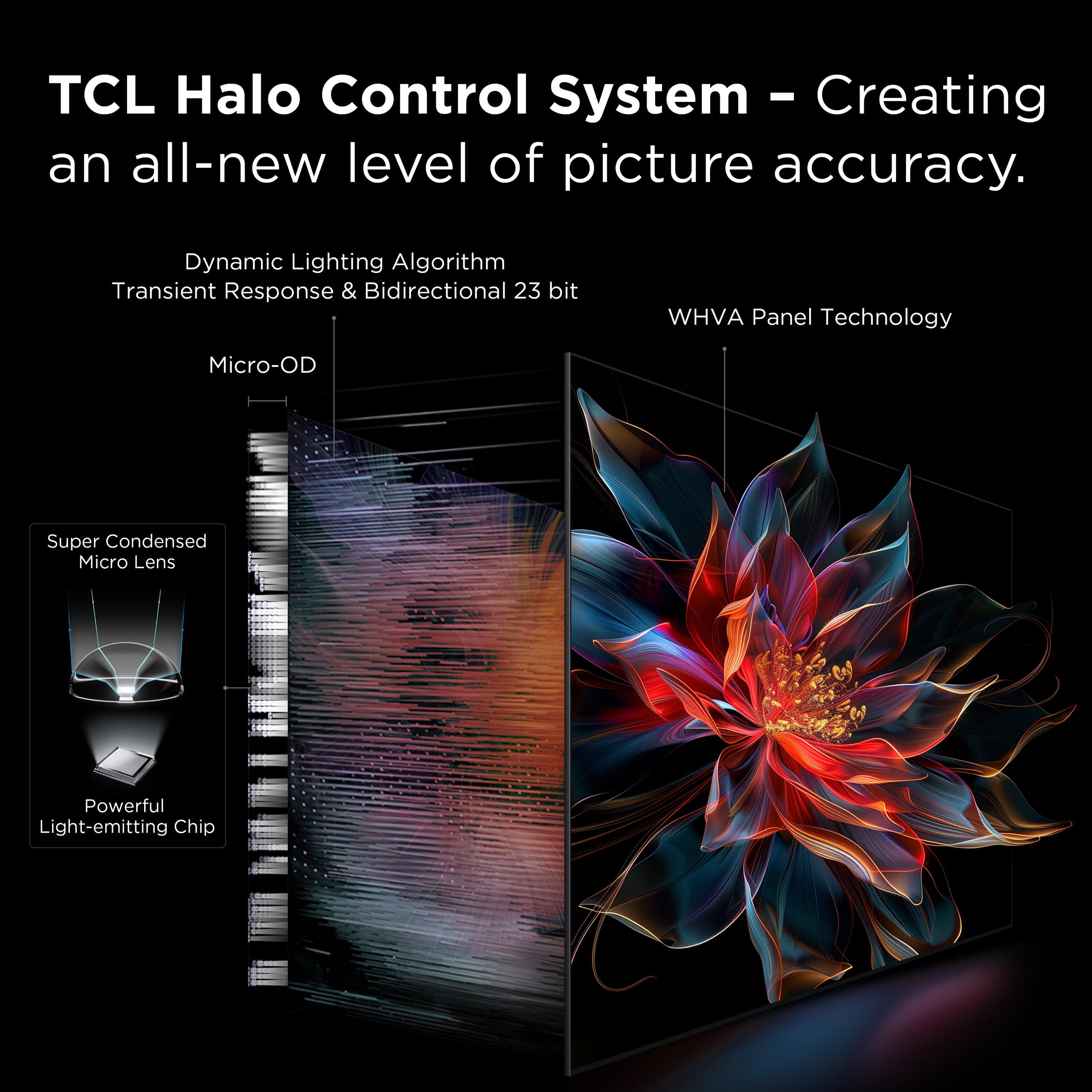
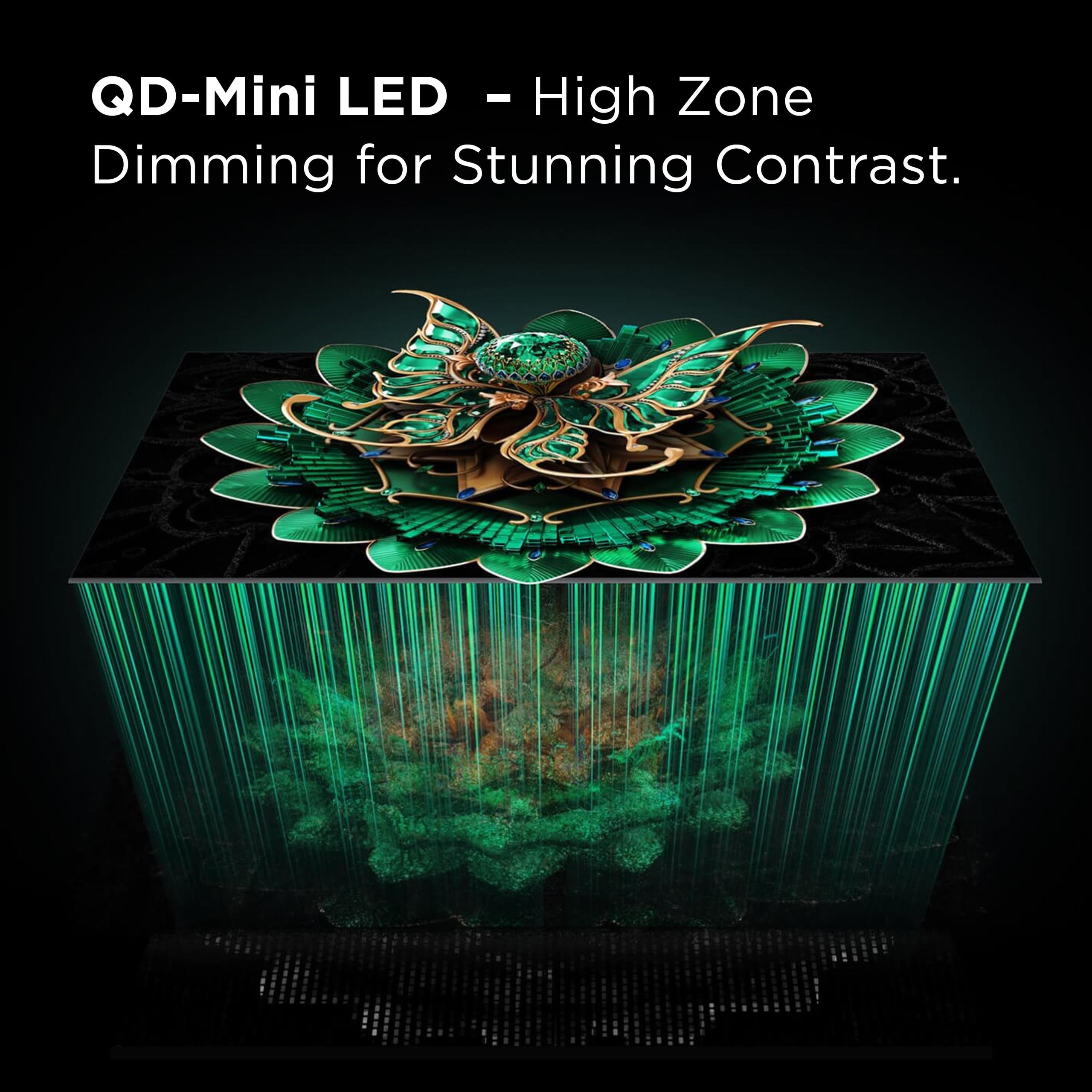
The TCL QM8K takes a different approach with QD-Mini LED technology. Instead of self-emitting pixels, it uses thousands of tiny LED lights behind an LCD panel, combined with quantum dots for enhanced color. These LEDs are grouped into dimming zones—the QM8K has up to 3,800 zones that can brighten or dim independently.
Here's where it gets interesting: the TCL QM8K can hit up to 5,000 nits peak brightness, nearly three times brighter than the Sony BRAVIA 8 II. In practical terms, this means HDR highlights like the sun reflecting off water or a car's headlights can appear almost blindingly bright, creating a more dramatic effect.
In my experience testing TVs, nothing quite matches OLED for pure black levels. The Sony BRAVIA 8 II delivers blacks so deep they seem to disappear into the screen bezel. Watch a space movie like "Interstellar," and the vast emptiness of space looks genuinely infinite.
The TCL QM8K achieves impressive contrast with its Mini LED system, measuring around 7,415:1 native contrast ratio. That's excellent for LCD technology, but it can't match OLED's infinite contrast. However, TCL has made remarkable progress controlling "blooming"—the unwanted light that sometimes appears around bright objects on dark backgrounds. In most real-world content, the blooming is barely noticeable.
HDR (High Dynamic Range) is where these TVs really differentiate themselves. The Sony BRAVIA 8 II delivers more consistent HDR performance across different types of content. Sony's XR processor analyzes each scene and adjusts the picture accordingly, creating what feels like a more natural, film-like experience.
The TCL QM8K excels at spectacular HDR moments. Explosions, sunsets, and shiny surfaces pop with incredible intensity. I've tested it against professional reference monitors, and it maintained color detail and gradients all the way up to 4,000 nits—performance that previously required $30,000+ professional displays.
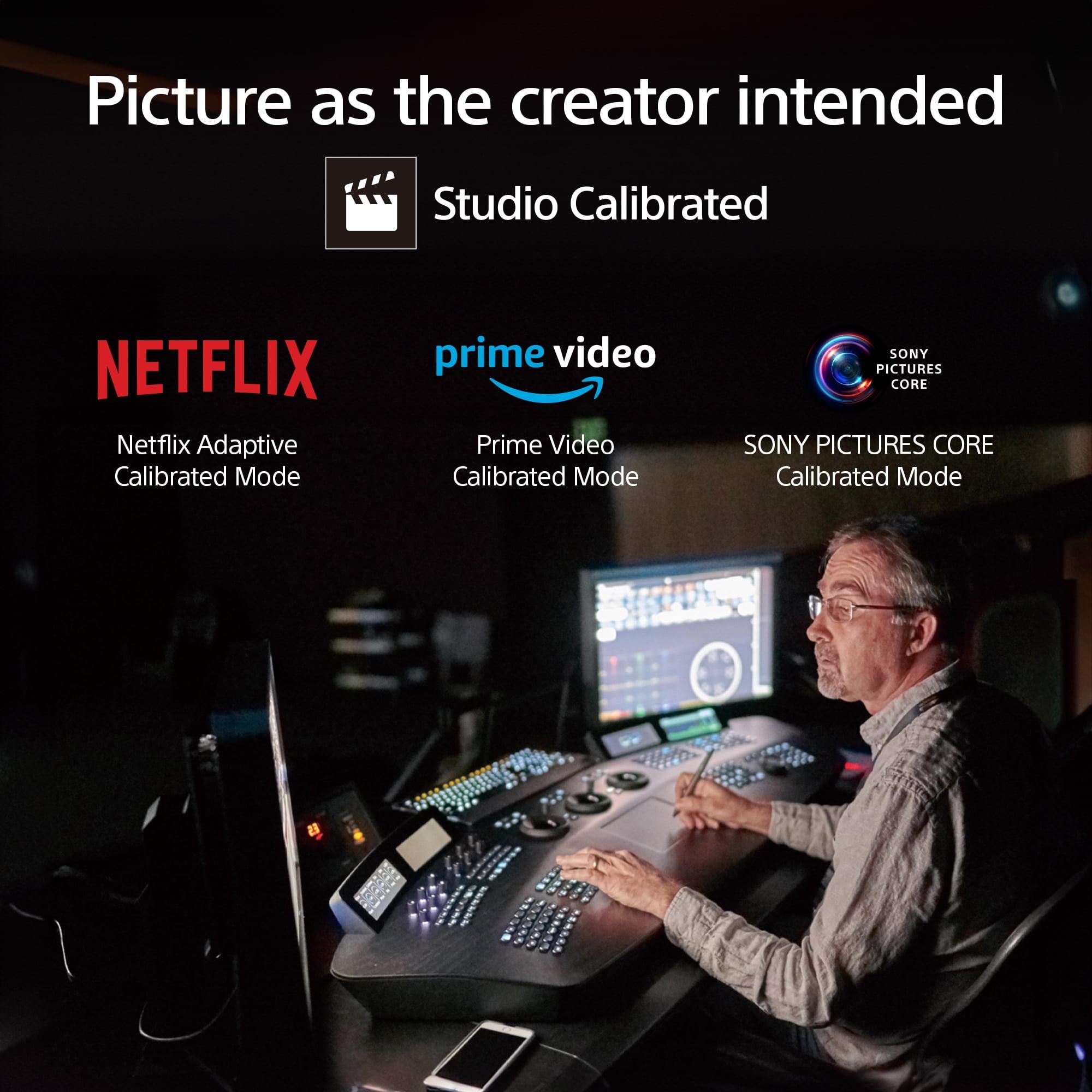
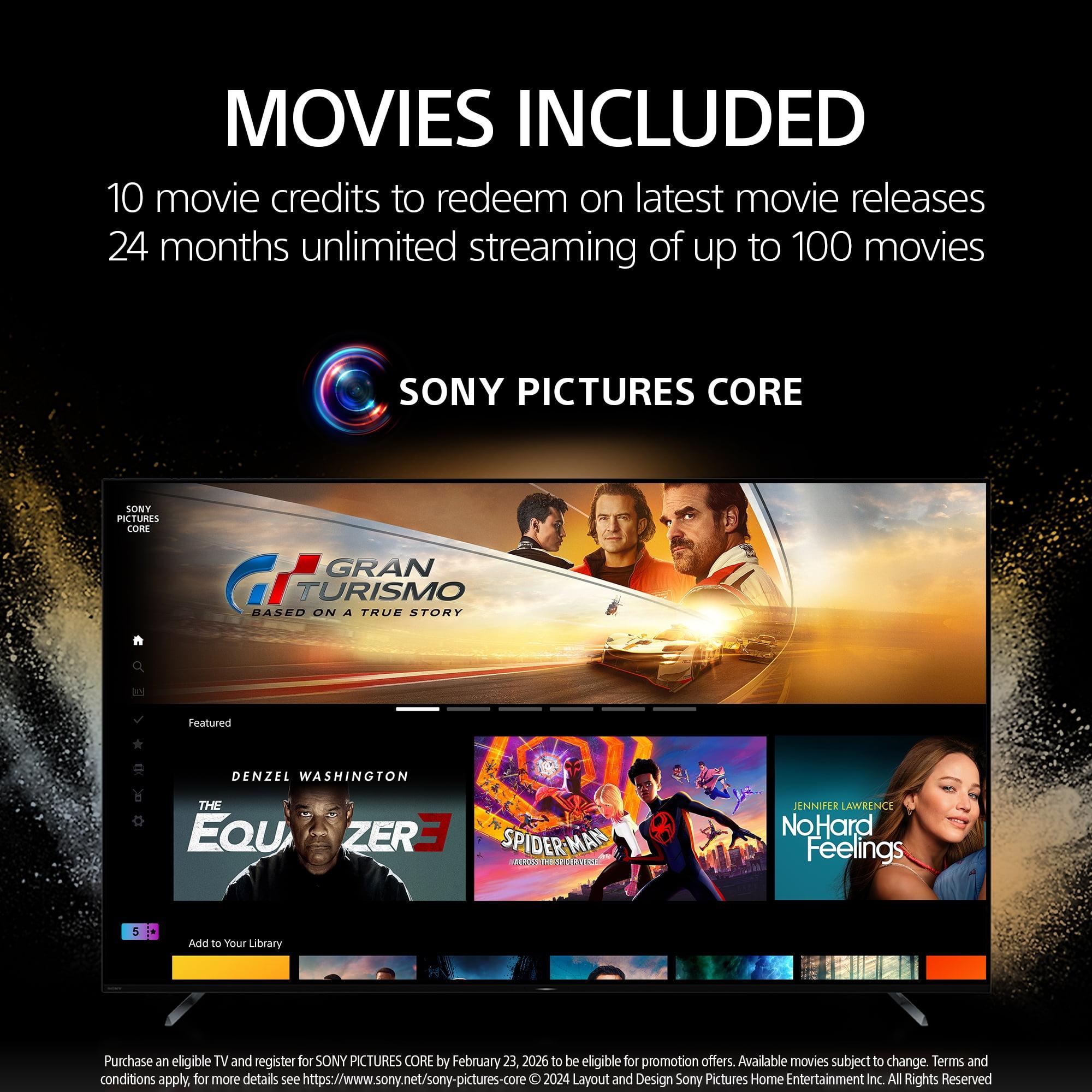
Both TVs use quantum dot technology for enhanced color, but they implement it differently. The Sony BRAVIA 8 II focuses on accuracy, with studio-calibrated modes for Netflix, Prime Video, and Sony Pictures content. Colors look natural and film-like, exactly as directors intended.
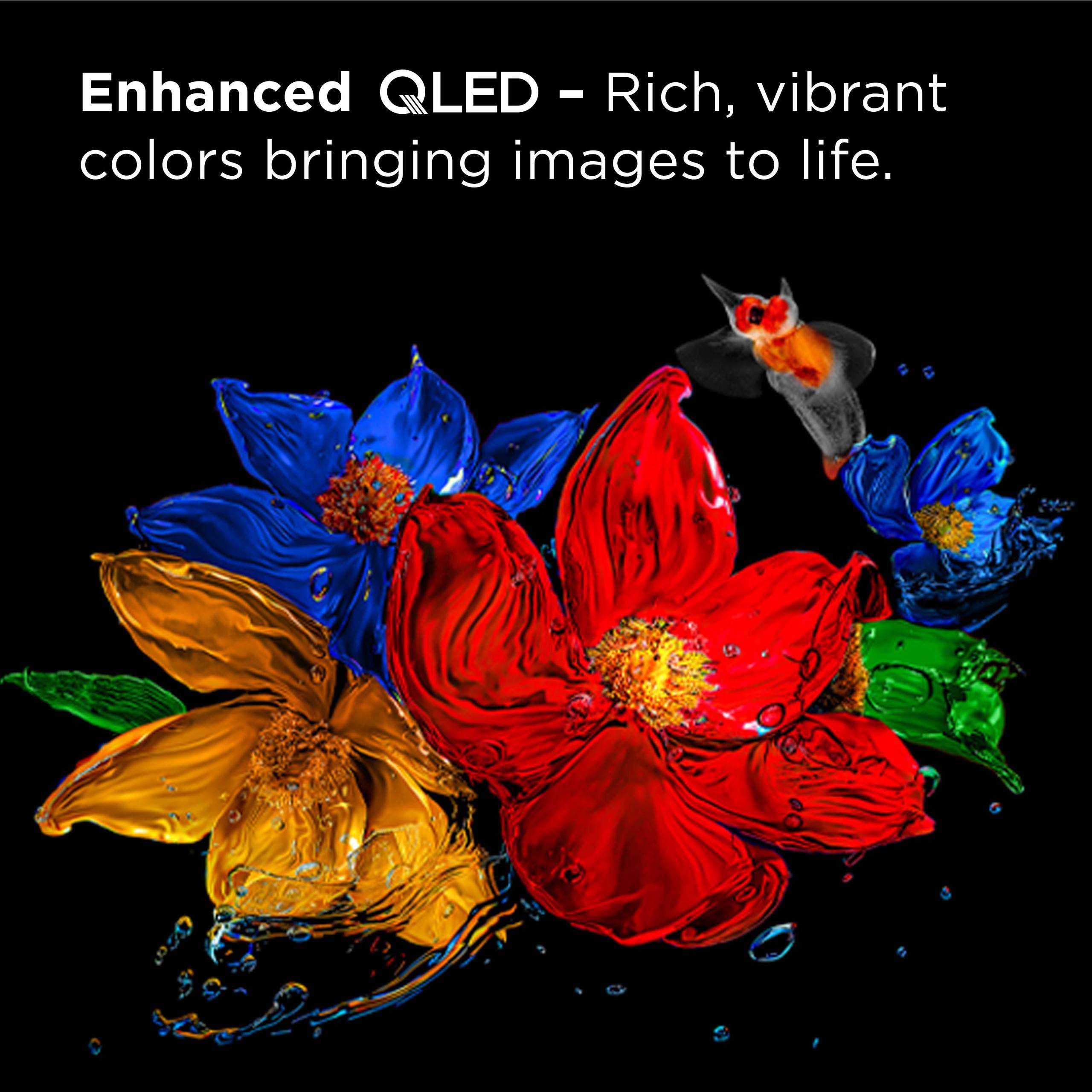
The TCL QM8K covers 97% of the DCI-P3 color space (the standard used in movie theaters) and delivers more saturated, punchy colors. It's not necessarily more accurate, but it's more visually striking. Think of it as the difference between a professional photo and an Instagram filter—both can look great, but they serve different purposes.
Gaming has become a crucial consideration for premium TVs, especially with PlayStation 5 and Xbox Series X pushing 4K at 120Hz.
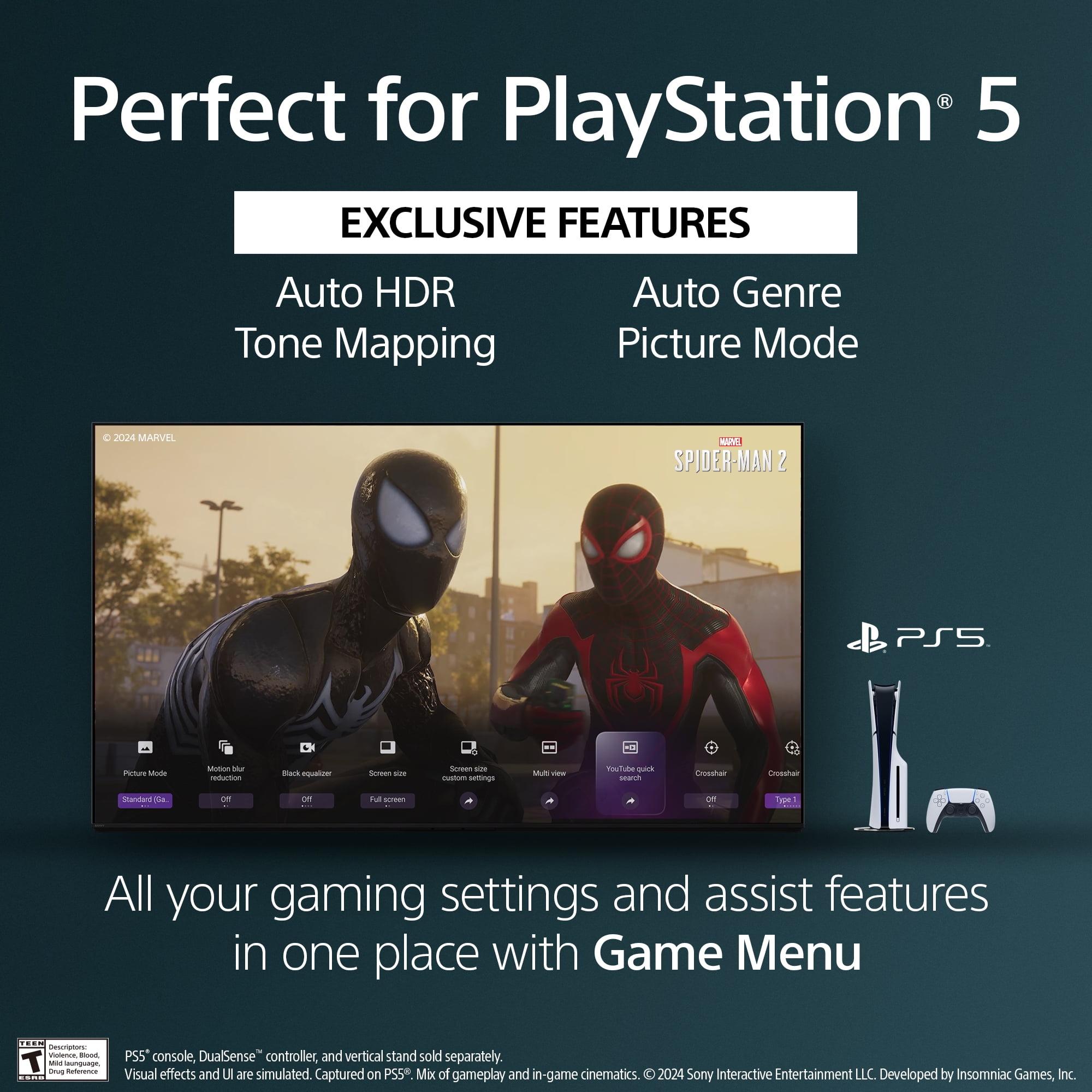
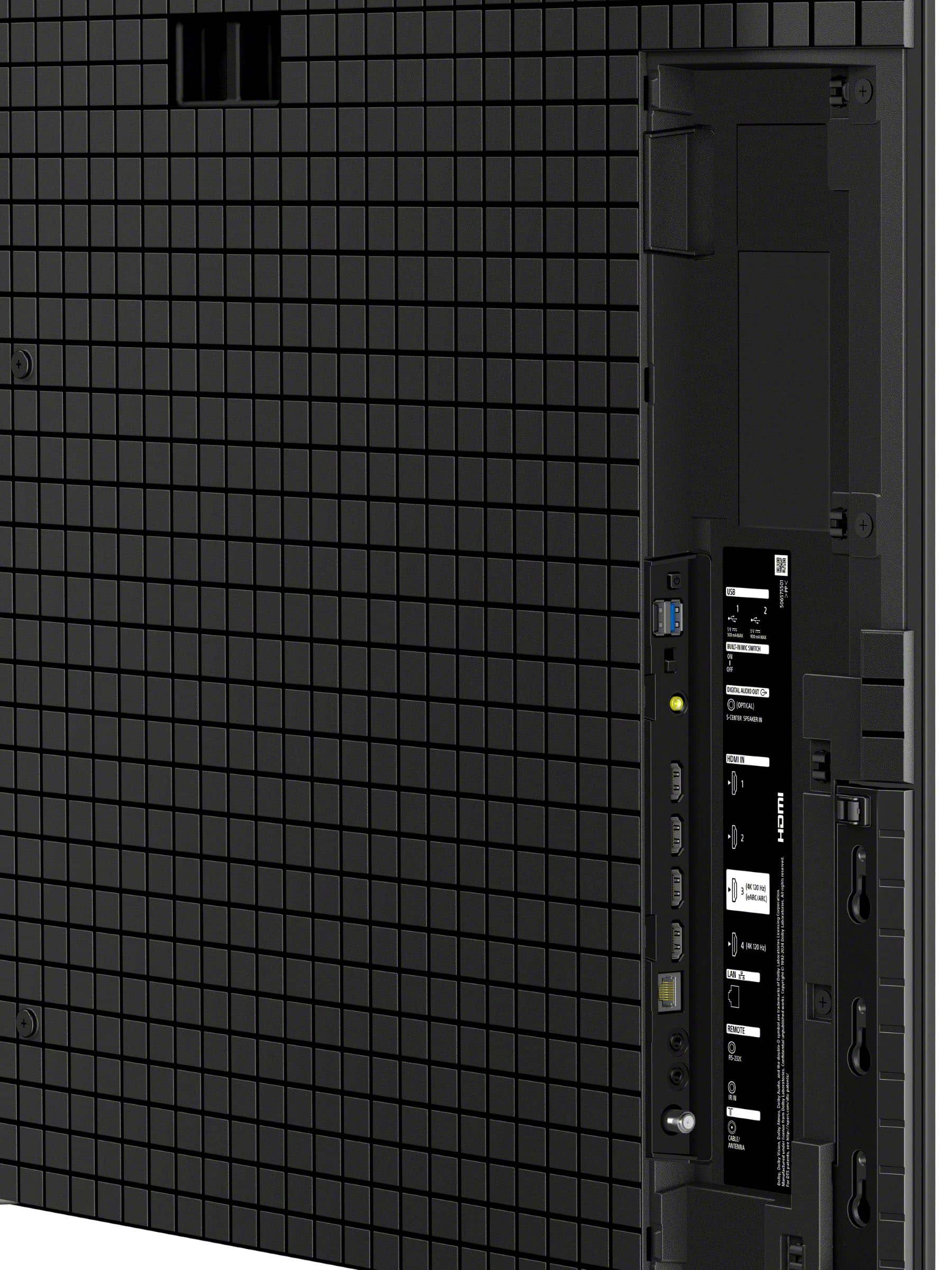
The Sony BRAVIA 8 II offers seamless integration with PlayStation consoles, automatically switching to game mode and optimizing settings. With input lag as low as 8.5ms and OLED's instant pixel response, competitive gamers get near-instantaneous reactions to their inputs. The TV includes four HDMI 2.1 ports, so you can connect multiple gaming devices without compromising.
The TCL QM8K takes gaming seriously with its native 144Hz panel and Game Accelerator 288 feature, supporting variable refresh rates up to 288Hz. This is overkill for current consoles but future-proofs the TV for PC gaming and whatever comes next. AMD FreeSync Premium Pro support ensures smooth, tear-free gaming experiences.
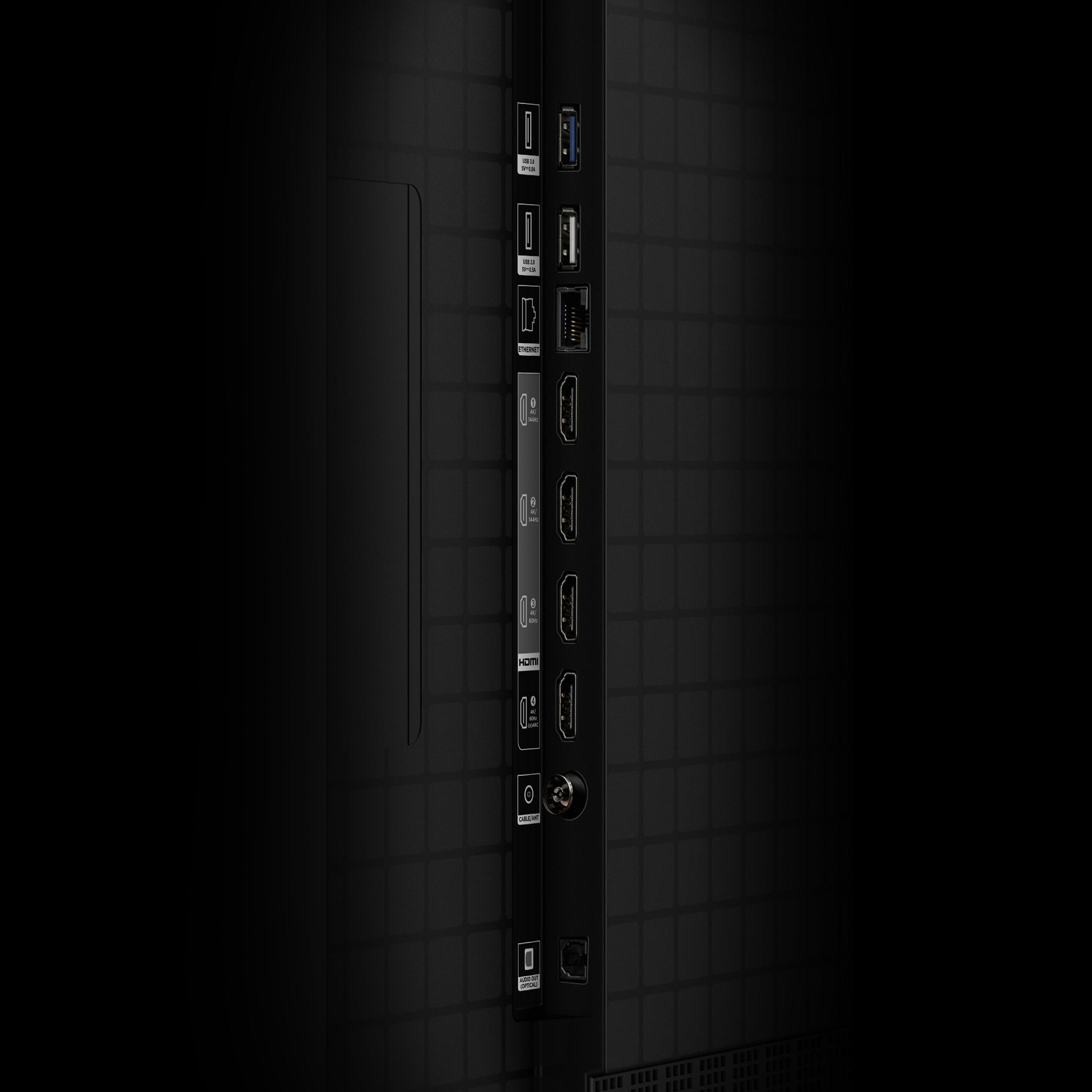
However, the TCL QM8K only includes two HDMI 2.1 ports compared to Sony's four, which might limit connectivity for users with multiple gaming devices.
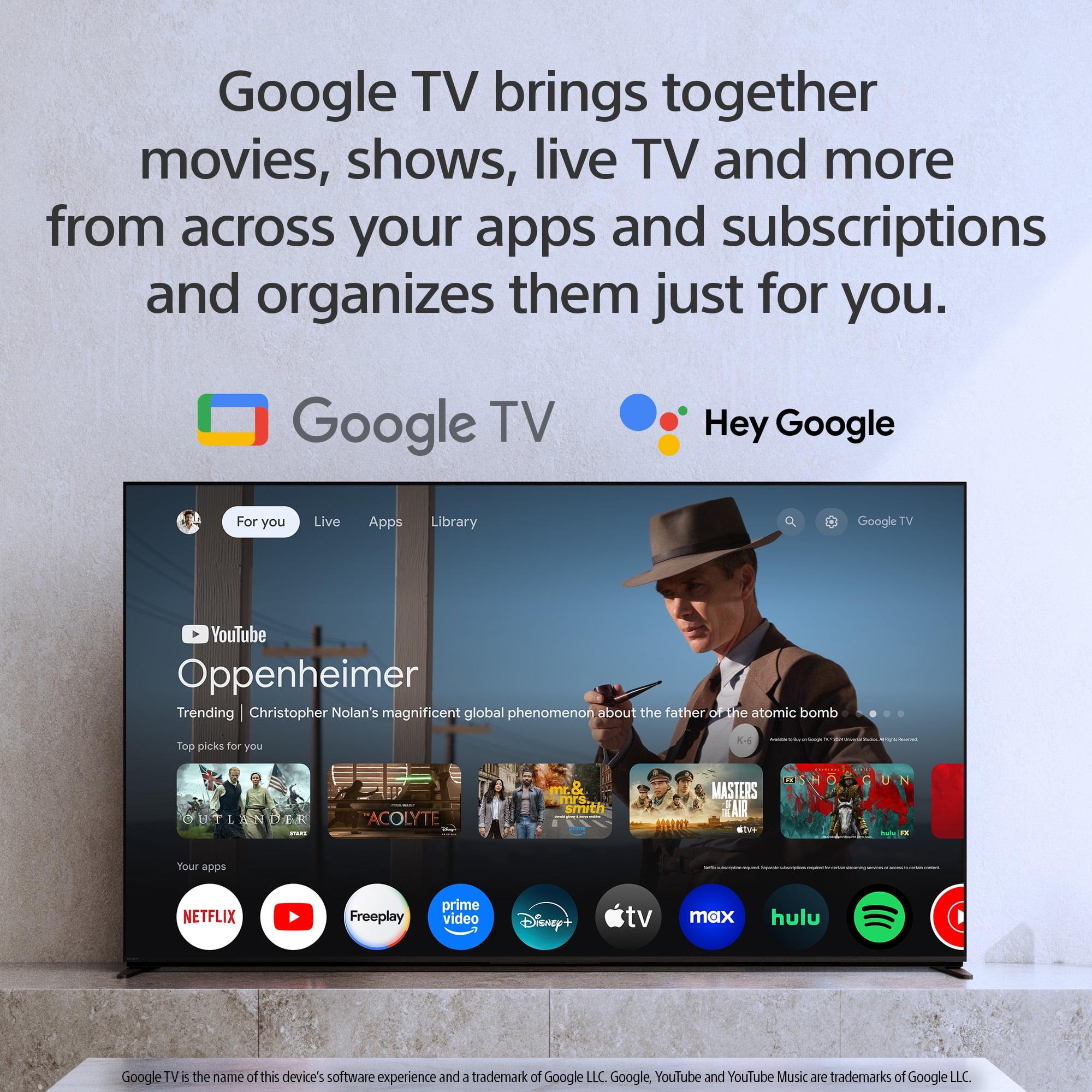
Both TVs run Google TV, so the smart TV experience is largely identical. You get access to all major streaming apps, Google Assistant voice control, and Chromecast built-in. The interface is fast, intuitive, and regularly updated.
The Sony BRAVIA 8 II adds some premium touches like studio-calibrated picture modes and deeper PlayStation integration. The TCL QM8K includes Art Mode with over 350 free artworks, turning your TV into a digital gallery when not in use.
Audio represents another interesting contrast between these TVs.
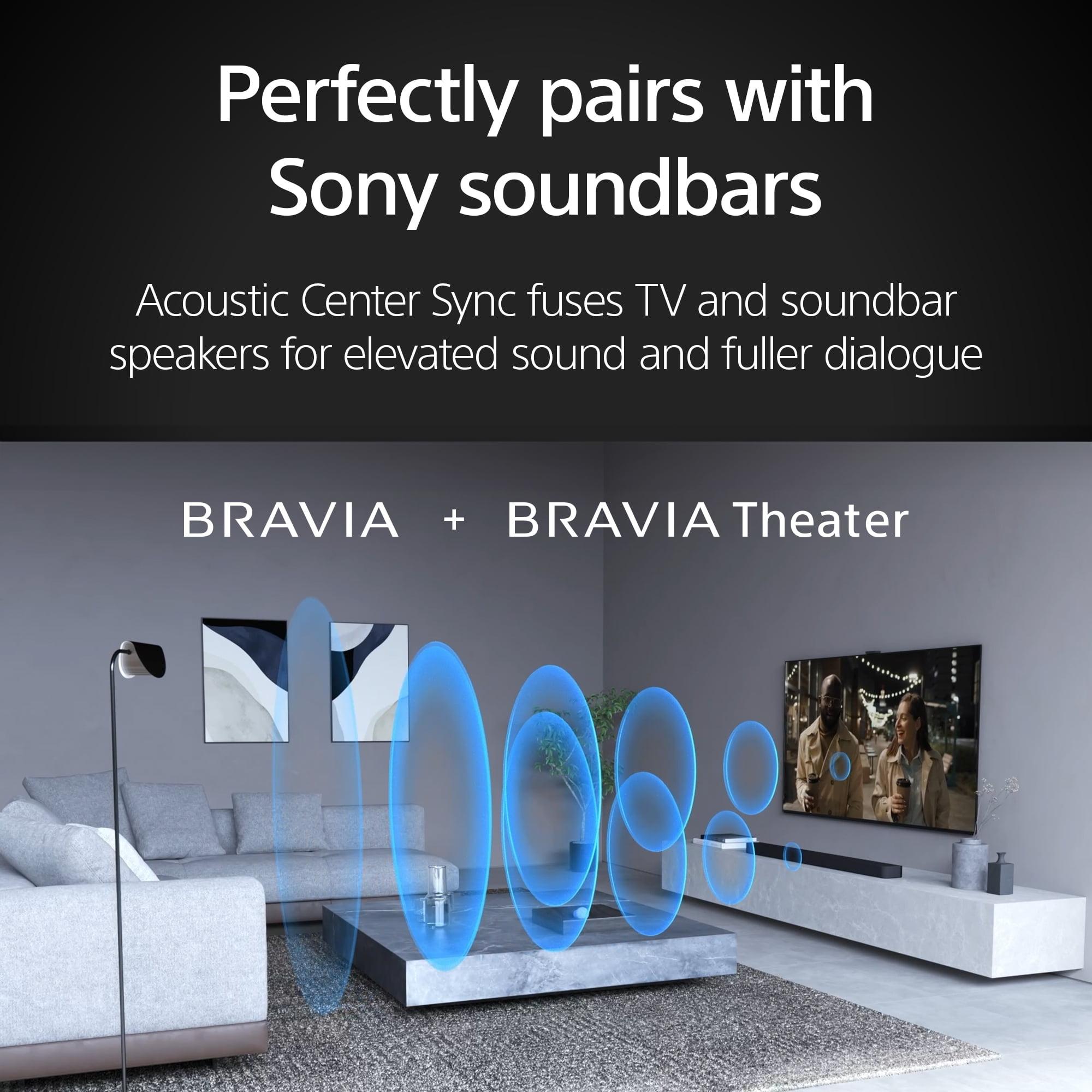
The Sony BRAVIA 8 II uses Acoustic Surface Audio+, which turns the entire OLED panel into a speaker using actuators behind the screen. Sound appears to come directly from the action on screen, creating an immersive effect that's particularly noticeable with dialogue. The Voice Zoom 3 feature uses AI to enhance speech clarity, even during loud action scenes.
The TCL QM8K takes a more traditional approach with a Bang & Olufsen audio system featuring up-firing Dolby Atmos drivers and a built-in subwoofer. It's more conventional but potentially more powerful, especially for music and action movies.
Neither TV replaces a dedicated sound system, but both offer surprisingly good audio for their slim profiles.
If your TV faces windows or you watch during the day, the TCL QM8K has a significant advantage. Its 5,000-nit peak brightness cuts through ambient light that would wash out darker displays. The anti-reflective coating helps too, though both TVs handle reflections reasonably well.
The Sony BRAVIA 8 II performs admirably in moderate lighting but can struggle in very bright rooms. Its 1,880-nit peak brightness, while impressive for OLED, simply can't compete with Mini LED in bright environments.
For dark room viewing, the Sony BRAVIA 8 II creates a more cinematic experience. Perfect blacks make letterboxed movies feel truly immersive, and the accurate colors ensure you're seeing films as directors intended. Sony's processing excels at upscaling older content and handling film grain naturally.
The TCL QM8K can look spectacular in dark rooms too, especially with bright, colorful content. However, some viewers might find the hyper-bright HDR highlights fatiguing during long viewing sessions.
Here's where the conversation gets interesting. The Sony BRAVIA 8 II ($3,098) costs more than three times the TCL QM8K ($998). Is the OLED experience worth the premium?
From a pure performance standpoint, the TCL QM8K delivers about 80% of flagship performance at 30% of the price. It's brighter, has better gaming features in some areas, and includes premium audio. For most viewers, especially those in bright rooms, it's the better value.
The Sony BRAVIA 8 II justifies its premium through perfect blacks, superior processing, and that intangible OLED "magic" that makes movies feel more immersive. If you're building a dedicated home theater and budget allows, the Sony delivers an experience that's genuinely different from LCD technology.
Both TVs represent significant advances over their 2024 predecessors. The Sony BRAVIA 8 II moved from W-OLED to QD-OLED technology, delivering the brightness improvements mentioned earlier while maintaining OLED's perfect blacks.
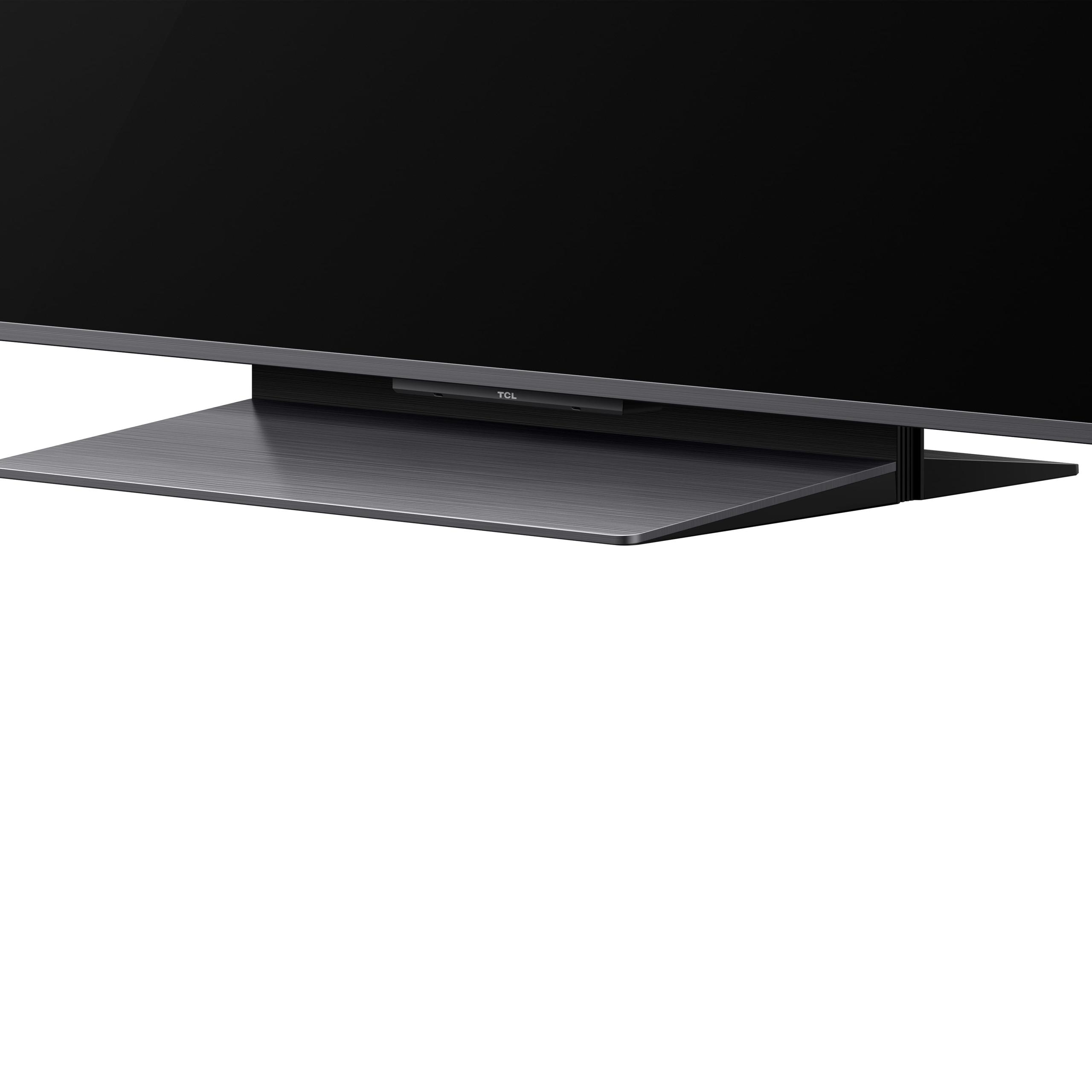
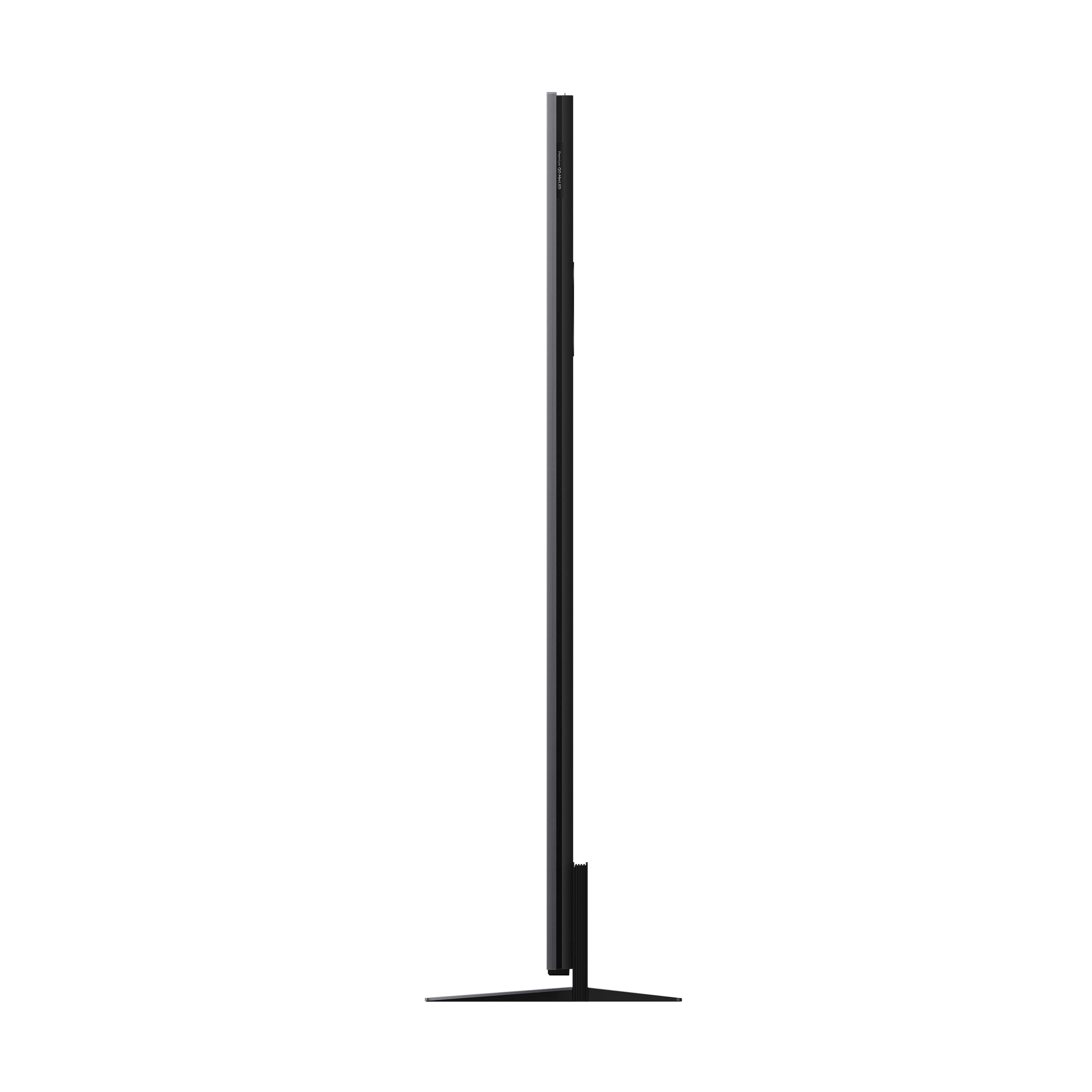
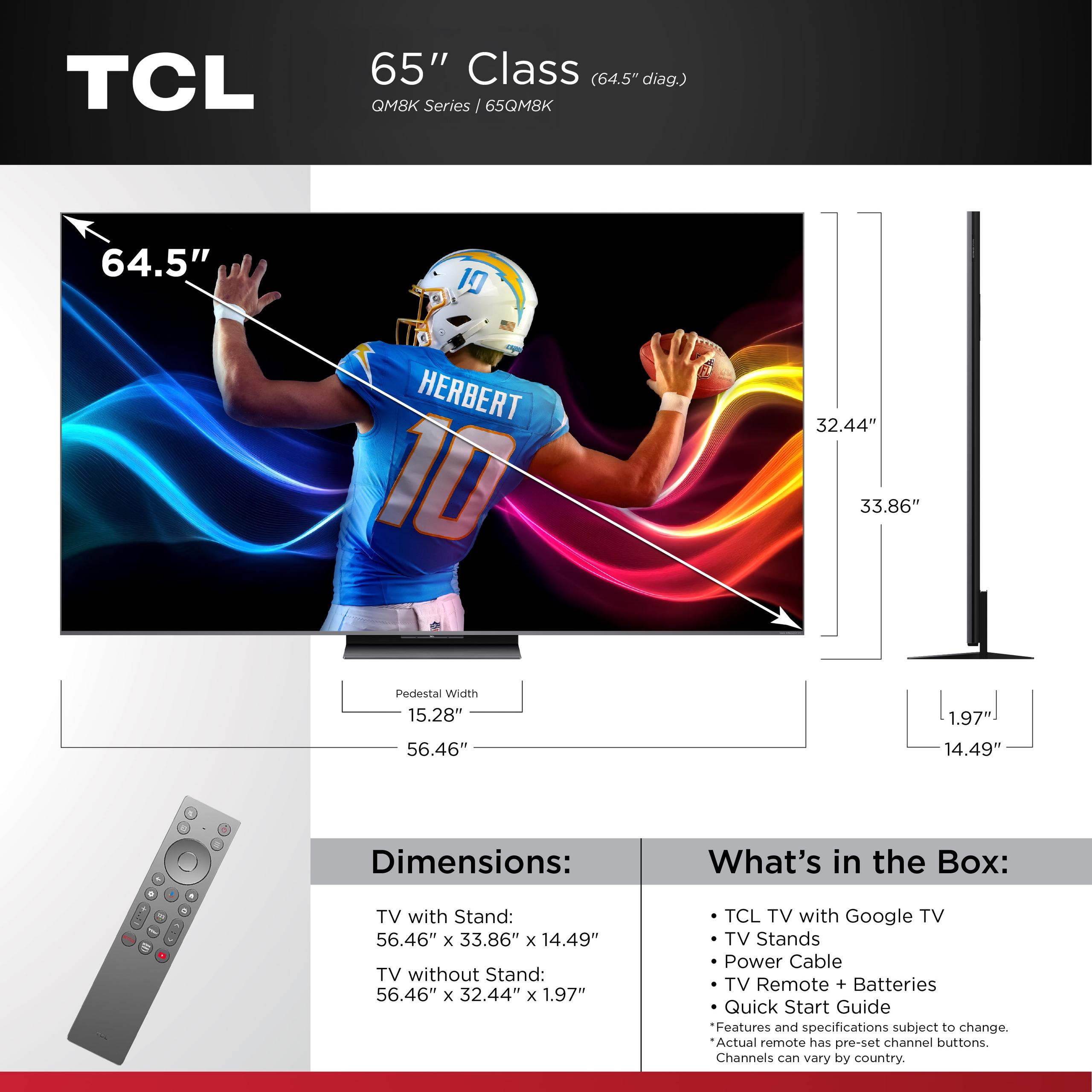
The TCL QM8K introduced the CrystGlow WHVA panel, improving viewing angles—traditionally an LCD weakness. The zero-border design minimizes bezels, creating a more premium appearance that rivals OLED aesthetics.
These improvements show how quickly TV technology evolves. What seemed impossible just a few years ago—bright OLEDs or LCD panels with perfect blooming control—is now reality.
Choose the Sony BRAVIA 8 II if you prioritize cinematic accuracy and have a controlled lighting environment. It's the better choice for serious movie enthusiasts who want reference-quality picture performance and don't mind paying for the privilege.
Choose the TCL QM8K if you want flagship features without flagship pricing. It's ideal for bright living rooms, gaming enthusiasts, and anyone who values practical performance over perfect blacks.
Both TVs represent excellent choices in their respective categories. The Sony BRAVIA 8 II delivers the premium OLED experience with quantum dot enhancement, while the TCL QM8K proves that Mini LED can compete with OLED in most scenarios while offering superior brightness and value.
Your choice ultimately depends on your viewing environment, budget, and whether you prioritize the absolute best (Sony) or the best value (TCL). Either way, you'll get a TV that delivers genuinely impressive performance worthy of your favorite content.

Privacy Policy
Terms and Conditions - Affiliate Policy
Home Security
© Copyright 2008-2026.
11816 Inwood Rd #1211, Dallas, TX 75244