

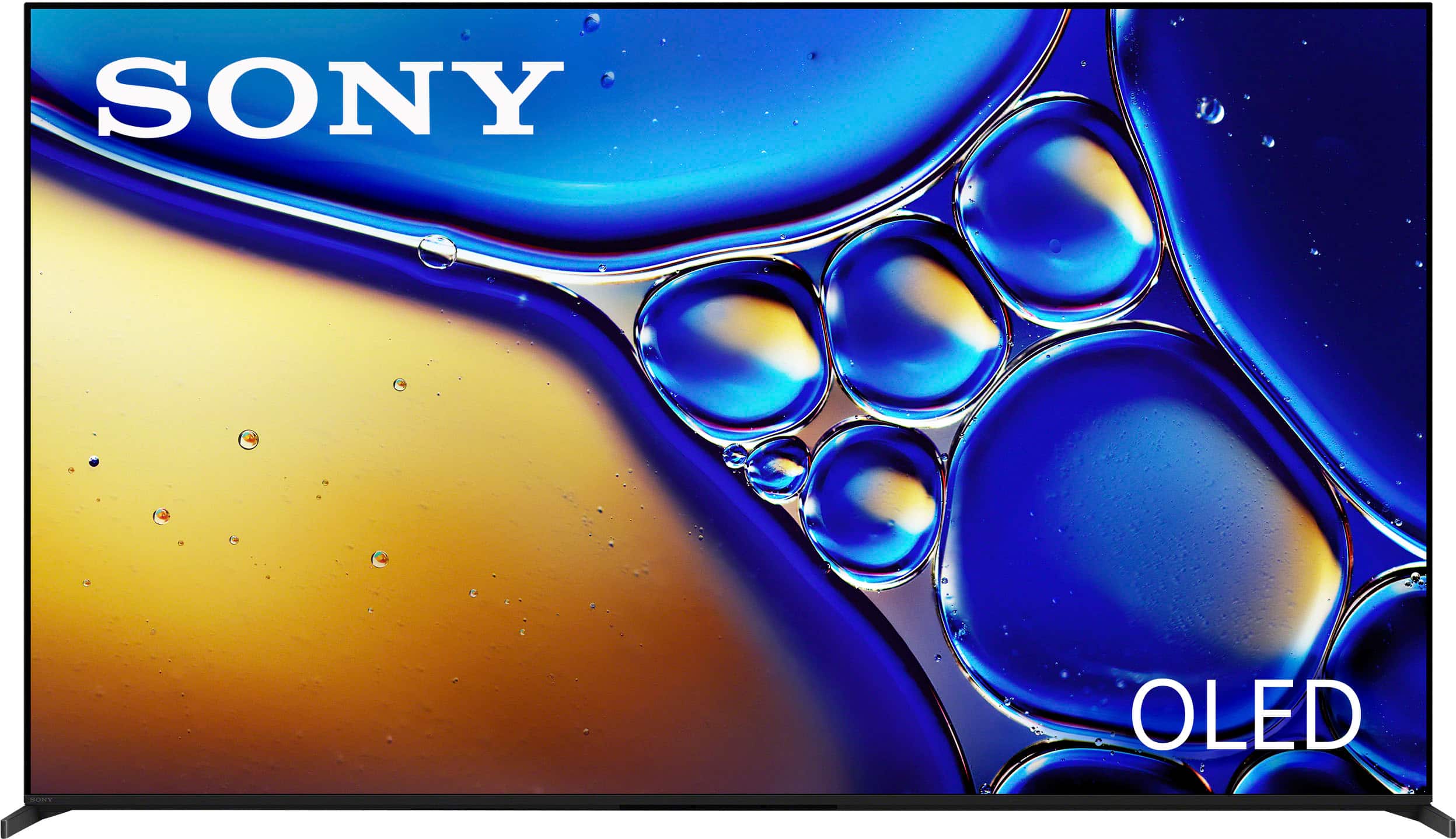
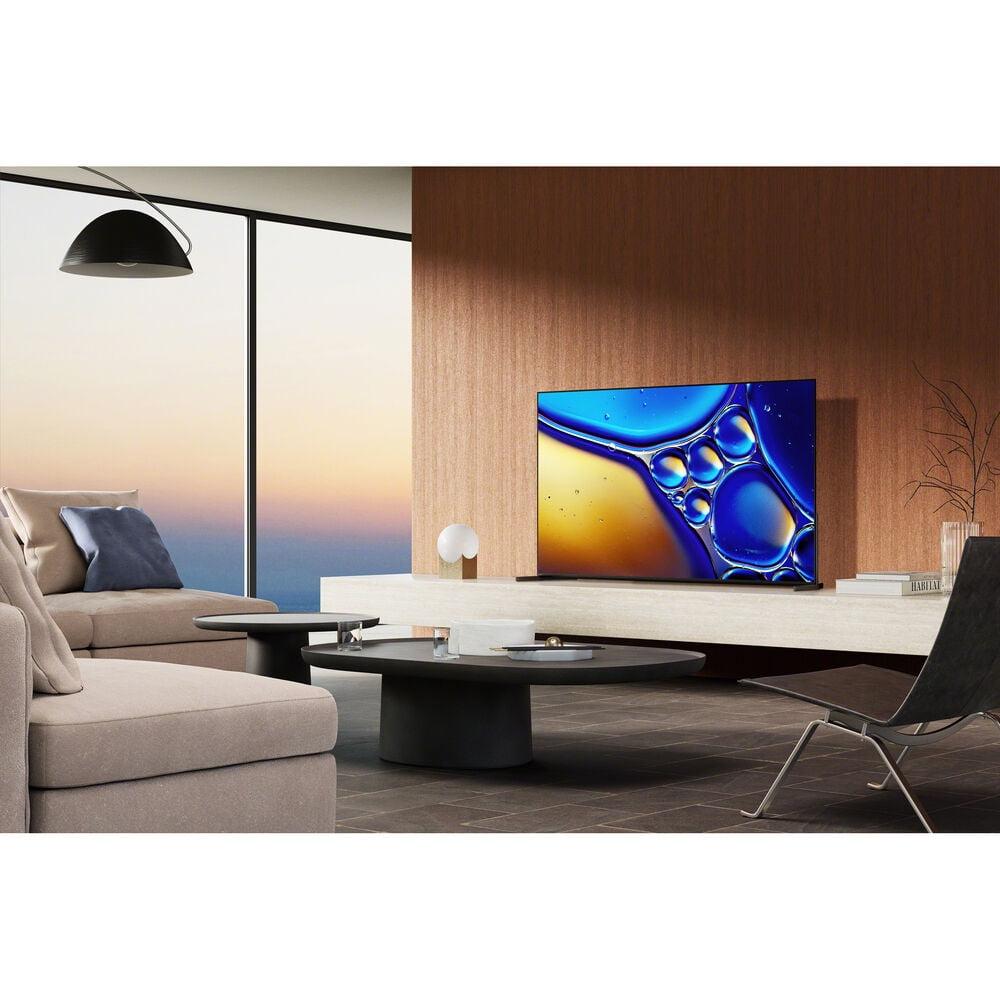


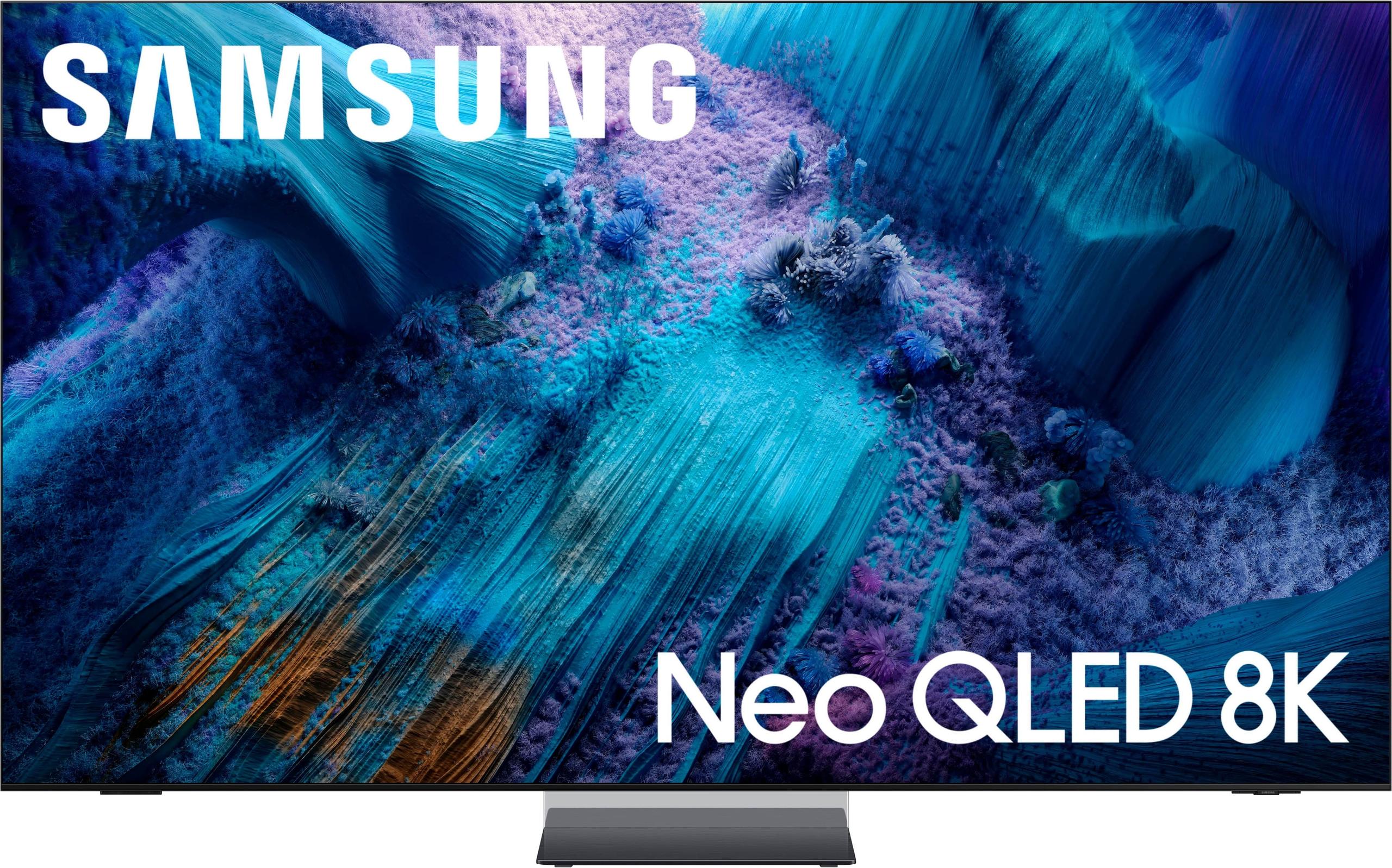
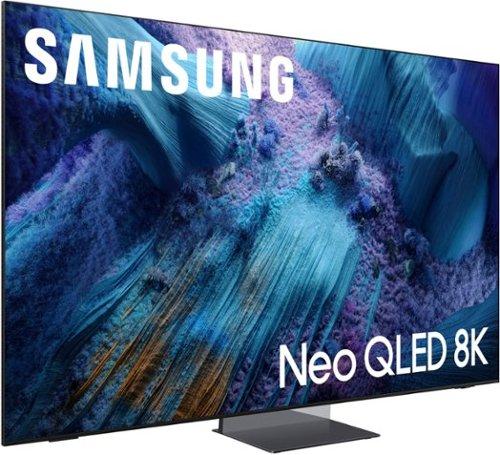
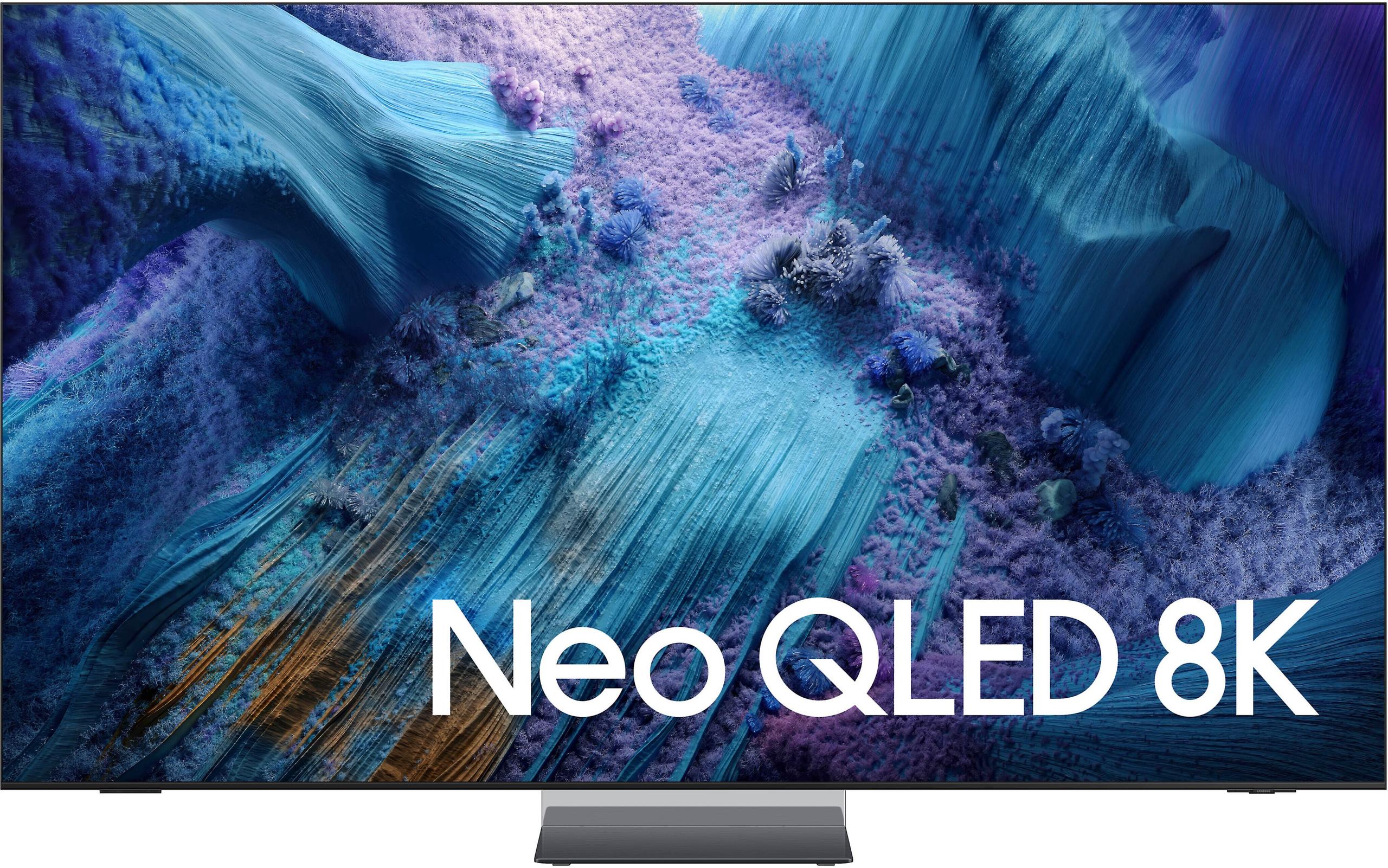
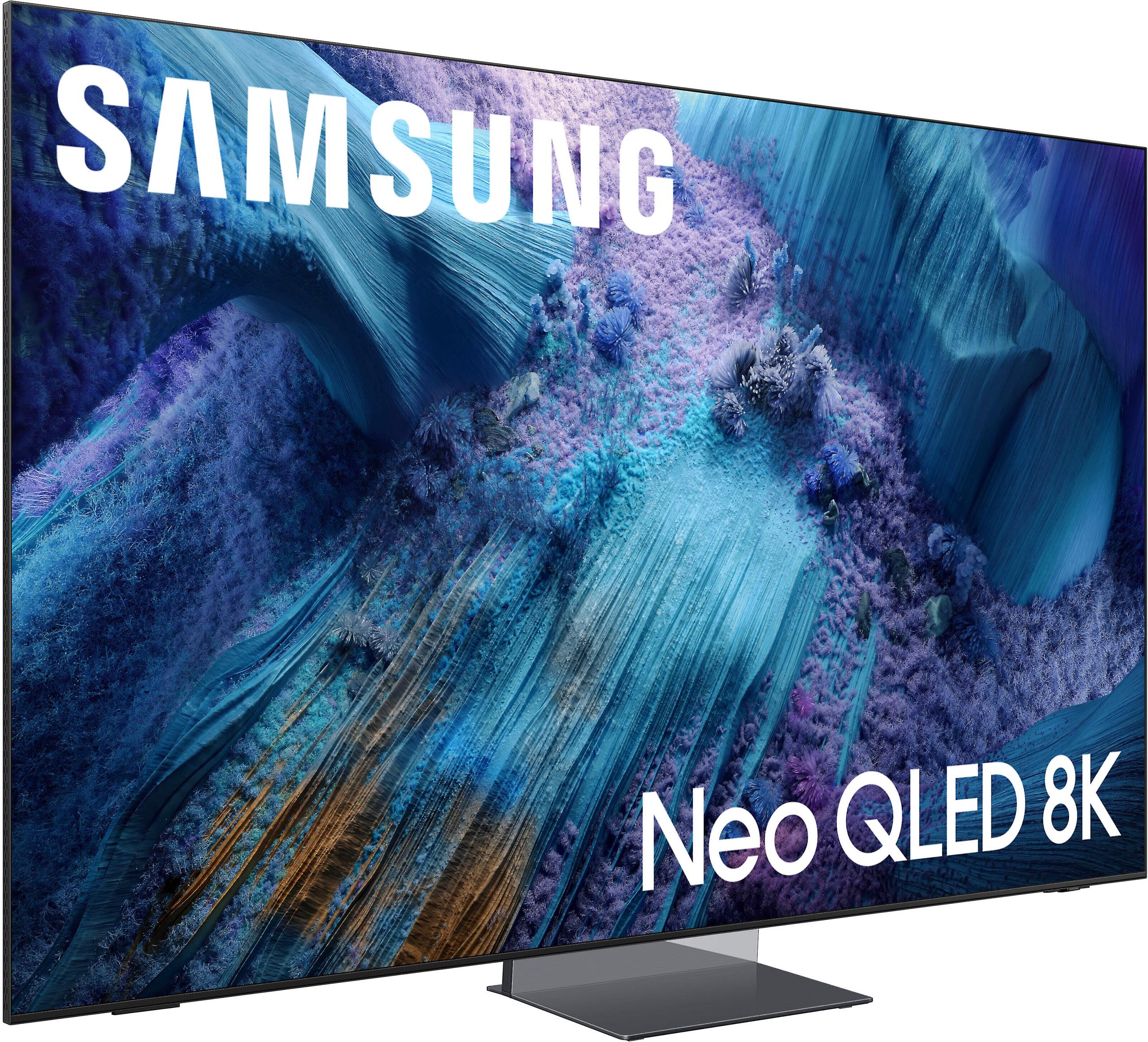
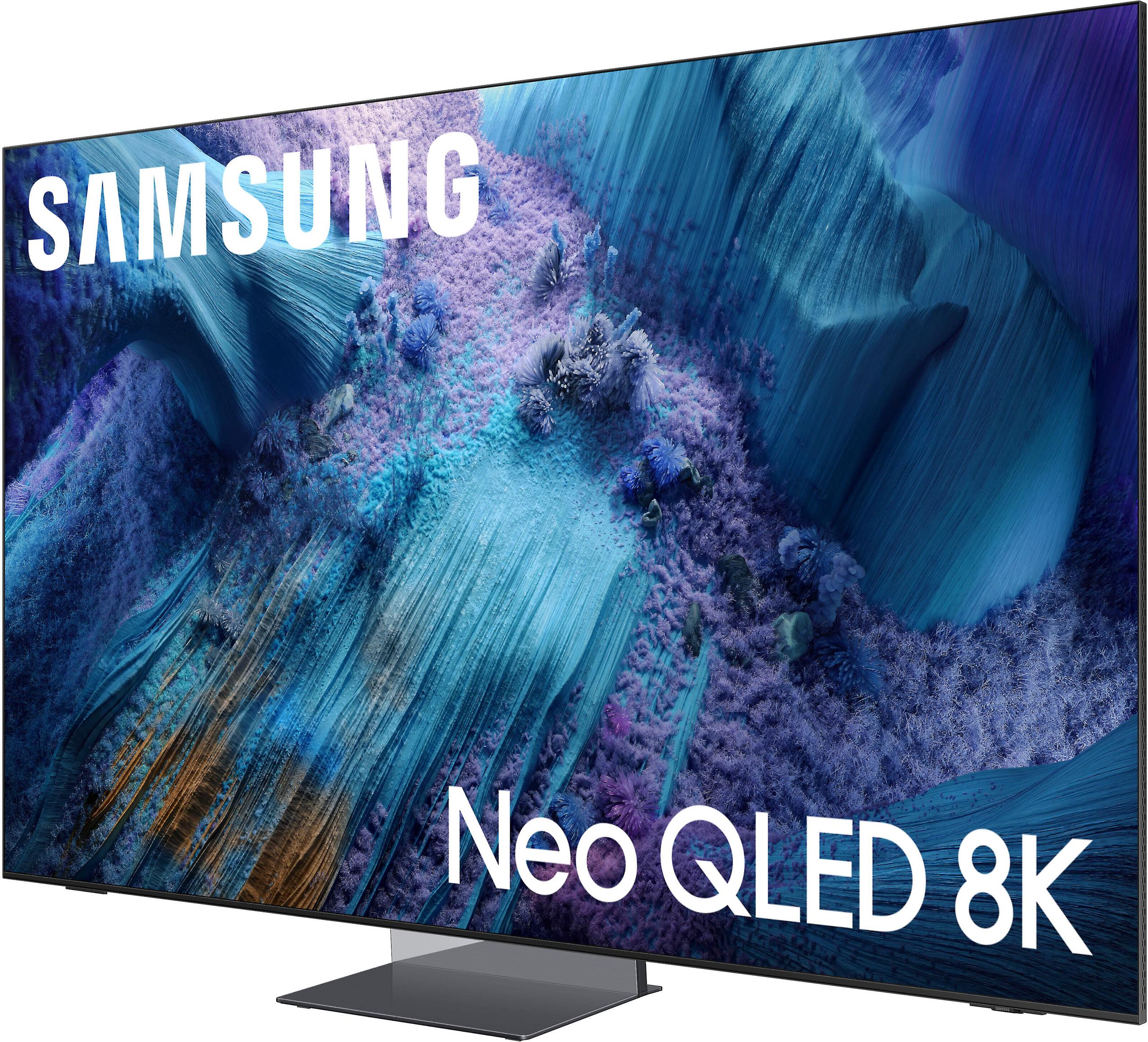
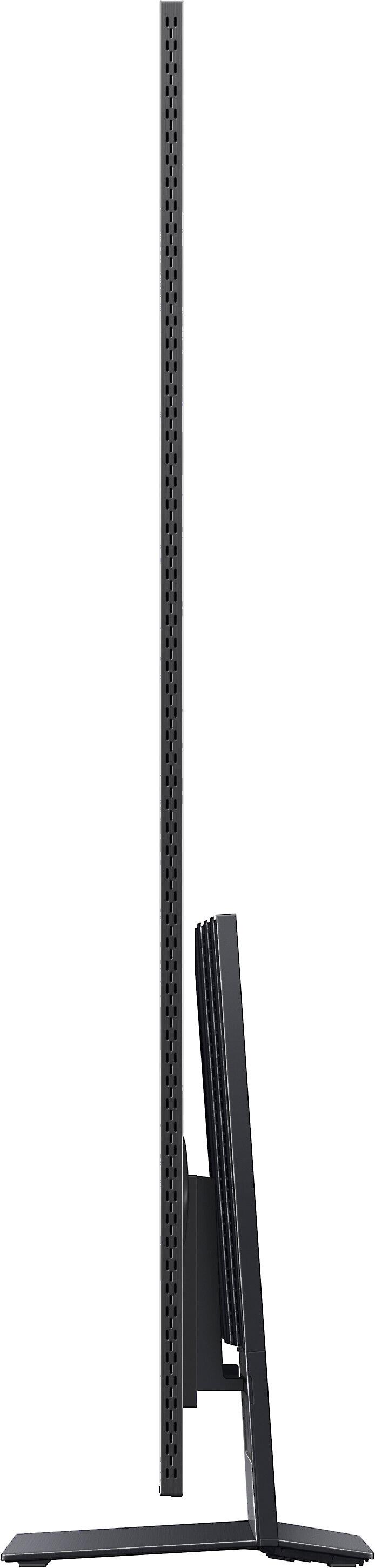


Shopping for a premium 65-inch TV in 2025? You're looking at an exciting time in television technology. Two standout models have captured serious attention from home theater enthusiasts: the Sony BRAVIA 8 II 65" QD-OLED 4K Google TV ($3,098) and the Samsung 65" Neo QLED QN990F 8K Smart TV ($5,297). Both launched in spring 2025, representing the pinnacle of their manufacturers' engineering efforts, but they take dramatically different approaches to delivering premium picture quality.
The fundamental question isn't just which TV is better—it's which philosophy matches your viewing priorities and budget. Do you want the perfect blacks and cinematic accuracy of OLED technology, or the blazing brightness and future-proof 8K resolution of advanced LED backlighting? Let's dive deep into what makes each approach special.
The television landscape has evolved dramatically over the past few years. Where we once chose simply between LCD and OLED, today's premium market offers sophisticated variations that blur traditional boundaries. The Sony BRAVIA 8 II represents the latest evolution in QD-OLED technology—a hybrid approach that combines OLED's perfect blacks with quantum dots' enhanced color and brightness. Meanwhile, the Samsung QN990F pushes Neo QLED (Mini LED) technology to new heights, using thousands of tiny LEDs for precise brightness control.
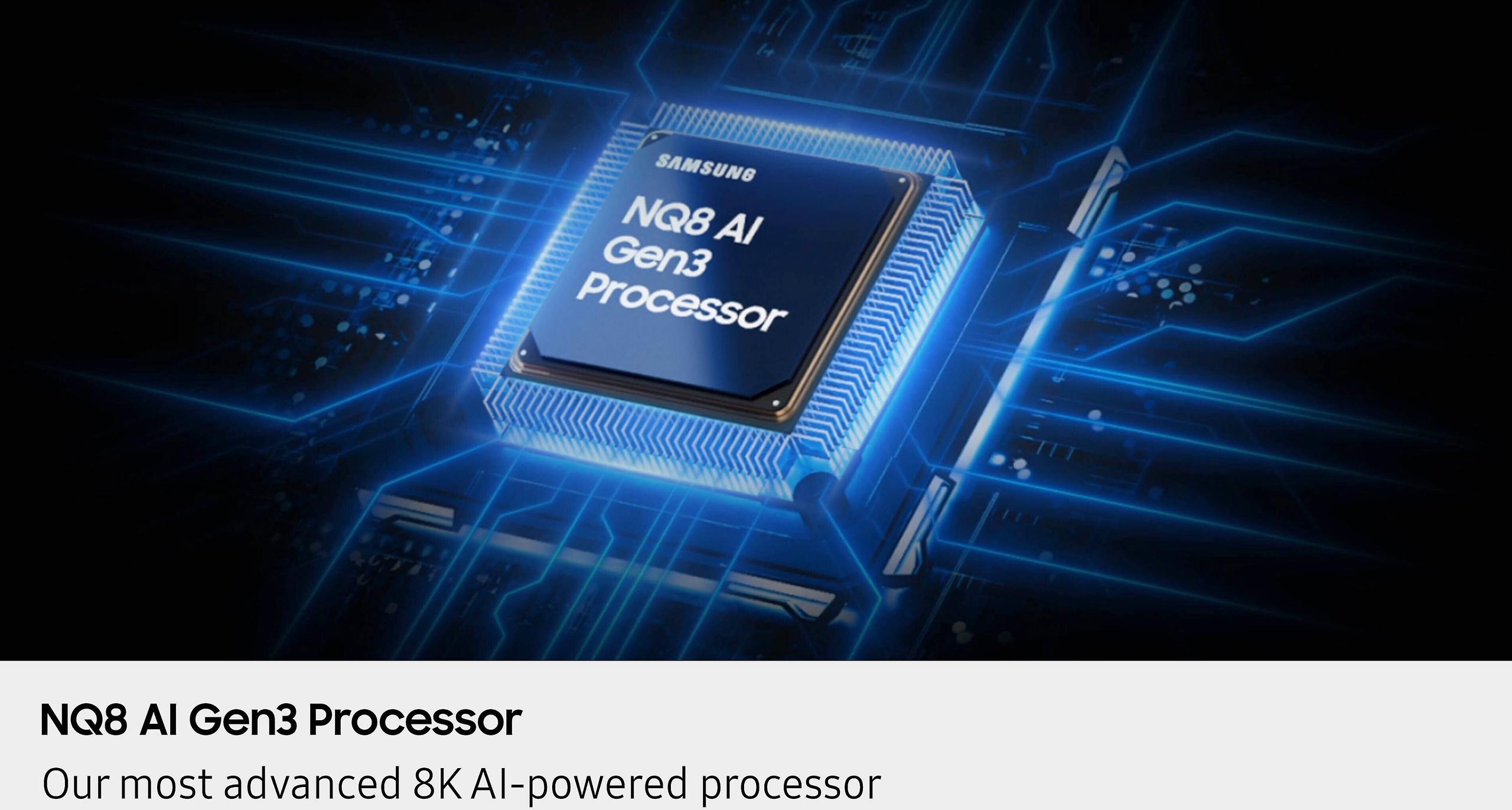
Both TVs arrived as 2025 flagships, incorporating years of refinement in their respective technologies. Sony's move to QD-OLED for the BRAVIA 8 II marks a significant upgrade from their previous W-OLED panels, delivering 25% more brightness than their acclaimed A95L series. Samsung's QN990F continues their Mini LED evolution, now featuring their most advanced NQ8 AI Gen3 processor and improved anti-glare technology that virtually eliminates reflections.
The Sony BRAVIA 8 II uses QD-OLED technology, which sounds complex but delivers straightforward benefits. Traditional OLED panels create white light that's filtered through color filters. QD-OLED instead uses blue OLED emitters combined with quantum dots—microscopic semiconductor particles that convert blue light into pure red and green. This approach eliminates the need for color filters, resulting in brighter, more saturated colors while maintaining OLED's signature perfect blacks.
In practical terms, this means every pixel can turn completely off for true black, creating infinite contrast ratios that make dark movie scenes look incredibly realistic. When you're watching a space thriller with starfields against deep black backgrounds, each star appears to float in genuine darkness rather than the slightly gray "black" you get from backlit displays.
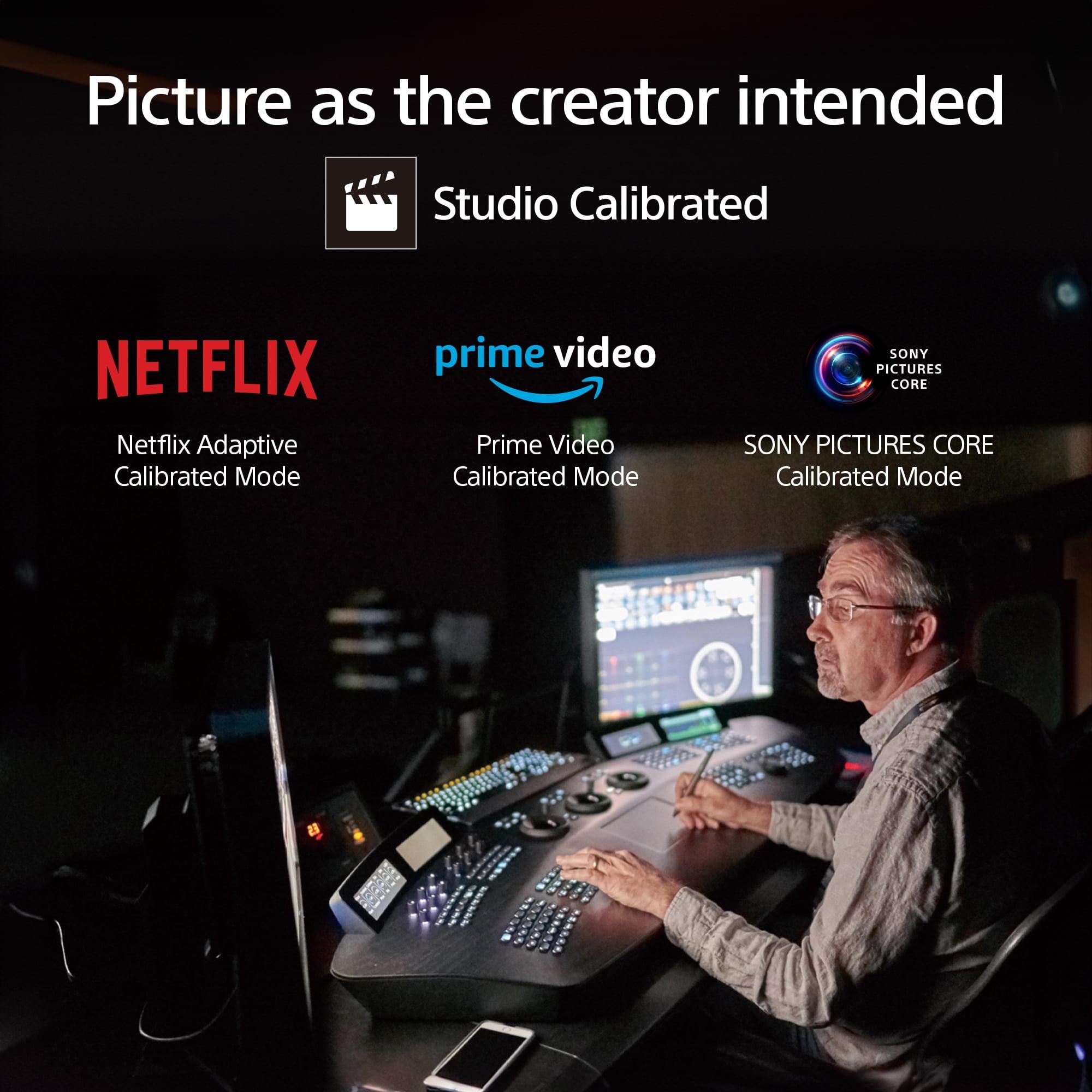
Sony's implementation includes their XR Triluminos Max color system, which works with the QD-OLED panel to display what they claim are "billions of accurate real-world colors." Having spent considerable time with various display technologies, I can confirm that skin tones on the Sony BRAVIA 8 II look remarkably natural—none of the orange-tinted faces or oversaturated greenery that can plague lesser displays.
The Samsung QN990F takes an entirely different approach with Neo QLED technology. This system uses thousands of tiny Mini LEDs—each roughly 1/40th the size of traditional LED backlights—arranged behind the LCD panel. These Mini LEDs are organized into hundreds of dimming zones that can be controlled independently, allowing bright objects to shine while keeping surrounding areas dark.
What makes this particularly impressive is Samsung's Quantum Matrix technology, which precisely controls each dimming zone to minimize blooming (unwanted light spill around bright objects). While it can't achieve OLED's perfect pixel-level control, modern Mini LED implementations come surprisingly close, especially in mixed lighting conditions.
The 8K resolution—7680 × 4320 pixels, or four times the detail of 4K—represents Samsung's bet on future content. Their NQ8 AI Gen3 processor uses 768 neural networks (essentially specialized AI processing units) to analyze and upscale lower-resolution content to take advantage of those extra pixels. Even though native 8K content remains rare, the upscaling can make 4K movies and shows look noticeably sharper, particularly on fine details like fabric textures or architectural elements.
For dedicated home theater setups with controlled lighting, the Sony BRAVIA 8 II demonstrates why OLED technology has become the gold standard for cinematic viewing. Each pixel's ability to turn completely off creates contrast ratios that no backlit display can match. When watching movies with challenging scenes—think the dimly lit corridors in horror films or the subtle shadow gradations in film noir—the Sony reveals details that get lost on other displays.
The QD-OLED panel's enhanced brightness (about 1,880 nits peak) addresses one of traditional OLED's main weaknesses. While this isn't as bright as the Samsung QN990F, it's sufficient for HDR highlights to pop dramatically against those perfect blacks. Watching HDR movies like "Dune" or "Blade Runner 2049," the Sony creates an almost three-dimensional depth that makes you feel like you're looking through a window rather than at a screen.
Sony's Cognitive Processor XR adds another layer of sophistication, analyzing scenes to optimize them based on how human vision actually works. It identifies focal points—usually faces or key action elements—and enhances those areas while subtly de-emphasizing less important parts of the frame. This creates a more natural, film-like presentation that draws your eye exactly where the director intended.
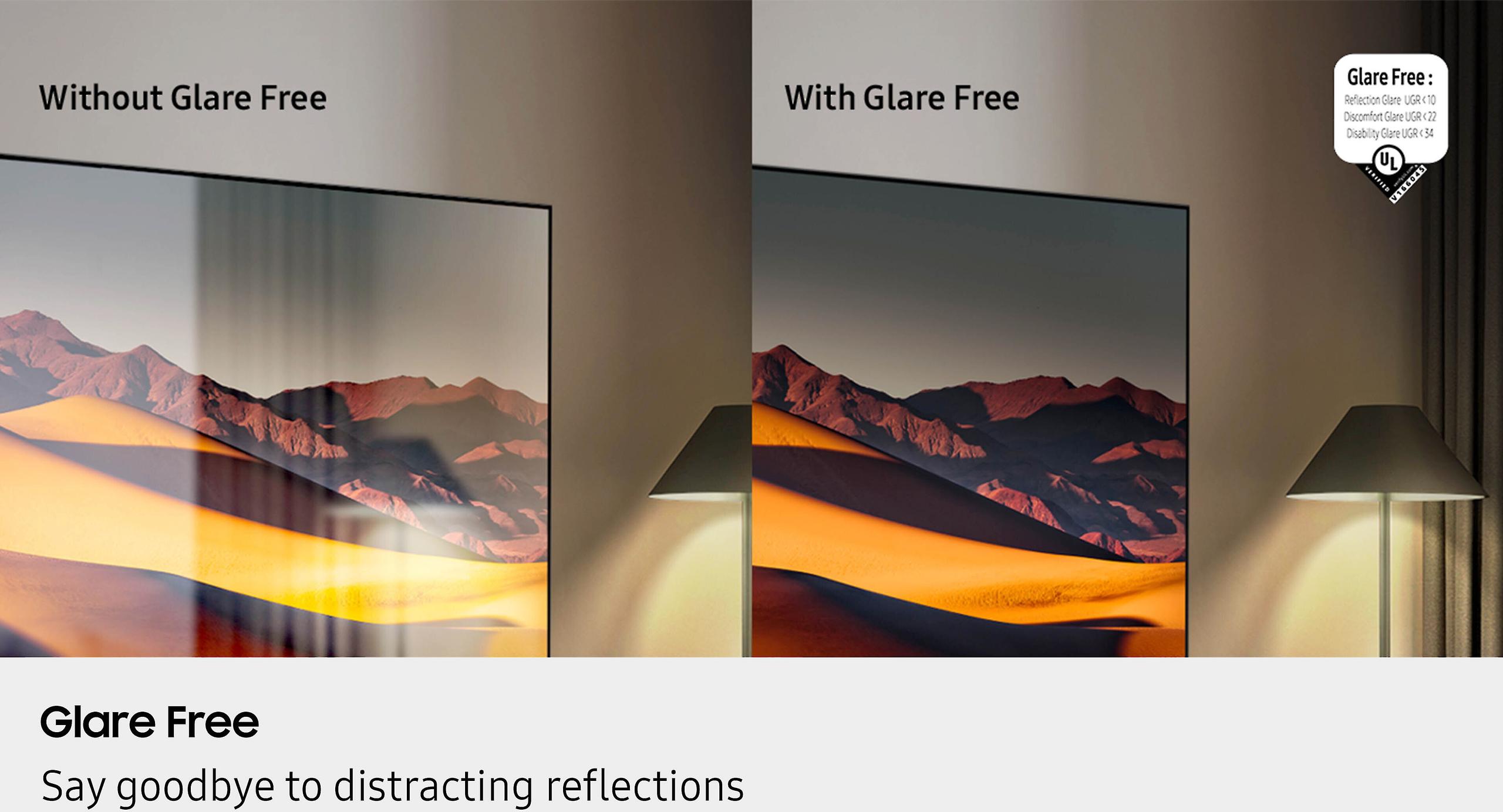
If your TV lives in a bright living room with lots of windows, the Samsung QN990F offers a fundamentally different advantage. Its peak brightness exceeds 2,000 nits, making HDR content maintain its impact even with ambient light present. More importantly, Samsung's matte anti-glare coating virtually eliminates reflections that would turn other TVs into mirrors during daytime viewing.
This anti-glare technology represents a genuine breakthrough. Traditional anti-reflective coatings often soften the image or reduce color saturation. Samsung's implementation maintains sharp details and vibrant colors while scattering reflected light so effectively that you can watch comfortably even with bright windows directly behind your seating area.
The Mini LED backlight system provides another bright-room advantage: consistent brightness across the entire screen. While OLED panels can appear dimmer in ambient light due to their organic materials' light-absorbing properties, the Samsung QN990F maintains its visual punch regardless of room lighting conditions.
Modern gaming demands have pushed TV manufacturers to implement features that were unimaginable just a few years ago. Both TVs support HDMI 2.1 connectivity with Variable Refresh Rate (VRR) and Auto Low Latency Mode (ALLM), but their implementations differ significantly.
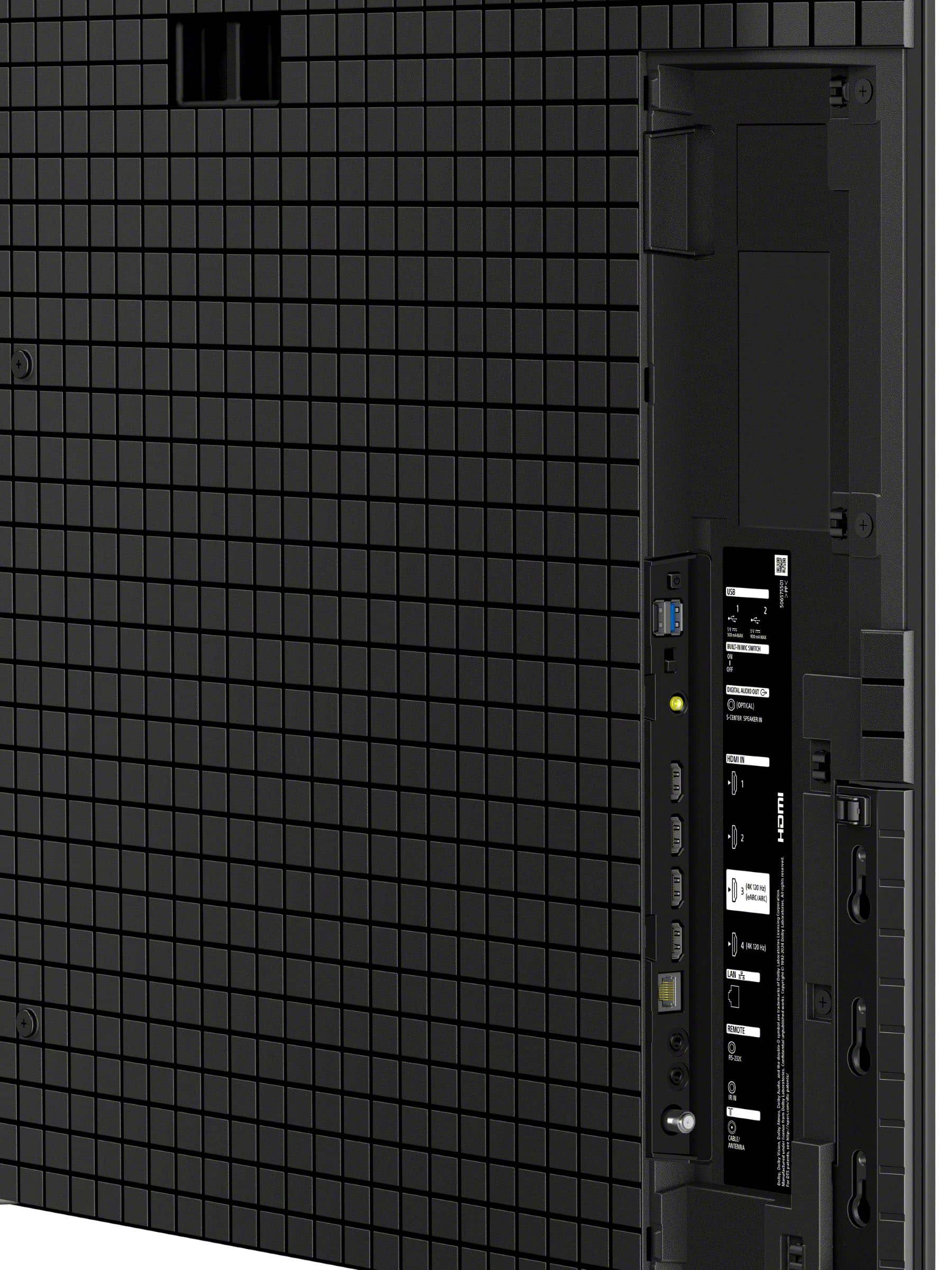
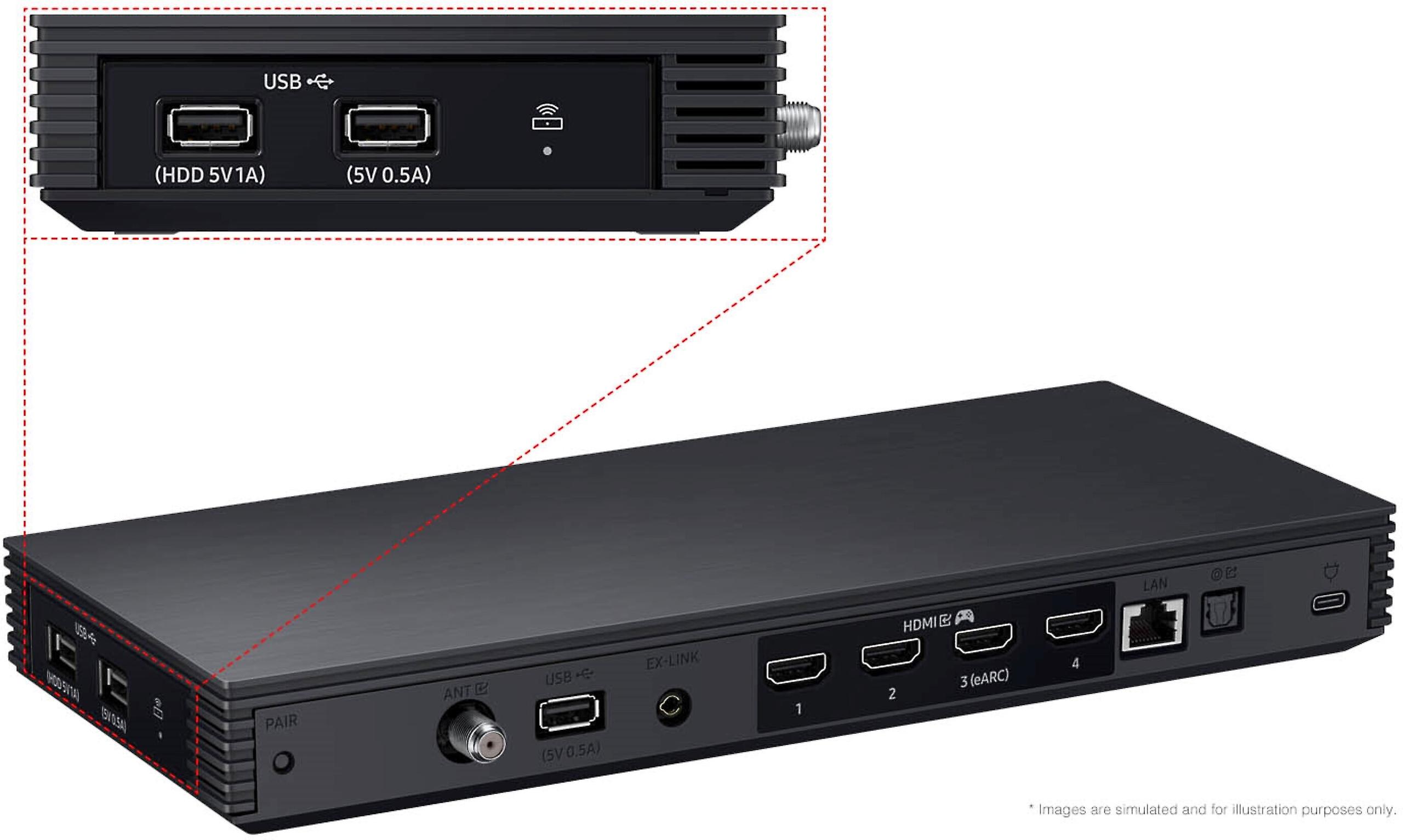
The Samsung QN990F takes a more aggressive approach to gaming features. It supports 4K gaming at up to 240Hz—double the refresh rate of most competing displays—and can handle 8K gaming at 120Hz for future consoles that might support it. With four HDMI 2.1 ports compared to Sony's two, Samsung provides more flexibility for connecting multiple next-generation gaming devices.
Input lag on the Samsung measures approximately 9.8ms in game mode, which is excellent for competitive gaming where every millisecond matters. The Sony BRAVIA 8 II achieves around 12ms, which is still very good but slightly behind Samsung's optimization.
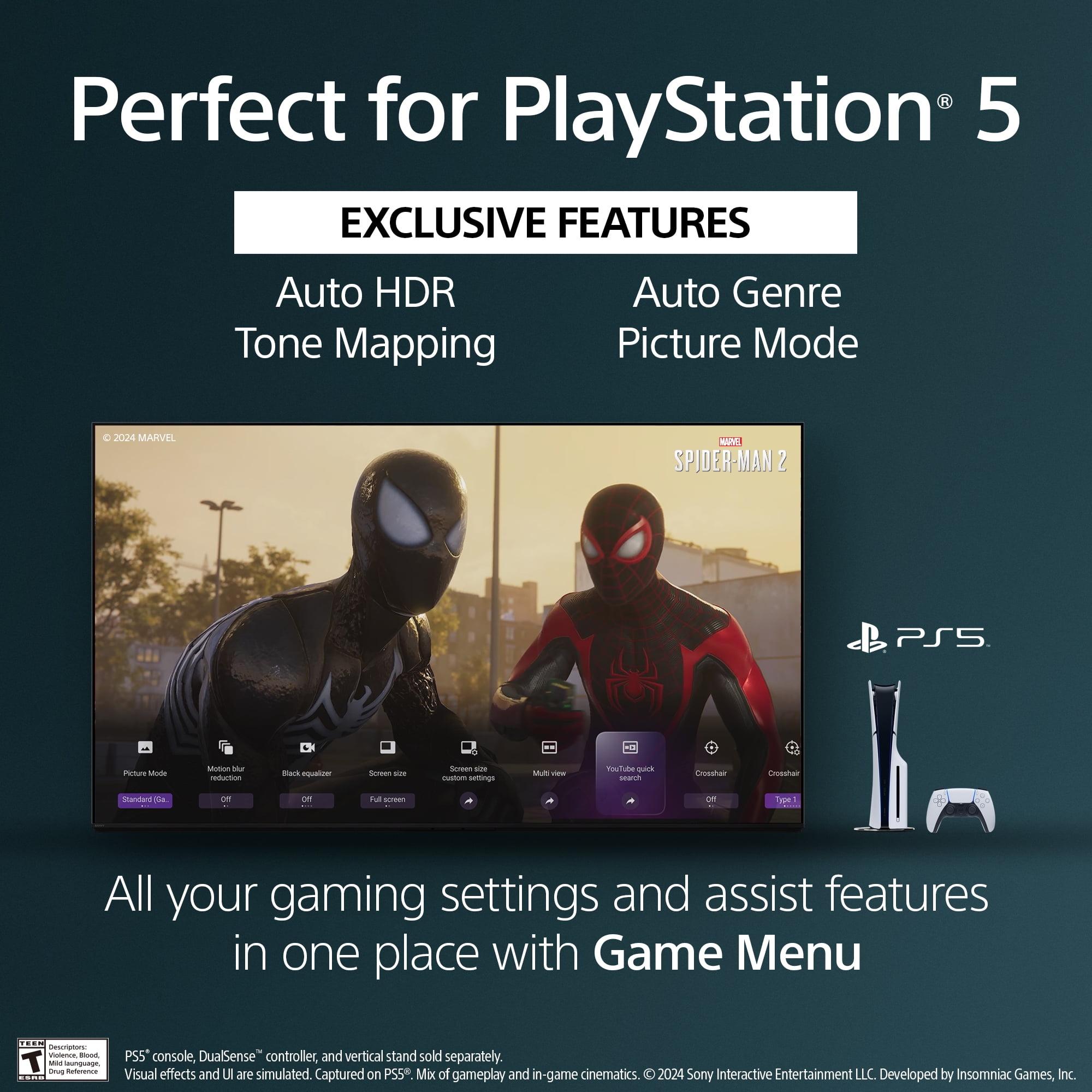
However, Sony offers unique PlayStation integration features that create a more seamless experience with Sony's gaming ecosystem. The TV can automatically detect when a PlayStation 5 is connected and optimize settings specifically for Sony's console, including special picture modes designed for different game genres.
For serious gamers, particularly those interested in cutting-edge frame rates and future-proofing, the Samsung QN990F provides more comprehensive gaming features. For casual gamers who prioritize picture quality over competitive advantages, the Sony BRAVIA 8 II delivers excellent performance with superior visual quality.
Television audio has historically been an afterthought, but both manufacturers have invested heavily in making their premium models sound genuinely good without external speakers.
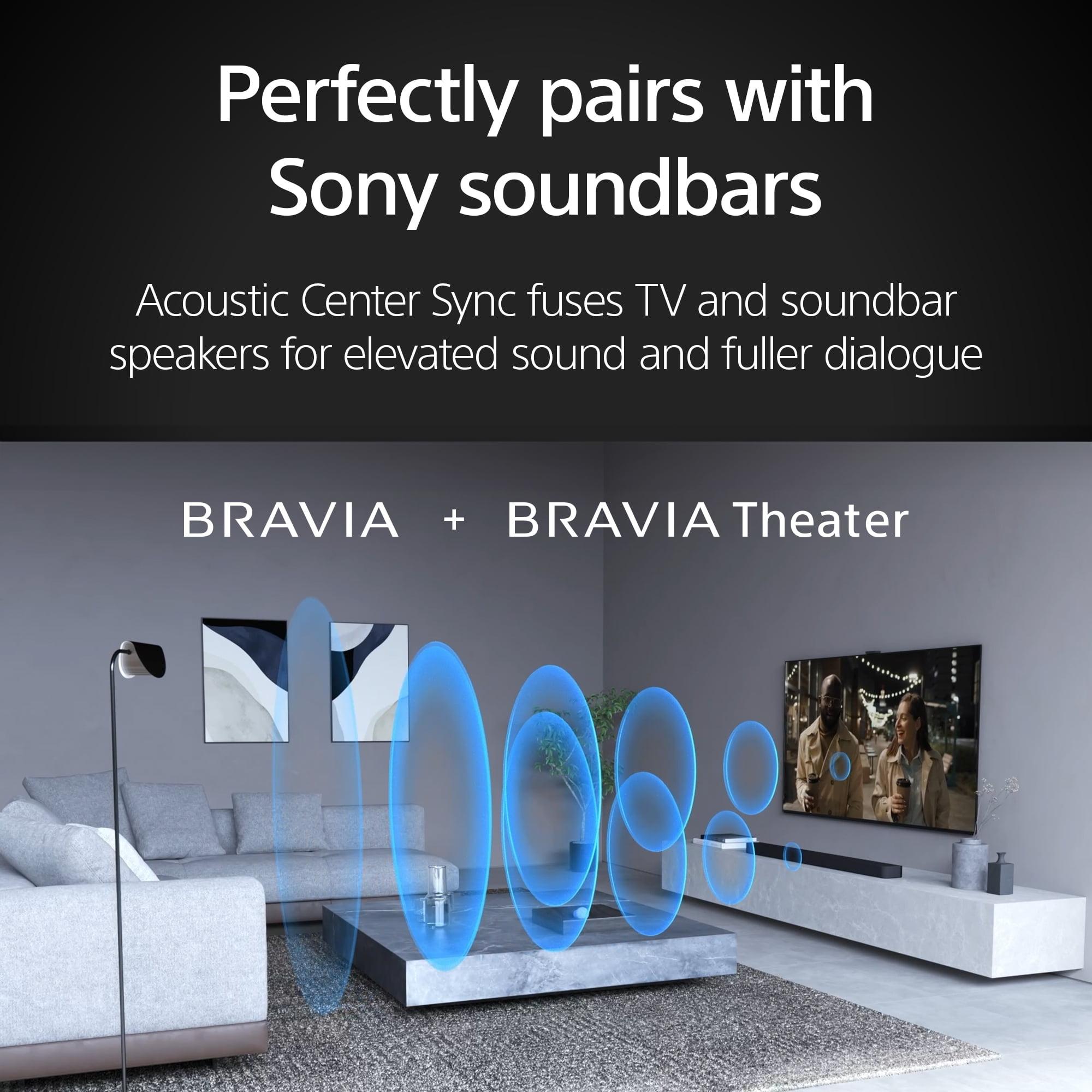
The Sony BRAVIA 8 II features Acoustic Surface Audio+ technology, which uses actuators behind the OLED panel to vibrate the entire screen as a speaker. This creates an unusual but effective audio experience where dialogue appears to come directly from actors' mouths rather than from speakers below or beside the screen. The effect is subtle but noticeable, particularly for dialogue-heavy content like news or drama series.
Sony's Voice Zoom 3 feature uses AI to enhance dialogue clarity during loud action scenes, automatically boosting speech frequencies when explosions or music might otherwise drown out important dialogue. Having tested this extensively, it works remarkably well for movies with challenging audio mixing.
The Samsung QN990F takes a more traditional approach with a 90W 6.2.2 channel speaker system that includes dedicated height channels for Dolby Atmos support. Object Tracking Sound Pro attempts to move audio effects across the screen to match on-screen action, creating a more immersive experience for action movies and sports.
While both systems sound impressive for built-in TV audio, the Sony's screen-based approach creates a more natural presentation for most content, while Samsung's multi-channel system provides more dramatic effects for action-heavy material.
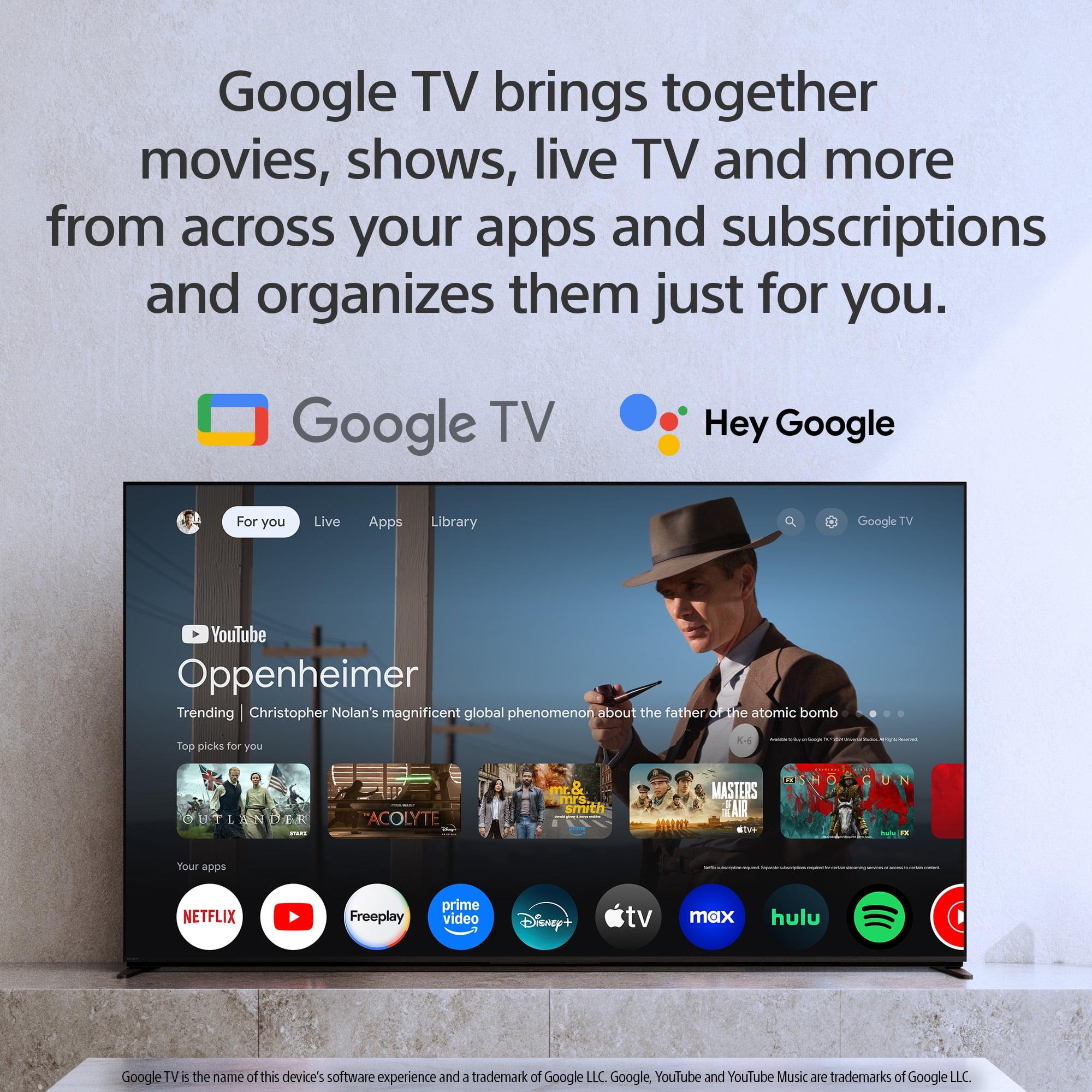
Both TVs offer comprehensive smart platforms, but with different approaches. The Sony BRAVIA 8 II runs Google TV (Android TV version 12), providing access to virtually every streaming service with a clean, recommendation-focused interface. Google Assistant integration allows voice control for content search, smart home devices, and basic TV functions.
Samsung's Tizen platform on the QN990F offers similar app selection with Samsung's own interface design. Bixby voice assistant provides comparable functionality to Google Assistant, though Google's implementation tends to be more responsive for general queries.
Both platforms receive regular updates and support all major streaming services including Netflix, Disney+, HBO Max, and others. The practical differences come down to personal preference and existing ecosystem integration—Google TV works better if you're already invested in Google services, while Tizen integrates well with Samsung smartphones and other Samsung devices.
The price difference between these TVs is substantial: the Samsung QN990F ($5,297) costs 71% more than the Sony BRAVIA 8 II ($3,098). This gap reflects not just different technologies but different value philosophies.
The Sony BRAVIA 8 II represents mature OLED technology refined to an exceptional level. At $3,098, it delivers reference-quality picture performance that rivals displays costing significantly more just a few years ago. The 4K resolution perfectly matches current content libraries, and the viewing experience in dark or dimly lit rooms surpasses displays costing twice as much.
The Samsung QN990F justifies its premium pricing through future-proofing and specialized capabilities. The 8K resolution, advanced gaming features, and superior bright-room performance target users who want the absolute latest technology and are willing to pay for capabilities they might not fully utilize immediately.
For most viewers, the Sony provides better immediate value. The picture quality difference in optimal viewing conditions favors the OLED technology, and the $2,199 savings could fund a premium soundbar, room treatments, or simply stay in your pocket. However, if bright-room viewing is essential or gaming features are a priority, Samsung's premium begins to make more sense.
Choose the Sony BRAVIA 8 II ($3,098) if your primary viewing happens in dark or dimly lit rooms, you prioritize movie watching and cinematic accuracy, or you want exceptional value for premium display technology. The perfect blacks, accurate colors, and superior built-in audio create an immediately impressive viewing experience that showcases why OLED technology has become the enthusiast favorite.
The Samsung QN990F ($5,297) makes more sense if you have a bright living room with lots of ambient light, gaming performance and future-proofing are priorities, or you want the most advanced connectivity and anti-glare technology available. The 8K resolution and blazing brightness deliver a different kind of impressive that works better in challenging viewing environments.
For most buyers, I'd recommend the Sony BRAVIA 8 II. Its combination of exceptional picture quality, mature technology, and reasonable pricing delivers more immediate satisfaction for typical viewing scenarios. The Samsung QN990F appeals to specific use cases—primarily bright rooms and advanced gaming—where its premium features provide clear advantages worth the substantial price increase.
Both represent excellent choices within their intended use cases. The key is honestly evaluating your viewing environment, content preferences, and budget priorities to choose the technology that best matches your actual needs rather than theoretical maximums.

Privacy Policy
Terms and Conditions - Affiliate Policy
Home Security
© Copyright 2008-2026.
11816 Inwood Rd #1211, Dallas, TX 75244