

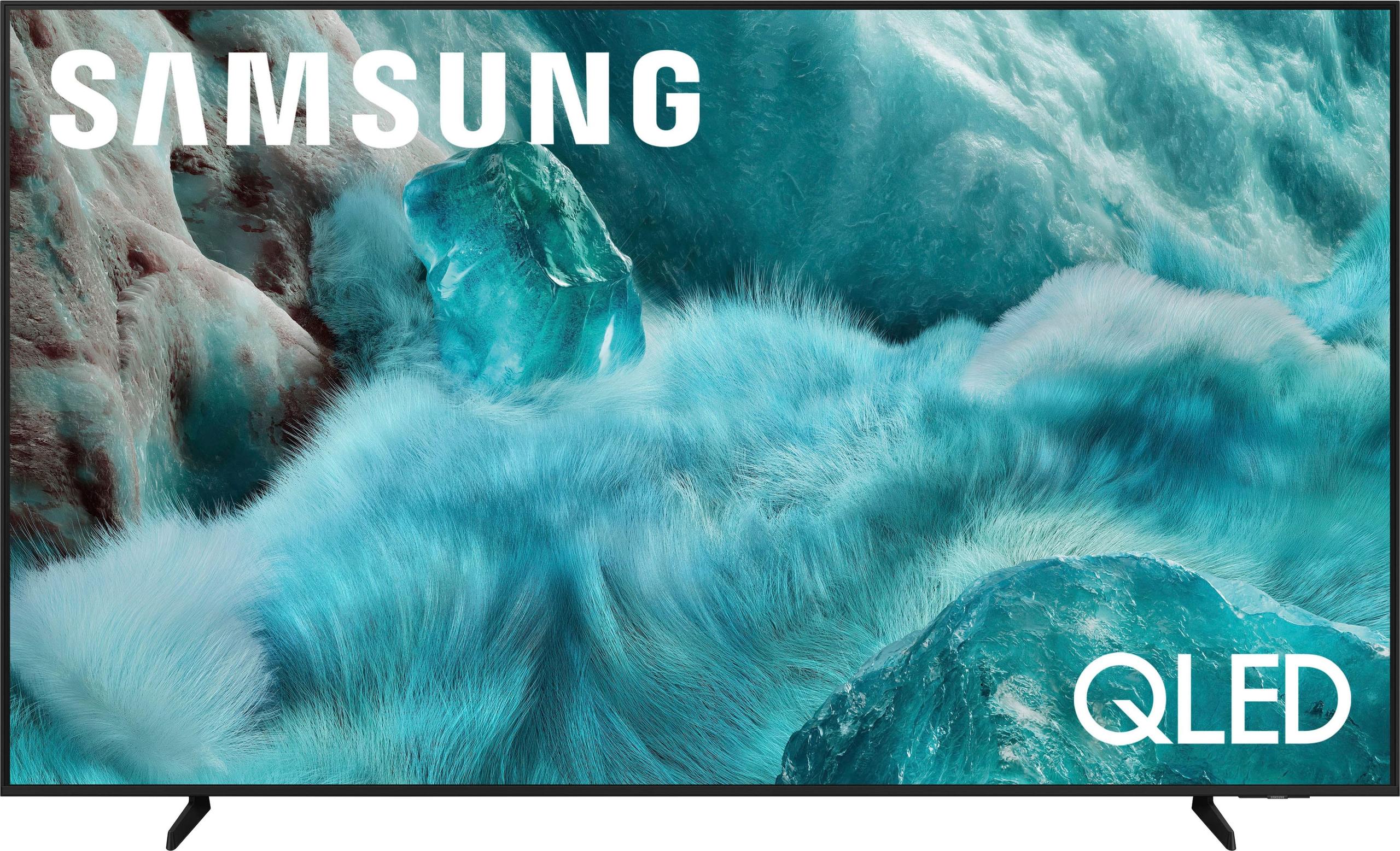
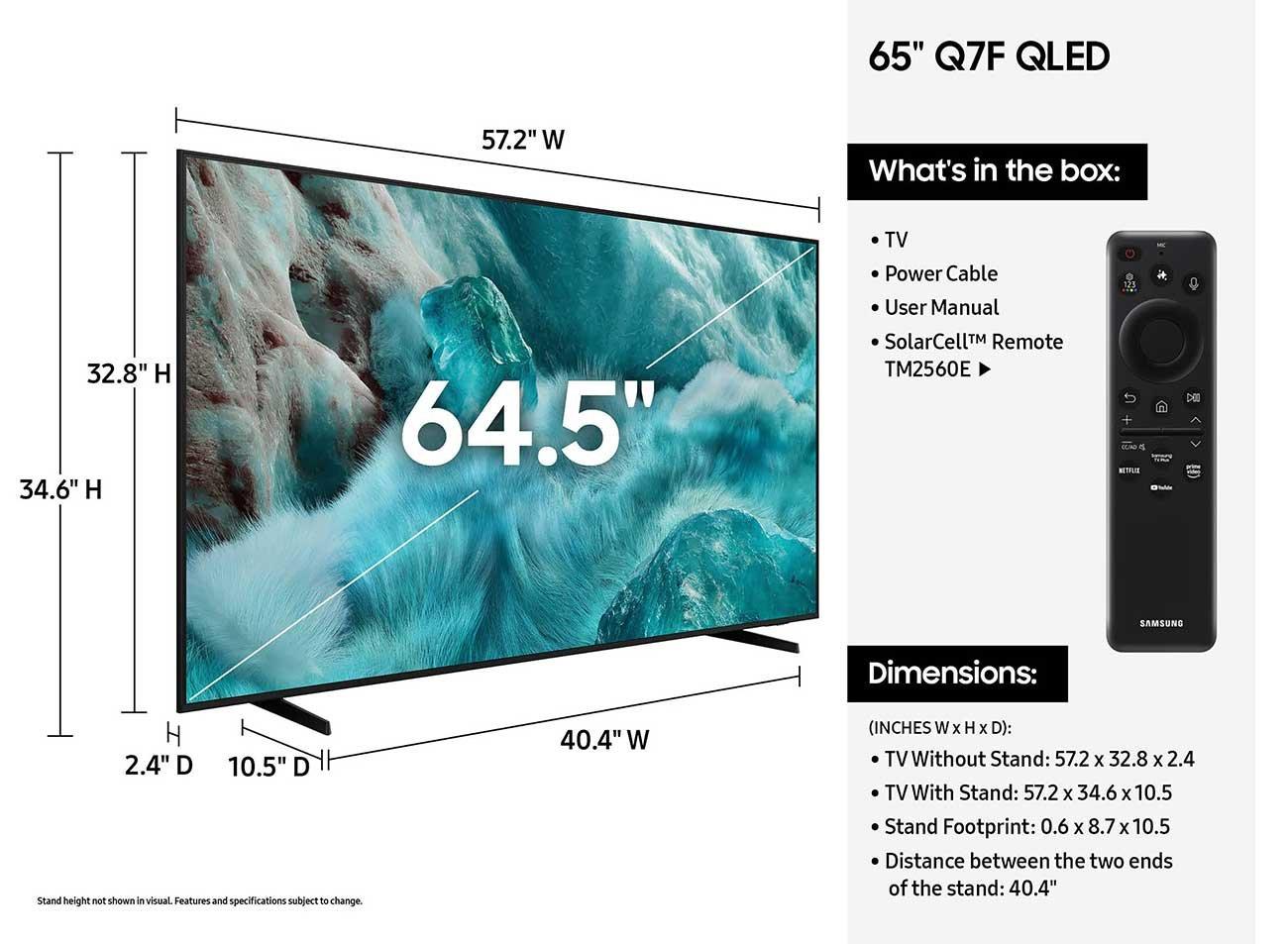

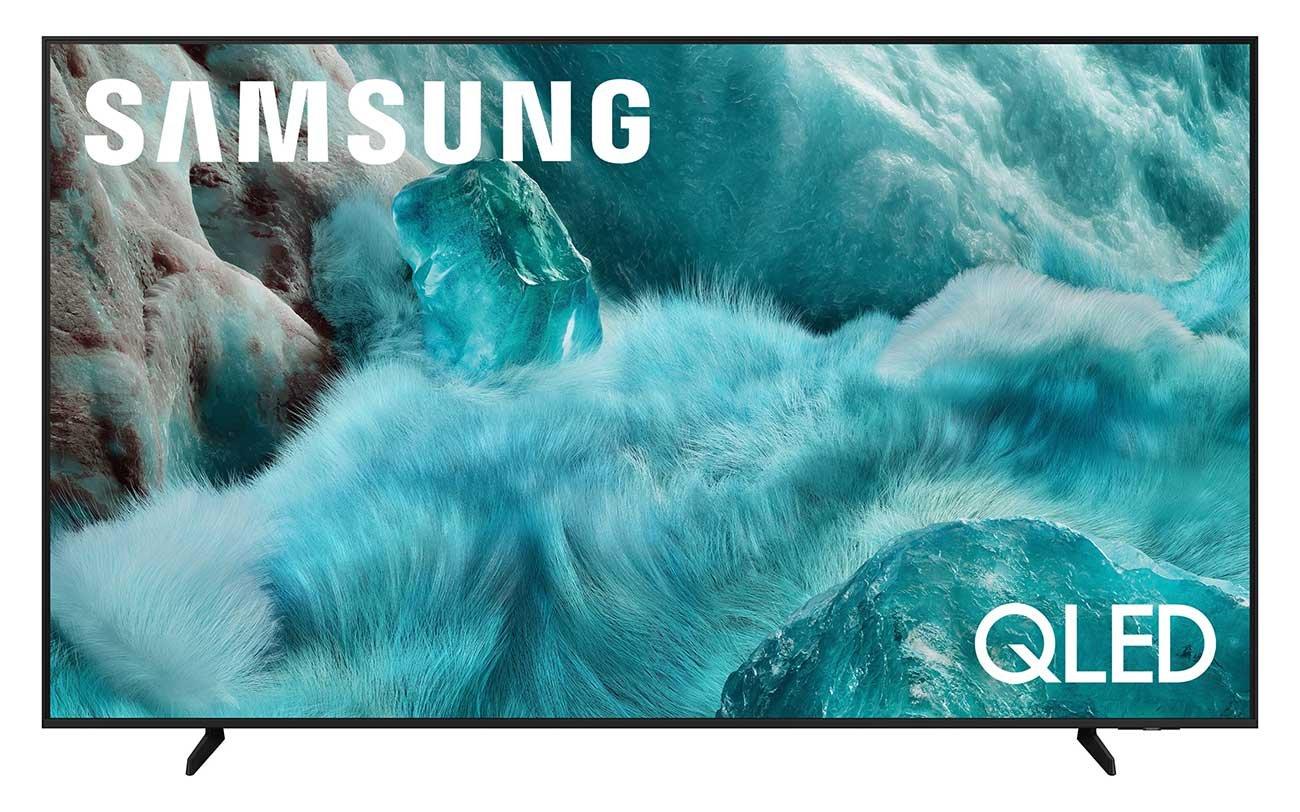
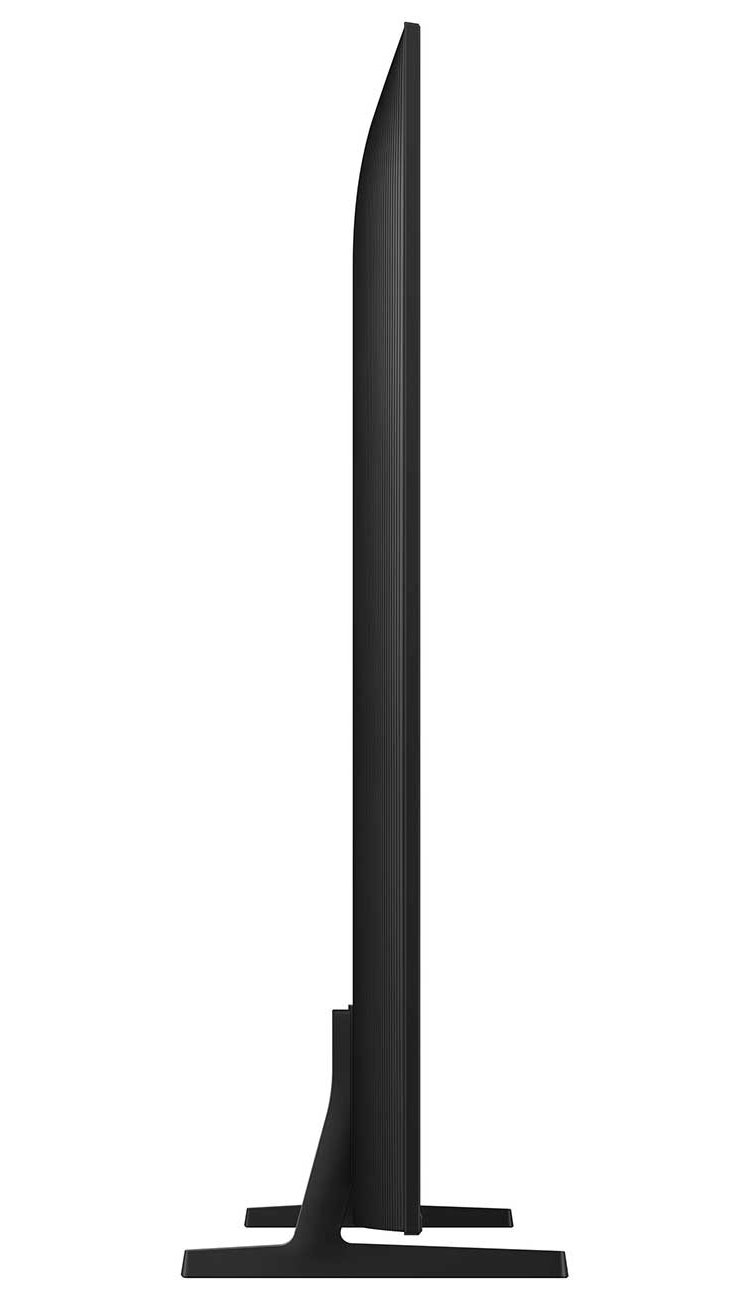

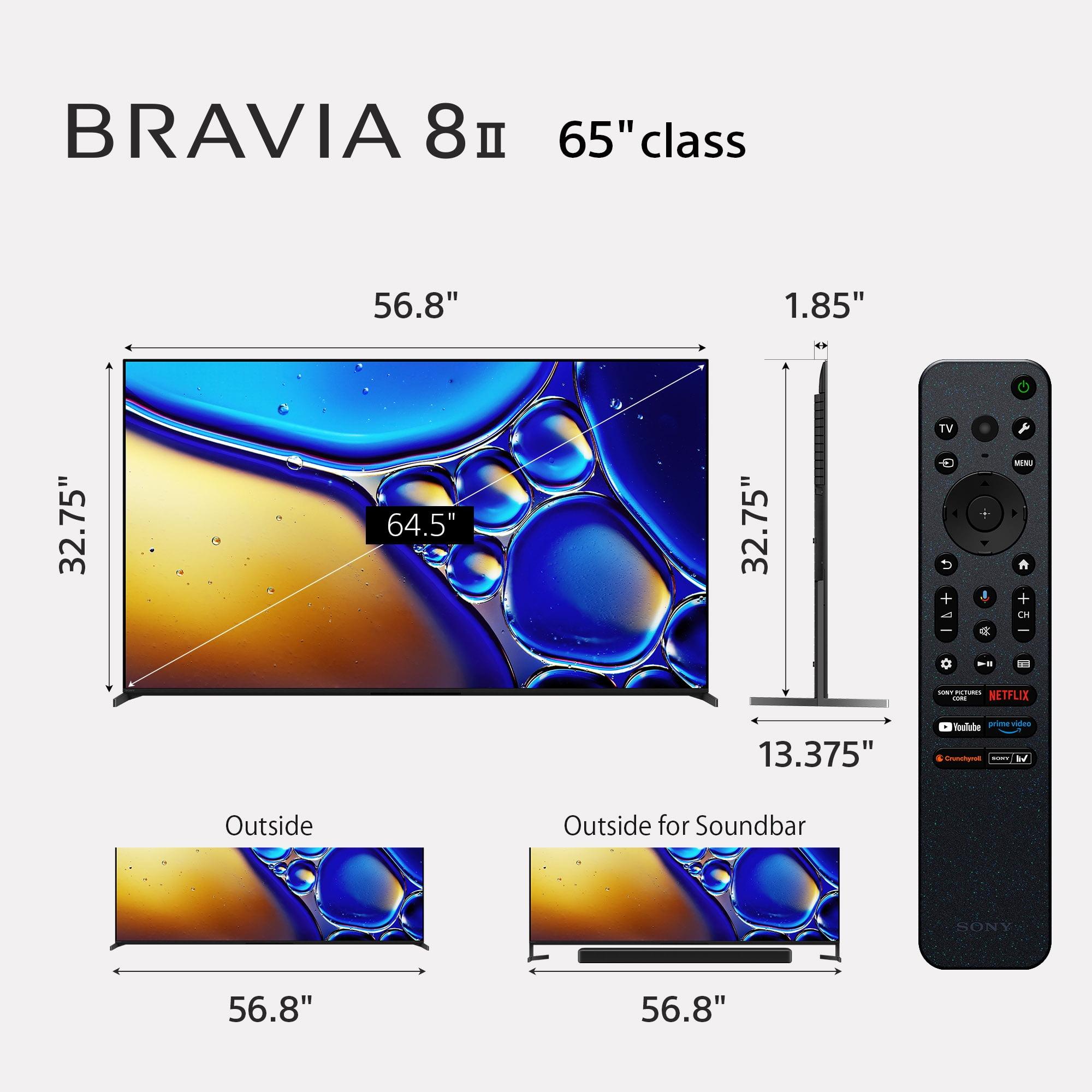
When you're shopping for a 65-inch TV in 2025, you're entering a fascinating battleground between different philosophies of television design. The Samsung 65" Q7F QLED and Sony BRAVIA 8 II 65" QD-OLED represent two dramatically different approaches to delivering your favorite shows and movies. One prioritizes accessibility and solid performance at a reasonable price, while the other pushes the boundaries of what's possible with cutting-edge display technology.
Both TVs launched in 2025, but they couldn't be more different in their target audiences. The Samsung Q7F arrives as Samsung's entry-level QLED offering, while the Sony BRAVIA 8 II represents Sony's flagship OLED technology. Understanding these differences will help you make the right choice for your living room and budget.
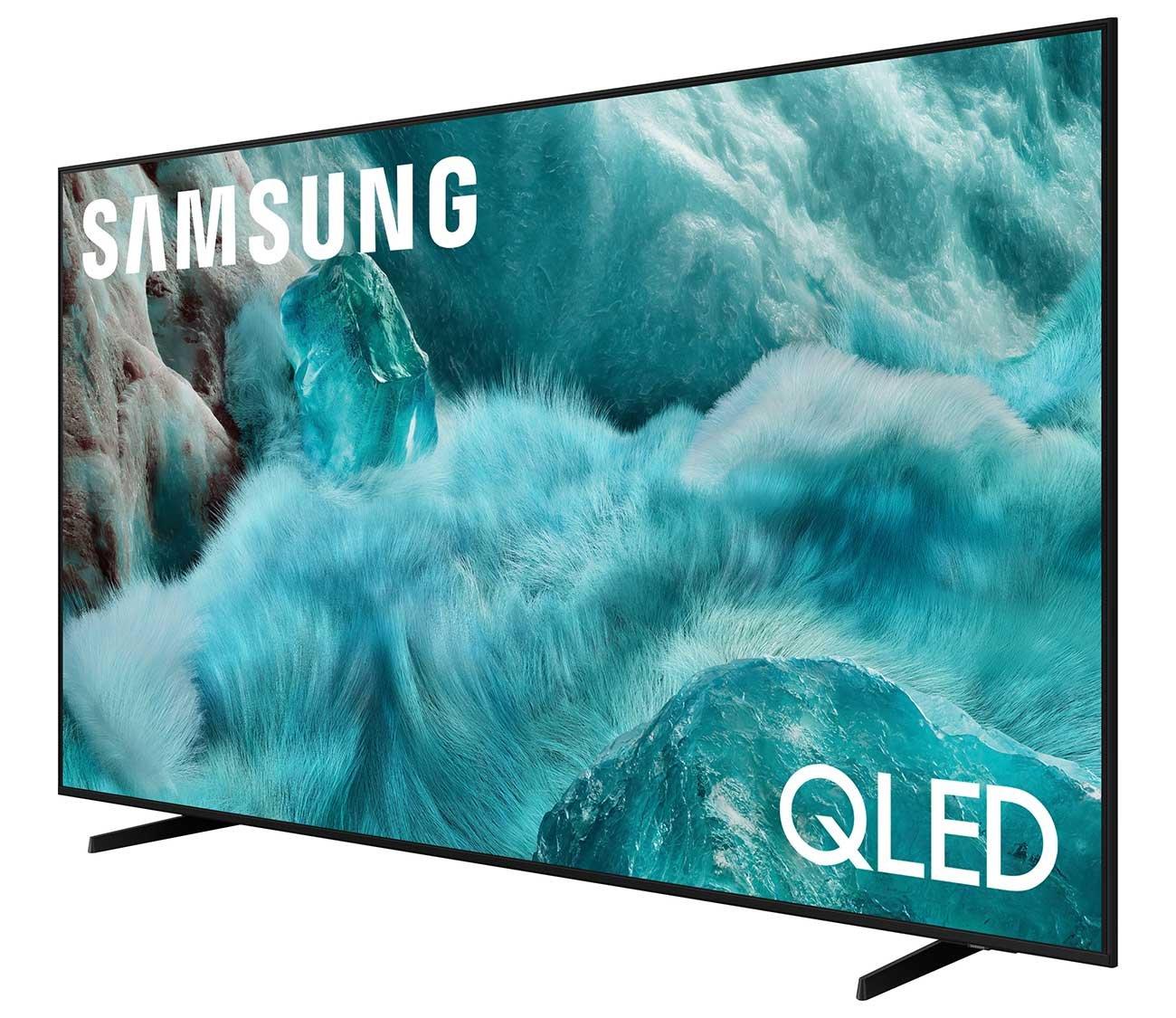
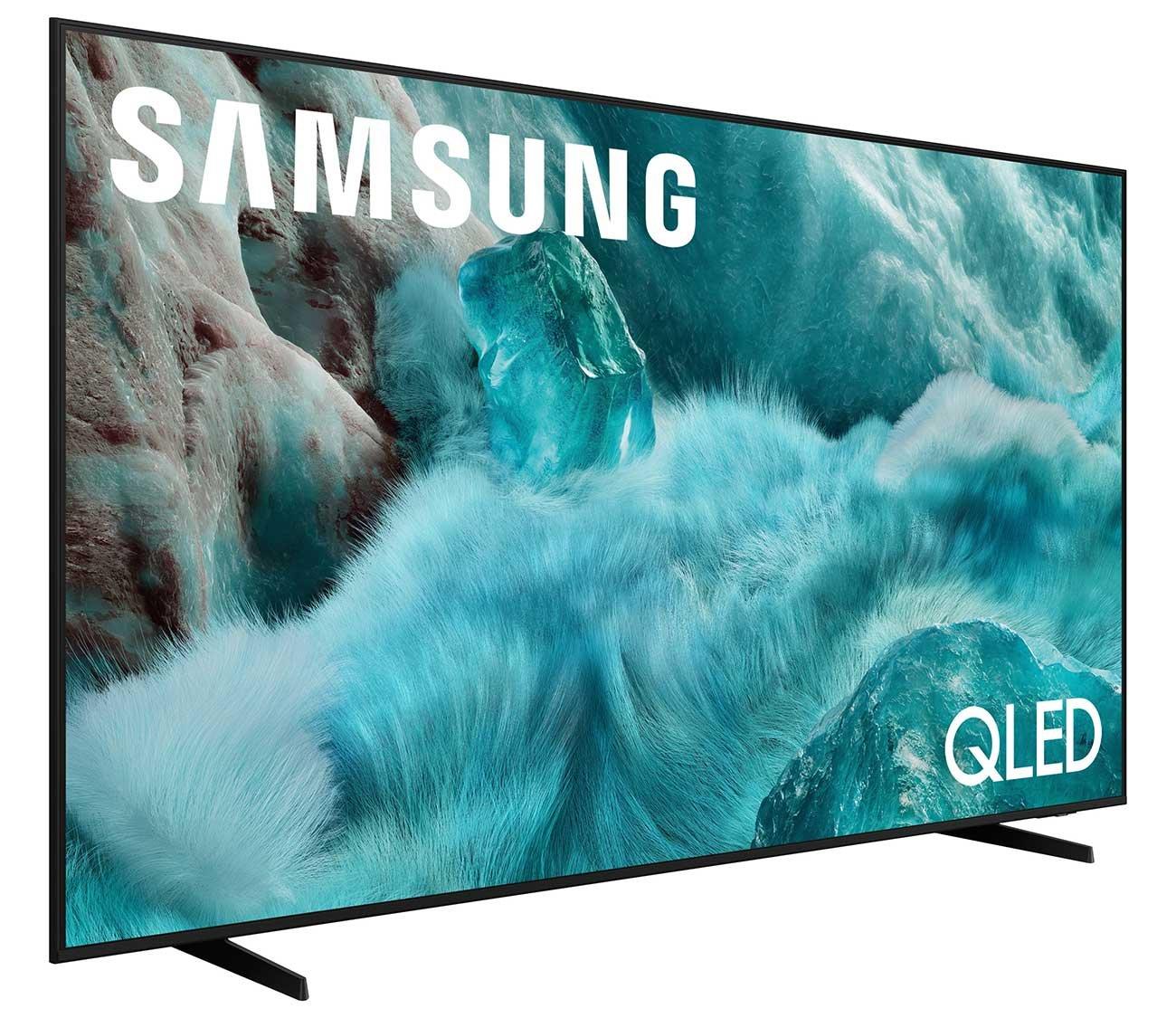
Before diving into specifics, it's worth understanding what separates these two televisions at their core: the display technology. The Samsung Q7F uses traditional QLED (Quantum Dot Light Emitting Diode) technology, which is essentially an LED-backlit LCD panel enhanced with quantum dots – tiny semiconductor particles that emit specific colors when hit by light. This creates more accurate colors than regular LED TVs, but still relies on a backlight shining through the panel.
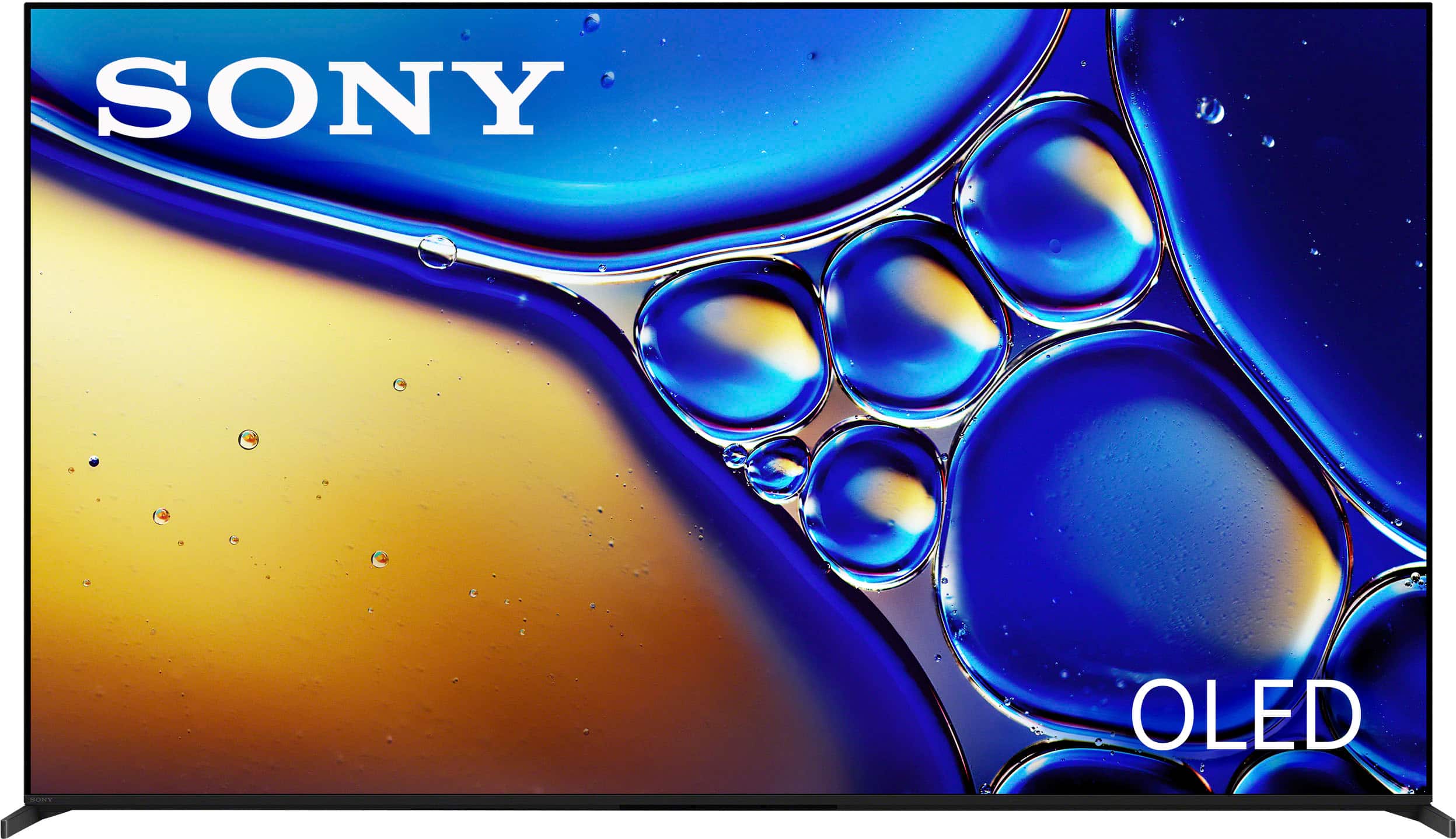
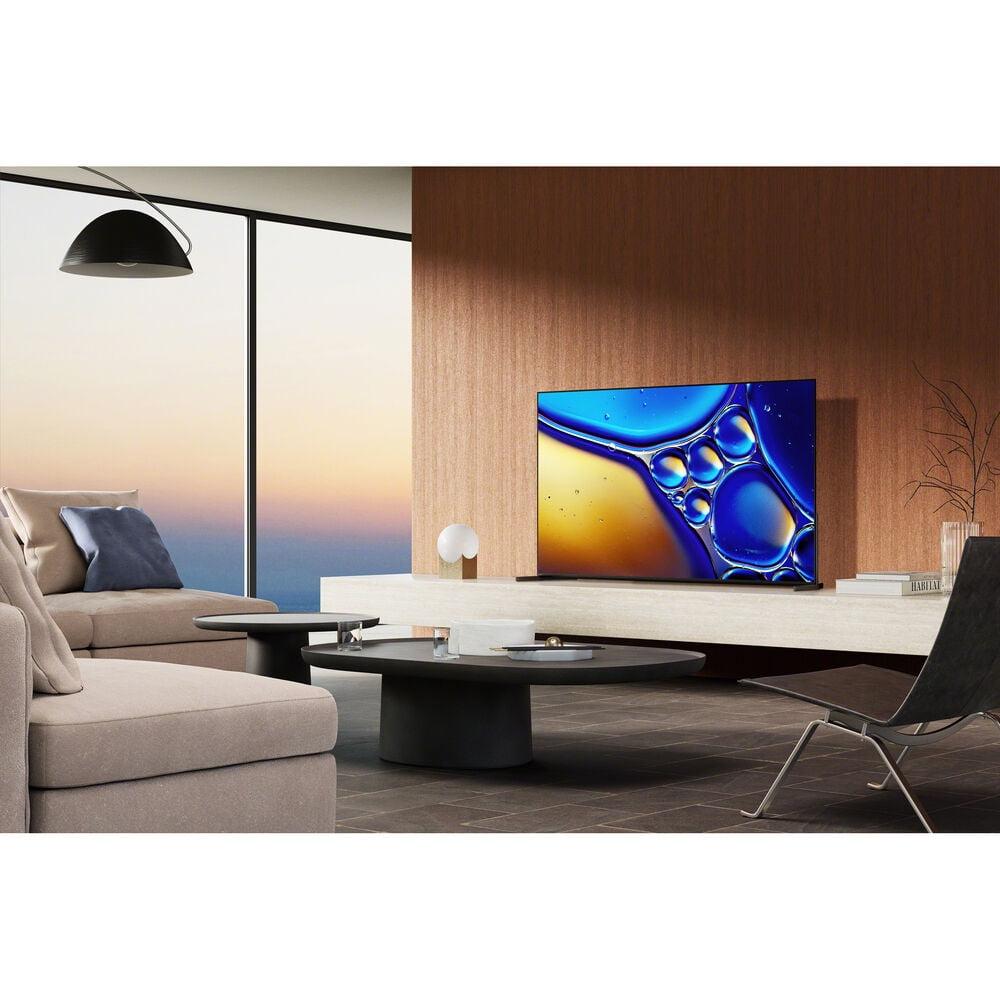
The Sony BRAVIA 8 II, however, uses QD-OLED technology, which combines the best of both worlds. OLED (Organic Light Emitting Diode) means each pixel produces its own light and can turn completely off for perfect blacks. The "QD" part adds quantum dots to enhance color production, resulting in brighter, more vibrant colors than traditional OLED panels.
Think of it this way: if regular LED TVs are like looking through a window with a flashlight behind it, OLED is like looking at individual light bulbs that can each turn on and off independently. QD-OLED takes those individual light bulbs and makes them capable of producing more accurate, brighter colors.
This is where the fundamental difference in display technology creates the most dramatic gap between these TVs. The Samsung Q7F achieves a respectable 4,500:1 static contrast ratio, which means the brightest whites are 4,500 times brighter than the darkest blacks it can produce. For a QLED TV at this price point, that's actually quite good.
But the Sony BRAVIA 8 II operates in a completely different league with its infinite contrast ratio. Because each pixel can turn completely off, it produces true blacks – something that's impossible with any backlit display. When you're watching a movie with dark scenes, like a space thriller or horror film, the difference is immediately obvious. Stars against the blackness of space actually look like they're floating in a void rather than slightly glowing against a dim gray background.
High Dynamic Range (HDR) is where your TV shows off its ability to display the full spectrum from the darkest shadows to the brightest highlights, just like your eyes see in real life. This is crucial for modern content from Netflix, Disney+, and 4K Blu-rays.
The Samsung Q7F reaches about 500 nits of peak brightness, which is adequate for HDR content but not spectacular. It supports HDR10+ (Samsung's preferred format) but notably lacks Dolby Vision support – a significant limitation since many premium streaming services and 4K discs use Dolby Vision for their best-looking content.
The Sony BRAVIA 8 II completely dominates here, achieving around 1,880 nits peak brightness – nearly four times brighter than the Samsung. This isn't just about numbers; it translates to HDR highlights that actually pop off the screen. Sunlight reflecting off water, explosions in action movies, or the bright lights of a city at night all have genuine impact. Plus, it supports every major HDR format: Dolby Vision, HDR10, HDR10+, and HLG.
The Sony's XR Processor with AI Scene Recognition takes this further by analyzing what's on screen and optimizing the picture accordingly. If it detects a nature documentary, it enhances greens and blues; for a thriller, it might emphasize shadow detail and contrast.
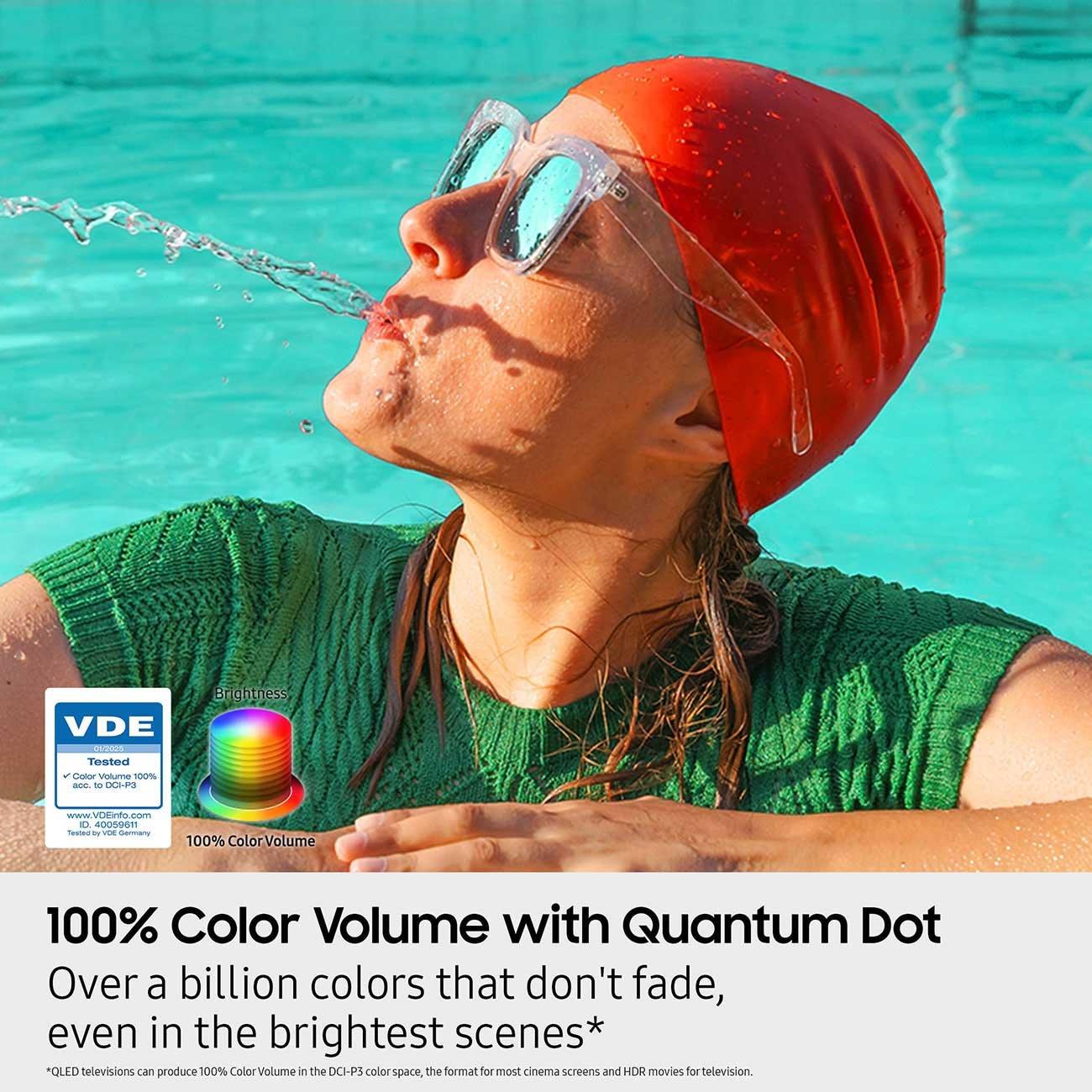
Both TVs claim to display over a billion colors, but they achieve this very differently. The Samsung Q7F uses Samsung's Quantum Dot technology, which does produce a wide color gamut and vibrant images. However, without local dimming zones, it can't maintain color accuracy across different brightness levels as effectively.
The Sony BRAVIA 8 II combines quantum dots with OLED's inherent color accuracy advantages. Sony's XR Triluminos Max technology, combined with the QD-OLED panel, produces colors that consistently look natural and accurate. Skin tones appear realistic, grass looks genuinely green rather than artificially vivid, and the overall image has a three-dimensional quality that many reviewers describe as cinema-like.
If you own a PlayStation 5, Xbox Series X, or plan to upgrade to current-generation gaming consoles, this comparison becomes very one-sided. The Samsung Q7F is essentially stuck in the previous generation of gaming technology. It only supports 60Hz refresh rates and lacks Variable Refresh Rate (VRR), Auto Low Latency Mode (ALLM), or any HDMI 2.1 features. For casual gaming or older consoles, it's fine, but it can't take advantage of modern gaming capabilities.
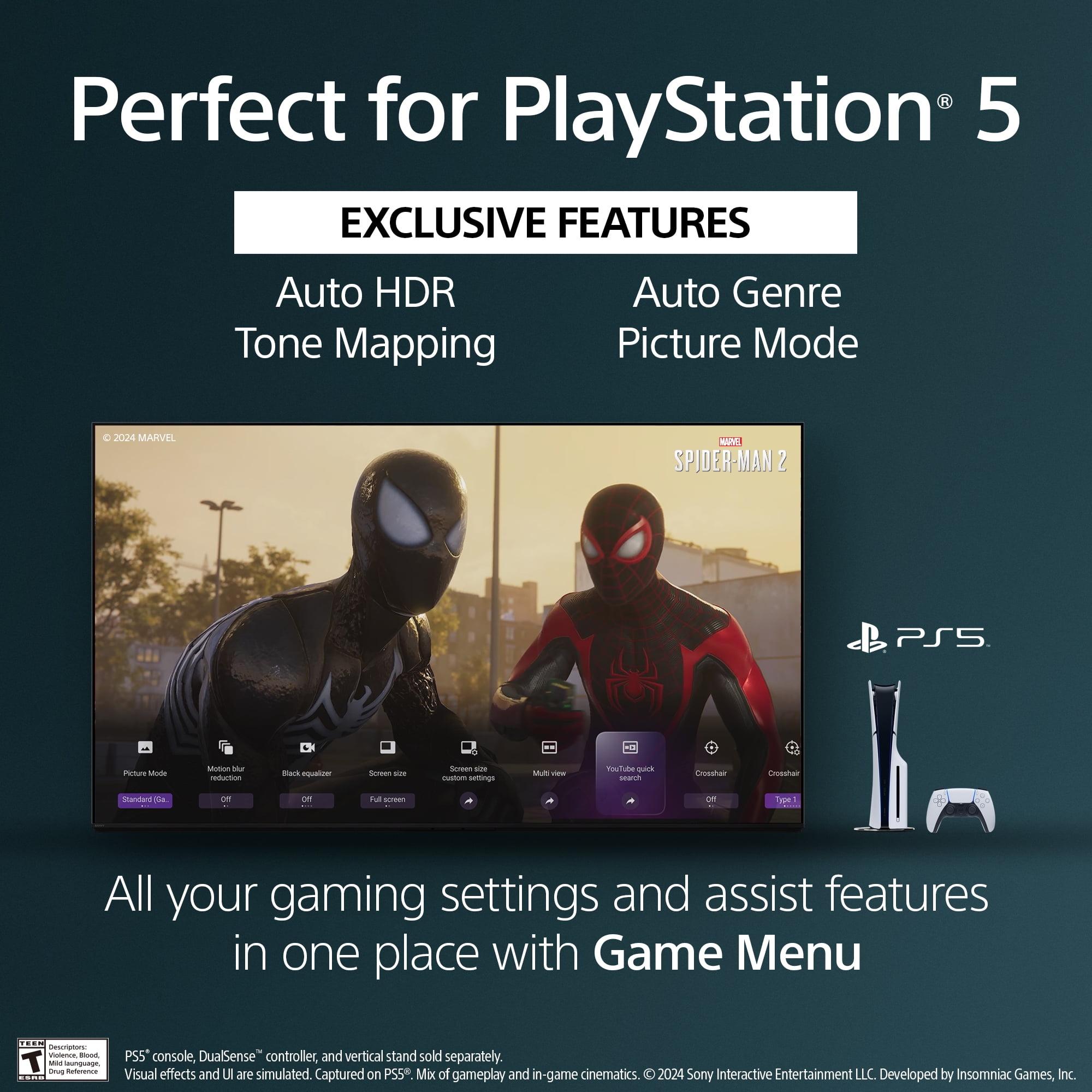
The Sony BRAVIA 8 II is built for current-generation gaming. It supports 4K gaming at 120Hz, VRR to eliminate screen tearing, and ALLM to automatically switch to the lowest input lag mode when gaming. With input lag as low as 8.5 milliseconds, competitive gamers will appreciate the responsiveness. Sony has also added specific optimizations for PlayStation 5, making it particularly attractive for PlayStation owners.
The difference is dramatic when playing fast-paced games. Racing games, first-person shooters, and sports games all feel more fluid and responsive on the Sony BRAVIA 8 II. If gaming is important to you, this alone might justify the price difference.
Most people underestimate how much audio contributes to the overall viewing experience. The Samsung Q7F includes 20W 2.0 channel speakers with Object Tracking Sound Lite and Adaptive Sound processing. While Samsung's AI can adjust audio based on what's happening on screen, the physical speakers are fairly basic. You'll likely want to add a soundbar for movies or music.
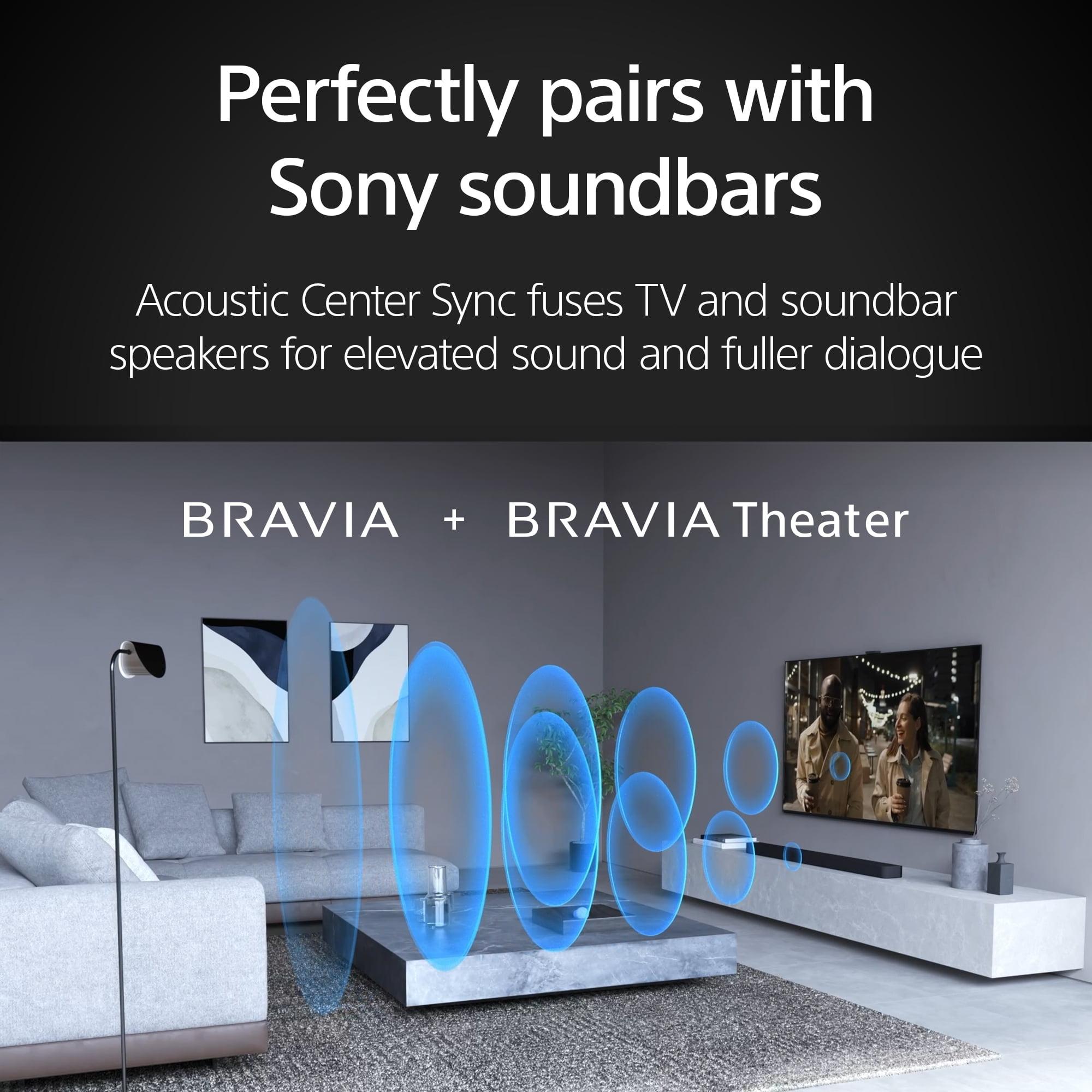
The Sony BRAVIA 8 II takes a revolutionary approach with Acoustic Surface Audio+ technology. Instead of traditional speakers, actuators behind the OLED panel vibrate the entire screen to produce sound. This creates the incredible effect of sound coming directly from the action on screen – when someone speaks on the left side of the screen, their voice actually comes from that location rather than from speakers below the TV.
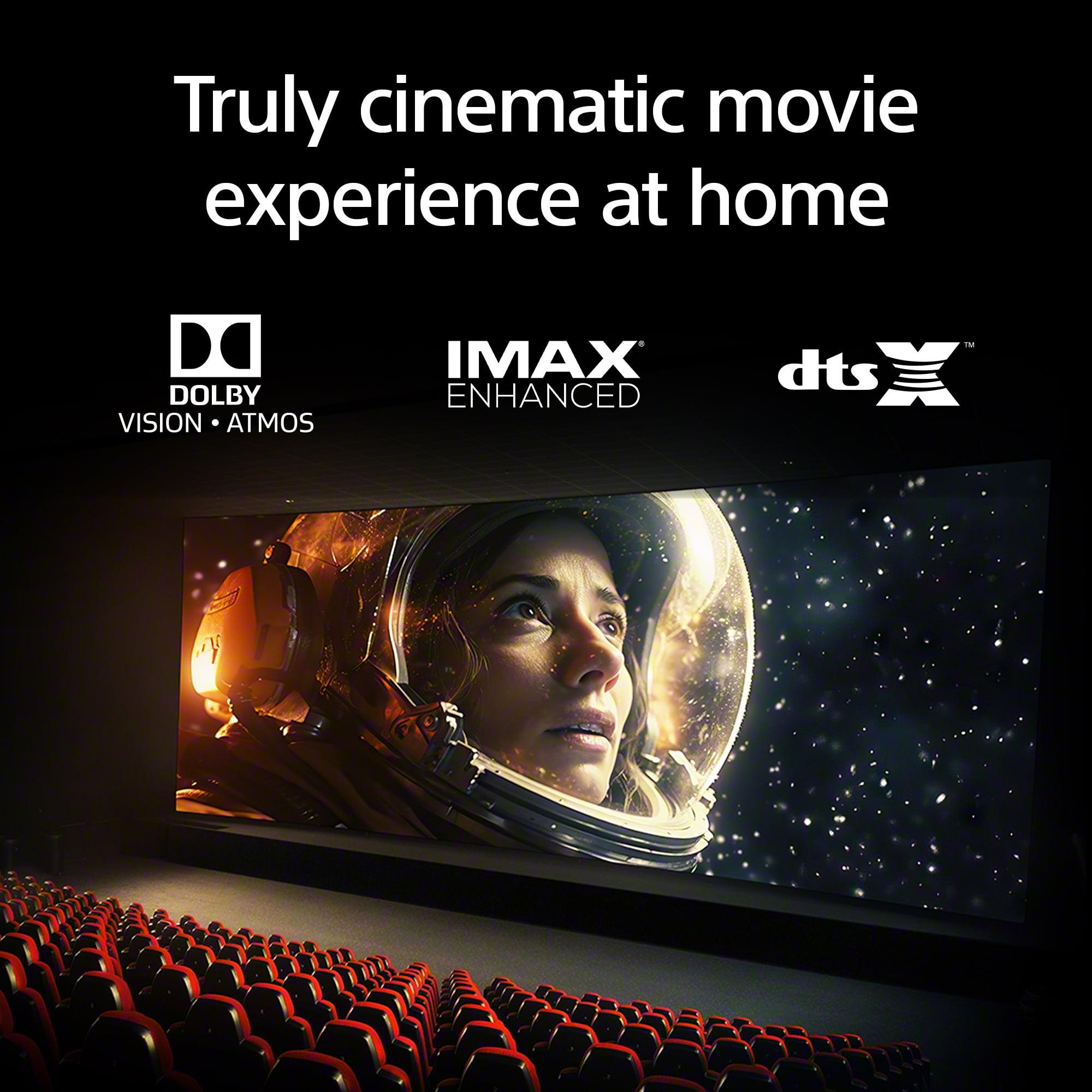
Combined with dual built-in subwoofers, support for Dolby Atmos and DTS:X, and Voice Zoom 3 AI-powered dialogue enhancement, the Sony BRAVIA 8 II delivers genuinely impressive audio quality. It's still not a replacement for a high-end sound system, but it's remarkably good for built-in TV audio. The S-Center input even lets you use the TV's screen-speakers as a center channel when paired with compatible Sony soundbars.
Both TVs run modern smart platforms, but with different philosophies. The Samsung Q7F uses Tizen OS with Samsung's ecosystem integration. Samsung TV Plus provides access to over 1,200 free streaming channels, and the Vision AI features include interesting additions like Generative Wallpaper that can create custom backgrounds. Bixby voice control works well, though it's not as widely supported as other assistants.
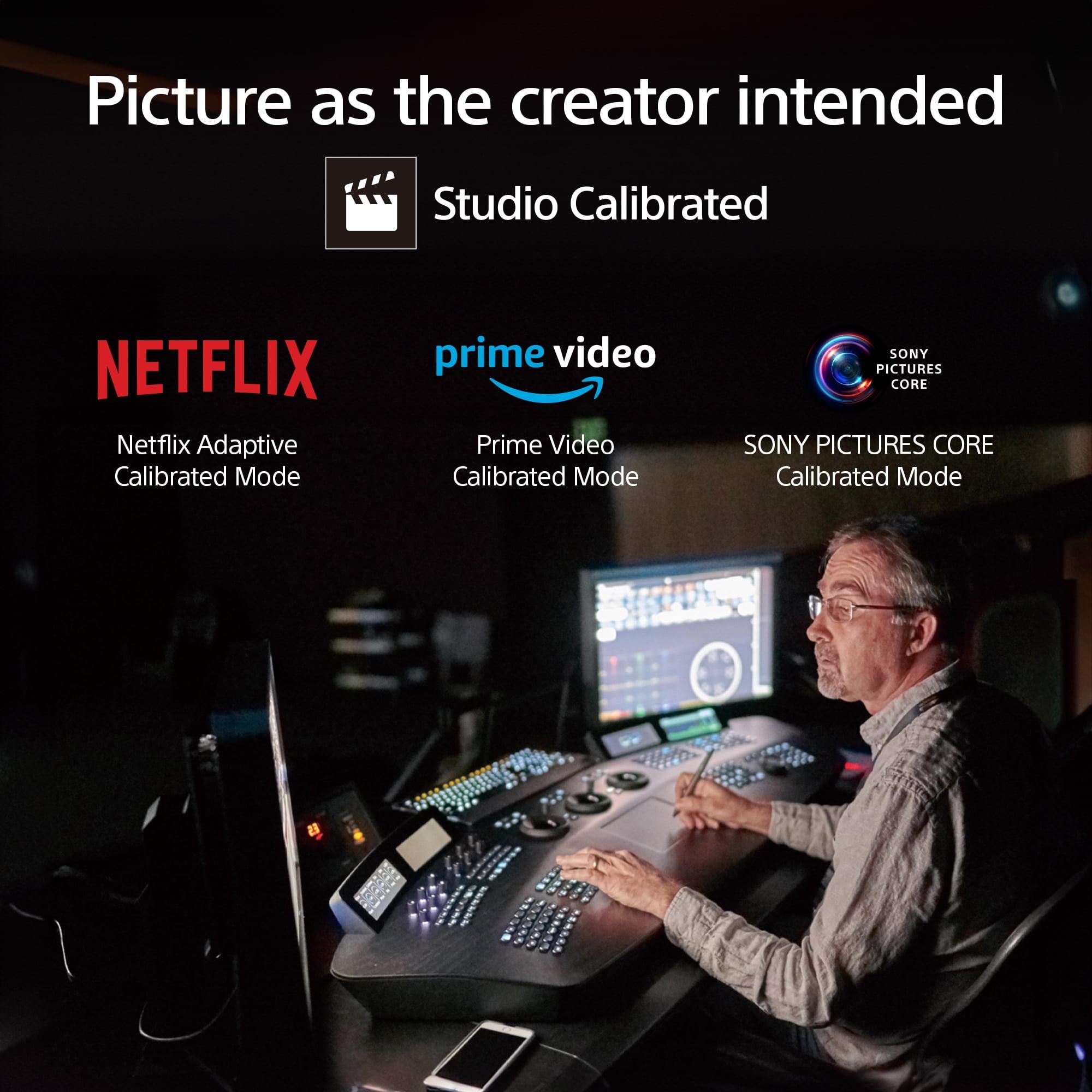
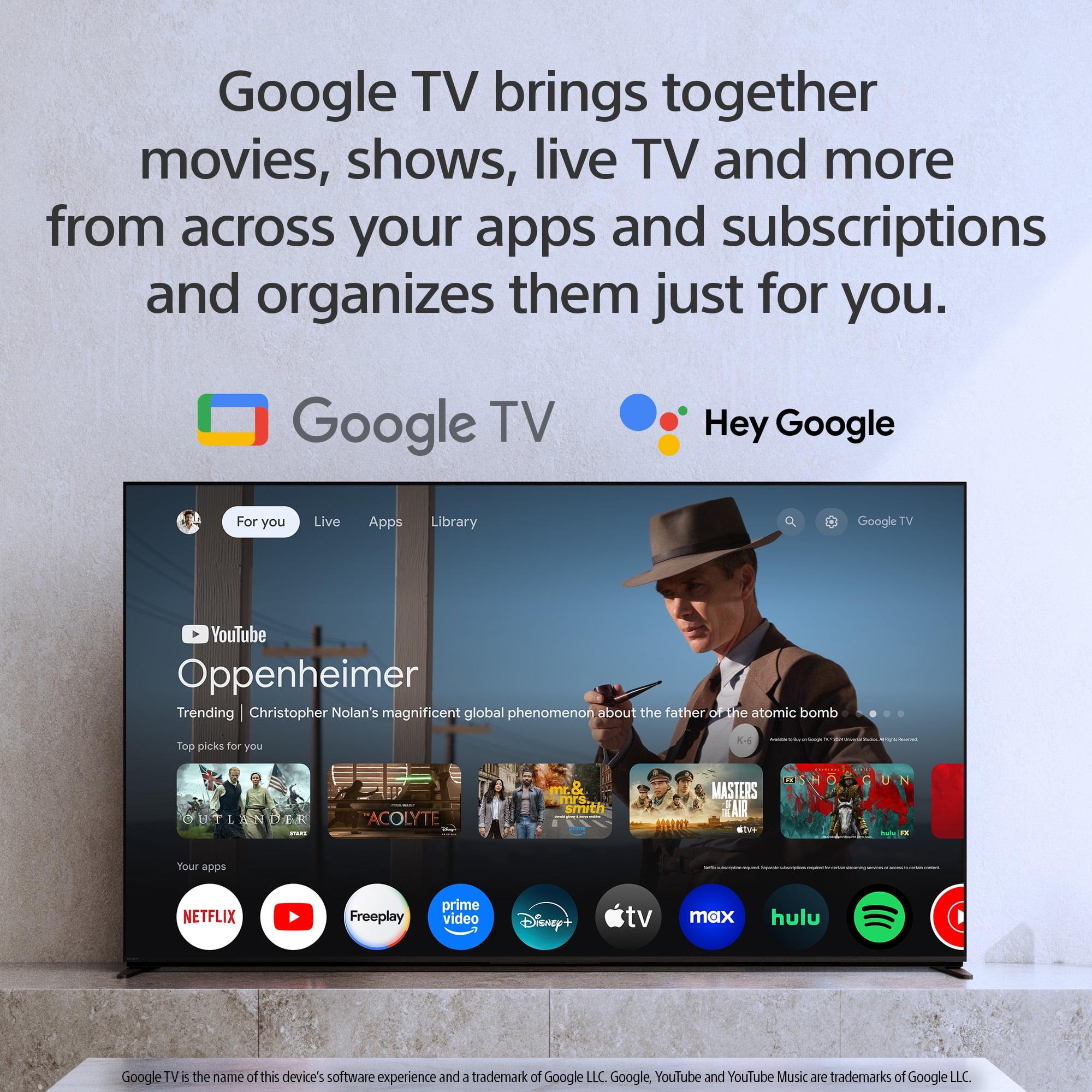
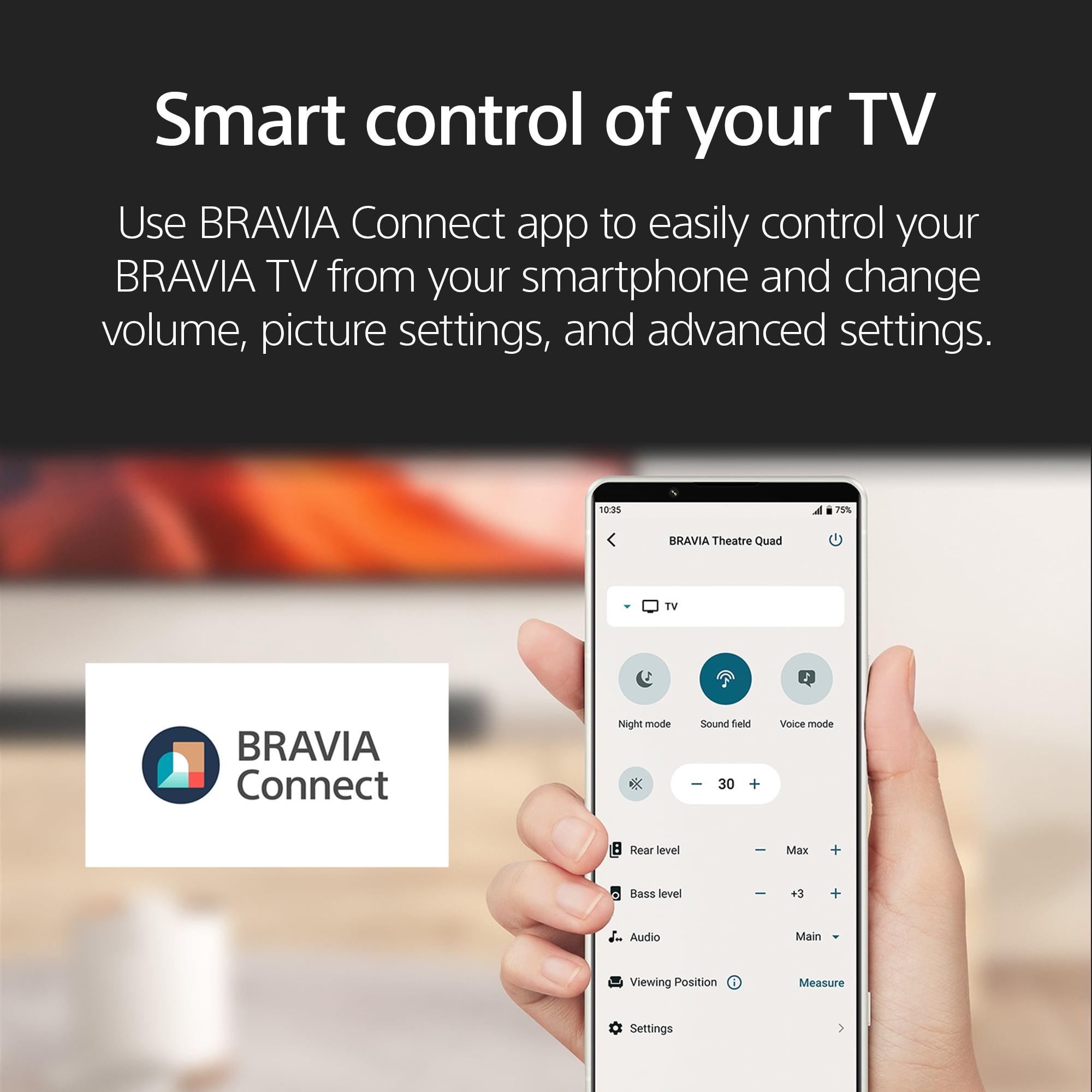
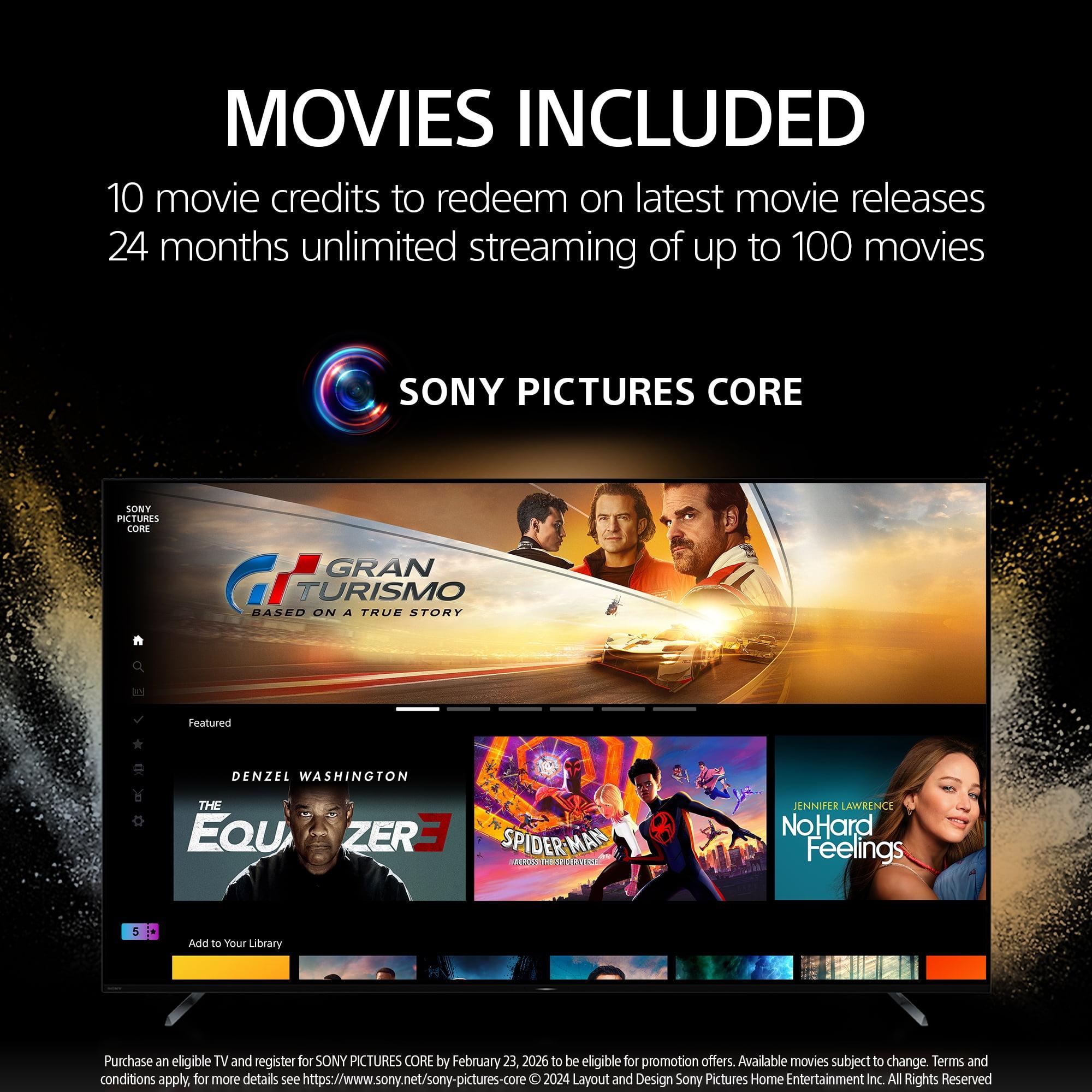
The Sony BRAVIA 8 II runs Google TV, which many find more intuitive than Samsung's interface. Google Assistant is built-in, and the TV supports both Apple AirPlay 2 and Google Cast for easy streaming from phones and tablets. Sony Pictures Core (included for two years) provides access to a large library of movies with some titles available in IMAX Enhanced format.
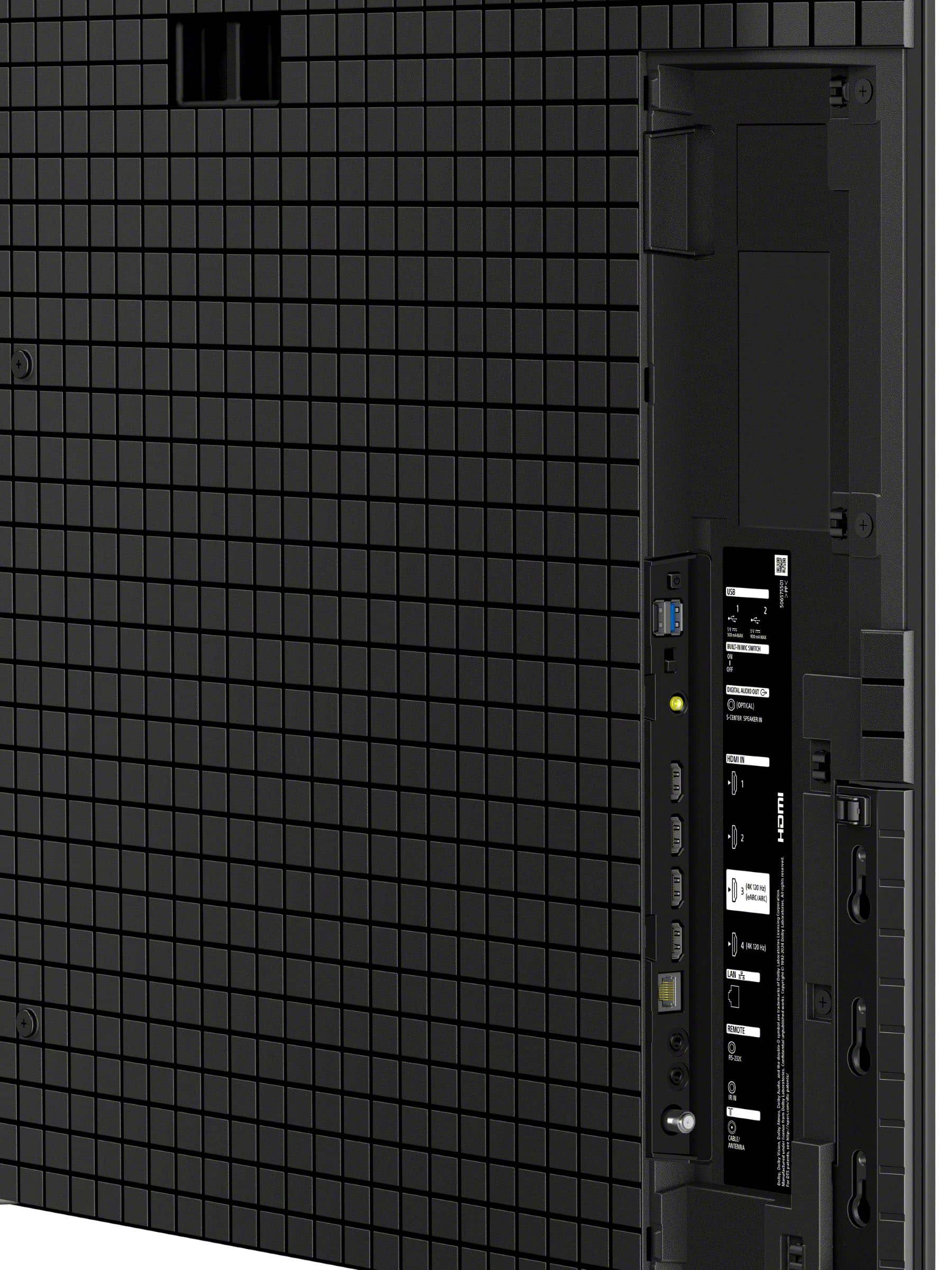
Connectivity differs significantly. The Samsung Q7F includes only three HDMI ports, all limited to HDMI 2.0 specification. This becomes limiting when you have multiple modern devices – gaming consoles, streaming devices, soundbars – that benefit from HDMI 2.1's higher bandwidth. The Sony BRAVIA 8 II provides four HDMI ports with two supporting HDMI 2.1, giving you more flexibility for current and future devices.
Your room's lighting situation significantly impacts which TV will work better. The Samsung Q7F handles bright rooms reasonably well thanks to its LED backlight and anti-glare coating, though it's not exceptionally bright by modern standards. If your TV room has large windows or bright overhead lighting, the Samsung won't completely wash out, but it won't deliver its best performance either.
The Sony BRAVIA 8 II presents an interesting situation. Despite being much brighter than previous OLED TVs, it still performs best in controlled lighting conditions. The glossy screen can reflect light sources, and while its anti-reflective properties help, very bright rooms might diminish its impact. However, in dim to moderately lit rooms, the Sony's picture quality is simply stunning.
Both TVs handle off-axis viewing well, but the Sony BRAVIA 8 II maintains color accuracy and contrast even at extreme viewing angles – a natural advantage of OLED technology. The Samsung Q7F is decent for wide seating arrangements, though colors and contrast shift somewhat when viewed from the sides.
OLED burn-in remains a consideration, though it's much less problematic than it was several years ago. The Sony BRAVIA 8 II includes various protection features, and normal TV viewing rarely causes issues. However, if you plan to use the TV as a computer monitor or frequently display static content (like news channels with persistent logos), the Samsung Q7F might be more worry-free.
At the time of writing, the Samsung Q7F represents excellent value in the entry-level QLED market. You're getting Samsung's quantum dot technology, AI-enhanced features, and solid smart TV functionality at a price point that makes QLED accessible to many buyers. It's not cutting-edge, but it's a significant step up from basic LED TVs.
The Sony BRAVIA 8 II commands flagship pricing that reflects its premium technology. You're paying for QD-OLED display technology that simply wasn't available to consumers until recently, combined with Sony's renowned picture processing and premium audio features. The price difference isn't just markup – it represents fundamentally different display technology and capabilities.
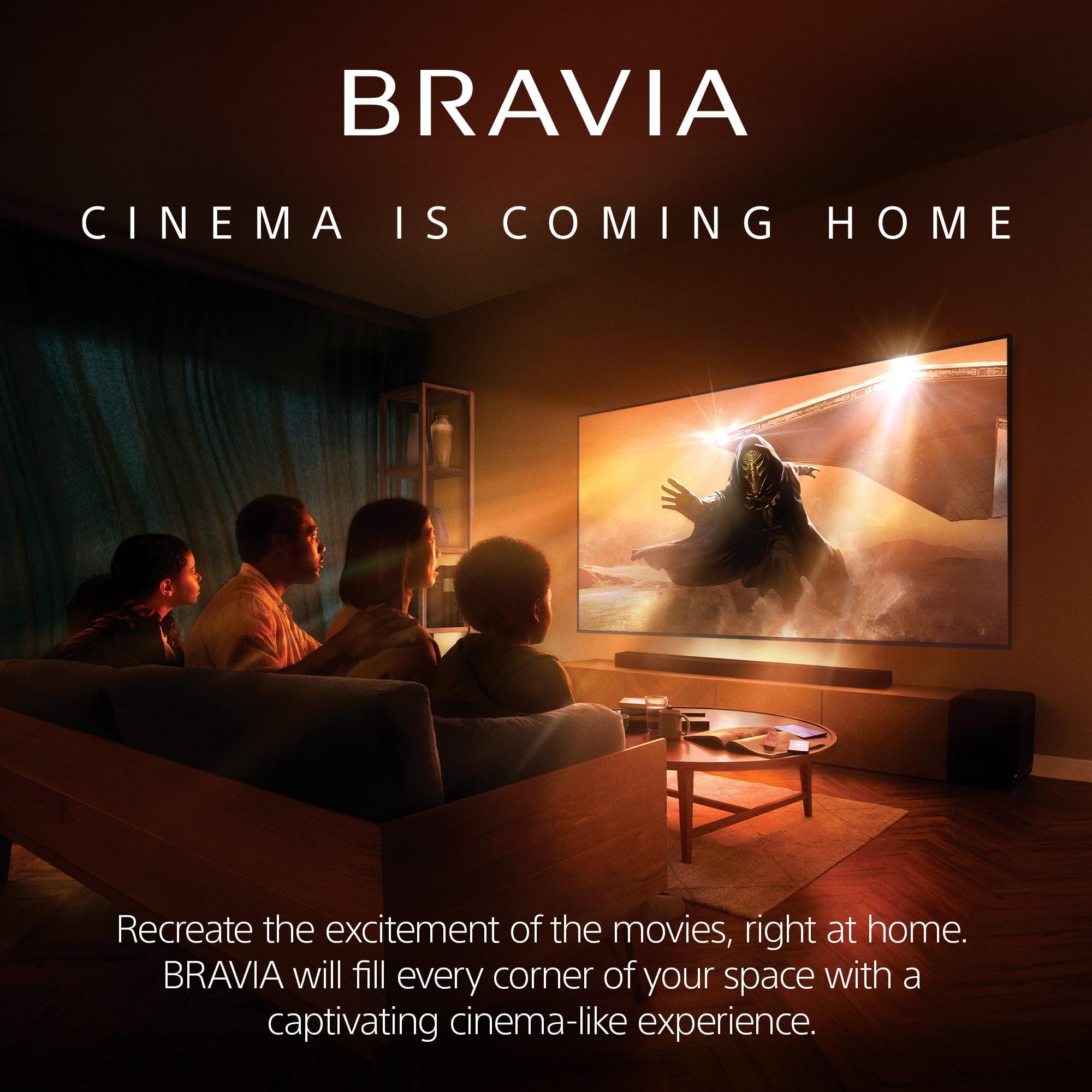
If you're building a dedicated home theater or care deeply about picture quality, the Sony BRAVIA 8 II is the clear choice. Its perfect blacks make it exceptional for movie watching in dark rooms, while its comprehensive HDR support ensures you'll see content as filmmakers intended. The Acoustic Surface Audio+ technology adds immersion that traditional TV speakers can't match.
The Samsung Q7F can certainly anchor a family entertainment setup, especially if you're planning to add a soundbar anyway. However, it lacks the picture quality refinement and features that home theater enthusiasts typically seek.
Choose the Samsung Q7F if you:
Choose the Sony BRAVIA 8 II if you:
These TVs serve completely different purposes, making direct comparison somewhat unfair. The Samsung Q7F succeeds as an accessible entry into premium TV technology, offering genuine improvements over basic displays at reasonable pricing. It's honest about its limitations and delivers solid performance within its price category.
The Sony BRAVIA 8 II represents the current pinnacle of consumer display technology. Its QD-OLED panel, advanced processing, and comprehensive feature set justify its premium positioning. If you can afford it and your usage patterns align with its strengths, it's genuinely transformative.
Rather than viewing these as competing options, consider them as different answers to different questions. The Samsung answers "What's a good TV that won't break the bank?" while the Sony answers "What's the best TV technology can deliver right now?" Both are correct answers to their respective questions, and your choice should depend on which question matters more to your situation and budget.
| Samsung 65" Q7F QLED | Sony BRAVIA 8 II 65" QD-OLED |
|---|---|
| Display Technology - Fundamental difference in how the TV produces images | |
| QLED with LED backlight and quantum dots | QD-OLED with self-emitting pixels and quantum dots |
| Peak Brightness - Critical for HDR impact and bright room performance | |
| 500 cd/m² (adequate for HDR, struggles in bright rooms) | 1,880 nits (excellent HDR pop, 25% brighter than previous Sony OLEDs) |
| Contrast Ratio - Determines how deep blacks look and overall image depth | |
| 4,500:1 static contrast (good for LED, but blacks appear gray) | Infinite contrast (perfect pixel-level blacks, no blooming) |
| HDR Format Support - Compatibility with premium streaming and disc content | |
| HDR10, HDR10+ only (missing Dolby Vision limits premium content) | Dolby Vision, HDR10, HDR10+, HLG, IMAX Enhanced (full compatibility) |
| Refresh Rate & Gaming - Essential for smooth motion and modern gaming | |
| 60Hz only, no VRR, no HDMI 2.1 (limited to basic gaming) | 120Hz native, VRR, ALLM, 8.5ms input lag (next-gen console ready) |
| Processor & AI Features - Image processing and smart enhancements | |
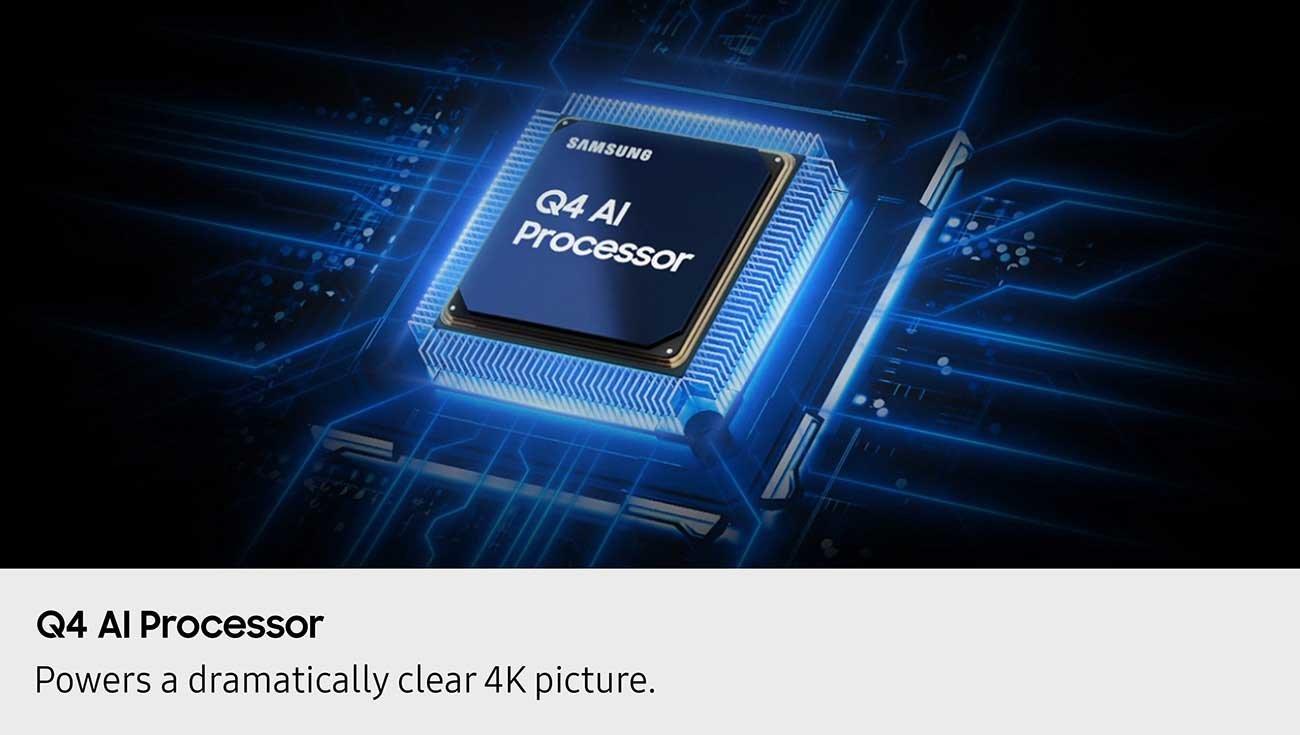
| Q4 AI Processor with 4K upscaling and Vision AI | XR Processor with AI Scene Recognition and real-time optimization |
| Audio Technology - Built-in sound quality and immersion | |
| 20W 2.0 speakers with Object Tracking Sound Lite (basic TV audio) | Acoustic Surface Audio+ with screen-as-speaker and dual subwoofers |
| HDMI Connectivity - Future-proofing for multiple devices | |
| 3 HDMI 2.0 ports (limiting for modern devices) | 4 HDMI ports (2 with HDMI 2.1 for high-bandwidth devices) |
| Smart Platform - Interface and app ecosystem | |
| Tizen OS with Samsung TV Plus (1200+ free channels) | Google TV with comprehensive app support and Sony Pictures Core |
| Viewing Angles - Performance when not sitting directly in front | |
| 178° viewing angles (decent but some color/contrast shift) | Wide OLED viewing angles (maintains quality at extreme angles) |
| Local Dimming - Controls backlighting for better contrast | |
| No local dimming (uniform backlight limits contrast control) | Per-pixel dimming (each pixel controls its own light output) |
| Color Volume - Ability to maintain color accuracy at different brightness levels | |
| 100% Color Volume with Quantum Dot (good but backlight-limited) | XR Triluminos Max with QD-OLED (superior color at all brightness levels) |
| Target Market - Who this TV is designed for | |
| Budget-conscious buyers wanting QLED technology | Home theater enthusiasts and premium content viewers |
The Sony BRAVIA 8 II delivers significantly better picture quality for movies with its QD-OLED technology providing perfect blacks, infinite contrast, and peak brightness of 1,880 nits. The Samsung Q7F offers decent QLED performance but lacks the contrast and HDR impact needed for cinematic viewing. For home theater use, the Sony's Dolby Vision support and superior processing make it the clear winner.
The Samsung Q7F uses traditional QLED with an LED backlight shining through quantum dots, while the Sony BRAVIA 8 II uses QD-OLED where each pixel emits its own light enhanced by quantum dots. QD-OLED provides perfect blacks since pixels can turn completely off, whereas QLED relies on a backlight that can't achieve true black levels.
The Sony BRAVIA 8 II is far superior for gaming with 4K/120Hz support, Variable Refresh Rate (VRR), and 8.5ms input lag. The Samsung Q7F only supports 60Hz with no advanced gaming features, making it suitable only for casual gaming or older consoles.
The Samsung Q7F runs Tizen OS with Samsung TV Plus offering 1,200+ free channels and Vision AI features. The Sony BRAVIA 8 II uses Google TV with broader app support, Google Assistant, and includes Sony Pictures Core streaming service. Both platforms are capable, but Google TV generally offers more flexibility.
The Samsung Q7F handles bright rooms better due to its LED backlight, though at 500 nits it's not exceptionally bright by modern standards. The Sony BRAVIA 8 II is much brighter at 1,880 nits but has a glossy screen that can reflect light sources. Both work in bright rooms, but the Samsung is less prone to reflections.
The Sony BRAVIA 8 II offers dramatically better audio with Acoustic Surface Audio+ technology that turns the entire screen into a speaker, plus dual subwoofers and Dolby Atmos support. The Samsung Q7F has basic 20W speakers that will likely require a soundbar upgrade for quality audio.
The Samsung Q7F provides excellent value as an entry-level QLED with quantum dot technology and AI features at an accessible price point. The Sony BRAVIA 8 II justifies its premium pricing with cutting-edge QD-OLED technology and flagship features, but costs significantly more.
The Samsung Q7F includes 3 HDMI 2.0 ports, which can be limiting for multiple modern devices. The Sony BRAVIA 8 II offers 4 HDMI ports with 2 supporting HDMI 2.1 for higher bandwidth devices like gaming consoles and high-end streaming players.
The Sony BRAVIA 8 II excels in HDR with support for Dolby Vision, HDR10+, and peak brightness of 1,880 nits that makes HDR content truly pop. The Samsung Q7F supports HDR10+ but lacks Dolby Vision and only reaches 500 nits, limiting its HDR impact.
The Sony BRAVIA 8 II maintains excellent picture quality even at extreme viewing angles thanks to OLED technology. The Samsung Q7F offers 178-degree viewing angles but experiences some color and contrast shifts when viewed from the sides, typical of LED-backlit displays.
The Sony BRAVIA 8 II is ideal for home theater use with perfect blacks for dark room viewing, comprehensive HDR support, superior audio quality, and cinema-grade picture processing. The Samsung Q7F can work in a casual entertainment setup but lacks the refinement serious home theater enthusiasts expect.
The Sony BRAVIA 8 II offers more future-proof connectivity with HDMI 2.1 ports supporting 4K/120Hz gaming and high-bandwidth devices. The Samsung Q7F is limited to HDMI 2.0 across all three ports, which restricts compatibility with current-generation gaming consoles and premium streaming devices.
We've done our best to create useful and informative comparisons to help you decide what product to buy. Our research uses advanced automated methods to create this comparison and perfection is not possible - please contact us for corrections or questions. These are the sites we've researched in the creation of this article: bestbuy.com - youtube.com - samsung.com - samsung.com - pcrichard.com - samsung.com - samsung.com - videoandaudiocenter.com - displayspecifications.com - bestbuy.com - samsung.com - samsung.com - samsung.com - samsung.com - news.samsung.com - techradar.com - rtings.com - bestbuy.com - whathifi.com - rtings.com - hometechnologyreview.com - youtube.com - hometechnologyreview.com - hometechnologyreview.com - hometechnologyreview.com - valueelectronics.com - smarthomesounds.co.uk - electronics.sony.com - valueelectronics.com - bestbuy.com - youtube.com - displayspecifications.com - hometechnologyreview.com - flatpanelshd.com

Privacy Policy
Terms and Conditions - Affiliate Policy
Home Security
© Copyright 2008-2026.
11816 Inwood Rd #1211, Dallas, TX 75244