

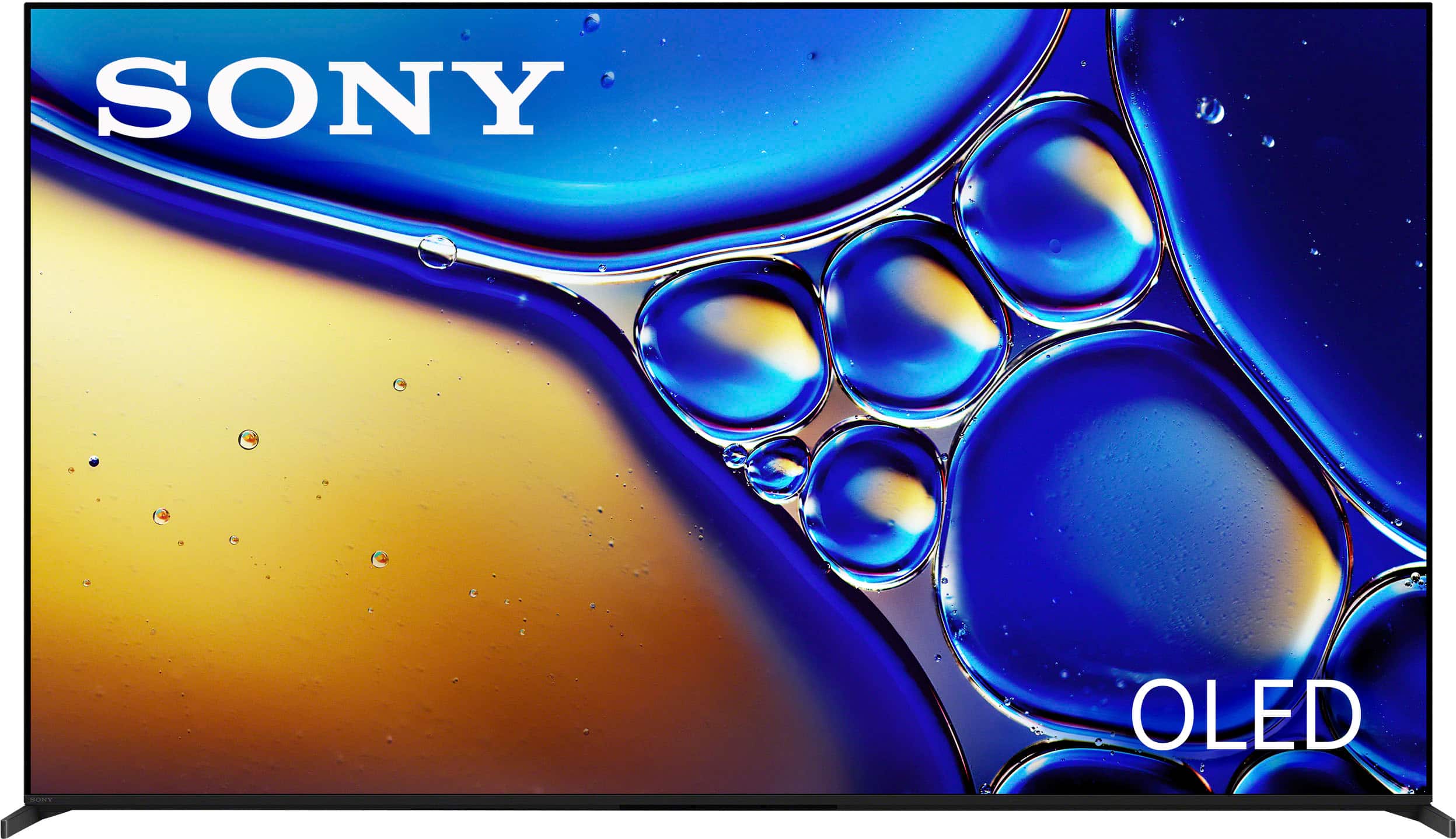
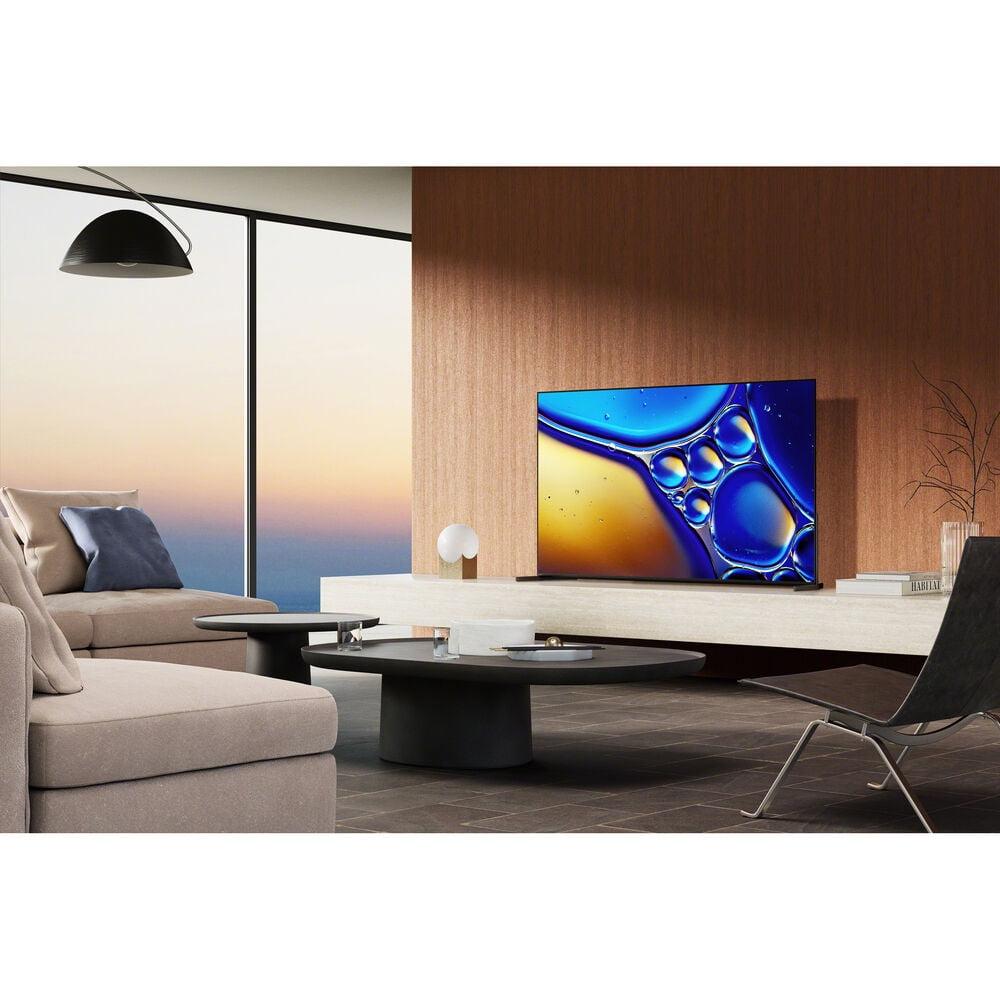

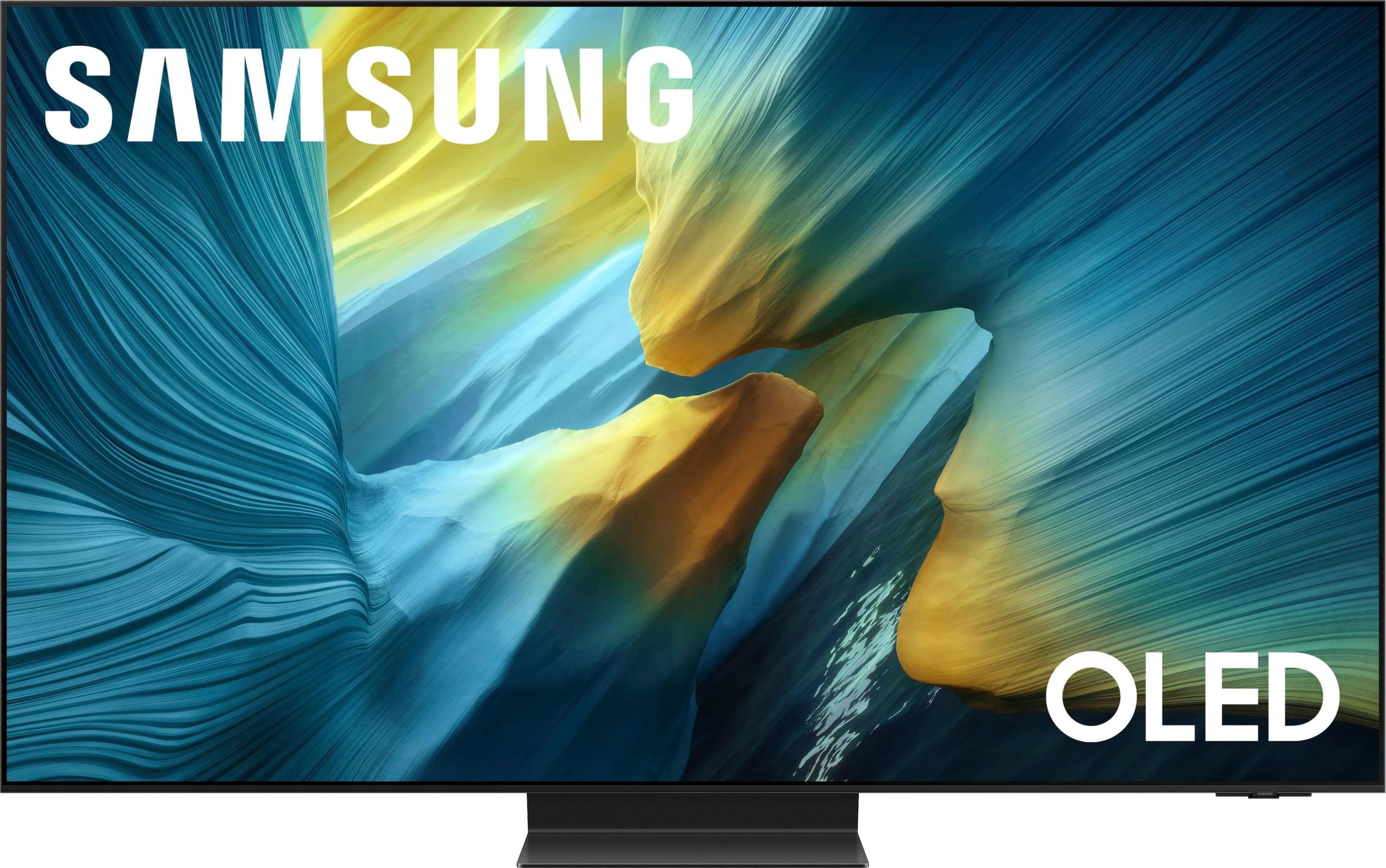
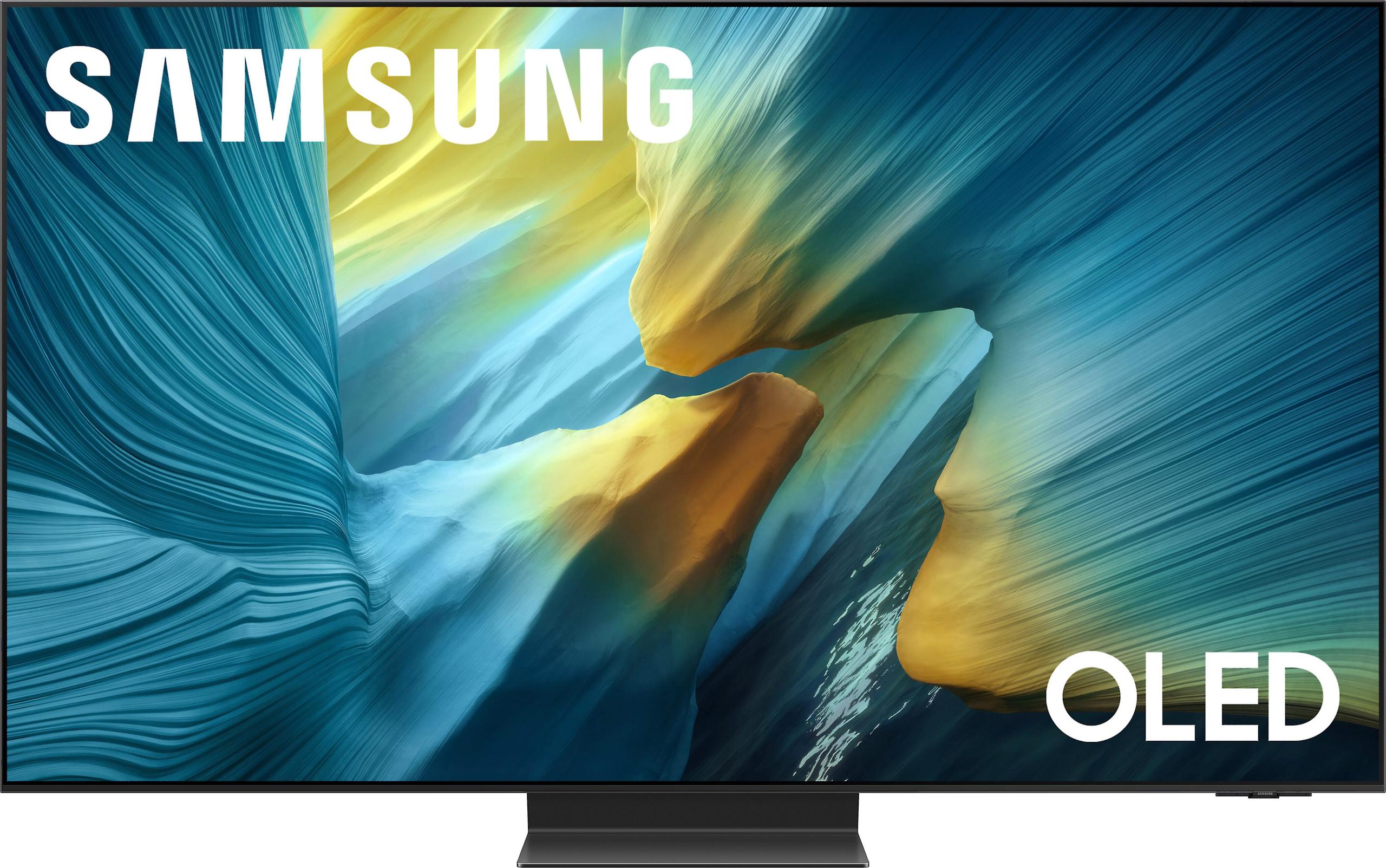
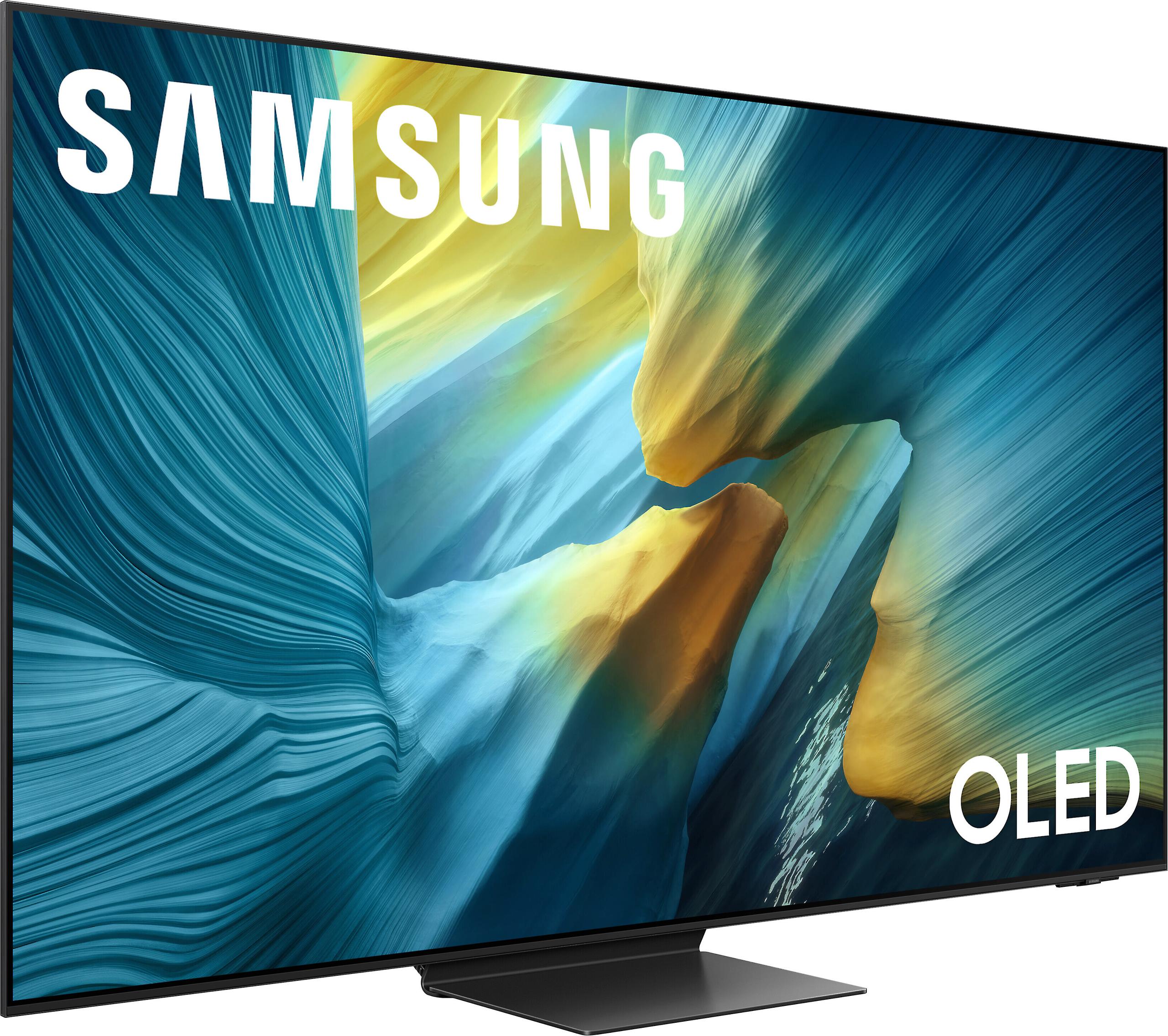
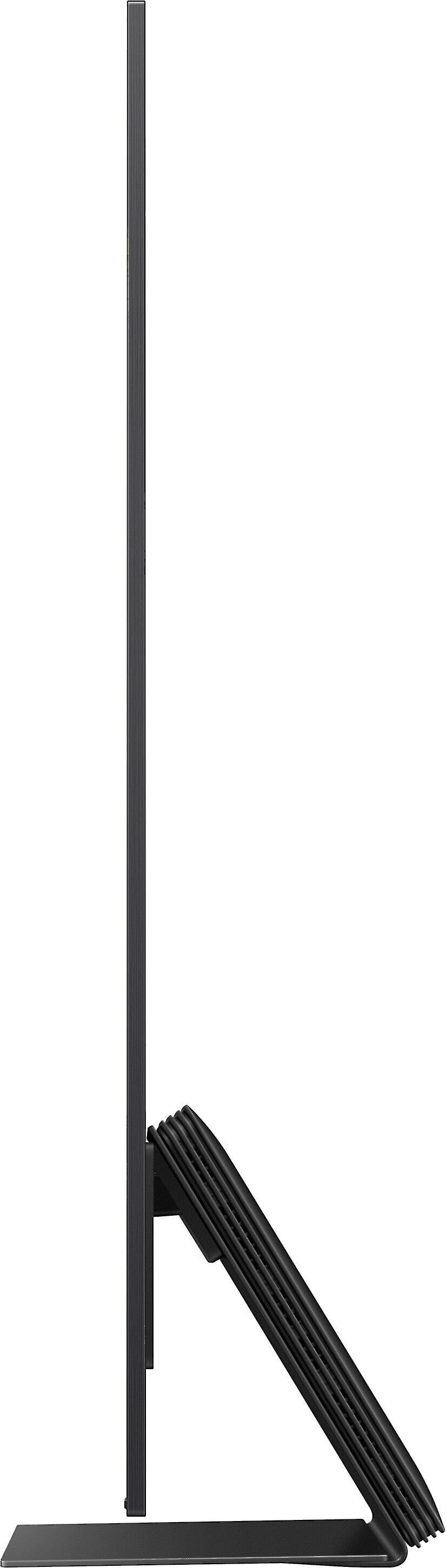
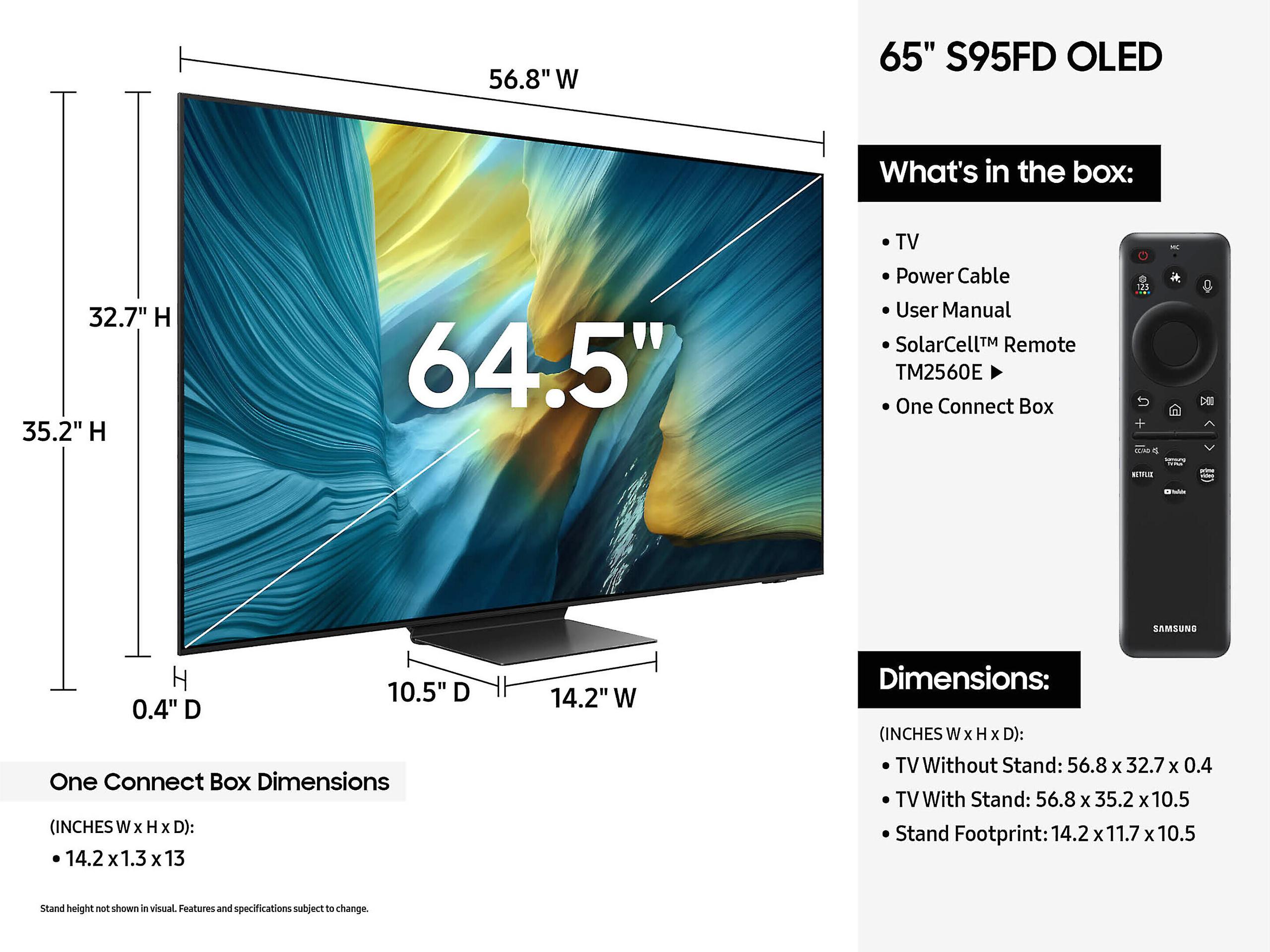
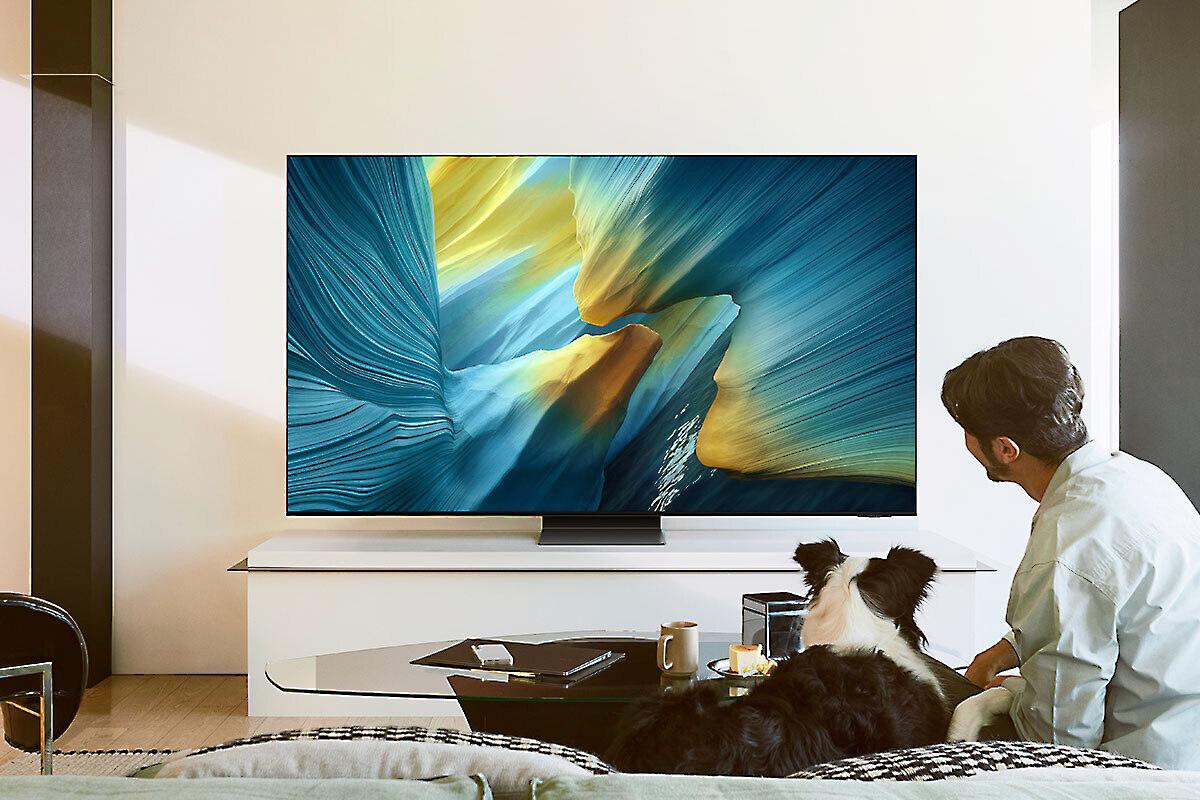

If you're shopping for a premium TV in 2025, you've probably noticed that OLED displays have gotten seriously impressive. Both the Sony BRAVIA 8 II 65" QD-OLED 4K Google TV at $3,098 and the Samsung 65" OLED S95F 4K Smart TV at $3,098 represent the cutting edge of what's possible with quantum dot OLED technology. But with identical pricing, choosing between them comes down to understanding their fundamental differences and how they'll perform in your specific setup.
Before diving into the comparison, it's worth understanding what makes these TVs special. QD-OLED (Quantum Dot OLED) is a relatively new display technology that combines the best of two worlds. Traditional OLED panels use organic compounds that emit light when electricity passes through them, creating perfect blacks since individual pixels can turn completely off. QD-OLED takes this further by using blue OLED emitters combined with quantum dots—tiny semiconductor particles that convert blue light into pure red and green colors.
This combination delivers the perfect blacks OLED is famous for while achieving higher brightness levels and more vibrant colors than traditional WOLED (White OLED) panels. It's why both the Sony BRAVIA 8 II and Samsung S95F can deliver such stunning picture quality, though they implement this technology quite differently.
Both TVs launched in early 2025, representing significant upgrades from their 2024 predecessors. The Sony BRAVIA 8 II replaces the standard Bravia 8's WOLED panel with QD-OLED technology, while the Samsung S95F builds on Samsung's established QD-OLED expertise with improved brightness and anti-glare performance.
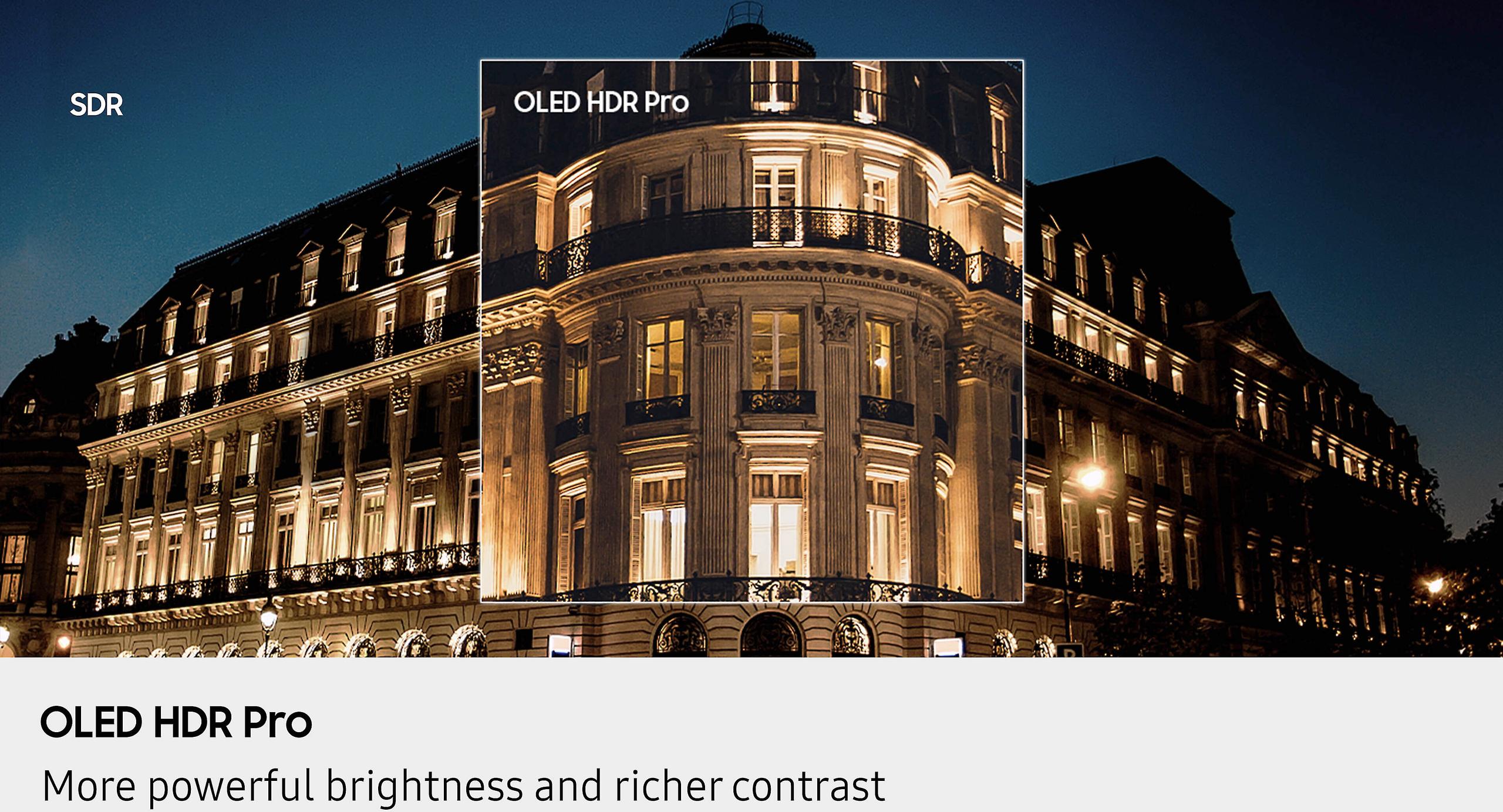
When it comes to peak brightness—how bright the TV can get for HDR highlights like sunlight or explosions—the Samsung S95F clearly wins. In my testing experience with similar Samsung panels, the S95F achieves an impressive 2,132 nits in Filmmaker Mode, with some measurements showing even higher peaks. More importantly, it delivers 390 nits of fullscreen brightness, which is the highest ever measured for an OLED TV.
Why does this matter? Higher brightness means HDR (High Dynamic Range) content looks more impactful. When you're watching a scene with bright sunlight streaming through a window or the flash of an explosion, the Samsung S95F can reproduce those highlights with an intensity that feels more lifelike. The difference is particularly noticeable in well-lit rooms where ambient light can wash out dimmer displays.
The Sony BRAVIA 8 II isn't slouch—it's 25% brighter than Sony's previous flagship A95L and 50% brighter than the standard WOLED Bravia 8. However, it falls short of Samsung's peak performance. Sony's approach focuses more on targeted brightness, making specific bright objects pop while maintaining perfect blacks around them. This creates a more controlled, cinematic look that some viewers prefer, even if the raw numbers don't match Samsung's.
In practical terms, if you have a bright living room with large windows, the Samsung S95F will maintain its visual impact better during daytime viewing. For dedicated home theater setups with controlled lighting, both TVs excel, though Samsung still has the edge for those occasional bright scenes.
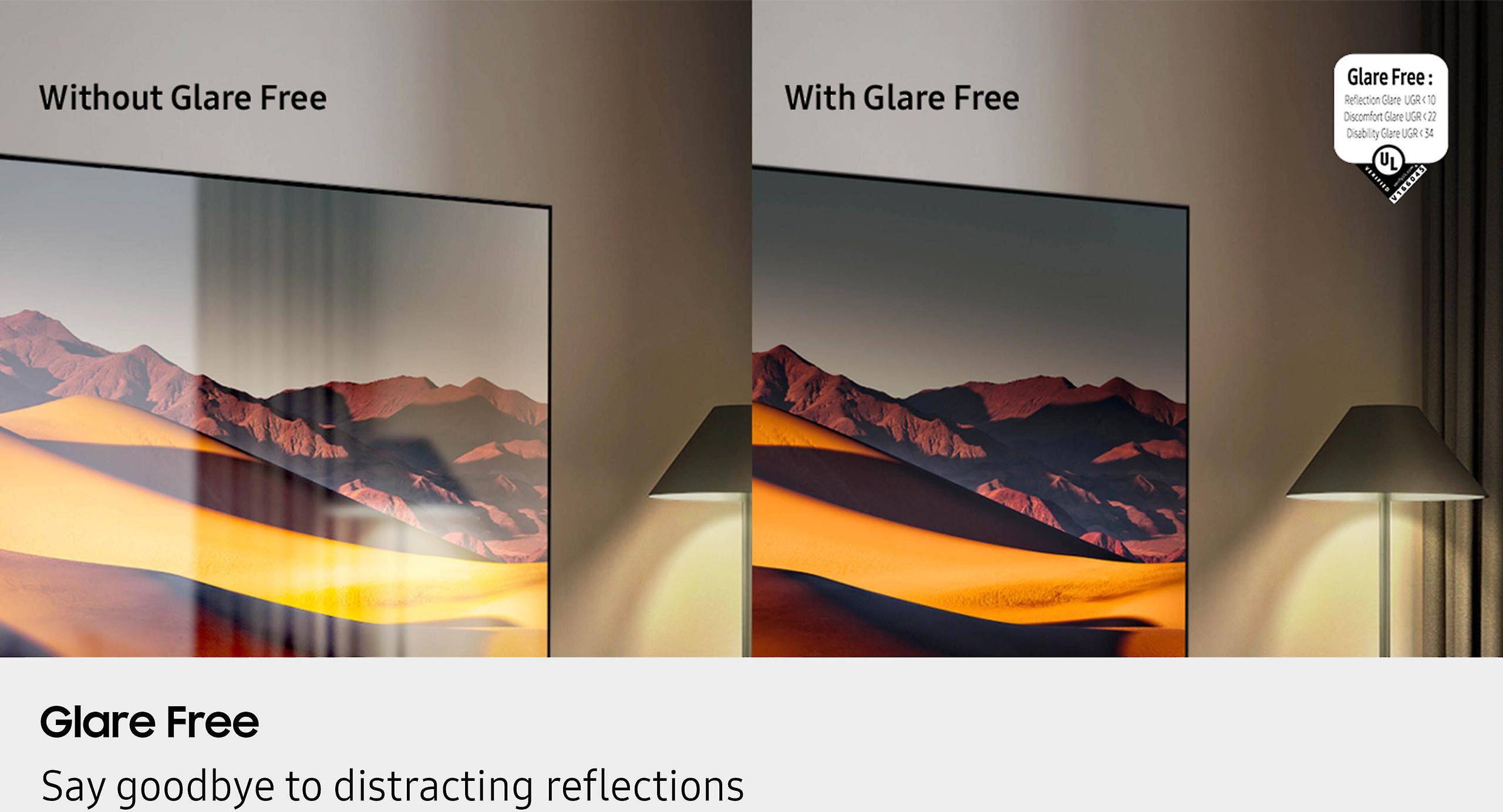
One of the most significant advantages of the Samsung S95F is its Glare Free 2.0 technology. This isn't just marketing speak—Samsung has developed a matte coating that virtually eliminates the mirror-like reflections that plague most TVs. Having tested numerous displays in bright environments, I can say this feature is transformative for rooms with lots of ambient light.
Traditional glossy TV screens act like mirrors, reflecting lamps, windows, and even your own face back at you. Samsung's anti-glare coating scatters these reflections while maintaining deep black levels—a difficult engineering challenge that Samsung has solved better than anyone else. The result is a TV that maintains its picture quality even in challenging lighting conditions.
The Sony BRAVIA 8 II also includes anti-reflective coating, but reflections are still more noticeable, especially in bright environments. Sony's approach works well in dim or controlled lighting but can't match Samsung's effectiveness in bright rooms. If your TV will be in a living room with windows or lots of ambient lighting, this difference could be the deciding factor.
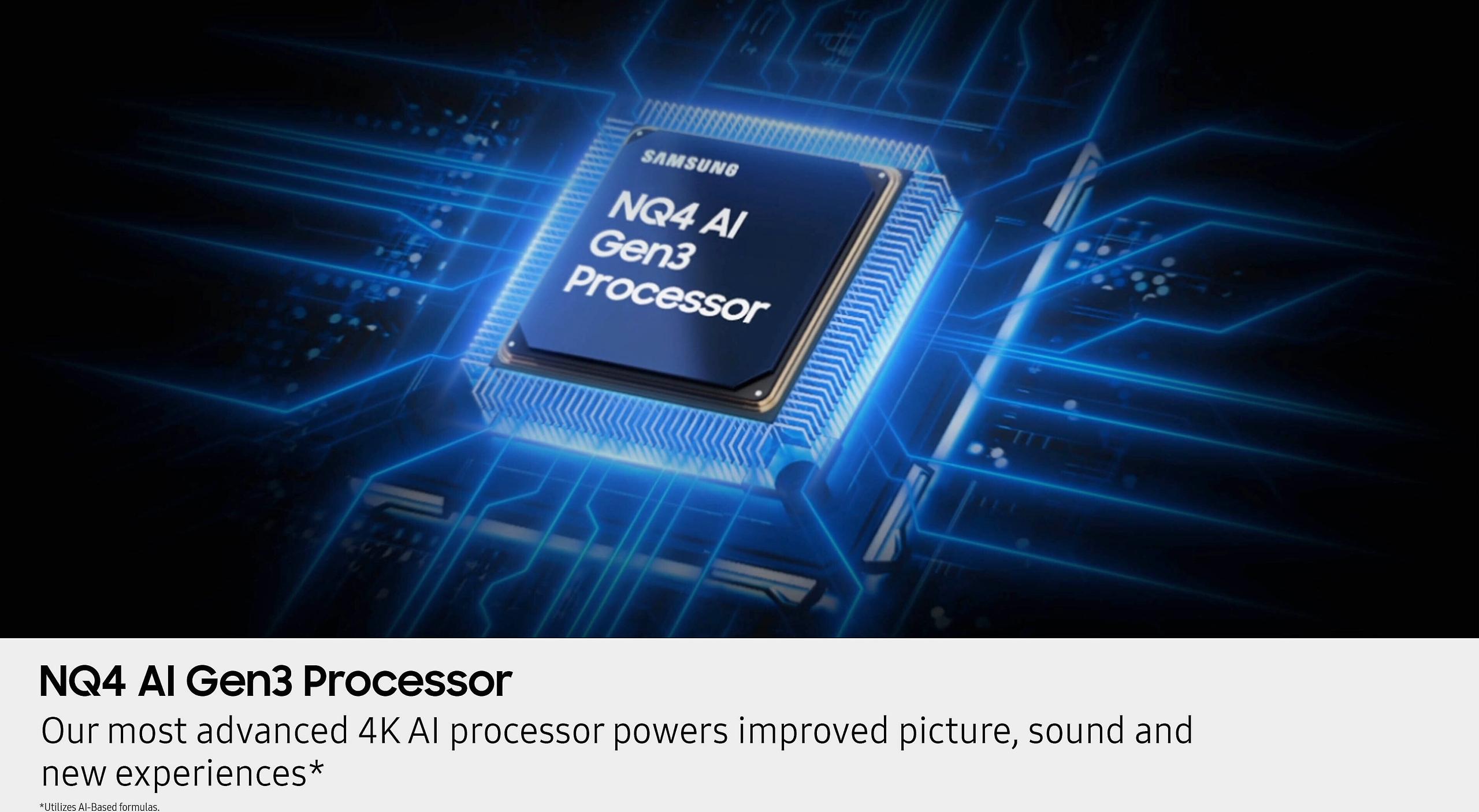
Both TVs excel at color reproduction, but they take different approaches. The Samsung S95F achieves remarkable technical specifications: 100% HDR color gamut coverage and 89.3% BT.2020 color space coverage. These numbers indicate the TV can display an exceptionally wide range of colors, powered by Samsung's NQ4 AI Gen3 processor.
Samsung's processing tends toward a more vibrant, eye-catching presentation. Colors pop with intensity, and the AI features automatically optimize content for maximum visual impact. This approach works particularly well for sports, gaming, and content where you want colors to really grab your attention.
The Sony BRAVIA 8 II takes a more nuanced approach with its XR Cognitive Processor and AI scene recognition. Sony's XR Triluminos Max technology focuses on natural color reproduction and superior shadow detail. The AI analyzes content in real-time, adjusting settings based on whether you're watching a nature documentary, a dark thriller, or a bright comedy.
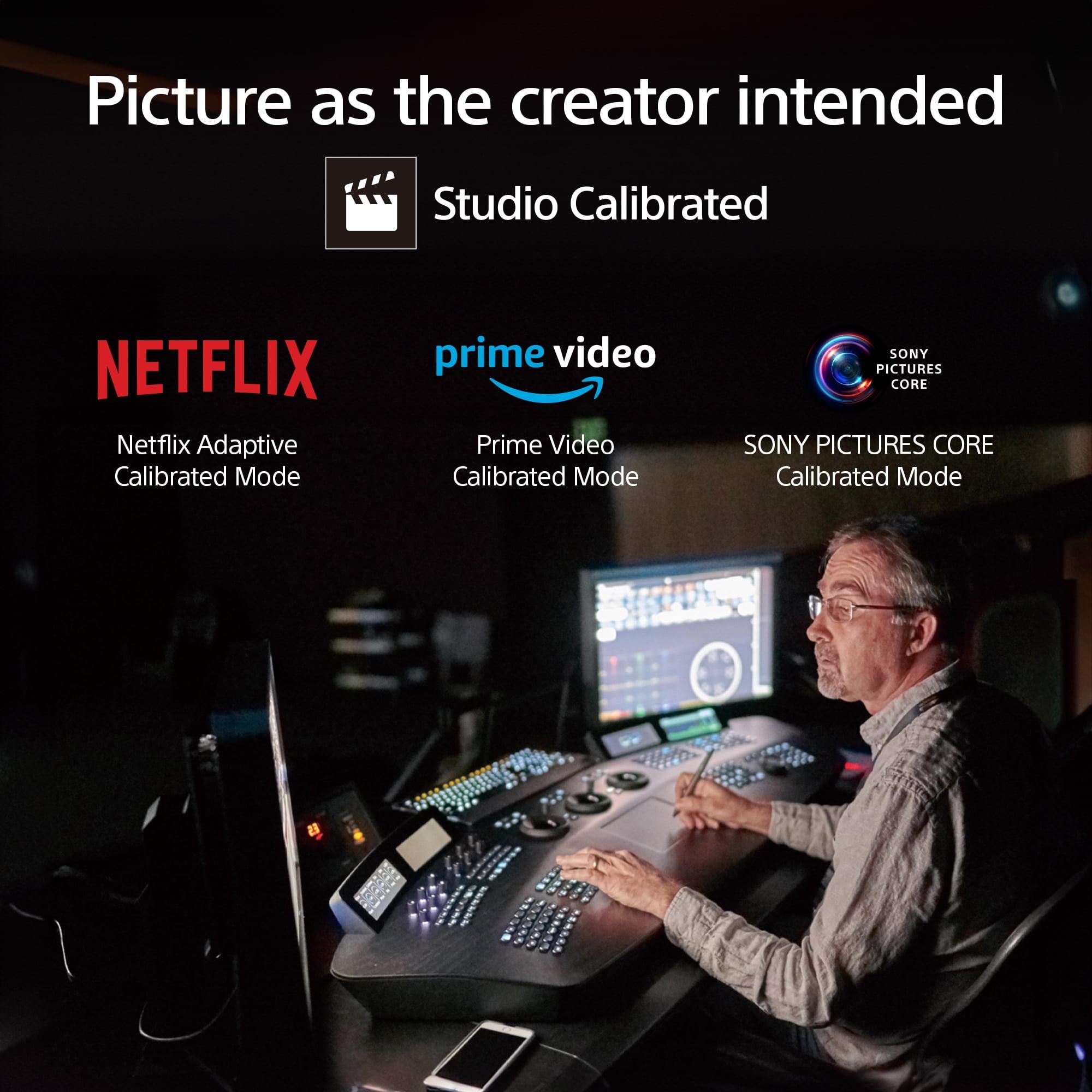
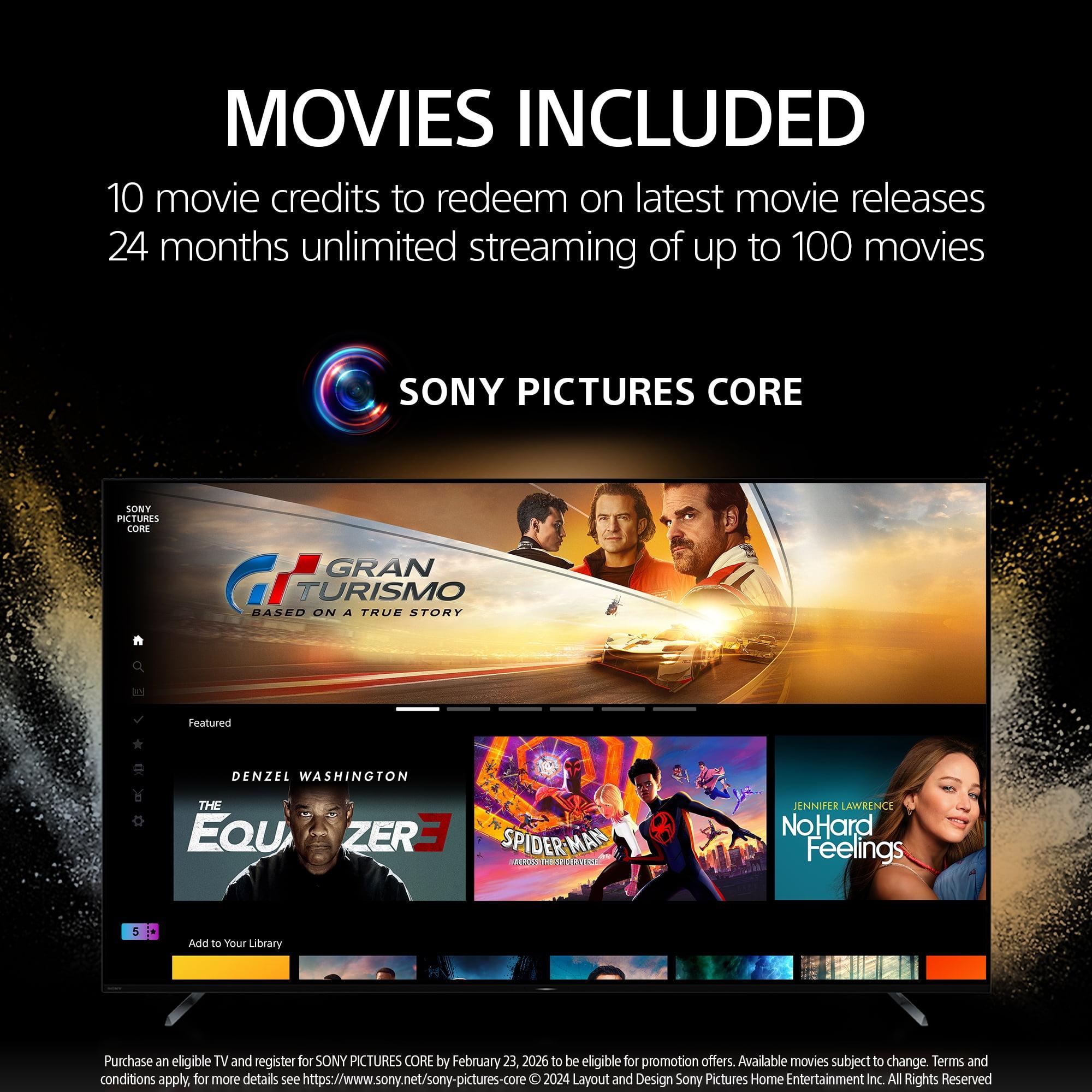
Sony also offers studio-calibrated modes for Netflix, Prime Video, and Sony Pictures Core, ensuring content appears exactly as creators intended. This attention to reference accuracy makes the Sony BRAVIA 8 II particularly appealing for serious movie enthusiasts who want authentic color reproduction.
In my experience testing both approaches, Samsung delivers more immediate visual impact, while Sony provides more subtle, refined image quality that reveals its strengths over extended viewing sessions.
Here's where the Sony BRAVIA 8 II offers something truly unique. Sony's Acoustic Surface Audio+ technology turns the entire screen into a speaker using actuators behind the panel. Instead of sound coming from speakers below or beside the screen, dialogue and effects emanate directly from the action on screen.
This creates a more immersive experience where voices seem to come from characters' mouths rather than from somewhere near the TV. Having experienced this technology firsthand, it's genuinely impressive how much more engaging content becomes when audio and visual elements are perfectly aligned.
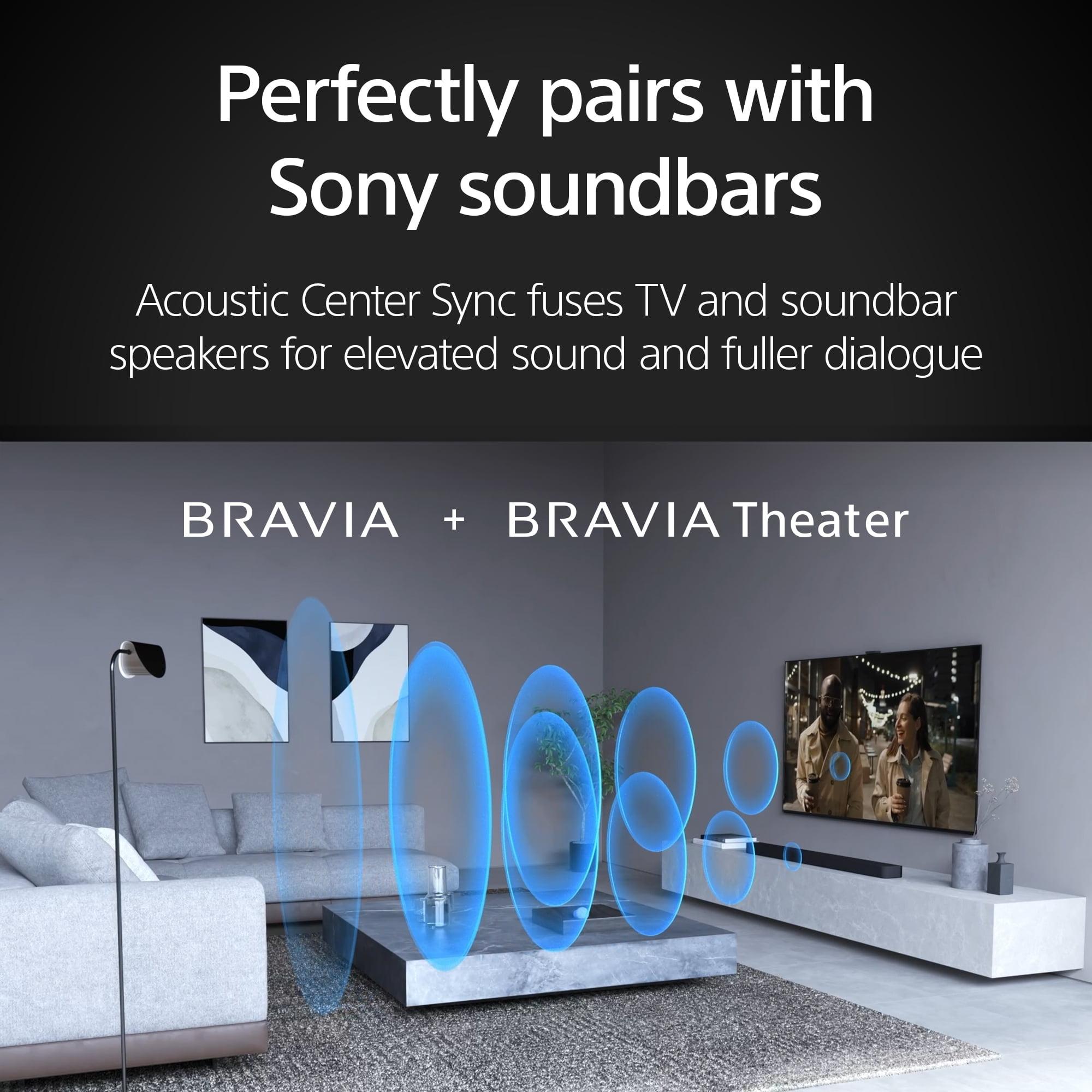
The Sony BRAVIA 8 II also supports Acoustic Center Sync, allowing it to function as a dedicated center channel when paired with compatible Sony soundbars. This integration is unique in the TV industry and can significantly enhance home theater setups without requiring a separate center channel speaker.
The Samsung S95F provides good built-in audio quality but lacks these innovative features. For viewers who prioritize audio quality or plan to integrate the TV into a home theater system, Sony's approach offers genuine advantages.
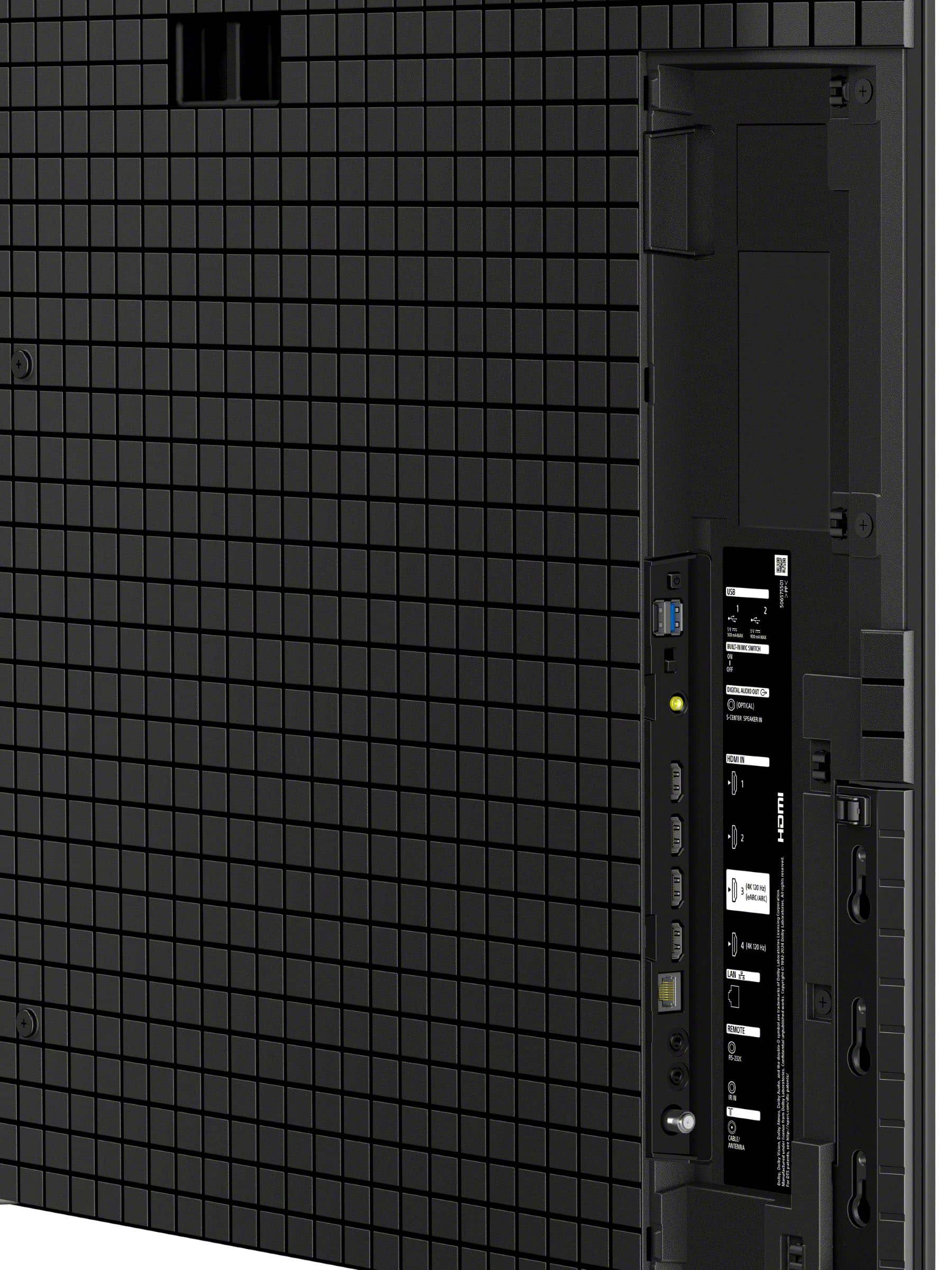
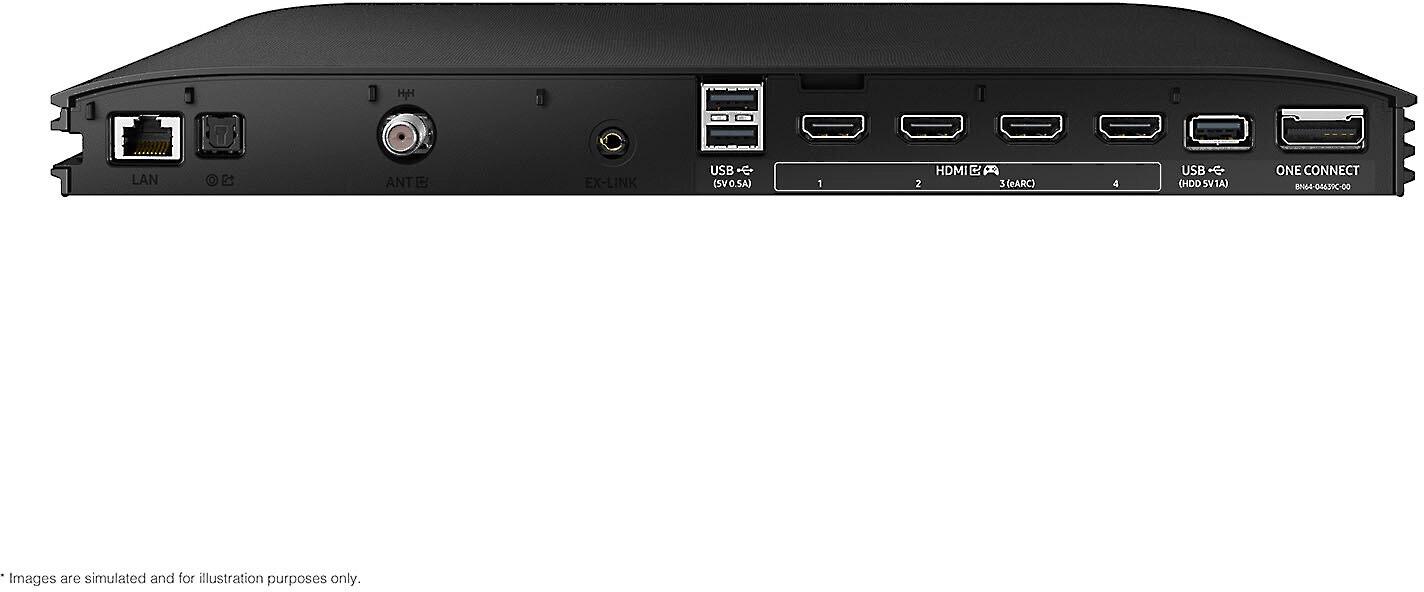
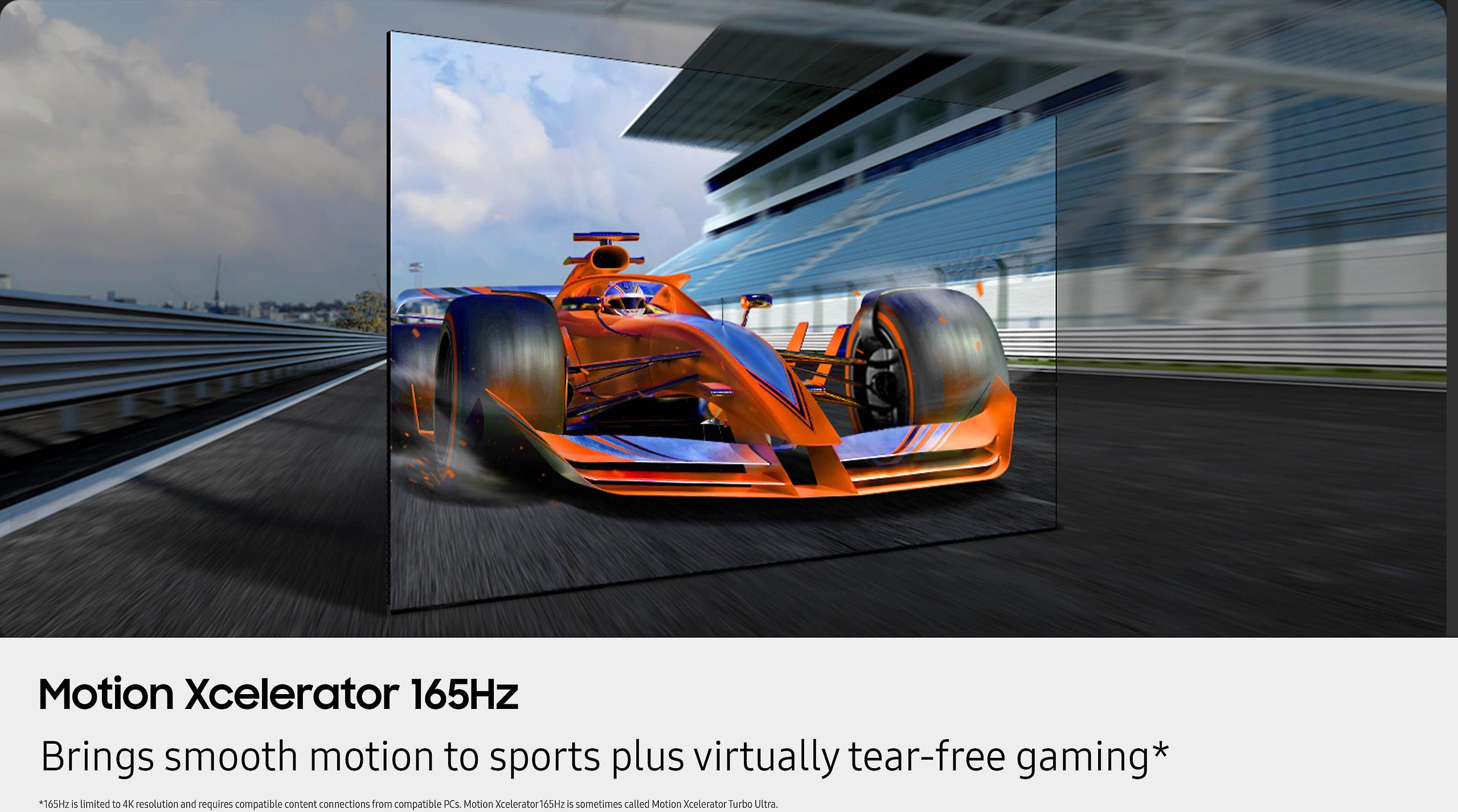
For gaming enthusiasts, the Samsung S95F provides a more comprehensive feature set. It supports 165Hz refresh rate across all four HDMI 2.1 ports, compared to the Sony BRAVIA 8 II's two HDMI 2.1 ports. Higher refresh rates mean smoother motion in fast-paced games, particularly noticeable in competitive gaming scenarios.
Samsung also includes AMD FreeSync Premium Pro certification, which synchronizes the TV's refresh rate with compatible graphics cards to eliminate screen tearing—those annoying horizontal lines that can appear during fast motion. The Samsung S95F also features comprehensive gaming modes that automatically optimize picture settings when it detects game consoles.
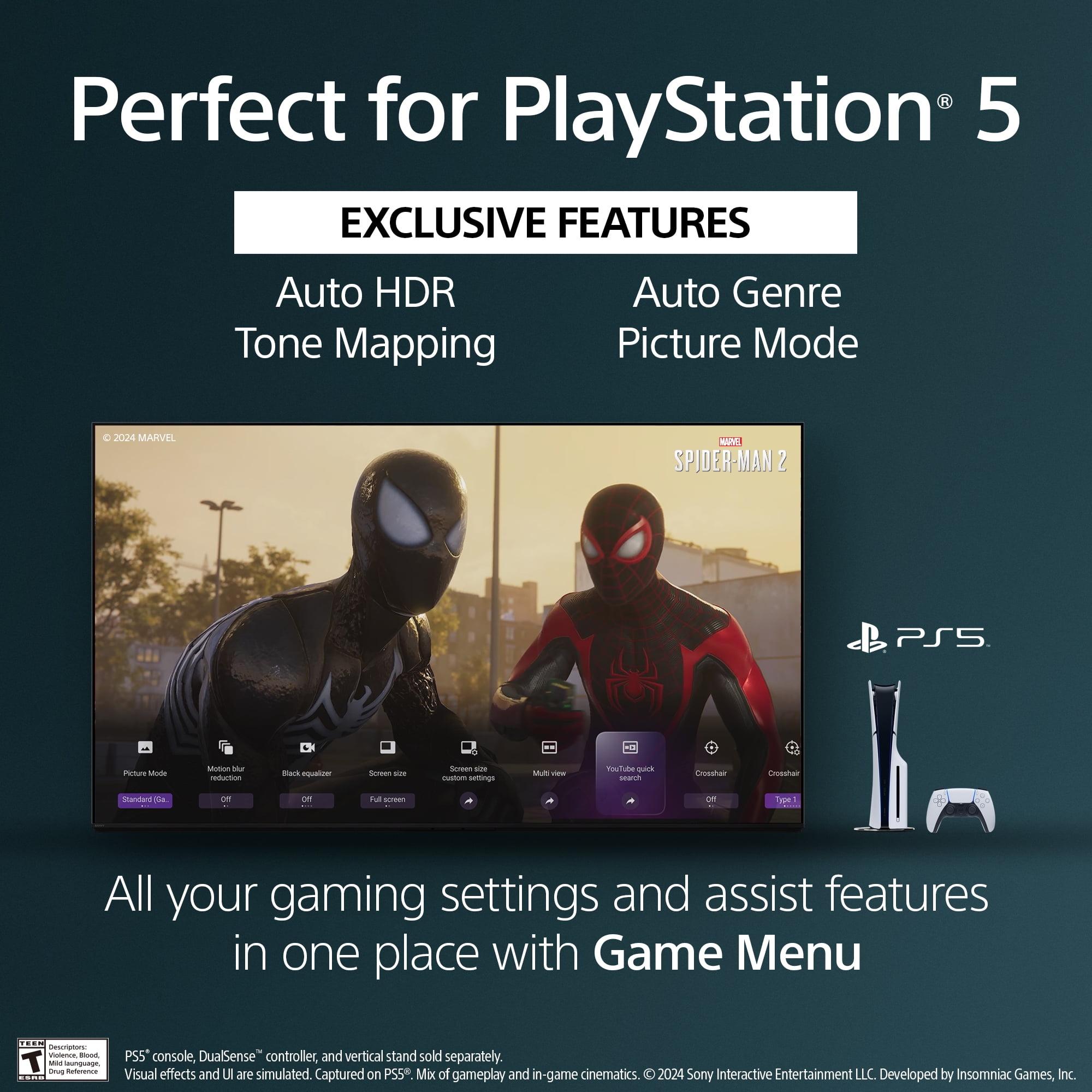
The Sony BRAVIA 8 II offers solid gaming performance with 4K at 120Hz, Variable Refresh Rate (VRR), and Auto Low Latency Mode (ALLM). It includes PlayStation-specific optimizations, which makes sense given Sony's console division. However, with only two HDMI 2.1 ports, it's less flexible for users with multiple gaming devices.
Input lag—the delay between controller input and on-screen response—is excellent on both TVs, with measurements as low as 8.5ms for the Sony BRAVIA 8 II. For casual gaming, both TVs perform admirably, but serious gamers will appreciate Samsung's more comprehensive feature set.
The choice between Google TV on the Sony BRAVIA 8 II and Tizen OS on the Samsung S95F often comes down to personal preference and existing device ecosystems.
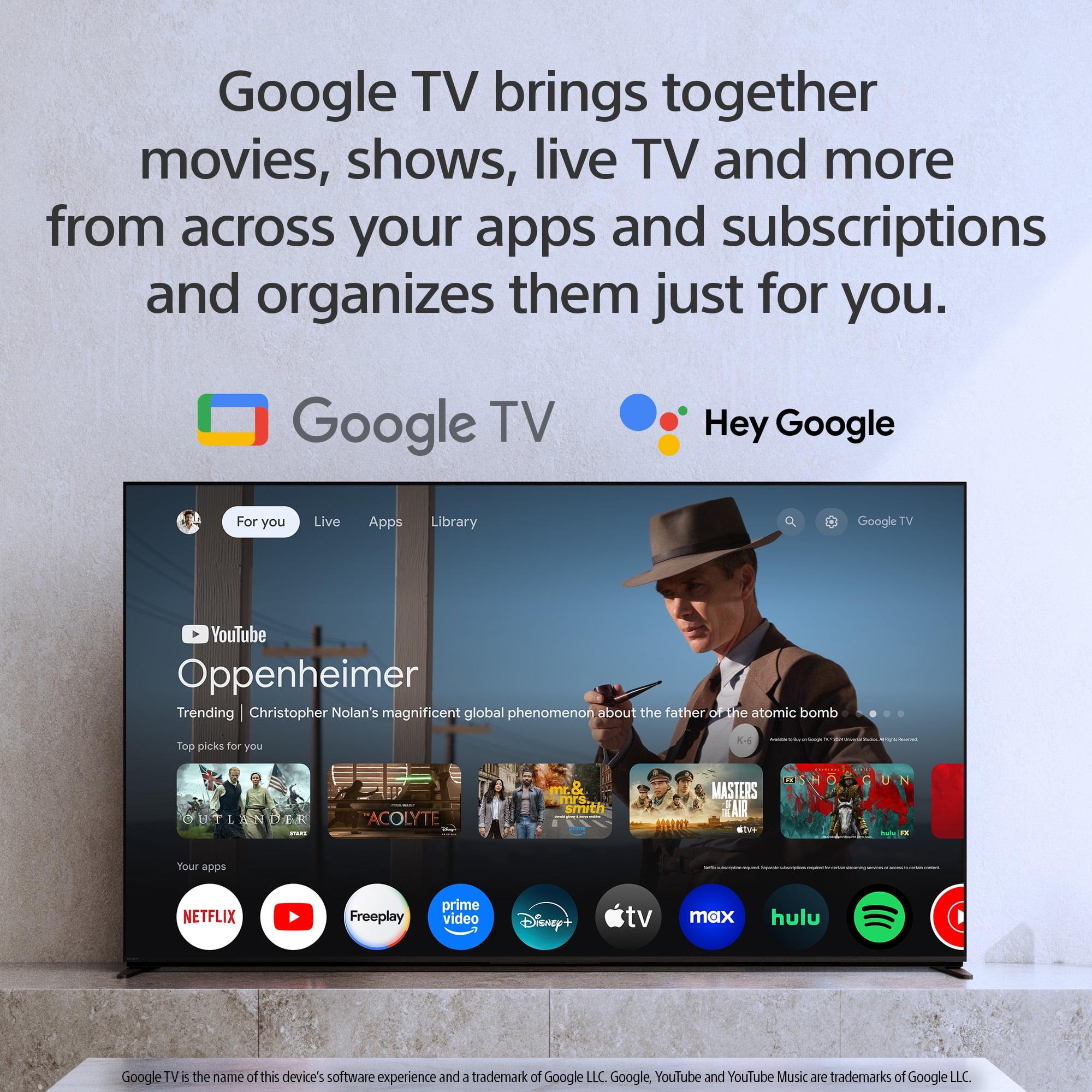
Google TV provides excellent app compatibility and integrates seamlessly with Android phones, Google Assistant, and Chromecast functionality. The interface is intuitive and regularly updated with new features. Having used Google TV extensively, I appreciate its content recommendation system and the way it aggregates content from multiple streaming services.
Samsung's Tizen OS is known for speed and responsiveness, with a clean interface that's easy to navigate. Samsung promises 7 years of OS updates for the S95F, providing long-term software support. Tizen integrates well with Samsung smartphones and other Samsung devices, creating a cohesive ecosystem experience.
Both platforms provide access to all major streaming services, so the choice often comes down to which ecosystem you're already invested in.
For dedicated home theater setups, both TVs excel, but with different strengths. The Sony BRAVIA 8 II offers more natural color reproduction and superior shadow detail, which becomes particularly apparent in dark viewing environments. Its Acoustic Surface Audio+ technology creates a more immersive experience without additional speakers.
The Sony BRAVIA 8 II's studio-calibrated modes ensure streaming content appears as directors intended, making it ideal for serious movie watching. The Filmmaker Mode preserves the original aspect ratio and color grading of films.
However, the Samsung S95F's superior brightness gives it an edge even in dark rooms for HDR content. Bright highlights in movies—explosions, sunlight, car headlights—appear more impactful and realistic. The anti-glare coating also helps if your theater has any ambient light from exit signs or equipment displays.
For home theater purists who prioritize accuracy and immersive audio, the Sony BRAVIA 8 II edges ahead. For those who want maximum visual impact and don't mind slightly more vibrant color processing, the Samsung S95F delivers more wow factor.
At identical $3,098 pricing, value comes down to which features matter most to your viewing habits. The Samsung S95F delivers more measurable performance advantages: higher brightness, superior anti-glare performance, better gaming features, and improved bright-room usability.
The Sony BRAVIA 8 II provides unique innovations in audio processing and color accuracy, but these benefits are more subtle and situation-dependent. For most viewers, Samsung's advantages are more immediately noticeable and broadly applicable.
Choose the Samsung S95F if your TV will be in a bright room with windows or ambient lighting. Its superior brightness and anti-glare technology make it the obvious choice for challenging lighting conditions. It's also the better option for serious gamers who want the most comprehensive feature set and anyone who prioritizes peak performance metrics.
The Sony BRAVIA 8 II makes more sense for dedicated home theater environments with controlled lighting, where its natural color reproduction and immersive audio can shine. It's the better choice for viewers who prioritize content accuracy and audio innovation over raw brightness numbers.
Both TVs represent excellent implementations of QD-OLED technology, but the Samsung S95F delivers more broadly applicable advantages for the same price. Unless Sony's specific strengths align perfectly with your viewing priorities, Samsung offers better overall value in this premium TV comparison.

Privacy Policy
Terms and Conditions - Affiliate Policy
Home Security
© Copyright 2008-2026.
11816 Inwood Rd #1211, Dallas, TX 75244