




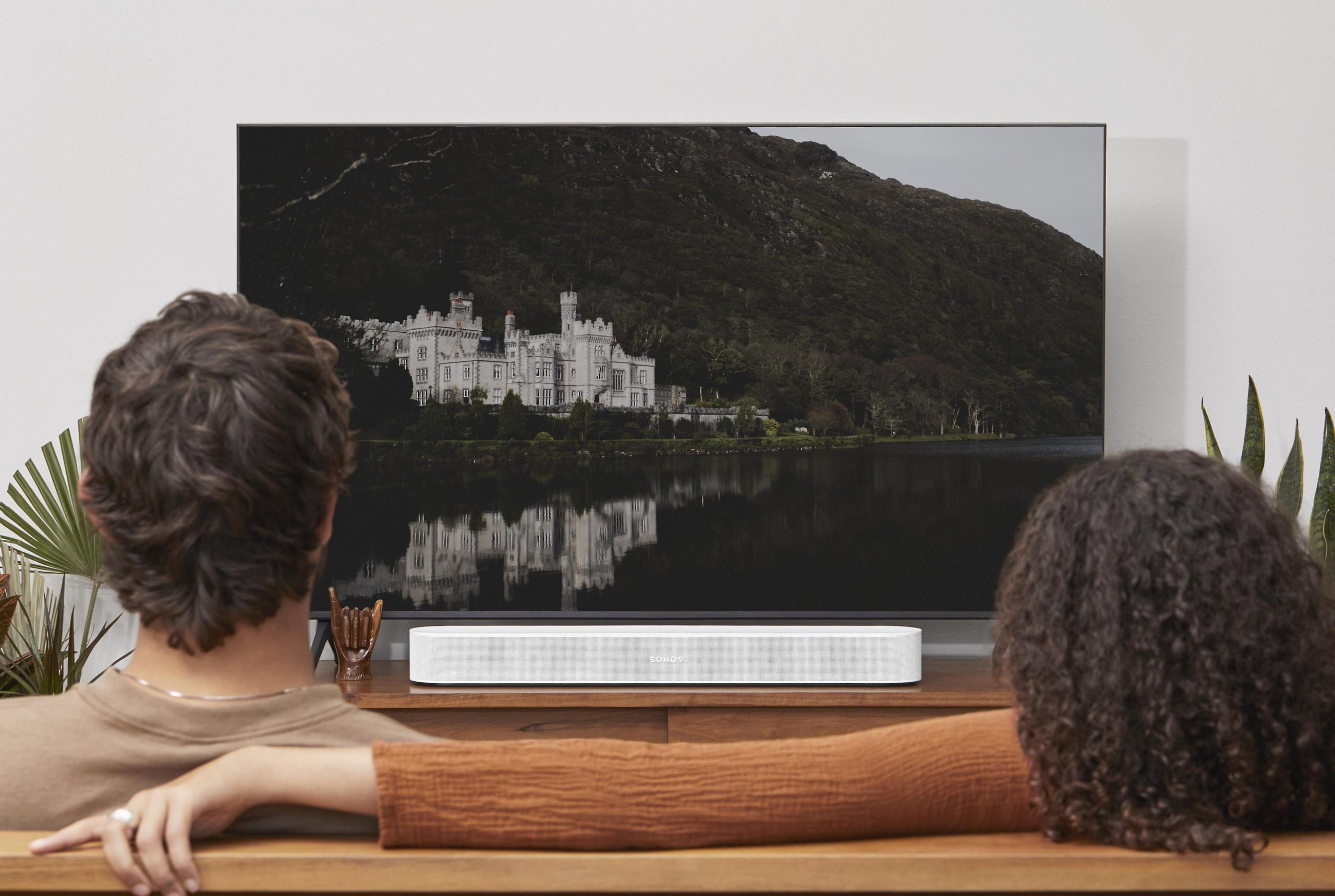
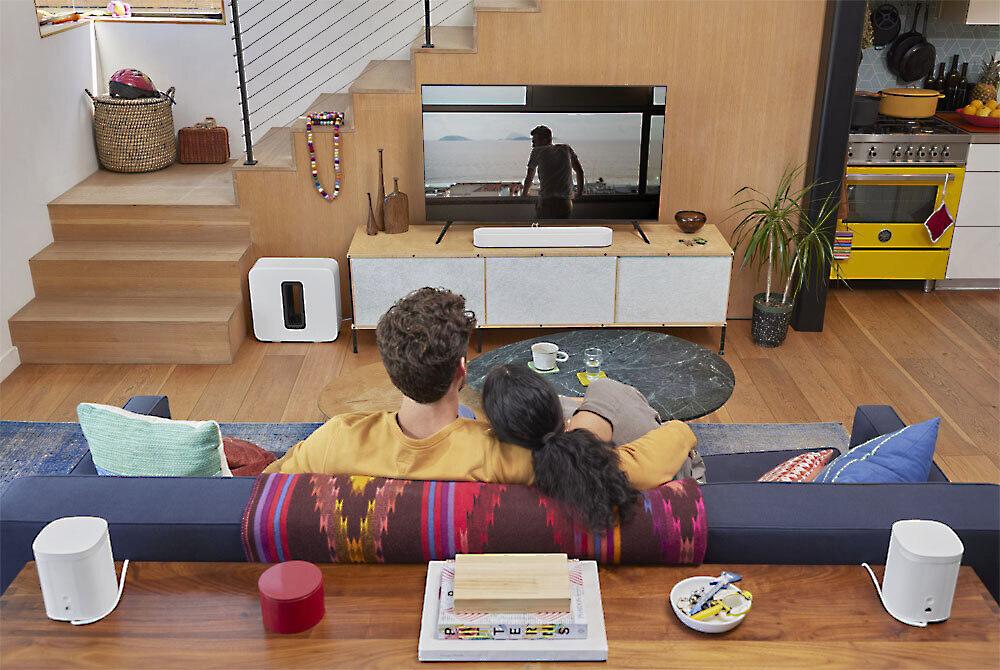

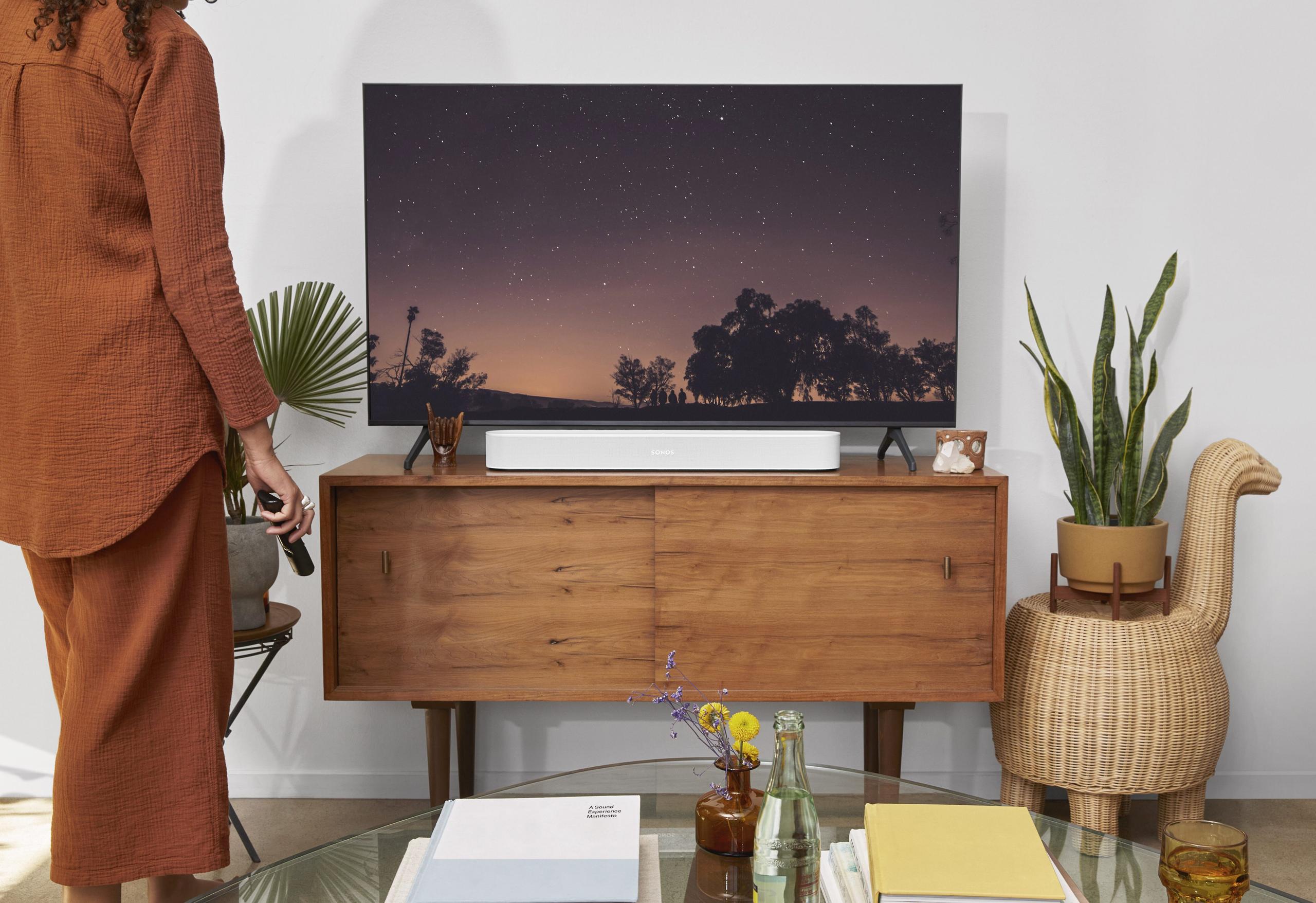
When your TV's built-in speakers sound like they're trapped in a cardboard box, it's time for an upgrade. But choosing between the Amazon Fire TV Soundbar Plus with Subwoofer and the Sonos Beam Gen 2 means weighing two completely different philosophies about home audio. One prioritizes immediate impact and value, while the other focuses on premium engineering and long-term flexibility.
I've spent considerable time with both systems, and the choice isn't as straightforward as price tags might suggest. Let me walk you through what really matters when deciding between these two approaches to better TV audio.
Before diving into specifics, it's worth understanding what modern soundbars actually do. Unlike the simple stereo speakers of the past, today's soundbars use advanced digital signal processing (DSP) to create the illusion of surround sound from a single bar. They analyze incoming audio and use psychoacoustic tricks—essentially fooling your brain—to make sounds appear to come from locations where there aren't actually any speakers.
The key considerations when shopping for a soundbar include channel configuration (how many discrete audio channels the system can handle), frequency response (the range of bass to treble it can reproduce), and spatial audio processing (technologies like Dolby Atmos that add height dimension to sound). Build quality, smart features, and expandability round out the major decision factors.
Both the Amazon Fire TV Soundbar Plus and Sonos Beam Gen 2 tackle these challenges differently, reflecting their manufacturers' distinct priorities and target audiences.
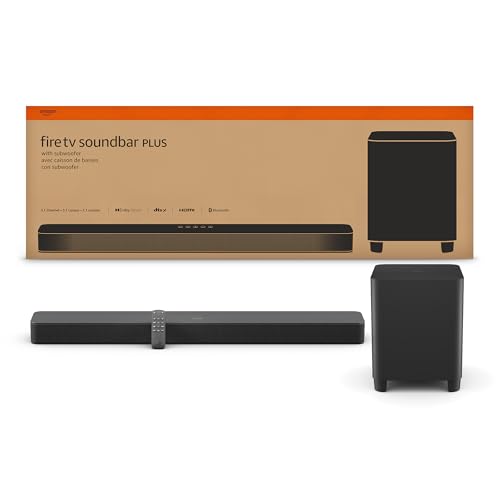
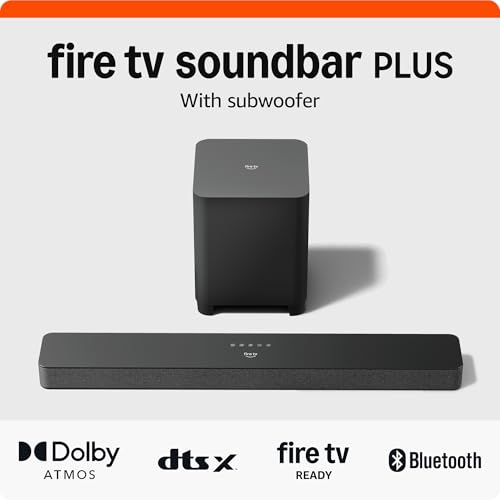
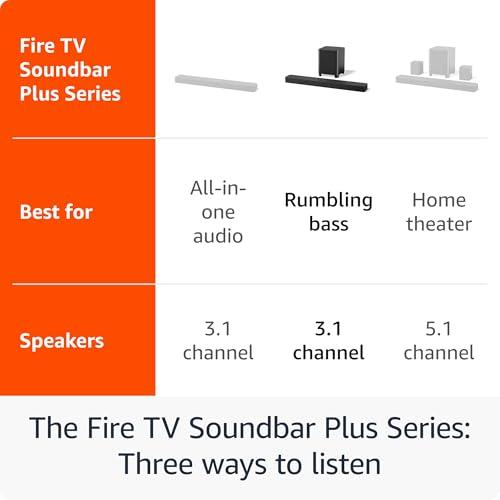
Amazon released the Fire TV Soundbar Plus in 2024 as their answer to the growing mid-range soundbar market. Unlike their previous budget-focused audio products, this system takes a "everything included" approach. The Amazon Fire TV Soundbar Plus with Subwoofer bundle provides a 3.1-channel configuration right out of the box, meaning you get left, center, and right channels plus a dedicated subwoofer for bass.
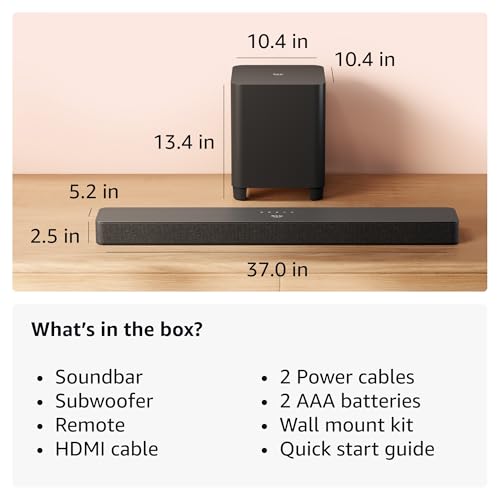
What makes this approach compelling is immediacy. Most soundbars struggle with bass response due to physical limitations—there's simply not enough space in a slim bar for large bass drivers. By including a separate 10.4-inch wireless subwoofer, Amazon eliminates the most common complaint about standalone soundbars: weak bass performance.
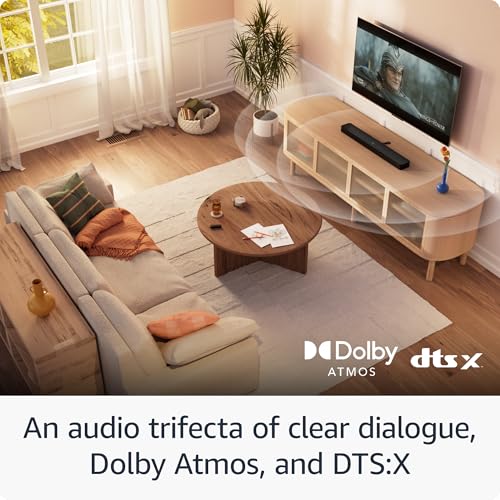
The system uses virtual Dolby Atmos processing, which means it doesn't have physical upfiring drivers to bounce sound off your ceiling. Instead, it relies on sophisticated algorithms to create the impression of height in the soundstage. While purists might scoff at "virtual" anything, the reality is that most rooms and listening positions benefit more from well-implemented virtual processing than poorly positioned physical drivers.
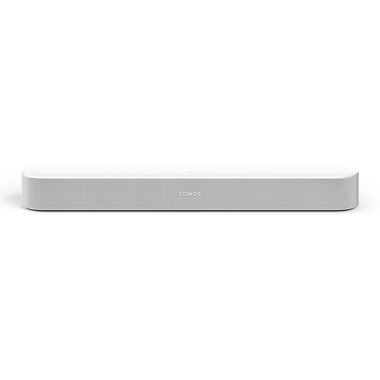
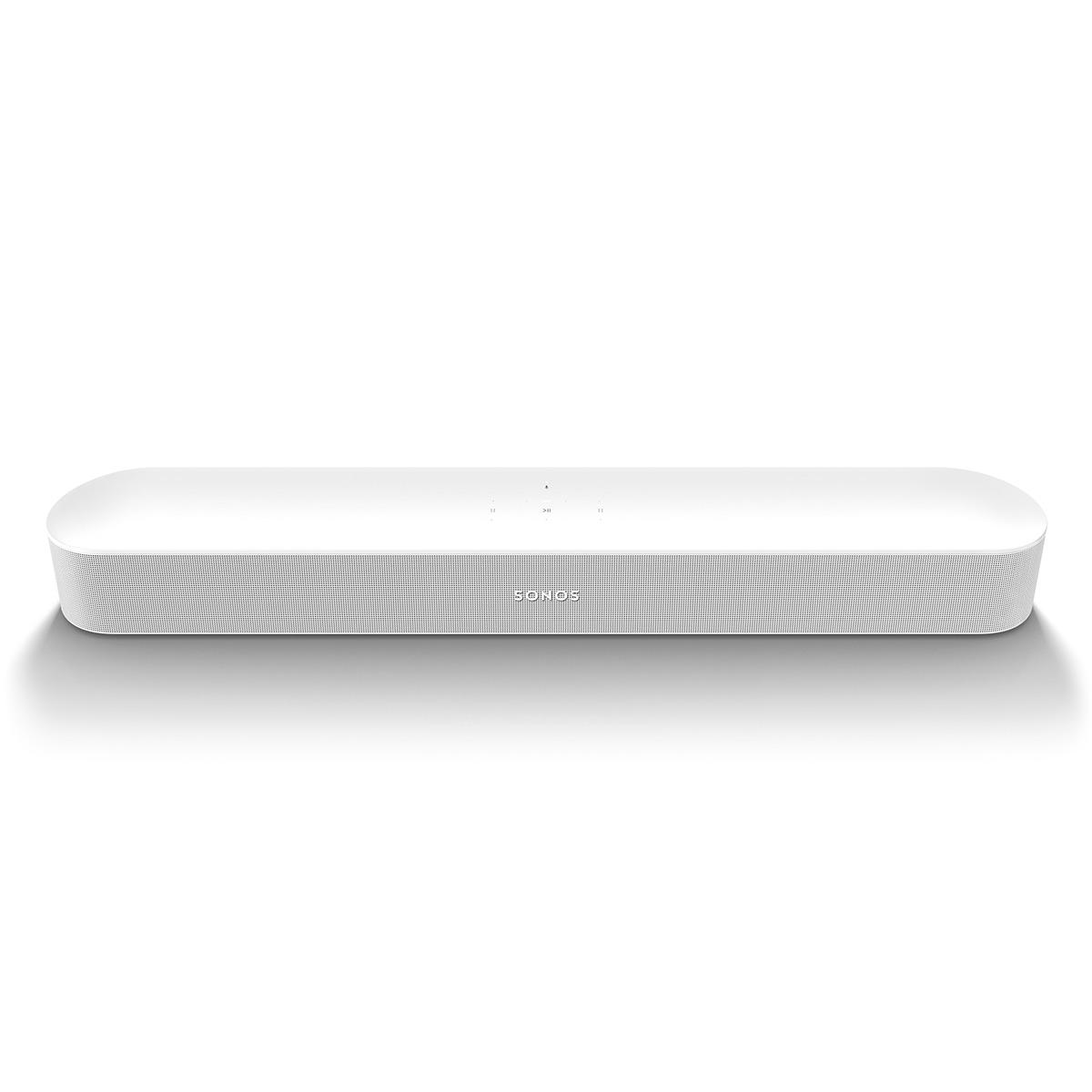
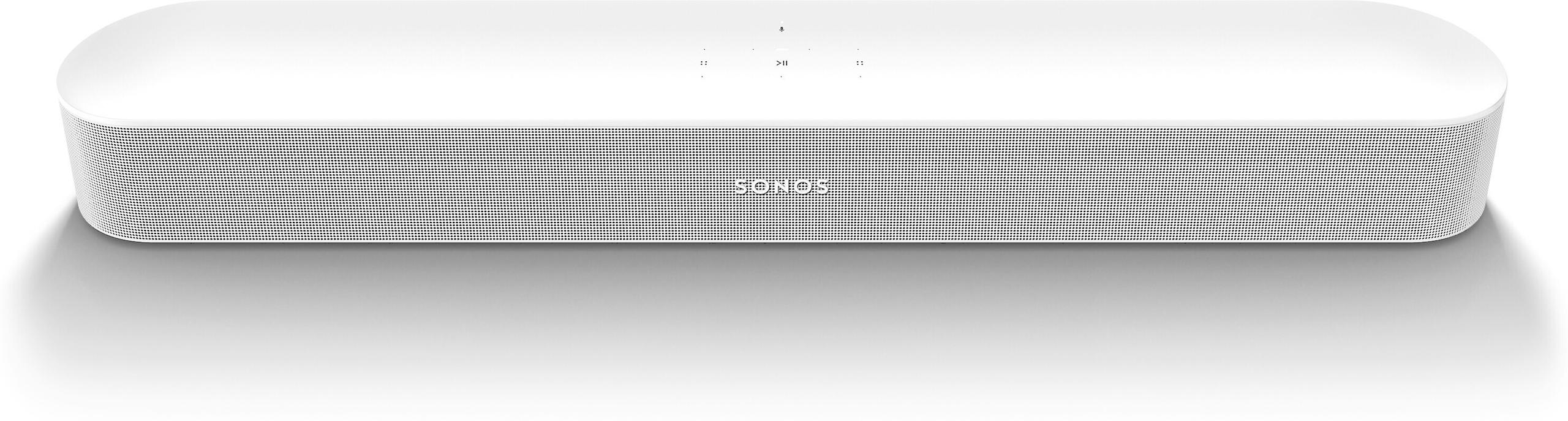
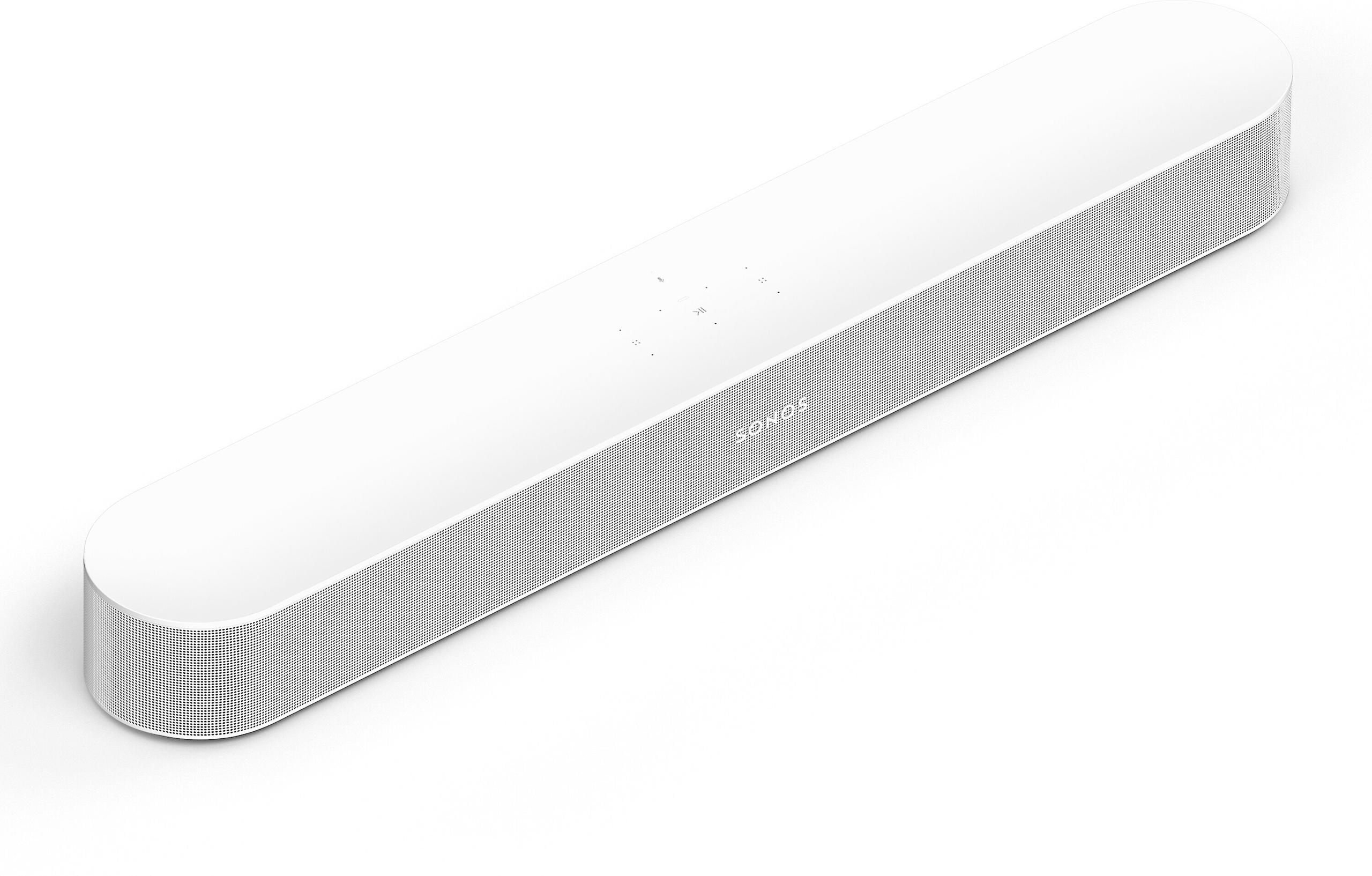
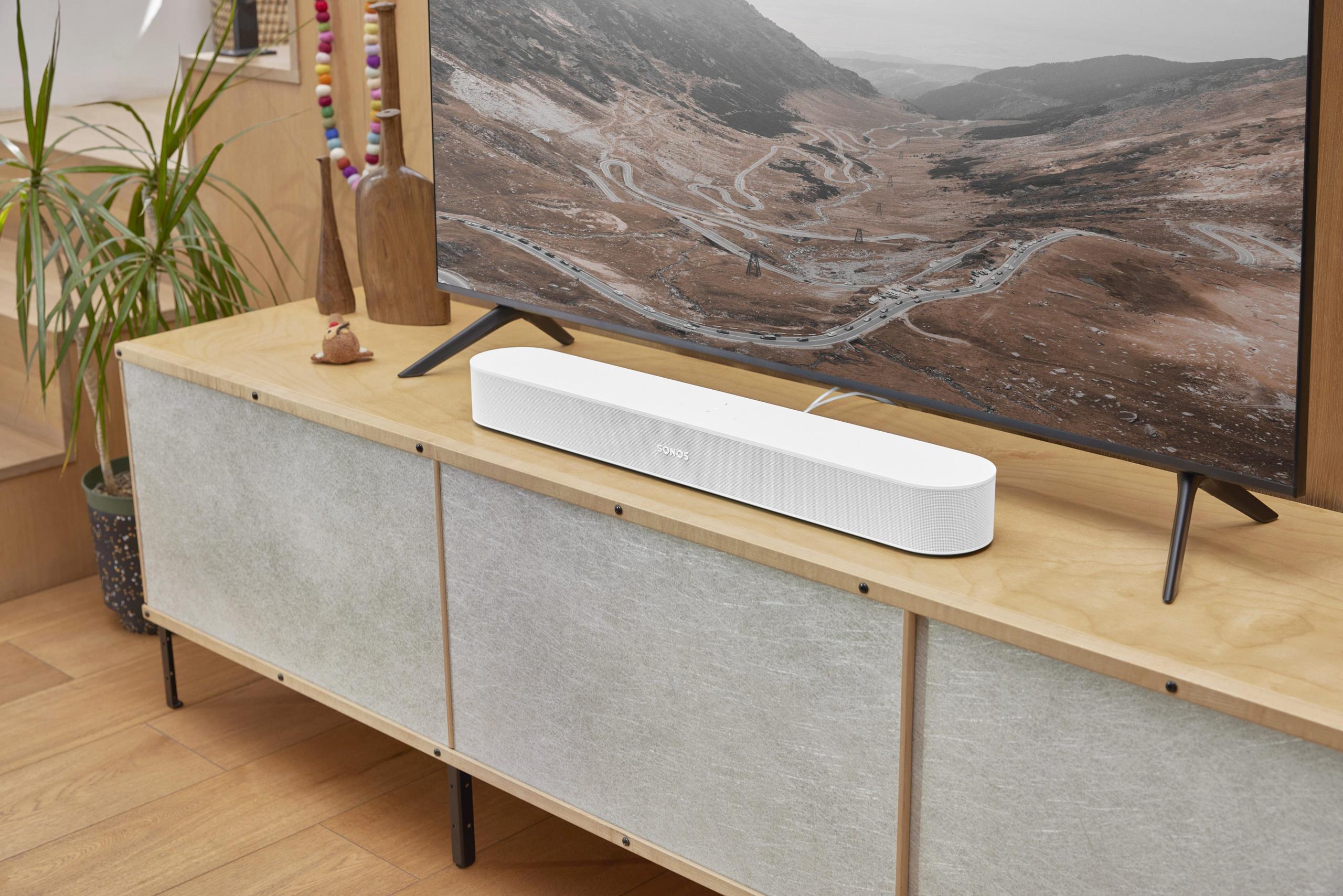
The Sonos Beam Gen 2, launched in 2021 as an upgrade to the original Beam, represents a different philosophy entirely. Rather than including everything upfront, Sonos focuses on engineering excellence in a compact form factor, then allows users to expand the system over time.
This second-generation Beam added true Dolby Atmos support over its predecessor—a significant upgrade that demonstrates how quickly audio technology evolves. The improvement wasn't just marketing; the additional processing power enables more convincing spatial effects and better overall sound quality compared to the original 2018 model.
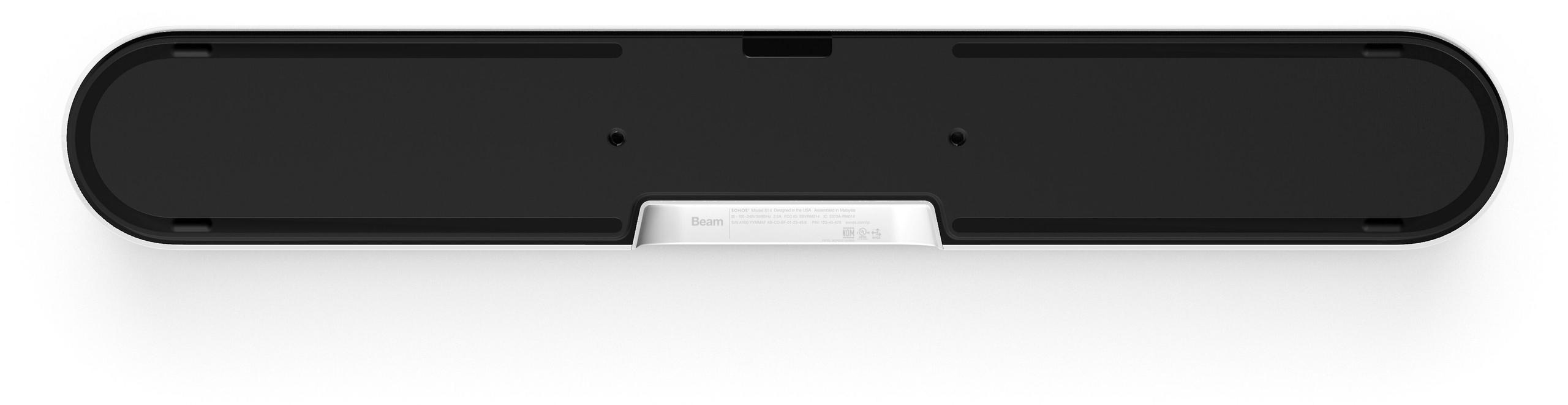
At 25.6 inches wide, the Sonos Beam Gen 2 uses five discrete audio channels in a 5.0 configuration. This means dedicated left, center, right, and two additional channels that fire sideways to create width in the soundstage. Three passive radiators (speakers without their own power that respond to air pressure changes) help extend bass response beyond what the compact size would normally allow.
This is where the systems diverge most dramatically. The Amazon Fire TV Soundbar Plus with Subwoofer delivers immediate bass satisfaction that most standalone soundbars simply cannot match. The included subwoofer extends down to around 45Hz, providing the rumble and impact that makes action movies engaging and music more full-bodied.
However, not all bass is created equal. Through extended listening, I've noticed the Amazon subwoofer tends toward what audio enthusiasts call "one-note bass"—it's powerful and attention-grabbing, but lacks the nuance and texture of higher-end subwoofers. It excels at big, boomy effects but doesn't capture the subtle low-frequency details that separate good bass from great bass.
The Sonos Beam Gen 2 takes an entirely different approach. Without a dedicated subwoofer, it relies on its passive radiators and careful tuning to extend bass response as much as physics allows. The result is tighter, more controlled bass that integrates seamlessly with the midrange, but with significantly less impact and extension. For dialogue-heavy content and music listening, this approach often sounds more natural. For action movies and bass-heavy music, it feels restrained.
Both systems excel at dialogue reproduction, but for different reasons. The Amazon Fire TV Soundbar Plus uses a dedicated center channel with dialogue enhancement processing that can be adjusted from 1 to 5. This approach ensures voices remain intelligible even during complex, busy soundtracks. The enhancement feature essentially compresses the dynamic range—reducing the difference between loud and soft sounds—so dialogue doesn't get lost during explosive action sequences.
The Sonos Beam Gen 2 achieves exceptional dialogue clarity through different means. Its precisely tuned drivers and advanced DSP create remarkably natural vocal reproduction. Many users report rarely needing subtitles with the Beam, even with challenging accents or whispered dialogue. This natural approach means less processing and manipulation, resulting in voices that sound more realistic and less artificially enhanced.
Soundstage refers to how wide and immersive the audio field appears to your ears. The Amazon Fire TV Soundbar Plus, at 37 inches wide, has a natural advantage in creating width. Its larger size allows for better physical separation between left and right channels, and the soundstage extends slightly beyond the bar itself during stereo content.
However, I've noticed some gaps in the stereo image—sounds that should appear between the left and right channels sometimes seem to come from discrete points rather than smoothly panning across the space. This is likely due to the limited number of front-firing drivers and the challenges of creating convincing phantom imaging with widely spaced speakers.
The Sonos Beam Gen 2 compensates for its smaller size through sophisticated processing and the inclusion of side-firing drivers. These create a wider apparent soundstage than the physical dimensions would suggest. The result is more cohesive imaging, where sounds appear to move smoothly across the space rather than jumping between discrete points.
For Dolby Atmos content, both systems rely on virtualization rather than physical height speakers. The Sonos Beam Gen 2 generally handles this processing more convincingly, creating a better sense of audio objects moving above and around the listener. The Amazon Fire TV Soundbar Plus can create impressive width but struggles more with height dimension.
The Sonos Beam Gen 2 includes both Amazon Alexa and Google Assistant built-in, making it essentially a premium smart speaker that happens to excel at TV audio. You can control your smart home devices, check weather, play music from streaming services, and adjust audio settings all through voice commands. The implementation is seamless—the soundbar responds quickly and accurately to wake words even during loud content playback.
The Amazon Fire TV Soundbar Plus takes a different approach entirely. Despite the "Fire TV" branding, it doesn't include built-in Alexa or any streaming capabilities. It's purely an audio device that happens to integrate particularly well with Fire TV devices. This might seem like a limitation, but it also means the system is simpler and potentially more reliable—there are fewer potential points of failure.
The Sonos ecosystem shines in app-based control. The S2 app provides comprehensive system management, room correction through TruePlay tuning (which uses your iPhone's microphone to analyze room acoustics), and seamless integration with dozens of streaming services. The app interface is intuitive and responsive, making it easy to adjust settings, create multi-room groups, and manage your entire audio ecosystem.
The Amazon Fire TV Soundbar Plus relies primarily on physical remote control and basic LED indicators. While this might seem primitive compared to Sonos's app-centric approach, it actually appeals to many users who prefer immediate, tactile control over their audio settings. The included remote provides access to all essential functions, including independent bass and treble adjustment on a 1-9 scale.
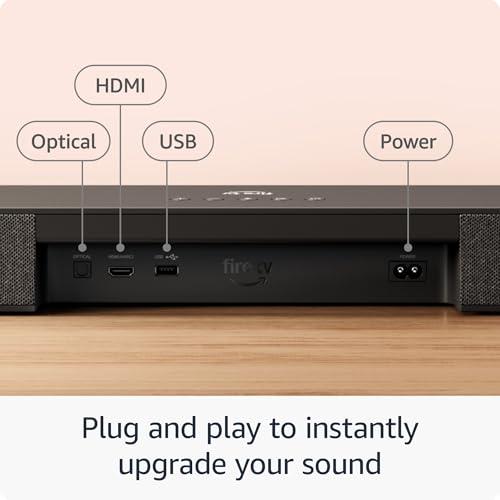
Both systems include HDMI eARC (enhanced Audio Return Channel), which provides the highest bandwidth connection to your TV and supports advanced audio formats like Dolby Atmos and DTS:X. However, their additional connectivity options reflect their different philosophies.
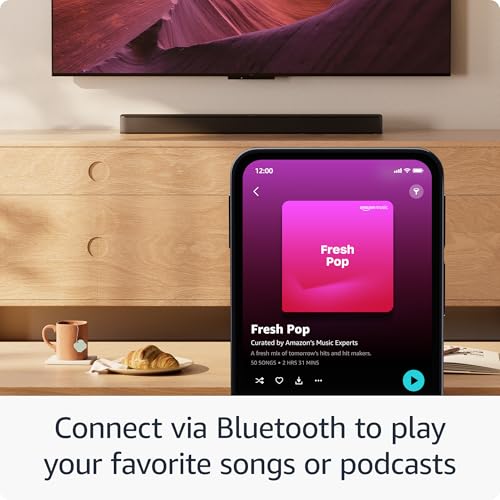
The Amazon Fire TV Soundbar Plus includes optical digital input, USB-A port, and Bluetooth connectivity. The Bluetooth support is particularly valuable for users who want to stream music directly from phones or tablets without involving their TV. The optical input ensures compatibility with older TVs that lack HDMI eARC.
The Sonos Beam Gen 2 focuses exclusively on Wi-Fi connectivity for wireless streaming, deliberately omitting Bluetooth. While this might seem limiting, Wi-Fi streaming generally provides better audio quality and more stable connections than Bluetooth. However, it does mean you can't easily connect devices that only support Bluetooth.
At the time of writing, the Amazon Fire TV Soundbar Plus with Subwoofer bundle costs significantly less than purchasing the Sonos Beam Gen 2 alone. When you factor in that achieving comparable bass performance with Sonos requires purchasing their separate Sub (which costs more than the entire Amazon system), the value proposition becomes even more compelling.
This immediate completeness appeals to users who want dramatic audio improvement without ongoing investment decisions. The Amazon system provides full-range audio performance from day one, with the option to add rear speakers later for a complete surround sound experience at a total cost that remains competitive with many standalone premium soundbars.
The Sonos Beam Gen 2 represents a different value calculation—one based on long-term satisfaction and gradual system building. While the initial investment is higher, and adding bass capability requires substantial additional expense, the resulting system quality often justifies the cost for users who prioritize audio excellence.
The Sonos ecosystem also offers unlimited expandability. You can add speakers to other rooms, create multi-room audio groups, and integrate various Sonos products into a cohesive whole-home audio system. This flexibility has value for users who see their soundbar as the foundation of a larger audio ecosystem rather than a standalone solution.
For primary living room use where the soundbar serves as the main TV audio system, both options excel but in different ways. The Amazon Fire TV Soundbar Plus with Subwoofer provides more immediate drama and impact. Action movies benefit from the substantial bass extension, and the wide soundbar creates an expansive front soundstage that fills larger rooms effectively.
The system's dialogue enhancement proves particularly valuable during complex movie soundtracks where voices might otherwise get buried in the mix. I've found this especially helpful with streaming content that often has inconsistent audio mixing—some scenes whisper-quiet, others explosively loud.
The Sonos Beam Gen 2 excels in living rooms where audio quality takes precedence over sheer impact. Its more refined approach to sound reproduction makes it excellent for varied content types. Dialogue remains clear and natural without artificial enhancement, music streaming sounds exceptional, and the smart features integrate seamlessly into daily use.
For bedroom use, the Sonos Beam Gen 2 often proves superior. Its compact size suits smaller spaces better, and the refined bass response won't disturb others as easily as a dedicated subwoofer might. The built-in voice assistants add convenience for bedside use, and the night mode processing reduces loud peaks while maintaining dialogue clarity.
The Amazon Fire TV Soundbar Plus can overwhelm smaller rooms with its 37-inch width and powerful subwoofer. However, for users who prioritize bass impact even in secondary rooms, the wireless subwoofer can be positioned to minimize disturbance while maintaining performance.
The Amazon Fire TV Soundbar Plus uses a 3.1 configuration with three full-range drivers, three tweeters, and two rear-firing subwoofers built into the main bar, plus the separate wireless subwoofer. This configuration provides good channel separation and the built-in subwoofers help bridge the gap between the main drivers and the external sub.
However, the system's frequency response shows some irregularities typical of budget-focused designs. The sound signature tends toward excitement rather than neutrality—enhanced bass and treble with some midrange recession. This tuning makes content initially impressive but can become fatiguing during extended listening sessions.
The Sonos Beam Gen 2 employs a more sophisticated approach with its five-driver array. The single tweeter handles high frequencies and dialogue, while four mid-woofers provide midrange and upper bass. The three passive radiators extend low-frequency response beyond what active drivers alone could achieve in such a compact enclosure.
Sonos's tuning philosophy emphasizes accuracy and long-term listening comfort. The frequency response is more linear, with careful attention to midrange clarity where most dialogue and musical content resides. This approach may seem less immediately impressive than the Amazon's enhanced sound signature, but typically proves more satisfying over time.
Both systems benefit from proper placement, but they respond differently to room challenges. The Amazon Fire TV Soundbar Plus includes adjustable bass and treble controls that help compensate for room acoustics. The separate subwoofer can be positioned for optimal bass response, which often differs from the ideal TV viewing location.
The Sonos Beam Gen 2 includes TruePlay room correction, which uses an iOS device to measure your room's acoustic signature and adjust the soundbar's processing accordingly. This automated approach often yields better results than manual adjustment, particularly in challenging rooms with hard surfaces or unusual layouts.
You prioritize immediate satisfaction and complete functionality from day one. This system makes sense for users who want dramatic improvement over TV speakers without ongoing investment decisions. It's ideal for Fire TV ecosystem users who will benefit from the enhanced integration features, and for anyone who values bass impact but cannot accommodate the placement requirements or cost of premium separate subwoofers.
The Amazon system also suits users who prefer physical remote control over app-based management, and those who need Bluetooth connectivity for direct device streaming. If your primary use case involves action movies, gaming, or bass-heavy music, the immediate impact will likely satisfy more than the Sonos's refined but restrained approach.
Audio quality and long-term satisfaction take priority over immediate impact. This system excels for users planning to build a comprehensive audio ecosystem over time, and for those who value smart home integration and voice control in daily use.
The Sonos Beam Gen 2 makes particular sense in smaller to medium-sized rooms where its compact size and refined bass response suit the space better than a larger system with separate subwoofer. It's ideal for users who consume varied content types—dialogue-heavy dramas, documentaries, music streaming—where natural reproduction matters more than artificial enhancement.
Consider Sonos if you're willing to invest gradually in higher-quality components, appreciate premium build quality and engineering, and want a system that will remain relevant and supported for years to come.
Both the Amazon Fire TV Soundbar Plus with Subwoofer and Sonos Beam Gen 2 succeed at their intended purposes, but they target fundamentally different priorities. The Amazon system provides exceptional immediate value and completeness, delivering full-range audio performance that dramatically improves over TV speakers at a competitive total cost.
The Sonos Beam Gen 2 offers superior engineering, more refined sound quality, and greater long-term flexibility, but requires larger initial investment and additional purchases to match the Amazon system's bass performance.
Your choice should ultimately align with your priorities: immediate satisfaction and value, or long-term quality and ecosystem building. Both approaches have merit, and both will significantly improve your TV audio experience over built-in speakers. The key is understanding which philosophy better matches your needs, room, and long-term audio goals.
| Amazon Fire TV Soundbar Plus with Subwoofer | Sonos Beam Gen 2 |
|---|---|
| What's Included - Determines immediate completeness vs future investment | |
| 37" soundbar + 10.4" wireless subwoofer bundle | Compact 25.6" soundbar only (subwoofer sold separately) |
| Channel Configuration - Affects dialogue clarity and surround processing | |
| 3.1 channels (L/C/R + dedicated subwoofer) | 5.0 channels (L/C/R + 2 side-firing) |
| Bass Performance - Critical for action movies and music impact | |
| Immediate deep bass with included wireless sub | Limited bass extension without separate purchase |
| Physical Size - Important for TV compatibility and room aesthetics | |
| Large 37" x 5.2" x 2.5" (suits 50-65" TVs) | Compact 25.6" x 2.7" x 3.9" (suits smaller TVs/spaces) |
| Dolby Atmos Support - Enhances spatial audio for movies | |
| Virtual Dolby Atmos (no physical upfiring drivers) | True Dolby Atmos processing (still virtualized due to size) |
| Smart Features - Affects daily usability and voice control | |
| Audio-only device with Fire TV integration | Built-in Alexa & Google Assistant, full smart speaker |
| Wireless Connectivity - Determines streaming flexibility | |
| Bluetooth + Wi-Fi (broader device compatibility) | Wi-Fi only (higher quality but less device support) |
| Control Method - Impacts ease of daily adjustments | |
| Physical remote + basic soundbar controls | Sonos app + touch controls + voice commands |
| Room Calibration - Optimizes sound for your specific space | |
| Manual bass/treble adjustment (1-9 scale) | TruePlay automatic room correction (requires iOS device) |
| Expandability to 5.1 Surround - Future upgrade potential and cost | |
| Add rear speakers for modest additional cost | Requires expensive Sub + rear speakers for full system |
| Build Quality - Affects longevity and premium feel | |
| Good value construction with basic materials | Premium materials and engineering typical of Sonos |
| Connectivity Options - Determines compatibility with various devices | |
| HDMI eARC, optical, USB-A, Bluetooth | HDMI eARC, Wi-Fi (streamlined but limited) |
| Dialogue Enhancement - Helps with hard-to-hear speech | |
| Dedicated dialogue enhancer with 5 adjustment levels | Natural vocal clarity without artificial processing |
The Amazon Fire TV Soundbar Plus with Subwoofer offers better immediate value by including a wireless subwoofer in the bundle, providing complete bass performance from day one. The Sonos Beam Gen 2 costs more upfront and requires additional purchases for comparable bass, but offers superior build quality and long-term ecosystem flexibility.
The Amazon Fire TV Soundbar Plus includes a wireless subwoofer, so you get full bass performance immediately. The Sonos Beam Gen 2 has limited bass extension on its own and benefits significantly from adding Sonos's separate subwoofer, though this substantially increases the total cost.
The Sonos Beam Gen 2 is better for small rooms due to its compact 25.6-inch size and more controlled bass response that won't overwhelm tight spaces. The Amazon Fire TV Soundbar Plus with Subwoofer at 37 inches wide with a powerful subwoofer may be too large and bass-heavy for smaller rooms.
Both excel at dialogue, but differently. The Sonos Beam Gen 2 provides more natural vocal reproduction without artificial enhancement. The Amazon Fire TV Soundbar Plus includes a dedicated dialogue enhancer with adjustable levels, which can be helpful during action scenes but may sound less natural.
The Sonos Beam Gen 2 has built-in Amazon Alexa and Google Assistant for full voice control of the soundbar and smart home devices. The Amazon Fire TV Soundbar Plus doesn't include built-in voice assistants, despite the "Fire TV" name, though it integrates well with Fire TV device remotes.
The Sonos Beam Gen 2 excels for music streaming with Wi-Fi connectivity, access to dozens of streaming services through the Sonos app, and more balanced sound tuning. The Amazon Fire TV Soundbar Plus supports Bluetooth streaming and sounds good for music, but its bass-heavy tuning is optimized more for movies.
Both are relatively easy to set up. The Amazon Fire TV Soundbar Plus with Subwoofer comes pre-paired and ready to use out of the box with simple cable connections. The Sonos Beam Gen 2 requires the Sonos app for initial setup but includes helpful guided instructions and automatic room calibration.
The Amazon Fire TV Soundbar Plus works better in large living rooms due to its 37-inch width creating a wider soundstage and the included subwoofer providing room-filling bass. The compact Sonos Beam Gen 2 may struggle to fill very large spaces without additional Sonos speakers.
Both can be expanded. The Amazon Fire TV Soundbar Plus can add rear wireless speakers for 5.1 surround at relatively low additional cost. The Sonos Beam Gen 2 can also expand with rear speakers and a subwoofer, but the total investment becomes significantly higher for a complete surround system.
The Amazon Fire TV Soundbar Plus with Subwoofer provides immediate, powerful bass with its included 10.4-inch wireless subwoofer. The Sonos Beam Gen 2 has minimal bass on its own and requires purchasing Sonos's separate subwoofer to match the Amazon system's low-frequency impact.
Yes, both work with any TV brand. The Amazon Fire TV Soundbar Plus includes HDMI, optical, and Bluetooth connections for broad compatibility, with special integration features for Fire TV devices. The Sonos Beam Gen 2 connects via HDMI eARC or the included optical adapter and works with all major TV brands.
The Amazon Fire TV Soundbar Plus with Subwoofer is generally better for movies and gaming due to its powerful bass, wider soundstage, and dialogue enhancement features that help during action-heavy content. The Sonos Beam Gen 2 excels with dialogue clarity and spatial processing but lacks the bass impact that makes action content more exciting.
We've done our best to create useful and informative comparisons to help you decide what product to buy. Our research uses advanced automated methods to create this comparison and perfection is not possible - please contact us for corrections or questions. These are the sites we've researched in the creation of this article: rtings.com - cordbusters.co.uk - techradar.com - youtube.com - t3.com - hometechnologyreview.com - youtube.com - hometechnologyreview.com - whathifi.com - developer.amazon.com - manuals.plus - dolby.com - whathifi.com - en.community.sonos.com - techradar.com - youtube.com - consumerreports.org - bestbuy.com - youtube.com - sonos.com - wave-electronics.com - en.community.sonos.com - epicsystems.tech - tomsguide.com - bestbuy.com

Privacy Policy
Terms and Conditions - Affiliate Policy
Home Security
© Copyright 2008-2026.
11816 Inwood Rd #1211, Dallas, TX 75244