

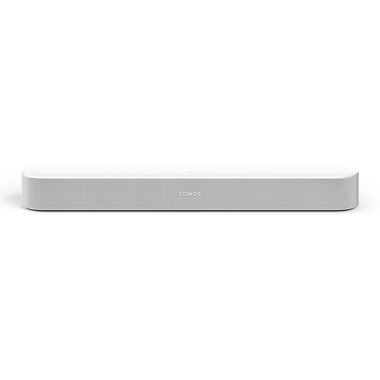




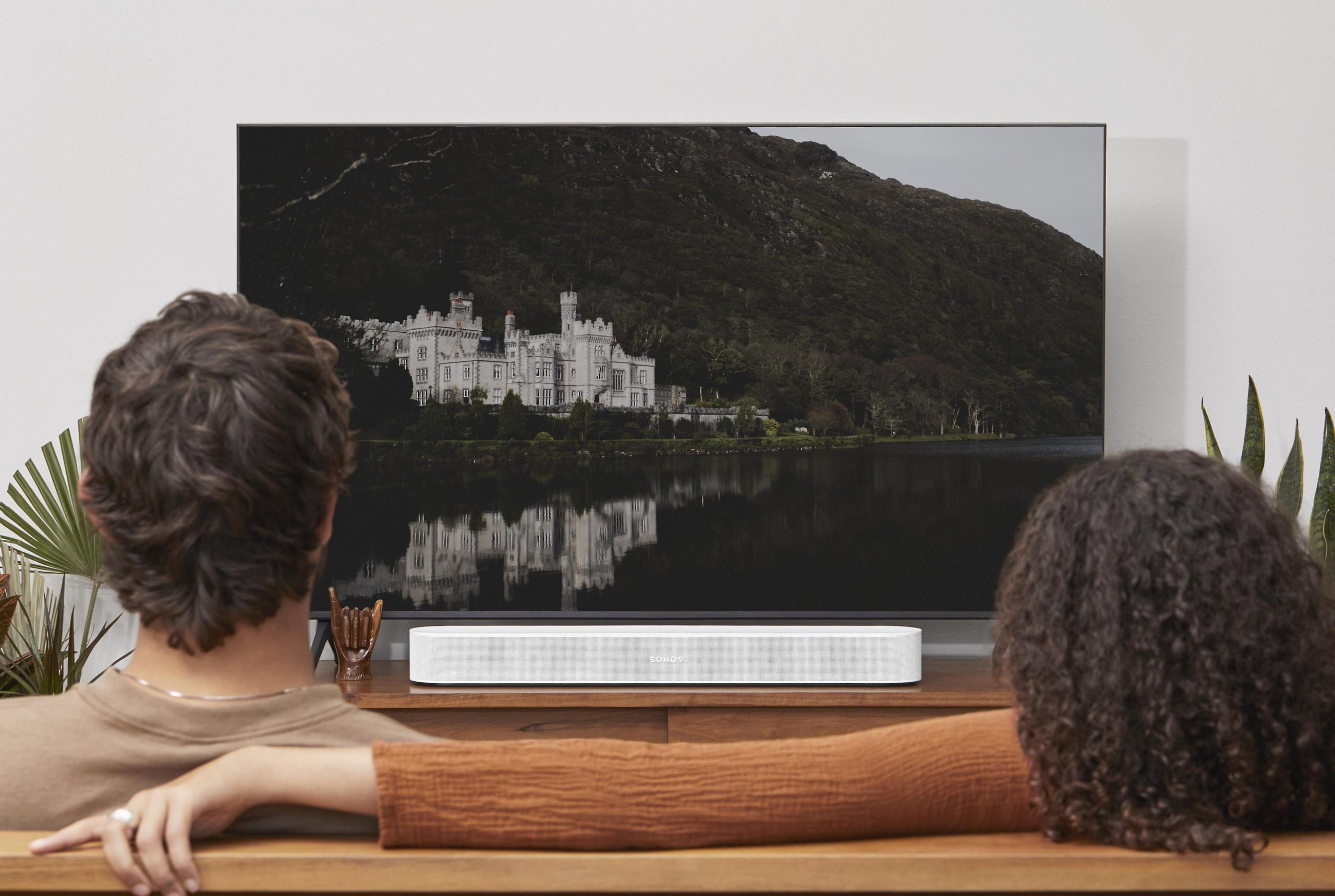
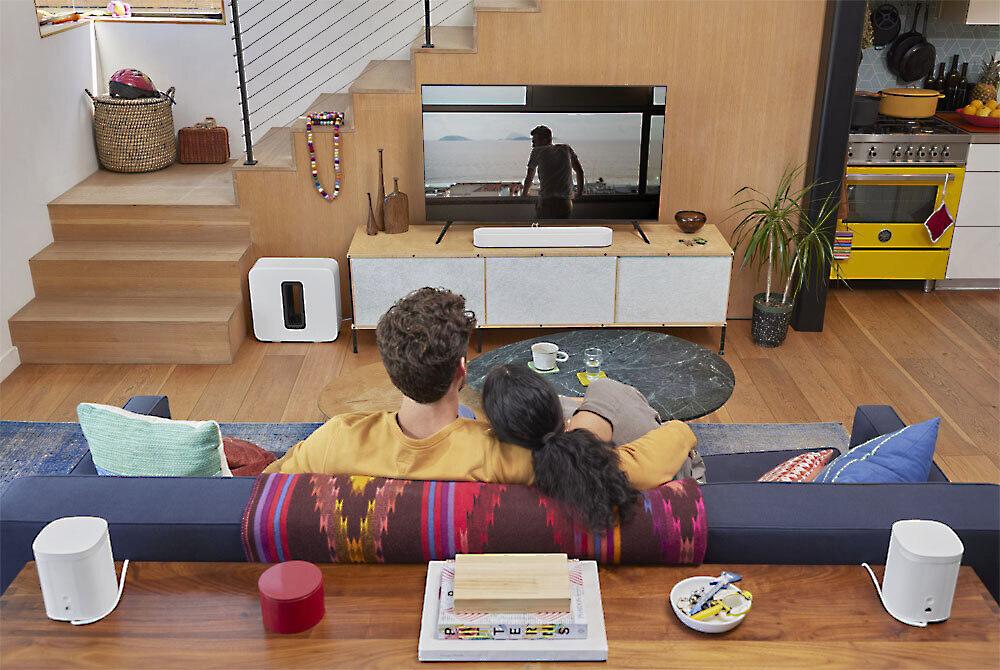

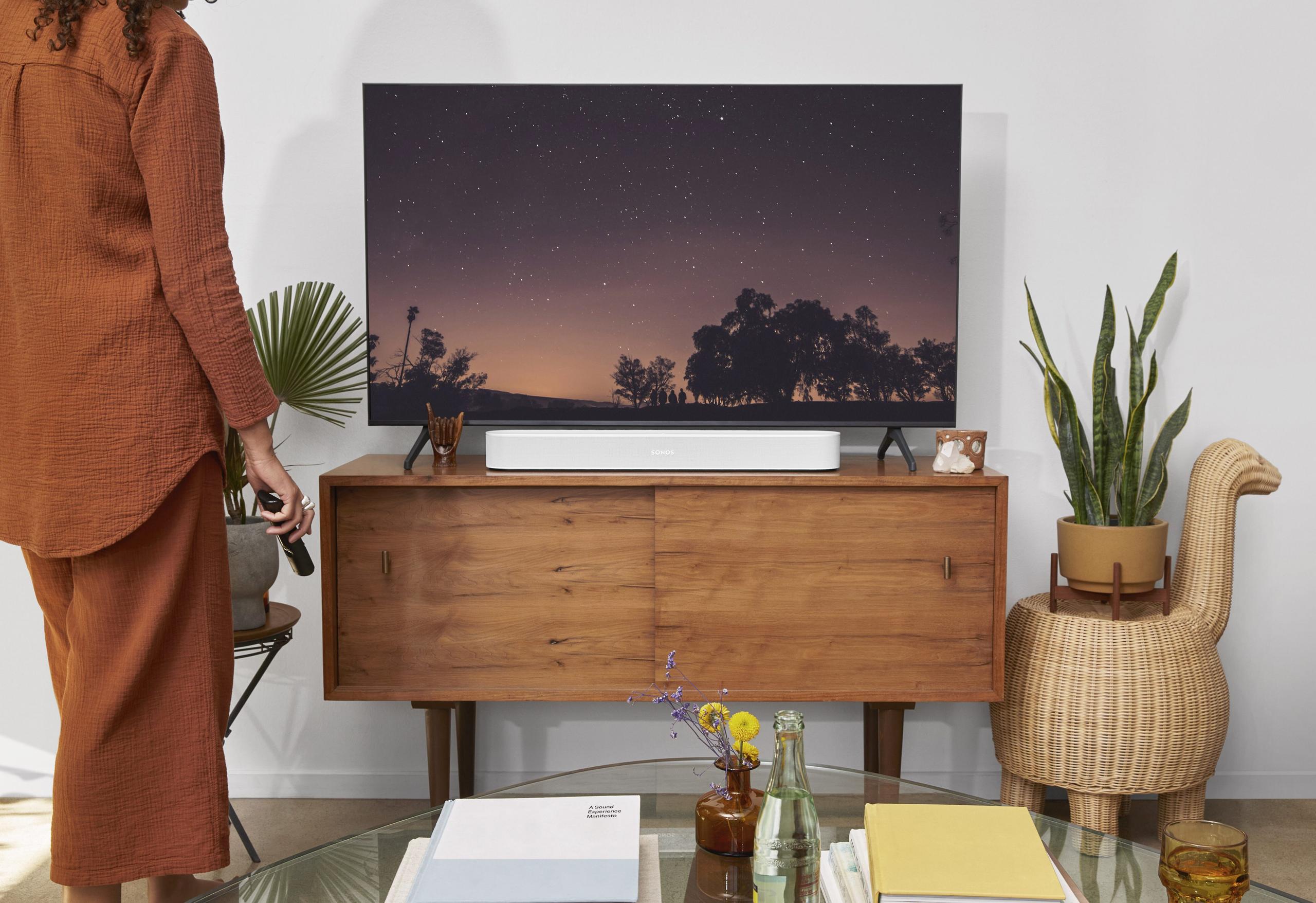
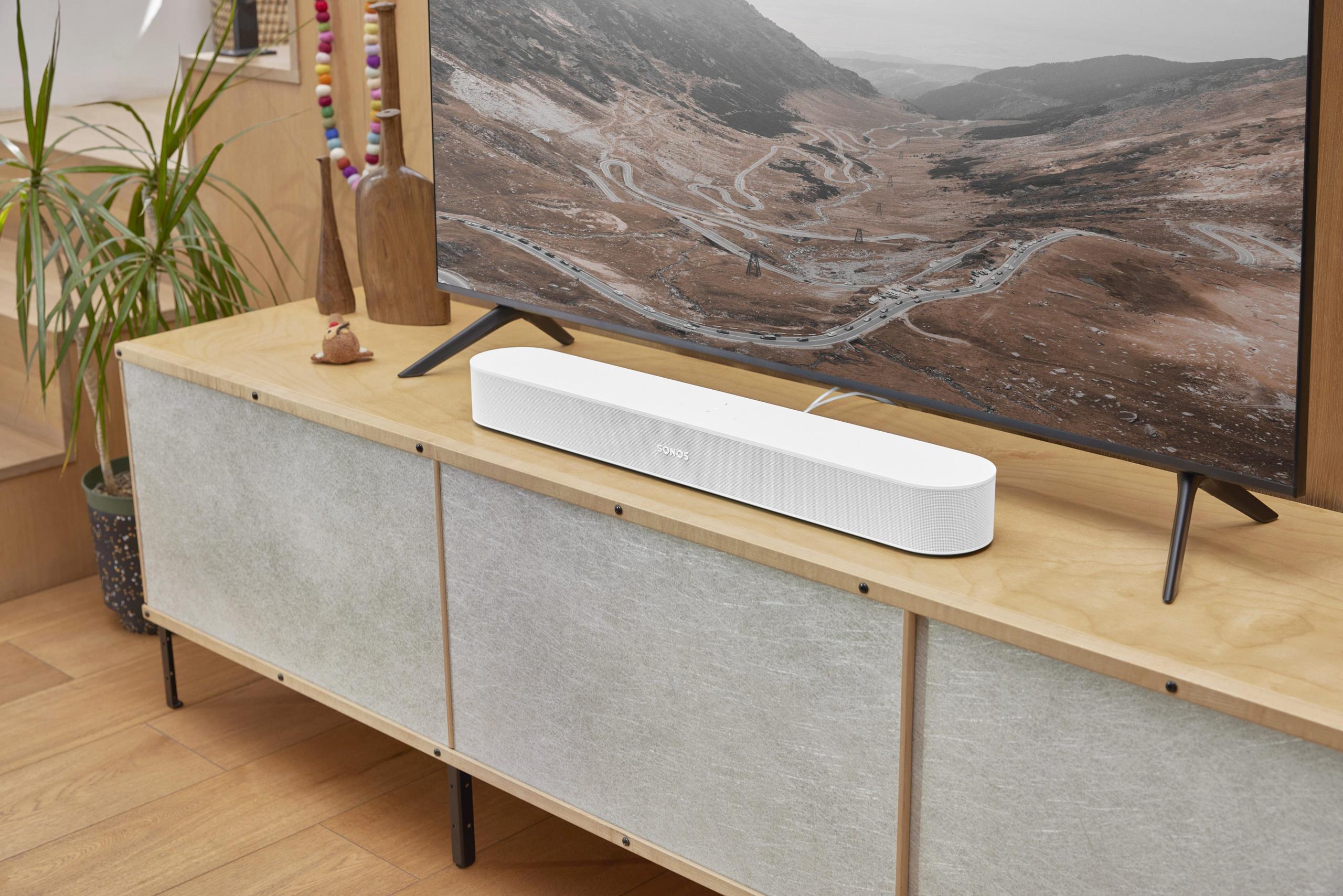


If you've been living with your TV's built-in speakers, you're probably ready for an upgrade. The difference between tinny TV audio and even a basic soundbar is honestly pretty dramatic – it's like switching from phone speakers to decent headphones. But with soundbars ranging from under $200 to over $1,000, figuring out what you actually need can feel overwhelming.
Today we're comparing two very different approaches to better TV audio: the Sonos Beam Gen 2 ($449) and the LG S40T 2.1 ($156). These represent opposite ends of the value spectrum, but both aim to solve the same basic problem – making your movies, shows, and music sound significantly better than what your TV can manage on its own.
Before diving into specifics, let's talk about what soundbars are actually trying to accomplish. Your TV's speakers are terrible for a few reasons: they're tiny, they fire sound in the wrong direction (often backward into the wall), and they're designed more for saving space than producing quality audio. A soundbar fixes this by providing larger drivers (the actual speakers that move air), better positioning, and dedicated amplification.
The main things to consider when choosing a soundbar include audio quality and format support, how well it matches your room size, connectivity options with your TV and other devices, whether you can expand it later, and of course, the price-to-performance ratio. Some soundbars focus on creating an immersive surround sound experience, while others prioritize clear dialogue or powerful bass. Understanding what matters most to you will help guide your decision.
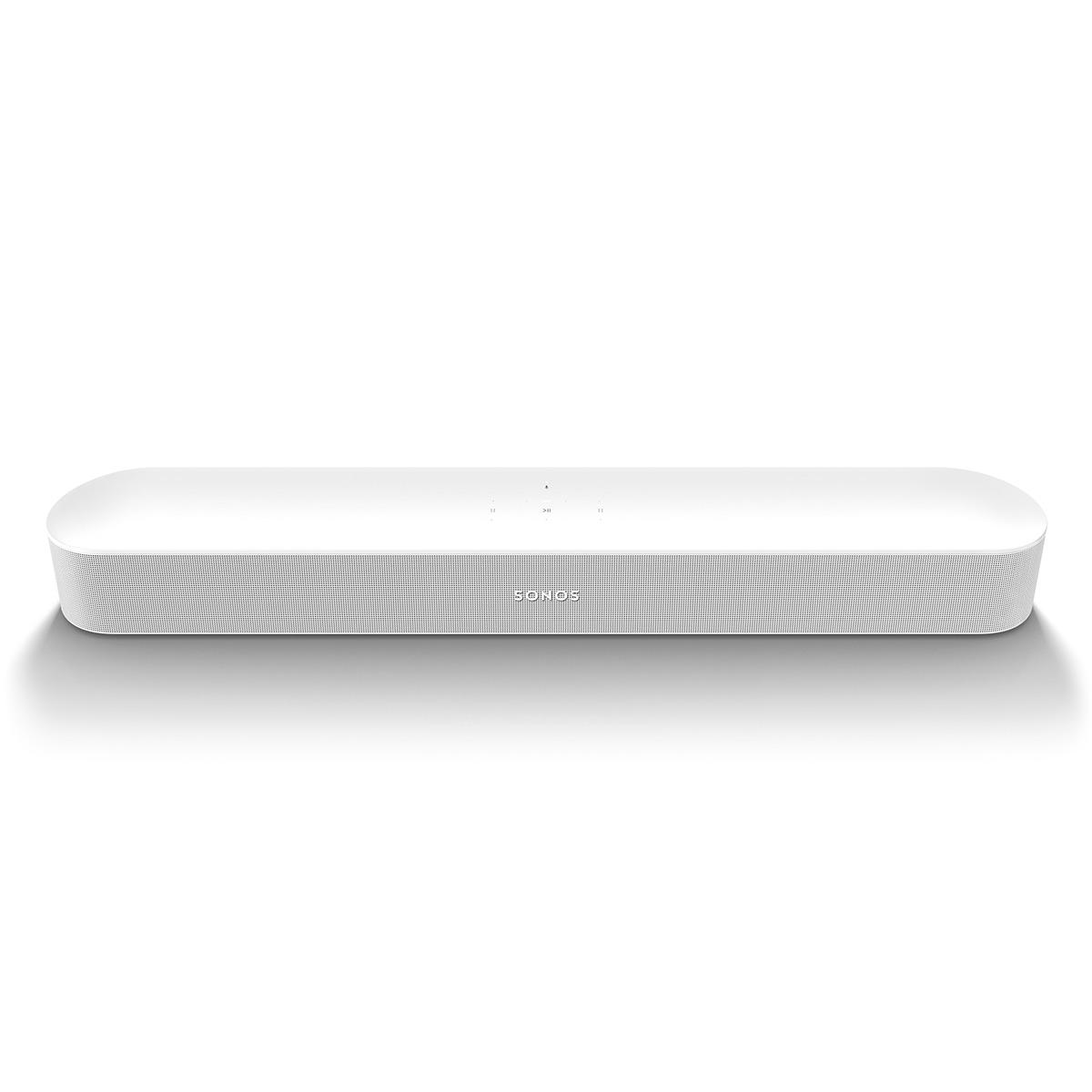
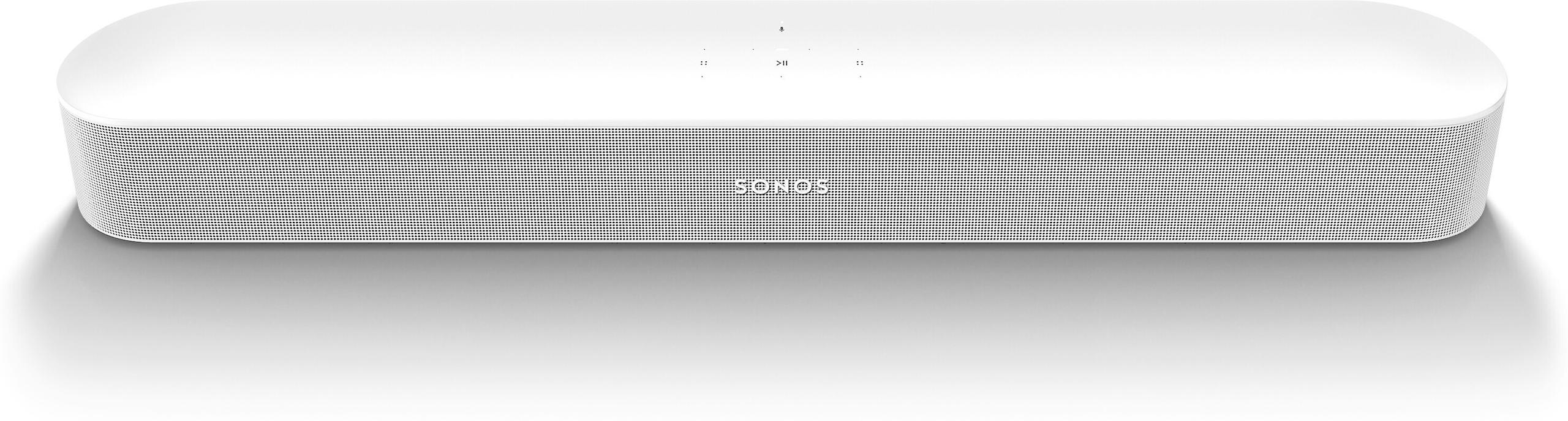
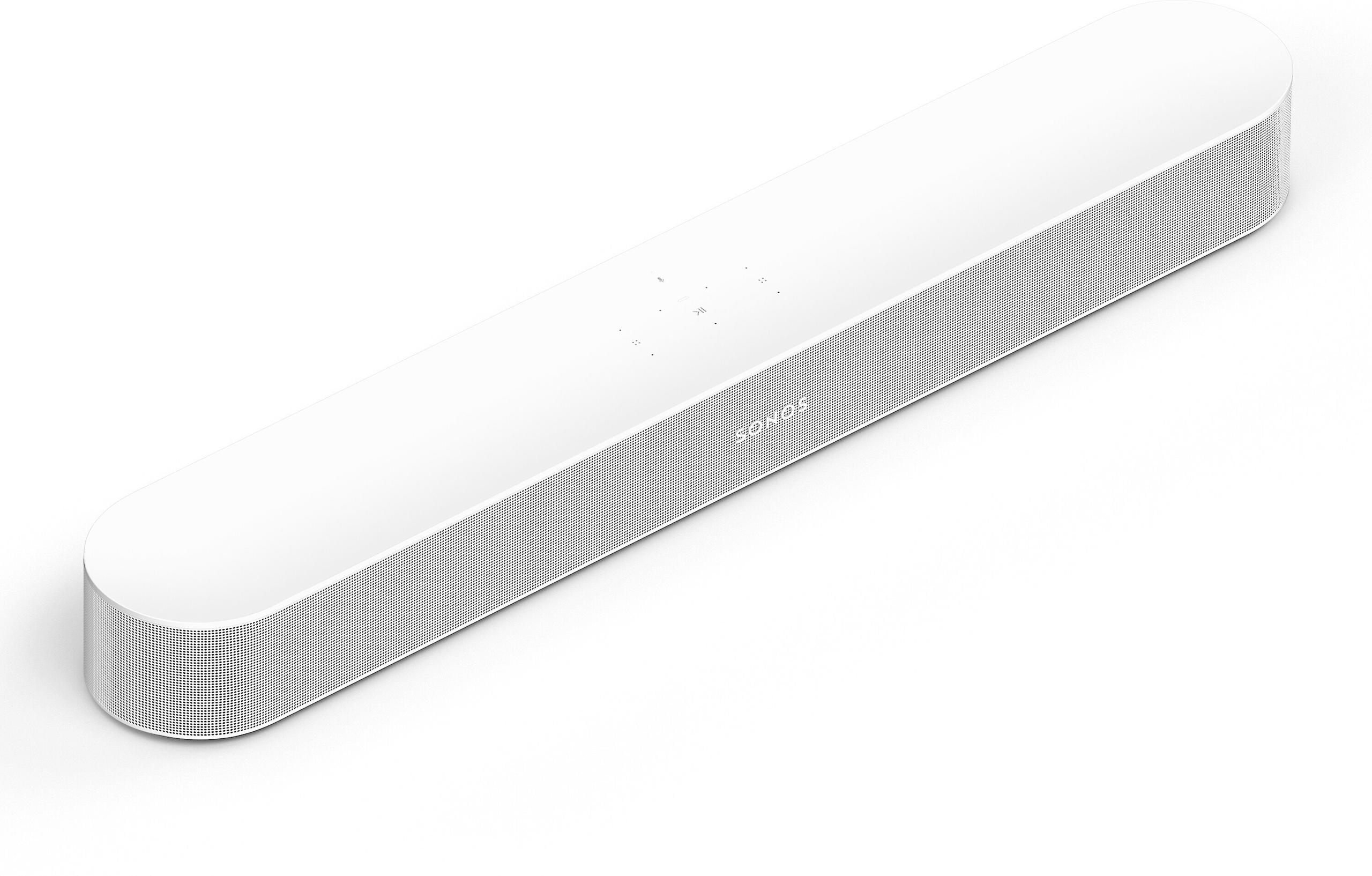
The Sonos Beam Gen 2, released in October 2021, represents Sonos's second-generation approach to compact premium soundbars. It improved significantly over the original Beam (launched in 2018) by adding Dolby Atmos support and HDMI eARC connectivity – two features that weren't standard when the first generation launched. This timing mattered because by 2021, more TVs were shipping with eARC support, making the Beam Gen 2's advanced features more accessible.
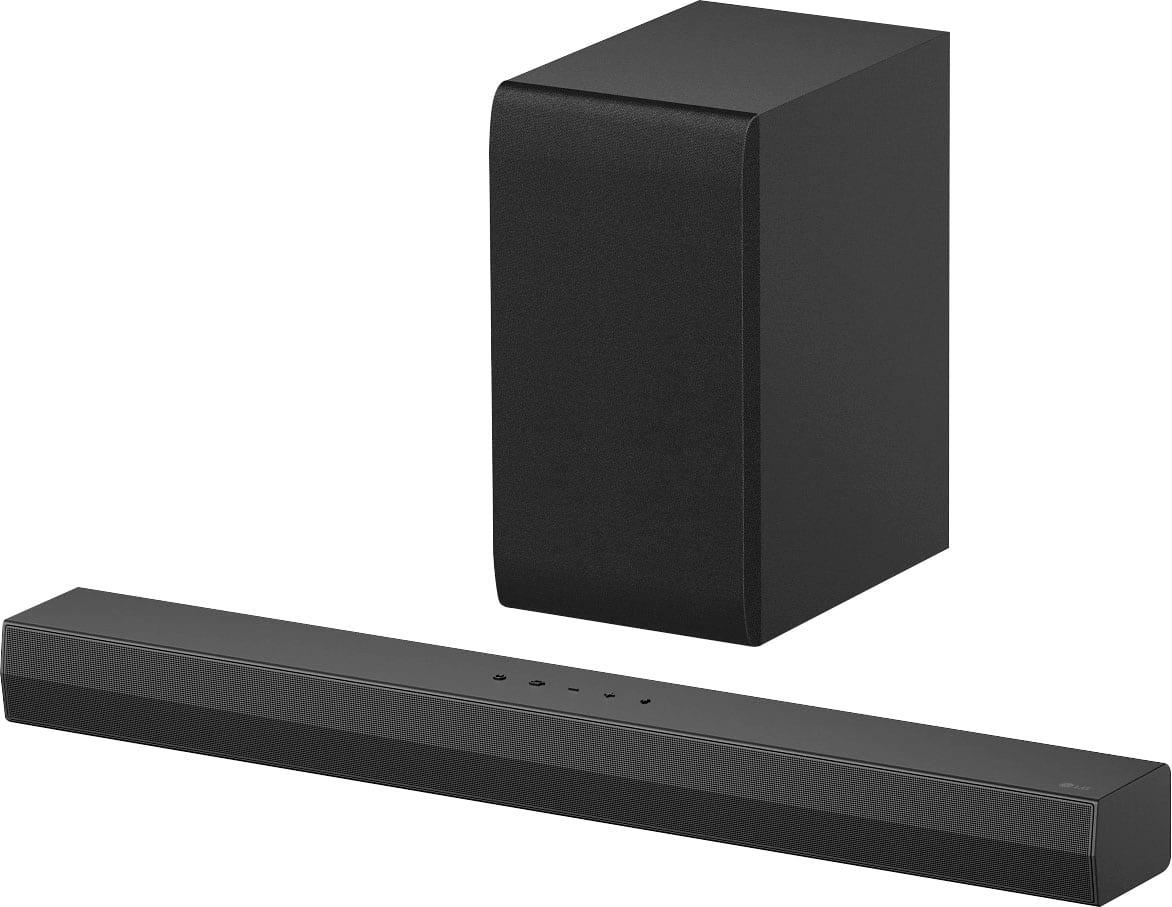
The LG S40T, which hit the market in 2023, takes a completely different approach. Rather than focusing on premium audio processing, LG designed it as a value-oriented complete system. The timing here is interesting too – LG launched this during a period when inflation was driving up electronics prices, yet they managed to create something that regularly sells for under $160. This suggests they made specific engineering choices to hit an aggressive price point.
These different release contexts explain a lot about their design philosophies. Sonos built the Beam Gen 2 for people who want cutting-edge audio technology and don't mind paying for it. LG built the S40T for people who want immediately noticeable improvement without breaking the bank.
Here's where these two soundbars really diverge, and honestly, it's the most important section of this comparison.
The Sonos Beam Gen 2 uses what's called a 5.0-channel configuration with Dolby Atmos support. Let me break this down: traditional stereo is 2.0 (left and right channels), while 5.0 means you get left, right, center, and two surround channels. The ".0" indicates there's no dedicated subwoofer – that would make it 5.1.
But here's where it gets interesting: the Beam Gen 2 doesn't actually have five separate speakers pointing in different directions. Instead, it uses sophisticated digital signal processing (DSP) to create the illusion of surround sound from its four woofers and one tweeter. This is called "virtual surround," and when done well, it can be surprisingly convincing.
The Dolby Atmos support is particularly noteworthy. Atmos is an "object-based" audio format, meaning sounds are positioned as three-dimensional objects in space rather than just being assigned to specific channels. A helicopter in a movie isn't just "front left speaker" – it's positioned at a specific location that can move smoothly through your listening space. The Beam Gen 2 uses psychoacoustic processing (basically tricks that exploit how your brain interprets sound) to create height effects without upward-firing speakers.
I've spent considerable time with Dolby Atmos content on various systems, and while the Beam Gen 2's virtual Atmos isn't as dramatic as a full ceiling speaker setup, it genuinely creates a more spacious, engaging soundstage than traditional stereo soundbars. The effect is most noticeable with well-mixed content – think big-budget Netflix shows or 4K Blu-rays.
The Beam Gen 2 also includes TruePlay room calibration, but here's the catch: it only works with iOS devices. The process involves walking around your room while holding your iPhone, which uses the phone's microphone to measure how sound bounces around your space. The soundbar then adjusts its output to compensate for your room's acoustics. Having used this feature extensively, I can say it makes a legitimate difference, especially in rooms with hard surfaces that create problematic reflections.
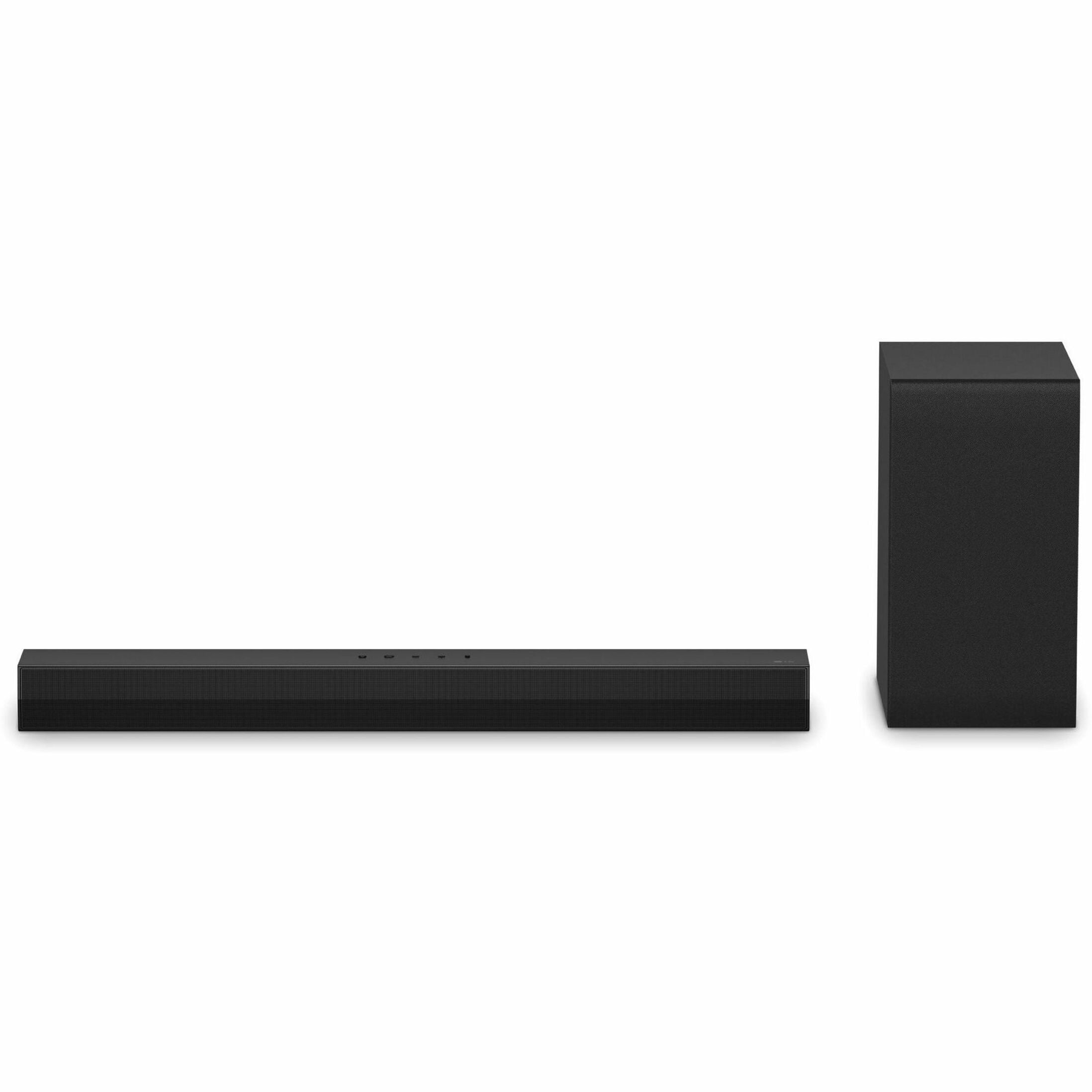
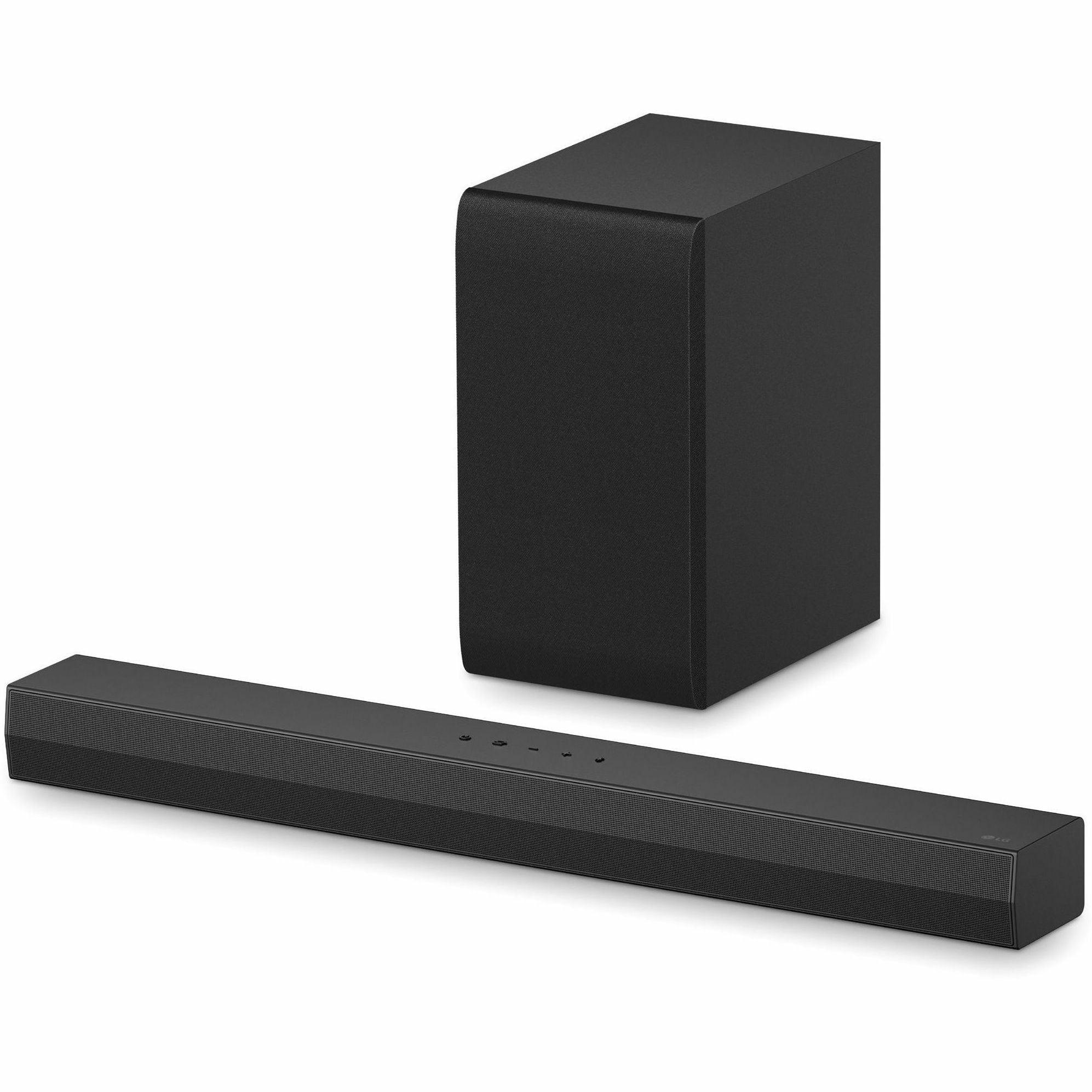
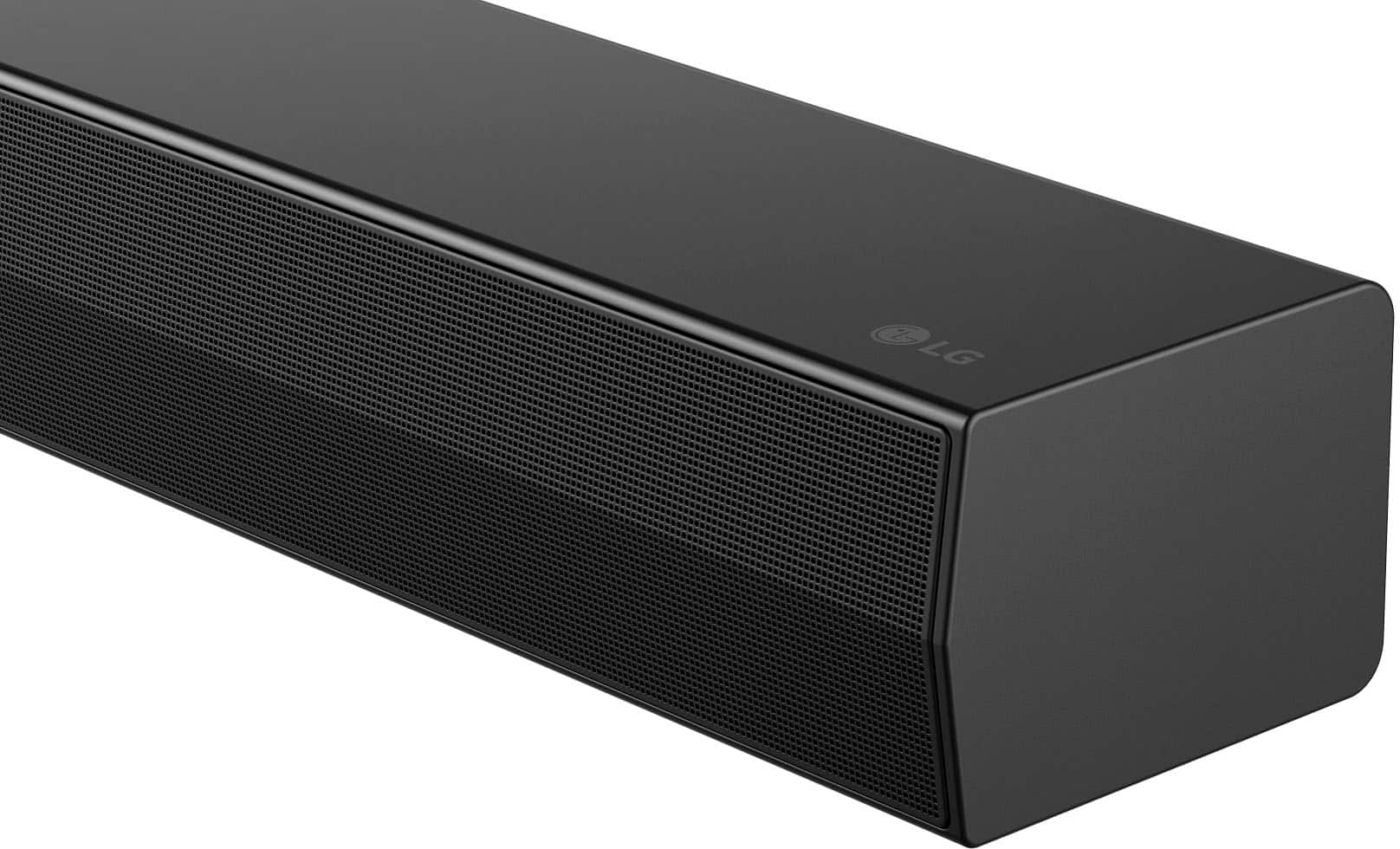
The LG S40T takes a fundamentally different approach with its 2.1-channel system. That "2.1" means stereo speakers plus a dedicated subwoofer, and this makes a huge difference in how the system sounds. While the Beam Gen 2 focuses on midrange clarity and spatial effects, the S40T prioritizes low-frequency impact.
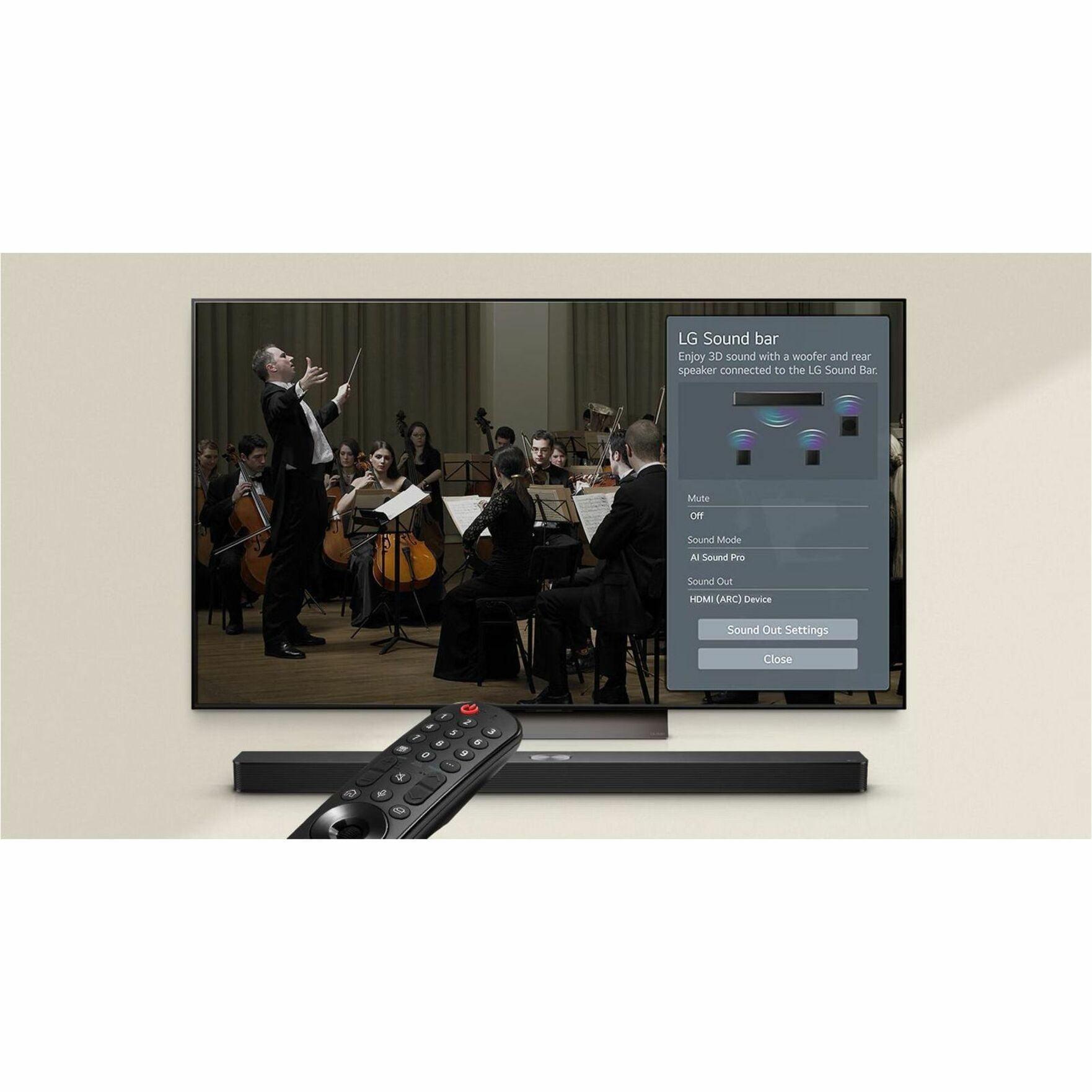
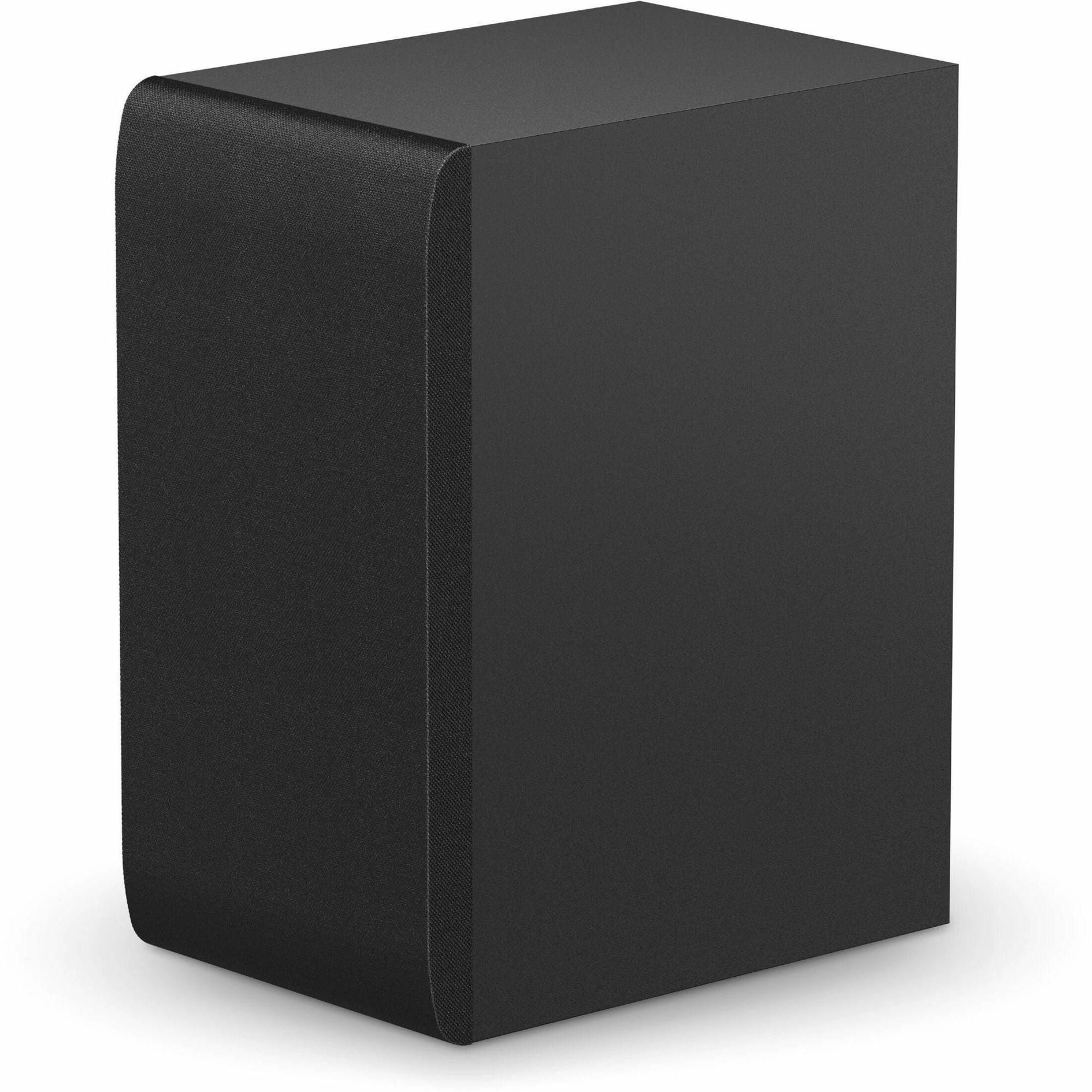
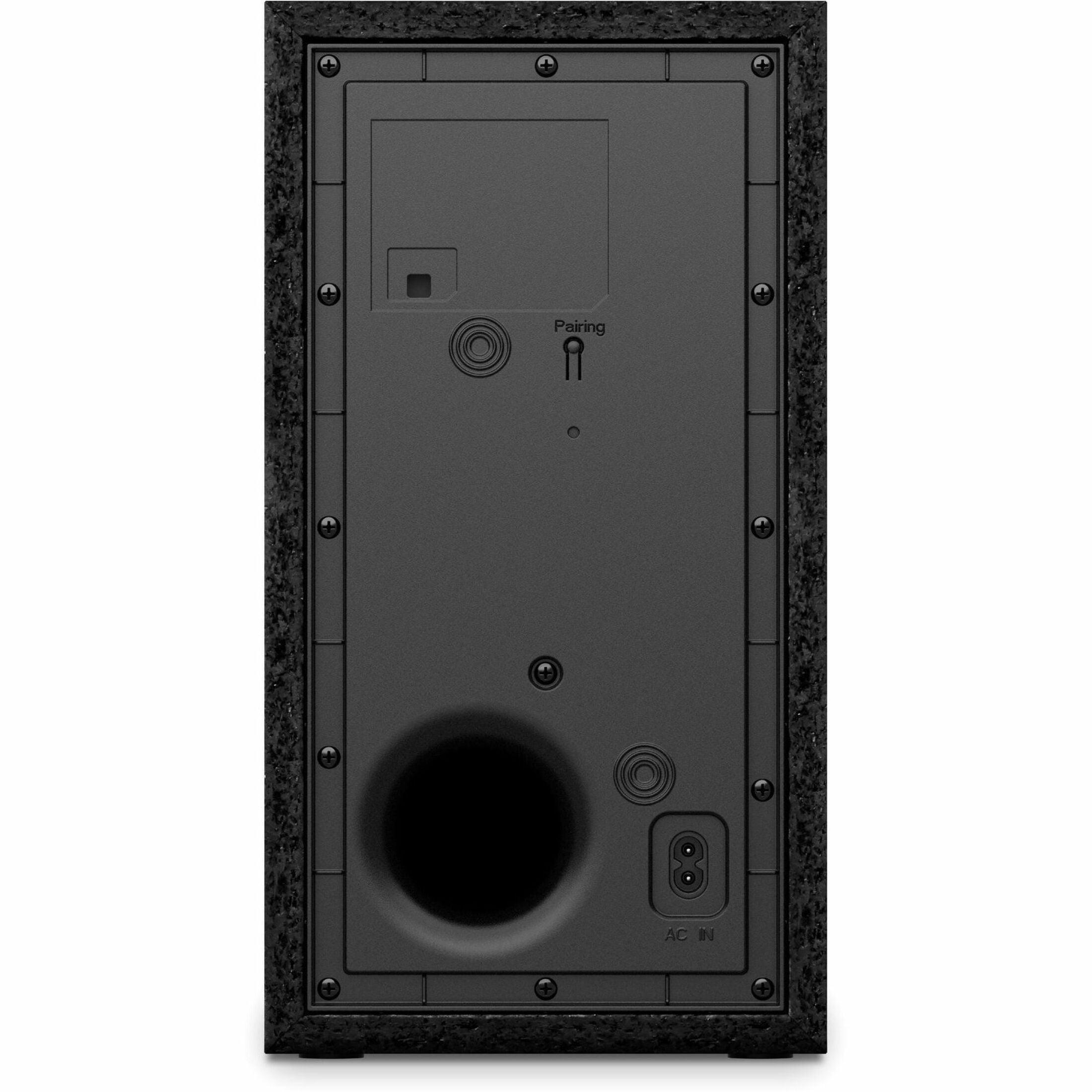
The wireless subwoofer is really the star of this system. Subwoofers handle frequencies typically below 80-120 Hz – the rumbling explosions, deep musical bass lines, and atmospheric low-end that makes movies feel more visceral. The S40T's sub measures about 6.7" x 12.6" x 9.9", which is substantial enough to move serious air. In my experience, having a dedicated subwoofer, even a modest one, provides more satisfying bass response than any soundbar alone can achieve.
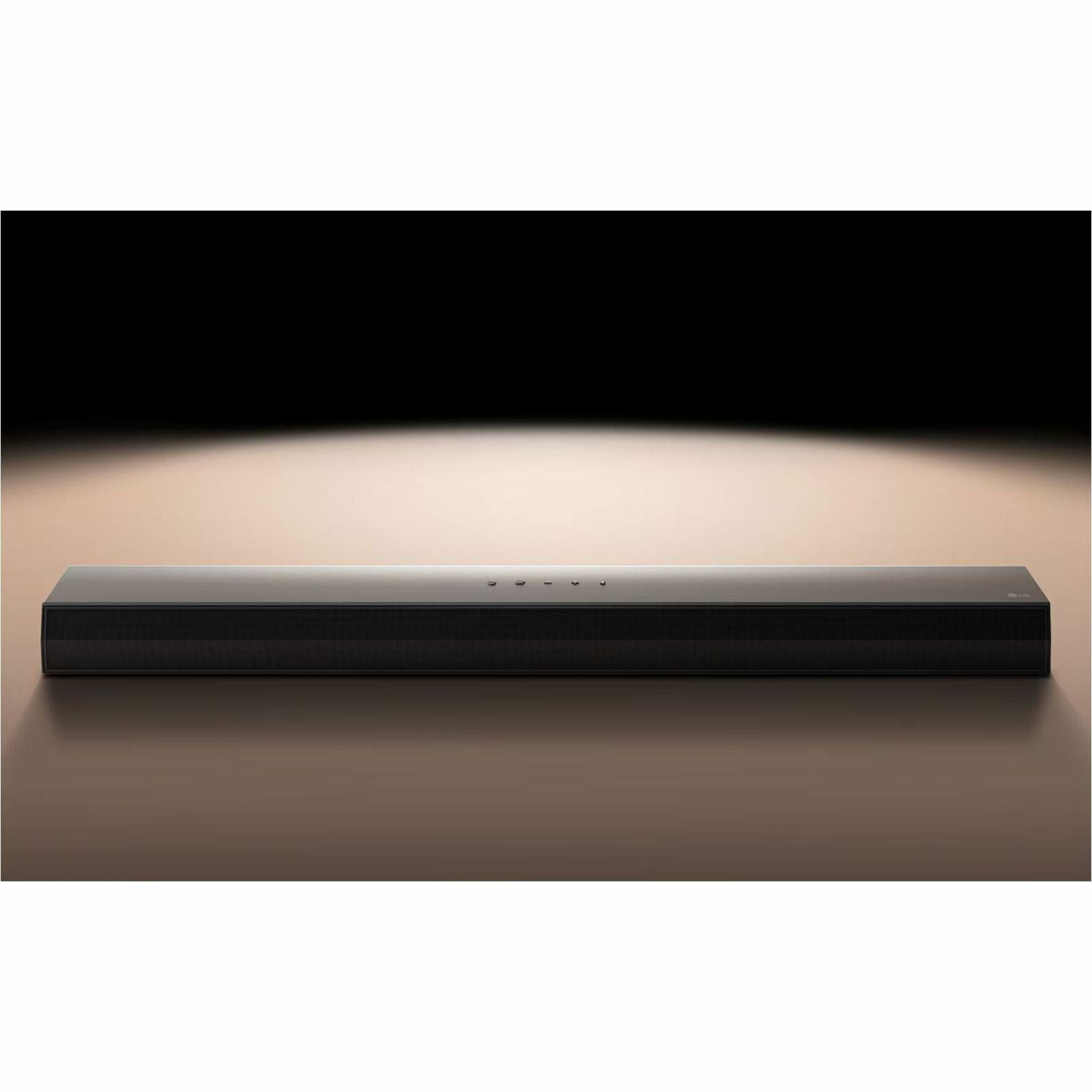
The main soundbar handles midrange and treble frequencies with what LG calls "AI Sound Pro." This is marketing speak for dynamic EQ processing that analyzes incoming audio and adjusts frequency response accordingly. It also includes "Clear Voice Plus" for dialogue enhancement, which boosts specific frequency ranges where human speech sits (roughly 300 Hz to 3 kHz).
However, the S40T lacks Dolby Atmos entirely. It supports Dolby Digital and DTS Digital – older surround formats that create left/right surround effects but no height information. For many users, especially those upgrading from TV speakers, this limitation won't be immediately apparent. The bass impact and clearer dialogue provide such a dramatic improvement that the lack of advanced spatial audio feels secondary.
Having lived with both systems, here's what the differences actually mean day-to-day:
For Movies and TV Shows: The Beam Gen 2 excels with dialogue clarity and creating an immersive soundstage. Action sequences feel more enveloping, and you'll notice subtle positioning cues that make scenes more engaging. The S40T delivers more visceral impact during explosive scenes, and honestly, most people immediately notice and appreciate good bass more than subtle spatial effects.
For Music: This is where the philosophical differences really show. The Beam Gen 2 presents music with excellent stereo separation and detail retrieval. Jazz recordings sound spacious, rock music has good midrange punch, but bass-heavy genres like hip-hop or electronic music can feel somewhat restrained. The S40T's subwoofer makes bass-heavy music significantly more engaging, though the overall presentation is less refined.
For Gaming: Modern games increasingly support advanced audio formats, making the Beam Gen 2's Dolby Atmos support genuinely useful for positional audio in competitive games. The S40T's bass response makes single-player adventure games more immersive, but you'll miss some of the subtle audio cues that can provide competitive advantages in multiplayer games.
This is where practical considerations become crucial, and where the S40T's broader compatibility really shines.
The Sonos Beam Gen 2 needs HDMI eARC (enhanced Audio Return Channel) to unlock its full potential. Here's why this matters: regular HDMI ARC can handle basic surround sound formats, but eARC supports higher bandwidth formats like Dolby Atmos. If your TV only has standard ARC, you'll still get sound from the Beam Gen 2, but you won't get the Dolby Atmos processing that's a major part of what you're paying for.
Most TVs from 2019 onward include eARC, but it's not universal. I've encountered situations where people bought the Beam Gen 2 expecting full Atmos support, only to discover their TV limited them to basic surround sound. Always check your TV's specifications before committing to any eARC-dependent soundbar.
The Sonos ecosystem really shines for wireless connectivity. The Beam Gen 2 connects to your Wi-Fi network and integrates seamlessly with other Sonos products. AirPlay 2 support means iPhone users can stream directly without additional apps, and the Sonos app provides access to most major streaming services. This wireless approach means fewer cable runs and cleaner installations.
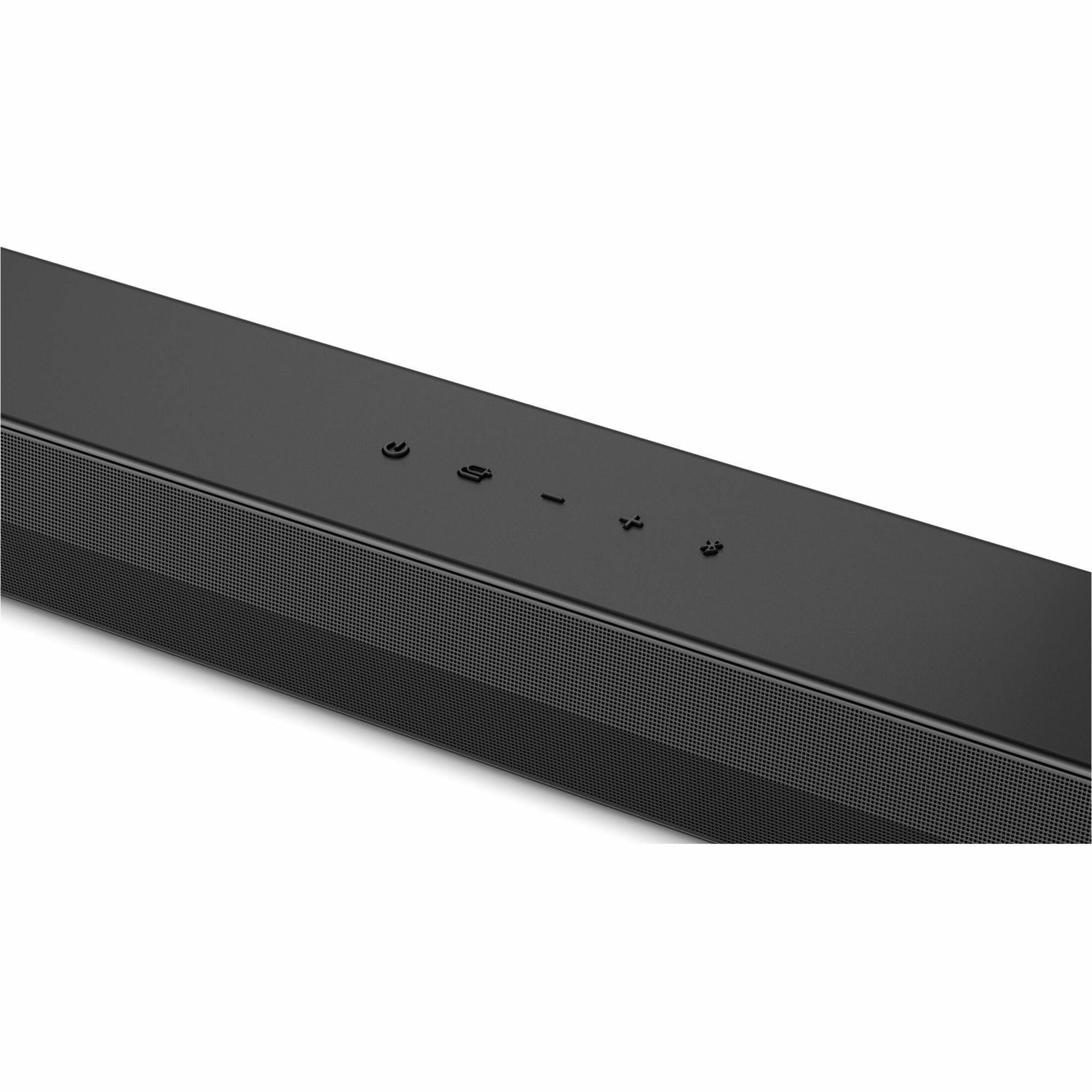
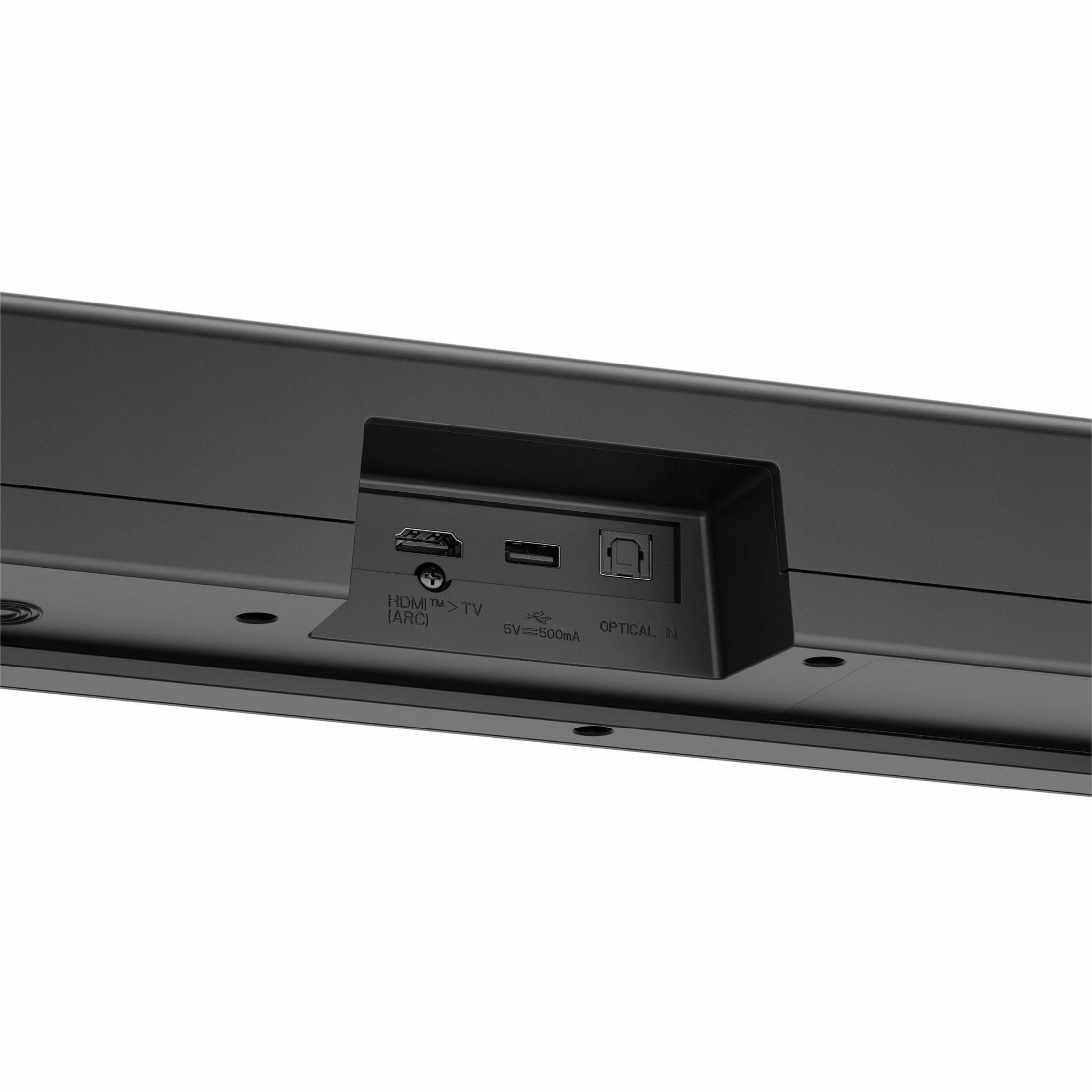
The LG S40T works with essentially any TV manufactured in the last decade. It includes HDMI ARC (not eARC), optical audio input, and Bluetooth 5.3 connectivity. This broader compatibility means you're not locked into specific TV requirements, and setup is typically more straightforward.
Bluetooth 5.3 is particularly noteworthy – it's a newer standard that provides better range, more stable connections, and improved audio quality compared to older Bluetooth versions. I've found the S40T maintains solid wireless connections even with interference from other devices.
The S40T also includes Chromecast built-in and DTS Play-Fi support. These provide wireless streaming capabilities similar to what Sonos offers, though the implementation isn't quite as polished. DTS Play-Fi, in particular, can be finicky with network settings and doesn't support as many streaming services natively.
This might be the most significant long-term difference between these systems.
The beauty of the Sonos Beam Gen 2 lies in its expansion possibilities. You can start with just the soundbar and gradually build a complete wireless home theater system. Adding a Sonos Sub Mini ($429) transforms the bass response dramatically, while Sonos One SL speakers ($179 each) can serve as wireless rear channels.
I've helped several friends build Sonos systems over time, and this modular approach has real advantages. You can start with the Beam Gen 2, live with it for a few months to understand what you're missing, then add components based on your actual needs rather than guessing what you might want.
The Sonos ecosystem also enables multi-room audio. Once you have Sonos speakers, you can play synchronized music throughout your home or play different content in different rooms. This ecosystem value becomes more compelling as you add more Sonos products.
The LG S40T is essentially what you see is what you get. The included wireless subwoofer completes the system, but there's no expansion path for rear speakers or additional rooms. This isn't necessarily bad – many people prefer having a complete solution without ongoing upgrade temptations.
However, if you later decide you want true surround sound with rear speakers, you'd need to replace the entire system rather than adding to it. This limitation makes the S40T better suited for people who know they want a simple 2.1 setup and don't anticipate wanting more complex configurations.
At $449, the Sonos Beam Gen 2 isn't cheap, but it's actually reasonably priced within the premium soundbar category. Comparable Dolby Atmos soundbars from Samsung, LG's premium lines, or Sony typically cost $400-600 without the ecosystem integration that Sonos provides.
The value proposition improves significantly if you plan to build a larger system. A complete Sonos setup with Beam Gen 2, Sub Mini, and rear speakers costs around $1,000 – comparable to mid-range traditional home theater receiver and speaker combinations, but with much simpler setup and wireless convenience.
Long-term software support is another value consideration. Sonos regularly updates their products with new features, streaming service support, and compatibility improvements. The original Beam from 2018 still receives updates, suggesting the Gen 2 will remain relevant for many years.
The LG S40T at $156 (often less during sales) represents exceptional value for what you get immediately. Including a wireless subwoofer at this price point is genuinely impressive – most budget soundbars either skip the sub entirely or include a wired one that limits placement options.
The complete 2.1 system provides immediate, dramatic improvement over TV speakers. While it lacks premium features like Dolby Atmos or room calibration, most people upgrading from TV speakers will be impressed by the bass response and clearer dialogue.
For context, $156 is roughly what you'd spend on a decent pair of bookshelf speakers alone, not including amplification or a subwoofer. The S40T's value becomes even more apparent when you consider the convenience factor – no receiver to configure, minimal cable management, and simple remote control operation.
If you're building a dedicated home theater space, these recommendations shift somewhat.
For smaller home theaters (10x12 feet or less), the Sonos Beam Gen 2 with eventual Sub Mini addition creates an excellent foundation. The room calibration becomes more valuable in acoustically treated spaces, and Dolby Atmos content is more impactful in darker, quieter environments where subtle audio details are more apparent.
Larger home theaters (15x20 feet or bigger) expose the limitations of both systems, but in different ways. The Beam Gen 2 lacks the sheer output needed to fill larger spaces convincingly, even with a subwoofer. The S40T's included subwoofer helps with room filling, but the main soundbar struggles with midrange projection in larger spaces.
For dedicated home theater applications, both systems work better as stepping stones toward more capable solutions rather than final destinations. However, they both provide significant improvements over TV speakers and can serve well while you plan more substantial upgrades.
Choose the Sonos Beam Gen 2 if:
You have a TV with HDMI eARC and want to experience Dolby Atmos content. You appreciate detailed audio reproduction and don't mind the higher initial cost. You're interested in potentially building a larger Sonos system over time, or you value the smart home integration and multi-room audio capabilities. Room calibration appeals to you, and you have an iPhone to use it with.
Choose the LG S40T if:
You want immediate, dramatic improvement over TV speakers without spending a lot of money. Bass response is a priority – you watch action movies, listen to bass-heavy music, or just want that visceral impact that makes content more engaging. Your TV has standard HDMI ARC or optical output, and you don't need cutting-edge audio formats. You prefer having a complete system out of the box rather than building something over time.
The decision often comes down to your timeline and priorities. The S40T provides immediate satisfaction and remarkable value, while the Beam Gen 2 offers a more sophisticated foundation for long-term audio enjoyment. Both will dramatically improve your TV audio experience – they just take different paths to get there.
In my experience, most people underestimate how much good bass response contributes to their enjoyment, which gives the S40T an advantage for immediate satisfaction. However, those who prioritize audio quality and have compatible equipment will find the Beam Gen 2's more nuanced approach ultimately more rewarding. Consider your TV's capabilities, your budget, and whether you're looking for a quick fix or a long-term audio investment.
| Sonos Beam Gen 2 Soundbar | LG S40T 2.1 Channel Soundbar |
|---|---|
| Price - Initial investment and value proposition | |
| $449 (premium positioning, expandable ecosystem) | $156 (exceptional value, complete system included) |
| Audio Channels - Determines surround sound capability | |
| 5.0 channels (virtual surround via processing) | 2.1 channels (stereo plus dedicated subwoofer) |
| Dolby Atmos Support - Essential for immersive movie audio | |
| Yes (requires HDMI eARC TV for full experience) | No (limited to standard surround formats) |
| Subwoofer Included - Critical for bass response | |
| No (can add Sonos Sub Mini $429 later) | Yes (wireless subwoofer included in box) |
| Connectivity Requirements - TV compatibility considerations | |
| HDMI eARC required for Dolby Atmos | HDMI ARC, Optical, or Bluetooth (universal compatibility) |
| Room Calibration - Optimizes sound for your space | |
| TruePlay tuning (requires iPhone) | AI Sound Pro (automatic processing) |
| Expandability - Future upgrade potential | |
| Full wireless ecosystem (rear speakers, multi-room) | None (complete 2.1 system, no expansion) |
| Dimensions - Space requirements and aesthetics | |
| 25.6" x 2.7" x 3.9" (compact, minimalist) | Main bar: 28.4" x 2.5" x 3.4" + separate subwoofer |
| Smart Features - Convenience and control options | |
| Voice assistants, AirPlay 2, Sonos app ecosystem | Chromecast built-in, DTS Play-Fi, basic app control |
| Best For - Target user profile | |
| Audio enthusiasts wanting premium features and expansion | Budget-conscious buyers wanting immediate bass improvement |
The LG S40T 2.1 Channel Soundbar ($156) provides exceptional value by including a wireless subwoofer at a budget price point. The Sonos Beam Gen 2 Soundbar ($449) costs nearly three times more but offers premium features like Dolby Atmos and expandability. For immediate improvement over TV speakers, the LG delivers more bang for your buck.
No, the Sonos Beam Gen 2 does not include a subwoofer. You'll need to purchase the Sonos Sub Mini separately for $429 to get deep bass response. In contrast, the LG S40T includes a wireless subwoofer in the box, making it a complete 2.1 system from day one.
The Sonos Beam Gen 2 is specifically designed for smaller spaces, measuring just 25.6 inches wide with room calibration technology to optimize sound for your space. The LG S40T works well in small rooms too, but the separate subwoofer requires additional floor space for placement.
Only the Sonos Beam Gen 2 supports Dolby Atmos, which creates immersive 3D sound effects for movies and shows. The LG S40T supports standard Dolby Digital and DTS formats but lacks Dolby Atmos capability. However, most users upgrading from TV speakers won't immediately miss this feature.
The LG S40T delivers superior bass response thanks to its included wireless subwoofer that handles low frequencies below 80Hz. The Sonos Beam Gen 2 alone has limited bass output due to its compact size, though you can add a Sonos subwoofer later for significantly more money.
The Sonos Beam Gen 2 needs HDMI eARC for full Dolby Atmos functionality, limiting compatibility to newer TVs. The LG S40T works with any TV that has HDMI ARC, optical audio, or Bluetooth, making it compatible with virtually any television from the past decade.
The Sonos Beam Gen 2 can be expanded into a full wireless surround system by adding rear speakers and subwoofers from the Sonos ecosystem. The LG S40T is a complete system with no expansion options – what you buy is what you get, though it includes everything needed for 2.1 channel audio.
Both soundbars are relatively easy to set up, but the LG S40T has broader compatibility with older TVs and simpler connection requirements. The Sonos Beam Gen 2 setup is straightforward if your TV supports HDMI eARC, but may require additional configuration for optimal performance.
The Sonos Beam Gen 2 excels at detailed music reproduction with excellent stereo separation and clarity, especially for acoustic and vocal-heavy genres. The LG S40T is better for bass-heavy music like hip-hop, electronic, and rock thanks to its dedicated subwoofer providing deeper low-frequency response.
Both soundbars improve dialogue clarity over TV speakers, but they use different approaches. The Sonos Beam Gen 2 uses Speech Enhancement technology and precise driver positioning. The LG S40T features Clear Voice Plus processing to boost speech frequencies and reduce background noise interference.
The Sonos Beam Gen 2 is better for competitive gaming due to its Dolby Atmos support providing positional audio cues in supported games. The LG S40T excels for single-player adventure games where the subwoofer adds impact to explosions and environmental effects, though it lacks advanced spatial audio features.
If budget is your primary concern, the LG S40T ($156) is the clear winner, often available for even less during sales. It provides immediate, dramatic improvement over TV speakers with included bass response. The Sonos Beam Gen 2 ($449) requires a much larger investment and additional purchases to match the LG's complete 2.1 system capabilities.
We've done our best to create useful and informative comparisons to help you decide what product to buy. Our research uses advanced automated methods to create this comparison and perfection is not possible - please contact us for corrections or questions. These are the sites we've researched in the creation of this article: whathifi.com - en.community.sonos.com - techradar.com - youtube.com - consumerreports.org - bestbuy.com - youtube.com - sonos.com - wave-electronics.com - en.community.sonos.com - epicsystems.tech - tomsguide.com - bestbuy.com - bestbuy.com - bestbuy.com - rtings.com - pcrichard.com - lg.com - lg.com - lg.com - lg.com - microcenter.com - flanners.com - bestbuy.com - microcenter.com

Privacy Policy
Terms and Conditions - Affiliate Policy
Home Security
© Copyright 2008-2026.
11816 Inwood Rd #1211, Dallas, TX 75244