

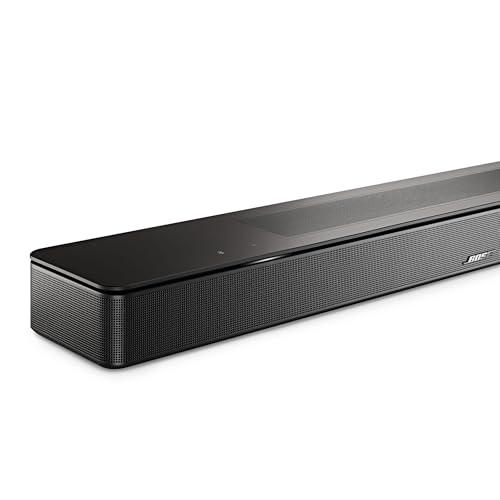
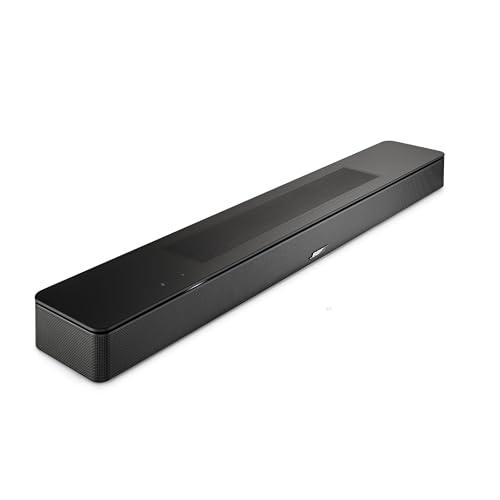

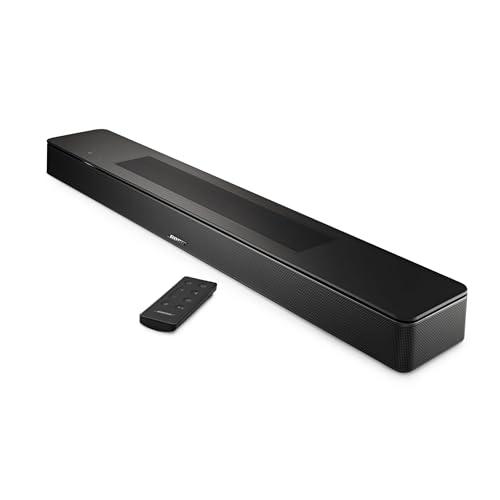
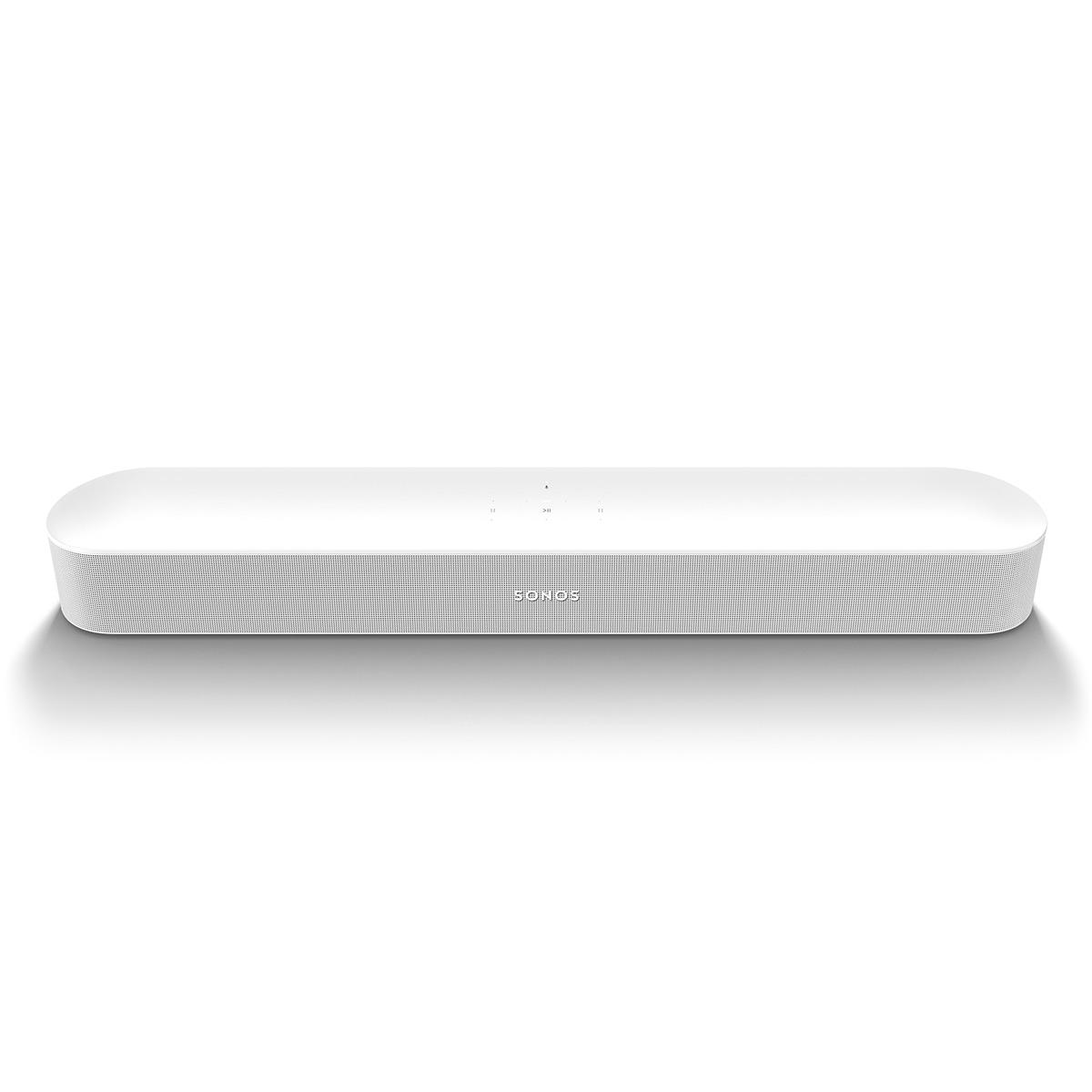
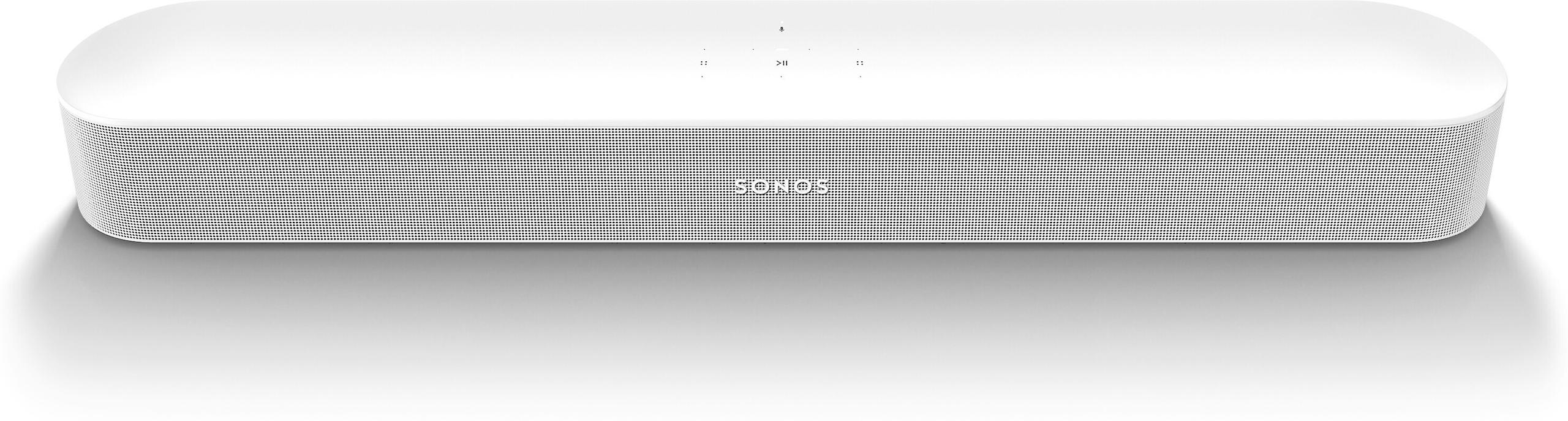
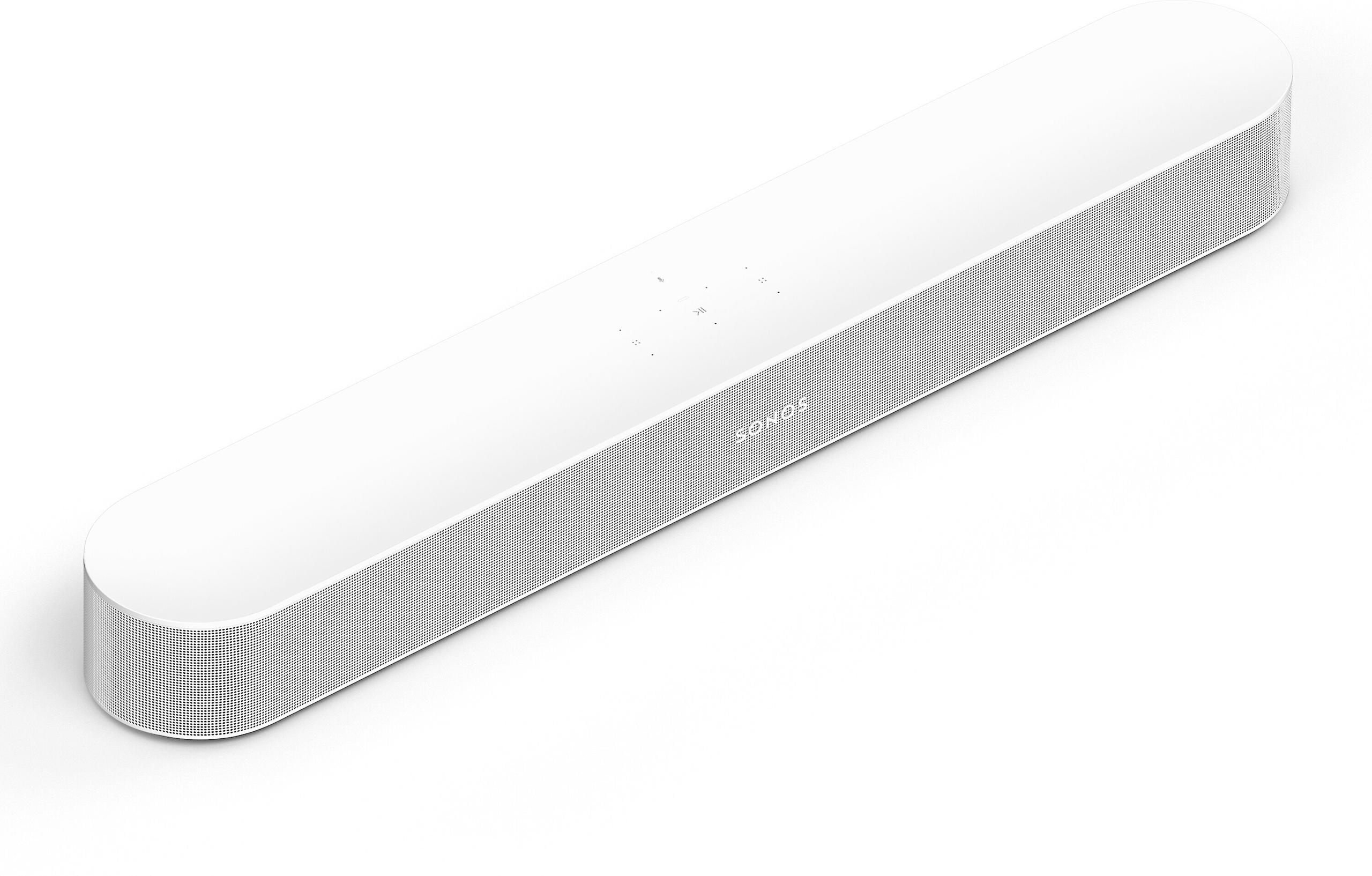



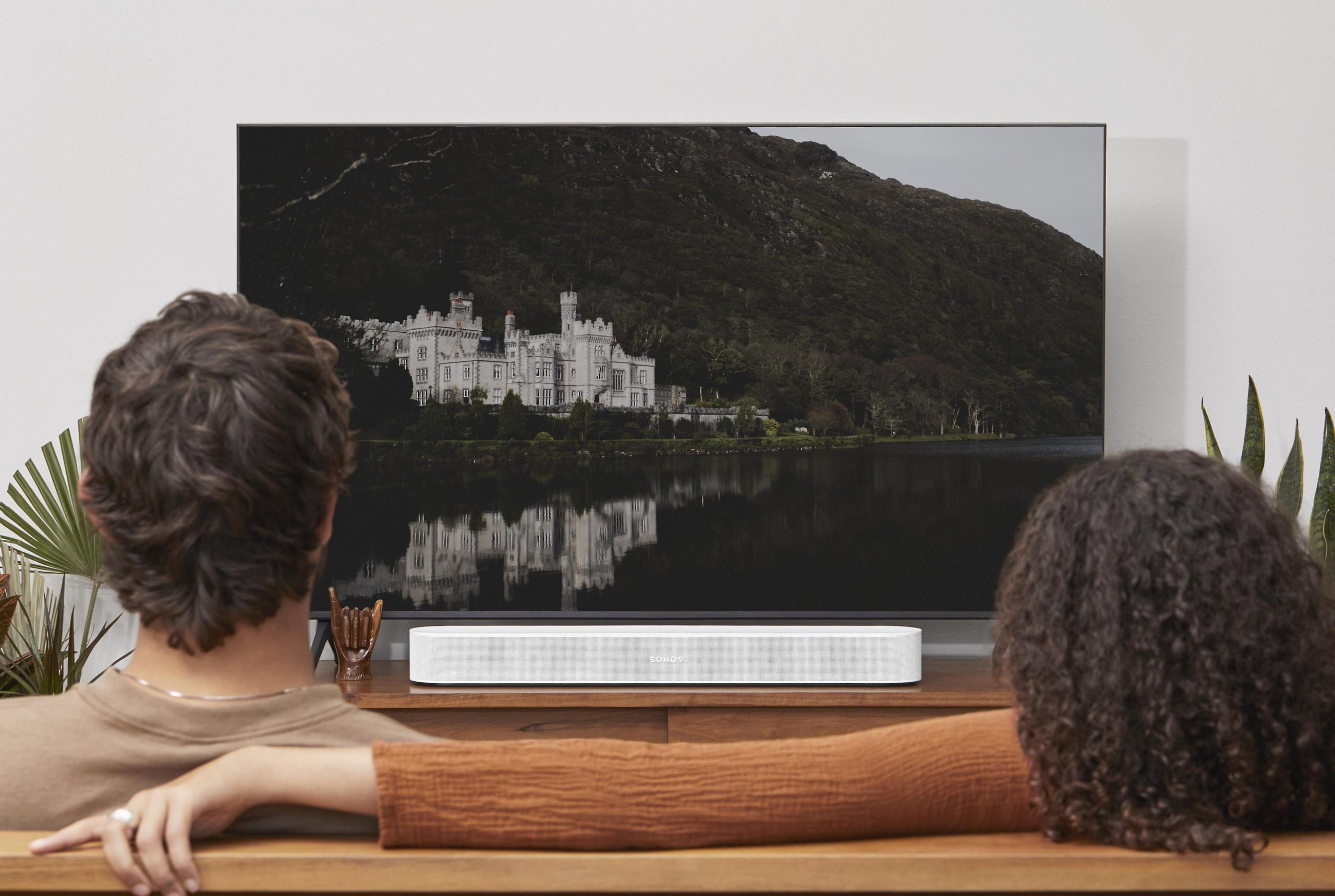
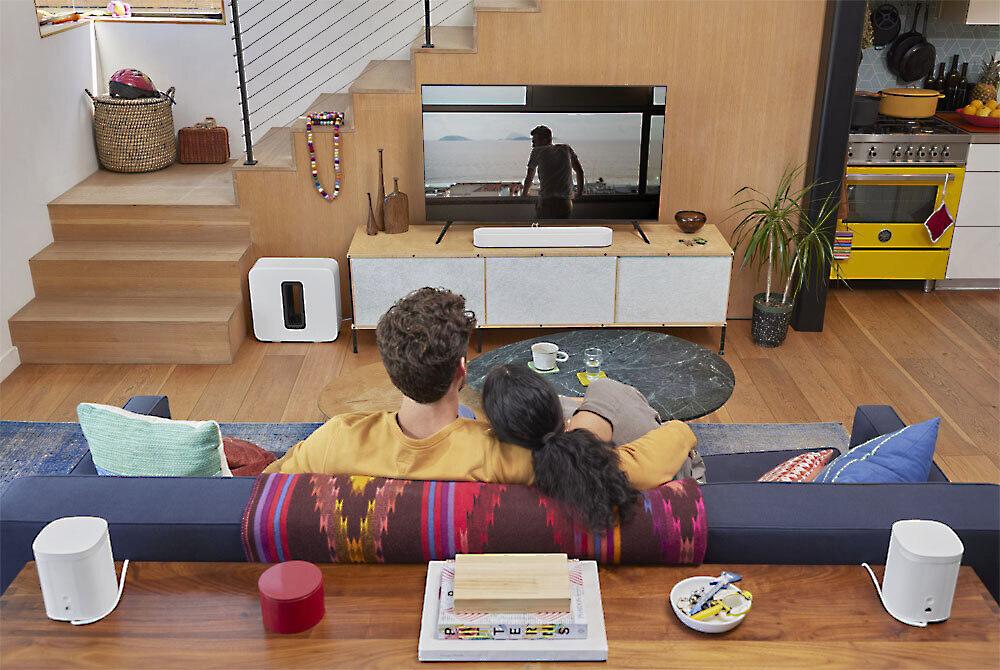

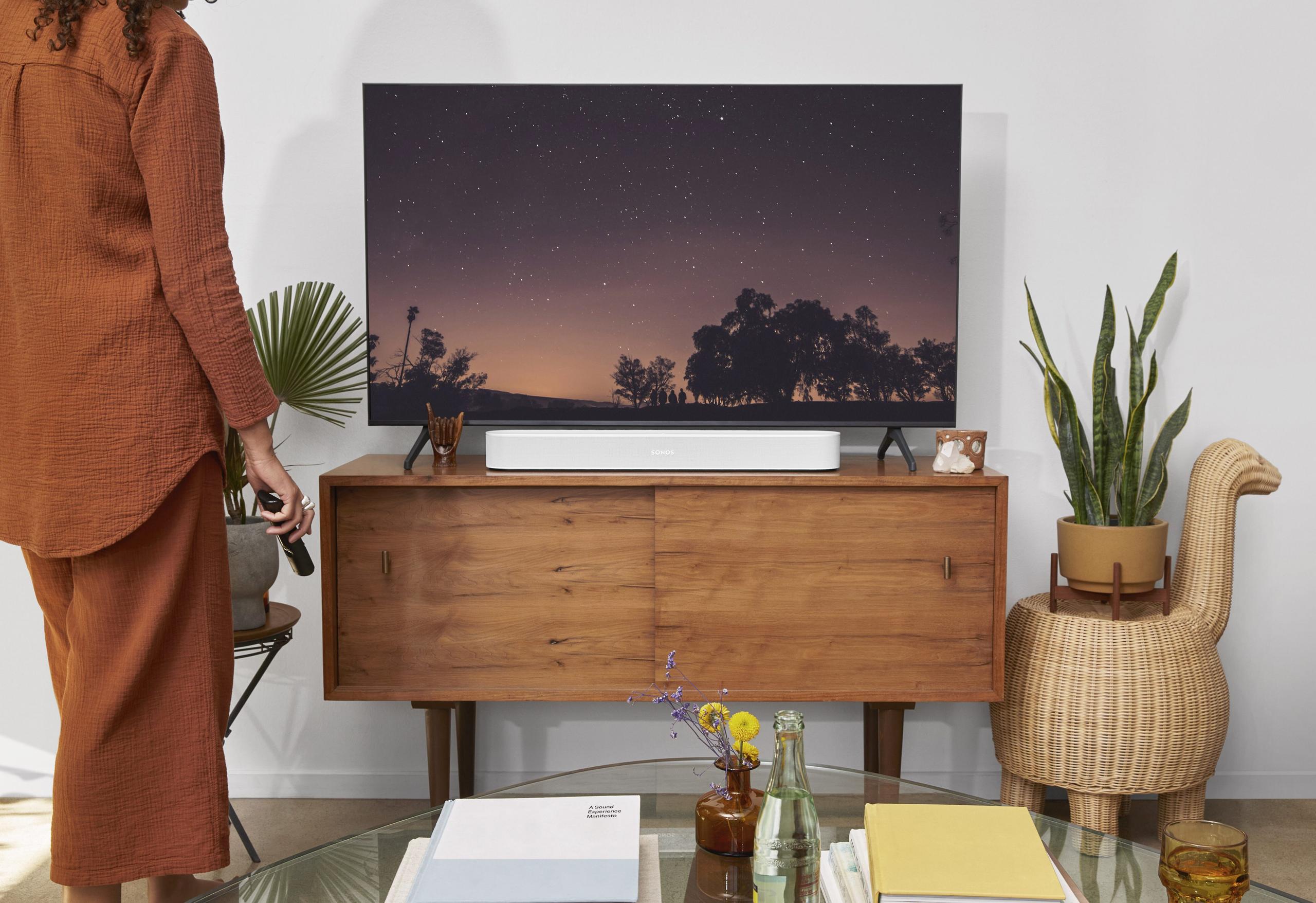
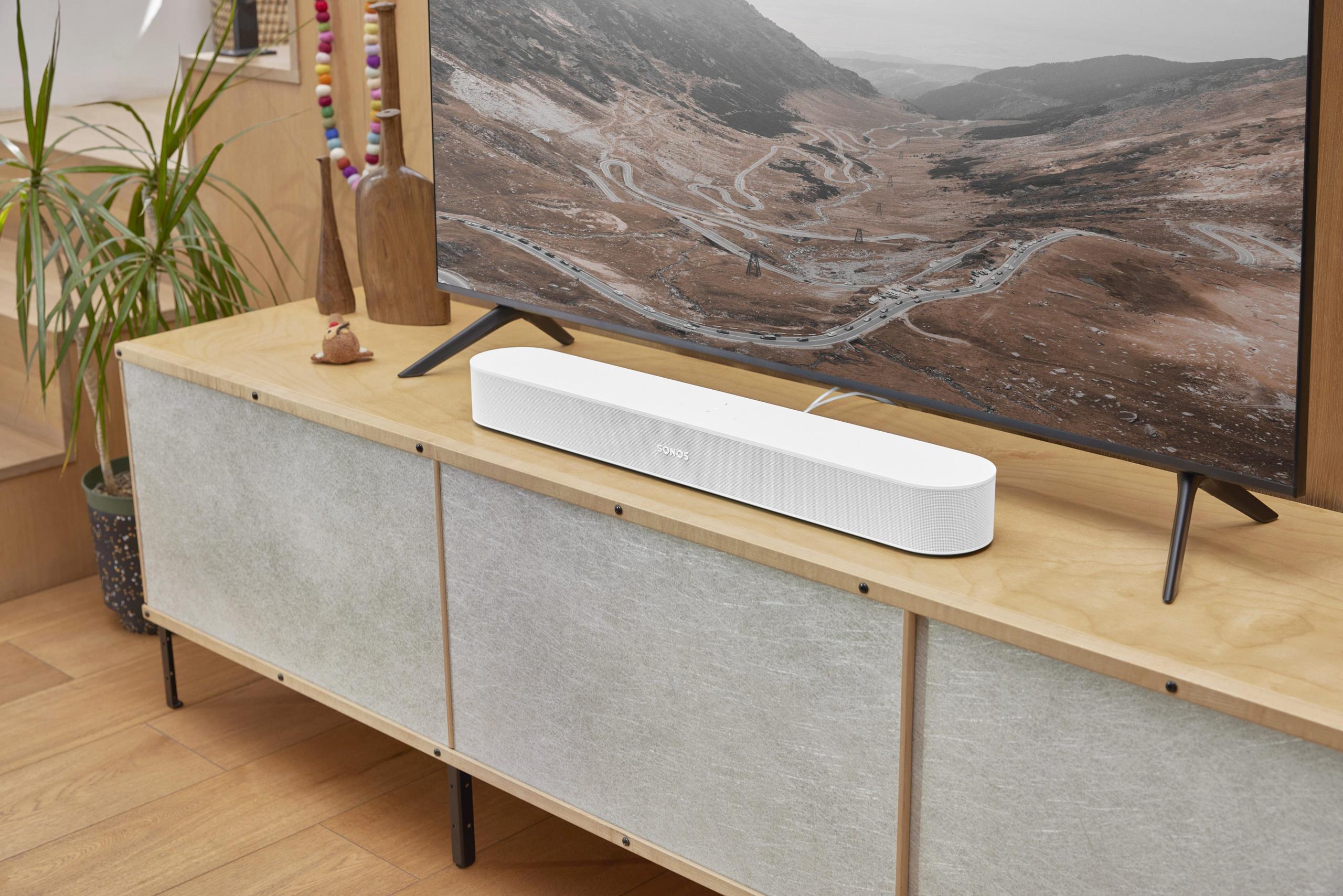
When your TV's built-in speakers make dialogue sound like it's coming from inside a tin can, it's time to upgrade to a soundbar. But with so many options flooding the market, choosing between premium compact models like the Bose Smart Soundbar 1100 and Sonos Beam Gen 2 can feel overwhelming. Both promise to transform your living room into a mini theater, but they take surprisingly different approaches to get there.
Compact soundbars occupy the sweet spot between basic TV audio upgrades and full-blown home theater systems. They're designed for people who want significantly better sound without dedicating an entire wall to speakers or dealing with cables running everywhere. Think of them as the Swiss Army knives of home audio – versatile, space-efficient, and capable of handling everything from Netflix binges to late-night music listening.
The key challenge these products face is physics. Cramming quality drivers, amplifiers, and processing into a slim bar that won't dominate your entertainment center requires some clever engineering. Both the Bose Smart Soundbar 1100 and Sonos Beam Gen 2 launched in 2021 with the goal of solving this puzzle, but they chose different paths to get there.
What matters most in this category? Dialogue clarity tops the list – if you can't understand what characters are saying without cranking the volume and annoying your neighbors, the soundbar has failed its primary job. Soundstage width comes next – the ability to make audio feel like it's coming from beyond the physical boundaries of the bar itself. Bass response within size constraints challenges every manufacturer, while smart features and ecosystem integration have become increasingly important as our homes get more connected.
Here's where these two soundbars diverge most dramatically. The Bose Smart Soundbar 1100 includes dedicated up-firing drivers – actual speakers that fire sound toward your ceiling, which then reflects back down to create overhead effects. When a helicopter flies across the screen in an action movie, you'll genuinely hear it pass above your head. This is "true" Dolby Atmos, and it's the same approach used in high-end movie theaters.
The Sonos Beam Gen 2, meanwhile, uses what's called "virtual" Dolby Atmos. It relies on psychoacoustic processing – essentially tricking your brain into perceiving height effects through clever timing and frequency manipulation of the forward-facing drivers. It's like an audio optical illusion, and while it works, the effect isn't as convincing as physical up-firing drivers.
In practice, this means the Bose delivers more dramatic overhead effects during action sequences, making explosions feel more immersive and atmospheric sounds more enveloping. The Sonos provides a wider, more open soundstage for regular stereo content but can't match the vertical dimension that Bose achieves with Dolby Atmos material.
Both soundbars excel at dialogue reproduction, but they achieve clarity through different methods. The Bose Smart Soundbar 1100 employs AI Dialogue Mode, which automatically detects when characters are speaking and adjusts the tonal balance in real-time. This means you won't need to constantly adjust volume during movies that swing between whispered conversations and explosive action scenes.
The Sonos Beam Gen 2 takes a more traditional approach with Speech Enhancement, which boosts dialogue frequencies consistently. Combined with its dedicated center tweeter, vocals come through crisp and clear. However, based on user feedback and professional reviews, Bose's dynamic approach tends to handle challenging content more effectively, particularly with streaming services that have inconsistent audio levels.
Neither soundbar will replace a dedicated subwoofer for true deep bass, but they handle low-end frequencies differently within their size constraints. The Bose uses QuietPort technology – specialized port tuning that reduces turbulence and distortion while maximizing bass output from a compact enclosure. The result is punchier, more impactful bass that works well for both music and movie soundtracks.
The Sonos delivers tighter, more controlled bass that some listeners prefer for music reproduction. It won't shake your couch during action scenes like the Bose might, but it maintains better accuracy across different content types. If you listen to jazz or acoustic music as much as you watch movies, Sonos's approach may appeal more to your ears.
The Bose Smart Soundbar 1100 comes with Amazon Alexa built right in, complete with a noise-rejecting microphone array that can hear you even when the soundbar is playing loudly. The standout feature here is Voice4Video, which extends Alexa's capabilities to control your TV and cable box with single voice commands. Instead of juggling multiple remotes, you can say "Alexa, switch to HBO" or "Alexa, fast forward 30 seconds."
The Sonos Beam Gen 2 also supports voice assistants, but you'll need to connect it to an external Alexa or Google Assistant device. While this means an additional device on your network, it also gives you more flexibility in choosing your preferred voice platform and potentially better microphone placement.
Both soundbars support the essential wireless standards you'd expect – Wi-Fi, AirPlay 2, and various streaming services. The Bose includes Bluetooth 5.0 for direct device connection, while the Sonos notably omits Bluetooth in favor of Wi-Fi-based streaming protocols. This reflects Sonos's philosophy of prioritizing network-based audio quality over convenience.
The Sonos approach pays dividends if you're building a multi-room audio system. The Sonos ecosystem is mature and reliable, with seamless synchronization between speakers and an intuitive app that makes managing multiple zones simple. The Bose can connect with other Bose Smart speakers for multi-room audio, but the ecosystem isn't as developed or stable as Sonos's platform.
The Sonos Beam Gen 2 includes Trueplay room calibration, which uses your iPhone's microphone to analyze your room's acoustics and automatically adjusts the soundbar's output accordingly. This is genuinely useful technology that can make a noticeable difference in sound quality, though it requires an iOS device and a few minutes of walking around your room while playing test tones.
The Bose doesn't include automated room correction, instead relying on its PhaseGuide technology to create a wide soundstage regardless of room placement. While not as sophisticated as Trueplay, PhaseGuide works automatically and doesn't require any setup or specific devices.
Both soundbars are designed to grow with your needs, but they offer different expansion paths. The Bose Smart Soundbar 1100 can connect to Bose Bass Modules (their term for subwoofers) and Bose Surround Speakers through proprietary wireless connections. The system setup is clean and reliable, though you're locked into Bose's ecosystem for expansion.
The Sonos Beam Gen 2 can pair with Sonos Sub models and Sonos One speakers for rear channels. At the time of writing, Sonos expansion tends to be pricier than Bose alternatives, but you get access to the most mature multi-room ecosystem in the market.
The Bose offers something truly unique: Personal Surround Sound with Bose Ultra Open Earbuds. This feature lets you use compatible Bose earbuds as wireless rear surround speakers, creating a personal surround experience without installing additional speakers. It's perfect for late-night movie watching when you want full surround sound without disturbing others.
The Sonos counters with superior software features and regular updates that add new capabilities over time. Sonos has a strong track record of supporting products for many years with feature additions and improvements.
This is the single most important metric for most users. Our research into user reviews and professional assessments consistently shows that the Bose Smart Soundbar 1100 edges out the Sonos Beam Gen 2 in challenging dialogue scenarios. The AI Dialogue Mode's real-time adjustments prove more effective than static speech enhancement, particularly with streaming content that has inconsistent mastering.
Both soundbars create a soundstage wider than their physical dimensions, but they achieve this differently. The Bose uses PhaseGuide technology to beam directional sound, creating precise placement of effects and voices. The Sonos relies more on traditional stereo imaging principles, resulting in excellent instrument separation for music but less dramatic effects placement for movies.
The Bose maintains better dynamics at higher volumes, thanks partly to its QuietPort technology reducing distortion. The Sonos offers more consistent performance across all volume levels but doesn't reach the same peak loudness without strain. For smaller rooms, this difference matters less, but larger spaces favor the Bose's headroom.
Both soundbars include HDMI eARC connectivity, which is essential for passing high-quality audio formats from modern TVs. However, neither supports DTS or DTS:X formats, which can be limiting if you have a collection of Blu-rays or use streaming services that prefer DTS encoding. This is becoming less common as Dolby formats dominate streaming platforms, but it's worth noting for enthusiasts with extensive physical media collections.
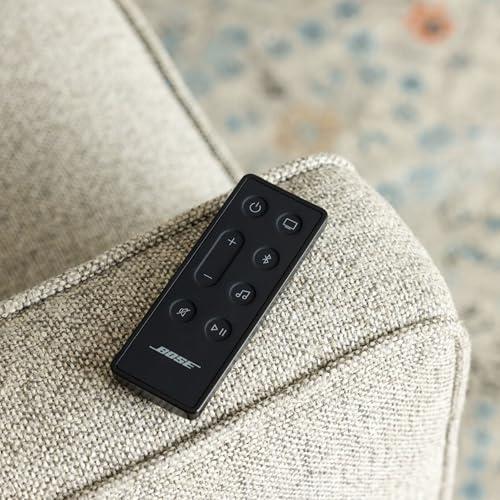
The Bose Smart Soundbar 1100 offers more seamless TV integration through its Voice4Video technology and comprehensive IR learning capabilities. You can control both the soundbar and your TV/cable box with voice commands or the included remote. The Sonos Beam Gen 2 handles basic TV integration well through HDMI CEC (Consumer Electronics Control) but lacks the advanced TV control features that Bose provides.
At the time of writing, both soundbars command similar pricing in the premium compact category, making the decision about features rather than budget. The Bose Smart Soundbar 1100 delivers more hardware-based audio technologies – the up-firing drivers, AI processing, and advanced acoustic engineering – for your money. You're essentially paying for more sophisticated audio hardware.
The Sonos Beam Gen 2 represents better long-term software value and ecosystem investment. Sonos's track record of product support and regular feature updates means your soundbar will likely gain capabilities over time rather than becoming outdated.
Prioritize movie watching and dialogue clarity. The AI Dialogue Mode and true Dolby Atmos with up-firing drivers make this the better choice for cinematic experiences. If you find yourself constantly adjusting volume during movies or struggling to hear dialogue clearly, Bose's approach will solve these problems more effectively.
Want built-in voice control without additional devices. The integrated Alexa with Voice4Video offers the most comprehensive smart TV control available in this category. You can control your entire entertainment system with voice commands, which is genuinely convenient for daily use.
Plan to use the unique personal surround feature. If the idea of creating surround sound with earbuds for private listening appeals to you, this is a Bose exclusive that adds real value for apartments or late-night viewing.
Value music reproduction as much as TV audio. The balanced, neutral sound signature and excellent stereo imaging make this the better choice for listeners who stream music regularly. The Sonos app's integration with streaming services is also superior.
Want to build a multi-room audio system. If you're interested in eventually having synchronized audio throughout your home, Sonos offers the most mature and reliable ecosystem available. The investment in a Beam today pays dividends as you expand the system.
Prefer the most reliable wireless performance. Sonos's Wi-Fi-only approach, while limiting in some ways, provides more stable connectivity than systems juggling multiple wireless protocols. If you've had bad experiences with Bluetooth audio dropouts, Sonos's approach will appeal to you.
Need room calibration. If you have challenging room acoustics or want the soundbar optimized for your specific space, Trueplay calibration provides measurable improvements that automatic systems can't match.
The Bose Smart Soundbar 1100 excels at its primary job – making TV audio dramatically better through superior dialogue processing and true Dolby Atmos effects. It's the more "plug-and-play" option that delivers immediate audio improvements without requiring much thought or setup.
The Sonos Beam Gen 2 represents a longer-term investment in a mature ecosystem with balanced audio performance and room for growth. It's the better choice for users who want to think strategically about their audio setup and value software sophistication over raw audio processing power.
Both products succeed in their core mission of transforming TV audio, but they serve different types of users. The Bose rewards those who want immediate, dramatic improvements in movie watching, while the Sonos appeals to listeners building a comprehensive home audio system with equal emphasis on music and video content.
| Bose Smart Soundbar 1100 | Sonos Beam Gen 2 |
|---|---|
| Dolby Atmos Implementation - Critical for overhead sound effects | |
| True Dolby Atmos with dedicated up-firing drivers | Virtual Dolby Atmos using psychoacoustic processing |
| Physical Dimensions - Important for TV stand compatibility | |
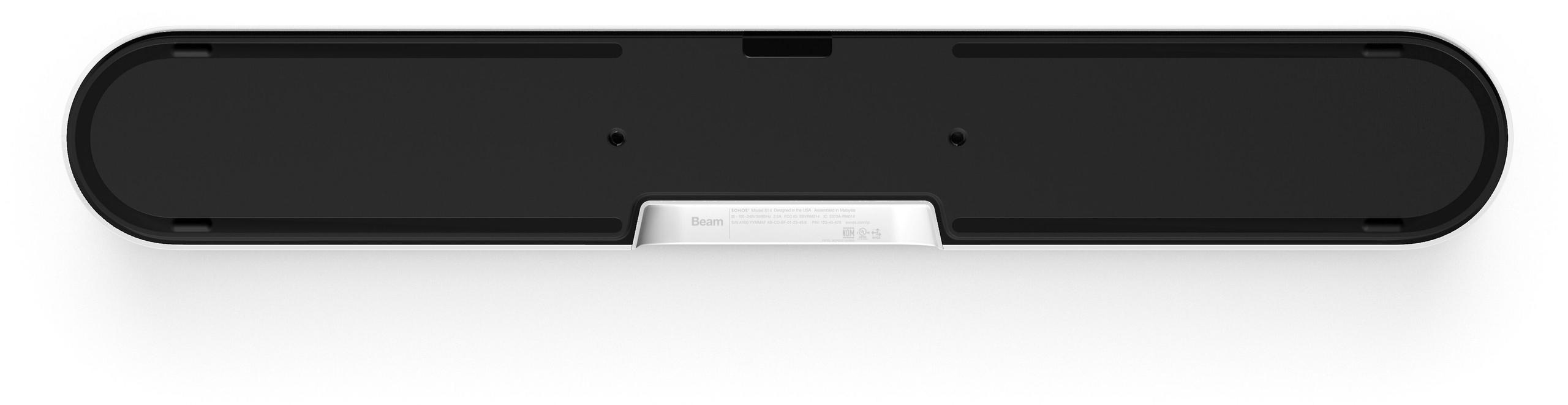
| 27.3" W x 2.2" H x 4.6" D, 6.9 lbs | 25.6" W x 2.7" H x 3.9" D, 6.35 lbs |
| Speaker Configuration - Determines sound quality and power | |
| 5 drivers + center tweeter (3.0.2 channels) | 5 drivers total: 4 woofers + 1 tweeter (5.0 channels) |
| Voice Assistant Integration - Convenience for smart home control | |
| Built-in Alexa with Voice4Video TV control | External Alexa/Google Assistant required |
| Room Calibration - Optimizes sound for your specific space | |
| PhaseGuide automatic beam steering (no setup) | Trueplay tuning with iOS device (manual setup required) |
| Dialogue Enhancement - Critical for clear speech | |
| AI Dialogue Mode with real-time adjustment | Speech Enhancement with static boost |
| Wireless Connectivity - Affects streaming options and reliability | |
| Wi-Fi, Bluetooth 5.0, AirPlay 2, Chromecast | Wi-Fi only, AirPlay 2, no Bluetooth |
| Expandability Options - Future system growth potential | |
| Bose Bass Modules and Surround Speakers | Sonos Sub and Sonos One rear speakers |
| Multi-Room Audio Ecosystem - Whole-home audio capability | |
| Basic multi-room with other Bose Smart speakers | Mature Sonos ecosystem with seamless synchronization |
| Audio Format Support - Compatibility with different content | |
| Dolby Atmos, Dolby Digital variants (no DTS support) | Dolby Atmos, Dolby Digital variants (no DTS support) |
| Unique Features - Standout capabilities that differentiate products | |
| Personal Surround Sound with Bose earbuds | Trueplay calibration and superior app experience |
| HDMI Connectivity - Essential for modern TV integration | |
| 1x HDMI eARC/ARC, optical input | 1x HDMI eARC, optical adapter included |
| Warranty Coverage - Protection for your investment | |
| 1 year parts and labor | 1 year parts and labor |
The Bose Smart Soundbar 1100 has superior dialogue clarity thanks to its AI Dialogue Mode, which automatically detects speech and adjusts the sound balance in real-time. This makes it easier to hear conversations without constantly adjusting volume. The Sonos Beam Gen 2 also delivers clear dialogue with its Speech Enhancement feature, but it uses a static boost rather than dynamic adjustment.
The Bose Smart Soundbar 1100 offers true Dolby Atmos with dedicated up-firing drivers that bounce sound off your ceiling for genuine overhead effects. The Sonos Beam Gen 2 uses virtual Dolby Atmos, which simulates height effects through audio processing. For noticeable overhead sound during action movies, the Bose provides a more convincing experience.
The Sonos Beam Gen 2 is generally better for music with its balanced, neutral sound signature and excellent stereo imaging. It also integrates seamlessly with music streaming services through the Sonos app. The Bose Smart Soundbar 1100 can sound more exciting for movies but may be less accurate for critical music listening.
Both soundbars can be expanded. The Bose Smart Soundbar 1100 works with Bose Bass Modules and Surround Speakers through wireless connections. The Sonos Beam Gen 2 pairs with Sonos Sub models and Sonos One speakers for rear channels. Sonos offers a more mature multi-room ecosystem, while Bose provides unique features like Personal Surround Sound with compatible earbuds.
The Bose Smart Soundbar 1100 has built-in Amazon Alexa with advanced Voice4Video technology that can control your TV and cable box with voice commands. The Sonos Beam Gen 2 requires an external Alexa or Google Assistant device but offers more flexibility in choosing your preferred voice platform and better integration with the Sonos ecosystem.
The Sonos Beam Gen 2 includes Trueplay room calibration that uses an iPhone to analyze your room's acoustics and optimize sound accordingly. The Bose Smart Soundbar 1100 uses PhaseGuide technology that automatically creates a wide soundstage without requiring manual calibration. Trueplay provides more precise optimization, but PhaseGuide works automatically.
Both work well in smaller spaces, but the Bose Smart Soundbar 1100 may be better for apartments due to its Personal Surround Sound feature with compatible earbuds for private listening. The Sonos Beam Gen 2 offers more controlled bass that won't disturb neighbors and integrates well with other Sonos speakers for multi-room audio in larger apartments.
The Bose Smart Soundbar 1100 includes HDMI eARC, optical input, Wi-Fi, Bluetooth 5.0, AirPlay 2, and Chromecast. The Sonos Beam Gen 2 has HDMI eARC, optical adapter, Wi-Fi, and AirPlay 2 but notably lacks Bluetooth connectivity. Both support essential streaming services, though Bose offers more direct connection options.
The Bose Smart Soundbar 1100 produces more impactful bass thanks to its QuietPort technology, which maximizes low-end output while reducing distortion. The Sonos Beam Gen 2 delivers tighter, more accurate bass but with less impact during action scenes. Neither replaces a dedicated subwoofer, but the Bose provides more punch for movies.
For dedicated home theater use, the Bose Smart Soundbar 1100 is generally superior due to its true Dolby Atmos with up-firing drivers, AI Dialogue Mode, and better bass response for action movies. The Sonos Beam Gen 2 works well for home theater but excels more as an all-around entertainment system that handles both movies and music equally well.
The Sonos Beam Gen 2 typically offers better long-term value due to Sonos's track record of providing regular software updates and feature additions over many years. The mature Sonos ecosystem also provides more expansion options. The Bose Smart Soundbar 1100 offers more immediate hardware-based features but may have a shorter support lifecycle.
Both are relatively easy to set up, but the Bose Smart Soundbar 1100 is more plug-and-play with automatic features like AI Dialogue Mode and PhaseGuide. The Sonos Beam Gen 2 requires more initial setup including Trueplay calibration and connecting external voice assistants, but offers a superior app experience for daily use and control once configured.
We've done our best to create useful and informative comparisons to help you decide what product to buy. Our research uses advanced automated methods to create this comparison and perfection is not possible - please contact us for corrections or questions. These are the sites we've researched in the creation of this article: bestbuy.com - rtings.com - rtings.com - youtube.com - staples.com - youtube.com - soundguys.com - businessinsider.com - youtube.com - rtings.com - crutchfield.com - youtube.com - youtube.com - smart.dhgate.com - dolby.com - bose.com - assets.bose.com - bose.com - connection.com - bestbuy.com - cdw.com - dell.com - device.report - whathifi.com - en.community.sonos.com - techradar.com - youtube.com - consumerreports.org - bestbuy.com - youtube.com - sonos.com - wave-electronics.com - en.community.sonos.com - epicsystems.tech - tomsguide.com - bestbuy.com

Privacy Policy
Terms and Conditions - Affiliate Policy
Home Security
© Copyright 2008-2026.
11816 Inwood Rd #1211, Dallas, TX 75244