

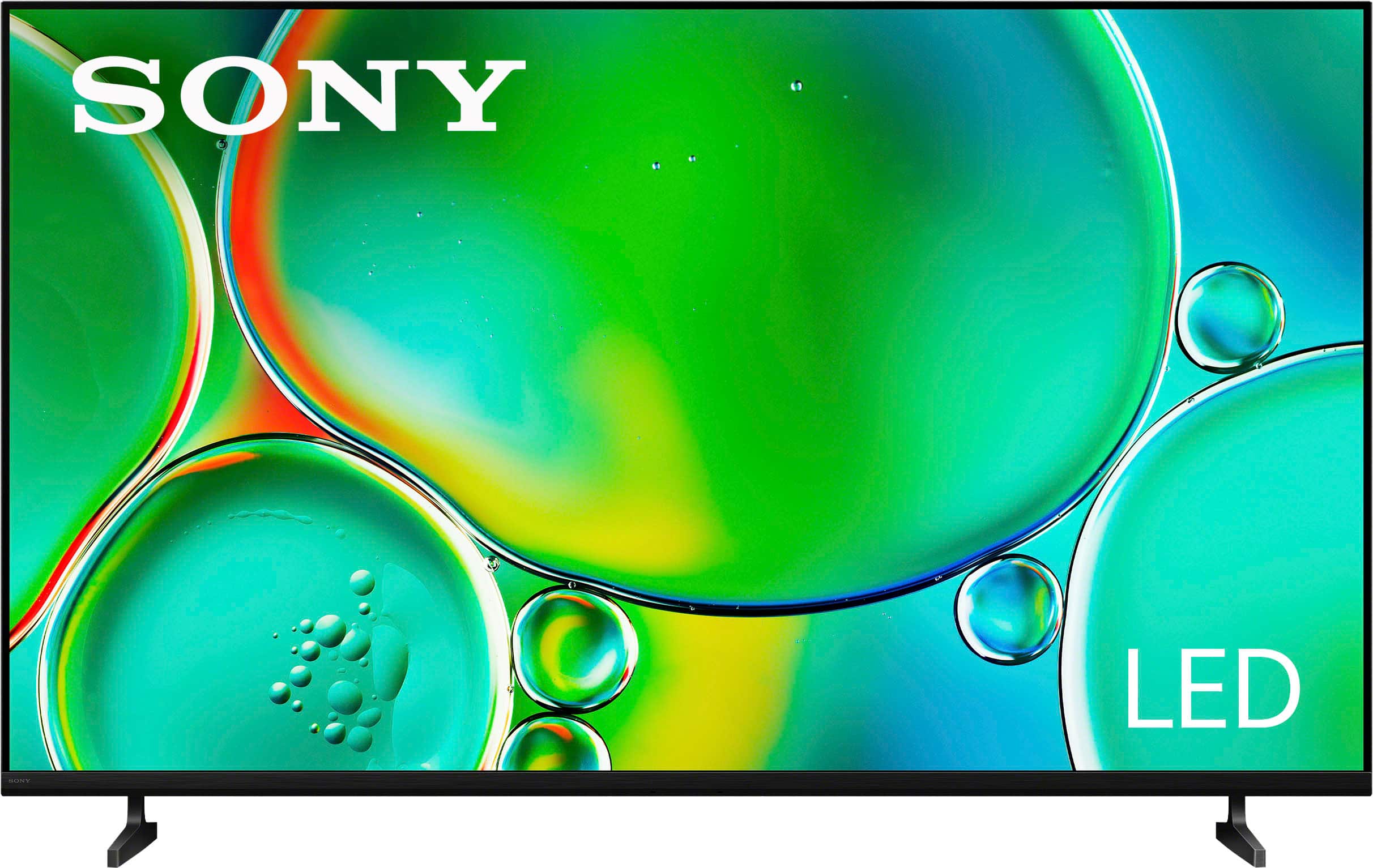
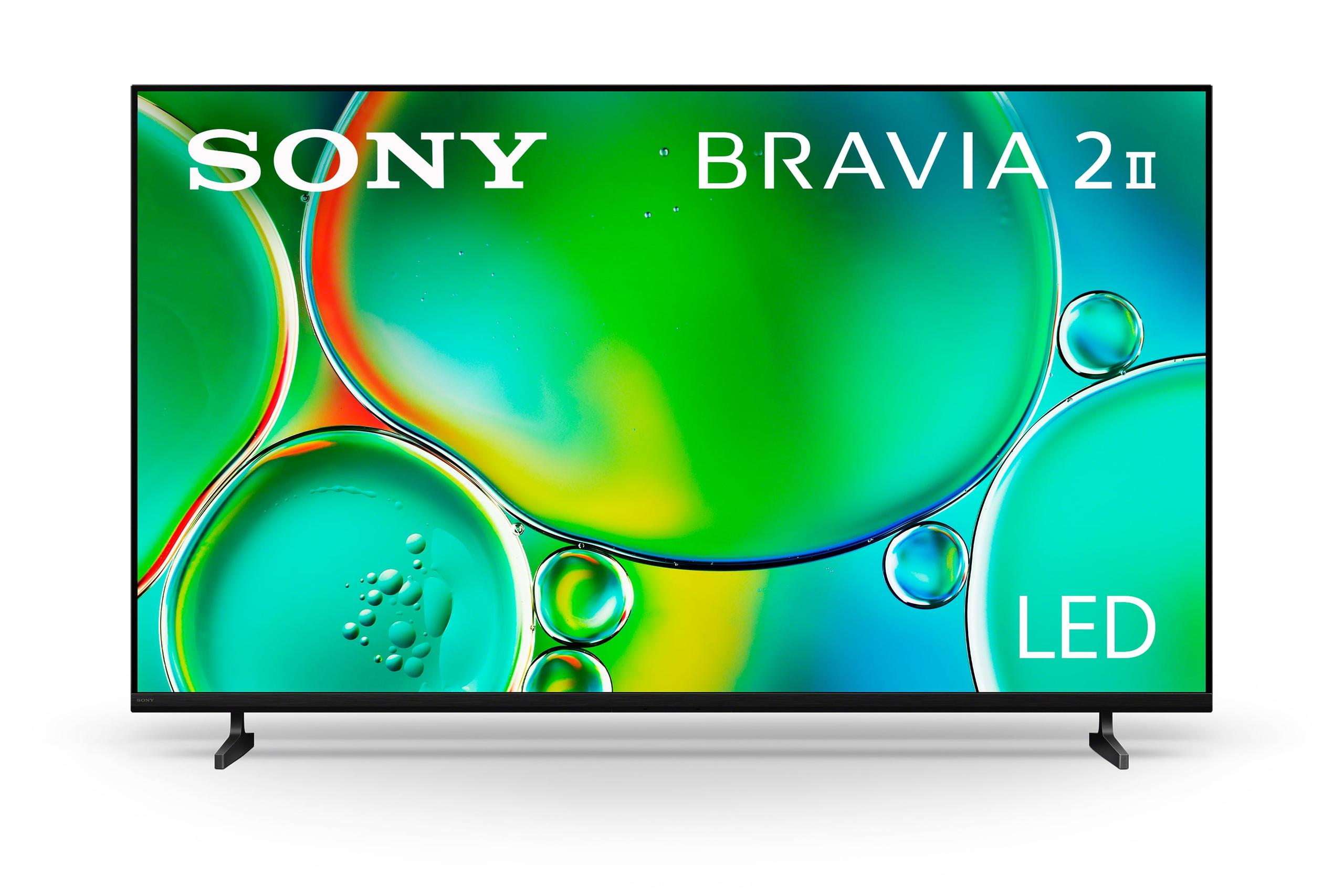



Shopping for a 65-inch 4K TV in 2025 means navigating a market packed with options, but two models stand out for different reasons: the Samsung Q8F QLED and the Sony BRAVIA 2 II. Both launched in 2025, yet they target completely different buyers despite sharing the same screen size. Understanding which one fits your needs requires diving into their fundamental differences in display technology, performance capabilities, and overall value proposition.
The 4K TV market has evolved significantly since the early days of ultra-high-definition displays. Today's TVs aren't just about resolution—they're about how that resolution is delivered, enhanced, and optimized for different content types. At the time of writing, the key differentiators include panel technology (QLED vs LED), refresh rates for gaming, smart platform capabilities, and advanced features like local dimming and HDR processing.
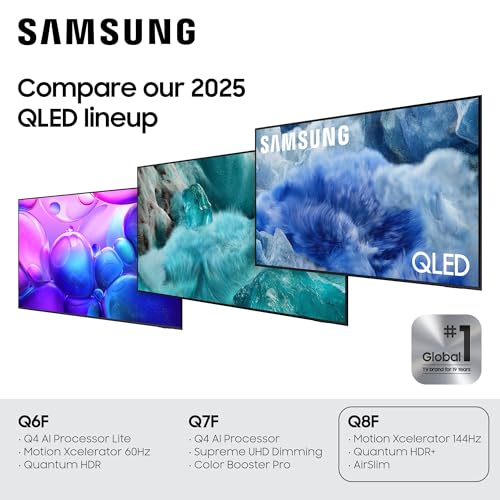
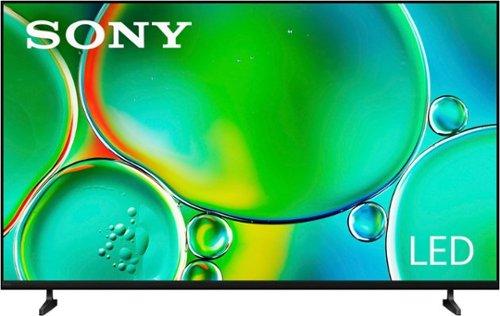
The Samsung Q8F represents what manufacturers call a "premium mid-range" QLED TV. QLED stands for Quantum Dot Light Emitting Diode—a technology that uses tiny semiconductor crystals to produce more accurate and vibrant colors than traditional LED panels. The Sony BRAVIA 2 II, meanwhile, is Sony's entry-level 4K offering for 2025, using conventional LED backlighting but enhanced with Sony's renowned image processing.
This distinction matters more than you might think. The technology gap between these two approaches directly impacts everything from how movies look in your living room to whether your gaming sessions feel smooth and responsive.
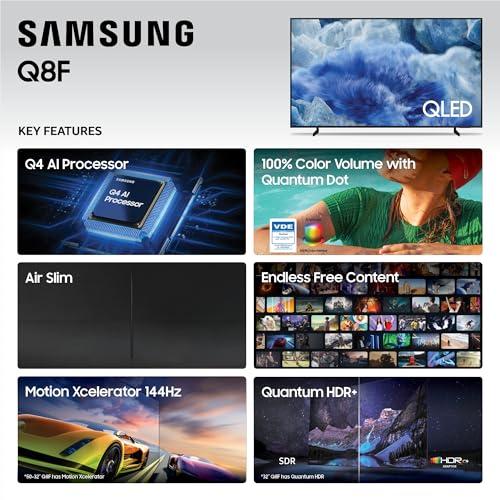
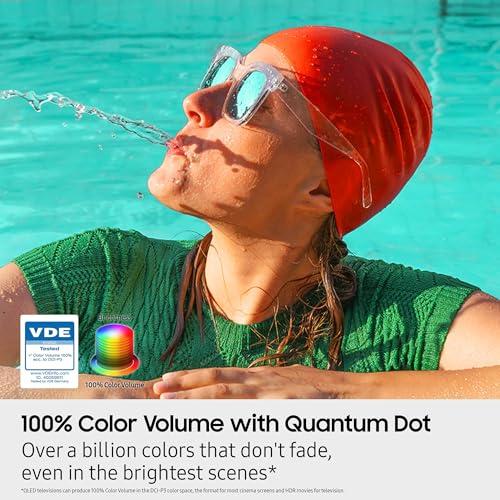
The most significant difference between these TVs lies in their fundamental display technology. The Samsung Q8F uses quantum dot technology, which sounds complicated but works in a fascinating way. Traditional LED TVs create white light and then filter it through colored panels to produce the colors you see. Quantum dots flip this process—they're microscopic crystals that emit specific colors when hit by blue LED light, creating what Samsung calls "100% color volume."
In practical terms, this means the Samsung Q8F can display over one billion different color shades with remarkable accuracy. Colors appear more saturated and lifelike, especially in bright scenes. This quantum dot layer also allows the TV to maintain color accuracy even at high brightness levels—something that traditional LED panels struggle with.
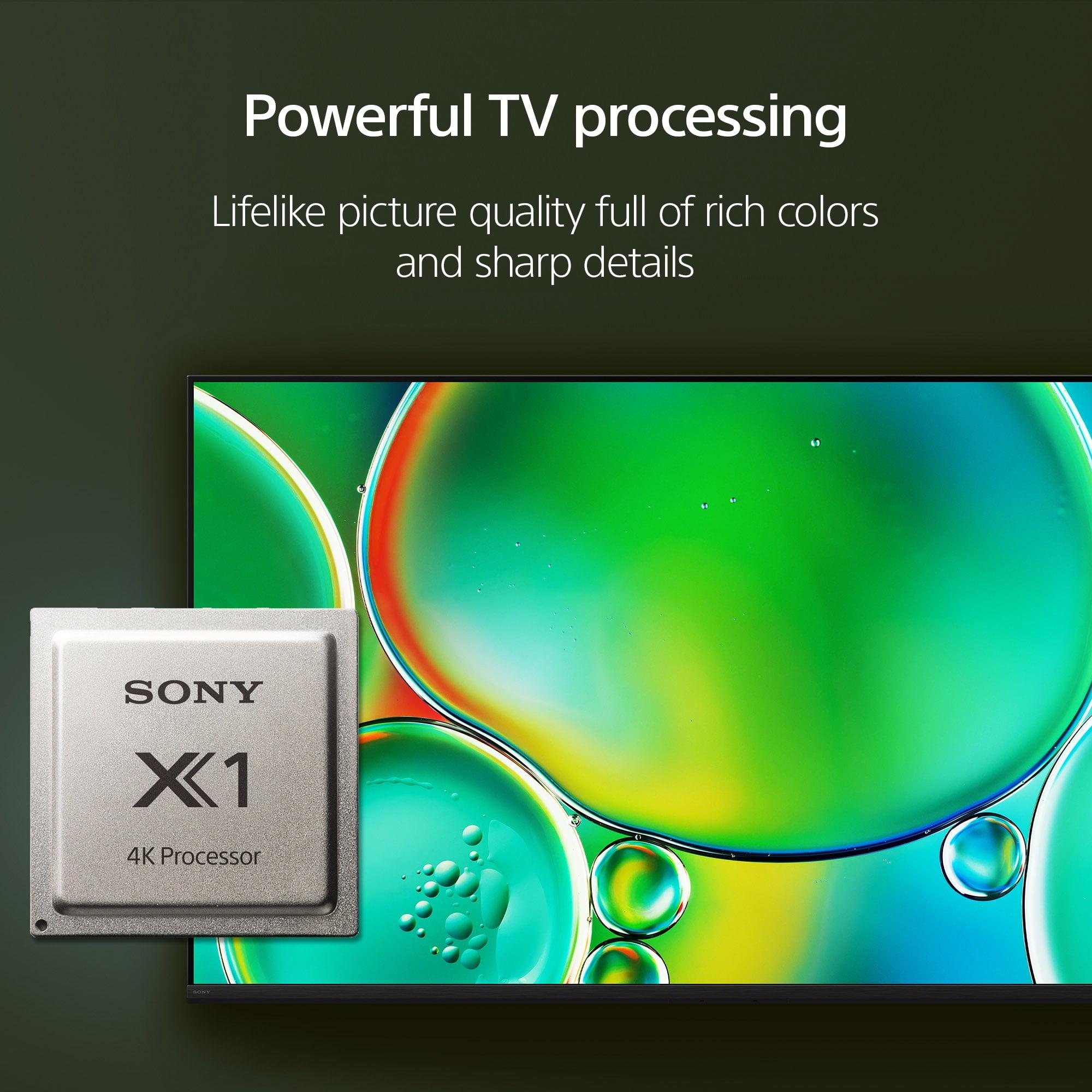
The Sony BRAVIA 2 II takes a different approach, relying on Sony's decades of experience in image processing rather than panel innovation. The 4K Processor X1 analyzes each scene and applies what Sony calls "4K X-Reality PRO" upscaling. This technology uses a massive database of image patterns to intelligently enhance lower-resolution content, making your Netflix shows and cable TV look sharper and more detailed.
Both approaches have merit, but they excel in different scenarios. The Samsung's quantum dot advantage becomes most apparent in bright rooms where the enhanced color volume and brightness really shine. The Sony's strength lies in its processing capabilities—it's particularly good at making older content or streaming video look better than it originally did.
One area where the Samsung Q8F pulls significantly ahead is local dimming technology. The Q8F features what Samsung calls "Supreme UHD Dimming," which divides the screen into hundreds of zones that can be independently controlled for brightness. Think of it like having hundreds of tiny dimmer switches across your screen—dark parts of the image can be made truly dark while bright parts remain brilliant.
The Sony BRAVIA 2 II lacks local dimming entirely, relying on what's called "frame dimming"—essentially adjusting the brightness of the entire screen uniformly. This means dark movie scenes might appear washed out, and you won't get the dramatic contrast between bright explosions and dark space in action movies.
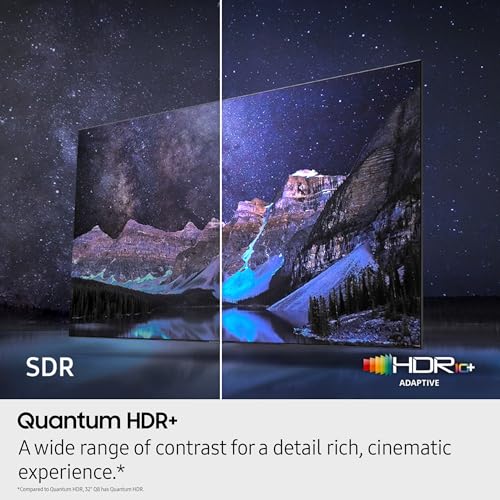
This difference becomes particularly noticeable when watching content with high dynamic range (HDR). HDR content is designed to show a wider range of brightness levels, from deep shadows to bright highlights. Without local dimming, the Sony simply can't display the full range that HDR content was meant to showcase.
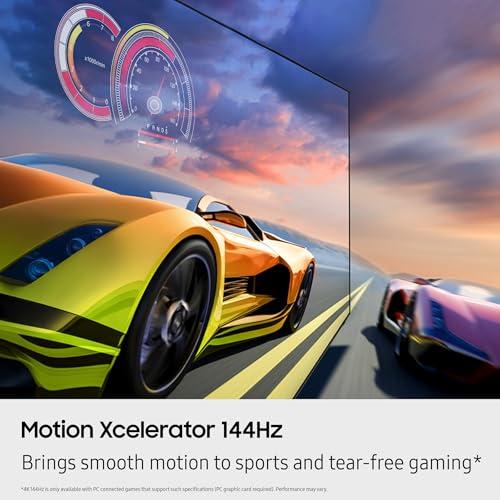
Gaming performance represents perhaps the starkest difference between these two TVs. The Samsung Q8F supports up to 144Hz refresh rates with its Motion Xcelerator technology, while the Sony BRAVIA 2 II caps out at 60Hz. This might seem like technical jargon, but the real-world impact is substantial.
Refresh rate refers to how many times per second your screen updates the image. Most movies and TV shows are filmed at 24 or 30 frames per second, so 60Hz is perfectly adequate for traditional content. But modern gaming consoles and PC games can output 120 frames per second or higher. A higher refresh rate means smoother motion, reduced blur during fast action, and more responsive controls.
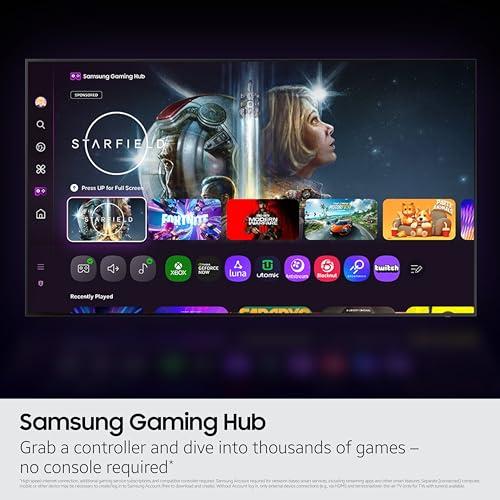
The Samsung Q8F also includes Variable Refresh Rate (VRR) support, which synchronizes the TV's refresh rate with your gaming console's output. This eliminates screen tearing—those annoying horizontal lines that can appear during intense gaming moments. The TV also features Auto Low Latency Mode (ALLM), Game Motion Plus, and even specialized features like Mini Map Zoom for competitive gaming.
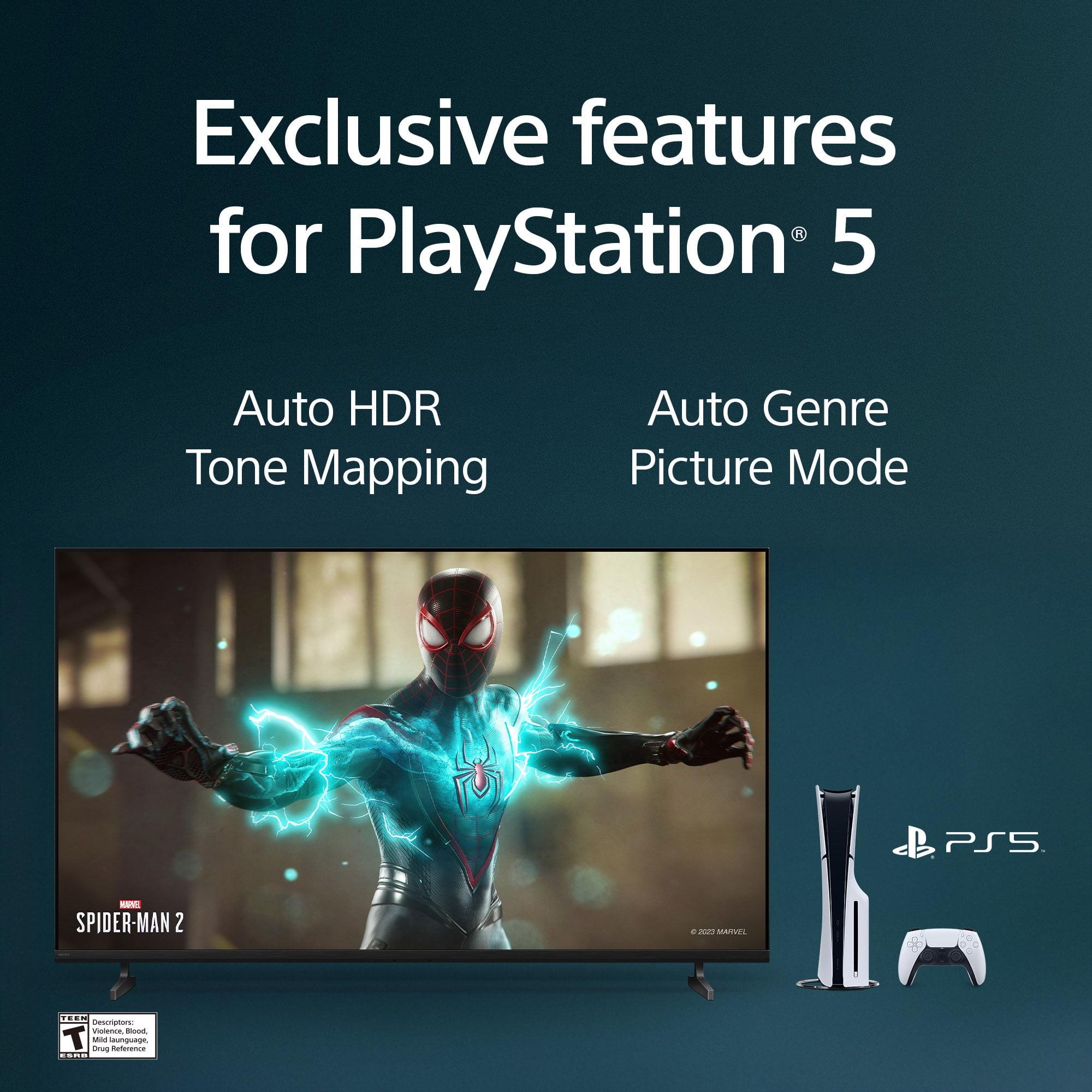
The Sony BRAVIA 2 II focuses its gaming efforts specifically on PlayStation 5 compatibility. It includes Auto HDR Tone Mapping and a dedicated Game Menu designed to work seamlessly with Sony's console. However, our research into user reviews reveals significant motion handling issues. Users report "noticeable blur and black smearing" during fast-paced gaming, with the TV's motion interpolation creating "visible artifacts and haloing" that can be distracting.
For casual gamers who primarily play single-player adventures or turn-based games, the Sony's 60Hz performance might be adequate. But anyone interested in competitive gaming, first-person shooters, or racing games will notice the difference that the Samsung's higher refresh rate and advanced gaming features provide.
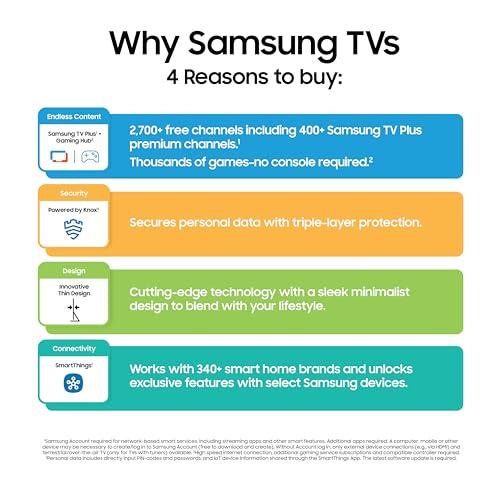
Both TVs offer robust smart platforms, but they take different approaches. The Samsung Q8F runs Tizen, Samsung's proprietary smart TV operating system. Tizen has matured significantly over the years and now offers excellent app support, including all major streaming services. The standout feature is Samsung's SmartThings Hub integration, which turns your TV into a control center for smart home devices.
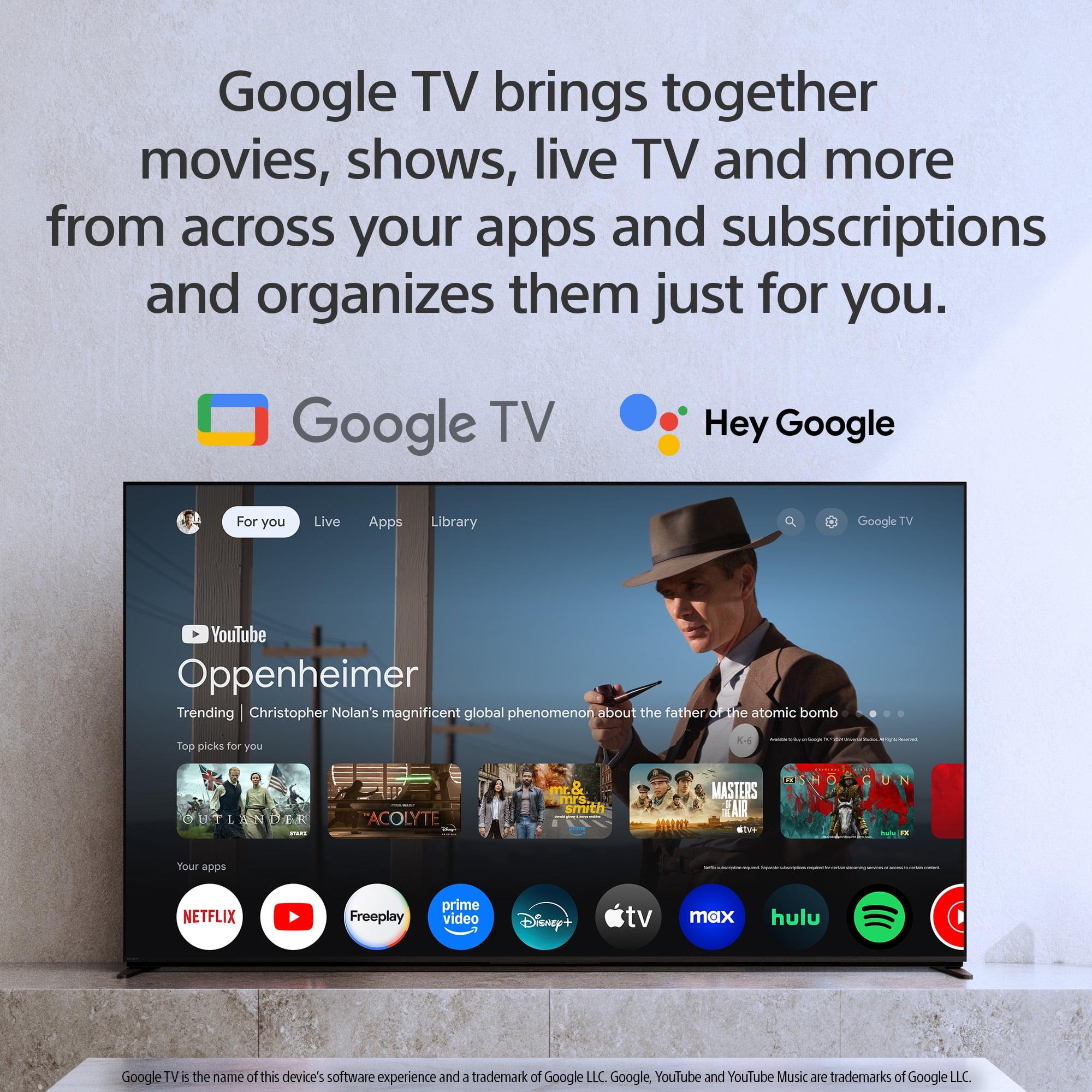
The Sony BRAVIA 2 II runs Google TV, which is essentially Android TV with a more user-friendly interface. Google TV excels at content discovery, using Google's algorithms to suggest shows and movies across different streaming services. It also provides access to the Google Play Store and supports both Google Assistant and Amazon Alexa for voice control.
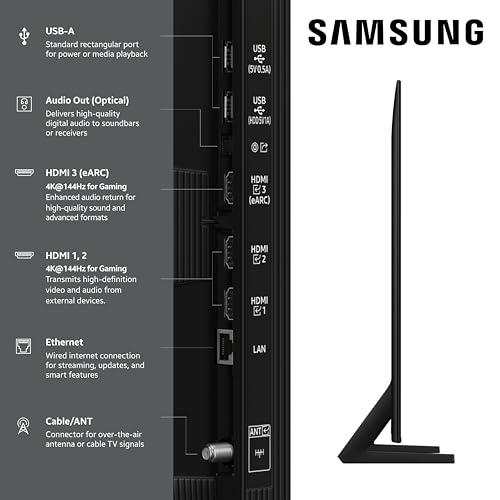
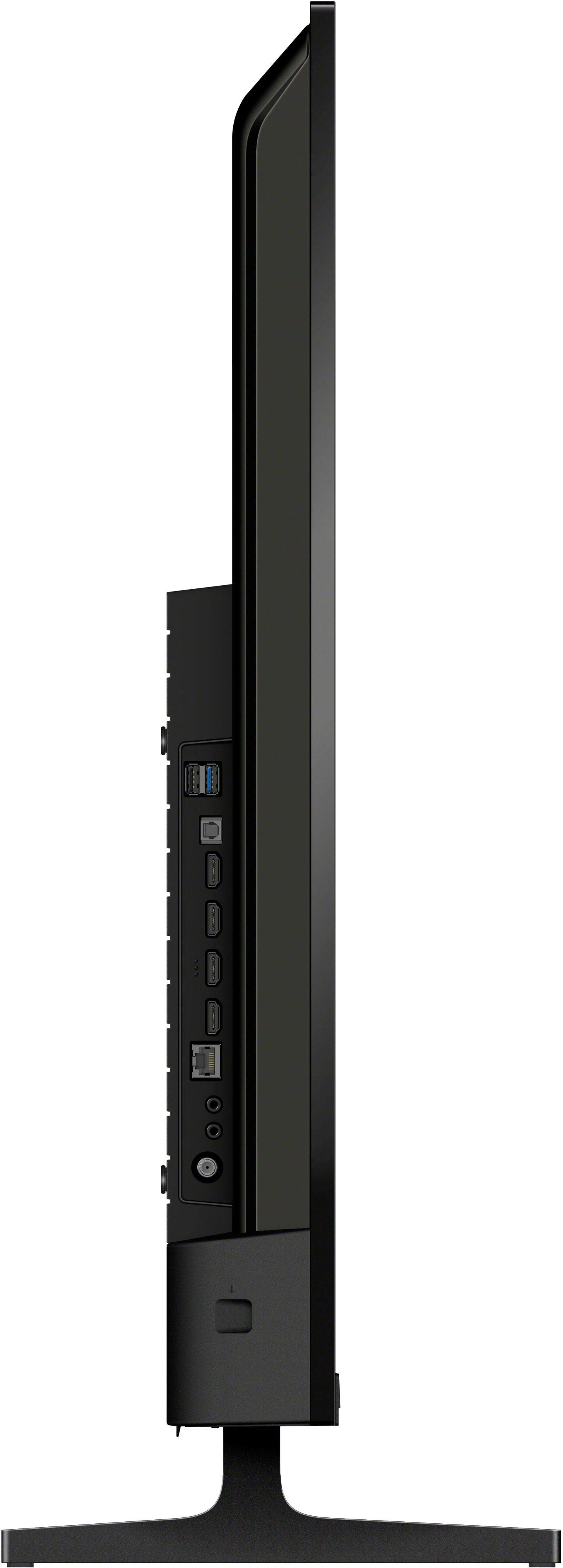
In terms of connectivity, the Sony gains an advantage with four HDMI 2.0 ports compared to the Samsung's three. The Sony also includes newer Wi-Fi 6 support, which can provide faster and more stable internet connections if you have a compatible router.
Audio represents an interesting battleground between these TVs. The Samsung Q8F features Object Tracking Sound Lite (OTS Lite), which attempts to make audio follow the action on screen. More importantly, it includes Q-Symphony support, allowing Samsung soundbars to work in harmony with the TV's built-in speakers rather than replacing them entirely.
The Sony BRAVIA 2 II counters with Dolby Atmos and DTS:X support—advanced audio formats that create three-dimensional soundscapes. The TV's Open Baffle Speaker system is designed to project sound more clearly than traditional TV speakers.
Both TVs output 20 watts of audio power through 2-channel systems. While neither will replace a dedicated sound system, the Sony's Dolby Atmos support gives it a slight edge for users who won't be adding external speakers.
For home theater enthusiasts, the Samsung Q8F presents a more compelling package. The combination of quantum dot color accuracy, local dimming, and Quantum HDR+ processing delivers the kind of picture quality that makes movie nights feel special. The TV's ability to maintain color accuracy at high brightness levels means you won't lose picture quality in rooms with ambient light.
The lack of Dolby Vision support on the Samsung might concern some home theater purists, as this HDR format is increasingly common on premium streaming content and 4K Blu-rays. However, the Samsung's support for HDR10+ provides dynamic tone mapping that offers many of the same benefits.
The Sony BRAVIA 2 II handles home theater duties competently for its price range, but the lack of local dimming becomes apparent during dark movie scenes. The TV's strength lies in its upscaling capabilities—older movies and TV shows often look better on Sony displays thanks to their superior processing algorithms.
At the time of writing, the Samsung Q8F commands a significant premium over the Sony BRAVIA 2 II—roughly $250 more depending on sales and promotions. This price gap reflects genuine technological differences rather than brand positioning.
The Samsung's quantum dot technology, local dimming capabilities, and 120Hz gaming support represent substantial hardware advantages that justify the higher cost for many users. These features will likely remain relevant for years to come as content and gaming continue to evolve.
The Sony offers exceptional value for buyers who primarily watch streaming content and don't need high-refresh gaming. The savings could be redirected toward a soundbar or other components to build out a complete entertainment system.
The Samsung Q8F makes the most sense for several specific user groups. Serious gamers who want the smoothest possible experience should prioritize the Samsung's 120Hz capabilities and comprehensive gaming features. The difference in motion handling alone makes competitive gaming more enjoyable and potentially more successful.
Home theater enthusiasts who want the best possible picture quality will appreciate the Samsung's superior contrast control and color volume. The quantum dot technology creates a viewing experience that's noticeably more vibrant and engaging than conventional LED panels.
Anyone with a bright living room should strongly consider the Samsung. The quantum dot technology maintains color accuracy and vibrancy even under direct sunlight or bright lamp lighting, where conventional LED TVs tend to look washed out.
The Sony BRAVIA 2 II serves different priorities equally well. Budget-conscious buyers get solid 4K performance and smart features without paying for premium display technology they might not fully utilize. The savings are meaningful—enough to add a soundbar or upgrade other components in your entertainment setup.
PlayStation 5 owners who primarily play single-player games might find the Sony's optimized integration and 60Hz performance perfectly adequate. The TV's specific PS5 features create a seamless gaming experience, even if it can't match the Samsung's high-refresh capabilities.
Casual viewers who primarily stream Netflix, watch cable TV, or enjoy movies will find the Sony's picture processing and smart features meet their needs while keeping costs reasonable. The 4K X-Reality PRO upscaling technology is particularly effective at making streaming content look its best.
These two TVs represent different philosophies in modern TV design. The Samsung Q8F prioritizes cutting-edge display technology and gaming performance, delivering measurably superior picture quality and future-proof features that justify its premium pricing. The Sony BRAVIA 2 II focuses on delivering solid 4K performance and smart features at an accessible price point.
Your choice should align with how you actually use your TV. If gaming performance, picture quality, and bright room viewing are priorities, the Samsung's advantages are worth the investment. If budget constraints are important and your viewing habits are more casual, the Sony delivers excellent value without major compromises in everyday use.
Both TVs will serve their target audiences well, but understanding these fundamental differences ensures you'll be happy with your choice for years to come. The key is honest self-assessment about your viewing habits, gaming preferences, and budget priorities.
| Samsung 65" QLED Q8F 4K Smart TV 2025 | Sony BRAVIA 2 II 65" 4K LED Google TV 2025 |
|---|---|
| Display Technology - Determines color accuracy, brightness, and overall picture quality | |
| QLED with Quantum Dot (100% color volume, superior brightness) | Direct-Lit LED (good picture quality, limited brightness range) |
| Local Dimming - Critical for contrast and HDR performance | |
| Supreme UHD Dimming (hundreds of zones for precise contrast control) | None (frame dimming only, limits dark scene detail) |
| Gaming Refresh Rate - Essential for smooth gaming and motion clarity | |
| 120Hz native (up to 144Hz with Motion Xcelerator technology) | 60Hz only (adequate for casual gaming, limiting for competitive play) |
| Gaming Features - Advanced capabilities for serious gamers | |
| ALLM, VRR, Game Motion Plus, Mini Map Zoom, Super Ultra Wide Game View | ALLM only (good PS5 integration but limited advanced features) |
| HDR Support - Impacts movie and streaming quality | |
| Quantum HDR+ with adaptive tone mapping (no Dolby Vision) | Basic HDR10 and HLG (no Dolby Vision or advanced processing) |
| Smart Platform - Daily interface and app experience | |
| Tizen OS with SmartThings Hub integration and Bixby | Google TV with Google Assistant/Alexa and extensive app library |
| HDMI Ports - Important for connecting multiple devices | |
| 3 ports (all support 4K@60Hz) | 4 ports HDMI 2.0 (better for multiple device setups) |
| Audio Features - Built-in sound capabilities | |
| Object Tracking Sound Lite, Q-Symphony soundbar sync | Dolby Atmos, DTS:X support, Open Baffle Speaker system |
| Connectivity - Network and wireless capabilities | |
| Wi-Fi 5, Bluetooth 5.3 | Wi-Fi 6, Bluetooth 5.3 (newer wireless standard) |
| Picture Processing - How well the TV enhances content | |
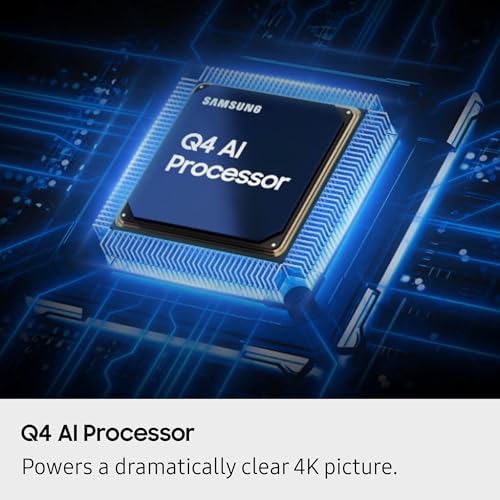
| Q4 AI Processor with Color Booster Pro and scene optimization | 4K Processor X1 with 4K X-Reality PRO upscaling |
| Motion Handling - Critical for sports and action content | |
| Motion Xcelerator 144Hz (excellent blur reduction) | Motionflow XR 200 (adequate but prone to artifacts and blur) |
| Target User - Who benefits most from each TV | |
| Gamers, home theater enthusiasts, bright room viewing | Budget-conscious buyers, casual viewers, PS5 owners |
The Samsung Q8F delivers superior picture quality thanks to its QLED technology with quantum dots and local dimming. It produces more vibrant colors, better contrast, and handles bright rooms better than the Sony BRAVIA 2 II. The Sony offers good picture quality for its price range but lacks the advanced display technology of the Samsung Q8F.
The Samsung Q8F is significantly better for gaming with its 120Hz refresh rate, VRR support, and advanced gaming features like Game Motion Plus. The Sony BRAVIA 2 II is limited to 60Hz and lacks VRR, making it suitable only for casual gaming. Competitive gamers should choose the Samsung Q8F.
The Sony BRAVIA 2 II offers better value for budget-conscious buyers who don't need premium features. However, the Samsung Q8F provides better long-term value with its superior display technology and future-proof gaming capabilities. Your choice depends on whether you prioritize upfront savings or premium performance.
The Samsung Q8F uses QLED technology with quantum dots that produce more accurate colors and higher brightness than traditional LED panels. The Sony BRAVIA 2 II uses conventional LED backlighting, which is still capable but can't match QLED's color volume and brightness capabilities.
Both TVs offer excellent smart features but take different approaches. The Sony BRAVIA 2 II runs Google TV with superior content discovery and voice control options. The Samsung Q8F uses Tizen OS with better smart home integration through SmartThings Hub functionality.
Yes, both support HDR content but at different levels. The Samsung Q8F features Quantum HDR+ with advanced processing and local dimming for better HDR performance. The Sony BRAVIA 2 II supports basic HDR10 and HLG but lacks the hardware to fully showcase HDR's dynamic range.
The Samsung Q8F is much better for bright rooms due to its QLED technology that maintains color accuracy and brightness even under direct sunlight. The Sony BRAVIA 2 II may appear washed out in very bright environments due to its conventional LED panel limitations.
The Sony BRAVIA 2 II has 4 HDMI 2.0 ports, while the Samsung Q8F has 3 HDMI ports. If you need to connect multiple devices like gaming consoles, streaming boxes, and cable boxes, the Sony BRAVIA 2 II offers more flexibility.
Both TVs offer 20W audio output, but the Sony BRAVIA 2 II supports Dolby Atmos and DTS:X for more immersive sound. The Samsung Q8F features Object Tracking Sound and Q-Symphony for soundbar integration. Neither replaces a dedicated sound system, but the Sony has a slight audio advantage.
The Samsung Q8F is better suited for home theater use with its superior contrast from local dimming, quantum dot color accuracy, and Quantum HDR+ processing. The Sony BRAVIA 2 II can work for home theater but lacks the contrast control needed for optimal dark room viewing experiences.
The Sony BRAVIA 2 II has broader app support through Google Play Store and includes 800+ free live TV channels. The Samsung Q8F supports all major streaming services through Tizen OS but may have fewer niche apps available compared to the Android-based Google TV platform.
Choose the Samsung Q8F if you want superior picture quality, gaming performance, or bright room viewing and can justify the higher cost. Choose the Sony BRAVIA 2 II if you're budget-conscious, primarily watch streaming content, or own a PlayStation 5 and don't need high-refresh gaming features.
We've done our best to create useful and informative comparisons to help you decide what product to buy. Our research uses advanced automated methods to create this comparison and perfection is not possible - please contact us for corrections or questions. These are the sites we've researched in the creation of this article: bestbuy.com - rtings.com - tomsguide.com - youtube.com - samsung.com - youtube.com - youtube.com - youtube.com - rtings.com - rtings.com - linqcdn.avbportal.com - bestbuy.com - samsung.com - samsung.com - samsung.com - youtube.com - youtube.com - billsmith.com - samsung.com - samsung.com - samsung.com - hometechnologyreview.com - shopjetson.com - certappl.com - samsung.com - theapplianceplug.com - samsung.com - manuals.plus - bestbuy.com - device.report - samsung.com - shopsilica.com - dentonstv.com - bestbuy.com - notebookcheck.net - rtings.com - youtube.com - youtube.com - rtings.com - avsforum.com - croma.com - totonstv.com - electronics.sony.com - listenup.com - pcrichard.com - youtube.com - flanners.com - brandsmartusa.com - displayspecifications.com - pioneertvandappliance.com - donstv.com

Privacy Policy
Terms and Conditions - Affiliate Policy
Home Security
© Copyright 2008-2026.
11816 Inwood Rd #1211, Dallas, TX 75244