

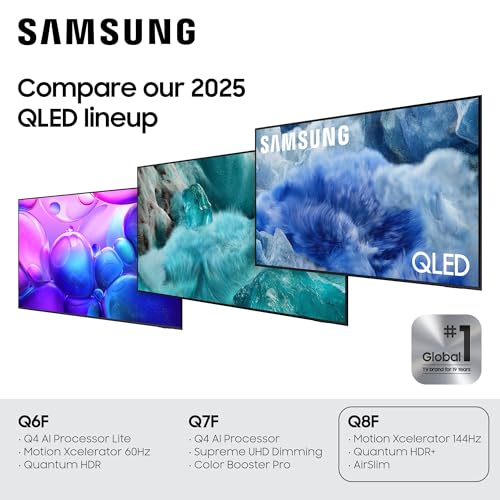
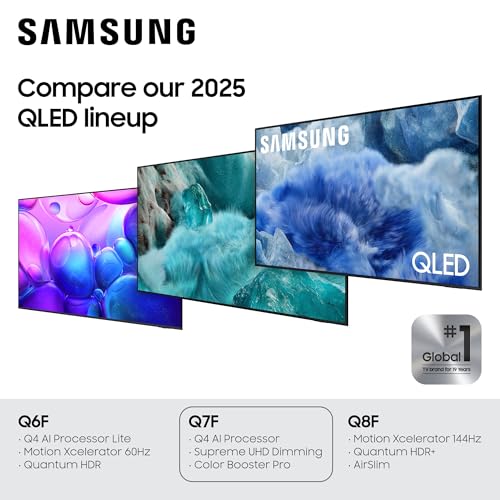
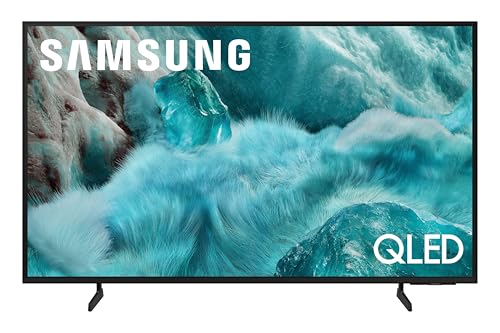
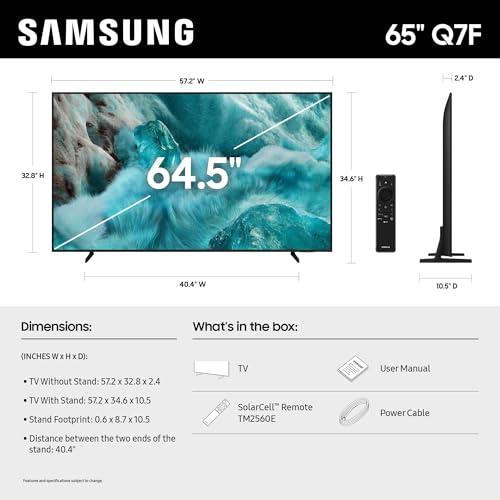
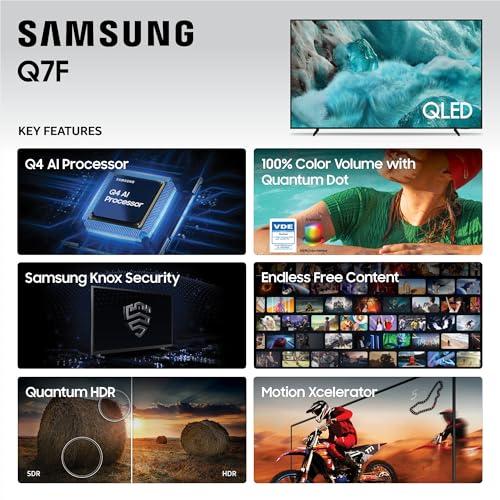
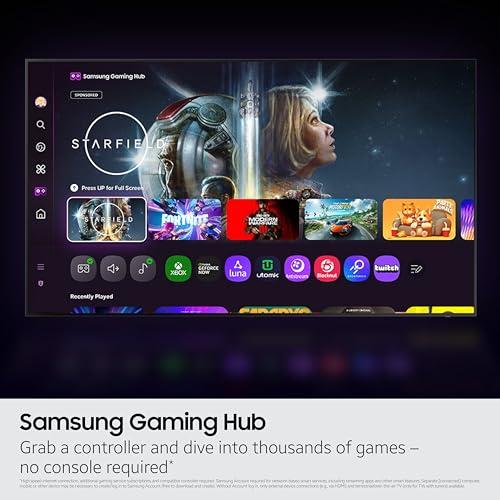
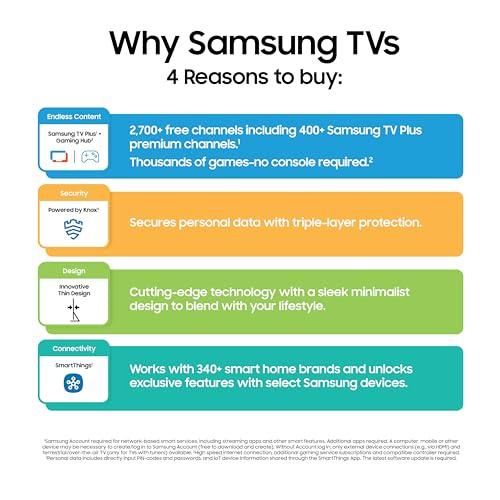
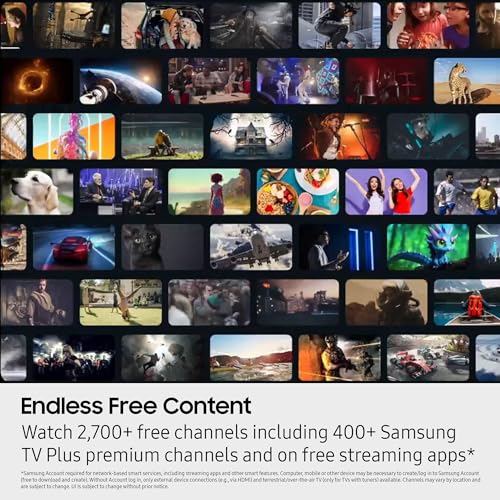
Samsung released both the Q7F and Q8F as part of their 2025 QLED lineup, representing the company's latest efforts to bring quantum dot technology to more affordable price points. While both TVs share the same 65-inch screen size and Samsung's signature vibrant colors, they target very different users—and at the time of writing, the price difference reflects that distinction clearly.
The Q8F positions itself as a step-up model with premium features that matter for serious viewing, while the Q7F focuses on delivering core QLED benefits without the extras. Understanding which approach suits your needs better can save you money or ensure you get the performance you actually want.
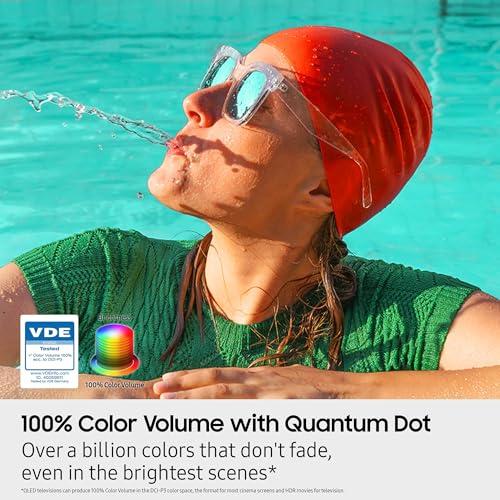
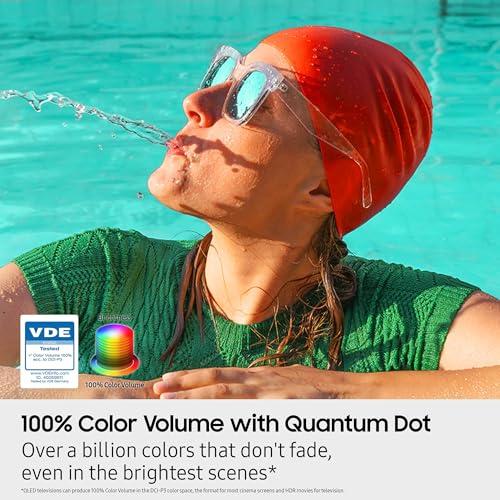
Samsung's QLED technology uses quantum dots—microscopic semiconductor particles that emit specific colors when hit by light. This creates more accurate and vibrant colors compared to standard LED TVs, especially at higher brightness levels. Both the Q7F and Q8F use this technology, but they implement it differently in ways that significantly affect performance.
The most fundamental difference lies in their backlighting systems. The Q7F uses direct-lit LED backlighting, where LEDs sit directly behind the screen in a grid pattern. This approach provides decent uniformity but lacks the precision control needed for deep blacks or bright highlights in the same scene.
The Q8F, however, employs Samsung's Dual LED system—a more sophisticated approach that uses two different LED color temperatures (warm and cool) to achieve better contrast and color accuracy. Think of it like having two different types of light bulbs working together to create the perfect lighting for each scene. This system also enables more precise dimming control, meaning darker parts of the image can actually appear darker while bright areas stay bright.
Based on our research into expert reviews and user feedback, the picture quality gap between these models becomes apparent quickly, especially when watching high-quality content. The Q8F consistently delivers deeper blacks and brighter highlights thanks to its Dual LED backlighting, while the Q7F tends to show grayer blacks that can make dark scenes look washed out.
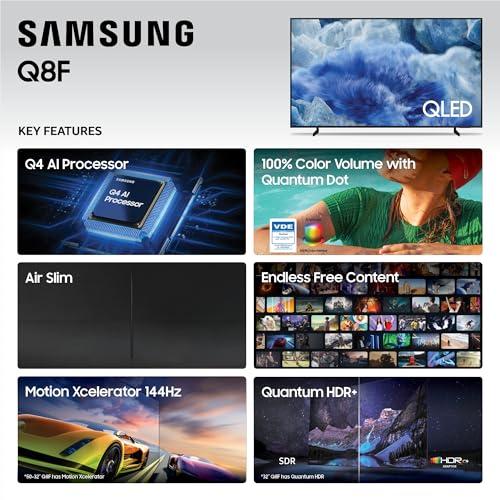
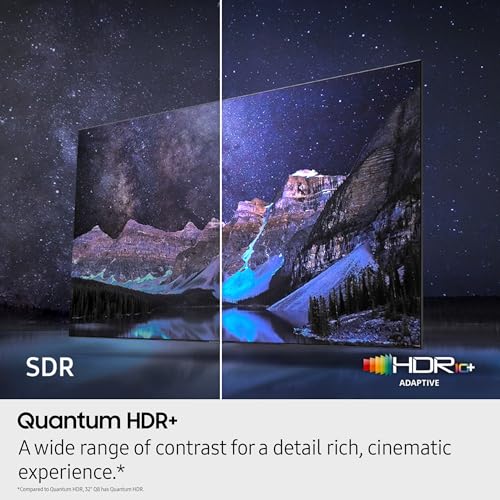
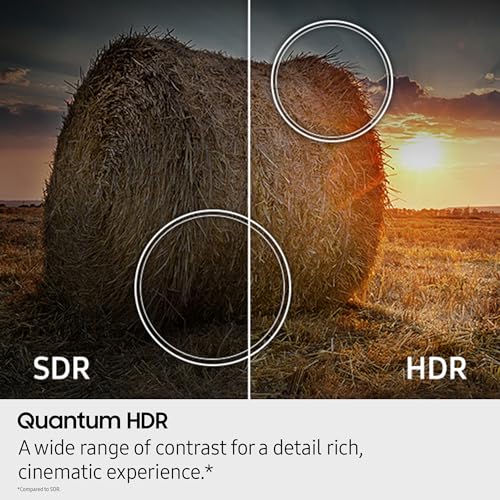
HDR (High Dynamic Range) performance particularly highlights this difference. HDR content is designed to show a wider range of brightness levels—from deep shadows to bright sunlight—and the Q8F handles this challenge much better. Its Quantum HDR+ processing combined with the Dual LED system creates more dramatic contrast that makes HDR movies and shows look more impactful.
Color accuracy also favors the Q8F. While both TVs achieve Samsung's claimed 100% color volume with quantum dots, the Q8F's superior backlighting helps maintain color accuracy across different brightness levels. Reds stay red even in bright scenes, and blues don't shift toward purple in darker content—problems that occasionally affect the Q7F.
For brightness, the Q8F reaches higher peak levels, making it better suited for well-lit rooms where glare might be an issue. If your TV room has large windows or bright overhead lighting, the Q8F's superior brightness helps combat reflections and maintains image quality even during daytime viewing.
This category reveals perhaps the biggest functional difference between these models. The Q7F operates at a standard 60Hz refresh rate, meaning it displays 60 frames per second. For most TV content and movies, this works fine since they're typically filmed at 24 or 30 frames per second.
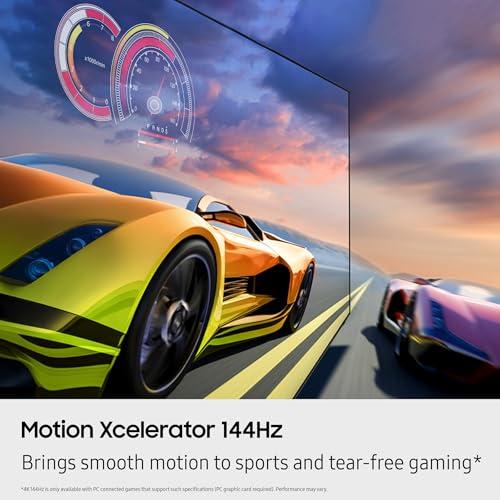
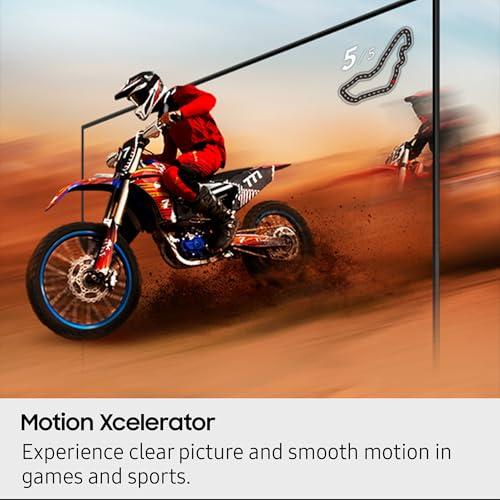
The Q8F, however, features a 144Hz panel with Motion Xcelerator 144Hz technology. This higher refresh rate provides noticeably smoother motion during fast-paced content like sports, action movies, or nature documentaries with sweeping camera movements. The difference becomes particularly apparent during football games or car racing, where you can track moving objects more clearly without the motion blur that affects 60Hz displays.
For movie watching, both TVs handle the standard 24fps cinema content well, but the Q8F's superior processing reduces judder (the stuttering effect when cameras pan across scenes) more effectively. This creates a more film-like experience that's closer to what directors intended.
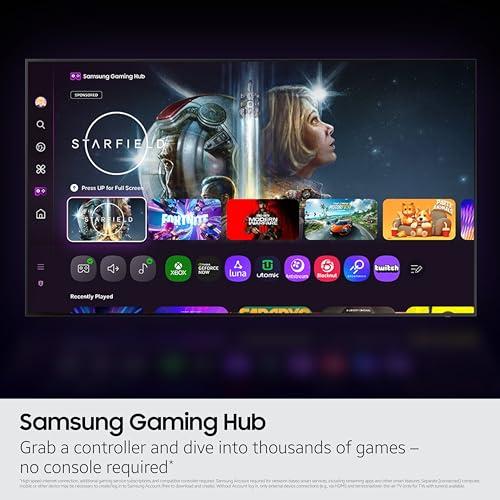
Gaming represents one of the clearest use-case distinctions between these models. The Q7F provides adequate gaming performance for casual players, with low input lag (the delay between pressing a button and seeing the action on screen) and basic gaming features like Auto Game Mode, which automatically optimizes settings when it detects a console.
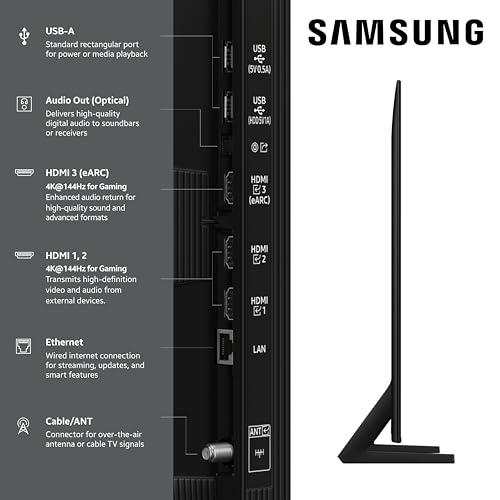
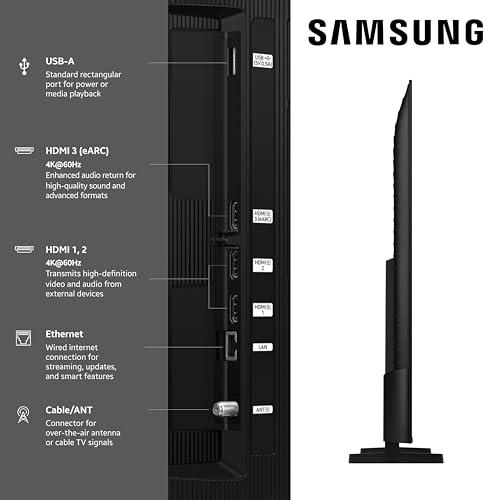
The Q8F, however, transforms into a serious gaming display. Its 144Hz refresh rate supports high frame rate gaming from powerful PCs or newer consoles, creating smoother gameplay that can provide competitive advantages in fast-paced games. The four HDMI 2.1 ports (compared to the Q7F's three standard HDMI inputs) support 4K gaming at 120Hz, which matters for PlayStation 5 and Xbox Series X owners who want to take full advantage of their consoles.
FreeSync Premium Pro support on the Q8F eliminates screen tearing and stuttering during PC gaming, while the Q7F's basic FreeSync Premium provides less comprehensive protection against these visual artifacts. The Q8F also includes Dynamic Black EQ, which automatically brightens dark areas in games without overexposing bright areas—a feature that helps spot enemies hiding in shadows during competitive gaming.
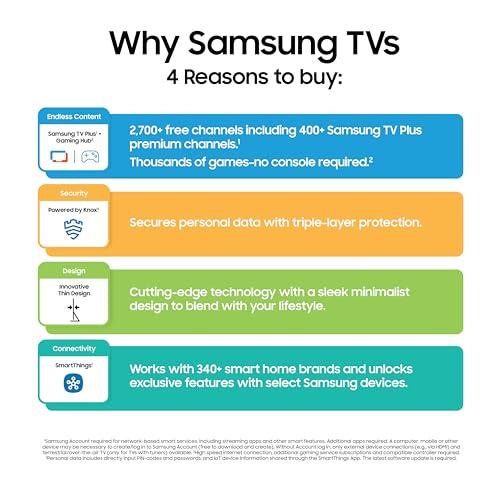
Both TVs run Samsung's Tizen operating system, which provides access to all major streaming apps, Samsung's free TV Plus service, and integration with smart home devices through SmartThings. The interface feels responsive on both models, and setup remains straightforward for users familiar with Samsung TVs.
The Q8F includes several premium smart features that the Q7F lacks. Farfield voice interaction means you can control the TV by speaking to it from across the room without pointing the remote—similar to having an Alexa or Google Assistant built directly into your display. This feature works surprisingly well for basic commands like changing channels or adjusting volume.
Live Translate represents another Q8F exclusive that could prove valuable for households that watch international content. This AI-powered feature provides real-time translation subtitles for supported broadcast programs, making foreign language shows more accessible.
The Daily Board feature transforms the Q8F into an information display when not actively watching content, showing weather, news, calendar events, or custom messages. While not essential, it adds utility for families who like having information readily available in their living spaces.
For dedicated home theater setups, the Q8F proves more suitable despite both models lacking the local dimming zones found in higher-end TVs. Its superior contrast ratio and brightness handling create a more cinematic experience, especially in controlled lighting environments where you can take advantage of deeper blacks and brighter highlights.
The Q8F's wide viewing angle technology helps maintain picture quality when viewed from seats off to the side—important for larger rooms or sectional seating arrangements. The Q7F's more limited viewing angles mean colors and contrast degrade noticeably when watching from the sides of the room.
Both models support Q-Symphony, allowing their built-in speakers to work alongside compatible Samsung soundbars for enhanced audio. However, serious home theater enthusiasts will likely want to pair either TV with a dedicated sound system, as the 20-watt built-in speakers on both models provide adequate but not exceptional audio performance.
Eye Comfort Mode on the Q8F automatically adjusts color temperature throughout the day to reduce blue light exposure, which can help with late-night viewing sessions. This feature, combined with the superior motion handling, makes the Q8F more comfortable for extended viewing periods.
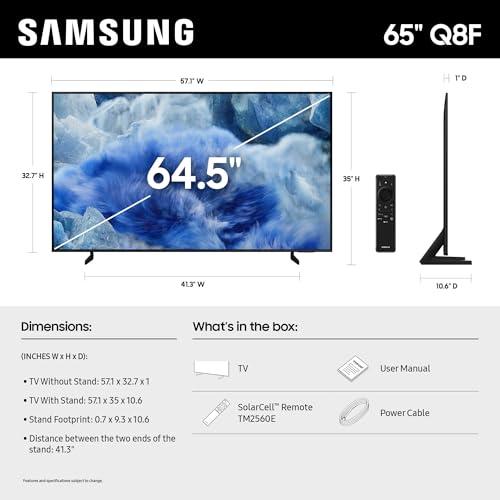
Both TVs feature Samsung's sleek aesthetic with minimal bezels and clean cable management, but the Q8F takes a more premium approach. Its AirSlim profile creates a thinner appearance that looks more sophisticated whether wall-mounted or placed on a stand.
The stand designs differ notably: the Q7F includes adjustable feet that can accommodate different furniture configurations, while the Q8F features Samsung's Aero Linear stand with a more premium appearance. Both approaches work well, but the Q8F's design language feels more cohesive with modern home decor.
Build quality feels solid on both models, though the Q8F's additional features and processing power suggest it's built to handle more demanding use cases over time.
When evaluating these TVs, focus on these key performance areas:
Contrast ratio proves most important for overall picture quality, where the Q8F clearly excels due to its Dual LED system. Peak brightness matters if your room has significant ambient light, again favoring the Q8F. Motion resolution—how clearly you can see moving objects—strongly favors the Q8F's 144Hz panel.
For gaming specifically, input lag (both models perform well here) and refresh rate capability (where the Q8F dominates) determine the experience quality. Color accuracy remains good on both, though the Q8F maintains consistency better across different content types.
The Q7F makes sense for buyers who primarily watch standard TV programming, news, and casual streaming content. If your viewing habits center around sitcoms, drama series, or daytime programming, and you're not planning to do serious gaming or home theater use, the Q7F delivers solid QLED picture quality at a more accessible price point.
Choose the Q8F if you regularly watch movies, sports, or other content where motion and contrast matter. Gaming enthusiasts, particularly those with newer consoles or powerful PCs, will benefit significantly from the higher refresh rate and advanced gaming features. The Q8F also suits users who want their TV to serve multiple roles—from entertainment centerpiece to smart home hub.
For home theater applications, the Q8F's superior picture processing and contrast handling justify the premium, even though neither model reaches the performance levels of Samsung's flagship Neo QLED TVs.
At the time of writing, the price difference between these models reflects meaningful technology upgrades rather than minor cosmetic changes. The Q8F's Dual LED backlighting, 144Hz refresh rate, and enhanced processing provide tangible benefits that justify the premium for users who will actually utilize these improvements.
However, the Q7F shouldn't be dismissed as a budget compromise. It delivers genuine QLED benefits including vibrant colors, smart features, and solid overall performance. For many users, especially those upgrading from older LCD TVs, the Q7F represents excellent value.
The decision ultimately comes down to matching your actual viewing habits and expectations with the appropriate technology level. If you're building a setup around gaming or premium content viewing, invest in the Q8F. If you want QLED quality for everyday viewing without premium features you won't use, the Q7F delivers better value for your specific needs.
| Samsung 65" QLED Q8F 4K Smart TV 2025 | Samsung 65-Inch Q7F Series QLED Smart TV 2025 |
|---|---|
| Backlighting Technology - The biggest performance difference between these models | |
| Dual LED edge-lit with precise dimming control | Direct-lit LED with no local dimming |
| Refresh Rate - Critical for sports, gaming, and smooth motion | |
| 144Hz with Motion Xcelerator 144Hz | 60Hz with basic Motion Xcelerator |
| HDR Processing - Affects how dramatic and realistic HDR content looks | |
| Quantum HDR+ with Auto HDR Remastering | Standard Quantum HDR |
| Gaming Features - Essential for console and PC gaming | |
| 4 HDMI 2.1 ports, FreeSync Premium Pro, Dynamic Black EQ | 3 HDMI ports, basic FreeSync Premium |
| Smart TV Exclusive Features - Convenience upgrades for daily use | |
| Farfield voice control, Live Translate, Daily Board, Eye Comfort Mode | Standard Tizen OS with basic voice control |
| Viewing Angles - Important for wide seating arrangements | |
| Wide viewing angle technology maintains colors off-center | Limited viewing angles with color/contrast degradation |
| Design Profile - Aesthetic and mounting considerations | |
| AirSlim chassis with premium Aero Linear stand | Standard slim profile with adjustable plastic feet |
| Picture Processing - Advanced AI features for content optimization | |
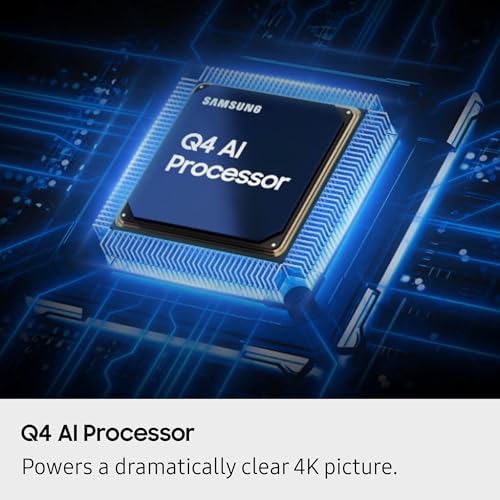
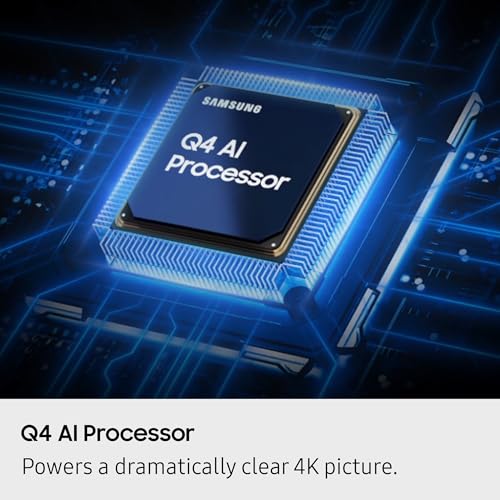
| Q4 AI Processor with Real Depth Enhancer | Q4 AI Gen1 Processor with Vision AI |
| Audio System - Both models have identical sound capabilities | |
| 20W 2CH with Object Tracking Sound Lite and Q-Symphony | 20W 2CH with Object Tracking Sound Lite and Q-Symphony |
The biggest difference is the backlighting technology. The Samsung 65" QLED Q8F 4K Smart TV 2025 uses Dual LED backlighting with precise dimming control, while the Samsung 65-Inch Q7F Series QLED Smart TV 2025 has basic direct-lit LED backlighting. This means the Q8F delivers deeper blacks, better contrast, and superior HDR performance.
The Samsung 65" QLED Q8F 4K Smart TV 2025 is significantly better for gaming. It features a 144Hz refresh rate, 4 HDMI 2.1 ports, FreeSync Premium Pro, and Dynamic Black EQ. The Samsung 65-Inch Q7F Series QLED Smart TV 2025 only has 60Hz refresh rate and basic gaming features, making it suitable for casual gaming only.
The Samsung 65" QLED Q8F 4K Smart TV 2025 is much better for sports viewing due to its 144Hz refresh rate and Motion Xcelerator 144Hz technology. This eliminates motion blur and provides smoother tracking of fast-moving action. The Samsung 65-Inch Q7F Series QLED Smart TV 2025's 60Hz panel may show motion blur during fast-paced sports.
The Samsung 65" QLED Q8F 4K Smart TV 2025 performs better in bright rooms due to its superior peak brightness and Dual LED backlighting system. It can combat glare more effectively than the Samsung 65-Inch Q7F Series QLED Smart TV 2025, which may struggle with reflections in well-lit environments.
The Samsung 65" QLED Q8F 4K Smart TV 2025 features a 144Hz refresh rate, while the Samsung 65-Inch Q7F Series QLED Smart TV 2025 has a 60Hz refresh rate. The higher refresh rate on the Q8F provides smoother motion for sports, gaming, and action content.
Yes, both the Samsung 65" QLED Q8F 4K Smart TV 2025 and Samsung 65-Inch Q7F Series QLED Smart TV 2025 feature identical 20W 2CH speaker systems with Object Tracking Sound Lite and Q-Symphony soundbar compatibility. Audio performance is essentially the same between models.
For serious movie watching, the Samsung 65" QLED Q8F 4K Smart TV 2025 is the better choice. Its Dual LED backlighting, superior HDR processing, and better motion handling create a more cinematic experience. The Samsung 65-Inch Q7F Series QLED Smart TV 2025 works for casual movie viewing but lacks the picture quality refinements that enhance the film experience.
We've done our best to create useful and informative comparisons to help you decide what product to buy. Our research uses advanced automated methods to create this comparison and perfection is not possible - please contact us for corrections or questions. These are the sites we've researched in the creation of this article: bestbuy.com - rtings.com - tomsguide.com - youtube.com - samsung.com - youtube.com - youtube.com - youtube.com - rtings.com - rtings.com - linqcdn.avbportal.com - bestbuy.com - samsung.com - samsung.com - samsung.com - youtube.com - youtube.com - billsmith.com - samsung.com - samsung.com - samsung.com - hometechnologyreview.com - shopjetson.com - certappl.com - samsung.com - theapplianceplug.com - samsung.com - manuals.plus - bestbuy.com - device.report - samsung.com - shopsilica.com - dentonstv.com - bestbuy.com - rtings.com - bestbuy.com - youtube.com - youtube.com - youtube.com - samsung.com - samsung.com - samsung.com - billsmith.com - costco.com - samsung.com - hometechnologyreview.com - hometechnologyreview.com - bestbuy.com - samsung.com - bestbuy.com - samsung.com - hometechnologyreview.com - samsung.com - samsung.com

Privacy Policy
Terms and Conditions - Affiliate Policy
Home Security
© Copyright 2008-2026.
11816 Inwood Rd #1211, Dallas, TX 75244