

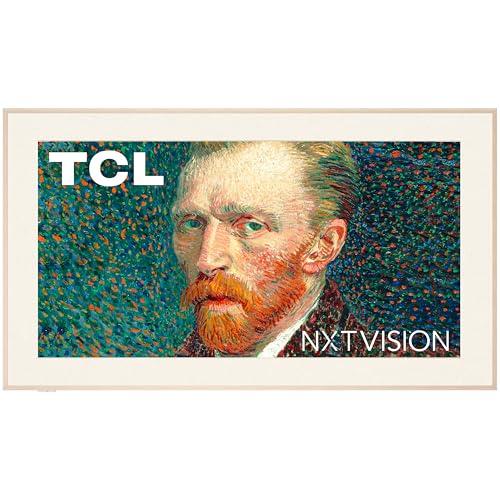


Choosing a 65-inch TV used to be straightforward—bigger was better, and the focus was purely on performance. But as TVs have evolved into lifestyle products that live in our homes 24/7, manufacturers are taking radically different approaches to what a premium television should be. The Samsung 65" QLED Q8F 2025 represents the traditional path: pack in the best technology for superior picture quality and gaming performance. The TCL 65" NXTVISION QLED Art Frame TV, released in 2024, takes a completely different approach by asking "what if your TV could disappear when you're not watching it?"
Both TVs cost thousands of dollars (at the time of writing), but they're solving fundamentally different problems. Understanding which problem matters more to you is the key to making the right choice.
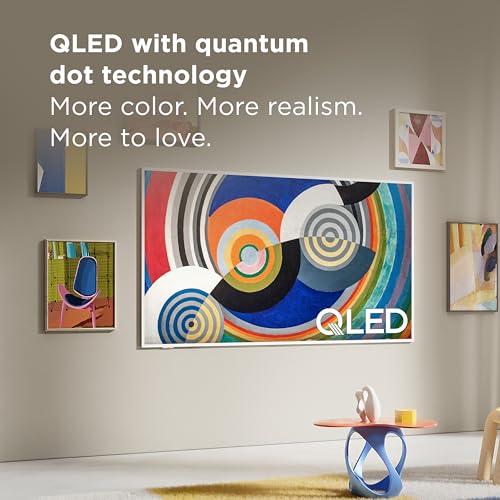
The 65-inch premium TV market has exploded over the past few years as display technology has gotten better and more affordable. QLED technology—which uses tiny quantum dots to produce more accurate and vibrant colors—has become the standard for bright, colorful displays that work well in most living rooms. Unlike OLED TVs that produce perfect blacks but can struggle with brightness, QLED displays excel in bright rooms where most of us actually watch TV.
But here's where things get interesting: as TVs have gotten thinner and better-looking, some manufacturers started asking whether a TV needs to look like a TV when it's turned off. Samsung pioneered this thinking with their Frame series, and now TCL is pushing even further with their ultra-thin approach.
The core considerations when shopping in this price range haven't changed much: you want excellent picture quality for movies and shows, smooth performance for gaming, smart features that actually work well, and good sound without needing to immediately buy a soundbar. What's new is whether you also care about the TV functioning as a piece of art or design element in your room.
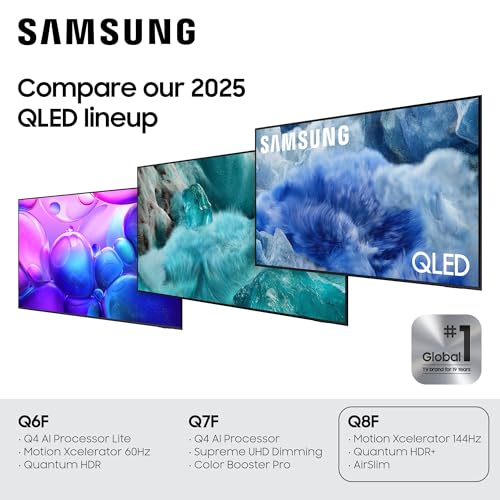
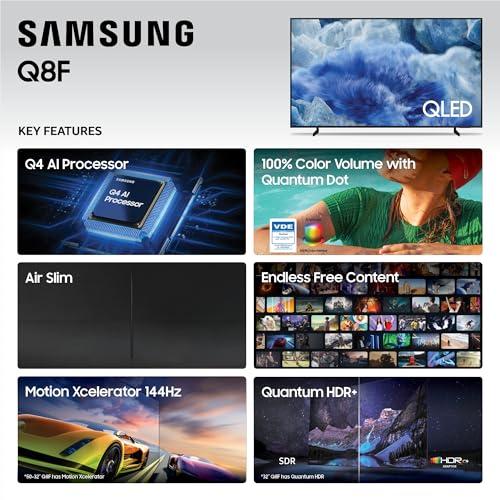
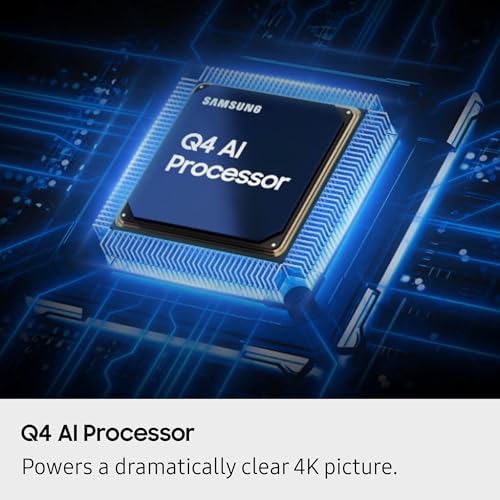
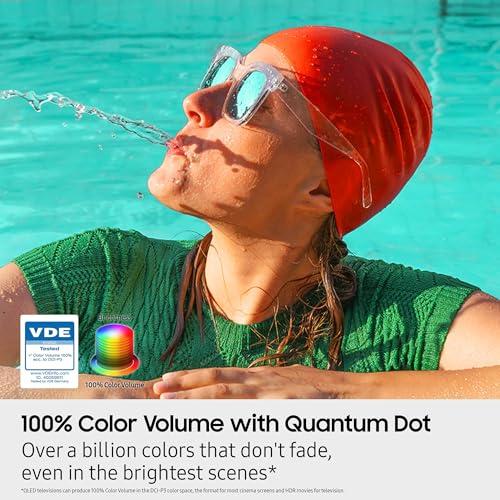
Picture quality is where the Samsung Q8F shows why traditional TV manufacturers still have major advantages. Samsung's Q4 AI Processor is doing serious computational work behind the scenes—it's analyzing every frame of content to optimize colors, contrast, and sharpness in real-time. This isn't marketing fluff; when you're watching a dark movie scene, the processor is actively adjusting brightness zones across the screen to make sure you can see details in shadows without washing out bright areas.
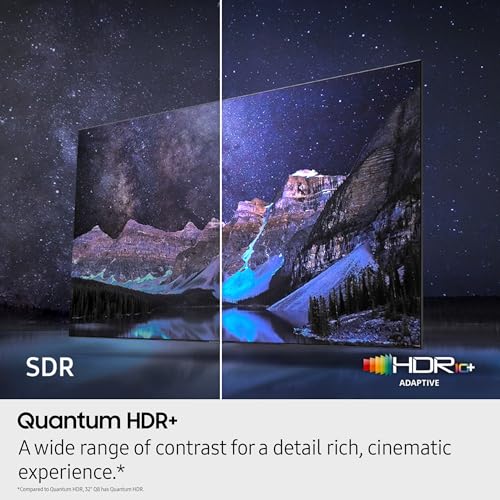
The Q8F's Quantum HDR+ support goes beyond just checking HDR compatibility boxes. HDR (High Dynamic Range) content contains information about much brighter brights and darker darks than standard video, but your TV needs the hardware to actually display that range. Samsung's implementation here can hit much higher peak brightness levels than the TCL, which means HDR content like Netflix movies or PlayStation 5 games actually look noticeably more impactful—explosions are blindingly bright, while maintaining detail in darker areas of the same scene.
One standout feature is the Dual LED backlighting system. Most TVs use LEDs of a single color temperature, but Samsung uses two different color temperatures that can be dynamically adjusted. This sounds technical, but the real-world impact is significant: warm scenes (like candlelit dinners) look more natural and cold scenes (like snowy landscapes) have better contrast. Combined with Supreme UHD Dimming—which divides the screen into hundreds of zones that can be individually controlled—you get much more nuanced control over how bright and dark areas appear on screen.
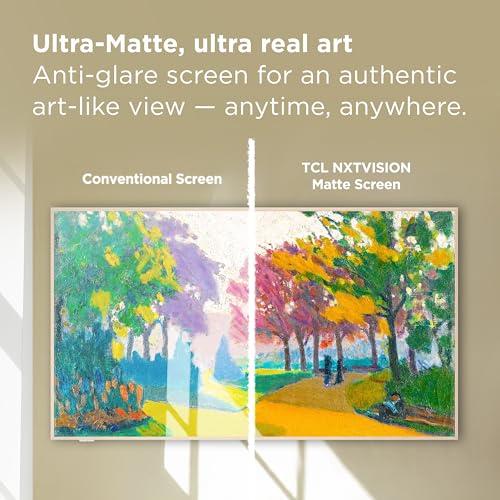
The TCL NXTVISION takes a different approach entirely. Its standout feature is the Ultra Matte Anti-Glare Screen, and this is genuinely revolutionary for many viewing situations. Traditional TV screens are reflective, which means if you have windows behind your couch or bright lights in your room, you'll see reflections that wash out the picture. TCL's matte coating virtually eliminates this problem. The trade-off is that the matte surface slightly reduces the "pop" of colors and makes the overall image appear less vibrant, but for many rooms, this is absolutely worth it.
In terms of raw color performance, the TCL's QLED Pro technology with KSF phosphor coating does produce rich, saturated colors, but our research into professional reviews consistently shows color accuracy issues. Colors might look vivid, but they're not necessarily accurate to what the content creator intended. This matters more for movies and high-quality streaming content than it does for casual TV watching.
For HDR performance specifically, the Samsung Q8F has a clear advantage. While both TVs support Dolby Vision and HDR10+ (the two main HDR formats you'll encounter), Samsung's higher peak brightness and better local dimming mean HDR content actually delivers the "wow factor" you're paying for. The TCL supports all the same formats but lacks the hardware muscle to make them truly shine.
Gaming has become a major consideration for TV buyers, especially with PlayStation 5 and Xbox Series X pushing 4K gaming at high frame rates. Both TVs market impressive gaming specs, but the reality is more nuanced.
The TCL NXTVISION actually has more impressive specs on paper: Game Accelerator 240 technology that supports up to 240Hz variable refresh rate (VRR), and two HDMI 2.1 ports that can handle 4K at 144Hz or 1080p at 240Hz. VRR is crucial for smooth gaming because it lets your TV sync its refresh rate with your console or PC's frame rate, eliminating screen tearing and stuttering.
However, specs don't tell the whole story. The TCL's pixel response time—how quickly individual pixels can change from one color to another—is notably slower than Samsung's implementation. This means that despite the high refresh rate, you'll see more motion blur during fast-paced gaming. For competitive gaming where every millisecond matters, this is a significant drawback.
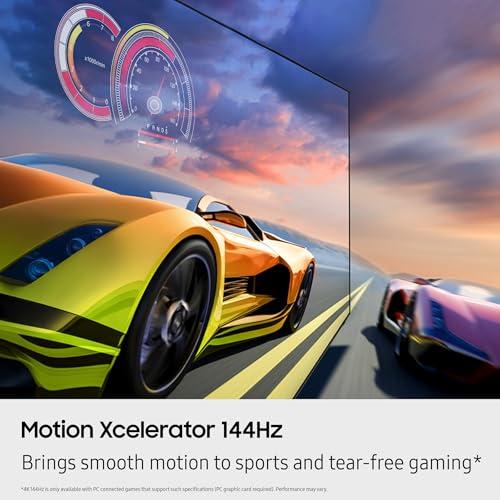
The Samsung Q8F with Motion Xcelerator 144Hz technology delivers better real-world gaming performance despite lower maximum refresh rates. Samsung's decades of display engineering show here: the TV's Auto Game Mode automatically detects when you're gaming and switches to optimized settings with lower input lag (the delay between pressing a button and seeing the action on screen). The AI processing also continues to work in gaming mode, smoothing out frame rate drops and optimizing motion clarity without introducing significant lag.
Both TVs support AMD FreeSync Premium and have Auto Low Latency Mode (ALLM), which are essentially standard features in this price range. For casual gamers playing single-player adventures or racing games, either TV will work fine. For competitive multiplayer gaming, the Samsung's superior motion handling and lower input lag make it the better choice.
The smart TV experience has become almost as important as picture quality, since most of us spend more time navigating menus and launching apps than adjusting picture settings.
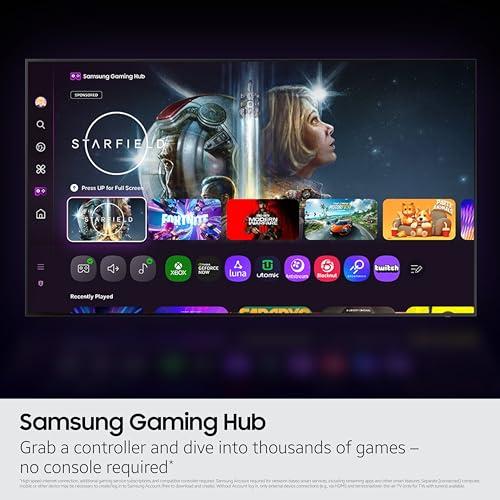
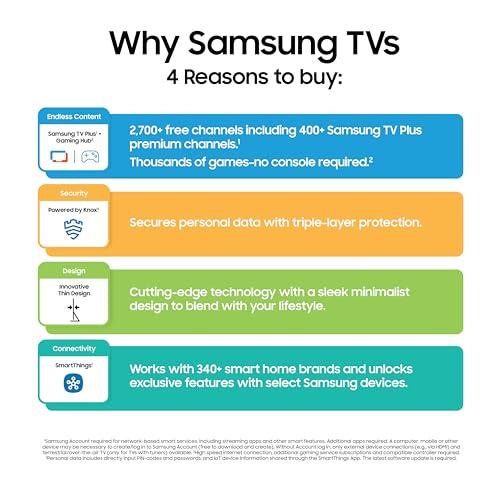
Samsung's approach with the Q8F is comprehensive integration. The Tizen Smart TV platform is mature and responsive, but where Samsung really differentiates is with ecosystem features. The SmartThings Hub functionality with Matter support means your TV can control other smart home devices—dim your Philips Hue lights when starting a movie, or check your Ring doorbell camera without switching inputs. The Multi-View feature lets you watch two different inputs simultaneously, which is genuinely useful for keeping an eye on sports while browsing streaming apps.
The Generative Wallpaper feature is uniquely interesting: using AI, the TV can create custom background images based on keywords you provide. It sounds gimmicky, but it's actually quite elegant for personalizing your space when the TV is idle.
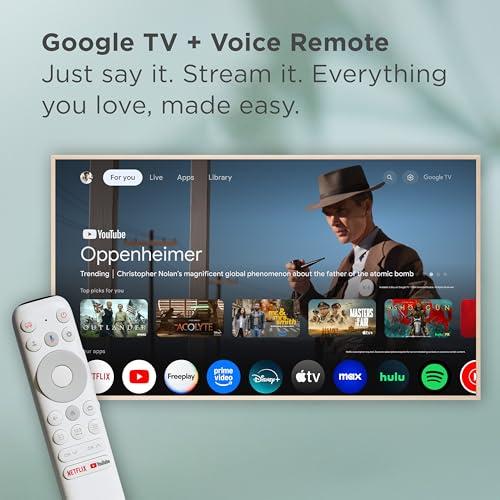
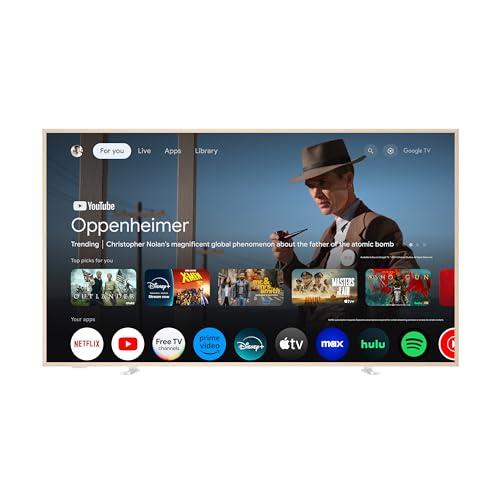
TCL went with Google TV for the NXTVISION, which is arguably the most user-friendly smart TV platform available. Google TV excels at content discovery, showing you movies and shows from across your streaming services in one unified interface. The hands-free Google Assistant integration works well, and Chromecast built-in makes it effortless to share content from your phone.
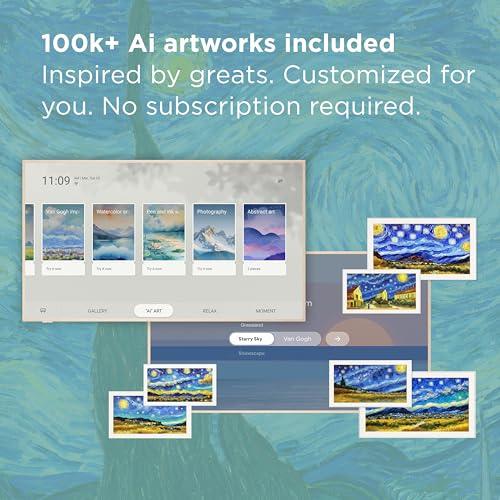
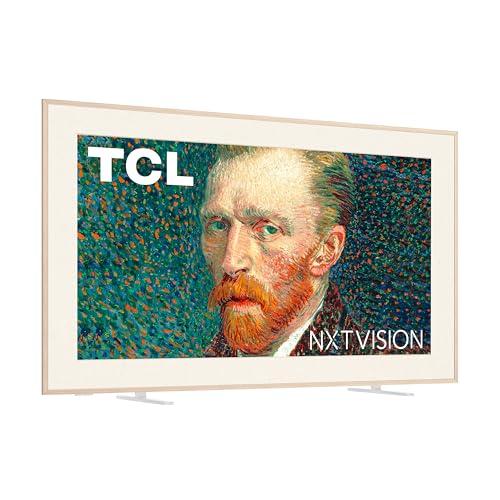
However, TCL's real smart feature innovation is in the art display functionality. The TV includes a curated library of over 400 artworks, plus AI art generation that can create unique pieces based on your preferences. When combined with the Ultra Matte screen, displayed artwork genuinely looks like a framed piece hanging on your wall. This isn't just a screensaver—it's a fundamentally different way of thinking about what a TV does when you're not actively watching it.
TV audio has improved dramatically in recent years, but physics still limits what's possible in ultra-thin displays. Both TVs offer solid built-in audio that's better than most TVs from even a few years ago, but they take different approaches.
The Samsung Q8F includes Object Tracking Sound Lite (OTS Lite), which uses multiple speakers to create directional audio that follows action across the screen. When a car drives from left to right in a movie, the sound actually moves with it. Q-Symphony technology is particularly clever: if you connect a compatible Samsung soundbar, the TV's speakers don't turn off completely—instead, they work together with the soundbar to create a more immersive experience.
Adaptive Sound+ continuously analyzes what you're watching and adjusts audio accordingly. Dialog in a quiet drama gets different processing than explosions in an action movie. The Active Voice Amplifier specifically boosts dialog when it detects background noise in your room, which is surprisingly effective.
The TCL NXTVISION offers solid conventional audio with Dolby Atmos support, which provides virtual surround sound through the built-in speakers. The Enhanced Dialogue Mode helps with speech clarity, and Bluetooth Personal Audio lets you connect wireless headphones for private listening.
Neither TV will replace a good soundbar or home theater system, but Samsung's more advanced processing and speaker arrangement give it an edge for users who plan to rely primarily on built-in audio.
This is where the two TVs diverge most dramatically, and where your personal preferences and home setup matter most.
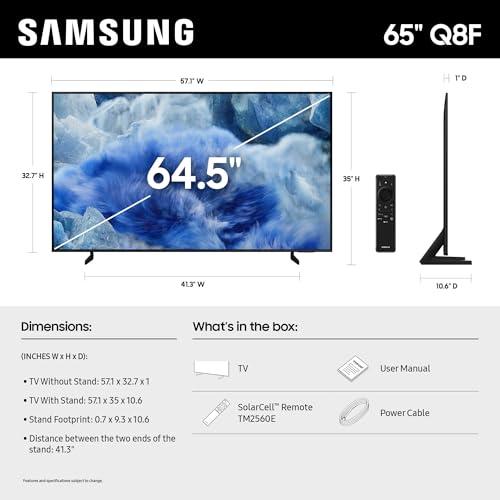
The Samsung Q8F represents refined traditional design. The AirSlim profile is genuinely thin and attractive, with clean lines that look good whether wall-mounted or on a stand. It's designed to be an excellent TV that happens to look good, rather than furniture that happens to be a TV.
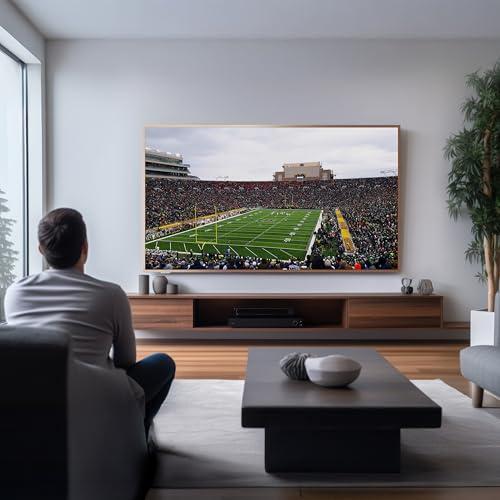
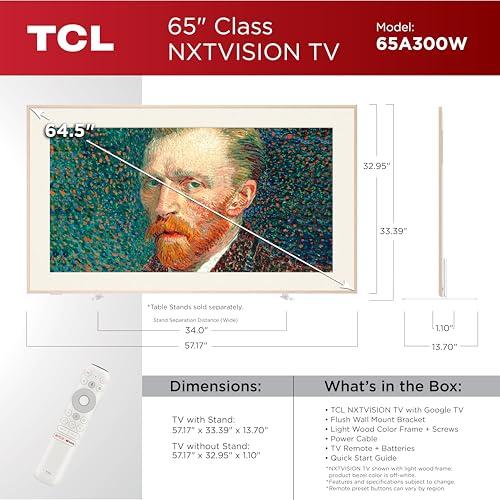
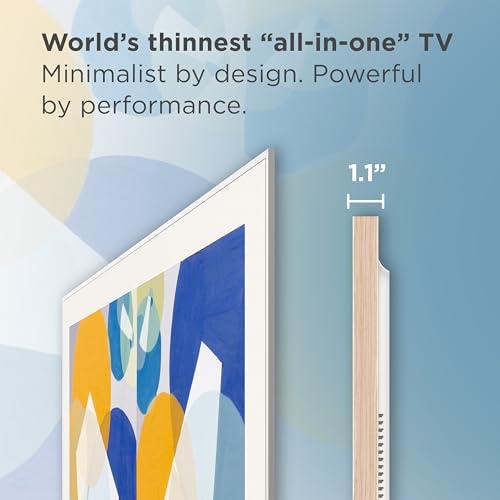
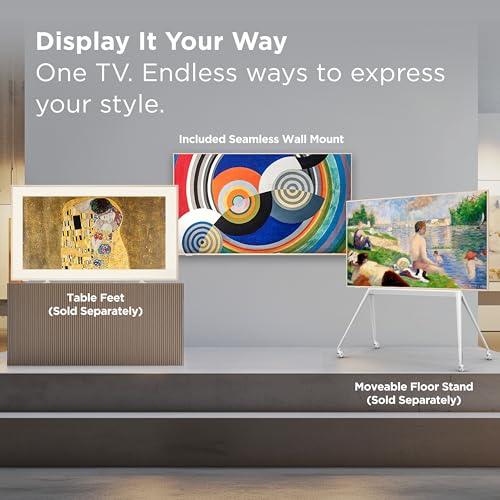
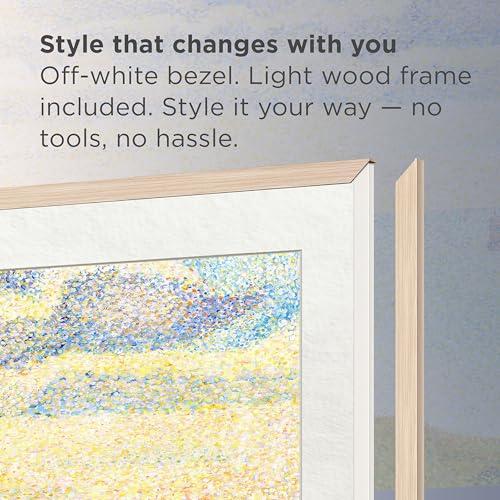
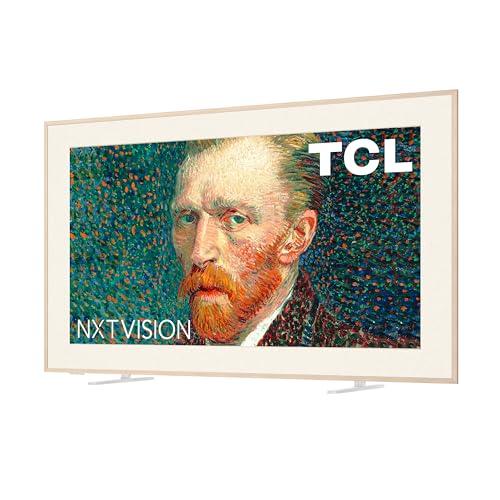
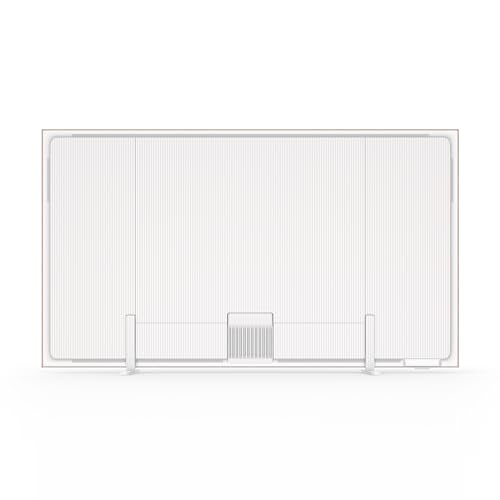
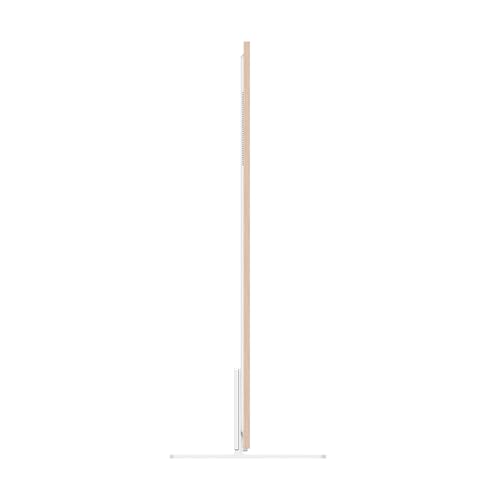
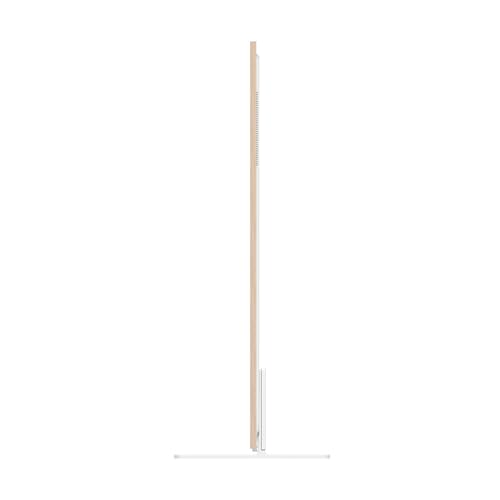
The TCL NXTVISION is making a bold statement about what a TV can be. At just 1.1 inches deep, it's one of the thinnest TVs ever made. The included flush wall mount and magnetic wood frame transform it into something that genuinely resembles a large framed artwork when displaying art content. The ultra-matte screen enhances this illusion—there's no glossy black rectangle dominating your wall when the TV is off.
The trade-offs are significant though. The TCL essentially requires wall mounting (no traditional stand is included), and the art-focused design means some traditional TV features take a back seat to aesthetics.
After extensive research into professional reviews and user experiences, some clear patterns emerge about who should choose which TV.
The Samsung Q8F consistently performs better for traditional TV usage. If you're someone who cares about getting the best possible picture quality for movies and shows, Samsung's superior HDR performance and color accuracy justify the investment. The gaming advantages are real and noticeable if you're playing fast-paced games. The comprehensive smart features and ecosystem integration add genuine utility, especially if you have other Samsung devices or want your TV to serve as a smart home hub.
The TCL NXTVISION solves a specific problem exceptionally well: what to do with a large TV in a bright, design-conscious living space. The anti-glare screen technology is genuinely superior for rooms with lots of windows or bright lighting. The art display functionality isn't just a novelty—it fundamentally changes how the TV integrates into your living space. For households where the TV is on occasionally but the room is used constantly, this approach makes tremendous sense.
For dedicated home theater setups, the Samsung Q8F is clearly the better choice. Home theaters typically have controlled lighting where the anti-glare benefits of the TCL aren't necessary, while the Samsung's superior contrast, HDR performance, and color accuracy become much more apparent. The advanced audio processing also matters more in a dedicated viewing environment.
The TCL's art display features don't add value in a dedicated theater room, and the matte screen's slight reduction in color vibrancy becomes more noticeable when you're focused purely on picture quality.
At the time of writing, both TVs command premium pricing, but they're delivering value in fundamentally different ways.
Choose the Samsung Q8F if you want the best traditional TV experience. It delivers superior picture quality, better gaming performance, and more comprehensive features. It's the right choice for movie enthusiasts, serious gamers, anyone with a home theater setup, or households where TV picture quality is a priority.
Choose the TCL NXTVISION if you want a TV that solves the "big black rectangle" problem while still delivering good (though not exceptional) performance. It's perfect for bright living rooms, design-conscious households, or anyone who wants their TV to serve double duty as art. The ultra-slim design and anti-glare technology address real problems that traditional TVs can't solve.
The decision ultimately comes down to priorities: peak performance versus lifestyle integration. Both approaches have merit, but understanding which matters more to your specific situation will guide you to the right choice for your home and viewing habits.
| Samsung 65" QLED Q8F 2025 | TCL 65" NXTVISION QLED Art Frame TV |
|---|---|
| Display Technology - Foundation for picture quality and brightness | |
| QLED with Dual LED backlighting, Supreme UHD Dimming | QLED PRO with High Brightness+ LED Edge-Lit, Ultra Matte Anti-Glare Screen |
| HDR Performance - Critical for movie and gaming visuals | |
| Quantum HDR+, HDR10+ Adaptive, superior peak brightness | HDR ULTRA with Dolby Vision IQ, HDR10+, but lower peak brightness |
| Processor - Determines upscaling and smart features responsiveness | |
| Q4 AI Processor with real-time scene optimization | TCL AIPQ PRO Processor with motion smoothing |
| Gaming Features - Essential for console and PC gaming | |
| Motion Xcelerator 144Hz, Auto Game Mode, lower input lag | Game Accelerator 240 (up to 240Hz VRR), slower pixel response time |
| Design Philosophy - How the TV integrates into your living space | |
| AirSlim traditional design, 3 bezel-less, includes stand | Ultra-slim 1.1" depth, flush wall mount, magnetic wood frame, art display focus |
| Anti-Glare Technology - Crucial for bright rooms with windows | |
| Standard glossy screen with wide viewing angle | Ultra Matte Anti-Glare Screen, significantly reduces reflections |
| Audio System - Determines if you need external speakers | |
| Object Tracking Sound Lite, Q-Symphony, Adaptive Sound+, 20W | Dolby Atmos, DTS Virtual:X, Enhanced Dialogue Mode, 20W |
| Smart TV Platform - Affects app availability and user experience | |
| Tizen with SmartThings Hub, Matter support, Multi-View | Google TV with hands-free Assistant, Chromecast built-in |
| Art Display Features - Transforms TV into digital artwork when off | |
| Generative Wallpaper with AI backgrounds | 400+ curated artworks, AI Art generation, personal photo gallery |
| HDMI 2.1 Ports - Important for next-gen console gaming | |
| 3 HDMI ports (eARC support) | 4 HDMI ports (2 x HDMI 2.1 with 4K@144Hz support) |
| Local Dimming - Controls contrast in dark scenes | |
| Supreme UHD Dimming with precise zone control | Edge-lit design without local dimming zones |
| Installation Requirements - Affects setup complexity and placement options | |
| Traditional TV with included stand and wall mounting options | Wall-mount only design with included flush mount system |
The Samsung 65" QLED Q8F delivers superior picture quality with its Quantum HDR+ technology, Dual LED backlighting, and Q4 AI Processor that provides real-time scene optimization. It achieves higher peak brightness and better contrast ratios, making HDR content more impactful. The TCL NXTVISION offers good picture quality but prioritizes anti-glare performance over absolute color accuracy and contrast.
The biggest difference is design philosophy: the Samsung Q8F is a traditional premium TV focused on maximum performance, while the TCL NXTVISION is designed as a lifestyle product that doubles as digital artwork when not in use. The TCL features an ultra-slim 1.1" profile and Ultra Matte Anti-Glare Screen, while Samsung prioritizes superior HDR performance and gaming features.
The Samsung Q8F provides better real-world gaming performance despite the TCL NXTVISION having higher refresh rate specs. Samsung's Motion Xcelerator 144Hz technology, lower input lag, and faster pixel response times make it superior for competitive gaming, while TCL's Game Accelerator 240 offers impressive specs but slower actual performance.
Only the TCL NXTVISION is specifically designed for art display, featuring over 400 curated artworks, AI art generation, and a magnetic wood frame that makes it look like a real framed piece. The Samsung Q8F offers Generative Wallpaper with AI-created backgrounds but isn't designed primarily as an art display.
The TCL NXTVISION excels in bright rooms thanks to its Ultra Matte Anti-Glare Screen that virtually eliminates reflections from windows and lights. The Samsung Q8F has higher brightness output but uses a traditional glossy screen that can show reflections in very bright environments.
Yes, both TVs support all major streaming platforms. The Samsung Q8F runs Tizen Smart TV OS with comprehensive app support, while the TCL NXTVISION uses Google TV, which many consider the most user-friendly streaming interface with excellent content discovery features.
The Samsung Q8F offers more advanced audio with Object Tracking Sound Lite, Q-Symphony soundbar integration, and Adaptive Sound+ that adjusts based on content and room noise. The TCL NXTVISION provides solid Dolby Atmos support but with more conventional audio processing.
The Samsung Q8F is significantly better for dedicated home theater use, offering superior HDR performance, better color accuracy, and advanced audio processing that matter more in controlled lighting environments. The TCL NXTVISION art display features don't add value in a theater room, and its matte screen slightly reduces color vibrancy.
The TCL NXTVISION is designed specifically for wall mounting with an included flush mount system and essentially requires wall installation (no traditional stand included). The Samsung Q8F can be wall mounted or used with its included stand, offering more placement flexibility.
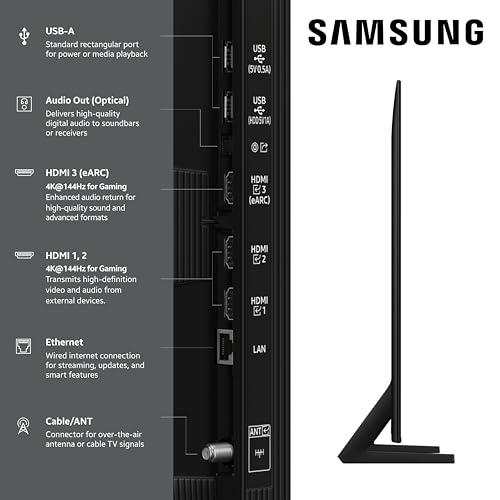
The TCL NXTVISION has 4 HDMI ports with 2 supporting HDMI 2.1 for next-gen gaming, while the Samsung Q8F has 3 HDMI ports. Both support eARC for high-quality audio passthrough to soundbars, but TCL offers more connection options for multiple devices.
The Samsung Q8F offers more comprehensive smart home integration with SmartThings Hub functionality and Matter support, allowing it to control other connected devices. The TCL NXTVISION works with Google Assistant and basic smart home features but doesn't serve as a central hub like the Samsung model.
Value depends on your priorities: the Samsung Q8F delivers better traditional TV performance per dollar with superior picture quality and gaming features. The TCL NXTVISION offers unique lifestyle value through its art display functionality and anti-glare technology that solves specific placement problems, making it worthwhile for design-conscious buyers despite some performance trade-offs.
We've done our best to create useful and informative comparisons to help you decide what product to buy. Our research uses advanced automated methods to create this comparison and perfection is not possible - please contact us for corrections or questions. These are the sites we've researched in the creation of this article: bestbuy.com - rtings.com - tomsguide.com - youtube.com - samsung.com - youtube.com - youtube.com - youtube.com - rtings.com - rtings.com - linqcdn.avbportal.com - bestbuy.com - samsung.com - samsung.com - samsung.com - youtube.com - youtube.com - billsmith.com - samsung.com - samsung.com - samsung.com - hometechnologyreview.com - shopjetson.com - certappl.com - samsung.com - theapplianceplug.com - samsung.com - manuals.plus - bestbuy.com - device.report - samsung.com - shopsilica.com - dentonstv.com - rtings.com - tcl.com - bestbuy.com - tcl.com - bestbuy.com - tcl.com - youtube.com - rcwilley.com - businessinsider.com - bestbuy.com - target.com - youtube.com - support.tcl.com - nfm.com - woodruffappliance.com - flatpanelshd.com - tcl.com

Privacy Policy
Terms and Conditions - Affiliate Policy
Home Security
© Copyright 2008-2026.
11816 Inwood Rd #1211, Dallas, TX 75244