

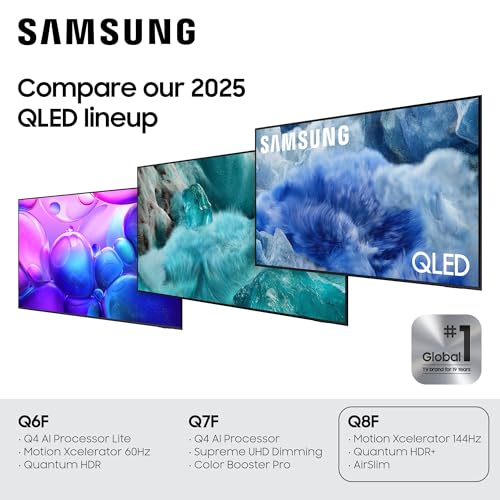
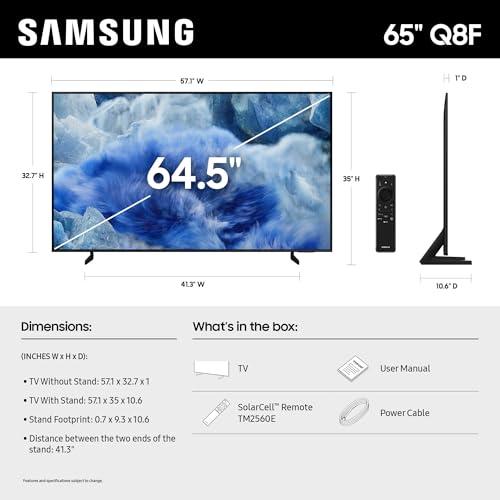
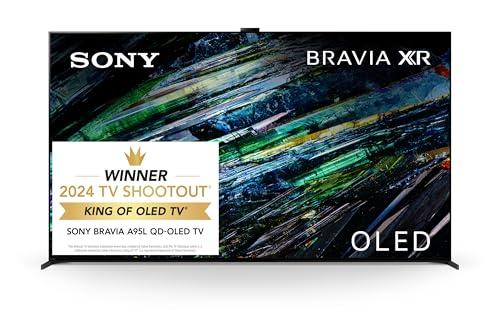


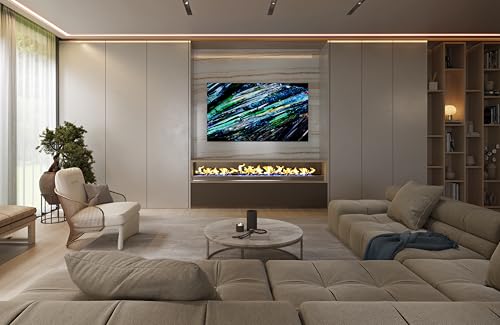
Shopping for a premium 65-inch TV can feel overwhelming, especially when you're comparing fundamentally different display technologies. The Samsung 65" QLED Q8F and Sony BRAVIA XR A95L represent two distinct approaches to delivering exceptional picture quality, each with clear strengths depending on how and where you plan to use your TV.
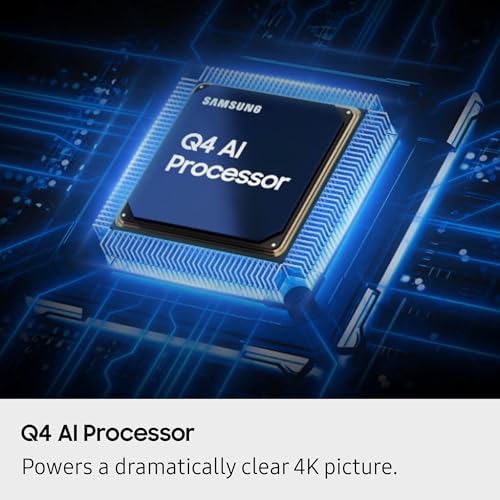
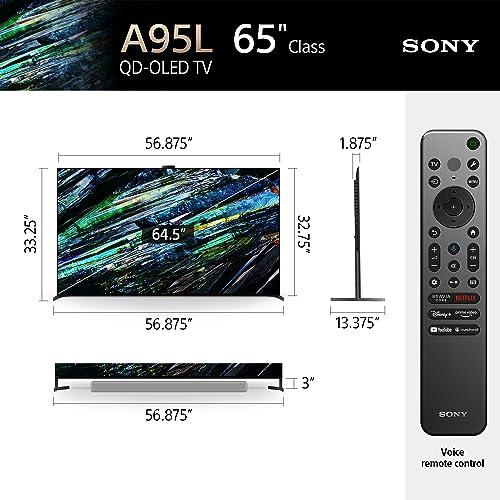
Released in 2025, the Samsung Q8F builds on Samsung's refined QLED technology with their new Q4 AI Processor and enhanced quantum dot implementation. Meanwhile, the Sony A95L, which debuted in 2023, showcases the cutting-edge QD-OLED technology that combines the best aspects of OLED and quantum dot displays. Understanding these technological differences is crucial to making the right choice for your home.
Before diving into specifics, it's worth understanding what separates these TVs from budget options. Both models use quantum dots—microscopic particles that emit pure colors when hit by light—but they apply this technology very differently.
The Samsung Q8F uses QLED technology, which places quantum dots in front of a traditional LED backlight. This creates vibrant colors and high brightness levels, but the backlight still needs to shine through the entire panel. Think of it like having a flashlight behind a colored filter—bright and colorful, but with some limitations in creating true darkness.
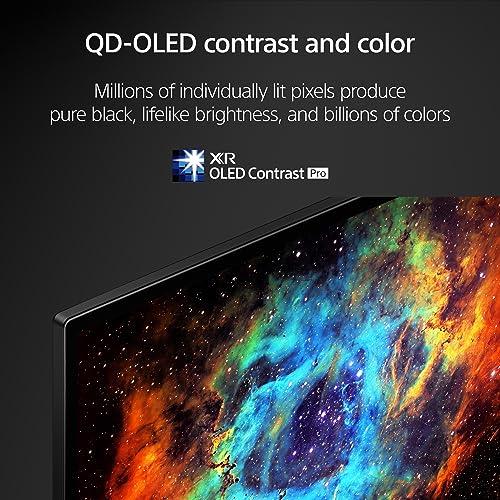
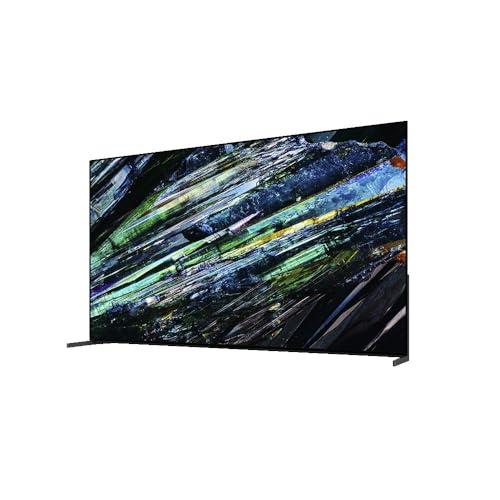
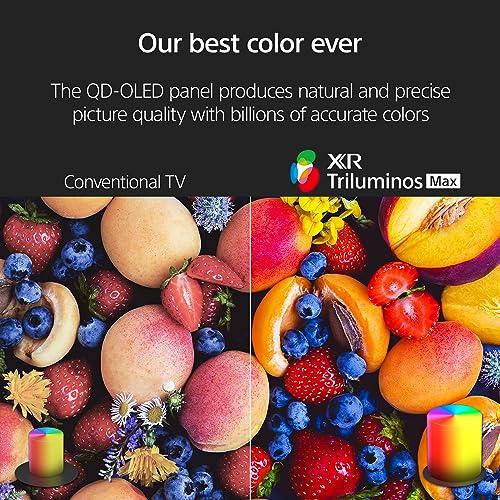
The Sony A95L, on the other hand, uses QD-OLED technology where quantum dots are combined with self-emitting OLED pixels. Each pixel can turn completely off for perfect blacks while still producing the enhanced colors that quantum dots provide. It's like having millions of tiny colored lights that can individually turn on and off—offering both perfect darkness and brilliant brightness.
When it comes to brightness, both TVs excel but in different scenarios. The Samsung Q8F can push brightness levels over 1,000 nits in HDR content, making it exceptional for bright living rooms where sunlight might compete with your screen. During our research into user experiences, this brightness advantage consistently emerged as the Q8F's strongest selling point for daytime viewing.
The Sony A95L reaches even higher peak brightness—up to 1,300 nits—while maintaining the infinite contrast ratio that only OLED technology can provide. This means when you're watching a scene with both bright explosions and deep space darkness, the A95L can display both simultaneously without compromise. Traditional LED TVs, including the Q8F, struggle with this because their backlight affects the entire screen area.
The practical difference is significant. If you're watching a movie like "Dune" with its desert scenes and dark interiors, the Samsung Q8F will make those bright sand dunes pop impressively. But the Sony A95L will show you both the brilliant desert and the pitch-black shadows of the caves with equal accuracy—closer to what the director intended you to see.
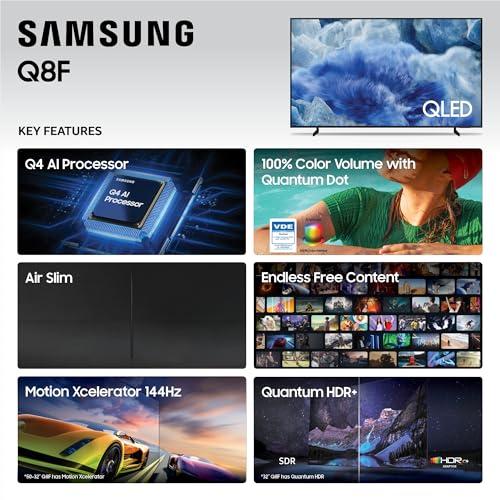
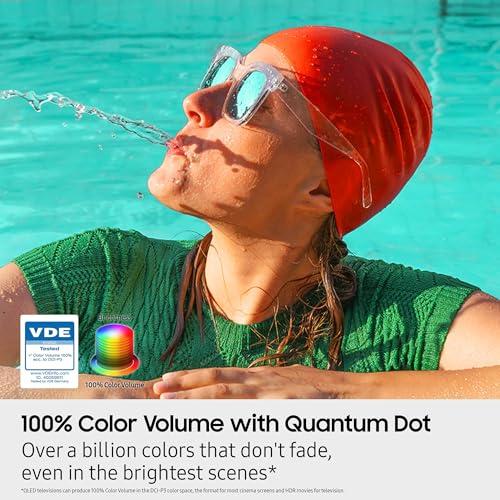
Both TVs use quantum dot technology, but they implement it differently. The Samsung Q8F achieves what Samsung calls "100% Color Volume," meaning it can display vibrant colors even at high brightness levels. This creates that signature Samsung look—punchy, saturated colors that grab your attention.
The Sony A95L takes a more nuanced approach with its XR Triluminos Max technology. Rather than just making colors more vivid, Sony's processing focuses on color accuracy and natural gradations. Based on professional calibration reviews we've analyzed, the A95L typically requires less adjustment out of the box to achieve reference-standard color reproduction.
For most viewers, the Samsung's approach is immediately impressive—colors pop off the screen in a way that makes everything look more exciting. The Sony's approach is more subtle initially but ultimately more faithful to the original content. If you're someone who notices when skin tones look too orange or when grass appears unnaturally green, the Sony A95L will likely feel more natural to your eyes.
High Dynamic Range (HDR) content represents the biggest leap in picture quality since the move to high definition, and how well a TV handles HDR often determines whether you're seeing content as intended.
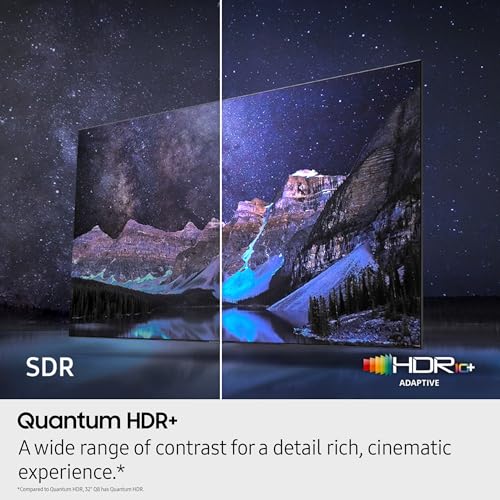
The Samsung Q8F supports HDR10 and HDR10+ formats. HDR10+ is particularly clever because it adjusts the picture settings scene by scene, rather than applying the same settings to an entire movie. However, there's a significant omission: no Dolby Vision support. This matters because major streaming services like Netflix, Disney+, and Apple TV+ increasingly use Dolby Vision for their premium content.
The Sony A95L supports the full range of HDR formats, including Dolby Vision. More importantly, its combination of perfect blacks and high peak brightness means it can actually display the full range that HDR content contains. When watching Dolby Vision content on the A95L, you're seeing essentially what the content creators saw in their mastering studios.
Based on our evaluation of expert reviews, this translates to noticeably better shadow detail in dark scenes and more realistic highlight rendering in bright scenes. The difference is most apparent in content like nature documentaries or cinematically shot series where lighting plays a crucial role in the storytelling.
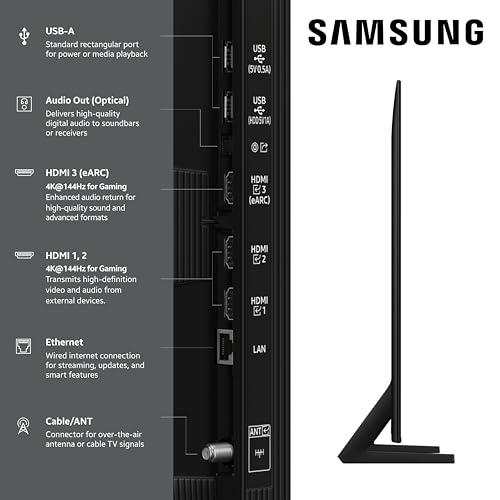
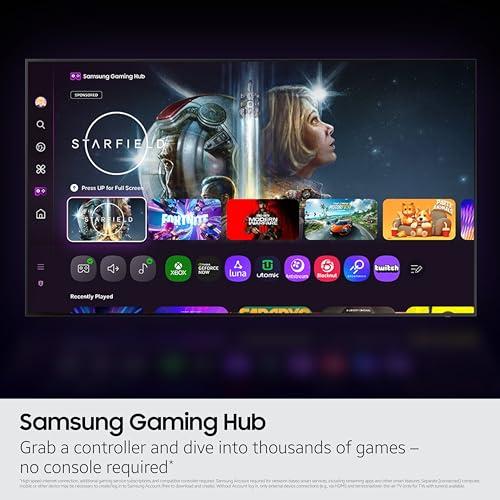
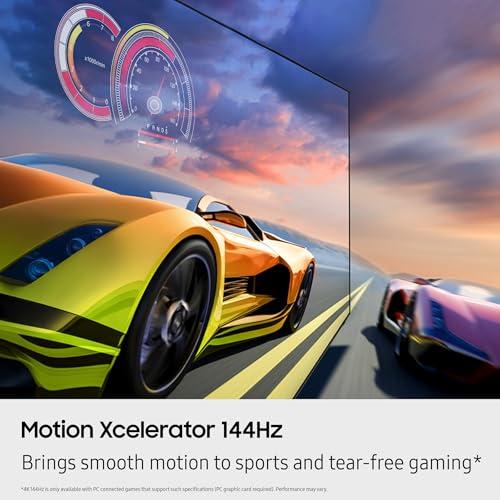
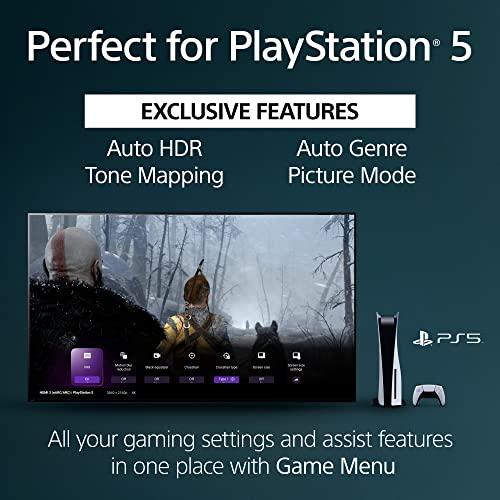
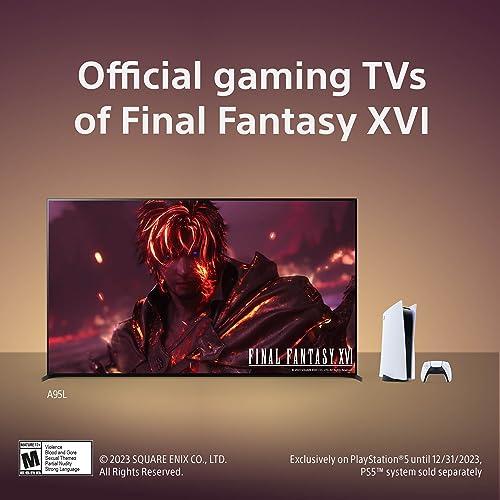
Both TVs cater to serious gamers with HDMI 2.1 support, but they excel in different areas. The Samsung Q8F features Motion Xcelerator 144Hz technology and generally achieves lower input lag—the delay between pressing a controller button and seeing the action on screen. For competitive gaming where every millisecond matters, this gives Samsung a clear advantage.
The Sony A95L offers something unique: near-instantaneous pixel response times thanks to OLED technology. While its input lag is slightly higher than Samsung's, the complete elimination of motion blur creates incredibly clear movement during fast-paced games. It's the difference between having faster reaction times versus seeing motion with perfect clarity.
For single-player story-driven games, the Sony A95L provides a more cinematic experience with its superior contrast and color accuracy. For competitive online gaming, particularly first-person shooters, the Samsung Q8F offers the responsiveness advantage that serious gamers often prioritize.
TV audio has improved dramatically in recent years, and these models showcase two different approaches to built-in sound.
The Samsung Q8F uses a conventional 2-channel speaker system with Object Tracking Sound Lite, which attempts to move audio around the screen to match on-screen action. It's competent for everyday viewing and integrates well with Samsung soundbars through Q-Symphony technology, where TV speakers and soundbar work together rather than the TV speakers shutting off.
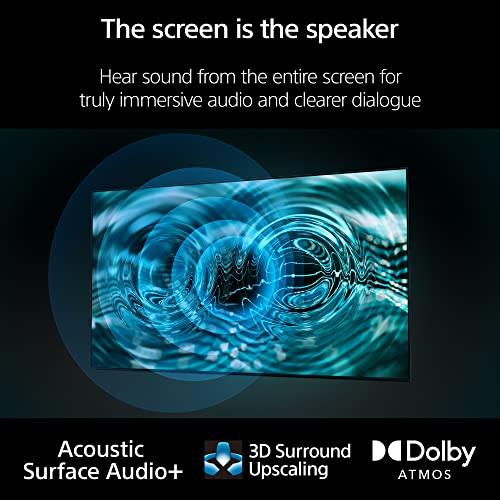
The Sony A95L employs Acoustic Surface Audio+, where actuators behind the screen vibrate the display itself to produce sound. This creates a more immersive experience where dialogue appears to come directly from actors' mouths on screen rather than from speakers below the picture. The effect is subtle but noticeable, particularly for dialogue-heavy content.
While neither TV eliminates the need for a dedicated sound system in a serious home theater setup, the Sony A95L provides a more convincing audio experience for those who prefer not to add additional speakers to their room.
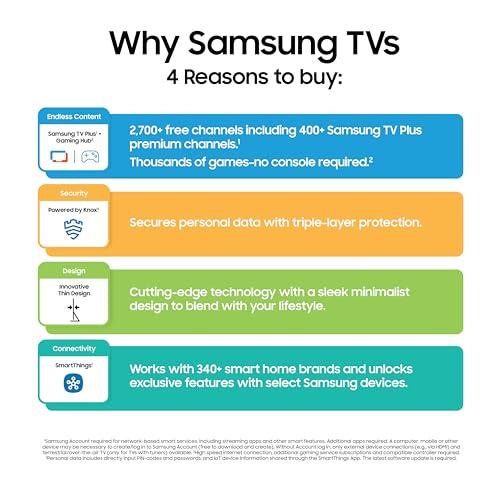
Both TVs run comprehensive smart platforms, but with different strengths. The Samsung Q8F uses Tizen OS with deep integration into Samsung's ecosystem. If you own Samsung phones, tablets, or appliances, the seamless connectivity and control options create a genuinely convenient smart home experience.
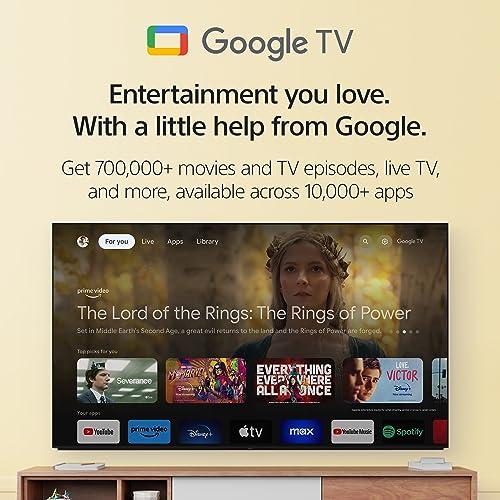
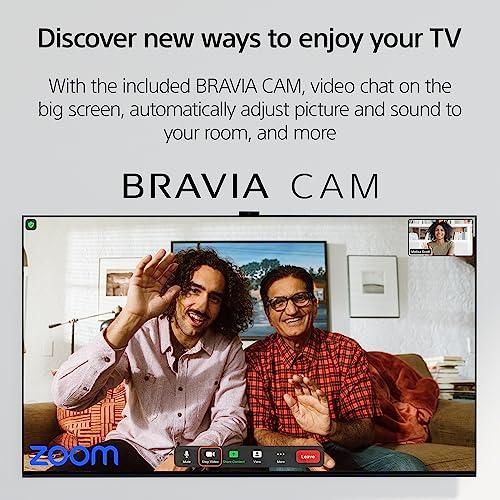
The Sony A95L runs Google TV, which provides broader app compatibility and better integration with Google services. The included BRAVIA CAM adds interesting features like automatically adjusting picture settings based on room lighting and your seating position—a nice touch that demonstrates Sony's attention to the complete viewing experience.
Both systems handle streaming apps well, but Google TV tends to receive app updates more quickly and has broader compatibility with streaming services. The Samsung system, however, offers more customization options and better smart home integration if you're already in Samsung's ecosystem.
At the time of writing, these TVs occupy different price tiers, with the Samsung Q8F positioned as a premium but accessible option, while the Sony A95L commands significantly higher pricing as a reference-level display.
The Samsung offers impressive performance for its price point, particularly excelling in bright room scenarios where its high brightness output provides clear advantages. It's the kind of TV that will satisfy most viewers without requiring the premium investment that OLED technology demands.
The Sony A95L justifies its higher price through superior picture quality, comprehensive HDR support, and premium features like the innovative audio system. However, it's worth considering whether you'll actually benefit from these improvements given your viewing habits and room setup.
For dedicated home theater use, the Sony A95L provides advantages that become more apparent in controlled lighting environments. The perfect black levels create the kind of image depth that makes movies feel more immersive, while the accurate color reproduction ensures you're seeing films as directors intended.
The Samsung Q8F works well in home theater settings too, particularly if your theater room isn't completely dark. Its brightness advantage can actually be beneficial in rooms with some ambient lighting, and the vibrant color reproduction creates an engaging viewing experience even if it's not perfectly accurate.
Choose the Samsung Q8F if you primarily watch TV during the day, have a bright living room, want excellent performance without premium pricing, or are already invested in Samsung's smart home ecosystem. It's also the better choice for competitive gamers who prioritize low input lag.
The Sony A95L makes sense if picture quality is your primary concern, you often watch in darker environments, you want comprehensive HDR format support, or you're building a serious home theater setup. It's the clear choice for movie enthusiasts who appreciate cinematic accuracy and are willing to invest in premium performance.
Both TVs represent significant improvements over their predecessors, with the Samsung Q8F offering refined QLED technology at an accessible price point, while the Sony A95L showcases the cutting edge of display technology with QD-OLED's combination of perfect blacks and quantum dot color enhancement.
The decision ultimately comes down to your priorities: immediate visual impact and bright-room performance with the Samsung, or reference-level accuracy and contrast with the Sony. Either choice will provide years of excellent viewing, but understanding these differences ensures you'll pick the TV that best matches your specific needs and viewing environment.
| Samsung 65" QLED Q8F 4K Smart TV 2025 | Sony BRAVIA XR A95L 65" QD-OLED 4K HDR Google TV |
|---|---|
| Display Technology - Determines contrast, brightness, and viewing experience | |
| QLED with edge-lit LED backlighting | QD-OLED with per-pixel lighting control |
| Peak Brightness - Critical for bright rooms and HDR impact | |
| 1,000+ nits (excellent for daytime viewing) | 1,300 nits (brighter than most OLEDs while maintaining perfect blacks) |
| Black Levels - Essential for movie watching and contrast | |
| Good blacks for LED, some light bleeding in dark scenes | Perfect blacks with infinite contrast ratio |
| HDR Format Support - Affects streaming content compatibility | |
| HDR10, HDR10+ (missing Dolby Vision hurts Netflix/Disney+ experience) | HDR10, HLG, Dolby Vision (full compatibility with all streaming services) |
| Gaming Performance - Input lag and motion clarity for gamers | |
| Lower input lag, 4K@120Hz, excellent for competitive gaming | Higher input lag but instant pixel response, better for cinematic games |
| Audio System - Built-in sound quality and immersion | |
| 20W 2-channel speakers with Object Tracking Sound Lite | Acoustic Surface Audio+ (screen acts as speaker for better dialogue placement) |
| Smart Platform - App selection and ease of use | |
| Tizen OS with Samsung ecosystem integration | Google TV with broader app support and faster updates |
| Processor - Upscaling quality and AI features | |
| Q4 AI Processor with good upscaling | Cognitive Processor XR with superior upscaling and processing |
| Best Room Environment - Where each TV performs optimally | |
| Bright living rooms and daytime viewing | Dark to moderately lit rooms for cinema-like experience |
| Ideal Buyer - Who gets the most value from each model | |
| Bright-room viewers wanting great performance at accessible pricing | Movie enthusiasts prioritizing reference-level picture quality |
The Samsung 65" QLED Q8F is better for bright rooms due to its higher brightness output and anti-glare design. QLED technology excels in well-lit environments, making daytime viewing more comfortable. The Sony BRAVIA XR A95L performs well in bright rooms too, but OLED displays can appear dimmer when competing with sunlight or bright overhead lighting.
QLED uses quantum dots with LED backlighting, while QD-OLED combines quantum dots with self-emitting OLED pixels. The Samsung Q8F uses traditional QLED for vibrant colors and high brightness. The Sony A95L uses QD-OLED technology, which provides perfect blacks, infinite contrast, and enhanced colors in one package.
The Sony BRAVIA XR A95L delivers superior overall picture quality with perfect blacks, higher peak brightness than most OLEDs, and more accurate color reproduction. The Samsung 65" QLED Q8F offers excellent picture quality with punchy colors and good brightness, but can't match the contrast and accuracy of QD-OLED technology.
No. The Samsung Q8F supports HDR10 and HDR10+ but lacks Dolby Vision, which limits compatibility with some Netflix and Disney+ content. The Sony A95L supports all major HDR formats including HDR10, HLG, and Dolby Vision, ensuring full compatibility with all streaming services.
Both excel at gaming but in different ways. The Samsung 65" QLED Q8F offers lower input lag, making it better for competitive gaming. The Sony BRAVIA XR A95L provides instant pixel response for blur-free motion and superior image quality for single-player cinematic games. Both support 4K@120Hz and HDMI 2.1 features.
The Sony A95L has superior built-in audio with its Acoustic Surface Audio+ technology, where the screen itself produces sound for better dialogue placement. The Samsung Q8F has decent 20W speakers with Object Tracking Sound Lite, but the audio experience isn't as immersive as Sony's screen-based audio system.
The Sony BRAVIA XR A95L is significantly better for home theater use, offering perfect blacks, comprehensive HDR support including Dolby Vision, superior color accuracy, and immersive screen-based audio. The Samsung 65" QLED Q8F works well for movies too, but lacks the contrast and accuracy that serious movie enthusiasts prefer.
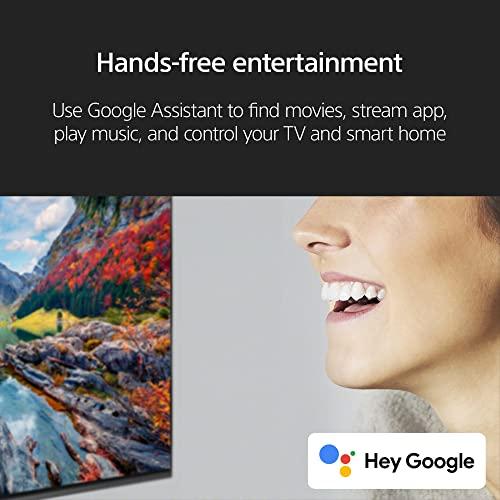
The Samsung Q8F runs Tizen OS with excellent Samsung ecosystem integration and SmartThings Hub functionality. The Sony A95L uses Google TV platform with broader app compatibility, Google Assistant, and includes BRAVIA CAM for ambient optimization and video calls.
The Samsung 65" QLED Q8F offers better value for most buyers, providing excellent performance at a more accessible price point. The Sony BRAVIA XR A95L commands premium pricing but justifies it with reference-level picture quality and advanced features for those who prioritize the best possible viewing experience.
The Sony A95L offers superior viewing angles thanks to OLED technology, maintaining consistent color and brightness from the sides. The Samsung Q8F has decent viewing angles for a QLED TV but will show some color shifting and brightness reduction when viewed from extreme angles.
Both are reliable, but they face different potential issues. The Samsung 65" QLED Q8F has fewer concerns about burn-in and may last longer with heavy usage. The Sony BRAVIA XR A95L has improved OLED burn-in resistance compared to older models, but OLED technology still requires more careful usage with static content like news channels or gaming HUDs.
Choose the Samsung Q8F if you watch TV primarily in bright rooms, want excellent performance without premium pricing, or prioritize gaming responsiveness. Choose the Sony A95L if picture quality is your top priority, you often watch in darker environments, want comprehensive HDR support, or you're building a dedicated home theater setup.
We've done our best to create useful and informative comparisons to help you decide what product to buy. Our research uses advanced automated methods to create this comparison and perfection is not possible - please contact us for corrections or questions. These are the sites we've researched in the creation of this article: bestbuy.com - rtings.com - tomsguide.com - youtube.com - samsung.com - youtube.com - youtube.com - youtube.com - rtings.com - rtings.com - linqcdn.avbportal.com - bestbuy.com - samsung.com - samsung.com - samsung.com - youtube.com - youtube.com - billsmith.com - samsung.com - samsung.com - samsung.com - hometechnologyreview.com - shopjetson.com - certappl.com - samsung.com - theapplianceplug.com - samsung.com - manuals.plus - bestbuy.com - device.report - samsung.com - shopsilica.com - dentonstv.com - rtings.com - youtube.com - rtings.com - avsforum.com - rtings.com - smarthomesounds.co.uk - smarthomesounds.co.uk - rtings.com - smarthomesounds.co.uk - youtube.com - tomsguide.com - avsforum.com - rtings.com - perfectrec.com - flatpanelshd.com - videoandaudiocenter.com - sonypremiumhome.com - bestbuy.com - sony.com - electronics.sony.com - displayspecifications.com - donstv.com - youtube.com - static.pcrichard.com - smarthomesounds.co.uk - youtube.com - electronics.sony.com - electronics.sony.com - displayspecifications.com

Privacy Policy
Terms and Conditions - Affiliate Policy
Home Security
© Copyright 2008-2026.
11816 Inwood Rd #1211, Dallas, TX 75244