

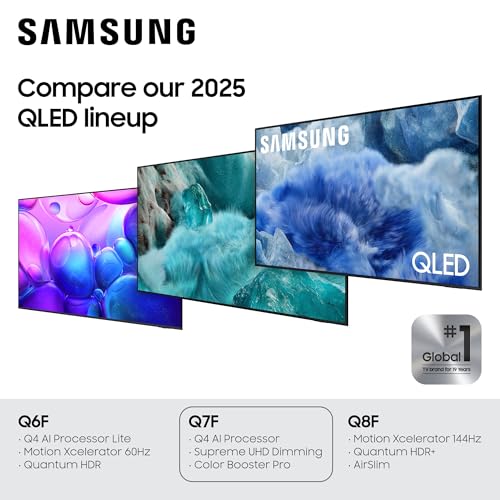
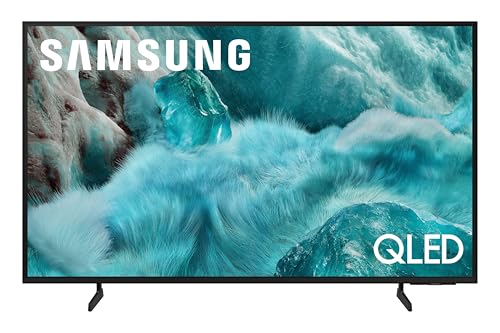
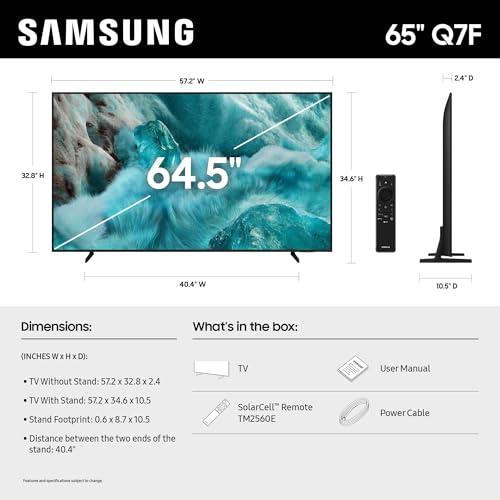
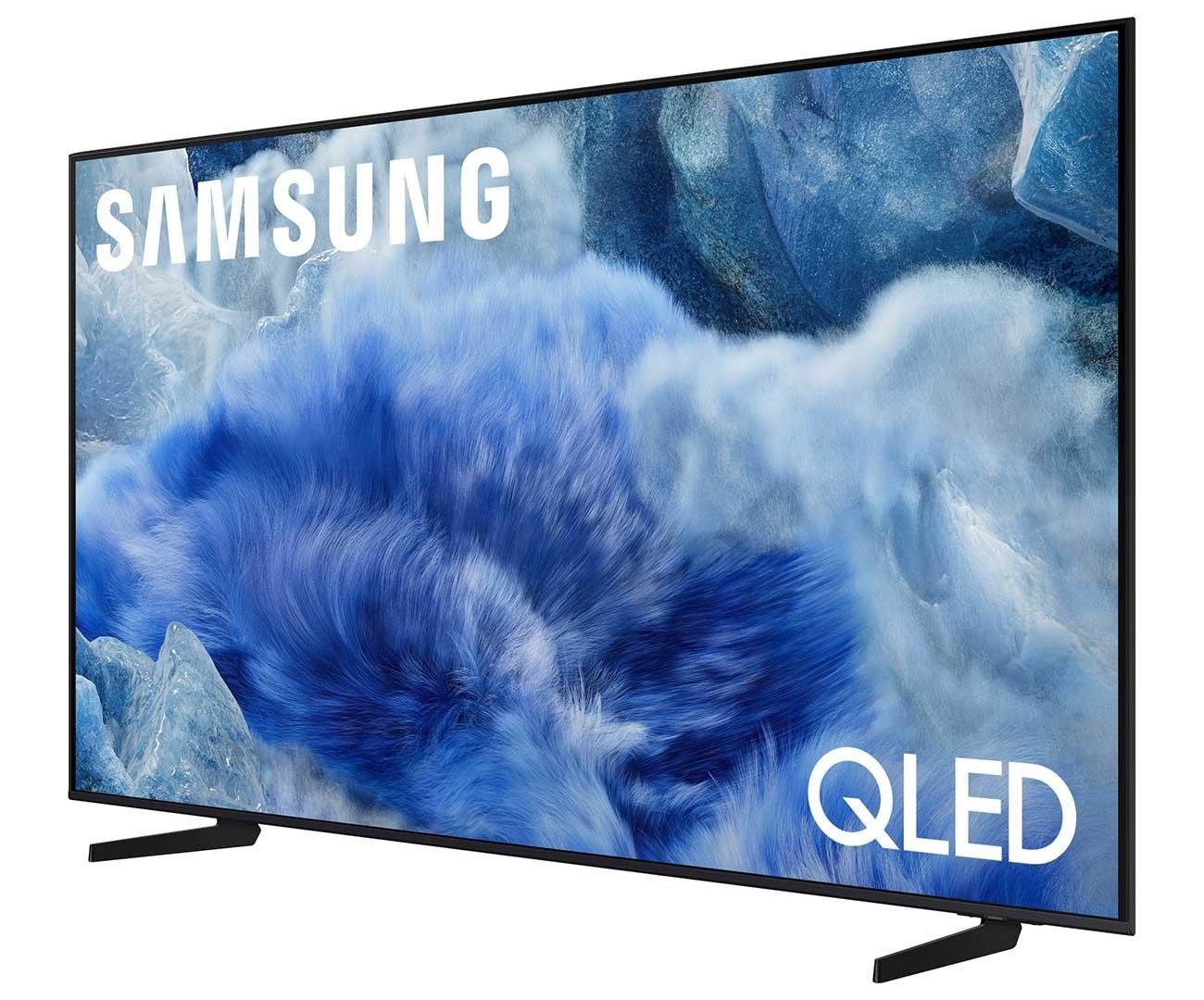
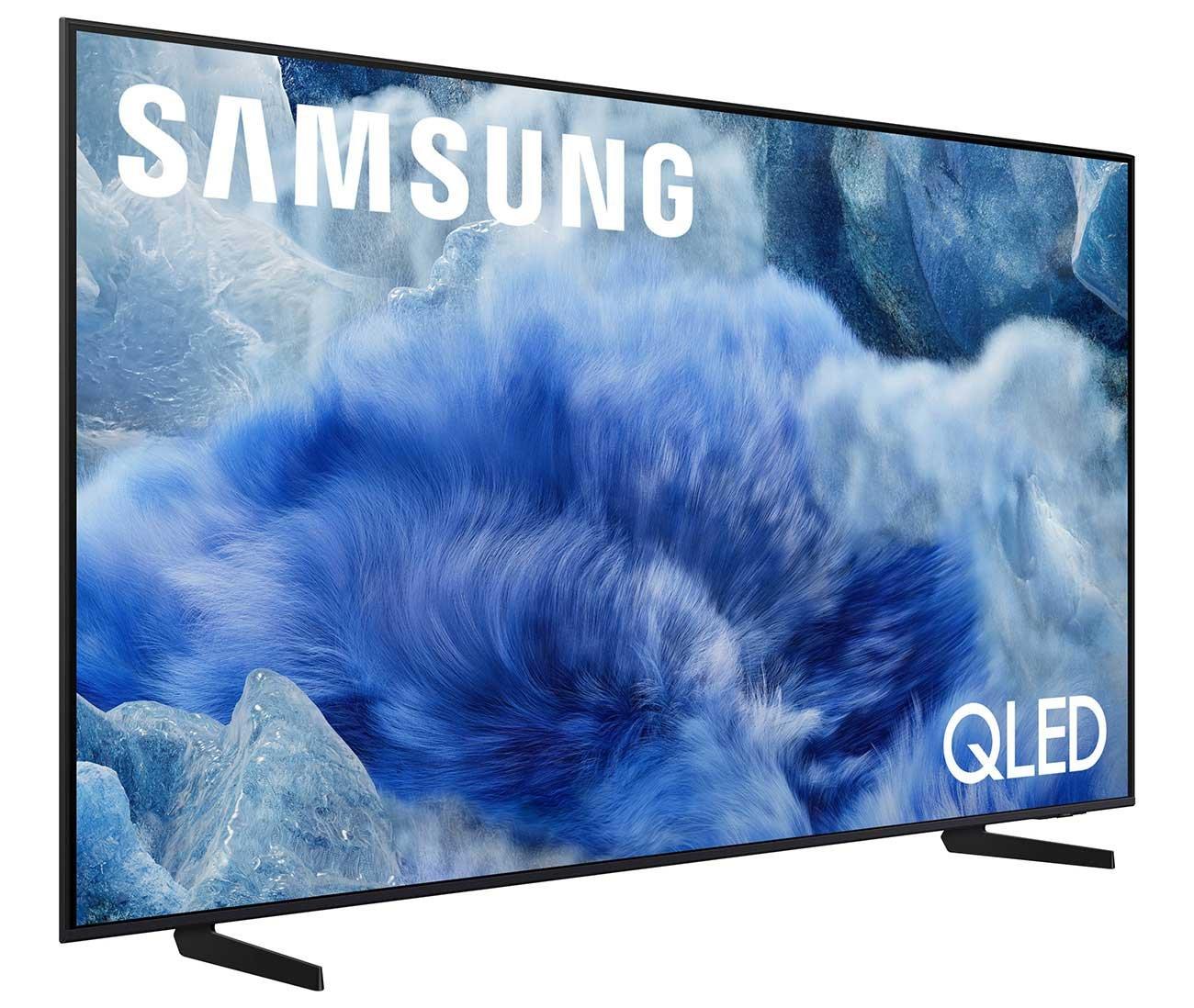
Shopping for a new TV can feel overwhelming, especially when you're trying to figure out whether it's worth spending more for seemingly similar features. Samsung's 2025 QLED lineup includes the budget-friendly Q7F and the mid-tier Q8F, and at first glance, they might seem like variations on the same theme. But dig deeper, and you'll find they're actually quite different TVs designed for different types of viewers.
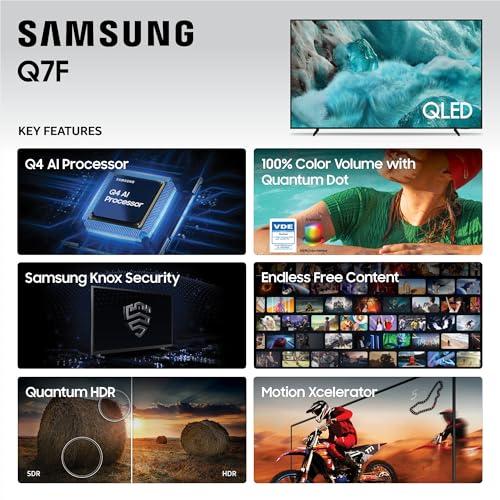
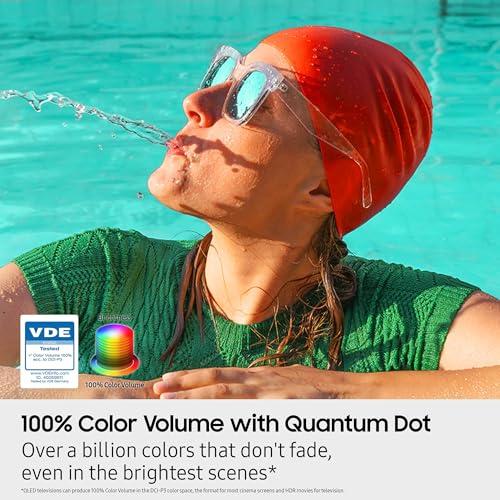
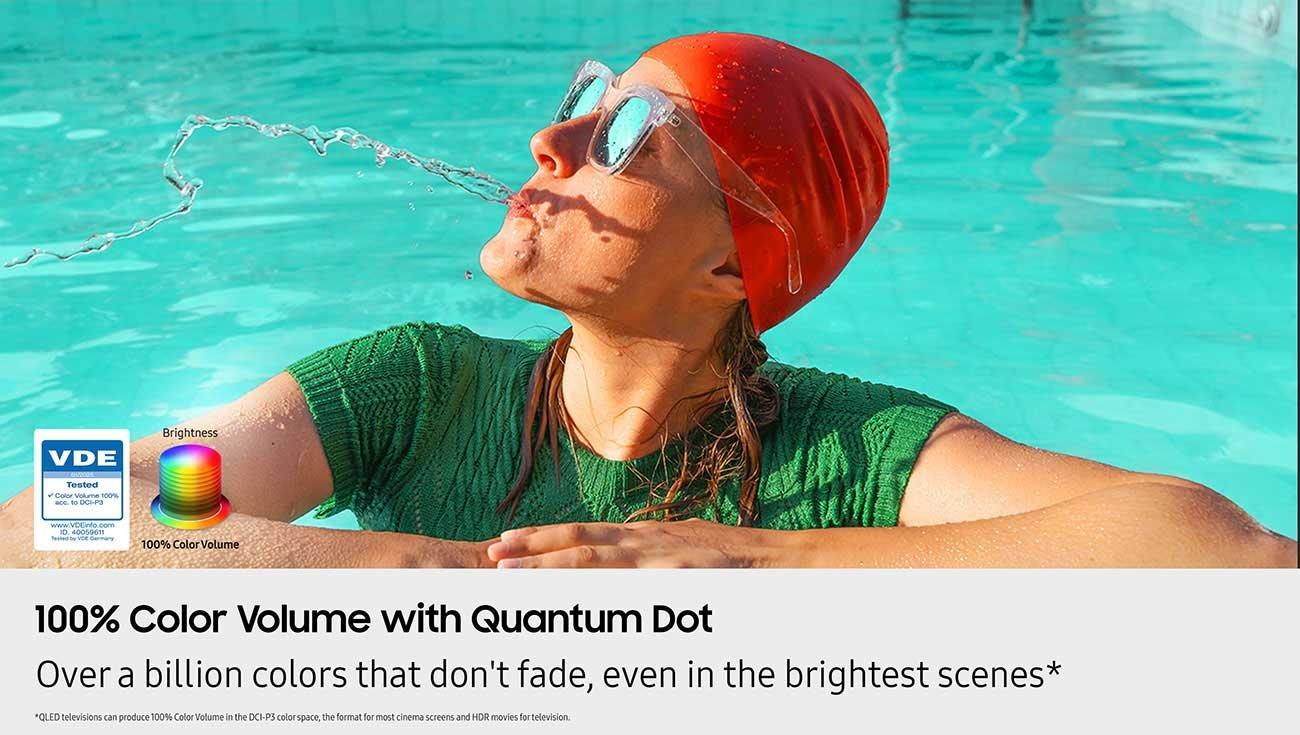
Both models represent Samsung's continued push into QLED technology, which uses tiny quantum dots to produce more accurate colors and brighter images than traditional LED TVs. Think of quantum dots as microscopic particles that glow when hit by light – they help create over a billion different color shades, making everything from nature documentaries to animated movies look more vibrant and lifelike.
Before we dive into comparisons, it's worth understanding what separates a good TV from a great one in 2025. The most important factors are picture quality (how good the image looks), gaming performance (how well it handles video games and fast motion), smart features (the apps and AI capabilities), and overall value for what you're paying.
Samsung released both the Q7F and Q8F in 2025 as part of their strategy to offer QLED technology at different price points. Since the previous generation, Samsung has improved their AI processing, added new gaming features to compete with Xbox Series X and PlayStation 5 capabilities, and enhanced their smart TV platform with better voice control and personalization features.
This is where the Q7F and Q8F start to diverge significantly, and it all comes down to how they light up the screen.
The Q7F uses what's called direct-lit LED backlighting without local dimming. Imagine trying to light a painting with a single bright flashlight – you can see everything, but you can't make some areas darker while keeping others bright. That's essentially what the Q7F does. It can make the whole screen brighter or dimmer, but it struggles to show deep blacks next to bright whites in the same scene.
The Q8F, on the other hand, uses dual LED backlighting with what Samsung calls Supreme UHD Dimming. This is like having dozens of smaller, controllable lights behind different areas of the screen. When a movie scene shows stars against a dark sky, the Q8F can dim the areas behind the dark sky while keeping the stars bright. The result is much better contrast – the difference between the darkest darks and brightest brights.
In our research of professional reviews and user feedback, this difference is immediately noticeable. The Q7F tends to show blacks as dark gray rather than true black, which makes everything look a bit washed out, especially in darker rooms. Movie nights suffer because you lose that cinematic depth that makes scenes feel immersive.
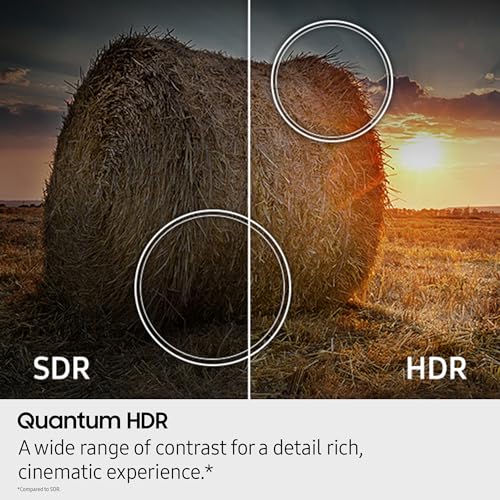
Both TVs support HDR (High Dynamic Range), which is like having a wider palette of brightness levels to work with. However, the Q7F's basic Quantum HDR often looks underwhelming because the TV simply isn't bright enough to make HDR highlights pop. The Q8F's Quantum HDR+ with auto HDR remastering actually makes a difference – bright explosions look genuinely bright, and sunset scenes have that golden glow that makes you feel like you're there.
For color accuracy, both TVs use Samsung's quantum dot technology, but the Q8F's dual LED implementation makes colors appear more saturated and natural. It's particularly noticeable in skin tones and natural scenes like forests or ocean views.
Viewing angles present another key difference. The Q7F follows the typical pattern of most budget TVs – colors and contrast fade noticeably when you're not sitting directly in front of it. If you have a wide living room or like to watch TV while cooking in an adjacent kitchen, the Q8F's Ultrawide Viewing Angle technology maintains picture quality much better from off-center positions.
Here's where the difference between these TVs becomes almost generational rather than just incremental.
The Q7F offers 60Hz refresh rate, which means it can display up to 60 frames per second. For watching most TV shows and movies, this is perfectly adequate. But for gaming, especially with newer consoles like the PlayStation 5 or Xbox Series X, it's limiting. Modern games often run at 120 frames per second, and the Q7F simply can't display them at full smoothness.
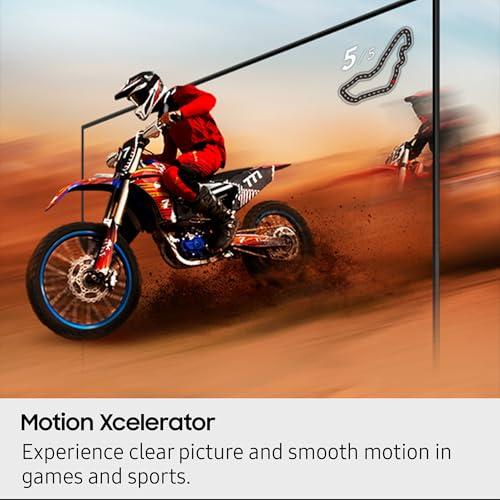
The Q8F features a 144Hz panel, which not only handles 120fps console gaming but can even display 144fps for PC gaming setups. More importantly, it includes Variable Refresh Rate (VRR) technology. Think of VRR as a smart communication system between your gaming device and TV – instead of the TV demanding frames at a fixed rate, it adjusts to match whatever frame rate your game is producing. This eliminates screen tearing (those annoying horizontal lines that appear during fast motion) and makes gameplay feel much smoother.
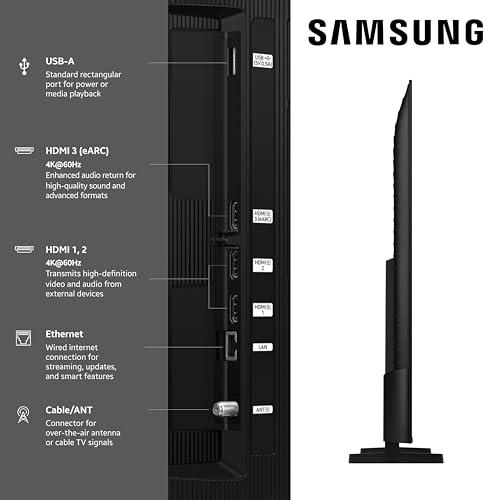
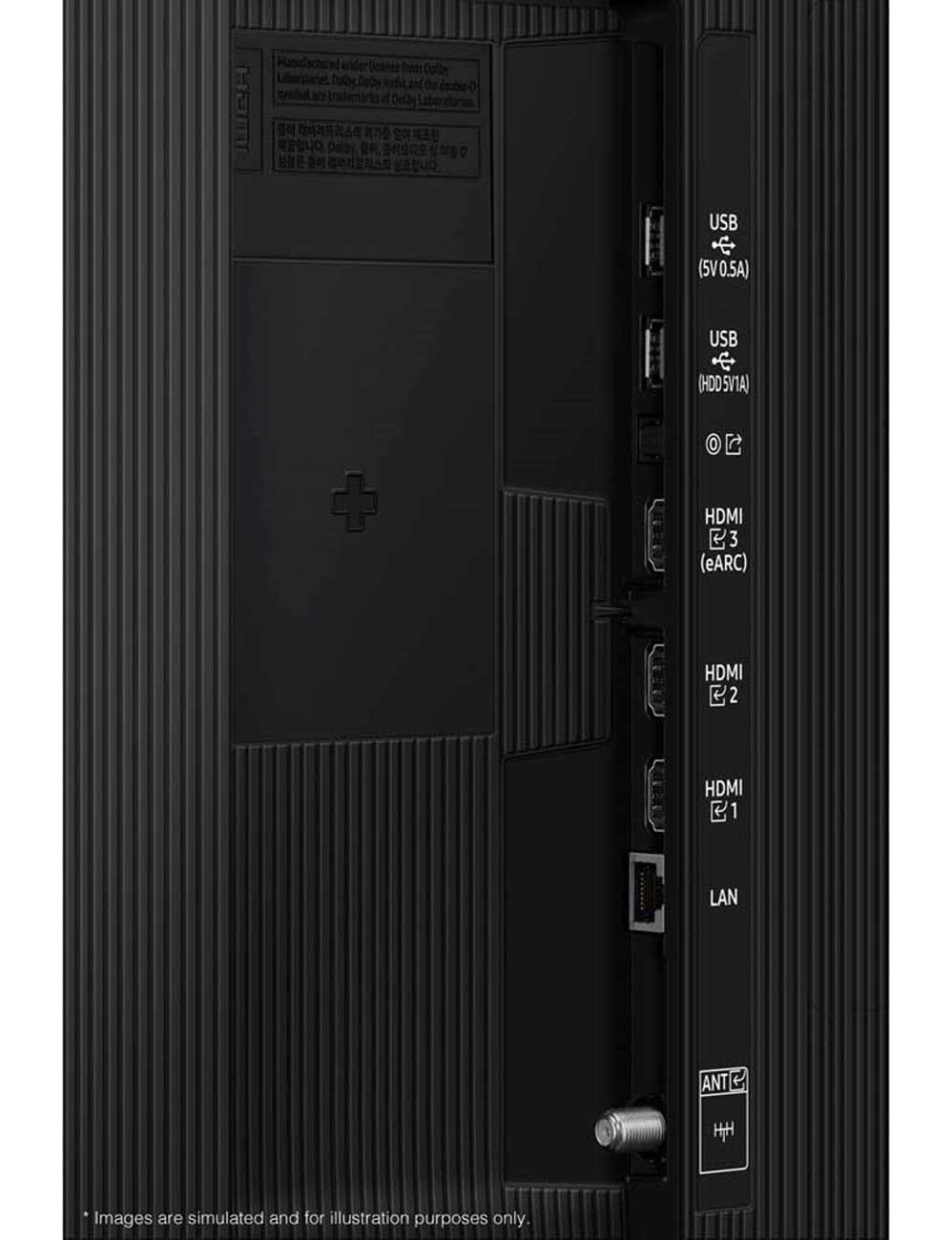
The Q8F also includes four HDMI 2.1 ports compared to the Q7F's three standard HDMI ports. HDMI 2.1 is the current standard for high-bandwidth content, supporting 4K resolution at 120Hz. If you plan to connect a gaming console, high-end streaming device, or gaming PC, those HDMI 2.1 ports on the Q8F are essential for getting the best performance.
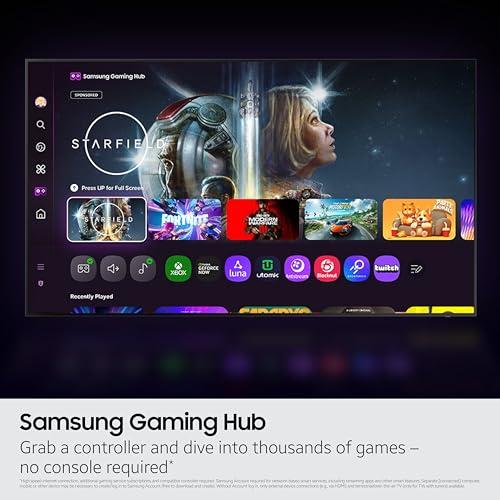
Both TVs include Samsung's Gaming Hub, which lets you stream games directly without a console, and both have low input lag (the delay between pressing a controller button and seeing the action on screen). However, the Q8F adds AI Auto Game Mode that automatically detects what type of game you're playing and optimizes settings accordingly.
For sports viewing, the Q8F's higher refresh rate and better motion processing make fast action like football or hockey look noticeably smoother and clearer.
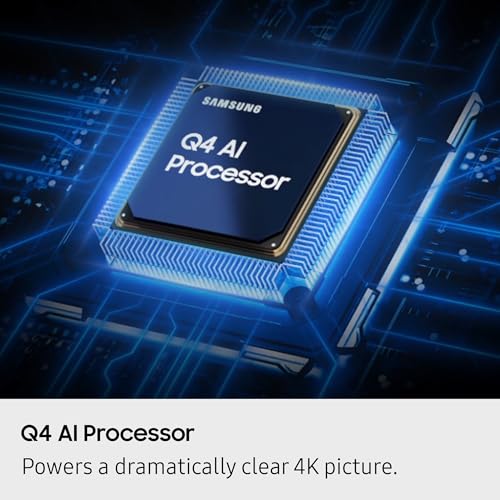
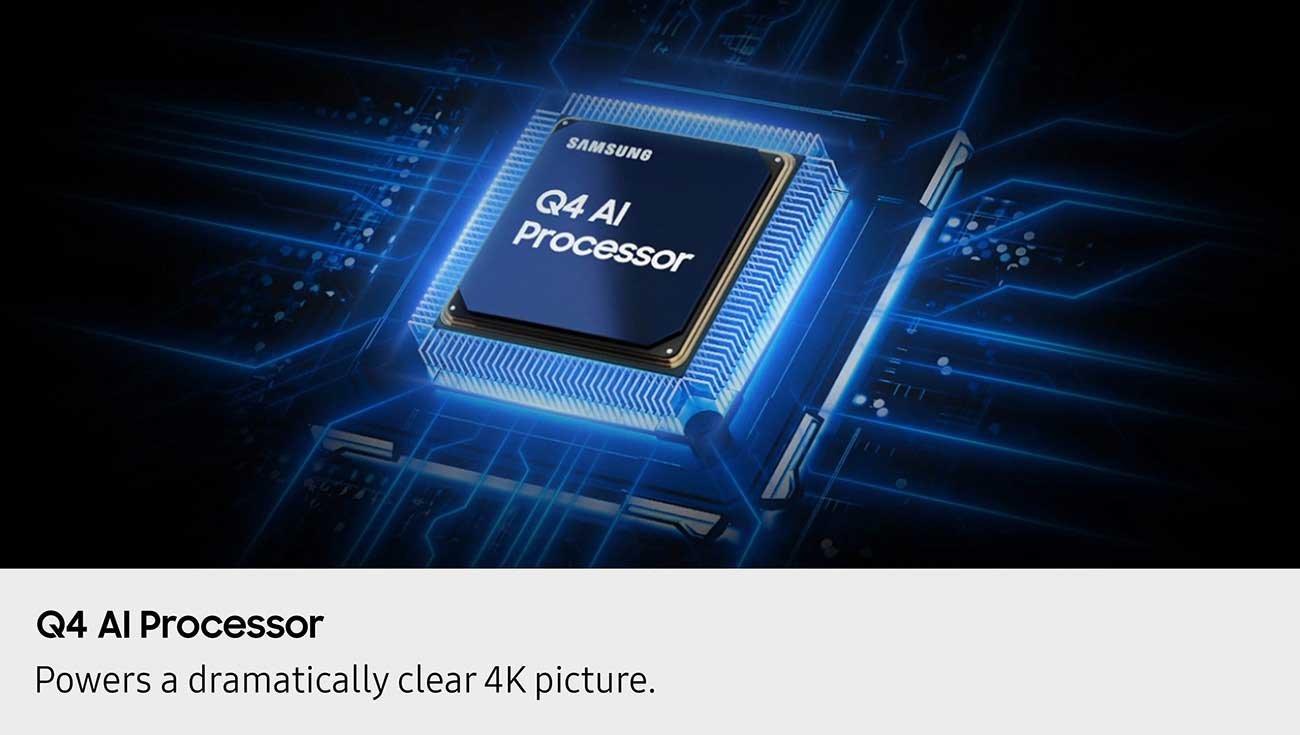
Both TVs run Samsung's Tizen operating system with the Q4 AI Processor, but they offer different levels of smart functionality.
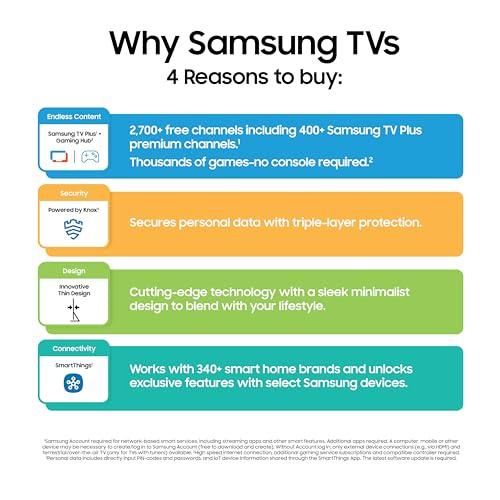
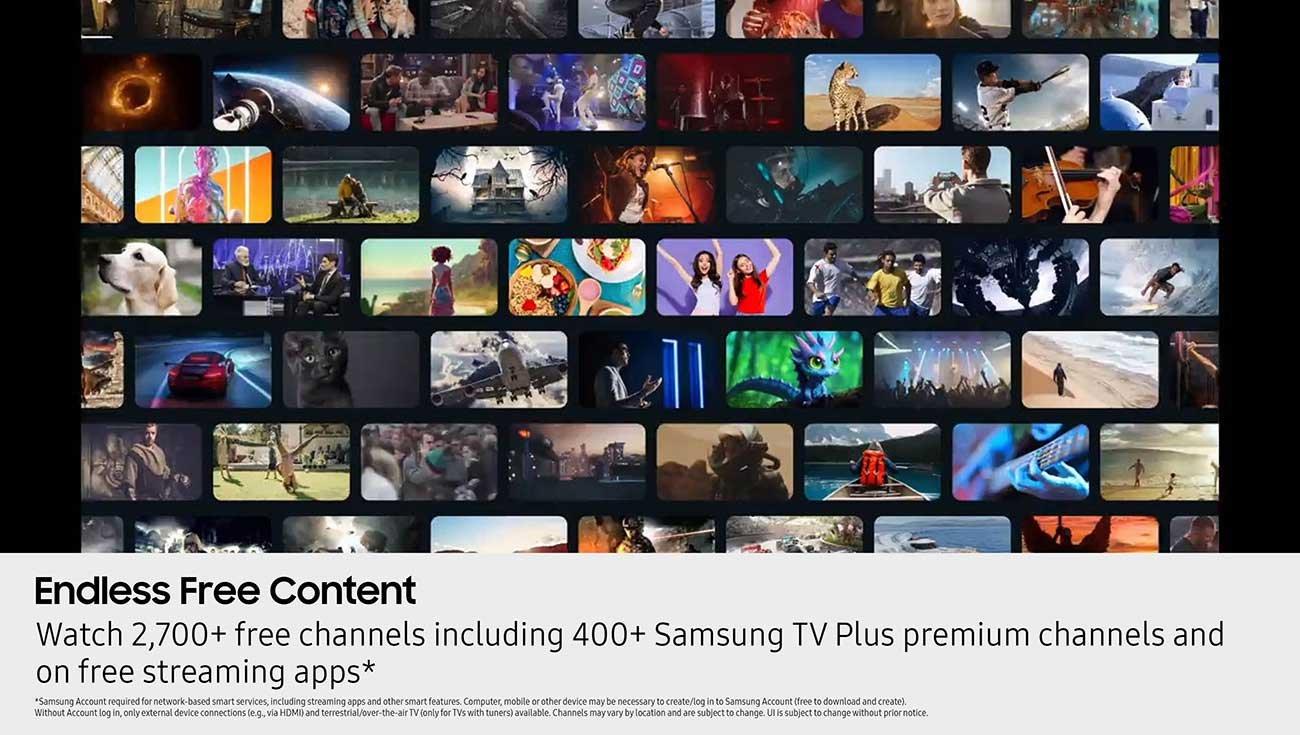
The Q7F provides Samsung's core smart TV experience: access to all major streaming apps, Samsung TV Plus (free live channels), voice control through Bixby and Alexa, and Multi-View for watching two sources simultaneously. It's a solid, responsive platform that covers the basics well.
The Q8F includes everything from the Q7F plus several premium features that showcase Samsung's 2025 AI improvements. Far-field voice interaction means you can talk to the TV from across the room without pressing any remote buttons – just say "Hey Bixby" and give your command. The AI Mode intelligently adjusts picture and sound settings based on what you're watching and your room's lighting conditions.
One unique feature worth mentioning is Generative Wallpaper, which uses AI to create custom artwork based on keywords you provide. While it might sound gimmicky, it's actually quite impressive for turning your TV into an art display when not in use.
The Q8F also includes Live Translate for real-time language translation on certain broadcasts and Daily Board, which transforms your TV into an informational display showing weather, news, and your daily schedule.
Both the Q7F and Q8F feature identical 20W 2.0 channel speaker systems with Object Tracking Sound Lite and Q Symphony support. Object Tracking Sound Lite attempts to make audio follow the action on screen – when a car drives from left to right, the sound tries to follow along.
In practice, neither TV excels in audio performance. The built-in speakers are adequate for casual viewing but lack the depth and power for movie nights or music listening. Both support Samsung's Q Symphony feature, which lets them work alongside compatible Samsung soundbars for improved audio, but you'll likely want to invest in external audio regardless of which TV you choose.
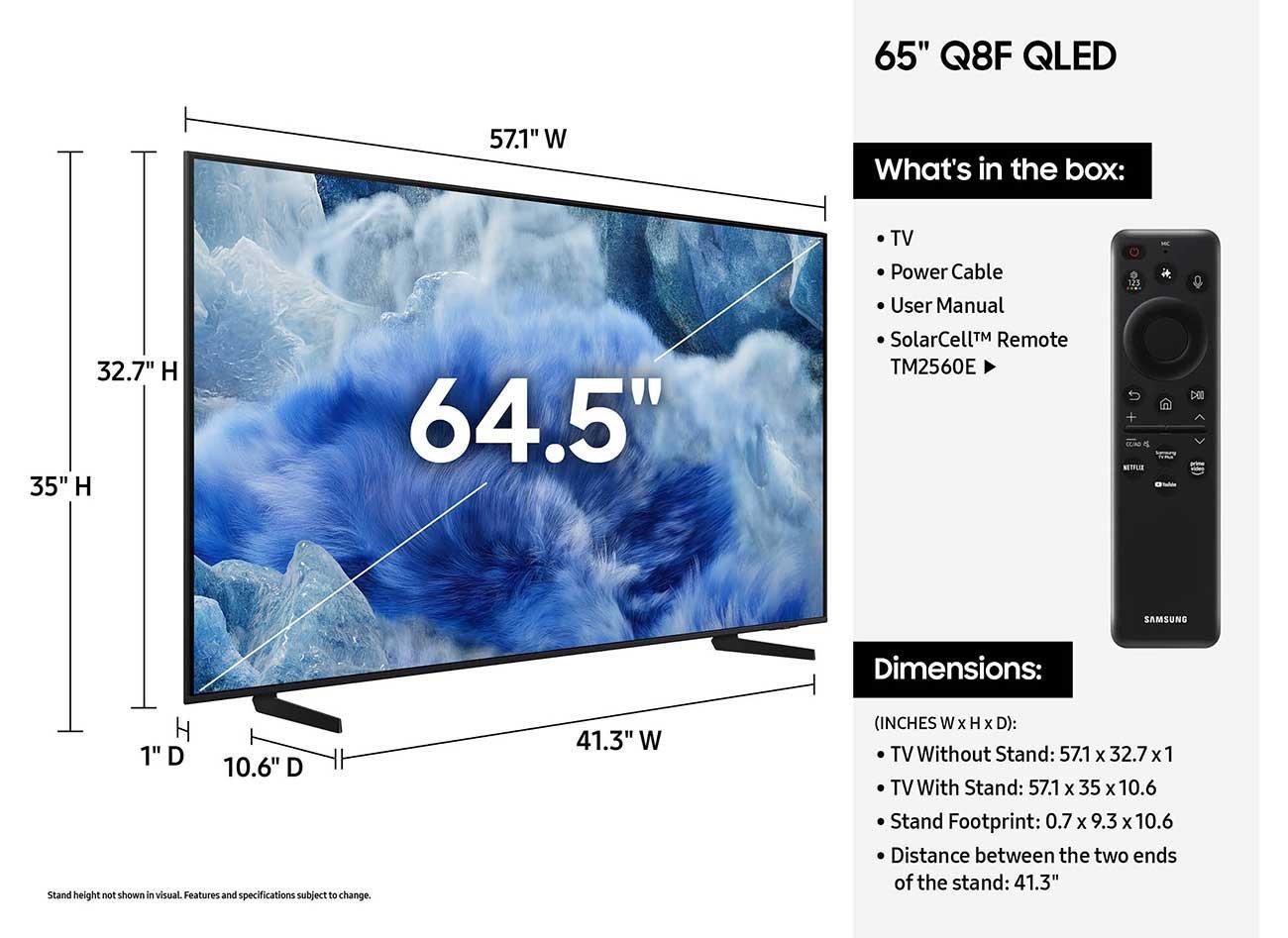
The Q7F features Samsung's standard slim bezel design with adjustable plastic feet that can be positioned wide or narrow to accommodate different furniture setups. It's attractive and well-built, though the back panel has some flex due to its plastic construction.
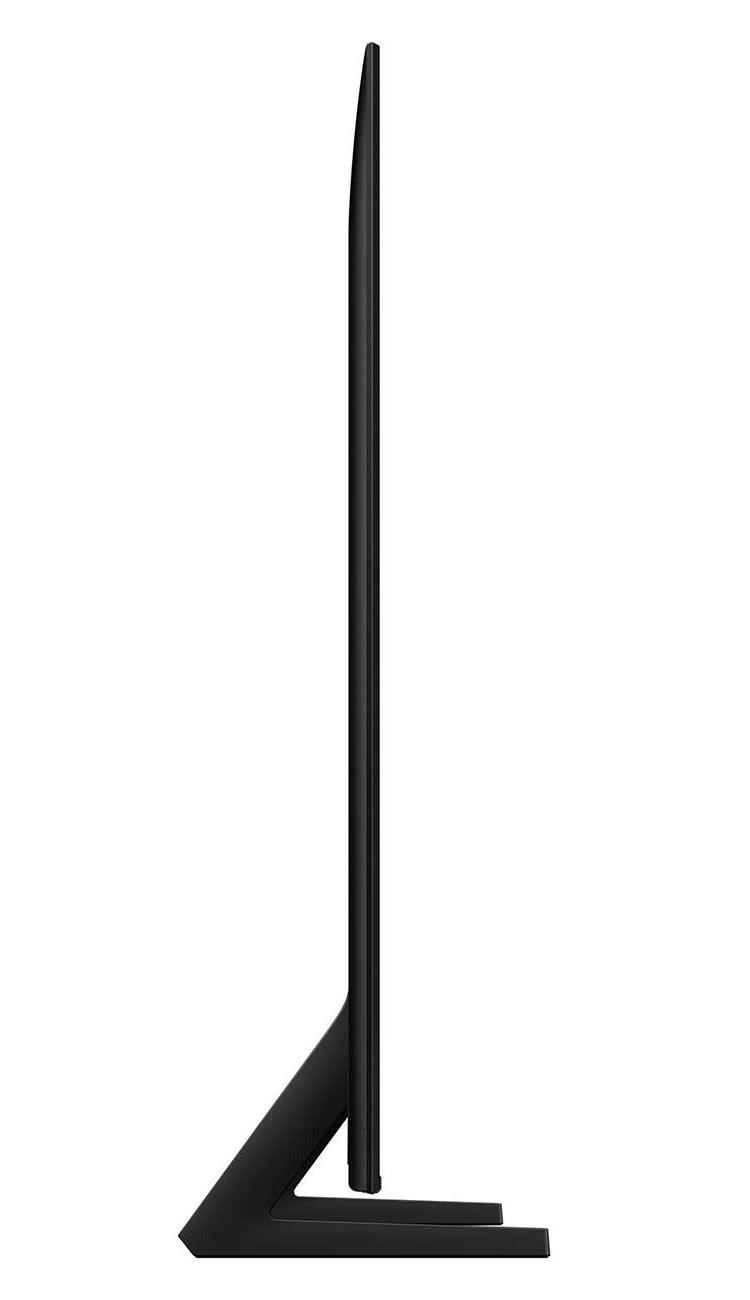
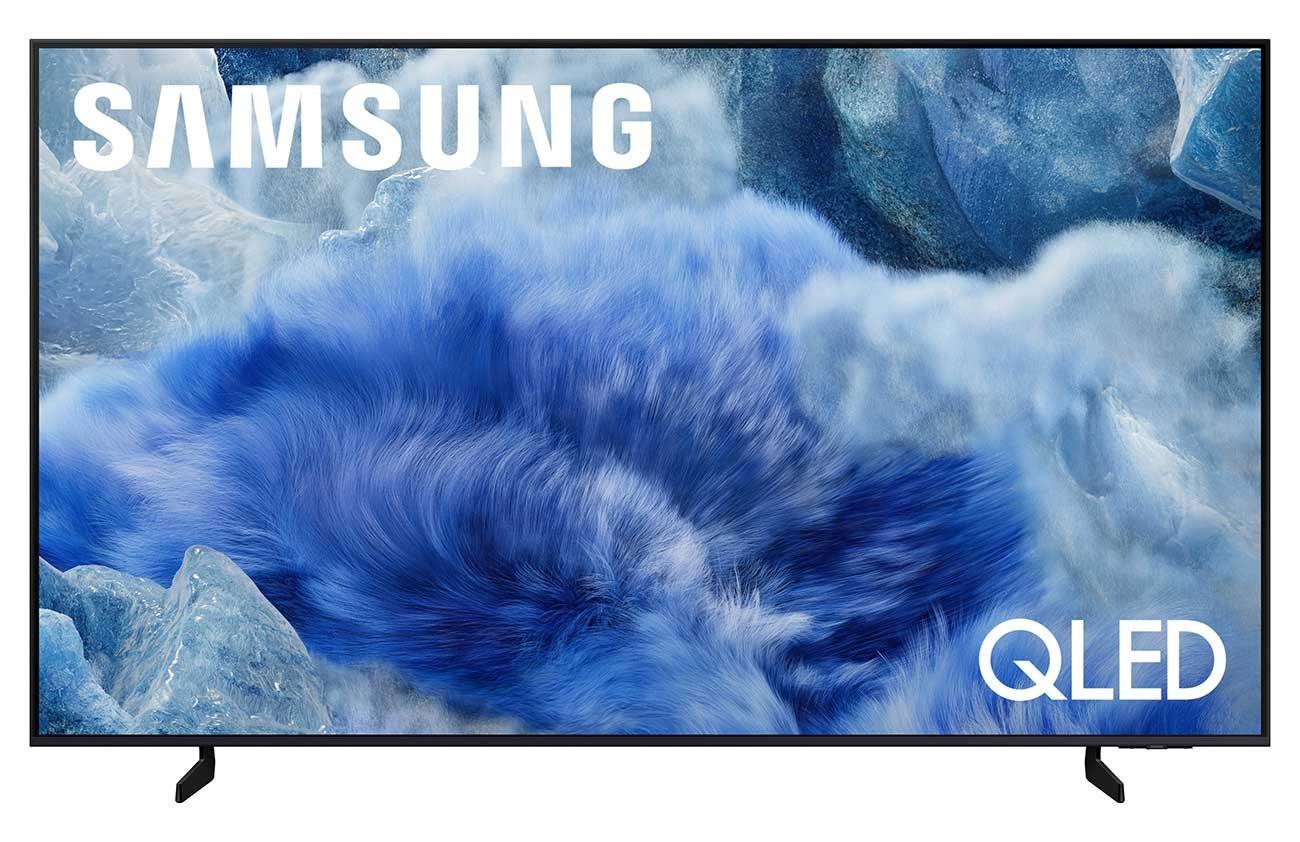
The Q8F steps up with Samsung's AirSlim design, making it noticeably thinner and more elegant. It includes Ambient Mode, which can disguise the TV as wall art or display useful information when not in active use, and a Clean Cable Solution for better cable management.
At the time of writing, these TVs sit at different price points that reflect their target audiences, but the value equation isn't straightforward.
The Q7F positions itself as an affordable entry into Samsung's QLED lineup, but our research suggests it makes significant compromises. Professional reviews consistently note that its picture quality limitations – particularly the lack of local dimming and insufficient brightness – make it difficult to recommend even as a budget option. You're essentially paying a premium for the QLED name without getting many of the benefits that make QLED technology worthwhile.
The Q8F costs significantly more, but it addresses virtually every weakness of the Q7F. The dual LED backlighting alone transforms the viewing experience, providing the contrast and brightness that make QLED technology shine. Add the gaming features, enhanced smart capabilities, and better build quality, and the price difference starts to make sense.
If you're setting up a dedicated home theater or media room, the choice becomes clearer. The Q7F's limited contrast and brightness make it poorly suited for darkened rooms where picture quality flaws become more apparent. Its narrow viewing angles also pose problems if you have stadium seating or a wide couch where people sit at angles to the screen.
The Q8F performs much better in home theater setups. The improved contrast ratio helps it handle the dark scenes that are crucial for movie immersion, while the brighter highlights make HDR content genuinely impactful. The wider viewing angles accommodate different seating arrangements better.
For calibration enthusiasts, both TVs offer basic picture adjustments, but the Q8F's superior hardware provides a better foundation for fine-tuning.
Choose the Q7F if:
Choose the Q8F if:
Our research strongly favors the Q8F for most buyers who can accommodate the higher price point. The performance gap between these models is substantial enough that the Q8F feels like a different class of TV rather than just a slightly better version of the Q7F.
The Q7F's compromises in contrast, brightness, and gaming capabilities are fundamental limitations that affect daily use. While it's not a bad TV, it doesn't deliver the QLED experience most people expect when they choose Samsung's quantum dot technology.
The Q8F, while more expensive, provides the picture quality, gaming features, and future-proofing that justify the investment for most households. Its dual LED backlighting alone delivers the visual improvement that makes QLED technology worthwhile.
If budget is your primary concern, consider whether the Q7F offers enough improvement over Samsung's basic LED models to justify its premium, or whether saving for the Q8F might provide better long-term satisfaction. In our evaluation, the Q8F represents the sweet spot where Samsung's QLED technology starts to deliver on its promises, making it the safer choice for most buyers looking to upgrade their home entertainment experience.
| Samsung 65-Inch Q7F Series QLED Smart TV 2025 Display | Samsung 65" QN8F Series QLED 4K Vision AI Smart TV 2025 |
|---|---|
| Backlighting Technology - Most critical factor for picture quality and contrast | |
| Direct LED without local dimming (results in grayish blacks and limited contrast) | Dual LED with Supreme UHD Dimming (delivers deeper blacks and superior contrast) |
| Refresh Rate - Essential for gaming and smooth motion | |
| 60Hz (adequate for basic viewing but limits gaming performance) | 144Hz (supports 4K@120Hz gaming and smoother sports/action content) |
| HDMI Connectivity - Determines gaming console and device compatibility | |
| 3 standard HDMI ports (no HDMI 2.1 support for modern gaming) | 4 HDMI 2.1 ports (full compatibility with PS5, Xbox Series X, and high-end PCs) |
| Gaming Features - Critical for console and PC gaming | |
| Basic Auto Game Mode only (no VRR or advanced gaming support) | Variable Refresh Rate, FreeSync Premium, AI Auto Game Mode (comprehensive gaming suite) |
| HDR Performance - Affects movie and streaming quality | |
| Quantum HDR (insufficient brightness for impactful HDR highlights) | Quantum HDR+ with auto HDR remastering (genuinely bright highlights and better dynamic range) |
| Viewing Angles - Important for wide seating arrangements | |
| Standard VA panel (colors fade noticeably when viewed off-center) | Ultrawide Viewing Angle technology (maintains picture quality from side positions) |
| Smart Features - AI capabilities and premium functions | |
| Basic Tizen OS with core streaming apps and voice control | Enhanced AI Mode, far-field voice interaction, Live Translate, Generative Wallpaper |
| Audio System - Built-in speaker performance | |
| 20W 2.0 channel with Object Tracking Sound Lite | 20W 2.0 channel with Object Tracking Sound Lite (identical audio specs) |
| Design - Premium touches and aesthetics | |
| Standard slim bezel with adjustable plastic feet | AirSlim design with Ambient Mode and Clean Cable Solution |
| Best Use Cases - Who should choose this TV | |
| Budget-conscious buyers prioritizing Samsung brand over performance | Movie lovers, gamers, sports fans wanting significant picture quality improvements |
The primary difference is backlighting technology. The Samsung Q7F uses direct LED without local dimming, resulting in limited contrast and grayish blacks. The Samsung Q8F features dual LED backlighting with Supreme UHD Dimming, delivering much deeper blacks, brighter whites, and superior overall picture quality.
The Samsung Q8F is significantly better for gaming. It offers 144Hz refresh rate, Variable Refresh Rate (VRR), four HDMI 2.1 ports, and comprehensive gaming features that support modern consoles like PS5 and Xbox Series X. The Samsung Q7F is limited to 60Hz with basic gaming features and no HDMI 2.1 support.
Yes, the picture quality difference between the Samsung Q7F and Samsung Q8F is substantial. The Q8F's dual LED technology provides dramatically better contrast, brightness, and color accuracy. Professional reviews consistently rate the Q7F as having inadequate picture quality for home theater use, while the Q8F delivers genuinely impressive QLED performance.
Both TVs run Samsung's Tizen OS with the Q4 AI processor, but the Samsung Q8F includes premium features like AI Mode, far-field voice interaction, Live Translate, and Generative Wallpaper. The Samsung Q7F offers basic smart functionality with core streaming apps and voice control.
The Samsung Q8F handles HDR much better with its Quantum HDR+ and auto HDR remastering, providing bright highlights and good dynamic range. The Samsung Q7F's basic Quantum HDR support is limited by insufficient brightness, making HDR content appear dim and underwhelming.
The Samsung Q8F performs much better in bright rooms due to its superior brightness capabilities and better reflection handling. The Samsung Q7F struggles with glare and isn't bright enough to overcome ambient light, making it suitable only for moderately lit rooms.
Yes, both the Samsung Q7F and Samsung Q8F support all major streaming services including Netflix, Disney+, Amazon Prime Video, and Samsung TV Plus. They both run Samsung's Tizen operating system with access to the same app ecosystem.
The Samsung Q8F offers significantly better viewing angles with its Ultrawide Viewing Angle technology, maintaining color accuracy and contrast when viewed from the side. The Samsung Q7F has narrow viewing angles typical of VA panels, with noticeable picture degradation when viewed off-center.
Yes, both the Samsung Q7F and Samsung Q8F feature identical 20W 2.0 channel speakers with Object Tracking Sound Lite and Q Symphony support. Neither TV excels in audio performance, so external speakers or soundbars are recommended for both models.
The Samsung Q8F is much better suited for home theater use. Its superior contrast ratio, brightness levels, and wider viewing angles make it ideal for darkened rooms and varied seating arrangements. The Samsung Q7F lacks the picture quality depth needed for an immersive home theater experience.
Only the Samsung Q8F can display 4K content at high refresh rates, supporting up to 4K@120Hz through its HDMI 2.1 ports. The Samsung Q7F is limited to 4K@60Hz due to its standard HDMI ports and 60Hz panel, which limits its compatibility with modern gaming consoles and high-end streaming content.
The Samsung Q8F offers better long-term value despite its higher upfront cost. It includes future-proof gaming features, superior picture quality that won't feel outdated quickly, and comprehensive smart features. The Samsung Q7F makes significant compromises that may lead to earlier replacement needs.
We've done our best to create useful and informative comparisons to help you decide what product to buy. Our research uses advanced automated methods to create this comparison and perfection is not possible - please contact us for corrections or questions. These are the sites we've researched in the creation of this article: bestbuy.com - rtings.com - bestbuy.com - youtube.com - youtube.com - youtube.com - samsung.com - samsung.com - samsung.com - billsmith.com - costco.com - samsung.com - hometechnologyreview.com - hometechnologyreview.com - bestbuy.com - samsung.com - bestbuy.com - samsung.com - hometechnologyreview.com - samsung.com - samsung.com - bestbuy.com - samsung.com - rtings.com - youtube.com - samsung.com - pcrichard.com - abt.com - images.samsung.com - cnet.com - news.samsung.com - samsung.com - bestbuy.com

Privacy Policy
Terms and Conditions - Affiliate Policy
Home Security
© Copyright 2008-2026.
11816 Inwood Rd #1211, Dallas, TX 75244