

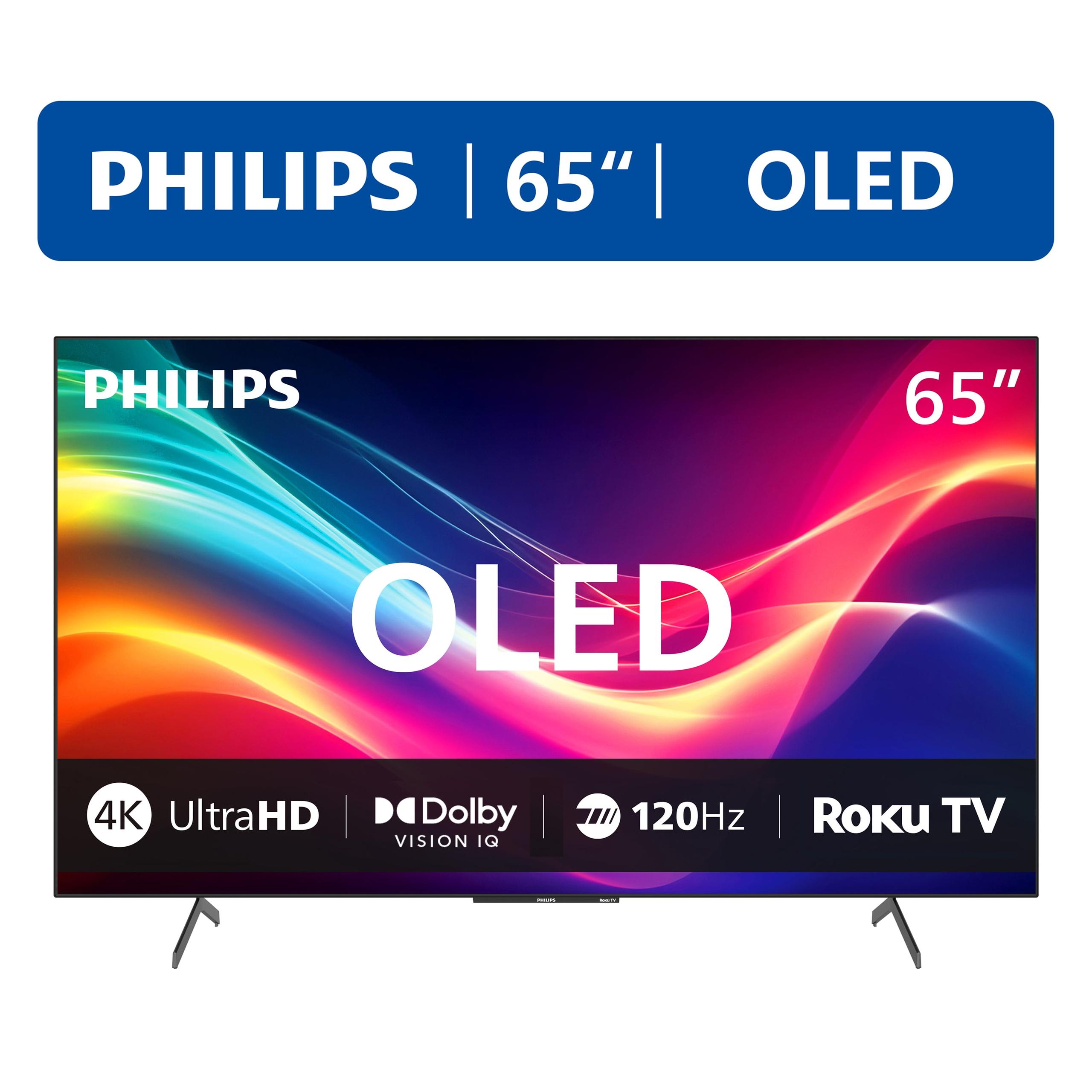
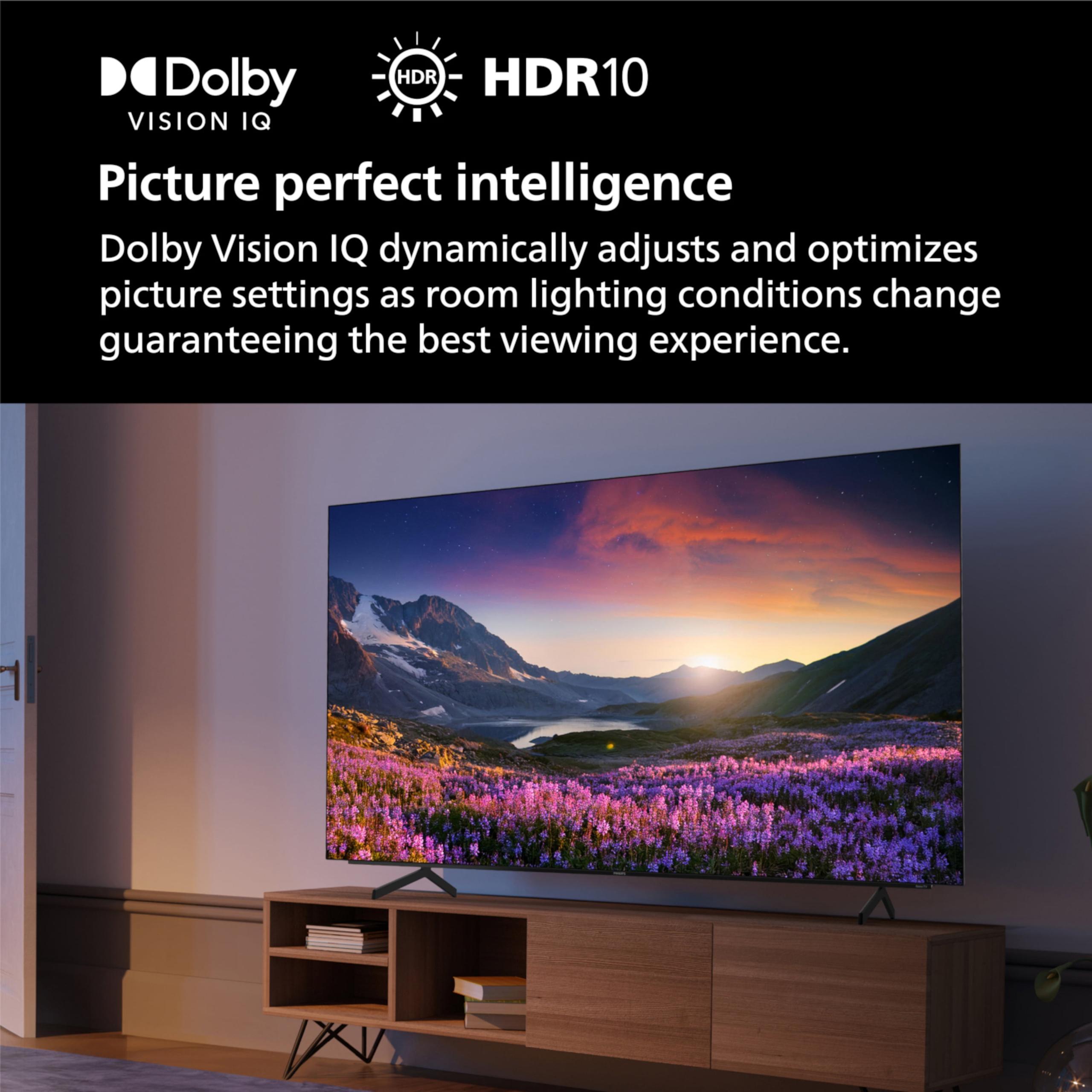
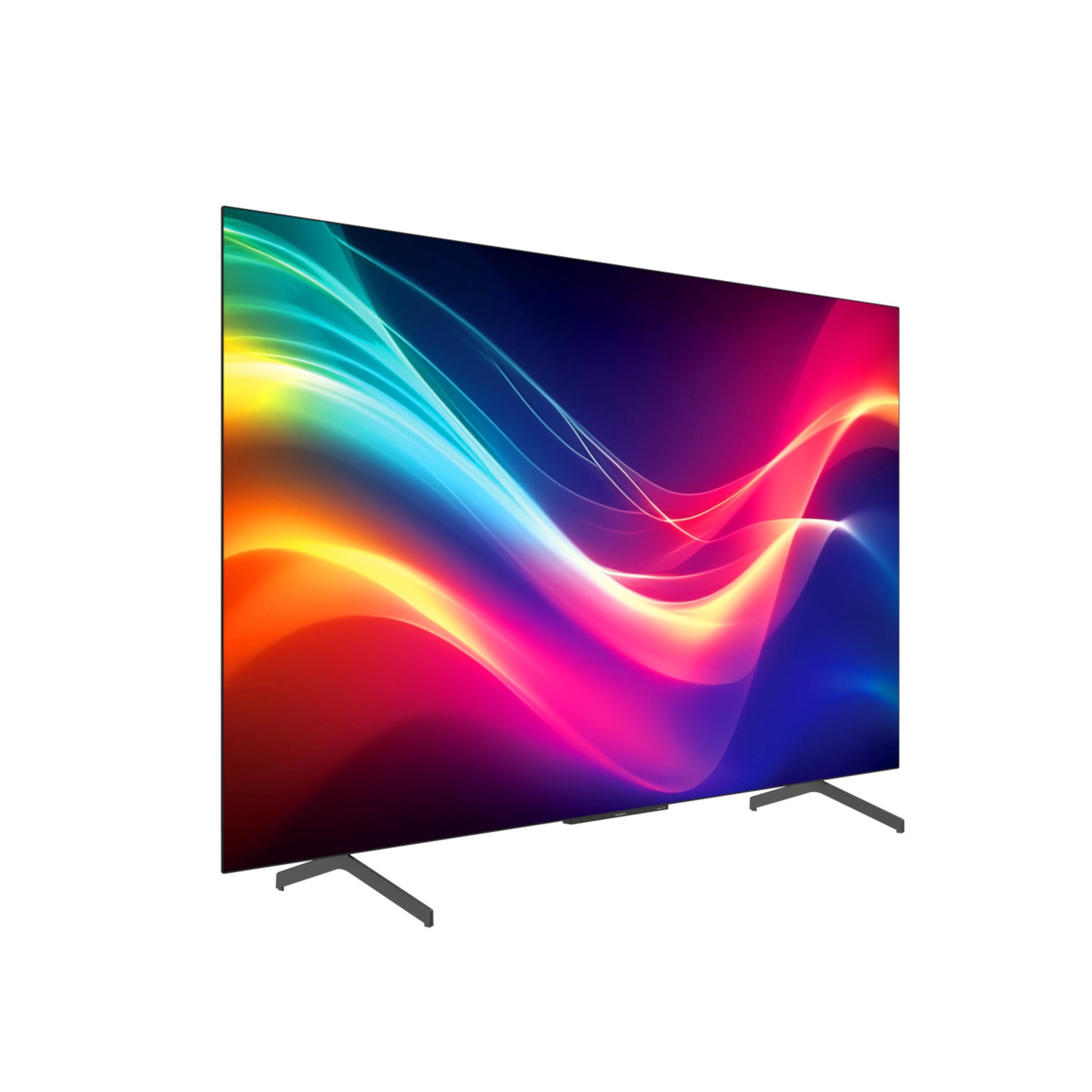
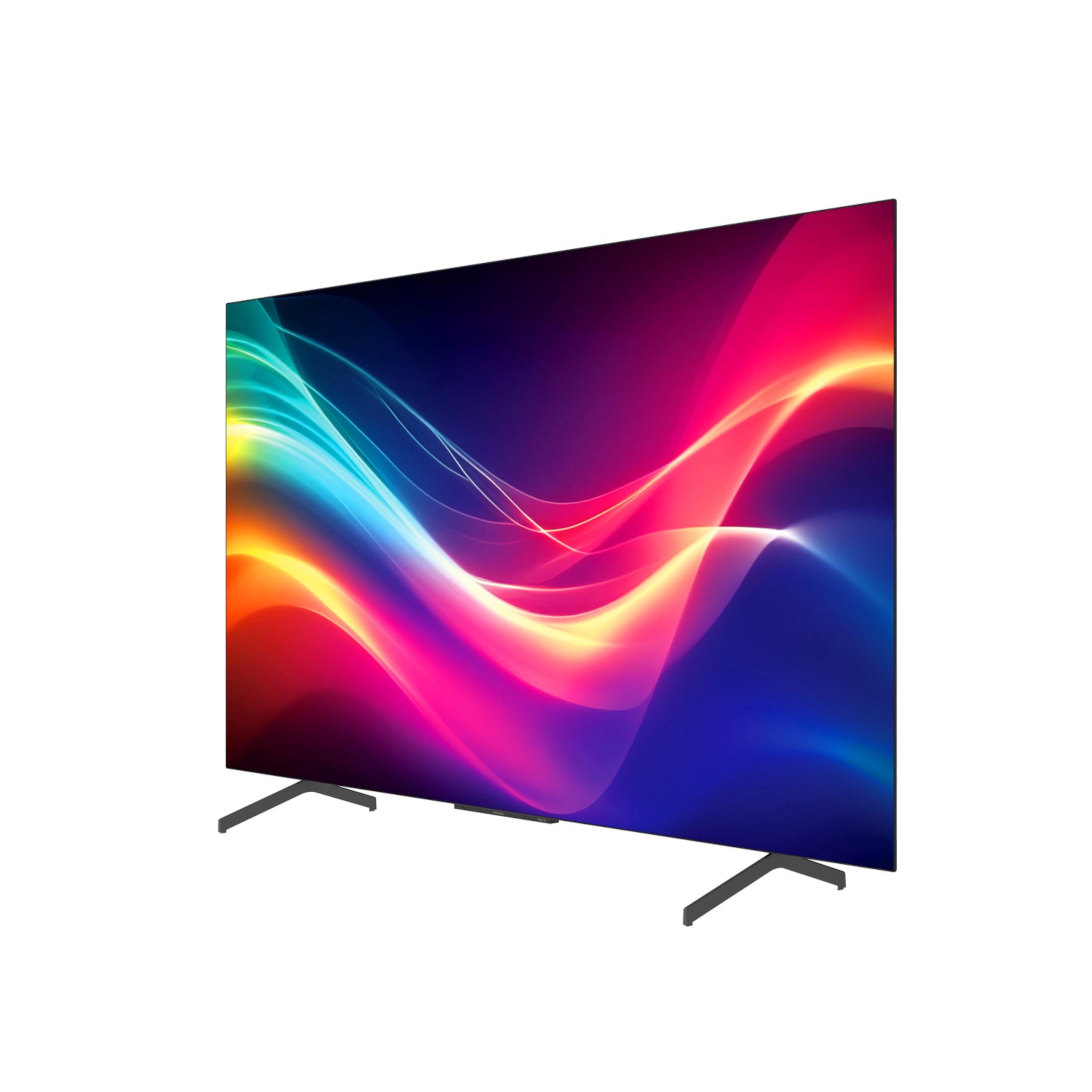
When you're shopping for a premium 65-inch TV, you'll quickly discover that not all displays are created equal. The Philips 65OLED974/F7 and Samsung Q8F represent two fundamentally different approaches to creating stunning visuals, and understanding these differences is crucial for making the right choice for your home.
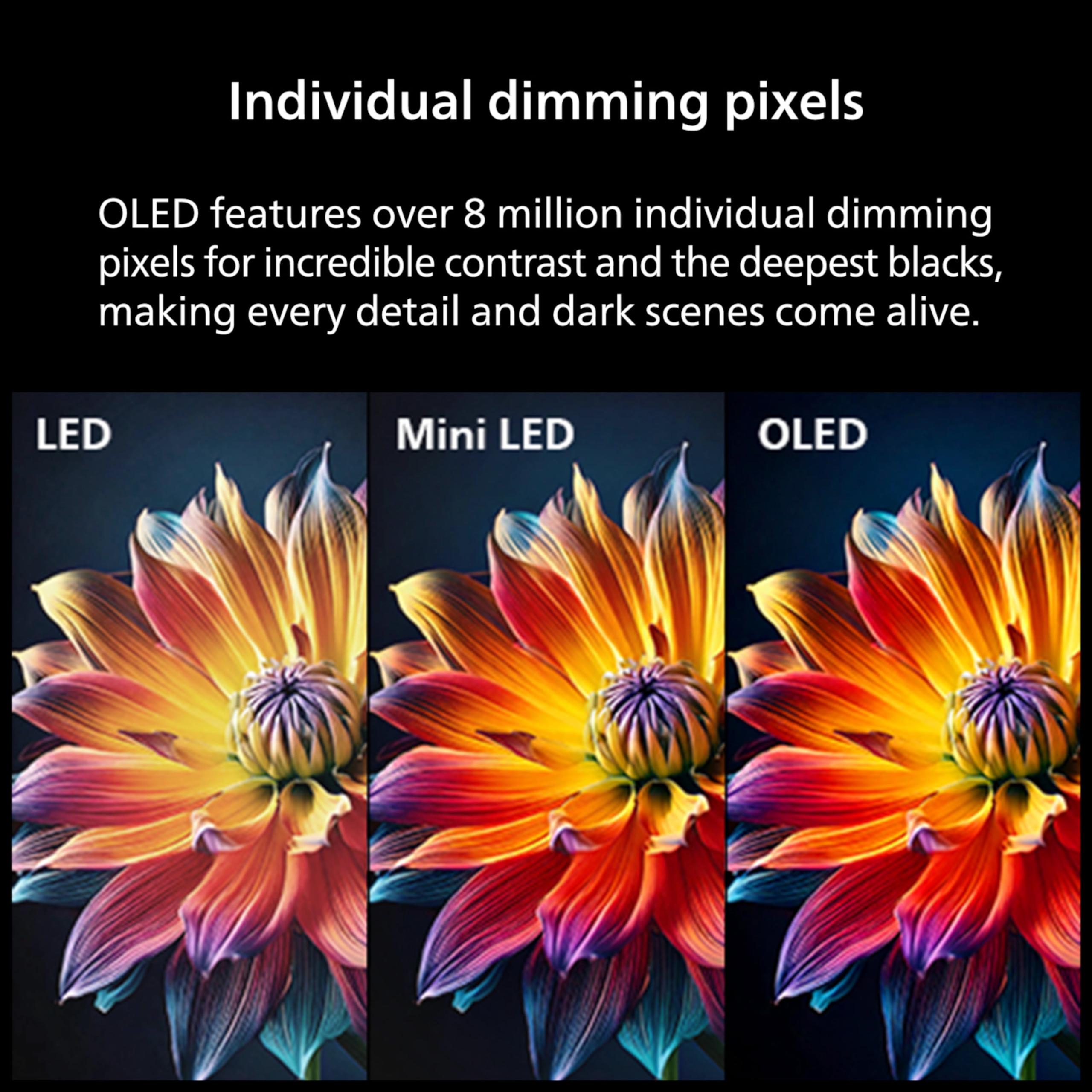
The most important thing to understand about these TVs is that they use completely different display technologies. The Philips OLED uses organic light-emitting diodes, where each of the 8.3 million pixels can turn completely on or off independently. Think of it like having millions of tiny light switches that can create perfect darkness when needed.
The Samsung Q8F, on the other hand, uses QLED technology, which is essentially a refined version of traditional LCD displays. It has a backlight system behind the screen with a layer of quantum dots (microscopic particles) that enhance color production. While this sounds complicated, the key point is that it can't turn individual pixels completely off like OLED can.
These technological differences create distinct advantages and limitations that directly impact your viewing experience, depending on where and how you watch TV.
If you've ever watched a movie in a darkened room and noticed gray, washed-out blacks instead of true darkness, you'll appreciate what makes OLED special. The Philips OLED delivers what's called "infinite contrast ratio" because it can display perfect blacks right next to brilliant whites without any light bleeding between them.
This creates an almost three-dimensional depth to images that's particularly striking in dark scenes. When watching space movies, the stars appear to float against truly black backgrounds, and shadow details in dramatic films become clearly visible without looking gray or washed out.
The Samsung Q8F, despite its local dimming technology (which divides the screen into zones to control brightness more precisely), can't achieve this level of contrast. You might notice some "blooming" around bright objects in dark scenes - a subtle halo effect where light spills into areas that should be black.
Here's where the tables turn dramatically. The Samsung Q8F can produce much higher peak brightness levels than the Philips OLED, making it significantly better for rooms with lots of ambient light. When sunlight streams through windows or you have bright overhead lighting, the Samsung maintains vibrant, punchy colors while the Philips struggles to overcome the competing light.
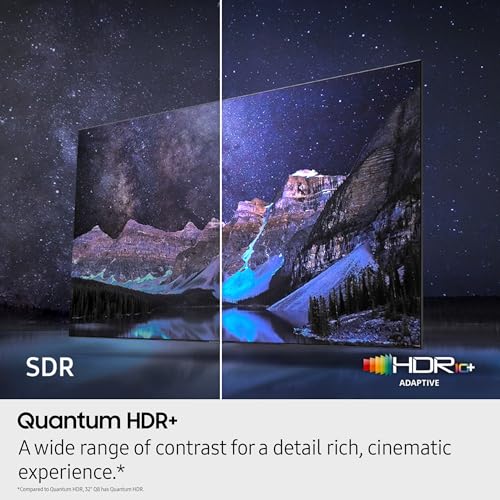
At the time of writing, OLED displays generally max out around 600-800 nits of brightness, while quality QLED TVs like the Samsung can reach 1000+ nits. Think of nits as units of brightness - the higher the number, the more the TV can fight against room lighting. This difference becomes especially noticeable when watching HDR (High Dynamic Range) content, where bright highlights like explosions or sunny skies should really pop off the screen.
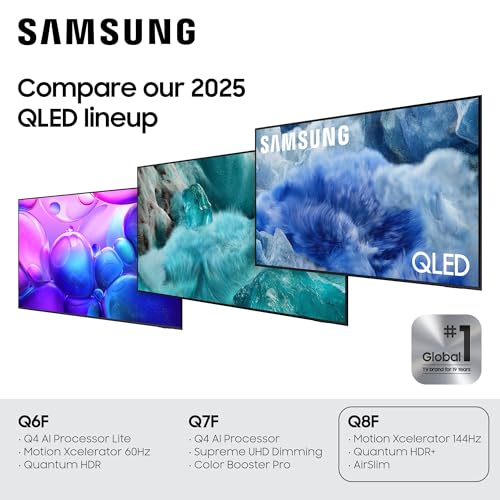
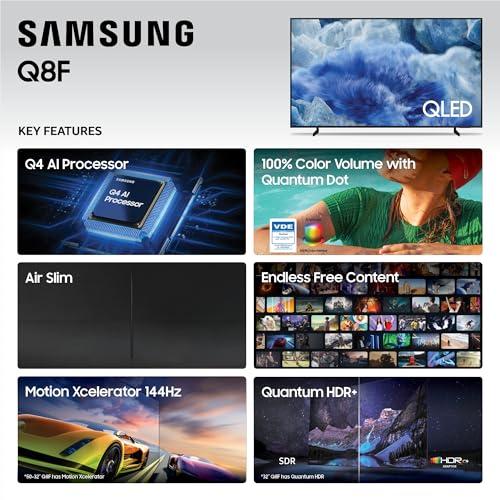
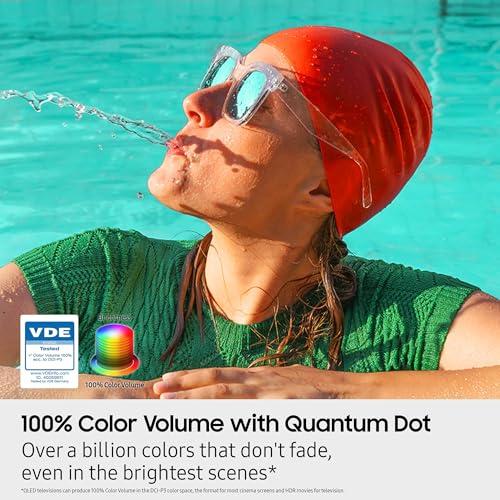
The Samsung Q8F uses quantum dot technology to achieve what Samsung calls "100% color volume." This means it can display vibrant colors even at high brightness levels - something traditional displays struggle with. The quantum dots act like tiny color filters that create more pure, saturated colors across the entire brightness spectrum.
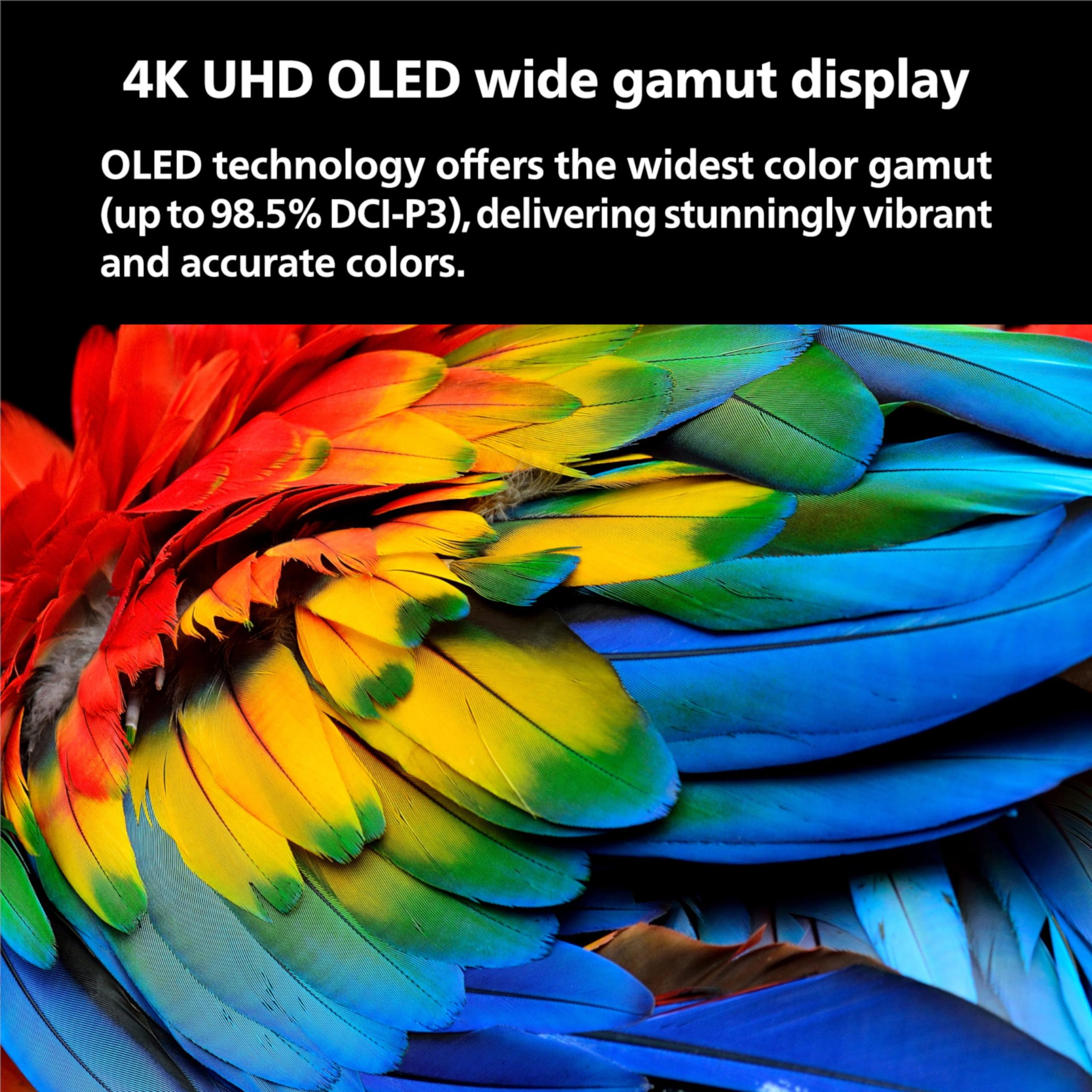
The Philips OLED covers an impressive 98.5% of the DCI-P3 color gamut (the color space used by movie studios), with excellent out-of-the-box accuracy. However, because of its brightness limitations, bright colors in HDR content can appear muted compared to what the director intended.
For gamers, the differences between these TVs become even more pronounced. The Philips OLED includes several gaming-focused features that put it ahead for competitive play.
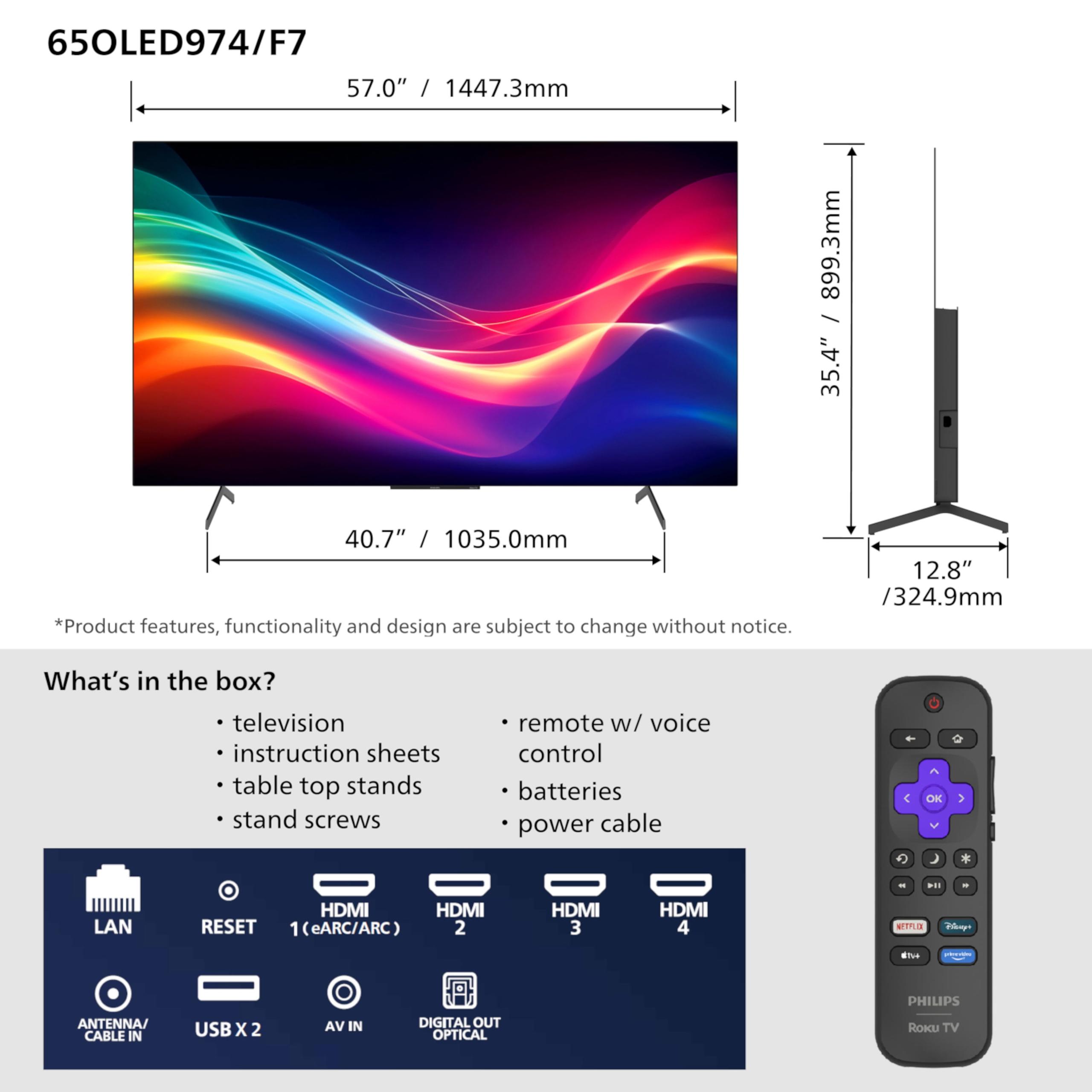
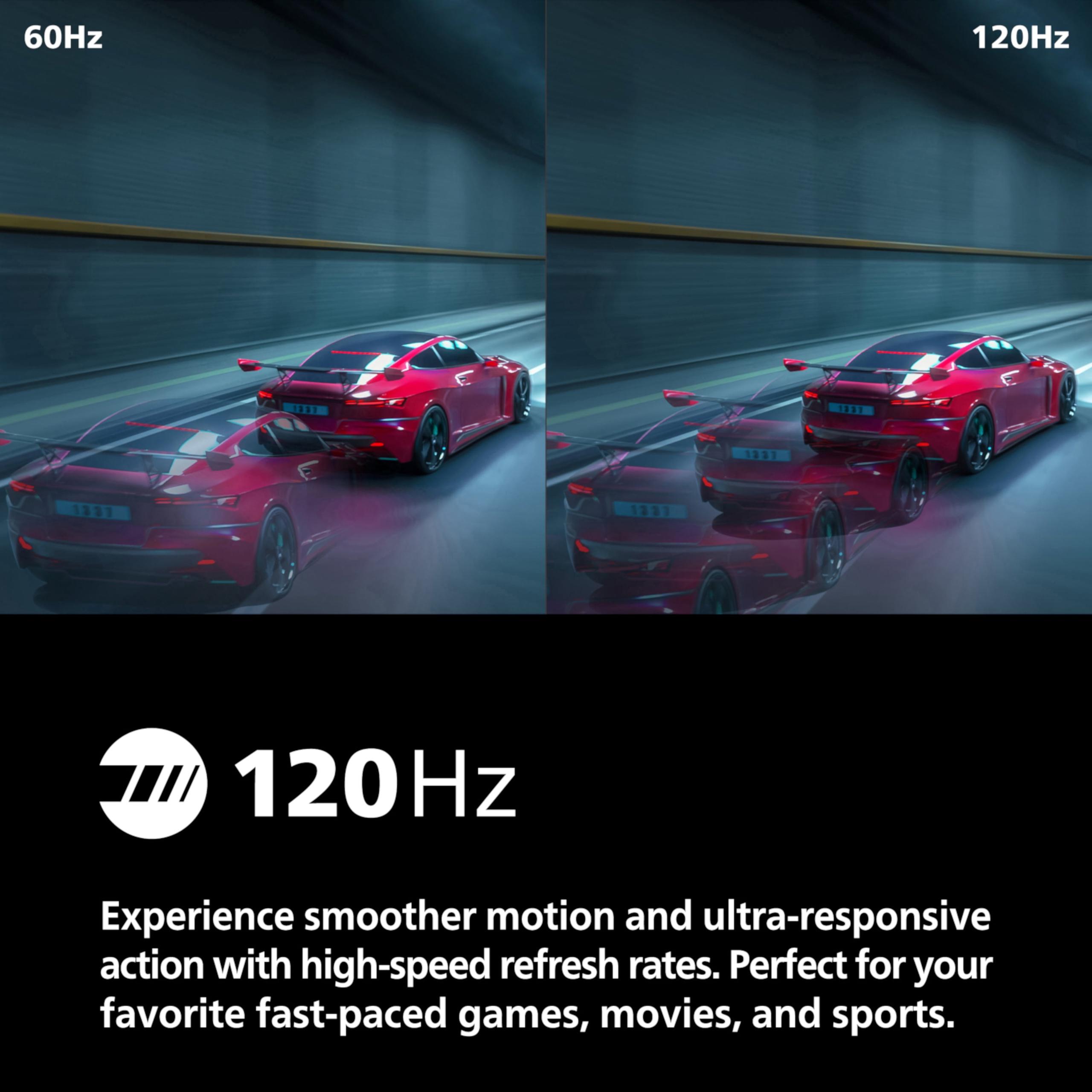
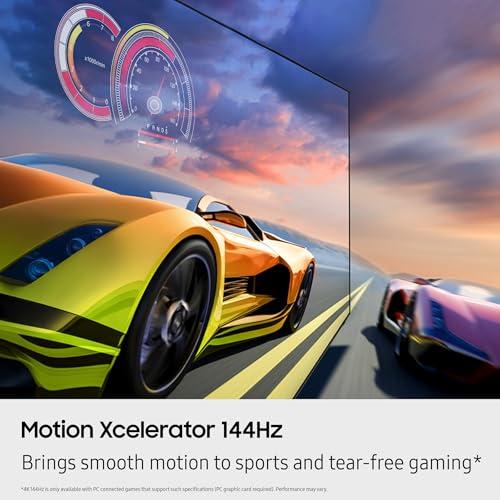
The most significant advantage is its 120Hz native refresh rate, meaning it can display 120 frames per second of smooth motion. Compare this to the Samsung Q8F's 60Hz base rate, and you're looking at twice as many image updates per second. This translates to smoother motion in fast-paced games and better compatibility with next-generation gaming consoles.
Response time is another critical factor - this measures how quickly individual pixels can change from one color to another. The Philips OLED achieves a response time under 0.1 milliseconds, which is essentially instantaneous. This eliminates motion blur during rapid camera movements or fast action sequences.
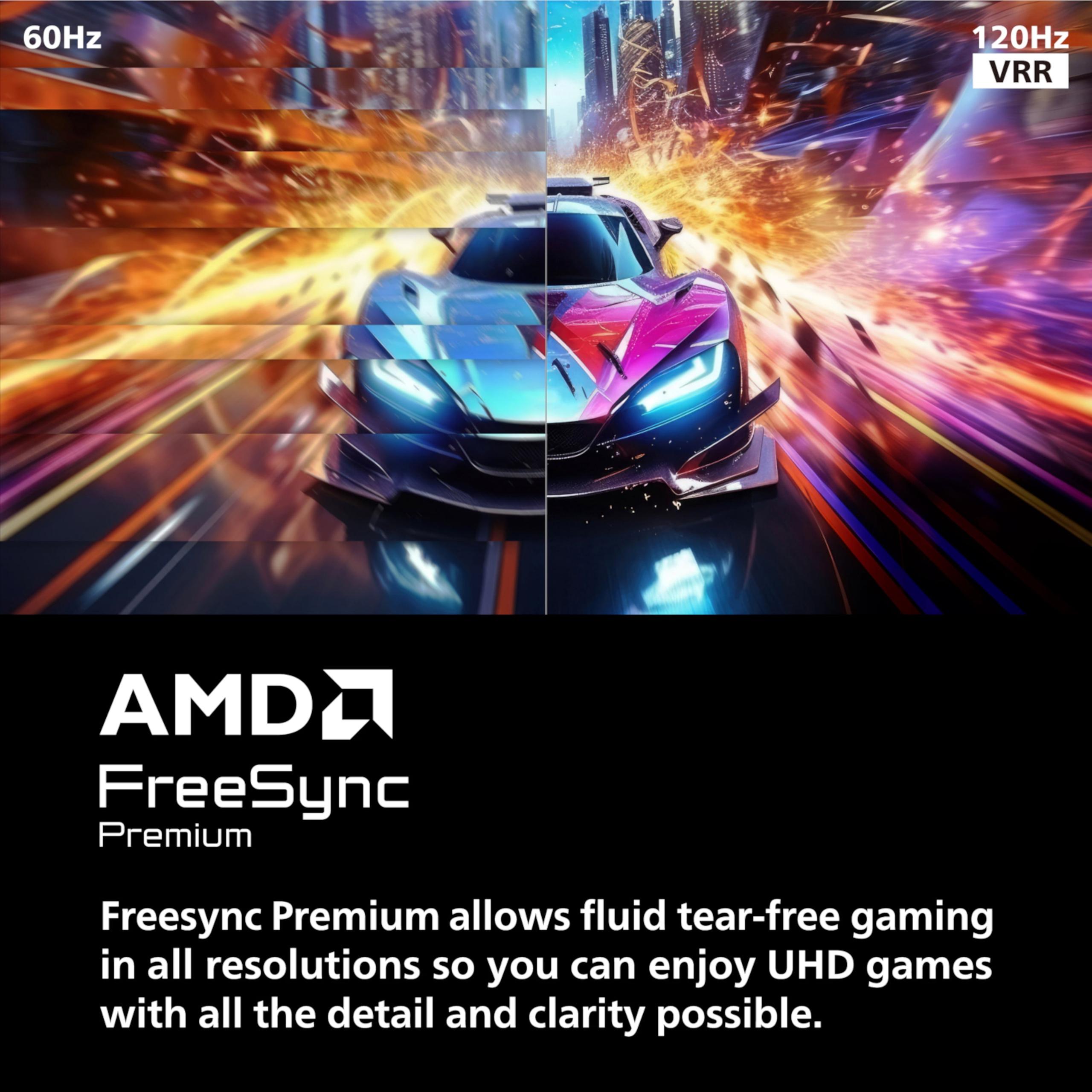
The OLED also includes AMD FreeSync Premium, a technology that synchronizes the TV's refresh rate with your gaming console's output to eliminate screen tearing (those annoying horizontal lines that appear during movement). While the Samsung Q8F has Auto Low Latency Mode and other gaming enhancements, it can't match the raw technical specifications of the OLED for serious gaming.
The Philips OLED runs Roku TV, which has earned a reputation for simplicity and comprehensive app support. Roku's interface prioritizes content discovery, making it easy to find shows across different streaming services. The remote includes voice control, and the platform receives regular updates that keep it current with new streaming services.
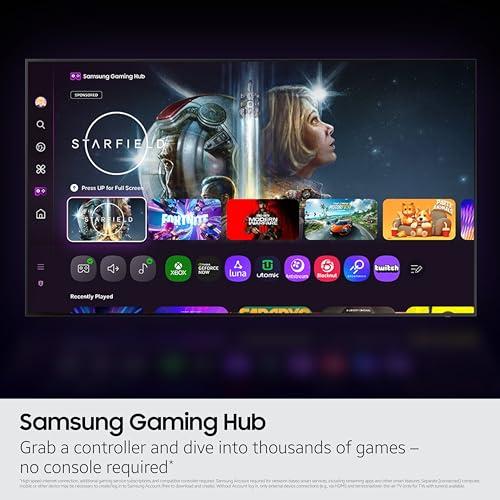
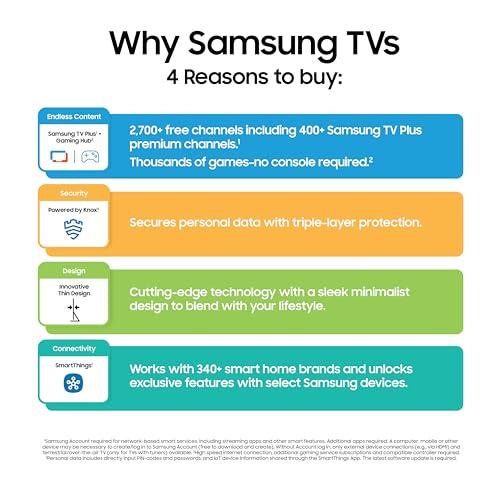
The Samsung Q8F uses Samsung's Tizen operating system, which offers more advanced customization options and deeper integration with Samsung's ecosystem. If you own other Samsung devices, you'll appreciate features like seamless connectivity with phones and tablets. Tizen also includes Samsung's Gaming Hub, providing access to cloud gaming services without needing a console.
Neither platform is objectively better - it comes down to whether you prefer Roku's straightforward approach or Samsung's feature-rich environment.
The Philips OLED was released in 2018, making it several years older than the 2025 Samsung Q8F. However, OLED technology has remained relatively stable in its core advantages - perfect blacks and infinite contrast haven't become outdated. The main improvements in newer OLEDs have been increased brightness and better processing, but the fundamental OLED experience remains consistent.
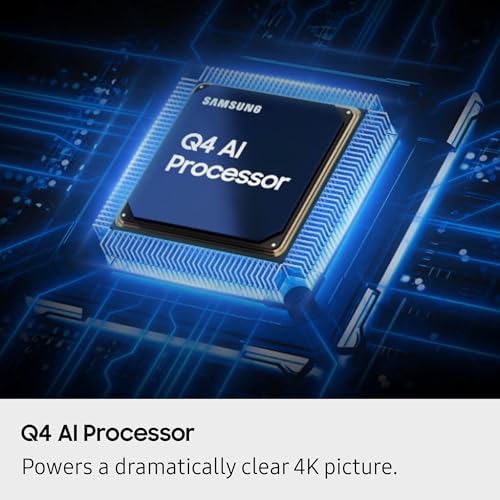
The Samsung Q8F, being a 2025 model, benefits from years of refinement in quantum dot technology and processing power. Modern QLED displays offer better local dimming, more precise color reproduction, and enhanced smart features compared to their predecessors from the same era as the Philips.
At the time of writing, there's a significant price difference between these TVs, with the Samsung Q8F positioned as a value-oriented option despite its premium features. This creates an interesting value calculation that goes beyond simple cost comparison.
The Samsung QLED offers exceptional brightness and color performance for rooms with ambient light, plus all the latest smart TV features, at a price point that makes premium TV technology accessible. For many families, this represents outstanding value for money.
The Philips OLED, while commanding a premium, provides access to OLED technology's unique advantages at a lower cost than many competing OLED models from the same era. If perfect contrast is your priority, it offers a relatively affordable entry point into OLED ownership.
For dedicated home theater setups, the choice becomes more nuanced. The Philips OLED's perfect blacks and infinite contrast create the cinematic experience that movie enthusiasts crave, especially when watching in a darkened room. The way it handles shadow detail and creates depth in images closely mirrors what you'd see in a professional cinema.
However, if your "home theater" is actually your living room with some ambient lighting, the Samsung Q8F's superior brightness might provide a more consistently impressive experience across different viewing conditions.
Consider also your audio setup. Both TVs benefit from external sound systems, but the Samsung's integration with Samsung soundbars through its Q-Symphony feature creates a more cohesive ecosystem if you're planning to upgrade your audio as well.
Choose the Philips OLED if you:
Choose the Samsung Q8F if you:
After researching extensive user reviews and expert opinions, it's clear that both TVs excel in their intended scenarios. The Philips OLED delivers an almost magical viewing experience in dark environments, with picture quality that can make you forget you're watching a screen. Its gaming performance is genuinely superior for those who prioritize smooth motion and minimal input lag.
The Samsung Q8F provides outstanding real-world performance for typical living room environments. Its brightness advantage makes HDR content more impactful in normal lighting conditions, and its value proposition is compelling for anyone wanting premium features without premium pricing.
Your room's lighting conditions should be the primary deciding factor. If you can control ambient light and primarily watch in darker conditions, the OLED's perfect blacks create an experience that's hard to replicate. If you need a TV that performs well throughout the day in various lighting conditions, the Samsung's brightness and versatility make it the more practical choice.
Both represent solid investments in premium TV technology, just with very different strengths. The key is matching those strengths to your specific viewing habits and environment.
| Philips 65OLED974/F7 | Samsung Q8F 2025 |
|---|---|
| Display Technology - Fundamentally different approaches to creating images | |
| OLED (pixels emit their own light) | QLED (LED backlight with quantum dots) |
| Black Levels - Critical for dark room viewing and contrast | |
| Perfect blacks (infinite contrast ratio) | Good blacks with local dimming (limited by backlight) |
| Peak Brightness - Essential for bright rooms and HDR impact | |
| Poor (~600-800 nits, struggles in bright rooms) | Excellent (1000+ nits, fights ambient light well) |
| Refresh Rate - Important for gaming and motion clarity | |
| 120Hz native (true high refresh rate) | 60Hz base with motion enhancement |
| Response Time - Critical for gaming performance | |
| <0.1ms (eliminates motion blur completely) | Not specified (likely 8-15ms typical for QLED) |
| Gaming Features - Modern console compatibility | |
| AMD FreeSync Premium, HDMI 2.1, 4K@120Hz | Auto Game Mode, VRR support, standard gaming features |
| Color Performance - Affects vibrancy and accuracy | |
| 98.5% DCI-P3, excellent accuracy but limited by brightness | 100% color volume, vibrant across all brightness levels |
| Smart Platform - Daily user experience | |
| Roku TV (simple, reliable, excellent app selection) | Tizen (feature-rich, Samsung ecosystem integration) |
| Release Year - Affects available features and value | |
| 2018 (older but OLED tech remains excellent) | 2025 (latest processing and smart features) |
| Viewing Angle - Important for wide seating arrangements | |
| 176° horizontal/vertical (excellent OLED advantage) | 178° horizontal/vertical (very good for QLED) |
| Best Use Case - Where each TV truly excels | |
| Dark room viewing, home theater, competitive gaming | Bright rooms, family use, versatile performance |
| Value Proposition - Performance per dollar consideration | |
| Premium OLED experience at competitive price | Exceptional QLED performance at strong value price |
The Philips 65OLED974/F7 is significantly better for dark room viewing due to its OLED technology. Each pixel can turn completely off to create perfect blacks and infinite contrast, making it ideal for home theater setups. The Samsung Q8F has good contrast with local dimming but cannot match OLED's perfect black levels.
The Samsung Q8F 2025 excels in bright rooms with its superior peak brightness that can overcome ambient light and glare. The Philips OLED struggles in well-lit environments due to poor peak brightness, making HDR content appear dim and washed out during daytime viewing.
OLED in the Philips 65OLED974/F7 uses pixels that emit their own light, allowing for perfect blacks and infinite contrast. QLED in the Samsung Q8F uses a backlight with quantum dots for enhanced colors and brightness, but cannot achieve true blacks since the backlight is always on.
The Philips OLED is superior for gaming with its 120Hz native refresh rate, sub-0.1ms response time, and AMD FreeSync Premium support. The Samsung Q8F offers good gaming features like Auto Game Mode but operates at 60Hz base refresh rate with higher response times.
The Philips 65OLED974/F7 runs Roku TV, known for its simple interface and excellent app selection. The Samsung Q8F 2025 uses Tizen, which offers more advanced features, Samsung ecosystem integration, and gaming hub capabilities for a more feature-rich experience.
The Samsung Q8F provides exceptional value with premium QLED performance at a competitive price point. The Philips OLED commands a premium but offers OLED technology's unique advantages at a lower cost than many competing OLED models.
The Philips OLED has potential burn-in risk with static content, though this is rare with normal viewing habits and modern OLED panels. The Samsung Q8F has no burn-in concerns and potentially longer lifespan with consistent brightness performance over time.
Both TVs excel in different ways. The Samsung Q8F 2025 achieves 100% color volume with quantum dots, maintaining vibrant colors at all brightness levels. The Philips 65OLED974/F7 covers 98.5% DCI-P3 color gamut with excellent accuracy, though bright colors may appear muted due to brightness limitations.
The Philips OLED features a true 120Hz native panel for smooth motion and gaming compatibility. The Samsung Q8F has a 60Hz base refresh rate with motion enhancement technology, which is adequate for most content but not as smooth as true 120Hz.
The Philips 65OLED974/F7 is ideal for dedicated home theater rooms with its perfect blacks, infinite contrast, and cinematic depth in dark environments. The Samsung Q8F may be better for living room "home theaters" where some ambient light is present due to its superior brightness capabilities.
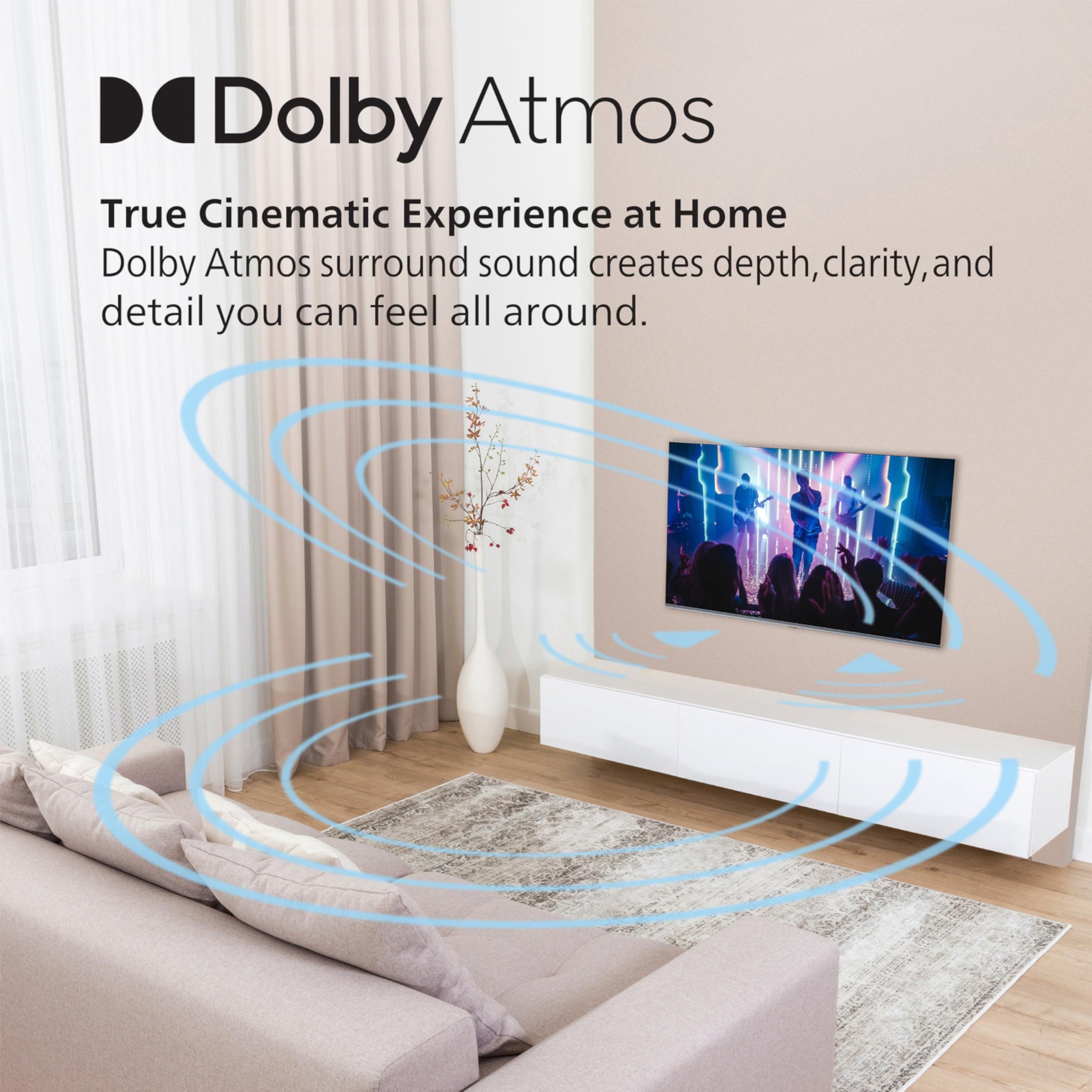
The Philips OLED features Dolby Atmos 2.1 speaker system with dedicated subwoofer for immersive sound. The Samsung Q8F 2025 offers Object Tracking Sound Lite and Q-Symphony compatibility with Samsung soundbars for enhanced audio integration within Samsung's ecosystem.
The Philips 65OLED974/F7 was released in 2018 but OLED technology remains excellent with timeless advantages like perfect blacks. The Samsung Q8F 2025 benefits from years of QLED refinement with latest processing, smart features, and improved local dimming technology.
We've done our best to create useful and informative comparisons to help you decide what product to buy. Our research uses advanced automated methods to create this comparison and perfection is not possible - please contact us for corrections or questions. These are the sites we've researched in the creation of this article: rtings.com - versus.com - versus.com - rtings.com - samsclub.com - versus.com - youtube.com - usa.philips.com - bestbuy.com - usa.philips.com - consumerreports.org - usa.philips.com - documents.philips.com - tvoutlet.ca - displayspecifications.com - business.walmart.com - displayspecifications.com - ecoustics.com - walmart.com - bestbuy.com - rtings.com - tomsguide.com - youtube.com - samsung.com - youtube.com - youtube.com - youtube.com - rtings.com - rtings.com - linqcdn.avbportal.com - bestbuy.com - samsung.com - samsung.com - samsung.com - youtube.com - youtube.com - billsmith.com - samsung.com - samsung.com - samsung.com - hometechnologyreview.com - shopjetson.com - certappl.com - samsung.com - theapplianceplug.com - samsung.com - manuals.plus - bestbuy.com - device.report - samsung.com - shopsilica.com - dentonstv.com

Privacy Policy
Terms and Conditions - Affiliate Policy
Home Security
© Copyright 2008-2026.
11816 Inwood Rd #1211, Dallas, TX 75244