


When you're shopping for a premium 65-inch TV, you'll quickly discover that not all displays are created equal. Two fundamentally different technologies dominate the high-end market: QLED and OLED. The Samsung 65" QLED Q8F and Panasonic Z95B Series OLED represent excellent examples of each approach, but they're designed for very different buyers and budgets.
At the time of writing, these TVs sit at opposite ends of the premium spectrum—the Samsung Q8F offers flagship QLED features at a mid-tier price point, while the Panasonic Z95B commands true flagship pricing for cutting-edge OLED technology. Understanding which technology suits your needs will save you from buyer's remorse and help you get the most value for your investment.
Before diving into specifics, it's crucial to understand what separates these display technologies. QLED stands for Quantum Dot Light Emitting Diode—essentially an LED TV with a special layer called quantum dots that enhances color production. The Samsung Q8F uses this technology, where LED backlights shine through quantum dot sheets to create more accurate, vibrant colors than traditional LED TVs.
OLED (Organic Light Emitting Diode) works completely differently. Each pixel in an OLED display like the Panasonic Z95B is essentially a tiny light that can turn on, dim, or shut off completely. This fundamental difference creates the most important distinction between these technologies: OLED can produce perfect blacks because pixels turn completely off, while QLED always has some backlight bleeding through.
The room where you'll watch TV plays a huge role in which technology works better. QLED excels in bright, sunny living rooms where its higher peak brightness cuts through glare and ambient light. OLED shines (literally) in darker environments where its perfect blacks and infinite contrast create that cinema-like experience many home theater enthusiasts crave.
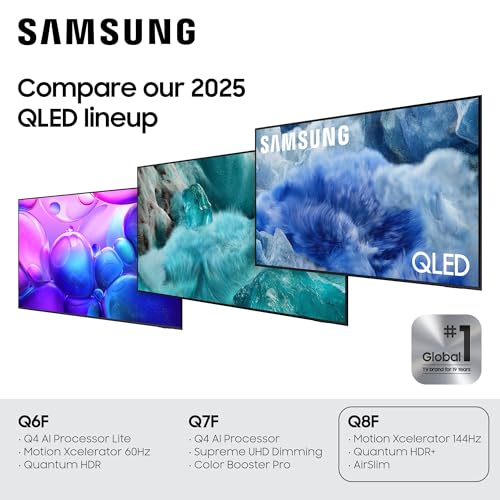
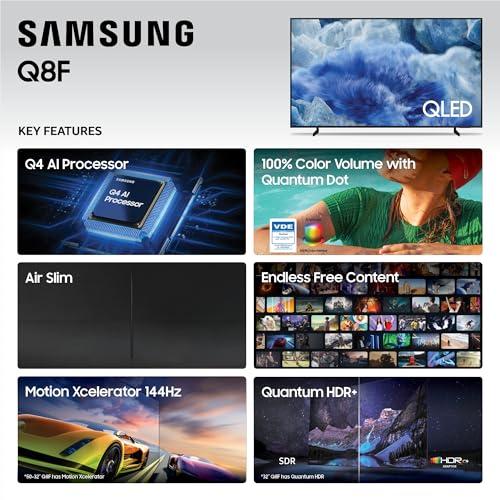
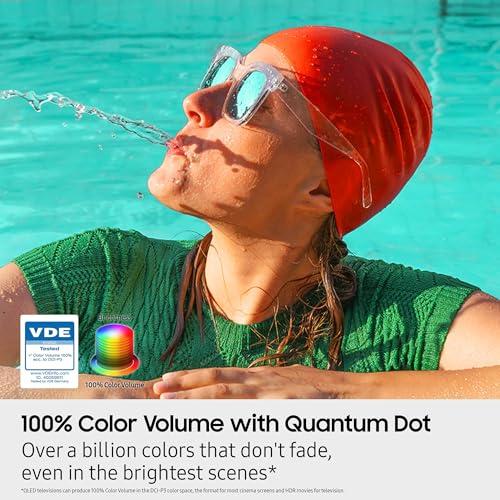
Released in 2025, the Samsung Q8F represents Samsung's continued refinement of QLED technology. What makes this particular model interesting is its positioning—you get many flagship features without the flagship price tag. The quantum dot technology delivers what Samsung calls "100% Color Volume," meaning it can display vibrant colors even at high brightness levels where other TVs might wash out.
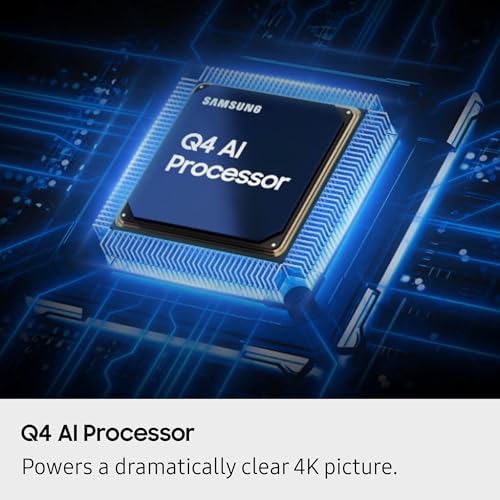
The standout feature is the Q4 AI Processor, which goes beyond simple picture enhancement. This processor analyzes scenes in real-time, automatically adjusting both picture and sound settings based on what you're watching. For instance, it recognizes when you're watching a dark thriller versus a bright sports broadcast and optimizes accordingly. The AI even powers a unique "Generative Wallpaper" feature that creates custom backgrounds based on keywords you provide—turning your TV into digital art when not in use.
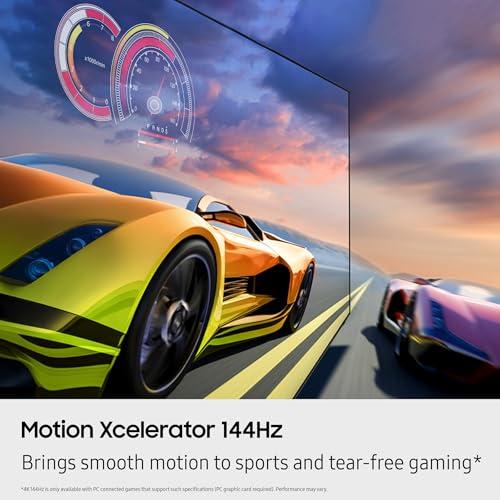
Samsung's Motion Xcelerator 144Hz technology handles fast motion exceptionally well. Whether you're watching sports or playing games, the combination of high refresh rates and intelligent processing minimizes motion blur. The Dual LED backlighting system uses different color temperatures to improve contrast, while Supreme UHD Dimming divides the screen into zones for more precise brightness control.
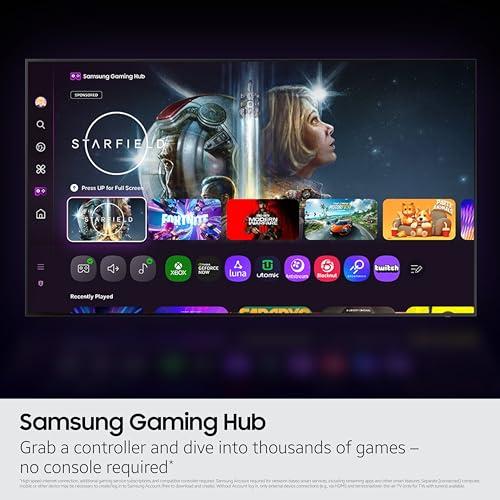
For gamers, the Q8F includes AI Auto Game Mode that detects what type of game you're playing and optimizes settings automatically. Racing games get different treatment than RPGs, and the TV switches between these modes seamlessly. Variable Refresh Rate (VRR) and Auto Low Latency Mode (ALLM) ensure smooth, responsive gameplay up to 144Hz.
The built-in sound system, while not exceptional, includes Object Tracking Sound Lite that follows action across the screen and Q-Symphony compatibility with Samsung soundbars. The 20-watt, 2-channel setup handles dialogue clearly but lacks the depth for immersive movie watching.
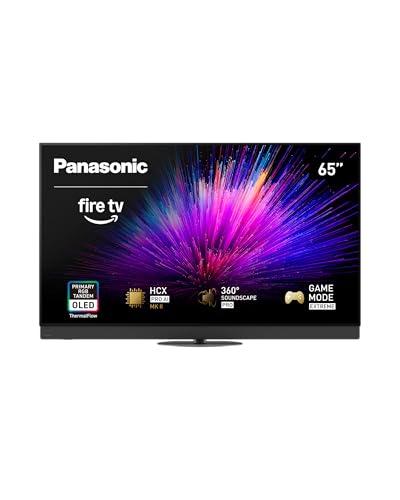
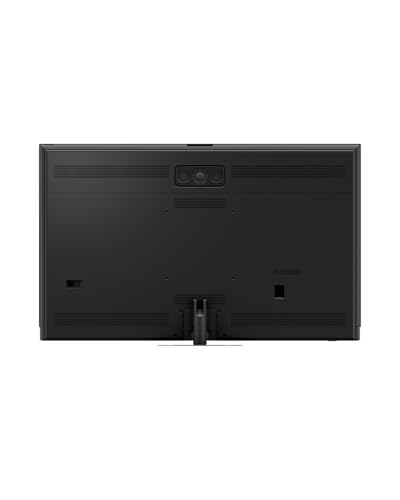
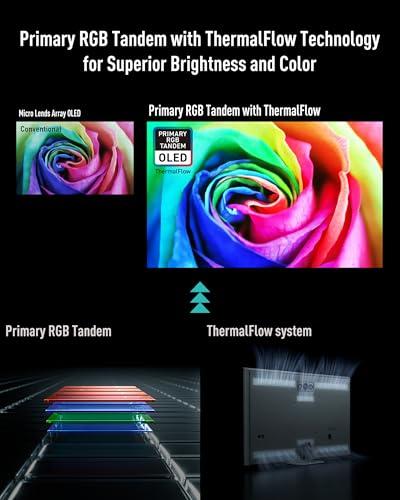
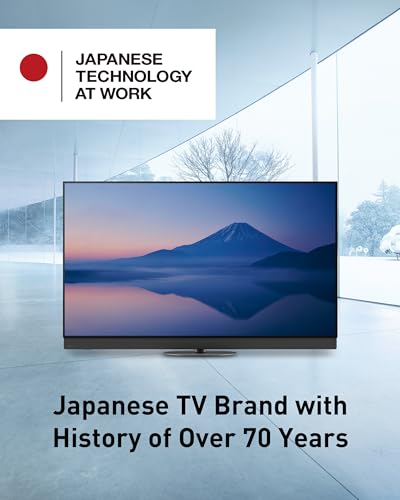
The Panasonic Z95B, also launched in 2025, showcases what happens when a company focuses entirely on picture and sound quality over flashy features. Panasonic equipped this TV with a Primary RGB Tandem OLED panel—the same advanced technology found in much more expensive competitor models. This four-layer panel structure increases brightness and color purity compared to traditional OLED displays while maintaining those perfect black levels.
The HCX Pro AI Processor MK II represents years of Panasonic's image processing expertise. Where Samsung emphasizes convenience features, Panasonic obsesses over picture accuracy. The processor excels at upscaling streaming content, reducing the artifacts and noise that plague lower-quality sources. More importantly, it supports both HDR10+ and Dolby Vision—a rare combination that gives you maximum compatibility with premium content.
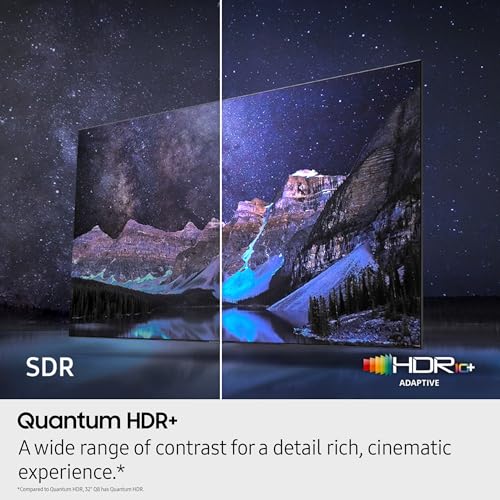
What sets the Z95B apart is its approach to HDR (High Dynamic Range). While the Samsung Q8F supports HDR10+ but not Dolby Vision, the Panasonic handles both formats expertly. Dolby Vision content, which includes most Netflix originals and many 4K Blu-rays, displays with the director's intended contrast and color grading. This matters significantly for movie enthusiasts who want cinema-quality visuals at home.
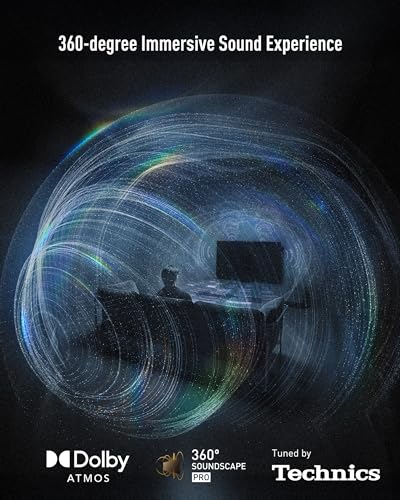
The built-in audio system deserves special mention. Instead of basic TV speakers, Panasonic installed a complete 5.1.2 surround sound system they call "360° Soundscape Pro." This isn't marketing fluff—the TV includes dedicated speakers for surround and height channels, creating genuine spatial audio without external speakers. For many buyers, this eliminates the need for a separate soundbar entirely.
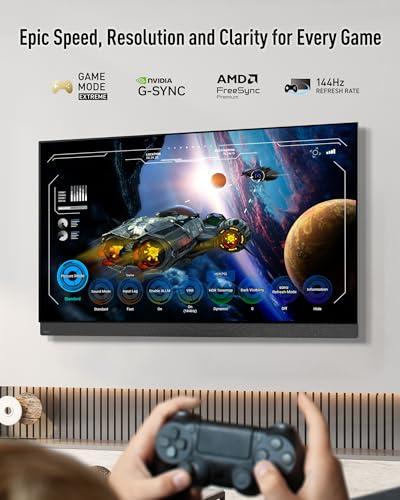
Gaming performance on the Z95B benefits from OLED's near-instantaneous pixel response times. Input lag measures extremely low, and the support for 4K at 144Hz with VRR makes it excellent for both console and PC gaming. However, it lacks some of Samsung's AI-powered gaming optimizations.
The picture quality comparison reveals fundamental differences in philosophy. The Samsung Q8F prioritizes visual impact—colors pop, highlights gleam, and the overall image grabs your attention immediately. This approach works brilliantly for bright rooms and content like sports, news, and colorful streaming shows. The quantum dot technology ensures colors remain saturated even at high brightness levels where OLED might struggle.
However, the Q8F's edge-lit LED design can't achieve true blacks. Dark scenes show some backlight bleeding, and high-contrast moments (like white text on black backgrounds) reveal subtle haloing around bright objects. For most content and viewing conditions, this isn't problematic, but critical viewers notice the difference.
The Panasonic Z95B takes the opposite approach: perfect accuracy over eye-catching visuals. Each pixel can turn completely off, creating infinite contrast ratios that make dark movie scenes look genuinely cinematic. Colors appear more natural and film-like, which some viewers prefer while others find less exciting than Samsung's vibrant presentation.
The Primary RGB Tandem OLED technology in the Z95B addresses traditional OLED brightness limitations. While it can't match QLED peak brightness for HDR highlights, it gets much closer than previous OLED generations. More importantly, the improved brightness doesn't sacrifice color accuracy or black levels.
Image processing quality favors the Panasonic Z95B significantly. Both TVs upscale lower-resolution content well, but the HCX Pro AI Processor MK II handles streaming artifacts, noise reduction, and motion processing more sophisticatedly. If you watch a lot of streaming content or older movies, the difference becomes apparent quickly.
Both TVs excel at gaming but in different ways. The Samsung Q8F focuses on convenience and intelligent optimization. The AI Auto Game Mode recognizes game genres and adjusts settings automatically—sports games get enhanced motion clarity while dark adventure games receive improved shadow detail. The Game Mode Extreme minimizes input lag while preserving picture quality.
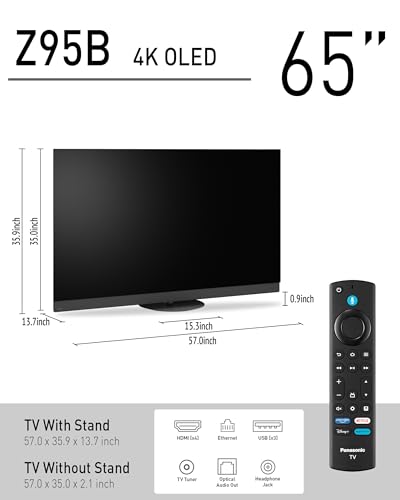
The Panasonic Z95B offers superior raw gaming performance. OLED's instantaneous pixel response eliminates motion blur almost entirely, creating incredibly sharp movement during fast-paced action. Input lag measures lower than most competitors, making it ideal for competitive gaming where every millisecond matters. The two full-bandwidth HDMI 2.1 ports support all current gaming features including 4K at 144Hz, VRR, and both FreeSync and G-SYNC compatibility.
For console gamers, both TVs work excellently. PC gamers might prefer the Z95B's superior motion clarity and lower input lag, while casual gamers might appreciate the Q8F's automatic optimizations and user-friendly features.
This represents one of the biggest practical differences between these TVs. The Samsung Q8F includes adequate speakers for casual viewing—dialogue comes through clearly, and there's enough volume for most rooms. However, the 20-watt, 2-channel system lacks the dynamic range and spatial imaging that make movies and games truly immersive. Samsung expects most buyers to add a soundbar later.
The Panasonic Z95B includes what amounts to a built-in soundbar system. The 5.1.2 configuration includes dedicated surround and height speakers that create genuine spatial audio effects. Dolby Atmos content plays with overhead effects, gunshots pan across the soundstage, and dialogue maintains clarity even during action sequences. This system rivals mid-range soundbars and eliminates cable clutter and setup complexity.
For apartment dwellers or anyone who wants a complete entertainment system without external components, the Z95B's audio advantage is substantial. However, serious audiophiles will eventually want to upgrade either TV's audio with high-end external speakers.
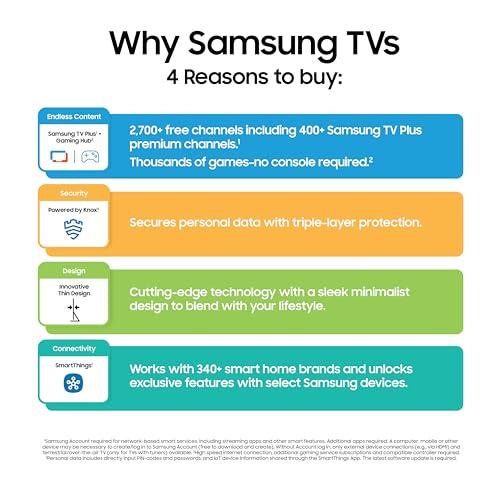
Samsung's Tizen operating system on the Q8F offers one of the smoothest smart TV experiences available. The interface responds quickly, app selection is extensive, and features like SmartThings Hub integration let the TV control smart home devices. The promise of seven years of OS updates provides long-term software support. Bixby voice control works well for basic commands, though it's not as conversational as other assistants.
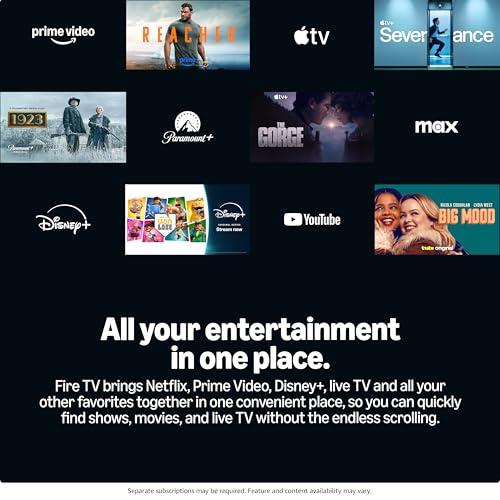
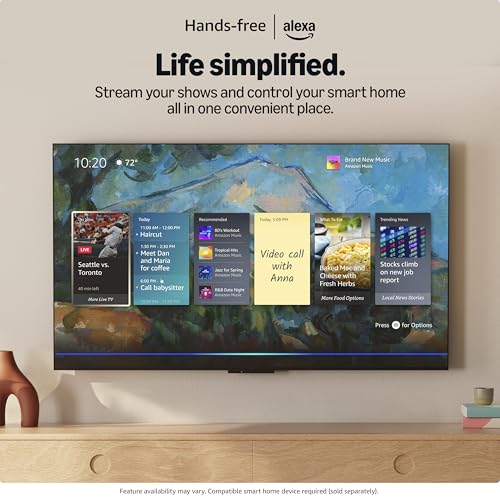
The Panasonic Z95B runs Fire TV, which provides good streaming app access but feels less polished than Tizen. The interface occasionally stutters, and the app ecosystem, while adequate, isn't as comprehensive. However, Alexa integration works smoothly for voice control and smart home functions.
For most users, both smart platforms access all major streaming services effectively. The Samsung offers a more premium smart TV experience, while the Panasonic focuses resources on picture and sound quality instead of interface refinement.
At the time of writing, the price difference between these TVs is substantial—the Samsung Q8F costs roughly one-third of the Panasonic Z95B. This price gap reflects not just different display technologies but different target markets entirely.
The Q8F delivers exceptional value for QLED technology. You get flagship-level brightness, color enhancement, and smart features at a price point that makes premium TV technology accessible. For most buyers in bright to moderately lit rooms, it provides a premium viewing experience without premium pricing.
The Z95B commands flagship pricing but includes features that justify the cost for the right buyer. The built-in surround sound system alone represents several hundred dollars of value, and the Primary RGB Tandem OLED panel technology costs significantly more to manufacture than standard LED displays.
Total ownership costs matter here. The Samsung Q8F likely requires a soundbar investment ($200-800) for optimal audio, while the Z95B includes premium audio but costs much more upfront. For buyers planning a complete home theater system, the math becomes more complex.
Choose the Samsung Q8F if you want excellent performance without the flagship investment. It's perfect for bright living rooms where families watch a variety of content. The AI features, extensive app selection, and bright, colorful picture make it ideal for casual viewing. Gamers get solid performance with convenient optimization features. Budget-conscious buyers who want premium features without premium pricing will find excellent value here.
The Panasonic Z95B targets serious home theater enthusiasts and anyone who prioritizes picture accuracy above all else. If you have a dedicated media room, watch primarily movies and premium content, or simply want the best possible picture quality regardless of cost, the Z95B delivers. The built-in surround sound makes it perfect for viewers who want a complete premium experience without external components.
Consider room lighting carefully—the Q8F handles bright environments better, while the Z95B excels in controlled lighting where its perfect blacks create that authentic cinema atmosphere.
The decision ultimately comes down to priorities: value-oriented premium performance versus cost-no-object excellence. Both TVs succeed admirably at their intended goals, but they're designed for different buyers with different expectations and budgets. Choose based on your viewing environment, content preferences, and willingness to invest in the absolute best picture quality available.
| Samsung 65" QLED Q8F | Panasonic Z95B Series OLED |
|---|---|
| Display Technology - Fundamental difference affecting picture quality and price | |
| QLED with Quantum Dots (LED backlight with color enhancement) | Primary RGB Tandem OLED (self-illuminating pixels) |
| Peak Brightness - Critical for bright room viewing and HDR impact | |
| High QLED brightness, excellent for daytime viewing | Improved OLED brightness but still lower than QLED |
| Black Levels - Most important for dark room cinema experience | |
| Good contrast but some backlight bleeding | Perfect blacks with infinite contrast ratio |
| HDR Format Support - Affects compatibility with premium content | |
| HDR10+ only (no Dolby Vision support) | Both HDR10+ AND Dolby Vision (rare combination) |
| Processor - Impacts upscaling and picture optimization | |
| Q4 AI Processor with scene optimization | HCX Pro AI Processor MK II (superior image processing) |
| Refresh Rate - Important for gaming and sports | |
| Up to 144Hz with Motion Xcelerator technology | Up to 144Hz with near-instantaneous OLED response |
| Gaming Features - Matters for console and PC gamers | |
| AI Auto Game Mode, VRR, ALLM with smart optimization | Lower input lag, 2x HDMI 2.1 ports, VRR, FreeSync/G-SYNC |
| Built-in Audio - Determines if you need external speakers | |
| Basic 20W 2-channel system (soundbar recommended) | Premium 5.1.2 surround system (soundbar replacement) |
| Smart Platform - Affects app selection and user experience | |
| Tizen OS with extensive apps and 7-year updates | Fire TV OS with good streaming access but smaller ecosystem |
| Voice Control - Convenience feature for smart home integration | |
| Bixby with multi-command support and SmartThings Hub | Alexa built-in with smart home compatibility |
| Design Philosophy - Reflects target user priorities | |
| Vibrant colors optimized for visual impact and bright rooms | Cinema-accurate colors prioritizing film-like presentation |
| Value Positioning - Budget considerations at time of writing | |
| Mid-tier pricing for flagship QLED features | Premium flagship pricing for cutting-edge OLED technology |
The Samsung Q8F is significantly better for bright rooms due to its QLED technology and higher peak brightness. The quantum dot enhancement allows it to maintain vibrant colors even in daylight, while the Panasonic Z95B OLED performs better in darker environments where its perfect blacks can be appreciated.
QLED TVs like the Samsung Q8F use LED backlights with quantum dot color enhancement, delivering bright, vibrant images ideal for well-lit spaces. OLED displays like the Panasonic Z95B have self-illuminating pixels that can turn completely off, creating perfect blacks and infinite contrast ratios perfect for dark room viewing.
Both TVs offer excellent gaming with 4K at 144Hz and VRR support. The Panasonic Z95B has lower input lag and near-instantaneous OLED pixel response, making it technically superior for competitive gaming. The Samsung Q8F offers AI Auto Game Mode that automatically optimizes settings based on game type.
The Samsung Q8F has basic 20W speakers that work for casual viewing but benefit from a soundbar upgrade. The Panasonic Z95B includes a built-in 5.1.2 surround sound system that eliminates the need for external speakers, offering genuine spatial audio for movies and games.
The Panasonic Z95B supports both HDR10+ and Dolby Vision, giving you maximum compatibility with premium content from Netflix, Disney+, and 4K Blu-rays. The Samsung Q8F only supports HDR10+ and lacks Dolby Vision, which may limit some premium content experiences.
The Panasonic Z95B excels in dedicated home theater rooms with its perfect blacks, cinema-accurate colors, and built-in surround sound system. The Samsung Q8F works better in multipurpose living rooms where ambient light is present and vibrant, eye-catching visuals are preferred.
The Samsung Q8F runs Tizen OS with extensive app selection, SmartThings Hub integration, and promises 7 years of updates. The Panasonic Z95B uses Fire TV OS which provides good streaming access but has a smaller app ecosystem and less polished interface.
The Samsung Q8F delivers vibrant, punchy colors optimized for visual impact, especially in bright environments. The Panasonic Z95B focuses on cinema-accurate color reproduction with superior image processing, perfect blacks, and more natural film-like presentation ideal for movie watching.
The Samsung Q8F offers exceptional value with flagship QLED features at a mid-tier price point. The Panasonic Z95B commands premium pricing but includes advanced OLED technology and built-in surround sound that may justify the cost for serious home theater enthusiasts.
Yes, both the Samsung Q8F and Panasonic Z95B excel with 4K content. The Samsung uses AI upscaling for good results, while the Panasonic's HCX Pro AI Processor MK II provides superior processing for streaming content and handles artifacts better.
Both TVs offer solid build quality, but QLED technology in the Samsung Q8F typically has longer lifespan expectations. The Panasonic Z95B uses advanced Primary RGB Tandem OLED technology that's more durable than traditional OLED panels, though OLED displays can experience burn-in with static content over time.
For serious movie watching, the Panasonic Z95B is superior with its perfect blacks, Dolby Vision support, cinema-accurate colors, and built-in surround sound creating an authentic theater experience. The Samsung Q8F works well for casual movie viewing but lacks the film-like presentation and deep blacks that enhance cinematic content.
We've done our best to create useful and informative comparisons to help you decide what product to buy. Our research uses advanced automated methods to create this comparison and perfection is not possible - please contact us for corrections or questions. These are the sites we've researched in the creation of this article: bestbuy.com - rtings.com - tomsguide.com - youtube.com - samsung.com - youtube.com - youtube.com - youtube.com - rtings.com - rtings.com - linqcdn.avbportal.com - bestbuy.com - samsung.com - samsung.com - samsung.com - youtube.com - youtube.com - billsmith.com - samsung.com - samsung.com - samsung.com - hometechnologyreview.com - shopjetson.com - certappl.com - samsung.com - theapplianceplug.com - samsung.com - manuals.plus - bestbuy.com - device.report - samsung.com - shopsilica.com - dentonstv.com - rtings.com - whathifi.com - techradar.com - tomsguide.com - youtube.com - youtube.com - youtube.com - avsforum.com - bestbuy.com - manuals.plus - na.panasonic.com - panasonic.com - displayspecifications.com - valueelectronics.com - flatpanelshd.com - valueelectronics.com - displayspecifications.com - flatpanelshd.com

Privacy Policy
Terms and Conditions - Affiliate Policy
Home Security
© Copyright 2008-2026.
11816 Inwood Rd #1211, Dallas, TX 75244