

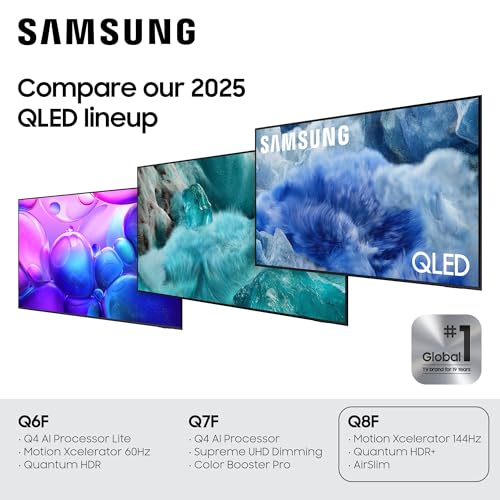
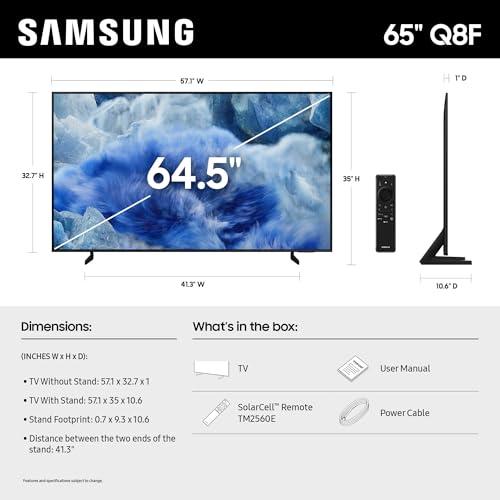

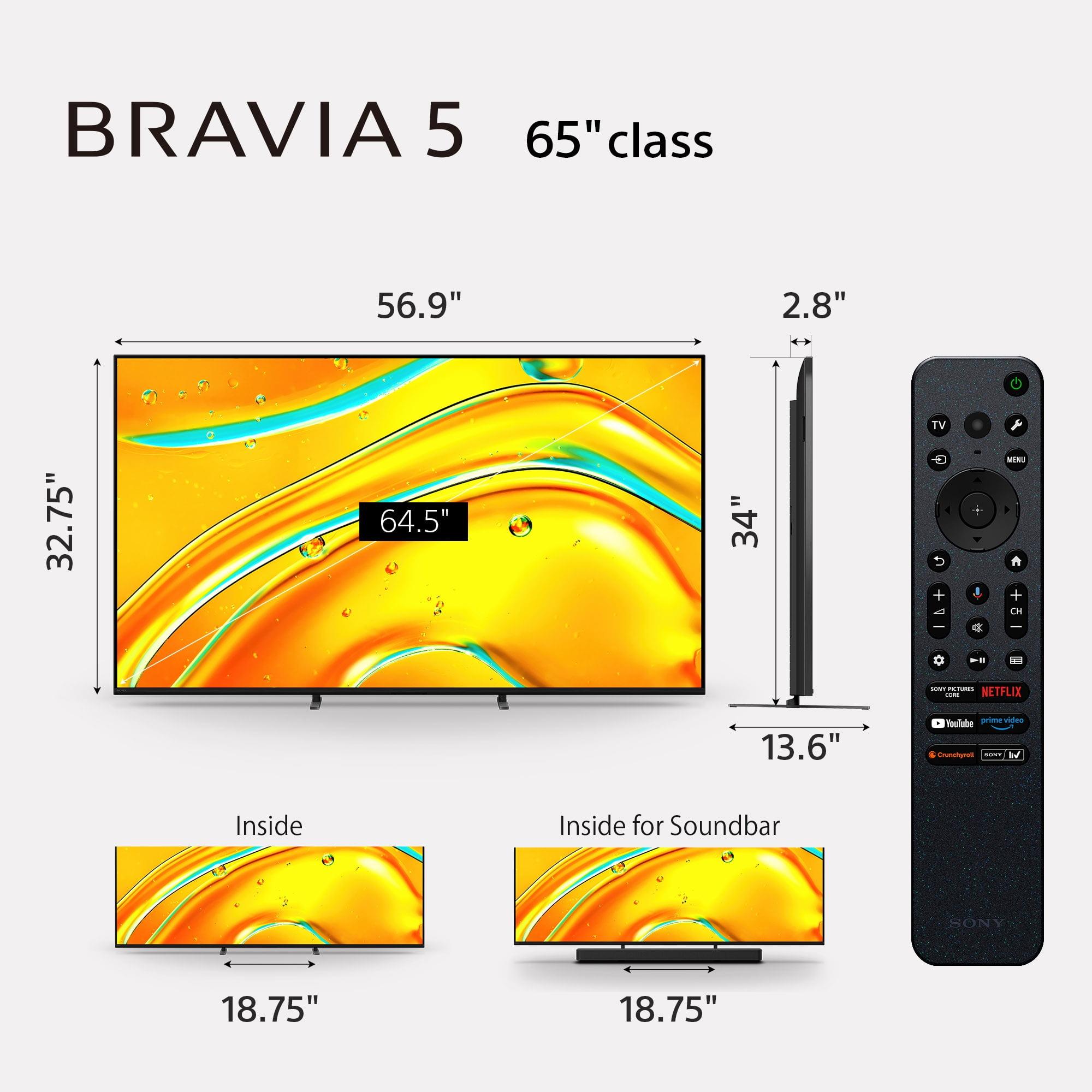
Picking the right 65-inch TV can feel overwhelming, especially when you're comparing two completely different approaches to premium picture quality. The Samsung Q8F QLED and Sony BRAVIA 5 Mini LED both launched in 2025, but they represent fundamentally different philosophies about what makes a great television. After diving deep into user reviews, professional testing, and technical specifications, we've found that your choice ultimately depends on your room, budget, and priorities.
The 65-inch screen size has become the sweet spot for modern living rooms—large enough for an immersive experience without overwhelming most spaces. But size is just the starting point. What really matters is the display technology underneath that determines how those 8.3 million pixels actually look.
Both Samsung and Sony have taken dramatically different approaches to solving the same fundamental challenge: how do you make an LCD panel (which relies on a backlight shining through liquid crystals) produce the deep blacks and bright highlights that make movies look cinematic? Samsung's answer is QLED technology with quantum dots, while Sony chose Mini LED backlighting with thousands of individually controlled zones.
Think of it this way: Samsung is enhancing the color and brightness of the light itself, while Sony is getting incredibly precise about where that light goes. These different strategies create distinct advantages that matter more in some viewing situations than others.
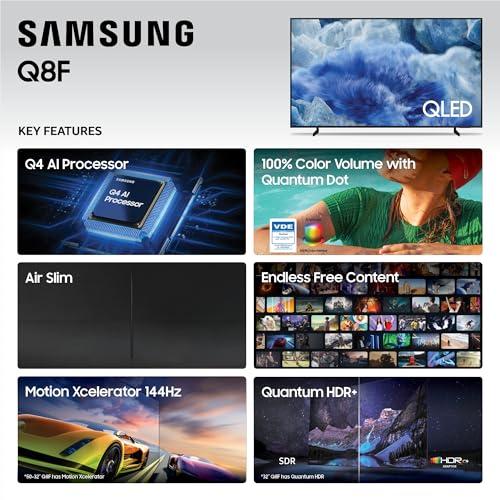
The Samsung Q8F builds on quantum dot technology that Samsung has been refining for years. Quantum dots are microscopic particles that convert blue LED light into highly pure red and green colors. This might sound overly technical, but the practical result is immediately visible: colors that appear more saturated and vivid than traditional LCD panels can produce.
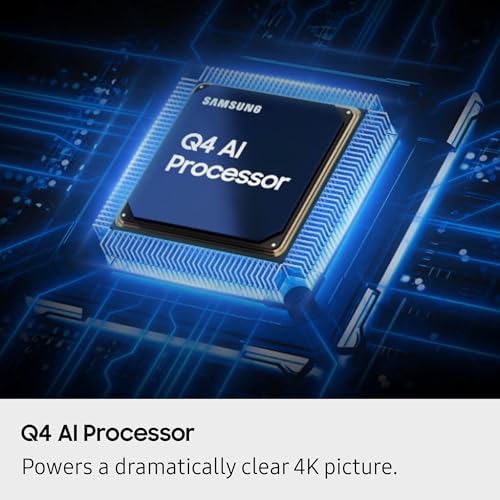
Samsung's implementation includes their Q4 AI Processor, which analyzes each scene and optimizes the quantum dot layer in real-time. The Dual LED backlighting system uses two different color temperatures to improve both warm and cool tones. What this means for you is that daytime TV watching in a bright room looks exceptional—the quantum dots help colors stay vibrant even when competing with sunlight streaming through windows.
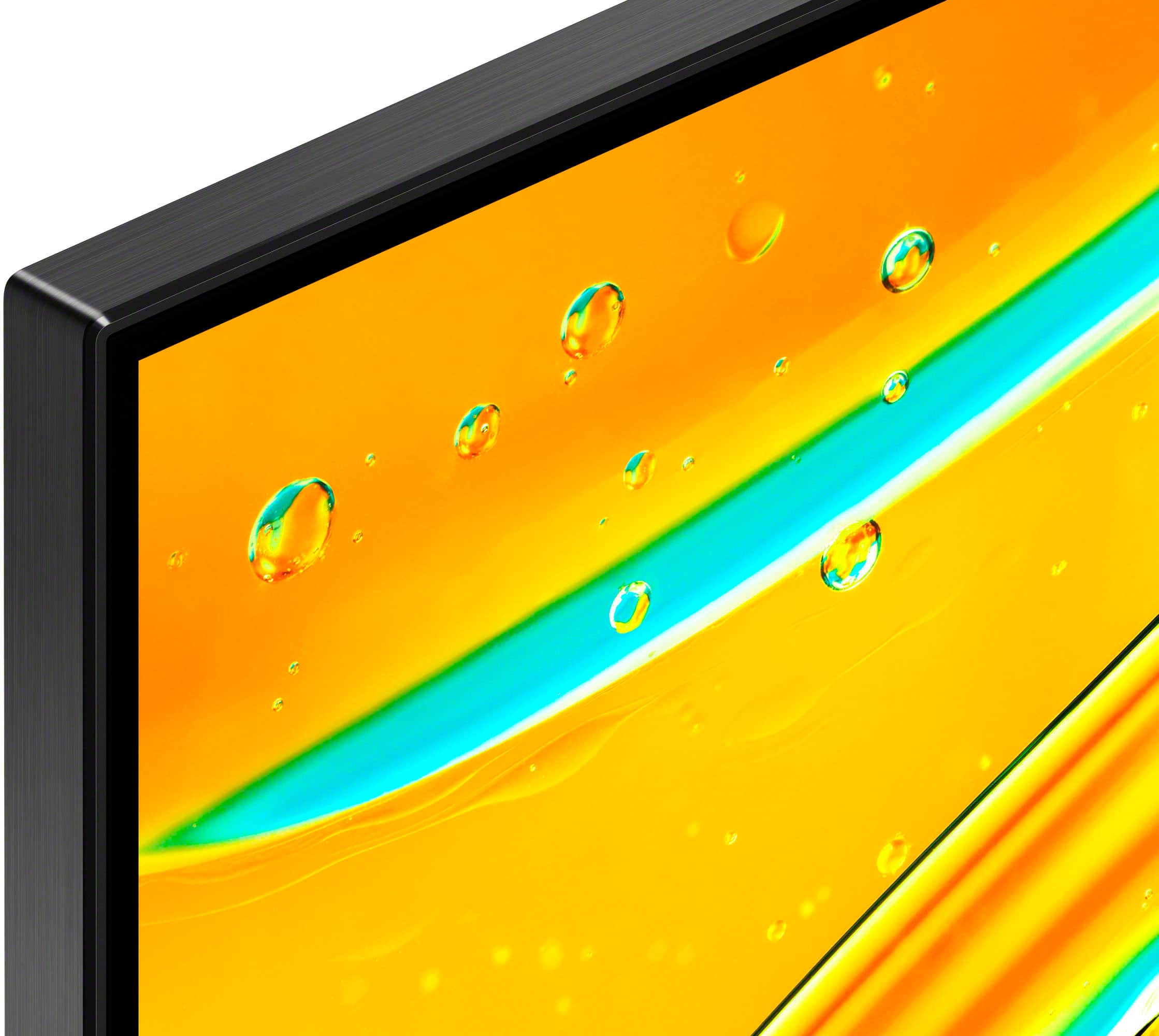
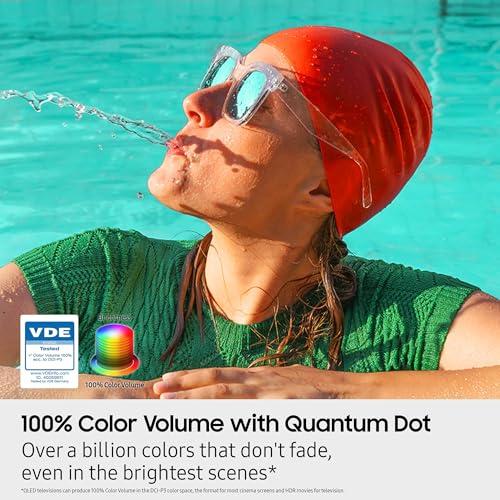
The 100% Color Volume certification means the Samsung Q8F can display over a billion different colors at any brightness level. Traditional LCD TVs often lose color saturation as they get brighter, but quantum dots maintain their intensity. This is why QLED TVs excel in bright rooms and with HDR content that features brilliant highlights.
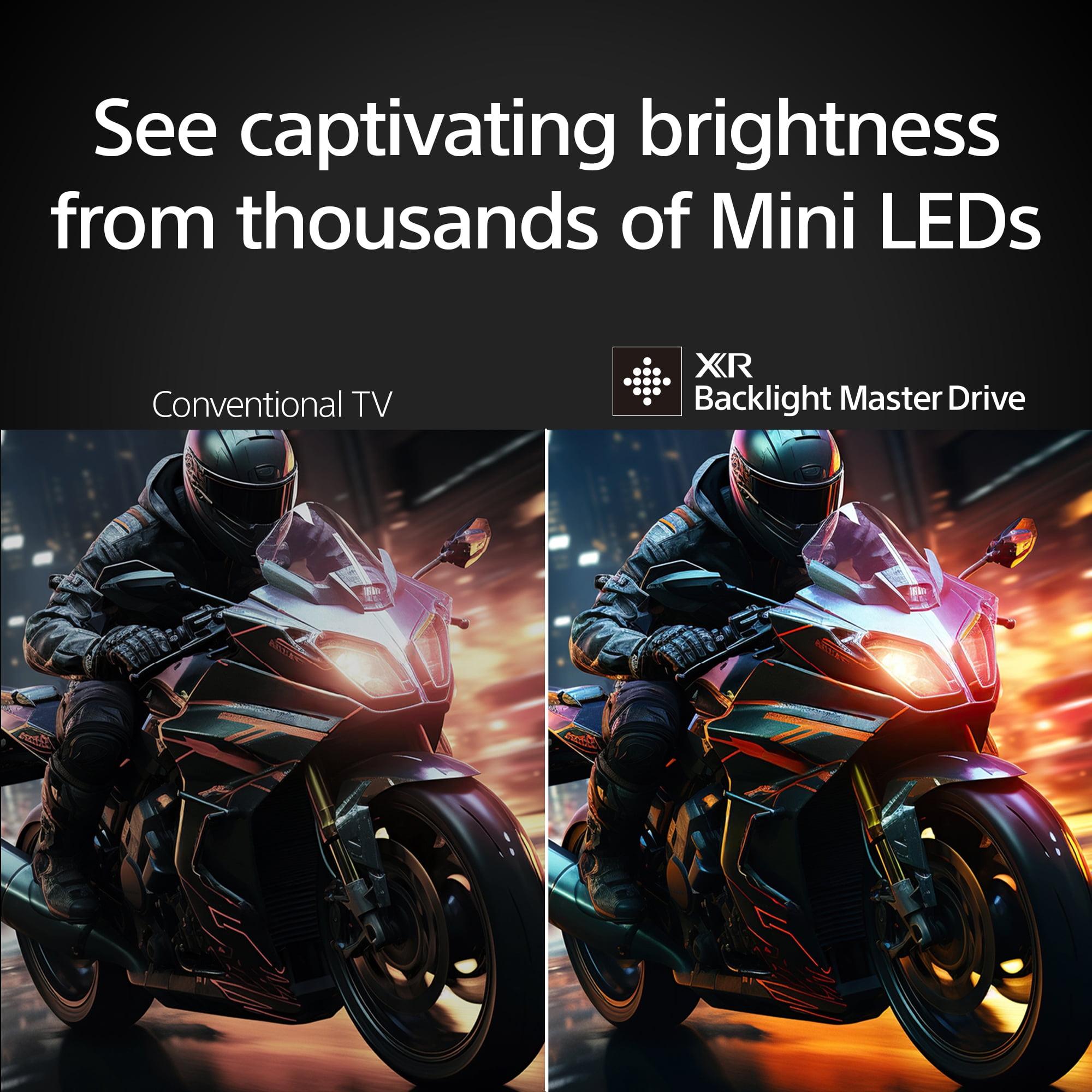
The Sony BRAVIA 5 takes an entirely different approach with Mini LED technology. Instead of enhancing the light source, Sony focuses on controlling exactly where light goes. Mini LEDs are roughly one-fortieth the size of traditional LEDs, allowing manufacturers to pack thousands of them behind the screen.
Sony's XR Backlight Master Drive technology manages these Mini LEDs with remarkable precision. When a scene shows a bright star against a dark sky, the TV can illuminate just the pixels around the star while keeping the surrounding areas truly dark. This creates what's called local dimming—the ability to have bright and dark areas in the same scene without one affecting the other.
The XR Processor uses artificial intelligence to analyze scenes and determine the optimal brightness for each zone. This isn't just marketing speak—the difference is visible in dark room viewing where the Sony BRAVIA 5 can achieve deeper blacks and more nuanced shadow detail than most LCD televisions.
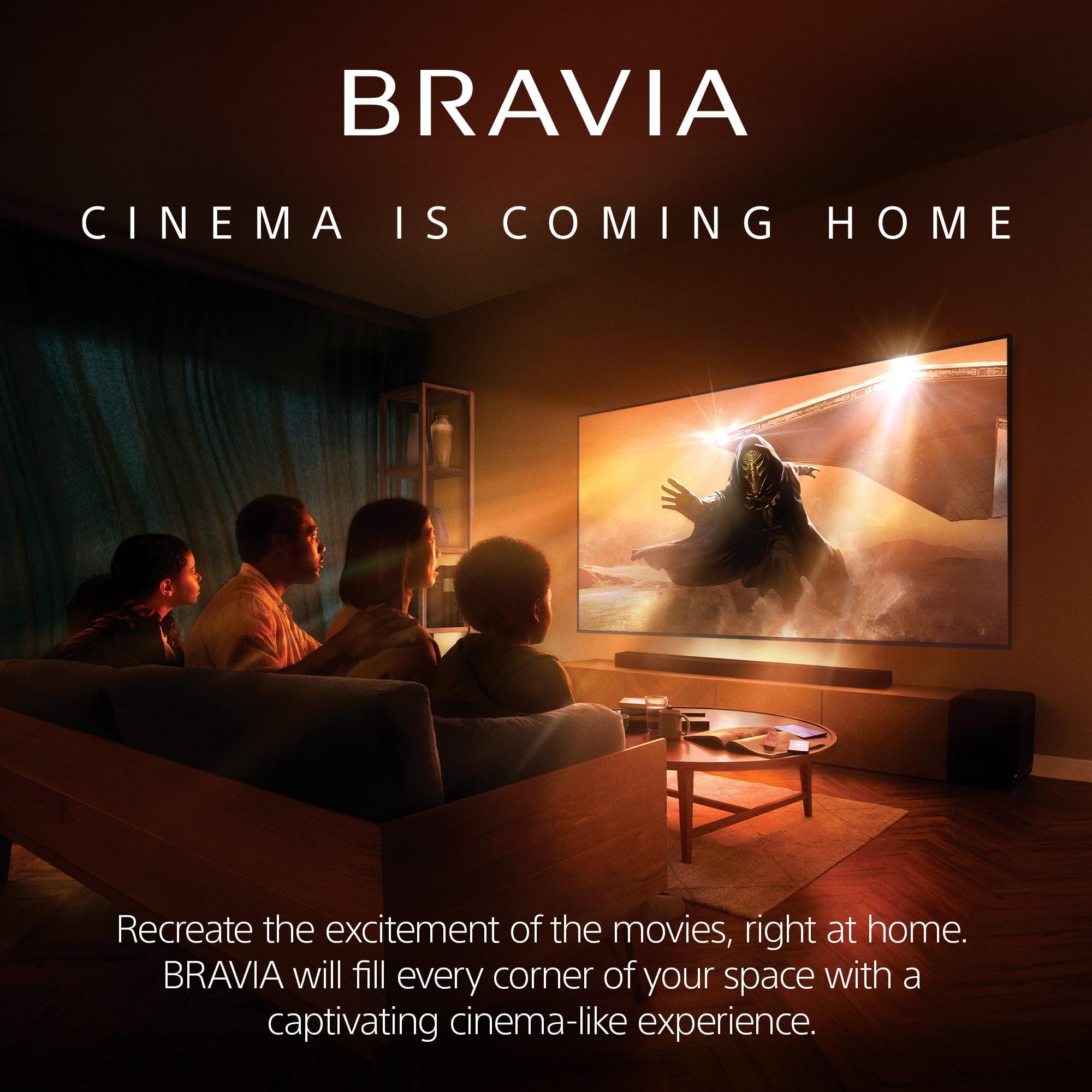
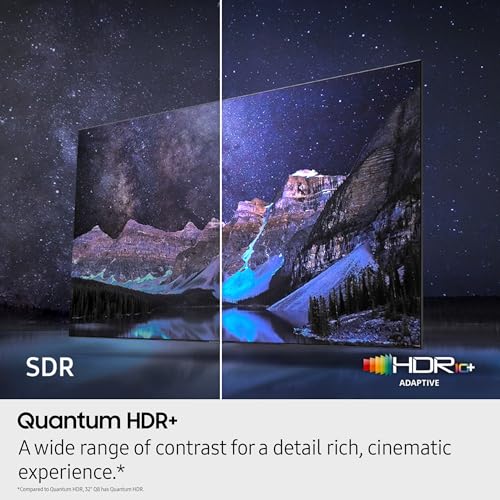
HDR (High Dynamic Range) content contains both very bright highlights and deep shadows, mimicking how our eyes see the real world. How well a TV handles this range determines whether HDR movies look impressive or flat.
The Samsung Q8F achieves higher peak brightness levels thanks to its quantum dot layer. In our research of user reviews and professional testing, brightness measurements consistently show QLED panels reaching 1000+ nits (a measure of brightness) in optimal conditions. This makes HDR highlights like explosions, sunsets, and metallic surfaces appear more realistic and impactful.
However, the Sony BRAVIA 5 takes a more balanced approach. While it may not reach the same peak brightness, its Mini LED zones create superior contrast ratios. Dark scenes in movies like space sequences or nighttime action look significantly better because the TV can turn off individual zones completely, creating true blacks rather than the grayish blacks common in edge-lit TVs.
This is where the philosophical differences become most apparent. The Samsung Q8F prioritizes what's called color volume—the ability to produce vivid, saturated colors that grab your attention. Colors appear more intense and "pop" off the screen, which many people prefer for sports, animation, and bright content.
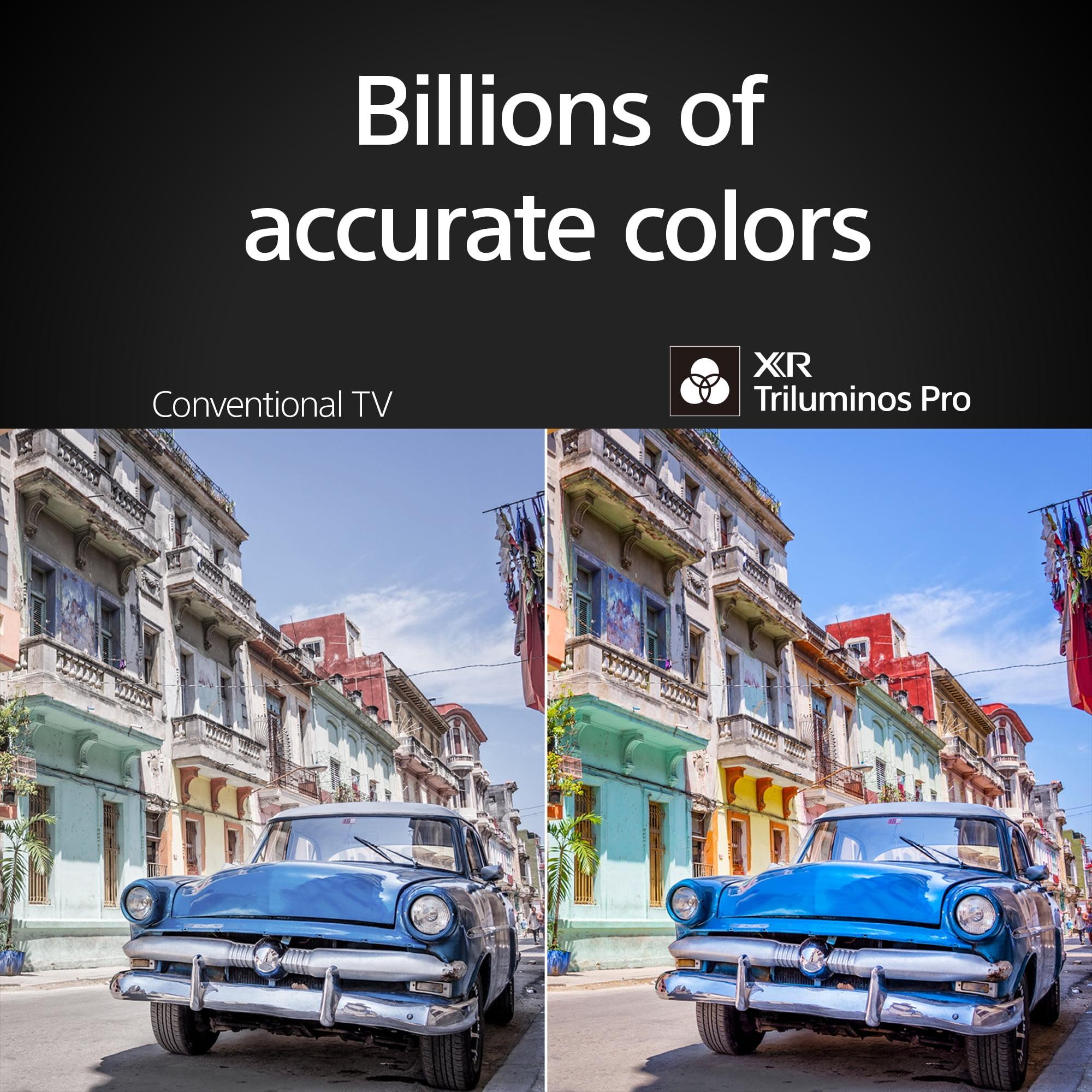
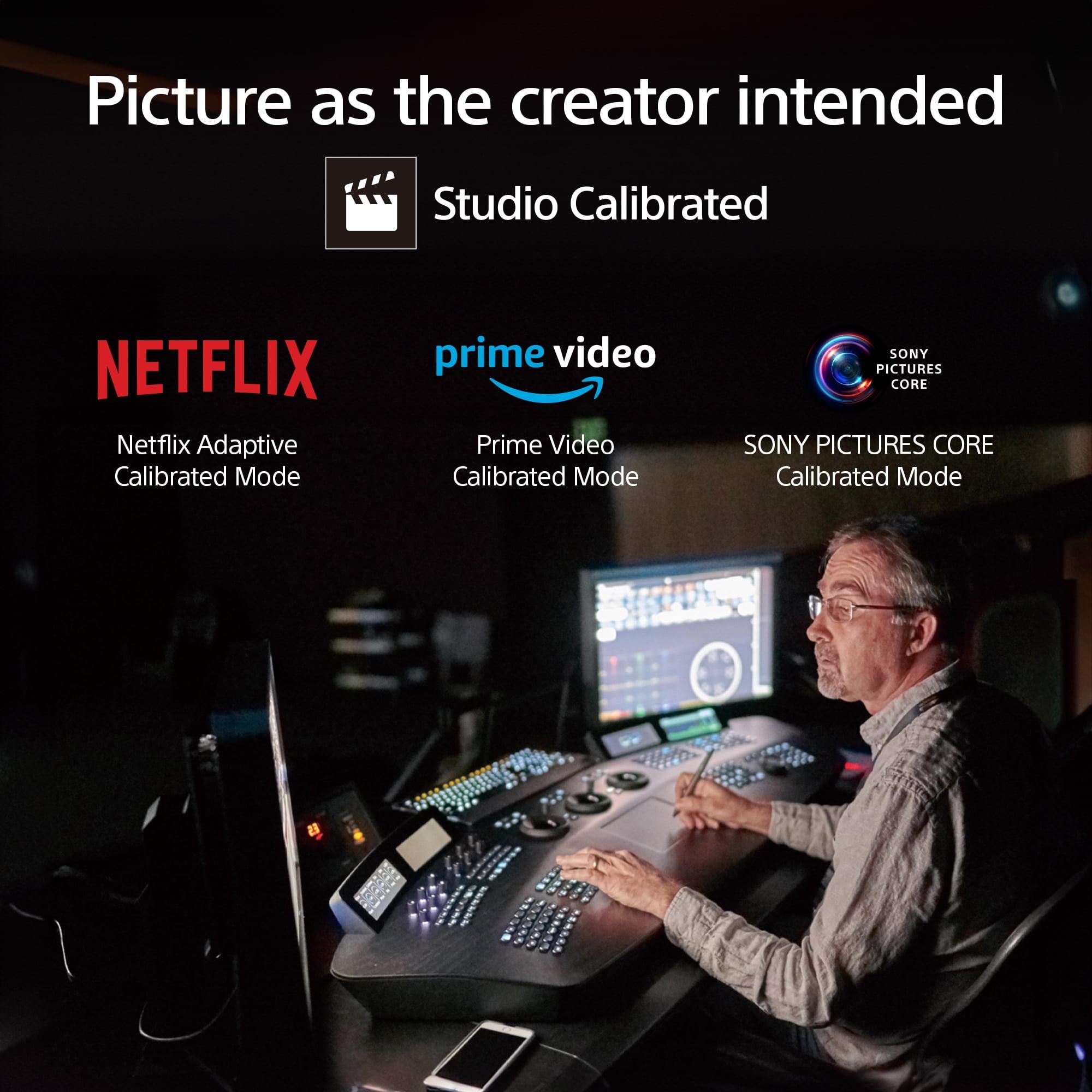
The Sony BRAVIA 5 focuses on color accuracy—reproducing colors exactly as content creators intended. Sony's XR Triluminos Pro technology and professional monitor heritage mean colors look more natural and film-like. This matters most for movie watching where accurate skin tones and realistic color reproduction enhance the cinematic experience.
Neither approach is inherently better—it's about what you prefer and how you use your TV.
The Samsung Q8F runs Tizen, Samsung's proprietary smart TV operating system. Tizen has matured significantly and now includes some unique features that set it apart from competitors.
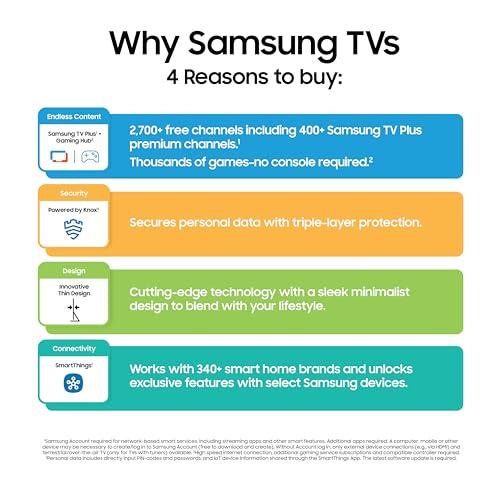
The SmartThings Hub integration is particularly impressive—your TV can actually control compatible smart home devices directly, without needing a separate hub. This includes everything from smart lights and thermostats to security cameras. The Matter support means it works with devices from different manufacturers, not just Samsung products.
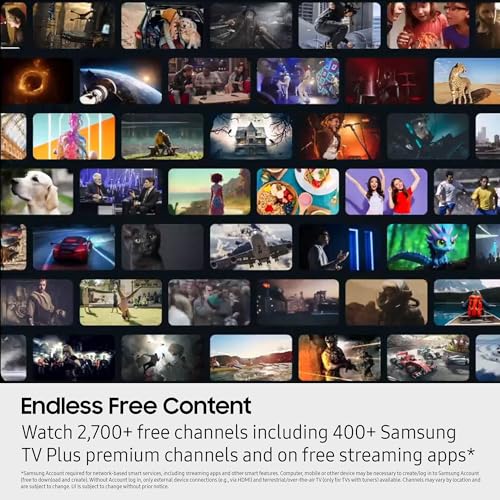
Samsung TV Plus provides hundreds of free streaming channels, which helps offset cord-cutting costs. The Generative AI wallpaper feature uses artificial intelligence to create custom backgrounds based on keywords you provide—a nice touch that personalizes your TV when it's not in use.
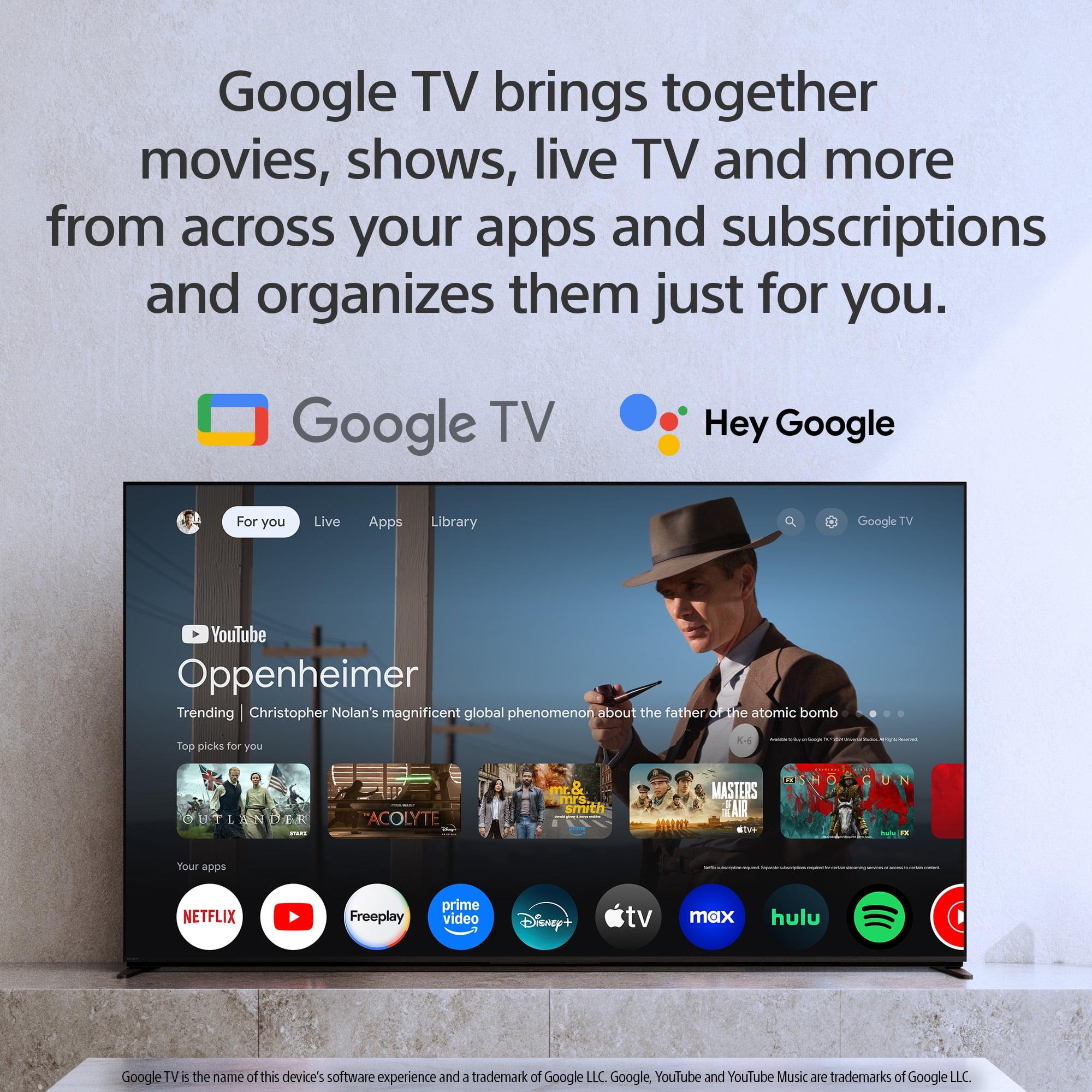
The Sony BRAVIA 5 runs Google TV, which is built on Android but optimized for television use. The main advantage here is content aggregation—Google TV's home screen shows recommendations from across all your streaming services, making it easier to find something to watch without jumping between apps.
Google Assistant integration is more comprehensive than Samsung's Bixby, and the platform generally receives faster updates since Google controls both the OS and the update pipeline. Apple users will appreciate AirPlay 2 support for seamless content sharing from iPhones and iPads.
The app selection tends to be broader on Google TV since it's based on Android, though both platforms support all major streaming services.
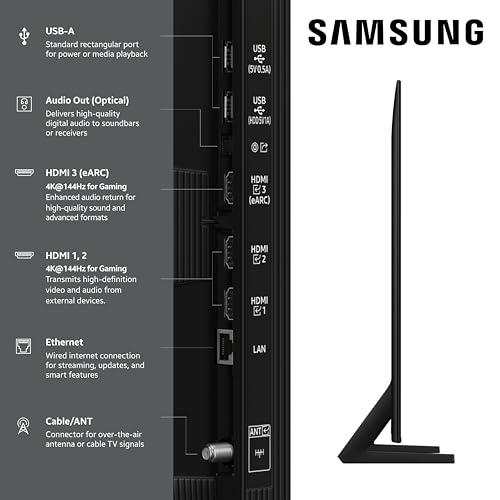
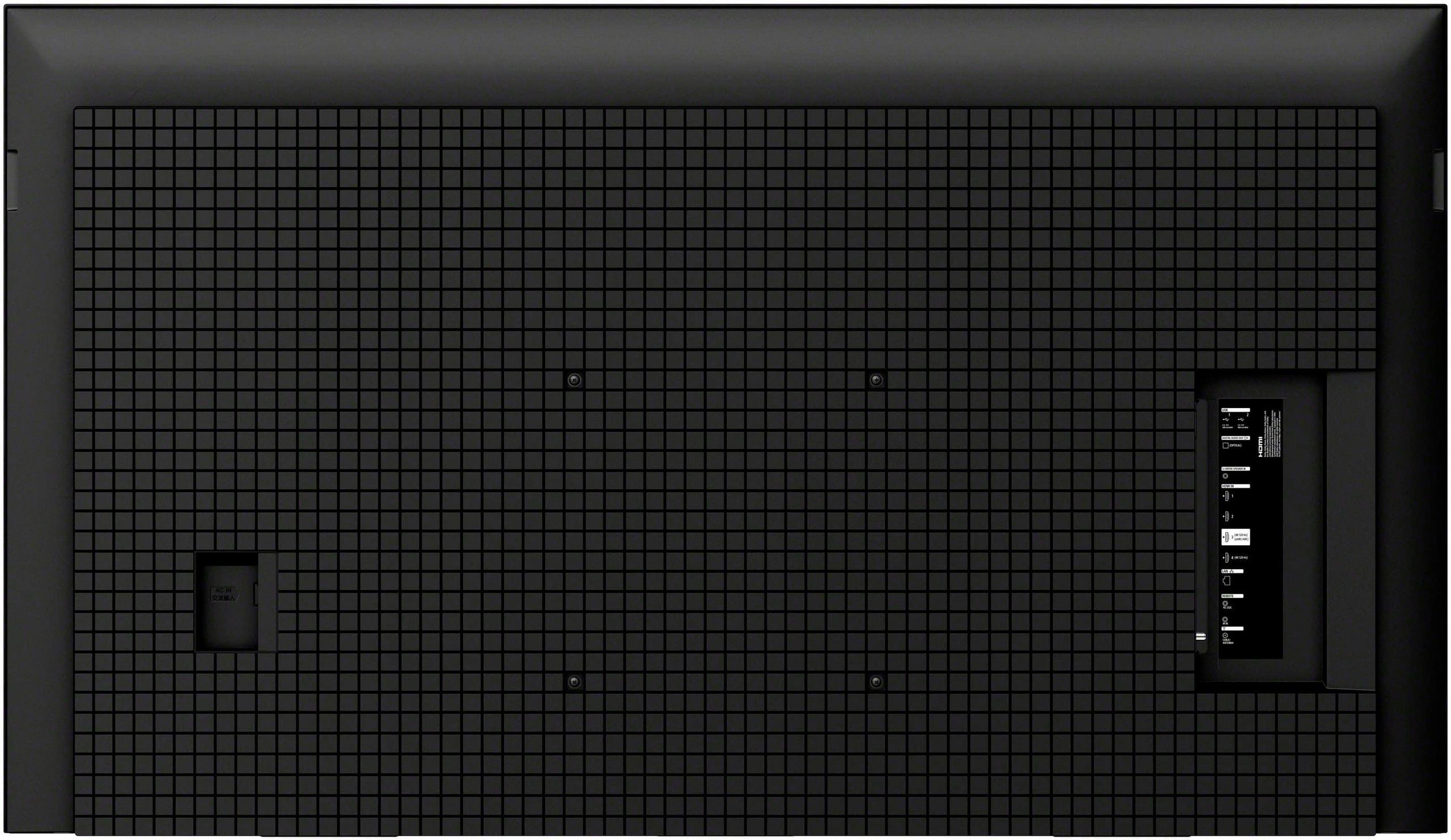
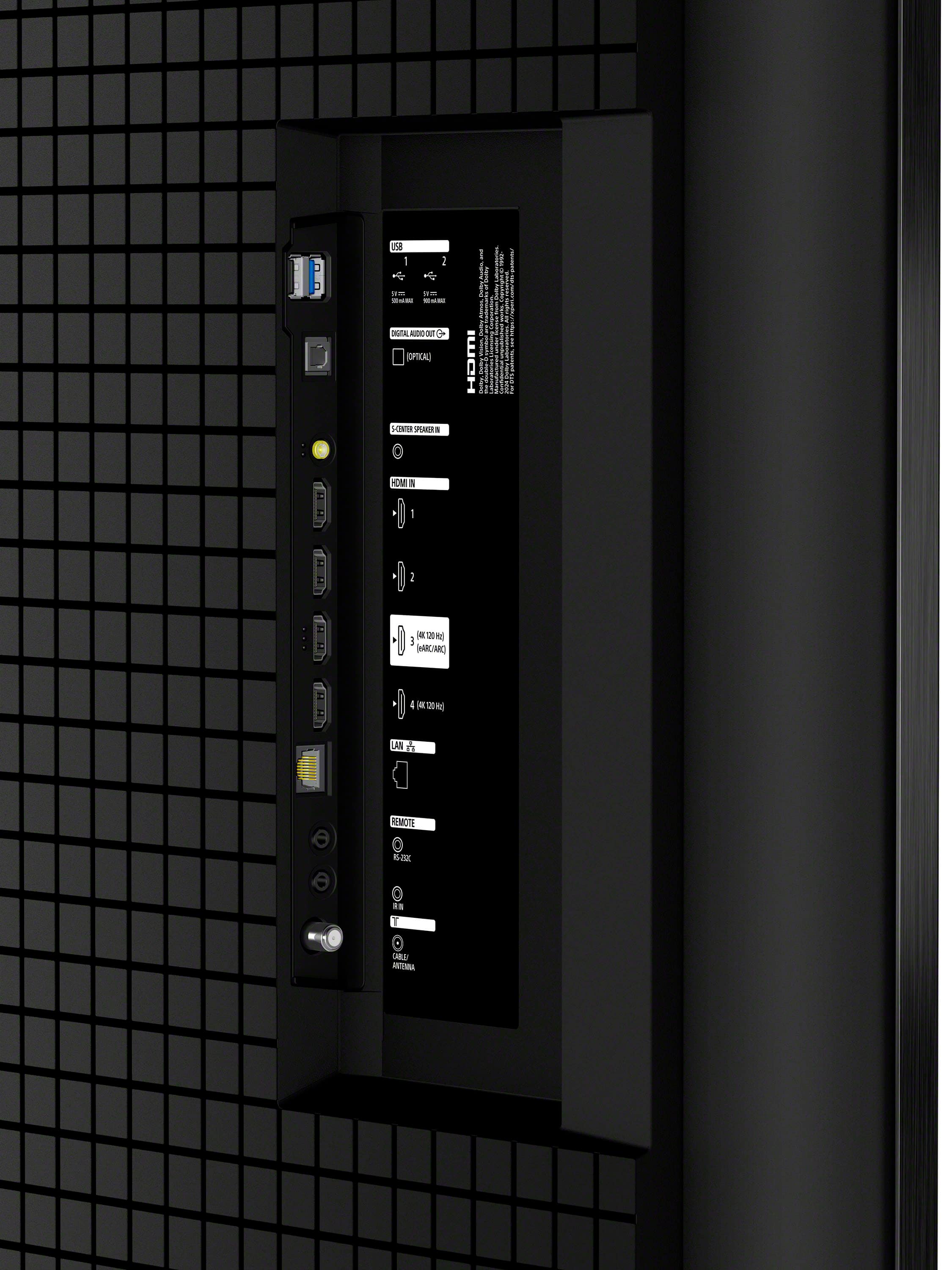
Both TVs support the current generation of gaming consoles with 4K resolution at 120 frames per second, Variable Refresh Rate (VRR), and Auto Low Latency Mode (ALLM). These features are essential for getting the best experience from PlayStation 5 and Xbox Series X consoles.
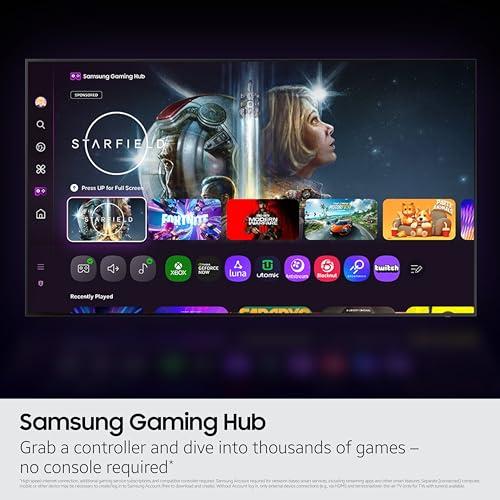
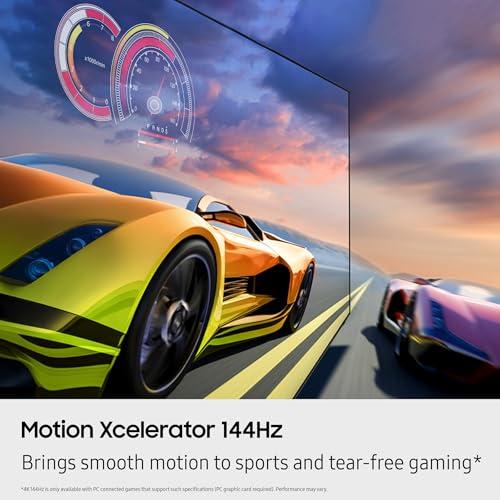
The Samsung Q8F includes Motion Xcelerator 144Hz technology, which can handle even higher frame rates from gaming PCs. The Gaming Hub provides access to cloud gaming services directly through the TV, potentially eliminating the need for a separate console for casual gaming.
The Sony BRAVIA 5 offers special PlayStation 5 integration features, including Auto HDR Tone Mapping that optimizes the picture specifically for Sony's console. If you're invested in the PlayStation ecosystem, these optimizations can provide a slight edge in gaming performance.
From our research of gaming-focused reviews, both TVs perform well for gaming, but the Samsung Q8F has a slight advantage for PC gaming due to its higher refresh rate support.
Neither TV will replace a dedicated sound system, but their audio approaches differ meaningfully. The Samsung Q8F includes Object Tracking Sound Lite, which attempts to move audio around the screen to match on-screen action. Q-Symphony technology allows the TV speakers to work alongside compatible Samsung soundbars rather than being disabled.
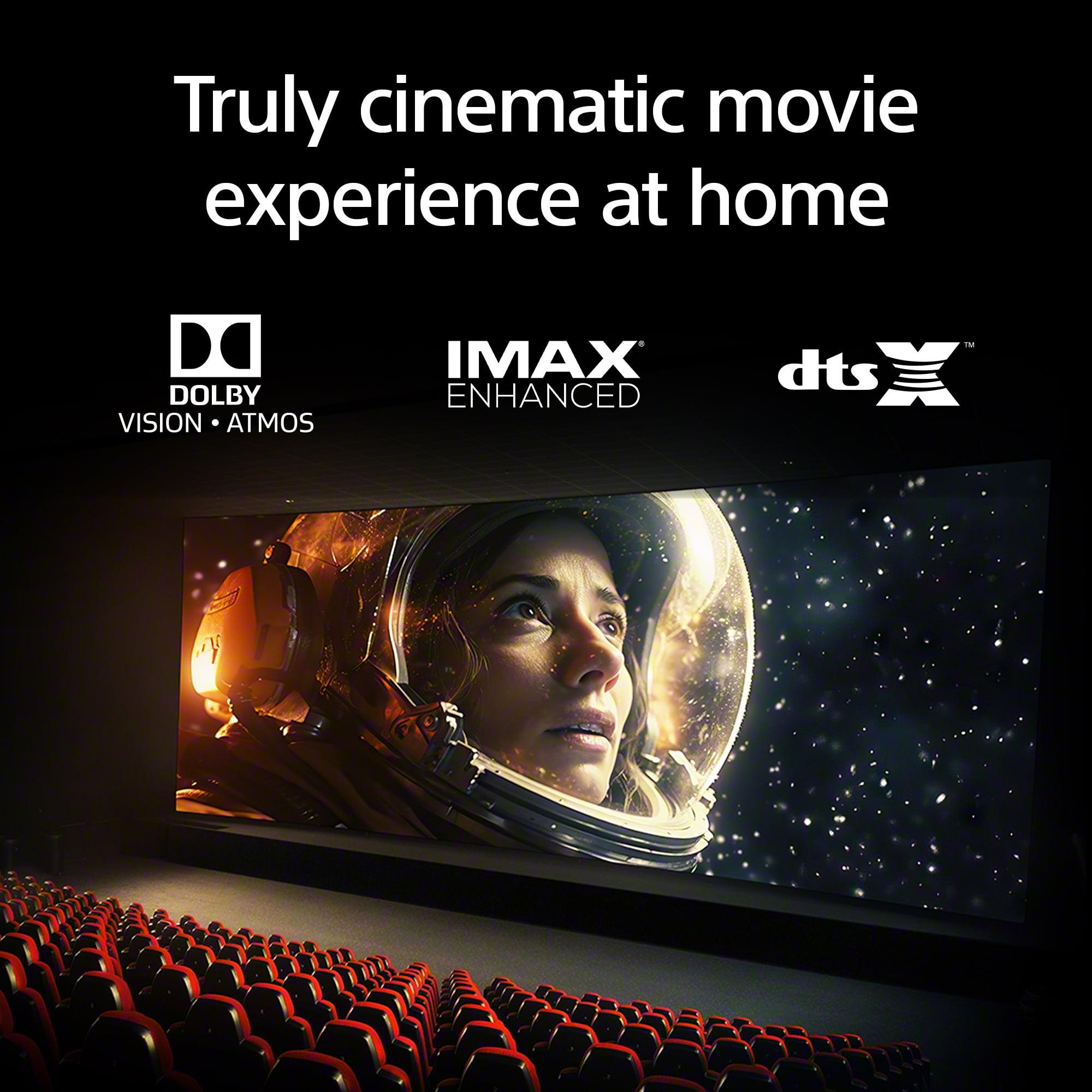
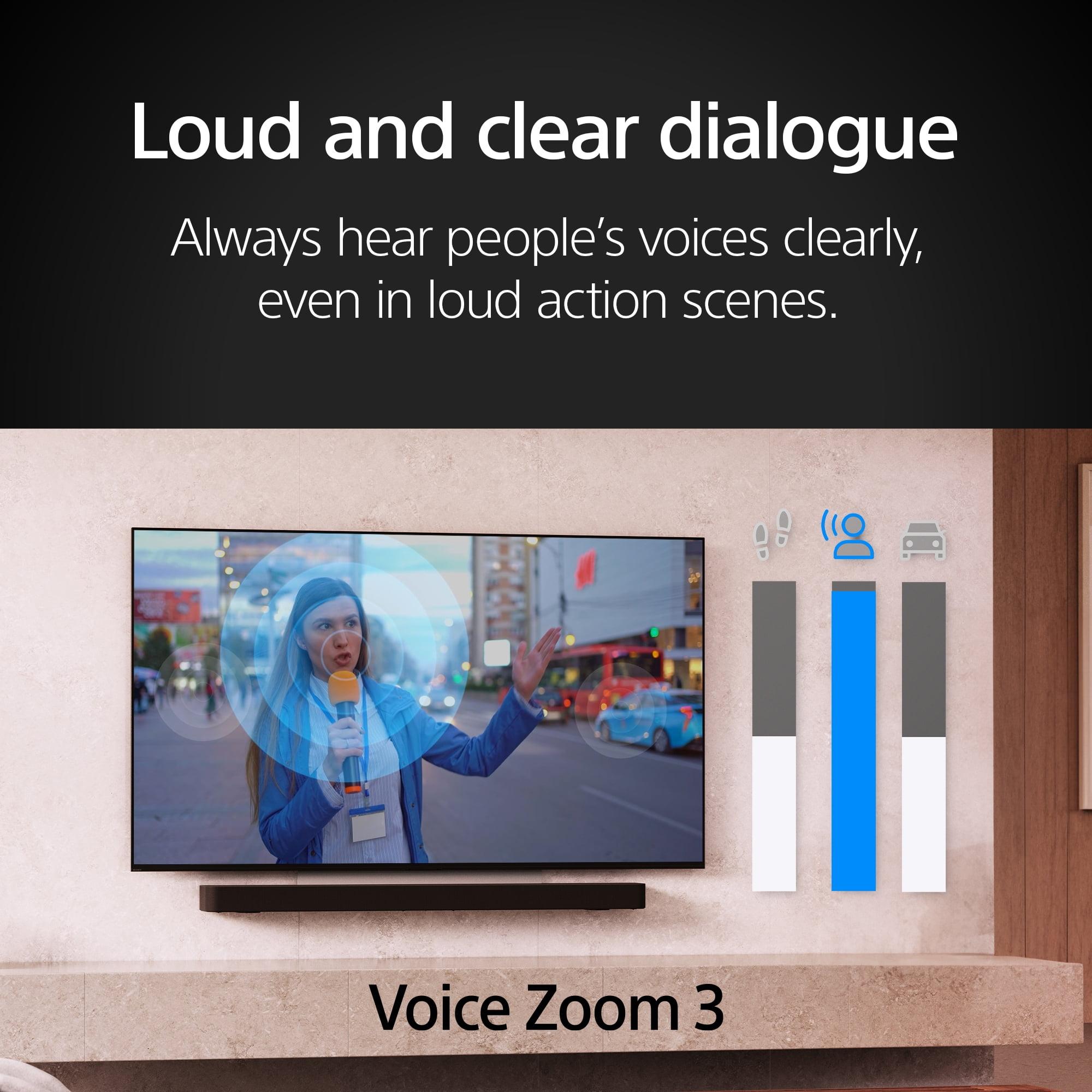
The Sony BRAVIA 5 supports more premium audio formats including Dolby Atmos and DTS:X. Voice Zoom 3 uses AI to enhance dialogue clarity, which is particularly useful for movies with complex soundtracks. Acoustic Center Sync allows compatible Sony soundbars to use the TV as a center channel speaker.
For most users, a separate soundbar or audio system will provide better results than either TV's built-in speakers, but Sony's format support gives it an advantage for home theater setups.
At the time of writing, the Samsung Q8F costs significantly less than the Sony BRAVIA 5—roughly $400-500 less depending on sales and retailer. This price difference is substantial and affects the value equation considerably.
The Samsung Q8F delivers premium QLED technology at what's traditionally been a mid-range price point. You're getting quantum dot enhancement, comprehensive gaming features, and smart home hub functionality for hundreds less than Sony's offering. For many buyers, this represents exceptional value.
The Sony BRAVIA 5 asks you to pay a premium for Mini LED technology and superior processing. Whether this premium is justified depends on your viewing habits and room setup. The advanced local dimming and AI processing are genuinely impressive technologies, but they provide the most benefit in specific situations.
Your viewing environment should heavily influence your decision. The Samsung Q8F excels in bright rooms with lots of ambient light. Quantum dots maintain color saturation even when the TV is fighting against sunlight or bright room lighting. If your TV room has large windows or stays well-lit during viewing, Samsung's brightness advantage becomes crucial.
The Sony BRAVIA 5 shines in darker, more controlled environments. The Mini LED local dimming creates exceptional contrast that's most noticeable when room lighting is dimmed. If you watch movies primarily in the evening with lights off, Sony's approach delivers more cinematic results.
For dedicated home theater setups, the Sony BRAVIA 5 has several advantages. The superior black levels and contrast ratio create more film-like images that complement the theater experience. Dolby Vision support ensures compatibility with the highest-quality HDR content. The more accurate color reproduction aligns with professional standards used in content creation.
However, the Samsung Q8F shouldn't be dismissed for home theater use. Its brightness advantage helps HDR highlights appear more impactful, and the vivid colors can make content more engaging. The significantly lower price also leaves budget for audio equipment, which typically provides more dramatic improvements than TV upgrades.
Choose the Samsung Q8F if you:
Choose the Sony BRAVIA 5 if you:
Both TVs represent solid choices in 2025, but they serve different priorities. The Samsung Q8F delivers remarkable value by bringing QLED technology to a more accessible price point, making it ideal for most living room setups. The Sony BRAVIA 5 justifies its premium through superior Mini LED technology and processing, appealing to enthusiasts who prioritize ultimate picture quality.
For the majority of buyers, the Samsung Q8F offers the better balance of features, performance, and value. The quantum dot enhancement provides tangible benefits in typical viewing conditions, and the lower price leaves room in the budget for other entertainment purchases.
However, if you're building a serious home theater or primarily watch content in dark rooms, the Sony BRAVIA 5's Mini LED precision and superior processing make the investment worthwhile. The technology gap is real and visible in the right conditions.
Neither choice is wrong—it's about matching the TV's strengths to your specific situation and priorities.
| Samsung 65" QLED Q8F 4K Smart TV 2025 | Sony BRAVIA 5 65" Mini LED 4K Google TV 2025 |
|---|---|
| Display Technology - Core difference affecting picture quality and price | |
| QLED with Quantum Dots for enhanced color volume | Mini LED with thousands of local dimming zones |
| Peak Brightness - Critical for HDR impact and bright room viewing | |
| Higher peak brightness ideal for daytime viewing | Lower peak but better contrast control |
| Black Level Performance - Essential for dark room movie watching | |
| Standard LCD blacks with some blooming | Superior blacks with precise zone control |
| Color Performance - Affects how vivid vs accurate content appears | |
| 100% Color Volume with vibrant, saturated colors | XR Triluminos Pro with accurate, natural colors |
| HDR Format Support - Determines compatibility with premium content | |
| HDR10+ and Quantum HDR+ (no Dolby Vision) | Full Dolby Vision, HDR10, HLG, IMAX Enhanced |
| Gaming Features - Important for console and PC gaming | |
| 4K@120Hz, VRR, ALLM, Motion Xcelerator 144Hz | 4K@120Hz, VRR, ALLM, PlayStation 5 optimization |
| Smart TV Platform - Affects app selection and user experience | |
| Samsung Tizen with SmartThings Hub integration | Google TV with superior content discovery |
| Processing Power - Impacts upscaling and picture optimization | |
| Q4 AI Processor with scene optimization | XR Processor (3rd gen) with cognitive intelligence |
| Audio Technology - Built-in sound quality and format support | |
| 20W speakers with Object Tracking Sound Lite | Dolby Atmos/DTS:X support with Voice Zoom 3 |
| Local Dimming Zones - Controls contrast and blooming in dark scenes | |
| Standard edge-lit zones with Dual LED | Thousands of Mini LED zones for precision control |
| Viewing Angle - How picture quality holds up off-center | |
| Narrow viewing angles typical of QLED | Narrow viewing angles typical of LCD panels |
| Smart Home Integration - Connectivity with other devices | |
| Built-in SmartThings Hub with Matter support | Google Assistant with basic smart home features |
| Value Proposition - Performance per dollar consideration | |
| Exceptional value bringing QLED to mid-range pricing | Premium pricing justified by advanced Mini LED tech |
The Sony BRAVIA 5 Mini LED delivers superior picture quality for movies, especially in dark rooms. Its Mini LED technology provides thousands of local dimming zones that create deeper blacks and better contrast—essential for cinematic viewing. The Samsung Q8F QLED offers more vivid colors but can't match Sony's contrast control in dark scenes.
QLED technology in the Samsung Q8F uses quantum dots to enhance color volume and brightness, making colors appear more vibrant and saturated. Mini LED in the Sony BRAVIA 5 uses thousands of tiny LEDs for precise local dimming, creating better contrast and deeper blacks. QLED excels in bright rooms, while Mini LED performs better in dark environments.
Both TVs offer excellent gaming features including 4K at 120Hz, VRR, and ALLM. The Samsung Q8F QLED has a slight edge with Motion Xcelerator 144Hz support for PC gaming, while the Sony BRAVIA 5 includes special PlayStation 5 optimizations. Either choice works well for modern console gaming.
The Samsung Q8F QLED performs significantly better in bright rooms thanks to its quantum dot technology that maintains color saturation even with ambient light. The higher peak brightness helps combat glare from windows and overhead lighting, making it ideal for daytime viewing.
Google TV on the Sony BRAVIA 5 offers superior content discovery by aggregating recommendations across all streaming services. Samsung Tizen on the Q8F provides better smart home integration with built-in SmartThings Hub functionality. Choose based on whether you prioritize content discovery or smart home control.
The Samsung Q8F QLED offers exceptional value by delivering premium QLED technology at a mid-range price point. While the Sony BRAVIA 5 costs significantly more, it justifies the premium with advanced Mini LED technology and superior processing for serious movie enthusiasts.
Yes, both support HDR but with different formats. The Samsung Q8F supports HDR10+ and Quantum HDR+ but lacks Dolby Vision. The Sony BRAVIA 5 Mini LED supports all major HDR formats including Dolby Vision, HDR10, HLG, and IMAX Enhanced, providing broader compatibility with premium content.
The Sony BRAVIA 5 has superior built-in audio with Dolby Atmos and DTS:X support, plus AI-enhanced dialogue clarity through Voice Zoom 3. The Samsung Q8F offers Object Tracking Sound Lite and Q-Symphony soundbar integration, but Sony's premium audio format support gives it the advantage.
The Sony BRAVIA 5 Mini LED is better suited for dedicated home theater use due to its superior contrast ratio, accurate color reproduction, and comprehensive HDR format support. The Samsung Q8F can work in home theaters but excels more in multi-purpose living rooms with ambient lighting.
The Samsung Q8F QLED is generally better for sports due to its higher brightness, more vivid colors, and excellent performance in bright rooms where sports are often watched. The quantum dot technology makes team colors pop, while the brightness helps maintain picture quality during daytime games.
Both the Samsung Q8F and Sony BRAVIA 5 have similar narrow viewing angles typical of LCD-based displays. Neither is ideal for wide seating arrangements, so consider your room layout when choosing between these models.
Both Samsung and Sony provide regular software updates, but Google TV on the Sony BRAVIA 5 typically receives more frequent updates since Google controls the platform directly. The Samsung Q8F offers solid long-term support through Samsung's Tizen platform, though update frequency can vary more than Google's standardized approach.
We've done our best to create useful and informative comparisons to help you decide what product to buy. Our research uses advanced automated methods to create this comparison and perfection is not possible - please contact us for corrections or questions. These are the sites we've researched in the creation of this article: bestbuy.com - rtings.com - tomsguide.com - youtube.com - samsung.com - youtube.com - youtube.com - youtube.com - rtings.com - rtings.com - linqcdn.avbportal.com - bestbuy.com - samsung.com - samsung.com - samsung.com - youtube.com - youtube.com - billsmith.com - samsung.com - samsung.com - samsung.com - hometechnologyreview.com - shopjetson.com - certappl.com - samsung.com - theapplianceplug.com - samsung.com - manuals.plus - bestbuy.com - device.report - samsung.com - shopsilica.com - dentonstv.com - rtings.com - pro.sony - youtube.com - electronics.sony.com - electronics.sony.com - electronics.sony.com - bestbuy.com - electronics.sony.com - youtube.com - bestbuy.com - videoandaudiocenter.com - valueelectronics.com - youtube.com - sony.ca - perpichtv.com - sony.com - displayspecifications.com - pioneertvandappliance.com - flatpanelshd.com

Privacy Policy
Terms and Conditions - Affiliate Policy
Home Security
© Copyright 2008-2026.
11816 Inwood Rd #1211, Dallas, TX 75244