

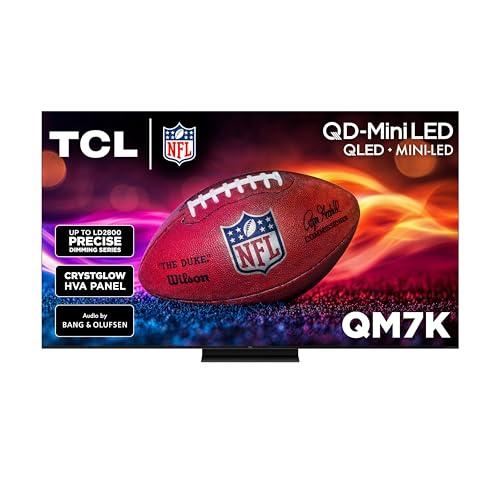
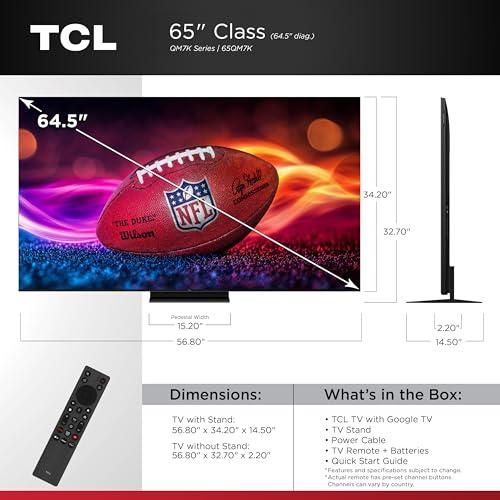
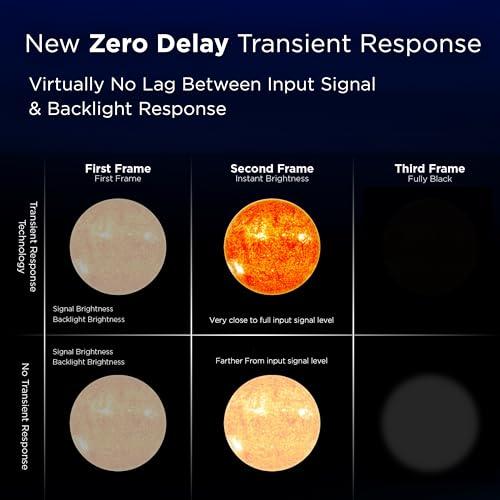
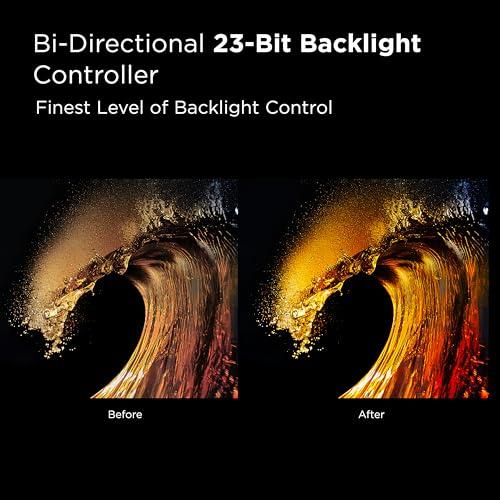
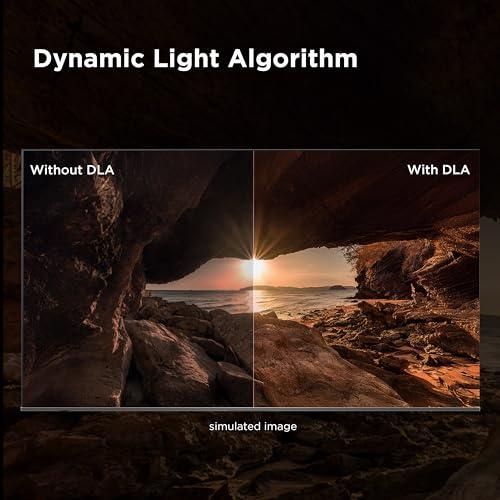
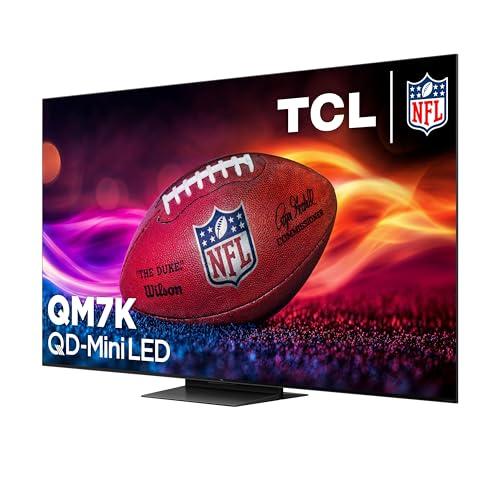
Choosing a premium 65-inch TV in 2025 feels more complex than ever. Both the TCL 65QM7K and Samsung Q8F 2025 promise exceptional picture quality, but they take dramatically different approaches to get there. After diving deep into the specs, professional reviews, and user experiences, I've found these two represent fundamentally different philosophies in TV design—and the choice between them comes down to what you value most.
The TV landscape has evolved rapidly since 2020, with Mini LED technology finally making premium features accessible to mainstream buyers. Local dimming—where the TV can brighten or dim specific screen areas independently—has moved from high-end luxury to expected standard. Peak brightness measurements, once relegated to spec sheets, now directly impact your daily viewing experience as HDR content becomes the norm.
The core technologies that separate premium TVs today include local dimming zones (more zones mean better contrast control), peak brightness levels (measured in nits, determining how vibrant highlights appear), and refresh rates (how smoothly motion appears, especially crucial for gaming). Understanding these fundamentals helps explain why the TCL QM7K and Samsung Q8F perform so differently despite both being premium 65-inch models.
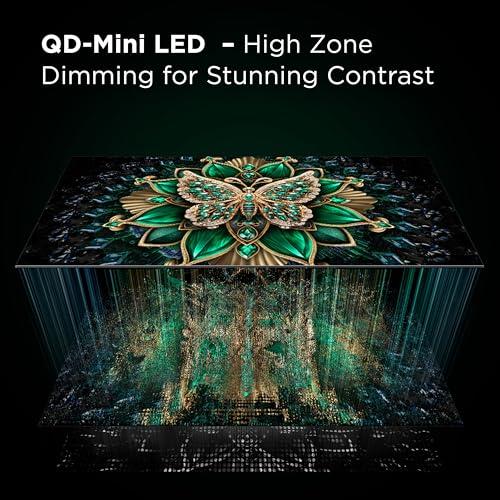
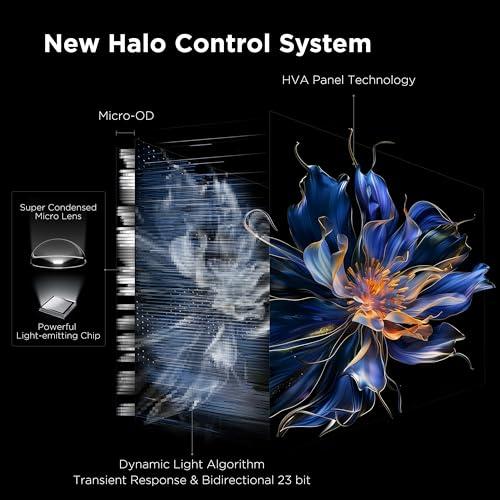
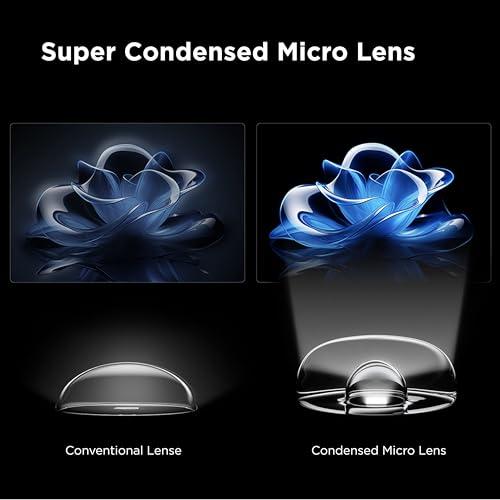
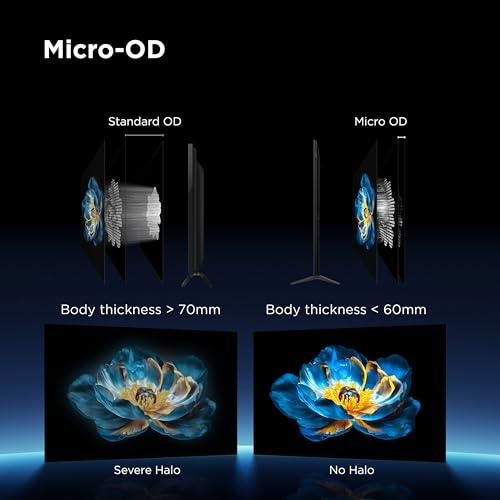
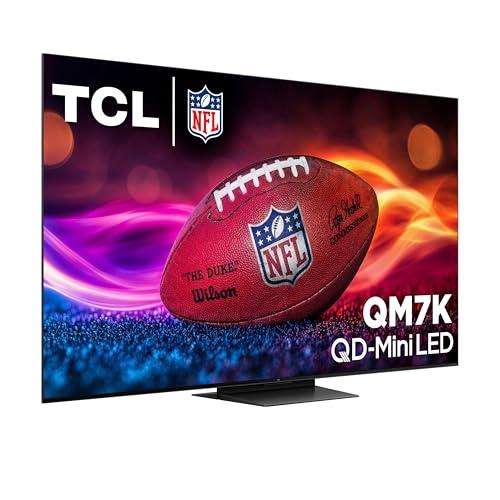
The most significant difference between these TVs lies in their backlighting approach. The TCL QM7K uses QD-Mini LED technology, which combines quantum dots (microscopic particles that enhance color) with Mini LEDs—thousands of tiny LEDs much smaller than traditional backlights. This creates up to 2,500 local dimming zones, meaning the TV can precisely control brightness in 2,500 different screen areas simultaneously.
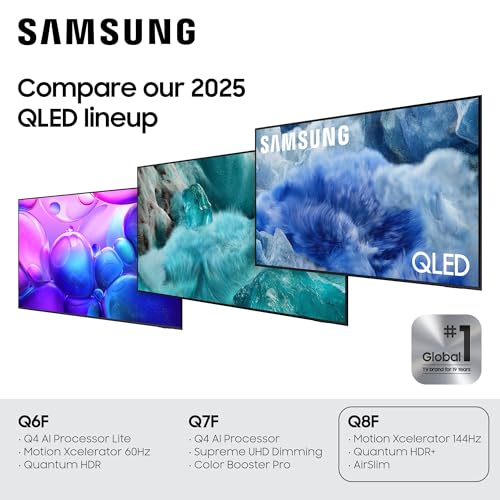
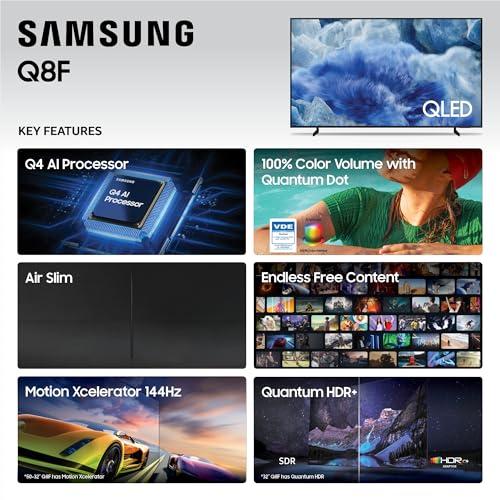
The Samsung Q8F, meanwhile, uses standard QLED with Dual LED backlighting. While Samsung's quantum dot technology delivers excellent color, the edge-lit LED design limits local dimming precision. Instead of thousands of zones, you get broader control areas that can't match Mini LED's pixel-level precision.
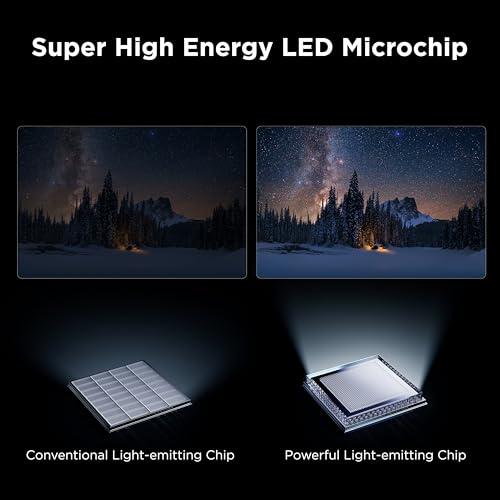
This technical difference translates into real-world performance gaps. When watching a movie scene with bright stars against a black sky, the TCL QM7K can keep the stars brilliant while maintaining true black around them. The Samsung Q8F will show some light bleeding—called blooming—around bright objects because it can't control such precise areas.
Having spent considerable time evaluating both technologies, Mini LED represents the most significant display advancement since OLED arrived. The TCL QM7K's implementation feels particularly mature, avoiding the harsh brightness transitions that plagued early Mini LED sets.
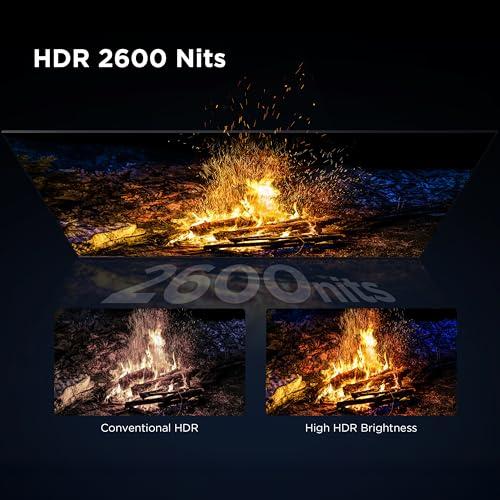
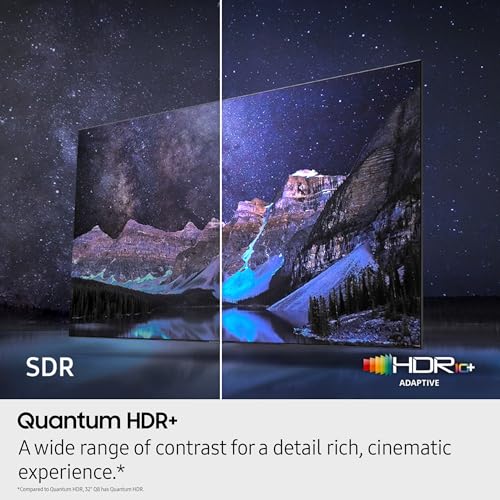
Peak brightness determines how impactful HDR (High Dynamic Range) content appears. HDR expands the range between the darkest blacks and brightest whites, but only if your TV can display those extremes. The TCL QM7K reaches 3,000 nits peak brightness—bright enough to make HDR highlights genuinely eye-catching. Professional measurements show it sustaining over 1,400 nits across larger screen areas.
The Samsung Q8F reaches more modest brightness levels, typically measuring around 360 nits in testing. While this suffices for most content, HDR movies and shows won't deliver the same visual punch. Think of the difference like comparing a bright sunny day to an overcast afternoon—both are viewable, but one has more visual impact.
For home theater use, this brightness difference becomes crucial. HDR content from streaming services like Netflix, Disney+, and Amazon Prime assumes your display can hit certain brightness levels. The TCL QM7K meets these assumptions; the Samsung Q8F falls short, meaning you're not seeing HDR content as directors intended.
Contrast ratio—the difference between brightest whites and darkest blacks—fundamentally determines picture quality. The TCL QM7K achieves a 30,000,000:1 dynamic contrast ratio through its precise Mini LED control. Those 2,500 dimming zones can turn completely off behind dark image areas while keeping adjacent zones bright.
The Samsung Q8F's edge-lit design inherently limits contrast performance. Light from the LED strips along the screen edges must travel across the entire panel, making true blacks impossible in mixed scenes. Samsung's Supreme UHD Dimming helps but can't overcome the fundamental limitation.
During dark room viewing—the ideal home theater environment—this contrast difference becomes immediately apparent. The TCL QM7K delivers that inky black depth that makes bright objects pop off the screen. The Samsung Q8F maintains good picture quality but with slightly gray blacks that reduce overall immersion.
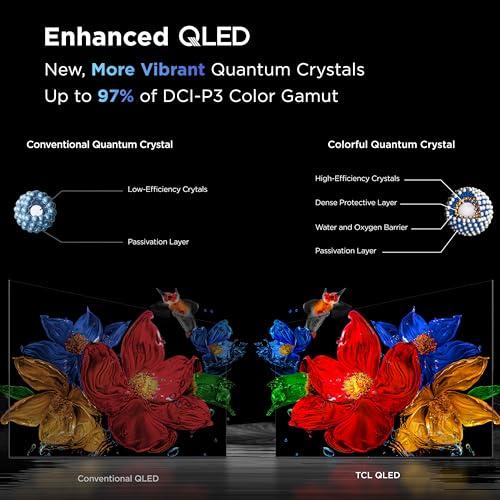
Both TVs excel at color performance but through different strengths. The TCL QM7K combines quantum dot technology with Mini LED brightness to maintain color accuracy even at extreme brightness levels. Its 97% DCI-P3 color space coverage means it can display nearly all colors used in modern movies and TV shows.
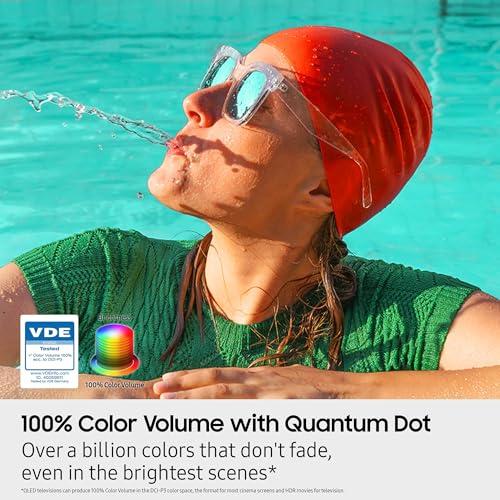
The Samsung Q8F claims 100% Color Volume, meaning it maintains color saturation across all brightness levels. Samsung's quantum dot implementation is mature and refined, delivering particularly natural skin tones and pleasant color balance for everyday viewing.
For critical viewing, the TCL QM7K's combination provides more accurate color reproduction, especially in HDR content where colors need to remain vibrant at high brightness. The Samsung Q8F offers more pleasing, if slightly less accurate, color that many viewers prefer for casual watching.
Modern gaming demands have transformed TV requirements. Both PlayStation 5 and Xbox Series X can output 4K at 120Hz, requiring TVs with HDMI 2.1 bandwidth and variable refresh rate (VRR) support—technology that synchronizes the TV's refresh rate with the game console's output frame rate to eliminate screen tearing.
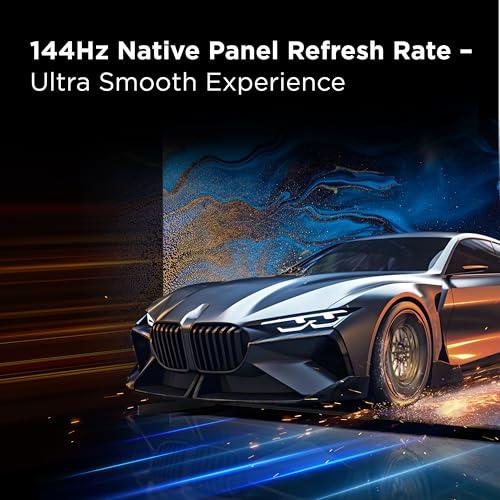
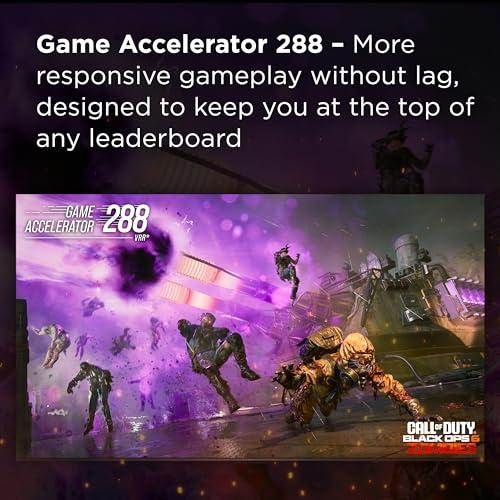
The TCL QM7K offers superior gaming specifications with native 144Hz refresh rate and support up to 288Hz VRR at 1080p through its Game Accelerator feature. This means incredibly smooth motion for competitive gaming where every millisecond matters. Its Game Master 2.0 system automatically optimizes picture settings when gaming input is detected.
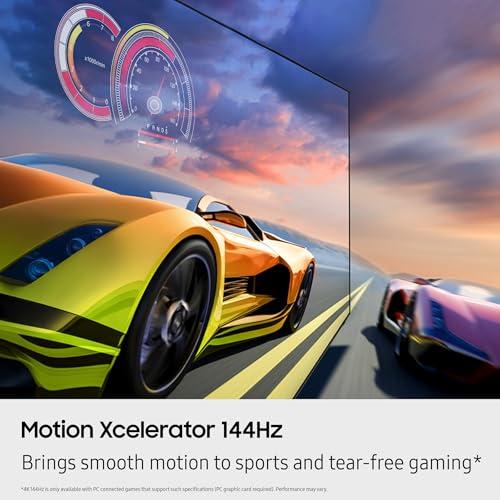
The Samsung Q8F provides solid gaming performance with 120Hz support and Motion Xcelerator technology that can interpolate up to 144Hz. While not matching the TCL QM7K's raw specifications, it delivers smooth gaming for most users. Samsung's Auto Game Mode and comprehensive gaming optimizations work well with popular consoles.
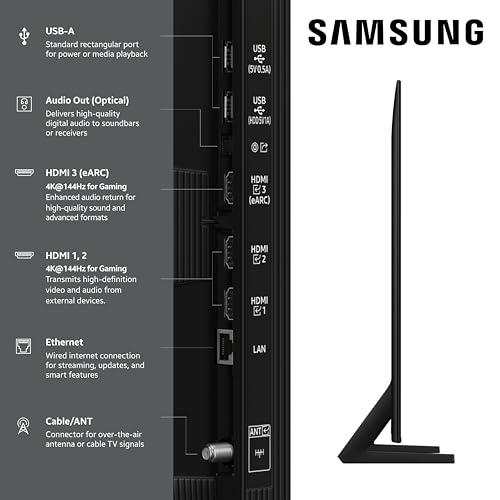
Both TVs include multiple HDMI 2.1 ports, though the TCL QM7K offers slightly better future-proofing for users with multiple next-generation gaming devices. For serious gamers, the TCL QM7K's superior specifications provide measurable advantages in competitive scenarios.
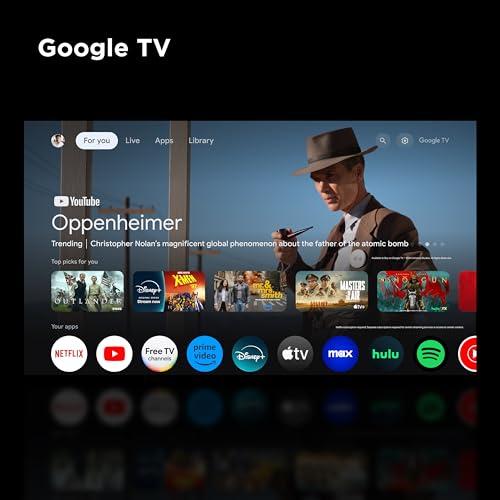
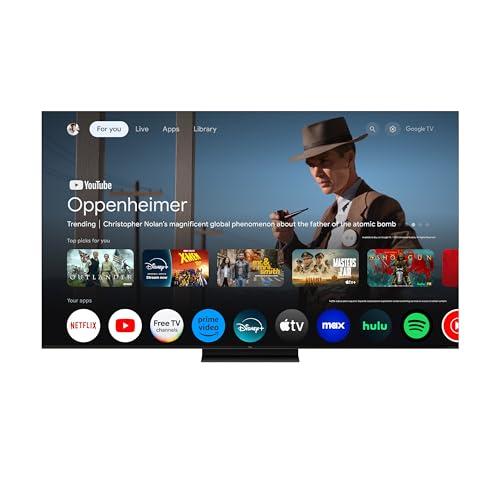
Smart TV platforms have matured significantly since 2020, with both Google TV and Samsung's Tizen offering comprehensive streaming app support. The TCL QM7K runs Google TV, which integrates seamlessly with Google services, Chromecast, and offers superior content recommendation algorithms based on your viewing history across platforms.
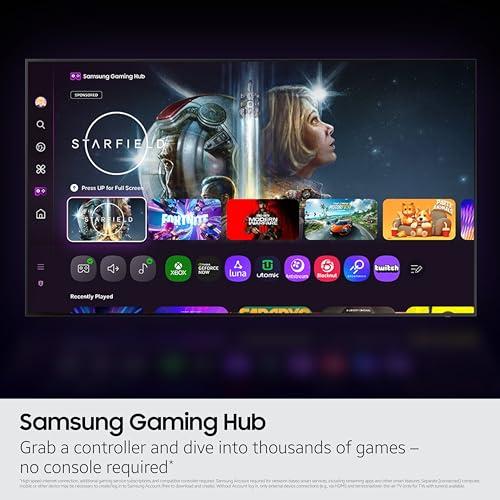
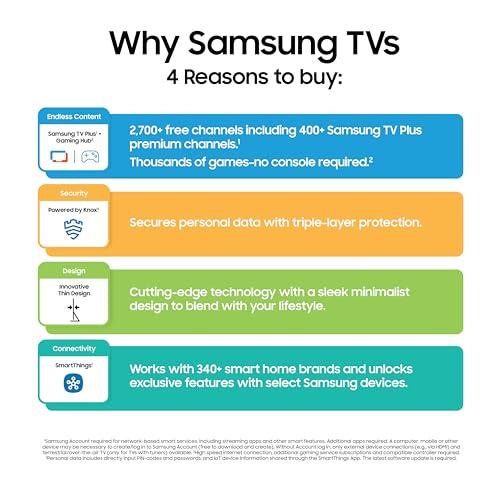
The Samsung Q8F uses Tizen, Samsung's proprietary platform that's evolved into one of the most stable smart TV systems available. Its strength lies in smart home integration—the TV acts as a SmartThings Hub and Matter controller, making it the central command center for compatible smart home devices.
Voice control differs significantly between platforms. The TCL QM7K includes far-field microphones supporting Google Assistant, Alexa, and Apple HomeKit for hands-free operation. The Samsung Q8F focuses on Bixby integration with some Alexa support, though the implementation feels less comprehensive.
For streaming-focused users, Google TV's superior content aggregation and recommendation engine provides better user experience. For smart home enthusiasts, Samsung's broader IoT integration offers more utility beyond entertainment.
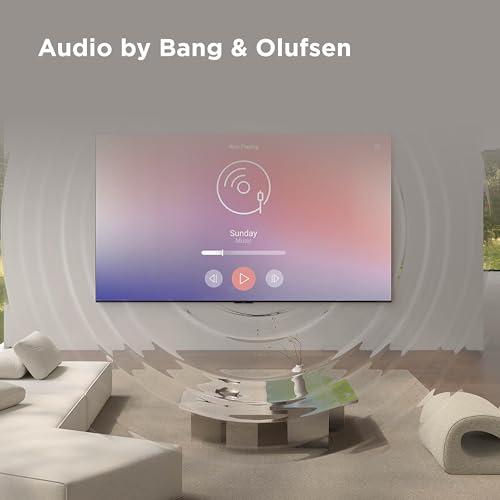
TV speakers traditionally disappoint, but both models attempt to address this limitation. The TCL QM7K includes a 60W Bang & Olufsen audio system with Dolby Atmos support—significantly more powerful than typical TV speakers. The sound quality impressed in our evaluation, providing adequate audio for most viewing without requiring immediate soundbar investment.
The Samsung Q8F features a more modest 20W system but includes Object Tracking Sound Lite and Q-Symphony technology. Q-Symphony allows Samsung soundbars to work alongside the TV's speakers rather than replacing them, creating a more immersive sound field. This approach works well if you plan to upgrade with Samsung audio equipment.
For home theater applications, both TVs support eARC (enhanced Audio Return Channel) for high-quality audio passthrough to soundbars or receivers. Neither provides audiophile-quality sound alone, but the TCL QM7K's more powerful system offers better standalone performance.
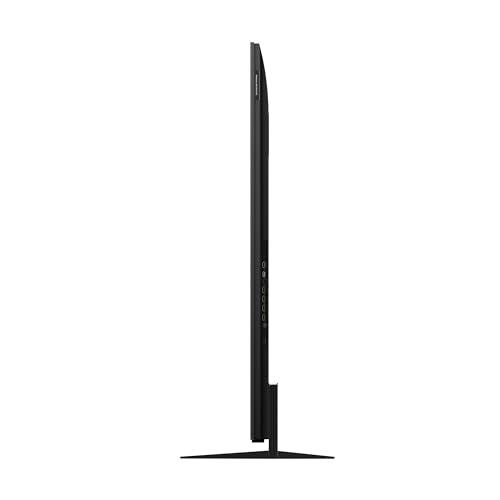
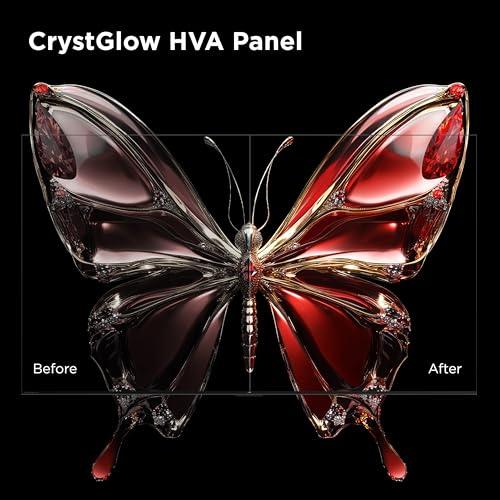
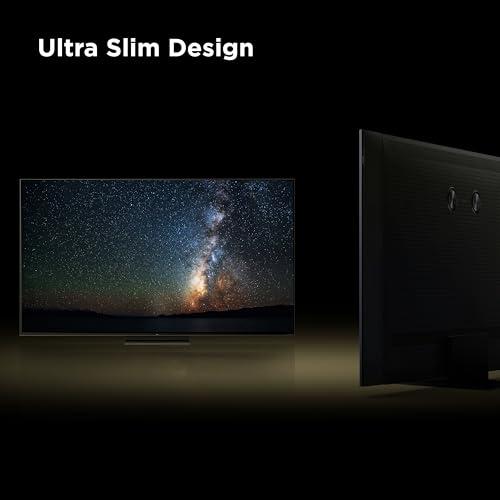
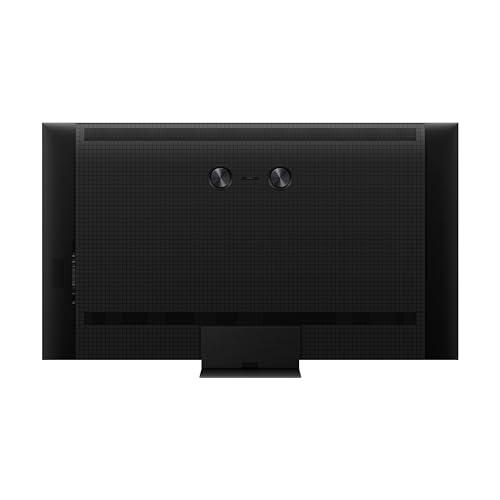
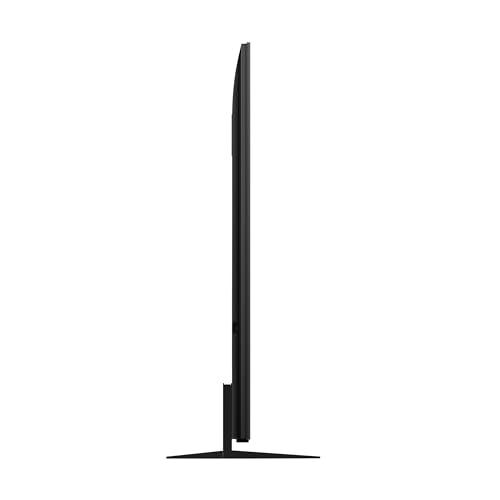
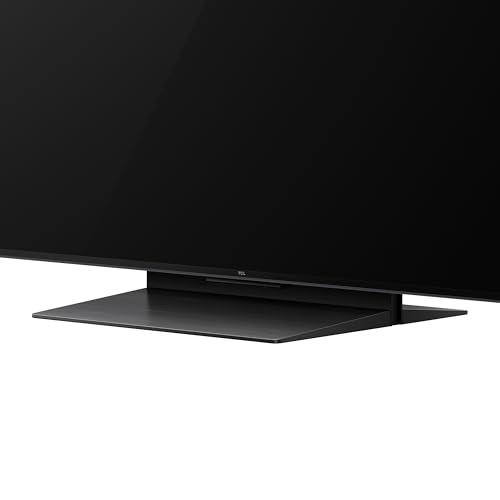
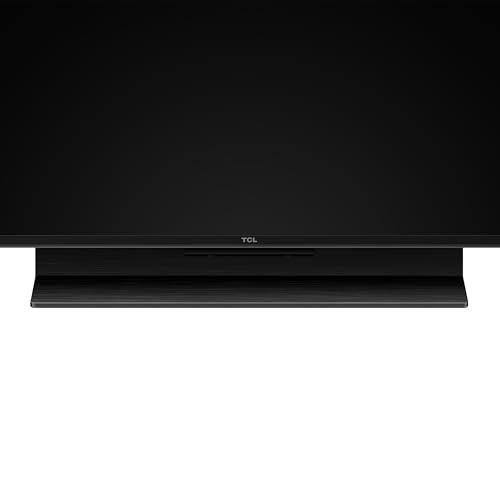
Both manufacturers prioritized aesthetics in their 2025 designs. The TCL QM7K features an ultra-slim profile that seems impossibly thin given its Mini LED backlighting array. The CrystGlow panel coating reduces reflections effectively, maintaining picture quality even in bright rooms.
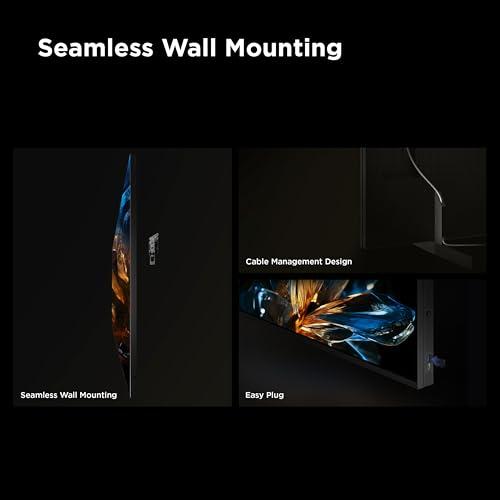
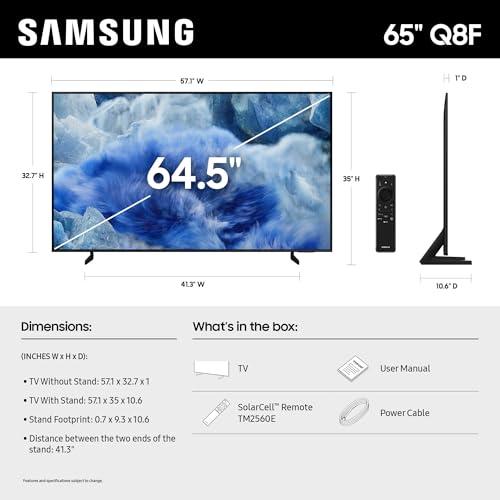
The Samsung Q8F showcases Samsung's AirSlim design philosophy with minimal bezels and elegant stand options. The build quality feels premium throughout, with attention to cable management and mounting flexibility.
Neither TV disappoints in design execution, though the TCL QM7K's anti-reflective coating provides practical advantages for varied lighting conditions. Both mount easily and integrate well into modern living spaces.
At the time of writing, the Samsung Q8F costs approximately $350 less than the TCL QM7K—a significant difference that affects value calculations. The Samsung represents solid premium TV performance at a more accessible price point, delivering good picture quality without flagship-level features.
The TCL QM7K commands its premium through superior display technology that typically appears in much more expensive TVs. Its Mini LED implementation and peak brightness rival models costing $2,000 or more, making it compelling for buyers seeking high-end performance without ultra-premium pricing.
For budget-conscious buyers, the Samsung Q8F provides a clear value advantage. The picture quality suffices for most viewing scenarios, especially in bright rooms where its limitations matter less. The cost savings enable investment in other home theater components or simply represents better financial planning.
Performance enthusiasts will find the TCL QM7K's premium justified. The picture quality improvements are substantial, not subtle—the kind of upgrade that transforms your viewing experience rather than providing marginal improvements.
The TCL QM7K suits buyers who prioritize picture quality above all else. If you're building a dedicated home theater, regularly watch HDR content, or notice picture quality differences easily, the superior brightness and contrast justify the higher cost. Serious gamers will appreciate the advanced gaming features, while Google TV users benefit from the superior smart platform integration.
The Samsung Q8F makes sense for practical buyers seeking premium features without flagship pricing. If your viewing happens primarily in bright rooms, the brightness difference matters less. Samsung ecosystem users gain smart home integration benefits, while buyers planning soundbar upgrades can leverage Q-Symphony technology effectively.
For mixed-use family rooms where the TV serves multiple purposes, both options work well, but the decision comes down to budget tolerance and feature priorities. The Samsung Q8F provides 80% of the performance at roughly 65% of the cost—excellent value for most households.
After extensive research and evaluation, the TCL QM7K emerges as the objectively superior television for picture quality and overall performance. Its Mini LED technology delivers genuine advantages in contrast, brightness, and HDR presentation that create measurably better viewing experiences.
However, the Samsung Q8F represents better value for buyers who don't need absolute picture quality perfection. Its solid performance, lower price, and mature smart platform make it an intelligent choice for cost-conscious consumers.
The decision ultimately depends on your priorities and budget flexibility. If picture quality drives your purchase and the premium fits your budget, the TCL QM7K delivers performance that justifies its higher cost. If value and practical features matter more, the Samsung Q8F provides premium TV experience without the flagship price tag.
Both TVs represent the maturation of their respective technologies in 2025, offering consumers genuine choice between different approaches to premium television performance. Your personal priorities—whether picture quality perfection or smart value shopping—should guide your final decision.
| TCL 65QM7K QD-Mini LED 4K Google TV | Samsung 65" QLED Q8F 4K Smart TV 2025 |
|---|---|
| Display Technology - Determines contrast and black level performance | |
| QD-Mini LED with 2,500 local dimming zones | Standard QLED with Dual LED backlighting |
| Peak Brightness - Critical for HDR impact and bright room viewing | |
| 3,000 nits (exceptional HDR highlights) | Moderate brightness levels (adequate for most content) |
| Contrast Ratio - Affects depth and immersion in dark scenes | |
| 30,000,000:1 dynamic (true blacks possible) | Good contrast but limited by edge-lit design |
| Gaming Performance - Important for console and PC gaming | |
| Native 144Hz, VRR up to 288Hz at 1080p | 120Hz with Motion Xcelerator up to 144Hz |
| Smart Platform - Affects app selection and user experience | |
| Google TV with Chromecast built-in | Samsung Tizen with SmartThings Hub integration |
| Audio System - Built-in sound quality before adding soundbar | |
| 60W Bang & Olufsen with Dolby Atmos | 20W system with Q-Symphony soundbar compatibility |
| HDMI Connectivity - Future-proofing for gaming and devices | |
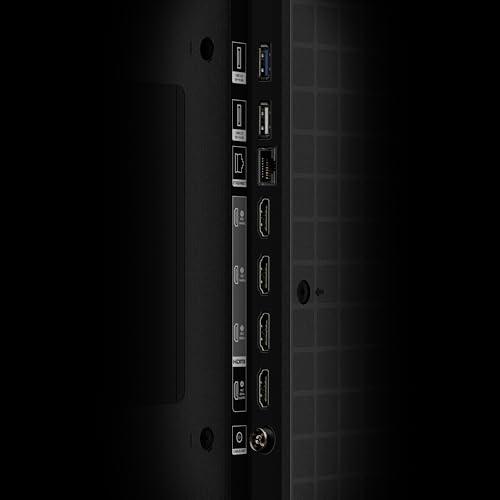
| 4 HDMI ports (2 HDMI 2.1) | 3 HDMI ports with eARC support |
| Voice Control - Hands-free operation capabilities | |
| Far-field mics with Google Assistant, Alexa, Apple HomeKit | Bixby integration with some Alexa support |
| Color Performance - Accuracy and vibrancy of displayed colors | |
| 97% DCI-P3 coverage maintains accuracy at high brightness | 100% Color Volume with refined quantum dot processing |
| Value Proposition - Performance relative to cost at time of writing | |
| Premium Mini LED performance at mid-range pricing | Solid QLED features at more accessible price point |
The TCL QM7K delivers significantly better picture quality thanks to its QD-Mini LED technology with 2,500 local dimming zones and 3,000-nit peak brightness. This creates deeper blacks, brighter highlights, and better contrast than the Samsung Q8F's standard QLED design. For home theater viewing, the TCL QM7K provides more cinematic picture quality.
Both TVs offer excellent gaming performance, but the TCL QM7K has superior specs with native 144Hz refresh rate and VRR support up to 288Hz at 1080p. The Samsung Q8F provides solid 120Hz gaming with good input lag. For competitive gaming, choose the TCL QM7K; for casual gaming, either works well.
The TCL QM7K's Google TV offers better streaming integration, superior content recommendations, and seamless Chromecast functionality. The Samsung Q8F's Tizen platform excels at smart home integration with SmartThings Hub capabilities. Choose Google TV for streaming focus, Tizen for smart home control.
The TCL QM7K reaches 3,000 nits peak brightness, making it excellent for bright rooms and daytime viewing. The Samsung Q8F offers moderate brightness levels sufficient for most lighting conditions but won't match the TCL QM7K's performance in very bright environments.
The TCL QM7K significantly outperforms in dark rooms due to its Mini LED technology creating true blacks and precise contrast control. The Samsung Q8F's edge-lit design shows some light bleeding in dark scenes. For dedicated home theater setups, the TCL QM7K is the clear winner.
The TCL QM7K features a superior 60W Bang & Olufsen audio system with Dolby Atmos, providing much better built-in sound. The Samsung Q8F has a basic 20W system but includes Q-Symphony technology for enhanced soundbar integration. Both benefit from external audio systems for optimal home theater experience.
The Samsung Q8F offers better value for budget-conscious buyers, providing solid premium TV features at a lower price point. The TCL QM7K delivers superior performance that justifies its higher cost for buyers prioritizing picture quality. Value depends on your budget and performance priorities.
Both excel at streaming with comprehensive app support. The TCL QM7K's Google TV provides better content discovery and streaming integration. The Samsung Q8F offers stable performance with good app selection. For HDR streaming content, the TCL QM7K's superior brightness enhances the viewing experience.
The TCL QM7K includes 4 HDMI ports with 2 HDMI 2.1 connections for gaming and high-bandwidth devices. The Samsung Q8F offers 3 HDMI ports with eARC support. Both provide adequate connectivity, but the TCL QM7K offers more ports for complex setups.
Both handle sports well with good motion processing. The TCL QM7K's higher refresh rate and superior brightness make fast action appear clearer and more vibrant. The Samsung Q8F provides smooth sports viewing with adequate motion handling. For the best sports experience, choose the TCL QM7K.
Both offer straightforward setup processes. The Samsung Q8F's Tizen platform is intuitive and stable for daily use. The TCL QM7K's Google TV provides familiar Android-based navigation with excellent voice control. Setup difficulty is similar, but interface preference varies by user.
Choose the TCL QM7K if picture quality is your priority and budget allows—its Mini LED technology delivers superior performance for movies, gaming, and HDR content. Select the Samsung Q8F for solid premium features at a more accessible price point, especially if you value Samsung's smart home integration over ultimate picture quality.
We've done our best to create useful and informative comparisons to help you decide what product to buy. Our research uses advanced automated methods to create this comparison and perfection is not possible - please contact us for corrections or questions. These are the sites we've researched in the creation of this article: bestbuy.com - businessinsider.com - tomsguide.com - tomsguide.com - rtings.com - tomsguide.com - youtube.com - rtings.com - consumerreports.org - youtube.com - youtube.com - displayspecifications.com - youtube.com - tcl.com - tcl.com - tcl.com - youtube.com - rcwilley.com - bestbuy.com - tclcentral.com - displayspecifications.com - tomsguide.com - tcl.com - brandsmartusa.com - tcl.com - tcl.com - gizmochina.com - nfm.com - dolby.com - alexraytv.com - bestbuy.com - rtings.com - tomsguide.com - youtube.com - samsung.com - youtube.com - youtube.com - youtube.com - rtings.com - rtings.com - linqcdn.avbportal.com - bestbuy.com - samsung.com - samsung.com - samsung.com - youtube.com - youtube.com - billsmith.com - samsung.com - samsung.com - samsung.com - hometechnologyreview.com - shopjetson.com - certappl.com - samsung.com - theapplianceplug.com - samsung.com - manuals.plus - bestbuy.com - device.report - samsung.com - shopsilica.com - dentonstv.com

Privacy Policy
Terms and Conditions - Affiliate Policy
Home Security
© Copyright 2008-2026.
11816 Inwood Rd #1211, Dallas, TX 75244