

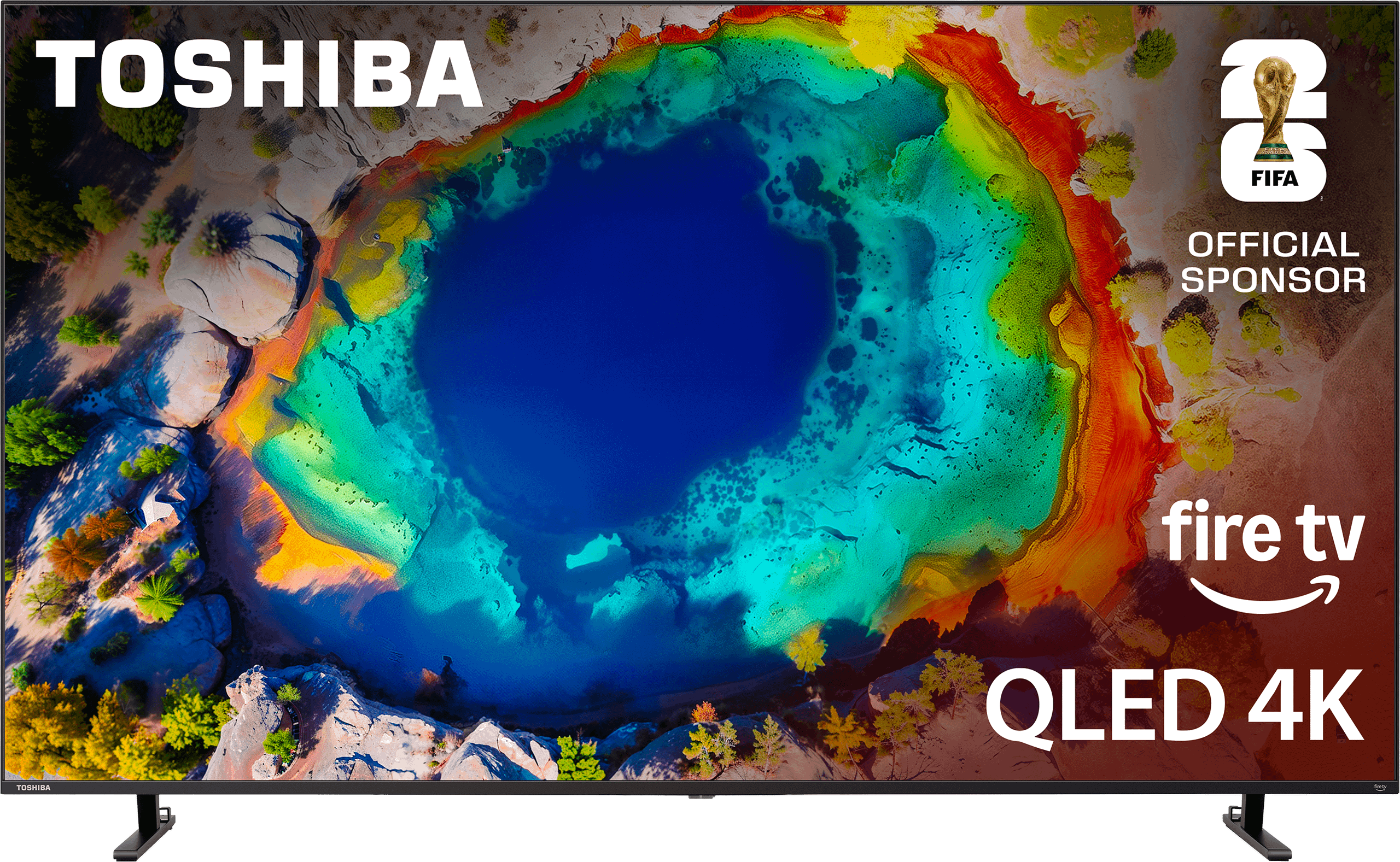
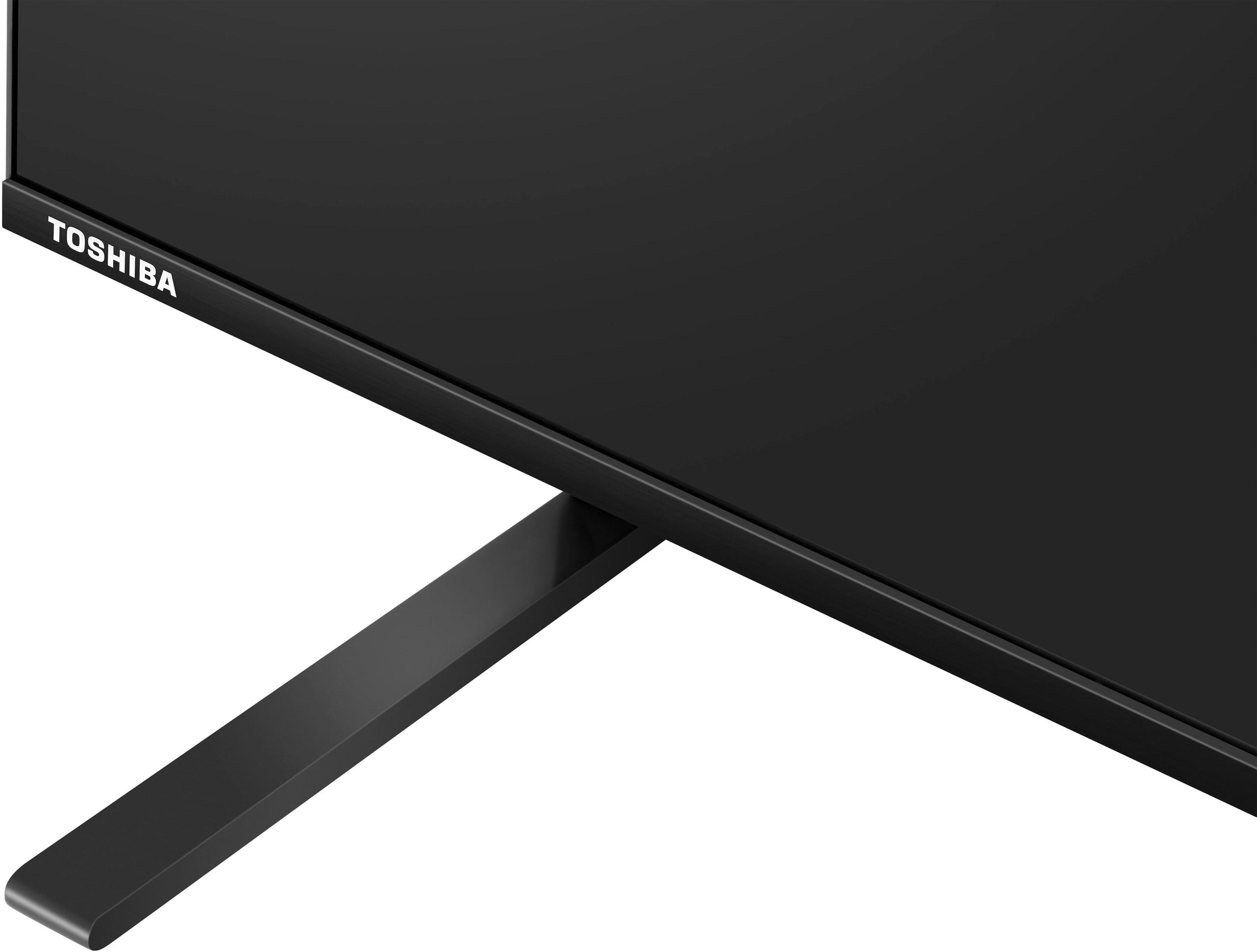
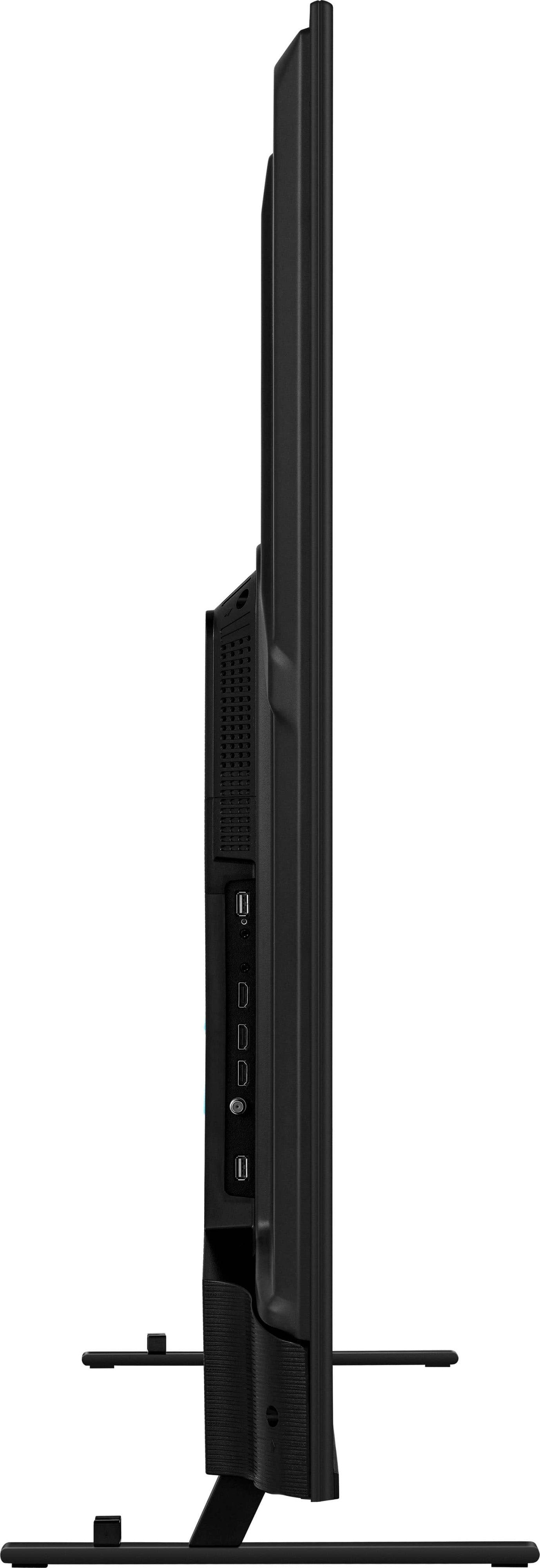
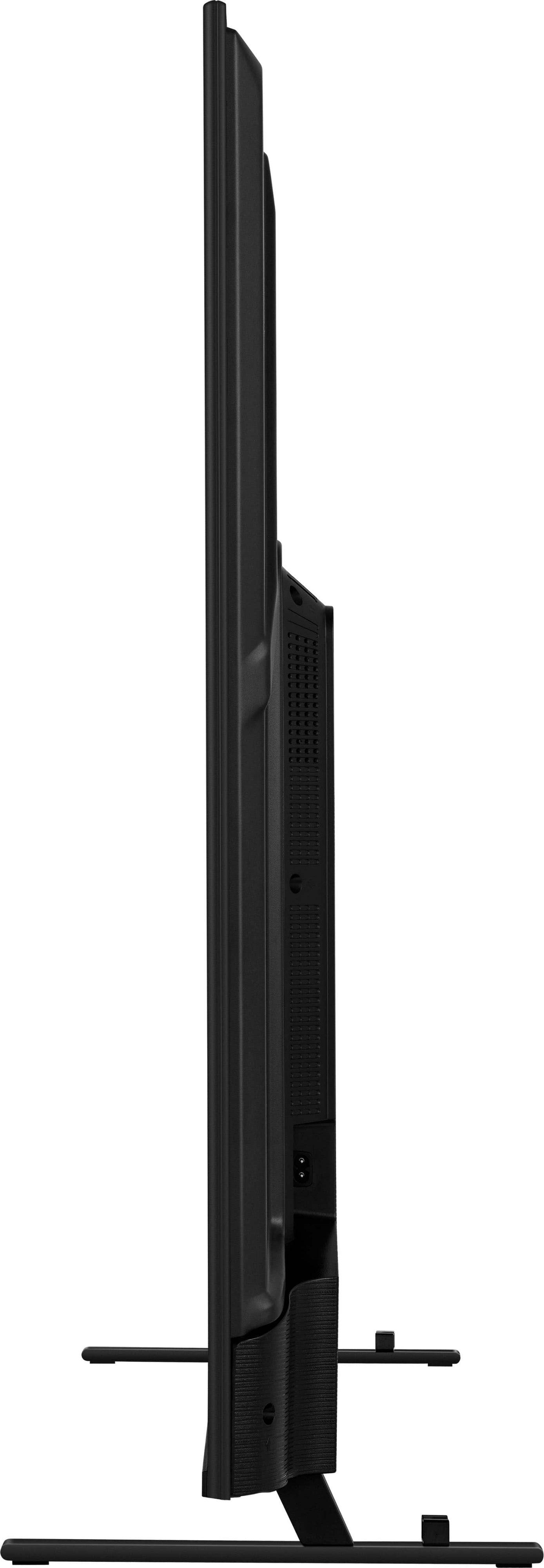
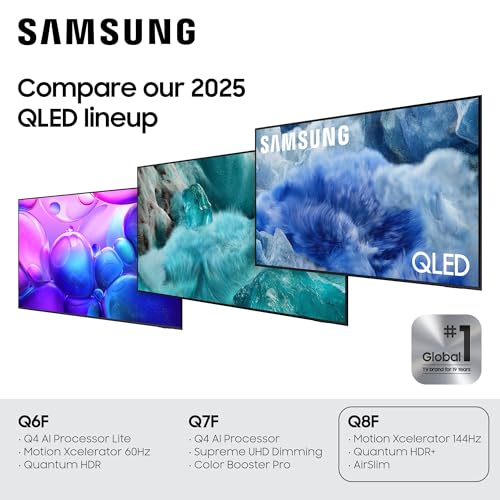
When shopping for a 65-inch QLED TV, you'll quickly discover that not all quantum dot displays are created equal. The Toshiba 65" M550 Series QLED Fire TV and Samsung 65" QLED Q8F 4K Smart TV 2025 represent two very different approaches to delivering that coveted QLED experience – one prioritizes raw picture quality at a budget price, while the other focuses on premium features and reliability.
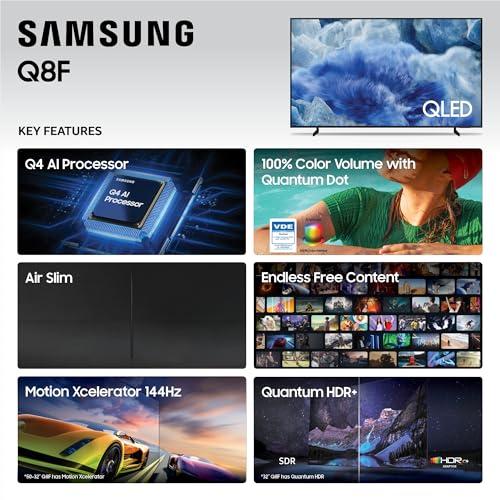
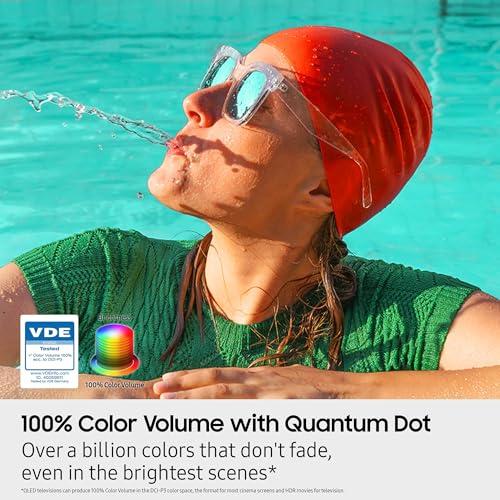
Both TVs use QLED technology, which stands for Quantum Dot Light Emitting Diode. This technology places a special layer of microscopic particles called quantum dots between the LED backlight and the LCD panel. These quantum dots can produce incredibly pure colors when hit with light, resulting in more vibrant and accurate colors than traditional LED TVs. Think of quantum dots as tiny color filters that can create over a billion different shades – that's what gives QLED TVs their signature bright, saturated look.
The 65-inch QLED TV market has evolved significantly since 2020, with manufacturers pushing brightness levels higher and adding more sophisticated local dimming systems. The Samsung Q8F, released in 2025, represents Samsung's latest refinements to their mid-tier QLED lineup, incorporating lessons learned from years of quantum dot development. Meanwhile, the Toshiba M550, launched in 2024, takes a different approach by offering premium display technology at an aggressive price point.
What makes shopping in this category challenging is that the most important factors – picture quality, smart TV performance, and long-term reliability – aren't always apparent from spec sheets alone. Two TVs might both claim "4K HDR" support, but their real-world performance can differ dramatically.
The most significant technical difference between these TVs lies in their backlighting approach. The Toshiba M550 uses Full Array Local Dimming (FALD) with 48 individual dimming zones, while the Samsung Q8F employs an edge-lit design with Dual LED technology.
Full Array Local Dimming means the Toshiba has LED lights spread across the entire back of the screen, divided into 48 separate zones that can brighten or dim independently. This creates a dramatic advantage for contrast – when you're watching a scene with bright stars against a dark sky, the TV can make the star areas bright while keeping the surrounding areas genuinely dark. The result is deeper blacks and more realistic contrast that makes images pop with dimensionality.
Samsung's approach with the Q8F uses edge-lit LEDs around the perimeter of the screen, combined with their Dual LED system that mixes warm and cool LED temperatures for better color accuracy. While this doesn't achieve the deep blacks of full array dimming, it does excel at maintaining consistent brightness across the entire screen and produces exceptionally vibrant colors.
In practice, this means the Toshiba M550 will look more cinematic in dark rooms, with that coveted "theater-like" experience where bright elements seem to float against truly dark backgrounds. The Samsung Q8F, however, delivers more consistent performance in bright rooms where ambient light would wash out deeper blacks anyway.
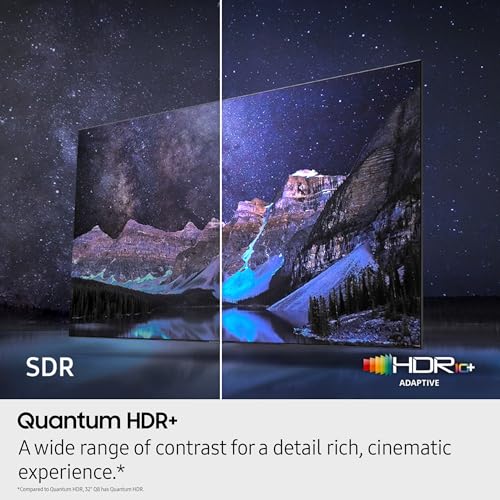
High Dynamic Range (HDR) is where these TVs reveal different priorities. HDR allows TVs to display a much wider range of brightness levels and colors, making images look more like what your eyes see in real life. Both TVs support HDR10 and HDR10+, but only the Toshiba M550 supports Dolby Vision.
Dolby Vision is often considered the premium HDR format because it uses dynamic metadata – essentially instructions that tell the TV how to optimize each scene individually. HDR10+ offers similar scene-by-scene optimization, but Dolby Vision has broader content support, especially on streaming platforms like Netflix and Disney+.
The Samsung Q8F compensates for lacking Dolby Vision with superior peak brightness levels. Samsung's quantum dots can push brighter highlights, which makes HDR content more impactful in well-lit rooms. This is particularly noticeable with content like nature documentaries or sports, where bright outdoor scenes benefit from that extra brightness punch.
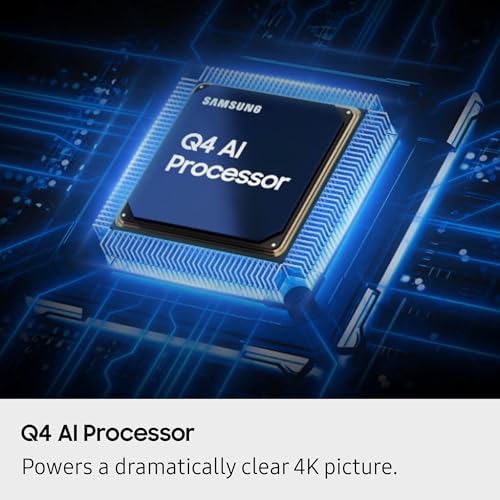
Samsung's Q4 AI Processor in the Q8F demonstrates why processing power matters beyond just smart TV features. The TV analyzes each scene in real-time, adjusting color accuracy, upscaling lower-resolution content, and optimizing contrast. This results in more consistent picture quality across different types of content.
The Toshiba M550's REGZA Engine ZR offers similar AI-powered optimization, but our research into user experiences reveals that the processor sometimes struggles with complex scenes. Multiple reviewers noted that busy action sequences can develop artifacts – phantom images around moving objects or stuttering motion that breaks immersion.
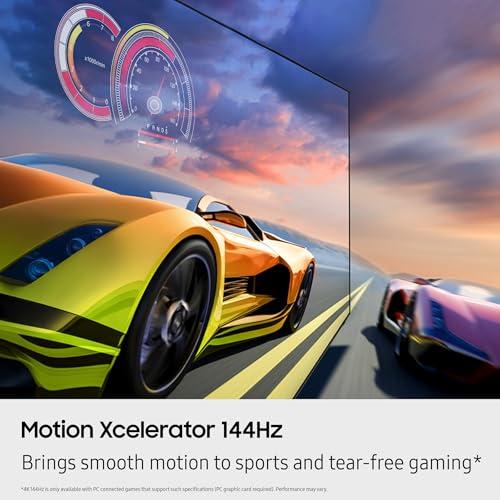
Motion handling is particularly important if you watch sports or action movies. The Samsung Q8F includes Motion Xcelerator 144Hz technology, which provides smooth motion clarity even during fast-paced content. The Toshiba supports 120Hz refresh rates but struggles to maintain smooth motion when scenes become complex.
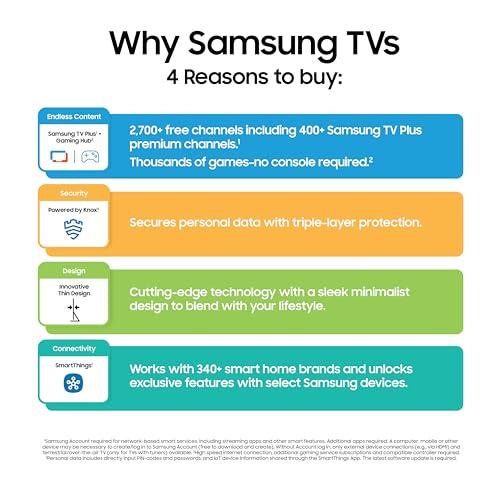
This is where the fundamental difference between these TVs becomes most apparent in daily use. The Samsung Q8F runs Samsung's Tizen operating system, which has been refined over years of development. Our research consistently found users praising its responsiveness and reliability.
The Toshiba M550 runs Amazon's Fire TV platform, which should theoretically provide access to the same streaming apps. However, multiple detailed user reviews revealed significant performance issues. Apps can take 30-60 seconds to load, the interface frequently freezes, and some users reported the TV randomly returning to the home screen during viewing.
These aren't minor inconveniences – they affect your daily experience every time you use the TV. When you sit down to watch Netflix after a long day, waiting a full minute for the app to load becomes genuinely frustrating.
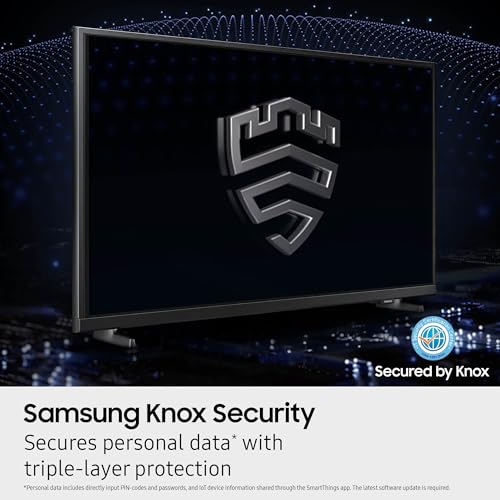
The Samsung Q8F includes far-field microphones for hands-free voice control through Bixby and Alexa, plus it acts as a SmartThings Hub with Matter support. This means the TV can control your smart lights, thermostats, and other connected devices directly, without needing a separate hub.
The Toshiba M550 offers Alexa integration, but our research suggests the smart features are hampered by the same processing limitations that affect general performance.
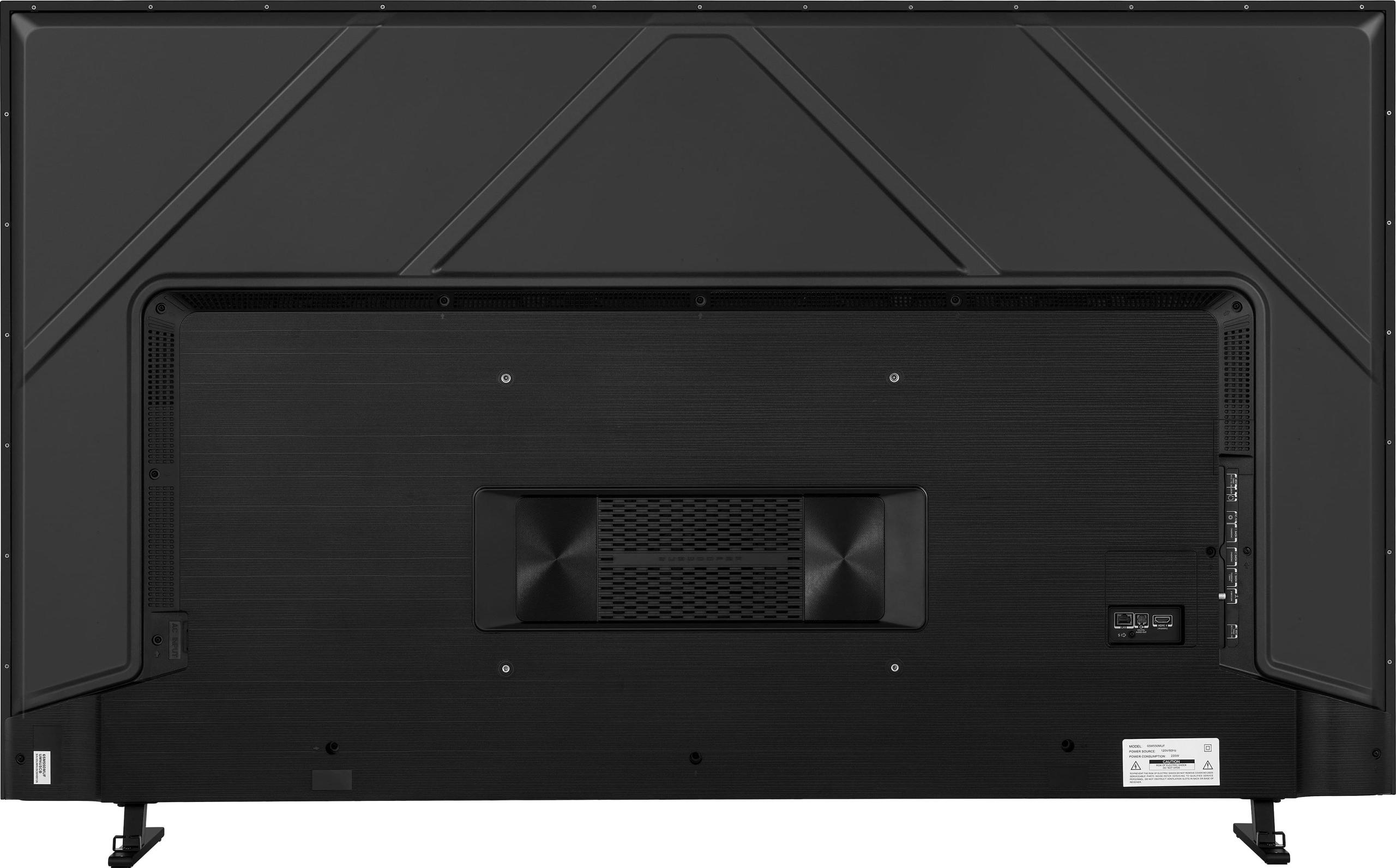
Audio quality varies significantly between these models. The Toshiba M550 includes a 40-49W audio system with a built-in subwoofer and dual speakers, providing notably more powerful sound output. Many users reported that the TV produces sufficient bass and volume for casual viewing without requiring a separate soundbar.
The Samsung Q8F takes a different approach with its 20W Object Tracking Sound Lite system and Q-Symphony compatibility. While less powerful, the audio is more sophisticated – sound appears to follow action across the screen, and if you own a Samsung soundbar, the TV speakers can work in harmony with it rather than being muted.
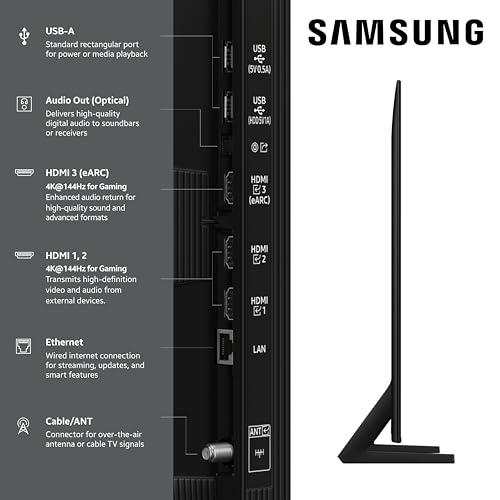
For home theater enthusiasts, both TVs support Dolby Atmos pass-through to external audio systems, but the Samsung's eARC support provides better bandwidth for high-quality audio formats.
Gaming performance has become increasingly important as PlayStation 5 and Xbox Series X push higher frame rates and resolution combinations. The Samsung Q8F clearly leads here with support for up to 144Hz refresh rates, Variable Refresh Rate (VRR), and Auto Low Latency Mode (ALLM).
The Toshiba M550 supports similar gaming features on paper – 120Hz at 1440p, VRR up to 60Hz, and ALLM – but the processing limitations that affect general performance also impact gaming. Users reported noticeable input lag, particularly when the TV's processor is managing complex scenes.
If you're serious about gaming, especially competitive multiplayer games where response time matters, the Samsung Q8F provides a significantly better experience.
At the time of writing, the Toshiba M550 represents exceptional value in the budget QLED segment, typically priced several hundred dollars below the Samsung Q8F. For that price difference, you get genuine full array local dimming and Dolby Vision support – features typically found in much more expensive TVs.
However, value isn't just about initial purchase price. The smart TV performance issues with the Toshiba may necessitate purchasing external streaming devices like an Apple TV 4K or NVIDIA Shield, which adds to the total cost. More importantly, the reliability concerns raise questions about long-term satisfaction.
The Samsung Q8F costs more upfront but provides a more complete, reliable experience that's likely to remain satisfactory for years. Samsung's track record with software updates and long-term support also favors the longevity of your investment.
For dedicated home theater setups, room lighting becomes crucial. If you have a dedicated media room with controlled lighting, the Toshiba M550's full array local dimming provides that coveted cinematic contrast that makes movies feel more immersive. The deeper blacks create a more theater-like experience, especially with content mastered in Dolby Vision.
However, if your main viewing area has windows or ambient lighting, the Samsung Q8F's superior brightness levels will maintain picture quality better in those conditions. The quantum dots remain vibrant even when competing with room lighting.
For mixed-use family rooms where the TV serves multiple purposes – streaming shows, gaming, sports viewing – the Samsung's superior motion handling and smart TV reliability make it more versatile.
Choose the Toshiba 65" M550 Series QLED Fire TV if you primarily watch movies and streaming content in a dark room, can tolerate smart TV limitations (or plan to use external streaming devices), and want the best possible contrast performance for your budget. The full array local dimming at this price point is genuinely impressive, and for patient viewers who don't mind working around the platform issues, it delivers remarkable picture quality value.
Choose the Samsung 65" QLED Q8F 4K Smart TV 2025 if you want a premium, reliable smart TV experience, watch content in bright rooms, enjoy sports or action content, do any gaming, or simply want a TV that works smoothly every day without frustration. The higher price reflects not just better components, but also years of software refinement and ecosystem integration.
The Samsung represents the safer choice for most buyers – it excels in more scenarios and provides consistent performance across different types of content and usage patterns. The Toshiba offers incredible picture quality potential but requires specific use cases and patience with its limitations to truly shine.
Both TVs demonstrate that QLED technology has matured significantly, but they also prove that implementation details – from backlighting design to processor capability – matter more than headline specifications. The best TV for you depends on matching these technical strengths to your specific viewing habits and tolerance for trade-offs.
| Toshiba 65" M550 Series QLED Fire TV | Samsung 65" QLED Q8F 4K Smart TV 2025 |
|---|---|
| Backlighting Technology - Critical for contrast and picture quality | |
| Full Array Local Dimming (48 zones) - Superior contrast and deeper blacks | Edge-lit with Dual LED - Consistent brightness, better for bright rooms |
| HDR Format Support - Determines compatibility with premium streaming content | |
| Dolby Vision, HDR10, HDR10+ - Broadest format support including Netflix premium content | HDR10, HDR10+ only - Missing Dolby Vision but excellent HDR10+ processing |
| Peak Brightness - Essential for HDR impact and bright room viewing | |
| Good brightness levels with quantum dots | Exceptional brightness - best-in-class for daytime viewing |
| Smart TV Platform - Affects daily usability and long-term satisfaction | |
| Fire TV with significant performance issues - slow, crashes frequently | Tizen OS - fast, reliable, premium smart TV experience |
| Audio Power Output - Determines if you need a soundbar immediately | |
| 40-49W with built-in subwoofer - powerful enough for most rooms | 20W with Object Tracking Sound Lite - sophisticated but may need soundbar |
| Motion Handling - Critical for sports and action content | |
| 120Hz with struggles on complex scenes - phantom images in action | Motion Xcelerator 144Hz - excellent for sports and fast content |
| Gaming Performance - Important for console gaming | |
| 120Hz at 1440p, VRR up to 60Hz with input lag issues | Up to 144Hz, superior VRR, ALLM - excellent gaming performance |
| Smart Home Integration - Future-proofing and convenience features | |
| Basic Alexa integration | SmartThings Hub with Matter support - comprehensive smart home control |
| Processor Performance - Affects everything from apps to picture processing | |
| Underpowered relative to display - causes daily frustration | Q4 AI Processor - handles all tasks smoothly |
| Best Use Case - Who should buy this TV | |
| Budget-conscious buyers who watch movies in dark rooms and can tolerate smart TV issues | Premium experience seekers who want reliability, bright room performance, and gaming |
| Value Proposition - Cost vs. benefit analysis | |
| Exceptional picture quality per dollar but with significant compromises | Higher cost but better long-term value with premium features and reliability |
The Toshiba 65" M550 Series QLED Fire TV delivers superior picture quality in dark rooms thanks to its Full Array Local Dimming with 48 zones. This technology provides deeper blacks and better contrast compared to the Samsung 65" QLED Q8F's edge-lit design. For home theater setups with controlled lighting, the Toshiba M550 creates a more cinematic experience with its superior contrast performance.
The Samsung 65" QLED Q8F 4K Smart TV 2025 excels in bright rooms with its exceptional peak brightness and Dual LED backlighting technology. While the Toshiba M550 offers good brightness, Samsung's quantum dot implementation maintains vibrant colors even when competing with ambient light, making the Samsung Q8F ideal for living rooms with windows.
The Samsung Q8F provides a premium smart TV experience with Samsung's fast, reliable Tizen OS, while the Toshiba M550 suffers from significant Fire TV performance issues including slow app loading, frequent crashes, and unresponsive interface. Users consistently report frustration with the Toshiba's smart features, making external streaming devices often necessary.
The Samsung 65" QLED Q8F is clearly superior for gaming with support for up to 144Hz refresh rates, excellent VRR implementation, and low input lag. The Toshiba M550 supports gaming features like 120Hz and VRR but struggles with input lag and processing delays that affect competitive gaming performance.
Only the Toshiba 65" M550 Series QLED Fire TV supports Dolby Vision, along with HDR10 and HDR10+. The Samsung Q8F supports HDR10 and HDR10+ but lacks Dolby Vision support. This gives the Toshiba broader compatibility with premium streaming content from Netflix, Disney+, and other platforms that use Dolby Vision.
The Toshiba M550 offers more powerful built-in audio with 40-49W output and a built-in subwoofer, often eliminating the immediate need for a soundbar. The Samsung Q8F has a more sophisticated but less powerful 20W system with Object Tracking Sound Lite and Q-Symphony soundbar compatibility.
The Samsung 65" QLED Q8F excels at motion handling with Motion Xcelerator 144Hz technology, providing smooth sports and action content. The Toshiba M550 struggles with complex action scenes, creating phantom images and stuttering that makes it less suitable for fast-paced content like sports or action movies.
The Toshiba 65" M550 Series QLED Fire TV offers exceptional picture quality value with premium features like full array local dimming at a budget-friendly price point. However, the Samsung Q8F provides better long-term value despite higher upfront costs, thanks to superior reliability, smart features, and overall performance consistency.
The Samsung Q8F acts as a comprehensive SmartThings Hub with Matter support, enabling control of various smart home devices directly through the TV. The Toshiba M550 offers basic Alexa integration but lacks the advanced smart home capabilities and reliable performance of the Samsung's ecosystem.
For streaming movies in dark environments, the Toshiba M550 provides superior contrast and Dolby Vision support, creating a more cinematic experience. However, the Samsung Q8F offers more reliable streaming performance with faster app loading and fewer platform issues, making it better for daily streaming despite slightly less dramatic contrast.
The Samsung 65" QLED Q8F delivers superior sports viewing with its 144Hz Motion Xcelerator technology that maintains smooth motion clarity. While the Toshiba M550 supports 120Hz refresh rates, it struggles with motion processing during fast-paced sports content, making the Samsung the clear choice for sports enthusiasts.
The Samsung Q8F demonstrates superior long-term reliability with its robust Tizen OS, quality build construction, and Samsung's track record for software support. The Toshiba M550 faces reliability concerns due to processing limitations, frequent software issues, and performance problems that may worsen over time, making the Samsung a safer long-term investment.
We've done our best to create useful and informative comparisons to help you decide what product to buy. Our research uses advanced automated methods to create this comparison and perfection is not possible - please contact us for corrections or questions. These are the sites we've researched in the creation of this article: bestbuy.com - bestbuy.com - consumerreports.org - youtube.com - pcvarge.com - tomsguide.com - youtube.com - bestbuy.com - toshibatv-usa.com - marketplace-staging.paytomorrow.com - toshibatv-usa.com - productabout.com - leaseville.com - youtube.com - toshibatv-usa.com - bestbuy.com - rtings.com - tomsguide.com - youtube.com - samsung.com - youtube.com - youtube.com - youtube.com - rtings.com - rtings.com - linqcdn.avbportal.com - bestbuy.com - samsung.com - samsung.com - samsung.com - youtube.com - youtube.com - billsmith.com - samsung.com - samsung.com - samsung.com - hometechnologyreview.com - shopjetson.com - certappl.com - samsung.com - theapplianceplug.com - samsung.com - manuals.plus - bestbuy.com - device.report - samsung.com - shopsilica.com - dentonstv.com

Privacy Policy
Terms and Conditions - Affiliate Policy
Home Security
© Copyright 2008-2026.
11816 Inwood Rd #1211, Dallas, TX 75244