

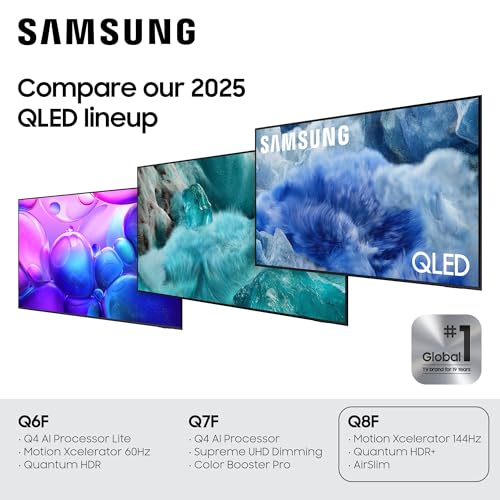
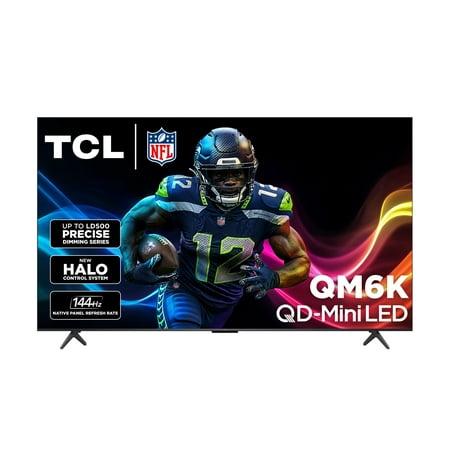
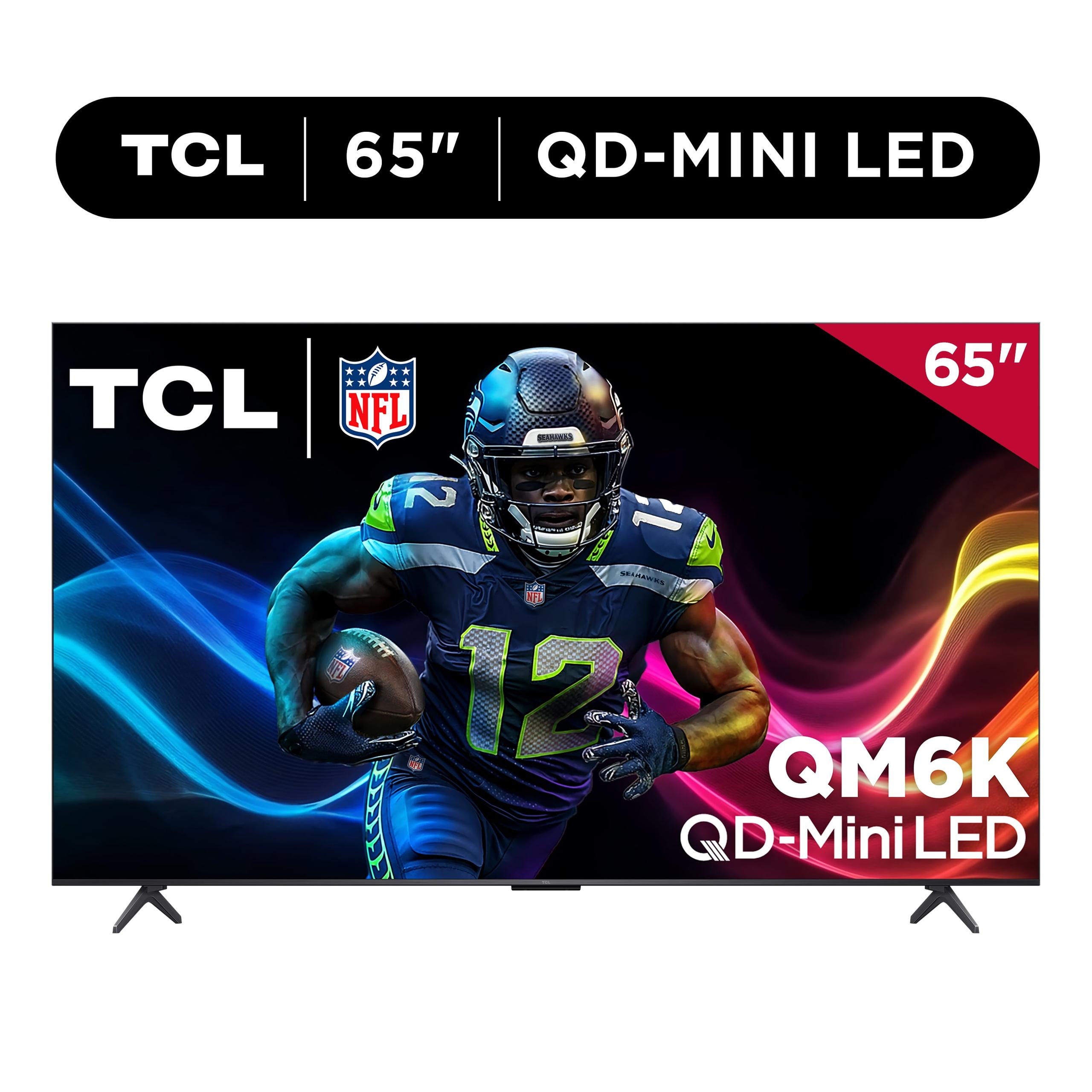
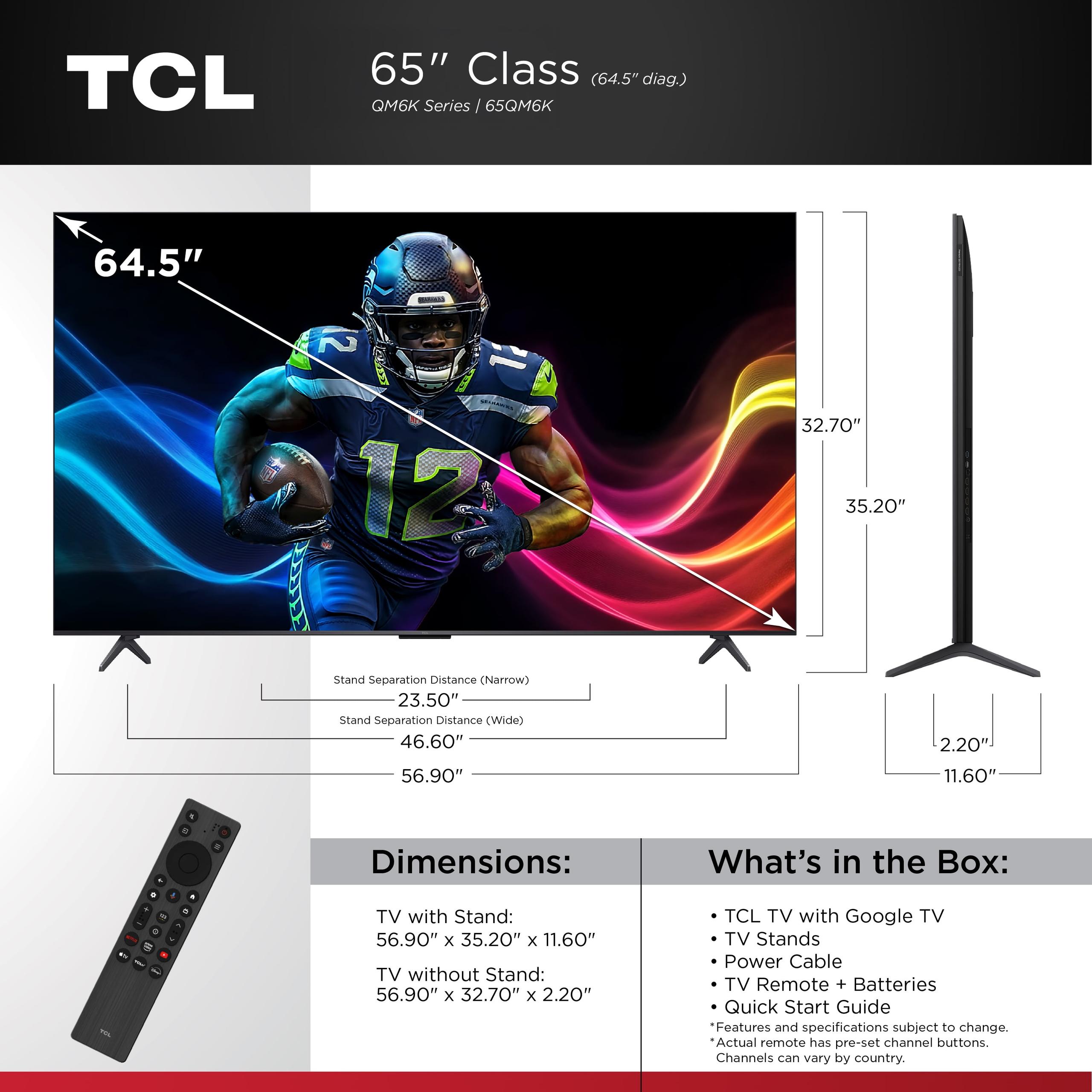
The premium 65" TV market has become one of the most competitive battlegrounds in consumer electronics, and two standout models perfectly illustrate why: the Samsung 65" QLED Q8F and TCL 65" QM6K. Both launched in 2025, these TVs represent dramatically different philosophies about how to deliver premium picture quality, yet they're competing for the same spot in your living room.
What makes this comparison particularly interesting is how these models showcase the current state of TV technology. The Samsung Q8F represents the refinement of QLED technology that Samsung has been perfecting for nearly a decade, while the TCL QM6K embodies the newer Mini-LED approach that's been gaining serious momentum since 2022. At the time of writing, there's a significant price gap between them, with the Samsung commanding a premium that raises important questions about value.
The core difference between these TVs lies in their backlighting systems, and this isn't just a technical detail—it fundamentally changes how they perform. The Samsung Q8F uses what's called edge-lit backlighting, where LEDs are positioned around the edges of the screen and light is spread across the panel using light guides. Think of it like trying to illuminate a room with light fixtures only around the perimeter walls.
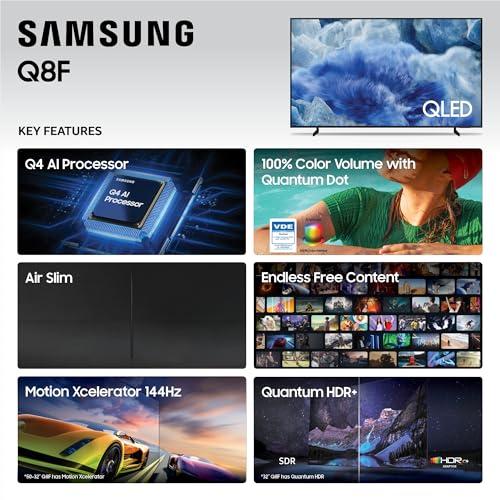
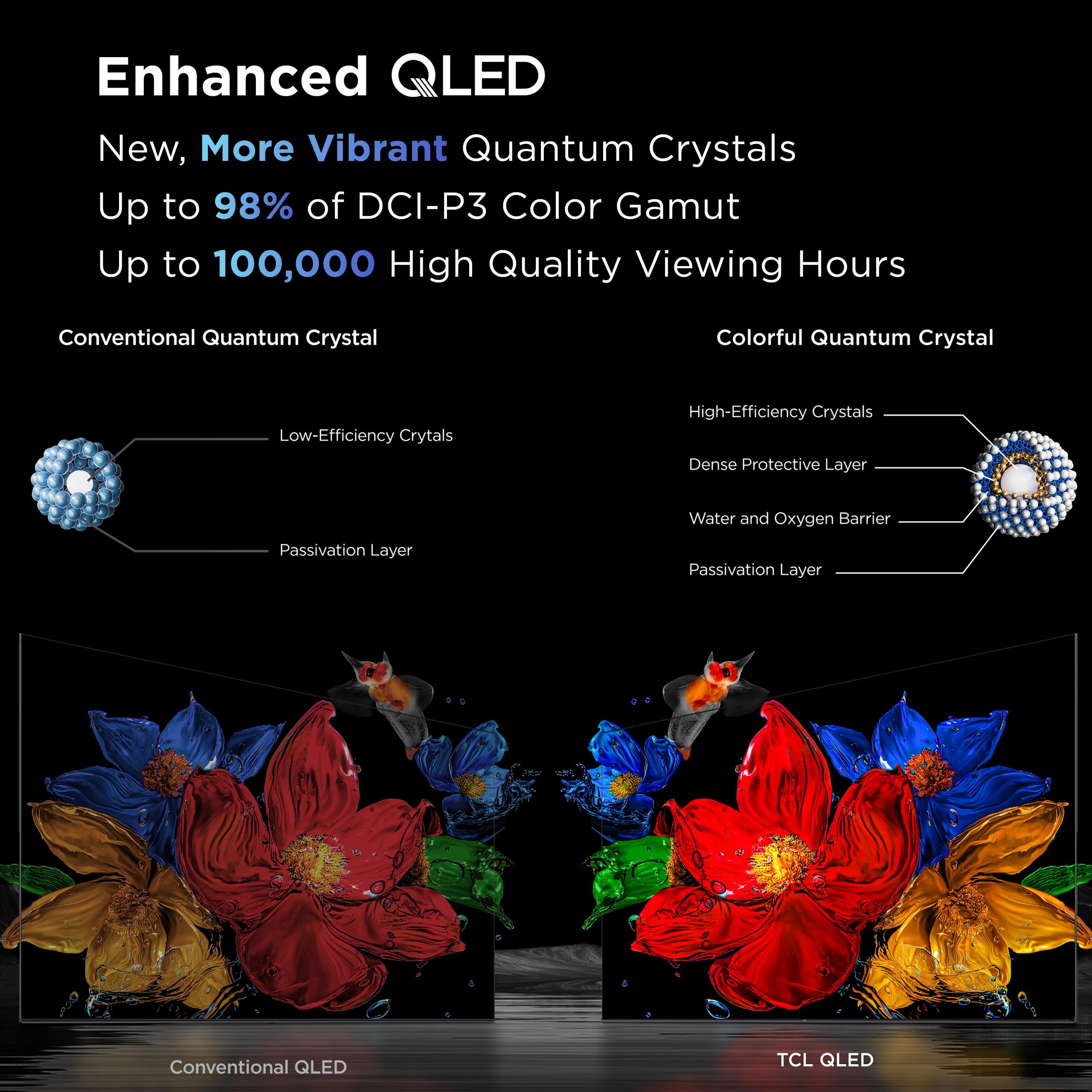
This edge-lit approach has advantages: it's reliable, keeps the TV thin, and Samsung has refined it to produce incredibly vibrant colors through their quantum dot technology. Quantum dots are microscopic crystals that can produce very pure colors when hit with light, which is why QLED TVs are known for their color pop.
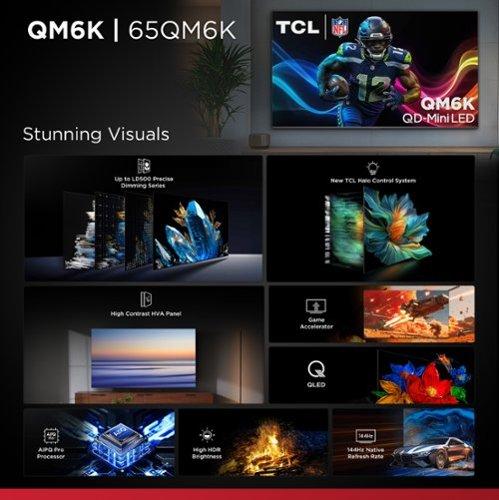
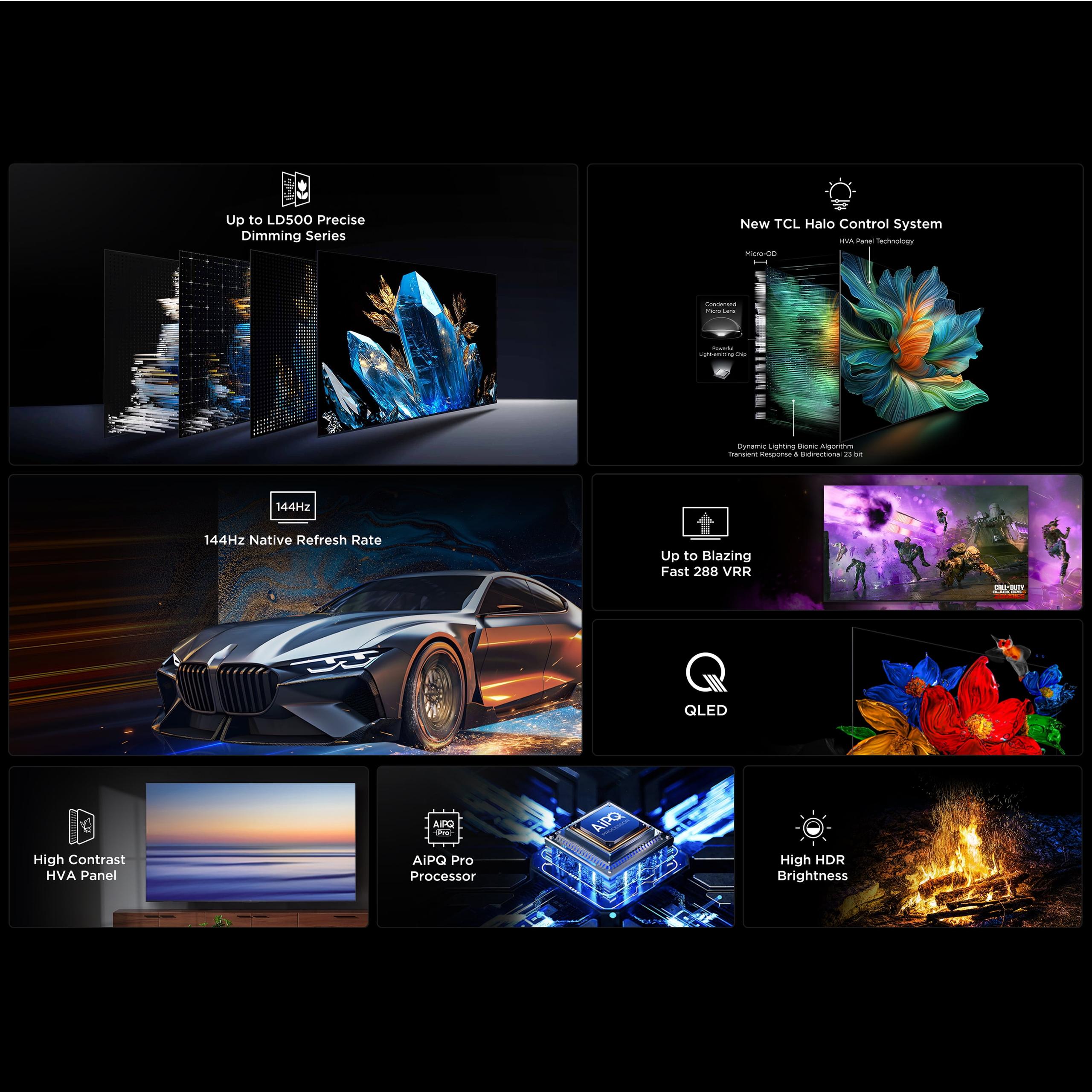
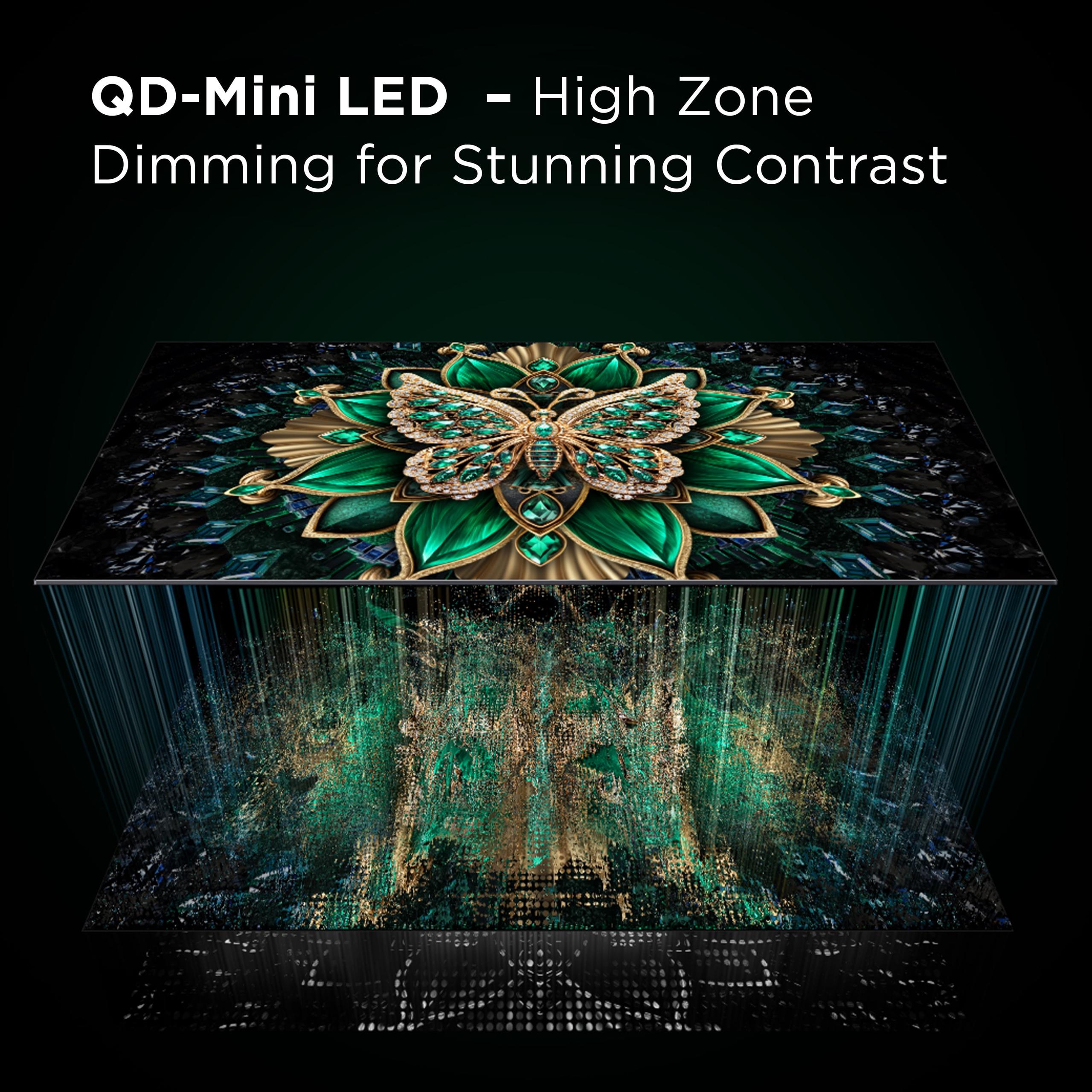
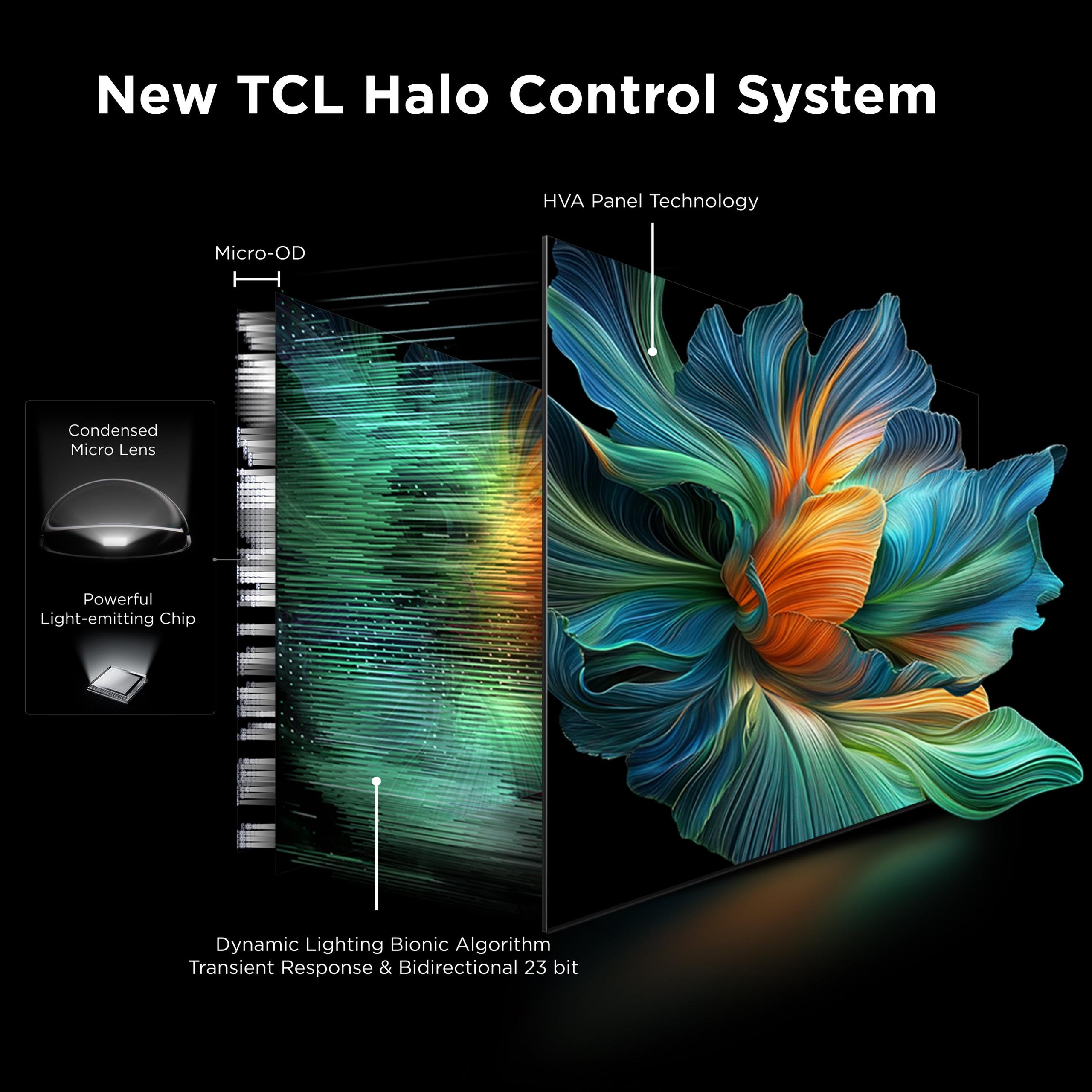
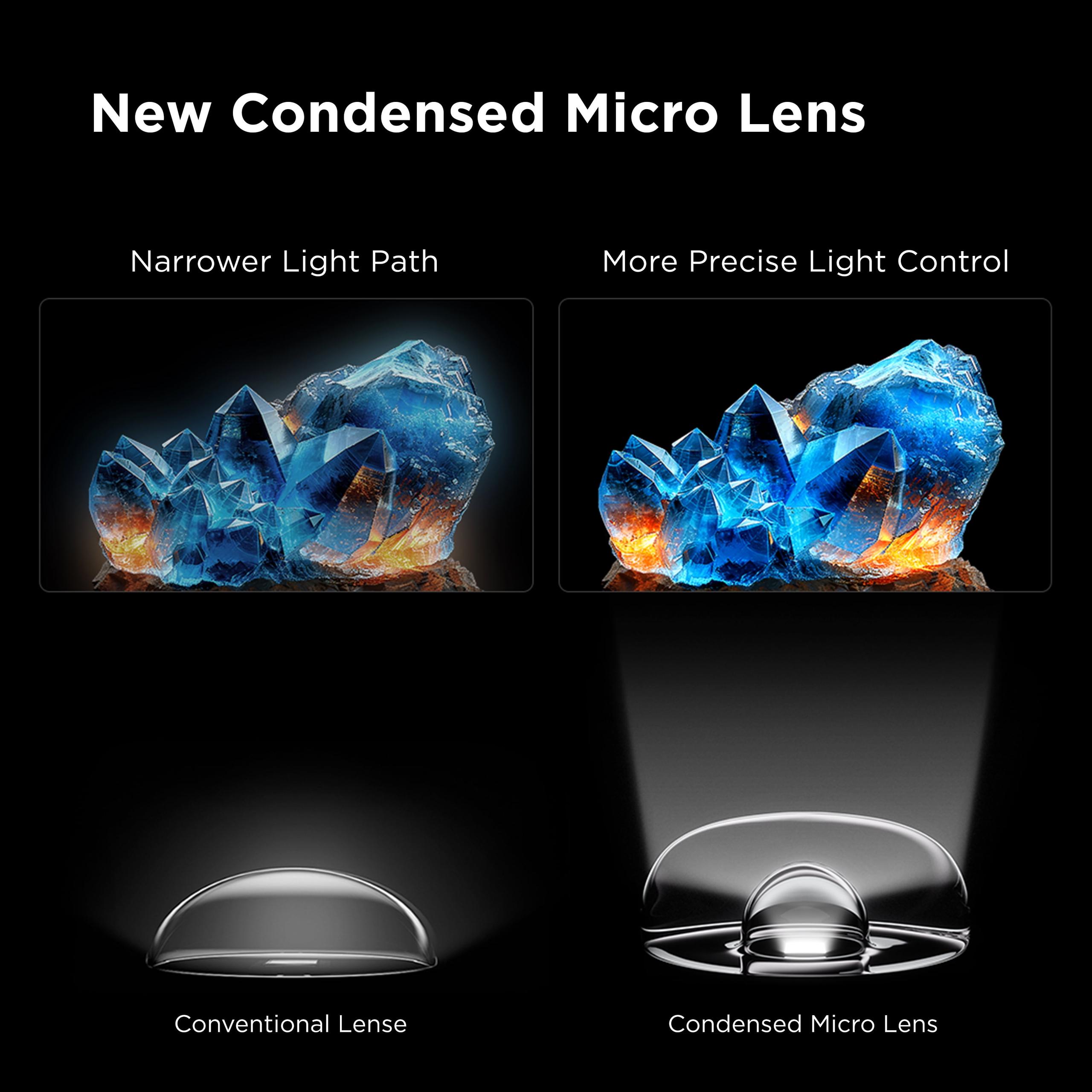
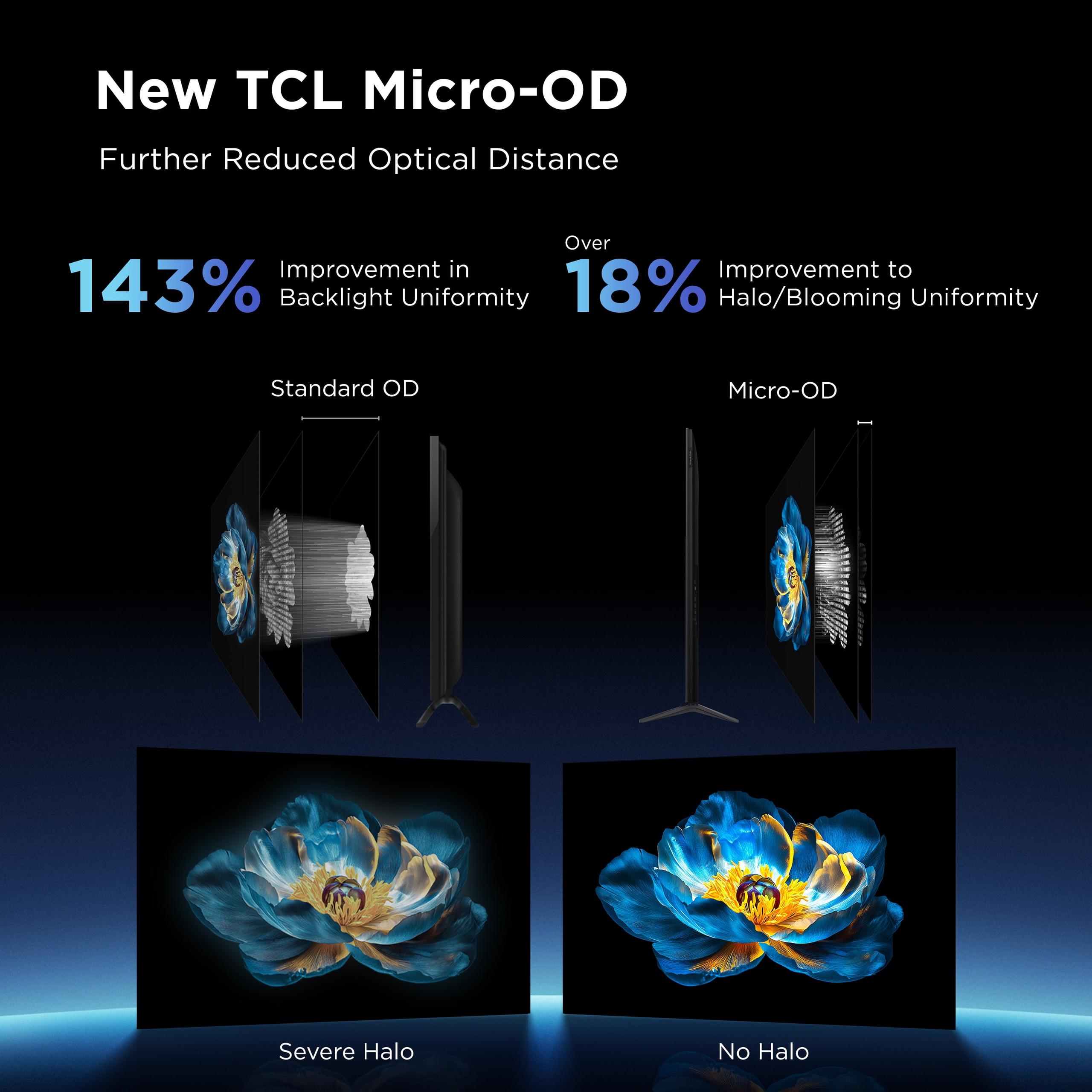
The TCL QM6K, however, takes a completely different approach with Mini-LED backlighting. Instead of edge lighting, it places thousands of tiny LEDs directly behind the screen in what's called a full-array setup. More importantly, these LEDs can be controlled in groups called dimming zones—up to 500 of them in the QM6K's case. This means bright areas of the screen can have their backlights cranked up while dark areas get dimmed down independently.
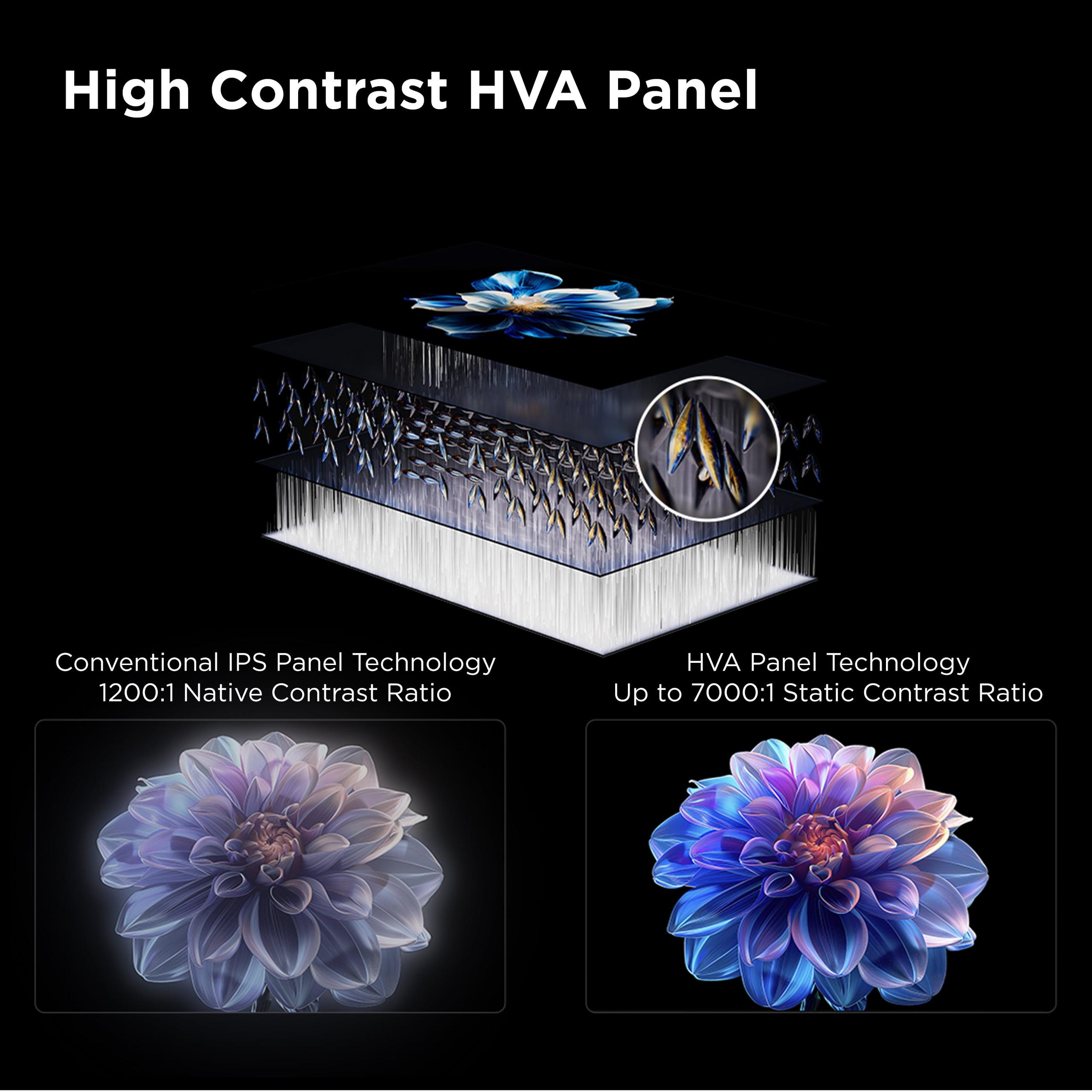
This technical difference translates into real-world viewing differences that you'll notice immediately. The Samsung Q8F excels in bright rooms where its color vibrancy really shines, but struggles with contrast in darker scenes. The TCL QM6K delivers much deeper blacks and better overall contrast, making it significantly more impressive for movie watching in dim environments.
HDR, or High Dynamic Range, is where premium TVs separate themselves from budget models, and it's also where these two TVs diverge significantly. HDR essentially expands the range between the darkest darks and brightest brights that a TV can display, making images more lifelike and dramatic.
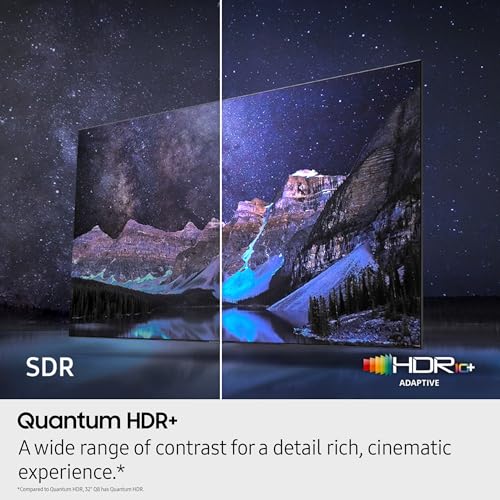
The Samsung Q8F supports HDR10 and HDR10+, which covers most content you'll encounter. HDR10+ is particularly clever because it includes dynamic metadata—essentially instructions that tell the TV how to adjust brightness and color scene by scene rather than using the same settings for an entire movie.
However, the TCL QM6K goes further by also supporting Dolby Vision, which many consider the premium HDR format. Dolby Vision is found on Netflix's best content, Disney+ movies, and Ultra HD Blu-rays. It's technically superior to HDR10+ in how it handles color and brightness information, and in our research of user experiences, people consistently notice the difference when watching Dolby Vision content.
The TCL QM6K's Mini-LED backlighting gives it another advantage here. Because it can make specific areas of the screen much brighter or darker independently, HDR content looks more dramatic and realistic. Bright explosions pop off the screen while maintaining detail in shadows—something the Samsung Q8F struggles with due to its edge-lit limitations.
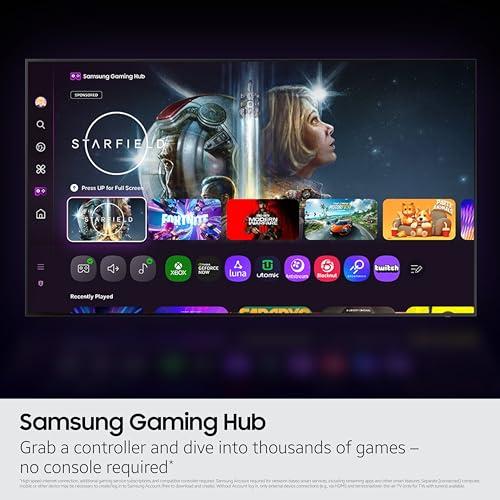
If you own a PlayStation 5, Xbox Series X, or game on PC, the differences between these TVs become stark. The gaming landscape changed dramatically in 2020 when new consoles launched with HDMI 2.1 support, enabling features like 120Hz gaming at 4K resolution and Variable Refresh Rate (VRR), which eliminates screen tearing.
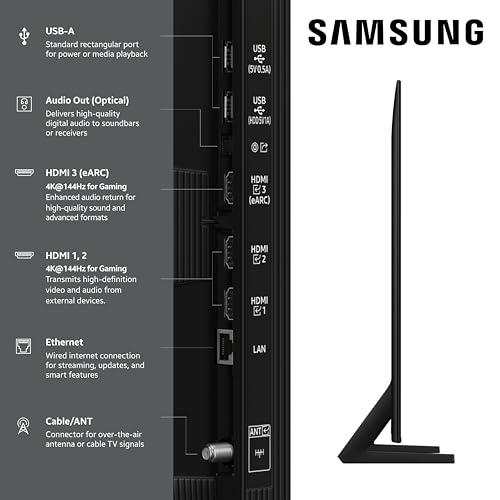
The Samsung Q8F is essentially stuck in the previous generation of gaming. It maxes out at 60Hz refresh rate and lacks HDMI 2.1 features entirely. For casual gaming, this is fine, but if you've invested in a modern console or high-end PC, you're not getting the full experience you paid for.
The TCL QM6K is designed for modern gaming with a native 144Hz refresh rate and full HDMI 2.1 support. Its Game Accelerator 288 technology can handle variable refresh rates up to 288Hz, which is overkill for current consoles but shows how future-proofed this TV is. Auto Game Mode automatically switches to low-latency settings when it detects a console, and the difference in responsiveness is immediately noticeable.
From our evaluation of gaming reviews, the consensus is clear: serious gamers should strongly consider the TCL QM6K, while the Samsung Q8F is better suited for viewers who primarily watch movies and shows.
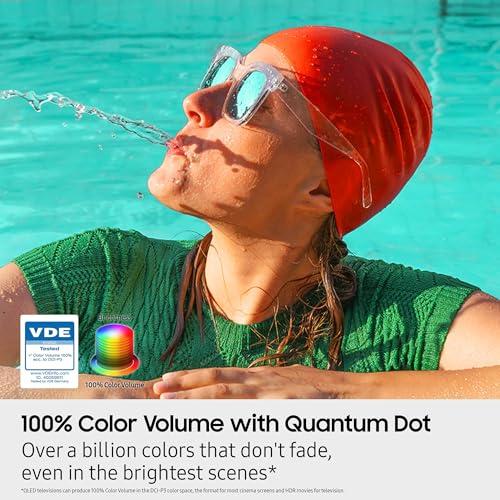
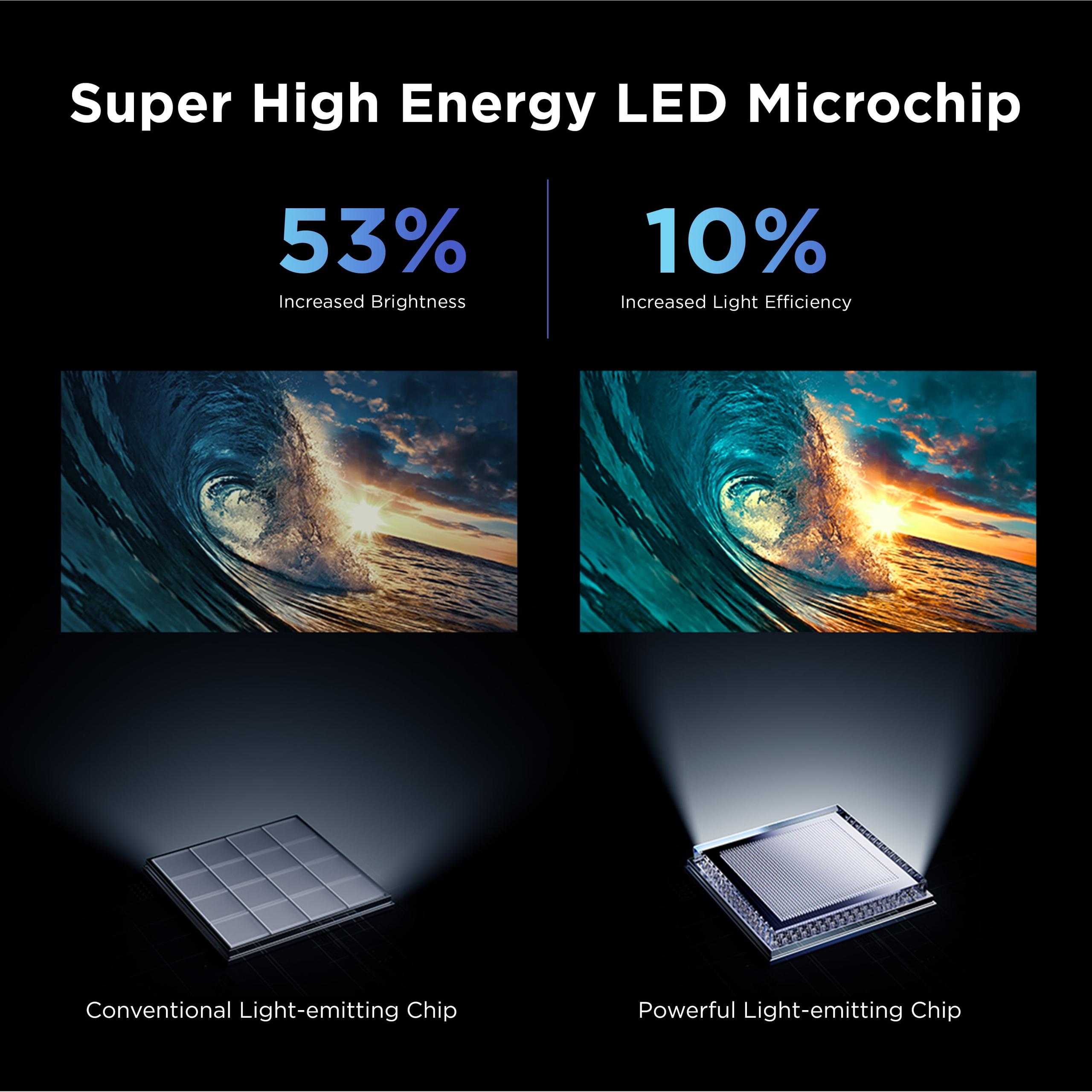
Both TVs use quantum dot technology, but they apply it differently. The Samsung Q8F achieves what Samsung calls "100% Color Volume," meaning it can display vibrant colors even at high brightness levels. In bright rooms with lots of windows, this TV really shines—literally. Colors remain punchy and vibrant even when competing with sunlight.
The TCL QM6K combines quantum dots with its Mini-LED backlighting for a more balanced approach. While it might not quite match Samsung's peak brightness in some scenarios, its local dimming capability means it can create more dramatic contrast. A sunset scene, for example, can have brilliantly bright sky areas while maintaining deep, detailed shadows in the foreground.
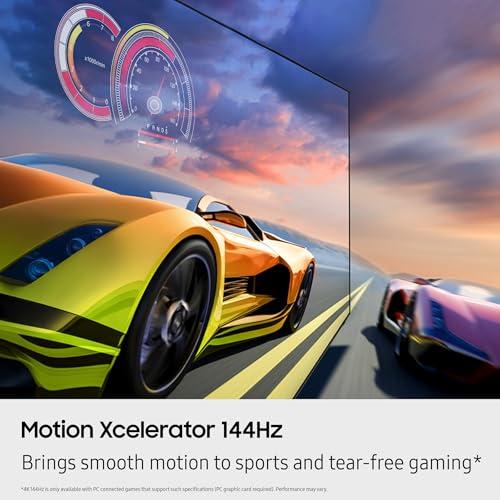
Both TVs handle motion well, but through different approaches. The Samsung Q8F uses Motion Xcelerator 144Hz technology (despite being limited to 60Hz input), which processes motion to reduce blur and judder. It's particularly effective for sports content where smooth motion is crucial.
The TCL QM6K benefits from its higher native refresh rate and more advanced processing. Fast-paced content like sports and action movies look smoother, with less motion blur. The difference is subtle during casual viewing but becomes more apparent during intense sports sequences.
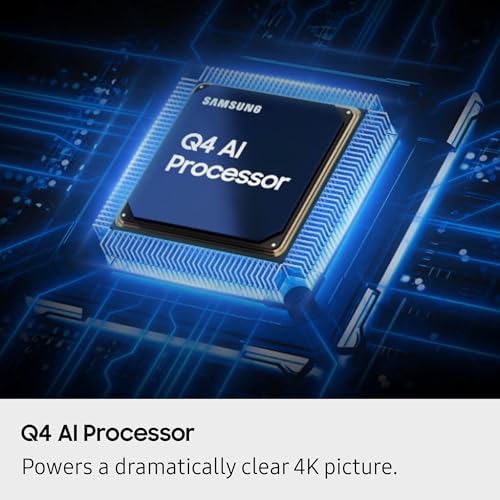
Both TVs excel at upscaling lower-resolution content to 4K, but they take different approaches. The Samsung Q8F uses its Q4 AI Processor, which analyzes content in real-time and applies machine learning to enhance detail, reduce noise, and improve sharpness. Samsung has years of experience refining this technology, and it shows—1080p content often looks remarkably close to native 4K.
The TCL QM6K uses its AiPQ Pro Processor for similar functionality. While newer to the game than Samsung, TCL has made impressive strides in processing quality. The difference in upscaling between these TVs is minimal for most content, though some reviewers give Samsung a slight edge for particularly challenging source material.
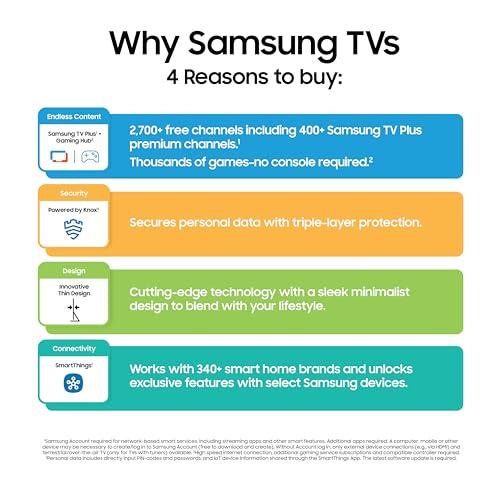
The Samsung Q8F runs Tizen OS, Samsung's proprietary smart TV platform. If you're already invested in Samsung's ecosystem with Galaxy phones, smartwatches, or other Samsung devices, the integration is seamless. The interface is polished and responsive, with access to all major streaming apps. Samsung TV Plus provides hundreds of free channels, and the SmartThings integration lets the TV act as a hub for smart home devices.
The TCL QM6K uses Google TV, which is essentially an enhanced version of Android TV. This platform tends to be more compatible with a wider range of services and integrates beautifully with Google services. If you use Google Assistant, Chrome, or other Google services regularly, this ecosystem feels more natural.
Both TVs support multiple voice assistants, but with different emphases. The Samsung Q8F features far-field microphones for hands-free Bixby control, plus Alexa support. The SmartThings Hub functionality means it can directly control compatible smart home devices without needing a separate hub.
The TCL QM6K focuses on Google Assistant and Alexa integration through the Google TV platform. While it doesn't have the built-in hub capabilities of the Samsung, it integrates smoothly with existing Google Home or Alexa ecosystems.
Audio quality often gets overshadowed by picture quality discussions, but it's crucial for the overall experience. The Samsung Q8F features a 20W 2-channel system with Object Tracking Sound Lite, which attempts to make sound follow action on screen. It's a clever feature, though the effect is subtle. The Q-Symphony feature is particularly interesting—it allows Samsung soundbars to work in harmony with the TV's built-in speakers rather than replacing them entirely.
The TCL QM6K takes a more straightforward approach with its Onkyo-tuned 2.1 system that includes a built-in subwoofer. This gives it noticeably better bass response and overall fuller sound. The Dolby Atmos support provides spatial audio effects, though like most TV speakers, you'll want a dedicated soundbar for truly immersive audio.
From our research into user experiences, the TCL QM6K consistently receives better audio ratings, particularly for its bass response and overall volume capabilities.
If you're setting up a dedicated home theater or media room, the differences between these TVs become more pronounced. The TCL QM6K's superior contrast and local dimming make it significantly better for dark room viewing. The deeper blacks and more precise HDR performance create a more cinematic experience that's closer to what you'd get from much more expensive OLED TVs.
The Samsung Q8F can struggle in home theater environments where its edge-lit backlighting becomes more apparent. Light blooming around bright objects against dark backgrounds is more noticeable when you're sitting closer and the room is darker. However, if your "home theater" is actually a bright family room that doubles as an entertainment space, the Samsung's superior bright room performance might be more valuable.
For home theater enthusiasts who prioritize picture quality above all else, the TCL QM6K delivers significantly more performance per dollar spent, while the Samsung Q8F makes more sense for multi-purpose living spaces.
At the time of writing, the price difference between these TVs is substantial enough to be a major deciding factor. The TCL QM6K typically costs several hundred dollars less while offering superior display technology, better gaming features, and more comprehensive HDR support. This represents exceptional value in the premium TV market.
The Samsung Q8F commands its premium primarily through brand reputation, ecosystem integration, and refined software experience. Whether that premium is justified depends heavily on your priorities and existing device ecosystem.
From a future-proofing perspective, the TCL QM6K is clearly better positioned. Its HDMI 2.1 support and modern gaming features will remain relevant longer, while the Samsung Q8F's 60Hz limitation already feels outdated in 2025.
Choose the Samsung Q8F if you're deeply invested in Samsung's ecosystem, primarily watch content in bright rooms, don't game on modern consoles, and value brand prestige and support. It excels in well-lit environments and offers the polish that comes with Samsung's years of QLED refinement.
Choose the TCL QM6K if you want the best technical performance for your money, game on PS5 or Xbox Series X, watch movies in darker environments, or regularly consume Dolby Vision content. It represents the current state-of-the-art in TV technology at a more accessible price point.
The TCL QM6K is the better TV by most objective measures—superior display technology, better gaming support, more comprehensive HDR formats, and better value. The Samsung Q8F wins on brand reputation, bright room performance, and ecosystem integration, but those advantages come at a significant premium that's hard to justify for most buyers in 2025.
For most people setting up a new entertainment system in 2025, the TCL QM6K delivers more of what matters: better contrast, future-proof gaming features, and comprehensive HDR support, all while saving money that could go toward a quality soundbar or streaming device. The TV market has shifted dramatically toward value and technical performance, and this comparison perfectly illustrates that evolution.
| Samsung 65" QLED Q8F | TCL 65" QM6K |
|---|---|
| Display Technology - Core difference affecting contrast and picture quality | |
| QLED with edge-lit LED backlighting | QD-Mini LED with full-array local dimming (up to 500 zones) |
| HDR Format Support - Determines compatibility with premium streaming content | |
| HDR10, HDR10+ (missing Dolby Vision) | HDR10, HDR10+, HLG, Dolby Vision (complete format support) |
| Gaming Features - Critical for PS5/Xbox Series X owners | |
| 60Hz max, no HDMI 2.1, no VRR | 144Hz native, HDMI 2.1, VRR up to 288Hz, Auto Game Mode |
| Peak Brightness - Performance in bright rooms vs dark room contrast | |
| Higher peak brightness, excellent for bright rooms | Lower peak but better contrast control with local dimming |
| Smart TV Platform - Daily user experience and app ecosystem | |
| Samsung Tizen OS with SmartThings Hub | Google TV with Google Assistant integration |
| Audio System - Built-in sound quality | |
| 20W 2-channel with Object Tracking Sound Lite | 2.1 Onkyo system with built-in subwoofer, Dolby Atmos |
| Refresh Rate - Smoothness for sports and fast action | |
| Motion Xcelerator 144Hz processing (60Hz input limit) | 144Hz native panel with Motion Rate 480 |
| Voice Control - Hands-free operation capabilities | |
| Far-field Bixby, Alexa support, SmartThings integration | Google Assistant, Alexa through Google TV platform |
| Design Philosophy - Target use case | |
| Optimized for bright living rooms, Samsung ecosystem users | Balanced for all lighting, gaming-focused, value-oriented |
| Future-Proofing - Longevity for evolving standards | |
| Limited by 60Hz and missing HDMI 2.1 features | Well-equipped for next-gen gaming and streaming formats |
The TCL 65" QM6K delivers superior picture quality for movies due to its Mini-LED backlighting with up to 500 local dimming zones. This creates deeper blacks and better contrast compared to the Samsung Q8F's edge-lit design. The TCL QM6K also supports Dolby Vision, which provides enhanced HDR performance for Netflix and Disney+ content that the Samsung Q8F cannot display.
The TCL 65" QM6K is significantly better for modern gaming. It features HDMI 2.1 support with 144Hz native refresh rate and Variable Refresh Rate up to 288Hz, while the Samsung Q8F is limited to 60Hz with no HDMI 2.1 features. This means the TCL QM6K can take full advantage of next-gen console capabilities that the Samsung Q8F simply cannot support.
The Samsung 65" QLED Q8F excels in bright rooms with its higher peak brightness and vibrant QLED color technology. The quantum dot enhancement maintains color accuracy even in well-lit environments. However, the TCL QM6K still performs well in bright rooms while offering better versatility across different lighting conditions due to its superior contrast control.
The Samsung Q8F uses QLED with edge-lit backlighting, where LEDs around the screen edges light the entire panel. The TCL QM6K combines quantum dots with Mini-LED full-array backlighting, allowing independent control of hundreds of dimming zones. This gives the TCL QM6K much better contrast and black levels compared to the Samsung Q8F.
Both TVs offer excellent smart features but with different approaches. The Samsung Q8F runs Tizen OS with SmartThings Hub integration, perfect for Samsung ecosystem users. The TCL QM6K uses Google TV with broader app compatibility and better Google services integration. The choice depends on your existing device ecosystem and preferences.
The TCL 65" QM6K is superior for dedicated home theater use due to its Mini-LED backlighting creating deeper blacks and better contrast in dark rooms. It also supports Dolby Vision for premium streaming content and has better built-in audio with its 2.1 Onkyo system. The Samsung Q8F can struggle with contrast in dark viewing environments due to its edge-lit design.
Yes, but with important differences. The Samsung Q8F supports HDR10 and HDR10+ but lacks Dolby Vision support. The TCL QM6K offers complete HDR format support including HDR10, HDR10+, HLG, and Dolby Vision. This means the TCL QM6K can display premium content from Netflix, Disney+, and Ultra HD Blu-rays that the Samsung Q8F cannot properly show.
The TCL 65" QM6K has superior built-in audio with its 2.1 Onkyo speaker system that includes a built-in subwoofer and Dolby Atmos support. The Samsung Q8F features a 20W 2-channel system with Object Tracking Sound Lite. However, the Samsung offers Q-Symphony compatibility with Samsung soundbars, which can be advantageous for Samsung ecosystem users.
The TCL QM6K provides exceptional value with superior display technology, modern gaming features, complete HDR support, and better audio at a lower price point. The Samsung Q8F commands a premium for brand reputation and ecosystem integration, but offers fewer advanced features. For most buyers, the TCL QM6K delivers more performance per dollar spent.
Both handle sports well but differently. The Samsung 65" QLED Q8F excels in bright rooms where sports are typically watched, with vibrant colors and good motion processing. The TCL QM6K offers smoother motion with its 144Hz native refresh rate and superior processing. Both provide good sports viewing experiences, with the choice depending on your room lighting and preferences.
The TCL QM6K is better positioned for long-term use with its HDMI 2.1 support, modern gaming features, and complete HDR format compatibility. The Samsung Q8F already feels somewhat outdated with its 60Hz limitation and missing HDMI 2.1 features. For future-proofing, the TCL QM6K will remain relevant longer as streaming and gaming standards continue to evolve.
Choose the Samsung 65" QLED Q8F if you're invested in Samsung's ecosystem, primarily watch in bright rooms, and don't game on modern consoles. Choose the TCL QM6K if you want better technical performance, game on PS5/Xbox Series X, watch movies in darker rooms, or prioritize getting premium features at a better value. For most buyers in 2025, the TCL QM6K offers superior overall performance and value.
We've done our best to create useful and informative comparisons to help you decide what product to buy. Our research uses advanced automated methods to create this comparison and perfection is not possible - please contact us for corrections or questions. These are the sites we've researched in the creation of this article: bestbuy.com - rtings.com - tomsguide.com - youtube.com - samsung.com - youtube.com - youtube.com - youtube.com - rtings.com - rtings.com - linqcdn.avbportal.com - bestbuy.com - samsung.com - samsung.com - samsung.com - youtube.com - youtube.com - billsmith.com - samsung.com - samsung.com - samsung.com - hometechnologyreview.com - shopjetson.com - certappl.com - samsung.com - theapplianceplug.com - samsung.com - manuals.plus - bestbuy.com - device.report - samsung.com - shopsilica.com - dentonstv.com - youtube.com - tomsguide.com - youtube.com - tcl.com - tomsguide.com - youtube.com - youtube.com - hometechnologyreview.com - rtings.com - bestbuy.com - tcl.com - youtube.com - youtube.com - bestbuy.com - youtube.com - youtube.com - youtube.com - tcl.com - youtube.com - walmart.com - tcl.com - displayspecifications.com - kitele.com - displayspecifications.com - flatpanelshd.com - woodruffappliance.com - displayspecifications.com - prnewswire.com - tcl.com - youtube.com - abt.com - youtube.com - tclkenya.co.ke - budgethomefurn.com

Privacy Policy
Terms and Conditions - Affiliate Policy
Home Security
© Copyright 2008-2026.
11816 Inwood Rd #1211, Dallas, TX 75244