

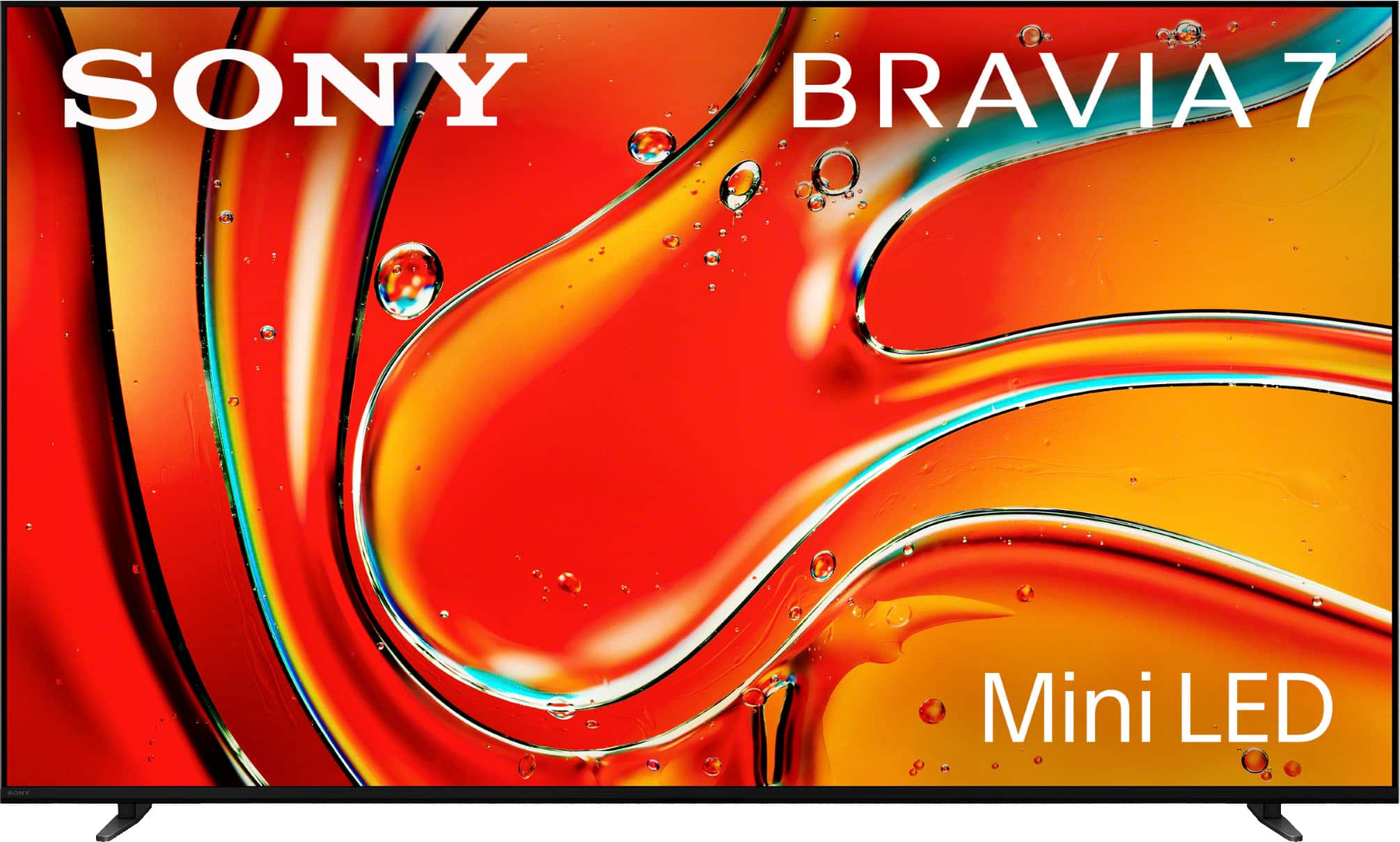
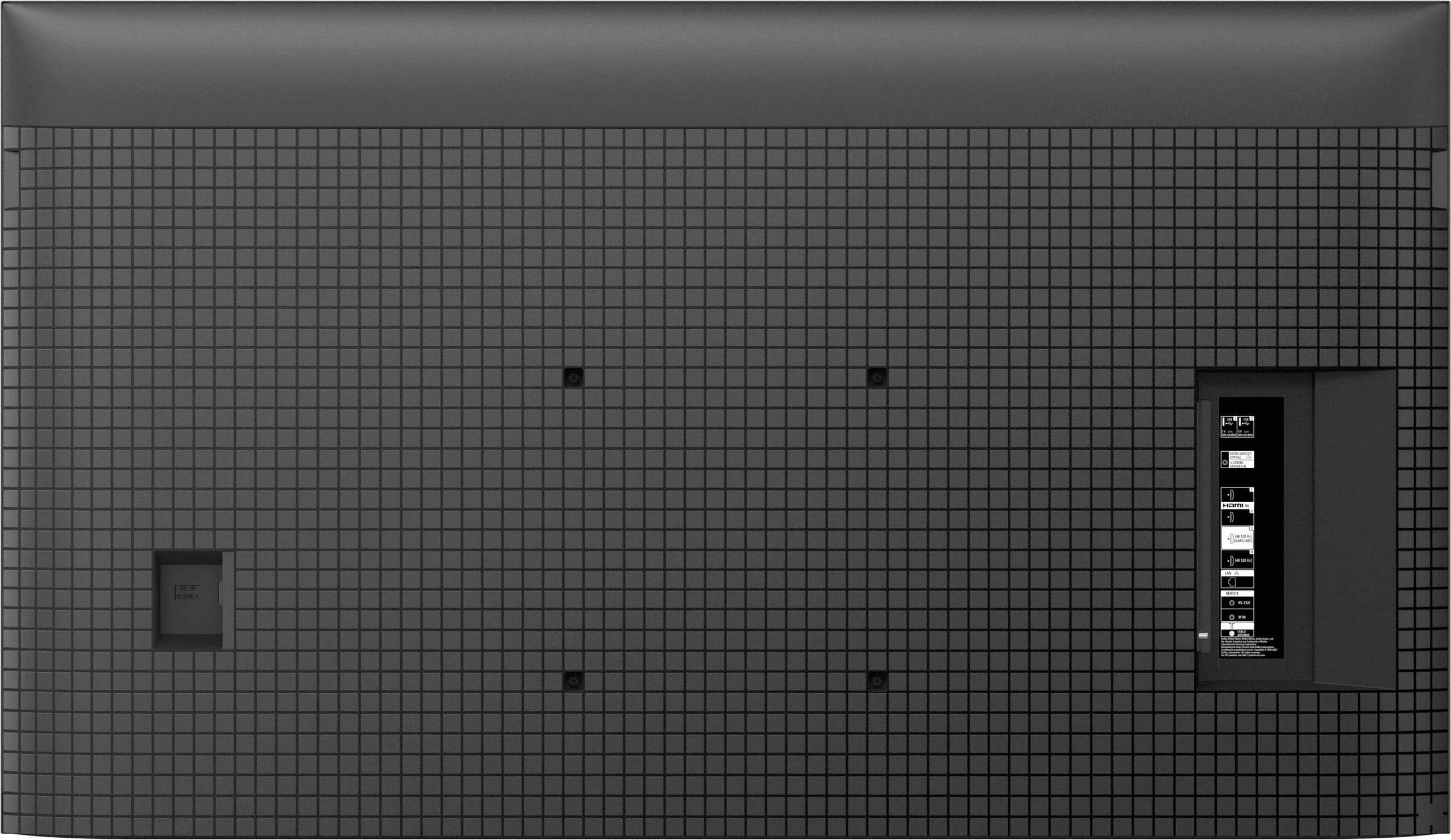
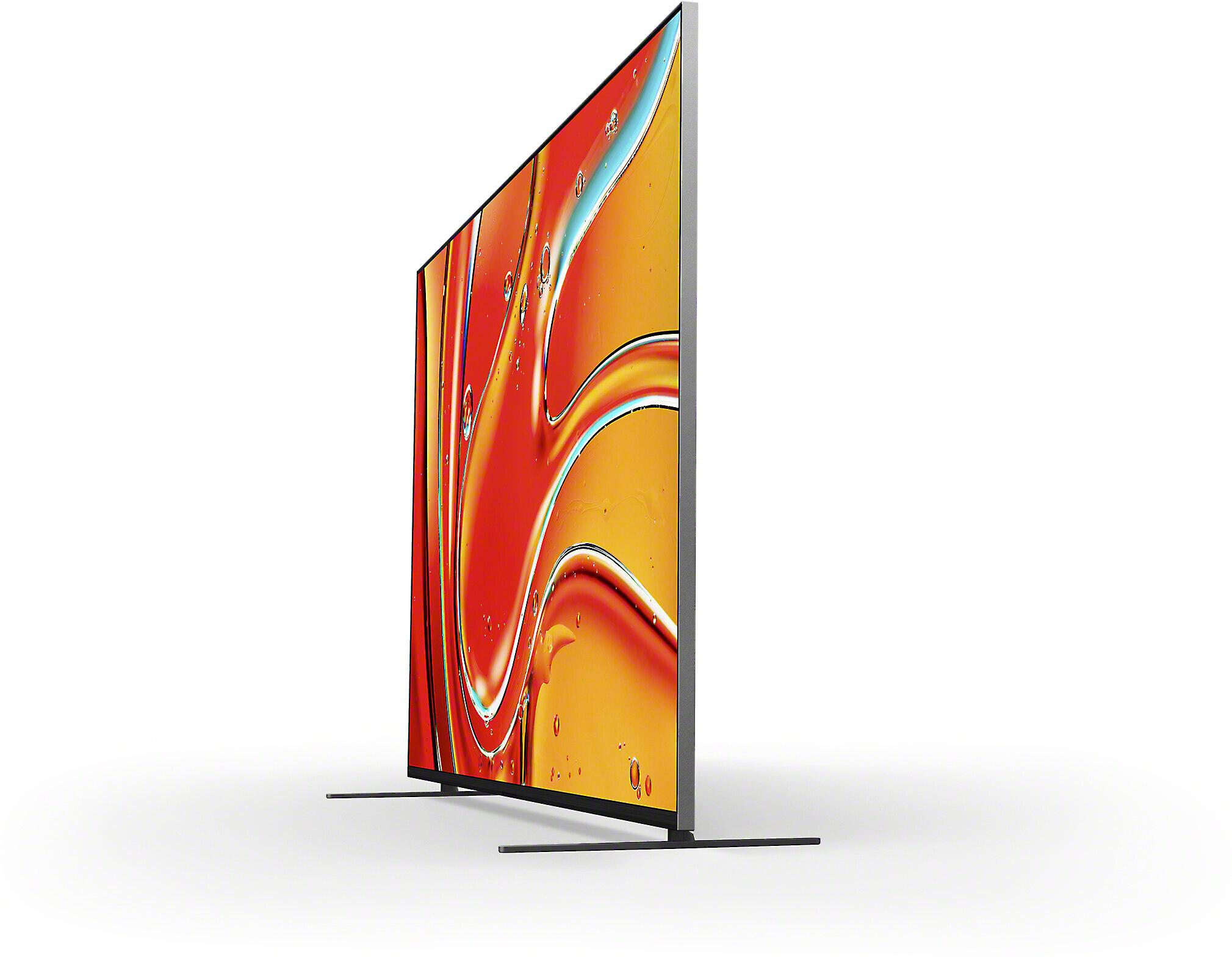
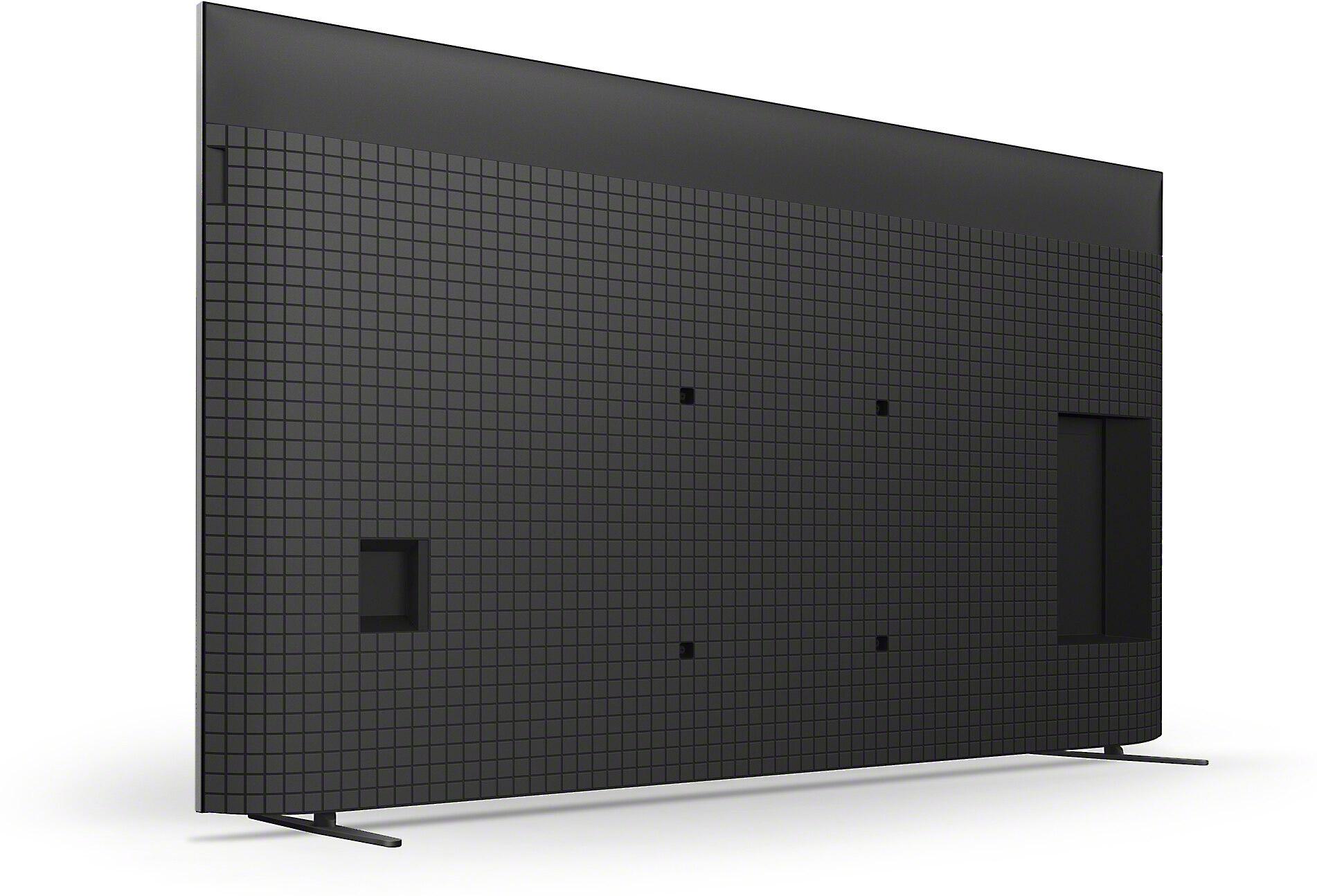
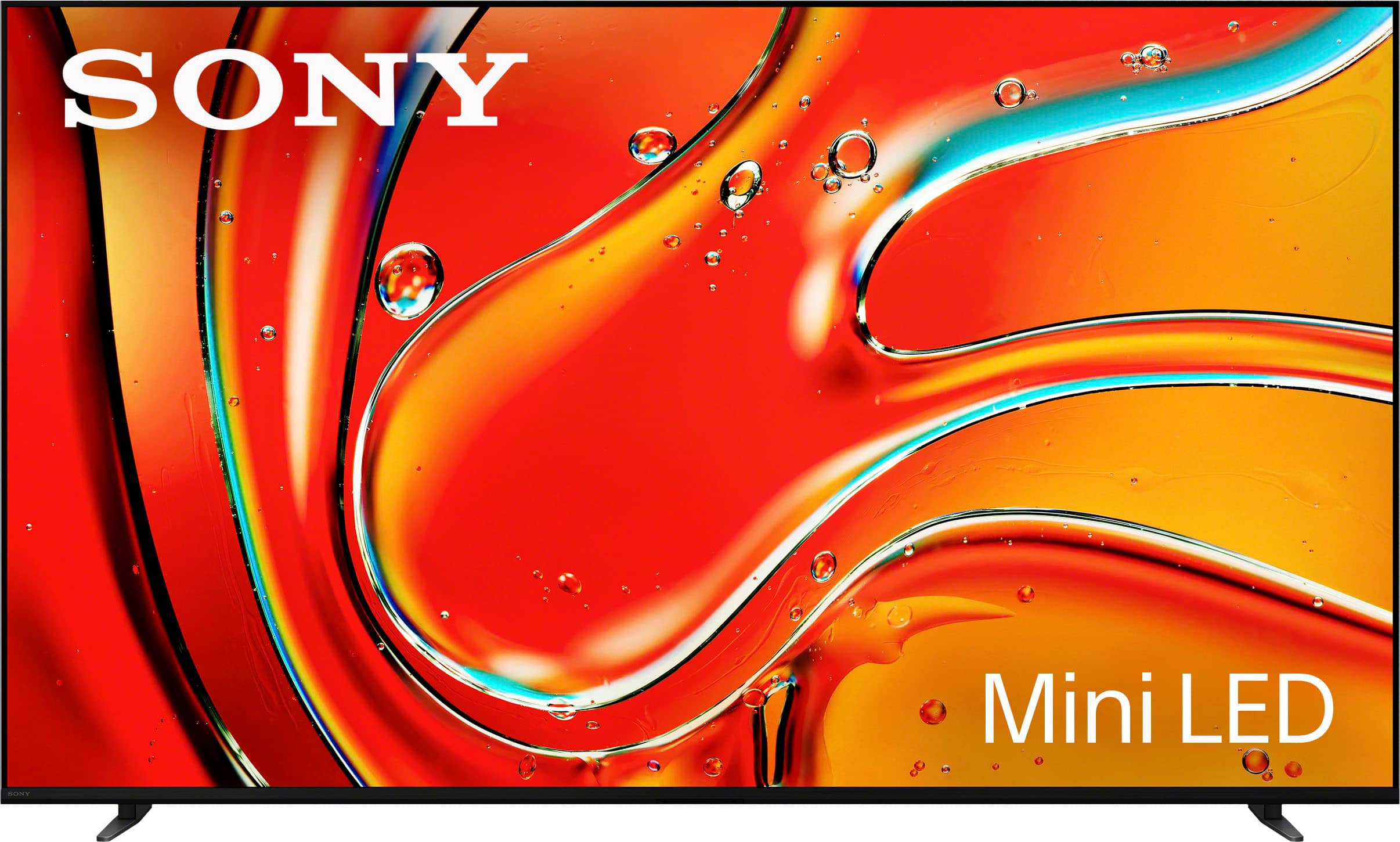
When you walk into a TV showroom today, the sheer number of options can feel overwhelming. But if you've narrowed your search to premium 65-inch 4K TVs, you're looking at the sweet spot where performance meets reasonable pricing. Two standout models from 2024-2025 represent different approaches to premium television technology: the Samsung Q8F and the Sony BRAVIA 7.
Both TVs aim to deliver flagship-level picture quality without the eye-watering prices of each brand's top-tier models. But they take notably different paths to get there, and understanding these differences is crucial for making the right choice for your specific needs and budget.
The premium TV category has evolved dramatically in recent years. Where once you had to choose between basic LED TVs and expensive OLEDs, today's market offers sophisticated middle-ground options that use advanced backlighting technologies to deliver much of OLED's visual appeal at more accessible prices.
The key technologies you'll encounter include QLED (Quantum Dot Light Emitting Diode) and Mini-LED backlighting. QLED uses tiny quantum dot particles to enhance color accuracy and brightness, while Mini-LED employs thousands of tiny LED lights for precise brightness control across different areas of the screen (called local dimming zones). Both approaches aim to solve traditional LCD TV limitations: washed-out colors, poor contrast, and inadequate brightness for HDR content.
At the time of writing, the Samsung Q8F typically costs several hundred dollars less than the Sony BRAVIA 7, making the value comparison particularly interesting. Samsung positions its Q8F as offering flagship performance at a more accessible price point, while Sony markets the BRAVIA 7 as delivering cinema-quality visuals with superior processing.
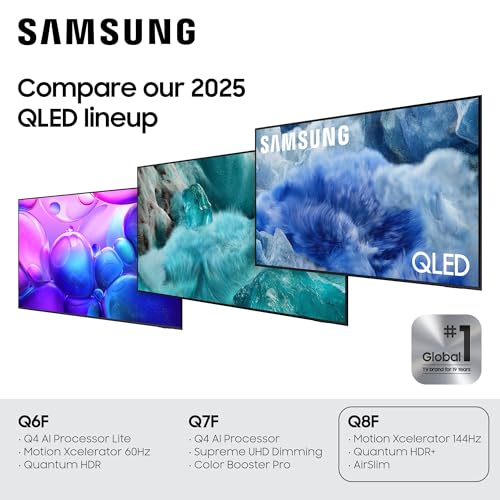
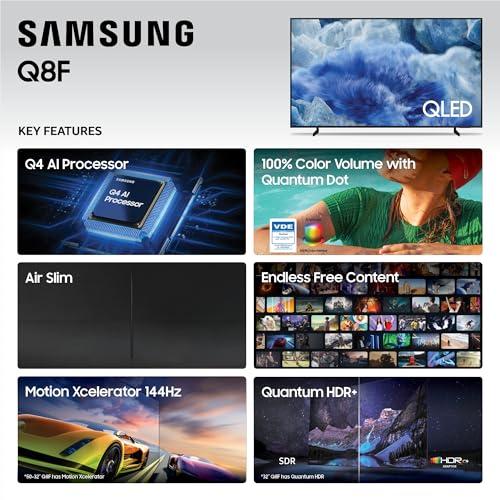
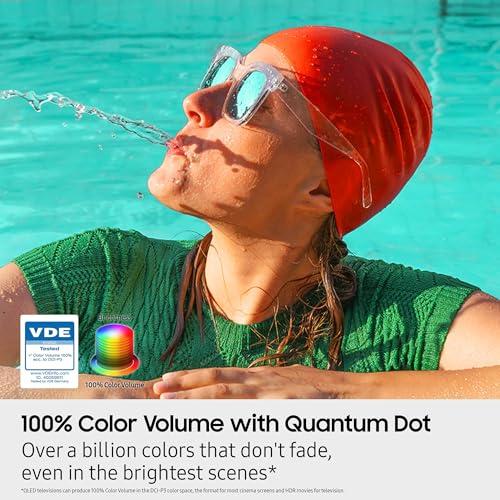
The most fundamental difference between these TVs lies in their display technology approach. The Samsung Q8F uses QLED technology powered by quantum dots—microscopic particles that convert blue LED light into precise red and green wavelengths. This creates what Samsung calls "100% Color Volume," meaning the TV can display vibrant, accurate colors at any brightness level.
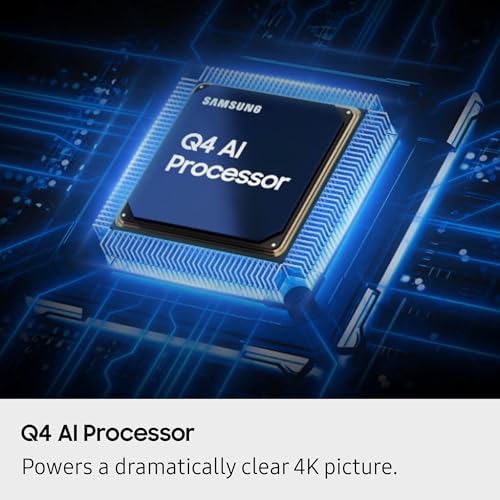
Samsung's implementation includes Dual LED backlighting, which uses two different color temperature LEDs (warm and cool) to improve color accuracy and contrast. The Q4 AI Processor analyzes each scene in real-time, adjusting color, contrast, and motion processing to optimize the viewing experience. What's particularly impressive is the Color Booster Pro feature, which uses artificial intelligence to recognize different types of scenes—whether it's a sunset, forest, or ocean—and enhance the colors accordingly without oversaturating the image.
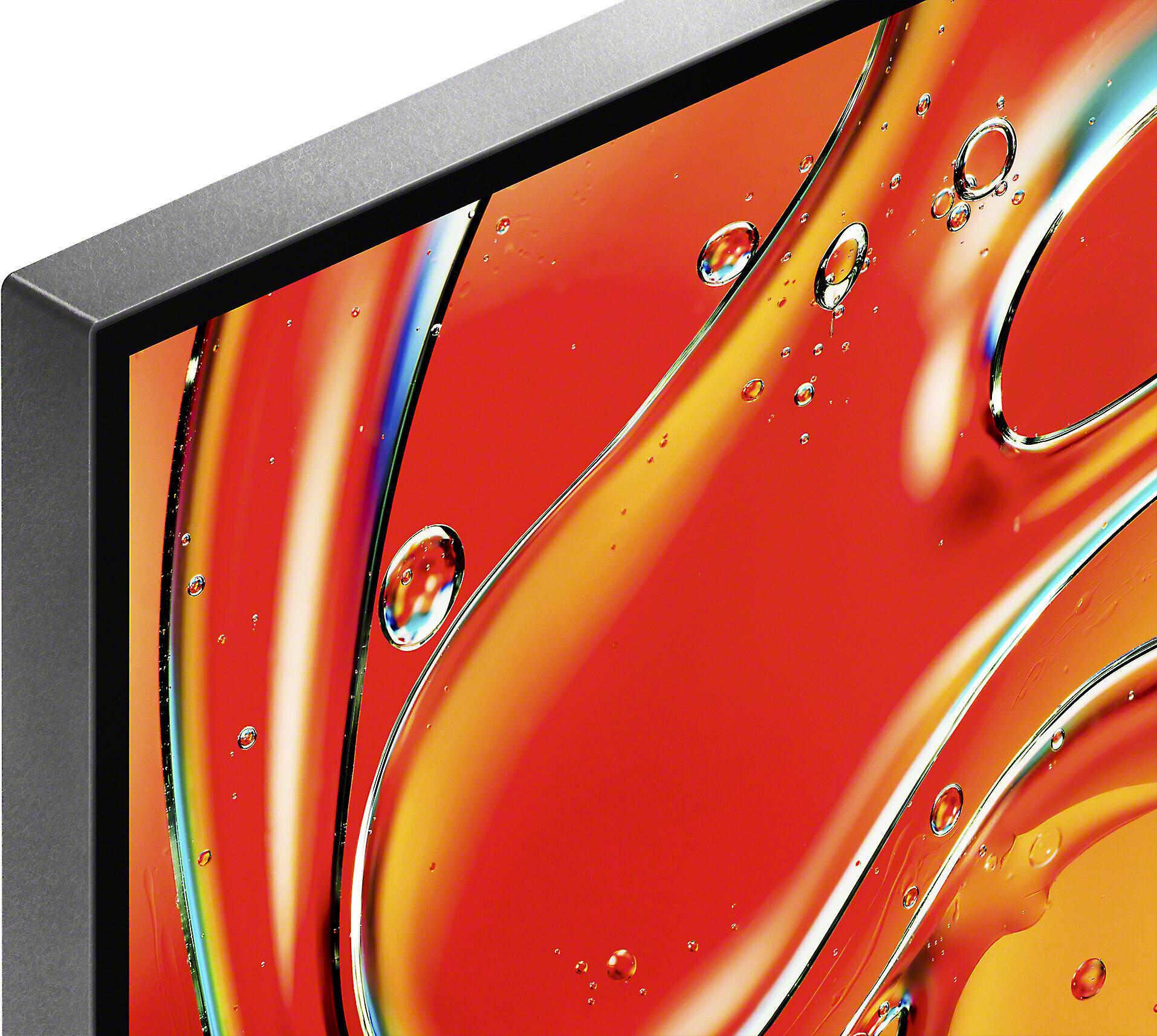
The Sony BRAVIA 7, meanwhile, takes a Mini-LED approach enhanced with quantum dot technology. This combines the best of both worlds: Mini-LED provides superior local dimming (the ability to brighten or dim specific areas of the screen independently), while quantum dots boost color performance. Sony's XR Backlight Master Drive manages thousands of Mini-LED zones to create deeper blacks and brighter highlights simultaneously.
Based on our research into professional reviews and user feedback, the practical difference is significant. The Samsung Q8F excels in bright rooms where its vibrant colors and wide viewing angles shine, while the Sony BRAVIA 7 delivers superior contrast performance that's particularly noticeable when watching movies in darker environments.
High Dynamic Range (HDR) represents the biggest visual improvement in modern TVs. HDR content contains a much wider range of brightness levels than standard video, allowing for more realistic lighting that matches what your eyes see in real life. Peak brightness—measured in nits—becomes crucial for HDR effectiveness.
The Sony BRAVIA 7 significantly outperforms the Samsung Q8F in peak brightness, reaching levels that make HDR highlights truly pop. When watching a movie scene with bright sunlight or explosions, the Sony delivers that "wow" moment where the bright elements seem to leap off the screen. This advantage becomes especially pronounced in bright viewing environments where ambient light would typically wash out lesser TVs.
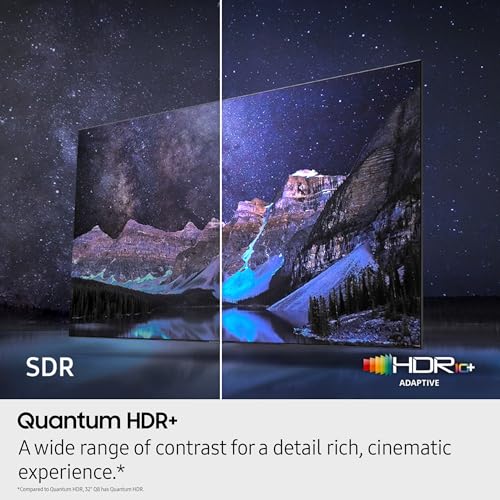
However, the Samsung Q8F compensates with superior HDR processing. Its Quantum HDR+ technology dynamically analyzes each scene to optimize tone mapping—the process of fitting HDR's wide brightness range onto your display. Samsung's AI-driven approach often produces more natural-looking results, even if the absolute brightness doesn't match Sony's peak performance.
For home theater enthusiasts, this distinction matters significantly. If you're watching movies in a dedicated, controlled-lighting environment, the Sony's superior peak brightness and local dimming create a more cinematic experience. But for general family room viewing with varying light conditions, Samsung's more balanced approach and superior upscaling of non-HDR content might prove more satisfying day-to-day.
The smart TV experience has become increasingly important as streaming replaces traditional cable viewing. Here, the two TVs offer fundamentally different philosophies.
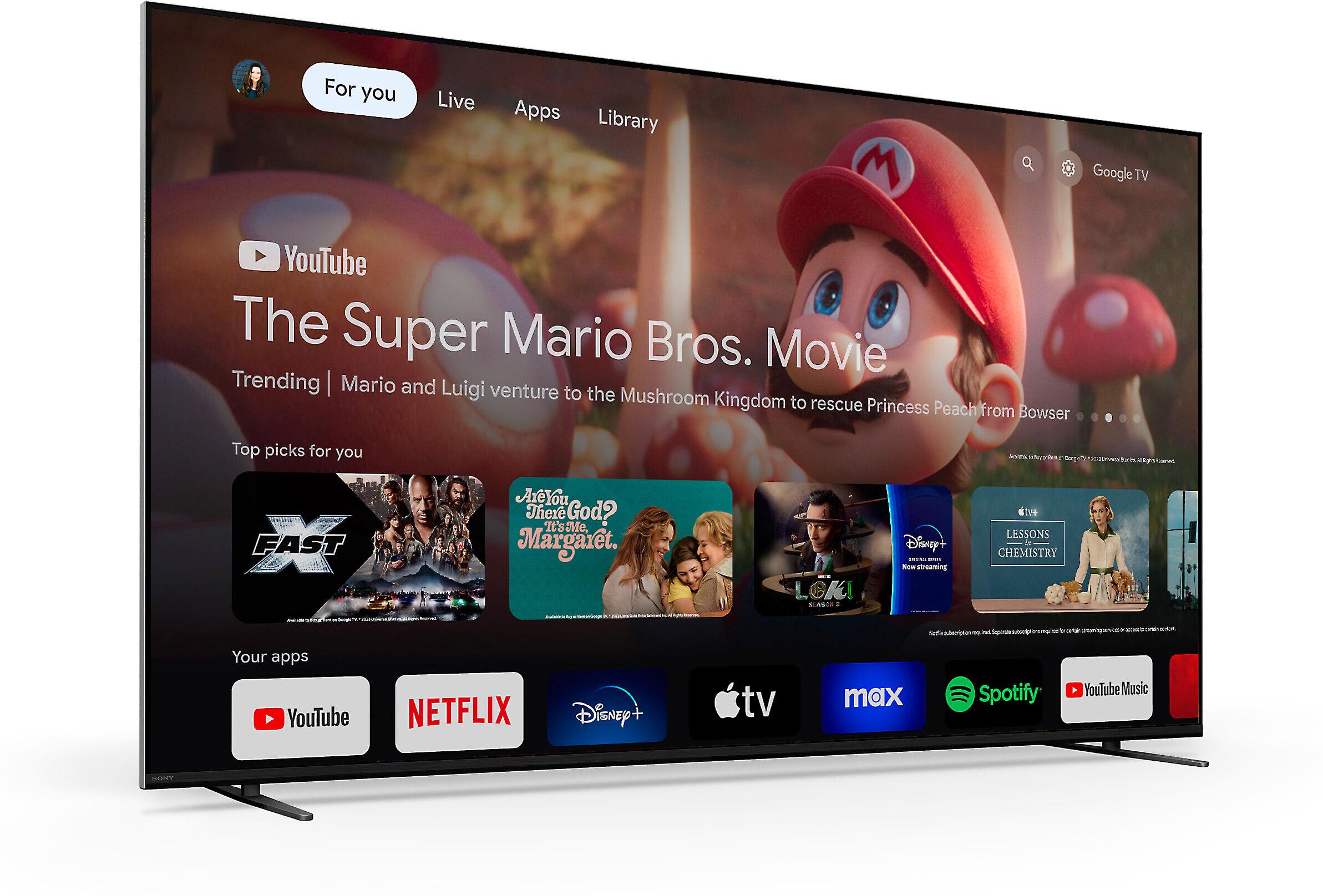
The Sony BRAVIA 7 runs Google TV, which feels familiar to anyone who uses Android phones or Google services. The interface intelligently aggregates content from multiple streaming services, making it easy to find something to watch without jumping between apps. Google's search functionality is particularly strong—you can use voice commands to find "action movies from the 90s" or "shows like The Office" across all your streaming platforms.
Google TV also offers unique features like the ATSC 3.0 tuner, which can receive over-the-air 4K broadcasts as they become available. This future-proofing feature is increasingly rare on modern TVs, making the Sony particularly valuable for cord-cutters who rely on antenna reception.
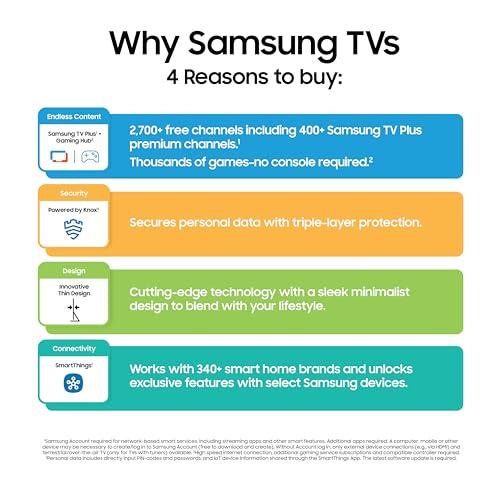
The Samsung Q8F uses Tizen, Samsung's proprietary smart TV platform enhanced with Bixby voice assistance. While perhaps less intuitive than Google TV, Tizen offers unique AI-powered features. The standout is Generative Wallpaper, which uses artificial intelligence to create custom artwork based on keywords you provide. It sounds gimmicky but proves surprisingly engaging in practice, turning your TV into a dynamic art display when not in use.
Samsung's AI Mode provides another practical advantage—a quick-access menu that automatically adjusts picture and sound settings based on ambient lighting and the type of content you're watching. This adaptive approach means less time in settings menus and more optimized viewing experiences.
Gaming has become a crucial TV consideration, especially with PlayStation 5 and Xbox Series X pushing 4K resolution at 120 frames per second. Here, the differences between these TVs become quite stark.
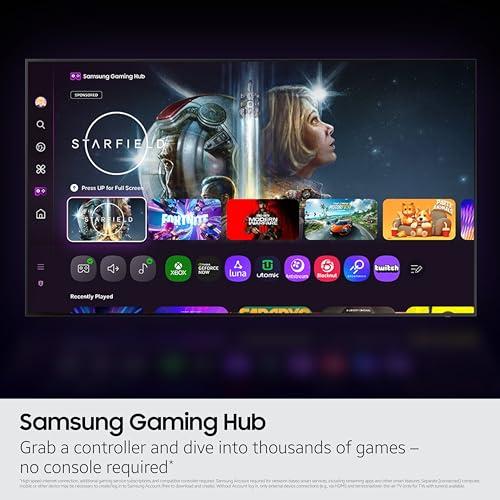
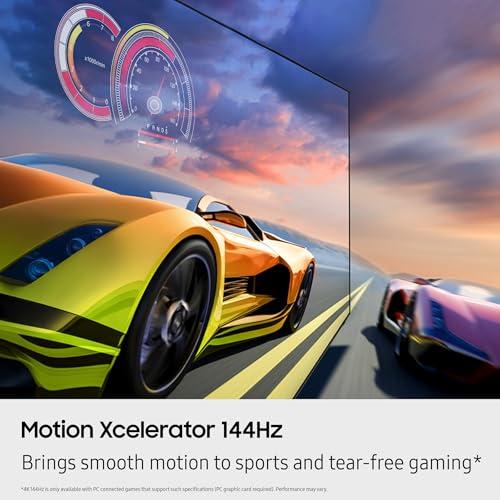
The Samsung Q8F clearly targets serious gamers. Its Motion Xcelerator 144Hz technology not only supports high refresh rates but uses AI to predict and smooth motion between frames. This results in noticeably smoother gameplay, particularly in fast-paced games like racing titles or first-person shooters. The TV's Auto Game Mode automatically detects gaming consoles and optimizes settings for reduced input lag—the delay between pressing a button and seeing the action on screen.
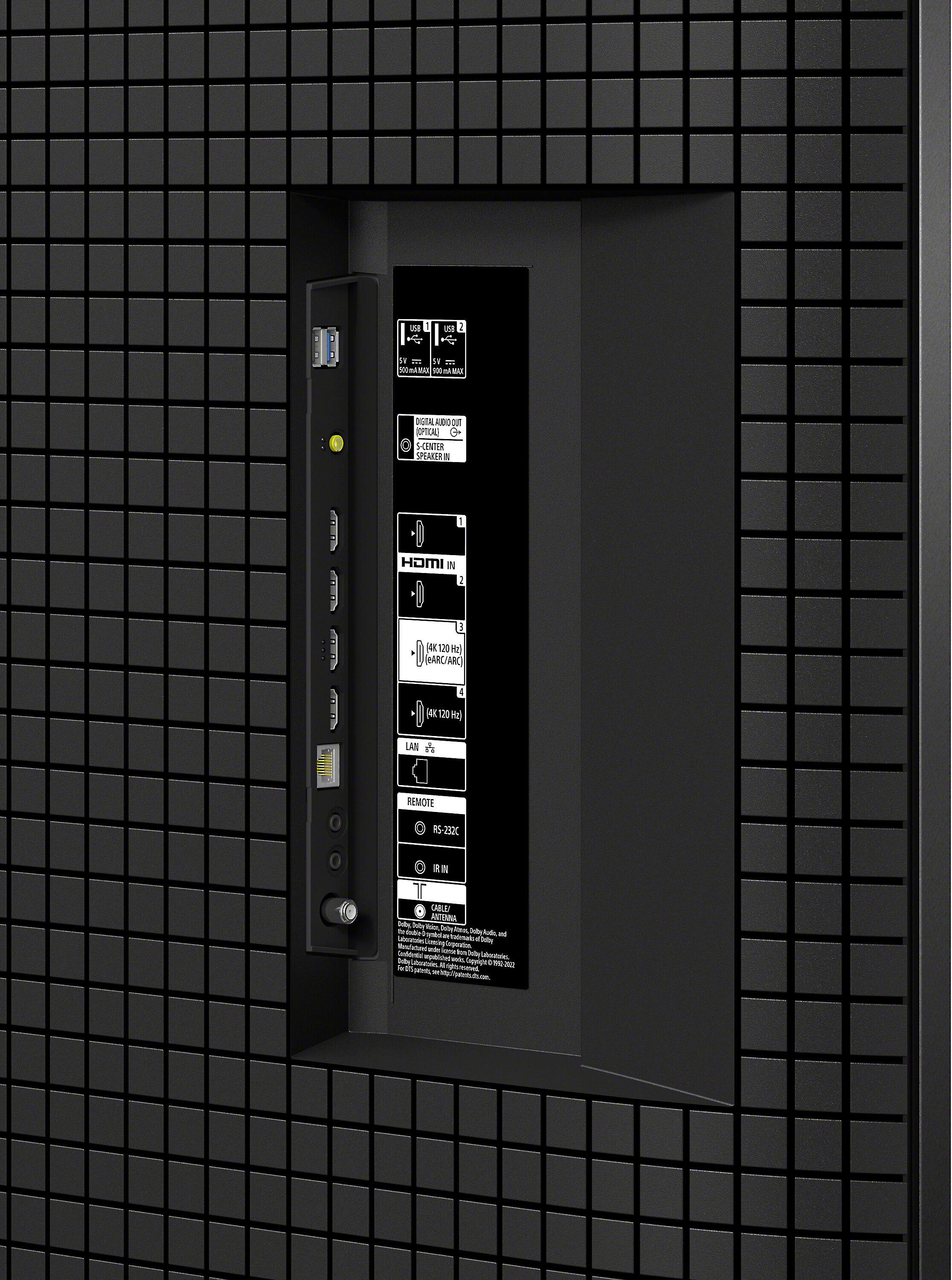
The Sony BRAVIA 7 supports modern gaming features like Variable Refresh Rate (VRR) and Auto Low Latency Mode (ALLM) through its two HDMI 2.1 ports. However, based on our research into professional gaming reviews, the Sony exhibits notably higher input lag and slower pixel response times in Game Mode. This creates motion blur during fast-paced gaming that can frustrate competitive players.
For casual gaming—playing single-player adventures or turn-based games—the Sony's superior picture quality might outweigh its gaming limitations. But for serious multiplayer gaming or anyone sensitive to input lag, the Samsung represents a significantly better choice.
TV speakers rarely receive much attention, but the difference here is substantial enough to influence your purchasing decision. The Sony BRAVIA 7 outputs 50 watts through a more sophisticated speaker system with Dolby Atmos support. This creates a noticeably fuller, more immersive audio experience that reduces the immediate need for external speakers.
The Samsung Q8F provides 20 watts through a simpler 2-channel system, though it includes Object Tracking Sound Lite—technology that attempts to match audio positioning with on-screen action. While clever, the limited power output means you'll likely want to add a soundbar sooner rather than later.
Both TVs offer advanced soundbar integration features (Q-Symphony for Samsung, Acoustic Center Sync for Sony), but the Sony's superior built-in audio provides more flexibility for your setup timeline and budget.
Drawing from extensive professional reviews and user feedback, clear patterns emerge in how these TVs perform in actual homes rather than laboratory conditions.
The Samsung Q8F consistently impresses users with its vibrant colors and excellent upscaling of lower-resolution content. Its wide viewing angles make it particularly suitable for family rooms where people watch from various seating positions. The AI-driven picture processing proves especially valuable for streaming content, where the source quality varies significantly.
However, some users note that Samsung's aggressive color enhancement can occasionally make certain content appear oversaturated, particularly animated movies. The edge-lit backlighting also shows some limitations in very dark scenes with bright elements, where subtle blooming (bright halos around objects) becomes visible.
The Sony BRAVIA 7 earns praise for its refined, natural-looking picture quality and exceptional HDR performance. Professional calibrators often prefer Sony's approach, noting that colors look more accurate without extensive adjustment. The Mini-LED backlighting virtually eliminates blooming while delivering impressive contrast.
The main criticisms focus on the narrow viewing angles—picture quality degrades noticeably when watching from the sides—and the premium pricing for what some consider incremental improvements over less expensive alternatives.
For dedicated home theater setups, the choice becomes more nuanced. The Sony BRAVIA 7's superior peak brightness and local dimming create a more cinematic experience in controlled lighting conditions. Its more natural color reproduction also provides a better foundation for professional calibration if you're serious about color accuracy.
However, the Samsung Q8F offers compelling advantages for mixed-use spaces. Its superior motion processing benefits both movies and sports viewing, while the wide viewing angles accommodate various seating arrangements without compromising picture quality.
The audio difference becomes particularly relevant in home theater contexts. The Sony's 50-watt system with Dolby Atmos support provides a more complete experience out of the box, while the Samsung's limited audio output makes external speakers nearly essential for optimal performance.
Based on our analysis of professional reviews, user feedback, and technical specifications, clear recommendations emerge for different use cases.
Choose the Samsung Q8F if you want maximum value without sacrificing picture quality. At the time of writing, it typically costs significantly less while delivering 85-90% of the Sony's performance. It's particularly well-suited for bright rooms, mixed-use family spaces, and anyone prioritizing gaming performance. The wide viewing angles and superior motion processing make it ideal for sports viewing and general entertainment.
The Samsung also makes sense if you're already invested in Samsung's ecosystem or prefer the flexibility of Tizen's AI-driven features. Its excellent upscaling capabilities particularly benefit households that watch a mix of streaming content, broadcast TV, and physical media.
Opt for the Sony BRAVIA 7 if picture quality takes priority over value considerations. Its superior HDR brightness and Mini-LED local dimming create a more premium viewing experience, particularly for movie enthusiasts. The Google TV platform offers better app integration and search functionality for heavy streamers.
The Sony particularly excels in darker viewing environments where its contrast advantages become most apparent. If you're planning a dedicated home theater setup or primarily watch content in controlled lighting conditions, the premium Sony asks feels more justified.
For most buyers, the Samsung Q8F offers the better overall value proposition. It delivers flagship-level picture quality at a more accessible price point, with gaming performance that clearly surpasses the Sony. However, if budget allows and picture quality ranks above all other considerations, the Sony BRAVIA 7 provides a more refined, cinema-like experience that justifies its premium positioning.
Both represent excellent choices within their respective price tiers, but the Samsung's combination of performance, features, and value makes it the more compelling option for the majority of buyers seeking a premium 65-inch TV in 2025.
| Samsung 65" QLED Q8F 4K Smart TV 2025 | Sony BRAVIA 7 65" 4K UHD Smart Google TV |
|---|---|
| Display Technology - Determines picture quality approach | |
| QLED with Quantum Dot + Dual LED backlighting | Mini-LED with Quantum Dot enhancement |
| Peak Brightness - Critical for HDR impact and bright room viewing | |
| Good brightness levels for QLED | Significantly higher peak brightness, superior HDR highlights |
| Local Dimming - Controls contrast by dimming screen zones independently | |
| Supreme UHD Dimming (edge-lit with limited zones) | Full-Array Local Dimming with thousands of Mini-LED zones |
| Refresh Rate - Smoothness for sports and gaming | |
| 120Hz native (up to 144Hz in some regions) | 120Hz native |
| Gaming Performance - Input lag and response time for competitive play | |
| Excellent: Low input lag, Motion Xcelerator 144Hz | Poor: High input lag and slow pixel transitions cause motion blur |
| Audio Power - Built-in speaker quality | |
| 20W, 2-channel with Object Tracking Sound Lite | 50W with Dolby Atmos support (2.5x more powerful) |
| Smart TV Platform - User interface and app ecosystem | |
| Tizen with Bixby, AI Mode, Generative Wallpaper | Google TV with superior search and content aggregation |
| Viewing Angles - Picture quality when watching from the side | |
| Wide viewing angles, excellent for multiple seating positions | Narrow viewing angles, best when sitting directly in front |
| HDMI 2.1 Ports - Next-gen gaming console compatibility | |
| Limited HDMI 2.1 support | 2 dedicated HDMI 2.1 ports with VRR and ALLM |
| Motion Processing - Reduces blur in fast-paced content | |
| Superior: Motion Xcelerator 144Hz with AI prediction | Good: XR Motion Clarity but not as advanced as Samsung |
| Color Processing - Accuracy and vibrancy of colors | |
| 100% Color Volume, Color Booster Pro with AI enhancement | XR Triluminos Pro, more natural but less vibrant than Samsung |
| Unique Features - Brand-specific advantages | |
| Q-Symphony soundbar sync, AI wallpaper generation | ATSC 3.0 tuner for 4K broadcasts, Acoustic Center Sync |
| Value Proposition - Performance per dollar spent | |
| Exceptional value: Flagship features at mid-range pricing | Premium experience: Superior brightness and audio justify higher cost |
The Sony BRAVIA 7 delivers superior overall picture quality with significantly higher peak brightness and better contrast through its Mini-LED backlighting. However, the Samsung Q8F offers more vibrant colors and better performance in bright rooms with wide viewing angles. For dark room movie watching, choose the Sony BRAVIA 7. For mixed lighting conditions and family viewing, the Samsung Q8F performs excellently.
The Samsung Q8F is significantly better for gaming with lower input lag, faster pixel response times, and Motion Xcelerator 144Hz technology for smoother gameplay. The Sony BRAVIA 7 has notable gaming weaknesses including high input lag and motion blur in Game Mode that can frustrate competitive gamers. Choose the Samsung Q8F for serious gaming.
The Samsung Q8F uses QLED technology with quantum dots to enhance color accuracy and brightness across the entire screen. The Sony BRAVIA 7 combines Mini-LED backlighting (thousands of tiny LEDs for precise brightness control) with quantum dot enhancement. Mini-LED provides better contrast and local dimming, while QLED offers more consistent brightness and wider viewing angles.
The Sony BRAVIA 7 runs Google TV, which offers superior content discovery, better search functionality, and more intuitive navigation across streaming services. The Samsung Q8F uses Tizen with unique AI features like Generative Wallpaper and AI Mode for automatic picture optimization. Google TV is generally more user-friendly, while Tizen offers more customization options.
The Samsung Q8F offers exceptional value, delivering flagship-level picture quality at a significantly lower price point than the Sony BRAVIA 7. You get about 85-90% of Sony's performance for considerably less money. However, if budget isn't a primary concern, the Sony BRAVIA 7 provides superior brightness and audio that justify the premium for serious home theater enthusiasts.
Both TVs handle bright rooms well, but differently. The Sony BRAVIA 7 excels with exceptional peak brightness that cuts through ambient light and maintains HDR impact. The Samsung Q8F uses quantum dot technology for vibrant colors that remain visible in bright conditions, plus wide viewing angles that don't degrade with side lighting. The Sony BRAVIA 7 has a slight edge in very bright environments.
The Sony BRAVIA 7 significantly outperforms the Samsung Q8F in audio quality with 50W output versus Samsung's 20W system. Sony includes Dolby Atmos support and more sophisticated speaker processing, making external speakers less immediately necessary. The Samsung Q8F requires a soundbar upgrade sooner for optimal audio performance.
For dedicated home theater use, the Sony BRAVIA 7 provides a more cinematic experience with superior HDR brightness, better contrast through Mini-LED local dimming, and significantly better built-in audio. The Samsung Q8F offers excellent motion processing for action movies and works better in mixed-use family rooms. Choose Sony BRAVIA 7 for serious home theater setups.
The Samsung Q8F offers wide viewing angles that maintain picture quality when watching from the sides, making it ideal for large family gatherings or wide seating arrangements. The Sony BRAVIA 7 has narrow viewing angles typical of LCD technology, where picture quality degrades noticeably from side positions. Choose Samsung Q8F for flexible room layouts.
The Samsung Q8F provides superior motion handling with Motion Xcelerator 144Hz technology that uses AI to predict and smooth motion between frames. This creates noticeably smoother sports viewing with less blur during fast action. The Sony BRAVIA 7 offers good motion processing but doesn't match Samsung's advanced motion technology for sports content.
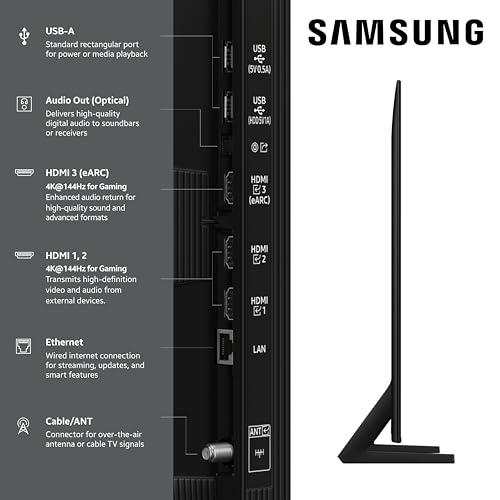
The Sony BRAVIA 7 offers two dedicated HDMI 2.1 ports with full VRR (Variable Refresh Rate) and ALLM (Auto Low Latency Mode) support for next-gen consoles. The Samsung Q8F supports modern gaming features but may have more limited HDMI 2.1 implementation. However, Samsung's lower input lag and better motion processing often provide a superior actual gaming experience despite fewer technical specifications.
Choose the Samsung Q8F if you want excellent picture quality at great value, prioritize gaming performance, have multiple viewing positions, or watch in varied lighting conditions. Pick the Sony BRAVIA 7 if you want the best possible picture quality, primarily watch movies in darker rooms, need superior built-in audio, or prefer Google TV's interface. The Samsung Q8F offers better overall value, while the Sony BRAVIA 7 provides premium performance.
We've done our best to create useful and informative comparisons to help you decide what product to buy. Our research uses advanced automated methods to create this comparison and perfection is not possible - please contact us for corrections or questions. These are the sites we've researched in the creation of this article: bestbuy.com - rtings.com - tomsguide.com - youtube.com - samsung.com - youtube.com - youtube.com - youtube.com - rtings.com - rtings.com - linqcdn.avbportal.com - bestbuy.com - samsung.com - samsung.com - samsung.com - youtube.com - youtube.com - billsmith.com - samsung.com - samsung.com - samsung.com - hometechnologyreview.com - shopjetson.com - certappl.com - samsung.com - theapplianceplug.com - samsung.com - manuals.plus - bestbuy.com - device.report - samsung.com - shopsilica.com - dentonstv.com - bestbuy.com - bestbuy.com - avsforum.com - avsforum.com - crutchfield.com - sony.com - rtings.com - schaeferstv.com - youtube.com - displayspecifications.com

Privacy Policy
Terms and Conditions - Affiliate Policy
Home Security
© Copyright 2008-2026.
11816 Inwood Rd #1211, Dallas, TX 75244