





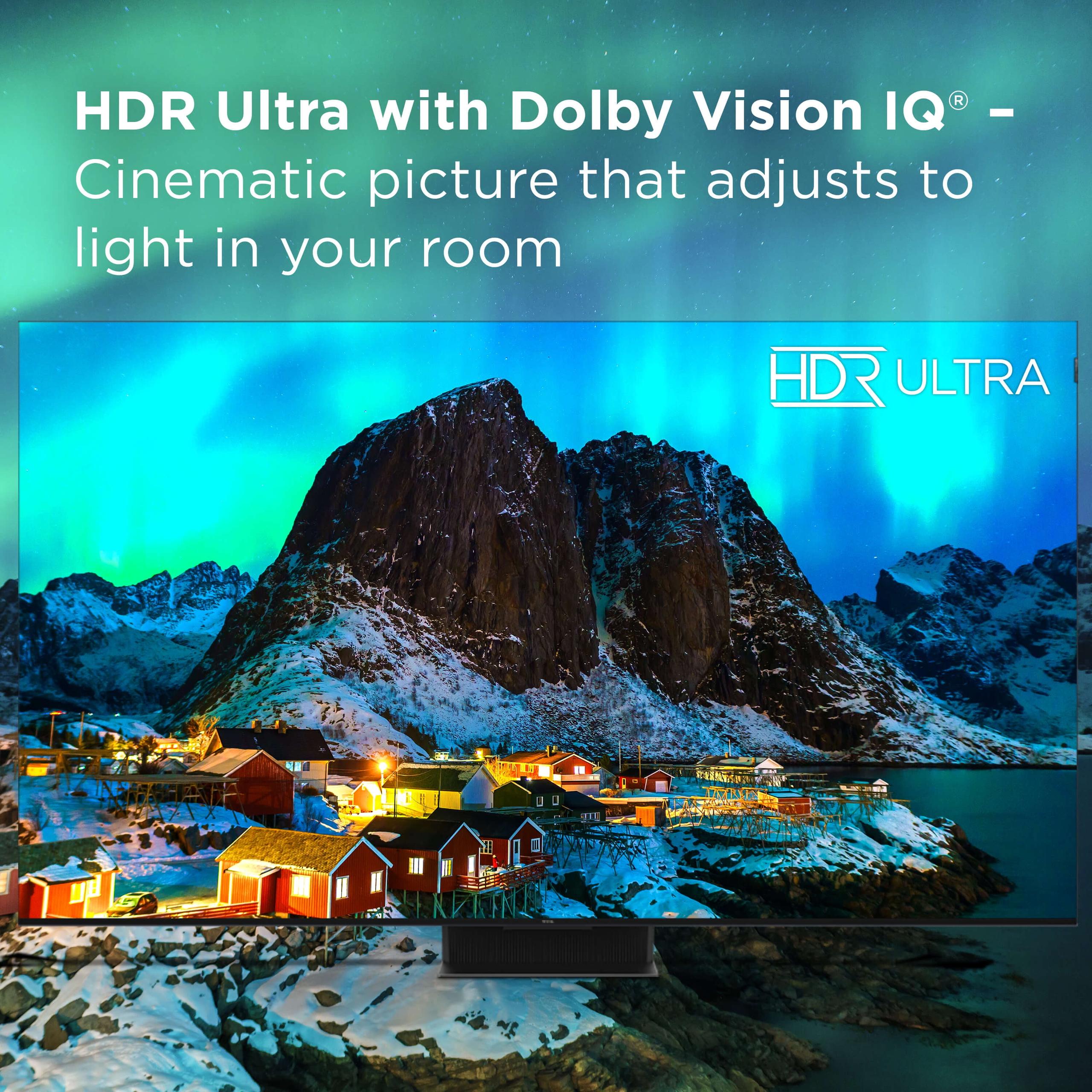
When you're shopping for a premium 65-inch TV, you're investing in what will likely be the centerpiece of your entertainment setup for the next several years. The choice between the Samsung Q8F QLED and TCL QM8 Mini-LED represents two fundamentally different approaches to achieving exceptional picture quality, and understanding these differences is crucial for making the right decision.
Both TVs launched in 2024, arriving at a time when display technology has reached an impressive maturity. The past few years have seen dramatic improvements in local dimming precision, peak brightness capabilities, and smart TV integration. These advances mean that today's premium TVs deliver experiences that rival dedicated home theater projectors at a fraction of the cost and complexity.
The 65-inch premium TV category sits in that perfect sweet spot where screen size meets advanced technology without venturing into ultra-luxury pricing territory. When evaluating TVs in this segment, three core elements determine your viewing experience: how bright the TV can get, how precisely it can control that brightness across different areas of the screen, and how accurately it reproduces colors.
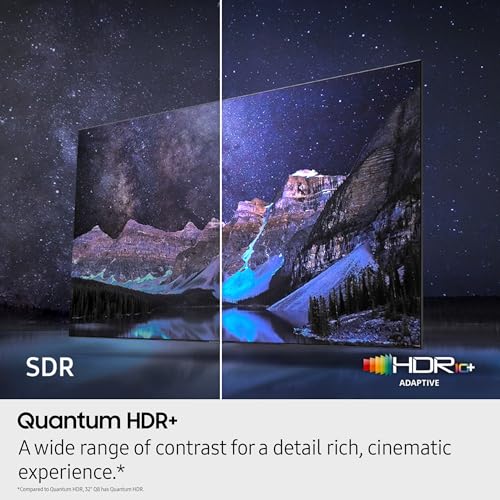
Peak brightness determines how impactful HDR (High Dynamic Range) content looks and how well the TV performs in bright rooms. Think of HDR as the difference between looking at a photograph and looking out a window – it's that enhanced sense of depth and realism that comes from true-to-life brightness levels.
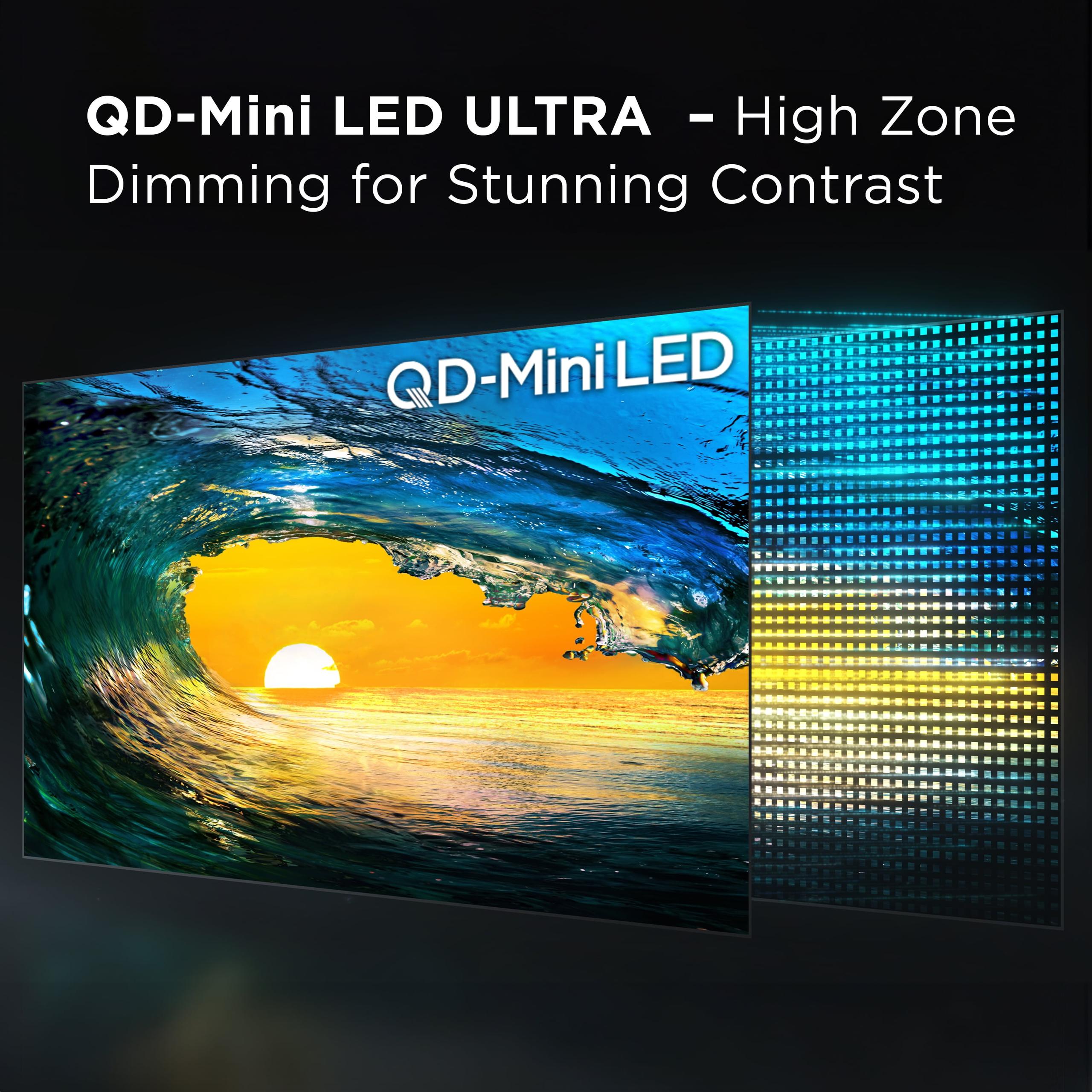
Local dimming is perhaps the most crucial technology you've probably never heard of. Traditional TVs illuminate the entire screen uniformly, like a flashlight behind a photograph. Local dimming divides the backlight into hundreds or thousands of zones that can be controlled independently. This means when you're watching a night scene with a bright moon, the TV can make the moon blazingly bright while keeping the surrounding sky perfectly black.
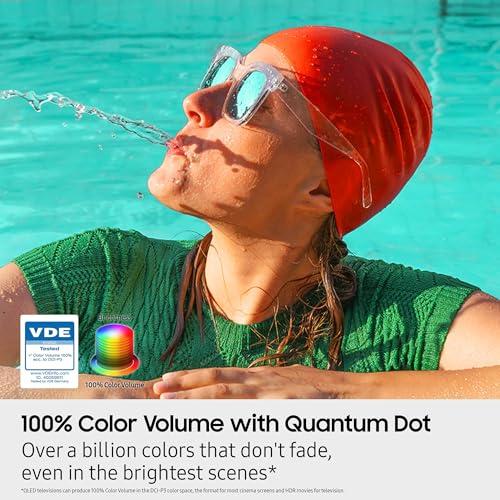
Color accuracy and color volume work together to create realistic images. Color accuracy means a red apple looks like a red apple, not orange or pink. Color volume refers to the TV's ability to maintain that accuracy at different brightness levels – ensuring that red apple looks correct whether it's in bright sunlight or dim indoor lighting.
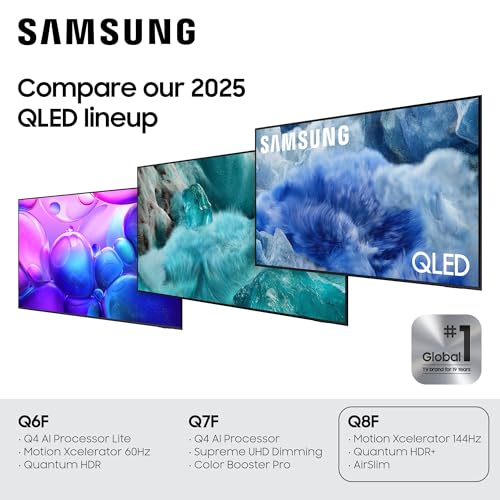
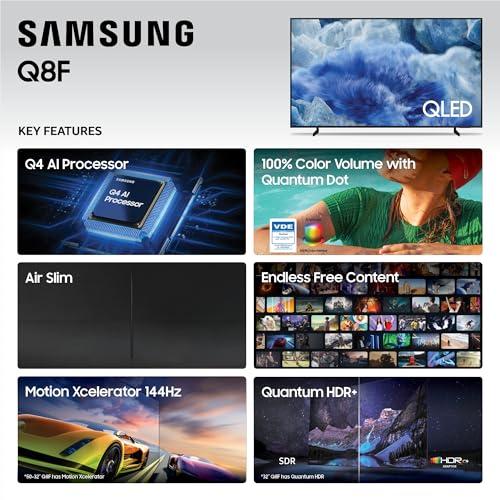
The Samsung Q8F represents Samsung's mature take on QLED (Quantum Dot Light Emitting Diode) technology. At its core, QLED uses tiny quantum dots – nanoparticles that emit specific colors when hit by light – to enhance color purity and brightness. Samsung has been refining this approach for nearly a decade, and it shows in the Q8F's consistent, reliable performance.
The Q8F uses what Samsung calls "Dual LED" backlighting, which employs two different color temperatures of LEDs to improve color accuracy across the brightness spectrum. This is paired with Samsung's "Supreme UHD Dimming" technology, which divides the screen into zones for more precise brightness control, though not nearly as many zones as true Mini-LED systems.
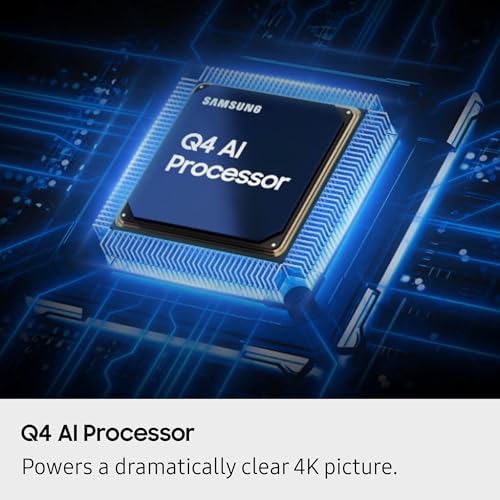
What sets Samsung apart isn't just the hardware – it's the processing. The Q4 AI Processor continuously analyzes what you're watching and optimizes the picture accordingly. When you're watching an old TV show, it upscales the resolution and enhances details without making everything look artificially sharp. When you switch to a bright HDR movie, it adjusts the tone mapping to ensure you see every detail the director intended.
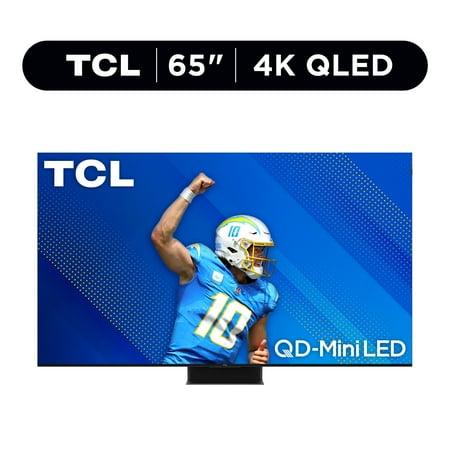
The TCL QM8 takes a more aggressive approach with QD-Mini LED technology. Mini-LED represents one of the most significant advances in LCD TV technology in recent years. Instead of using dozens or hundreds of larger LED bulbs behind the screen, Mini-LED systems use thousands of incredibly small LEDs – each about the size of a grain of salt.
The QM8 features up to 5,000 local dimming zones, compared to far fewer zones in traditional LED systems. This massive increase in control precision means the TV can create incredibly detailed light and shadow patterns. When watching a scene with fireworks against a night sky, each burst can be brilliantly bright while the surrounding darkness remains truly black, not the grayish "black" you get from less advanced TVs.
TCL pairs this Mini-LED array with quantum dot technology, creating what they call QD-Mini LED. This combination delivers both the contrast precision of Mini-LED and the color enhancement of quantum dots. The AIPQ PRO Processor orchestrates all of this technology, using AI to optimize the thousands of dimming zones in real-time.
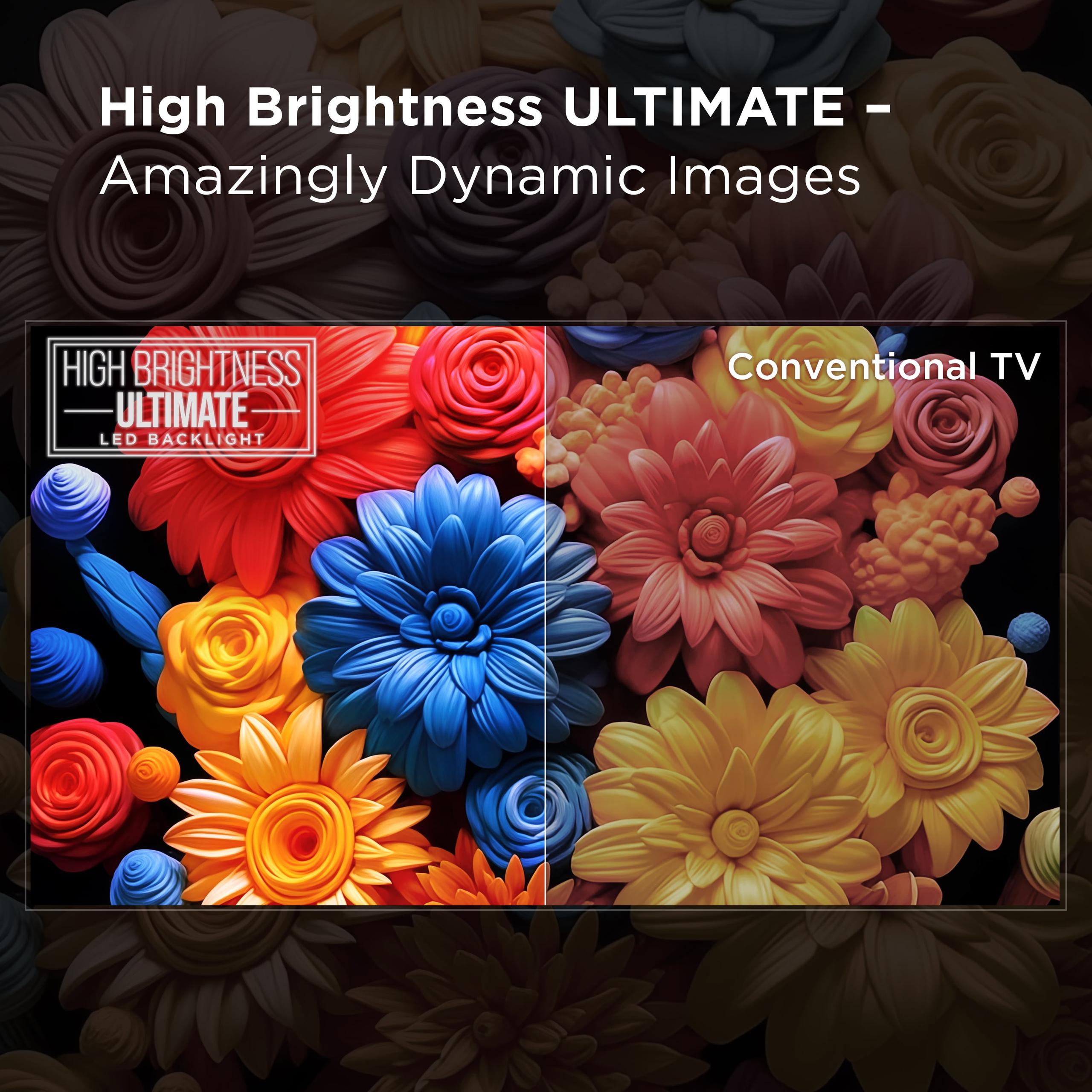
Here's where the TCL QM8 establishes its most significant advantage. Our research into professional reviews and user experiences consistently shows the QM8 achieving peak brightness levels of 4,000 to 5,000 nits in HDR mode. To put this in perspective, a bright sunny day measures about 10,000 nits, while most traditional TVs struggle to exceed 1,000 nits.
The Samsung Q8F, while bright enough for most viewing scenarios, operates at more modest brightness levels – typically around 1,500 nits at peak performance. This might not sound like a massive difference, but the impact on your viewing experience is profound.
In practical terms, this brightness advantage means the TCL can reproduce HDR highlights that genuinely sparkle. When you're watching "Top Gun: Maverick" and the jet engines ignite, or experiencing the blinding desert sun in "Dune," the QM8 delivers that eye-catching brilliance that makes you feel like you're actually there. The Samsung, while competent, can't match that level of visual impact.
This brightness superiority also translates to better daytime viewing. If your TV room has large windows or you prefer watching with the lights on, the TCL's ability to overcome ambient light is substantially better. The Samsung is perfectly adequate in most lighting conditions, but the TCL excels even in challenging bright-room scenarios.
The contrast performance story is equally compelling for the TCL QM8. Those 5,000+ local dimming zones aren't just a marketing number – they create genuinely superior contrast performance. When you're watching dark sci-fi content like "The Expanse" or horror movies with lots of shadow detail, the difference is immediately apparent.
The TCL can display a bright spaceship against the blackness of space with minimal blooming – that annoying halo effect where bright objects create a glow in surrounding dark areas. The Samsung Q8F, with its more limited local dimming capabilities, shows more blooming in high-contrast scenes, though it's still well-controlled compared to budget TVs.
This contrast advantage extends beyond just dark scenes. In mixed content – think of a sunset scene with both bright sky and shadowy foreground details – the TCL maintains detail in both areas more effectively. The Samsung tends to lose some shadow detail when optimizing for bright areas, or vice versa.
While the TCL QM8 wins on brightness and contrast, the Samsung Q8F demonstrates its maturity in color reproduction. Samsung's years of QLED development have resulted in exceptionally consistent color performance across different brightness levels and content types.
The Q8F covers 100% of the DCI-P3 color space, which is the standard used for digital cinema. More importantly, it maintains color accuracy whether you're watching bright daytime scenes or dim indoor footage. Many users and reviewers note that Samsung TVs tend to look "right" out of the box, requiring minimal calibration to achieve pleasing, natural colors.
The TCL matches the color gamut coverage and delivers vibrant, punchy colors, but can sometimes push saturation a bit too aggressively in default modes. This isn't necessarily wrong – some viewers prefer slightly enhanced colors – but it means the Samsung typically provides more accurate colors without adjustment.
For home theater enthusiasts who care about color accuracy, the Samsung's more conservative, accurate approach often proves preferable. However, for viewers who want colors that "pop" and grab attention, the TCL's more aggressive processing can be appealing.
Gaming has become a crucial consideration for premium TVs, especially with the PlayStation 5 and Xbox Series X pushing 4K gaming at higher frame rates. Both TVs offer excellent gaming experiences, but their strengths cater to different gaming preferences.
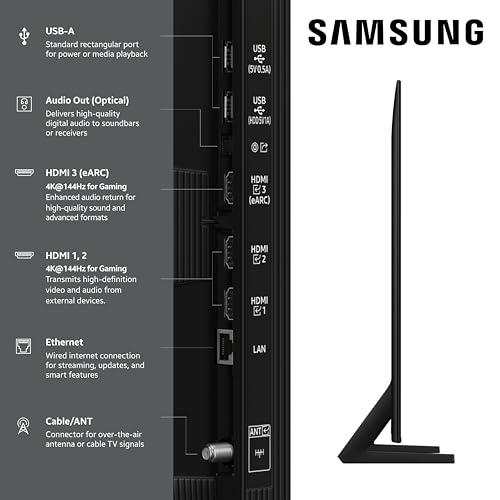
The Samsung Q8F provides three HDMI 2.1 ports, while the TCL QM8 typically offers two. This might seem like a minor detail, but it becomes significant if you own multiple gaming devices. With three ports, you can connect a PlayStation 5, Xbox Series X, and a gaming PC simultaneously without constantly switching cables.
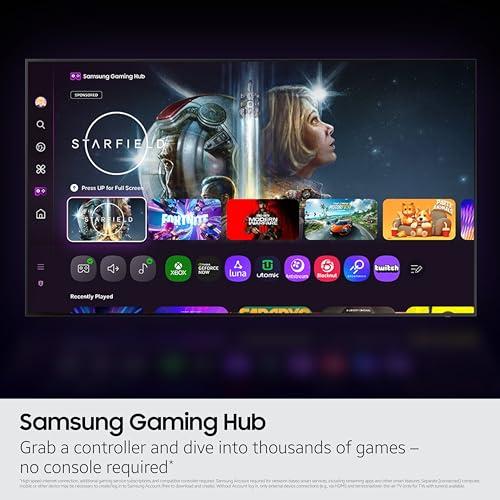
Samsung's Gaming Hub deserves special mention as a genuinely useful feature. It integrates cloud gaming services like Xbox Game Pass Ultimate and Amazon Luna directly into the TV's interface. You can play demanding games without owning a console, using just the TV's processing power and your internet connection. While cloud gaming still has limitations – you need excellent internet, and there's slight input lag – it's remarkable technology that adds substantial value for certain users.
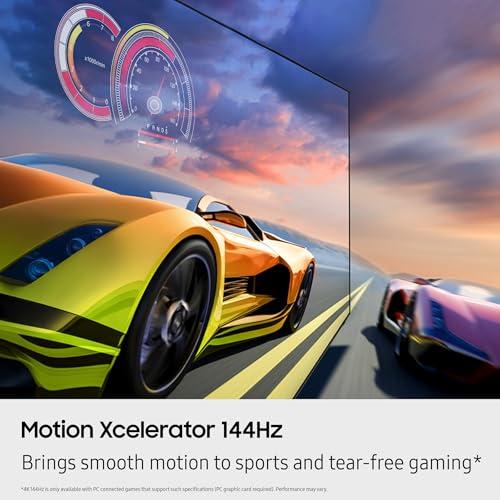
The Q8F also includes AI Auto Game Mode, which automatically detects when you're playing different types of games and optimizes settings accordingly. Racing games get different processing than RPGs, ensuring optimal performance for each genre.
The TCL QM8 counters with superior brightness and contrast that enhances gaming visually. HDR gaming on the QM8 provides more dramatic lighting effects and better visibility in dark game areas. When playing atmospheric games like "Alan Wake 2" or "Resident Evil 4," the enhanced contrast and brightness create more immersive experiences.
Both TVs support Variable Refresh Rate (VRR) and have low input lag suitable for competitive gaming. The difference in gaming performance often comes down to whether you value the Samsung's connectivity and ecosystem features or the TCL's superior display technology.
The smart TV platform choice significantly impacts your daily experience, and here the Samsung Q8F demonstrates clear advantages for most users.
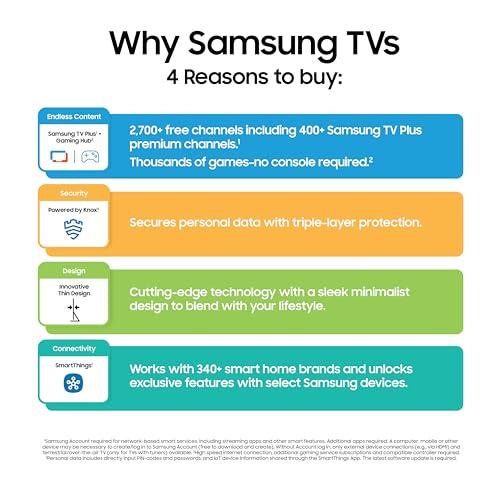
Samsung's Tizen operating system feels more refined and responsive than the Google TV platform on the TCL QM8. Tizen's interface is intuitive, with clearly organized content recommendations and easy access to settings. The integration with Samsung's SmartThings ecosystem is particularly valuable if you use other Samsung devices or smart home products.
The Samsung also includes far-field voice recognition, meaning you can speak to the TV without using the remote. Combined with Bixby and Alexa support, this creates a more seamless smart home experience.
TCL's Google TV platform isn't bad – it provides access to the same streaming services and has Google Assistant integration. However, the interface can feel less polished, and the overall user experience doesn't match Samsung's refinement level.
At the time of writing, both TVs price competitively in the premium 65-inch segment, with the TCL QM8 commanding a slight premium over the Samsung Q8F. This pricing relationship makes the value equation particularly interesting.
The TCL's Mini-LED technology represents a significant advancement over traditional LED backlighting, and getting access to 5,000+ local dimming zones at this price point would have been unimaginable just a few years ago. The brightness and contrast improvements are substantial enough to justify the price difference for most viewers.
However, the Samsung's more mature ecosystem, gaming connectivity, and refined user experience add value that's harder to quantify. If you prioritize the smart TV experience and gaming features, the Samsung might offer better practical value despite its display technology limitations.
For dedicated home theater use, the decision becomes clearer. The TCL QM8 is the superior choice for most home theater setups. The combination of extreme brightness and precise local dimming creates a more cinematic experience, especially with high-quality HDR content.
The QM8's superior contrast performance is particularly valuable in dark room viewing – the traditional home theater environment. When you can control ambient light, the TCL's ability to produce true blacks alongside brilliant highlights creates that "window into another world" effect that home theater enthusiasts prize.
The Samsung's more accurate default color settings might appeal to purists, but the TCL's display technology advantages typically outweigh color processing differences in dark room scenarios.
Choose the Samsung Q8F if you:
Choose the TCL QM8 if you:
Based on our research and analysis of user experiences, the TCL QM8 emerges as the better choice for most buyers. The Mini-LED technology advancement is significant enough to overcome the Samsung's advantages in other areas, especially considering the modest price difference.
The QM8's superior brightness and contrast create a more impressive viewing experience that you'll appreciate every time you turn on the TV. While the Samsung Q8F offers excellent smart features and gaming connectivity, these advantages feel less significant in daily use compared to the fundamental picture quality improvements.
However, this recommendation comes with important caveats. If you're heavily invested in Samsung's ecosystem, prioritize gaming connectivity, or strongly value user interface refinement, the Q8F might be the better personal choice despite its technical limitations.
The beauty of the current premium TV market is that both options deliver genuinely excellent experiences. Your choice ultimately depends on whether you prioritize cutting-edge display technology or comprehensive ecosystem features. Either way, you're getting a TV that will serve as an impressive centerpiece for your entertainment setup for years to come.
| Samsung 65" QLED Q8F 4K Smart TV 2025 | TCL 65" QM8 Mini-LED Smart TV |
|---|---|
| Peak Brightness - Critical for HDR impact and bright room viewing | |
| ~1,500 nits (good for most rooms) | 4,000-5,000 nits (exceptional for any lighting) |
| Local Dimming Zones - Controls contrast precision and blooming | |
| Dual LED with limited zones (decent contrast) | 5,000+ Mini-LED zones (superior blacks and highlights) |
| Display Technology - Foundation of picture quality | |
| QLED with Quantum Dot (mature, reliable) | QD-Mini LED (cutting-edge backlighting precision) |
| Color Coverage - Determines color accuracy and vibrancy | |
| 100% DCI-P3 (excellent cinema-standard colors) | DCI-P3 coverage (vibrant, slightly enhanced saturation) |
| Refresh Rate - Important for gaming and motion clarity | |
| 60Hz native with 144Hz Motion Xcelerator | 120Hz native with 144Hz VRR support |
| HDMI 2.1 Ports - Essential for multiple gaming devices | |
| 3 ports (ideal for multi-console setups) | 2 ports (adequate for most users) |
| Smart TV Platform - Daily user experience quality | |
| Tizen OS with Gaming Hub integration | Google TV (functional but less refined) |
| Gaming Features - Specialized gaming enhancements | |
| Gaming Hub, AI Auto Game Mode, cloud gaming | Game Accelerator 240, Auto Game Mode |
| Audio System - Built-in sound quality | |
| 20W 2CH with Q-Symphony soundbar sync | 80W ONKYO 2.1.2 system with Dolby Atmos |
| Smart Home Integration - Ecosystem connectivity | |
| SmartThings Hub, Matter support, IoT control | Basic smart home features |
| Best Use Cases - Where each TV excels | |
| Multi-device gaming, Samsung ecosystem users | Home theater, bright rooms, movie enthusiasts |
The TCL QM8 Mini-LED Smart TV delivers superior picture quality overall, thanks to its advanced Mini-LED backlighting with up to 5,000 local dimming zones and peak brightness reaching 4,000-5,000 nits. The Samsung 65" QLED Q8F 4K Smart TV 2025 offers excellent color accuracy and reliable QLED performance, but can't match the TCL's contrast precision and HDR brightness impact.
QLED technology in the Samsung Q8F uses quantum dots to enhance color accuracy with traditional LED backlighting. Mini-LED in the TCL QM8 employs thousands of tiny LEDs for precise brightness control across different screen areas. Mini-LED provides better contrast and deeper blacks, while QLED focuses on color enhancement and consistency.
The Samsung 65" QLED Q8F 4K Smart TV 2025 is better for serious gamers due to its 3 HDMI 2.1 ports (versus 2 on the TCL), Gaming Hub with cloud gaming services, and AI Auto Game Mode. However, the TCL QM8 Mini-LED Smart TV offers superior visual gaming experiences with its brighter, more contrasty display for atmospheric games.
Samsung's Tizen OS on the Q8F provides a more refined, intuitive interface with better smart home integration through SmartThings Hub. The TCL QM8 runs Google TV, which offers good app selection but feels less polished in daily use. Samsung's platform is generally considered superior for ease of use and ecosystem features.
The TCL QM8 Mini-LED Smart TV significantly outperforms in bright rooms due to its exceptional 4,000-5,000 nit peak brightness, easily overcoming glare and ambient light. The Samsung Q8F handles moderate lighting well but struggles in very bright environments compared to the TCL's superior brightness capabilities.
The TCL QM8 features a more robust 80W ONKYO 2.1.2 channel system with Dolby Atmos and up-firing speakers for immersive sound. The Samsung 65" QLED Q8F 4K Smart TV 2025 has a simpler 20W 2CH system but includes Q-Symphony technology for seamless soundbar integration. TCL provides better built-in audio, while Samsung focuses on external audio system compatibility.
The TCL QM8 Mini-LED Smart TV typically offers better value despite its slightly higher price, delivering cutting-edge Mini-LED technology and exceptional brightness that would have cost significantly more just a few years ago. The Samsung Q8F provides excellent value for users prioritizing smart features and gaming connectivity over raw display performance.
Both TVs support HDR10 and HDR10+, but the TCL QM8 delivers more impactful HDR experiences due to its superior peak brightness and contrast control. The Samsung Q8F provides good HDR performance with accurate tone mapping, but can't match the TCL's ability to reproduce truly bright highlights and deep blacks simultaneously.
The TCL QM8 Mini-LED Smart TV is superior for dedicated home theater use, offering cinema-quality contrast with its advanced local dimming and exceptional brightness for HDR content. While the Samsung 65" QLED Q8F 4K Smart TV 2025 provides accurate colors suitable for movie watching, the TCL's superior display technology creates a more immersive cinematic experience in dark room environments.
The Samsung Q8F provides 3 HDMI 2.1 ports compared to 2 on the TCL QM8, making it better for users with multiple gaming consoles or devices. Both offer similar wireless connectivity with Wi-Fi and Bluetooth, but Samsung includes more comprehensive smart home integration features and IoT device control capabilities.
Samsung's Q4 AI Processor in the Q8F excels at upscaling lower-resolution content and provides consistent, reliable processing across different content types. The TCL's AIPQ PRO Processor in the QM8 focuses on optimizing the Mini-LED system's performance and handles HDR tone mapping effectively. Both provide good upscaling, but Samsung's is generally more refined for older content.
Choose the Samsung 65" QLED Q8F 4K Smart TV 2025 if you prioritize smart features, gaming connectivity, and ecosystem integration with Samsung devices. Select the TCL QM8 Mini-LED Smart TV if picture quality is your top priority and you want the most impressive visual experience possible, especially for HDR content and bright room viewing.
We've done our best to create useful and informative comparisons to help you decide what product to buy. Our research uses advanced automated methods to create this comparison and perfection is not possible - please contact us for corrections or questions. These are the sites we've researched in the creation of this article: bestbuy.com - rtings.com - tomsguide.com - youtube.com - samsung.com - youtube.com - youtube.com - youtube.com - rtings.com - rtings.com - linqcdn.avbportal.com - bestbuy.com - samsung.com - samsung.com - samsung.com - youtube.com - youtube.com - billsmith.com - samsung.com - samsung.com - samsung.com - hometechnologyreview.com - shopjetson.com - certappl.com - samsung.com - theapplianceplug.com - samsung.com - manuals.plus - bestbuy.com - device.report - samsung.com - shopsilica.com - dentonstv.com - rtings.com - rtings.com - techradar.com - tcl.com - the-gadgeteer.com - nfm.com - ecoustics.com - careyscommunications.com - pcrichard.com - tcl.com

Privacy Policy
Terms and Conditions - Affiliate Policy
Home Security
© Copyright 2008-2026.
11816 Inwood Rd #1211, Dallas, TX 75244