

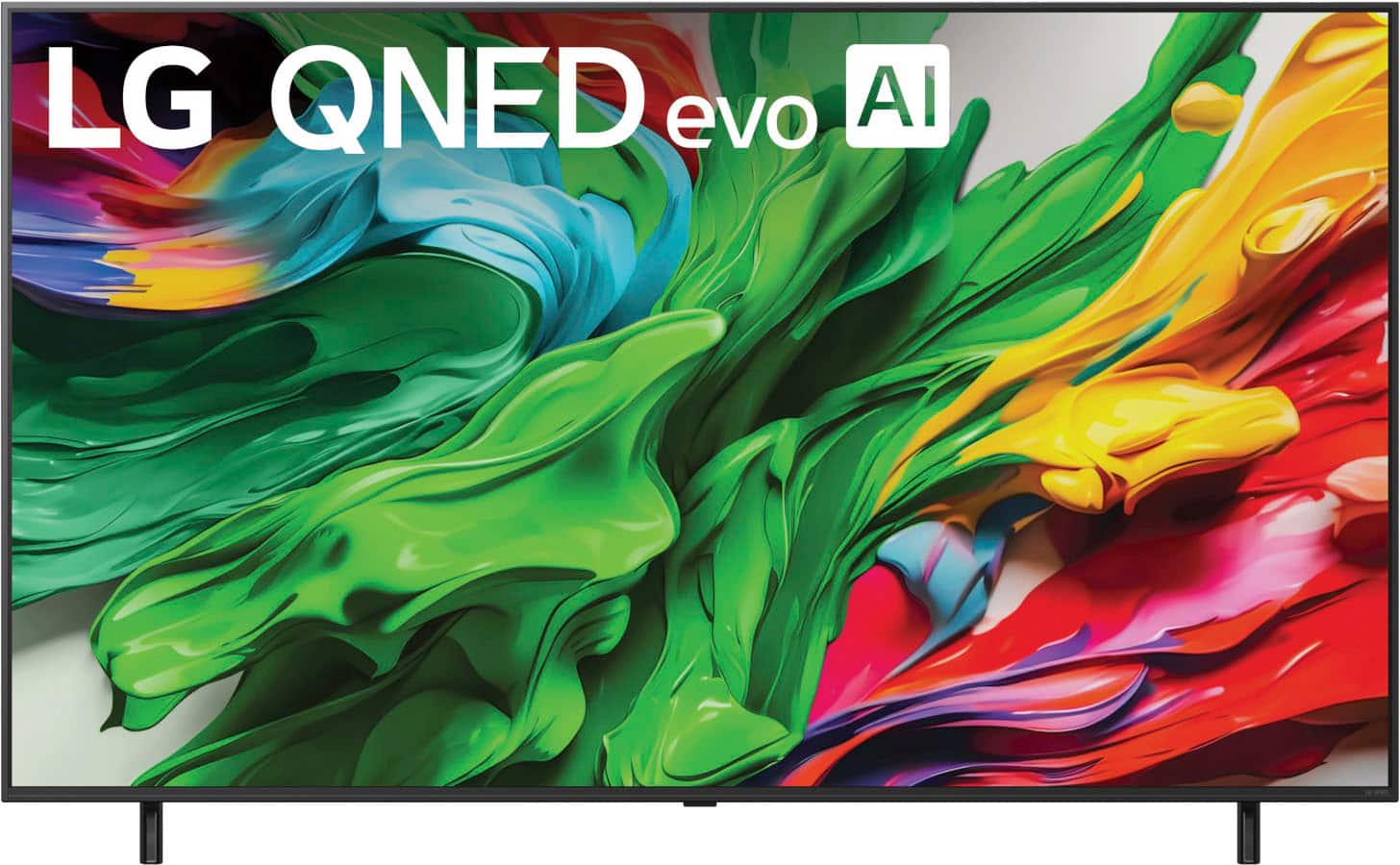
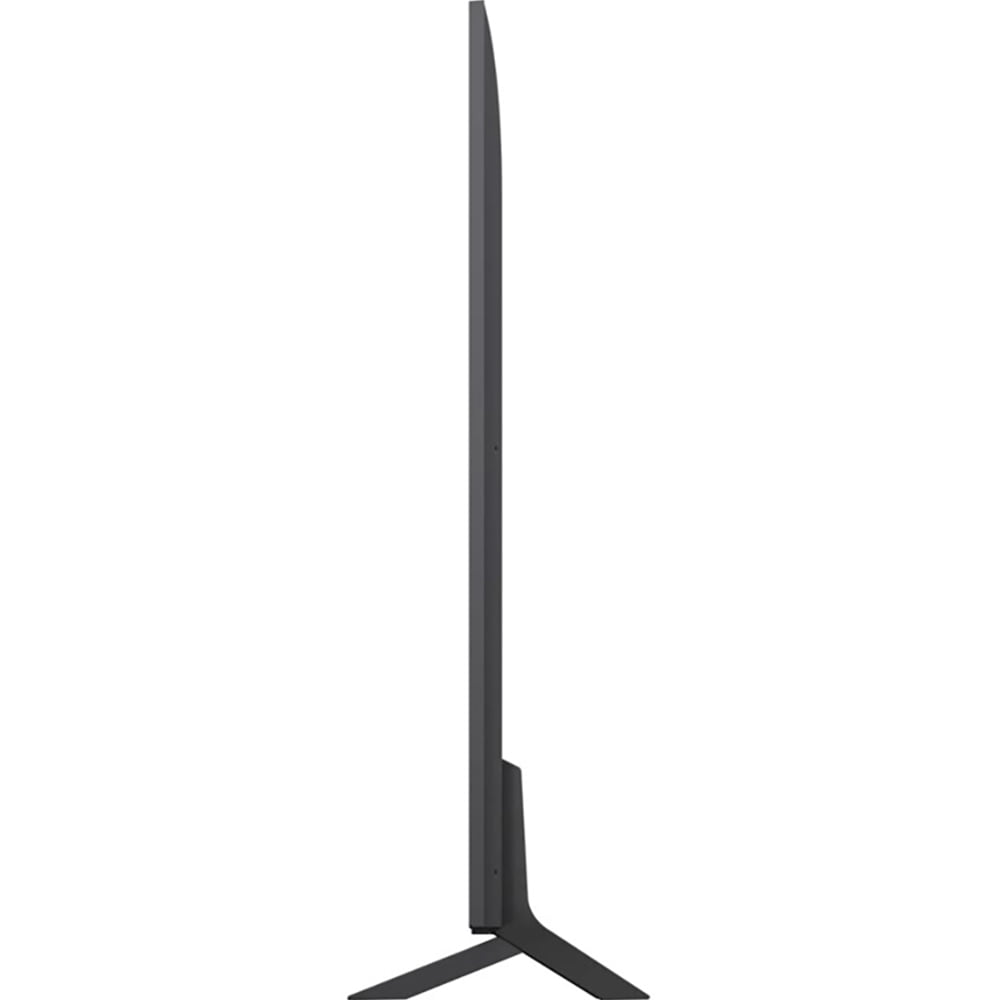
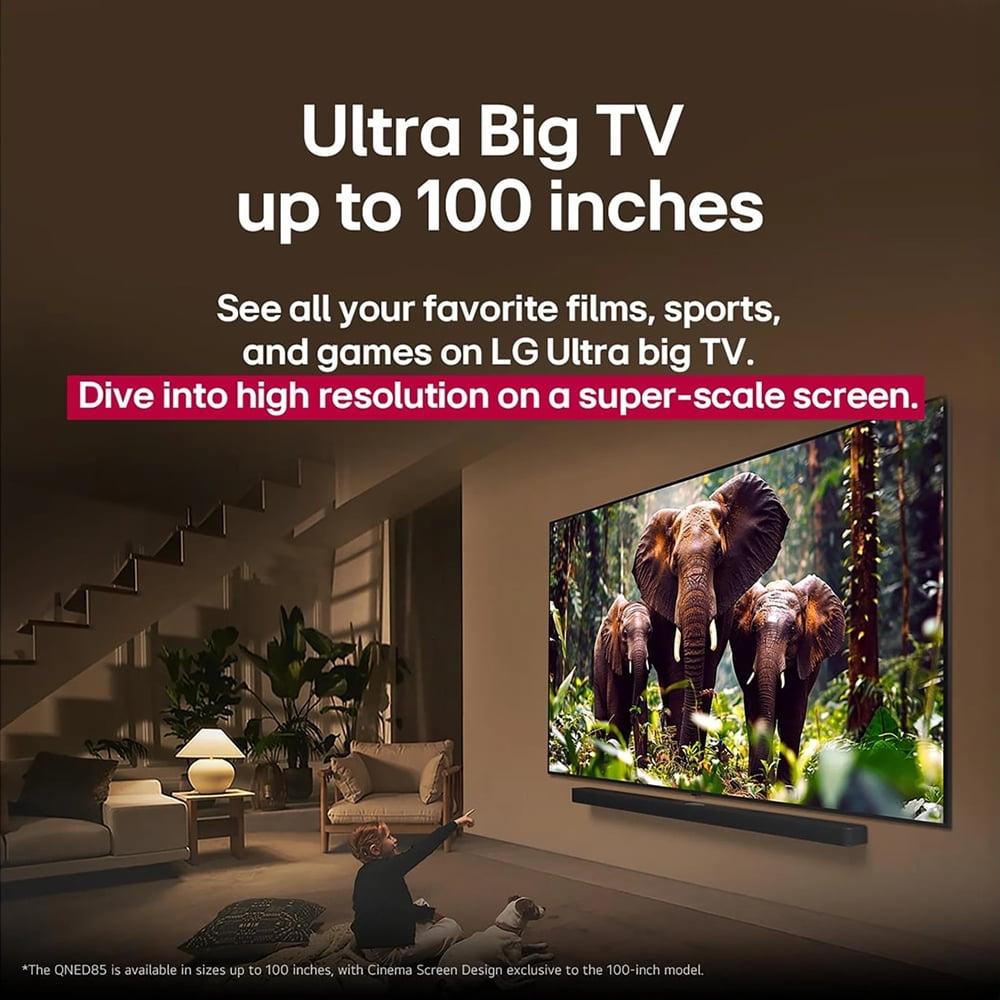
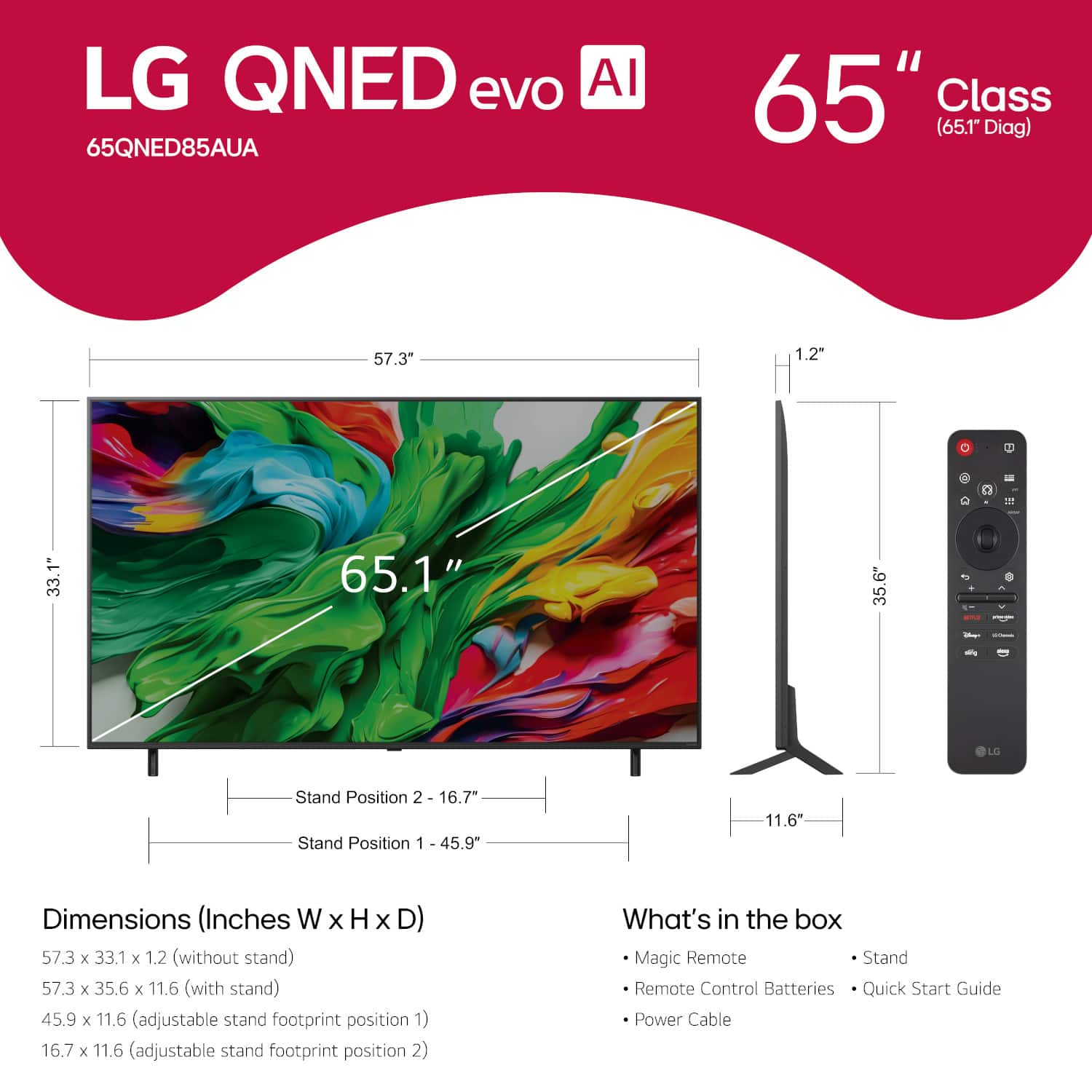
Shopping for a premium 65-inch 4K TV can feel overwhelming, especially when you're comparing technologies that sound like alphabet soup. The Samsung 65" QLED Q8F 4K Smart TV 2025 and LG 65" QNED evo AI QNED85A 4K MiniLED Smart TV 2025 represent two compelling but different approaches to delivering exceptional picture quality. Both launched in 2025 as mid-to-upper tier options, but they use fundamentally different display technologies that affect everything from gaming performance to how movies look in your living room.
At the time of writing, these TVs are priced competitively within about $50 of each other, making the choice less about budget and more about which technology better suits your viewing habits. The real question isn't which TV costs less, but which one delivers better value for how you actually use your TV.
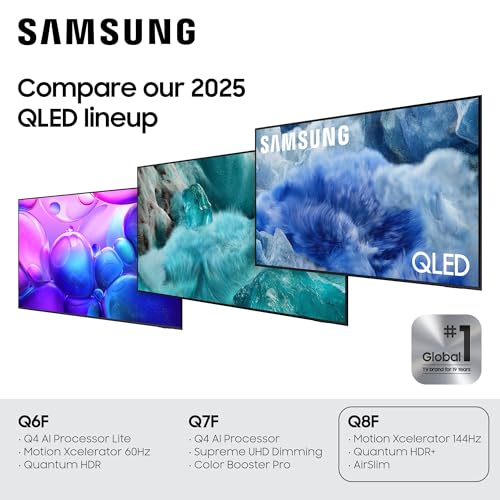
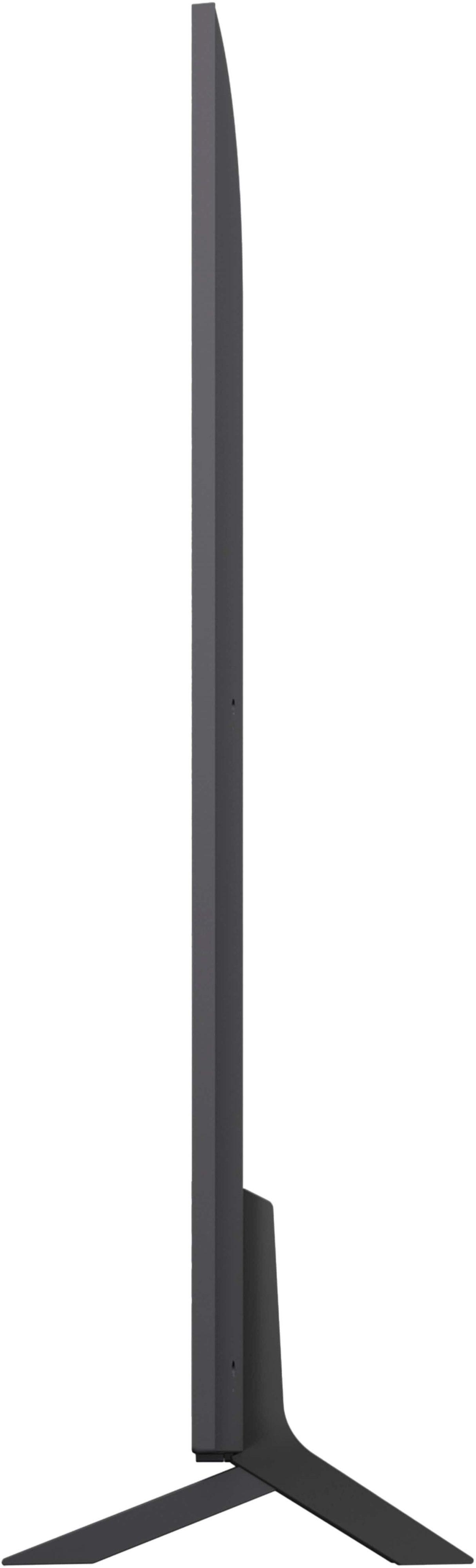
The core difference between these TVs lies in their backlighting approach, which dramatically affects picture quality. The Samsung Q8F uses traditional QLED technology with edge-lit LED backlighting, while the LG QNED85A employs MiniLED backlighting—a newer technology that's closer to premium OLED performance without the higher price tag.
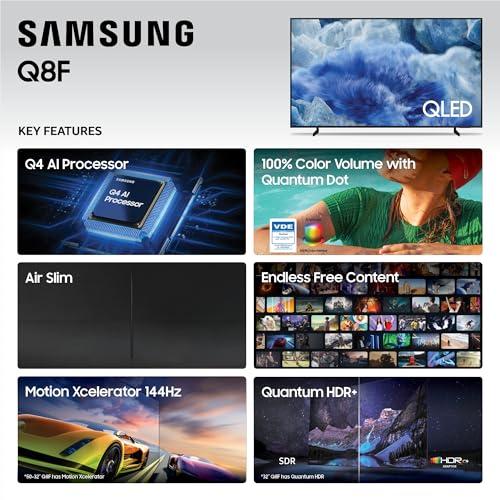
QLED technology uses quantum dots—microscopic particles that emit pure colors when hit by light—to enhance color accuracy and brightness. Samsung's implementation in the Q8F places these quantum dots in a film layer, creating more vibrant colors than standard LCD TVs. However, the edge-lit design means LED lights are positioned around the screen's perimeter rather than directly behind it, which can limit contrast control.
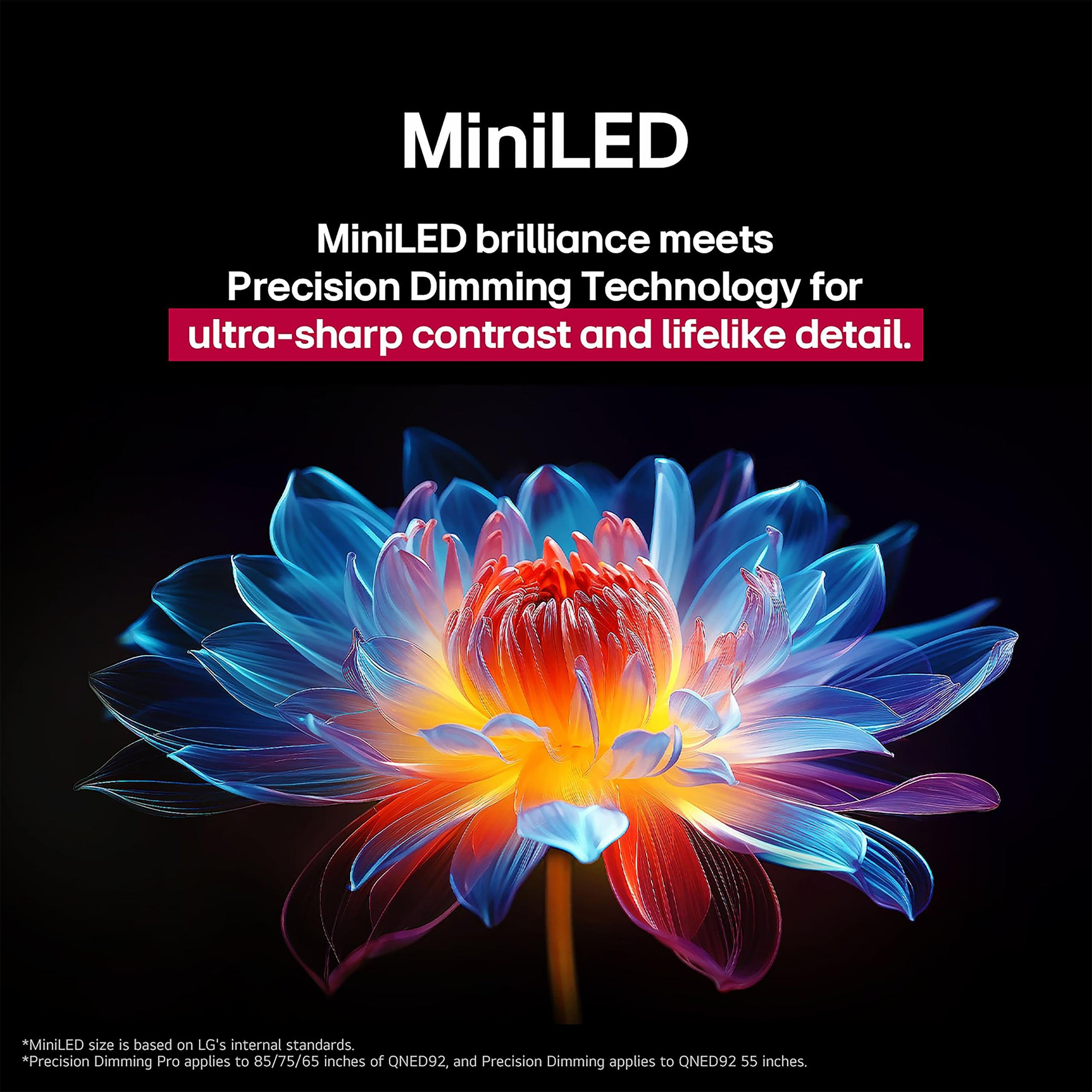
MiniLED technology in the LG QNED85A represents a significant advancement. Instead of edge lighting, thousands of tiny LEDs sit directly behind the screen in a full-array configuration. This allows for precise local dimming—the ability to dim or brighten specific screen areas independently. When you're watching a movie with a bright explosion against a dark sky, MiniLED can make the explosion blazingly bright while keeping the surrounding darkness truly dark.
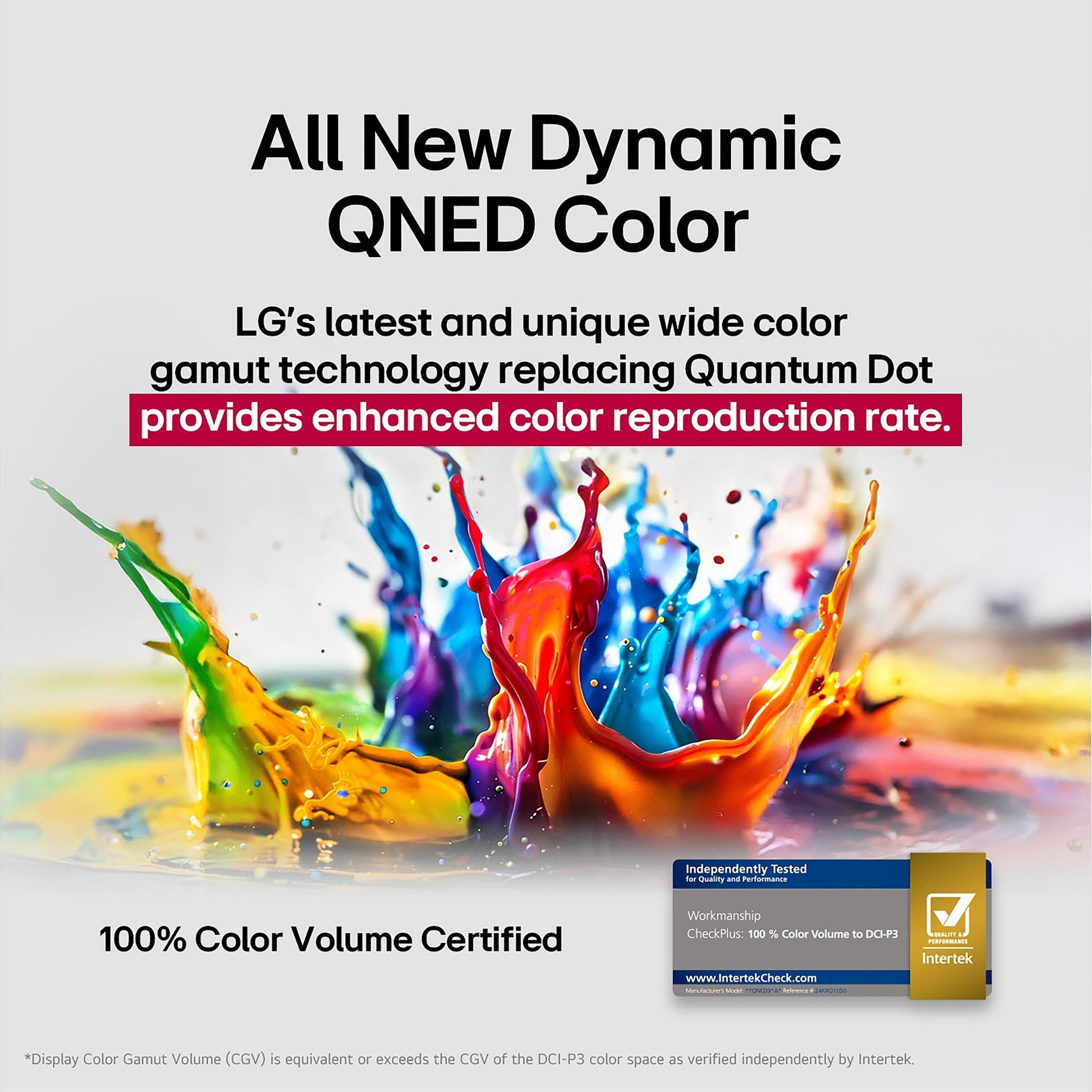
The QNED (Quantum Nano Emitting Diode) designation combines quantum dot technology with LG's NanoCell filtering, which removes impure colors for more accurate reproduction. This dual approach aims to deliver both the vibrant colors of quantum dots and the viewing angle improvements of NanoCell technology.
When evaluating picture quality, contrast ratio and color accuracy are paramount. Our research into professional reviews and user feedback reveals a clear pattern: the LG QNED85A consistently outperforms the Samsung Q8F in contrast-heavy content, while Samsung maintains an edge in upscaling older content.
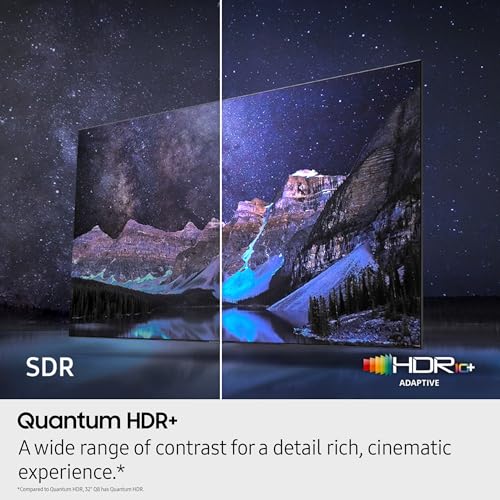
The MiniLED advantage becomes most apparent during HDR (High Dynamic Range) content viewing. HDR standards like HDR10+ and Dolby Vision require displays to show both extremely bright highlights and deep shadows simultaneously. The LG QNED85A handles this better because its Precision Dimming Pro can independently control thousands of lighting zones. When watching a sunset scene, the bright sun can shine brilliantly while the shadowed foreground remains appropriately dark.
The Samsung Q8F, with its edge-lit design, struggles more with this challenge. While it can get quite bright overall—excellent for well-lit rooms—it cannot achieve the same level of contrast control. You might notice some "blooming" where bright objects create a slight halo effect against dark backgrounds.
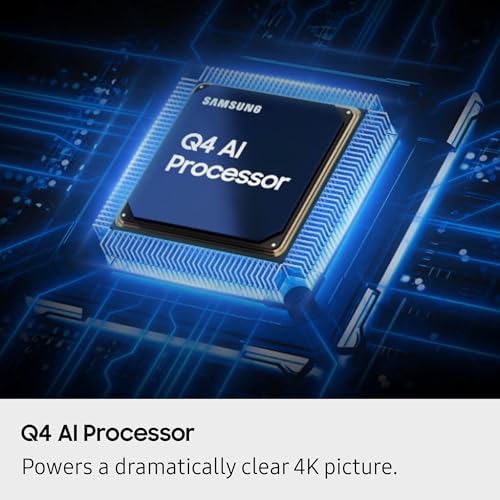
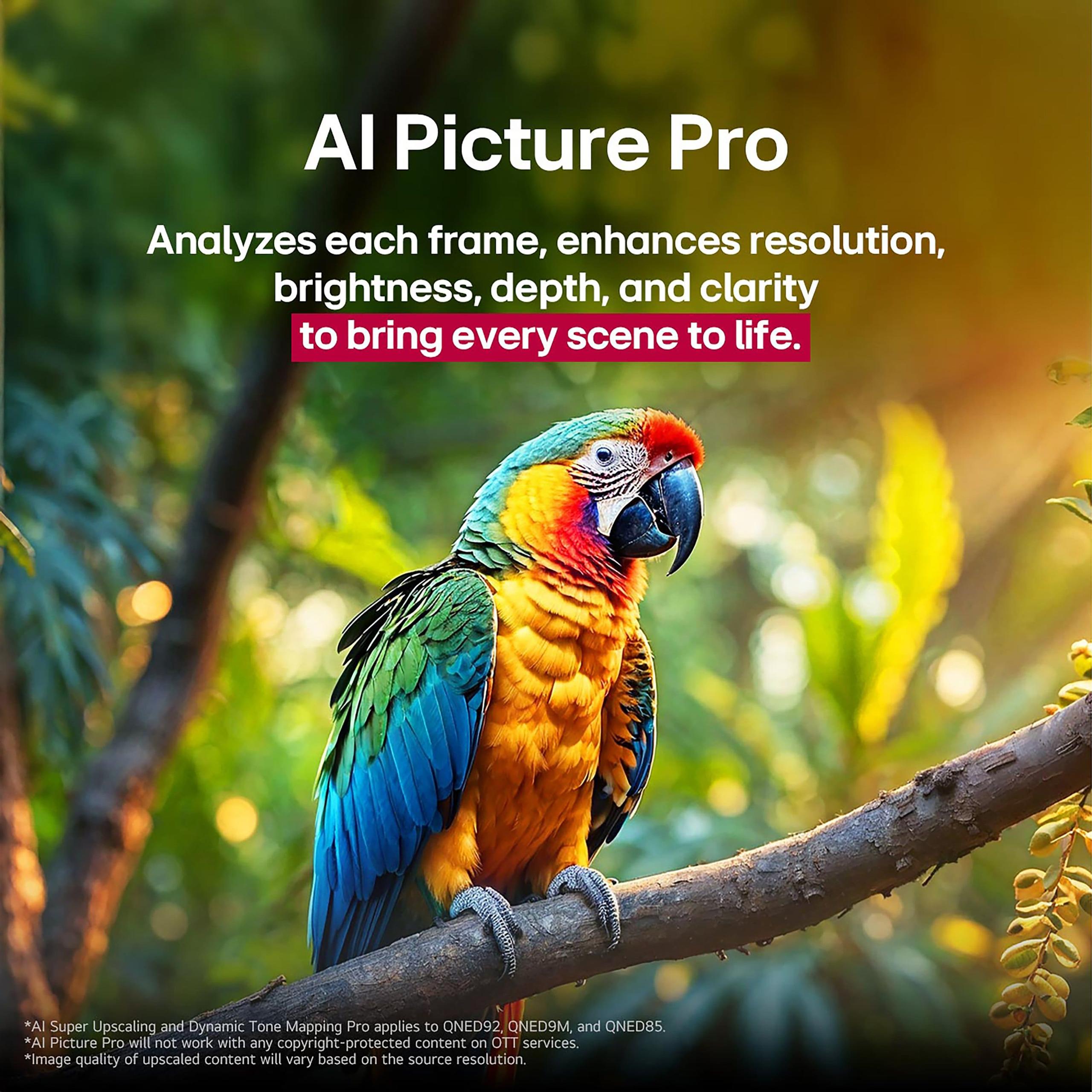
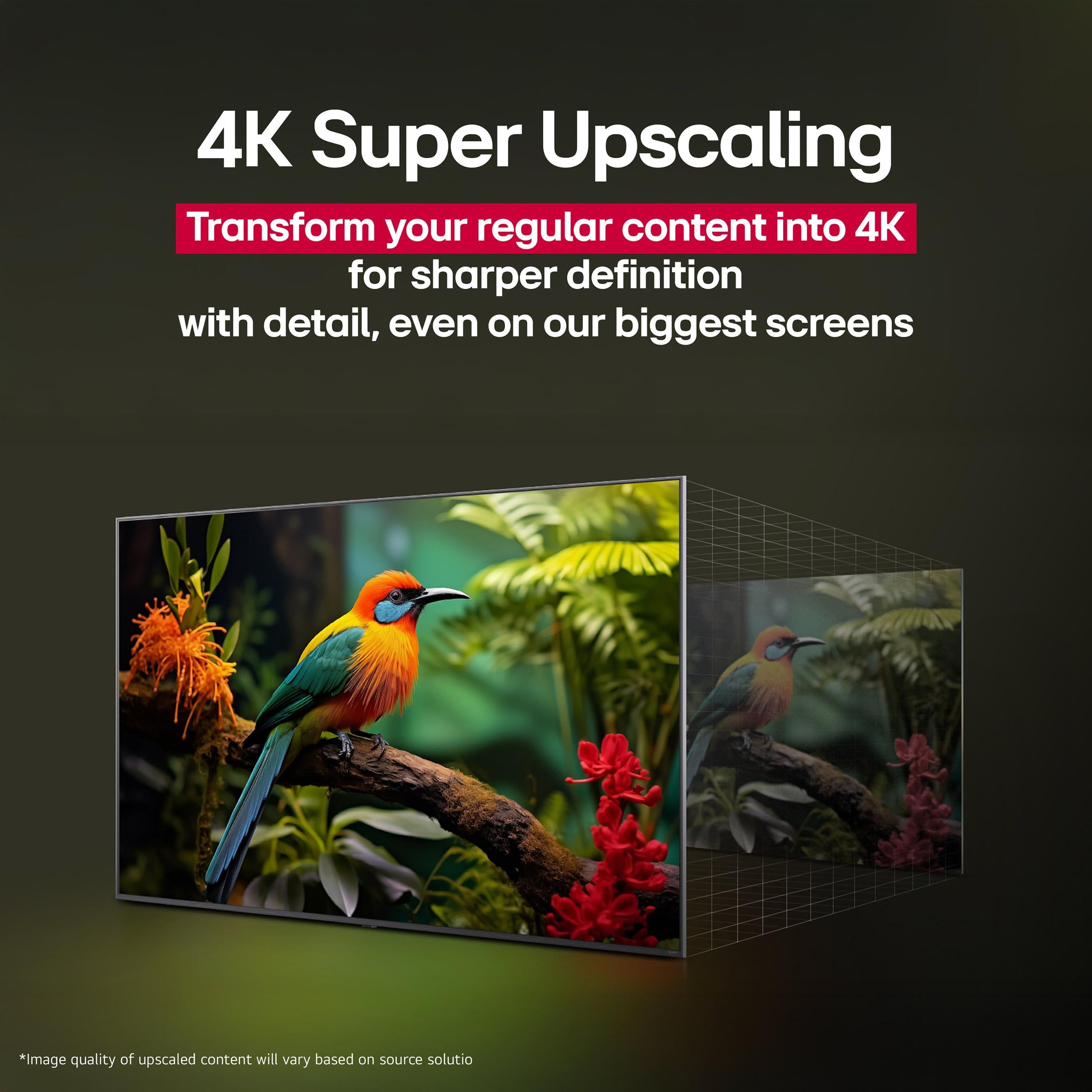
However, Samsung's Q4 AI Processor excels at upscaling lower-resolution content. If you frequently watch older TV shows, DVDs, or lower-quality streaming content, Samsung's processing engine does exceptional work making these sources look cleaner and sharper on the 4K display. The facial detail and text clarity improvements are particularly noticeable, and Samsung avoids the over-sharpening that can make upscaled content look artificial.
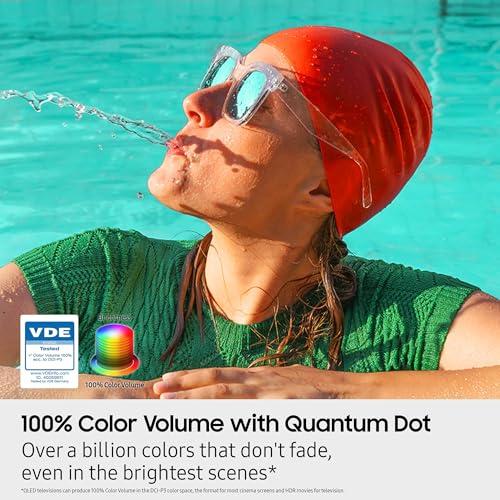
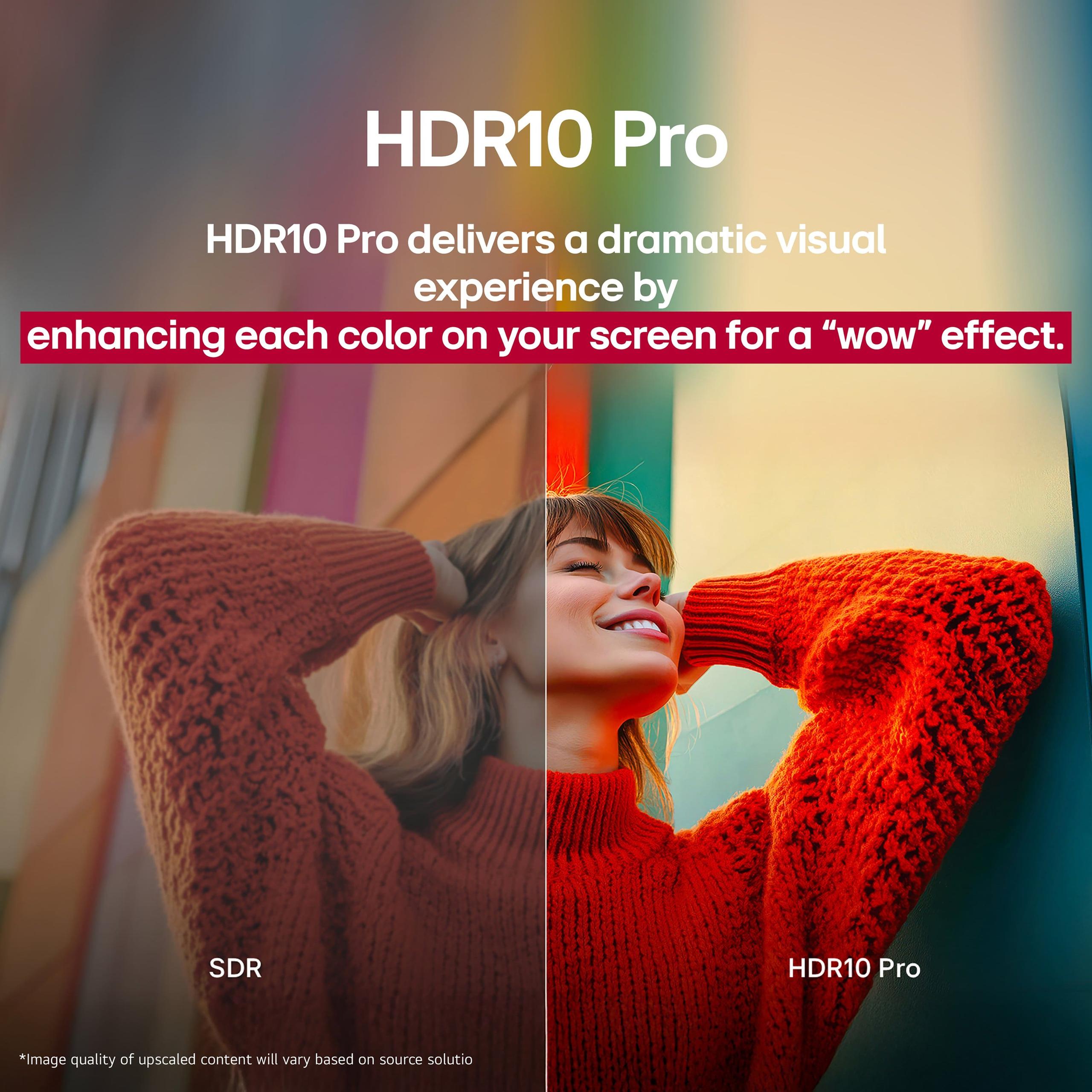
Color performance tells an interesting story. Both TVs claim wide color gamuts, but they achieve this differently. Samsung's quantum dots provide highly saturated, vibrant colors that pop off the screen—perfect for animated content and nature documentaries. LG's approach combines quantum dots with NanoCell technology to achieve what they claim is 100% Color Volume, meaning colors remain accurate at all brightness levels, not just at specific calibration points.
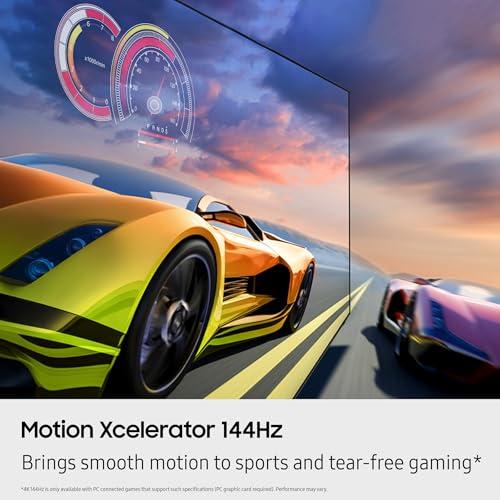
For gaming enthusiasts, the differences between these TVs are substantial and decisive. The LG QNED85A offers native 120Hz refresh rate capability, while the Samsung Q8F relies on motion processing to simulate higher refresh rates.
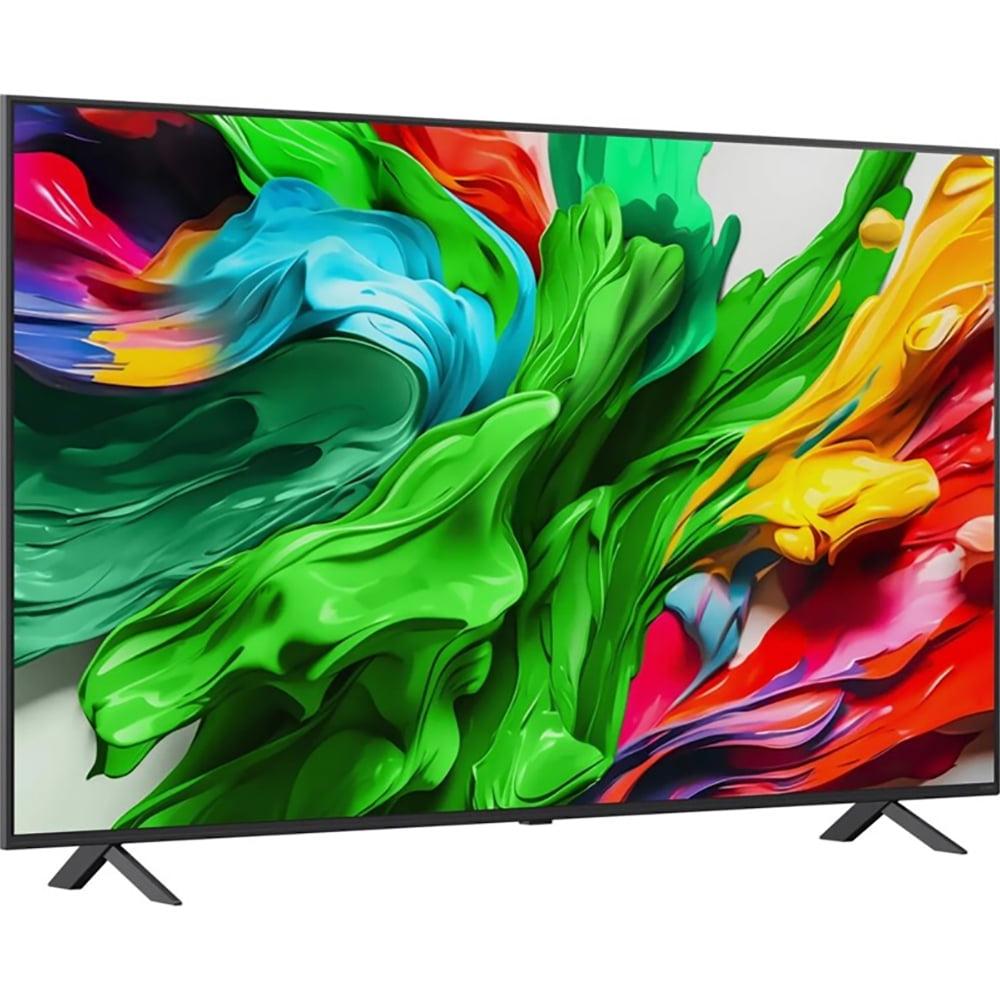
Native refresh rate means the TV's panel can actually display 120 unique frames per second without interpolation or processing tricks. This matters enormously for gaming, where every millisecond of input lag affects your performance. When playing fast-paced games like first-person shooters or racing games, the smoother motion and reduced blur from native 120Hz provides a competitive advantage that motion processing cannot match.
The LG QNED85A also includes VRR (Variable Refresh Rate) support up to 144Hz, which synchronizes the TV's refresh rate with your gaming console or PC's output. This eliminates screen tearing—those annoying horizontal lines that appear when frame rates don't match—and provides smoother gameplay even when frame rates fluctuate.
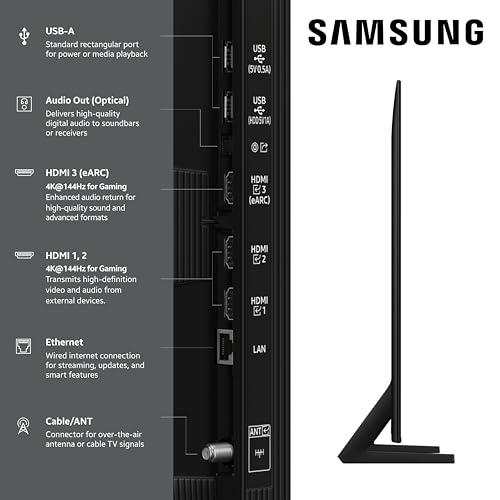
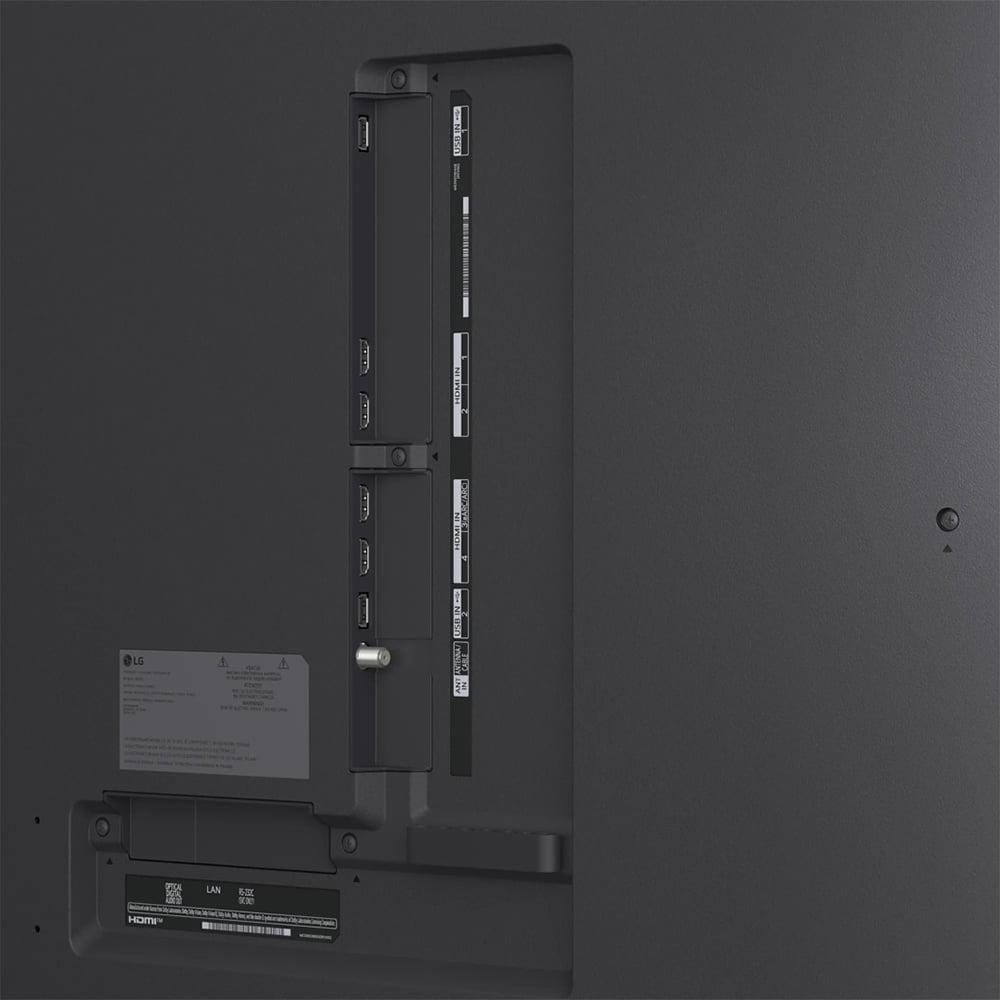
Connectivity matters too. The LG QNED85A provides four HDMI 2.1 ports compared to the Samsung Q8F's three HDMI inputs. HDMI 2.1 is crucial for next-generation gaming, supporting 4K resolution at 120Hz with full HDR. With multiple gaming consoles, streaming devices, and perhaps a soundbar, having that extra port eliminates the need for HDMI switchers.
The Samsung does include Auto Low Latency Mode (ALLM) and Game Motion Plus features, which help reduce input lag and motion blur during gaming. However, these processing-based improvements can't match the fundamental advantage of the LG's native higher refresh rate.
Both TVs launched in 2025 with significantly enhanced AI capabilities compared to their predecessors, but they take different approaches to smart TV functionality.
The Samsung Q8F runs Tizen Smart TV OS, which has matured into a stable, responsive platform. Samsung's integration with SmartThings Hub allows the TV to control smart home devices directly, and the inclusion of Matter support ensures compatibility with various ecosystems. The Generative Wallpaper feature uses AI to create unique backgrounds based on keywords you provide—a fun touch that transforms your TV into customizable art when not watching content.
Voice control works through Bixby with far-field microphones, meaning you can speak to the TV from across the room without the remote. The Multi-View feature lets you watch two video sources simultaneously, useful for keeping an eye on sports while browsing other content.
The LG QNED85A runs webOS 25, and LG has made a significant commitment to long-term support with their webOS Re:New Program guaranteeing five years of OS upgrades. This promise addresses one of smart TV ownership's biggest frustrations—apps and features becoming obsolete after a few years.
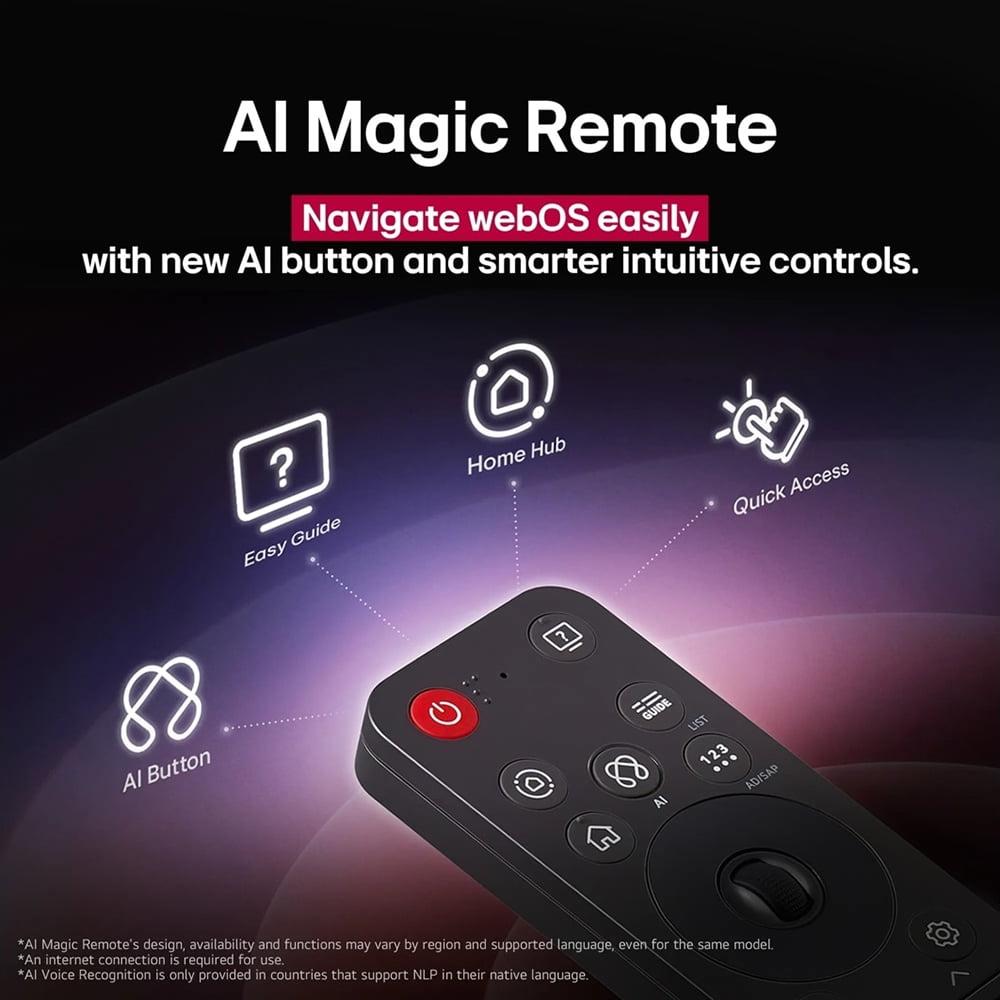
LG's AI implementation feels more comprehensive. The AI Magic Remote includes a dedicated AI button that analyzes your viewing preferences and provides personalized recommendations. AI Voice ID recognizes different family members and switches to their preferred settings and content suggestions automatically. The integration with Microsoft Copilot adds genuinely useful AI assistance for organizing information and troubleshooting issues.
The AI Search feature, powered by large language models, understands conversational queries better than traditional voice search. Instead of saying "show me action movies from 2020," you can ask "what are some good movies like the ones I watched last week?" and receive relevant suggestions.
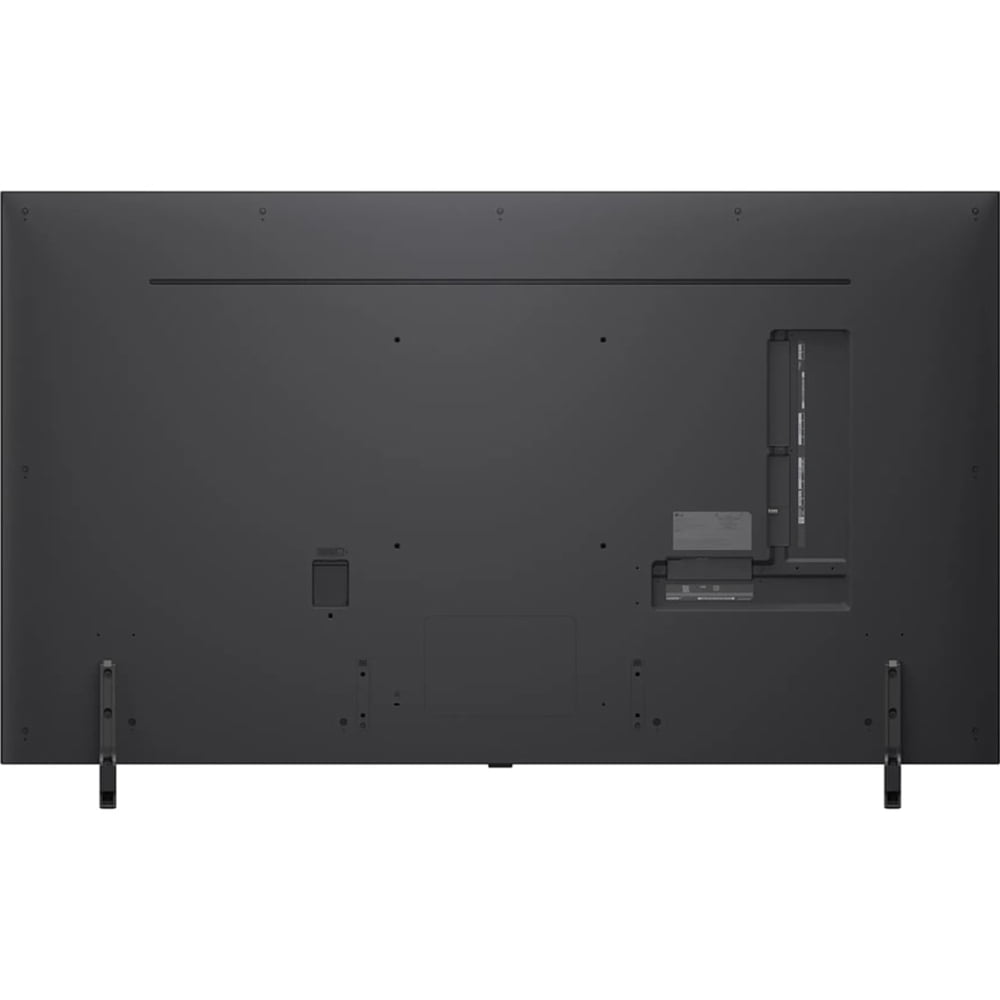
While most serious home theater enthusiasts eventually add a soundbar or surround system, the built-in audio quality affects daily viewing comfort and initial setup satisfaction.
The Samsung Q8F includes Object Tracking Sound Lite (OTS Lite), which attempts to move audio around the screen to match on-screen action. With 20W of total power from 2-channel speakers, it provides clear dialogue and decent volume levels. The Q-Symphony feature allows Samsung soundbars to work alongside the TV's built-in speakers rather than replacing them entirely, potentially creating a richer soundscape.
The LG QNED85A takes a more processing-intensive approach with AI Sound Pro, which converts standard 2-channel audio into virtual 5.1 surround sound. Based on user feedback we've researched, the built-in audio quality consistently receives higher marks than Samsung's implementation. The AI processing analyzes content in real-time, adjusting dialogue clarity and dynamic range automatically.
For most users, both TVs provide acceptable built-in audio, but the LG's more sophisticated processing and better speaker implementation give it an edge for those who plan to rely on built-in sound initially.
In a dedicated home theater environment, several factors become more critical than in casual living room viewing. Room lighting control, seating distance, and content types all influence which TV performs better.
The Samsung Q8F's edge-lit design and high peak brightness make it more forgiving in rooms where you can't completely control ambient light. If your home theater doubles as a family room with windows, Samsung's approach handles reflections and maintains color vibrancy better during daytime viewing.
However, for true home theater enthusiasts who can control lighting and prioritize contrast performance, the LG QNED85A's MiniLED technology provides a more cinema-like experience. The ability to display deep blacks alongside bright highlights creates more engaging HDR movie experiences. Filmmaker Mode on both TVs preserves directors' intended color and motion settings, but the LG's superior contrast helps realize the mode's full potential.
Viewing angles matter more in home theater setups with multiple seating positions. The LG QNED85A's QNED technology maintains color accuracy better when viewed from the side, reducing the "sweet spot" limitations that can affect edge-lit displays.
At the time of writing, the LG QNED85A typically costs slightly less than the Samsung Q8F while offering more advanced display technology. This pricing makes the LG an exceptional value proposition—you're getting MiniLED backlighting, native 120Hz, and more sophisticated AI features for less money.
The long-term value equation favors LG even more strongly. The five-year webOS upgrade commitment means your TV will receive new features and security updates well into the future. Samsung hasn't made similar commitments for the Q8F, creating uncertainty about long-term software support.
However, value isn't just about specifications and features—it's about how well the TV meets your specific needs. If you primarily watch upscaled content from cable TV, DVDs, or lower-quality streaming services, Samsung's superior processing might provide more day-to-day satisfaction despite the specification disadvantage.
The Samsung Q8F makes sense for buyers who prioritize content upscaling, prefer Samsung's ecosystem, and primarily watch TV in bright environments. If your viewing consists mainly of cable television, older movies, or if you value straightforward operation over advanced features, Samsung's refined processing and proven QLED technology deliver satisfying results.
Choose Samsung if you're already invested in Samsung's SmartThings ecosystem, appreciate the Generative Wallpaper feature, or prefer Tizen's interface simplicity. The TV excels in bright rooms and handles non-4K content exceptionally well.
The LG QNED85A is the better choice for most buyers, especially those who game, watch HDR movies, or want future-proofing. The MiniLED technology provides superior contrast for movie watching, while native 120Hz and four HDMI 2.1 ports make it genuinely gaming-ready. The AI features feel more advanced and useful, and the five-year software support commitment provides peace of mind.
Choose LG if gaming matters to you, you watch a lot of HDR content, you want the best built-in audio, or you appreciate advanced AI personalization. The superior display technology and longer software support make it a safer long-term investment.
While both TVs deliver excellent performance for their respective approaches, the LG QNED85A represents better overall value at the time of writing. The MiniLED technology advantage is significant enough to outweigh Samsung's processing strengths for most users. Combined with better gaming features, more sophisticated AI, and longer software support commitment, the LG provides more TV for your money.
The Samsung Q8F isn't a poor choice—it's a solid QLED TV with excellent upscaling and bright-room performance. However, unless you have specific reasons to prefer Samsung's approach or ecosystem, the LG's more advanced display technology and comprehensive feature set make it the smarter purchase for most 65-inch TV buyers in 2025.
| Samsung 65" QLED Q8F 4K Smart TV 2025 | LG 65" QNED evo AI QNED85A 4K MiniLED Smart TV 2025 |
|---|---|
| Display Technology - Determines contrast performance and black levels | |
| QLED with edge-lit LED backlighting | QNED evo with MiniLED full-array backlighting |
| Native Refresh Rate - Critical for gaming and smooth motion | |
| 60Hz (uses motion processing for higher rates) | 120Hz native (true high refresh rate) |
| Local Dimming - Controls contrast and reduces blooming | |
| Supreme UHD Dimming (edge-lit zones) | Precision Dimming Pro (thousands of MiniLED zones) |
| Processor - Affects upscaling and AI features | |
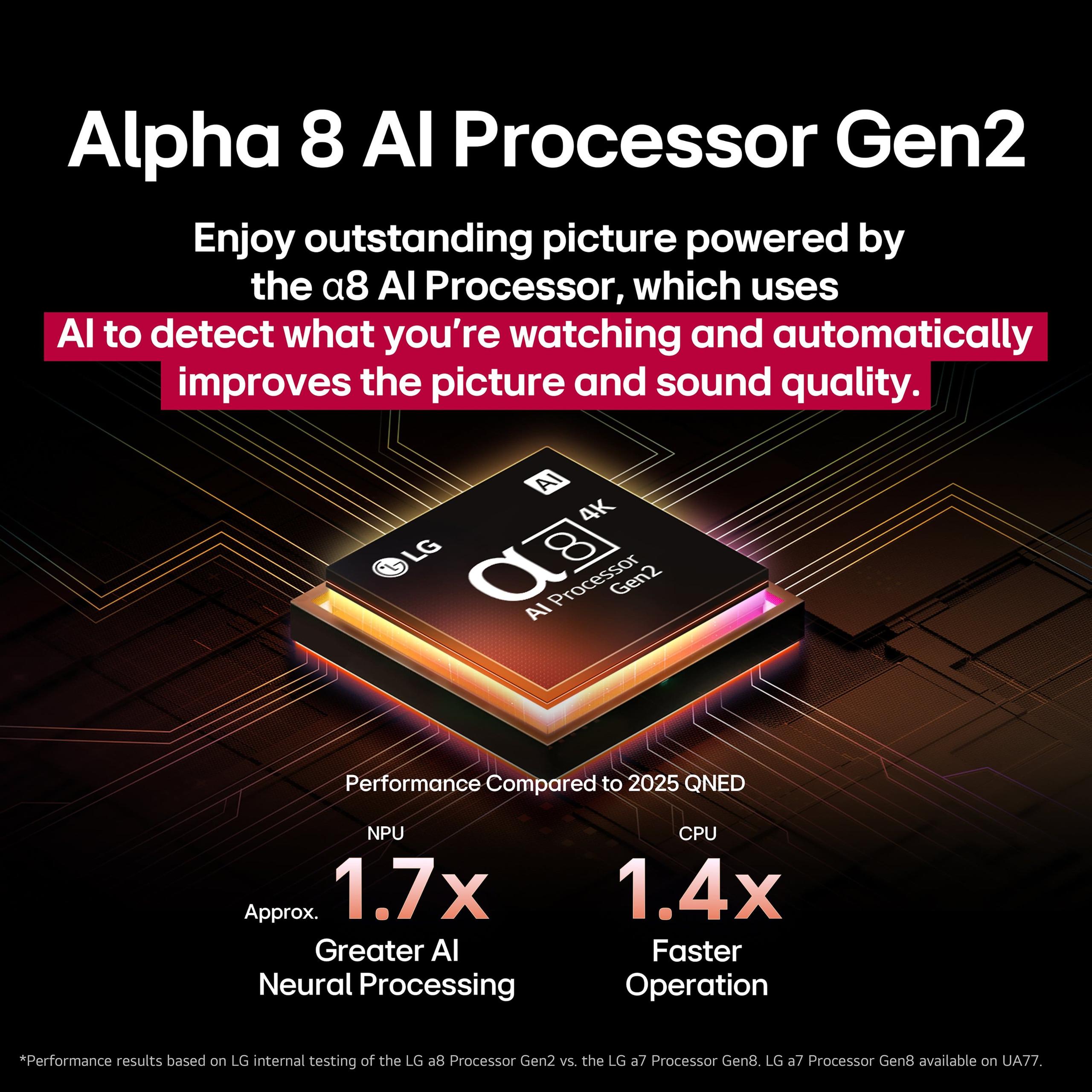
| Q4 AI Processor | α8 Gen 2 AI Processor (70% more powerful) |
| HDR Support - Important for streaming movies and gaming | |
| HDR10, HDR10+ (no Dolby Vision) | HDR10, HDR10+, Dolby Vision, Dolby Atmos |
| HDMI Ports - Matters for gaming consoles and devices | |
| 3 HDMI inputs | 4 HDMI 2.1 ports |
| Gaming Features - Essential for console and PC gaming | |
| Auto Game Mode, VRR, Game Motion Plus | Native 120Hz, VRR up to 144Hz, FreeSync, Game Optimizer |
| Smart TV Platform - Affects app availability and updates | |
| Tizen Smart TV (no long-term update guarantee) | webOS 25 (5-year upgrade commitment) |
| Voice Assistants - Convenience and smart home control | |
| Bixby with far-field microphones | Google Assistant, Alexa, ThinQ, Apple HomeKit |
| Audio System - Built-in sound quality | |
| 20W 2CH with OTS Lite | Virtual 5.1 surround with AI Sound Pro |
| AI Features - Personalization and ease of use | |
| SmartThings Hub, Generative Wallpaper, Multi-View | AI Voice ID, AI Concierge, Microsoft Copilot integration |
| Best For - Primary use cases | |
| Bright rooms, upscaling older content, Samsung ecosystem users | Gaming, HDR movies, AI features, future-proofing |
The LG QNED85A delivers superior picture quality overall due to its MiniLED backlighting technology. While the Samsung Q8F offers vibrant QLED colors and excellent upscaling, the LG's thousands of local dimming zones provide better contrast, deeper blacks, and less blooming around bright objects. This makes HDR movies more impactful and creates a more cinematic viewing experience.
The Samsung Q8F uses QLED technology with quantum dots and edge-lit backlighting for enhanced colors and brightness. The LG QNED85A combines quantum dot technology with MiniLED backlighting, where thousands of tiny LEDs sit directly behind the screen. This allows for precise local dimming control, resulting in better contrast and black levels compared to traditional QLED displays.
The LG QNED85A is significantly better for gaming. It offers native 120Hz refresh rate, VRR support up to 144Hz, and four HDMI 2.1 ports for multiple gaming devices. The Samsung Q8F relies on motion processing rather than native high refresh rates and has only three HDMI inputs, making it less suitable for serious gaming setups.
Both TVs offer robust smart features, but the LG QNED85A has more advanced AI integration with features like AI Voice ID, Microsoft Copilot, and personalized recommendations. The Samsung Q8F excels with SmartThings Hub integration and Generative Wallpaper. However, LG's commitment to five years of webOS updates gives it a long-term advantage over Samsung's platform.
The Samsung Q8F typically achieves higher peak brightness levels, making it excellent for bright rooms with lots of ambient light. However, the LG QNED85A's MiniLED technology can deliver more precise brightness control across different screen areas, which often results in better overall viewing experience even in bright conditions.
The LG QNED85A offers superior built-in audio with virtual 5.1 surround sound processing and AI Sound Pro optimization. The Samsung Q8F provides decent 20W audio with Object Tracking Sound Lite, but users consistently rate the LG's audio processing and speaker performance higher for built-in sound quality.
The LG QNED85A typically offers better value, providing more advanced MiniLED technology, native 120Hz, superior gaming features, and longer software support commitment at a competitive price point. The Samsung Q8F is still a solid choice but doesn't match the LG's feature-to-price ratio in most areas.
The Samsung Q8F excels at upscaling older content with its Q4 AI Processor, delivering cleaner facial details and sharper text without over-processing. While the LG QNED85A also handles upscaling well with its more powerful processor, Samsung traditionally has an edge in making non-4K content look its best on 4K displays.
For dedicated home theater use, the LG QNED85A is the better choice. Its MiniLED backlighting provides the contrast performance needed for cinematic viewing, while Dolby Vision support and better viewing angles enhance the movie-watching experience. The Samsung Q8F works well in brighter home theater environments but can't match the LG's contrast capabilities in controlled lighting.
The LG QNED85A provides four HDMI 2.1 ports compared to the Samsung Q8F's three HDMI inputs. This extra port matters for users with multiple gaming consoles, streaming devices, and soundbars. Both TVs offer standard connectivity options like USB, optical audio, and wireless capabilities, but the LG's additional HDMI port provides more flexibility.
The LG QNED85A offers better long-term prospects with its five-year webOS upgrade guarantee, ensuring continued app support and new features. The Samsung Q8F doesn't have a specific long-term update commitment, creating uncertainty about future software support. This makes the LG a safer choice for buyers concerned about longevity.
Choose the Samsung Q8F if you primarily watch cable TV, DVDs, or lower-quality streaming content in bright rooms, and prefer straightforward operation. Select the LG QNED85A if you game regularly, watch HDR movies, want advanced AI features, or prioritize future-proofing with better display technology and longer software support.
We've done our best to create useful and informative comparisons to help you decide what product to buy. Our research uses advanced automated methods to create this comparison and perfection is not possible - please contact us for corrections or questions. These are the sites we've researched in the creation of this article: bestbuy.com - rtings.com - tomsguide.com - youtube.com - samsung.com - youtube.com - youtube.com - youtube.com - rtings.com - rtings.com - linqcdn.avbportal.com - bestbuy.com - samsung.com - samsung.com - samsung.com - youtube.com - youtube.com - billsmith.com - samsung.com - samsung.com - samsung.com - hometechnologyreview.com - shopjetson.com - certappl.com - samsung.com - theapplianceplug.com - samsung.com - manuals.plus - bestbuy.com - device.report - samsung.com - shopsilica.com - dentonstv.com - rtings.com - rtings.com - youtube.com - lg.com - smarthomesounds.co.uk - abt.com - abt.com - lg.com - displayspecifications.com - walmart.com - bestbuy.com - lg.com - lg.com - lg.com - files.bbystatic.com - flatpanelshd.com - north-side-appliance.com - lgnewsroom.com - lg.com - youtube.com - youtube.com - hindustantimes.com

Privacy Policy
Terms and Conditions - Affiliate Policy
Home Security
© Copyright 2008-2026.
11816 Inwood Rd #1211, Dallas, TX 75244