

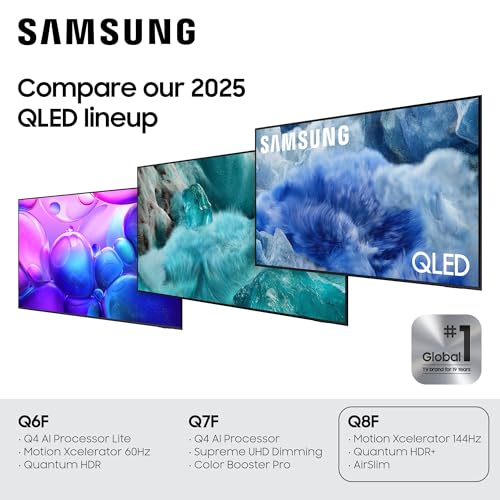
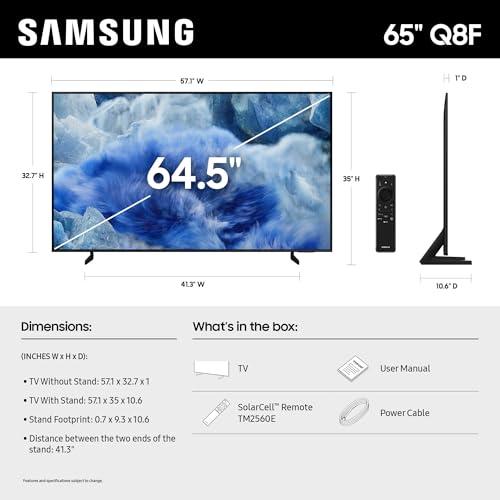
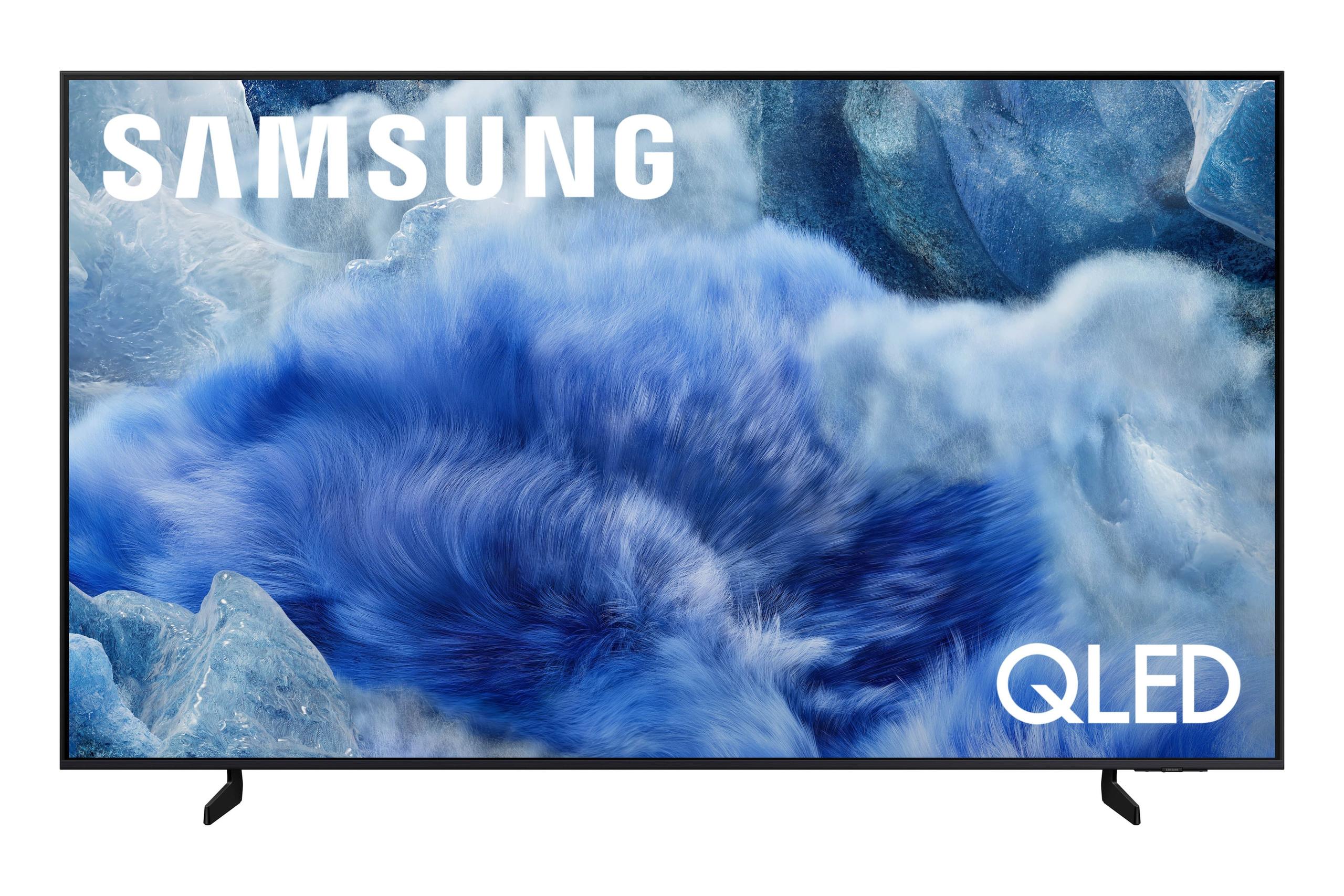
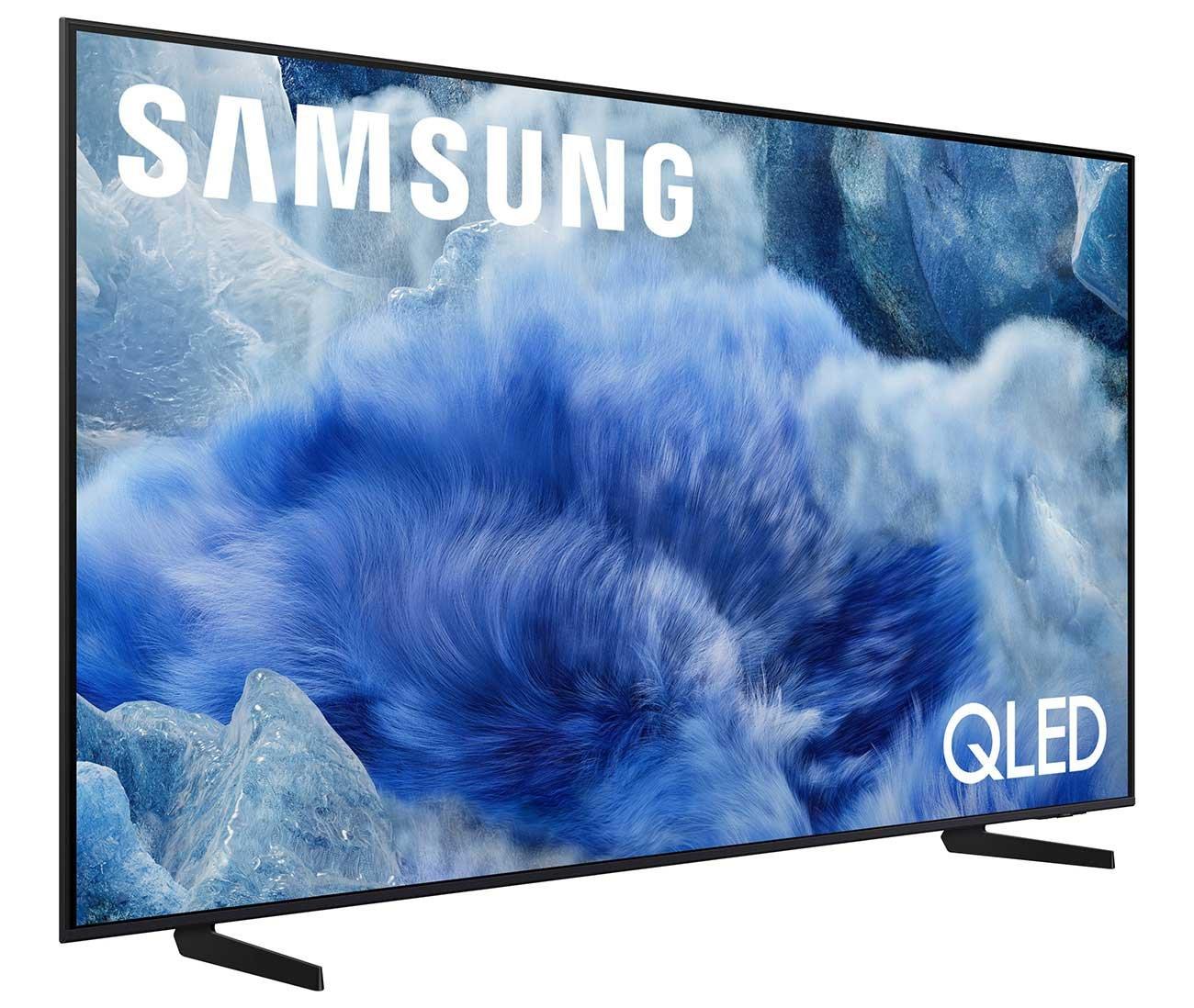
Samsung released both the Q8F and QN8F as part of their 2025 QLED lineup, and the naming similarity has understandably created confusion among shoppers. While both TVs share the same 65-inch screen size and core QLED technology, they represent different approaches to modern television design. The key difference? Samsung's Vision AI integration in the QN8F, which promises a more intelligent, personalized viewing experience compared to the more traditional Q8F.
Understanding QLED technology is crucial before diving into these specific models. QLED stands for Quantum Dot Light Emitting Diode – a mouthful that essentially means Samsung places a layer of microscopic particles called quantum dots between the LED backlight and the LCD panel. These quantum dots act like tiny filters, converting blue LED light into precise red and green wavelengths, resulting in more accurate colors and higher brightness than standard LED TVs. Think of it as a more sophisticated version of the color wheel you learned about in art class, but engineered at the molecular level.
Both TVs hit the market in 2025 as Samsung's answer to increasing competition from Chinese manufacturers and the growing popularity of OLED displays. The timing reflects Samsung's strategy to enhance their QLED technology with artificial intelligence rather than completely overhauling their display technology.
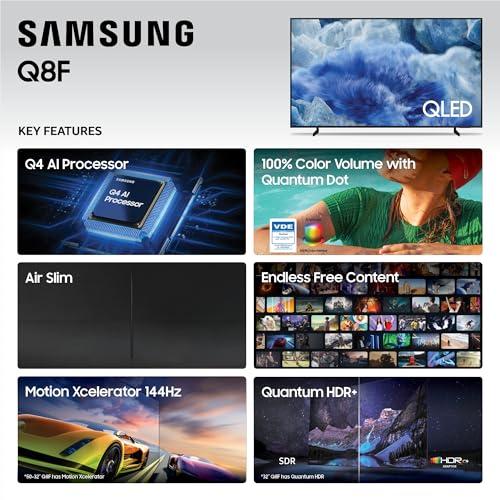
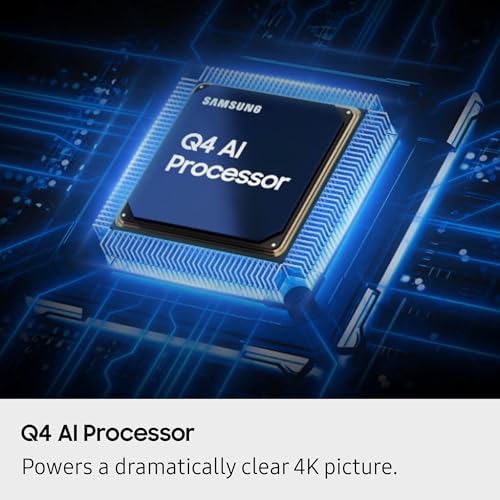
The most significant distinction between the Q8F and QN8F lies in their approach to smart features and content optimization. Both use Samsung's Q4 AI Processor – a specialized chip designed to analyze and enhance video content in real-time – but the QN8F takes this further with Vision AI integration.
Vision AI represents Samsung's attempt to create a truly intelligent television that learns from your viewing habits. Rather than simply applying generic picture improvements, it analyzes what type of content you're watching, when you're watching it, and even factors in your room's lighting conditions to make personalized adjustments. For instance, if you typically watch action movies on weekend evenings with the lights dimmed, the system learns to automatically boost contrast and adjust color temperature for that specific scenario.
The Q8F, while lacking this advanced AI layer, still delivers the core QLED experience that has made Samsung a dominant force in the TV market. It focuses on proven technologies like Quantum Dot color enhancement and Supreme UHD Dimming (which divides the screen into zones for more precise brightness control) without the complexity of machine learning algorithms.
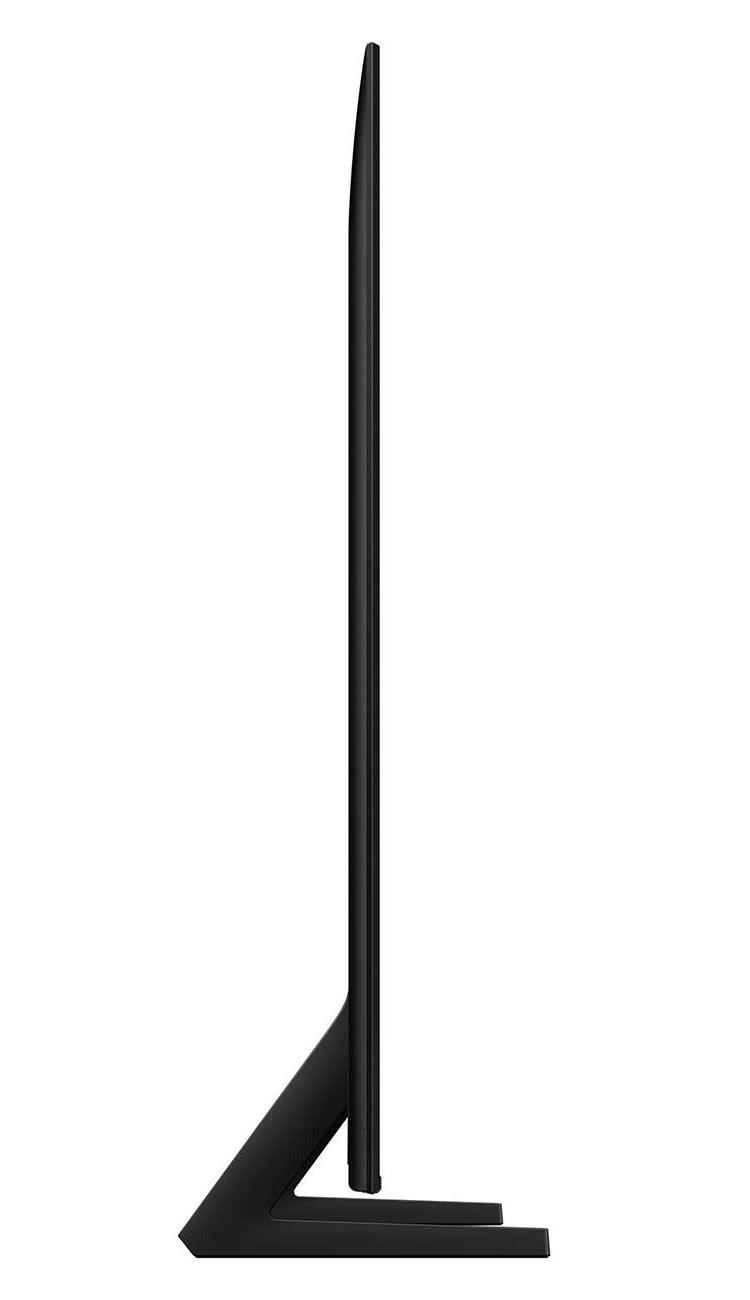
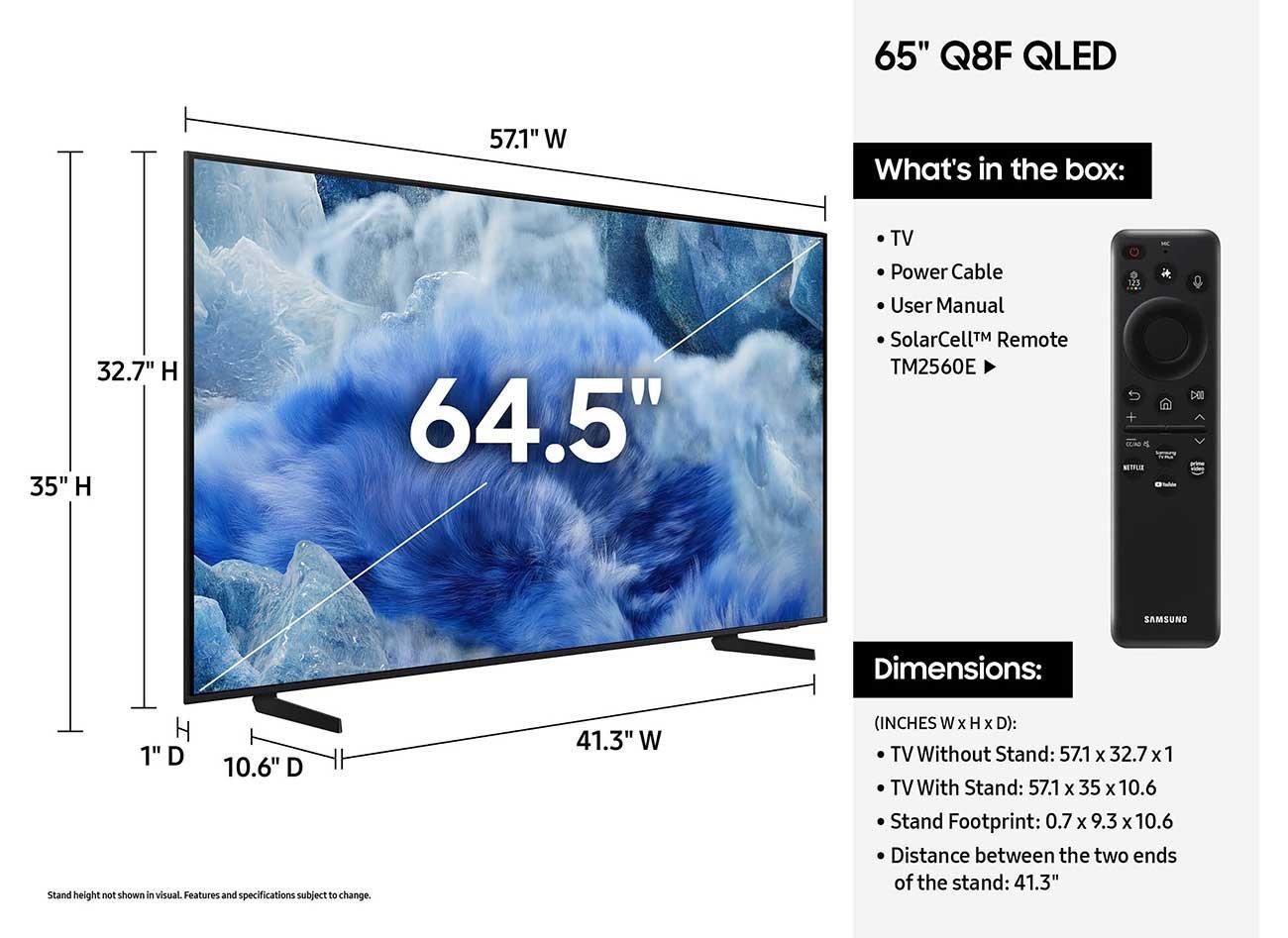
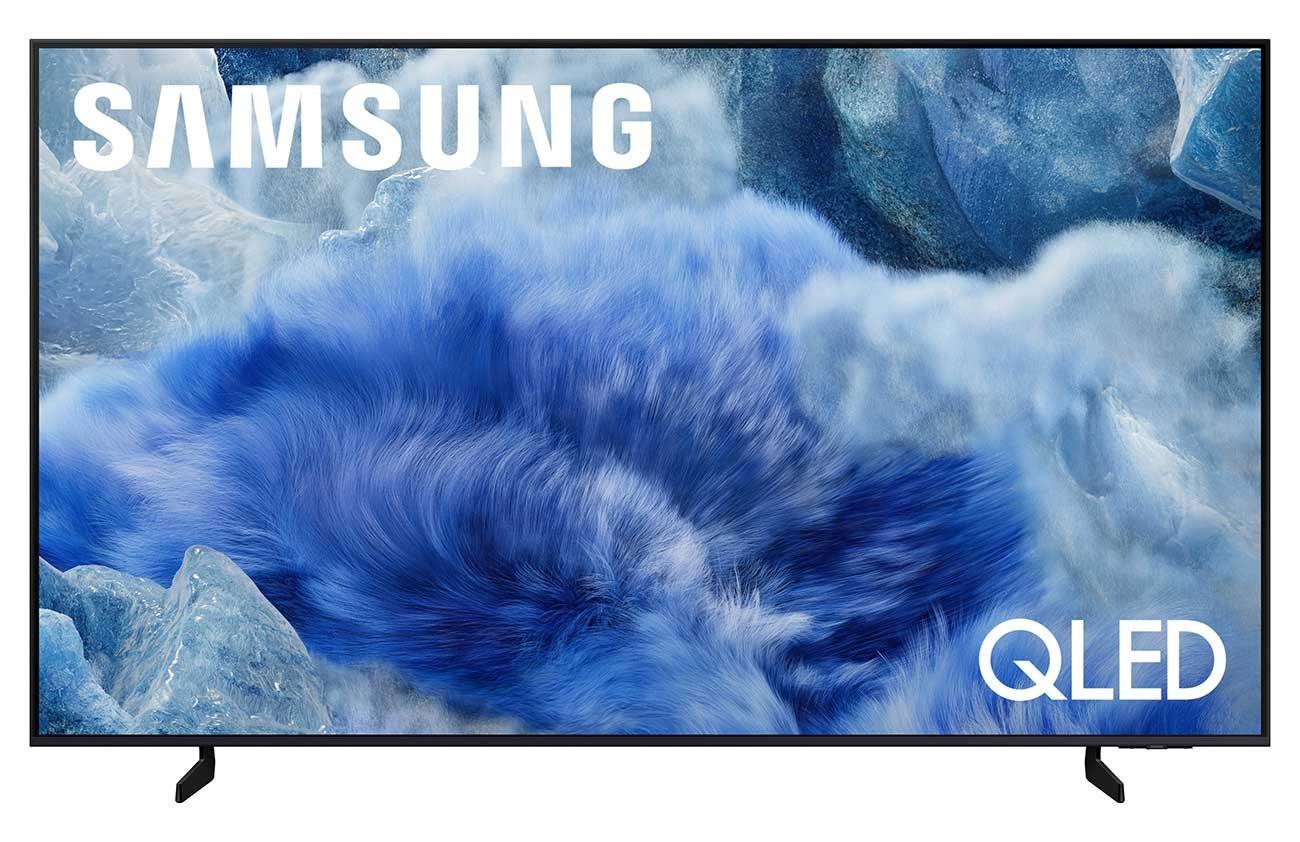
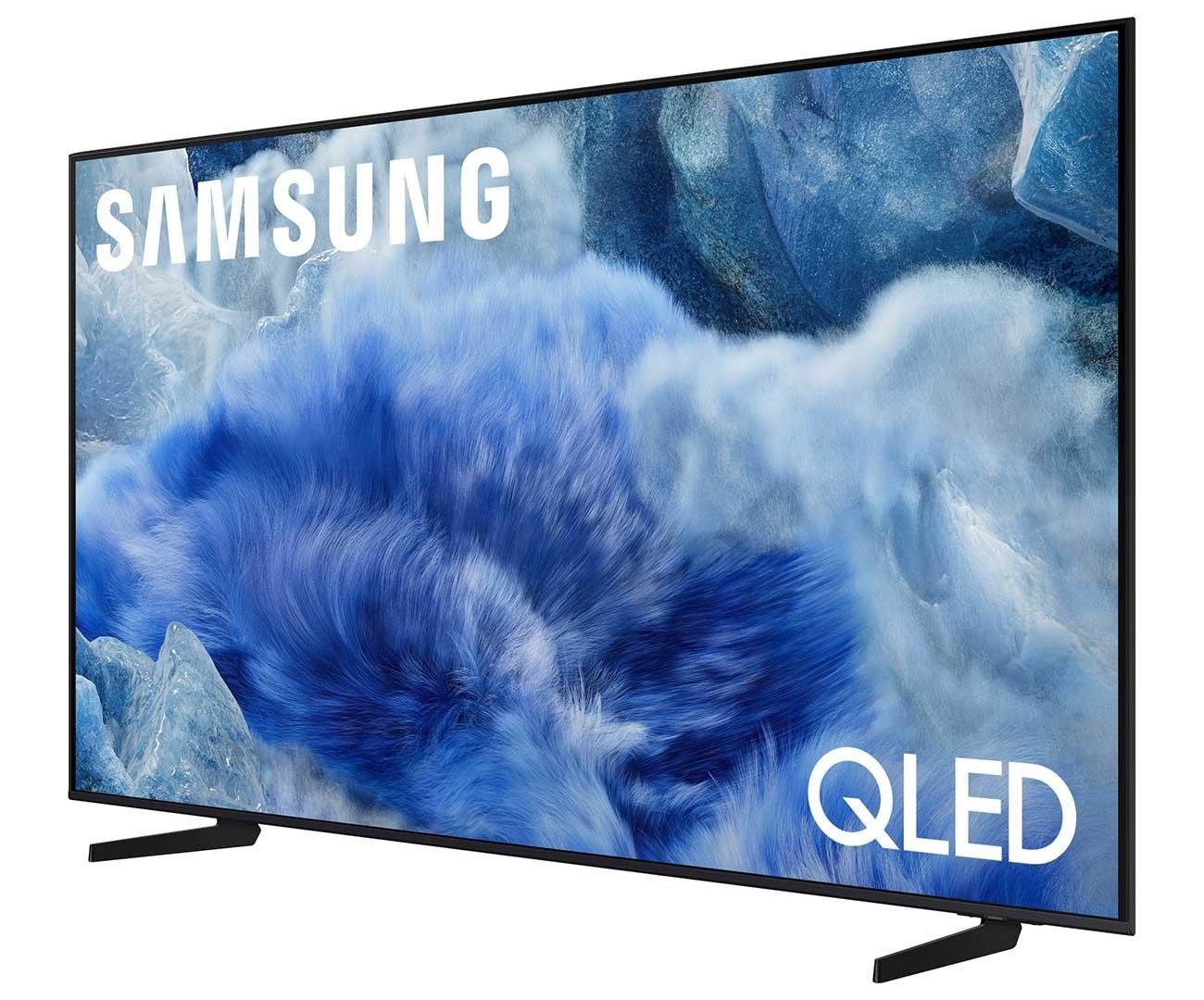
Both models feature Samsung's AirSlim design philosophy, creating remarkably thin profiles that look elegant whether wall-mounted or placed on a stand. The QN8F claims to be "sleeker and slimmer than ever," though the practical difference is likely minimal – we're talking millimeters rather than dramatic visual changes.
When evaluating TV performance, picture quality remains the most critical factor, and both models deliver impressive results through different approaches. The fundamental display specifications are nearly identical: both feature 65-inch QLED panels with 4K resolution (3,840 x 2,160 pixels), 120Hz refresh rates expandable to 144Hz for gaming, and support for Quantum HDR+ and HDR10+ standards.
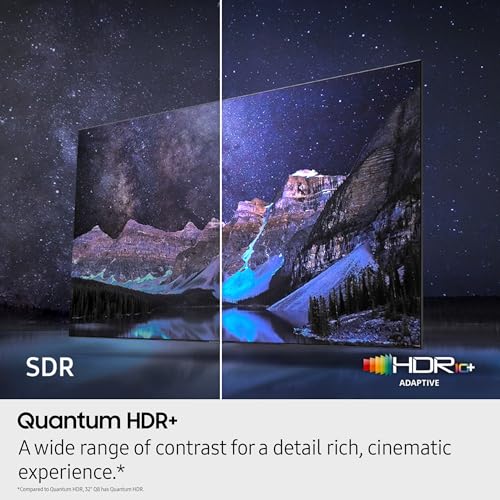
HDR (High Dynamic Range) deserves explanation because it's become a crucial differentiator in modern TVs. Traditional video content captures a limited range of brightness levels, like trying to recreate a sunset using only half your paint palette. HDR expands this range dramatically, allowing TVs to display much brighter highlights and deeper shadows simultaneously. The result is more realistic images that better match what your eyes see in real life.
Both the Q8F and QN8F support HDR10+ (note the plus), which is Samsung's preferred HDR format. Unlike basic HDR10, HDR10+ includes dynamic metadata – essentially instructions that tell the TV how to optimize each scene individually rather than applying the same settings to an entire movie. This scene-by-scene optimization can make the difference between a movie that looks good and one that looks spectacular.
However, the QN8F leverages its Vision AI to take HDR optimization further. While both TVs can process the HDR10+ metadata, the QN8F adds another layer of intelligence by considering your viewing environment and personal preferences. If you prefer slightly warmer color temperatures or tend to watch in brighter rooms, the AI learns these patterns and adjusts accordingly.
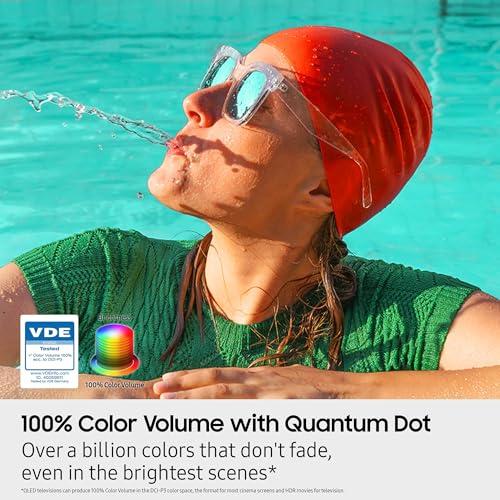
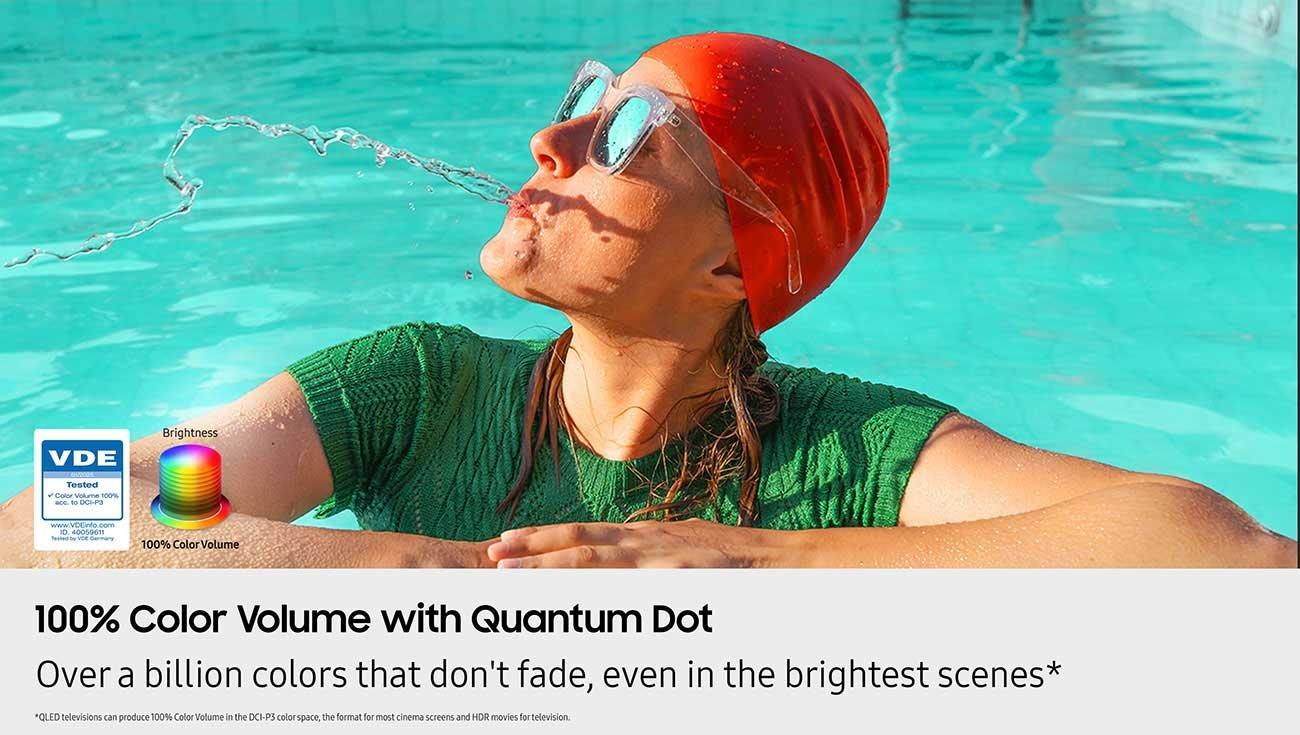
Color performance is where QLED technology truly shines, and both models achieve what Samsung calls "100% Color Volume." This technical specification means the TV can reproduce the full range of colors at any brightness level – a significant advantage over traditional LED TVs that often lose color saturation as images get brighter or darker. In practical terms, this translates to more vibrant sunsets, more accurate skin tones, and better overall color consistency across different types of content.
The quantum dots responsible for this performance are certified cadmium-free, addressing environmental concerns while maintaining color accuracy. These microscopic particles are incredibly precise – each one is tuned to emit light at specific wavelengths, creating colors that are both vivid and accurate to the original source material.
Both TVs use Dual LED backlighting, which combines warm and cool LED temperatures to improve overall color accuracy and contrast. This isn't as advanced as full-array local dimming (where hundreds of LED zones can be controlled independently), but it provides better performance than basic edge-lit designs found in budget TVs.
Television audio has historically been an afterthought, but both Samsung models make genuine efforts to deliver quality sound without requiring immediate soundbar purchases. Each TV features 20-watt, 2-channel speakers enhanced by Object Tracking Sound Lite (OTS Lite) and Adaptive Sound+ processing.
OTS Lite attempts to create spatial audio by directing sound effects to match on-screen action. When a car drives from left to right across the screen, the audio follows that movement, creating a more immersive experience than traditional center-mounted speakers. It's not surround sound, but it's a noticeable improvement over basic TV audio.
Adaptive Sound+ analyzes audio content in real-time and adjusts the sound profile accordingly. Dialog-heavy scenes get different treatment than action sequences, with the system automatically boosting speech clarity during conversations and enhancing dynamic range during explosive scenes.
The QN8F gains an advantage here through its Vision AI integration, which provides more sophisticated content analysis for audio optimization. The system can distinguish between different types of content more accurately, leading to better automatic adjustments for everything from whispered conversations to orchestral crescendos.
Both TVs support Q-Symphony, Samsung's technology that allows the TV speakers to work in harmony with compatible Samsung soundbars rather than being muted when external audio is connected. This creates a fuller soundscape by using every available driver in your setup.
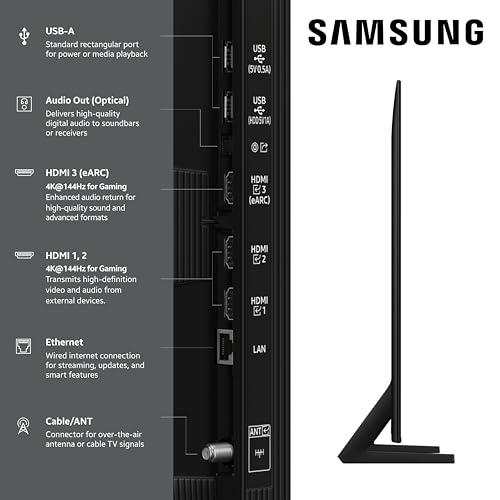
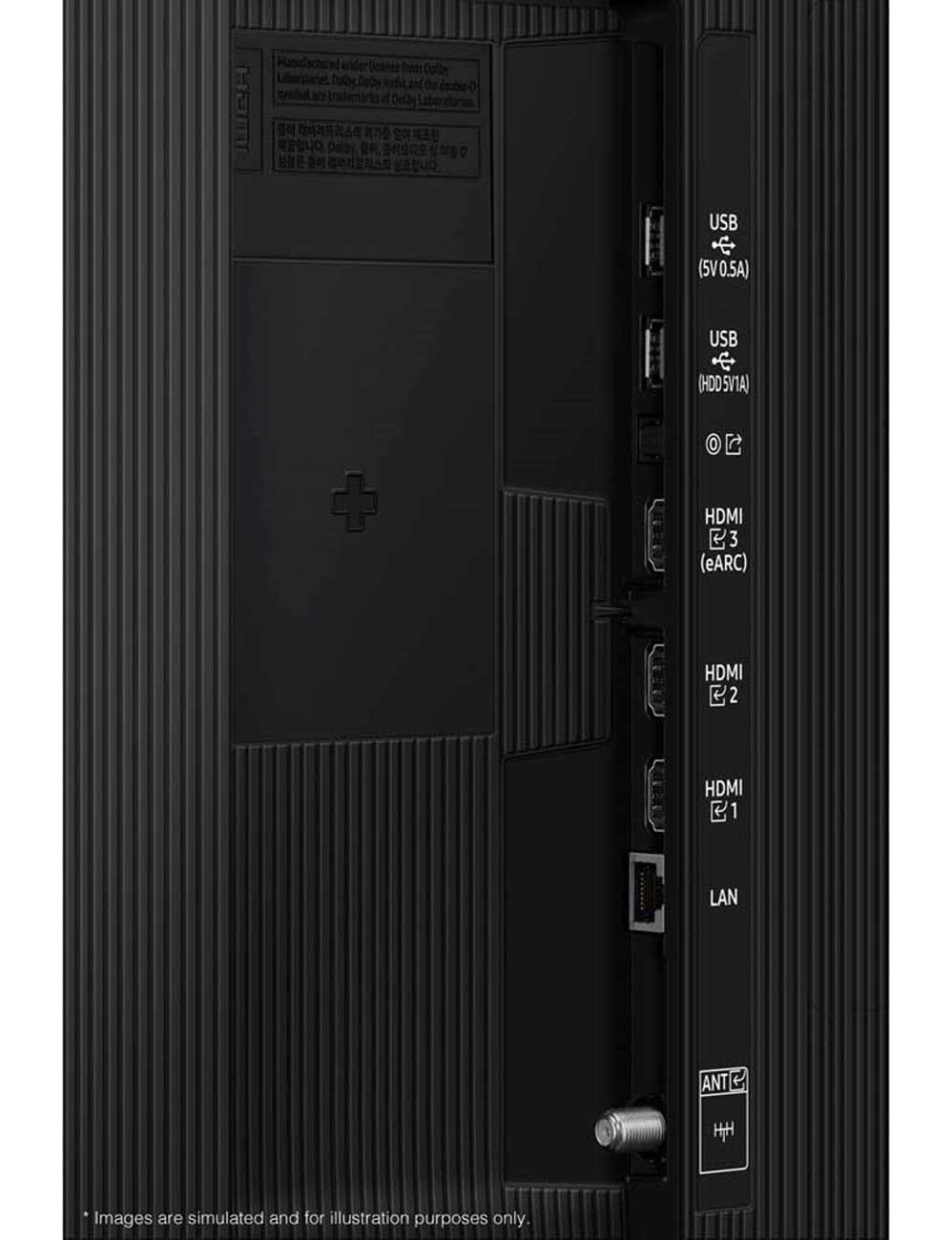
For home theater enthusiasts, both models include eARC (enhanced Audio Return Channel) support through one of their HDMI ports. This allows high-quality audio formats like Dolby Atmos to pass through to compatible sound systems without quality loss – crucial for serious audio setups.
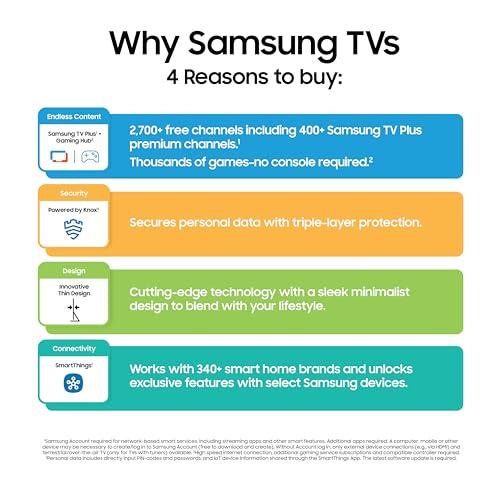
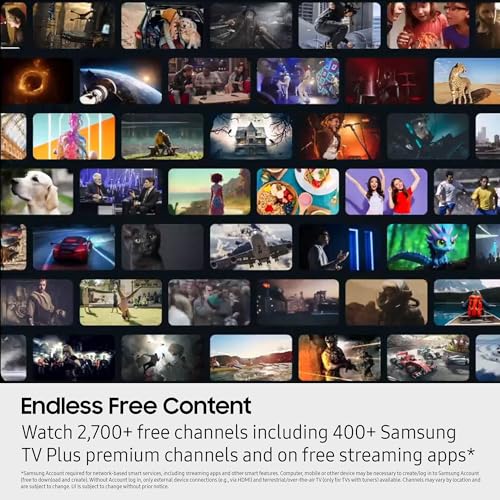
The smart TV experience has become almost as important as picture quality, and this is where the fundamental difference between these models becomes most apparent. Both run Samsung's Tizen operating system, which provides access to major streaming services, Samsung's free TV Plus channels, and various apps.
The Q8F delivers a traditional but polished smart TV experience. Tizen is responsive, well-organized, and integrates smoothly with other Samsung devices through SmartThings Hub functionality. The TV can act as a central hub for smart home devices, controlling everything from lights to thermostats through Samsung's ecosystem.
Voice control comes through Bixby, Samsung's digital assistant, with far-field microphones that can hear commands from across the room. While Bixby isn't as widely adopted as Alexa or Google Assistant, it handles TV-specific commands well and integrates thoroughly with Samsung's ecosystem.
The QN8F builds on this foundation with Vision AI, which transforms the user experience from reactive to proactive. Instead of waiting for you to navigate menus and select content, the system learns your preferences and makes intelligent suggestions. It might surface action movies on Friday nights or documentaries on Sunday afternoons based on your viewing patterns.
Vision AI also enables more sophisticated voice interactions. Rather than requiring specific command phrases, the system can understand natural language and context better than traditional voice controls. You might say "find something funny" instead of "search for comedy movies," and the system understands the intent.
Both TVs feature Multi-View capabilities, allowing simultaneous display of two different sources – useful for watching sports while keeping an eye on social media or following multiple games simultaneously. The implementation supports various combinations of inputs, from streaming apps to external devices.
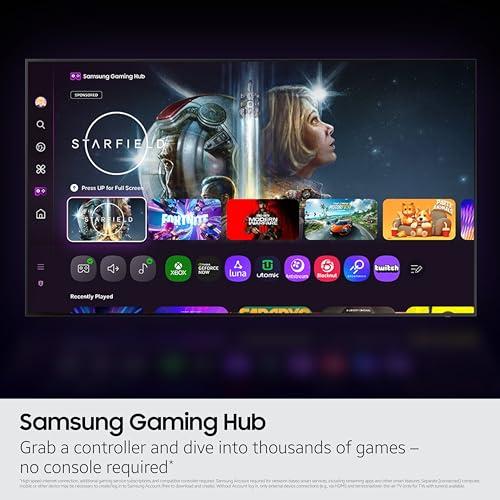
Gaming has become a crucial consideration for modern TV buyers, especially with PlayStation 5 and Xbox Series X pushing the boundaries of console performance. Both Samsung models deliver solid gaming experiences with identical core specifications: 120Hz refresh rates, Variable Refresh Rate (VRR) support, and Auto Low Latency Mode (ALLM).
VRR deserves particular attention because it solves a longstanding problem in console gaming. When a game's frame rate fluctuates – dropping from 60 to 45 frames per second during intensive scenes – traditional TVs continue refreshing at their fixed rate, causing visual stuttering or tearing. VRR allows the TV's refresh rate to sync with the console's output, maintaining smooth motion regardless of frame rate variations.
ALLM automatically switches the TV to Game Mode when it detects a gaming console, reducing input lag (the delay between pressing a button and seeing the response on screen) from potentially 100+ milliseconds to around 10-15 milliseconds. This difference is imperceptible for movie watching but crucial for competitive gaming where split-second reactions matter.
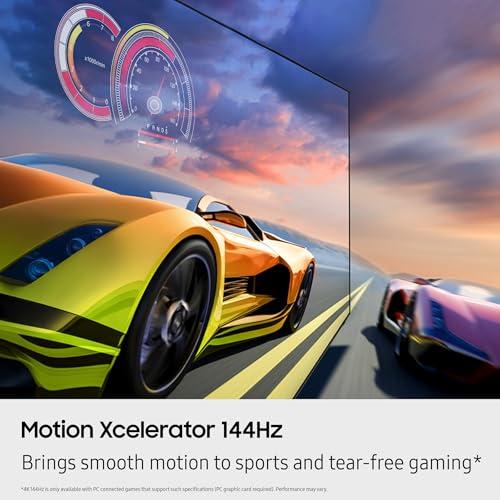
Motion Xcelerator 144Hz represents both TVs' ability to handle high frame rate gaming, though few current console games actually output at these extreme refresh rates. This feature is more relevant for PC gaming or future console generations that might push beyond current 120Hz limits.
Both models include gaming-specific picture enhancements like Game Motion Plus, which reduces motion blur during fast-paced action, and support for features like Super Ultra Wide Game View and Mini Map Zoom for supported games.
The QN8F doesn't offer significant gaming advantages over the Q8F – Vision AI's benefits are primarily focused on video content rather than interactive gaming experiences.
At the time of writing, both TVs occupy different price points within Samsung's 2025 lineup, with the QN8F commanding a premium for its Vision AI capabilities. The question becomes whether these AI features justify the additional cost for your specific needs and preferences.
The Q8F represents excellent value for buyers focused on core performance metrics: picture quality, brightness, color accuracy, and smart TV functionality. It delivers the essential QLED experience without additional complexity, making it ideal for users who prefer manual control over their viewing experience or simply don't need AI-powered personalization.
For home theater enthusiasts, the Q8F provides all the technical capabilities needed for an immersive viewing experience: proper HDR support, accurate colors, adequate brightness for both dark and bright room viewing, and comprehensive connectivity options. The money saved versus the QN8F could be invested in a quality soundbar or other home theater components.
The QN8F targets users who value convenience and personalization above pure technical specifications. If you frequently struggle with picture settings or enjoy discovering new content through intelligent recommendations, the Vision AI features provide genuine utility. The system's ability to adapt to different users and viewing scenarios makes it particularly appealing for households with varied preferences.
Both TVs face competition from other manufacturers, particularly TCL's Mini-LED offerings and LG's OLED displays. Against Mini-LED competitors, both Samsung models offer superior brightness and vibrant colors but may fall behind in contrast performance and blooming control. Compared to OLED TVs, both provide better brightness for well-lit rooms but can't match OLED's perfect black levels and infinite contrast ratios.
Choose the Q8F if you prioritize proven performance and value. This TV delivers excellent picture quality, comprehensive smart features, and solid gaming performance without the complexity or cost of AI integration. It's perfect for users who know what they want from their TV and prefer direct control over automated optimization.
The Q8F also makes sense for dedicated home theater setups where you'll likely calibrate picture settings manually and may prefer consistent performance over adaptive changes.
Opt for the QN8F if you're interested in Samsung's vision of intelligent television and don't mind paying extra for cutting-edge features. The Vision AI capabilities provide genuine benefits for users who want their TV to learn and adapt to their preferences automatically.
The QN8F is particularly appealing for households with multiple users who have different viewing preferences, as the AI can potentially optimize settings for different family members and viewing scenarios.
Both TVs represent solid choices within Samsung's 2025 lineup, delivering the vibrant colors and high brightness that make QLED technology appealing. Your decision should ultimately depend on whether you value AI-powered personalization enough to pay the premium, or if you prefer the straightforward excellence and value proposition of the Q8F.
For most buyers focused on picture quality and overall performance, the Q8F provides everything needed for an excellent viewing experience. But for those excited about the future of smart TV technology and willing to invest in emerging AI capabilities, the QN8F offers a glimpse into what television watching might become.
| Samsung 65" QLED Q8F 4K Smart TV 2025 | Samsung 65" QN8F Series QLED 4K Vision AI Smart TV 2025 |
|---|---|
| AI Features - Key differentiator between these models | |
| Standard Q4 AI Processor with basic upscaling | Vision AI integration for personalized viewing and content optimization |
| Smart TV Experience - How the TV learns and adapts to your preferences | |
| Traditional Tizen OS with manual adjustments | AI-powered personalization that adapts to viewing habits and room conditions |
| Picture Processing - Both use same core engine but AI implementation differs | |
| Q4 AI Processor with standard scene optimization | Q4 AI Processor enhanced by Vision AI for more sophisticated content analysis |
| Content Discovery - How you find new shows and movies | |
| Standard app interface and basic recommendations | AI-powered content suggestions based on viewing patterns and preferences |
| Voice Control - Convenience for hands-free operation | |
| Standard Bixby voice assistant | Enhanced Bixby with better natural language understanding through AI |
| Display Technology - Core picture quality specs are identical | |
| 65" QLED, 4K, 120Hz, Quantum Dot, HDR10+ | 65" QLED, 4K, 120Hz, Quantum Dot, HDR10+ (same panel technology) |
| Audio Performance - Both feature identical speaker hardware | |
| 20W 2CH, OTS Lite, Adaptive Sound+ | 20W 2CH, OTS Lite, Adaptive Sound+ with AI-enhanced optimization |
| Gaming Features - Next-gen console compatibility is identical | |
| VRR, ALLM, 144Hz support, Game Mode | VRR, ALLM, 144Hz support, Game Mode (no gaming advantage for Vision AI) |
| Design Philosophy - Both use Samsung's latest aesthetic approach | |
| AirSlim profile with minimalist design | AirSlim profile marketed as "sleeker than ever" (minimal practical difference) |
| Future-Proofing - Consideration for long-term software updates | |
| Standard smart TV with established feature set | Vision AI represents Samsung's next-generation TV technology direction |
| Best For - Who should choose each model | |
| Value-focused buyers wanting excellent QLED performance without AI complexity | Tech enthusiasts interested in AI-enhanced viewing and personalized experiences |
The primary difference is that the Samsung QN8F Series includes Vision AI technology for personalized viewing experiences, while the Samsung Q8F focuses on core QLED performance without AI integration. Both use the same Q4 AI Processor and display technology, but the QN8F adds intelligent content optimization and learning capabilities.
Both the Samsung Q8F and QN8F Series use identical display specifications: 65-inch QLED panels, 4K resolution, 120Hz refresh rates, and Quantum Dot technology. The picture quality hardware is the same, but the QN8F uses Vision AI to automatically optimize settings based on content and viewing conditions, potentially delivering better results without manual adjustment.
Yes, both the Samsung Q8F and QN8F Series offer identical gaming features including Variable Refresh Rate (VRR), Auto Low Latency Mode (ALLM), and 120Hz support. Both TVs are fully compatible with next-generation gaming consoles and provide the same gaming performance.
Both the Samsung Q8F and QN8F Series use the same QLED technology with high brightness output, making them equally suitable for bright rooms. QLED displays excel in well-lit environments compared to OLED TVs. The QN8F may have a slight advantage through its Vision AI adapting to room lighting conditions automatically.
The Vision AI in the Samsung QN8F Series provides value if you want personalized content recommendations, automatic picture optimization, and adaptive settings based on viewing habits. If you prefer manual control and don't need AI features, the Samsung Q8F delivers the same core QLED performance at a lower price point.
Both TVs run Samsung's Tizen operating system with access to streaming apps and SmartThings integration. The QN8F Series adds Vision AI for more intelligent content discovery and personalized recommendations, while the Samsung Q8F provides traditional smart TV functionality without AI learning capabilities.
Yes, both the Samsung Q8F and QN8F Series feature identical 20W 2-channel speakers with Object Tracking Sound Lite and Adaptive Sound+ processing. The QN8F may provide slightly better audio optimization through Vision AI analyzing content for more precise sound adjustments.
For dedicated home theaters where you'll calibrate settings manually and use external audio equipment, the Samsung Q8F provides excellent performance and better value. The QN8F Series offers convenience through AI optimization, but serious home theater enthusiasts often prefer manual control over automatic adjustments.
Both the Samsung Q8F and QN8F Series support HDR10+ and Quantum HDR+ for enhanced dynamic range. They use identical HDR processing capabilities, though the QN8F may optimize HDR content more intelligently through Vision AI analyzing each scene.
The Samsung QN8F Series represents Samsung's direction toward AI-integrated televisions and may receive more advanced software updates over time. However, both TVs have the same hardware specifications and should remain relevant for similar timeframes. The Samsung Q8F focuses on proven technology that won't become obsolete.
Yes, both the Samsung Q8F and QN8F Series include Bixby voice assistant with far-field microphones for hands-free control. The QN8F offers enhanced voice interaction through Vision AI, providing better natural language understanding and more conversational responses.
The Samsung Q8F typically offers better value for buyers focused on core performance, delivering excellent QLED picture quality, gaming features, and smart functionality without paying extra for AI capabilities. The QN8F Series provides better value for users who want cutting-edge AI features and personalized viewing experiences.
We've done our best to create useful and informative comparisons to help you decide what product to buy. Our research uses advanced automated methods to create this comparison and perfection is not possible - please contact us for corrections or questions. These are the sites we've researched in the creation of this article: bestbuy.com - rtings.com - tomsguide.com - youtube.com - samsung.com - youtube.com - youtube.com - youtube.com - rtings.com - rtings.com - linqcdn.avbportal.com - bestbuy.com - samsung.com - samsung.com - samsung.com - youtube.com - youtube.com - billsmith.com - samsung.com - samsung.com - samsung.com - hometechnologyreview.com - shopjetson.com - certappl.com - samsung.com - theapplianceplug.com - samsung.com - manuals.plus - bestbuy.com - device.report - samsung.com - shopsilica.com - dentonstv.com - youtube.com - samsung.com - pcrichard.com - abt.com - images.samsung.com - cnet.com - news.samsung.com - samsung.com - bestbuy.com

Privacy Policy
Terms and Conditions - Affiliate Policy
Home Security
© Copyright 2008-2026.
11816 Inwood Rd #1211, Dallas, TX 75244