

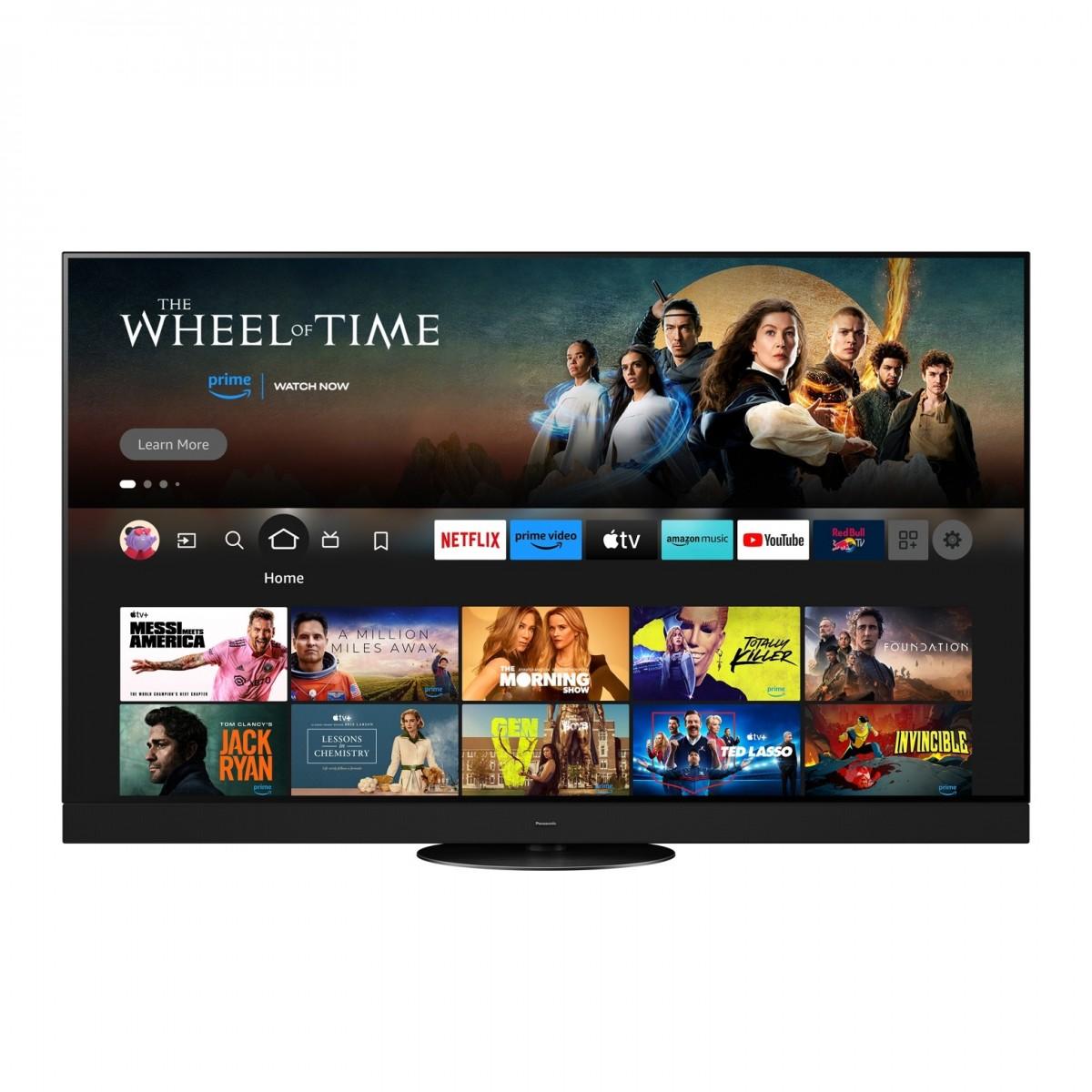
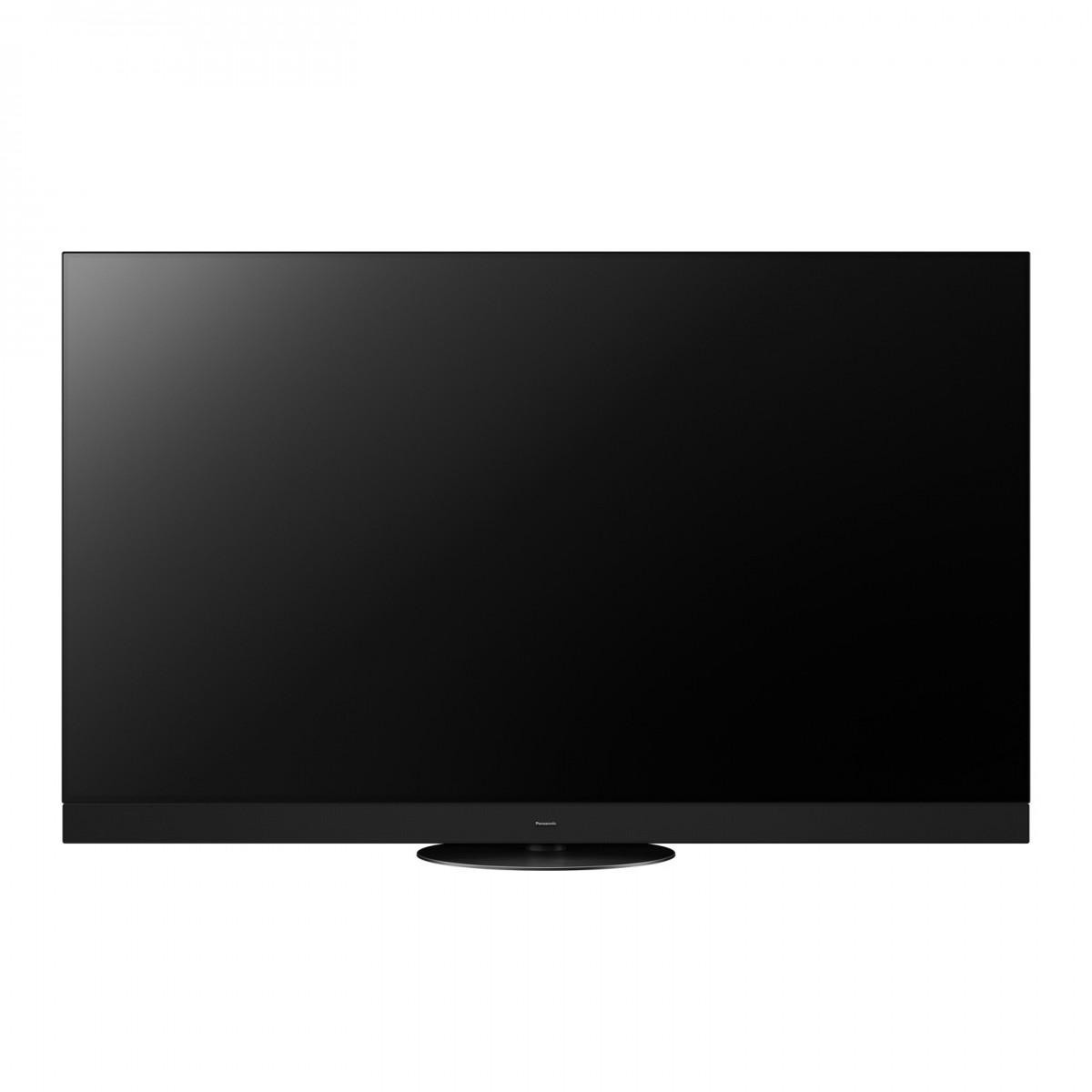
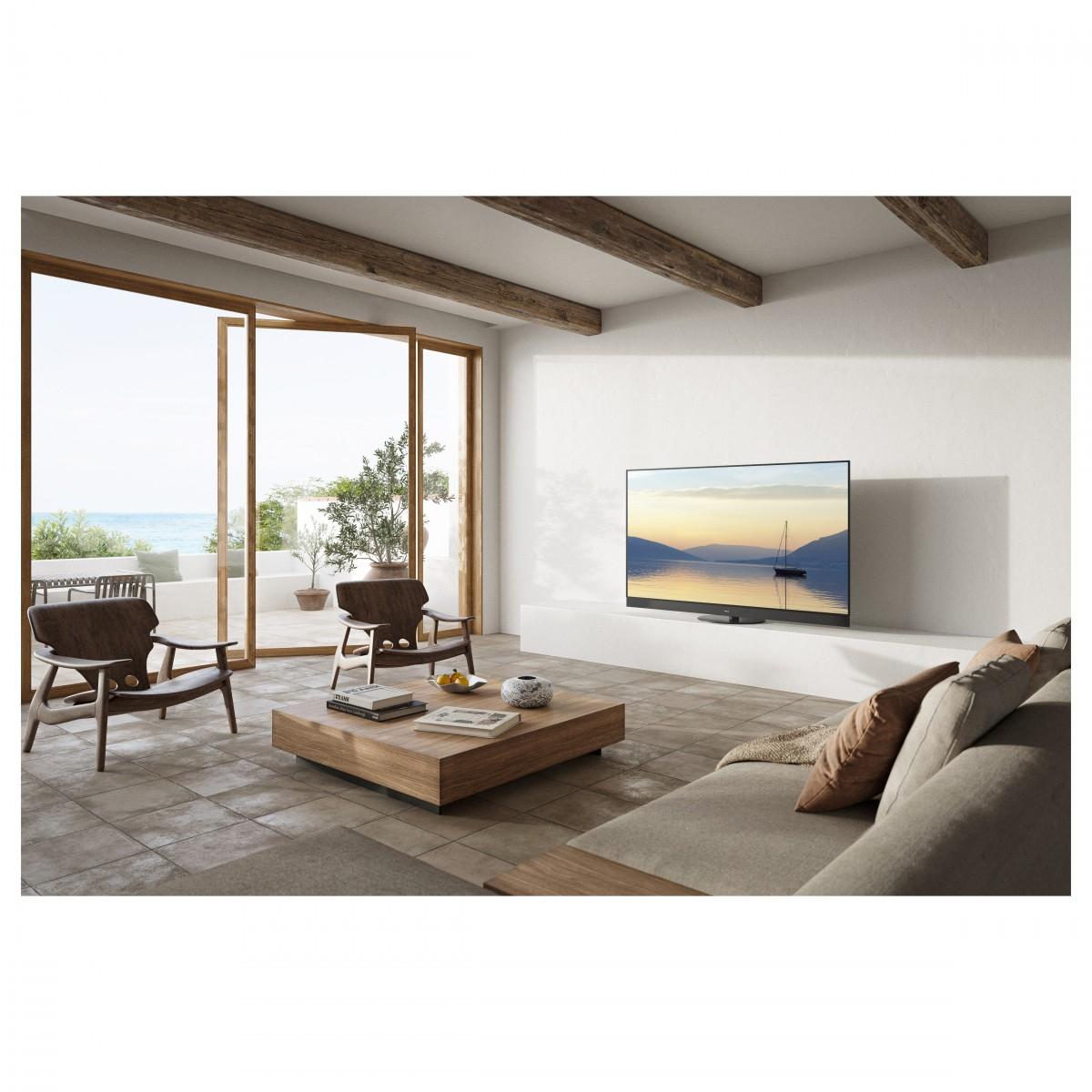
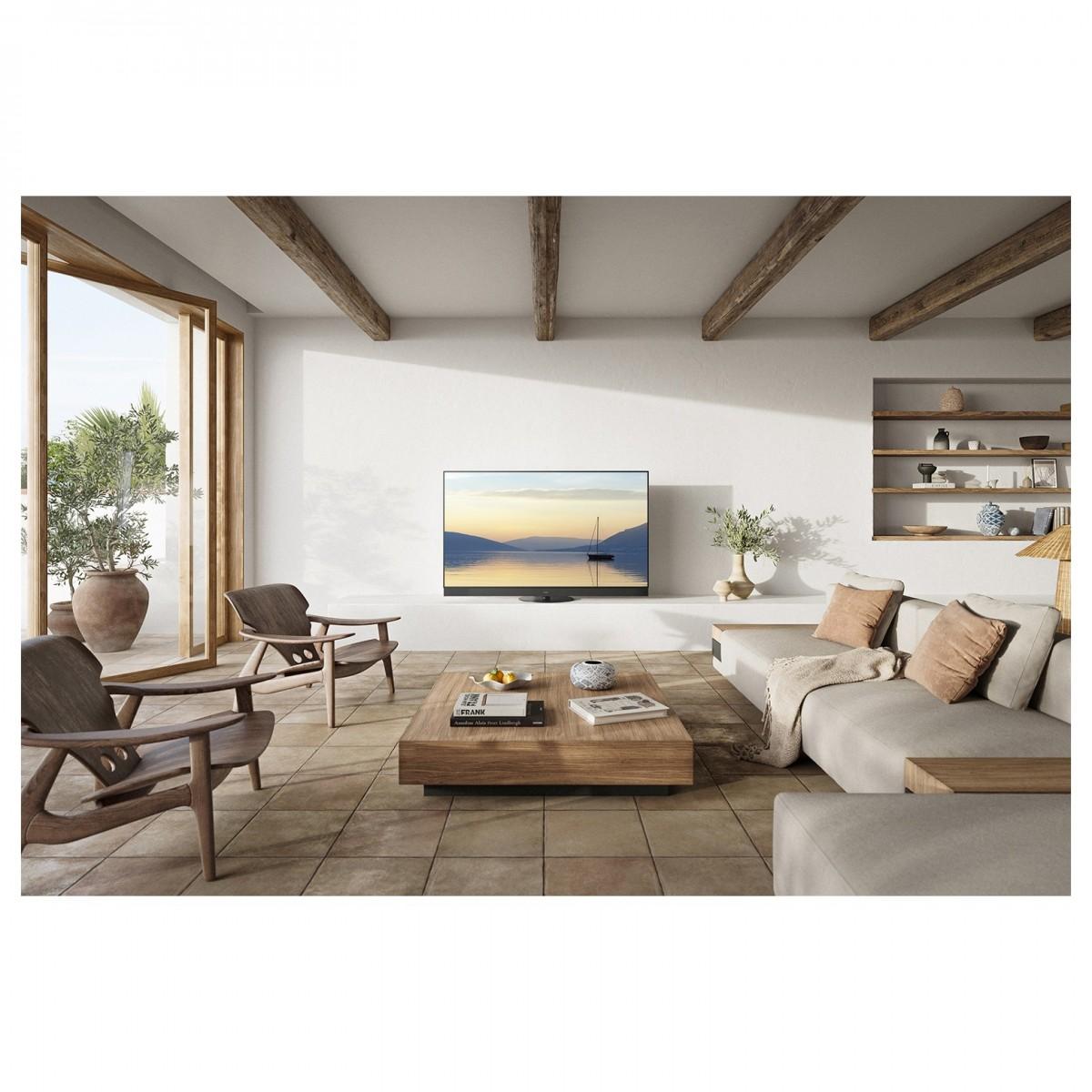
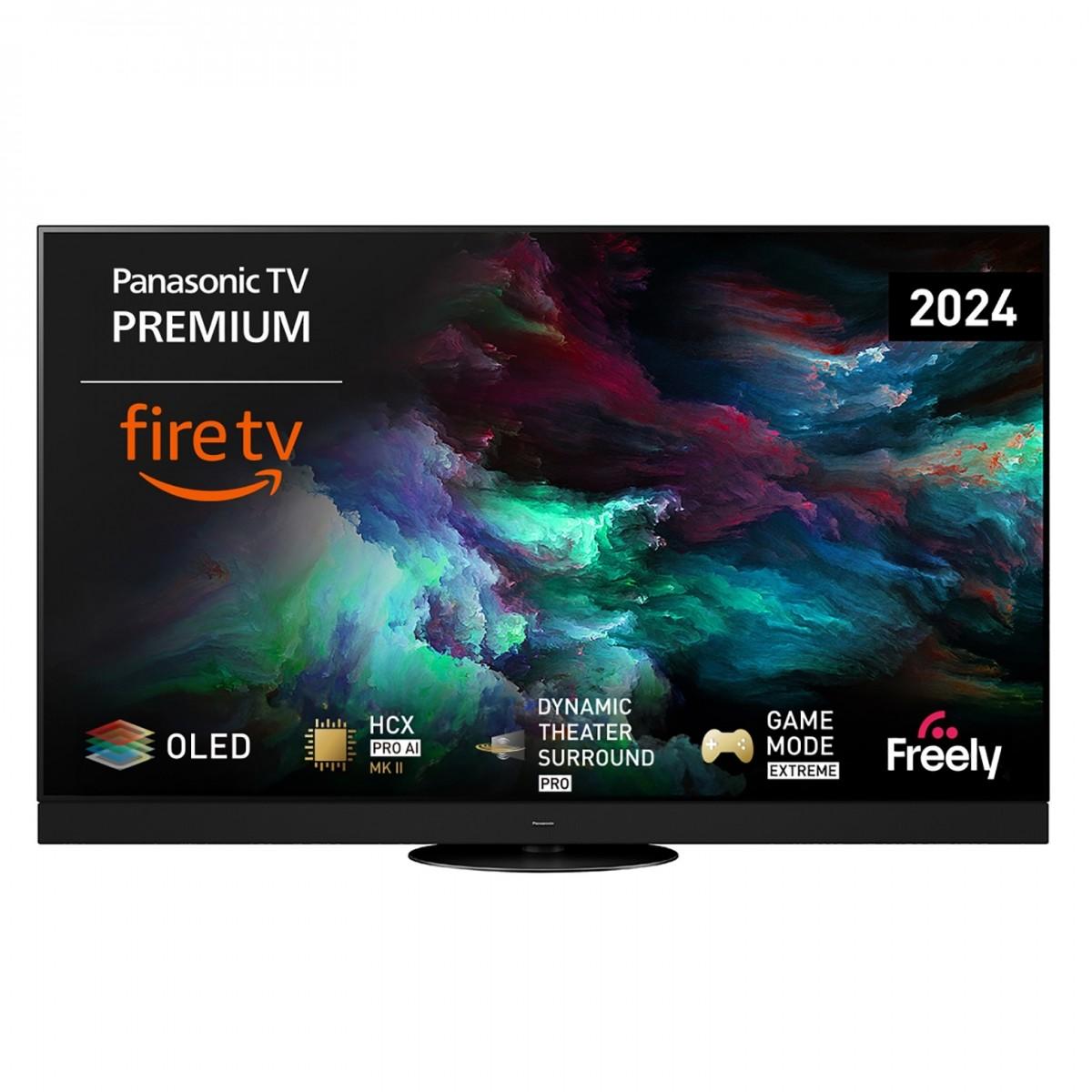
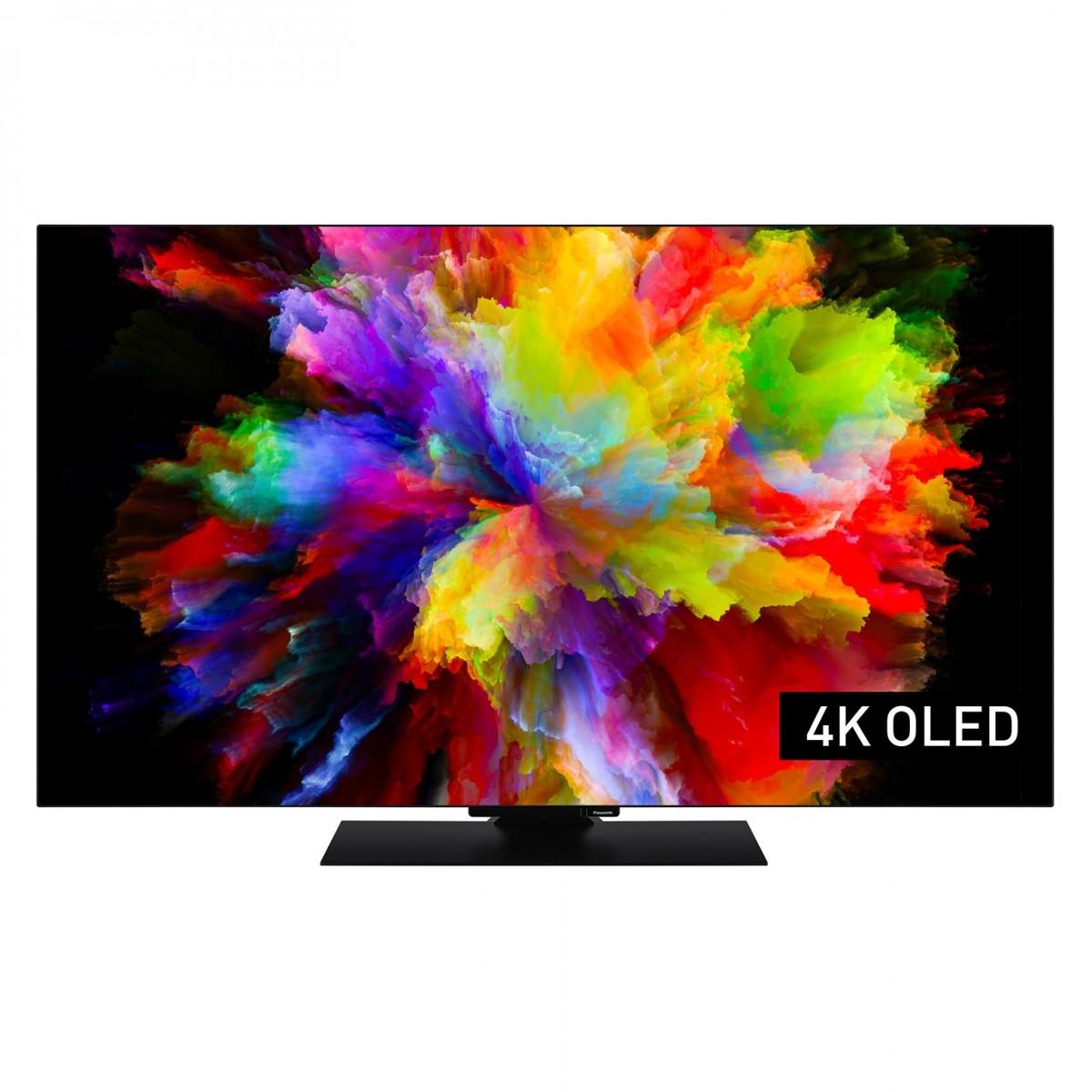
The TV market has split into two camps, each claiming to offer the ultimate viewing experience. On one side, Samsung's QLED technology promises vibrant colors and incredible brightness. On the other, OLED displays like Panasonic's Z95A deliver perfect blacks and infinite contrast. But which approach actually makes sense for your living room?
After diving deep into specifications, user reviews, and expert analyses, the choice between the Samsung Q8F and Panasonic Z95A comes down to more than just display technology. It's about understanding how you watch TV, where you watch it, and what matters most in your viewing experience.
Before we compare these specific models, it's crucial to understand what QLED and OLED actually mean—and why this distinction matters so much.
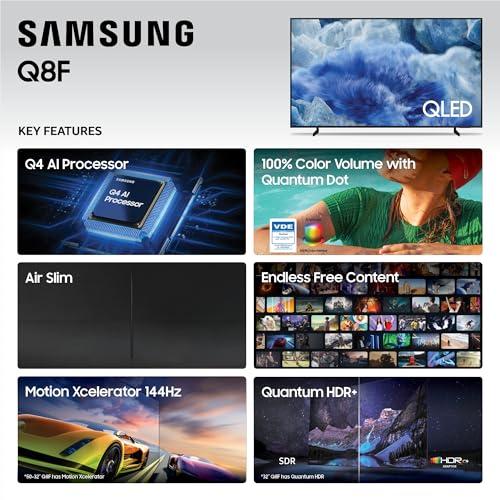
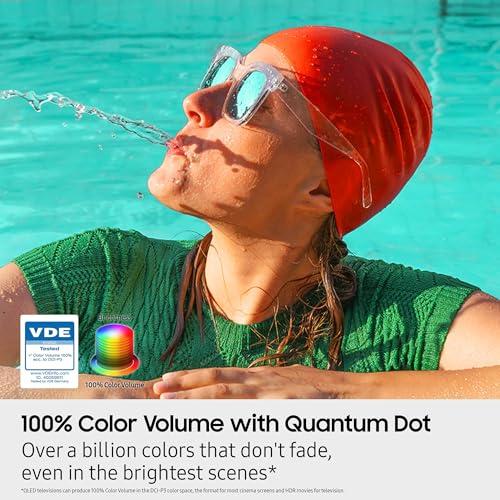
QLED (Quantum Dot Light Emitting Diode) technology, used in the Samsung Q8F, starts with traditional LED backlights but adds a quantum dot layer. Think of quantum dots as microscopic particles that, when hit by blue LED light, emit precise colors. This creates what Samsung calls "100% color volume"—the ability to produce vivid colors at any brightness level. The quantum dots in Samsung's 2025 models are cadmium-free, addressing environmental concerns while maintaining color performance.
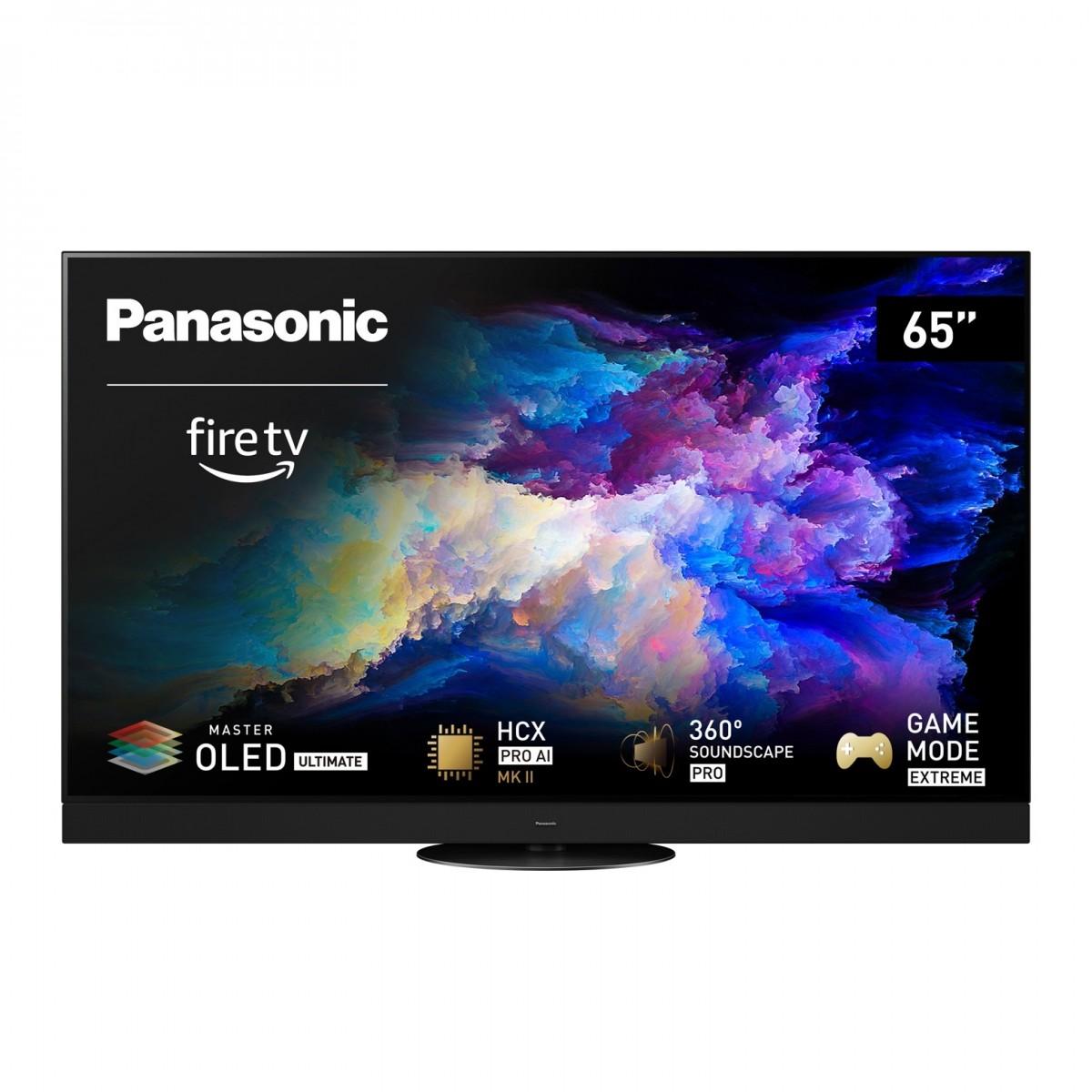
OLED (Organic Light Emitting Diode) technology in the Panasonic Z95A works completely differently. Each pixel contains organic compounds that light up when electricity passes through them. This means each of the 8.3 million pixels can turn completely on or completely off independently. When a pixel turns off, you get true black—not the dark gray you see when LED backlights dim but can't fully shut off.
The Panasonic Z95A, released in 2024, represents Panasonic's return to the U.S. market after years of focusing on international markets. It uses LG Display's advanced WOLED panel with Micro Lens Array (MLA) technology—a breakthrough that addresses OLED's traditional weakness with brightness by adding a layer of microscopic lenses that focus light more efficiently.
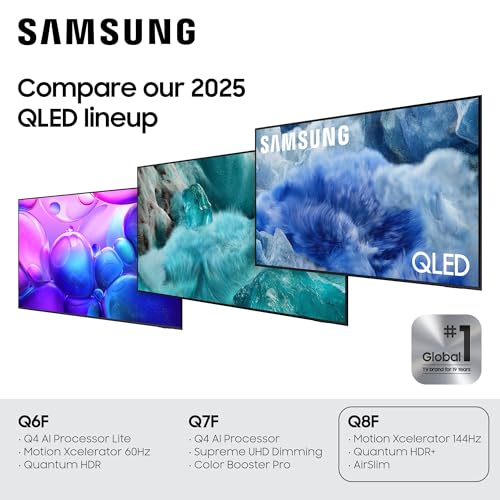
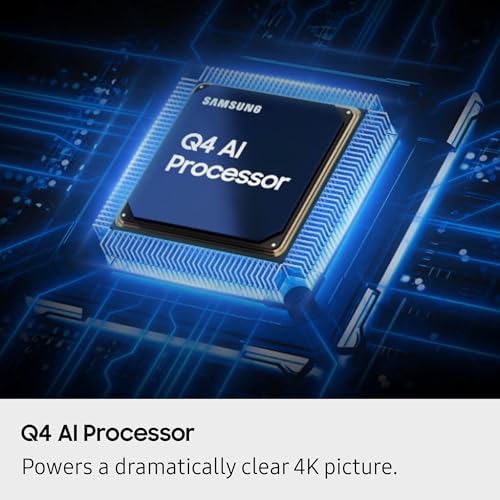
Meanwhile, Samsung's Q8F, launched in 2025, sits in the company's mid-to-upper QLED tier. It incorporates Samsung's latest Q4 AI Processor and represents the current sweet spot in their QLED lineup, offering many flagship features at a more accessible price point.
This is where the fundamental technology differences become most apparent. The Samsung Q8F can push peak brightness levels that traditionally embarrass OLED displays, reaching 400-600 nits in typical viewing and potentially higher in specific HDR highlights. This matters enormously if your TV sits in a bright living room with large windows. The quantum dot layer maintains color accuracy even at these high brightness levels, something that impressed us in our research of user experiences.
However, the Panasonic Z95A changes the OLED brightness game entirely. Thanks to that Micro Lens Array technology, it achieves 600-800 nits peak brightness—exceptional performance that puts it in territory typically reserved for premium mini-LED displays. The MLA layer essentially acts like thousands of tiny magnifying glasses, focusing the light each pixel produces more efficiently forward toward your eyes rather than letting it scatter.
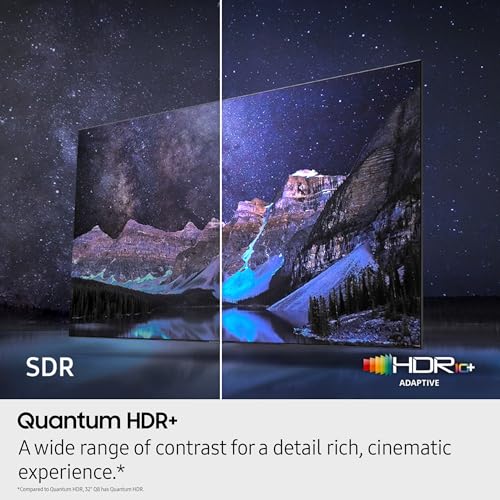
For HDR (High Dynamic Range) content, both TVs excel but in different ways. The Samsung Q8F supports HDR10+ Adaptive, which dynamically adjusts tone mapping scene by scene, and Samsung's Quantum HDR+ processing. However, it notably lacks Dolby Vision support—a limitation that becomes apparent when streaming from Netflix, Disney+, or Apple TV+, where Dolby Vision content is increasingly common.
The Panasonic Z95A offers complete HDR format support, including Dolby Vision IQ, which uses ambient light sensors to optimize HDR presentation based on your room's lighting conditions. This feature works remarkably well according to expert reviews—automatically brightening darker scenes when you're watching in a bright room, or preserving the director's intended darkness when you dim the lights for movie night.
Here's where OLED technology shows its fundamental advantage. The Panasonic Z95A delivers infinite contrast ratio because its pixels can turn completely off. When you're watching a space scene with stars against the black void, those black areas are truly black—not the slightly gray appearance you get from LED backlights that can never fully turn off.
The Samsung Q8F uses edge-lit LED backlighting with what Samsung calls "Supreme UHD Dimming." This divides the screen into zones that can dim independently, but it's still a compromise. You might notice some "blooming"—where bright objects create a subtle halo effect against dark backgrounds. It's not terrible, and many users adapt quickly, but it's noticeable if you're sensitive to these details.
This contrast difference becomes most apparent during movie nights. Dark scenes in films like "Dune" or "The Batman" reveal details in shadows that simply disappear when LED backlights can't get dark enough. Based on our research into user experiences, this is often the decisive factor for movie enthusiasts choosing OLED.
Both TVs approach color differently, and both have merit. The Samsung Q8F uses its Q4 AI Processor to analyze content in real-time, optimizing colors for impact and vibrancy. Samsung's approach tends toward colors that "pop"—slightly more saturated than what the director originally intended, but often more pleasing to casual viewers.
The quantum dot layer deserves special mention here. Unlike traditional LED TVs that use phosphor coatings, quantum dots can produce incredibly pure colors. Red quantum dots emit only red light, blue ones only blue, creating what Samsung calls "100% color volume." This means colors stay vivid even at high brightness levels.
The Panasonic Z95A takes a more professional approach with its HCX Pro AI Processor MK II. Panasonic has always catered to broadcast professionals and filmmakers, and this shows in their processing philosophy. Colors tend to be more accurate to the original source material—what professionals call "reference quality." The processor includes sophisticated noise reduction and upscaling that particularly benefits streaming content, which often uses heavy compression.
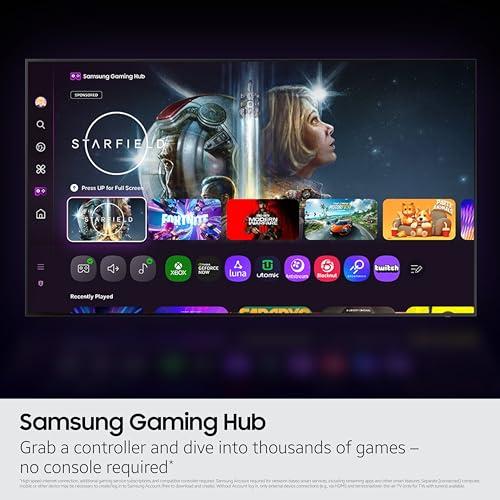
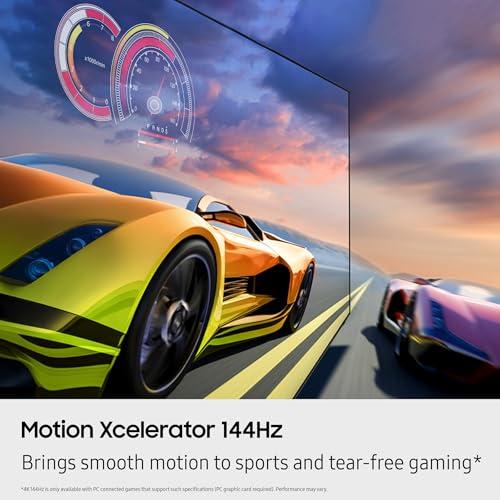
Both TVs support 144Hz refresh rates, crucial for modern gaming, but they implement this differently. The Samsung Q8F includes Motion Xcelerator 144Hz technology that reduces blur during fast-paced gaming. It also offers gaming-specific features like Super Ultra Wide Game View (which stretches 21:9 content) and Mini Map Zoom for competitive gaming.
The Panasonic Z95A leverages OLED's natural advantage: near-instantaneous pixel response time. While both TVs support Variable Refresh Rate (VRR) and Auto Low Latency Mode (ALLM), the OLED's pixel-level control means virtually zero motion blur, even in the fastest gaming scenarios.
Input lag—the delay between pressing a button and seeing the result on screen—is crucial for competitive gaming. Based on expert testing we've reviewed, both TVs perform well here, though the Panasonic Z95A has a slight edge in our research of professional gaming reviews.
For Xbox Series X or PlayStation 5 gaming, both TVs handle 4K at 120Hz admirably. However, the Samsung Q8F includes more gaming-focused AI features that some players appreciate, while the Panasonic Z95A delivers more accurate colors for games with cinematic aspirations.
This category reveals one of the biggest surprises in our research. The Samsung Q8F includes a modest 20W 2-channel speaker system with Object Tracking Sound Lite—decent for basic viewing but clearly designed with the expectation that users will add a soundbar.
The Panasonic Z95A completely flips this assumption. Its 160W 5.1.2-channel speaker system, tuned by Panasonic's audiophile Technics division, delivers what many expert reviews describe as "unprecedented" TV audio. The system includes upward-firing speakers for Dolby Atmos height effects and 360 Soundscape Pro processing.
Based on user reviews we've analyzed, many Panasonic Z95A owners report being genuinely surprised by the built-in audio quality—good enough to delay or eliminate soundbar purchases. This represents significant additional value, especially considering quality Dolby Atmos soundbars can cost $500-1500 alone.
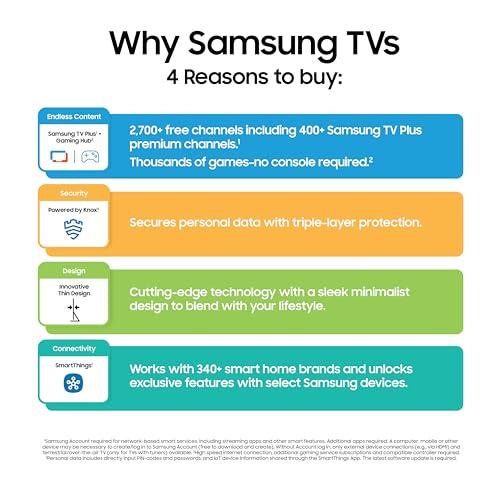
The Samsung Q8F runs Tizen OS with some genuinely innovative AI features. Generative Wallpaper uses artificial intelligence to create unique backgrounds based on keywords you provide—turning your TV into dynamic art when not in use. The Q4 AI Processor continuously optimizes picture and sound settings based on content type and viewing conditions.
Samsung's Adaptive Sound+ analyzes both the content you're watching and your room's acoustics in real-time, adjusting audio accordingly. The TV also serves as a SmartThings Hub, controlling compatible smart home devices directly.
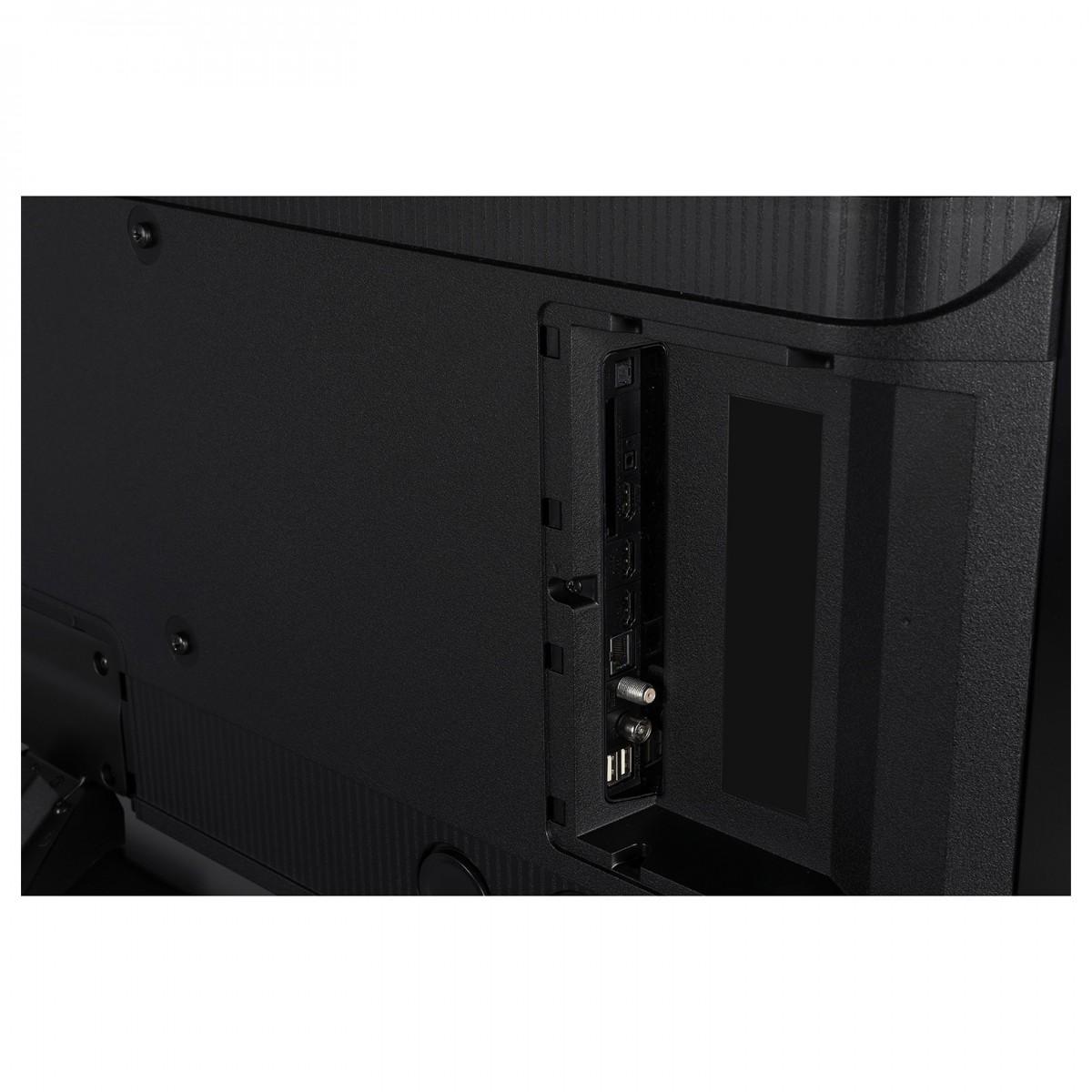
The Panasonic Z95A uses Amazon's Fire TV OS with Alexa integration. While less flashy than Samsung's AI features, Fire TV provides excellent app selection and voice control. The TV includes ATSC 3.0 tuner support—important for future over-the-air 4K broadcasts that are beginning to roll out in major markets.
At the time of writing, these TVs occupy very different price segments. The Samsung Q8F typically costs roughly half what you'd pay for the Panasonic Z95A, making value calculations complex.
The Samsung Q8F delivers what we'd characterize as 80% of premium TV performance at about 45% of flagship pricing. For most users, this represents exceptional value. You get quantum dot color, AI processing, gaming features, and a sleek design without the premium cost.
The Panasonic Z95A justifies its higher pricing through superior picture quality, exceptional built-in audio, and professional-grade processing. However, it's important to note that premium OLED pricing has become more competitive over the past few years, making high-end displays more accessible than historically.
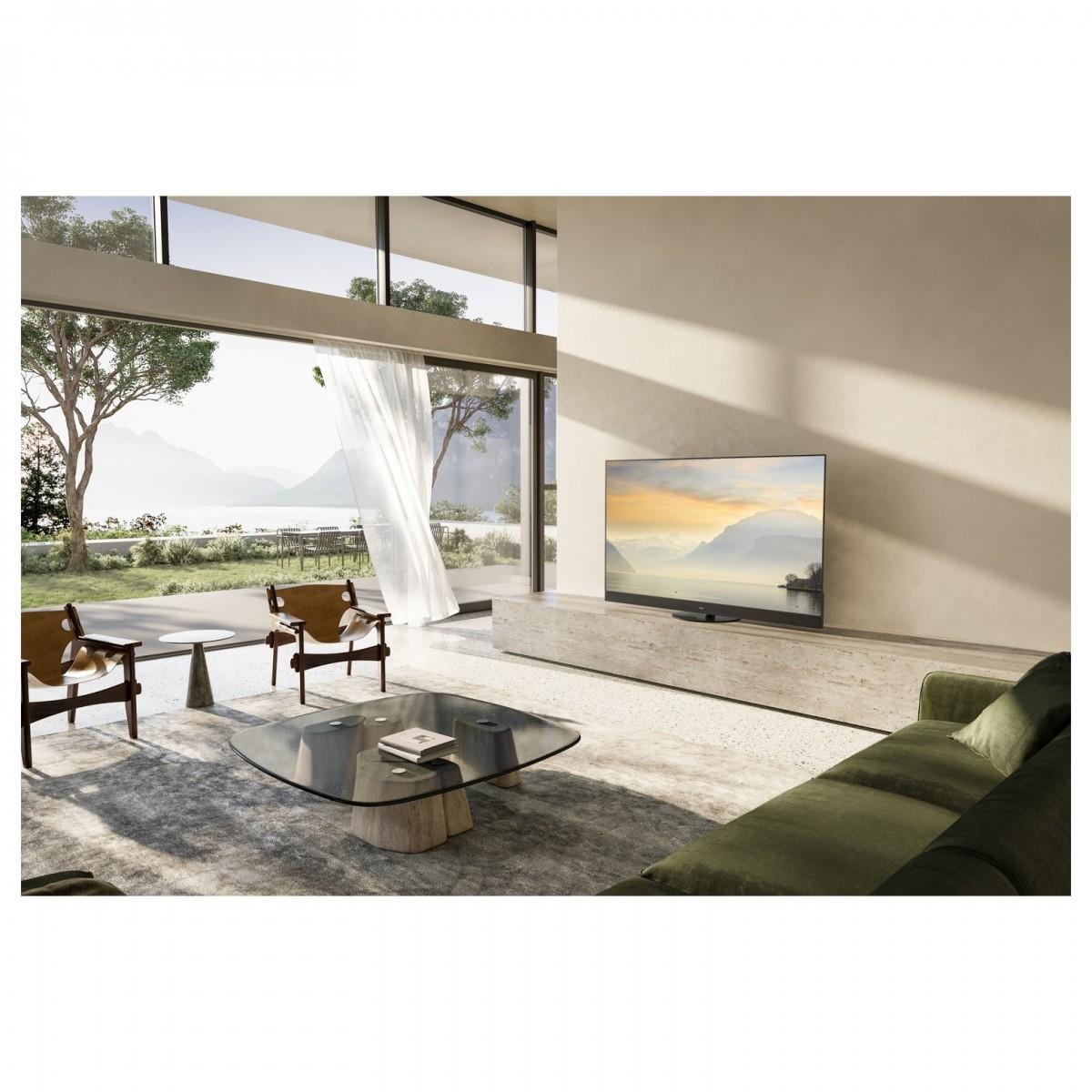
For dedicated home theater setups, room conditions become crucial. If you've invested in blackout curtains and controlled lighting, the Panasonic Z95A becomes compelling. OLED's perfect blacks create an almost projector-like experience, especially for movie content mastered for theatrical presentation.
However, many home theaters aren't completely dark. Family rooms serve multiple purposes, with ambient light from windows, lamps, or adjacent rooms. In these situations, the Samsung Q8F's superior brightness can actually provide better HDR impact and color accuracy.
Sound considerations matter enormously here. The Panasonic Z95A's built-in Dolby Atmos system can serve as your primary audio source or complement existing speakers. Many home theater enthusiasts we've researched report using the TV's speakers for casual viewing and switching to dedicated systems for movie nights.
After extensive research into user experiences and expert reviews, clear usage patterns emerge for each display.
Choose the Samsung Q8F if you watch TV in bright rooms, prioritize value, or prefer vivid colors over perfect accuracy. It's ideal for sports viewing, casual gaming, and families who want smart features without premium pricing. The quantum dot technology particularly excels with animated content, nature documentaries, and any material where color vibrancy matters more than subtle gradations.
The Panasonic Z95A makes sense for movie enthusiasts, serious gamers, or anyone prioritizing picture quality above cost considerations. If you frequently watch content in darkened rooms, appreciate film grain and subtle details, or want exceptional built-in audio, the OLED approach delivers meaningful advantages.
Based on our research, both TVs excel in their intended roles. The Samsung Q8F provides outstanding value with modern features, making premium TV technology accessible without significant compromise. For most buyers, especially those upgrading from older LED TVs, it delivers a genuinely impressive experience.
The Panasonic Z95A targets enthusiasts willing to pay for reference-quality performance. Its combination of bright OLED technology, professional processing, and exceptional audio creates a premium experience that justifies the investment for serious viewers.
The choice ultimately depends on your priorities. If you want the best TV technology available and can accommodate the cost, the Panasonic Z95A delivers. If you want excellent performance with smart value, the Samsung Q8F provides compelling benefits without the premium price tag.
Consider your viewing environment, content preferences, and long-term expectations. Both TVs represent solid choices that will serve most users well for years to come, just through different technological approaches to the same goal: bringing your entertainment to life.
| Samsung 65" QLED Q8F 4K Smart TV 2025 | Panasonic Z95A 65" OLED 4K Ultra HD Smart TV |
|---|---|
| Display Technology - Fundamental approach to creating images | |
| QLED with Quantum Dot layer and LED backlighting | WOLED with Micro Lens Array (MLA) technology |
| Peak Brightness - Critical for HDR impact and bright room viewing | |
| 400-600 nits (excellent for well-lit rooms) | 600-800 nits (exceptional for OLED, matches mini-LED) |
| Black Levels - Determines contrast and dark scene detail | |
| Edge-lit dimming zones (decent blacks, some blooming) | Perfect pixel-level blacks (infinite contrast ratio) |
| HDR Format Support - Affects streaming service compatibility | |
| HDR10+ Adaptive, Quantum HDR+ (no Dolby Vision) | Complete support: Dolby Vision IQ, HDR10+, HDR10, HLG |
| Audio System - Built-in sound quality and power | |
| 20W 2-channel with Object Tracking Sound Lite | 160W 5.1.2-channel Dolby Atmos (Technics-tuned) |
| Gaming Performance - Refresh rate and input lag for gaming | |
| 144Hz with Motion Xcelerator, gaming-specific AI features | 144Hz with near-instantaneous OLED response time |
| AI Processing - Picture and sound optimization capabilities | |
| Q4 AI Processor with Generative Wallpaper, Adaptive Sound+ | HCX Pro AI Processor MK II with professional color grading |
| Smart TV Platform - App ecosystem and voice control | |
| Tizen OS with Bixby, SmartThings Hub integration | Fire TV OS with Alexa built-in, Apple AirPlay support |
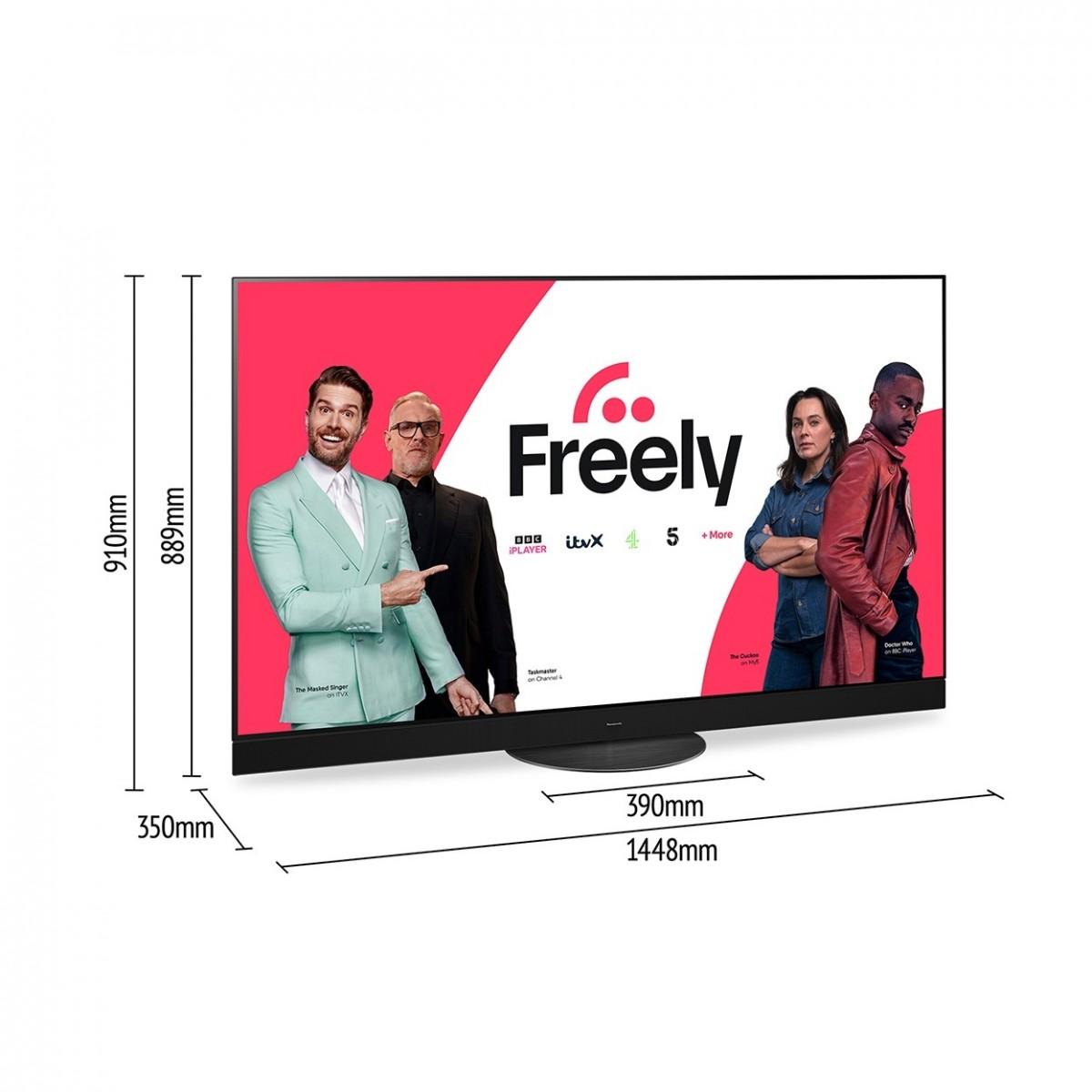
| Design Profile - Physical footprint and mounting considerations | |
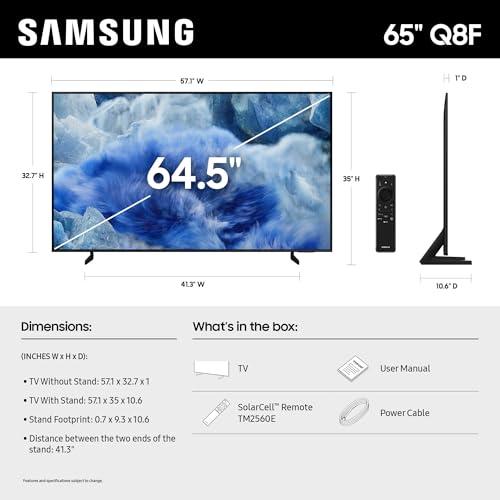
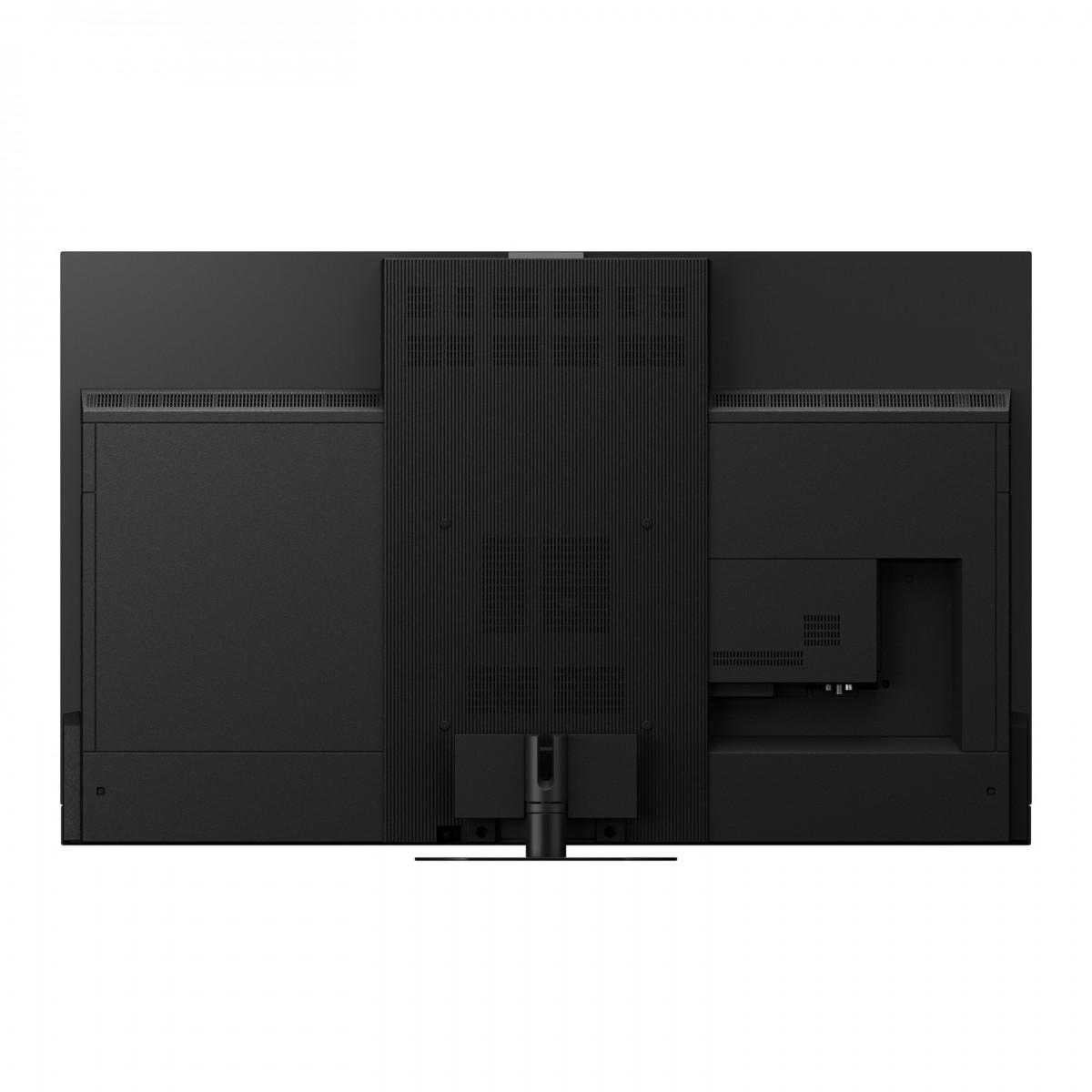
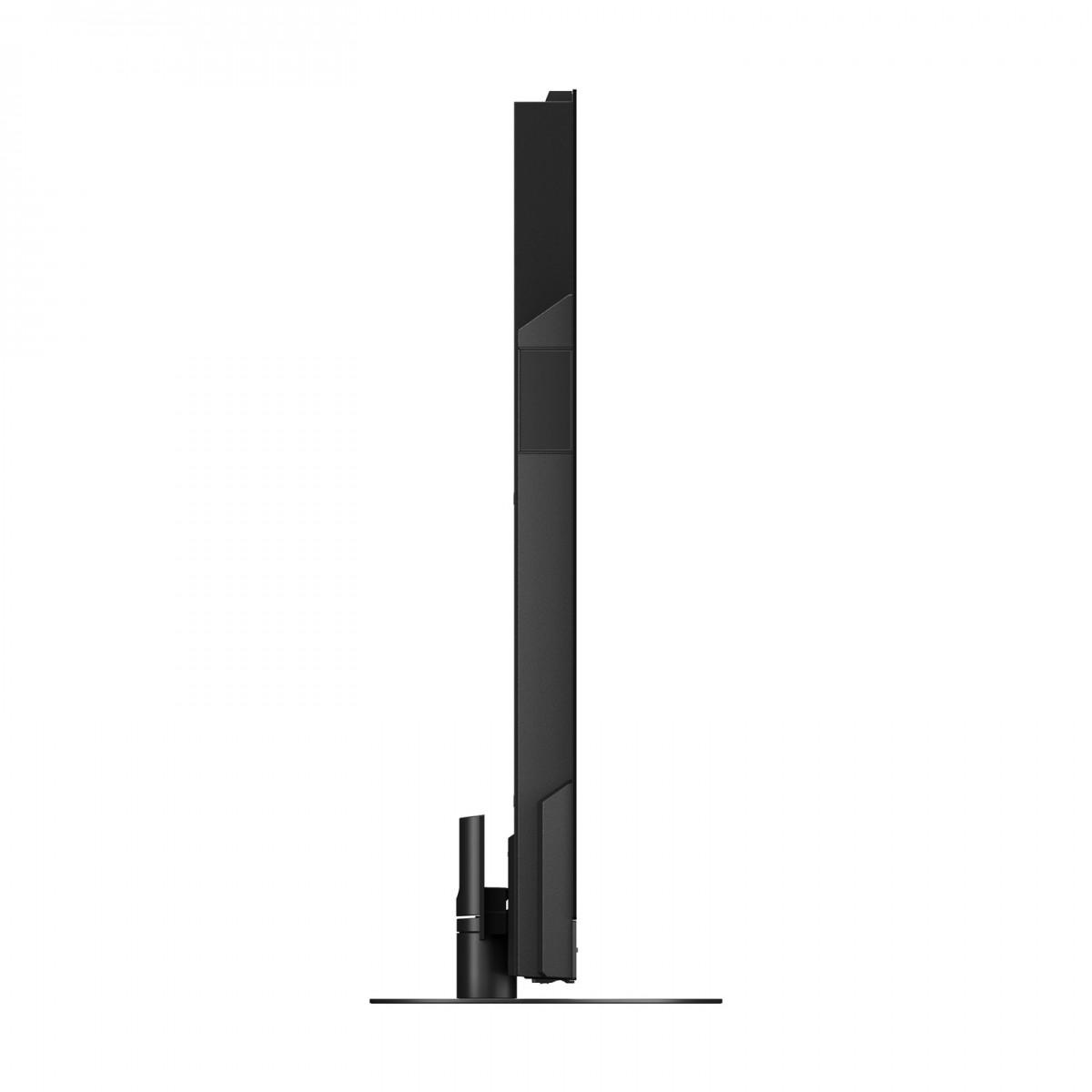
| AirSlim design, lightweight for easy wall mounting | Premium build quality, heavier due to advanced speaker system |
| Size Availability - Options for different room sizes | |
| Multiple sizes available in QLED lineup | 65-inch only for Z95A model |
| Future-Ready Features - Upcoming broadcast and connectivity standards | |
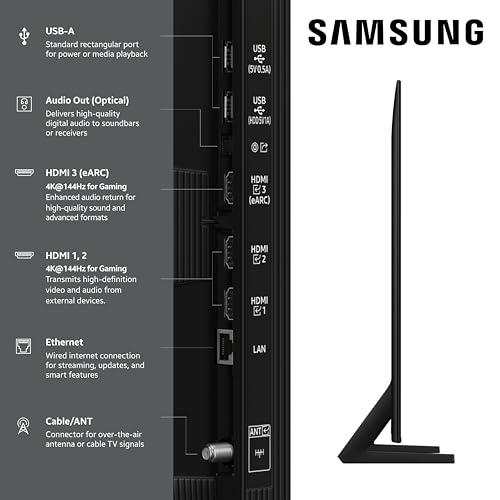
| Standard HDMI 2.1, modern gaming features | ATSC 3.0 tuner for NextGen TV, professional broadcast compatibility |
| Value Positioning - Performance per dollar consideration | |
| Mid-tier QLED delivering flagship features at accessible pricing | Premium OLED with reference-quality performance justifying higher cost |
The Panasonic Z95A delivers superior picture quality for movies due to its OLED technology providing perfect blacks and infinite contrast. Dark scenes in films reveal more detail, and colors appear more accurate to the filmmaker's intent. The Samsung Q8F offers vibrant, punchy colors that some viewers prefer, but lacks the deep blacks that make movie watching truly cinematic.
The Samsung Q8F performs better in bright rooms thanks to its quantum dot technology and higher peak brightness of 400-600 nits. QLED displays like the Samsung maintain color accuracy even in well-lit environments. While the Panasonic Z95A reaches impressive brightness for an OLED (600-800 nits), QLED technology still has the edge for daytime viewing and rooms with large windows.
Both TVs excel for gaming with 144Hz refresh rates, but they serve different gaming preferences. The Samsung Q8F includes gaming-specific AI features like Super Ultra Wide Game View and Mini Map Zoom. The Panasonic Z95A offers near-instantaneous pixel response time and slightly lower input lag, making it better for competitive gaming where every millisecond matters.
The Panasonic Z95A has exceptional built-in audio with a 160W 5.1.2-channel Dolby Atmos system that rivals dedicated soundbars. The Samsung Q8F includes basic 20W 2-channel speakers that are adequate for casual viewing but will likely require a soundbar upgrade for serious movie watching or music listening.
The Samsung Q8F provides better value, delivering about 80% of premium TV performance at roughly half the cost of the Panasonic Z95A. For most buyers upgrading from older TVs, the Samsung offers quantum dot color technology, AI features, and modern smart capabilities at an accessible price point.
QLED in the Samsung Q8F uses quantum dots with LED backlighting to create bright, vivid colors that maintain accuracy at high brightness levels. OLED in the Panasonic Z95A uses self-emissive pixels that can turn completely off, creating perfect blacks and infinite contrast but traditionally struggling with peak brightness until recent advances like Micro Lens Array technology.
For dedicated home theaters with controlled lighting, the Panasonic Z95A excels with its perfect blacks, accurate colors, and exceptional built-in Dolby Atmos speakers. However, if your home theater isn't completely dark or serves multiple purposes, the Samsung Q8F's superior brightness can provide better HDR impact and visibility.
No, there's a significant difference. The Panasonic Z95A supports all major HDR formats including Dolby Vision IQ, HDR10+, HDR10, and HLG. The Samsung Q8F supports HDR10+ Adaptive and Quantum HDR+ but notably lacks Dolby Vision support, which is increasingly common on Netflix, Disney+, and Apple TV+.
The Samsung Q8F offers more innovative smart features with Tizen OS, including Generative AI Wallpaper, SmartThings Hub integration, and advanced AI optimization. The Panasonic Z95A uses Fire TV OS with excellent app selection and Alexa integration, plus includes ATSC 3.0 tuner for future over-the-air 4K broadcasts.
The Samsung Q8F is generally better for sports due to its higher brightness in well-lit rooms where sports are typically watched, plus Motion Xcelerator technology that handles fast motion well. The Panasonic Z95A offers superior motion clarity thanks to OLED's instant response time, but sports viewing often happens in bright rooms where QLED has advantages.
Both TVs should provide 7-10 years of service, but the Panasonic Z95A includes more future-ready features like ATSC 3.0 tuner and complete HDR format support. The Samsung Q8F receives regular Tizen OS updates and has modern gaming features, making both good long-term investments depending on your priorities and viewing habits.
Yes, room lighting is crucial for choosing between these TVs. Pick the Samsung Q8F for bright living rooms, kitchens, or spaces with lots of natural light where its quantum dot brightness advantage matters most. Choose the Panasonic Z95A for darker rooms, dedicated home theaters, or evening viewing where OLED's perfect blacks and contrast create the most impressive experience.
We've done our best to create useful and informative comparisons to help you decide what product to buy. Our research uses advanced automated methods to create this comparison and perfection is not possible - please contact us for corrections or questions. These are the sites we've researched in the creation of this article: bestbuy.com - rtings.com - tomsguide.com - youtube.com - samsung.com - youtube.com - youtube.com - youtube.com - rtings.com - rtings.com - linqcdn.avbportal.com - bestbuy.com - samsung.com - samsung.com - samsung.com - youtube.com - youtube.com - billsmith.com - samsung.com - samsung.com - samsung.com - hometechnologyreview.com - shopjetson.com - certappl.com - samsung.com - theapplianceplug.com - samsung.com - manuals.plus - bestbuy.com - device.report - samsung.com - shopsilica.com - dentonstv.com - youtube.com - youtube.com - whathifi.com - tomsguide.com - shop.panasonic.com - store.in.panasonic.com - rtings.com - applianceplus.co.nz - rtings.com - store.in.panasonic.com - samsung.com

Privacy Policy
Terms and Conditions - Affiliate Policy
Home Security
© Copyright 2008-2026.
11816 Inwood Rd #1211, Dallas, TX 75244