

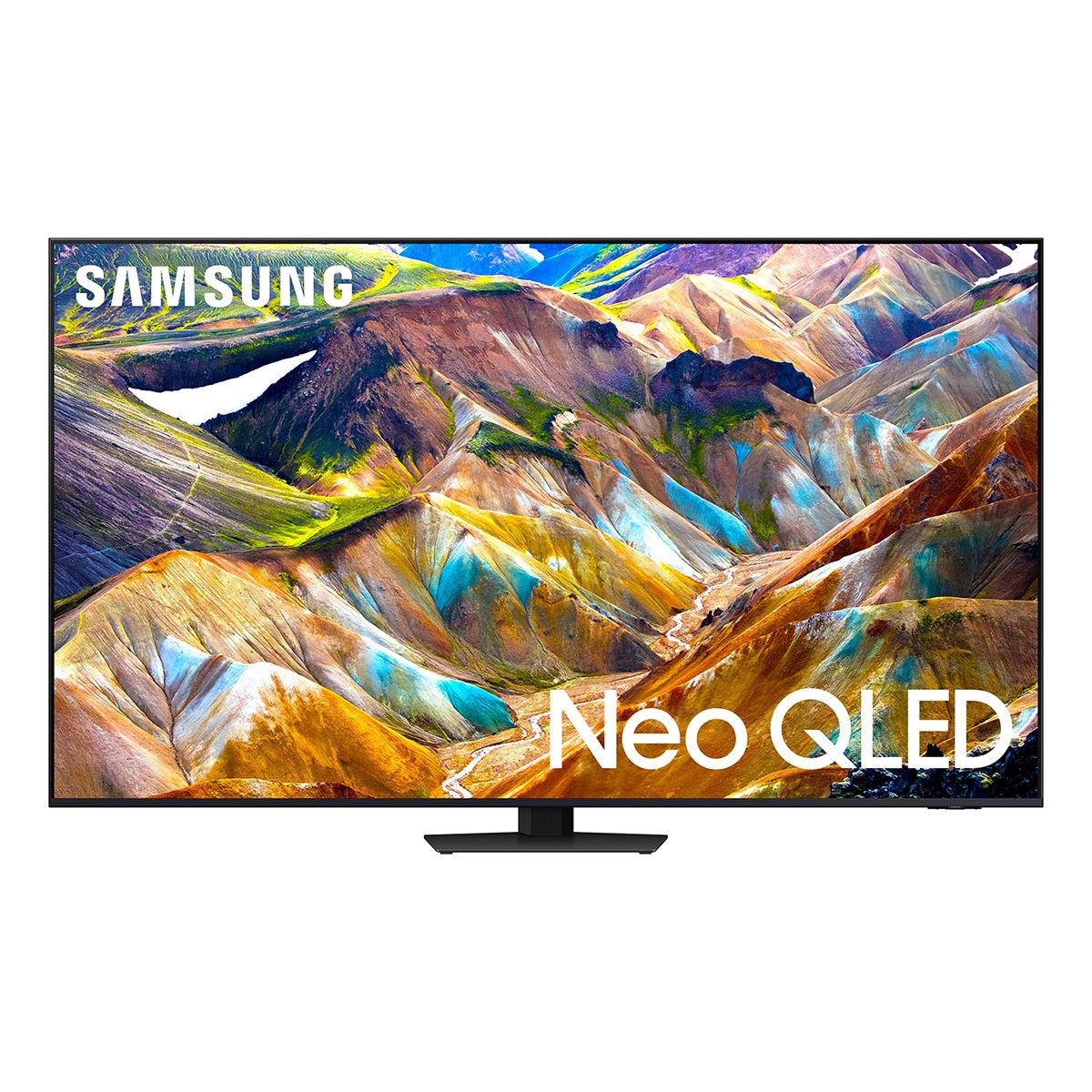
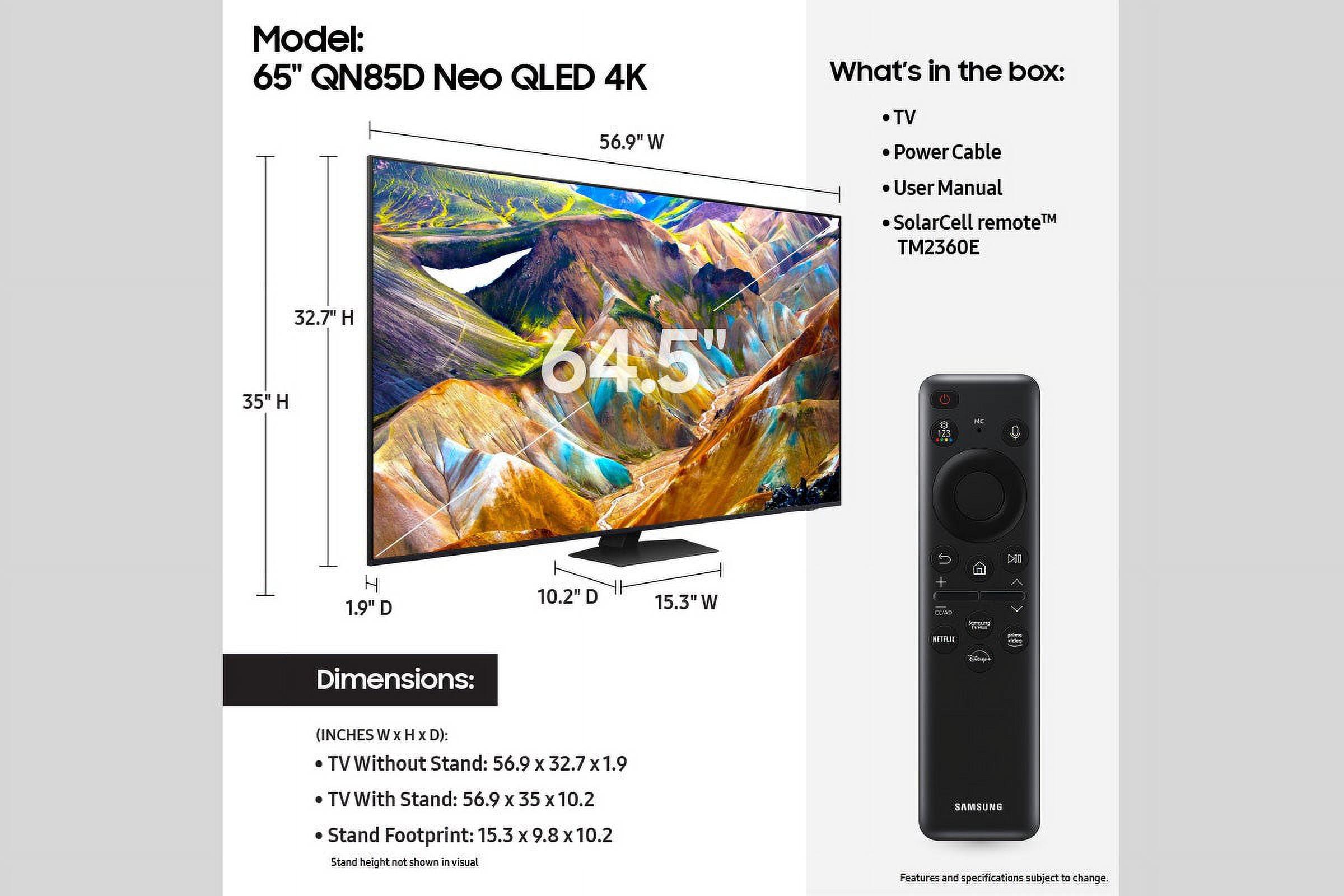
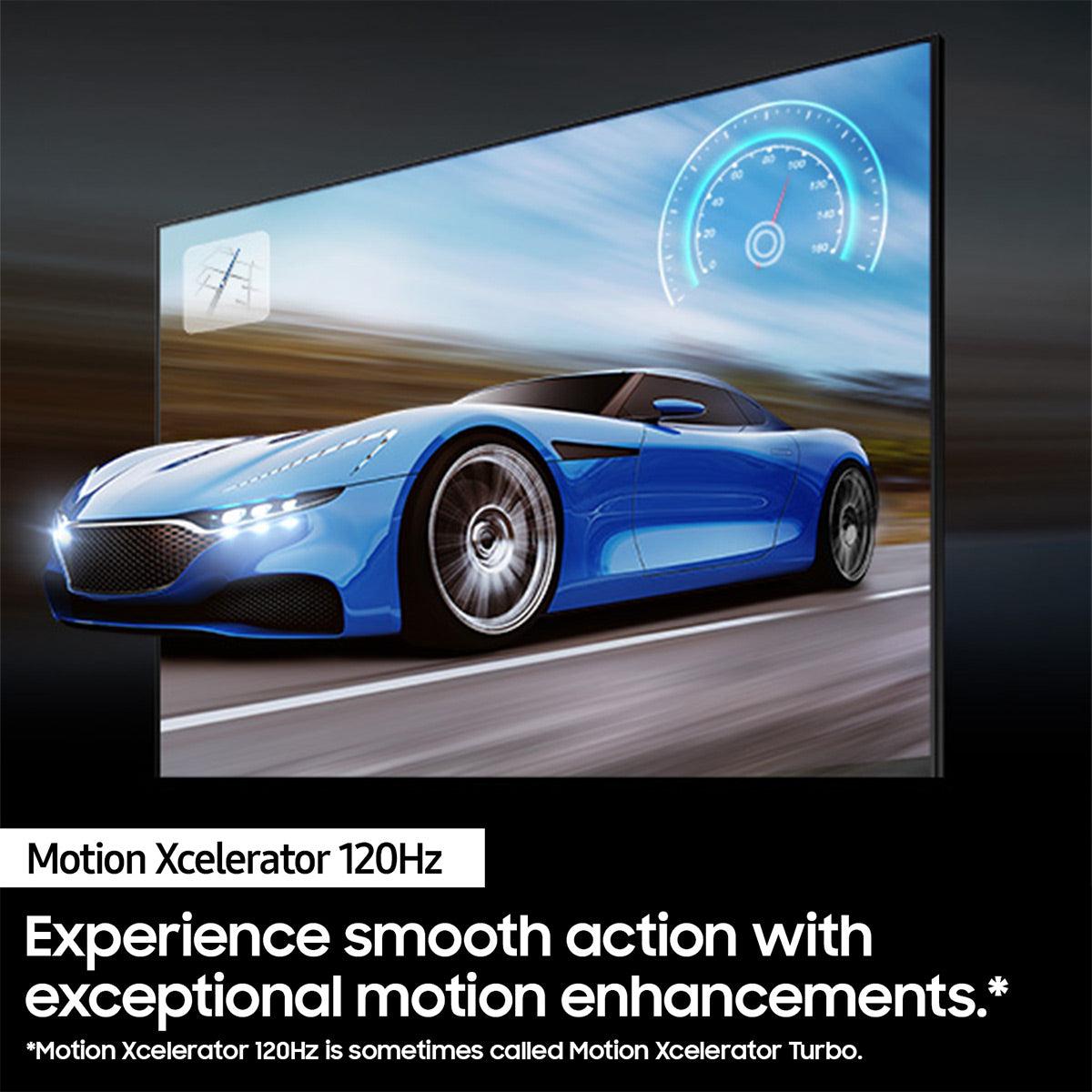
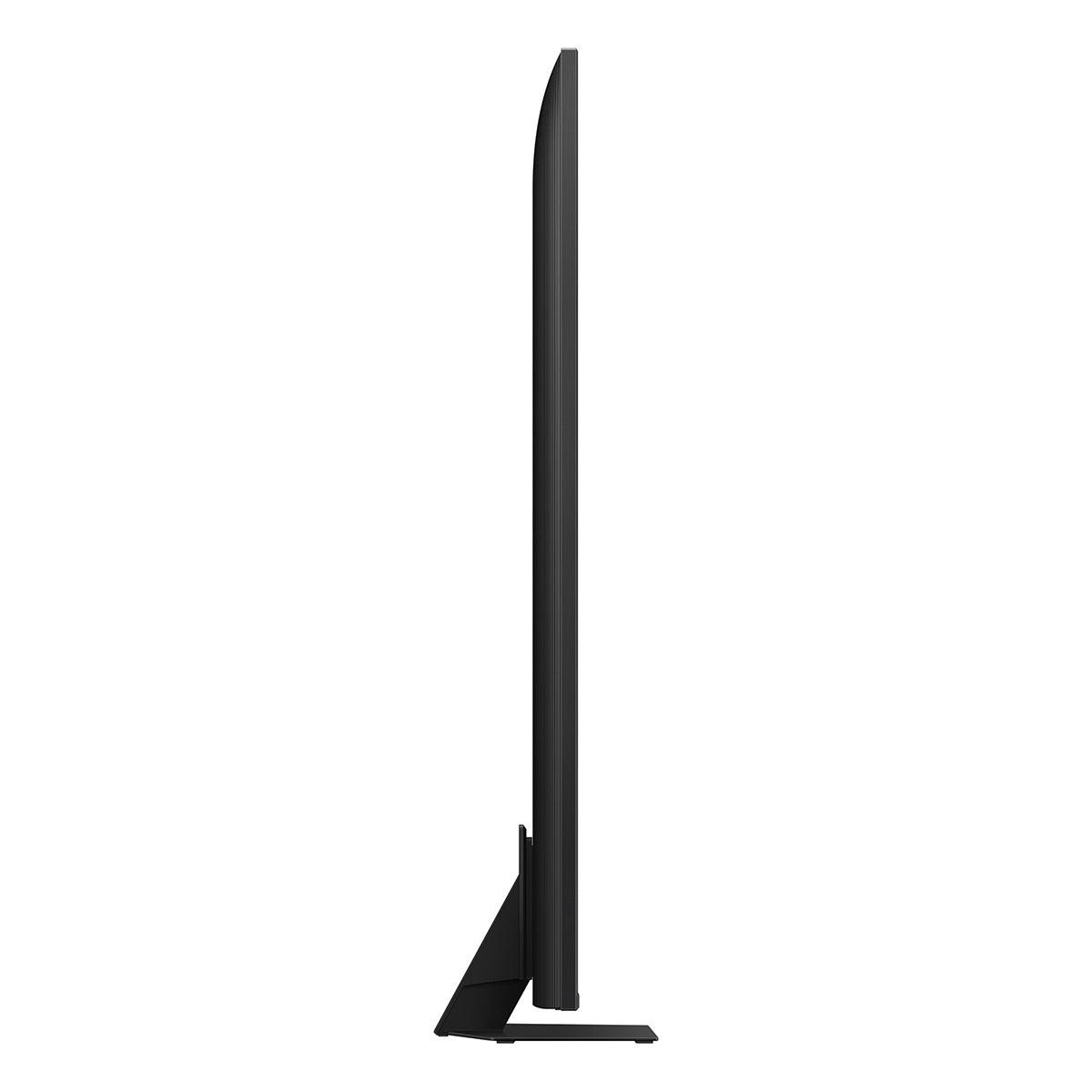
Choosing the right 65-inch TV has become increasingly complex as manufacturers pack more advanced display technologies into models at different price points. Two Samsung TVs that frequently come up in buyer discussions are the QLED Q8F from 2025 and the QN85D Neo QLED from 2024. While both carry Samsung's premium branding and 65-inch screens, they represent fundamentally different approaches to delivering high-quality pictures—and understanding these differences is crucial for making the right buying decision.
The 65-inch TV market has evolved dramatically over the past few years. What we're seeing now is a clear separation between traditional LED TVs with edge lighting and newer Mini LED technology that offers much more precise control over brightness and darkness. This technological shift affects everything from how dark a TV can get to how bright highlights appear, fundamentally changing the viewing experience.
When evaluating any premium TV, the most important factors remain consistent: picture quality in various lighting conditions, gaming capabilities, smart TV features, and overall value. However, the way manufacturers achieve these goals has become more sophisticated, particularly with local dimming technology—a feature where the TV can control brightness in specific zones of the screen rather than lighting the entire panel uniformly.
The core difference between the Samsung Q8F and QN85D lies in their backlighting approach, and this single factor impacts nearly every aspect of their performance.
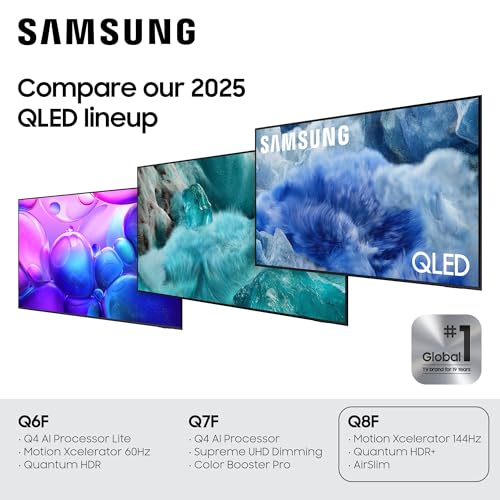
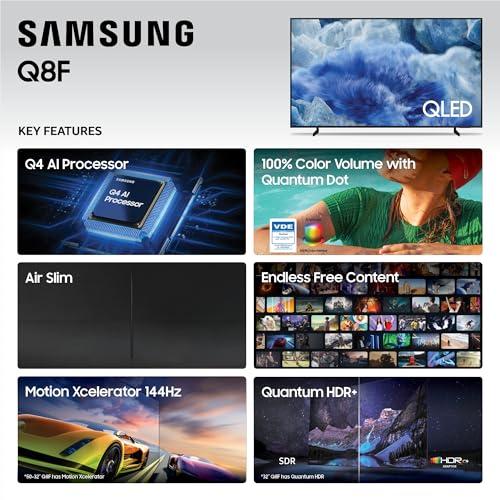
The Q8F uses edge-lit LED backlighting, meaning the LEDs that illuminate the screen are positioned only along the edges of the panel. Think of it like trying to light a room with lamps placed only along the walls—you'll get adequate lighting, but you can't control brightness in specific areas. This design keeps costs down and allows for thinner TV profiles, but it severely limits the TV's ability to create true blacks or precise contrast between bright and dark areas of the same scene.
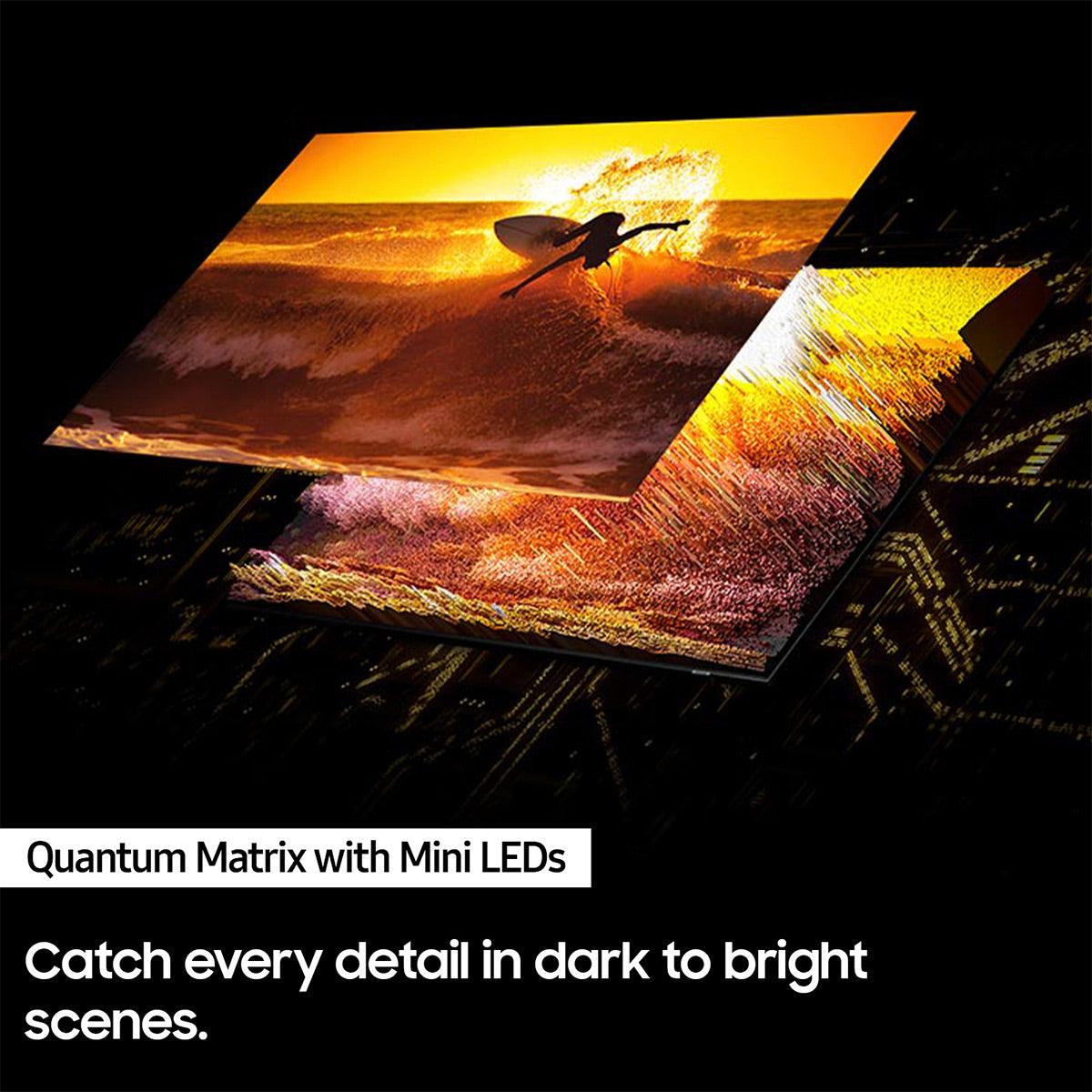
The QN85D, by contrast, uses Mini LED technology with full-array local dimming. This means thousands of tiny LEDs are positioned behind the entire screen, divided into zones that can be controlled independently. It's like having individual dimmer switches for different sections of your room—you can make one area bright while keeping another dark. This technology, which Samsung calls "Quantum Matrix," allows the TV to achieve much deeper blacks and brighter highlights simultaneously.
Based on our research into expert reviews and user feedback, this backlighting difference translates into dramatically different real-world performance, particularly in darker viewing environments where contrast becomes most apparent.
The contrast performance difference between these TVs is substantial. The QN85D achieves native contrast ratios exceeding 160,000:1 with local dimming engaged—a figure that puts it in competition with much more expensive TVs. What this means in practical terms is that when you're watching a movie with both dark space scenes and bright explosions, the QN85D can make the space look genuinely black while keeping the explosions brilliant white.
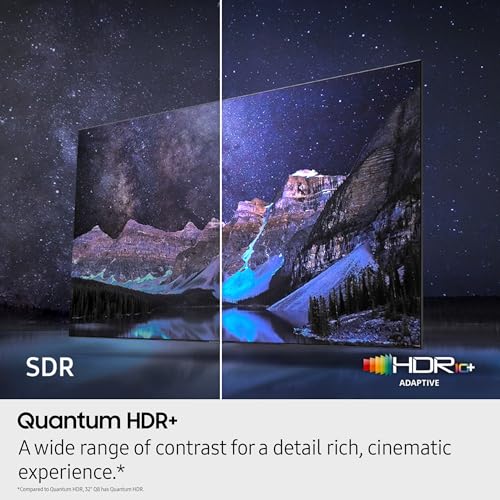
The Q8F, with its edge-lit design, simply cannot achieve this level of contrast. Dark scenes will appear more like dark gray than true black, and the overall picture lacks the depth and dimensionality that makes premium TVs worth the investment. This limitation becomes most obvious when watching HDR content—high dynamic range material specifically designed to showcase the difference between bright and dark areas.
Peak brightness matters enormously for HDR content and bright room viewing. The QN85D delivers excellent brightness levels that can overcome indirect room lighting and make HDR highlights truly pop. Its Mini LED backlighting maintains this brightness consistently across the screen without the automatic brightness limiting that plagues some TVs when displaying large bright areas.
The Q8F provides adequate brightness for most situations, but it cannot match the peak output of the QN85D. For viewers who primarily watch TV during the day or in well-lit rooms, this difference becomes more significant. HDR movies and shows simply won't have the same impact on the Q8F because the bright highlights that create that "wow" factor aren't as pronounced.
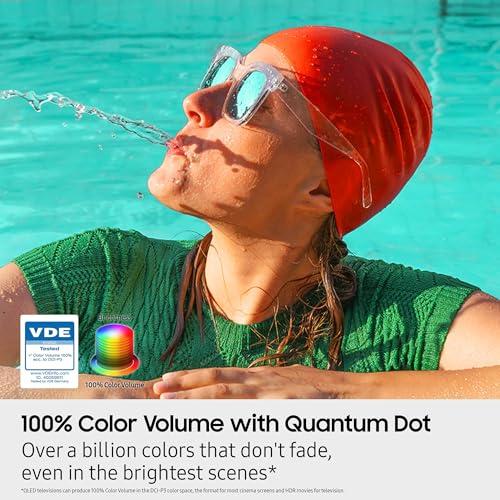
Both TVs feature Samsung's Quantum Dot technology, which uses microscopic particles to produce more accurate and vibrant colors. This technology has matured significantly since its introduction, and both TVs benefit from Samsung's years of refinement in color science.
However, the QN85D includes more sophisticated color processing and calibration options. Expert reviews consistently note that the QN85D delivers excellent color accuracy straight out of the box, with most users never needing professional calibration. The Q8F, while still producing pleasing colors, doesn't quite reach the same level of precision.
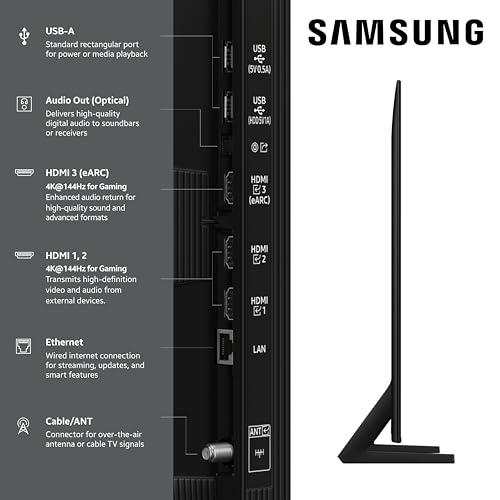
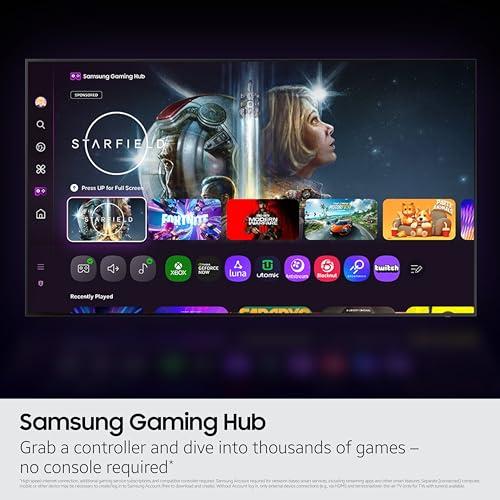
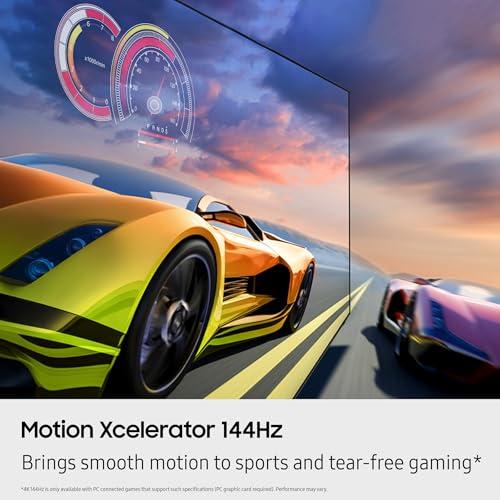
Gaming has become a crucial consideration for TV buyers, especially with the current generation of consoles supporting 4K gaming at 120 frames per second. Both TVs support these modern gaming features, but with important differences.
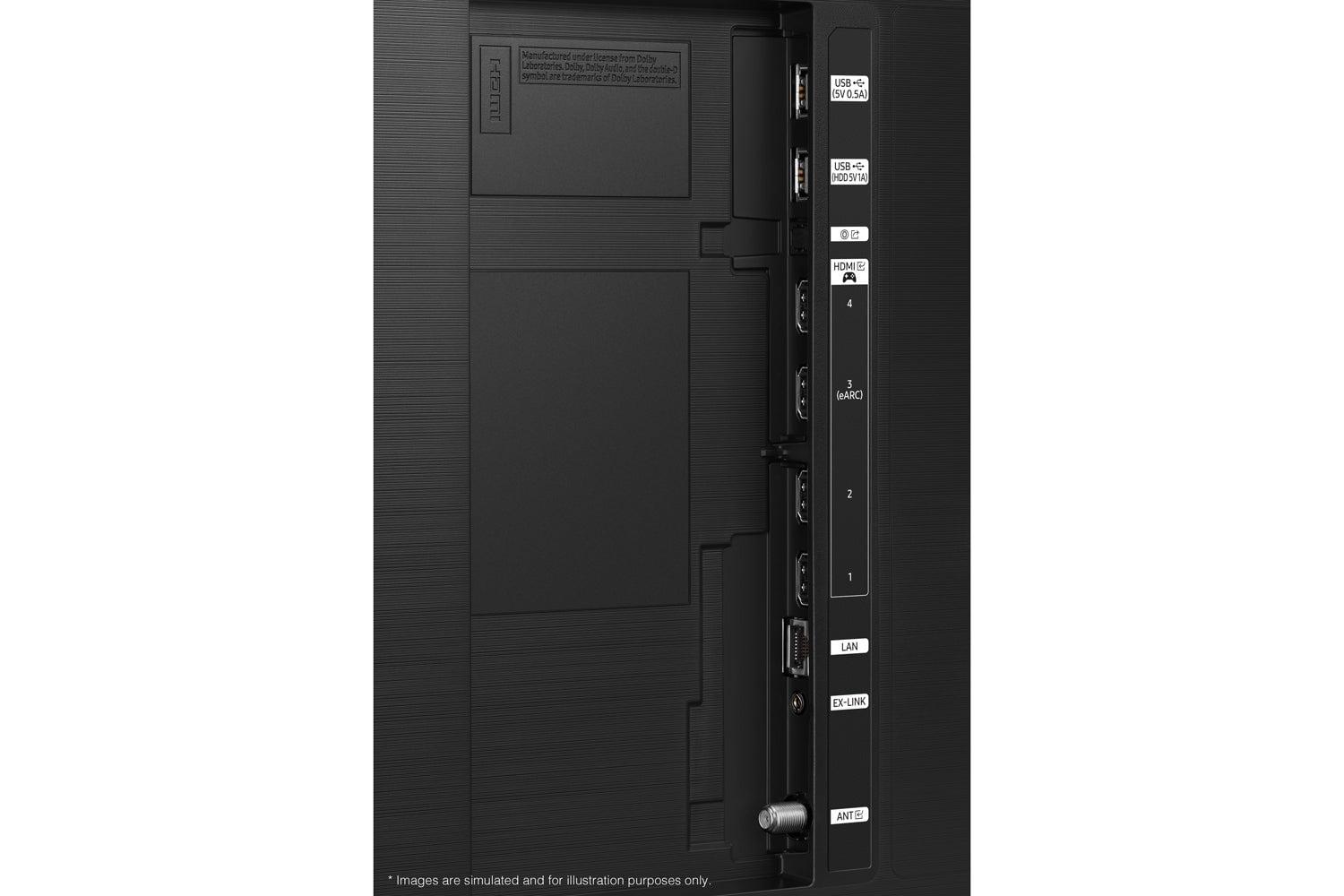
The QN85D offers four HDMI 2.1 ports—the high-bandwidth connections required for 4K gaming at 120Hz. It supports Variable Refresh Rate (VRR), which eliminates screen tearing by matching the TV's refresh rate to the gaming console's output, and Auto Low Latency Mode (ALLM), which automatically switches the TV to its lowest-lag gaming picture mode.
However, there's an interesting caveat with the QN85D: while it excels in most gaming scenarios, it exhibits slower pixel response times in Game Mode, which can create motion blur during fast-paced gaming. This is a trade-off that comes with VA panel technology (the type of LCD panel used in the QN85D), which delivers superior contrast but slower pixel transitions.
The Q8F doesn't suffer from this pixel response issue to the same degree, potentially making it cleaner for competitive gaming where motion clarity is paramount. However, it lacks some of the advanced gaming features found in the QN85D.
For most gamers, the QN85D's superior picture quality and comprehensive feature set outweigh the pixel response concerns, but competitive gamers who prioritize motion clarity above all else might prefer the Q8F.
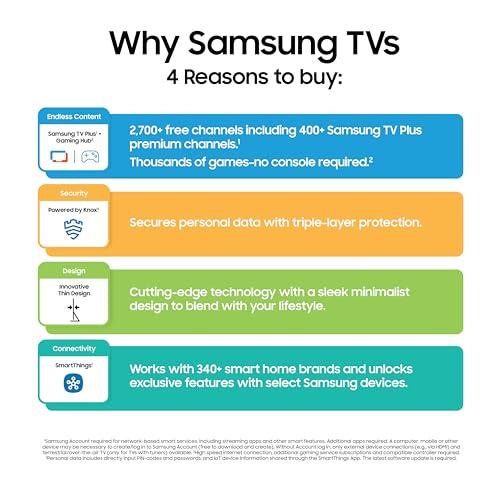
Both TVs run Samsung's Tizen operating system, which has evolved into one of the more user-friendly smart TV platforms. You'll find all the major streaming apps, voice control through Bixby or Alexa, and Samsung's free TV Plus service for cord-cutters.
The QN85D includes more advanced AI features and processing power, which translates to faster navigation and more sophisticated content recommendations. Both TVs support Samsung's SmartThings ecosystem for smart home integration.
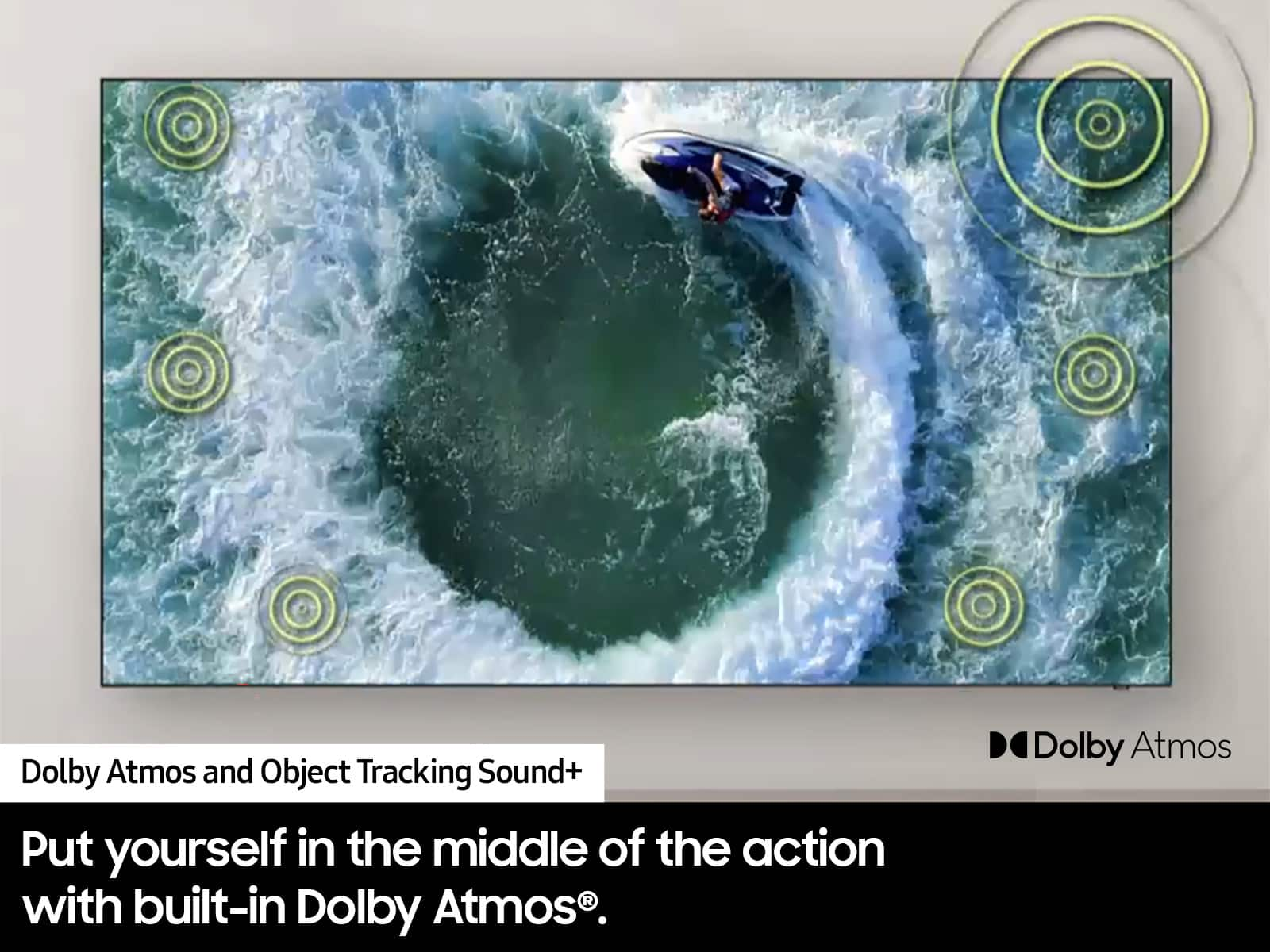
Audio-wise, the QN85D includes Dolby Atmos support and Object Tracking Sound+, which creates a more immersive audio experience by making sound appear to move across the screen with the action. The Q8F has competent audio processing but lacks some of the more advanced spatial audio features.
Both TVs work well with Samsung soundbars through the Q-Symphony feature, which allows the TV's speakers and soundbar to work together rather than the TV speakers shutting off when a soundbar is connected.
Your room's lighting significantly impacts which TV will serve you better. The QN85D excels in mixed lighting conditions—it's bright enough for daytime viewing but delivers the contrast needed for nighttime movie watching. Its glossy screen does show direct reflections from lamps or windows positioned directly opposite the TV, but it handles indirect lighting very well.
The Q8F is more suitable for consistently bright rooms where its contrast limitations are less apparent. It's also better for wide seating arrangements because it doesn't suffer from the viewing angle limitations of the QN85D's VA panel technology.
For dedicated home theater setups where you can control lighting, the QN85D is clearly superior. Its ability to produce deep blacks and bright highlights creates the cinematic experience that makes big-screen viewing worthwhile.
At the time of writing, the QN85D commands a premium over the Q8F—typically several hundred dollars more. This price difference reflects genuine technology gaps rather than just premium branding.
The Q8F represents solid value for buyers who prioritize cost savings over absolute picture quality. It delivers the Samsung smart TV experience and adequate performance for casual viewing. However, it's important to understand what you're giving up: the contrast and HDR impact that make premium TVs worthwhile investments.
The QN85D offers substantially more display technology for the additional cost. Mini LED backlighting typically appears in TVs costing much more, making the QN85D something of a sweet spot in Samsung's lineup. For buyers planning to keep their TV for several years, the superior picture quality and more comprehensive feature set provide better long-term value.
You're working with a strict budget and the price difference is genuinely significant for your situation. If you primarily watch TV during the day in a bright room, the contrast limitations won't be as apparent. The Q8F also works well for secondary TVs or bedrooms where critical picture quality isn't the primary concern.
Buyers who have wide seating arrangements might also prefer the Q8F because viewing angle performance tends to be better without the VA panel technology used in the QN85D.
You want the best picture quality available in this price range and can accommodate the higher cost. The QN85D is particularly compelling for movie enthusiasts who want to experience HDR content as intended, gamers who want comprehensive next-gen console support, and anyone setting up a primary living room TV that needs to perform well in various lighting conditions.
For home theater applications, the QN85D is really the only choice between these two. Its superior contrast and brightness make it capable of delivering the cinematic experience that justifies a large-screen TV purchase.
After researching expert reviews, user feedback, and analyzing the technical specifications, the QN85D emerges as the better overall television for most buyers, assuming the price difference fits within your budget. The Mini LED technology delivers measurably superior picture quality that justifies the premium cost.
The Q8F isn't a bad TV—it's a competent performer that delivers the Samsung ecosystem at a lower price point. However, the technology gap between edge-lit and full-array local dimming is significant enough that most buyers willing to invest in a 65-inch premium TV would benefit from stretching their budget to reach the QN85D.
This recommendation becomes even stronger if you're planning to keep the TV for several years. Display technology continues advancing rapidly, but the QN85D's Mini LED implementation provides better future-proofing and will likely remain satisfying longer than the Q8F's more basic design.
For buyers who absolutely cannot accommodate the price difference, the Q8F provides a reasonable entry point into Samsung's QLED ecosystem. Just understand that you're making a significant compromise in picture quality—one that becomes most apparent precisely when you're watching the content that makes a big TV worthwhile.
| Samsung 65" QLED Q8F 4K Smart TV 2025 | Samsung 65" QN85D Neo QLED 4K Smart TV |
|---|---|
| Backlight Technology - The most critical difference affecting picture quality | |
| Edge-lit LED (LEDs only around screen edges) | Mini LED with full-array local dimming (thousands of LEDs behind entire screen) |
| Contrast Ratio - Determines how deep blacks can get and overall picture depth | |
| Limited by edge-lighting design | 160,000:1+ native contrast with local dimming |
| Peak Brightness - Essential for HDR content and bright room viewing | |
| Good brightness for most rooms | Excellent peak brightness, ideal for any lighting condition |
| Local Dimming Zones - Controls precision lighting across different screen areas | |
| Minimal edge-based dimming only | Dedicated zones across entire display for precise control |
| Panel Type - Affects viewing angles and contrast characteristics | |
| Not specified (likely VA or ADS) | VA panel (superior contrast, narrower viewing angles) |
| Gaming Features - Important for console and PC gaming | |
| 120Hz refresh rate, basic gaming features | 4x HDMI 2.1 ports, VRR, ALLM, 4K@120Hz support |
| HDR Support - Determines compatibility with premium content formats | |
| HDR10, HDR10+ (no Dolby Vision mentioned) | HDR10, HDR10+, Neo Quantum HDR (no Dolby Vision) |
| Audio Technology - Built-in sound quality and immersion | |
| Object Tracking Sound Lite, Q-Symphony | Dolby Atmos, Object Tracking Sound+, Q-Symphony |
| Processor - Affects upscaling, AI features, and overall performance | |
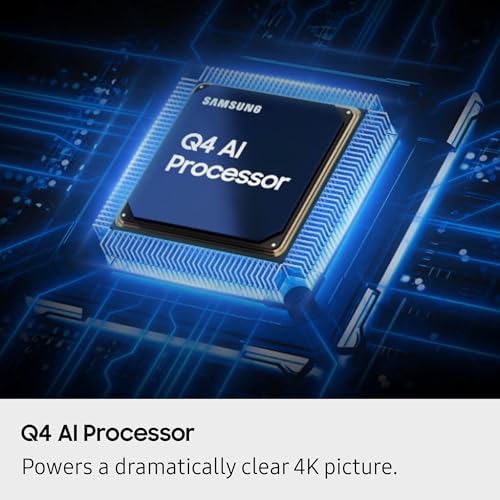
| Q4 AI Processor (2025 generation) | NQ4 AI Gen2 Processor (advanced processing) |
| Release Year - Indicates latest features and technology generation | |
| 2025 (newest Samsung QLED entry-level) | 2024 (previous-gen Neo QLED technology) |
| Best Use Cases - Who should consider this TV | |
| Budget-conscious buyers, bright rooms, wide seating | Home theater enthusiasts, mixed lighting, gaming priority |
The Samsung QN85D Neo QLED delivers significantly better picture quality than the Samsung Q8F QLED. The QN85D uses Mini LED technology with full-array local dimming, achieving contrast ratios over 160,000:1 and much deeper blacks. The Q8F uses edge-lit backlighting which cannot match the contrast performance or HDR impact of the QN85D.
The key difference is backlighting technology. The Samsung Q8F uses edge-lit LED backlighting with LEDs positioned only around the screen edges, while the Samsung QN85D features Mini LED technology with thousands of LEDs behind the entire screen. This allows the QN85D to control brightness in specific zones for superior contrast and black levels.
The Samsung QN85D Neo QLED offers more comprehensive gaming features with four HDMI 2.1 ports, Variable Refresh Rate (VRR), and Auto Low Latency Mode (ALLM). However, the Samsung Q8F may have slightly better motion clarity for competitive gaming due to faster pixel response times. For most gamers, the QN85D's superior picture quality and feature set make it the better choice.
Yes, for most buyers the Samsung QN85D justifies its premium over the Samsung Q8F. The Mini LED technology delivers substantially better contrast, brightness, and overall picture quality. The technology gap represents genuine performance differences rather than just premium branding, making the QN85D better long-term value despite the higher upfront cost.
The Samsung QN85D Neo QLED performs better in bright rooms due to its superior peak brightness and ability to overcome indirect lighting. While the Samsung Q8F handles bright rooms adequately, the QN85D maintains better picture quality and HDR performance under challenging lighting conditions.
Both the Samsung Q8F and Samsung QN85D run Samsung's Tizen operating system with access to major streaming apps and voice control. However, the QN85D includes more advanced AI processing, Dolby Atmos support, and enhanced Object Tracking Sound+ compared to the Q8F's more basic smart features.
The Samsung Q8F likely offers better viewing angles for wide seating arrangements. The Samsung QN85D uses a VA panel which provides superior contrast but degrades more noticeably when viewed from the side. For families with wide seating layouts, the Q8F may maintain better picture quality across all viewing positions.
The Samsung QN85D Neo QLED is significantly better for dedicated home theater setups. Its Mini LED backlighting creates the deep blacks and bright highlights essential for cinematic viewing experiences. The Samsung Q8F lacks the contrast performance needed for optimal movie watching in dark rooms, making the QN85D the clear choice for home theater applications.
The Samsung QN85D Neo QLED delivers superior HDR performance with brighter highlights and deeper blacks that make HDR content more impactful. The Samsung Q8F supports HDR formats but cannot achieve the same dynamic range due to its edge-lit backlighting limitations. For viewers who prioritize HDR movies and shows, the QN85D provides a much more satisfying experience.
Both the Samsung Q8F and Samsung QN85D come with Samsung's standard warranty coverage. However, the QN85D represents superior build quality with its more sophisticated Mini LED implementation and advanced internal components compared to the Q8F's simplified edge-lit design.
The Samsung QN85D Neo QLED is better for sports viewing due to its superior brightness, motion handling, and overall picture quality. While both TVs handle fast motion well, the QN85D's higher peak brightness and better contrast make sports content more engaging, especially in bright rooms where sports are typically watched.
For a primary living room TV, the Samsung QN85D Neo QLED is the better investment. Its superior picture quality, comprehensive gaming features, and better performance across various lighting conditions make it worth the premium over the Samsung Q8F. The Q8F works better as a secondary TV or for buyers with strict budget constraints who can accept picture quality compromises.
We've done our best to create useful and informative comparisons to help you decide what product to buy. Our research uses advanced automated methods to create this comparison and perfection is not possible - please contact us for corrections or questions. These are the sites we've researched in the creation of this article: bestbuy.com - rtings.com - tomsguide.com - youtube.com - samsung.com - youtube.com - youtube.com - youtube.com - rtings.com - rtings.com - linqcdn.avbportal.com - bestbuy.com - samsung.com - samsung.com - samsung.com - youtube.com - youtube.com - billsmith.com - samsung.com - samsung.com - samsung.com - hometechnologyreview.com - shopjetson.com - certappl.com - samsung.com - theapplianceplug.com - samsung.com - manuals.plus - bestbuy.com - device.report - samsung.com - shopsilica.com - dentonstv.com - bestbuy.com - rtings.com - youtube.com - youtube.com - avsforum.com - youtube.com - samsung.com - videoandaudiocenter.com - shopjetson.com - mysoundconcepts.com - samsung.com - merlinstv.com - youtube.com - samsung.com - samsung.com

Privacy Policy
Terms and Conditions - Affiliate Policy
Home Security
© Copyright 2008-2026.
11816 Inwood Rd #1211, Dallas, TX 75244