

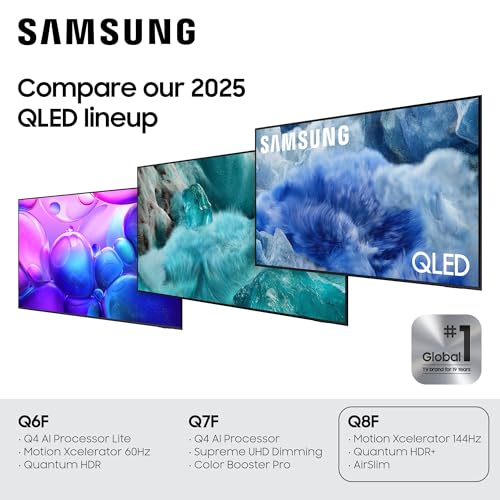
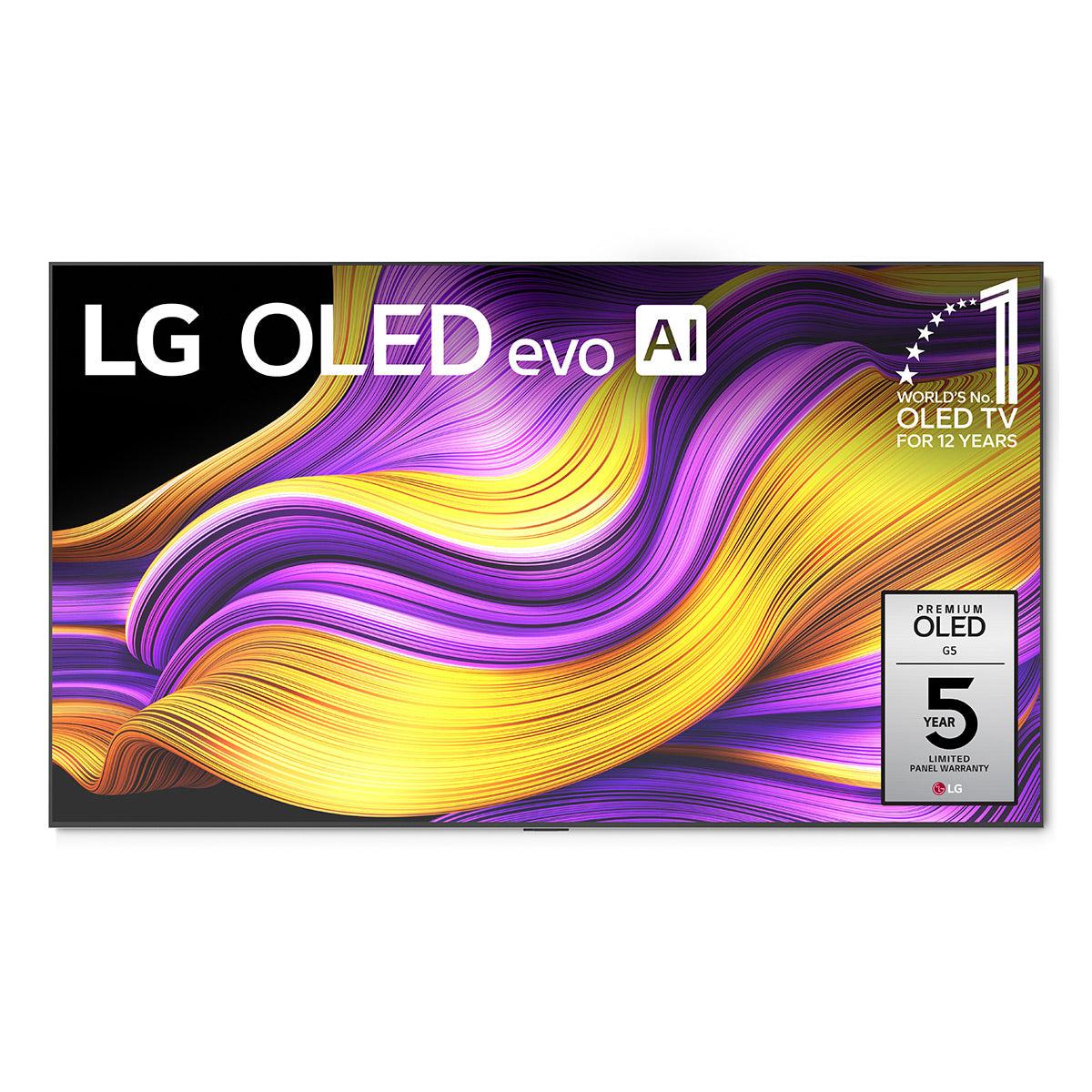
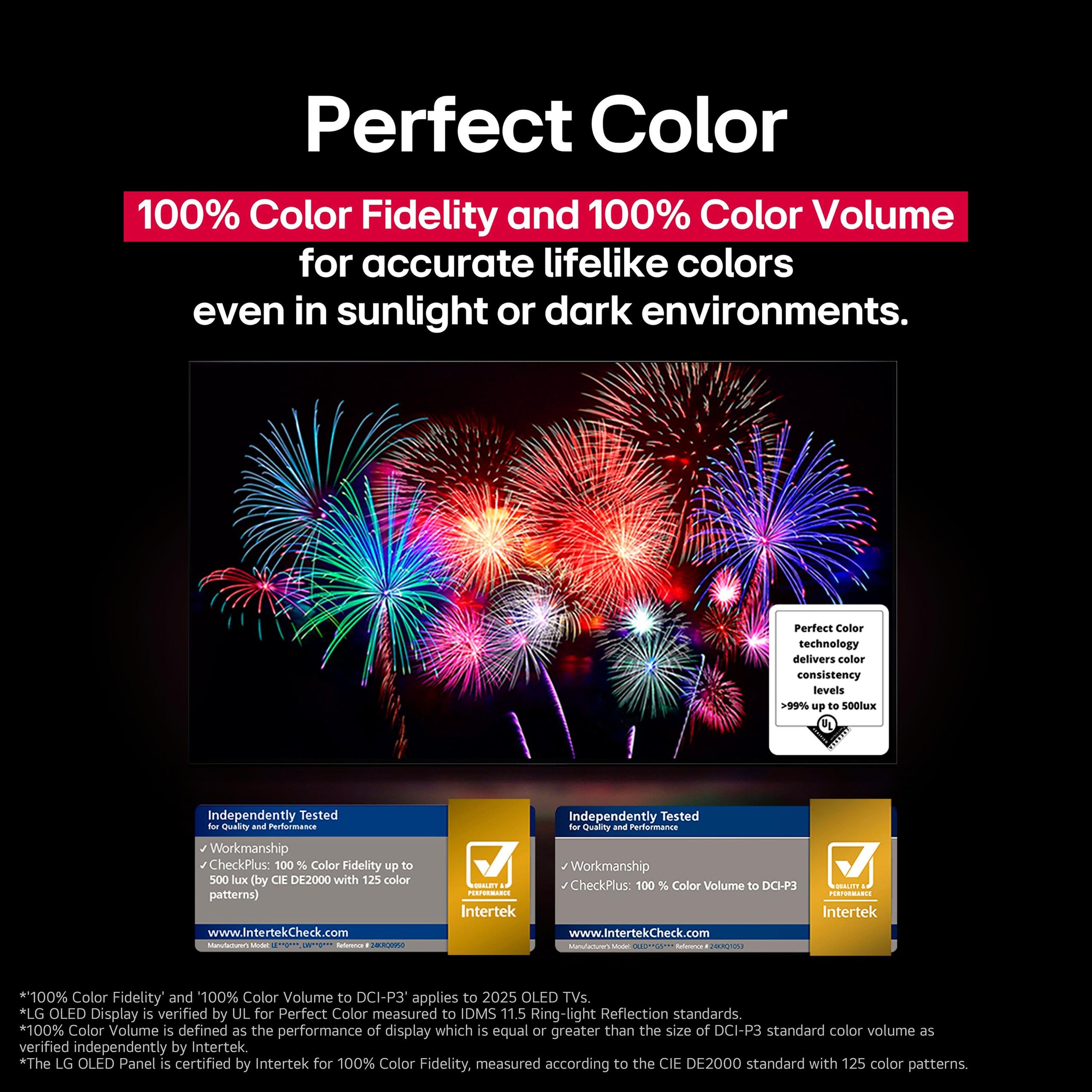
Shopping for a premium 65-inch TV in 2025 means choosing between two fundamentally different display technologies that have reached impressive new heights. The Samsung Q8F represents the latest evolution of QLED technology with mini-LED backlighting, while the LG G5 introduces revolutionary tandem OLED panels that solve many of OLED's traditional weaknesses. At the time of writing, these TVs sit at opposite ends of the premium spectrum—the Samsung offering exceptional value for money, while the LG commands a significant price premium for cutting-edge performance.
Both TVs launched in early 2025, but they represent years of different technological development paths. The Samsung Q8F builds on Samsung's quantum dot mastery, adding mini-LED backlighting for improved contrast control. The LG G5, however, introduces something genuinely new: a 4-stack tandem RGB OLED panel that dramatically increases brightness while maintaining OLED's perfect black levels.
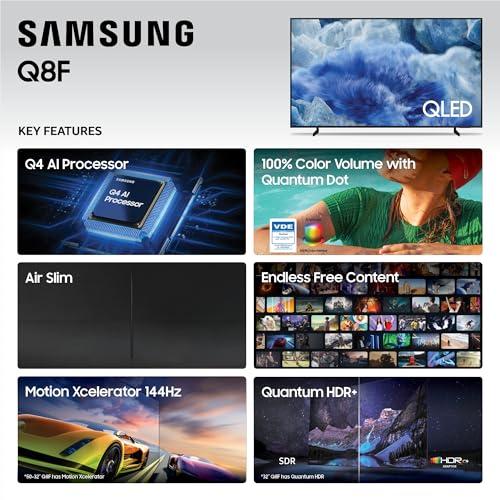
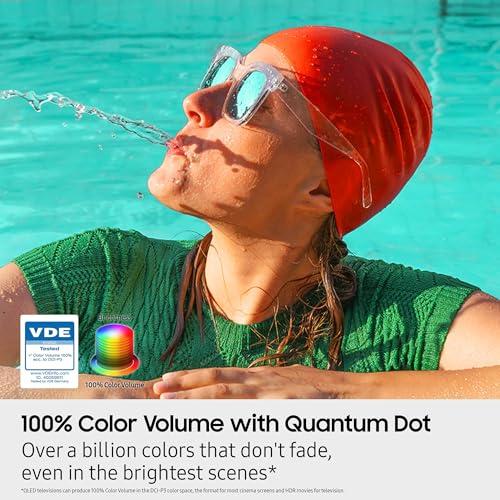
Before diving into specifics, it's worth understanding what makes these TVs tick. The Samsung Q8F uses QLED technology, which means it has a traditional LED backlight shining through quantum dot crystals that convert blue light into precise red and green wavelengths. This creates more accurate colors than standard LCD TVs. The "mini-LED" part refers to using thousands of tiny LEDs instead of dozens of larger ones, allowing for better control over which parts of the screen are bright or dark.
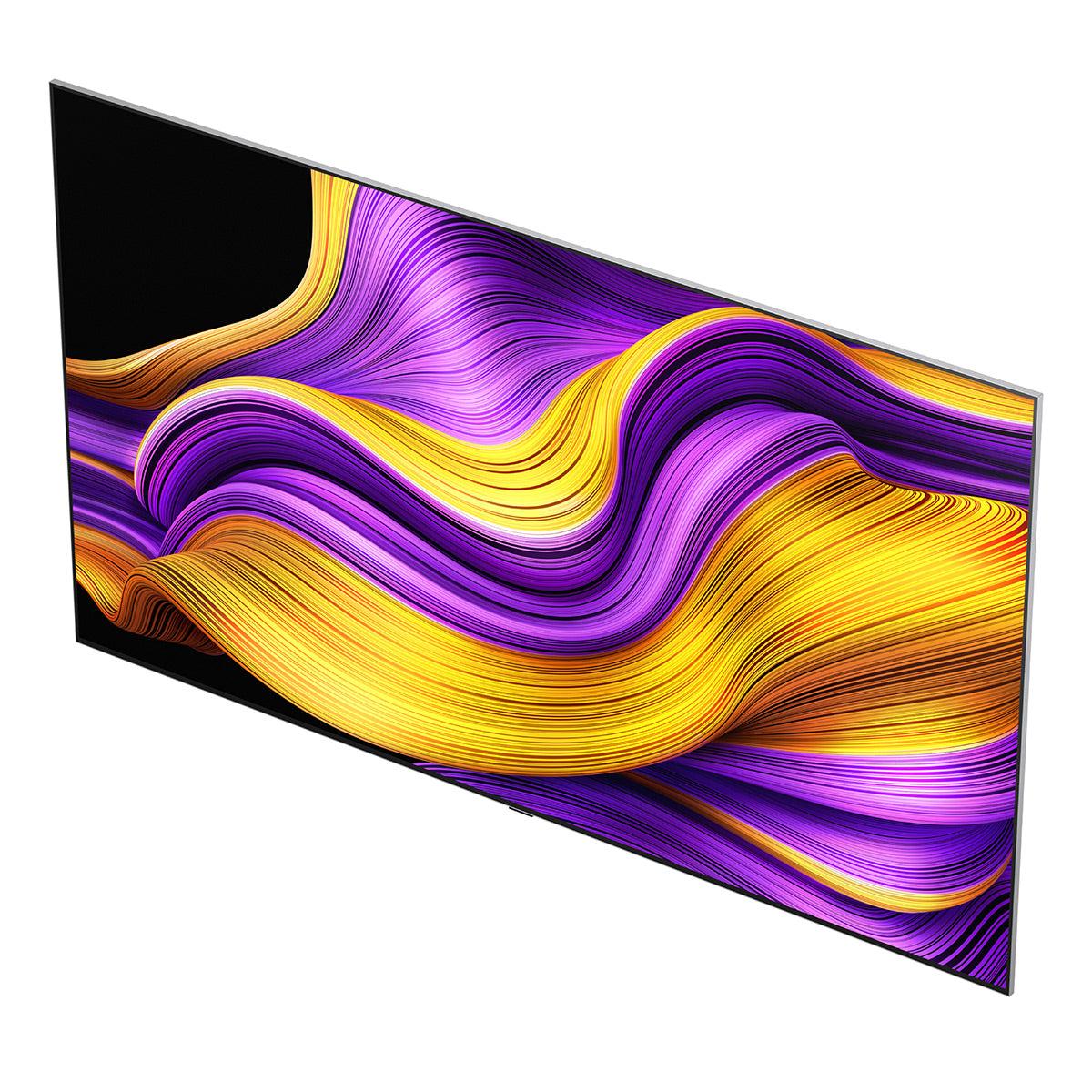
The LG G5 takes a completely different approach with OLED (Organic Light-Emitting Diode) technology. Each pixel creates its own light and can turn completely off for perfect blacks. What's revolutionary about the G5 is its tandem structure—essentially stacking four OLED layers instead of the usual single layer, which dramatically increases brightness without sacrificing the technology's signature contrast advantages.
Think of it this way: QLED is like having a really sophisticated flashlight shining through colored filters, while OLED is like having 8.3 million tiny colored lightbulbs that can each turn on and off independently. Both approaches have merit, but they excel in different scenarios.
This is where the 2025 models show the most dramatic improvements. The Samsung Q8F delivers impressive peak brightness levels that make HDR (High Dynamic Range) content really pop. HDR basically means the TV can show much brighter whites and darker blacks simultaneously, creating more realistic images. The Q8F's mini-LED backlight can push certain areas of the screen to over 1,000 nits of brightness—that's bright enough to make you squint if you're looking at a white screen in a dark room.

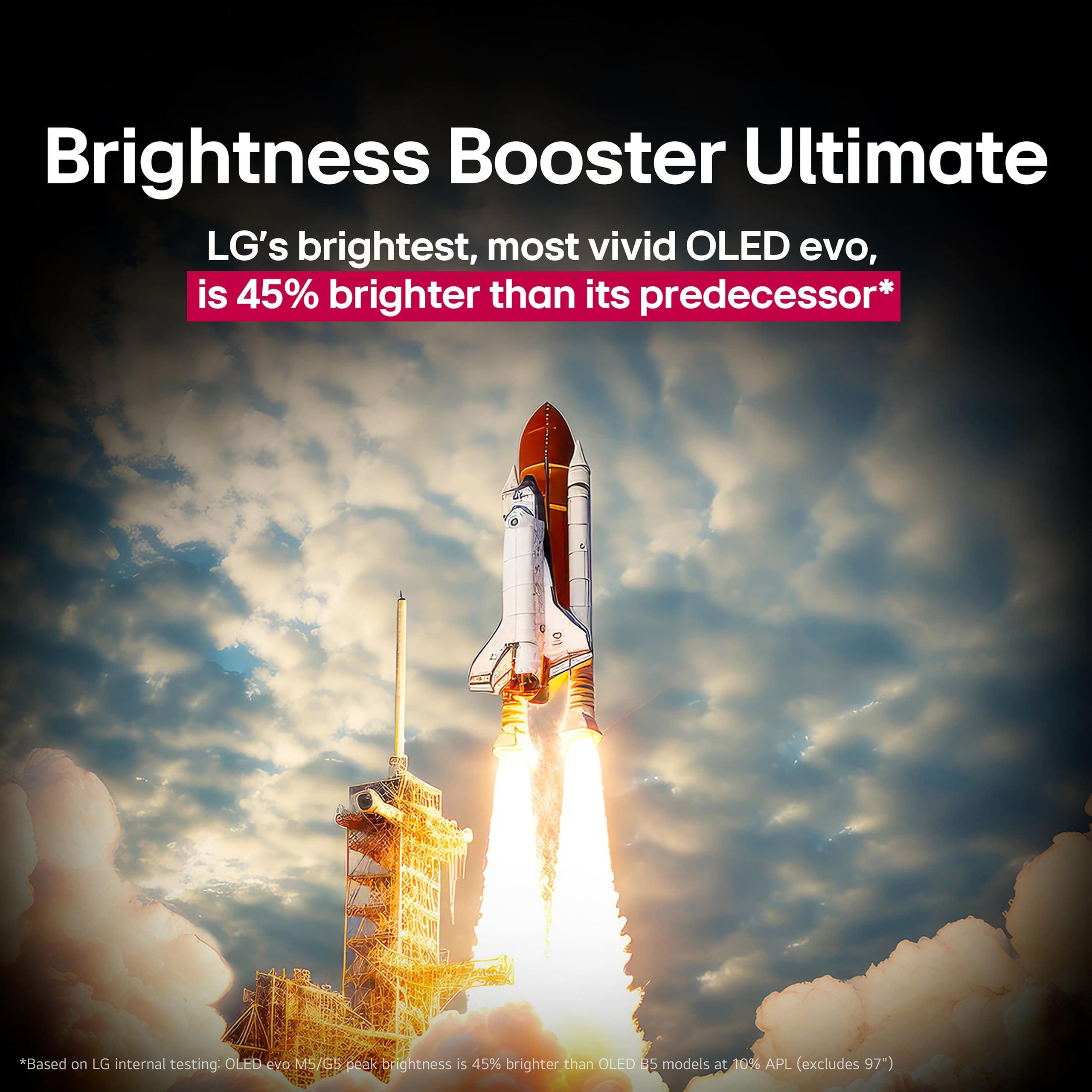
But here's where the LG G5 gets interesting. Traditional OLED TVs were always criticized for being too dim, especially compared to bright LCD competitors. The G5's new tandem panel structure changes that game completely. LG claims up to 45% brighter images compared to previous OLED generations, reaching around 1,300 nits peak brightness. This isn't just marketing fluff—our research into professional reviews and user feedback confirms that the G5 can genuinely compete with mini-LED TVs in bright rooms for the first time.
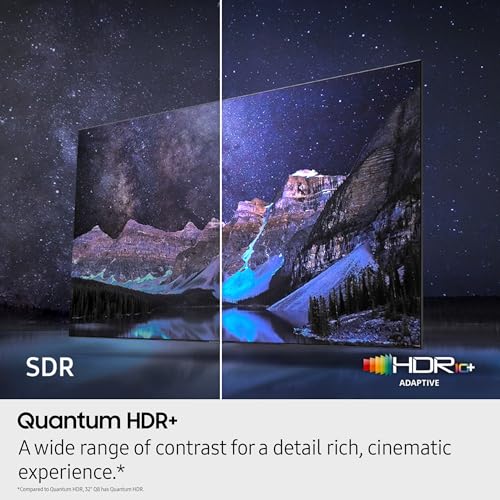
The HDR format support also differs significantly. The Samsung Q8F supports HDR10+ (Adaptive), which dynamically adjusts the image scene by scene. The LG G5 goes with Dolby Vision, generally considered the superior HDR format because it contains more metadata about how each scene should look. Samsung's absence of Dolby Vision support remains puzzling, especially at this performance level.
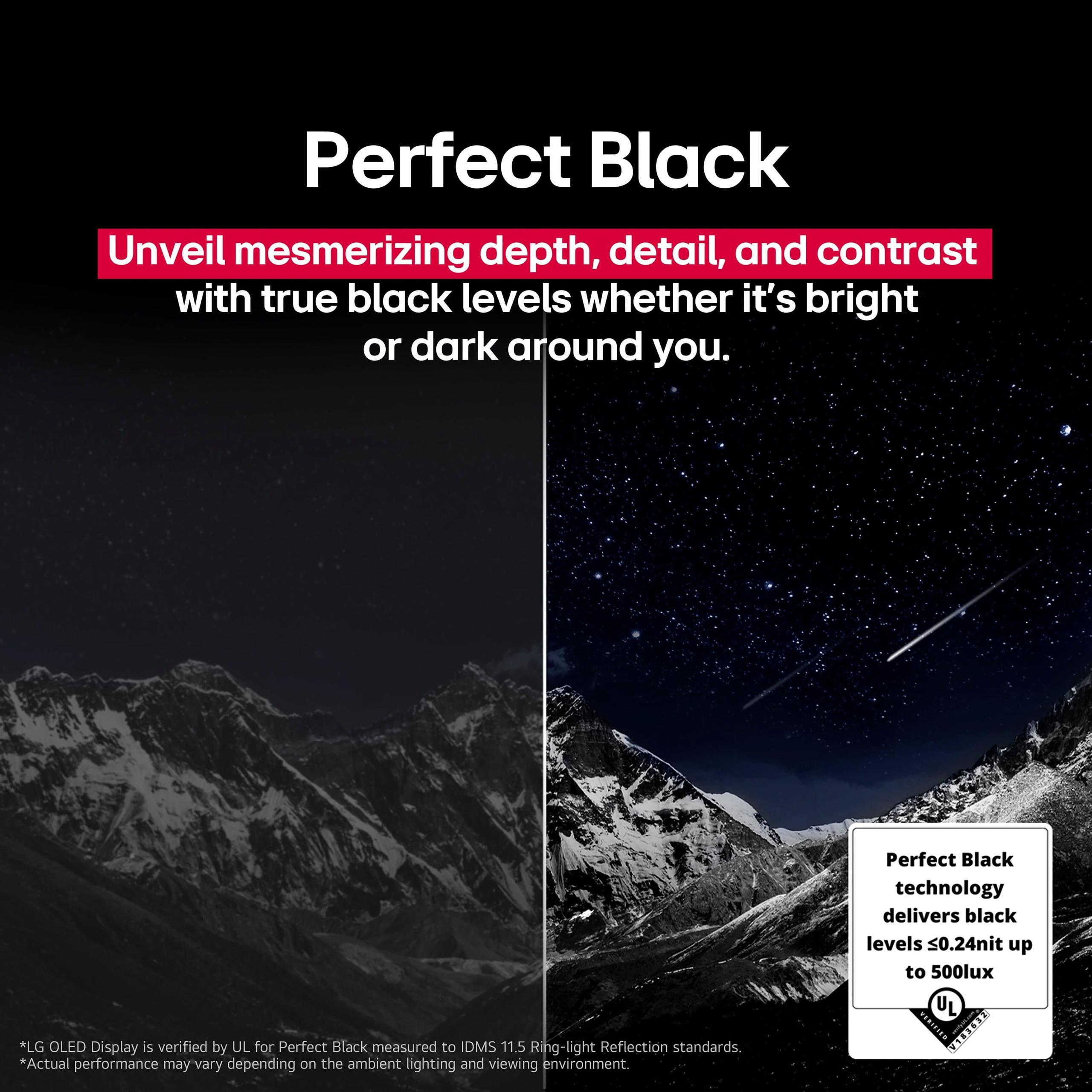
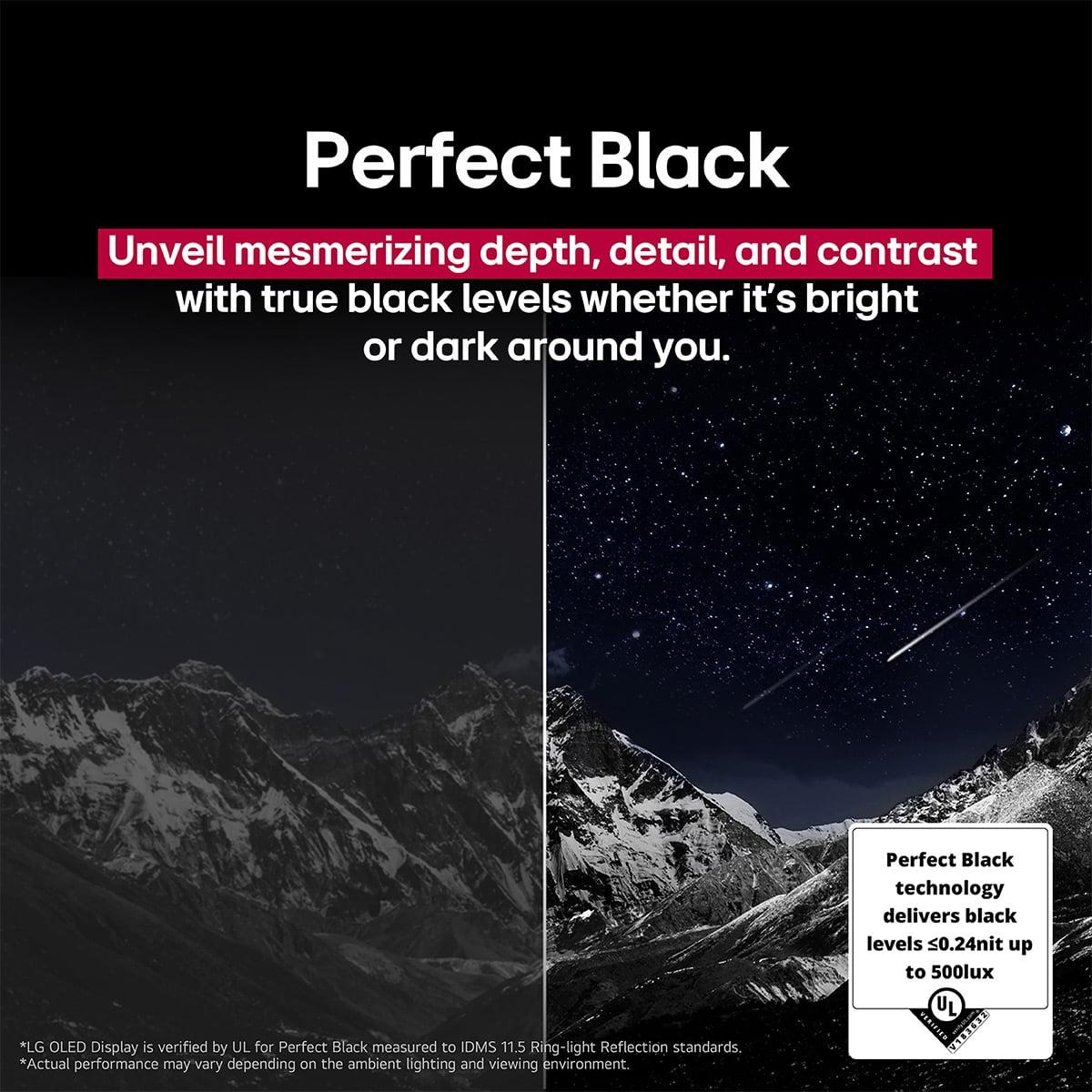
This is where OLED technology still reigns supreme, and the LG G5 showcases why. When an OLED pixel needs to display black, it simply turns off completely. This creates what we call "infinite contrast"—the difference between the brightest white and the darkest black is essentially unlimited. The result is incredibly realistic images with depth that almost jumps off the screen.
The Samsung Q8F, despite its mini-LED backlighting improvements, still can't achieve true blacks. Even with thousands of dimming zones, some light always leaks through, creating what we call "raised blacks"—dark areas that appear slightly grayish rather than true black. In a completely dark room, this difference is immediately noticeable. However, the Q8F's black levels are still impressive for a backlit display and perfectly adequate for most viewing scenarios.
Where this matters most is in dark, atmospheric content like horror movies, space films, or dramatic scenes with lots of shadows. The LG G5 renders these with incredible depth and detail, while the Samsung Q8F handles them competently but without the same dramatic impact.
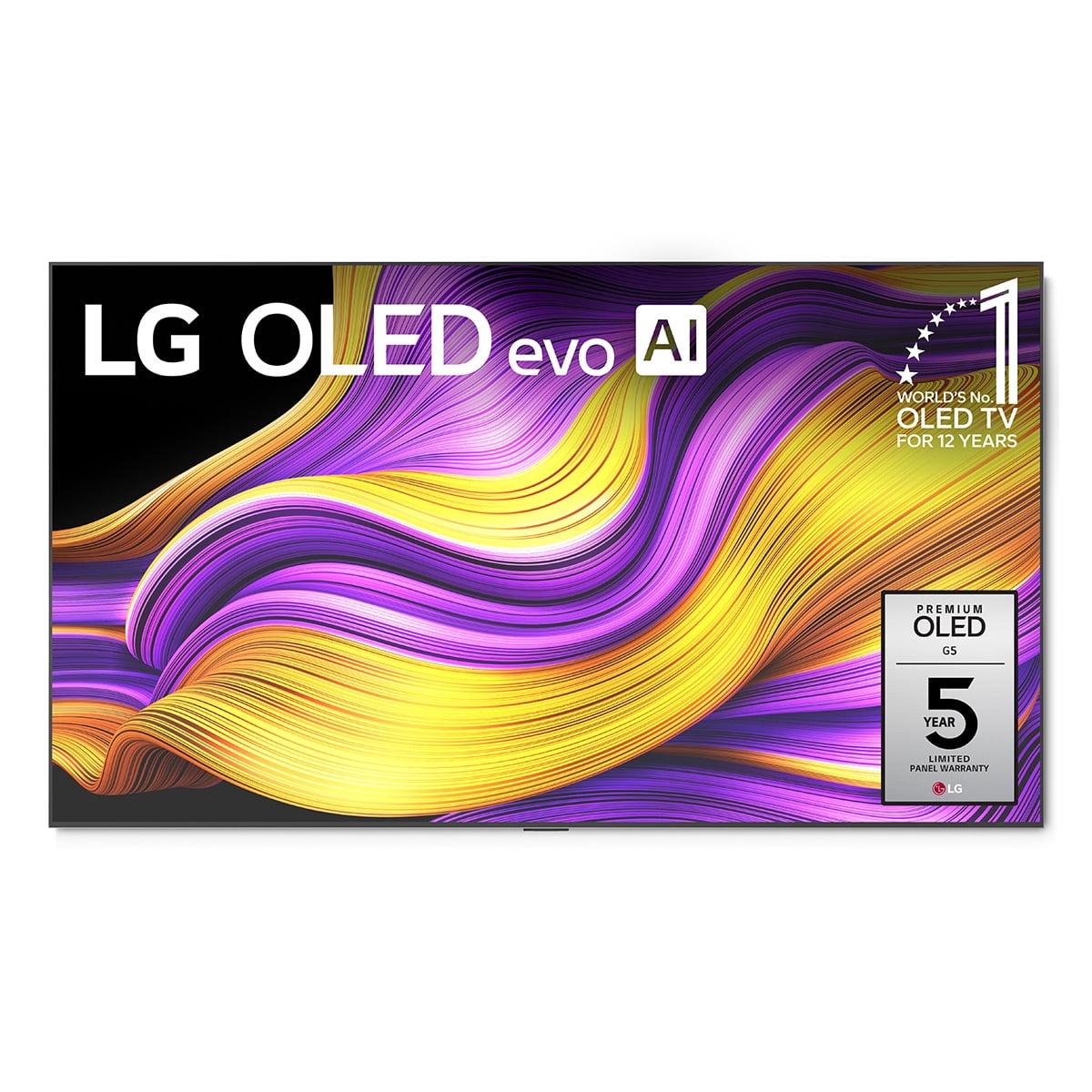
Both TVs excel at color reproduction, but in different ways. The Samsung Q8F produces what many describe as "punchy" colors—vibrant, saturated, and immediately eye-catching. This quantum dot technology is particularly effective at displaying a wide range of colors, and Samsung's processing tends to boost saturation for a more dynamic look. This works great for sports, news, and general entertainment where you want colors that pop.
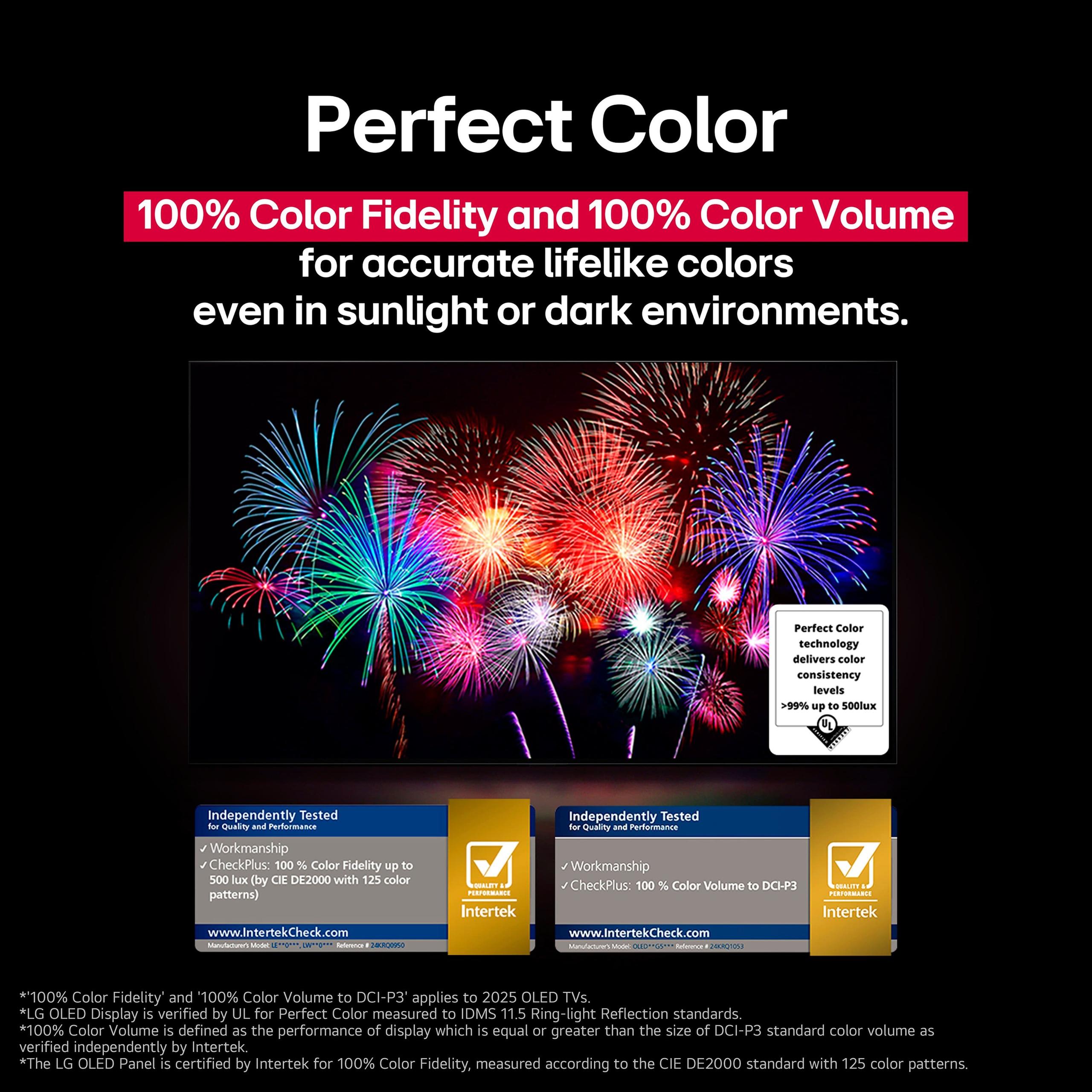
The LG G5 takes a more nuanced approach with 99.5% coverage of the DCI-P3 color space (the standard used by movie studios). This means colors are incredibly accurate to what content creators intended. The new tandem panel structure also improves color purity, especially in blues and greens where previous OLED panels sometimes struggled. For film enthusiasts who want to see movies exactly as directors intended, the G5's color accuracy is superior.
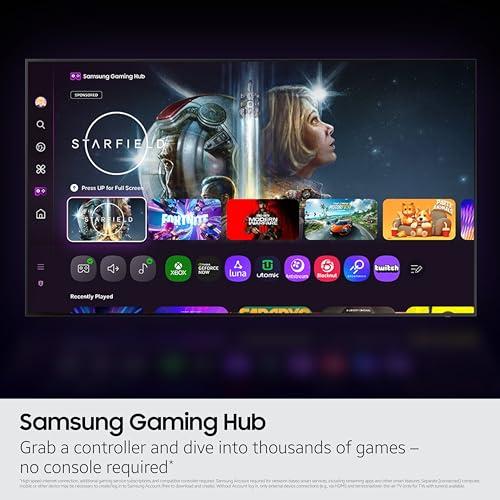
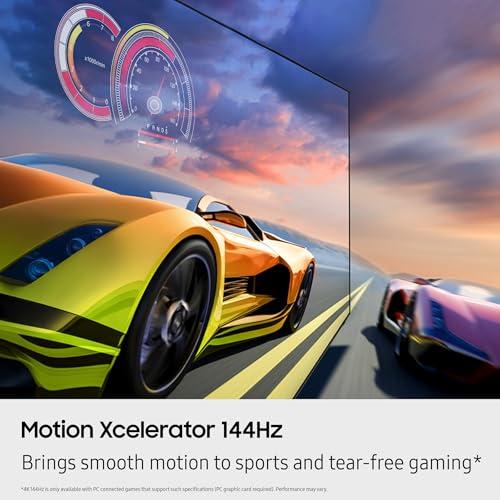
Gaming capabilities have become crucial for any premium TV, and both models deliver, but with different strengths. The Samsung Q8F supports up to 144Hz refresh rates with Motion Xcelerator technology, which means fast-moving games look smooth and responsive. It includes Auto Game Mode that automatically switches to low-latency settings when it detects a gaming console, plus support for Variable Refresh Rate (VRR) to eliminate screen tearing.
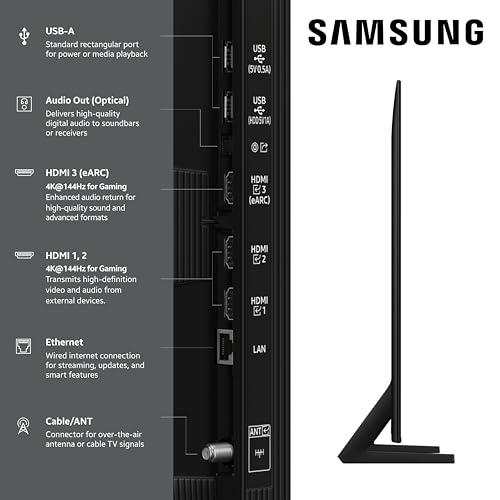
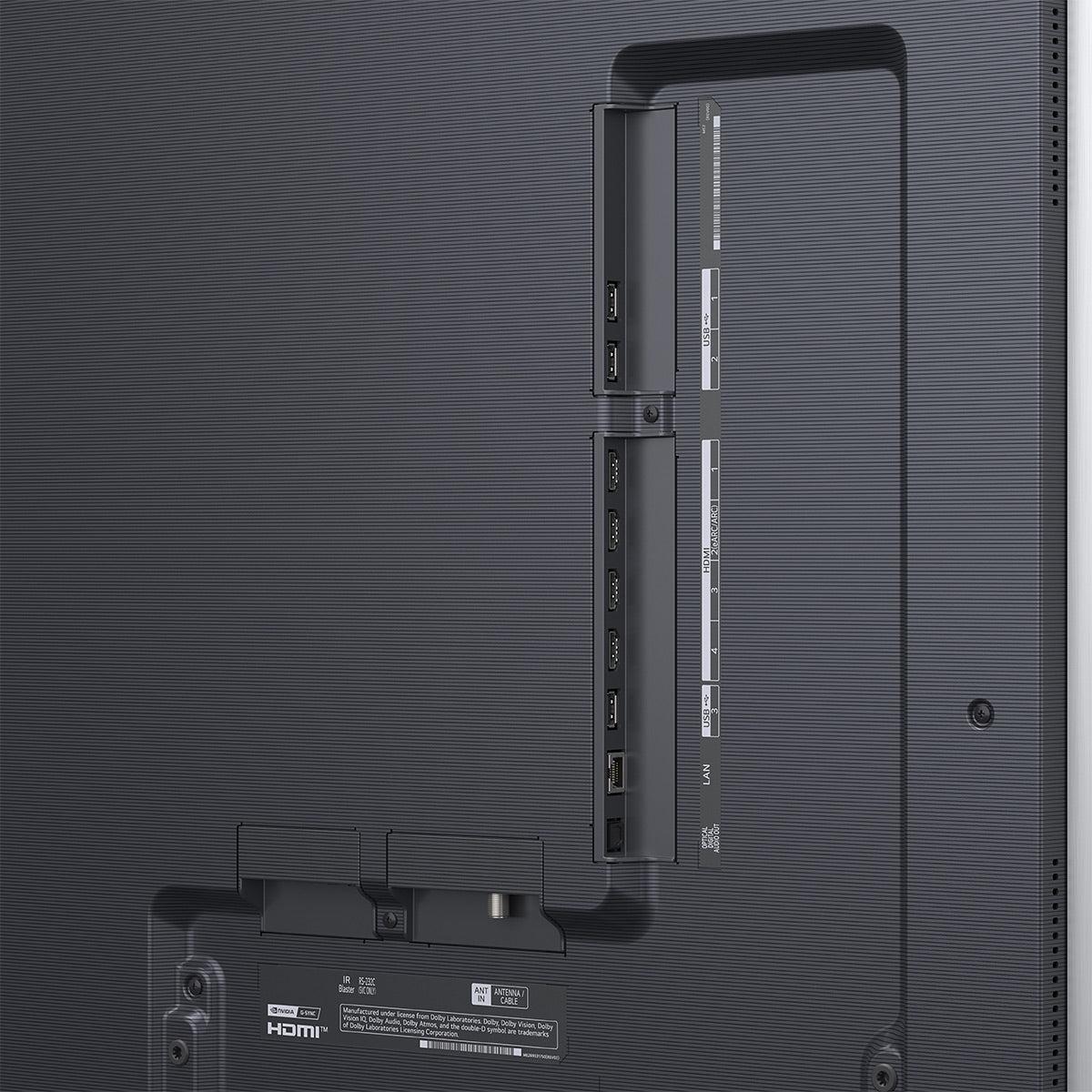
The LG G5 pushes gaming performance even further with support for up to 165Hz on all four HDMI 2.1 ports. This higher refresh rate capability matters for PC gamers with powerful graphics cards who can push games beyond 120 frames per second. The G5 also supports multiple VRR standards including G-SYNC, FreeSync, and HDMI Forum VRR, making it compatible with virtually any gaming device.

OLED's advantage in gaming comes from response time—how quickly pixels can change from one color to another. OLED pixels respond essentially instantaneously, while LCD technologies always have some delay. For competitive gaming where every millisecond counts, the LG G5 has a clear advantage.
However, there's one consideration for serious gamers: burn-in. OLED panels can develop permanent image retention if static elements (like game HUDs or channel logos) stay on screen for extended periods. While modern OLEDs have much better burn-in resistance than earlier generations, it's still something to consider for gamers who play the same game for hundreds of hours.
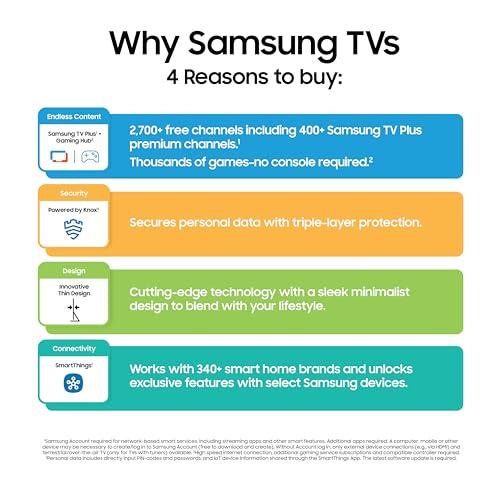
The smart TV experience has evolved dramatically, and both platforms offer sophisticated AI-driven interfaces. The Samsung Q8F runs Tizen with Samsung's Vision AI, which learns your viewing habits and suggests content. It integrates well with Samsung's SmartThings ecosystem for smart home control and includes voice assistant support.
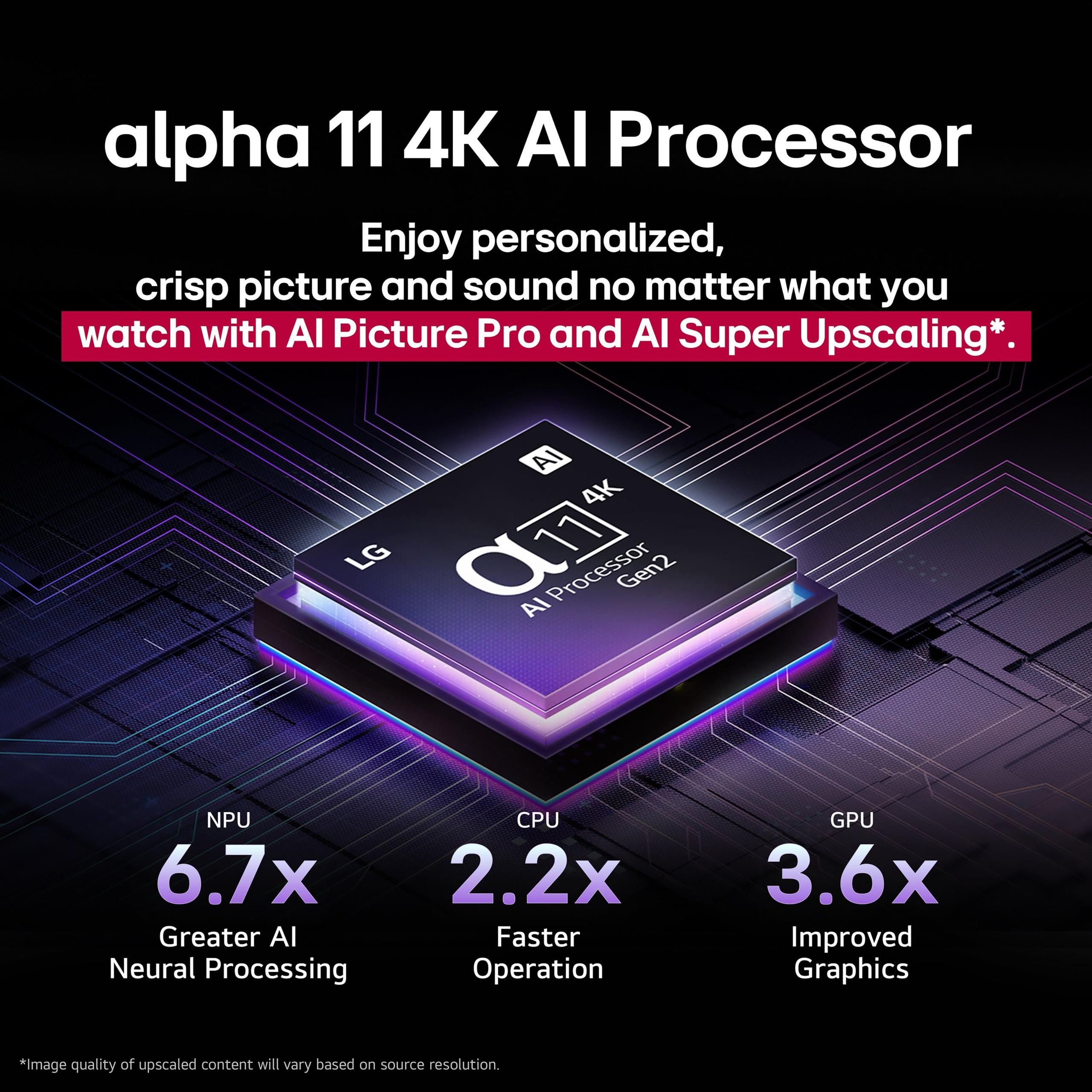
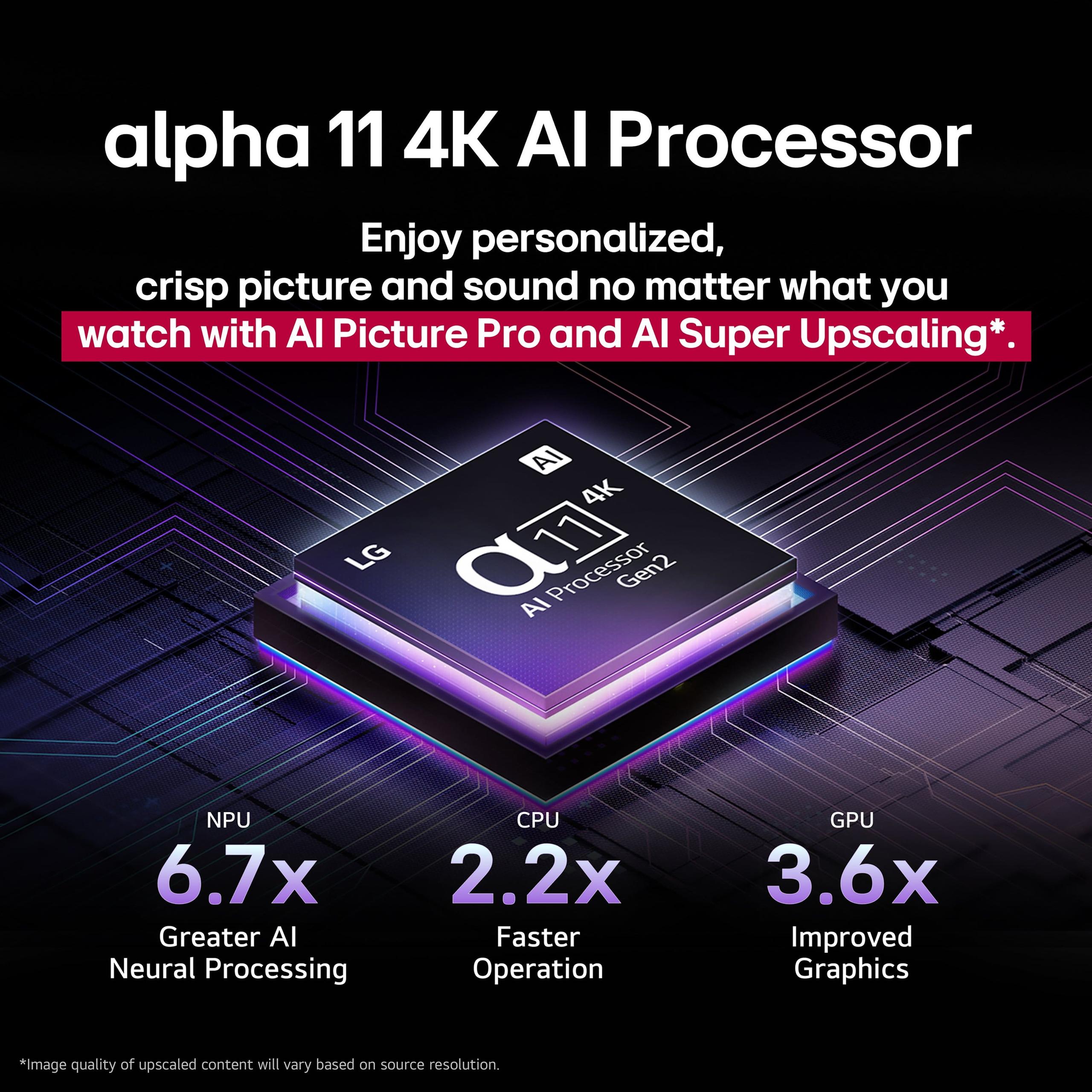
The LG G5 features webOS 25 with the Alpha 11 AI Processor Gen 2, which represents a significant leap in processing power. The new Quick Cards feature organizes your favorite apps and content into easily accessible groups, while the AI button on the Magic Remote provides contextual assistance. LG also guarantees webOS updates for five years through their webOS Renew program, offering better long-term software support than most competitors.
Processing power matters for more than just interface responsiveness. Both TVs use AI for upscaling lower-resolution content to 4K, but the LG G5's more powerful processor generally produces better results, especially with challenging content like old movies or heavily compressed streaming video.
This might be the most important practical consideration. The Samsung Q8F excels in bright rooms thanks to its high peak brightness and anti-reflective screen treatment. If your TV faces windows or you watch primarily during daytime, the Q8F's ability to overcome ambient light is impressive. The quantum dot technology maintains color saturation even in bright conditions, making it ideal for family rooms with lots of natural light.
The LG G5 represents a breakthrough for OLED in bright rooms. Previous OLED TVs were primarily recommended for dark, theater-like environments. The G5's dramatically increased brightness makes it viable in mixed lighting conditions for the first time. However, it still doesn't quite match mini-LED brightness levels, and its glossy screen can show reflections in very bright rooms.
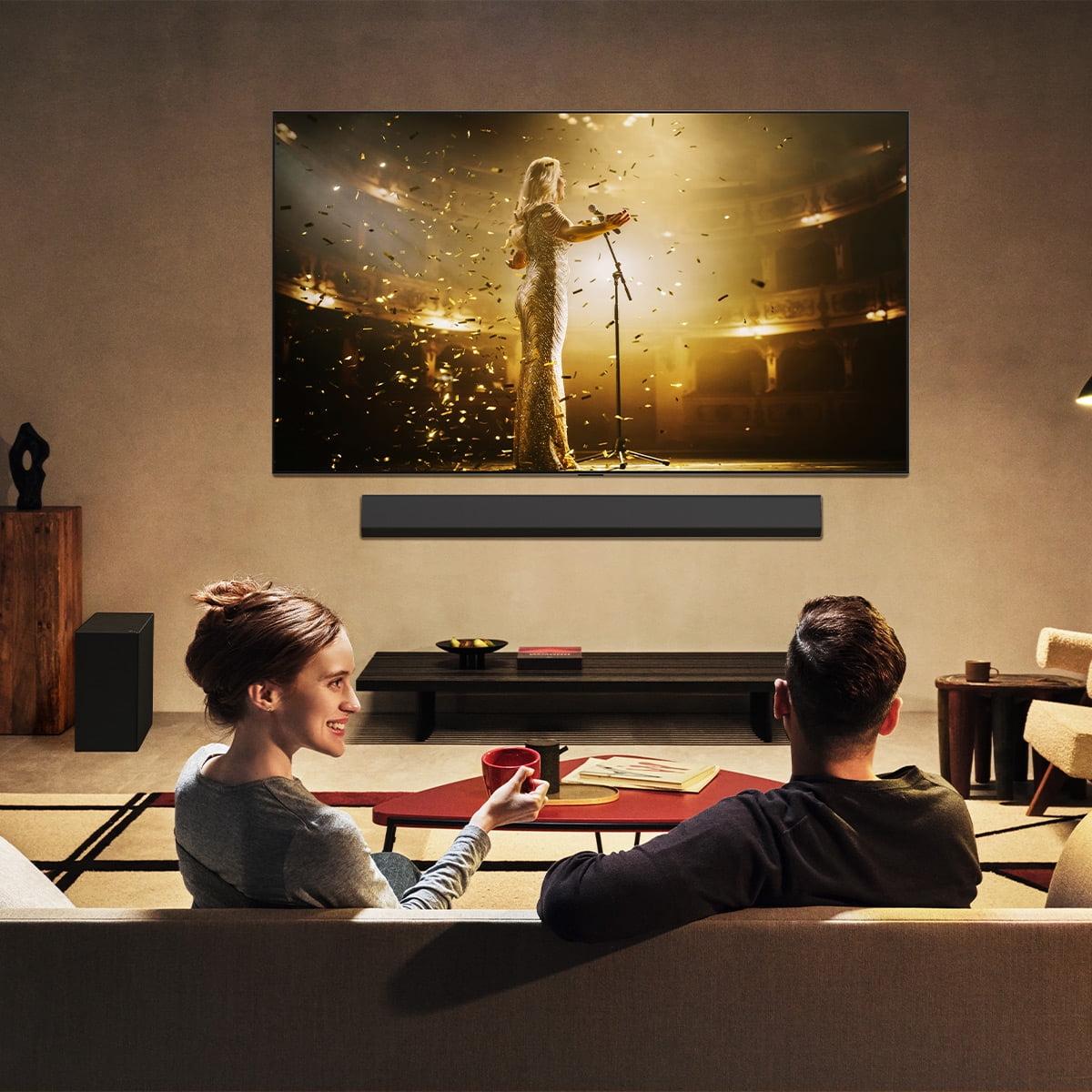
For home theater setups, the LG G5 remains the superior choice. In controlled lighting environments, OLED's perfect blacks create an immersive, cinematic experience that mini-LED simply cannot match. Dark scenes in movies have depth and detail that draws you into the story rather than reminding you you're watching a screen.
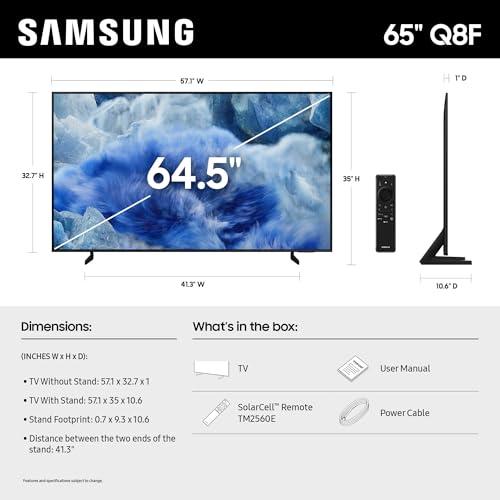
Both TVs reflect their manufacturers' design philosophies. The Samsung Q8F features Samsung's AirSlim design with a focus on practicality and value. It's well-built without being ostentatious, designed to deliver performance without unnecessary premium touches that increase cost.
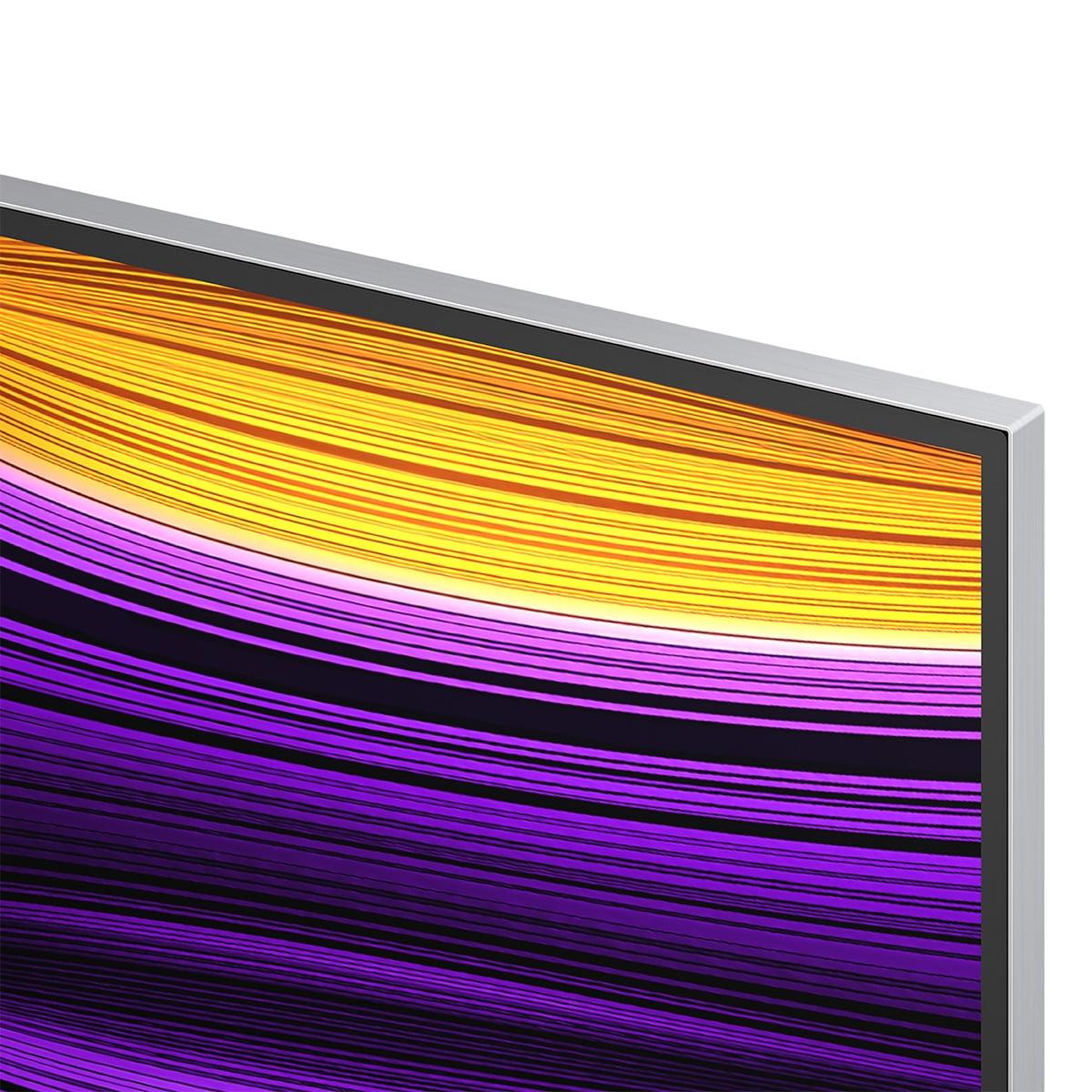
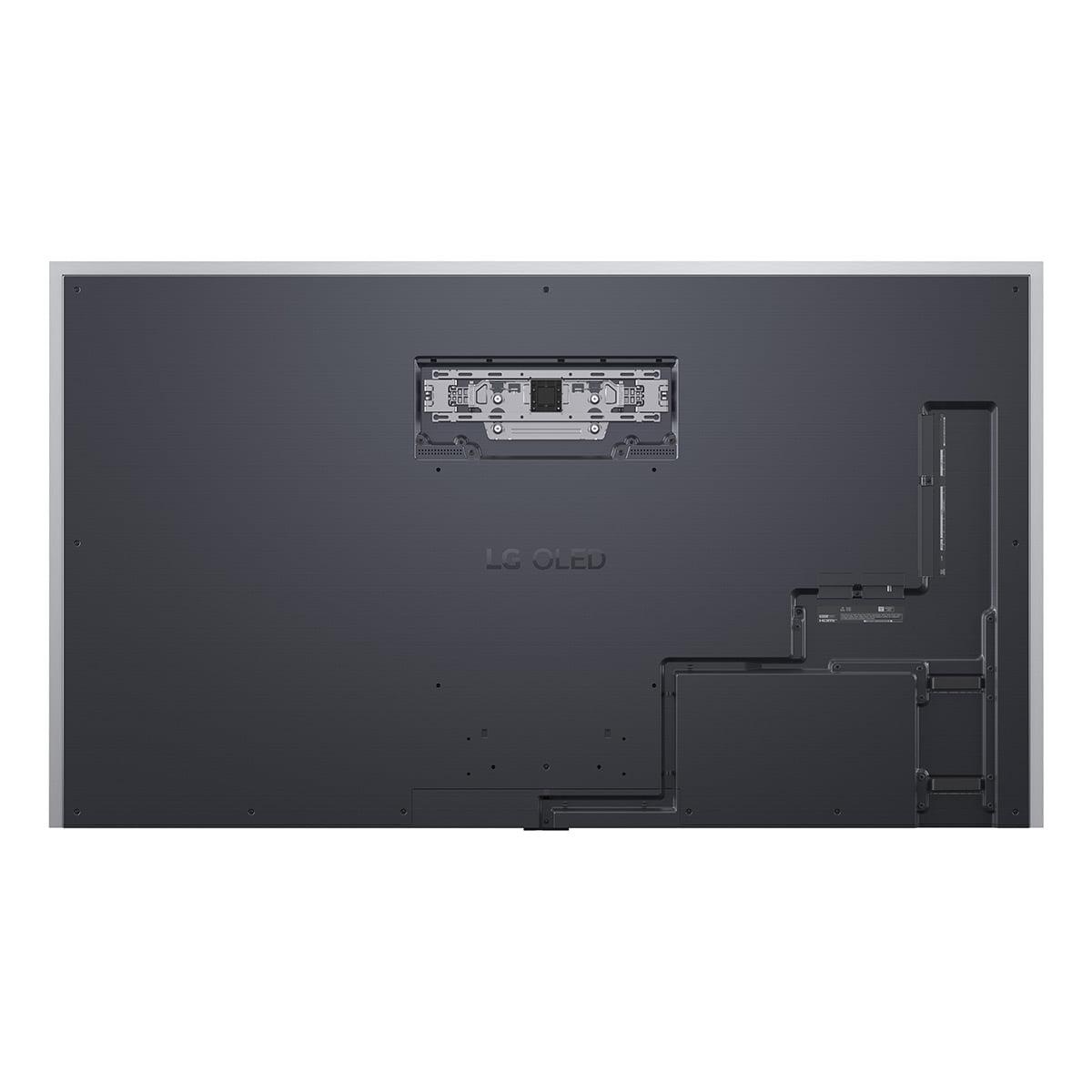
The LG G5 embodies LG's "Gallery Design" philosophy with its One Wall mounting system that hangs flush against the wall like artwork. When not in use, it can display art or photos, blending into your living space. The build quality reflects its premium positioning, with attention to details that justify the higher price point.
LG's confidence in their panel technology shows in the 5-year panel warranty—significantly longer than industry standard. This suggests genuine confidence in long-term reliability, something worth considering for a significant purchase like a premium TV.
At the time of writing, these TVs occupy very different value positions. The Samsung Q8F represents exceptional value, delivering roughly 70% of premium TV performance at about 35% of the cost of flagship models like the LG G5. For most viewers, the Q8F provides more than adequate picture quality, gaming performance, and smart features without breaking the budget.
The LG G5 commands a significant premium, but it's pricing reflects genuine technological innovation. The tandem OLED panel represents years of research and development, solving fundamental OLED limitations while maintaining the technology's core advantages. For enthusiasts who prioritize ultimate picture quality, the price premium makes sense.
Consider the total ownership experience too. The Samsung Q8F offers solid performance that will satisfy most viewers for years. The LG G5 provides reference-level picture quality that remains impressive as your standards evolve and content quality improves.
The Samsung Q8F makes sense for buyers who want premium features without premium prices. If you watch TV primarily in bright rooms, enjoy sports and general entertainment, and want solid gaming capabilities, the Q8F delivers everything you need. It's particularly appealing for families who need a great TV for mixed content and varied viewing conditions.
The LG G5 justifies its premium for specific scenarios: home theater enthusiasts who can control lighting, serious gamers who want cutting-edge performance, and film lovers who prioritize color accuracy and contrast. If you view your TV purchase as a long-term investment in your primary entertainment display, the G5's technological advantages and extended warranty make financial sense.
Your room environment should heavily influence this decision. If your TV will face windows or be used primarily during bright conditions, the Samsung Q8F offers better practical performance at a fraction of the cost. For dedicated home theater setups or evening viewing in controlled lighting, the LG G5 provides a dramatically superior experience that justifies its premium pricing.
Consider your content preferences too. Sports fans, news watchers, and general entertainment viewers will be perfectly happy with the Samsung Q8F's vibrant, engaging picture quality. Film enthusiasts and those who prioritize absolute picture quality will appreciate the LG G5's accuracy and depth.
Both TVs represent excellent execution of their respective technologies. The Samsung delivers impressive performance at an accessible price point, while the LG pushes the boundaries of what's possible in home display technology. Your choice should align with your priorities: practical excellence or technological leadership.
| Samsung 65" QLED Q8F 4K Smart TV 2025 | LG OLED evo G5 65" 4K Smart TV 2025 |
|---|---|
| Display Technology - Fundamental difference in how images are created | |
| Mini-LED backlit QLED with Quantum Dot color enhancement | Revolutionary 4-stack tandem RGB OLED with self-lit pixels |
| Peak Brightness - Critical for HDR impact and bright room viewing | |
| ~1,100 nits (excellent for daytime viewing and sports) | 1,300 nits (45% brighter than previous OLEDs, competitive with mini-LED) |
| Black Levels - Determines contrast and dark scene detail | |
| Slightly raised blacks due to backlight limitations | Perfect pixel-level blacks creating infinite contrast |
| Color Gamut Coverage - Affects color accuracy and vibrancy | |
| ~93% DCI-P3 with punchy, vibrant quantum dot colors | 99.5% DCI-P3 with cinema-accurate color reproduction |
| Gaming Refresh Rate - Important for smooth motion and competitive gaming | |
| Up to 144Hz with Motion Xcelerator technology | Up to 165Hz on all four HDMI 2.1 ports |
| HDR Format Support - Determines compatibility with premium content | |
| HDR10+ Adaptive (dynamic scene optimization) | Dolby Vision + HDR10 (superior metadata and processing) |
| Smart TV Platform - Affects interface quality and future updates | |
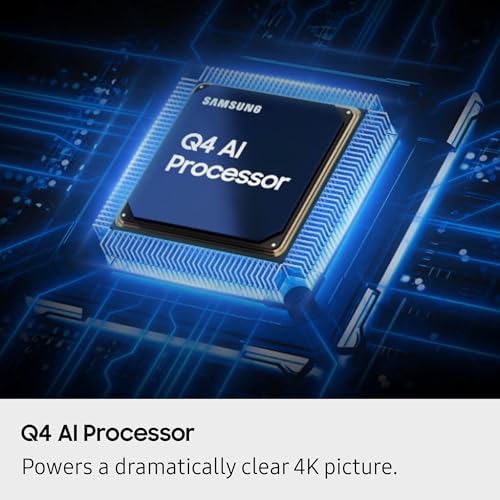
| Tizen with Q4 AI Processor and Vision AI features | webOS 25 with Alpha 11 AI Gen 2 and 5-year update guarantee |
| Panel Warranty - Indicates manufacturer confidence and long-term value | |
| Standard 1-year warranty coverage | Extended 5-year panel warranty (industry-leading coverage) |
| Ideal Room Environment - Where each TV performs best | |
| Bright rooms, mixed lighting, family spaces | Dark rooms, controlled lighting, dedicated home theaters |
| Best For Content Types - Optimized viewing experiences | |
| Sports, news, daytime TV, casual gaming | Movies, cinematic content, serious gaming, professional use |
| Value Proposition - Performance relative to investment | |
| Exceptional value delivering premium features at accessible pricing | Premium investment for cutting-edge technology and reference-quality performance |
The LG OLED evo G5 delivers superior overall picture quality with perfect black levels, infinite contrast, and 99.5% DCI-P3 color accuracy. However, the Samsung Q8F offers excellent picture quality for the price with brighter peak luminance and vibrant quantum dot colors that many viewers prefer for sports and daytime content.
The Samsung Q8F performs better in bright rooms thanks to its higher sustained brightness and anti-reflective screen treatment. While the LG G5 is 45% brighter than previous OLEDs and can handle mixed lighting well, the Samsung still has an edge for rooms with lots of windows or daytime viewing.
The LG G5 is the superior gaming TV with 165Hz support on all HDMI ports, near-instantaneous OLED response times, and comprehensive VRR support including G-SYNC and FreeSync. The Samsung Q8F still offers excellent gaming with 144Hz support and low input lag, making it great for casual and competitive gaming at a lower price point.
The Samsung Q8F supports HDR10+ Adaptive but lacks Dolby Vision support. The LG G5 supports both Dolby Vision and HDR10, giving it broader compatibility with premium streaming content and UHD Blu-rays that use Dolby Vision encoding.
The LG G5 has more advanced smart features with webOS 25, the powerful Alpha 11 AI processor, and a 5-year update guarantee. The Samsung Q8F offers solid smart TV capabilities with Tizen, Vision AI, and SmartThings integration, providing all essential streaming and smart home features.
For dedicated home theaters with controlled lighting, the LG G5 OLED technology is superior due to perfect blacks, infinite contrast, and cinema-accurate colors. The Samsung Q8F QLED works well in home theaters too, especially if you sometimes watch with ambient lighting or prefer brighter, more vibrant images.
Both TVs should last 7-10 years with normal use. The LG G5 includes a 5-year panel warranty showing manufacturer confidence, while OLED panels have potential burn-in concerns with static images. The Samsung Q8F has standard warranty coverage but mini-LED backlights are generally very durable.
The Samsung Q8F offers exceptional value, delivering about 70% of premium TV performance at roughly one-third the cost of flagship models. The LG G5 justifies its premium pricing with cutting-edge technology and reference-quality performance, making it better value for enthusiasts prioritizing ultimate picture quality.
Yes, both the Samsung Q8F and LG G5 excel with native 4K content and offer excellent upscaling for lower resolution sources. The LG's more powerful processor generally produces slightly better upscaling results, while the Samsung's processing is optimized for vibrant, engaging images.
The LG G5 is better for movie watching due to its perfect blacks, accurate colors, Dolby Vision support, and cinematic contrast that creates immersive viewing experiences. The Samsung Q8F still delivers great movie performance with bright, engaging images, making it excellent for action films and mixed content viewing.
The LG G5 includes an industry-leading 5-year limited panel warranty, demonstrating exceptional manufacturer confidence in the display technology. The Samsung Q8F comes with standard warranty coverage, which is typical for TVs in its price range.
Choose the Samsung Q8F if you have a bright living room, mixed lighting conditions, or want excellent performance without premium pricing. Select the LG G5 if picture quality is your top priority, you can control room lighting, or you want the most advanced display technology available in 2025.
We've done our best to create useful and informative comparisons to help you decide what product to buy. Our research uses advanced automated methods to create this comparison and perfection is not possible - please contact us for corrections or questions. These are the sites we've researched in the creation of this article: bestbuy.com - rtings.com - tomsguide.com - youtube.com - samsung.com - youtube.com - youtube.com - youtube.com - rtings.com - rtings.com - linqcdn.avbportal.com - bestbuy.com - samsung.com - samsung.com - samsung.com - youtube.com - youtube.com - billsmith.com - samsung.com - samsung.com - samsung.com - hometechnologyreview.com - shopjetson.com - certappl.com - samsung.com - theapplianceplug.com - samsung.com - manuals.plus - bestbuy.com - device.report - samsung.com - shopsilica.com - dentonstv.com - bestbuy.com - techradar.com - rtings.com - youtube.com - youtube.com - rtings.com - bestbuy.com - youtube.com - valueelectronics.com - lg.com - audio-videoplus.com - lg.com - lg.com - lg.com

Privacy Policy
Terms and Conditions - Affiliate Policy
Home Security
© Copyright 2008-2026.
11816 Inwood Rd #1211, Dallas, TX 75244