

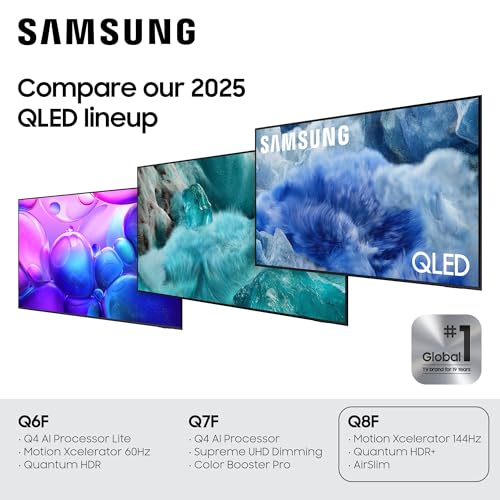
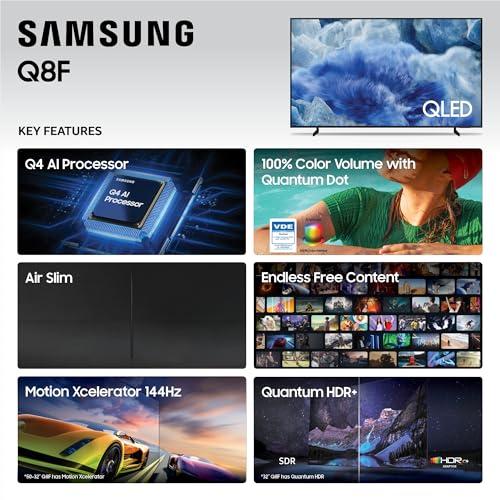
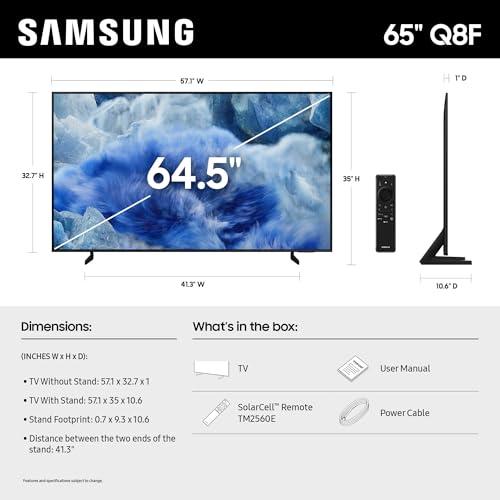
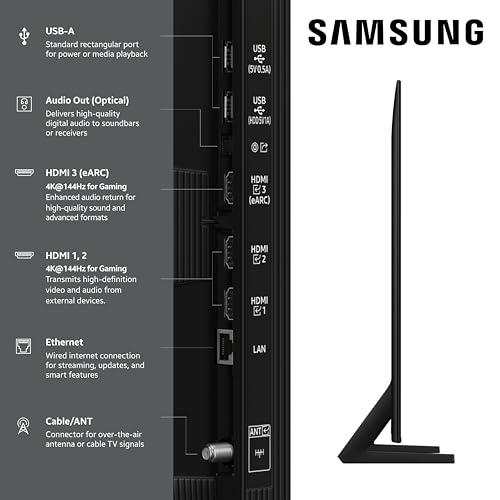
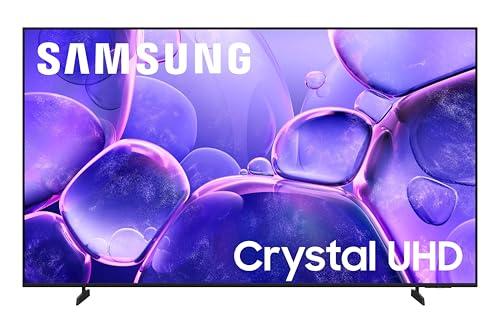
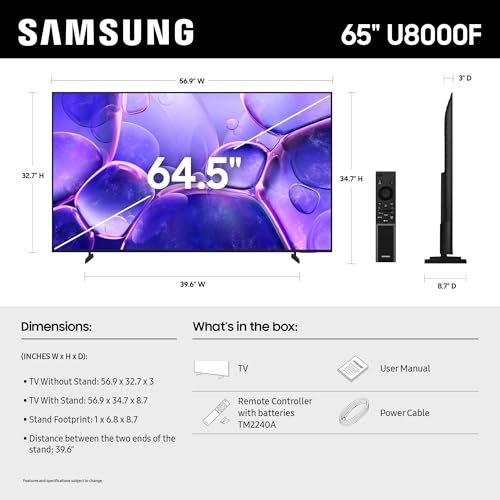
Samsung launched both the 65" QLED Q8F and 65-Inch Crystal UHD U8000F in 2025 as part of their refreshed smart TV lineup, each targeting different segments of the market. The timing is significant—2025 marked Samsung's push to bring premium features down to more affordable price points while maintaining clear performance tiers. Both models showcase Samsung's latest Tizen operating system and design philosophy, but they take fundamentally different approaches to delivering 4K entertainment.
The 4K smart TV market has matured considerably over the past few years. What used to be simple decisions about screen size and resolution now involve complex considerations around display technology, gaming capabilities, and smart home integration. Modern TVs serve as entertainment hubs, gaming centers, and even digital art displays.
The most critical factors when choosing a 4K TV include display brightness (measured in nits), color accuracy and volume, motion handling for sports and gaming, smart platform capabilities, and overall build quality. Understanding these fundamentals helps cut through marketing terminology to focus on what actually impacts your viewing experience.
At the time of writing, the Q8F positioned itself in Samsung's mid-to-premium tier with a price point roughly 2.5 times higher than the U8000F. This substantial price gap reflects fundamental differences in display technology and target audience rather than minor feature variations.
The core difference between these TVs lies in their display technology. The Q8F uses QLED (Quantum Dot Light Emitting Diode) technology, while the U8000F relies on Crystal UHD, which is essentially Samsung's marketing term for their enhanced LED displays.
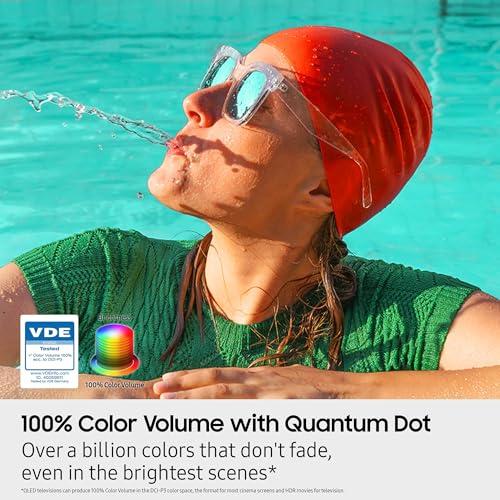
QLED technology places a layer of quantum dots—microscopic semiconductor particles—between the LED backlight and the LCD panel. When blue light from LEDs hits these quantum dots, they emit precise colors across the spectrum. This process allows the Q8F to achieve what Samsung calls "100% color volume," meaning it can display vivid colors at any brightness level.
The practical result is immediately noticeable. QLED displays produce colors that appear more saturated and lifelike, particularly in bright scenes. The Q8F's quantum dot layer enables it to reach peak brightness levels around 1,000+ nits, making it excellent for rooms with lots of natural light or for impactful HDR (High Dynamic Range) content.
The Q8F's Dual LED system uses two different color temperature LEDs to improve color accuracy. Cool and warm LEDs work together to produce more natural skin tones and reduce the blue-ish or yellow-ish tints that can plague single-LED systems. This is particularly noticeable when watching movies or TV shows with varied lighting conditions.
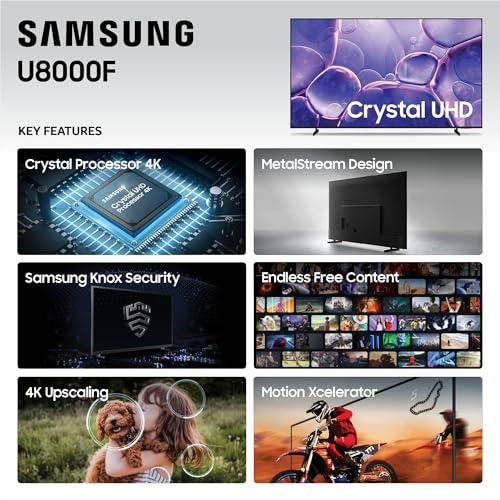
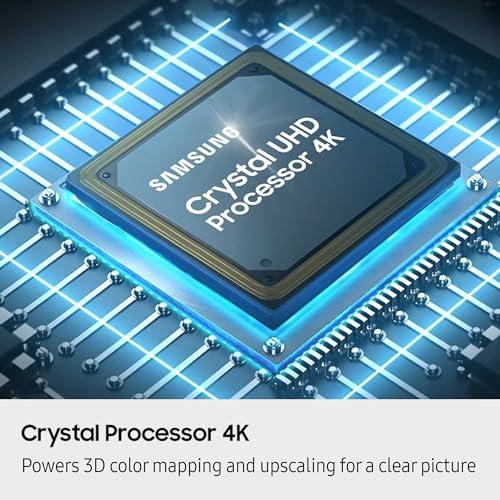
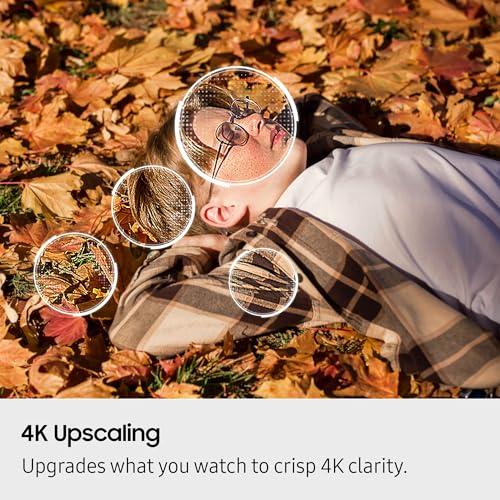
The U8000F uses Crystal UHD technology, which is Samsung's enhanced version of traditional LED backlighting. Instead of quantum dots, it relies on improved phosphor coatings and processing algorithms to enhance color reproduction. The Crystal Processor 4K handles upscaling and color mapping to make the most of the available hardware.
While Crystal UHD can't match QLED's color volume or brightness, it delivers surprisingly good results for its price point. The U8000F produces accurate colors in controlled lighting conditions and handles standard dynamic range (SDR) content very well. The PurColor technology expands the available color palette compared to basic LED TVs, though it falls short of quantum dot capabilities.
Based on our research into user reviews and professional testing, the brightness difference between these technologies becomes most apparent in bright rooms and during HDR content playback. The U8000F typically peaks around 400-500 nits, which is adequate for darker viewing environments but struggles in well-lit spaces.
Peak brightness is arguably the most important specification for modern TVs, yet it's often overlooked by consumers focusing on resolution or screen size. The Q8F's QLED panel can achieve significantly higher peak brightness than the U8000F's Crystal UHD display.
This brightness advantage becomes critical for HDR content, which is designed to take advantage of displays that can show both very bright highlights and very dark shadows simultaneously. When watching HDR movies on Netflix or Disney+, the Q8F can display bright explosions, sunlit scenes, and reflective surfaces with the impact the content creators intended. The U8000F, while supporting HDR formats, simply can't get bright enough to deliver the full HDR experience.
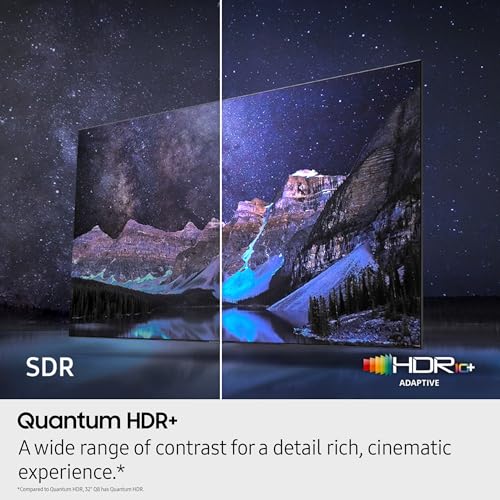
Both models support HDR10+ (an adaptive HDR format that adjusts brightness scene-by-scene), but lack Dolby Vision support. This is a Samsung-wide limitation, as the company has committed to the competing HDR10+ standard. For most users, HDR10+ provides similar benefits to Dolby Vision, so this isn't a major drawback.
Color performance represents perhaps the most visible difference between these models. The Q8F's quantum dot technology enables it to display colors that are both more accurate and more vibrant than the U8000F. This is particularly noticeable in nature documentaries, animated content, and sports broadcasts where grass appears more naturally green and skies show more realistic blue tones.
Color volume—the ability to maintain color accuracy at different brightness levels—is where QLED technology truly shines. Traditional LED displays often lose color saturation as they get brighter or darker, but quantum dots maintain their color purity across the brightness spectrum. This means the Q8F shows rich, saturated colors in both bright beach scenes and dimly lit indoor scenes.
The U8000F delivers respectable color accuracy for its price point, particularly with SDR content like cable TV and standard streaming. Professional reviews consistently praise its out-of-box color calibration, which is impressive for a budget model. However, it struggles to maintain color vibrancy in very bright or very dark scenes.
Both models use edge-lit LED backlighting rather than full-array local dimming, which limits their contrast performance compared to premium Mini-LED or OLED displays. However, they handle this limitation differently.
The Q8F includes Supreme UHD Dimming, which divides the screen into zones and adjusts brightness independently. While not as effective as true local dimming, this processing helps improve contrast and reduces blooming (bright halos around objects on dark backgrounds). The Dual LED system also contributes to better contrast by providing more precise control over color temperature.
The U8000F uses basic UHD Dimming with fewer zones and less sophisticated processing. In practice, this means dark scenes appear more washed out, and bright objects on dark backgrounds show more noticeable blooming. Neither TV achieves the deep blacks of OLED technology, but the Q8F gets closer to that ideal.
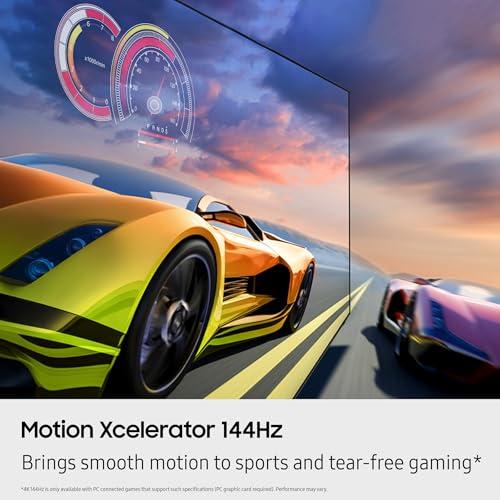
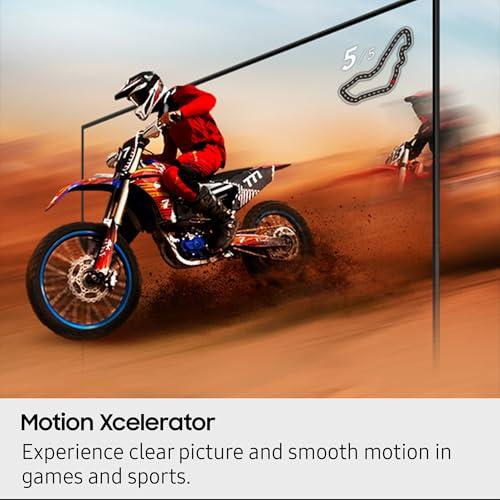
Motion handling separates these TVs more dramatically than any other performance metric. The Q8F supports a 120Hz refresh rate with Motion Xcelerator 144Hz processing, while the U8000F is limited to 60Hz with basic Motion Xcelerator.
For sports viewing, this difference is immediately apparent. Fast camera pans during football games, hockey action, and basketball plays appear noticeably smoother on the Q8F. The higher refresh rate reduces motion blur and judder, making it easier to track fast-moving objects on screen.
The U8000F struggles with motion clarity, showing noticeable blur during fast-paced content. This isn't just a gaming issue—it affects sports, action movies, and even quick camera movements in TV shows. Professional testing indicates the U8000F has a relatively slow response time, contributing to the motion blur problem.
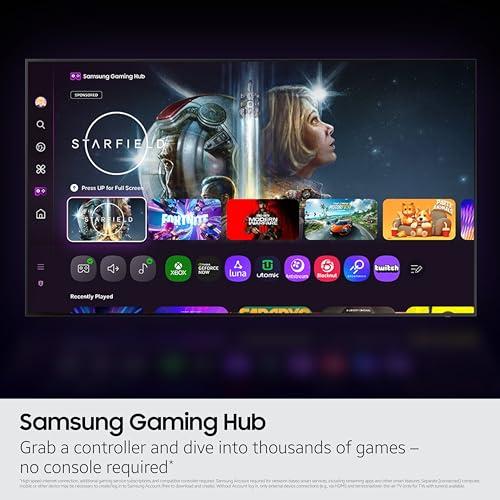
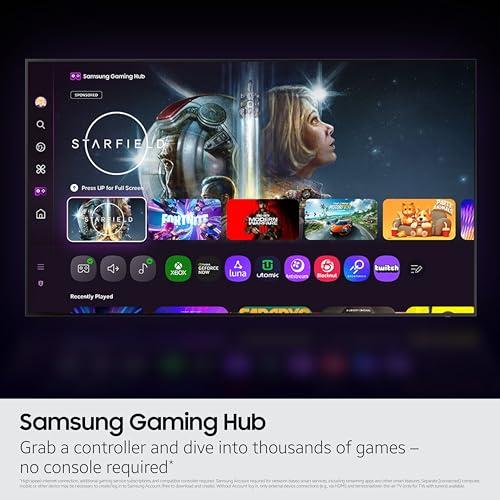
Gaming capabilities highlight the biggest performance gap between these models. The Q8F includes comprehensive gaming features designed for modern consoles and PC gaming:
The 120Hz capability of the Q8F becomes particularly valuable for PlayStation 5 and Xbox Series X gaming, where supported games can run at 120fps for incredibly smooth gameplay. Fighting games, first-person shooters, and racing games all benefit significantly from the reduced input lag and higher refresh rate.
The U8000F includes basic gaming features like ALLM and game mode, but its 60Hz limitation means it can't take full advantage of next-generation consoles. While it offers low input lag suitable for casual gaming, competitive gamers will notice the motion clarity and responsiveness differences immediately.
Both TVs run Samsung's Tizen operating system with the latest One UI interface, providing access to all major streaming services and Samsung's ecosystem features. However, they differ in advanced capabilities.
The Q8F includes more sophisticated AI features, including generative wallpaper creation and advanced scene optimization. Its SmartThings Hub functionality with Matter support allows it to control a wide range of smart home devices directly. The Multi-View feature lets you watch two sources simultaneously—useful for sports fans who want to monitor multiple games.
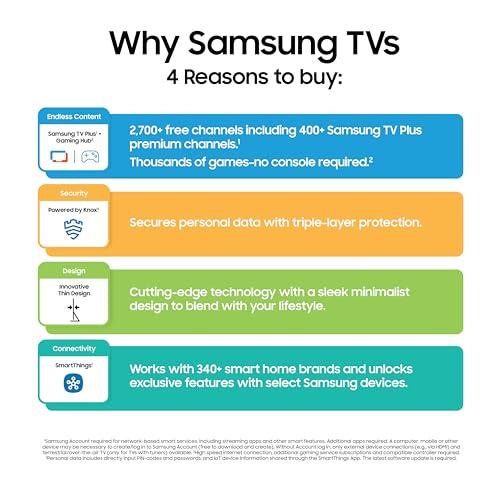
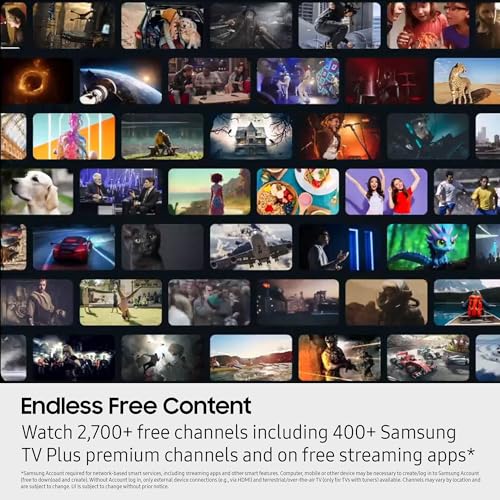
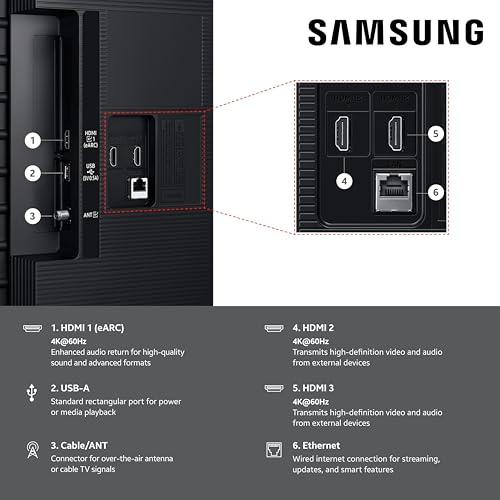
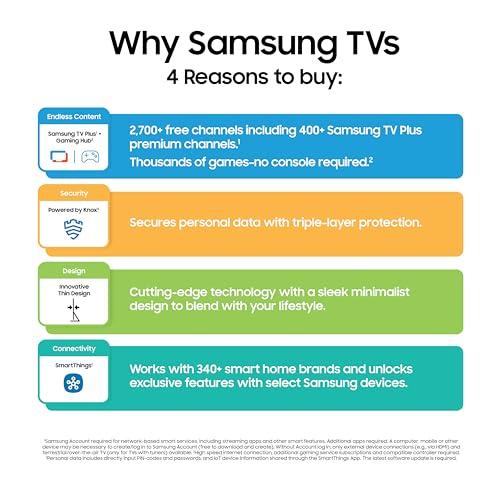
The U8000F provides the same core smart TV experience with Samsung TV Plus (free streaming channels), voice control via Bixby, and app access. It actually offers more physical connectivity options, including additional USB ports and Ethernet input, making it better suited for users with multiple legacy devices.
Neither TV excels in audio performance compared to dedicated sound systems, but they handle built-in audio differently. The Q8F includes Object Tracking Sound Lite, which attempts to move audio effects across the screen to match on-screen action. It also supports more advanced audio processing and Adaptive Sound+ for real-time audio optimization.
The U8000F provides basic 2-channel audio that's clear but lacks depth and power. Both models support Q-Symphony, allowing them to work with Samsung soundbars for enhanced audio without muting the TV speakers.
For home theater setups, both TVs benefit significantly from soundbar addition, but neither provides the audio quality for serious home theater use without external speakers.
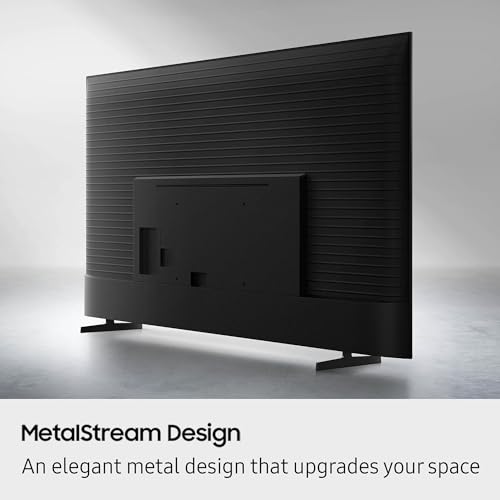
The U8000F actually wins in design aesthetics, featuring an ultra-thin MetalStream profile with three-sided bezel-less construction. This creates a nearly picture-frame-like appearance when wall-mounted, making it particularly attractive for modern living spaces. The metal back construction is a notable upgrade over all-plastic budget models.
The Q8F uses Samsung's AirSlim design, which is thin but not as dramatically so as the U8000F. The build quality feels more substantial, reflecting its higher-tier positioning, but the visual impact isn't as striking as the U8000F's ultra-thin profile.
The Q8F justifies its premium pricing for specific use cases. If you watch TV primarily in bright rooms with lots of windows, the brightness advantage alone makes it worthwhile. Serious gamers who own PlayStation 5 or Xbox Series X consoles will immediately appreciate the 120Hz gaming capabilities.
Home theater enthusiasts who prioritize picture quality and plan to watch lots of HDR content will find the QLED technology delivers a noticeably superior experience. The color volume and brightness advantages become more apparent with premium content from services like Netflix, Amazon Prime Video, and 4K Blu-ray discs.
The U8000F represents exceptional value for users who don't need premium performance. If you primarily watch standard HD content from cable or basic streaming services in controlled lighting conditions, the picture quality difference may not justify the price premium.
Budget-conscious buyers who want Samsung's design aesthetic, smart features, and brand reliability will find the U8000F delivers these benefits at an accessible price point. The extensive physical connectivity options make it ideal for users with multiple legacy devices or complex AV setups.
Choose the Q8F if you prioritize picture quality, game frequently on next-gen consoles, or watch TV in bright environments. The QLED technology, 120Hz refresh rate, and advanced features justify the premium for users who will notice and appreciate these capabilities.
Choose the U8000F if budget is your primary constraint or if you primarily watch standard content in controlled lighting. It delivers solid Samsung quality and features at a much more accessible price point.
Consider your viewing habits honestly—if you mainly watch Netflix and cable TV in a dimly lit living room, the performance differences may not justify the price gap. However, if you're building a home theater setup or are a dedicated gamer, the Q8F's advantages become essential rather than nice-to-have features.
The U8000F proves that Samsung's budget offerings have improved significantly, providing genuine value rather than just being cheap alternatives. Meanwhile, the Q8F demonstrates why QLED technology remains compelling for users who want premium performance without stepping up to the highest-end models.
Both represent solid choices within their respective categories, but they serve distinctly different audiences and use cases. Understanding your priorities and viewing environment will make the decision clear.
| Samsung 65" QLED Q8F 4K Smart TV 2025 | Samsung 65-Inch Crystal UHD U8000F 4K Smart TV 2025 |
|---|---|
| Display Technology - Core difference affecting color and brightness | |
| QLED with Quantum Dots (100% color volume, brighter) | Crystal UHD LED (good colors, budget-friendly) |
| Peak Brightness - Critical for HDR and bright rooms | |
| 1,000+ nits (excellent for HDR and daytime viewing) | 400-500 nits (adequate for darker rooms only) |
| Refresh Rate - Essential for gaming and sports | |
| 120Hz with Motion Xcelerator 144Hz (smooth motion) | 60Hz with basic Motion Xcelerator (noticeable blur) |
| Gaming Features - Next-gen console compatibility | |
| Full VRR, ALLM, Gaming Hub, 120fps support | Basic VRR/ALLM, limited by 60Hz panel |
| HDR Support - Enhanced contrast and colors | |
| Quantum HDR+ with scene optimization | HDR10+ support but limited by brightness |
| Processor - Affects upscaling and smart features | |
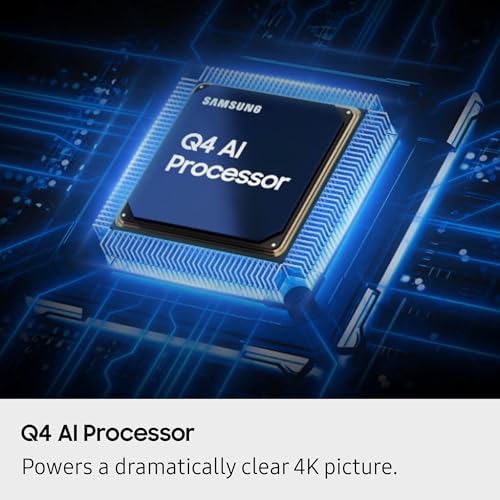
| Q4 AI Processor (advanced upscaling and AI features) | Crystal Processor 4K (solid basic processing) |
| Audio Technology - Built-in sound quality | |
| Object Tracking Sound Lite, Adaptive Sound+ | Basic 2CH audio, lacks spatial effects |
| Smart Features - Advanced capabilities | |
| SmartThings Hub, Matter support, Generative Wallpaper | Standard Tizen OS, more physical ports |
| Design - Physical appearance and build | |
| AirSlim design (premium build quality) | Ultra-thin MetalStream (more striking wall-mount look) |
| Connectivity - Physical ports and options | |
| 3 HDMI, 2 USB, eARC support | 3 HDMI, 2 USB, Ethernet, more legacy options |
| Local Dimming - Contrast enhancement | |
| Supreme UHD Dimming (better zone control) | Basic UHD Dimming (limited contrast improvement) |
| Motion Handling - Sports and action content | |
| Excellent (120Hz eliminates blur and judder) | Poor (slow response time causes motion blur) |
The primary difference is display technology. The Samsung 65" QLED Q8F uses QLED technology with quantum dots for brighter, more vibrant colors, while the Samsung 65-Inch Crystal UHD U8000F uses Crystal UHD LED technology that offers good picture quality at a budget-friendly price. The Q8F also features a 120Hz refresh rate compared to the U8000F's 60Hz panel.
The Samsung Q8F is significantly better for gaming, offering 120Hz refresh rate, Variable Refresh Rate (VRR), and comprehensive gaming features like Gaming Hub and specialized gaming modes. The U8000F provides basic gaming functionality with ALLM and game mode, but its 60Hz limitation makes it less suitable for next-generation console gaming.
The Samsung Q8F excels in bright rooms with peak brightness over 1,000 nits, making it ideal for living rooms with lots of windows. The Samsung U8000F peaks around 400-500 nits and is better suited for darker, controlled lighting environments where its lower brightness won't be problematic.
The Samsung U8000F offers exceptional value for budget-conscious buyers who want Samsung quality and smart features without premium performance. The Samsung Q8F provides better value for users who prioritize picture quality, gaming, and bright room viewing, justifying its higher price with significantly superior performance.
Both models support HDR10 and HDR10+ formats, but the Samsung Q8F delivers a much better HDR experience due to its higher peak brightness and quantum dot technology. The Samsung U8000F supports HDR formats but lacks the brightness needed for impactful HDR viewing.
The Samsung Q8F provides excellent motion handling with its 120Hz refresh rate and Motion Xcelerator 144Hz technology, making it ideal for sports viewing. The Samsung U8000F struggles with motion clarity due to its 60Hz limitation and slower response time, showing noticeable blur during fast-paced sports.
Both TVs run Samsung's Tizen OS with similar core smart features, but the Samsung Q8F includes advanced capabilities like SmartThings Hub with Matter support, generative wallpaper, and Multi-View. The Samsung U8000F offers standard smart TV features plus more physical connectivity options with additional ports.
The Samsung Q8F is better suited for home theater use due to its superior brightness, color accuracy, and HDR performance. It delivers the picture quality that home theater enthusiasts expect from premium content. The Samsung U8000F can work in home theater setups but performs best in darker environments with standard content.
The Samsung U8000F actually wins in design aesthetics with its ultra-thin MetalStream profile and three-sided bezel-less construction, creating a striking wall-mount appearance. The Samsung Q8F features Samsung's AirSlim design with premium build quality but isn't as dramatically thin as the U8000F.
The Samsung Q8F provides superior color accuracy and volume thanks to its quantum dot technology, displaying more vibrant and accurate colors across all brightness levels. The Samsung U8000F offers good color accuracy for its price point, particularly with SDR content, but can't match the Q8F's color performance.
Both the Samsung Q8F and Samsung U8000F benefit significantly from soundbar addition for optimal audio experience. The Q8F includes Object Tracking Sound Lite and more advanced audio processing, while the U8000F provides basic but clear 2-channel audio. Both support Q-Symphony for enhanced soundbar integration.
Choose the Samsung Q8F if you prioritize picture quality, game frequently, watch TV in bright rooms, or want advanced smart features. Choose the Samsung U8000F if you're budget-conscious, primarily watch standard content in controlled lighting, or want Samsung quality at an accessible price point with extensive connectivity options.
We've done our best to create useful and informative comparisons to help you decide what product to buy. Our research uses advanced automated methods to create this comparison and perfection is not possible - please contact us for corrections or questions. These are the sites we've researched in the creation of this article: bestbuy.com - rtings.com - tomsguide.com - youtube.com - samsung.com - youtube.com - youtube.com - youtube.com - rtings.com - rtings.com - linqcdn.avbportal.com - bestbuy.com - samsung.com - samsung.com - samsung.com - youtube.com - youtube.com - billsmith.com - samsung.com - samsung.com - samsung.com - hometechnologyreview.com - shopjetson.com - certappl.com - samsung.com - theapplianceplug.com - samsung.com - manuals.plus - bestbuy.com - device.report - samsung.com - shopsilica.com - dentonstv.com - bestbuy.com - youtube.com - youtube.com - rtings.com - youtube.com - samsung.com - hometechnologyreview.com - samsung.com - displayspecifications.com - samsung.com - displayspecifications.com - walmart.com - billsmith.com - dentonstv.com - samsung.com - samsung.com - samsung.com - youtube.com - bestbuy.com - bestbuy.com - youtube.com - samsung.com - donstv.com

Privacy Policy
Terms and Conditions - Affiliate Policy
Home Security
© Copyright 2008-2026.
11816 Inwood Rd #1211, Dallas, TX 75244