

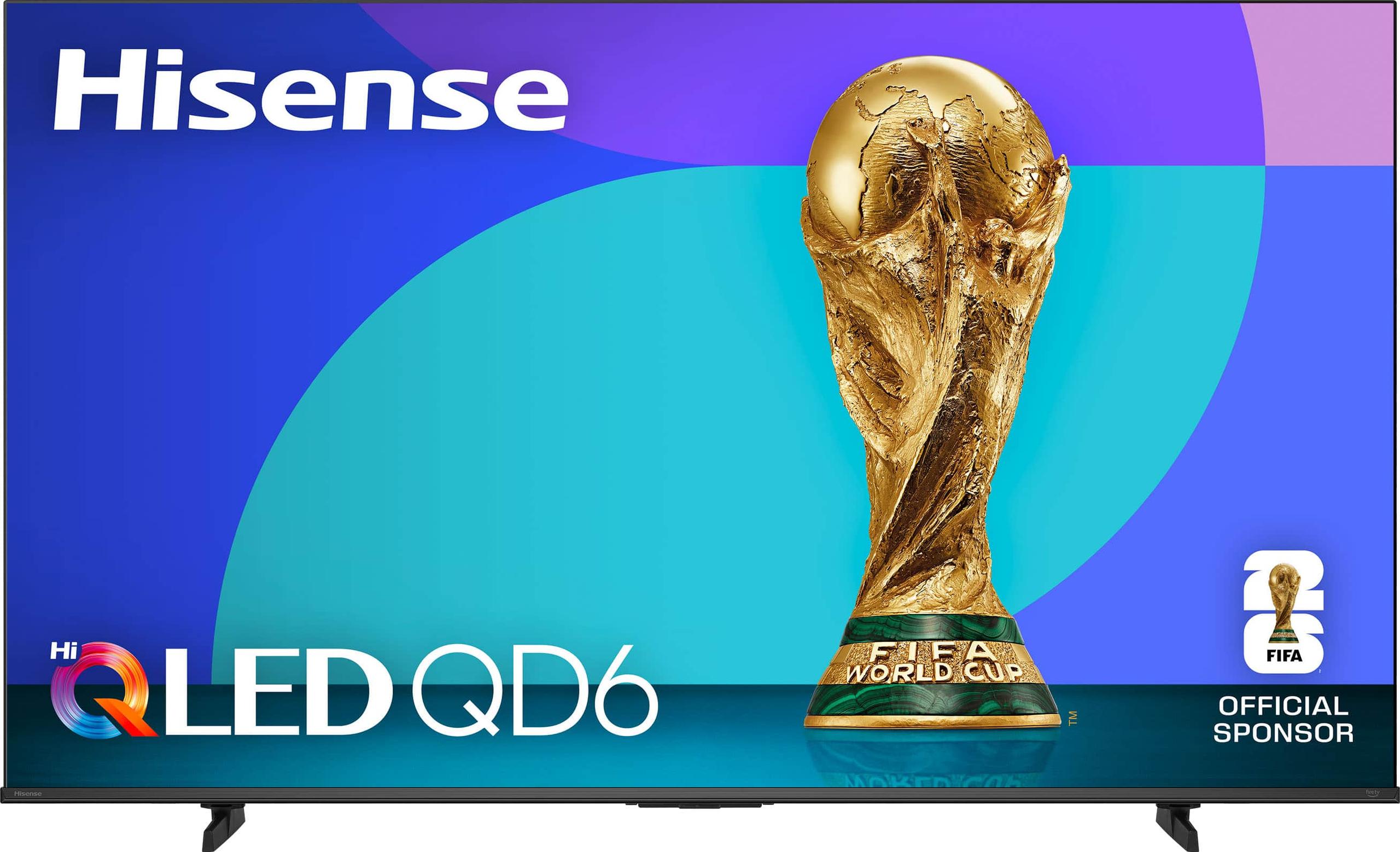

When shopping for a 65-inch TV in 2025, you'll quickly discover that not all QLED televisions are created equal. The Hisense QD6 Series Hi-QLED Fire TV and Samsung Q8F QLED TV both promise vibrant colors and sharp 4K pictures, but they take very different approaches to get there. At the time of writing, these TVs sit in distinctly different price brackets, with the Samsung commanding roughly 45-50% more than the Hisense – a difference that reflects some significant performance gaps worth understanding before you buy.
Both TVs use quantum dot technology (that's what the "Q" stands for in QLED), which essentially means they have a special layer that makes colors more vibrant and accurate than traditional LED TVs. Think of quantum dots as tiny particles that act like color filters, taking the blue light from LED backlights and converting it into pure red and green light. This creates a much wider range of colors than older TV technologies could manage.
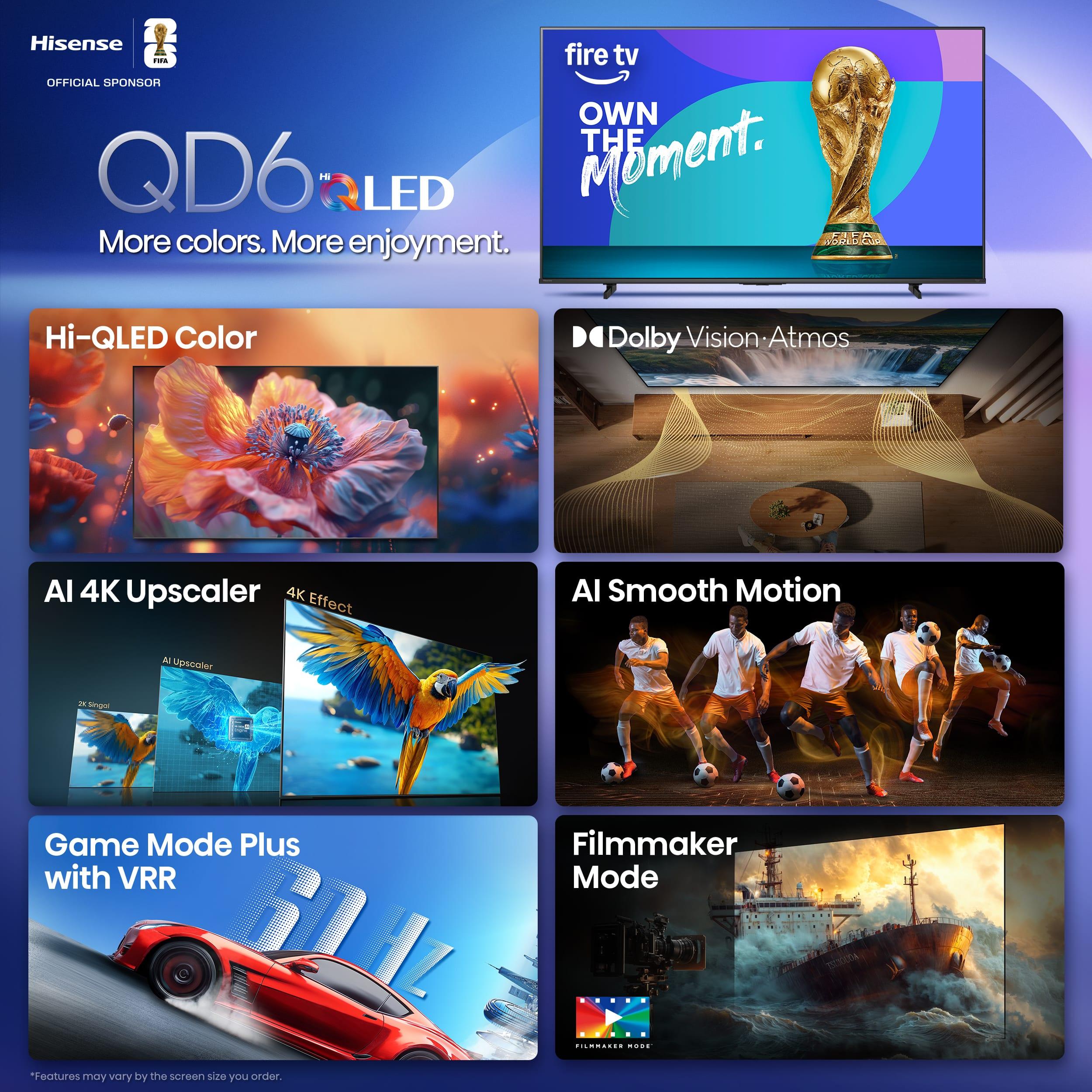
The Hisense QD6QF represents what I'd call the "democratization" of QLED technology – bringing quantum dot benefits to buyers who don't want to spend premium prices. Released in 2025, it builds on Hisense's strategy of offering solid fundamentals without the bells and whistles that drive up costs. The TV uses what Hisense calls "Hi-QLED" technology, which is their take on quantum dot enhancement applied to a VA-style panel (VA stands for Vertical Alignment – a type of LCD panel known for good contrast but limited viewing angles).
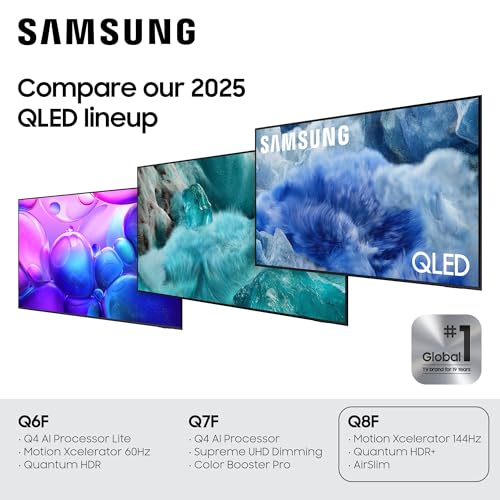
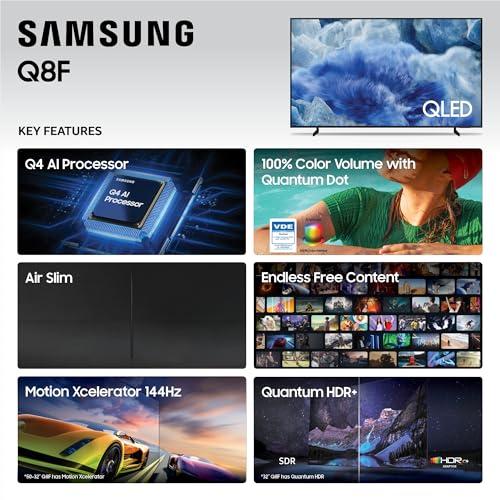
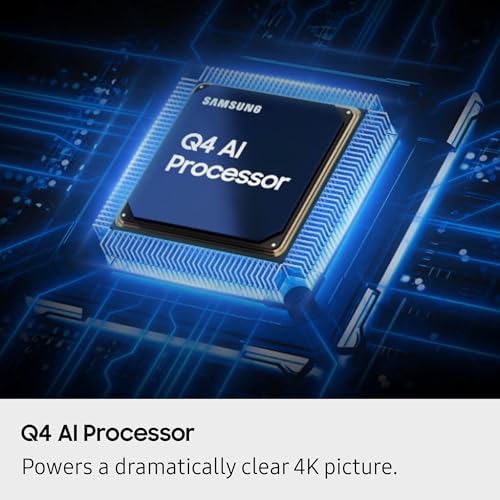
The Samsung Q8F, also from 2025, takes a more sophisticated approach. Samsung has been refining QLED technology for years, and the Q8F benefits from that experience. It uses what Samsung calls "Dual LED" backlighting combined with their quantum dot layer, plus more advanced processing through their Q4 AI processor. This isn't just marketing speak – the additional processing power makes a real difference in how the TV handles different types of content.
Here's where things get interesting. The Hisense QD6QF delivers around 385 cd/m² of peak brightness, which sounds technical but basically means it can get bright enough for most living rooms that aren't flooded with sunlight. However, our research into user experiences suggests this TV struggles in very bright rooms where you might have large windows or skylights.
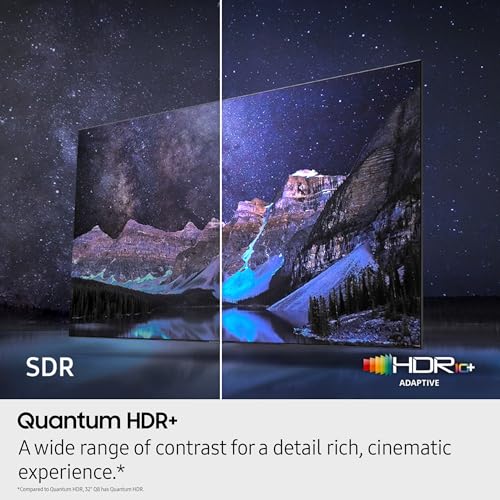
The Samsung Q8F, on the other hand, can push significantly higher brightness levels. This matters more than you might think – HDR content (High Dynamic Range, which makes bright things brighter and dark things darker) really needs that extra brightness to create the "wow" factor you see in TV showrooms. When watching HDR movies on the Samsung, highlights like sunlight reflecting off water or explosions in action scenes have much more visual impact.
This is probably the biggest technical difference between these TVs. The Hisense QD6QF uses what's called direct LED backlighting without local dimming. Think of it like having room lights that you can only turn up or down for the entire room – you can't control individual areas independently. This means when there's a bright object on a dark background (like credits rolling over a black screen), the entire screen gets brighter, turning those blacks into grays.
The Samsung Q8F addresses this with Supreme UHD Dimming, which divides the screen into zones that can be controlled somewhat independently. It's not perfect – true local dimming requires hundreds of zones – but it's a significant improvement over the Hisense's approach. In dark room viewing, this makes a noticeable difference in how deep the blacks look and how much detail you can see in shadow areas.
Both TVs deliver impressive color performance, but through different strengths. The Hisense QD6QF covers about 90% of the DCI-P3 color space (the standard used for HDR content) and has surprisingly good color accuracy right out of the box. This means you probably won't need to fiddle with picture settings to get good-looking colors.
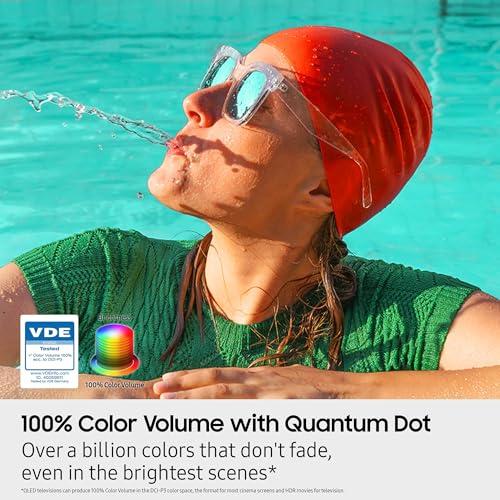
The Samsung Q8F claims 100% color volume, which means it can display colors accurately at all brightness levels – something cheaper TVs often struggle with. When colors get very bright or very dim, they tend to look washed out on lesser TVs. Samsung's quantum dot implementation handles these extremes better, creating more realistic-looking images across different types of content.
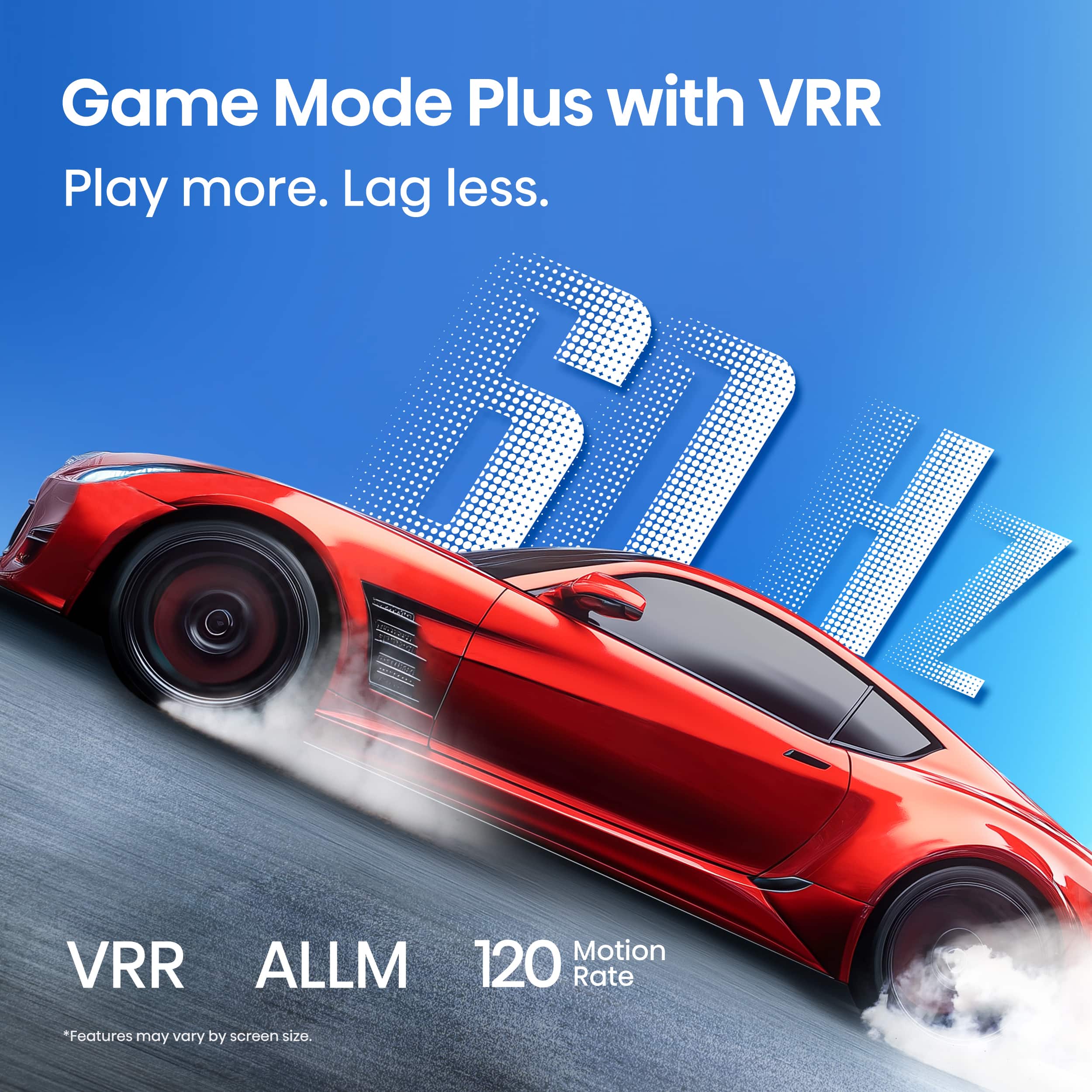
If gaming matters to you, this comparison becomes much simpler. The Hisense QD6QF is fundamentally limited by its 60Hz refresh rate. While it supports Variable Refresh Rate (VRR) and Auto Low Latency Mode (ALLM) – features that reduce screen tearing and input lag – it can only display 60 frames per second at 4K resolution. For casual gaming, this is fine. For competitive gaming or if you have a PlayStation 5 or Xbox Series X, it's limiting.
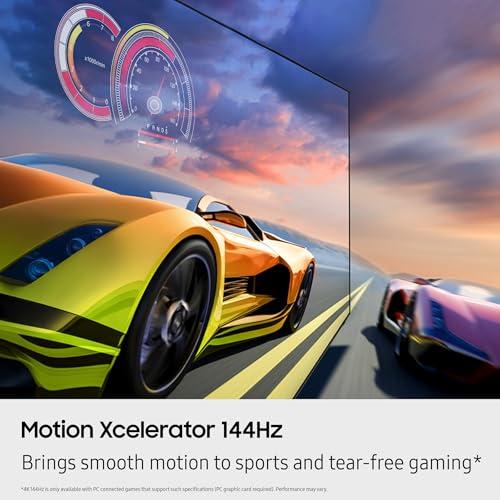
The Samsung Q8F supports up to 144Hz refresh rates with its Motion Xcelerator technology. This means it can display up to 144 frames per second, making fast-paced games look much smoother. The difference is particularly noticeable in racing games, first-person shooters, or any game with quick camera movements. Both TVs have low input lag (the delay between pressing a button and seeing the result on screen), but the Samsung's higher refresh rate gives it a significant advantage for serious gamers.
Our research suggests that the motion handling differences extend beyond gaming. Sports viewing also benefits from the Samsung's superior motion processing, with less blur during fast action like hockey pucks or tennis balls.
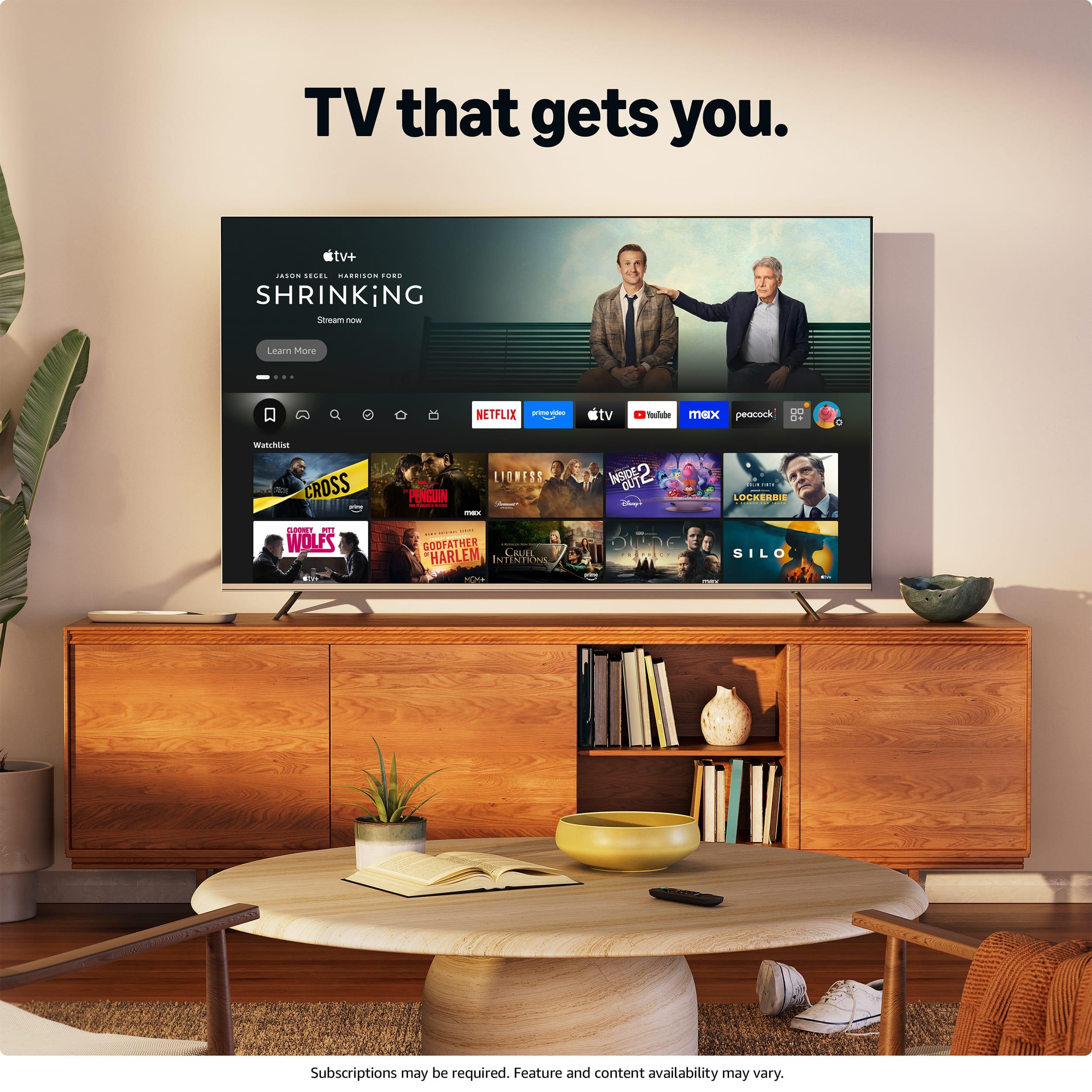
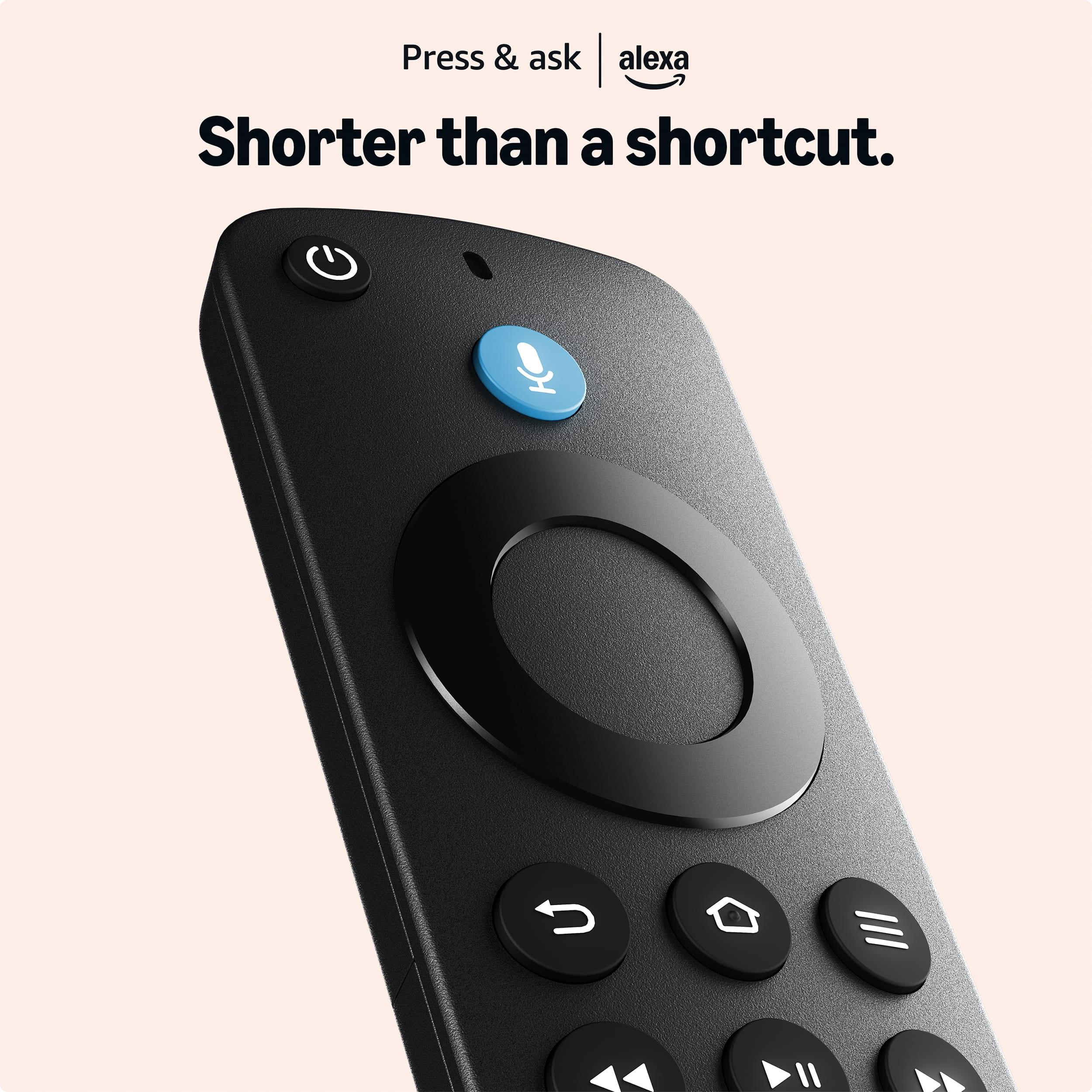
The smart TV experience represents another philosophical divide between these manufacturers. The Hisense QD6QF runs Amazon's Fire TV platform, which excels at content discovery and integrates naturally with Alexa voice commands. If you're already invested in the Amazon ecosystem – using Prime Video, have Echo devices, or prefer Amazon's approach to streaming – this feels very natural.
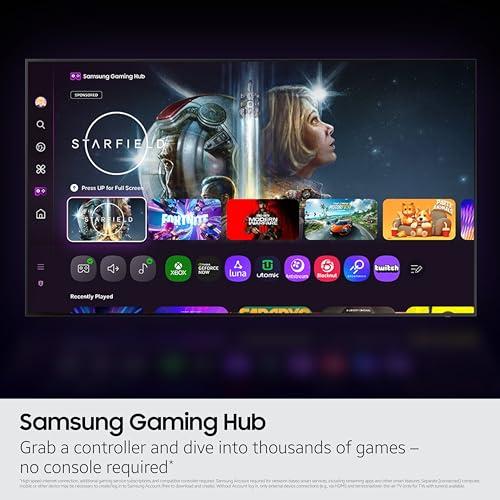
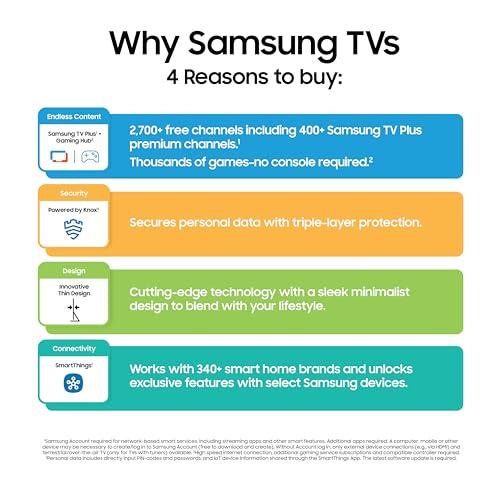
The Samsung Q8F runs Samsung's Tizen operating system, which has evolved significantly over the years. Samsung has added AI features like generative wallpapers (the TV creates custom artwork based on keywords you provide) and enhanced smart home integration through their SmartThings platform. The TV can actually act as a smart home hub, controlling everything from lights to thermostats.
One limitation of the Samsung worth noting: it doesn't support Dolby Vision, which is becoming increasingly common on streaming services like Netflix and Disney+. The Hisense QD6QF does support Dolby Vision, along with HDR10+ and other HDR formats. This isn't necessarily a dealbreaker for the Samsung, but it's worth considering if you watch a lot of content from services that prioritize Dolby Vision.
Neither TV will replace a good soundbar, but they approach audio differently. The Hisense QD6QF focuses on format compatibility, supporting Dolby Atmos processing that can create more immersive surround sound effects through the built-in speakers. While the speakers themselves are fairly standard, the Dolby Atmos processing does add some spatial dimension to the sound.
The Samsung Q8F takes a more sophisticated approach with Object Tracking Sound Lite (OTS Lite). This technology tries to match sound to the location of objects on screen – so if a car drives from left to right, the sound follows it. The TV also supports Q-Symphony, which lets Samsung soundbars work in concert with the TV's speakers rather than replacing them entirely. This creates a more layered sound experience if you're using compatible Samsung audio equipment.
For dedicated home theater use, both TVs have limitations that are worth understanding. The Hisense QD6QF lacks the brightness and contrast control needed for truly cinematic HDR experiences. In a dark, controlled environment, the limited backlight control becomes more noticeable, with bright scenes causing the entire picture to lose its black levels.
The Samsung Q8F performs better in home theater applications, with its superior brightness and zone-based dimming creating more dramatic contrast. However, it still doesn't reach the performance levels of higher-end TVs with full-array local dimming or OLED technology. For home theater enthusiasts, both TVs represent compromises, though the Samsung makes fewer of them.
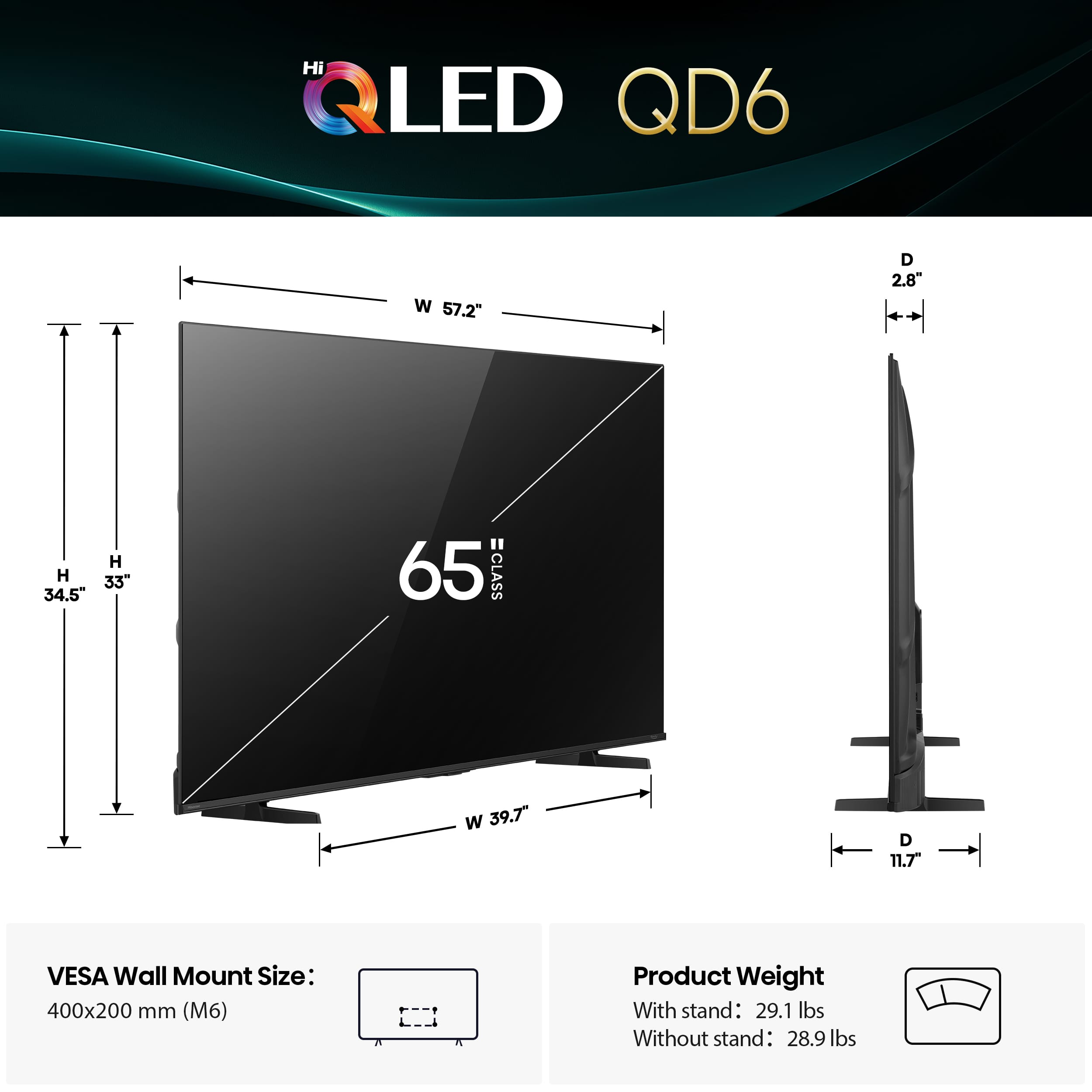
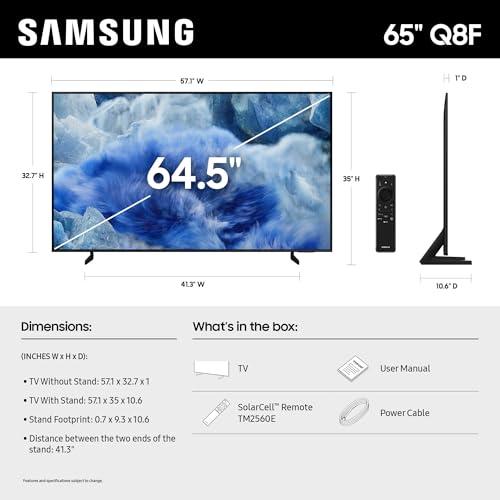
There's no contest here – the Samsung Q8F simply looks and feels more premium. Its AirSlim design is notably thinner than the Hisense's more traditional thick LED-LCD chassis. If you're wall-mounting the TV or have it prominently displayed in your living space, the Samsung's design aesthetic is more refined.
The Hisense QD6QF isn't ugly by any means, but it's clearly designed to hit a price point rather than make a design statement. The build quality is solid enough, but the materials and finish don't match the Samsung's premium feel.
The Hisense QD6QF makes the most sense if you're looking for the best picture quality you can get under a specific budget ceiling. It delivers genuinely good QLED performance with comprehensive HDR support, making it excellent for streaming movies and shows. The Fire TV platform is robust and user-friendly, and the color accuracy is impressive for the price point. Choose this TV if you're primarily watching content rather than gaming, and if you're shopping with a firm budget limit.
The Samsung Q8F justifies its premium through superior performance across multiple dimensions. The higher brightness makes it much better for bright rooms, the gaming performance is significantly better, and the overall experience feels more polished. Choose this TV if you can stretch your budget and want something that will perform well in various scenarios – bright room viewing, gaming, smart home integration, and general entertainment.
At the time of writing, the price difference between these TVs reflects real performance differences rather than just brand premium. The Hisense QD6QF delivers solid fundamentals at its price point, while the Samsung Q8F provides a more complete premium experience that justifies its higher cost.
For most buyers, I'd recommend stretching for the Samsung Q8F if your budget allows it. The gaming performance alone makes it more future-proof, and the superior brightness and smart features create a more satisfying daily experience. However, if budget is a firm constraint, the Hisense QD6QF delivers impressive picture quality for its price tier – you're not settling for a bad TV, just one with more limitations.
The quantum dot technology in both TVs ensures you'll get vibrant, accurate colors that surpass traditional LED TVs. Your choice ultimately comes down to how much you value the premium features and performance improvements that the Samsung offers, and whether those improvements justify the additional cost in your specific situation.
| Hisense 65" QD6 Series Hi-QLED Fire TV (2025) | Samsung 65" QLED Q8F 4K Smart TV 2025 |
|---|---|
| Display Technology - Foundation of picture quality | |
| Hi-QLED with Direct LED backlight, VA panel | QLED with Dual LED backlight, Supreme UHD Dimming |
| Peak Brightness - Critical for HDR impact and bright room viewing | |
| ~385 cd/m² (adequate for moderate lighting) | Higher brightness capability (excellent for bright rooms) |
| Refresh Rate - Essential for gaming and smooth motion | |
| 60Hz native, Motion Rate 120 with interpolation | 120Hz native, Motion Xcelerator 144Hz |
| Local Dimming - Key for contrast and black levels | |
| No local dimming (blacks wash out in bright scenes) | Supreme UHD Dimming with zone control (better contrast) |
| Color Coverage - Determines color vibrancy | |
| 90% DCI-P3 color gamut | 100% color volume with Quantum Dot technology |
| HDR Format Support - Compatibility with streaming content | |
| Dolby Vision, HDR10+, HDR10, HLG (comprehensive) | HDR10+, HDR10 (no Dolby Vision support) |
| Gaming Features - Performance for console gaming | |
| VRR, ALLM at 60Hz max, ~10.2ms input lag | VRR, ALLM up to 144Hz, enhanced gaming modes |
| Smart Platform - User experience and app ecosystem | |
| Fire TV with Alexa integration | Tizen OS with AI features, SmartThings Hub |
| Voice Assistant Support - Smart home integration | |
| Alexa, Google Assistant, Apple HomeKit | Bixby, SmartThings, Matter hub functionality |
| Audio Technology - Built-in sound quality | |
| Dolby Atmos support, standard speakers | 20W 2CH, Object Tracking Sound Lite, Q-Symphony |
| Design Profile - Aesthetics and build quality | |
| Thicker LED-LCD design, functional appearance | AirSlim chassis, premium thin profile |
| Connectivity - Ports and wireless capabilities | |
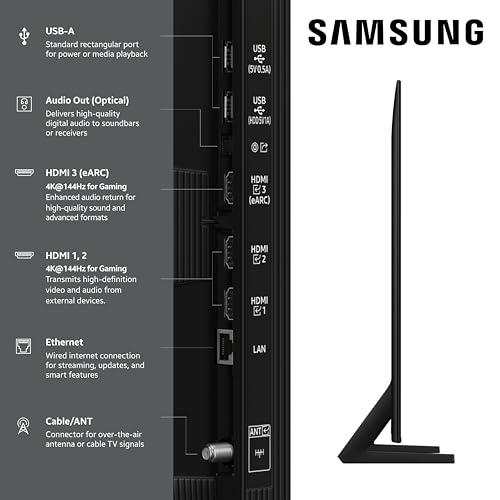
| 4x HDMI 2.0, 2x USB 2.0, Wi-Fi 5 | 3x HDMI, 2x USB-A, Wi-Fi 5, Bluetooth 5.3 |
| Best For - Ideal user scenarios | |
| Budget-conscious buyers wanting solid QLED performance | Premium features, gaming, bright rooms, smart home integration |
The Samsung Q8F delivers superior picture quality with higher brightness, better contrast control through Supreme UHD Dimming, and 100% color volume. However, the Hisense QD6QF offers excellent picture quality for its lower price point, with 90% DCI-P3 color coverage and good out-of-box accuracy. The Samsung justifies its premium pricing with noticeably better performance in bright rooms and HDR content.
The Samsung Q8F is significantly better for gaming with its 120Hz native refresh rate and Motion Xcelerator 144Hz technology, supporting up to 144fps gaming. The Hisense QD6QF is limited to 60Hz at 4K, making it suitable only for casual gaming. Both support VRR and ALLM, but serious gamers will notice the Samsung's smoother motion and reduced blur.
The Samsung Q8F produces significantly higher brightness levels, making it much better for bright living rooms with lots of natural light. The Hisense QD6QF peaks around 385 cd/m² which is adequate for moderately lit rooms but struggles in very bright environments or with direct sunlight hitting the screen.
No, there's an important difference here. The Hisense QD6QF supports all major HDR formats including Dolby Vision, HDR10+, HDR10, and HLG. The Samsung Q8F supports HDR10+ and HDR10 but lacks Dolby Vision support, which is increasingly common on Netflix and Disney+ content.
The Hisense QD6QF uses Fire TV, which excels at content discovery and integrates seamlessly with Alexa and the Amazon ecosystem. The Samsung Q8F runs Tizen OS with advanced AI features, generative wallpapers, and comprehensive smart home control through SmartThings Hub. Fire TV is more straightforward, while Tizen offers more sophisticated smart features.
For dedicated home theater use, the Samsung Q8F performs better with its superior brightness and zone-based dimming creating more dramatic contrast in dark rooms. The Hisense QD6QF lacks local dimming, causing black levels to wash out during bright scenes. However, both TVs have limitations compared to higher-end models with full-array local dimming or OLED technology.
The Samsung Q8F offers more advanced audio with Object Tracking Sound Lite that matches sound to on-screen action, plus Q-Symphony compatibility with Samsung soundbars. The Hisense QD6QF focuses on Dolby Atmos processing through standard speakers. Neither replaces a good soundbar, but the Samsung provides a more sophisticated built-in audio experience.
The Samsung Q8F features a premium AirSlim design that's notably thinner and more elegant, perfect for wall mounting or prominent display. The Hisense QD6QF has a thicker, more traditional LED-LCD design that's functional but not as visually refined. The Samsung clearly wins on aesthetics and build quality.
The Samsung Q8F handles sports much better due to its higher refresh rate, superior motion processing, and brighter display that works well in typical sports-viewing environments. The Hisense QD6QF shows motion blur during fast action and has poor gray uniformity that can make sports fields look patchy.
The Samsung Q8F is ideal for PlayStation 5 and Xbox Series X owners who want to take advantage of 120Hz gaming capabilities. The Hisense QD6QF works fine with any console but limits you to 60fps gaming, which is adequate for casual players but not optimal for competitive gaming or fast-paced titles.
The Hisense QD6QF delivers excellent value with solid QLED fundamentals, comprehensive HDR support, and reliable Fire TV platform at a budget-friendly price. The Samsung Q8F justifies its premium pricing with superior gaming performance, brightness, smart features, and build quality. Value depends on your budget and feature priorities.
Choose the Hisense QD6QF if you want good QLED picture quality on a budget, primarily watch streaming content, and don't need advanced gaming features. Choose the Samsung Q8F if you can stretch your budget for significantly better gaming performance, bright room viewing, premium design, and advanced smart home integration features.
We've done our best to create useful and informative comparisons to help you decide what product to buy. Our research uses advanced automated methods to create this comparison and perfection is not possible - please contact us for corrections or questions. These are the sites we've researched in the creation of this article: pcvarge.com - bestbuy.com - rtings.com - youtube.com - rtings.com - youtube.com - consumerreports.org - leaseville.com - hisense-usa.com - device.report - hisense-usa.com - youtube.com - flatpanelshd.com - displayspecifications.com - retailspecs.com - bestbuy.com - rtings.com - tomsguide.com - youtube.com - samsung.com - youtube.com - youtube.com - youtube.com - rtings.com - rtings.com - linqcdn.avbportal.com - bestbuy.com - samsung.com - samsung.com - samsung.com - youtube.com - youtube.com - billsmith.com - samsung.com - samsung.com - samsung.com - hometechnologyreview.com - shopjetson.com - certappl.com - samsung.com - theapplianceplug.com - samsung.com - manuals.plus - bestbuy.com - device.report - samsung.com - shopsilica.com - dentonstv.com

Privacy Policy
Terms and Conditions - Affiliate Policy
Home Security
© Copyright 2008-2026.
11816 Inwood Rd #1211, Dallas, TX 75244