

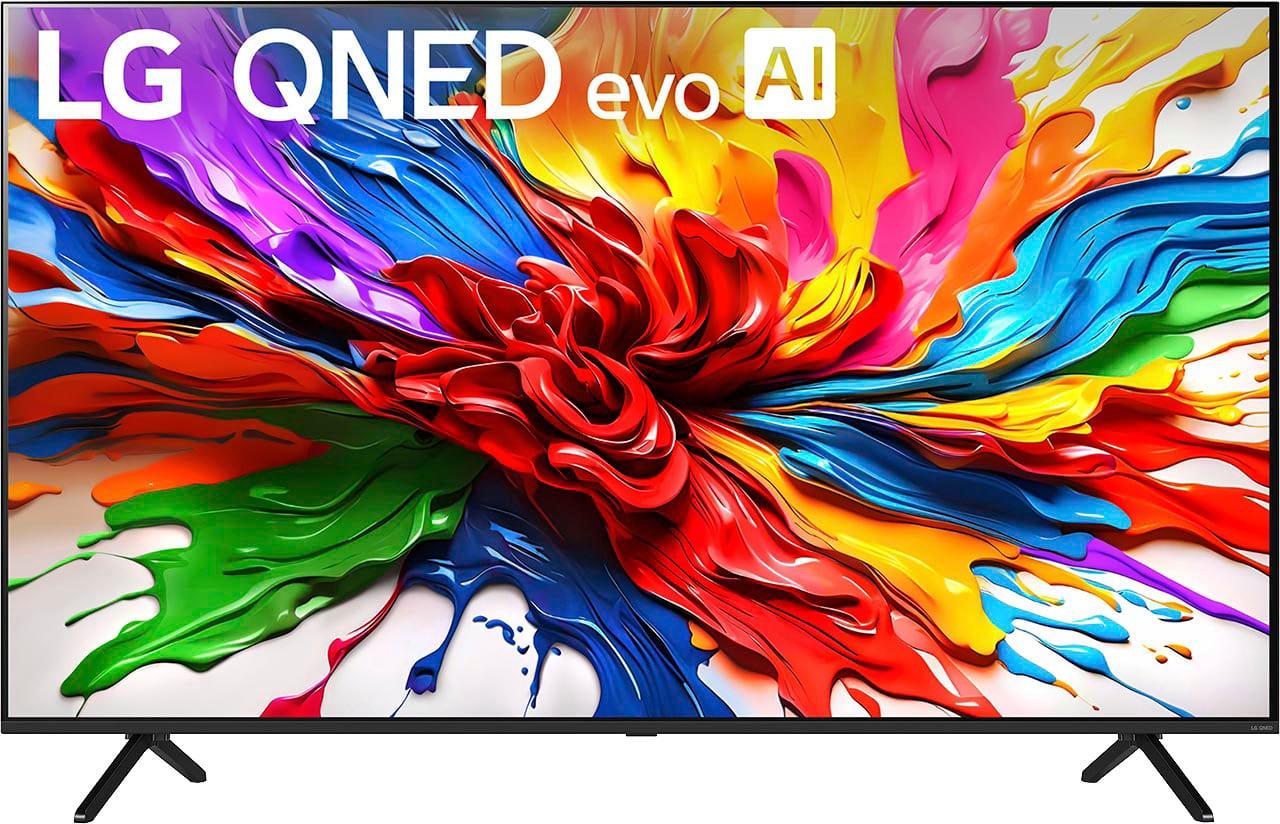
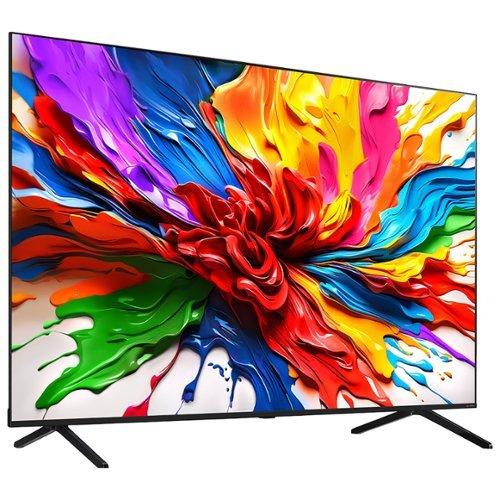
When shopping for a premium 65-inch TV, you're likely weighing features, performance, and long-term value. Two standout options in the mid-to-upper premium segment are the Samsung Q8F QLED and LG QNED92A Mini LED. Both represent significant technological advances from their respective manufacturers, but they take notably different approaches to delivering exceptional picture quality.
Understanding these differences—and more importantly, how they affect your actual viewing experience—can save you from buyer's remorse and ensure you get the TV that best fits your specific needs and room setup.
The premium 65-inch segment sits in a sweet spot for many buyers. You're getting flagship-level features without the eye-watering prices of the absolute top-tier models. Both the Samsung Q8F and LG QNED92A launched in 2025, incorporating years of refinements to their respective display technologies.
The key considerations in this category revolve around backlighting technology (how the TV creates light behind the screen), color reproduction, HDR performance (High Dynamic Range, which creates more realistic contrast between bright and dark areas), gaming capabilities, and smart features. At this price level, both TVs need to excel across multiple areas rather than just one or two standout features.
What's particularly interesting about 2025 models is how both Samsung and LG have refined their approaches based on consumer feedback from previous generations. Samsung has improved their Quantum Dot implementation while LG has significantly advanced their Mini-LED backlighting systems.
The biggest distinction between these TVs lies in their backlighting approaches, which fundamentally affects everything from contrast to viewing angles.
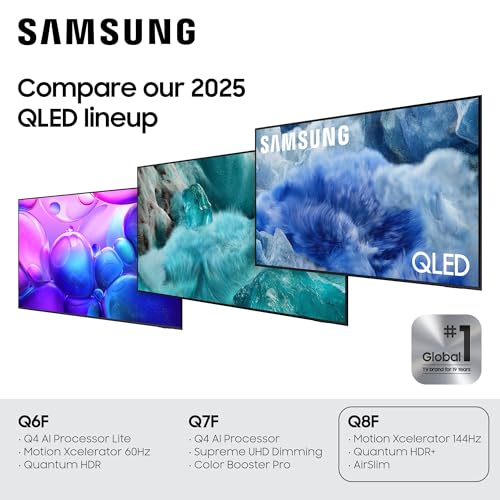
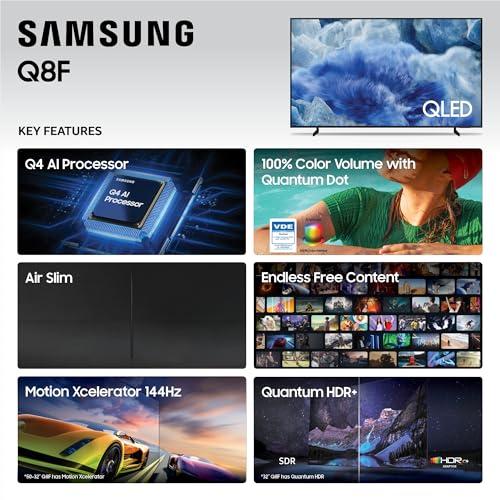
The Samsung Q8F uses edge-lit LED backlighting with what Samsung calls "Dual LED" technology. Imagine the backlight as a series of LEDs positioned around the edges of the screen, shining inward. The Dual LED system uses two different color temperatures of LEDs to improve color accuracy and contrast. Samsung's Supreme UHD Dimming then divides the screen into zones to control brightness, though with fewer zones than full-array systems.
The LG QNED92A, on the other hand, employs Mini-LED backlighting with what LG calls "Precision Dimming Pro." Mini-LEDs are exactly what they sound like—thousands of tiny LEDs, much smaller than traditional LEDs, arranged directly behind the screen. This allows for hundreds of individual dimming zones, each capable of independent brightness control.
This difference is crucial because it directly impacts contrast—the difference between the brightest whites and darkest blacks your TV can display. Better contrast means more realistic images, especially in scenes with both bright and dark elements, like a sunset or a movie theater scene.
In practical terms, the LG QNED92A's Mini-LED system can create much deeper blacks and brighter highlights simultaneously. When you're watching a space movie with bright stars against the blackness of space, the QNED92A can make those stars pop while keeping the surrounding areas truly dark. The Samsung Q8F, while still impressive, can't achieve quite the same level of precision due to its edge-lit design.
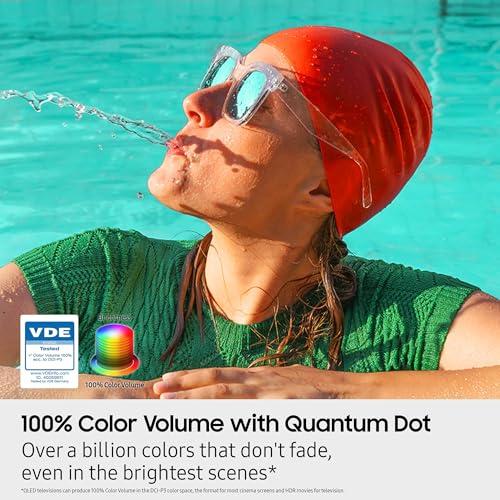
Both TVs achieve what's called "100% color volume," meaning they can display the full range of colors at all brightness levels. However, they use different technologies to get there.
The Samsung Q8F relies on Quantum Dot technology, which uses nanocrystals that emit specific colors when hit by blue LED light. Samsung's implementation has been refined over years and produces exceptionally vibrant, saturated colors. The TV is particularly strong at displaying vivid content like nature documentaries or animated movies where color pop matters.
The LG QNED92A combines Quantum Dot technology with what LG calls NanoCell—essentially a layer that filters out impure colors to improve accuracy. LG brands this combination as "Dynamic QNED Color." Based on professional reviews, the QNED92A achieves 97% of the DCI-P3 color space (the standard used by filmmakers), which translates to more accurate color reproduction for movies and professional content.
For most viewers, both will look fantastic, but the differences become apparent in specific scenarios. The Samsung Q8F tends to make colors pop more dramatically, which some prefer for sports and vibrant content. The LG QNED92A leans toward more accurate color reproduction, which purists and home theater enthusiasts often prefer for movies.
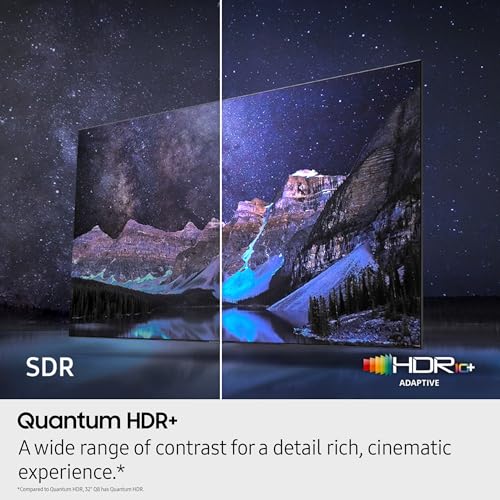
HDR support is where these TVs diverge significantly. HDR (High Dynamic Range) makes images look more realistic by expanding the range between the darkest and brightest parts of the image, similar to how your eyes see the real world.
The Samsung Q8F supports HDR10 and HDR10+, the latter being Samsung's preferred format that adjusts tone mapping scene by scene. However, it notably lacks Dolby Vision, which has become increasingly common on streaming platforms and 4K Blu-rays.
The LG QNED92A supports all major HDR formats: HDR10, HDR10+, Dolby Vision, and even Dolby Vision IQ (which adjusts the image based on your room's lighting conditions). This comprehensive support means you'll get the intended HDR experience regardless of your content source.
More importantly, the LG QNED92A can achieve peak brightness levels around 1,520 nits (a measurement of brightness), significantly higher than the Samsung Q8F. This higher peak brightness, combined with better local dimming control, means HDR content looks more impactful with brighter highlights and deeper shadows.
In practical terms, when watching a movie with both bright outdoor scenes and dark indoor scenes, the LG QNED92A will show more detail in both extremes simultaneously. The Samsung Q8F handles HDR content well but can't quite match this level of contrast performance.
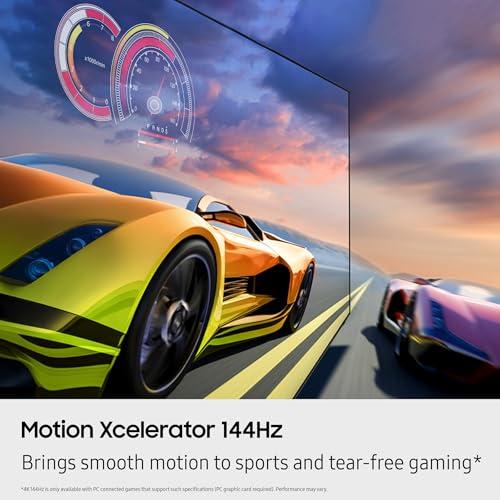
Both TVs cater to modern gaming with 120Hz refresh rates and Variable Refresh Rate (VRR) support, which eliminates screen tearing when gaming frame rates fluctuate. However, the LG QNED92A has several advantages for serious gamers.
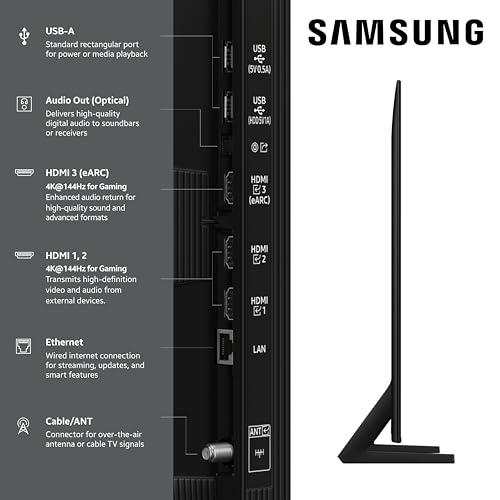
The LG QNED92A features four HDMI 2.1 ports versus three on the Samsung Q8F, meaning you can connect more high-bandwidth devices simultaneously. It also supports refresh rates up to 144Hz with VRR enabled, which benefits PC gaming, and achieves extremely low input lag at just 9.6 milliseconds.
Input lag is the delay between when you press a button and when the action appears on screen. For competitive gaming, every millisecond counts. While the Samsung Q8F also offers good gaming performance with Auto Game Mode, the LG QNED92A's lower input lag and additional HDMI 2.1 ports make it the better choice for gaming enthusiasts.
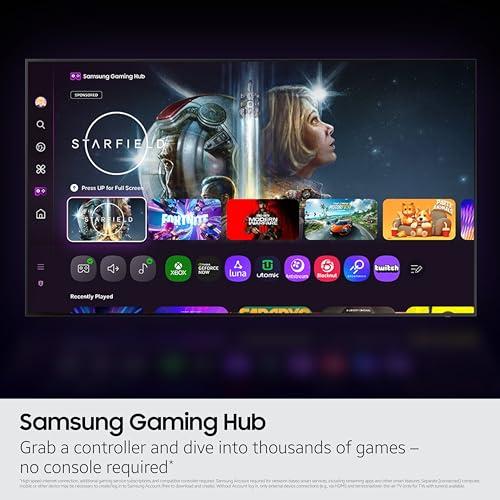
Both TVs include gaming-specific features like game optimizers that automatically adjust picture settings for different game genres, and both support cloud gaming services for console-quality games without a console.
The smart TV experience differs notably between these models, and this is where long-term value considerations become important.
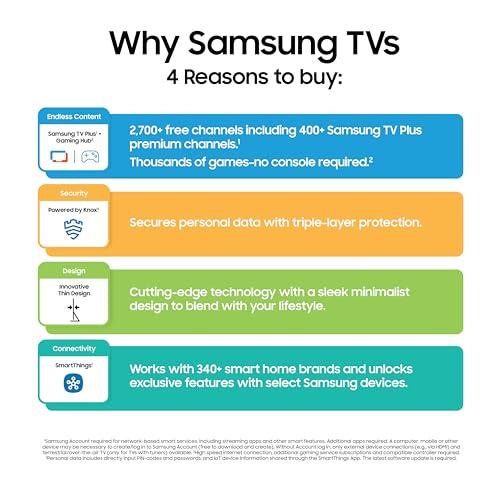
The Samsung Q8F runs Tizen, Samsung's proprietary smart TV platform. Tizen integrates seamlessly with other Samsung devices and features like Q-Symphony (which allows the TV speakers to work with Samsung soundbars simultaneously rather than being muted). The interface is intuitive and includes access to Samsung TV Plus with hundreds of free streaming channels.
The LG QNED92A uses webOS 25, which many consider the most user-friendly smart TV interface available. It supports a broader range of smart home ecosystems, including Google Assistant, Amazon Alexa, Apple HomeKit, and the new Matter standard for smart home interoperability.
Crucially, LG guarantees software updates for the QNED92A for five years through their Re:New Program, while Samsung provides their standard support cycle without specific long-term commitments. This means the LG QNED92A will likely receive new features and security updates longer than the Samsung Q8F.
The LG QNED92A also features Wi-Fi 6E for faster wireless performance compared to the Samsung Q8F's Wi-Fi 5, which matters for high-bitrate streaming and wireless gaming.
Neither TV will replace a dedicated sound system, but both offer respectable built-in audio that's adequate for casual viewing.
The Samsung Q8F includes Object Tracking Sound Lite (OTS Lite), which attempts to match audio to the movement of objects on screen, and Q-Symphony for enhanced performance when paired with Samsung soundbars. The 20W, 2-channel system provides clear dialogue and reasonable volume.
The LG QNED92A features a 2.2 channel system with native Dolby Atmos support and AI Sound Pro processing that attempts to create surround sound effects from the built-in speakers. The inclusion of Dolby Atmos support gives it a slight edge for movies and shows that include this immersive audio format.
For home theater use, both TVs benefit significantly from external sound systems, but the LG QNED92A has better integration options with various audio brands beyond LG's own products.
Your viewing environment significantly impacts which TV performs better for your situation.
In bright rooms with lots of windows or ambient lighting, the LG QNED92A's superior peak brightness makes it the clear winner. The Mini-LED backlighting maintains image quality even when competing with daylight, while the Samsung Q8F may appear somewhat washed out in very bright conditions.
For dark room viewing—the ideal scenario for home theaters—the LG QNED92A again has advantages. Its precise local dimming creates deeper blacks and better contrast, making it more suitable for serious movie watching. The Samsung Q8F performs well in dark rooms but can't match the contrast performance of Mini-LED technology.
Mixed lighting conditions, where room brightness changes throughout the day, favor the LG QNED92A due to its wider brightness range and more sophisticated backlighting control.
At the time of writing, these TVs compete in overlapping price ranges, with the LG QNED92A typically commanding a premium over the Samsung Q8F.
The Samsung Q8F represents excellent value for buyers seeking premium QLED performance without top-tier pricing. It delivers vibrant colors, good brightness, and solid smart features within Samsung's ecosystem. For many users, especially those already invested in Samsung devices, it provides a satisfying premium TV experience at a more accessible price point.
The LG QNED92A justifies its premium through superior backlighting technology, higher peak brightness, comprehensive HDR format support, better gaming features, and longer software support. The technological advantages are measurable and translate to better performance across most use cases.
From a pure performance-per-dollar perspective, the LG QNED92A offers better long-term value despite its higher initial cost. The five-year software update guarantee alone adds significant value for users planning to keep their TV for many years.
For dedicated home theater setups, several factors favor the LG QNED92A:
The comprehensive HDR format support ensures compatibility with all current and likely future content. The superior local dimming and higher peak brightness create more engaging cinematic experiences. Dolby Vision support is particularly important as more streaming services and 4K Blu-rays adopt this format.
The LG QNED92A's more accurate color reproduction and better black level performance align with home theater priorities of image accuracy over pop and vibrancy.
However, the Samsung Q8F isn't inappropriate for home theater use. Its Filmmaker Mode preserves director intent, and its picture quality remains impressive. The decision often comes down to budget and how critically you evaluate picture quality differences.
Choose the Samsung Q8F if you're looking for premium QLED performance at a more accessible price point, particularly if you're already invested in Samsung's ecosystem. It's ideal for users who prioritize good overall performance and smart features without requiring the absolute best picture quality or comprehensive HDR support.
The Samsung Q8F makes sense for buyers who primarily watch standard streaming content, sports, and general television programming in moderately lit rooms. If you're not particularly concerned about Dolby Vision or don't plan to do serious gaming, the Q8F delivers satisfying performance.
Choose the LG QNED92A if you want the best LED-based picture quality available in this price range. It's the better choice for movie enthusiasts, serious gamers, anyone with a bright viewing room, and users who value long-term software support.
The LG QNED92A is particularly recommended for users planning to keep their TV for many years, those who consume a lot of HDR content, and anyone setting up a home theater where picture quality takes priority over budget concerns.
Both TVs represent solid choices in the premium 65-inch category, but they target slightly different priorities. The Samsung Q8F offers good performance at a more accessible price point within Samsung's ecosystem. The LG QNED92A provides superior technology and performance across most metrics, justifying its premium for users who prioritize picture quality and future-proofing.
For most buyers willing to spend in this premium range, the LG QNED92A's advantages in backlighting technology, HDR support, gaming features, and long-term software support make it the better investment despite the higher initial cost. However, the Samsung Q8F remains a compelling choice for budget-conscious buyers seeking solid premium features without the absolute latest technology.
The decision ultimately comes down to whether you value the measurable performance improvements of Mini-LED technology and comprehensive HDR support enough to justify the price difference—and for most users serious about picture quality, the answer is yes.
| Samsung 65" QLED Q8F 4K Smart TV 2025 | LG 65" QNED92A QNED evo AI Mini LED 4K TV 2025 |
|---|---|
| Backlighting Technology - Determines contrast and black level performance | |
| Edge-lit LED with Dual LED and Supreme UHD Dimming | Mini-LED with Precision Dimming Pro (hundreds of zones) |
| Peak Brightness - Critical for HDR impact and bright room viewing | |
| Good brightness with Quantum HDR+ | Up to 1,520 nits (significantly brighter) |
| Local Dimming Zones - Controls how precisely the TV can dim dark areas | |
| Limited zones with edge-lit design | Hundreds of independently controlled Mini-LED zones |
| HDR Format Support - Affects compatibility with streaming and disc content | |
| HDR10, HDR10+ (no Dolby Vision) | HDR10, HDR10+, Dolby Vision, Dolby Vision IQ, HLG |
| Color Technology - Impacts color accuracy and vibrancy | |
| Quantum Dot with 100% Color Volume | Dynamic QNED Color (Quantum Dot + NanoCell), 97% DCI-P3 |
| Refresh Rate & Gaming - Important for smooth motion and gaming performance | |
| 120Hz native, 144Hz with Motion Xcelerator, 3 HDMI inputs | 120Hz native, up to 144Hz with VRR, 4 HDMI 2.1 ports |
| Input Lag - Lower is better for responsive gaming | |
| Good gaming performance with Auto Game Mode | Exceptionally low 9.6ms input lag |
| Smart TV Platform - Affects interface quality and long-term support | |
| Tizen Smart TV with standard Samsung support | webOS 25 with 5-year software update guarantee |
| Audio System - Built-in speaker performance | |
| 20W 2CH with OTS Lite and Q-Symphony | 2.2CH with native Dolby Atmos and AI Sound Pro |
| Wireless Connectivity - Impacts streaming quality and smart home integration | |
| Wi-Fi 5, Bluetooth 5.3 | Wi-Fi 6E, Bluetooth 5.3 |
| Smart Home Integration - Voice assistant and ecosystem compatibility | |
| Bixby, SmartThings Hub, Matter support | Google Assistant, Alexa, Apple HomeKit, Matter |
| Design & Build - Physical appearance and mounting options | |
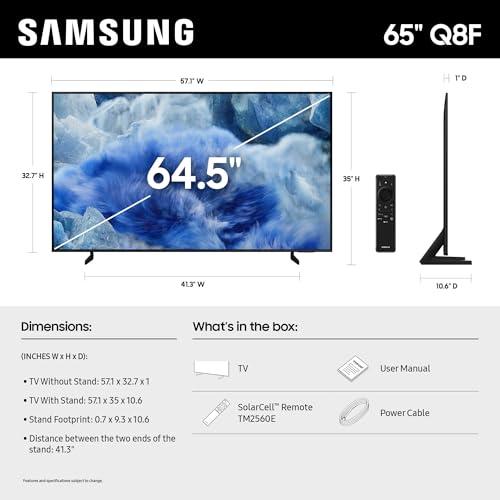
| AirSlim design with 3 bezel-less sides | Ultra-slim profile with minimalist V-shaped stand |
| Best Use Cases - Who should consider each model | |
| Good value QLED for Samsung ecosystem users, moderate brightness rooms | Premium Mini-LED for bright rooms, home theater, gaming enthusiasts |
The LG QNED92A delivers superior picture quality for movies due to its Mini-LED backlighting with hundreds of dimming zones, creating deeper blacks and brighter highlights. It also supports all HDR formats including Dolby Vision, which many movies use. The Samsung Q8F offers good picture quality with vibrant Quantum Dot colors, but its edge-lit design can't match the contrast performance of the LG QNED92A for cinematic viewing.
QLED (like the Samsung Q8F) uses Quantum Dots for enhanced color but relies on edge-lit LED backlighting. Mini-LED (like the LG QNED92A) uses thousands of tiny LEDs directly behind the screen for precise local dimming control. This makes the LG QNED92A capable of much better contrast with deeper blacks and brighter highlights compared to the Samsung Q8F.
The LG QNED92A is better for gaming with exceptionally low 9.6ms input lag, four HDMI 2.1 ports, and support for up to 144Hz refresh rates. Both TVs support 120Hz and VRR, but the Samsung Q8F has only three HDMI inputs and higher input lag. Serious gamers will appreciate the LG QNED92A's additional connectivity and faster response times.
The LG QNED92A performs significantly better in bright rooms due to its higher peak brightness (up to 1,520 nits) and superior backlighting control. While the Samsung Q8F handles moderate lighting well, it may appear washed out in very bright conditions. For rooms with large windows or lots of ambient light, the LG QNED92A is the clear choice.
Both TVs offer excellent smart features, but with different strengths. The Samsung Q8F uses Tizen with great Samsung ecosystem integration, while the LG QNED92A runs webOS 25 with broader smart home compatibility (Google Assistant, Alexa, Apple HomeKit). The LG QNED92A also includes a 5-year software update guarantee, ensuring longer-term support than the Samsung Q8F.
The Samsung Q8F supports HDR10 and HDR10+ but notably lacks Dolby Vision support. The LG QNED92A supports all major HDR formats including HDR10, HDR10+, Dolby Vision, Dolby Vision IQ, and HLG. This comprehensive support makes the LG QNED92A compatible with more streaming content and 4K Blu-rays that use Dolby Vision.
The LG QNED92A has better built-in audio with a 2.2 channel system, native Dolby Atmos support, and AI Sound Pro processing. The Samsung Q8F features 20W 2CH speakers with Object Tracking Sound Lite and Q-Symphony for Samsung soundbar integration. While both benefit from external sound systems, the LG QNED92A offers more immersive built-in audio.
The Samsung Q8F offers good value for buyers seeking premium QLED features at a more accessible price point. However, the LG QNED92A provides better long-term value with superior Mini-LED technology, comprehensive HDR support, and 5-year software updates. Despite its higher initial cost, the LG QNED92A delivers more advanced features and longer support.
The LG QNED92A is better suited for home theater use with its superior contrast from Mini-LED backlighting, comprehensive HDR format support including Dolby Vision, and more accurate color reproduction. The Samsung Q8F can work in home theater setups and includes Filmmaker Mode, but the LG QNED92A's better black levels and HDR performance create a more cinematic experience.
The LG QNED92A includes four HDMI 2.1 ports, allowing more high-bandwidth devices like gaming consoles, streaming devices, and sound systems to connect simultaneously. The Samsung Q8F has three HDMI inputs, which may require more device switching for users with multiple modern devices. The LG QNED92A's additional port provides more flexibility for complex setups.
The LG QNED92A guarantees software updates for five years through LG's Re:New Program, ensuring new features and security updates well into the future. The Samsung Q8F receives Samsung's standard support cycle without specific long-term commitments. For buyers planning to keep their TV for many years, the LG QNED92A offers better long-term software support.
Both TVs achieve 100% color volume but use different approaches. The Samsung Q8F uses traditional Quantum Dot technology for vibrant, saturated colors that make content pop. The LG QNED92A combines Quantum Dot with NanoCell technology for more accurate color reproduction, achieving 97% DCI-P3 coverage. The Samsung Q8F emphasizes vibrancy while the LG QNED92A focuses on accuracy.
We've done our best to create useful and informative comparisons to help you decide what product to buy. Our research uses advanced automated methods to create this comparison and perfection is not possible - please contact us for corrections or questions. These are the sites we've researched in the creation of this article: bestbuy.com - rtings.com - tomsguide.com - youtube.com - samsung.com - youtube.com - youtube.com - youtube.com - rtings.com - rtings.com - linqcdn.avbportal.com - bestbuy.com - samsung.com - samsung.com - samsung.com - youtube.com - youtube.com - billsmith.com - samsung.com - samsung.com - samsung.com - hometechnologyreview.com - shopjetson.com - certappl.com - samsung.com - theapplianceplug.com - samsung.com - manuals.plus - bestbuy.com - device.report - samsung.com - shopsilica.com - dentonstv.com - stereoindex.com - youtube.com - youtube.com - digitaltrends.com - abt.com - lg.com - youtube.com - ecoustics.com - hometheaterforum.com - lg.com - valueelectronics.com - listenup.com - pcrichard.com - furnitureconnectionnd.com - avnirvana.com - files.bbystatic.com - lg.com - lgnewsroom.com - techradar.com - bestbuy.com - bestbuy.com - youtube.com - youtube.com

Privacy Policy
Terms and Conditions - Affiliate Policy
Home Security
© Copyright 2008-2026.
11816 Inwood Rd #1211, Dallas, TX 75244