

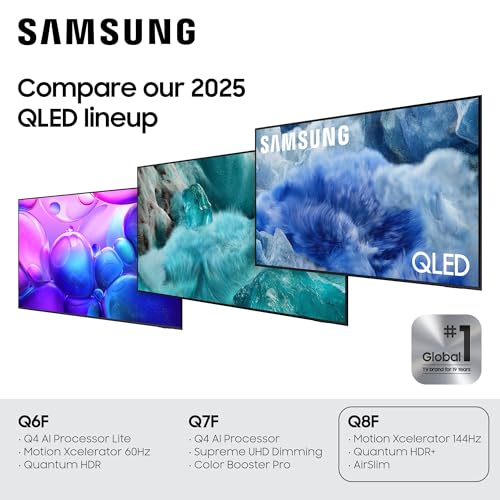
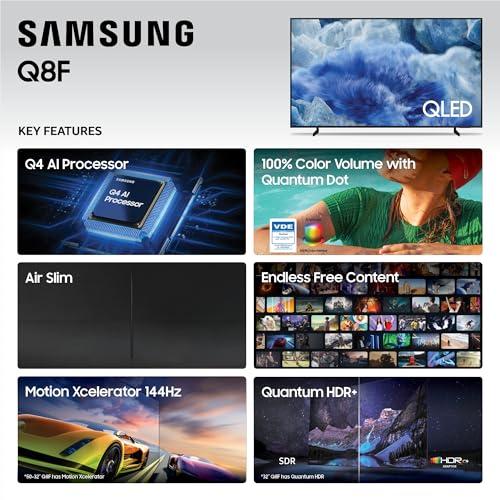
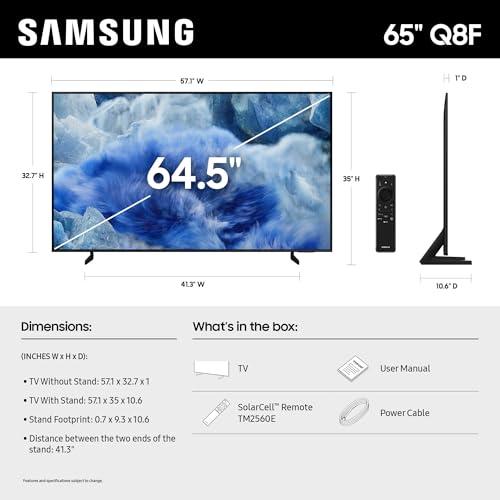
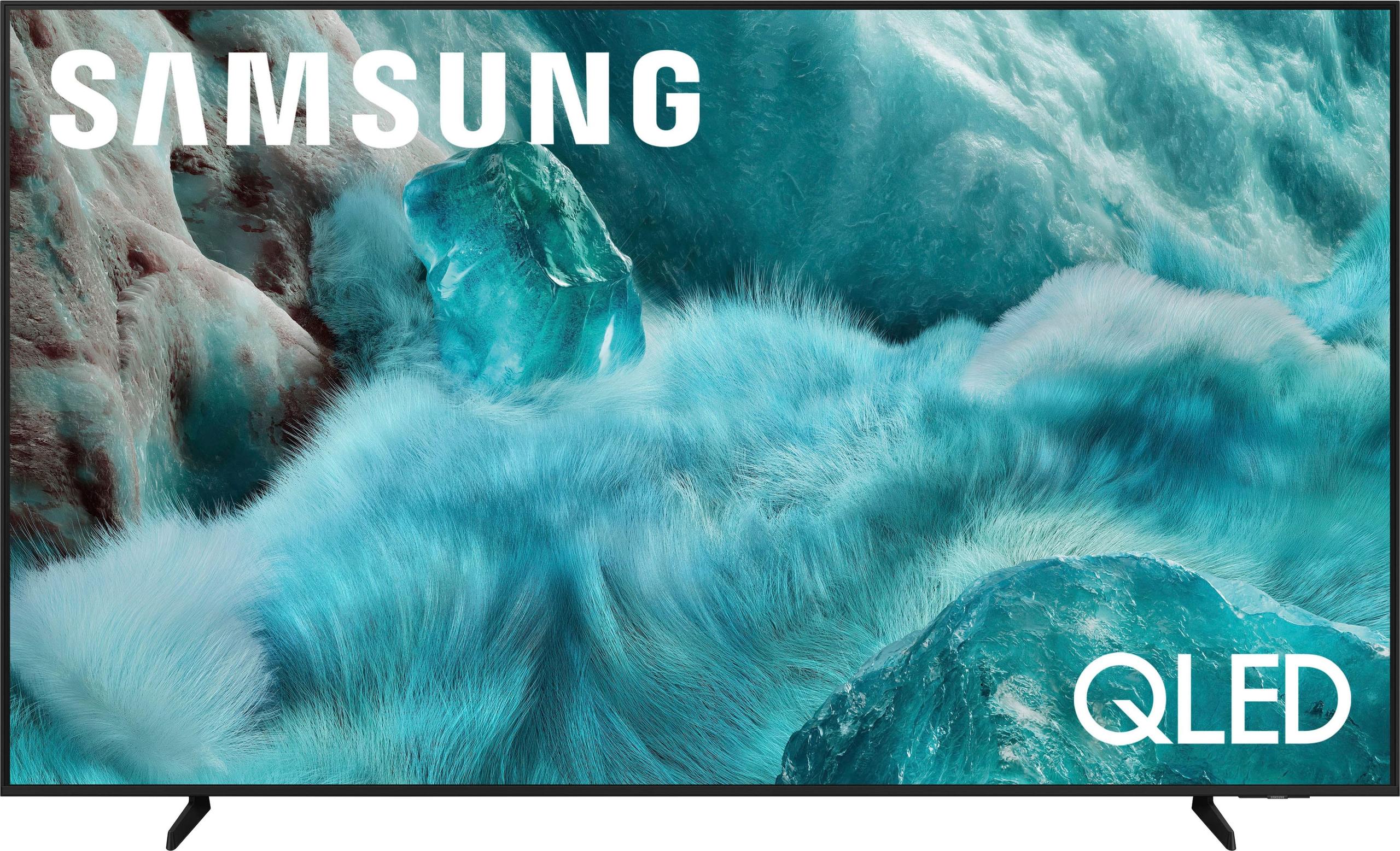
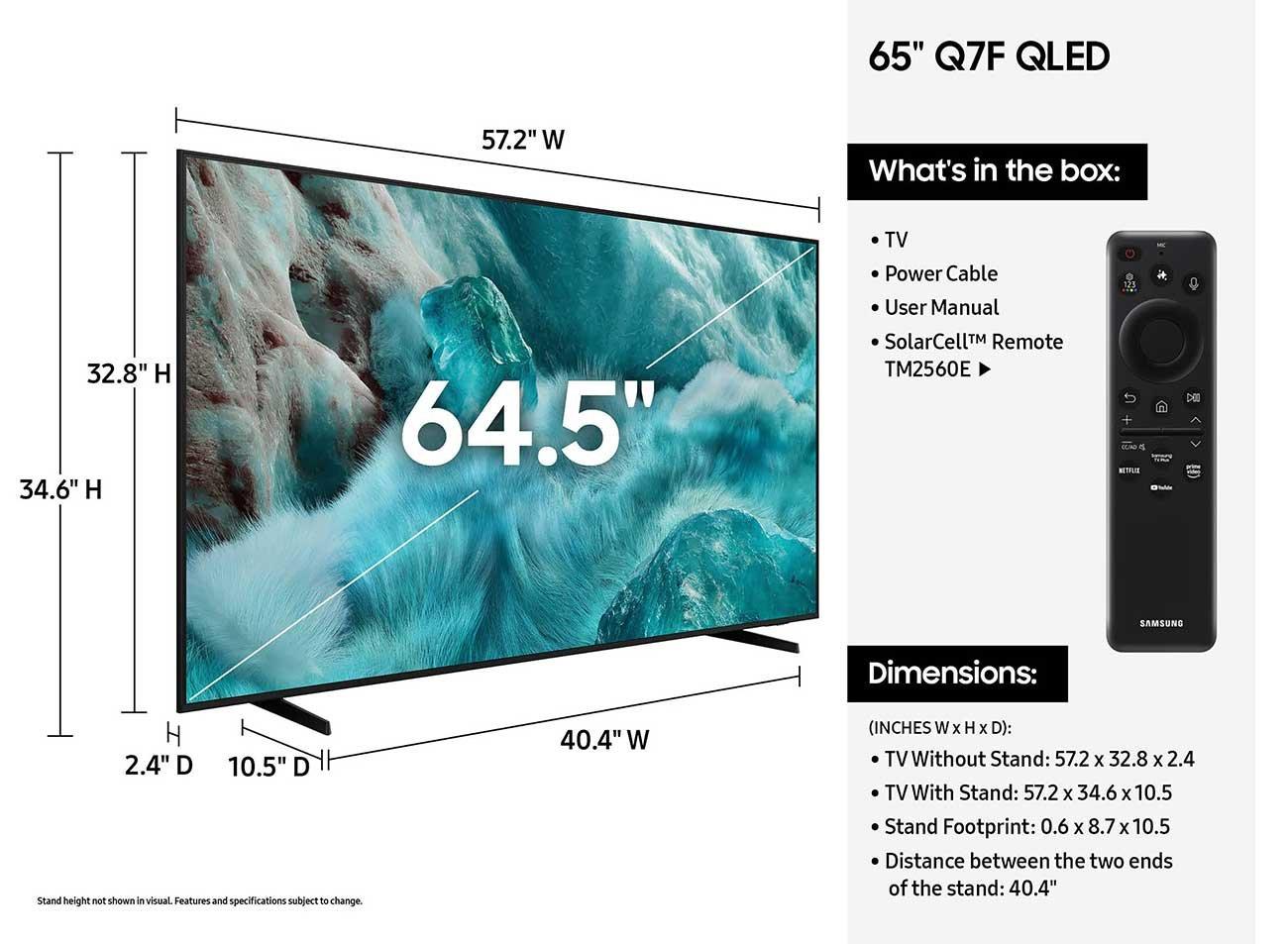

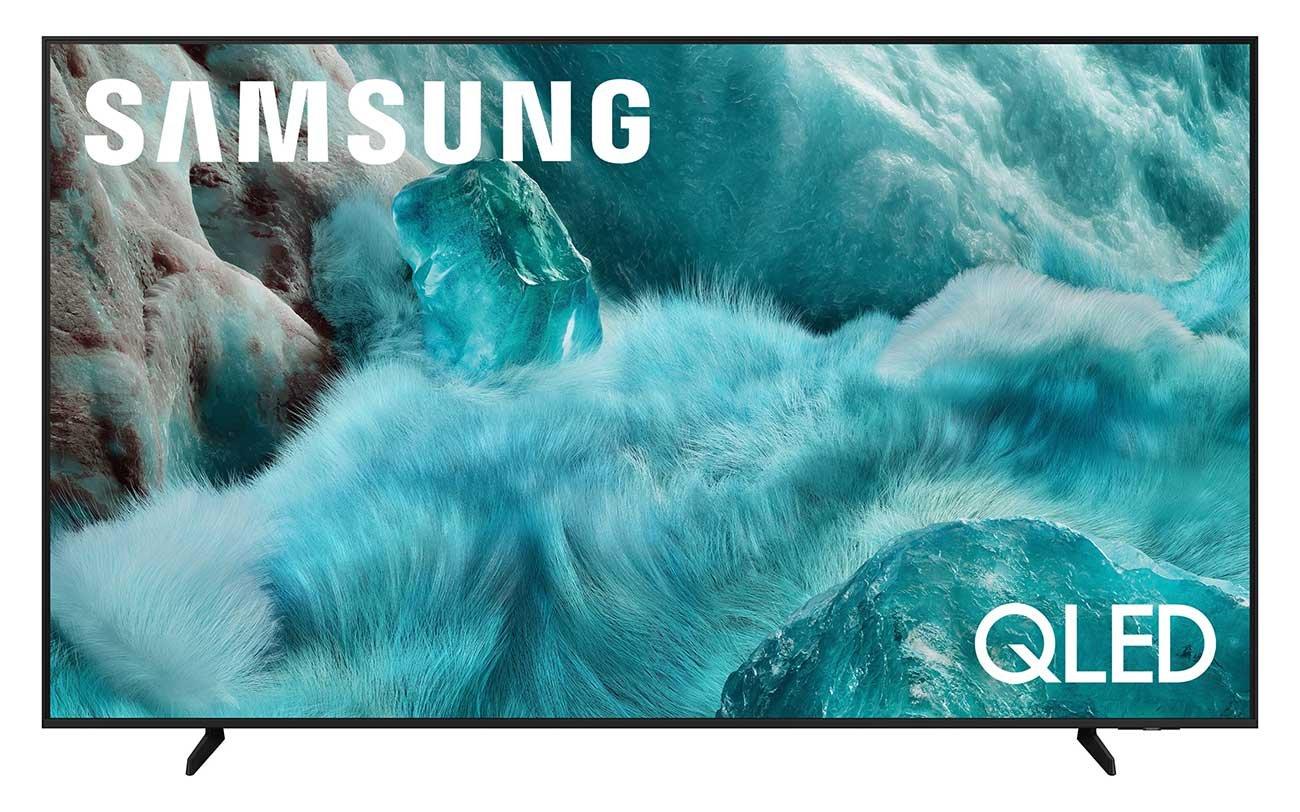
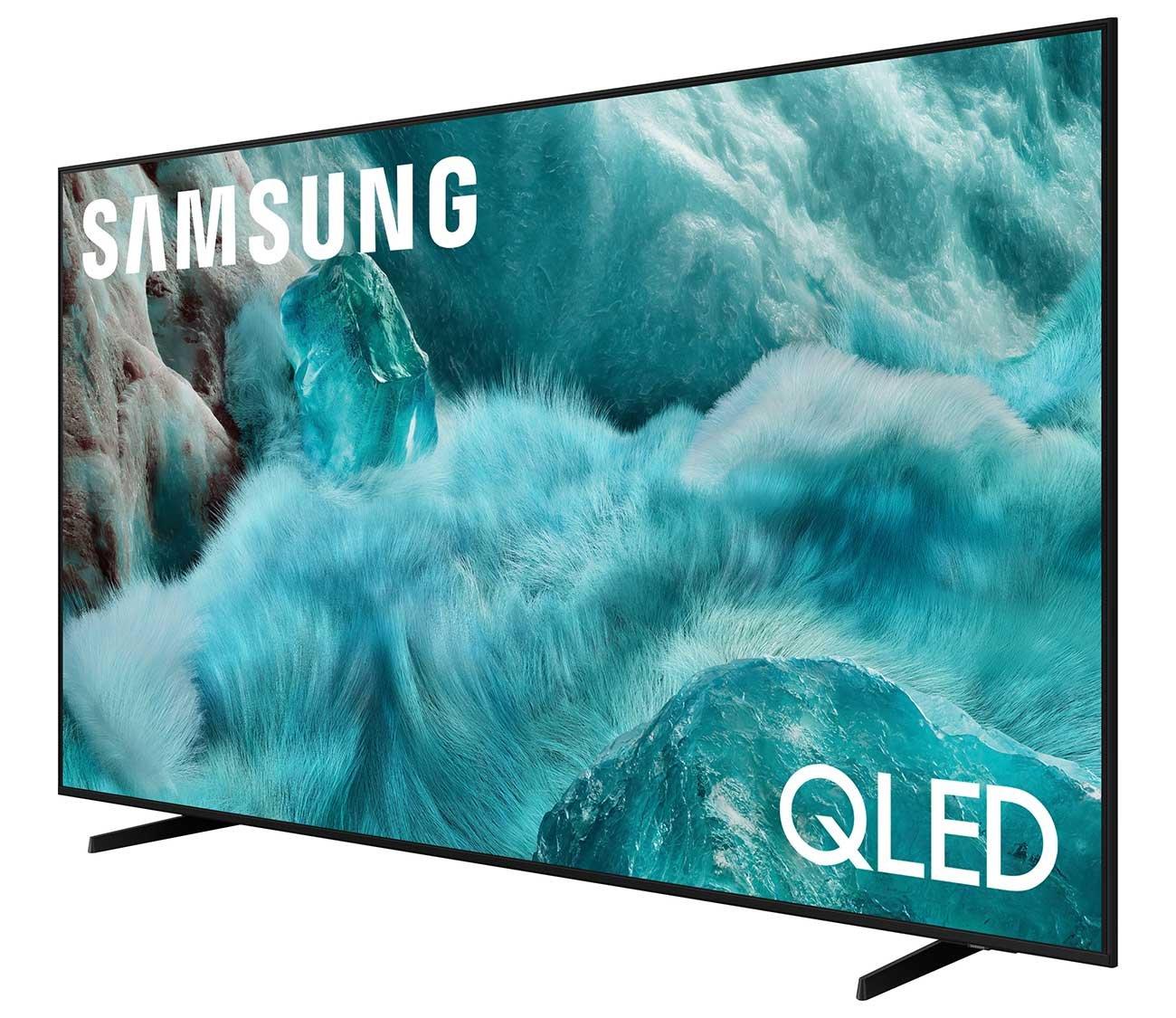
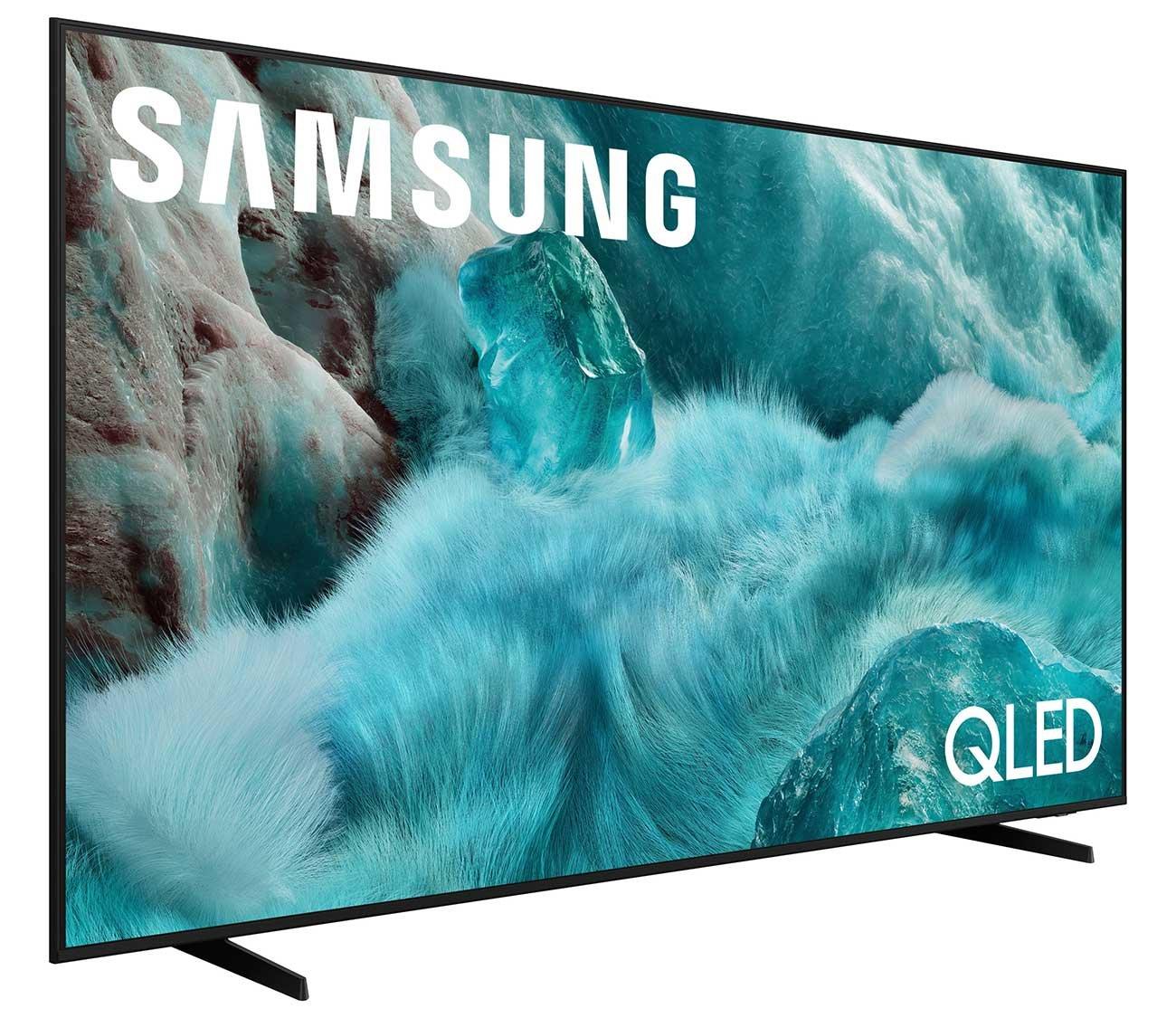

Samsung's 2025 QLED lineup continues the company's push into quantum dot technology, but choosing between models can be tricky when they look similar on paper. The Samsung 65" QLED Q8F and Samsung 65" Q7F represent two different approaches to delivering premium picture quality, with the Q8F positioned as the performance leader and the Q7F targeting budget-conscious buyers who still want QLED benefits.
At the time of writing, there's roughly an $400 price gap between these models—a significant difference that needs to deliver meaningful performance improvements to justify the premium. After researching expert reviews and user feedback, the choice becomes clearer when you understand what each TV does well and where the compromises lie.
QLED stands for Quantum Dot Light Emitting Diode, which sounds fancy but essentially means Samsung places a special layer of quantum dots between the LED backlight and the LCD panel. These microscopic particles emit specific colors when hit by blue light, creating more accurate and vibrant colors than traditional LED TVs can produce.
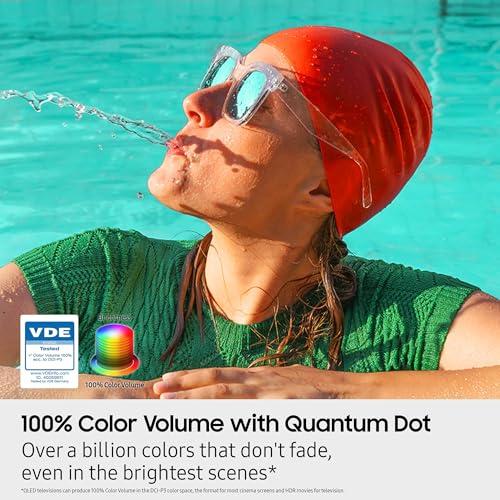
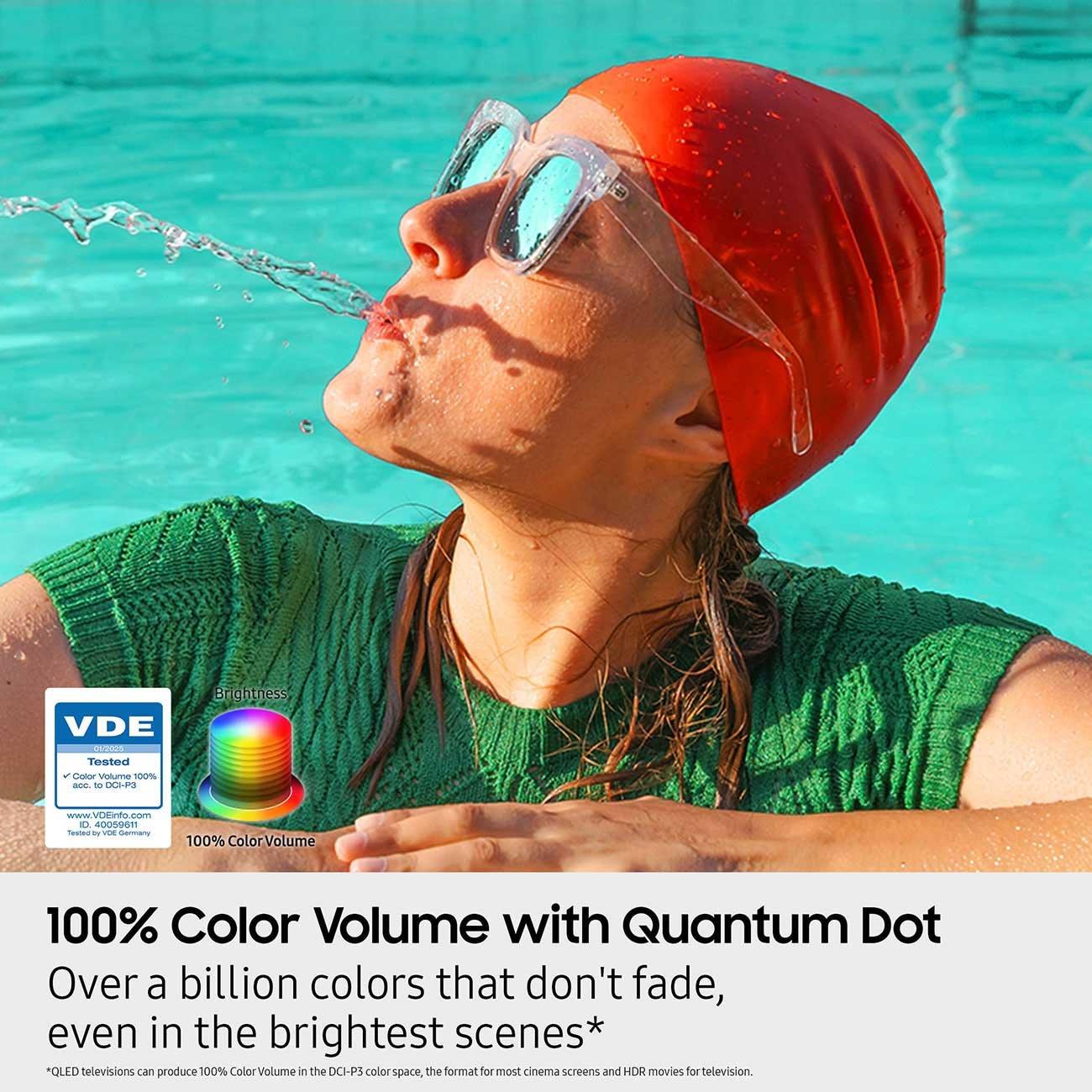
The key advantage of QLED over regular LED TVs is color volume—essentially how many different colors the TV can display at various brightness levels. Both the Q8F and Q7F achieve what Samsung calls "100% color volume," meaning they can display the full range of colors across all brightness levels, from the darkest shadows to the brightest highlights.
However, not all QLED implementations are equal. The biggest differences come down to backlighting systems, processing power, and additional features that affect real-world performance. This is where the Q8F and Q7F start to diverge significantly.
When evaluating any TV, the most important performance characteristics are contrast ratio (the difference between the brightest whites and darkest blacks), peak brightness (how bright the TV can get for HDR content), color accuracy, motion handling, and input lag for gaming. These factors determine whether you'll enjoy watching movies in a dark room, whether sports look smooth and clear, and whether your PlayStation 5 games feel responsive.
The most fundamental difference between these models lies in their backlighting systems. The Q7F uses what Samsung calls "direct-lit" backlighting—essentially a grid of LED lights behind the entire panel that illuminate the screen uniformly. This approach works well for general viewing and keeps costs down, but it doesn't allow for precise control over different areas of the screen.
The Q8F, on the other hand, features dual LED edge-lit backlighting with local dimming. This system uses two different color temperatures of LEDs positioned around the edges of the screen, combined with local dimming zones that can independently control brightness in different areas. Think of it like having multiple light switches in a room versus one master switch—you get much more precise control.
This technical difference translates into dramatically better contrast performance on the Q8F. When you're watching a movie with a campfire scene at night, the Q8F can make the fire bright and vivid while keeping the surrounding darkness truly dark. The Q7F would need to compromise—either the fire looks dimmer or the dark areas appear grayish rather than black.
Based on our research of professional reviews and user experiences, this contrast difference is immediately noticeable in real-world viewing, especially for movies and dramatic TV shows that rely on atmospheric lighting.
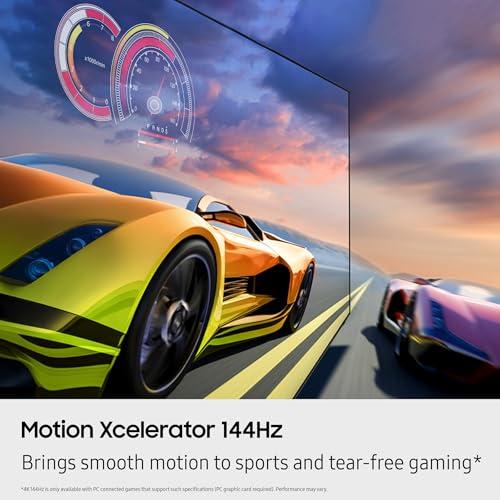
Here's where the gap widens considerably. The Q8F supports up to 144Hz refresh rate with Motion Xcelerator 144Hz technology, while the Q7F is limited to 60Hz with basic motion enhancement.
To put this in perspective, most content you watch—movies, TV shows, streaming video—runs at 24 to 60 frames per second. The higher refresh rate doesn't directly improve this content, but it does make motion look smoother by reducing something called "sample-and-hold blur." When your eye tracks moving objects on screen, the higher refresh rate creates less perceived motion blur.
For sports fans, this difference is significant. Fast camera pans during football games, hockey pucks flying across the ice, or tennis balls crossing the court all look noticeably clearer on the Q8F. The Q7F isn't bad for sports—it's perfectly watchable—but side-by-side comparisons consistently show the Q8F delivering smoother, more natural motion.
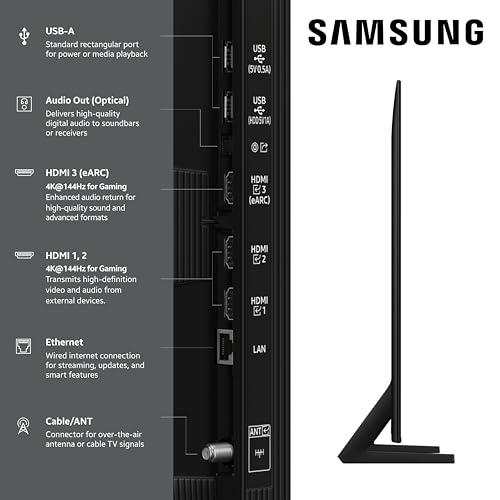
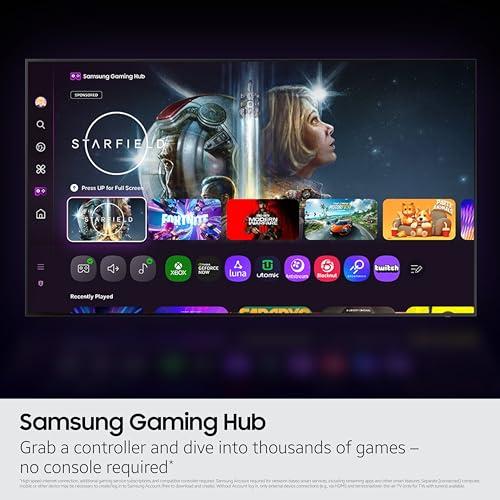
Gaming performance represents perhaps the largest capability gap between these models. The Q8F includes four HDMI 2.1 ports that support 4K gaming at 120Hz, variable refresh rate (VRR) with FreeSync Premium Pro, and Auto Low Latency Mode (ALLM). These features work with PlayStation 5, Xbox Series X, and high-end gaming PCs to deliver the smoothest possible gaming experience.
The Q7F includes basic gaming features like FreeSync Premium and a dedicated gaming mode, but it's limited by that 60Hz refresh rate and standard HDMI ports. If you're planning to keep your TV for several years and might upgrade your gaming setup, the Q8F provides much better future-proofing.
Input lag—the delay between pressing a button and seeing the action on screen—is excellent on both models when gaming mode is enabled, so casual gamers won't feel disadvantaged on the Q7F. However, competitive gamers and enthusiasts will appreciate the Q8F's additional features.
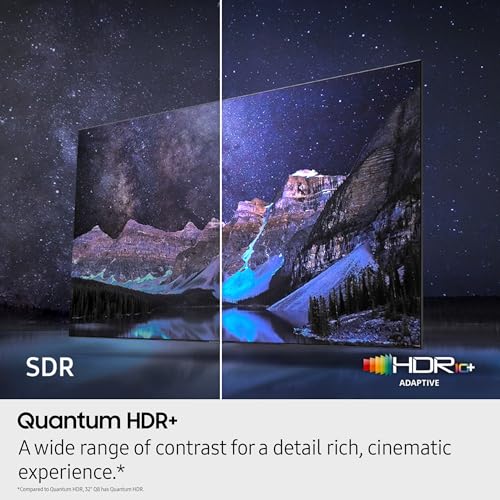
Both TVs support HDR10+ (High Dynamic Range), which allows compatible content to display brighter highlights and darker shadows than standard video. However, the Q8F delivers superior HDR performance thanks to its higher peak brightness and better local dimming control.
When watching HDR movies on Netflix or Disney+, scenes with mixed lighting—like sunlight streaming through windows or explosions in dark scenes—show more dramatic contrast on the Q8F. The difference isn't subtle; it's the kind of improvement that makes you appreciate having a premium TV.
The Q7F still provides good HDR performance for its price point, but bright highlights don't pop as much, and dark scenes tend to look slightly grayish rather than truly black. For casual viewing, this might not bother you, but for movie enthusiasts who want that cinematic experience, the Q8F's superior contrast makes a real difference.
Both models achieve excellent color accuracy thanks to their quantum dot technology. In well-lit rooms during daytime viewing, the color differences between these TVs are minimal—both deliver vibrant, accurate colors that make nature documentaries and animated movies look spectacular.
However, color performance in darker viewing environments reveals the Q8F's advantages. Because it can produce deeper blacks, colors appear more saturated and accurate against dark backgrounds. It's similar to how colors look more vivid against a black poster board than against a gray one.
Samsung's QLED technology traditionally struggles with viewing angles compared to OLED TVs, and both models show some color shifting when viewed from the side. However, the Q8F includes wide viewing angle technology that maintains better color consistency off-center.
For family movie nights where people sit at various angles to the TV, the Q8F provides a better experience for everyone in the room. The Q7F works fine for centered viewing but shows more noticeable color fading as you move to the sides.
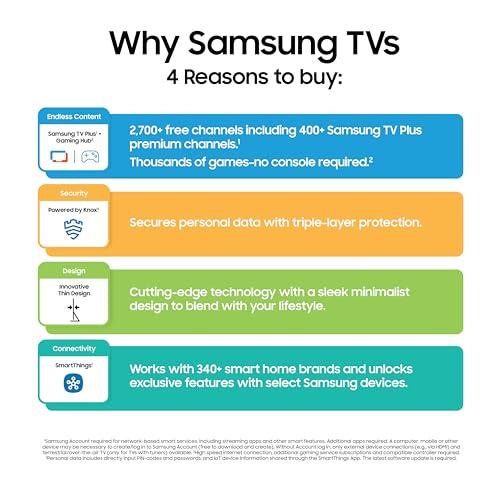
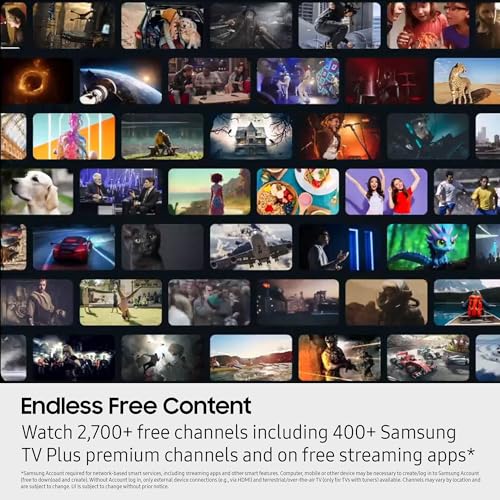
Both TVs run Samsung's Tizen operating system with Vision AI, providing access to all major streaming apps and Samsung's TV Plus free streaming service. The interface is fast and intuitive on both models, though the Q8F includes some additional AI-powered features.
Live Translate on the Q8F can provide real-time translation for international content, which is genuinely useful for foreign films and shows. The Daily Board feature turns your TV into an information display when not in use, showing weather, calendar events, and other personalized information.
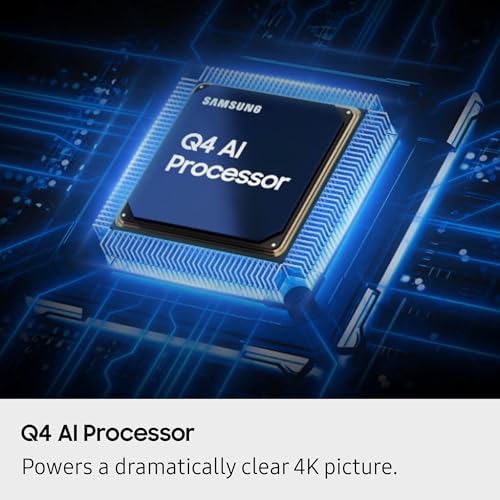
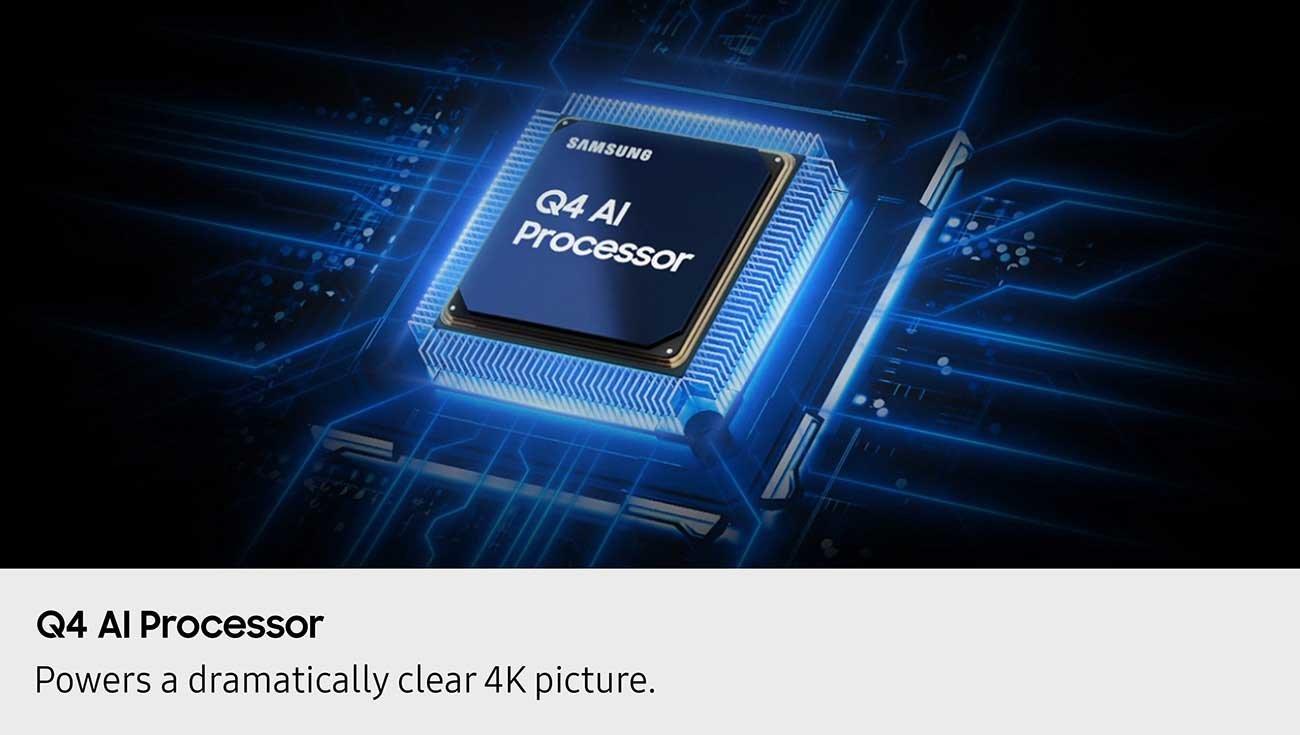
The Q4 AI processor in both models handles upscaling of lower-resolution content well, though the Q8F's additional processing power shows slight advantages when converting 1080p content to 4K. Both do an excellent job with streaming content from Netflix, Prime Video, and other services.
Voice control works through both built-in Bixby and Alexa compatibility, though the Q8F includes far-field voice interaction—you can speak to it from across the room without pressing a button on the remote.
Both models feature 20-watt, 2-channel speaker systems that deliver clear dialogue and decent volume for most content. However, the Q8F includes additional audio processing features like Adaptive Sound+ and Active Voice Amplifier that automatically adjust audio based on what you're watching and your room's acoustics.
Neither TV will replace a dedicated soundbar or home theater system for serious movie watching, but the Q8F's enhanced audio processing provides noticeably better dialogue clarity in noisy scenes and more immersive sound overall.
Both support Samsung's Q-Symphony feature, which allows compatible Samsung soundbars to work in harmony with the TV's built-in speakers rather than replacing them entirely.
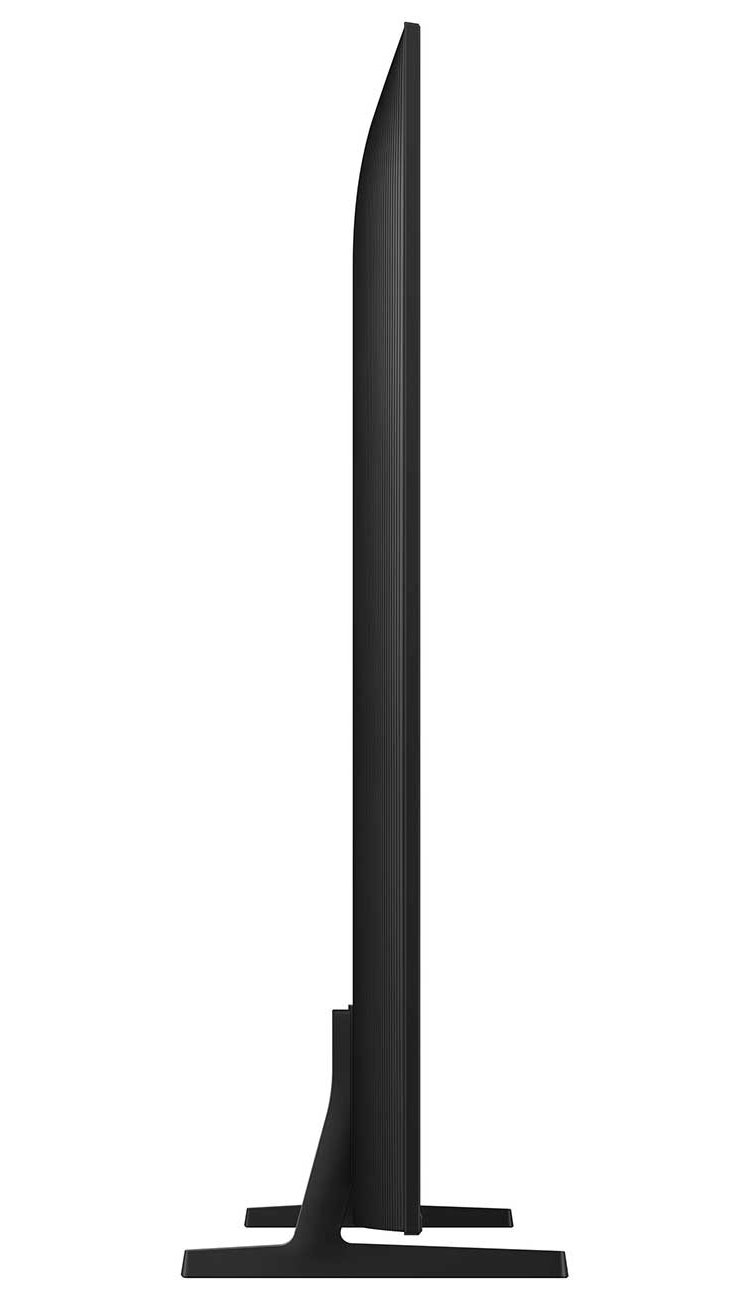
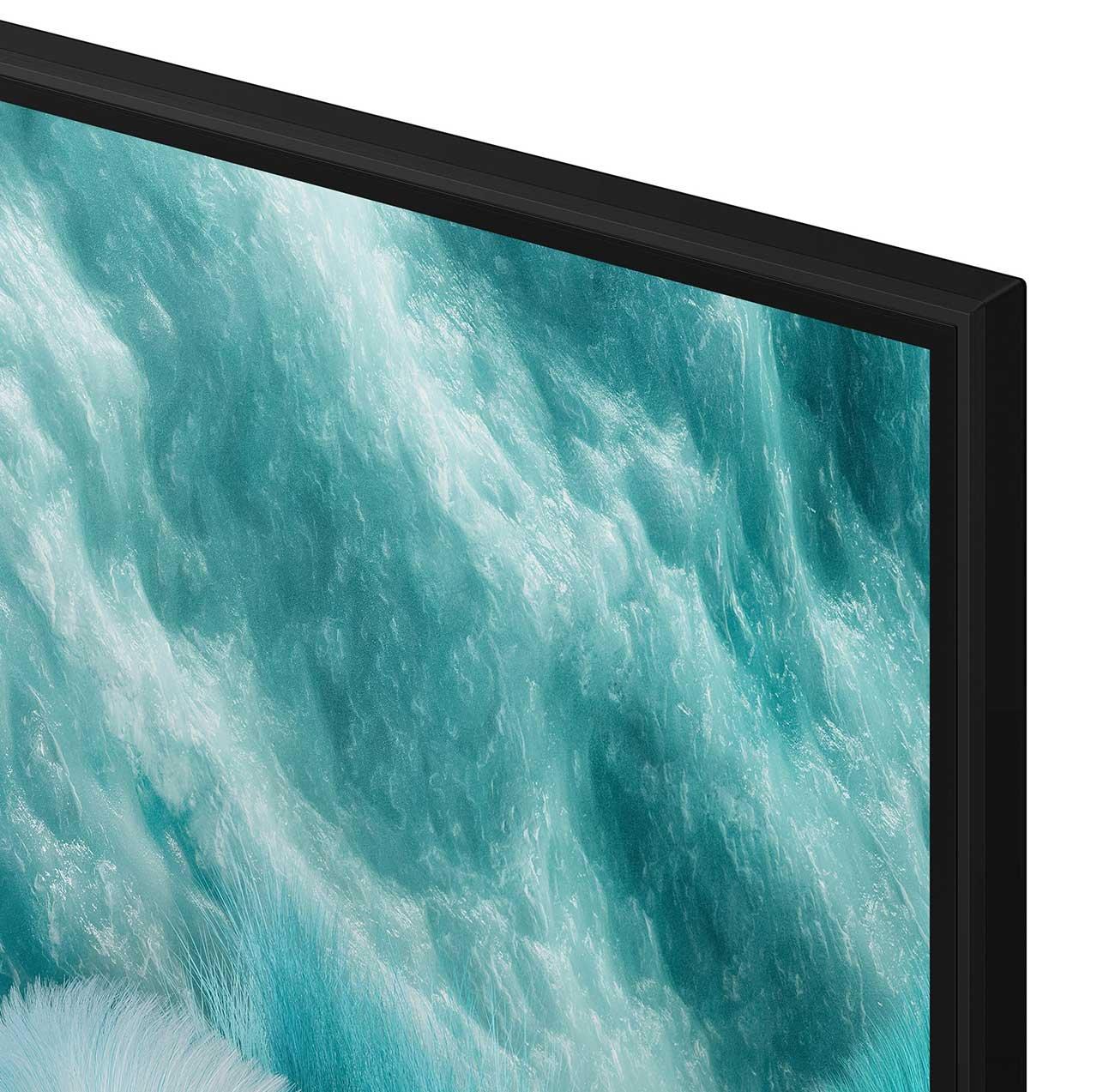
Both models feature Samsung's AirSlim design philosophy, creating extremely thin profiles that look elegant whether wall-mounted or placed on a stand. The build quality feels premium on both, with solid construction and attractive finishes.
The Q8F includes a slightly more refined stand design and thinner bezels, but the differences are subtle. Both TVs will look great in modern living spaces and complement contemporary furniture well.
For dedicated home theater setups, the Q8F emerges as the clear winner. Its superior contrast performance, local dimming capability, and higher peak brightness create a more cinematic experience in dark rooms. Movie enthusiasts will appreciate the deeper blacks and more impactful HDR performance.
The Q7F can certainly anchor a home theater setup, especially in rooms with some ambient light, but it lacks the contrast performance that makes dark movie scenes truly immersive. If your home theater doubles as a family room with windows, the Q7F might actually be the more practical choice due to its excellent bright-room performance.
Both models support filmmaker mode, which disables motion smoothing and other processing to display movies as directors intended. This feature works well on both TVs and is essential for serious movie watching.
At the time of writing, the Q7F represents excellent value for buyers who want QLED benefits without paying premium prices. It delivers strong color performance, good smart features, and solid overall picture quality that will satisfy most viewers. The direct-lit backlighting keeps costs down while still providing better performance than budget LED TVs.
The Q8F justifies its higher price through measurable improvements in contrast, motion handling, and gaming capabilities. For buyers planning to keep their TV for many years, the superior backlighting system and future-proof gaming features add long-term value.
You're budget-conscious but still want QLED technology, primarily watch content during daytime hours or in well-lit rooms, don't game seriously or own next-generation consoles, and value solid performance over cutting-edge features. The Q7F excels for casual viewing, news, sitcoms, and general entertainment where absolute contrast performance isn't critical.
You're a movie enthusiast who wants cinematic picture quality, regularly watch sports or action content where motion smoothness matters, game on PlayStation 5, Xbox Series X, or high-end PC, plan to keep your TV for 5+ years, or want the best overall performance regardless of price. The Q8F delivers meaningful improvements that justify the premium for serious viewers.
Both TVs represent solid choices within their respective price segments, but they serve different audiences. The Q7F proves that you don't need to spend a fortune for good QLED performance, while the Q8F shows what's possible when Samsung applies its premium technology to create a more complete viewing experience.
For most buyers, the decision comes down to budget and priorities. If the price difference represents a significant stretch, the Q7F won't disappoint—it's a genuinely good TV that delivers on Samsung's color and smart feature promises. However, if you can comfortably afford the premium, the Q8F's superior contrast, smooth motion, and gaming capabilities make it the better long-term investment.
The key is being honest about your viewing habits and expectations. Casual viewers who primarily watch streaming content during the day will be perfectly happy with the Q7F's performance. Movie buffs, sports fans, and gamers will appreciate the Q8F's technical advantages every time they turn on the TV.
| Samsung 65" QLED Q8F 4K Smart TV 2025 | Samsung 65" Q7F QLED 4K Vision AI Smart TV 2025 |
|---|---|
| Backlighting System - Most critical factor for contrast and picture quality | |
| Dual LED edge-lit with local dimming zones | Direct-lit LED (no local dimming) |
| Refresh Rate - Essential for smooth sports and gaming | |
| 144Hz with Motion Xcelerator 144Hz | 60Hz with basic Motion Xcelerator |
| HDR Support - Determines brightness and contrast in movies | |
| Quantum HDR+ with superior peak brightness | Quantum HDR with good but limited brightness |
| Gaming Features - Important for console and PC gaming | |
| 4 HDMI 2.1 ports, 4K 120Hz, FreeSync Premium Pro, VRR | 3 standard HDMI ports, FreeSync Premium, basic gaming |
| AI and Smart Features - Convenience and future-proofing | |
| Vision AI + Live Translate + Daily Board + far-field voice | Vision AI + standard smart features + remote voice only |
| Audio Enhancement - Better dialogue and immersion | |
| 20W 2-channel + Adaptive Sound+ + Active Voice Amplifier | 20W 2-channel standard speakers |
| Viewing Angles - Important for family viewing | |
| Wide viewing angle technology for better off-center viewing | Standard viewing angles with more color shift |
| Local Dimming - Critical for dark room movie watching | |
| Supreme UHD Dimming with multiple zones | No local dimming capability |
| Connectivity - Future-proofing and device compatibility | |
| 4 HDMI 2.1 + optical audio + advanced features | 3 HDMI + limited audio connectivity |
| Target Buyer - Who each TV is designed for | |
| Movie enthusiasts, gamers, sports fans wanting premium performance | Budget-conscious buyers wanting QLED benefits without premium cost |
The primary difference is the backlighting system. The Samsung Q8F uses dual LED edge-lit backlighting with local dimming zones for superior contrast, while the Samsung Q7F uses standard direct-lit backlighting without local dimming. This means the Q8F delivers deeper blacks and brighter highlights, creating a more dramatic picture quality difference, especially for movies and HDR content.
The Samsung Q8F is significantly better for gaming. It features a 144Hz refresh rate, four HDMI 2.1 ports supporting 4K 120Hz gaming, and FreeSync Premium Pro for smooth gameplay with next-gen consoles. The Samsung Q7F is limited to 60Hz with basic gaming features, making the Q8F the clear choice for serious gamers or anyone with a PlayStation 5 or Xbox Series X.
Both TVs run Samsung's Tizen OS with Vision AI, but the Samsung Q8F includes additional premium features like Live Translate for real-time language translation, Daily Board for information displays, and far-field voice control. The Samsung Q7F has all essential smart features including major streaming apps, but lacks these advanced AI capabilities.
The Samsung Q8F is superior for dark room movie watching due to its local dimming capability and dual LED backlighting system. It produces deeper blacks and better contrast, creating a more cinematic experience. The Samsung Q7F can handle movies well but shows grayish blacks rather than true darkness, which is less immersive in a home theater setup.
Yes, the picture quality difference is immediately noticeable, especially in mixed lighting scenes. The Samsung Q8F delivers significantly better contrast with brighter highlights and deeper shadows. While both offer excellent color accuracy thanks to quantum dot technology, the Q8F's superior backlighting makes HDR content more impactful and dramatic scenes more engaging than the Samsung Q7F.
The Samsung Q8F handles motion much better with its 144Hz refresh rate and Motion Xcelerator 144Hz technology. Fast-paced sports like hockey, football, and tennis appear smoother with less motion blur. The Samsung Q7F with its 60Hz refresh rate is adequate for sports but shows more noticeable blur during quick camera movements and fast action sequences.
Both the Samsung Q8F and Samsung Q7F perform well in bright rooms thanks to QLED technology's inherent brightness advantage. However, the Q8F has higher peak brightness, making it slightly better for very bright environments. Both will handle daytime viewing with windows open better than most other TV technologies, with minimal differences in well-lit conditions.
Both TVs feature 20-watt, 2-channel speaker systems, but the Samsung Q8F includes enhanced audio processing with Adaptive Sound+ and Active Voice Amplifier for better dialogue clarity and automatic audio optimization. The Samsung Q7F has decent standard speakers. Neither replaces a dedicated soundbar for serious home theater use, but the Q8F provides noticeably clearer dialogue in complex audio scenes.
The Samsung Q7F offers excellent value for buyers wanting QLED benefits at a more accessible price point. However, the Samsung Q8F provides better long-term value for enthusiasts due to its superior picture quality, future-proof gaming features, and enhanced capabilities. The choice depends on whether you prioritize upfront savings or premium performance that will remain relevant longer.
Yes, both the Samsung Q8F and Samsung Q7F support HDR10+ and can display HDR content from Netflix, Disney+, and other streaming services. However, the Q8F delivers superior HDR performance with higher peak brightness and better local dimming control, making bright highlights more dramatic and dark scenes more detailed. The Q7F handles HDR well but with less dynamic range.
The Samsung Q8F is better for family viewing thanks to its wide viewing angle technology that maintains color accuracy when viewed from the side. The Samsung Q7F shows more color shifting and contrast loss when viewed off-center. If your seating arrangement has people watching from various angles, the Q8F provides a more consistent experience for everyone in the room.
For long-term ownership, the Samsung Q8F is the better investment. Its superior backlighting system, 144Hz refresh rate, HDMI 2.1 ports, and advanced gaming features will remain relevant longer as content and gaming technology evolve. The Samsung Q7F is excellent for current needs but may feel more limited in 3-5 years as 4K 120Hz gaming and other high-performance features become more common.
We've done our best to create useful and informative comparisons to help you decide what product to buy. Our research uses advanced automated methods to create this comparison and perfection is not possible - please contact us for corrections or questions. These are the sites we've researched in the creation of this article: bestbuy.com - rtings.com - tomsguide.com - youtube.com - samsung.com - youtube.com - youtube.com - youtube.com - rtings.com - rtings.com - linqcdn.avbportal.com - bestbuy.com - samsung.com - samsung.com - samsung.com - youtube.com - youtube.com - billsmith.com - samsung.com - samsung.com - samsung.com - hometechnologyreview.com - shopjetson.com - certappl.com - samsung.com - theapplianceplug.com - samsung.com - manuals.plus - bestbuy.com - device.report - samsung.com - shopsilica.com - dentonstv.com - bestbuy.com - youtube.com - samsung.com - samsung.com - pcrichard.com - samsung.com - samsung.com - videoandaudiocenter.com - displayspecifications.com - bestbuy.com - samsung.com - samsung.com - samsung.com - samsung.com - news.samsung.com

Privacy Policy
Terms and Conditions - Affiliate Policy
Home Security
© Copyright 2008-2026.
11816 Inwood Rd #1211, Dallas, TX 75244