


When shopping for a premium 65-inch TV, Samsung's QLED Q8F and The Frame Pro represent two fascinating approaches to high-end television design. Released in 2025, both models showcase Samsung's latest innovations, but they target distinctly different buyers with unique priorities.
The premium TV market has evolved dramatically over the past few years. Where once the focus was purely on picture quality metrics like brightness and color accuracy, today's buyers increasingly care about how their TV integrates with their lifestyle. This shift has created space for models like The Frame Pro, which prioritizes aesthetic integration alongside cutting-edge display technology, while traditional performance-focused TVs like the Q8F continue to serve viewers who want maximum entertainment value.
Premium 65-inch TVs occupy the sweet spot between mainstream models and flagship displays. At this level, you're getting advanced display technologies, sophisticated processing, and comprehensive smart features that deliver a genuinely elevated viewing experience. The key differentiator isn't just specs—it's how well the TV handles real-world content across different scenarios.
Picture quality remains paramount. This includes brightness levels (measured in nits, which indicate how much light the display can produce), color accuracy across the entire spectrum, and contrast ratios that reveal detail in both bright highlights and dark shadows. Modern premium TVs also need excellent upscaling capabilities since much of what we watch isn't native 4K resolution.
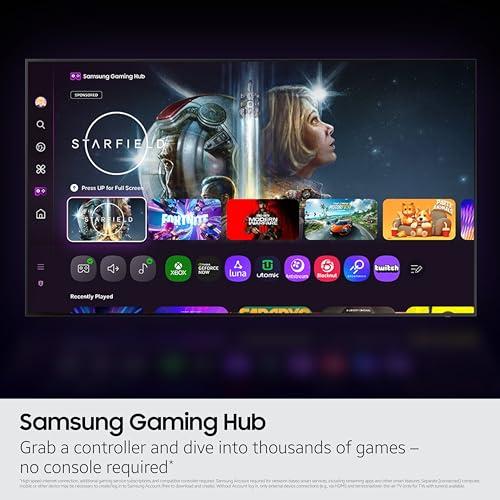
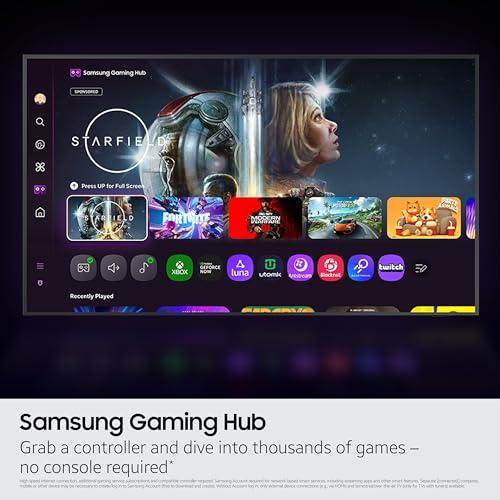
Gaming performance has become equally crucial. With consoles like PlayStation 5 and Xbox Series X pushing 120Hz and even 144Hz refresh rates, TVs need to keep pace. Input lag—the delay between pressing a button and seeing the result on screen—can make or break competitive gaming experiences.
Smart features round out the package. Beyond basic app support, premium models offer advanced AI processing that adapts picture and sound settings automatically, voice control integration, and ecosystem connectivity that lets your TV communicate with other smart home devices.
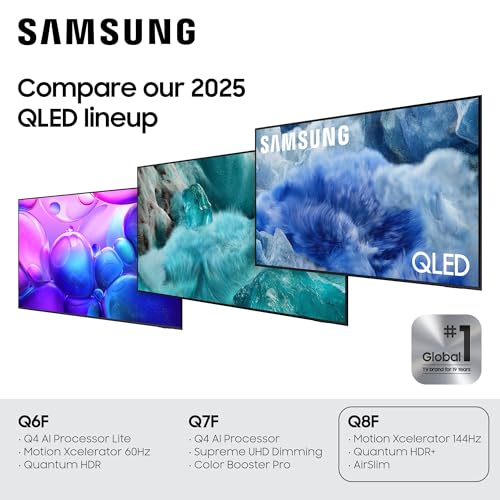
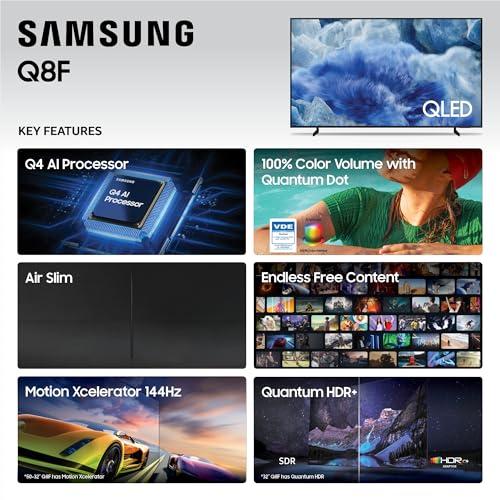
The Samsung Q8F represents Samsung's mainstream premium approach. It's designed for viewers who want flagship-level performance without paying for experimental features or lifestyle premiums. Think of it as the enthusiast's choice—optimized for picture quality, gaming performance, and comprehensive smart TV functionality.
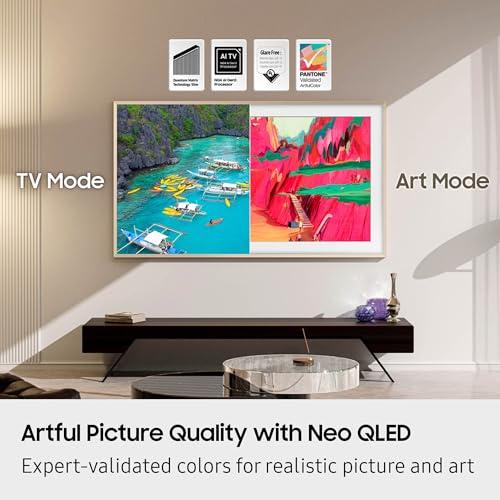
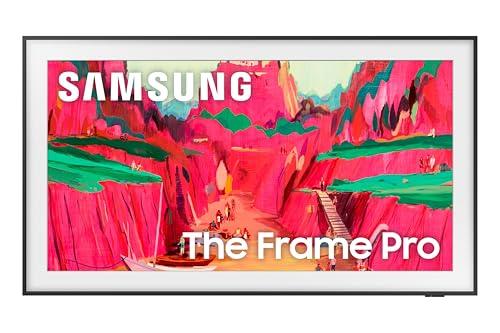
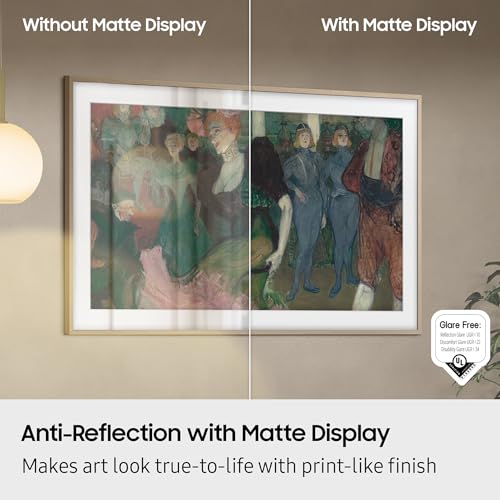
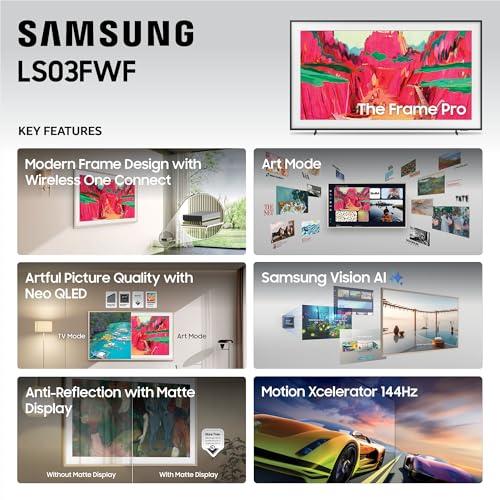
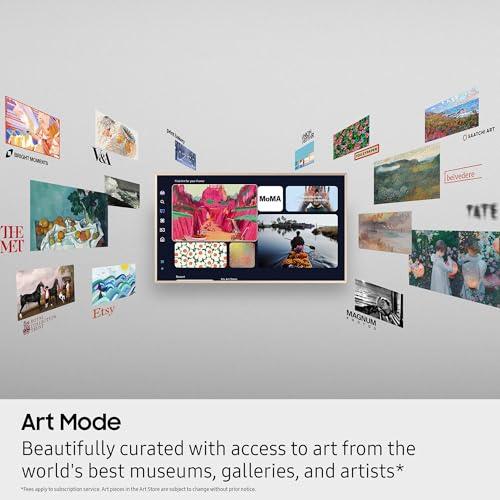
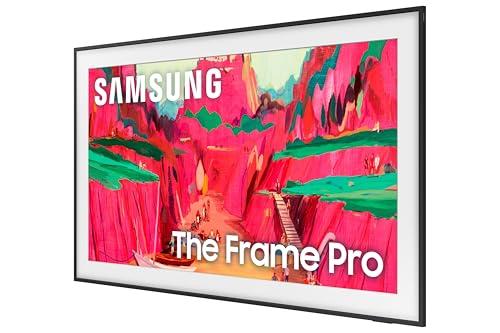
The Frame Pro takes a radically different approach. Yes, it delivers exceptional picture quality through its Neo QLED Mini-LED technology, but its primary innovation lies in transforming how we think about TV placement and aesthetics. When not actively displaying content, it becomes a digital art gallery with Samsung's Art Mode, complete with customizable bezels and a matte anti-glare screen that mimics the look of real artwork.
This philosophical difference drives most of the practical distinctions between these models. The Q8F optimizes every design decision for performance and value, while The Frame Pro balances performance with lifestyle integration, accepting some compromises to achieve its unique aesthetic goals.
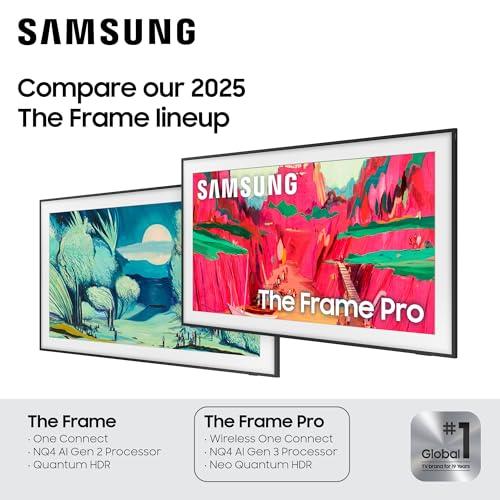
The most significant technical difference between these models lies in their display technology. The Q8F uses traditional QLED technology with Quantum Dot enhancement, while The Frame Pro employs Neo QLED with Mini-LED backlighting—a more advanced approach that delivers substantially better performance.
Brightness matters more than many people realize. A brighter display doesn't just help in well-lit rooms; it enables more dramatic HDR (High Dynamic Range) effects that make content look more lifelike. HDR works by expanding the range between the darkest darks and brightest brights, but this only works if your TV can actually produce those bright highlights.
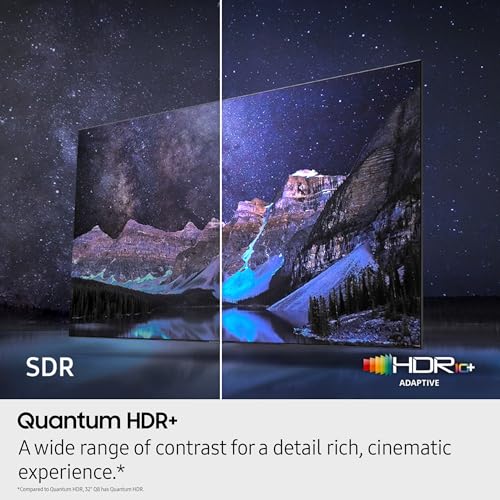
The Q8F delivers solid brightness levels that work well in most living rooms. Its Quantum HDR+ and HDR10+ Adaptive support mean it can handle most HDR content effectively, adjusting tone mapping (how bright and dark elements are displayed) scene by scene for optimal impact.
The Frame Pro takes this significantly further with its Neo QLED Mini-LED panel reaching over 1,000 nits of peak brightness. This represents roughly a 40% improvement over the Q8F and makes HDR content genuinely impactful. When watching movies with bright explosions or sunny outdoor scenes, the difference is immediately apparent—highlights pop with intensity that makes the image feel more three-dimensional.
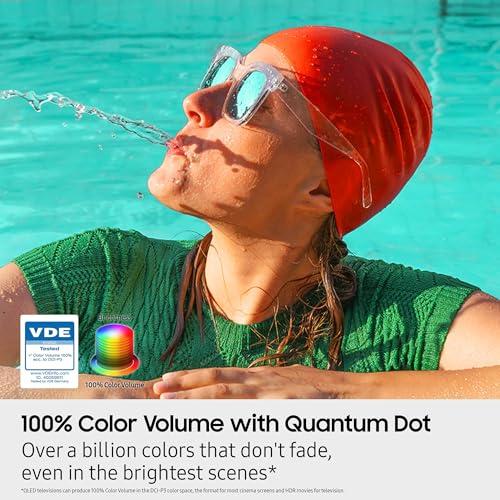
Both models feature Samsung's Quantum Dot technology, which uses microscopic crystals to produce more accurate colors across a wider range of brightness levels. The Q8F achieves 100% Color Volume, meaning it can display saturated colors even in very bright or very dark scenes—a significant advantage over older LCD technologies that lose color accuracy at extreme brightness levels.
The Frame Pro builds on this foundation with enhanced color processing from its advanced NQ4 Gen3 processor. In practical terms, this means more nuanced color gradations, better skin tone reproduction, and more accurate representation of challenging colors like deep reds and vibrant greens.
This is where the technological differences become most apparent. The Q8F uses edge-lit LED backlighting with local dimming zones that can darken specific areas of the screen. This works reasonably well but has limitations—when a bright object appears next to a dark one, you might notice some light bleeding or "blooming" around the edges.
The Frame Pro employs Mini-LED technology with significantly more local dimming zones. Think of it as having hundreds of tiny LED lights behind the screen that can turn on and off independently, rather than just edge lighting that illuminates the entire panel. This enables much better contrast control, deeper blacks, and less blooming around bright objects.
However, neither model matches OLED technology for absolute black levels. OLED pixels can turn completely off, creating perfect blacks that these LED-based displays can't quite achieve. But for most content and viewing conditions, both TVs deliver satisfying contrast performance.
Gaming performance separates good TVs from great ones, especially as gaming becomes more demanding with higher frame rates and competitive online play.
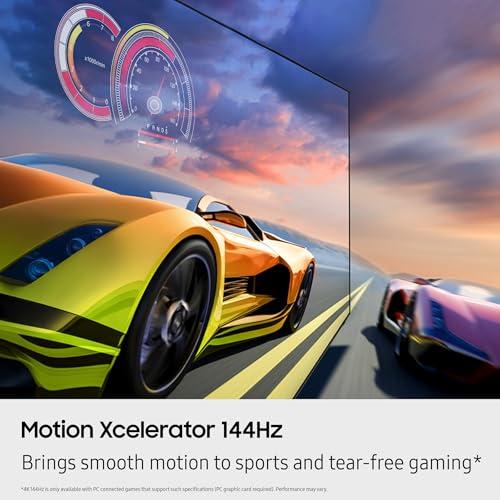
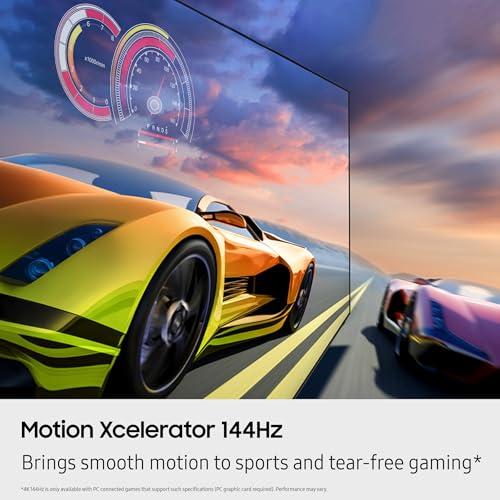
The Samsung Q8F excels in this area with its Motion Xcelerator 144Hz technology supporting refresh rates up to 144Hz. More importantly, it achieves low input lag—typically under 10 milliseconds in Game Mode. This means when you press a button on your controller, the action appears on screen almost instantaneously. For competitive gaming, this responsiveness is crucial.
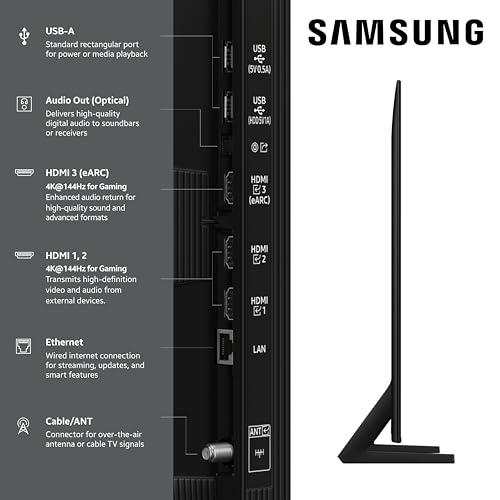
The TV supports Variable Refresh Rate (VRR), which synchronizes the display's refresh rate with your console's frame rate output. This eliminates screen tearing (where parts of the image appear to be offset) and stuttering that can occur when frame rates fluctuate. Auto Low Latency Mode (ALLM) automatically switches to Game Mode when it detects gaming content, optimizing all settings for performance.
The Frame Pro presents a more complex gaming story. It technically supports 144Hz refresh rates and includes gaming-optimized features, but its Wireless One Connect Box introduces additional latency. Our research suggests input lag can exceed 30 milliseconds—still playable for casual gaming, but potentially problematic for competitive scenarios.
The wireless transmission system, while innovative, creates this unavoidable delay as signals travel wirelessly between the One Connect Box and the display. Samsung has included a micro HDMI port directly on the TV for users who need the lowest possible latency, but this somewhat defeats the cable-free aesthetic that makes The Frame Pro unique.
For serious gamers, the Q8F is the clear choice. For occasional gaming where visual quality matters more than competitive edge, The Frame Pro remains viable.
Audio quality often gets overlooked in TV comparisons, but both models offer noteworthy improvements over basic TV speakers.
The Q8F features Object Tracking Sound Lite (OTS Lite), which attempts to direct audio toward on-screen action. With Q-Symphony support, it can coordinate with compatible Samsung soundbars, using both the TV speakers and soundbar simultaneously rather than muting one or the other. The 20W 2CH system provides clear dialogue and reasonable volume for most rooms.
The Frame Pro steps up significantly with a 40W 2.0.2CH system that includes Dolby Atmos support. Dolby Atmos creates a more immersive soundscape by bouncing audio off your ceiling to create the illusion of height and movement. Combined with Object Tracking Sound (the full version, not Lite), this creates genuinely engaging audio for movies and TV shows.
Both models benefit from Samsung's Adaptive Sound technology, which analyzes content in real-time and adjusts audio settings automatically. This helps ensure dialogue remains clear during action sequences and prevents sudden volume changes between different types of content.
For serious home theater setups, you'll likely want to pair either TV with a dedicated sound system. But for everyday viewing, The Frame Pro offers noticeably better built-in audio.
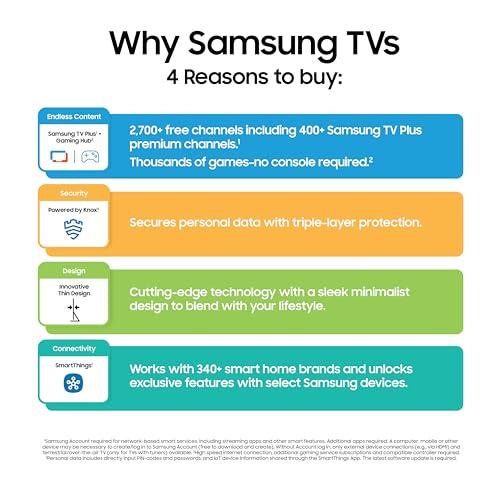
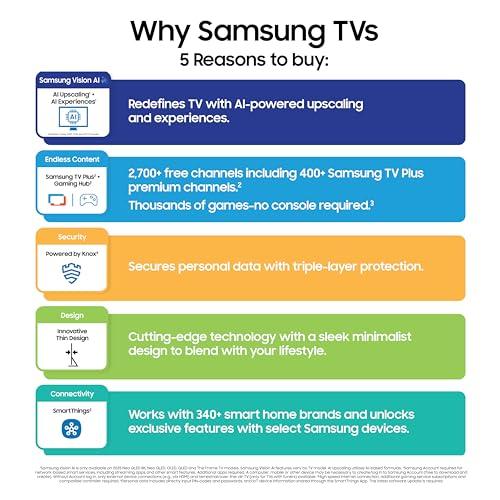
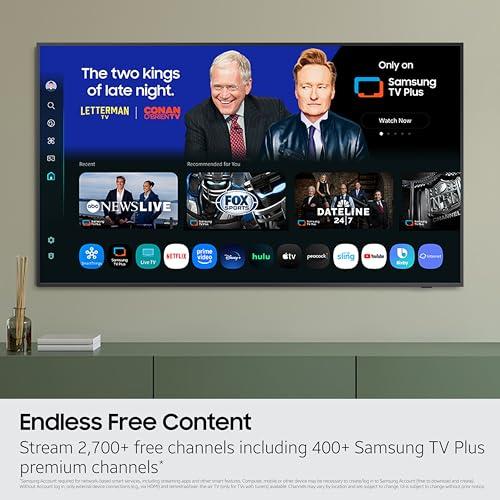
Samsung's Tizen smart TV platform runs on both models, providing access to all major streaming services, voice control through Bixby and Alexa, and integration with Samsung's SmartThings ecosystem for controlling other smart home devices.
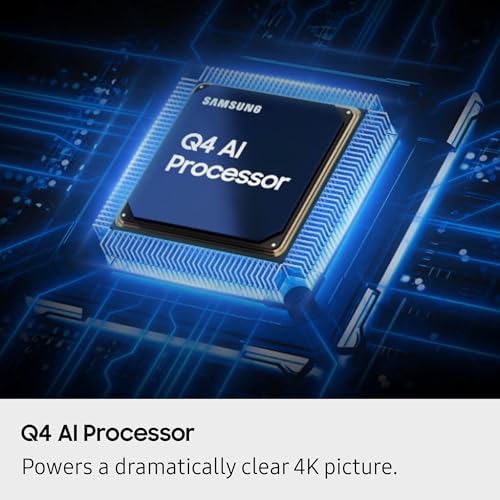
The processing power difference is significant. The Q8F uses Samsung's Q4 AI Processor, which handles upscaling, motion smoothing, and adaptive picture adjustments competently. It can take 1080p content and make it look reasonably sharp on the 4K display, though the improvement isn't miraculous.
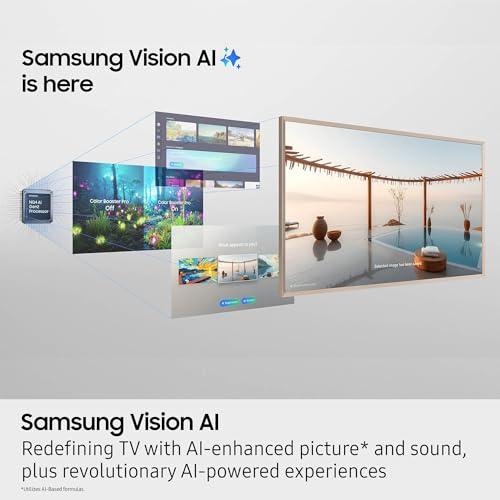
The Frame Pro employs the more advanced NQ4 Gen3 AI Processor—the same chip found in Samsung's flagship OLED models. This delivers noticeably better upscaling performance, more sophisticated motion handling, and Samsung Vision AI features that can identify actors, provide content recommendations, and adjust settings based on viewing patterns and ambient conditions.
The Frame Pro's unique advantage lies in Samsung's Art Store integration. With thousands of curated artworks available (some free, others requiring subscription), the TV becomes a rotating digital gallery. The matte anti-glare screen makes artwork look remarkably like physical prints, and motion sensors can turn the display off when no one's in the room to save energy.
This is where the fundamental difference between these models becomes most apparent.
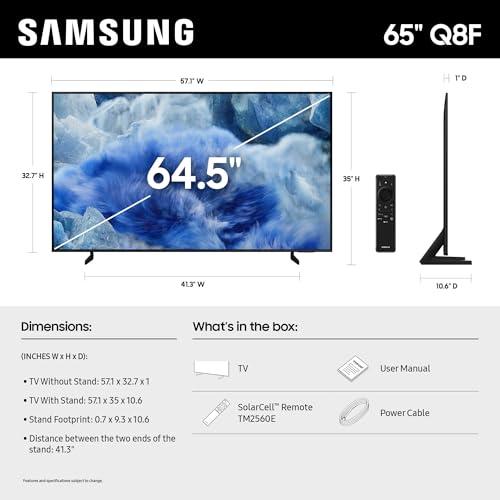
The Samsung Q8F uses Samsung's AirSlim design, creating an attractively thin profile that looks modern without drawing attention to itself. It's designed to be a high-performance TV first, with aesthetics that don't interfere with functionality. Cable management is conventional, and the overall approach prioritizes getting out of the way of the content.
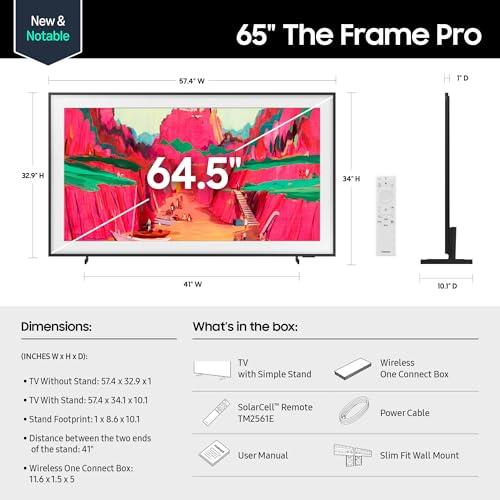
The Frame Pro makes the TV itself part of the room's design. The customizable bezels let you match different interior styles—from classic wood tones to modern metallic finishes. The matte screen eliminates glare that would make artwork look artificial, and the overall design invites you to think of the TV as wall art that happens to also display entertainment content.
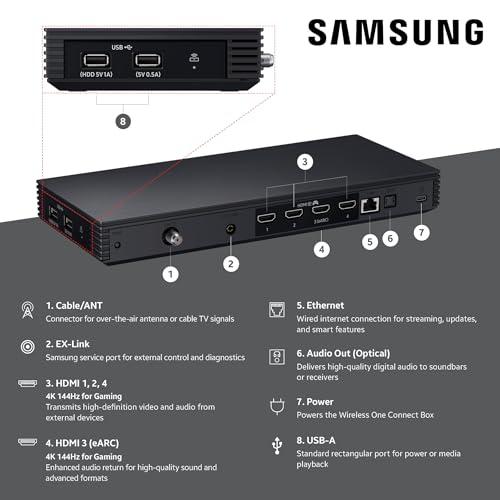
The Wireless One Connect Box represents genuine innovation in this space. All your devices connect to a small box that can be hidden in a cabinet up to 10 meters away, with video and audio transmitted wirelessly to the display. This eliminates the cable management challenges that often compromise clean wall mounting.
However, this wireless system introduces potential reliability concerns. If the wireless connection fails, there's no wired fallback option. Some users have reported occasional connection issues, though these appear to be relatively rare based on available reviews.
For dedicated home theater setups, several factors become particularly important.
The Samsung Q8F offers more predictable performance in controlled lighting environments. Its excellent motion handling, low input lag for gaming, and straightforward connectivity make it ideal for media rooms where performance trumps aesthetics. The wide viewing angle performance ensures good picture quality from different seating positions.
The Frame Pro brings unique advantages to home theaters, particularly its superior brightness and Mini-LED contrast control. The matte screen, while excellent for reducing glare, does slightly reduce perceived contrast compared to glossy displays in dark rooms. However, the improved black levels from Mini-LED technology more than compensate for this in most viewing scenarios.
For home theaters that double as living spaces, The Frame Pro offers compelling benefits. When not watching content, the space doesn't feel dominated by a large black rectangle—instead, it displays artwork that contributes to the room's ambiance.
At the time of writing, both models command premium pricing appropriate to their feature sets, though the Q8F typically offers better value for pure performance per dollar spent.
The Q8F delivers flagship-level features at a more accessible price point. You get excellent picture quality, comprehensive gaming features, and solid smart TV functionality without paying for lifestyle innovations or cutting-edge display technology. For buyers focused on maximizing entertainment value, this represents compelling value.
The Frame Pro commands a significant premium for its Neo QLED technology and unique design approach. The question becomes whether the improved picture quality and lifestyle integration justify the additional cost. For buyers who value aesthetic integration and want cutting-edge display technology, the premium feels justified.
The value equation also depends on longevity. The Q8F represents mature, proven technology that should perform consistently over many years. The Frame Pro incorporates newer technologies that may offer better future-proofing but potentially introduce more complex potential failure points.
The Samsung Q8F makes sense for buyers who prioritize traditional TV performance. If you're a serious gamer, want the best value for entertainment features, or prefer straightforward setup and operation, this model delivers everything you need. It's particularly appealing for secondary TVs in bedrooms or family rooms where performance matters more than statement-making design.
The Frame Pro targets buyers who see their TV as part of their home's design aesthetic. If you want artwork when not watching content, prefer cable-free installation, and value having cutting-edge Mini-LED technology, the premium is worthwhile. It's ideal for primary living spaces where the TV needs to complement rather than dominate the room's design.
For home theater enthusiasts, the choice depends on room usage. Dedicated media rooms benefit from the Q8F's gaming optimization and reliable performance. Multi-purpose living areas often work better with The Frame Pro's aesthetic integration and superior brightness.
Both TVs represent excellent examples of their respective approaches to premium display technology. The Samsung Q8F maximizes performance and features for the price, making it the better choice for most buyers focused on entertainment value. The Frame Pro justifies its premium through genuinely innovative design and superior display technology, making it ideal for buyers who want their TV to enhance their living space even when not in use.
The decision ultimately comes down to priorities. Choose the Q8F for gaming performance, value optimization, and traditional TV excellence. Choose The Frame Pro for lifestyle integration, cutting-edge display technology, and when your TV needs to be as much about design as entertainment.
Both models should provide years of excellent service, but they serve different needs and preferences in ways that make the choice clearer once you understand what matters most for your specific situation.
| Samsung 65" QLED Q8F 4K Smart TV 2025 | Samsung 65" The Frame Pro 4K Neo QLED Smart TV 2025 |
|---|---|
| Display Technology - Core difference affecting picture quality and price | |
| QLED with Quantum Dot (excellent brightness and colors) | Neo QLED Mini-LED (superior contrast and HDR performance) |
| Peak Brightness - Critical for HDR impact and bright room viewing | |
| Good brightness for most rooms, effective HDR | 1,000+ nits (significantly brighter, more impactful HDR) |
| Processor - Affects upscaling and smart features | |
| Q4 AI Processor (solid performance) | NQ4 Gen3 AI Processor (flagship-level, better upscaling) |
| Gaming Performance - Essential for console and PC gaming | |
| Motion Xcelerator 144Hz, low input lag (<10ms) | 144Hz support but higher input lag (30ms+) due to wireless |
| Refresh Rate - Important for smooth motion and gaming | |
| Up to 144Hz (excellent for gaming) | Up to 144Hz (good but wireless adds latency) |
| Audio System - Built-in sound quality | |
| OTS Lite, 20W 2CH (decent for basic use) | Dolby Atmos, 40W 2.0.2CH (notably better audio) |
| Design Approach - Fundamental difference in room integration | |
| AirSlim traditional TV design (performance-focused) | Art frame with customizable bezels (lifestyle integration) |
| Connectivity Innovation - Major differentiator | |
| Standard HDMI/USB ports with cable management | Wireless One Connect Box (cable-free installation) |
| Screen Finish - Affects viewing in different lighting | |
| Standard glossy finish (good contrast in dark rooms) | Matte anti-glare (better for bright rooms, artwork display) |
| Art Mode Capability - Unique lifestyle feature | |
| Standard screensaver options | Full Art Store integration with thousands of artworks |
| Local Dimming - Affects contrast and black levels | |
| Supreme UHD Dimming (good for QLED) | Quantum Matrix Technology Slim (superior Mini-LED zones) |
| HDR Format Support - Content compatibility | |
| Quantum HDR+, HDR10+ Adaptive | Neo Quantum HDR, HDR10+ Adaptive (no Dolby Vision on either) |
| Smart Platform - Core functionality is similar | |
| Tizen OS with comprehensive app support | Tizen OS plus Samsung Vision AI features |
| Target User - Who should choose which model | |
| Gamers, value-focused buyers, traditional TV users | Design-conscious buyers, art enthusiasts, premium seekers |
The Frame Pro delivers superior picture quality thanks to its Neo QLED Mini-LED technology, reaching over 1,000 nits of brightness compared to the Q8F's standard QLED panel. The Mini-LED backlighting provides better contrast control and deeper blacks, making HDR content more impactful. However, the Q8F still offers excellent picture quality with vibrant colors and good brightness for most viewing situations.
The Q8F is significantly better for gaming, offering low input lag under 10ms and Motion Xcelerator 144Hz technology optimized for competitive play. While The Frame Pro supports 144Hz, its Wireless One Connect Box introduces latency over 30ms, making it less suitable for serious gaming. The Q8F includes comprehensive gaming features like VRR and ALLM without compromise.
The fundamental difference is design philosophy: The Q8F focuses on traditional TV performance and value, while The Frame Pro integrates lifestyle features with premium display technology. The Frame Pro transforms into wall art when not in use and includes a Wireless One Connect Box for cable-free installation, while the Q8F prioritizes gaming performance and straightforward functionality.
Both TVs work well in bright rooms, but The Frame Pro has advantages with its higher peak brightness and matte anti-glare screen that reduces reflections. The Q8F offers good brightness levels and wide viewing angles, making it suitable for most living rooms. For rooms with significant natural light, the Frame Pro's anti-glare technology provides a clearer advantage.
Yes, both The Q8F and Frame Pro run Samsung's Tizen smart TV platform with access to all major streaming services including Netflix, Disney+, Amazon Prime Video, and YouTube. The Frame Pro includes additional Samsung Vision AI features and Art Store integration, while both models support voice control through Bixby and Alexa.
The Frame Pro offers superior audio with its 40W 2.0.2CH system featuring Dolby Atmos and Object Tracking Sound. The Q8F includes OTS Lite and a 20W 2CH system that's adequate for basic use. Both models support Q-Symphony for coordinating with Samsung soundbars, but the Frame Pro provides noticeably better built-in audio performance.
The value depends on your priorities. If you want cutting-edge Mini-LED technology, wireless connectivity, and art display capabilities, The Frame Pro justifies its premium pricing. For buyers focused on gaming performance and traditional TV functionality, The Q8F offers better value with flagship features at a lower price point.
For dedicated home theaters prioritizing performance, The Q8F excels with low input lag, excellent motion handling, and reliable connectivity. For multi-purpose living spaces that serve as home theaters, The Frame Pro offers superior brightness and contrast from its Mini-LED technology, plus the aesthetic benefit of displaying artwork when not watching content.
The Frame Pro includes a Wireless One Connect Box that transmits video and audio wirelessly to the TV from up to 10 meters away. All your devices connect to this box, which can be hidden in a cabinet, eliminating visible cables for a clean wall-mounted appearance. The Q8F uses traditional wired connections with standard cable management.
Both TVs handle motion well, but The Q8F has a slight edge with its Motion Xcelerator 144Hz technology specifically optimized for fast-moving content. The processing is designed to reduce blur and judder in sports broadcasts. The Frame Pro also supports 144Hz and handles motion effectively, making both suitable for sports viewing.
Only The Frame Pro offers true Art Mode with access to Samsung's Art Store containing thousands of curated artworks and the ability to display personal photos with a matte finish that mimics real artwork. The Q8F has standard screensaver options but lacks the specialized art display features and anti-glare screen that make the Frame Pro unique.
Choose The Q8F if you prioritize gaming performance, want maximum entertainment value, or prefer traditional TV functionality. Select The Frame Pro if you value aesthetic integration, want your TV to display artwork when not in use, prefer cable-free installation, and don't mind paying extra for Mini-LED technology and lifestyle features.
We've done our best to create useful and informative comparisons to help you decide what product to buy. Our research uses advanced automated methods to create this comparison and perfection is not possible - please contact us for corrections or questions. These are the sites we've researched in the creation of this article: bestbuy.com - rtings.com - tomsguide.com - youtube.com - samsung.com - youtube.com - youtube.com - youtube.com - rtings.com - rtings.com - linqcdn.avbportal.com - bestbuy.com - samsung.com - samsung.com - samsung.com - youtube.com - youtube.com - billsmith.com - samsung.com - samsung.com - samsung.com - hometechnologyreview.com - shopjetson.com - certappl.com - samsung.com - theapplianceplug.com - samsung.com - manuals.plus - bestbuy.com - device.report - samsung.com - shopsilica.com - dentonstv.com - tomsguide.com - youtube.com - smarthomesounds.co.uk - images.samsung.com - rtings.com - samsung.com - bestbuy.com - bestbuy.com - businessinsider.com - dentonstv.com - samsung.com - flatpanelshd.com - samsung.com - jefflynch.com - youtube.com - costco.com

Privacy Policy
Terms and Conditions - Affiliate Policy
Home Security
© Copyright 2008-2026.
11816 Inwood Rd #1211, Dallas, TX 75244