

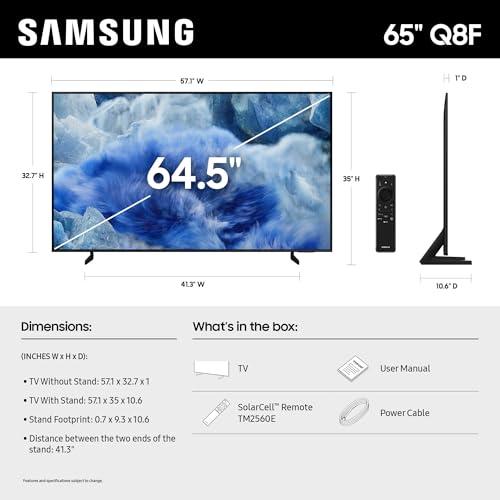
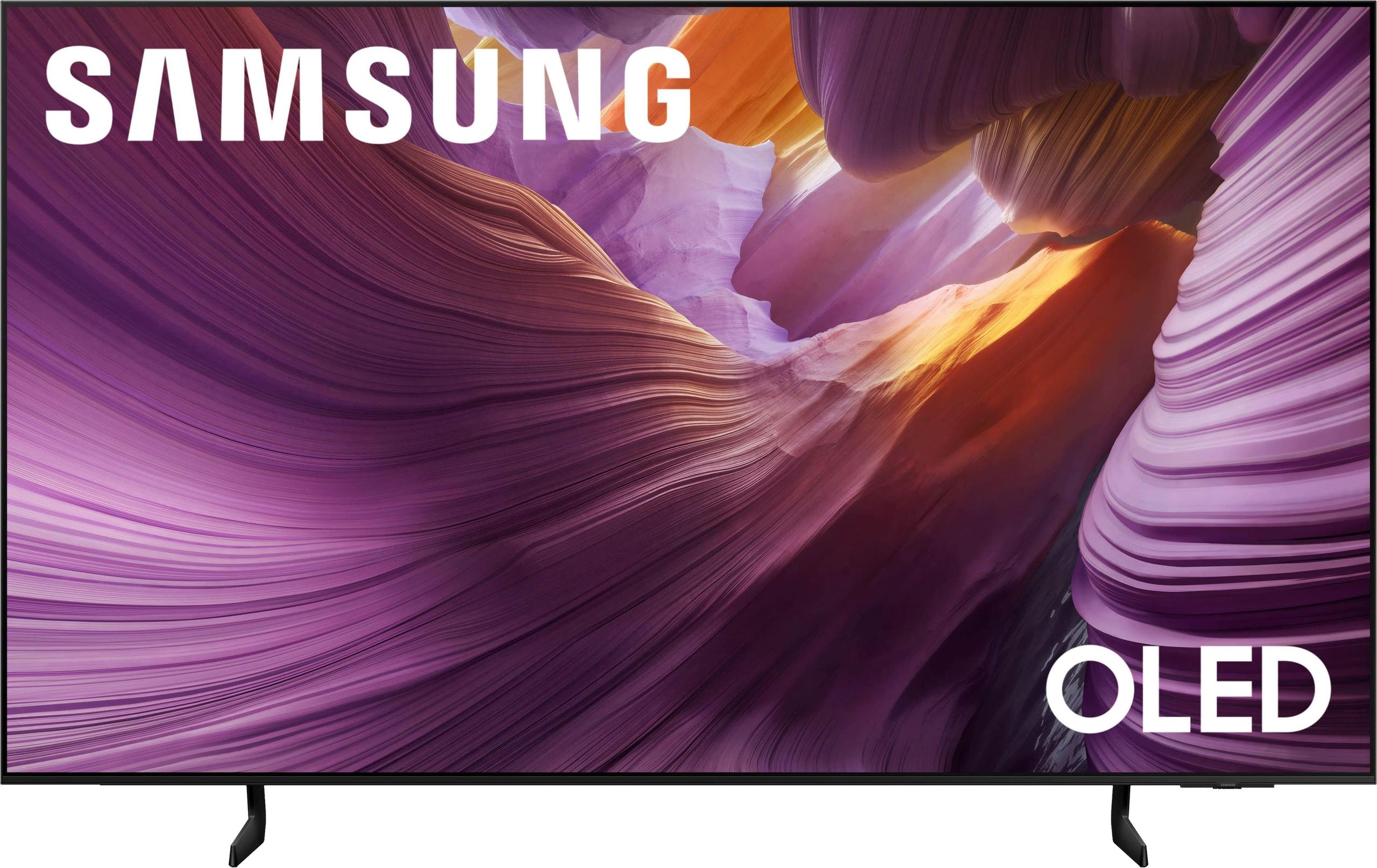
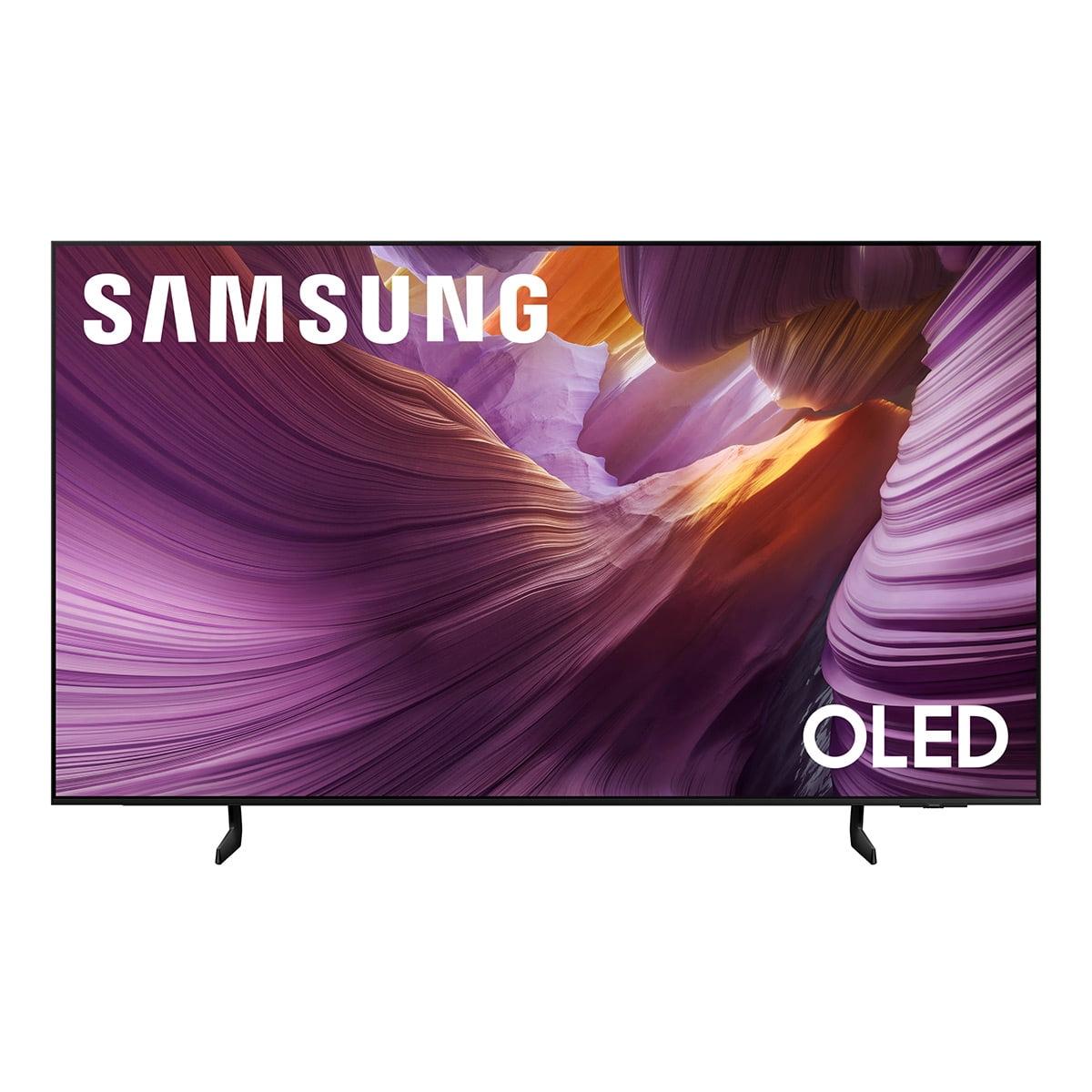
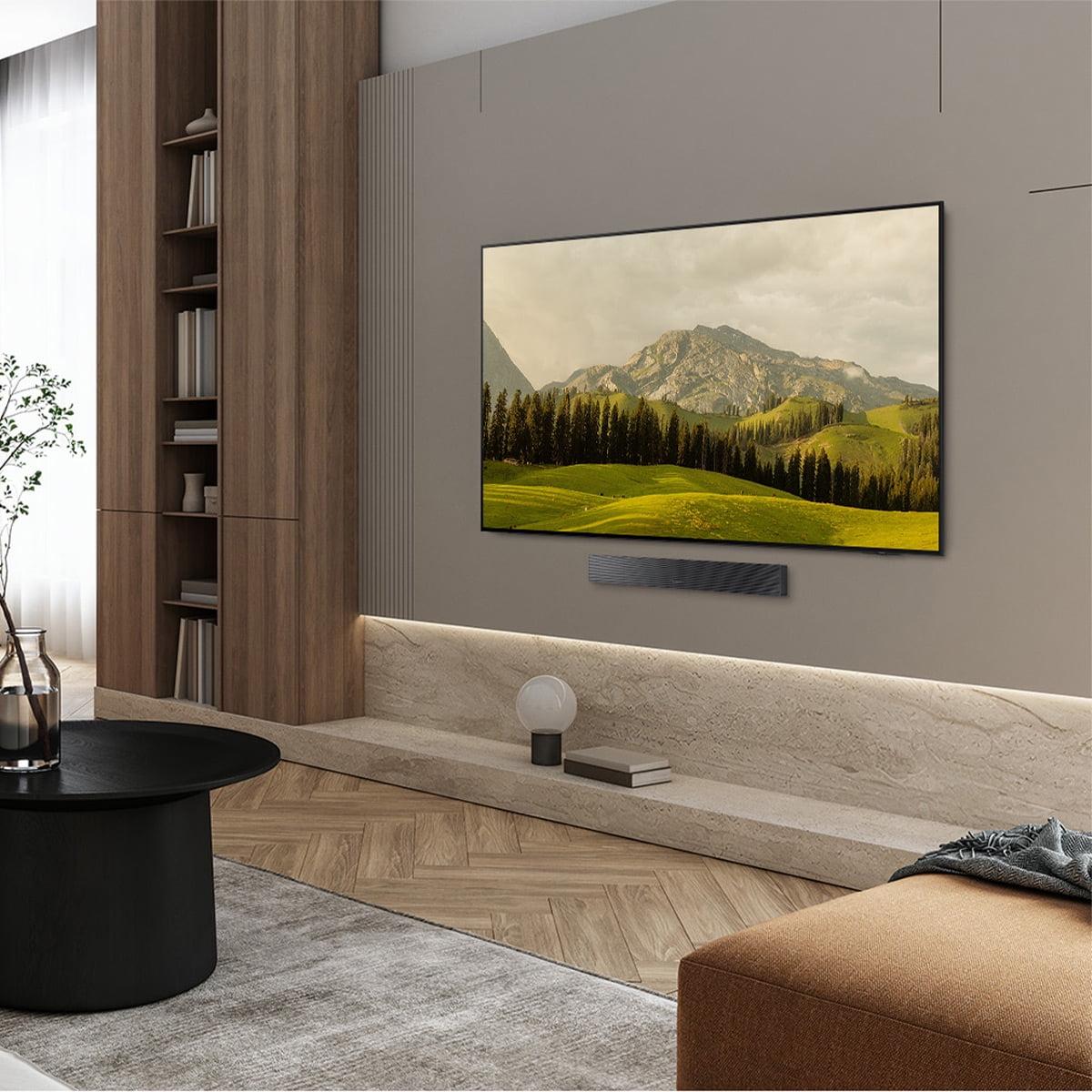
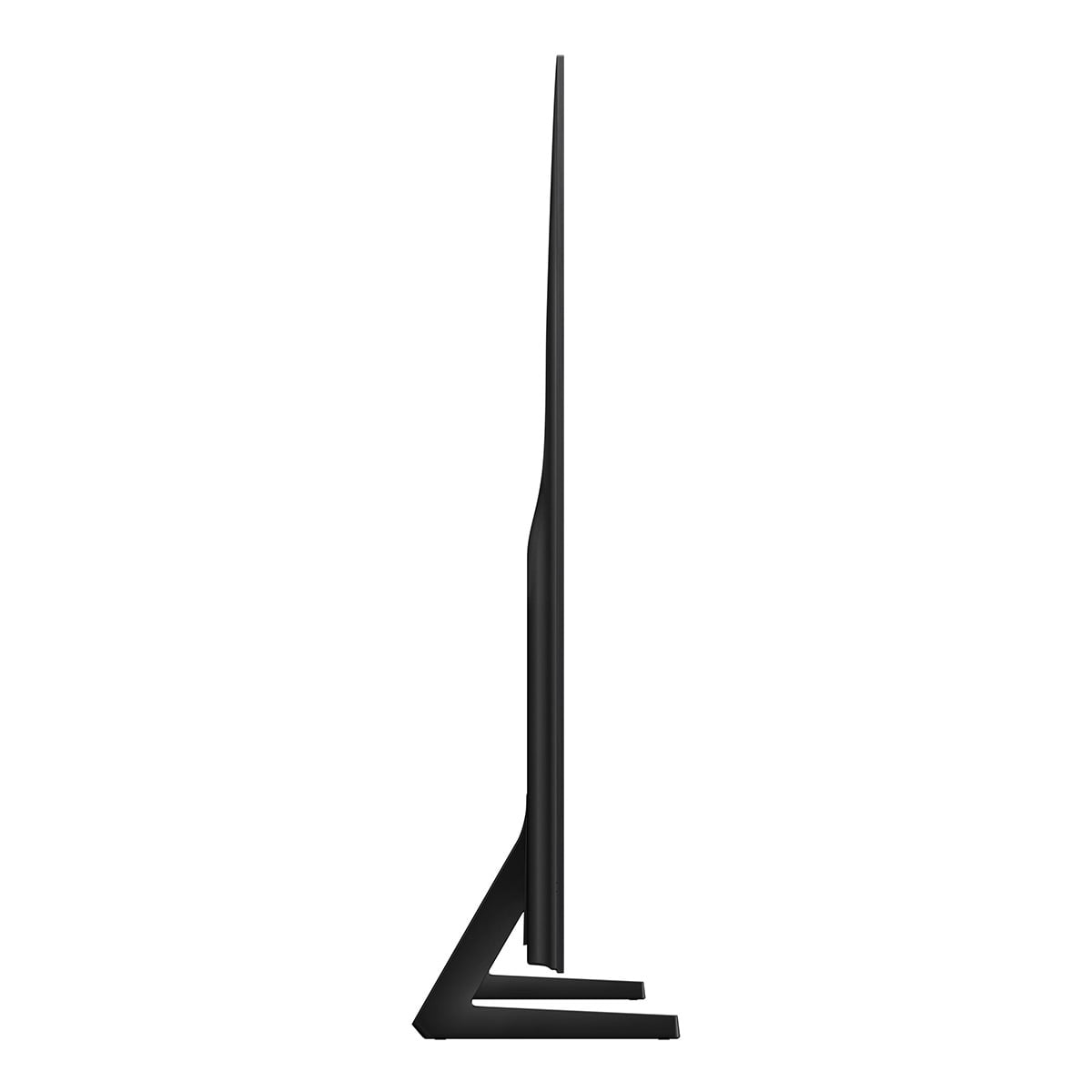

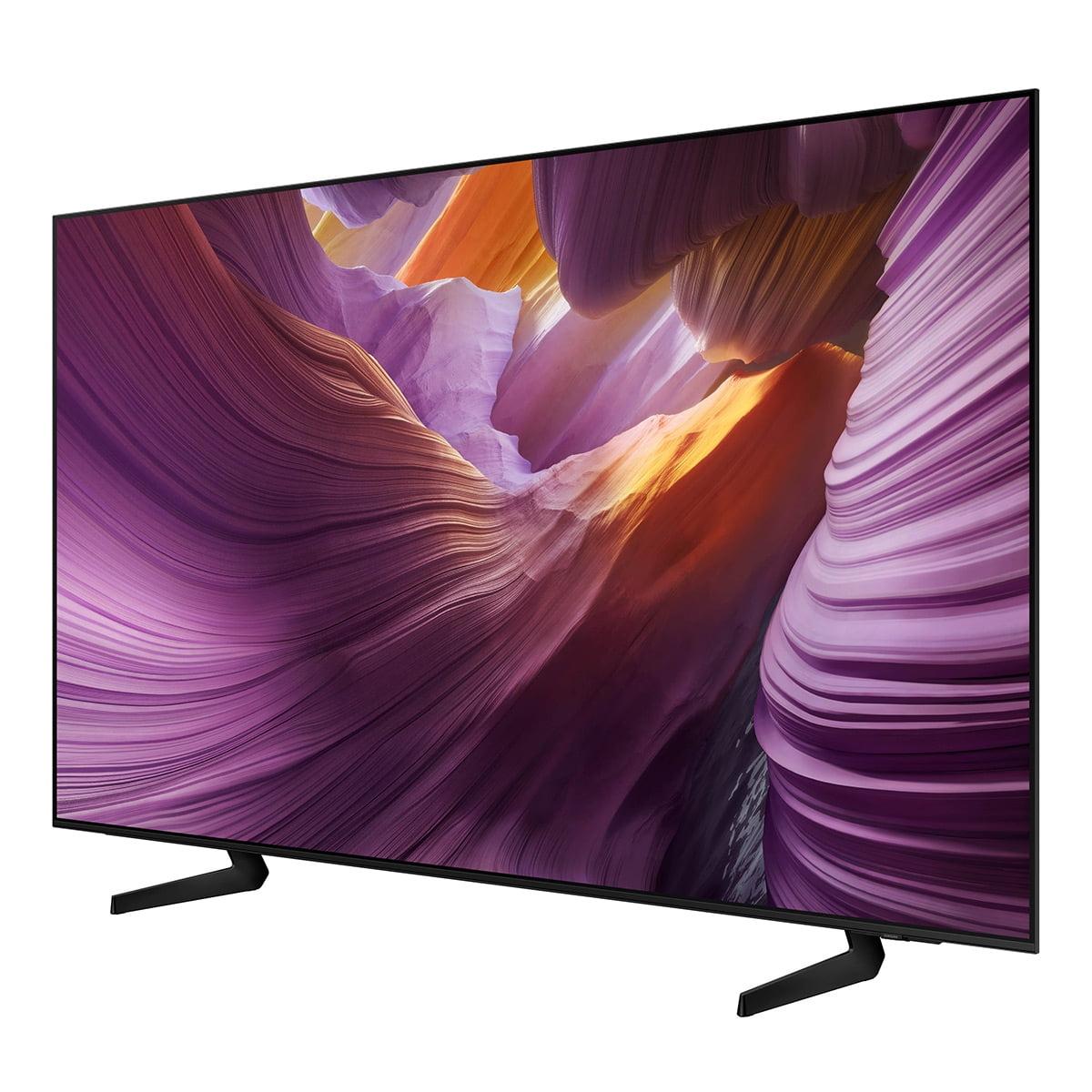
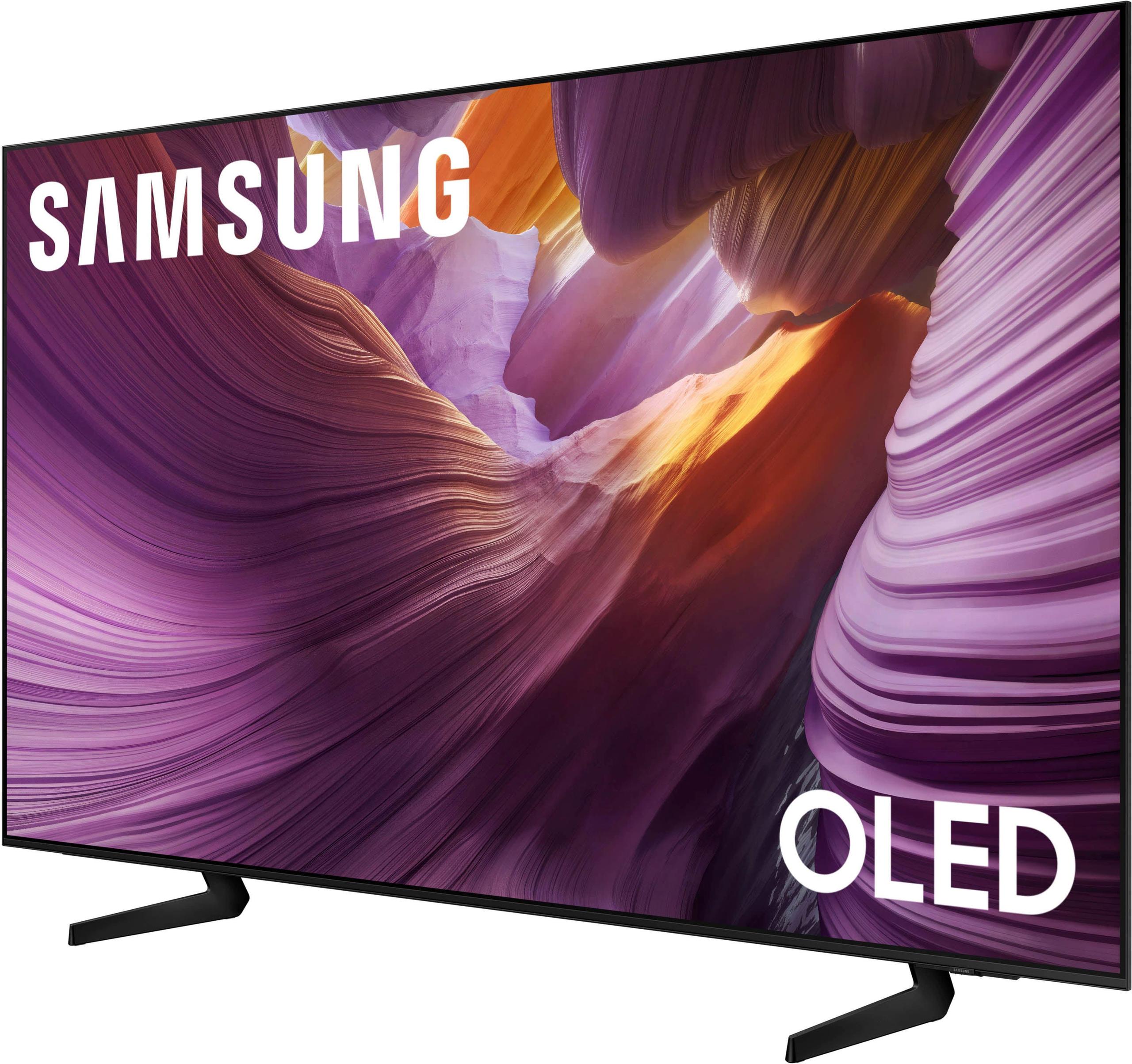
Shopping for a new TV can feel overwhelming, especially when you're comparing two Samsung models that look similar on paper but deliver vastly different viewing experiences. The 2025 Samsung Q8F QLED and Samsung S85F OLED both offer 65-inch 4K displays with smart features, but they represent completely different approaches to creating the picture on your screen.
At the time of writing, the Q8F QLED costs roughly 30% less than the S85F OLED, which immediately raises the question: is the OLED worth the premium? To answer that, we need to understand what makes these technologies tick and how they perform in real-world scenarios.
The biggest difference between these TVs isn't their size or smart features—it's how they create light and color. Think of it like comparing a flashlight shining through colored filters versus tiny individual light bulbs that can turn on and off independently.
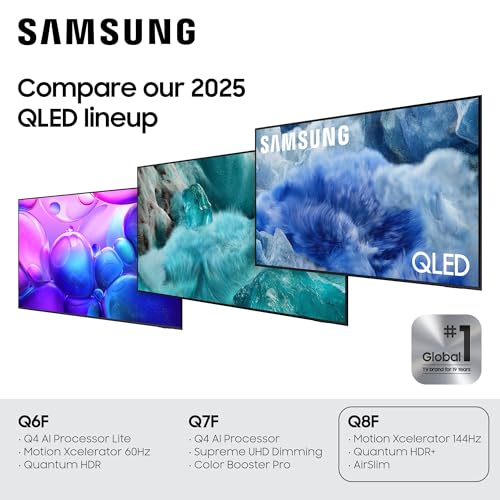
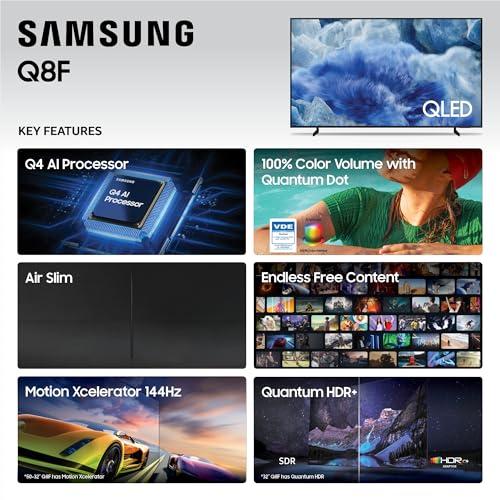
The Samsung Q8F uses QLED technology, which is essentially a fancy LED TV. It has a backlight (like that flashlight) that shines through quantum dots—microscopic crystals that convert blue light into precise colors. Samsung's implementation uses what they call "Dual LED" backlighting, meaning they use two different color temperatures of LEDs to improve color accuracy. However, this particular model uses edge-lit backlighting, where the LEDs sit around the edges of the screen rather than behind it, which affects how well it can control brightness in different areas of the picture.
The Samsung S85F OLED, on the other hand, uses Organic Light-Emitting Diode technology. Each pixel is essentially its own tiny light bulb that can produce light and color independently. When a pixel needs to be black, it simply turns off completely. The 65-inch North American version uses Samsung's QD-OLED panel, which combines quantum dots with OLED for even more vivid colors than traditional OLED displays.
These fundamental differences create dramatically different viewing experiences, especially in how they handle contrast, brightness, and color.
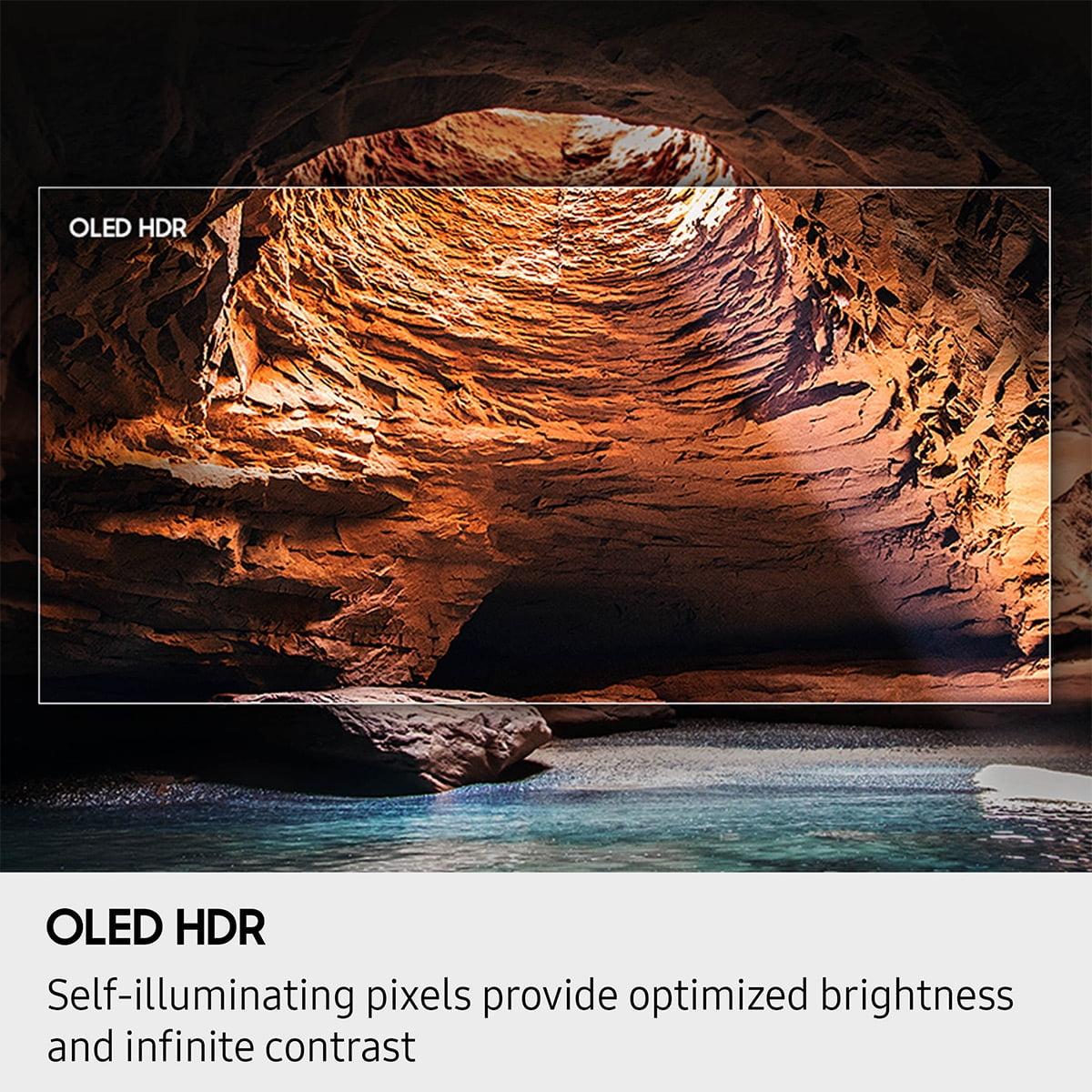
This is where OLED technology shows its most dramatic advantage. When you're watching a movie with dark scenes—think of those moody Batman films or space movies—the S85F OLED can display true black by completely turning off pixels. This creates what's called "infinite contrast," where bright elements like stars or explosions pop against pitch-black backgrounds.
The Q8F QLED, being edge-lit, faces inherent limitations here. Since the backlight is always on and light has to travel across the screen, dark areas appear more like dark gray than true black. You might notice some "blooming" around bright objects in dark scenes, where the light spills into areas that should be black. It's not terrible, but it's noticeable once you know what to look for.
For home theater enthusiasts who love watching movies in dark rooms, this contrast difference is often the deciding factor. The OLED's ability to display true blacks creates a more cinematic experience that feels closer to what you'd see in an actual movie theater.
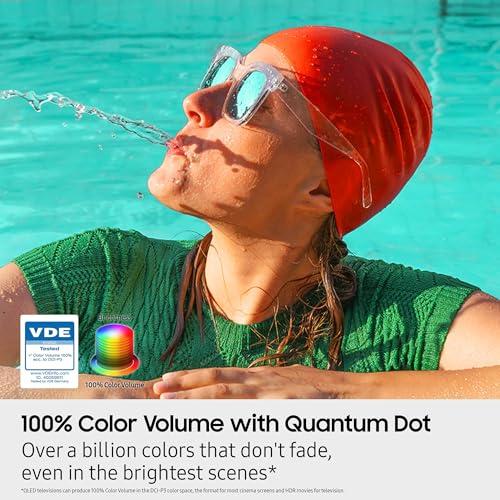
Both TVs excel at colors, but in different ways. The Q8F's quantum dot technology delivers what Samsung calls "100% Color Volume," meaning it can display vibrant colors even at high brightness levels. This is particularly noticeable when watching nature documentaries or animated content where bright, saturated colors are important.
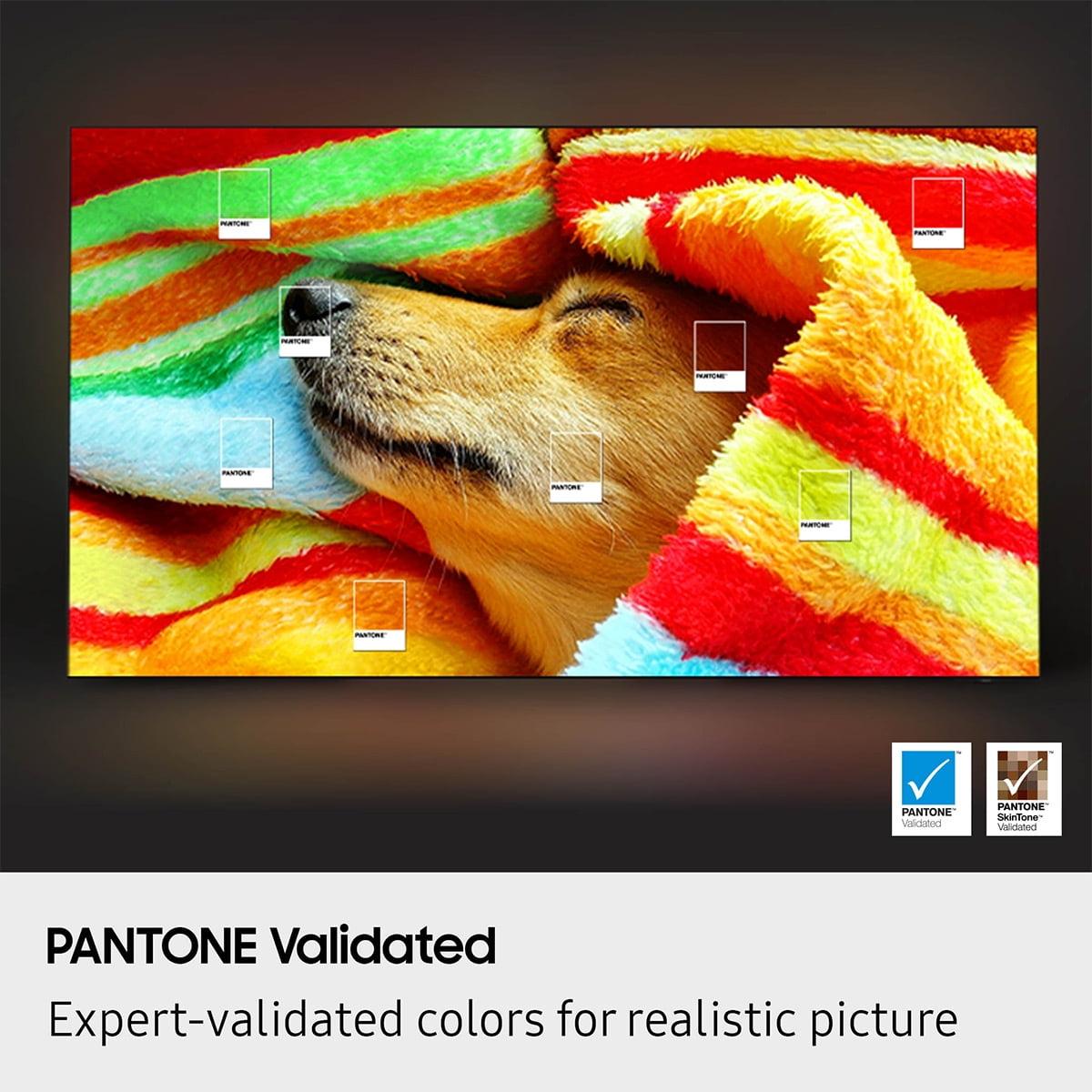
The S85F OLED takes a different approach with its QD-OLED panel. It's Pantone Validated, which means it can accurately reproduce over 2,140 specific colors and 110 skin tones exactly as defined by the color standards company. In our research of professional reviews and user feedback, the consensus is that the OLED delivers more accurate and nuanced colors, especially in skin tones and subtle gradations.
Here's where the Q8F QLED fights back. LED backlights can get much brighter than OLED pixels, making the Q8F better suited for bright rooms with lots of windows or ambient light. If you're primarily watching TV during the day in a sunny living room, the QLED's extra brightness helps overcome glare and maintains picture visibility.
The S85F OLED peaks at around 750 nits in small highlights but drops to roughly 150 nits for large bright scenes. While this is adequate for most viewing conditions, it struggles more in very bright environments. The trade-off is that in normal lighting conditions, the OLED's perfect blacks make the overall image appear more dynamic and realistic.
Gaming has become a crucial consideration for TV buyers, and both models offer compelling but different advantages.
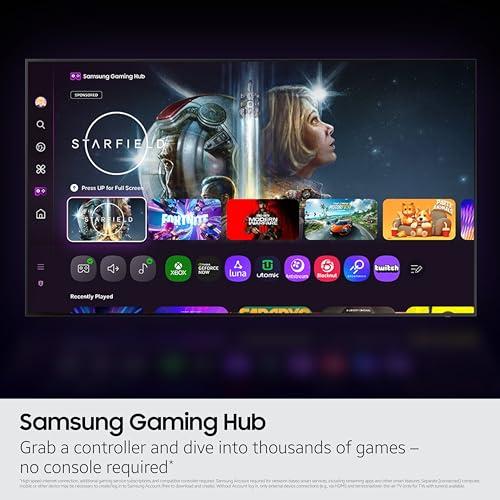
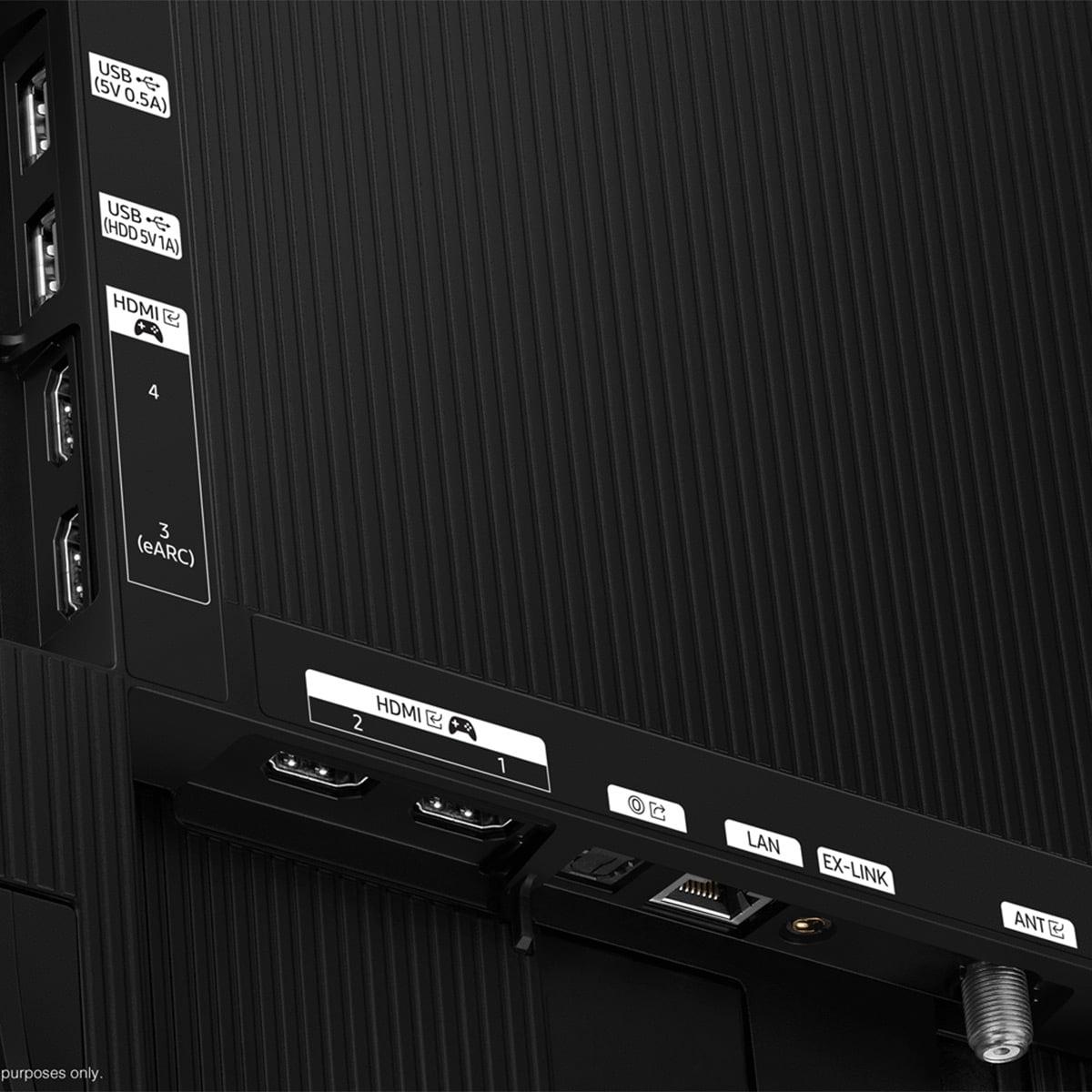
The S85F OLED is clearly the gaming champion here. It includes four HDMI 2.1 ports that support 4K at 120Hz with Variable Refresh Rate (VRR), which synchronizes the TV's refresh rate with your gaming console or PC to eliminate screen tearing. It also supports both AMD FreeSync Premium and NVIDIA G-SYNC, making it compatible with virtually any gaming hardware.
More importantly for competitive gamers, the OLED has nearly instantaneous pixel response times. When a character moves quickly across the screen, there's virtually no motion blur or ghosting. The input lag—the delay between pressing a button and seeing the action on screen—is also very low at 120Hz, which competitive gamers will appreciate.
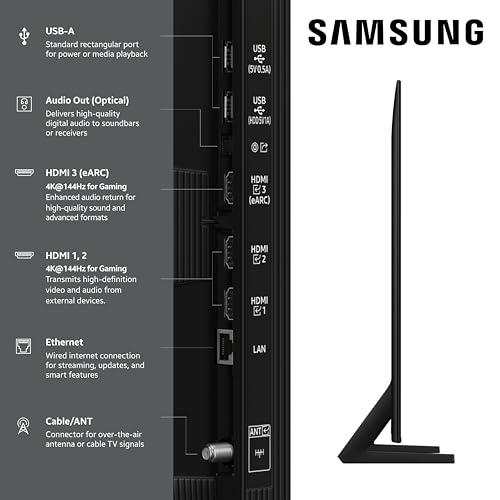
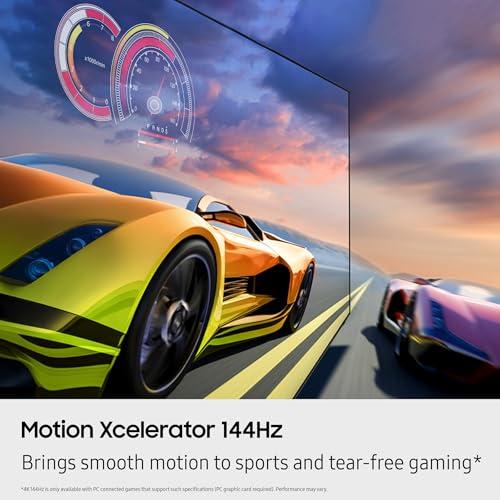
The Q8F QLED offers decent gaming features with Motion Xcelerator 144Hz technology and Auto Game Mode, but it's limited to three HDMI ports and doesn't have the advanced VRR support of its OLED sibling. For casual gaming, it's perfectly adequate, but serious gamers will notice the difference in responsiveness and features.
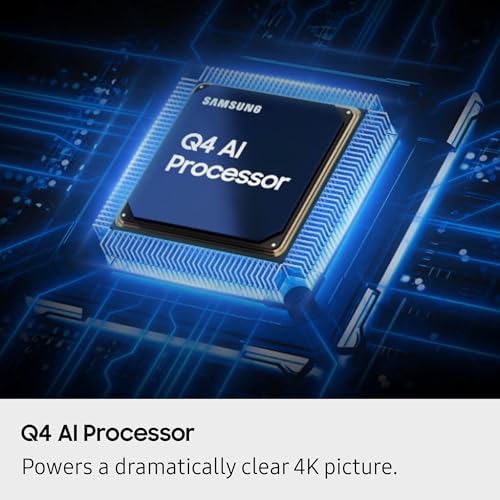
Both TVs run Samsung's Tizen operating system, but the S85F OLED gets the more advanced NQ4 AI Gen2 processor compared to the Q8F's Q4 AI processor. This translates to better upscaling of lower-resolution content—taking your old DVDs or streaming content and making them look sharper on the 4K screen.
The OLED also includes more advanced AI features like adaptive sound and picture optimization that adjust settings based on what you're watching and your room's lighting conditions. Both TVs support Samsung's SmartThings ecosystem for controlling smart home devices, but the S85F includes Matter support for better compatibility with devices from other brands.
One unique feature worth mentioning is the S85F's "Generative Wallpaper" capability, which uses AI to create custom backgrounds based on keywords you provide. It's not essential, but it's the kind of premium feature that adds to the overall experience.
Both TVs have 20W, 2-channel speaker systems with Samsung's Q-Symphony technology, which allows them to work in harmony with compatible Samsung soundbars rather than muting the TV's speakers. However, the S85F OLED includes Dolby Atmos support and more advanced Adaptive Sound Pro processing.
In reality, if you're investing in either of these TVs, you'll likely want to pair them with a dedicated sound system. The built-in speakers are adequate for casual viewing, but they can't match the audio quality that these displays deserve, especially for movies and gaming.
Your viewing environment might be the most important factor in choosing between these TVs. Based on extensive user feedback and professional reviews, here's what we've learned:
Bright rooms with lots of natural light: The Q8F QLED performs significantly better here. Its higher peak brightness cuts through glare, and you won't see the OLED's main weakness—black levels that appear gray in bright ambient light.
Controlled lighting or dark rooms: The S85F OLED shines in these conditions. The perfect blacks and infinite contrast create a more immersive, theatrical experience. Many users report that once they experience OLED in a dark room, it's hard to go back to LED technology.
Mixed usage throughout the day: This is where the decision gets trickier. If you watch TV both during bright days and dark evenings, consider which scenario is more important to you and how much control you have over your room's lighting.
At the time of writing, the price difference between these models represents more than just a premium for fancier technology—it's an investment in a fundamentally different viewing experience.
The Q8F QLED delivers solid value for buyers who want a reliable 4K TV with smart features and good picture quality without breaking the bank. It's particularly smart for bright-room viewing where you won't fully benefit from OLED's advantages anyway.
The S85F OLED commands its premium because QD-OLED technology typically costs much more. You're getting entry-level OLED pricing for what's actually advanced display technology. For picture quality enthusiasts and serious gamers, the extra cost often pays dividends in daily satisfaction over the TV's lifespan.
If you're building a dedicated home theater or have a living room where you can control lighting, the S85F OLED is the clear choice. The perfect blacks create the cinematic experience that makes investing in a large screen worthwhile. HDR content like movies from streaming services or 4K Blu-rays particularly benefit from OLED's contrast capabilities.
However, both TVs lack Dolby Vision support, which is a limitation for home theater purists. Samsung uses HDR10+ instead, which works well but isn't as widely supported by content creators. This is worth considering if you have a large collection of Dolby Vision content.
Choose the Samsung Q8F QLED if you:
Choose the Samsung S85F OLED if you:
The choice between these TVs ultimately comes down to your priorities and viewing environment. The Q8F QLED is a solid, practical choice that delivers good performance at a more accessible price point. It's particularly smart for bright rooms where OLED's advantages are diminished.
The S85F OLED offers a premium experience that justifies its higher cost for the right buyer. The perfect blacks, superior gaming features, and advanced processing create a viewing experience that many find transformative, especially coming from older LED TVs.
Neither TV is perfect—the QLED could use better local dimming, and the OLED could be brighter—but both represent Samsung's commitment to delivering quality displays with their respective technologies. Your decision should be based on your specific viewing habits, room conditions, and how much you value the ultimate in picture quality versus practical considerations like price and bright-room performance.
In the end, both TVs will likely satisfy their intended audiences. The key is understanding which audience you belong to and choosing accordingly.
| Samsung 65" QLED Q8F 4K Smart TV 2025 | Samsung 65" S85F OLED 4K Smart TV (2025) |
|---|---|
| Display Technology - Fundamentally different approaches to creating light and color | |
| QLED with Dual LED edge-lit backlighting | QD-OLED with self-illuminating pixels |
| Black Levels - Critical for contrast and movie watching | |
| Dark gray blacks with some light blooming | Perfect blacks, pixels turn completely off |
| Peak Brightness - Essential for bright room viewing | |
| Higher brightness, better for daytime/bright rooms | ~750 nits peak, adequate but not exceptional for bright environments |
| Color Performance - Affects realism and vibrancy | |
| 100% Color Volume with quantum dots | Pantone Validated QD-OLED, incredibly vivid and accurate |
| Gaming Performance - Important for console and PC gaming | |
| 3 HDMI ports, 144Hz motion, basic VRR | 4 HDMI 2.1 ports, VRR/G-SYNC/FreeSync, near-zero input lag |
| Processor - Powers AI features and upscaling | |
| Q4 AI Processor with scene optimization | NQ4 AI Gen2 with 20 neural networks, advanced AI |
| HDR Support - Enhanced dynamic range for movies/shows | |
| Quantum HDR+, HDR10+ (no Dolby Vision) | OLED HDR, HDR10+ Adaptive (no Dolby Vision) |
| Audio Features - Built-in sound capabilities | |
| 20W 2CH, OTS Lite, Q-Symphony | 20W 2.0CH, Dolby Atmos, OTS Lite, Adaptive Sound Pro |
| Smart Features - Streaming and connectivity | |
| Tizen OS, Bixby, standard smart features | Latest Tizen, Bixby + Alexa, SmartThings/Matter Hub |
| Best Room Environment - Where each TV excels | |
| Bright, well-lit rooms with ambient light | Controlled lighting or dark rooms for cinematic experience |
| Ideal User - Who should consider each model | |
| Budget-conscious buyers, bright room viewing, casual use | Picture quality enthusiasts, gamers, home theater setups |
The Samsung S85F OLED delivers superior picture quality with perfect blacks, infinite contrast, and more accurate colors thanks to its QD-OLED technology. The Samsung Q8F QLED offers good picture quality with vibrant colors from quantum dots, but cannot match the OLED's contrast performance due to its edge-lit LED design.
QLED TVs like the Samsung Q8F use LED backlights shining through quantum dot filters to create colors, while OLED TVs like the Samsung S85F have pixels that produce their own light and can turn completely off for true blacks. This fundamental difference affects contrast, brightness, and overall viewing experience.
The Samsung Q8F QLED performs better in bright rooms due to its higher peak brightness that can overcome glare and ambient light. The Samsung S85F OLED struggles more in very bright environments, as its blacks appear gray when there's significant ambient lighting.
The Samsung S85F OLED justifies its premium for buyers who prioritize picture quality, gaming performance, and cinematic viewing experiences. However, the Samsung Q8F QLED offers solid value for budget-conscious buyers who primarily watch in bright rooms where OLED's advantages are less noticeable.
The Samsung S85F OLED is significantly better for gaming with four HDMI 2.1 ports, VRR support, G-SYNC/FreeSync compatibility, near-zero input lag, and instantaneous pixel response times. The Samsung Q8F QLED offers decent gaming features but lacks the advanced capabilities serious gamers want.
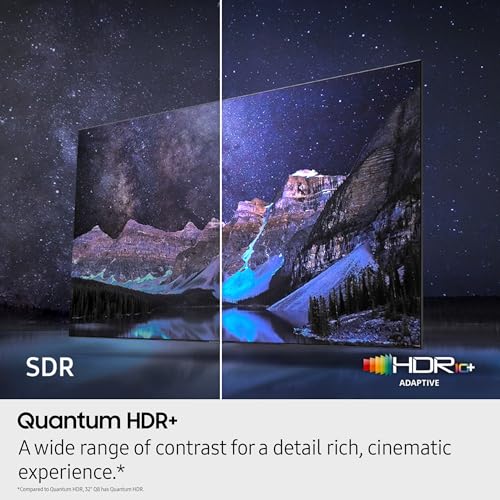
Both the Samsung Q8F and Samsung S85F support HDR10+ for enhanced dynamic range, but neither supports Dolby Vision. The OLED's perfect blacks make HDR content more impactful overall, while the QLED's higher brightness helps with bright HDR highlights.
The Samsung S85F OLED includes more advanced smart features with the NQ4 AI Gen2 processor, SmartThings/Matter Hub support, and enhanced AI capabilities. Both TVs run Tizen OS, but the Samsung Q8F has the more basic Q4 AI processor and standard smart TV functionality.
The Samsung S85F OLED is excellent for home theater use with its perfect blacks, infinite contrast, and cinematic viewing experience in dark rooms. The Samsung Q8F QLED can work for home theater but lacks the contrast performance that makes movies truly immersive.
Both TVs have 20W speakers with Q-Symphony support, but the Samsung S85F OLED includes Dolby Atmos and more advanced Adaptive Sound Pro processing. The Samsung Q8F has standard audio features that are adequate for casual viewing but not exceptional.
The Samsung S85F OLED is more future-proof with four HDMI 2.1 ports, advanced gaming features, and a more powerful AI processor. The Samsung Q8F QLED has fewer ports and less advanced features, making it less prepared for future gaming consoles and streaming technologies.
Both the Samsung Q8F and Samsung S85F excel at displaying 4K content, but the OLED's superior processor provides better upscaling of lower-resolution content. Both support 4K at 120Hz, though the Samsung S85F offers more comprehensive high-refresh-rate gaming support.
Choose the Samsung Q8F QLED for bright living rooms with lots of natural light and budget constraints. Select the Samsung S85F OLED for living rooms where you can control lighting and want the best possible picture quality for movies, shows, and gaming experiences.
We've done our best to create useful and informative comparisons to help you decide what product to buy. Our research uses advanced automated methods to create this comparison and perfection is not possible - please contact us for corrections or questions. These are the sites we've researched in the creation of this article: bestbuy.com - rtings.com - tomsguide.com - youtube.com - samsung.com - youtube.com - youtube.com - youtube.com - rtings.com - rtings.com - linqcdn.avbportal.com - bestbuy.com - samsung.com - samsung.com - samsung.com - youtube.com - youtube.com - billsmith.com - samsung.com - samsung.com - samsung.com - hometechnologyreview.com - shopjetson.com - certappl.com - samsung.com - theapplianceplug.com - samsung.com - manuals.plus - bestbuy.com - device.report - samsung.com - shopsilica.com - dentonstv.com - rtings.com - samsung.com - youtube.com - youtube.com - samsung.com - bestbuy.com - avsforum.com - avsforum.com - samsung.com - displayspecifications.com - videoandaudiocenter.com - bestbuy.com - flatpanelshd.com - myallsouth.com - samsung.com - richstv.com - samsung.com - heartlandappliance.com

Privacy Policy
Terms and Conditions - Affiliate Policy
Home Security
© Copyright 2008-2026.
11816 Inwood Rd #1211, Dallas, TX 75244