

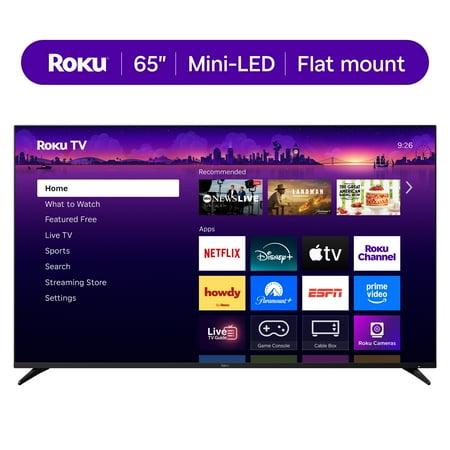
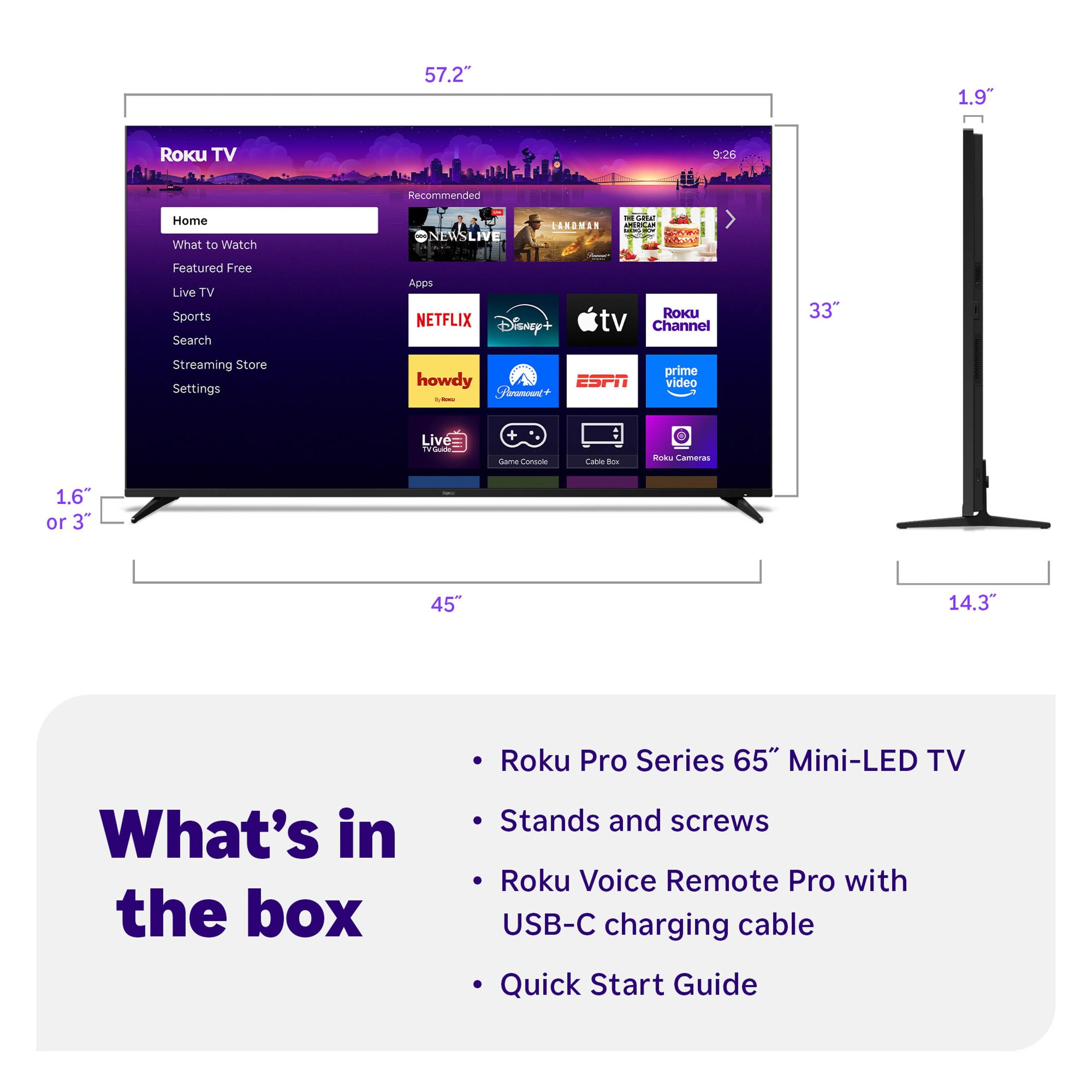
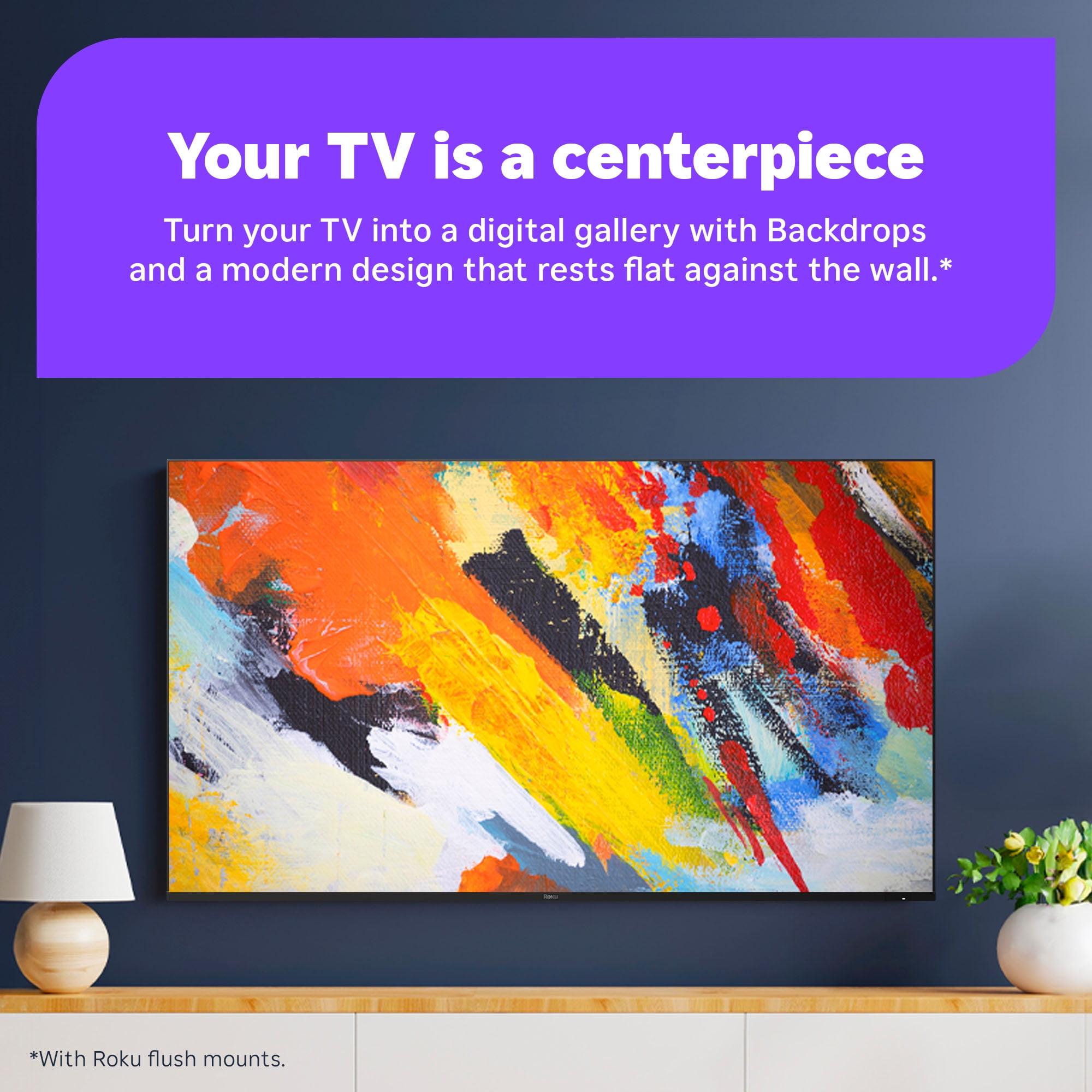
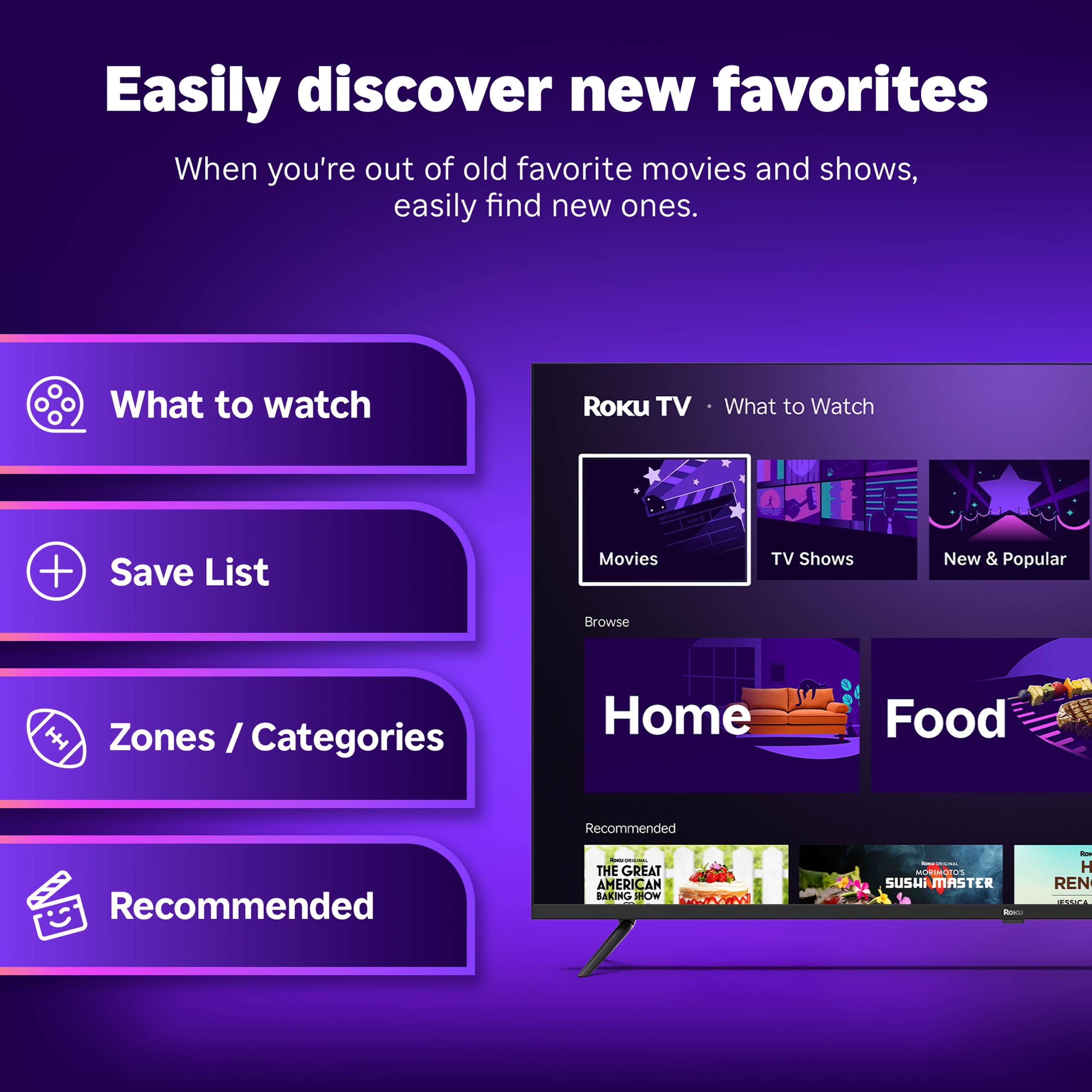
Shopping for a premium TV in 2025 means navigating an increasingly complex landscape of display technologies, smart platforms, and gaming features. Two standout options that have caught our attention are the Roku 65" Pro Series 2025 and the Samsung Q8F 65" 2025. Both represent compelling approaches to the premium QLED TV market, but they target different priorities and budgets in ways that matter significantly for your viewing experience.
Before diving into the comparison, it's worth understanding what QLED technology brings to the table. QLED stands for "Quantum Dot Light Emitting Diode," which sounds intimidating but is actually straightforward. Traditional LED TVs use white backlights filtered through color filters, which can make colors look washed out or inaccurate. QLED TVs add a layer of quantum dots - microscopic particles that emit pure colors when hit with light - resulting in more vibrant, accurate colors that stay consistent even in bright rooms.
The key considerations when choosing any premium QLED TV include how well it handles contrast (the difference between the brightest whites and darkest blacks), color accuracy, smart features, gaming capabilities, and whether the built-in audio is good enough to skip buying a soundbar. Room lighting also matters enormously - some TVs excel in bright living rooms while others perform better in darker home theaters.
The most fundamental difference between the Roku Pro Series and Samsung Q8F lies in their backlighting technology, and this difference ripples through every aspect of picture quality.
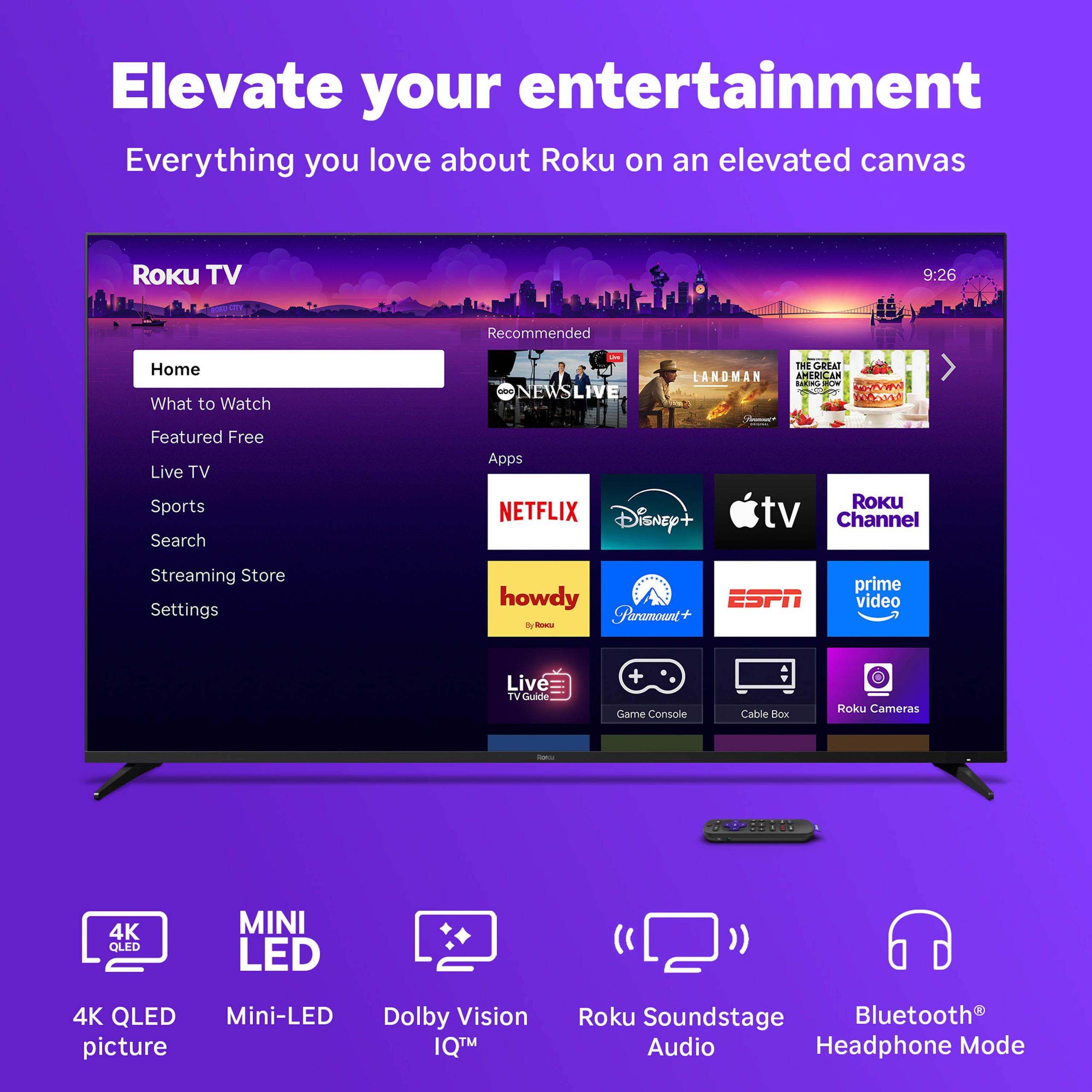
The Roku Pro Series uses Mini-LED backlighting, which represents one of the biggest advances in LCD TV technology in recent years. Instead of traditional large LED lights, Mini-LED uses thousands of tiny LEDs arranged behind the screen in a full array. Think of it like the difference between lighting a room with one ceiling light versus hundreds of small, precisely controlled spotlights. This allows the TV to brighten specific areas of the screen while keeping others completely dark, creating dramatic contrast that approaches what you'd get from much more expensive OLED TVs.
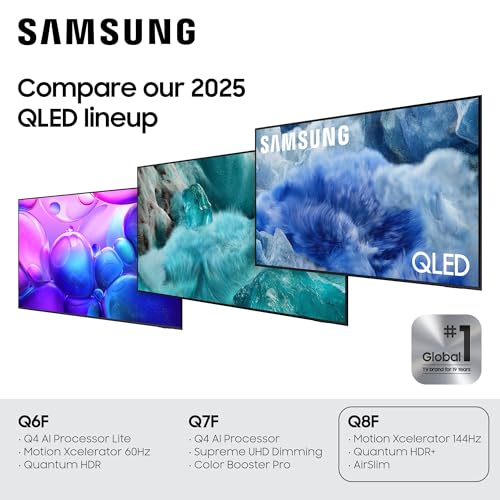
The Samsung Q8F, meanwhile, uses edge-lit or direct-lit LED technology. Here, LEDs are positioned around the edges or behind the panel in a more traditional arrangement. While Samsung has refined this approach with features like Dual LED (using two different color temperatures) and Supreme UHD Dimming (dividing the screen into zones for better control), it fundamentally can't match the precision of Mini-LED's thousands of individual dimming zones.
This technical difference translates into real-world viewing experiences. When watching a movie with a starfield against black space, the Roku Pro Series can make individual stars pop against truly black backgrounds, while the Samsung Q8F might show some gray "blooming" around bright objects. However, Samsung's more sophisticated image processing often makes lower-quality content look better, which matters if you watch a lot of cable TV or older streaming content.
The choice between Roku TV OS and Samsung's Tizen platform often comes down to personal preference and how you use your TV beyond just watching shows.
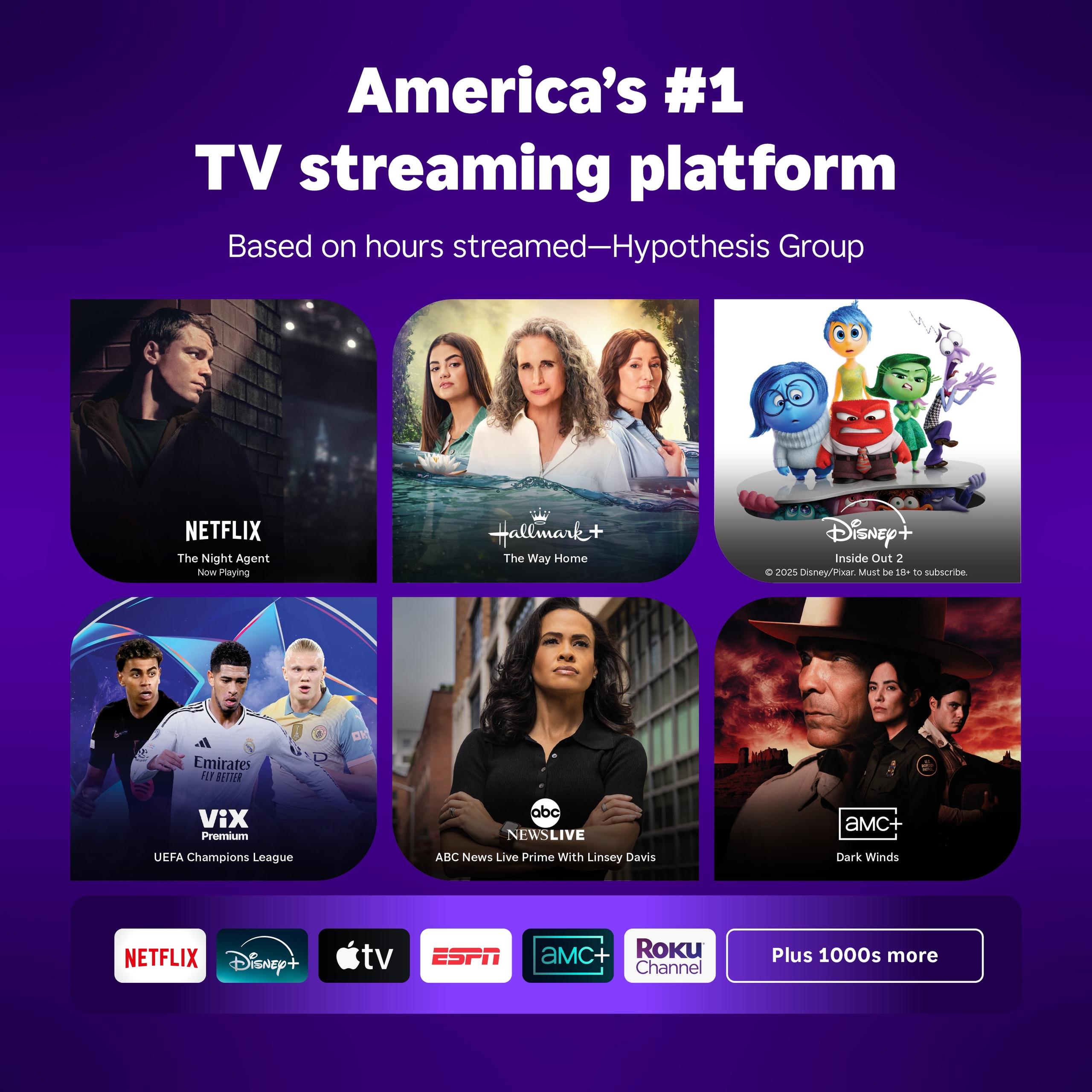
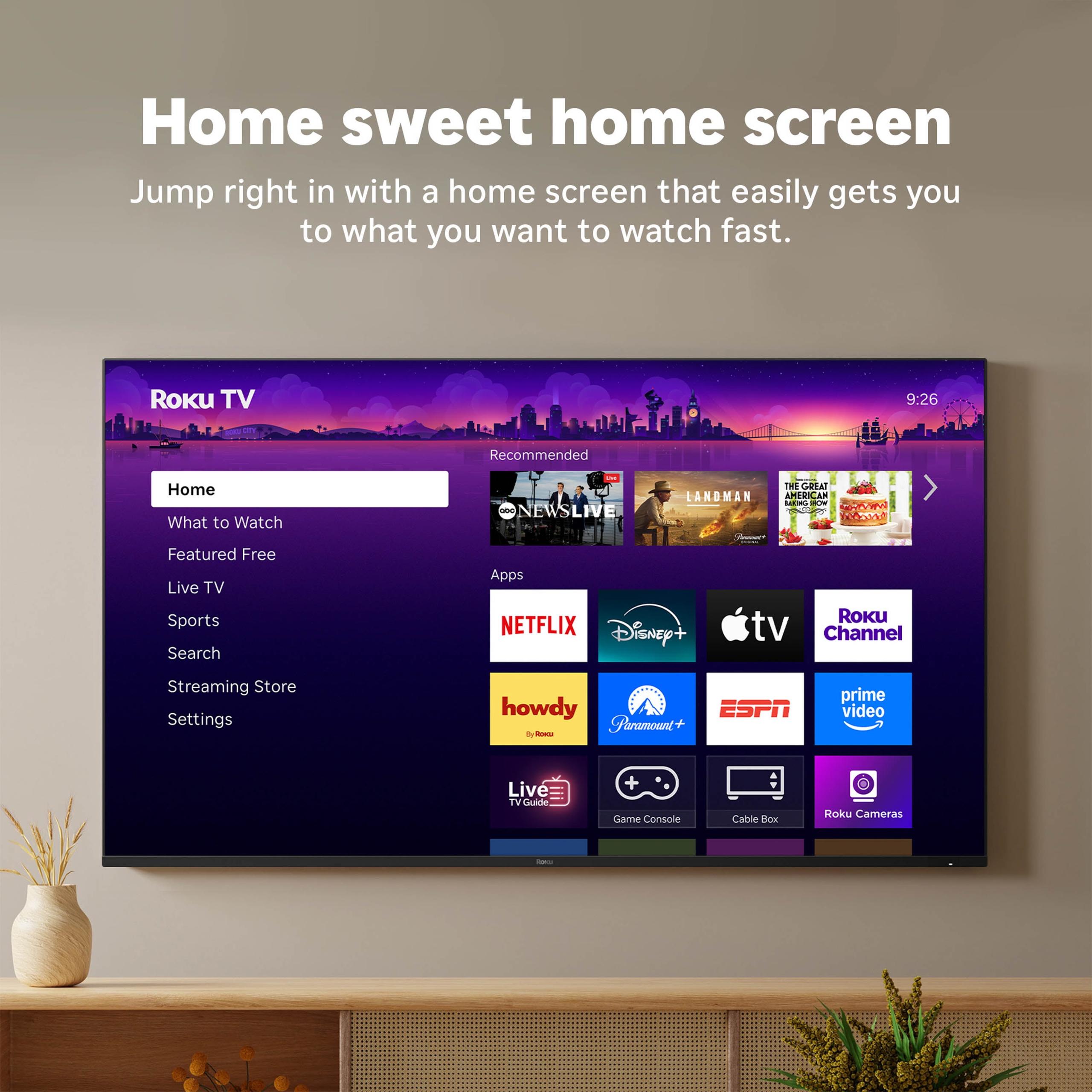
Roku TV OS on the Roku Pro Series embodies the "less is more" philosophy. Having used various Roku devices for years, what strikes me most is how the interface stays out of your way. The home screen presents a unified view of content from all your streaming services, live TV, and recommendations without feeling cluttered by ads or unnecessary features. App launches are noticeably faster thanks to Wi-Fi 6 implementation, and the universal search function works across multiple streaming platforms - something that sounds simple but proves invaluable when you're trying to find where a specific movie is streaming.
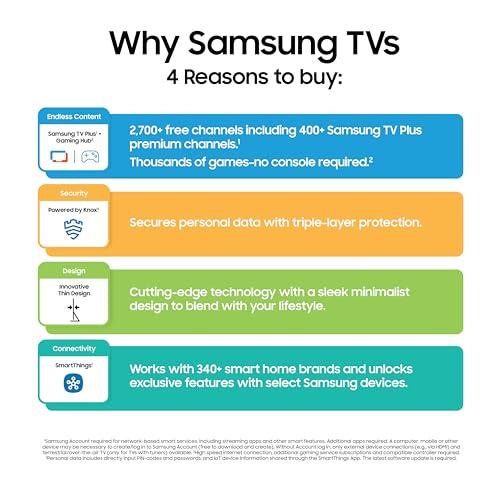
Samsung's Tizen OS on the Samsung Q8F takes a more comprehensive approach. It's essentially trying to be the command center for your entire smart home, not just your entertainment. The platform includes SmartThings Hub functionality with Matter support, meaning your TV can directly control smart lights, thermostats, and other connected devices. The AI features like generative wallpapers (where the TV creates unique backgrounds based on keywords you provide) showcase Samsung's ambitions beyond traditional TV viewing.
For most people, the Roku approach proves more practical for daily use. You turn on the TV, find your content quickly, and start watching. Samsung's approach appeals more to tech enthusiasts who want their TV integrated into broader home automation systems. The trade-off is complexity - Samsung TVs often require more setup and tweaking to get optimal performance.
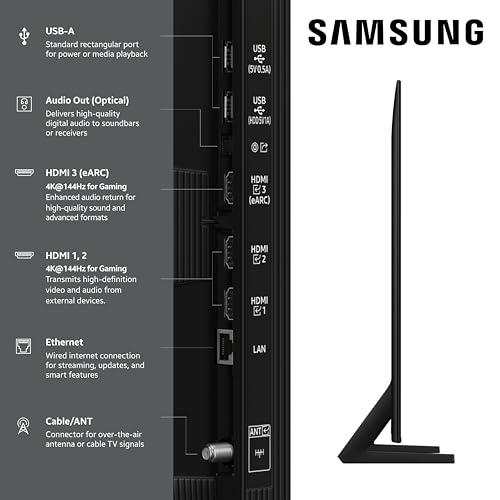
Both TVs released in 2025 with full awareness that modern gaming consoles demand specific features for optimal performance. The Roku Pro Series includes two HDMI 2.1 ports capable of handling 4K resolution at 120Hz refresh rates, which is essential for getting the best performance from PlayStation 5 and Xbox Series X consoles.
HDMI 2.1 bandwidth might sound like technical jargon, but it's actually about future-proofing your purchase. Older HDMI standards can't handle the amount of data required for 4K gaming at high refresh rates, forcing you to choose between resolution and smooth motion. With HDMI 2.1, you get both.
The Roku Pro Series also supports AMD FreeSync Premium Pro, Variable Refresh Rate (VRR), and Auto Low Latency Mode (ALLM). VRR synchronizes the TV's refresh rate with your console's output, eliminating screen tearing where the image appears to split horizontally. ALLM automatically switches the TV to its lowest-latency mode when it detects gaming input, reducing the delay between pressing a button and seeing the action on screen to as low as 5.2 milliseconds.
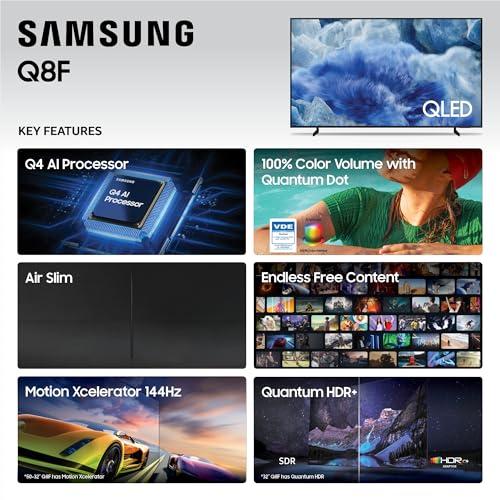
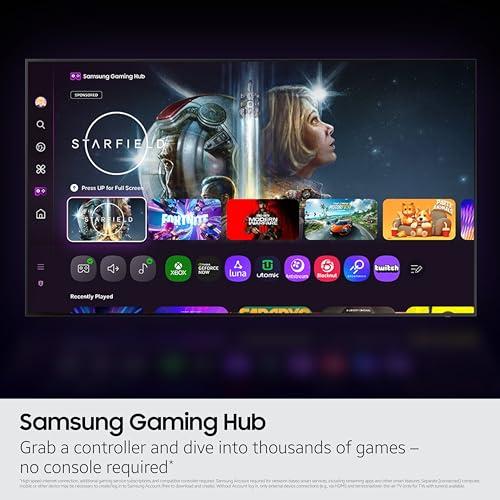
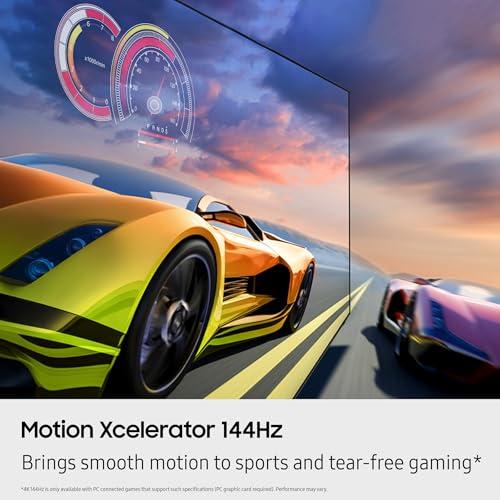
The Samsung Q8F matches most of these gaming features while adding Motion Xcelerator 144Hz technology and unique features like Super Ultra Wide Game View, which can stretch certain games to fill ultrawide aspect ratios. Samsung's AI Auto Game Mode intelligently detects when you're gaming and optimizes settings automatically.
For serious gamers, both TVs deliver excellent performance, though the Roku's guaranteed HDMI 2.1 bandwidth on specific ports provides more certainty about getting maximum performance from current and future consoles.
This is where the Roku Pro Series pulls significantly ahead, and our research into professional reviews and user feedback consistently confirms this advantage. The Mini-LED backlighting delivers measurably superior contrast ratios, with some measurements showing the Roku achieving over 75% higher dynamic contrast than previous-generation TVs.
Peak HDR brightness tells an important part of this story. HDR (High Dynamic Range) content is mastered to display much brighter highlights and deeper shadows than traditional content, but your TV needs sufficient brightness to properly display these highlights. The Roku Pro Series reaches peak HDR brightness levels over 1,750 nits in optimal settings, while the Samsung Q8F typically peaks around 1,200-1,400 nits depending on the specific model configuration.
These numbers matter in practical terms. When watching movies like "Dune" or "Blade Runner 2049" that make heavy use of HDR, the Roku can make explosions, sunlight, and reflective surfaces truly pop off the screen in ways that feel more three-dimensional. The improved local dimming also means that dark scenes retain detail in shadows without the entire screen appearing gray.
However, the Samsung Q8F demonstrates superior image processing for lower-quality content. If you frequently watch cable TV, older movies, or content from streaming services that compress their video heavily, Samsung's upscaling algorithms often produce cleaner, sharper results with fewer visible artifacts.
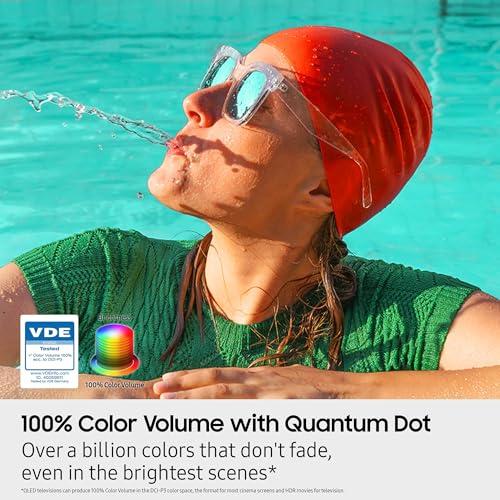
Color performance deserves special attention. Both TVs use quantum dot technology, but implement it differently. The Roku focuses on achieving maximum color volume - essentially how vibrant colors remain at different brightness levels. User reviews consistently praise the "lifelike" quality of colors, particularly in animated content and nature documentaries.
The Samsung Q8F achieves excellent color gamut coverage (about 97% of the UHDA-P3 color space used for 4K content) while maintaining better color accuracy out of the box. This means Samsung's colors might be slightly less vibrant but more faithful to what content creators intended.
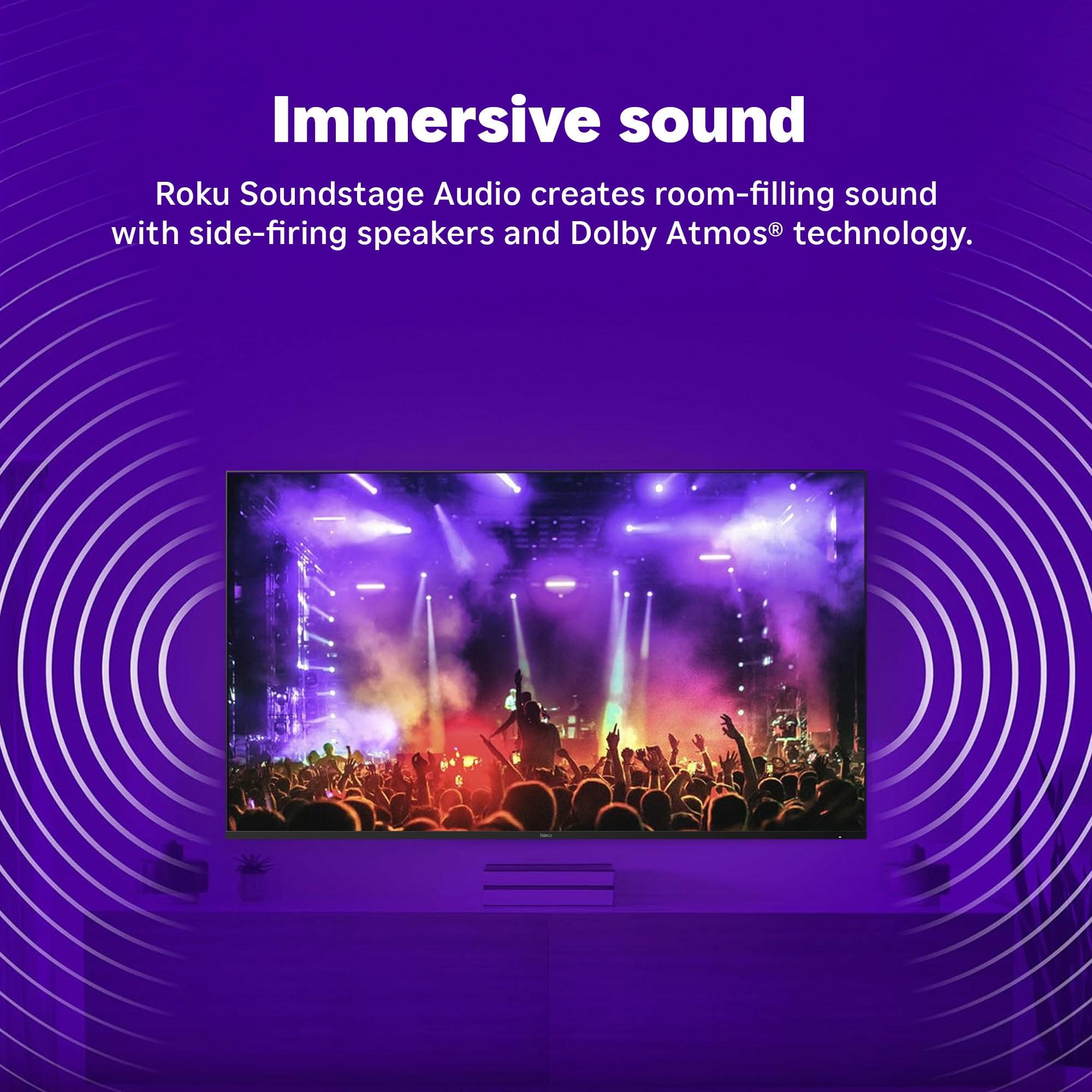
One area where the Roku Pro Series genuinely surprised reviewers is audio quality. The TV includes what Roku calls "Soundstage Audio" with side-firing Dolby Atmos speakers. Multiple user reviews describe the sound as "theater-like" with bass that can "rattle walls" - unusual praise for built-in TV speakers.
This matters more than you might expect. A quality soundbar easily costs $300-800, and many people delay that purchase, living with poor TV audio for months or years. The Roku's audio quality appears sufficient for most viewers to skip the soundbar entirely, at least initially.
The Samsung Q8F takes a different approach with Object Tracking Sound Lite (OTS Lite), which attempts to make audio follow action across the screen. While technically impressive, the implementation relies more on processing tricks than raw speaker quality. Samsung's Q-Symphony feature allows the TV speakers to work alongside Samsung soundbars without muting the TV's built-in speakers, creating a more immersive experience - but only if you invest in Samsung audio equipment.
For dedicated home theater setups, several factors become particularly important. Room lighting control, seating distance, and viewing angles all influence which TV performs better.
In darker, controlled lighting environments that characterize most home theaters, the Roku Pro Series excels. The Mini-LED backlighting creates dramatic contrast that enhances the cinematic experience, particularly with content mastered for theatrical presentation. The superior HDR performance makes action sequences more impactful and helps maintain the director's intended visual style.
However, the Samsung Q8F offers better viewing angles, which matters if your home theater seating extends beyond the optimal center position. QLED technology generally provides wider viewing angles than traditional LED TVs, but Samsung has specifically engineered their Wide Viewing Angle technology to maintain color accuracy and brightness when viewed from the side.
Both TVs support Filmmaker Mode, which disables motion smoothing and other processing that can make movies look artificially smooth or "soap opera-like." This feature has become standard on premium TVs as filmmakers pushed for more accurate reproduction of their creative intent.
At the time of writing, the Roku Pro Series commands roughly double the price of the Samsung Q8F, which fundamentally changes the value equation for different buyers.
The Roku delivers Mini-LED technology that typically appears in TVs costing significantly more from other manufacturers. When you factor in the exceptional built-in audio that could delay or eliminate soundbar purchases, the total cost of ownership becomes more competitive. For buyers prioritizing picture quality and willing to pay premium prices, the Roku represents solid value within the Mini-LED TV segment.
The Samsung Q8F offers compelling value for buyers seeking QLED benefits without premium pricing. You get quantum dot color technology, comprehensive smart features, and solid gaming performance at roughly half the cost. For many households, especially those planning to add a soundbar anyway, the Samsung provides the better price-to-performance ratio.
Both TVs launched in 2025, representing mature implementations of their respective technologies. The Roku Pro Series benefits from several years of Mini-LED refinement, with improved zone control and reduced blooming compared to early Mini-LED implementations from 2022-2023. Roku's entry into premium TV manufacturing also represents their commitment to the platform beyond streaming devices.
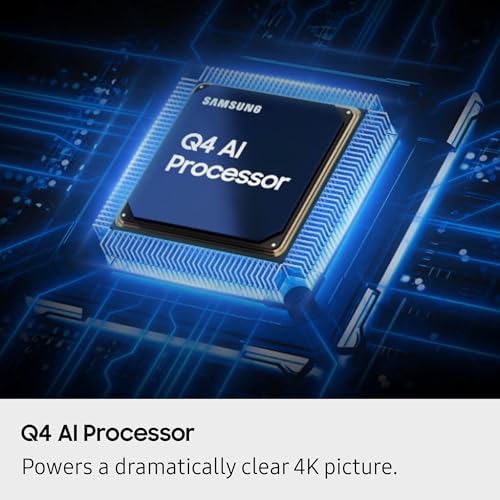
Samsung's 2025 QLED lineup shows incremental improvements in processing power and smart features rather than fundamental display technology changes. The Q8F represents Samsung's effort to bring premium QLED benefits to more price-conscious buyers while maintaining their competitive advantages in smart platform integration.
After evaluating both options thoroughly, clear usage patterns emerge for each TV.
Choose the Roku Pro Series if picture quality ranks as your top priority and your budget accommodates premium pricing. This TV excels for streaming high-quality content, movie watching, and gaming on current-generation consoles. The superior contrast and HDR performance make it particularly appealing for home theater setups or rooms where you can control lighting. The excellent built-in audio sweetens the deal for buyers who prefer simpler setups.
The Samsung Q8F makes more sense for buyers seeking QLED benefits within tighter budgets, households that watch significant amounts of cable or broadcast TV, or users who value comprehensive smart home integration. If you already own Samsung devices or plan to invest in Samsung audio equipment, the ecosystem benefits add substantial value.
For most buyers, the decision ultimately comes down to whether Mini-LED's picture quality advantages justify the premium pricing. Having researched both extensively, the Roku Pro Series delivers genuinely superior visual performance, while the Samsung Q8F offers broader functionality at a more accessible price point. Both represent solid choices within their respective market segments, but they serve distinctly different priorities in today's competitive TV landscape.
| Roku 65" Pro Series 2025 | Samsung Q8F 65" 2025 |
|---|---|
| Display Technology - Determines contrast quality and HDR performance | |
| Mini-LED with full array local dimming (thousands of zones) | Edge-lit/Direct-lit LED with Supreme UHD Dimming |
| Peak HDR Brightness - Critical for vibrant HDR content and bright rooms | |
| 1,752+ nits (exceptional HDR impact) | ~1,200-1,400 nits (good HDR performance) |
| Smart Platform - Affects long-term usability and feature updates | |
| Roku TV OS (simple, streaming-focused) | Samsung Tizen (comprehensive smart home integration) |
| Gaming Features - Essential for console gaming performance | |
| 2x HDMI 2.1, 120Hz, VRR, FreeSync Premium Pro, 5.2ms input lag | 3x HDMI, Motion Xcelerator 144Hz, VRR, ALLM, Auto Game Mode |
| Audio System - Determines if you need a separate soundbar | |
| Soundstage Audio with Dolby Atmos, side-firing speakers | Object Tracking Sound Lite, Q-Symphony soundbar compatibility |
| Image Processing - How well it handles lower-quality content | |
| Smart Picture Max AI (good for 4K, mediocre for cable/low-res) | Superior upscaling and HDR color accuracy |
| Color Technology - Affects color vibrancy and accuracy | |
| QLED with 100% color volume, vibrant but less accurate | QLED with 97% UHDA-P3 coverage, more color accurate |
| Viewing Angles - Important for wide seating arrangements | |
| Standard QLED viewing angles (best from center) | Wide Viewing Angle technology (better for groups) |
| Smart Home Integration - Matters if you have connected devices | |
| Basic smart features, HomeKit/Alexa/Google support | SmartThings Hub, Matter support, comprehensive IoT control |
| Voice Control - Convenience for hands-free operation | |
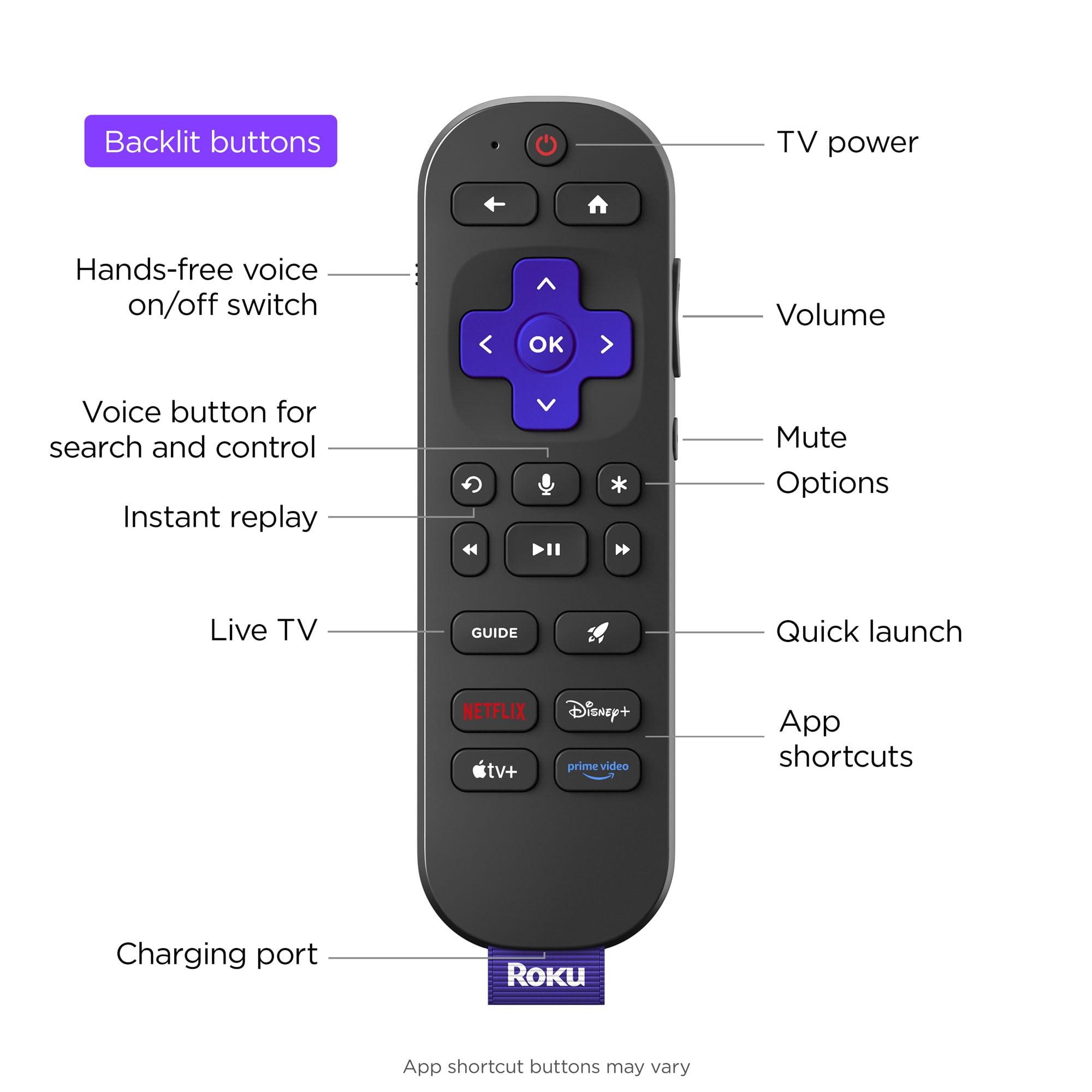
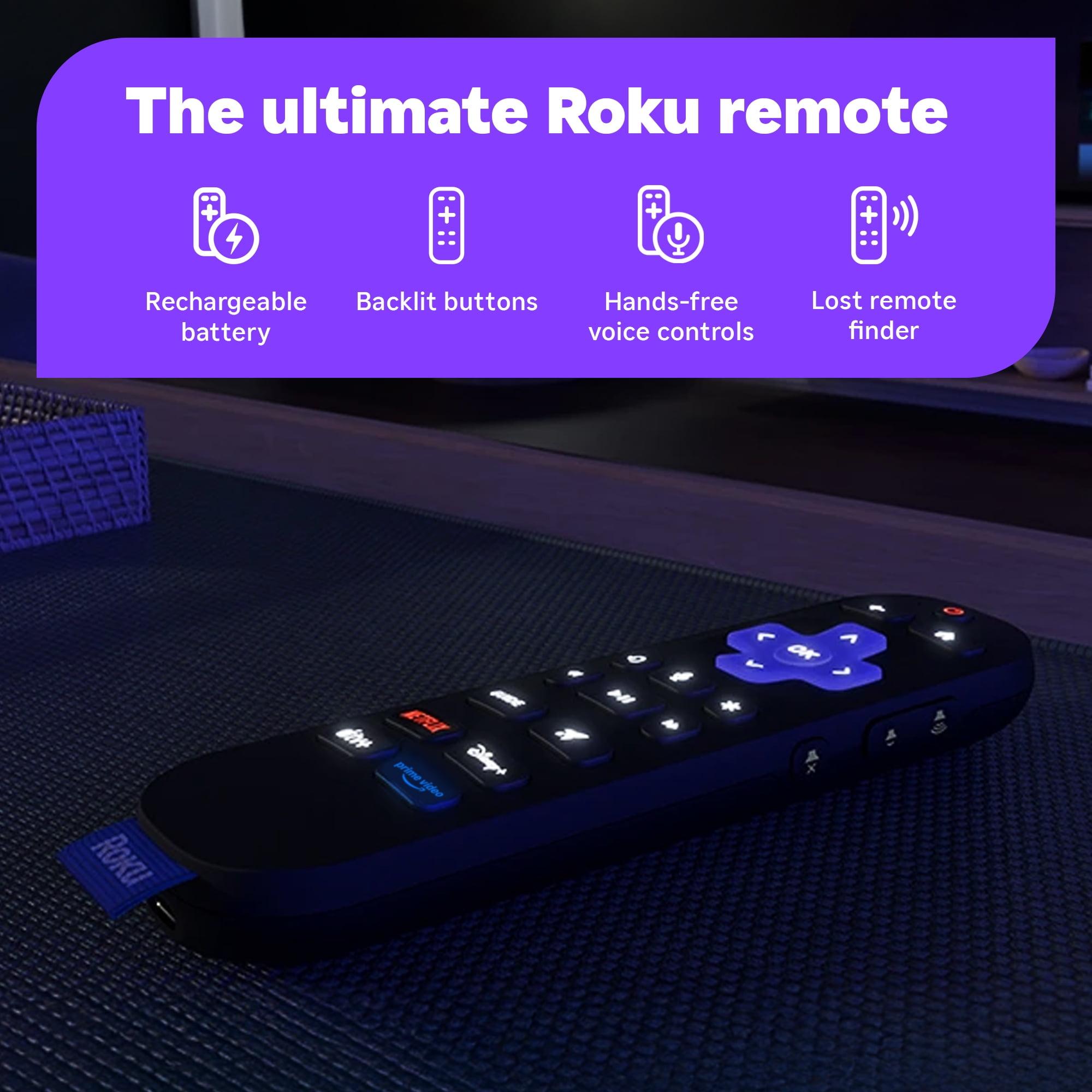
| Roku Voice Remote Pro with backlit buttons, finder function | Bixby with far-field microphones, hands-free control |
| Price Category - Value positioning at time of writing | |
| Premium Mini-LED pricing (roughly 2x competitor cost) | Mid-range QLED pricing (excellent value proposition) |
The Roku 65" Pro Series 2025 delivers superior picture quality thanks to its Mini-LED backlighting technology with full array local dimming. This provides deeper blacks, brighter highlights, and better contrast compared to the Samsung Q8F's edge-lit design. The Roku also achieves higher peak brightness at 1,750+ nits versus Samsung's ~1,400 nits, making HDR content more impactful.
Mini-LED technology in the Roku Pro Series uses thousands of tiny LEDs arranged behind the screen for precise brightness control, while the Samsung Q8F uses traditional edge-lit or direct-lit LEDs. This gives the Roku much better contrast and reduces blooming around bright objects, though the Samsung Q8F offers better upscaling of lower-quality content.
Both TVs offer excellent gaming features, but the Roku Pro Series provides two dedicated HDMI 2.1 ports with guaranteed 4K@120Hz support, AMD FreeSync Premium Pro, and ultra-low 5.2ms input lag. The Samsung Q8F matches these with Motion Xcelerator 144Hz technology and additional gaming features like Super Ultra Wide Game View. Both support VRR and ALLM for modern consoles.
The Roku Pro Series features exceptional built-in audio with Soundstage Audio and Dolby Atmos speakers that many users describe as "theater-like." The Samsung Q8F has decent audio with Object Tracking Sound Lite but is designed to work best with Samsung soundbars through Q-Symphony technology. Most buyers can skip the soundbar with the Roku.
The Roku Pro Series runs Roku TV OS, which focuses on simplicity with a unified interface for all streaming services and faster app launches. The Samsung Q8F uses Tizen OS, offering more comprehensive smart home integration and customization options but with greater complexity. Roku is generally easier for basic streaming, while Samsung offers more advanced features.
Both TVs perform well in bright rooms, but the Roku Pro Series has an advantage with its higher peak brightness reaching 1,750+ nits, making it excellent for overcoming glare and maintaining vibrant colors in daylight. The Samsung Q8F also handles bright rooms well with good anti-glare properties and QLED's naturally bright display technology.
The Samsung Q8F provides better value for budget-conscious buyers, offering QLED technology and comprehensive smart features at roughly half the cost of the Roku Pro Series. However, the Roku delivers premium Mini-LED technology typically found in much more expensive TVs, making it good value within the Mini-LED segment for quality-focused buyers.
Yes, both the Roku Pro Series and Samsung Q8F support all major streaming services including Netflix, Disney+, Prime Video, Apple TV+, HBO Max, and YouTube. The Roku excels with universal search across platforms, while the Samsung Q8F includes Samsung TV Plus with hundreds of free channels and deeper integration with Samsung services.
The Roku Pro Series is superior for dedicated home theater use due to its Mini-LED backlighting creating dramatic contrast in dark rooms, exceptional HDR performance for cinematic content, and built-in Dolby Atmos audio. The Samsung Q8F offers better viewing angles for wider seating arrangements but doesn't match the Roku's contrast performance in controlled lighting environments.
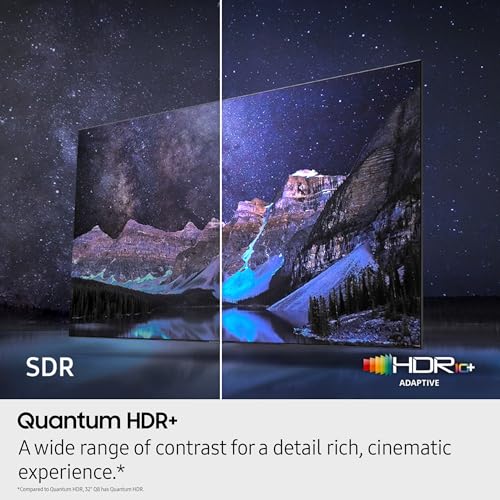
Both TVs support HDR10+ and Dolby Vision for enhanced contrast and color. The Roku Pro Series includes Dolby Vision IQ which adjusts based on room lighting conditions, while the Samsung Q8F features HDR10+ Adaptive for scene-by-scene optimization. The Roku's higher peak brightness makes HDR content more impactful on both formats.
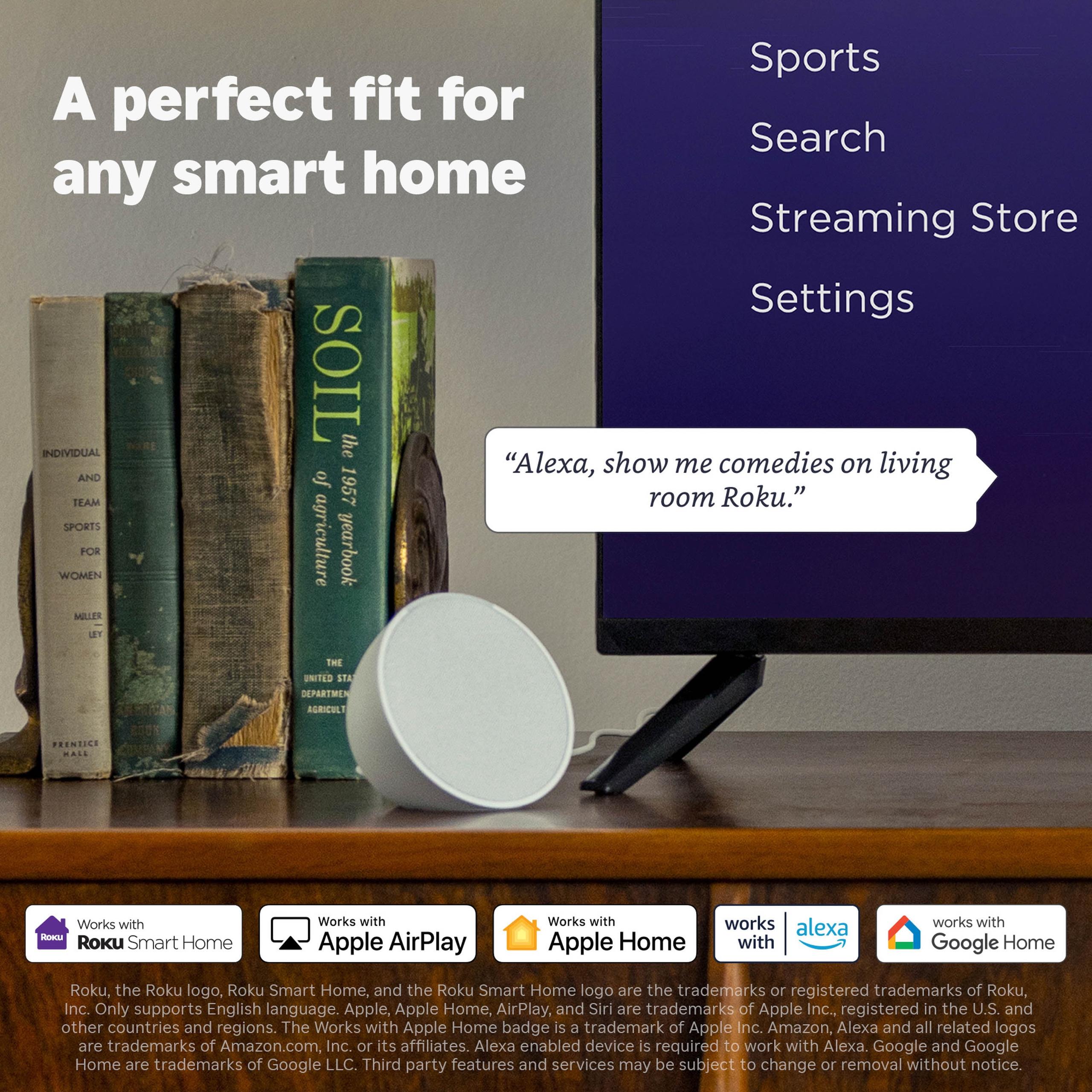
The Samsung Q8F excels in smart home integration with built-in SmartThings Hub and Matter support, allowing direct control of lights, thermostats, and other connected devices. The Roku Pro Series offers basic smart home compatibility with HomeKit, Alexa, and Google Assistant but doesn't match Samsung's comprehensive IoT device management capabilities.
Both manufacturers provide regular software updates, but Roku has a strong track record of long-term support for their streaming platform with consistent feature additions. The Roku Pro Series benefits from this focused approach to TV software. Samsung also provides good support but focuses more on integrating new smart home features. The Samsung Q8F may receive more frequent updates due to its broader feature set, while the Roku typically gets more stable, streaming-focused improvements.
We've done our best to create useful and informative comparisons to help you decide what product to buy. Our research uses advanced automated methods to create this comparison and perfection is not possible - please contact us for corrections or questions. These are the sites we've researched in the creation of this article: bestbuy.com - rtings.com - techradar.com - youtube.com - roku.com - youtube.com - walmart.com - bestbuy.com - youtube.com - electronicexpress.com - roku.com - pcvarge.com - ecoustics.com - bestbuy.com - rtings.com - tomsguide.com - youtube.com - samsung.com - youtube.com - youtube.com - youtube.com - rtings.com - rtings.com - linqcdn.avbportal.com - bestbuy.com - samsung.com - samsung.com - samsung.com - youtube.com - youtube.com - billsmith.com - samsung.com - samsung.com - samsung.com - hometechnologyreview.com - shopjetson.com - certappl.com - samsung.com - theapplianceplug.com - samsung.com - manuals.plus - bestbuy.com - device.report - samsung.com - shopsilica.com - dentonstv.com

Privacy Policy
Terms and Conditions - Affiliate Policy
Home Security
© Copyright 2008-2026.
11816 Inwood Rd #1211, Dallas, TX 75244