

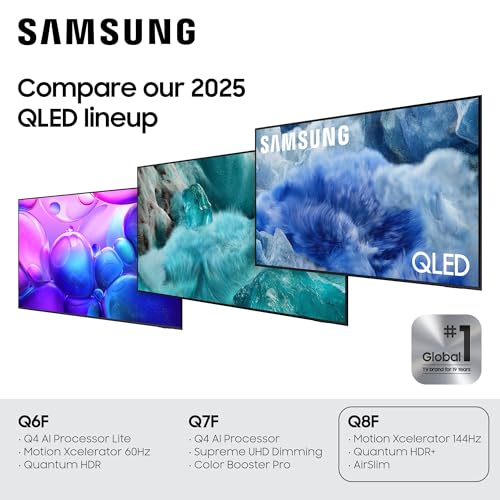
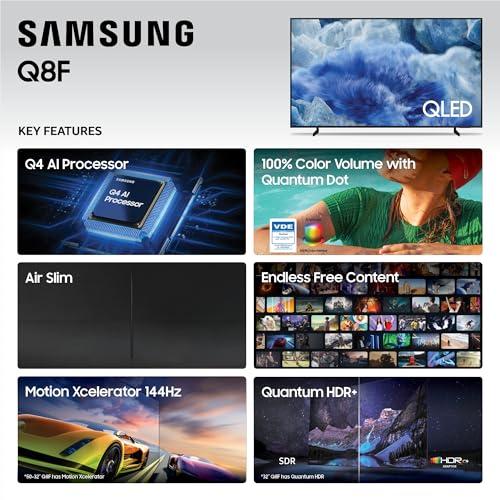
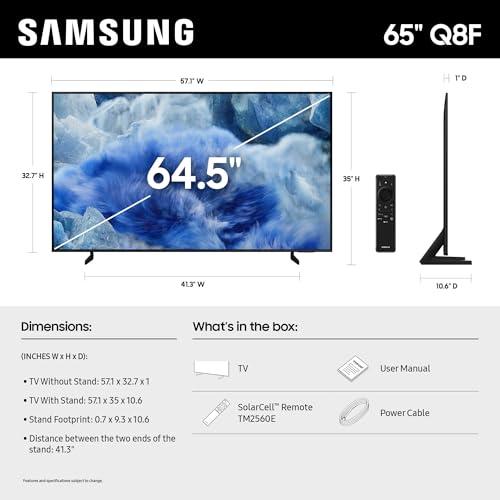
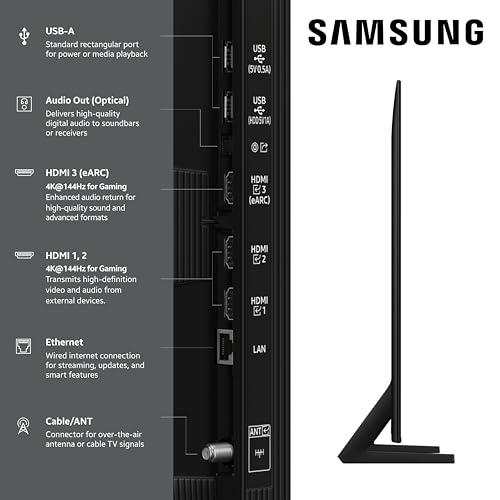
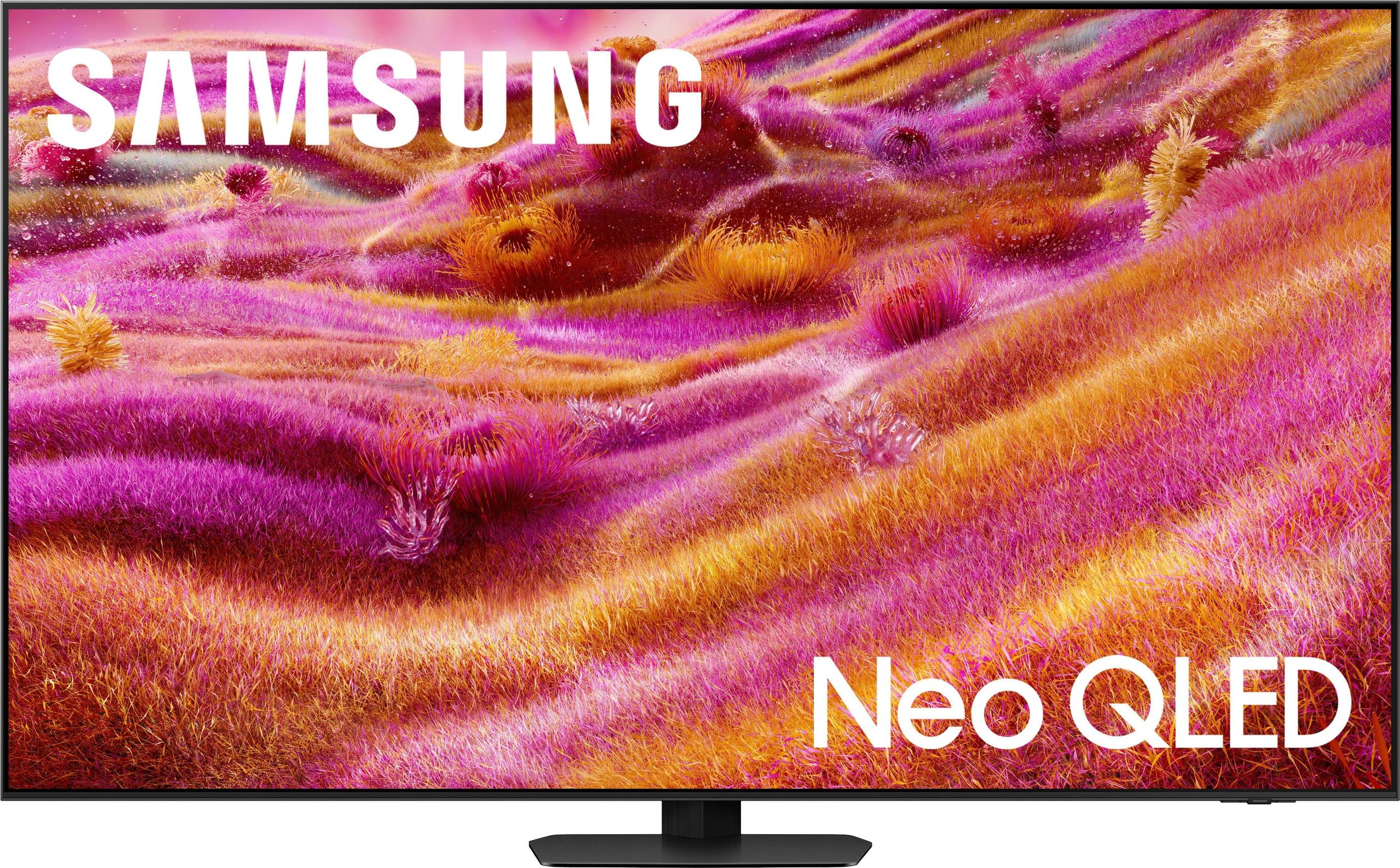
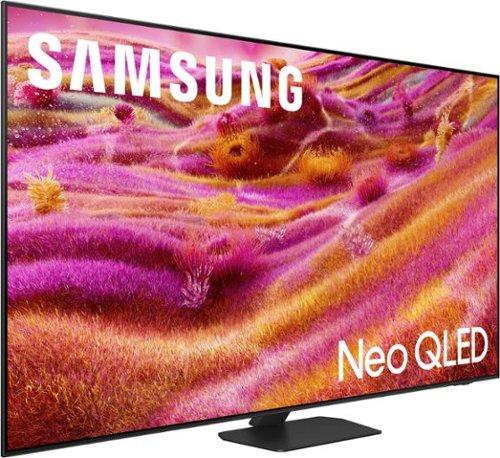
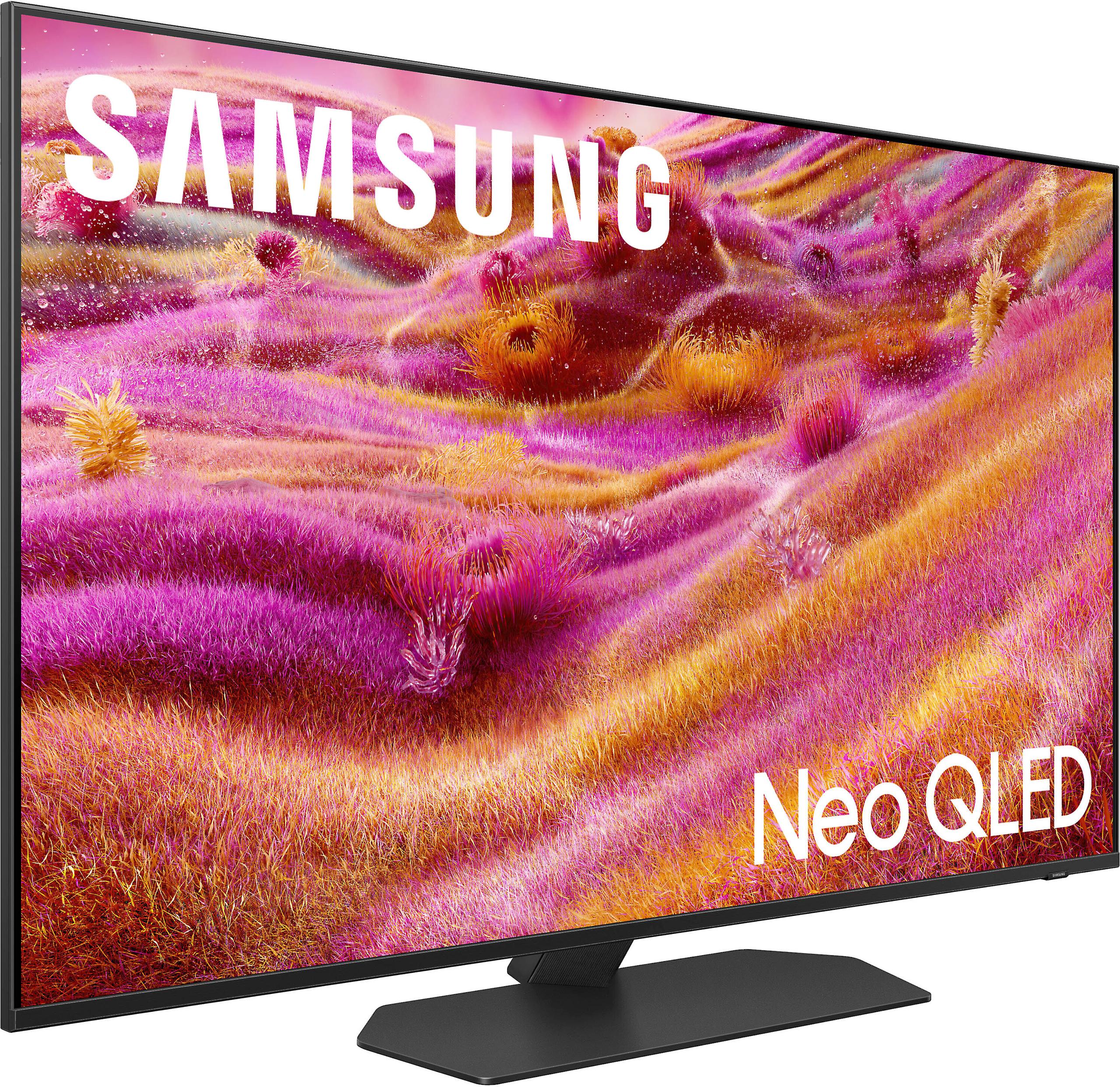
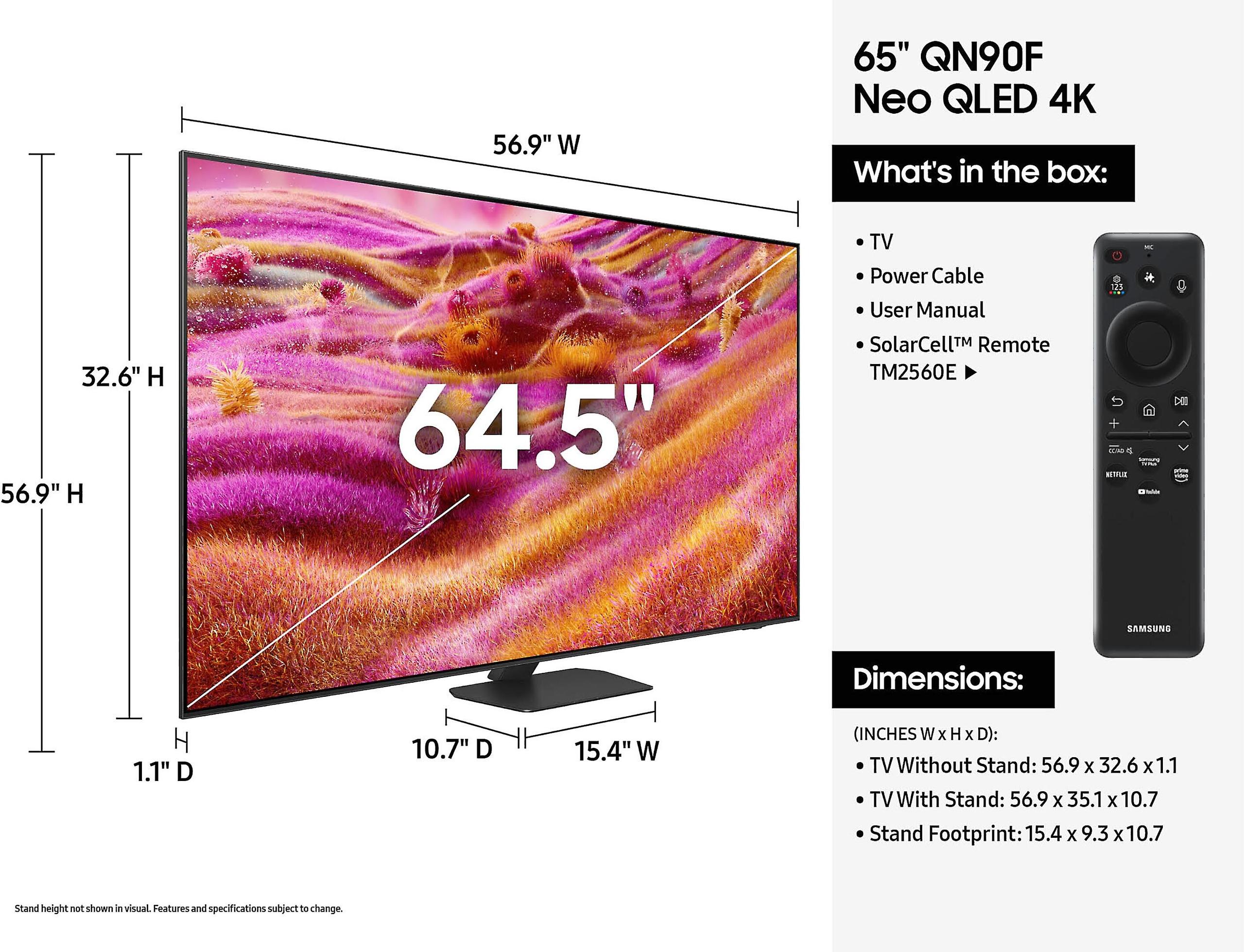
When you're shopping for a premium 65-inch TV, Samsung's QLED lineup can feel overwhelming. Two models that often come up in searches are the Samsung 65" QLED Q8F and the Samsung 65" QN90F Neo QLED, both from Samsung's 2025 lineup. While they might seem similar at first glance, these TVs represent fundamentally different approaches to picture quality and performance.
The TV market has evolved rapidly since 2020, with Mini LED technology (like what's in the QN90F) becoming the new standard for premium TVs, while traditional edge-lit designs (found in the Q8F) are increasingly being pushed to budget categories. Understanding these differences is crucial for making the right choice for your home.
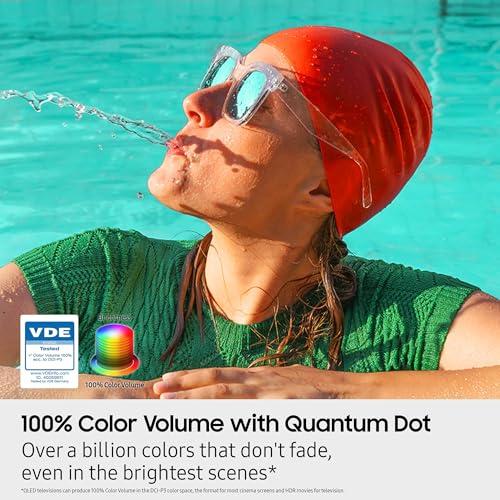
Both TVs use QLED technology, which stands for "Quantum Dot Light Emitting Diode." This isn't actually a new type of display panel - it's still LCD technology, but with a special layer of quantum dots that dramatically improves color accuracy and brightness. Think of quantum dots as tiny particles that can produce incredibly pure colors when hit by light, resulting in more vibrant and lifelike images than traditional LCD TVs.
However, the real differences between these models lie beneath the surface, particularly in how they control light and darkness across the screen. This backlighting technology is arguably the most important factor determining picture quality in modern TVs.
The biggest difference between the Q8F and QN90F is their backlighting systems, and this single factor affects almost everything about picture quality.
The Q8F uses edge-lit LED backlighting, where LEDs are positioned only around the perimeter of the screen. Light travels from these edges across the entire display through a light guide panel. While this creates very thin TVs, it has significant limitations. The TV can only control brightness across the entire screen at once - if a scene has both bright stars and a dark night sky, the TV can't make the stars bright without also making the sky brighter than it should be.
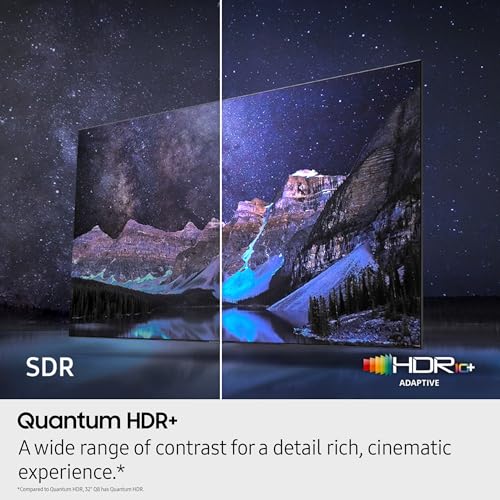
This limitation becomes particularly noticeable in movies with high dynamic range (HDR) content, where you want deep blacks and bright highlights in the same scene. Edge-lit TVs simply can't deliver the contrast that makes HDR content look spectacular.
The QN90F uses Mini LED technology with over 900 local dimming zones. Instead of lighting the entire screen uniformly, it has thousands of tiny LEDs arranged behind the screen that can be controlled independently in small groups called "zones." When a scene shows a bright moon against a dark sky, the zones behind the moon can be bright while the zones behind the sky remain dark.
This local dimming capability creates what we call "contrast" - the difference between the darkest darks and brightest brights. The more zones a TV has, the more precisely it can control light, resulting in better picture quality. The QN90F can produce much deeper blacks and brighter highlights simultaneously, making HDR content look dramatically more realistic.
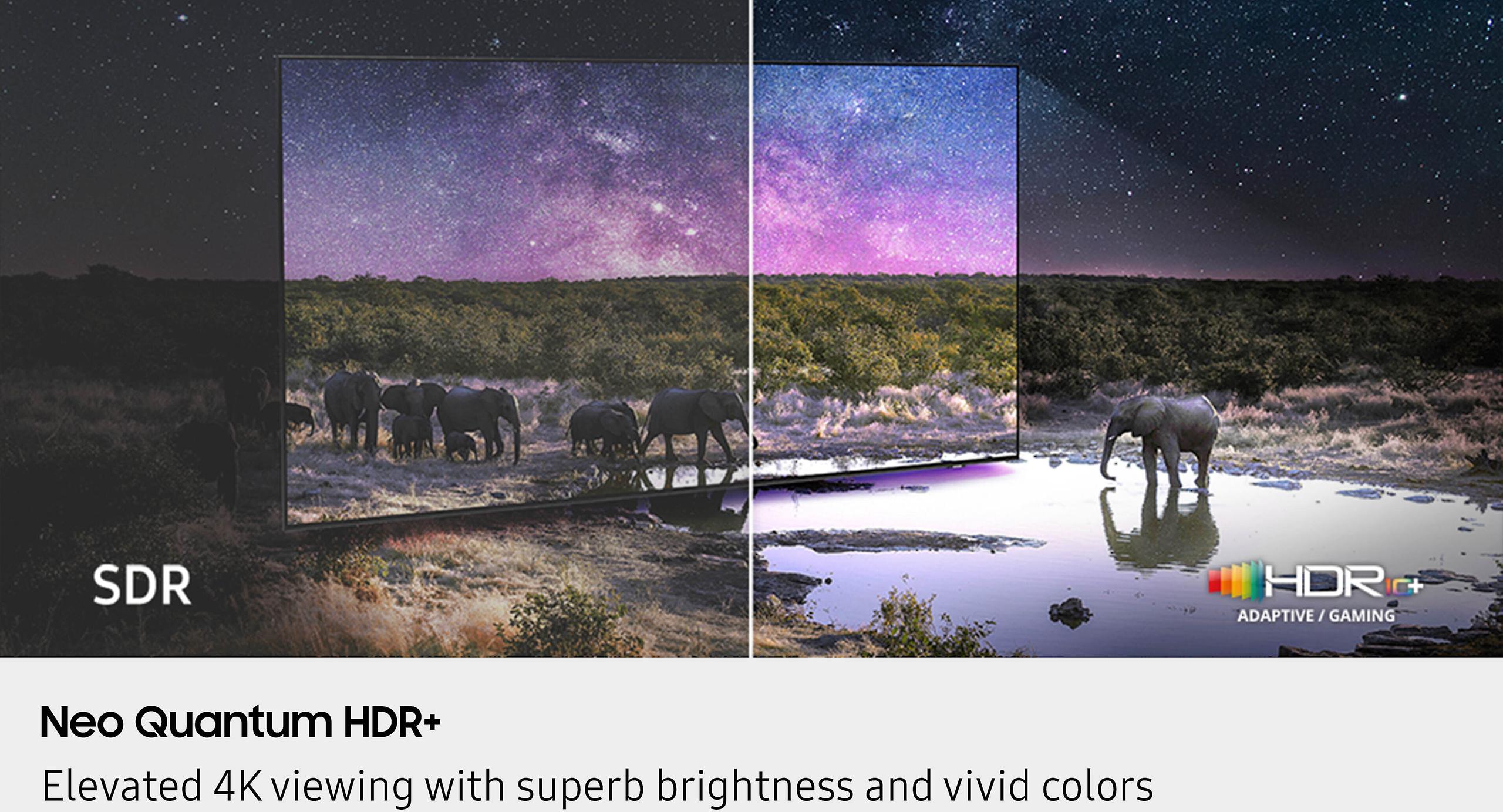
Peak brightness is measured in "nits" - think of it as how intensely the screen can glow. The QN90F reaches over 2,000 nits in small highlights, while the Q8F tops out around 1,000+ nits. This might not sound like a huge difference, but in practice, it's transformative.
When watching HDR content like movies on Netflix or Disney+, those extra nits translate to highlights that truly pop off the screen. Sunlight streaming through a window, the gleam of metal, or explosions in action movies all appear more realistic and impactful on the QN90F.
More importantly, the QN90F can maintain high brightness while keeping dark areas truly dark, thanks to its local dimming. The Q8F, constrained by its edge-lit design, must compromise - brighter highlights often mean elevated blacks, creating a washed-out appearance in dark scenes.
Both TVs support HDR10+ (high dynamic range with dynamic metadata that adjusts settings scene by scene), but neither supports Dolby Vision, which is Samsung's ongoing limitation across their lineup. For most content, HDR10+ provides excellent results, though Dolby Vision fans might want to consider other brands.
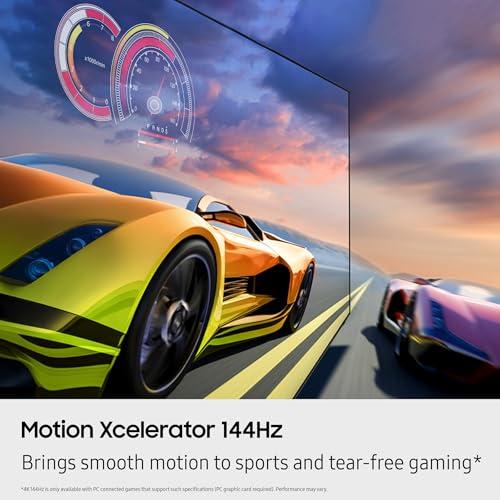
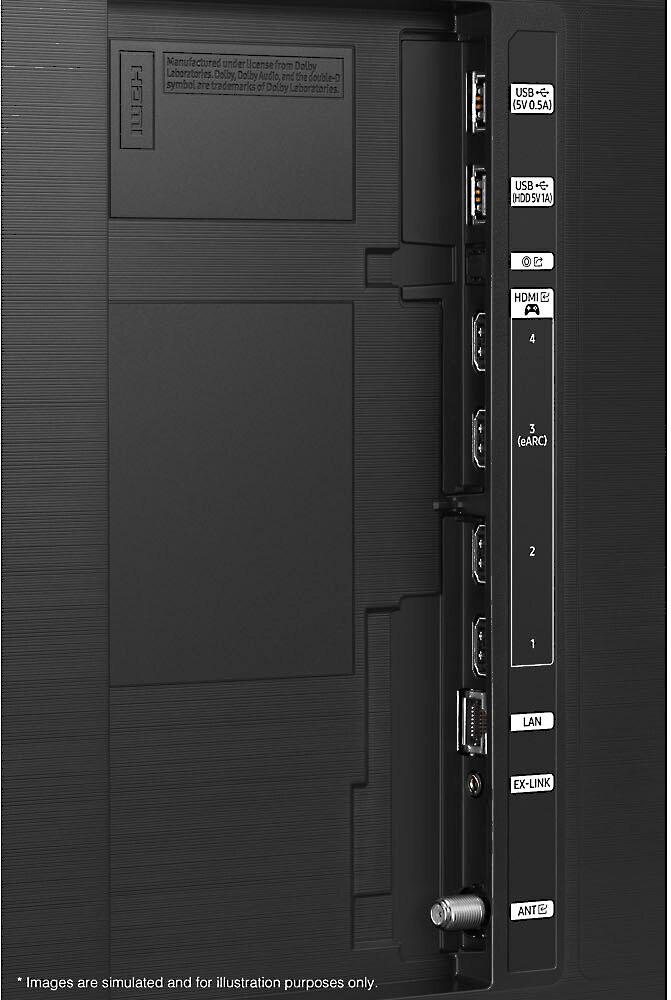
Gaming has become increasingly important in TV selection, and here the QN90F pulls significantly ahead. It supports up to 165Hz refresh rate with four full-bandwidth HDMI 2.1 ports, while the Q8F maxes out at 120Hz.
Higher refresh rates mean smoother motion, particularly noticeable in fast-paced games. If you're playing competitive shooters, racing games, or any title where every millisecond counts, that extra smoothness can be the difference between winning and losing. The QN90F also supports Variable Refresh Rate (VRR) technology, which synchronizes the TV's refresh rate with your gaming console or PC to eliminate screen tearing and stuttering.
However, the QN90F has one notable gaming quirk: in Game Mode, its local dimming becomes less aggressive to reduce input lag. This means blacks aren't quite as deep during gaming, and you might notice some blooming (light halos around bright objects) in dark gaming scenes. It's a trade-off between ultimate picture quality and gaming responsiveness, though most gamers find the compromise acceptable given the other advantages.
TV speakers often get overlooked, but they're important if you're not planning to add a soundbar immediately. The QN90F includes a 4.2.2 channel system with 60W of power, featuring Dolby Atmos support and Object Tracking Sound+. This technology actually moves sound around the screen to match the action - if a car drives from left to right, you'll hear the engine move with it.
The Q8F has a more basic 2-channel, 20W system with OTS Lite (a simplified version of object tracking). While adequate for casual viewing, it lacks the power and spatial audio capabilities that make action movies and games more immersive.
Both TVs support Samsung's Q-Symphony technology, which allows them to work in harmony with compatible Samsung soundbars rather than muting the TV speakers. This creates a more enveloping sound experience without requiring expensive, high-end audio equipment.
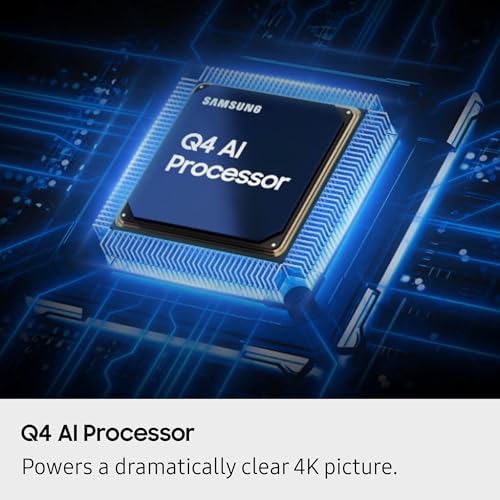
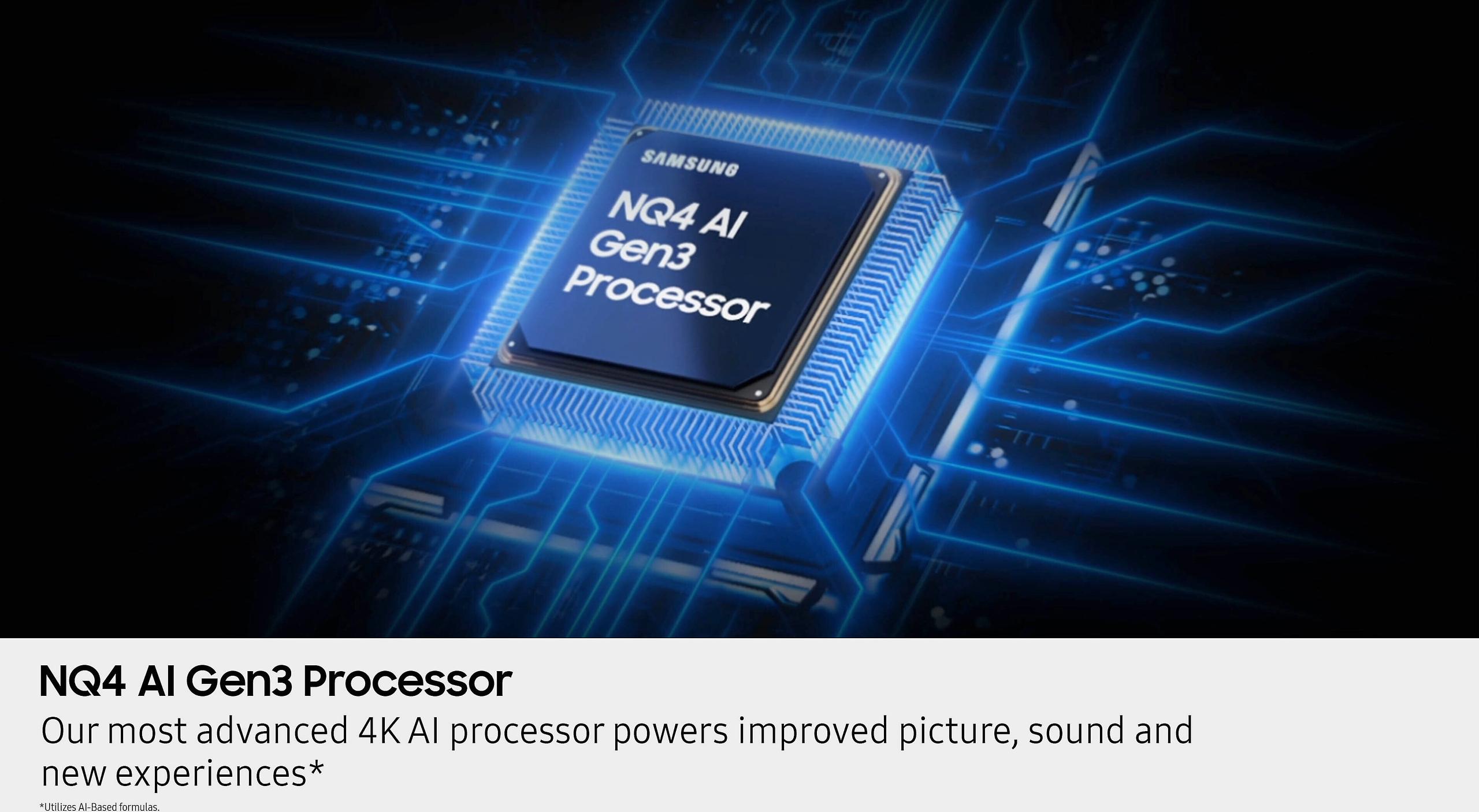
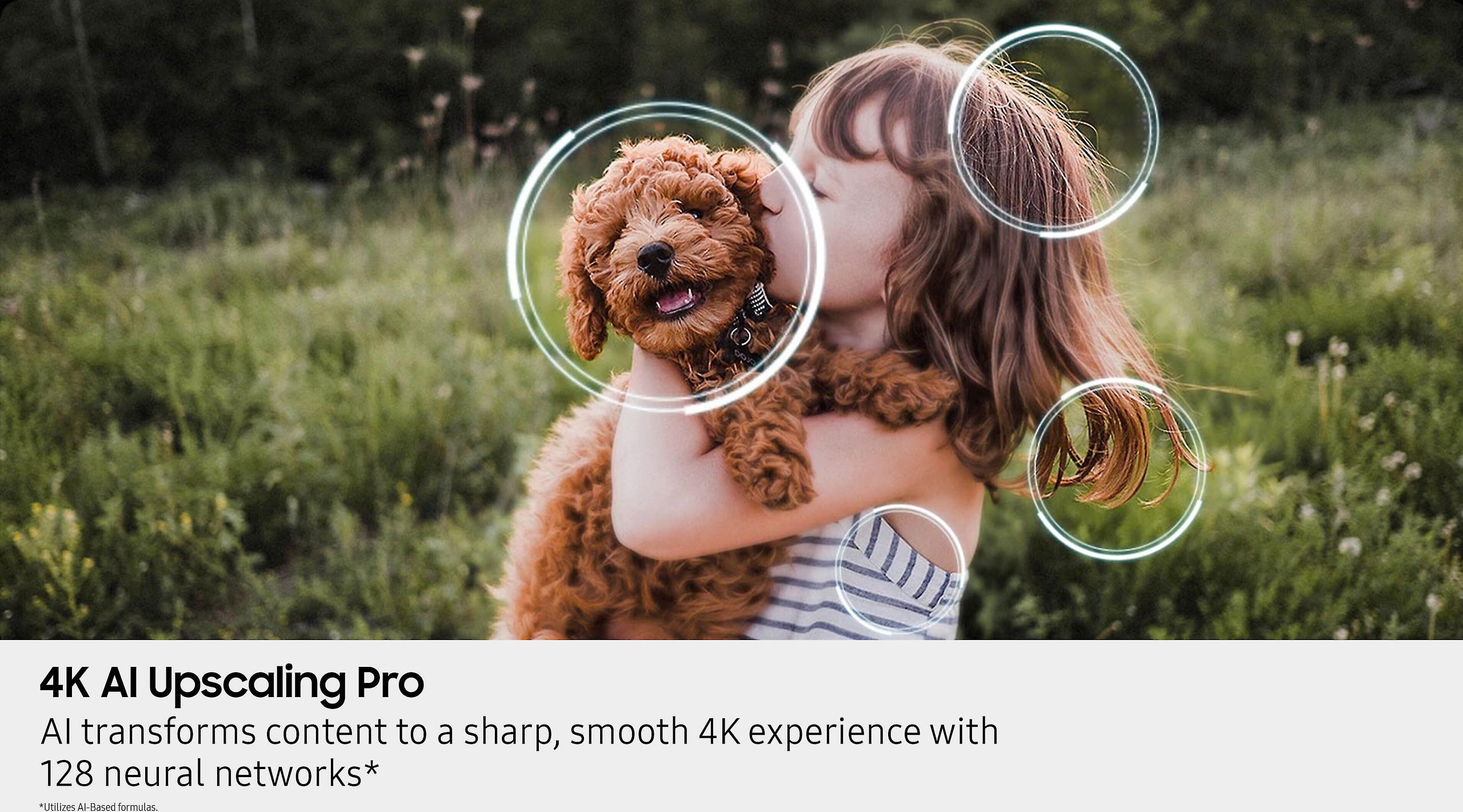
Samsung's 2025 Tizen operating system powers both TVs, but the QN90F includes significantly more advanced AI features. Its NQ4 AI Gen3 processor uses 128 neural networks (compared to the Q8F's basic Q4 processor) to analyze and optimize both picture and sound in real-time.
The QN90F's Vision AI platform represents Samsung's push toward more intelligent TVs. It can recognize different types of content and automatically adjust settings, create generative art wallpapers, and even provide gesture control for basic functions. While some of these features feel gimmicky today, they hint at where TV technology is heading.
More practically, the advanced processor in the QN90F provides superior upscaling of non-4K content. Since much of what we watch - from cable TV to older streaming content - isn't native 4K, good upscaling makes a noticeable difference in everyday viewing quality.
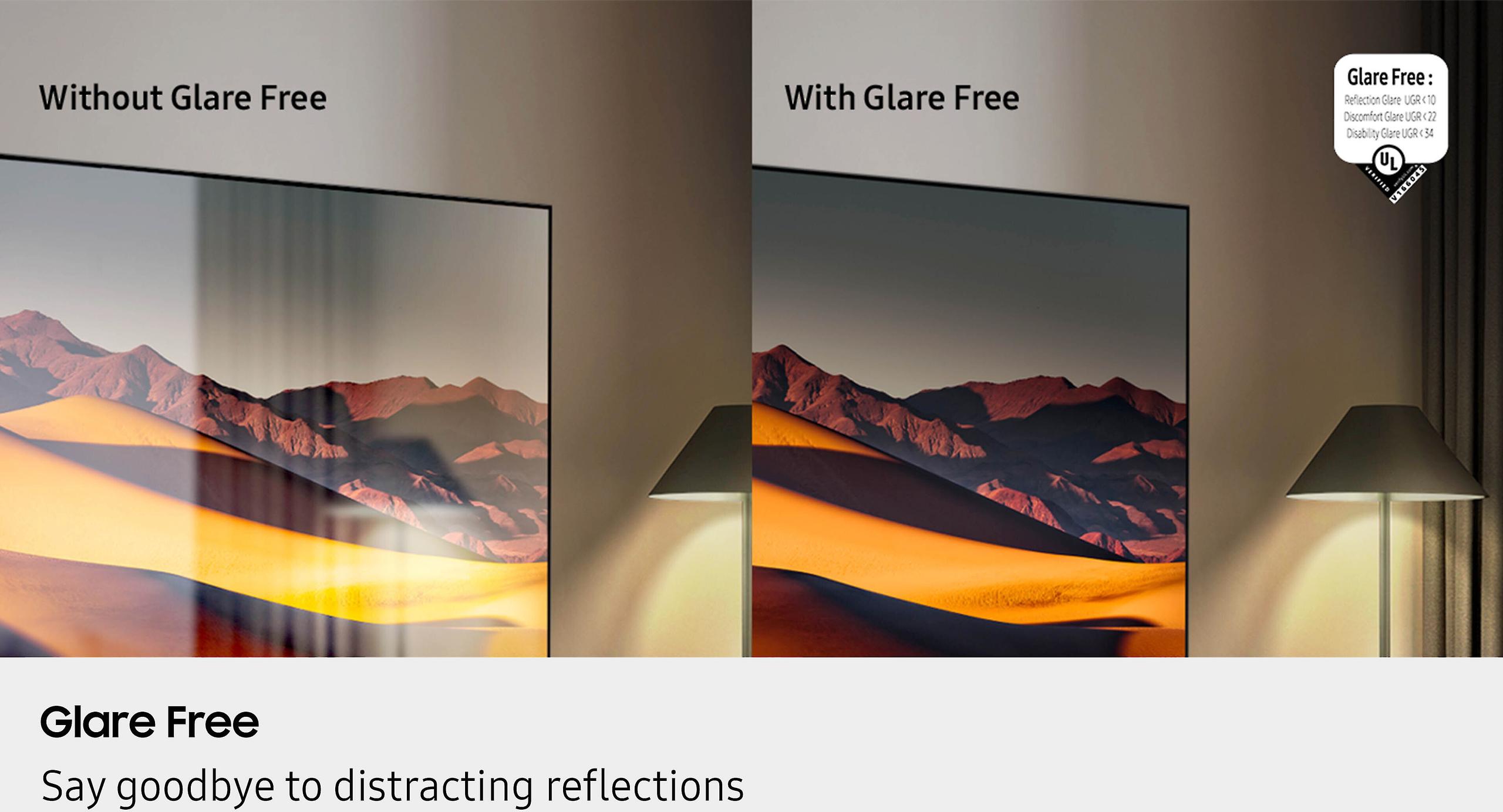
One of the QN90F's standout features is its Glare-Free anti-reflective coating. Traditional TVs, including the Q8F, have glossy screens that can become mirrors in bright rooms, reflecting windows, lamps, and even viewers back at the screen.
The QN90F's matte coating virtually eliminates these reflections while maintaining color accuracy and brightness. This is particularly valuable if your TV is in a living room with large windows or if you prefer watching with lights on. The difference is dramatic - you can actually see the screen clearly even with a bright window directly behind your seating area.
Here's where things get interesting for buyers. At the time of writing, the QN90F is actually priced lower than the Q8F despite being significantly more advanced. This unusual pricing situation makes the QN90F an exceptional value, offering Mini LED technology, advanced AI processing, and superior gaming features for less money than the basic edge-lit model.
This pricing anomaly likely reflects Samsung's strategy to push consumers toward their newer Mini LED technology while clearing inventory of older edge-lit designs. For consumers, it's a rare opportunity to get genuinely premium technology at a lower price point.
If you're building a dedicated home theater or have a room you can darken for movie watching, the QN90F is clearly superior. Its local dimming creates the contrast necessary for cinematic experiences, while its high brightness ensures HDR content displays as intended.
The Q8F can certainly display movies, but it lacks the contrast control that makes dark scenes truly immersive. In a darkened room, the limitations of edge-lit backlighting become more apparent, with dark scenes appearing washed out compared to Mini LED or OLED alternatives.
For serious home theater enthusiasts, it's worth noting that neither TV supports Dolby Vision, and the QN90F doesn't passthrough certain audio formats like DTS through its eARC connection. These limitations might matter if you have high-end audio equipment or prefer Dolby Vision content.
Based on our research and analysis of expert and user reviews, the decision is fairly straightforward in most scenarios.
Choose the QN90F Neo QLED if you:
Choose the Q8F QLED if you:
Given the current market positioning and pricing, the scenarios favoring the Q8F are quite limited. The QN90F delivers superior performance across almost every metric while costing less, making it the obvious choice for most buyers.
Samsung's 2025 TV lineup reflects the industry's broader shift toward Mini LED technology, with the QN90F representing the new standard for premium television performance. Its combination of advanced backlighting, AI processing, gaming features, and glare reduction creates a significantly better viewing experience than traditional edge-lit designs like the Q8F.
The unusual pricing situation makes this decision even easier - getting genuinely superior technology for less money is rare in consumer electronics. While the QN90F isn't perfect (particularly its Game Mode limitations), it offers exceptional value for anyone seeking a high-quality 65-inch TV in 2025.
For most buyers, the QN90F represents the sweet spot between performance and price in Samsung's current lineup, delivering premium features without the premium price tag typically associated with cutting-edge display technology.
| Samsung 65" QLED Q8F | Samsung 65" QN90F Neo QLED |
|---|---|
| Backlighting Technology - The most critical factor affecting picture quality | |
| Edge-lit LED (no local dimming) | Mini LED with 900+ local dimming zones |
| Peak HDR Brightness - Determines how impactful highlights appear | |
| ~1,000+ nits (good for most content) | 2,086 nits (exceptional for HDR movies and bright rooms) |
| Refresh Rate - Critical for gaming and sports smoothness | |
| 120Hz (adequate for most gaming) | 165Hz (premium gaming performance) |
| Screen Coating - Affects viewing in bright rooms | |
| Glossy (reflective in bright lighting) | Glare-Free matte coating (virtually eliminates reflections) |
| Processor & AI Features - Impacts upscaling and smart capabilities | |
| Q4 AI Processor (basic features) | NQ4 AI Gen3 with 128 neural networks (advanced Vision AI) |
| Audio System - Important if not using external speakers | |
| 20W 2-channel with OTS Lite | 60W 4.2.2-channel with Dolby Atmos and Object Tracking Sound+ |
| HDMI 2.1 Ports - Essential for next-gen gaming | |
| Standard HDMI configuration | Four full-bandwidth HDMI 2.1 ports supporting 4K@165Hz |
| Local Dimming Zones - Controls contrast and black levels | |
| None (fundamental limitation) | 900+ zones (precise light control for deep blacks) |
| Gaming Features - Matters for console and PC gaming | |
| Basic VRR support at 120Hz | Advanced VRR, FreeSync Premium Pro at 165Hz |
| Smart TV Calibration - For picture quality enthusiasts | |
| Basic calibration options | Expert calibration via SmartThings app |
| Design Profile - Affects mounting and aesthetics | |
| AirSlim design (very thin) | Ultra-thin despite Mini LED backlighting |
| HDR Format Support - Compatibility with premium content | |
| HDR10+ (no Dolby Vision) | HDR10+ (no Dolby Vision) |
| Value Proposition - Performance per dollar at time of writing | |
| Higher price for basic edge-lit technology | Lower price despite premium Mini LED features |
The Samsung QN90F Neo QLED has significantly better picture quality than the Samsung Q8F. The QN90F uses Mini LED technology with over 900 local dimming zones, allowing it to display deeper blacks and brighter highlights simultaneously. The Q8F uses edge-lit backlighting without local dimming, which limits its contrast performance and makes dark scenes appear washed out.
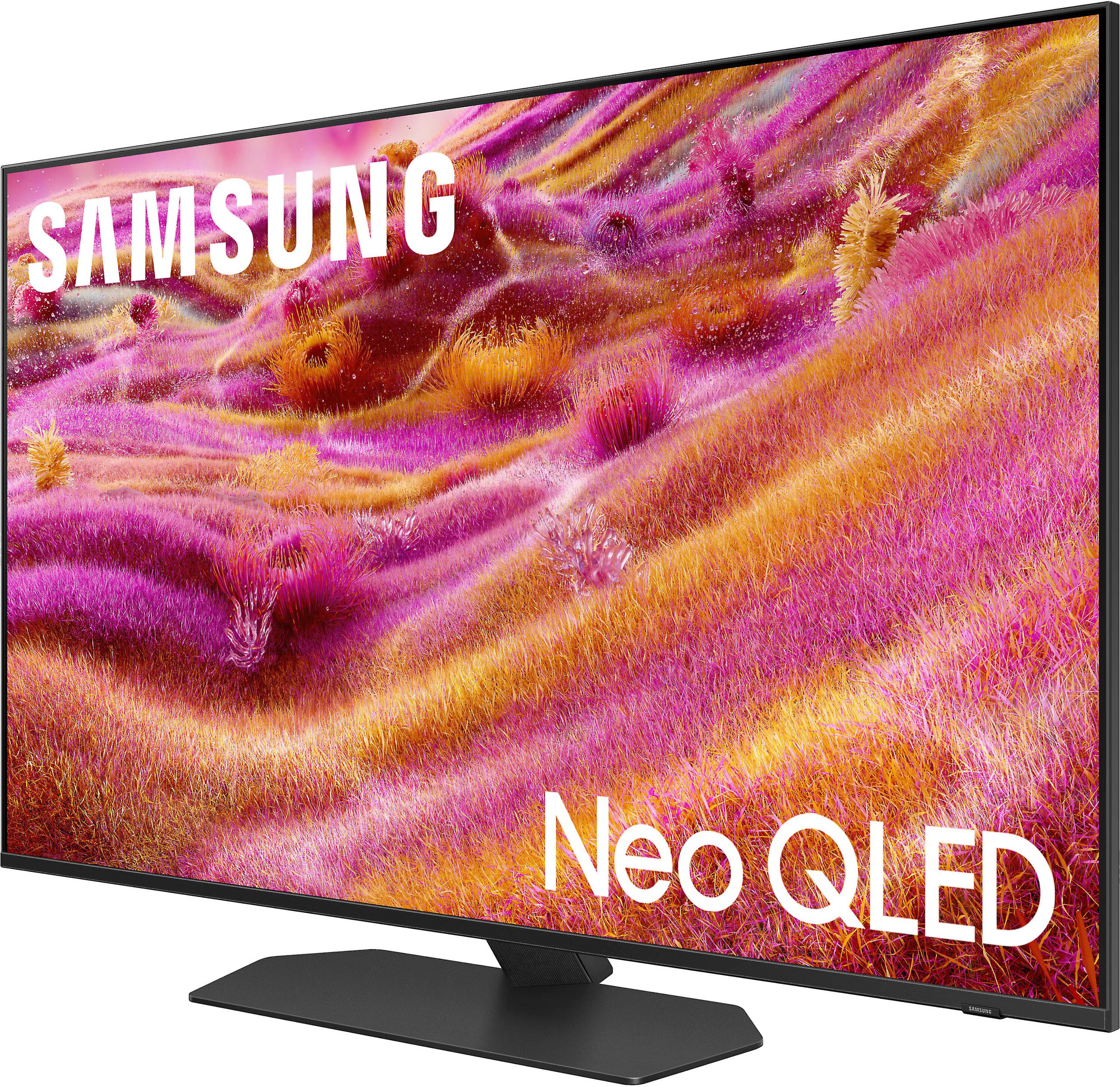
Both the Q8F and QN90F use QLED (Quantum Dot) technology for enhanced colors, but Neo QLED in the QN90F adds Mini LED backlighting with thousands of tiny LEDs for precise light control. Regular QLED in the Q8F uses traditional edge-lit LEDs around the screen's perimeter, which can't control brightness in specific areas of the screen.
The Samsung QN90F is superior for gaming with its 165Hz refresh rate, four HDMI 2.1 ports, and advanced VRR support. The Samsung Q8F offers 120Hz gaming, which is adequate for most players, but serious gamers will appreciate the QN90F's smoother performance and future-proof connectivity.
The QN90F Neo QLED excels in bright rooms thanks to its Glare-Free anti-reflective coating and higher peak brightness of over 2,000 nits. The Q8F has a glossy screen that reflects light sources, making it less ideal for rooms with large windows or bright lighting.
The Samsung QN90F offers advanced Vision AI features powered by the NQ4 AI Gen3 processor with 128 neural networks, including gesture control and superior content upscaling. The Q8F uses a basic Q4 processor with standard smart TV functionality but lacks the advanced AI capabilities of the QN90F.
The QN90F Neo QLED has a superior 4.2.2-channel audio system with 60W power, Dolby Atmos, and Object Tracking Sound+ that moves audio with on-screen action. The Samsung Q8F features a basic 2-channel 20W system that's adequate for casual viewing but lacks the immersive audio experience of the QN90F.
Despite being more advanced, the Samsung QN90F typically costs less than the Q8F at the time of writing, making it exceptional value. You get Mini LED technology, advanced AI features, better gaming performance, and superior audio for less money than the basic edge-lit Q8F.
For home theater enthusiasts, the QN90F Neo QLED is clearly superior with its local dimming zones creating the contrast necessary for cinematic experiences. Dark movie scenes appear truly dark while bright highlights pop off the screen. The Samsung Q8F lacks this contrast control, making dark scenes appear gray and washed out in a darkened room.
Both the Samsung Q8F and QN90F Neo QLED support HDR10+ with dynamic metadata that optimizes each scene. However, neither supports Dolby Vision, which is a limitation across Samsung's TV lineup. The QN90F displays HDR content much better due to its higher brightness and local dimming capabilities.
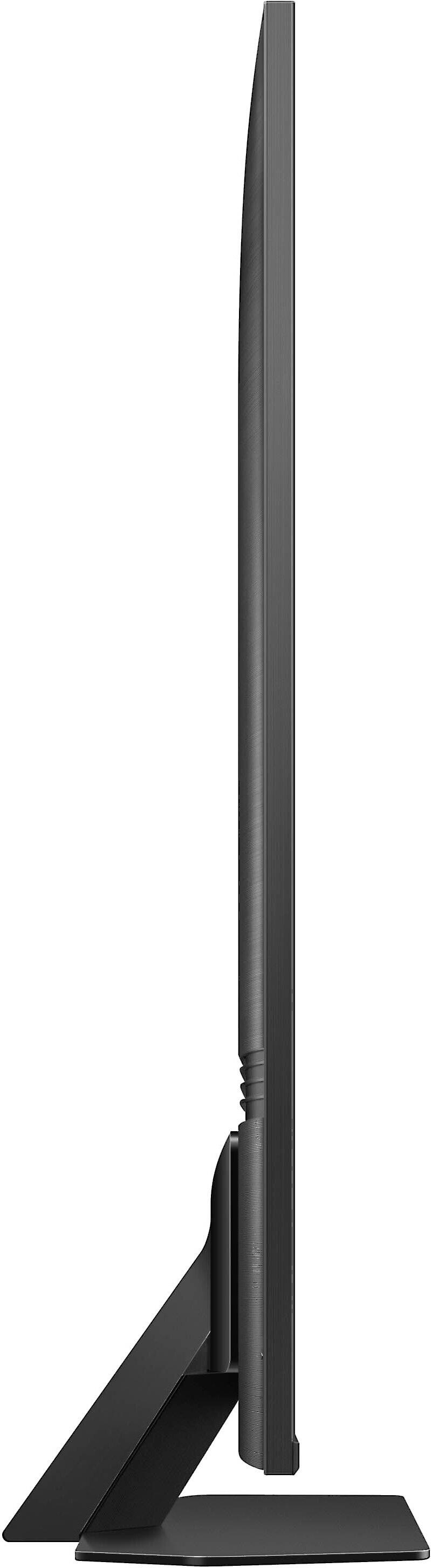
Both TVs feature slim designs suitable for wall mounting, but the Q8F has Samsung's AirSlim profile that's exceptionally thin due to its edge-lit design. The Samsung QN90F is also very thin despite housing Mini LED backlighting technology, and both support standard VESA mounting patterns.
The Samsung QN90F includes Wide Viewing Angle technology that maintains color and contrast when viewed from the side, making it better for large rooms or group viewing. The Q8F has more limited viewing angles, with colors and contrast degrading more noticeably when viewed off-center.
Choose the Samsung QN90F Neo QLED for most living room setups - it offers better picture quality, gaming performance, and smart features while typically costing less than the Q8F. The QN90F's glare-free screen and high brightness make it ideal for bright living spaces, while its advanced features ensure it remains relevant for years to come.
We've done our best to create useful and informative comparisons to help you decide what product to buy. Our research uses advanced automated methods to create this comparison and perfection is not possible - please contact us for corrections or questions. These are the sites we've researched in the creation of this article: bestbuy.com - rtings.com - tomsguide.com - youtube.com - samsung.com - youtube.com - youtube.com - youtube.com - rtings.com - rtings.com - linqcdn.avbportal.com - bestbuy.com - samsung.com - samsung.com - samsung.com - youtube.com - youtube.com - billsmith.com - samsung.com - samsung.com - samsung.com - hometechnologyreview.com - shopjetson.com - certappl.com - samsung.com - theapplianceplug.com - samsung.com - manuals.plus - bestbuy.com - device.report - samsung.com - shopsilica.com - dentonstv.com - rtings.com - images.samsung.com - youtube.com - listenup.com - youtube.com - cullenshomecenter.com - shopjetson.com - youtube.com - samsung.com - samsung.com - videoandaudiocenter.com - rtings.com - bestbuy.com - news.samsung.com - news.samsung.com - news.samsung.com - bestbuy.com - news.samsung.com - youtube.com - news.samsung.com - youtube.com - smarthomesounds.co.uk

Privacy Policy
Terms and Conditions - Affiliate Policy
Home Security
© Copyright 2008-2026.
11816 Inwood Rd #1211, Dallas, TX 75244