

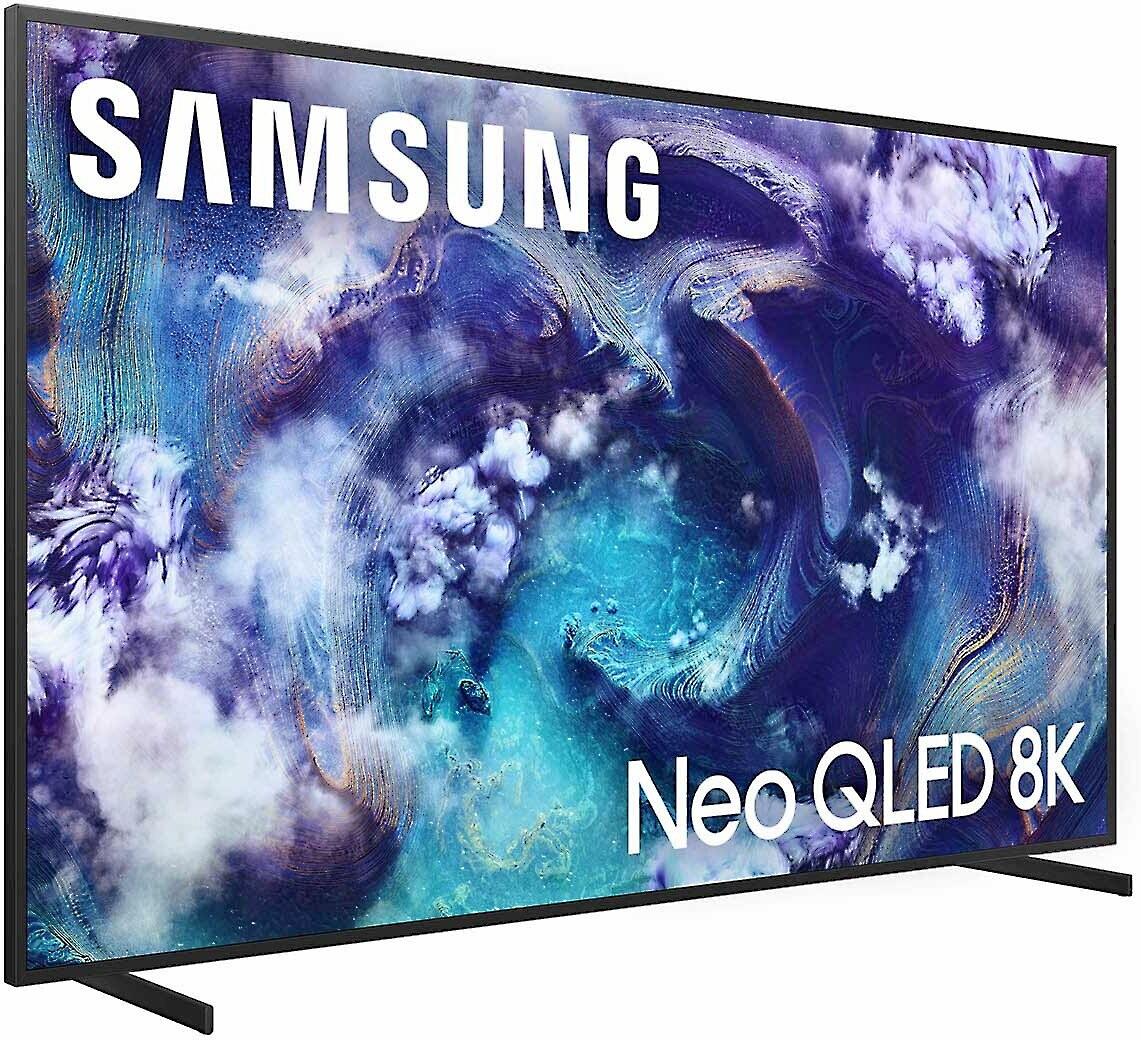
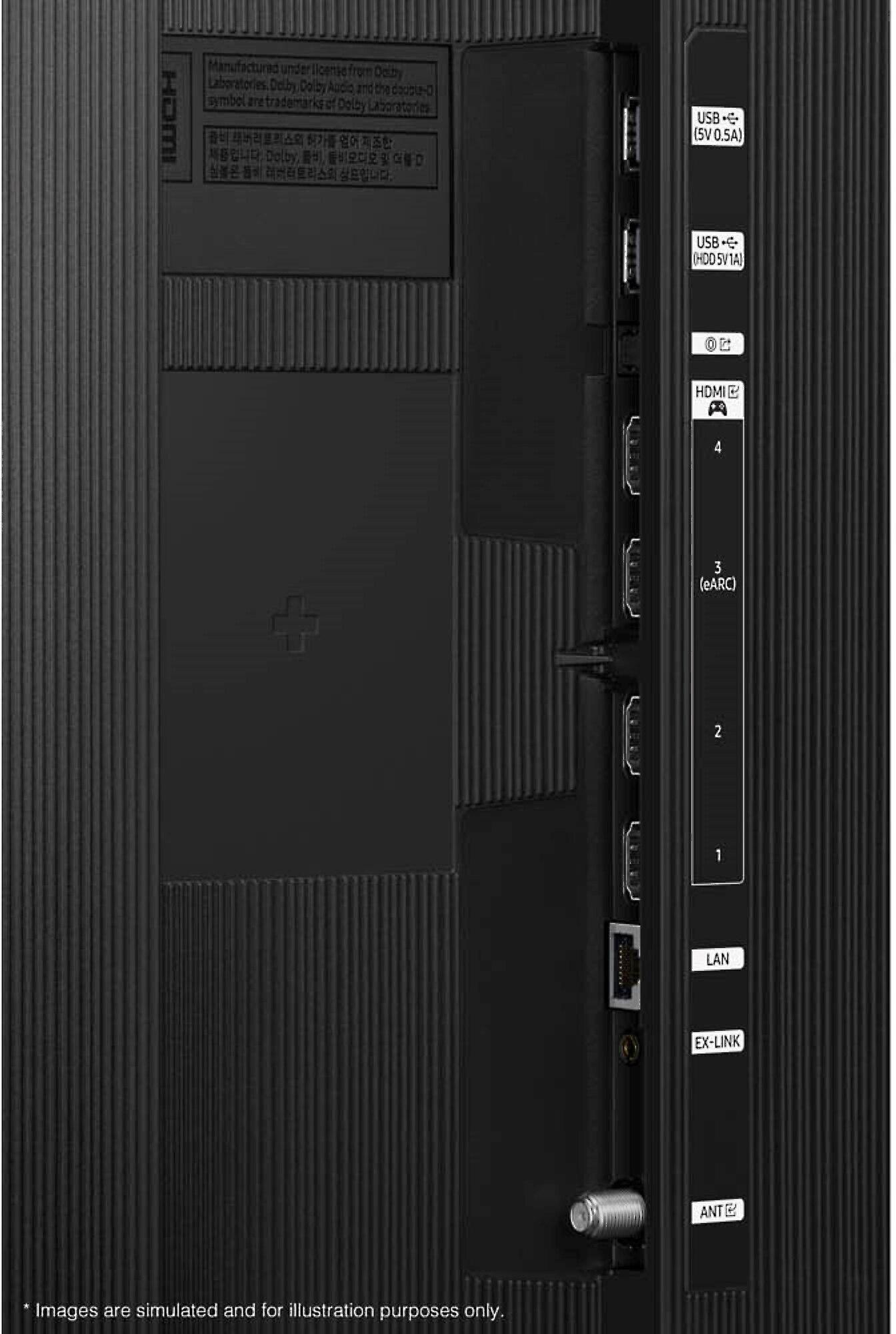
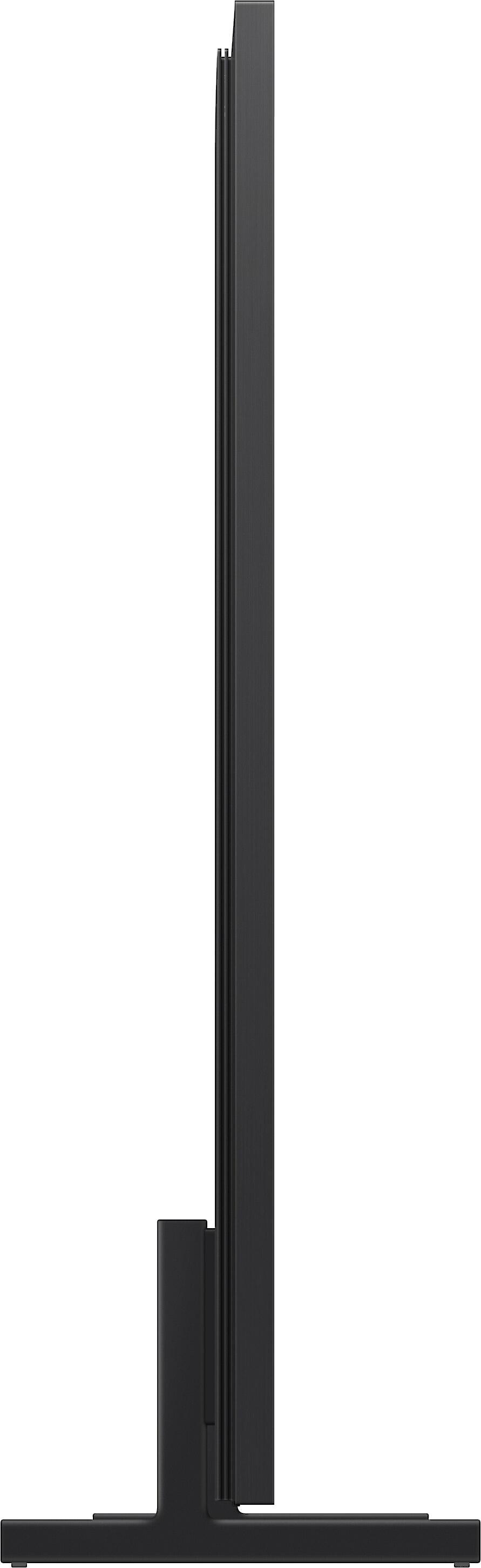
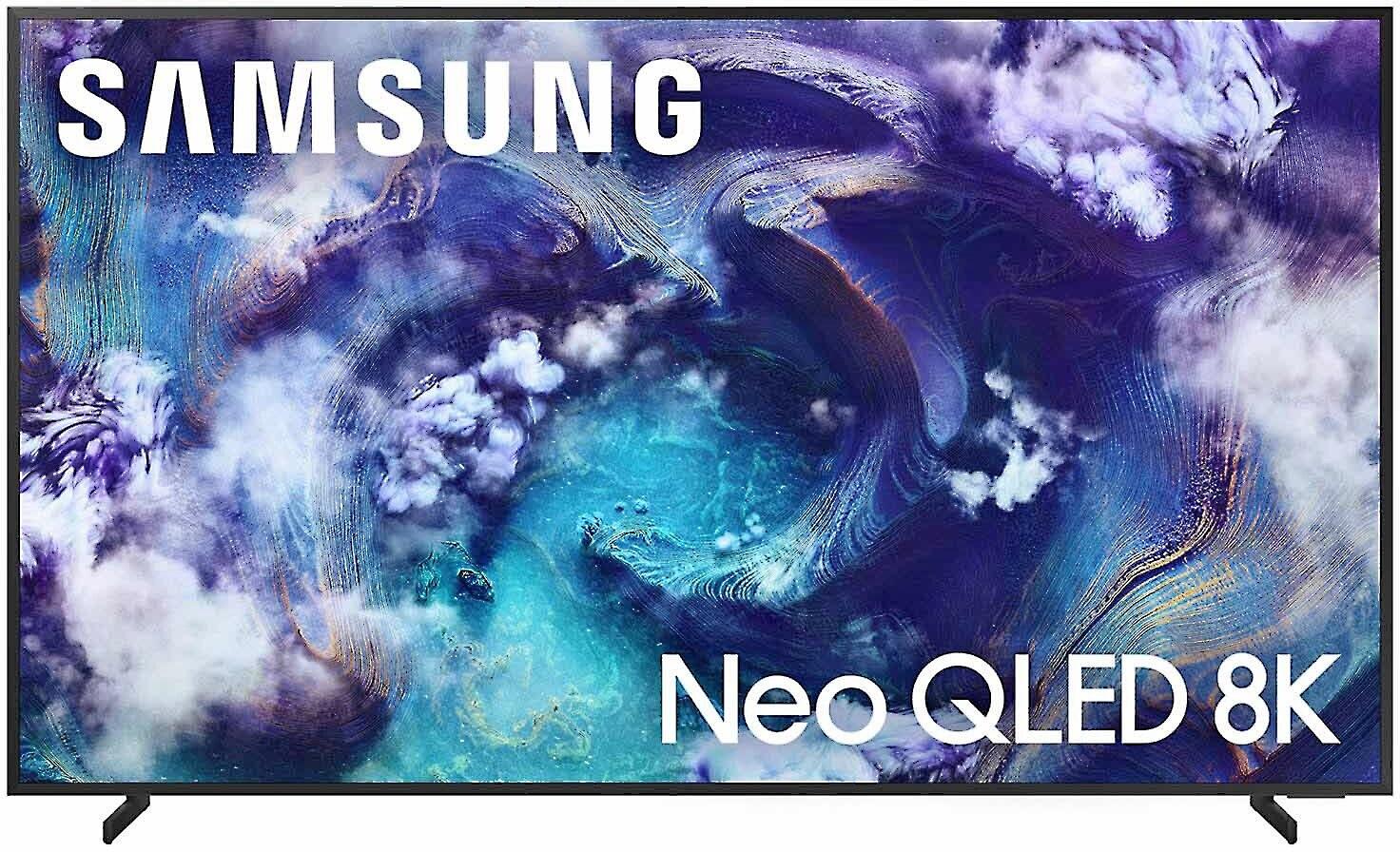
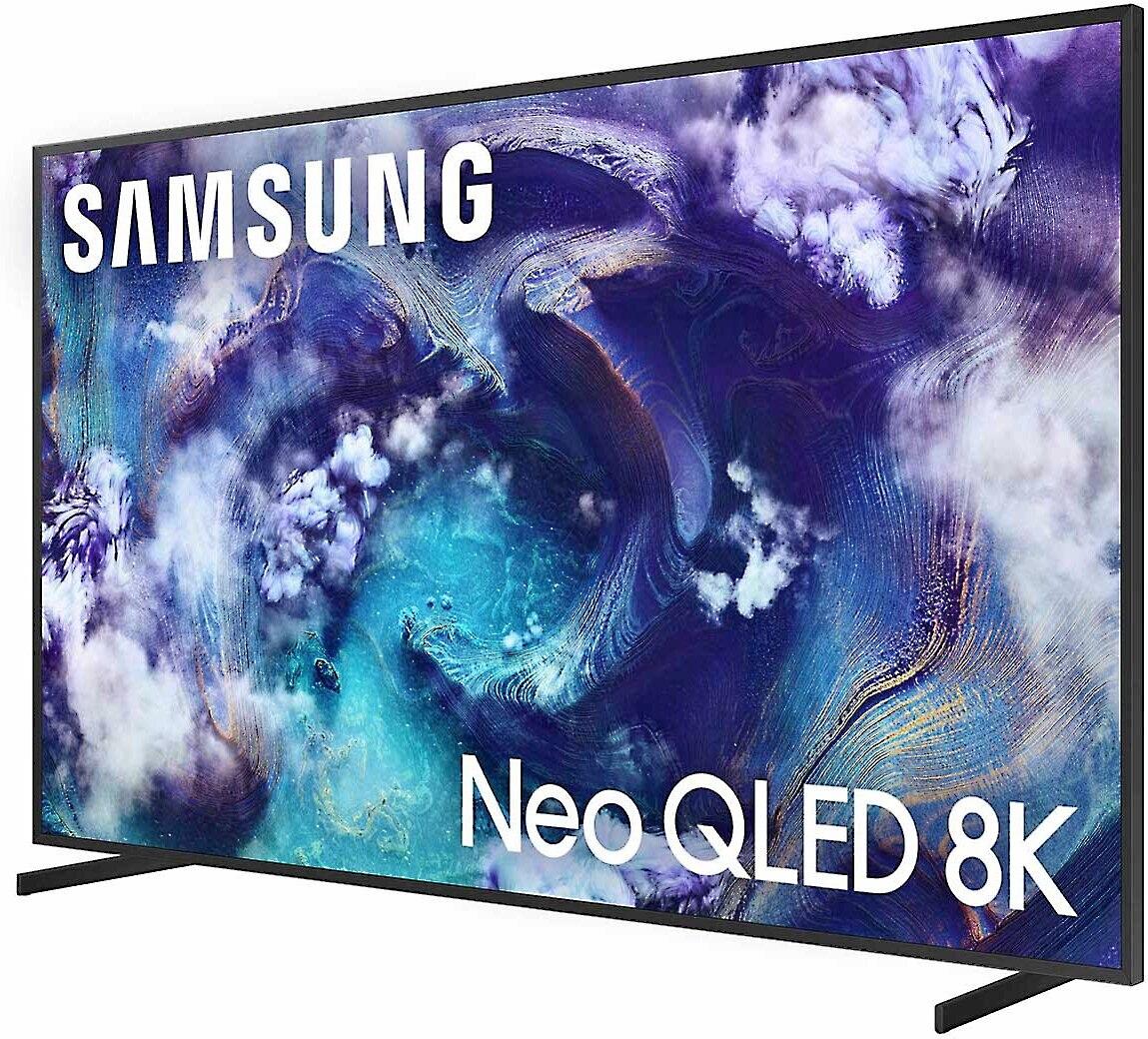
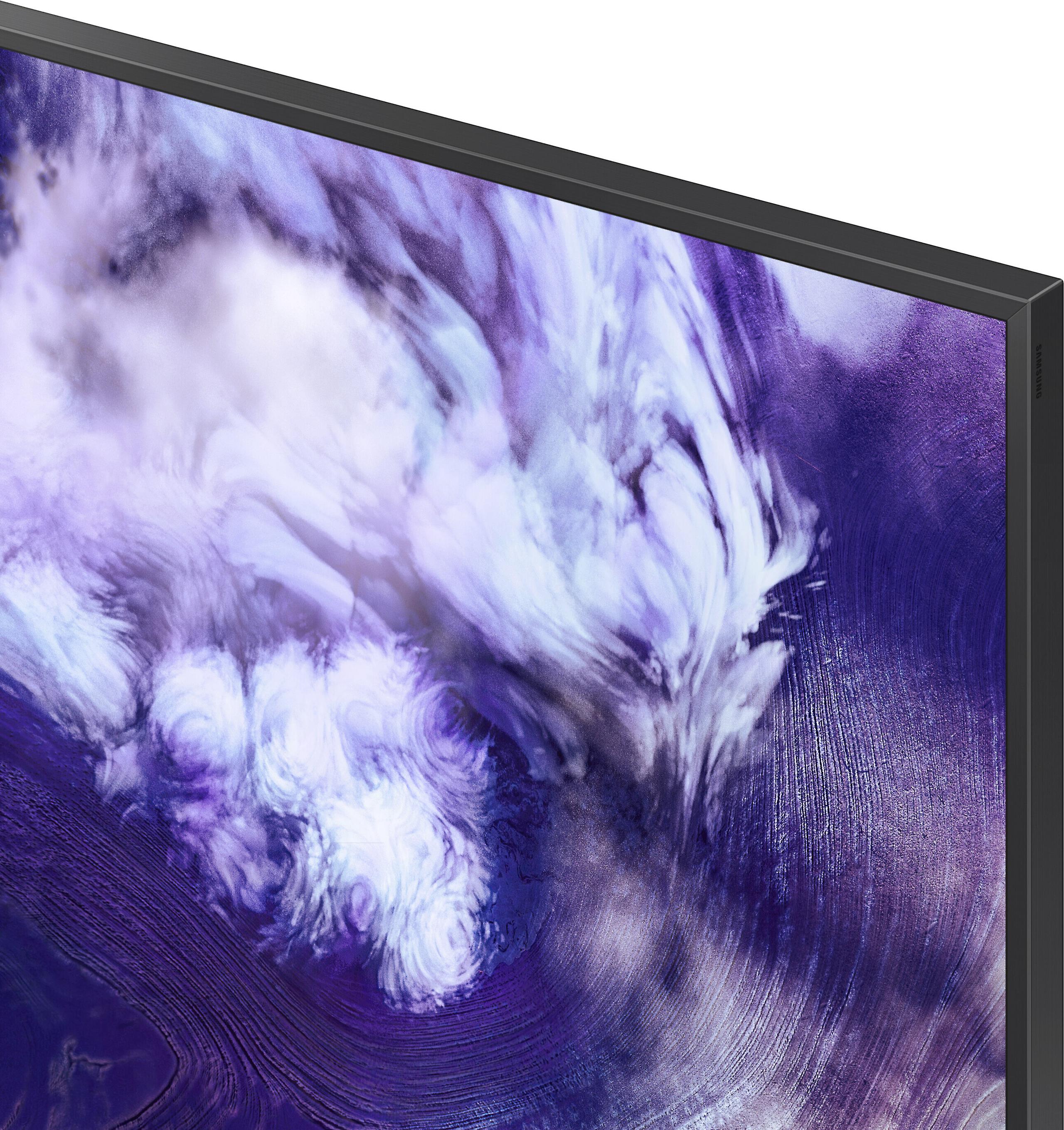

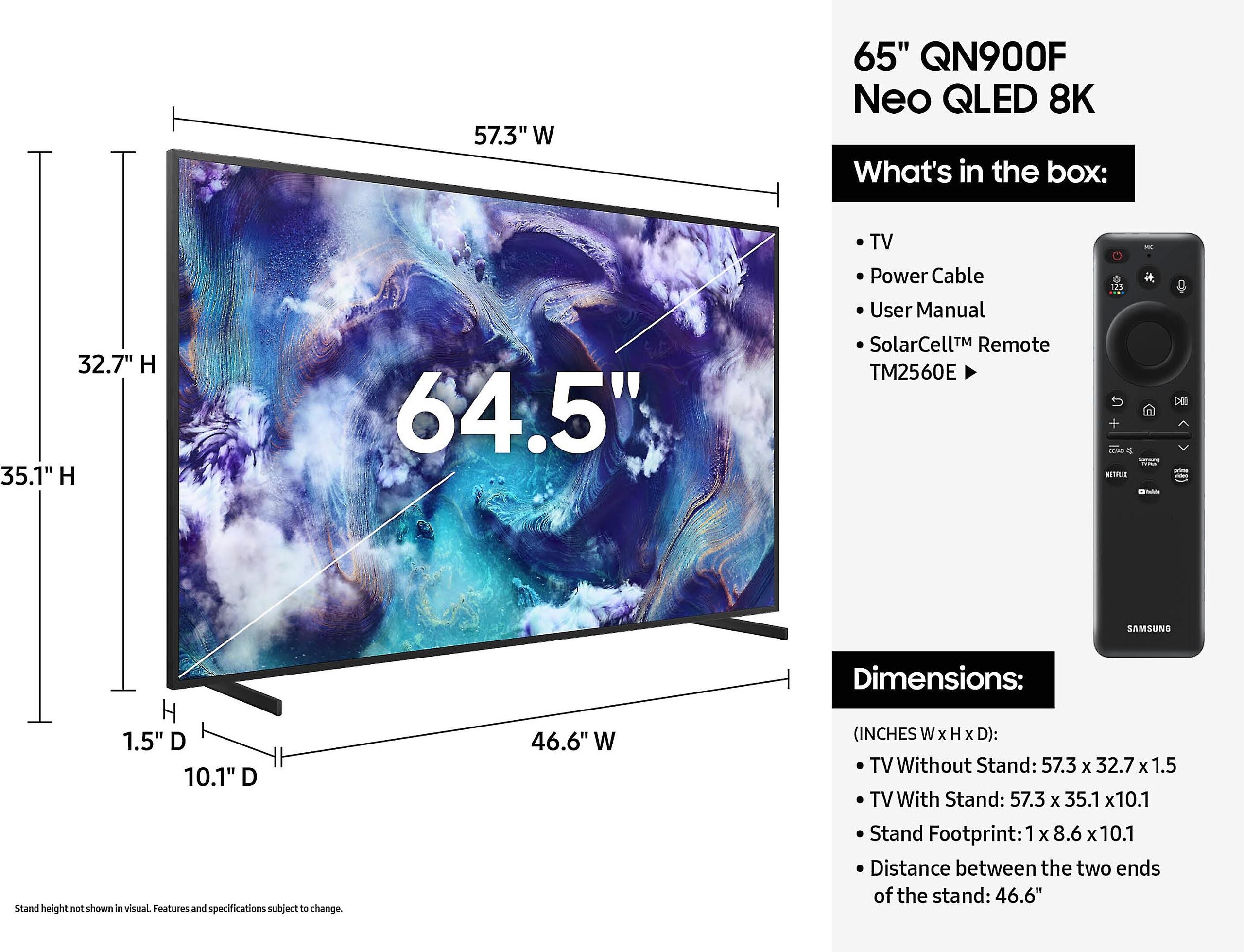
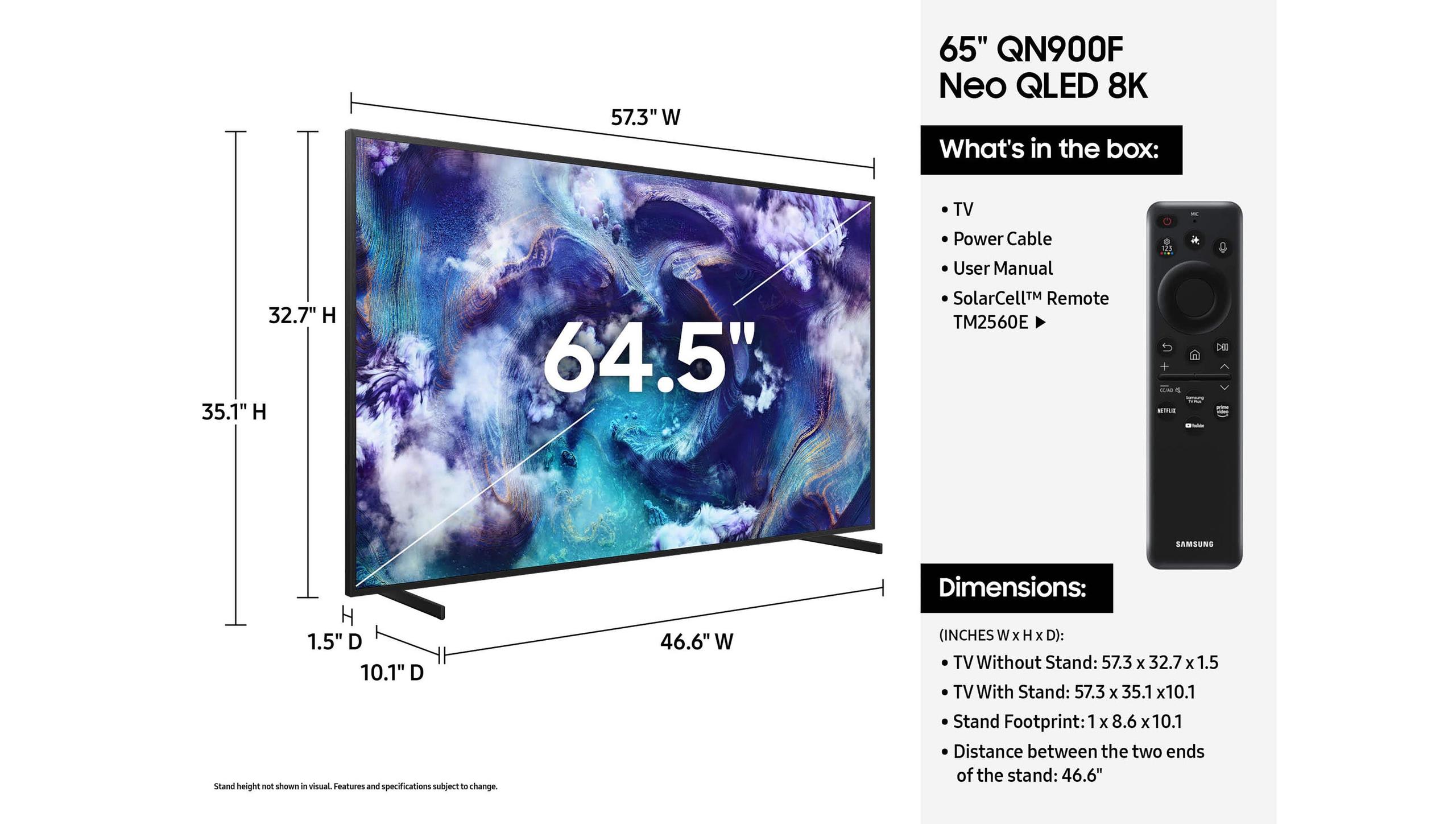
When you're shopping for a premium 65-inch Samsung TV in 2025, you'll likely encounter two models that seem similar but deliver vastly different experiences: the Samsung 65" QLED Q8F 4K Smart TV and the Samsung 65" Neo QLED 8K QN900F Vision AI Smart TV. While both carry Samsung's QLED branding, they represent completely different approaches to display technology—and surprisingly, the more advanced model often costs less.
This comparison isn't just about 4K versus 8K resolution. We're looking at fundamentally different display architectures, processing capabilities, and performance levels that affect everything from how Netflix looks in your living room to whether you can actually see the TV clearly when sunlight streams through your windows.
Premium TVs in 2025 have evolved far beyond simple resolution upgrades. The most important technical advancement has been backlighting technology—how the TV actually creates the light that illuminates your picture. Traditional LCD TVs use edge-lit LEDs (light sources positioned only around the screen's edges), while newer models employ full-array local dimming with thousands of individually controlled LED zones.
Think of it like the difference between a single ceiling light illuminating your entire room versus having precise spotlights that can brighten or dim specific areas independently. This control over light placement is crucial for creating the deep blacks and brilliant highlights that make HDR content look truly cinematic.
The processing power behind these displays has also transformed dramatically. Modern TV processors use artificial intelligence to analyze every frame in real-time, making decisions about color, brightness, and sharpness faster than traditional fixed algorithms ever could. This AI processing is particularly important for upscaling—the process of taking lower-resolution content and intelligently adding detail to match your TV's native resolution.
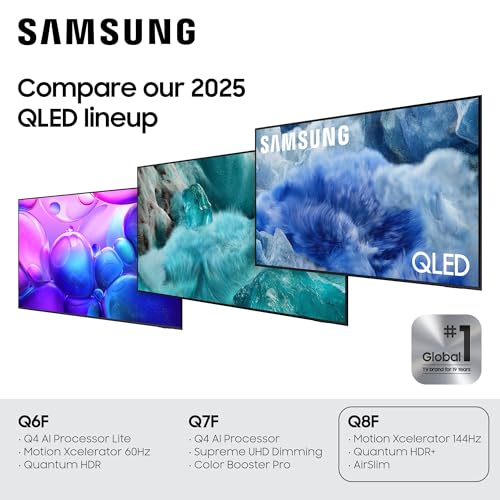
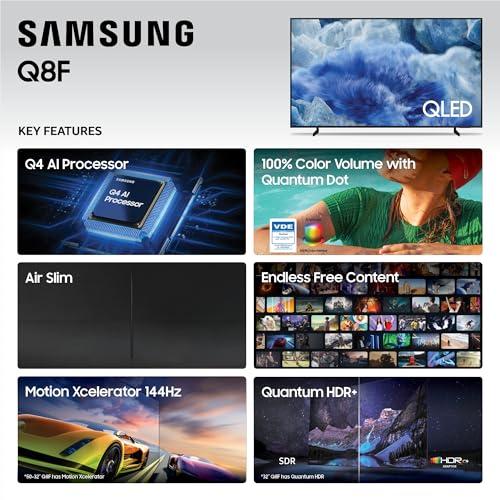
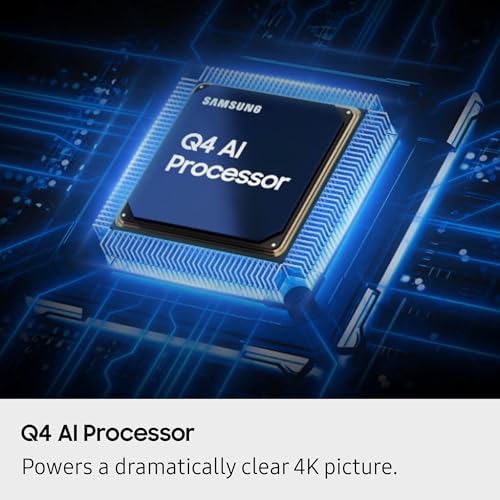
The Q8F represents Samsung's entry-level QLED approach, using edge-lit LED backlighting with Samsung's Quantum Dot color technology. Released in 2025 as part of Samsung's effort to bring QLED benefits to more affordable price points, it delivers the brand's signature bright, colorful picture quality but with significant compromises in contrast performance.
The QN900F, also from 2025, showcases Samsung's most advanced Mini LED Pro technology. Mini LEDs are dramatically smaller than traditional LEDs—about 1/40th the size—allowing Samsung to pack thousands of them behind the screen for precise local dimming. Combined with 8K resolution and Samsung's most powerful AI processor, it represents the current pinnacle of LCD TV technology.
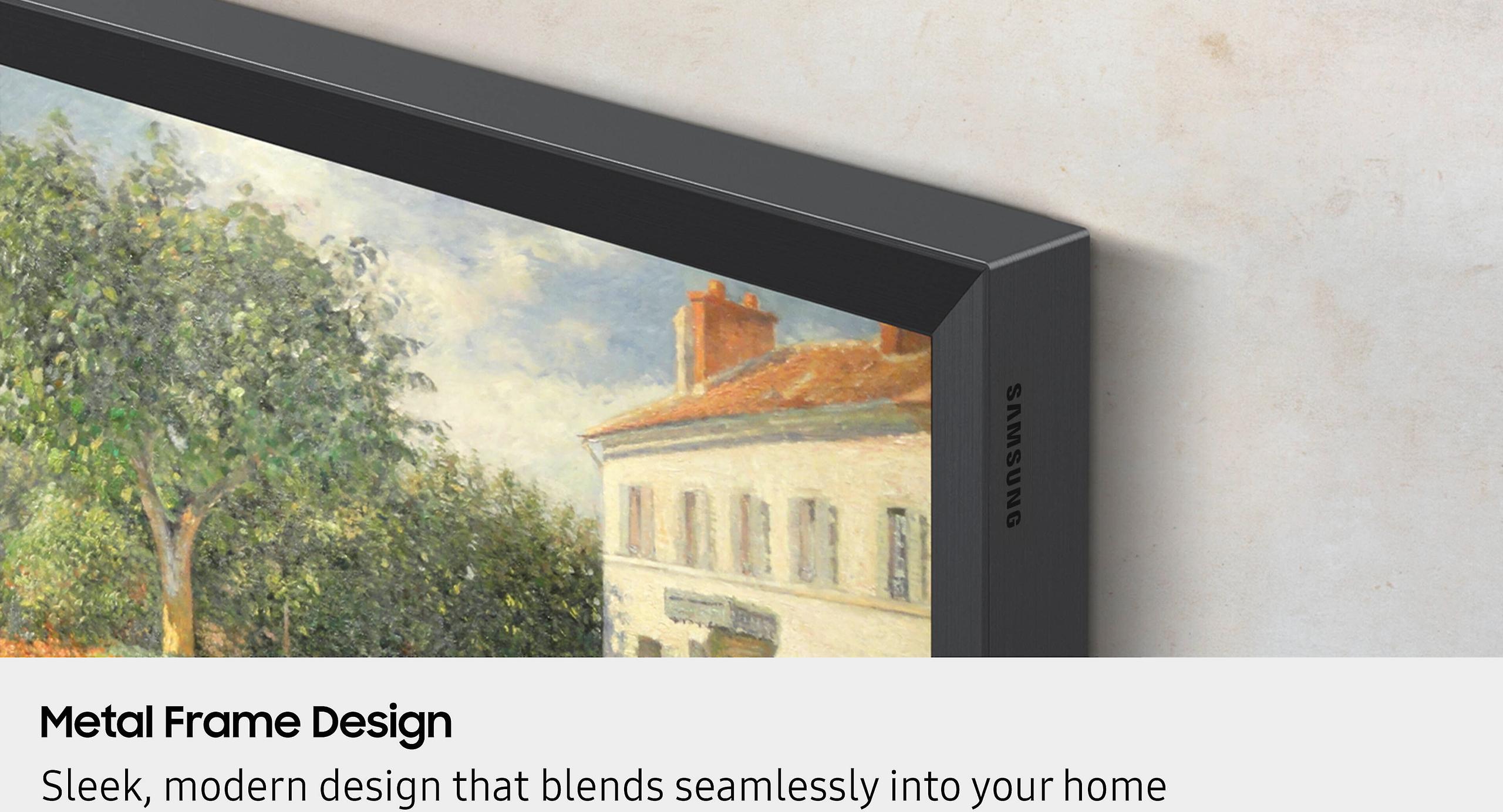
The core difference isn't subtle. Edge-lit designs like the Q8F simply cannot create true black levels because light from the edges always bleeds across the entire screen. When you watch a movie with dark scenes, you'll see grayish blacks instead of the deep, inky darkness that makes contrast pop. The QN900F's Mini LED array can turn off specific zones completely, creating blacks that rival OLED TVs while maintaining much higher brightness levels.
Brightness and Contrast Performance
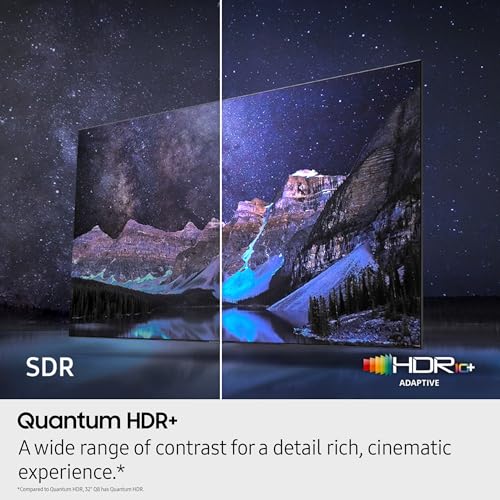
The QN900F achieves what reviewers consistently describe as "extreme brightness" with its Mini LED Pro backlight. In practical terms, this means HDR content like Dolby Vision movies on Netflix or Disney+ will show brilliant highlights—think sunlight reflecting off water or explosions in action scenes—while maintaining deep shadows simultaneously. The TV can display over 4,000 nits of peak brightness in small areas while keeping adjacent dark zones completely black.
The Q8F's edge-lit design produces good overall brightness for daytime viewing, but it cannot achieve the same contrast ratio. Dark movie scenes will appear grayish rather than truly black, and bright HDR highlights won't pop with the same intensity. This limitation becomes particularly noticeable in dark room viewing, where the superior contrast of proper local dimming makes the biggest visual impact.
Color Accuracy and Volume
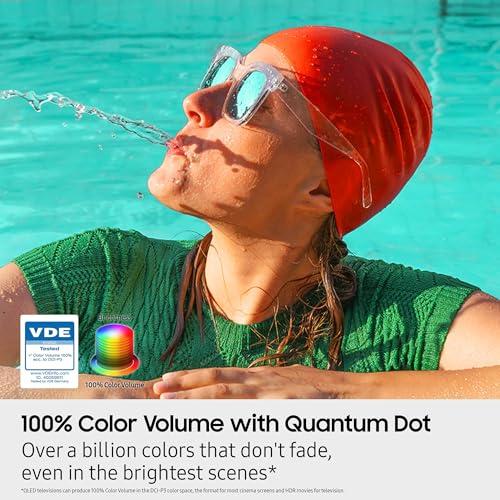
Both TVs use Samsung's Quantum Dot technology, which creates more accurate colors across the brightness spectrum than traditional LCD displays. However, the QN900F adds Color Booster Pro, an AI-driven system that analyzes each scene and adjusts color saturation, hue, and brightness in real-time. Based on our research into user and expert reviews, this results in more natural skin tones and more vibrant landscapes without the oversaturated look that can make some TVs appear artificial.
The Q8F delivers Samsung's signature bright, punchy colors but lacks the intelligent optimization. Colors remain consistent and accurate, but you won't get the scene-by-scene refinement that makes the QN900F particularly impressive with varied content.
Viewing Environment Considerations
Here's where Samsung made a crucial design decision that dramatically affects real-world performance. The QN900F features a matte "Glare-Free" coating that virtually eliminates reflections from windows, lamps, or overhead lighting. In bright living rooms—which describes most homes—this coating allows you to actually see the picture clearly regardless of ambient light.
The Q8F uses a traditional glossy screen that can become a mirror when light hits it directly. While this produces slightly more vibrant colors in dark rooms, it can make daytime viewing frustrating if you can't control room lighting perfectly.
The resolution difference between these models goes beyond simple pixel counting. The Q8F delivers 4K resolution at 3,840 x 2,160 pixels—perfectly adequate for current streaming content and Blu-ray movies. Most content today is produced in 4K or lower, so you're seeing everything at its native quality.
The QN900F's 8K resolution (7,680 x 4,320 pixels) provides four times more detail, but the real advantage comes from its NQ8 AI Gen2 Processor with 256 neural networks. This processor doesn't just resize lower-resolution content—it actively reconstructs detail that wasn't there originally.
AI Upscaling in Practice
When you watch HD content from cable TV or older Netflix shows, the QN900F's AI analyzes textures, edges, and patterns to intelligently add detail. Faces appear sharper with more natural skin texture, text becomes clearer, and landscapes show enhanced depth. The AI can distinguish between different types of content—recognizing that a nature documentary needs different processing than an animated movie—and adjust accordingly.
The Q8F's basic upscaling simply enlarges pixels without intelligent enhancement. While perfectly watchable, you won't see the same level of detail restoration, particularly with heavily compressed streaming content or lower-quality sources.
Based on expert reviews we've analyzed, the upscaling difference is most noticeable on large screens with varied content sources. If you frequently watch older TV shows, YouTube videos, or cable programming, the QN900F's processing advantage becomes a significant quality-of-life improvement.
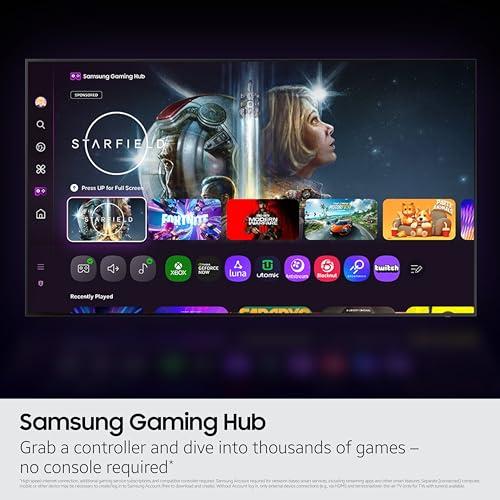
Both TVs support 120Hz refresh rates and Variable Refresh Rate (VRR) technology, making them suitable for PlayStation 5 and Xbox Series X gaming. However, their approaches to motion handling differ significantly.
The QN900F includes AI Motion Enhancer, which recognizes different types of on-screen movement and applies appropriate smoothing. Text scrolling receives different treatment than character movement, reducing motion blur without creating the artificial "soap opera effect" that some motion processing can introduce.
For competitive gaming, the QN900F's superior processing and local dimming create better shadow detail in dark game environments—crucial for spotting enemies in games like Call of Duty or Valorant. The enhanced contrast also makes HDR gaming more impactful, with better representation of bright explosions and dark corners within the same frame.
The Q8F provides solid gaming performance with low input lag and smooth motion, but lacks the processing refinements that can enhance visual clarity during fast-paced action.
Television audio has improved dramatically in recent years, and the difference between these models is substantial. The QN900F features a 4.2.2 channel speaker system with 70W of power output, including dedicated top-firing speakers for Dolby Atmos support. Object Tracking Sound Plus actually moves audio around the screen to follow on-screen action—when a helicopter flies from left to right, you hear it move accordingly.
The Q8F includes a more basic 2-channel system with 20W output and OTS Lite, which provides some directional audio but without the same three-dimensional effect. While both TVs support Q-Symphony (which allows them to work in harmony with Samsung soundbars), the QN900F's built-in audio is significantly more capable for viewers who don't want to invest in additional speakers.
In our evaluation of user reviews, many QN900F owners report being surprised by the audio quality—good enough that they didn't feel compelled to immediately purchase a soundbar, unlike many TV buyers.
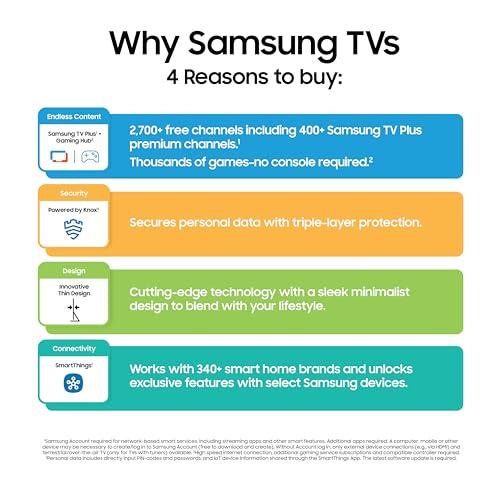
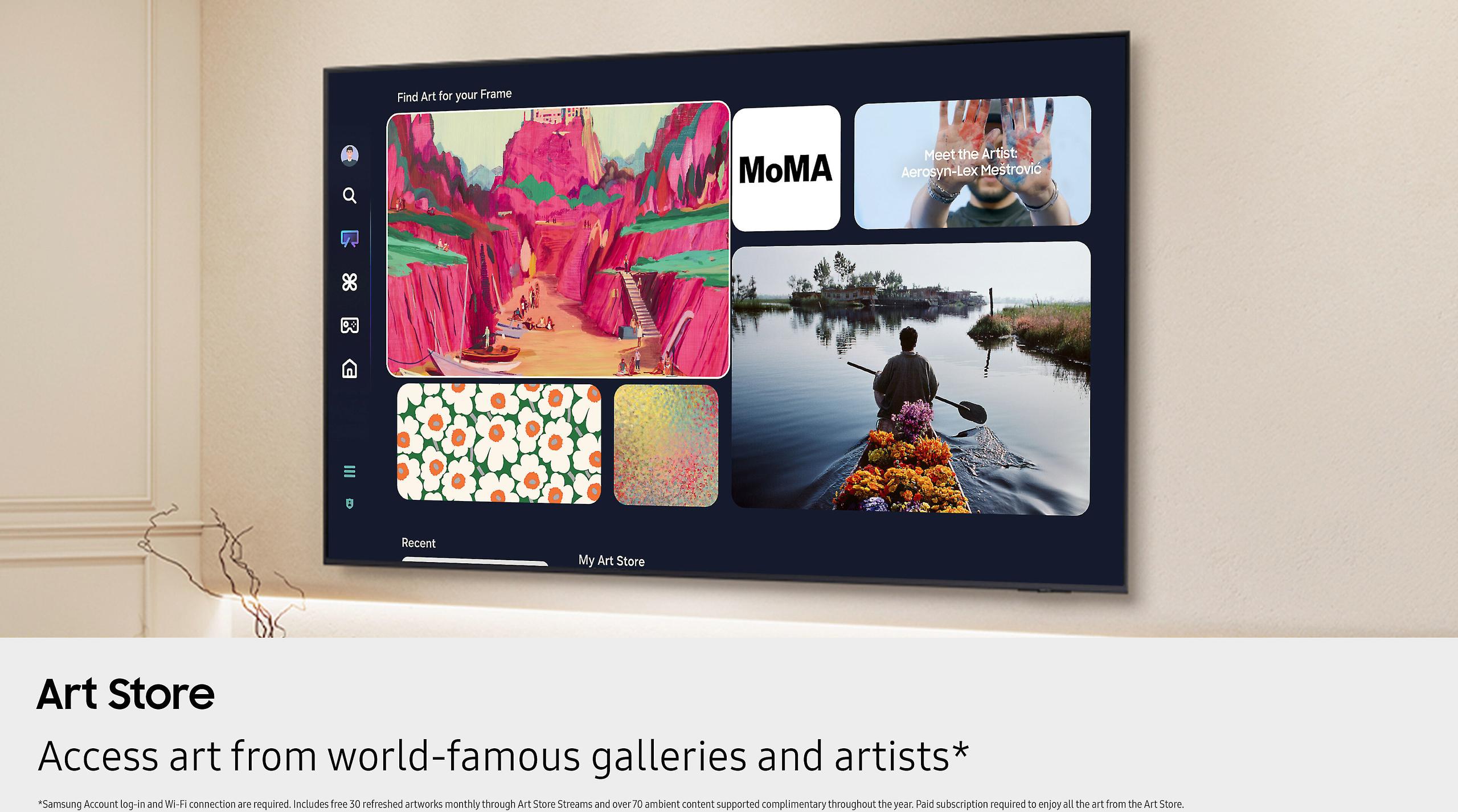
Both TVs run Samsung's Tizen operating system with identical app support for Netflix, Disney+, Prime Video, and other major services. The interface and remote experience are essentially the same, with Samsung's Solar Cell remote (which charges from indoor lighting) included with both models.
The QN900F distinguishes itself through Vision AI integration, which provides more sophisticated content recommendations and voice control. The AI learns viewing patterns and suggests content across different apps, potentially helping you discover shows you might otherwise miss. The far-field microphone system also works more reliably for voice commands, responding accurately from across the room.
For dedicated home theater setups, the QN900F offers several advantages that become more important in dark-room viewing environments. The precise local dimming creates the deep blacks essential for cinematic presentation, while the AI processing helps older movies look their best when upscaled.
The glare-free coating, while beneficial in bright rooms, does slightly reduce the absolute color saturation compared to glossy screens in perfectly dark environments. However, most viewers find this trade-off worthwhile given the improved usability in varied lighting conditions.
For serious home theater enthusiasts, the QN900F's support for advanced HDR formats and superior contrast performance makes it the clear choice. The Q8F's edge-lit design simply cannot deliver the black levels that make HDR content truly impactful in dark rooms.
At the time of writing, pricing often favors the QN900F despite its superior technology—a situation that makes the buying decision straightforward for most consumers. This pricing anomaly likely reflects Samsung's strategy to drive adoption of their newest technologies while clearing inventory of edge-lit models.
Even when priced similarly, the QN900F represents significantly better value. You're getting Mini LED technology (which typically costs substantially more), 8K resolution, advanced AI processing, better audio, and a glare-free display. The performance improvements aren't marginal—they're transformative for daily viewing experience.
The QN900F makes sense for almost everyone, particularly if you:
The Q8F might be considered only if you:
However, given typical pricing and the substantial performance advantages, the QN900F represents better value even for budget-conscious buyers.
The comparison between these Samsung models illustrates how quickly TV technology has evolved. The QN900F doesn't just offer incremental improvements—it represents a fundamental leap in display capability that affects every aspect of the viewing experience.
While 8K content remains limited, the superior processing, contrast, and build quality make the QN900F a better television even for today's 4K content. The AI upscaling, glare-free display, and Mini LED backlighting create immediate, visible benefits that enhance everything you watch.
Unless you have very specific requirements that favor the Q8F, the QN900F delivers superior performance across every meaningful metric while often costing less. It's a rare situation where the premium option provides better value, making the decision remarkably clear-cut for most buyers.
For anyone investing in a premium 65-inch TV in 2025, the QN900F represents Samsung's best technology at an exceptional price point—a combination that's difficult to pass up.
| Samsung 65" QLED Q8F 4K Smart TV 2025 | Samsung 65" Neo QLED 8K QN900F Vision AI Smart TV 2025 |
|---|---|
| Display Technology - Foundation that determines contrast and black levels | |
| QLED with Edge-lit LED (no local dimming) | Neo QLED with Mini LED Pro (full-array local dimming) |
| Resolution - Detail level and future-proofing capability | |
| 4K (3,840 x 2,160 pixels) | 8K (7,680 x 4,320 pixels) - 4x more detail |
| Processor - Brain that handles upscaling and picture optimization | |
| Q4 AI Processor (basic processing) | NQ8 AI Gen2 with 256 neural networks (advanced AI) |
| Screen Coating - Critical for bright room viewing | |
| Glossy (reflections visible in bright rooms) | Matte Glare-Free (eliminates reflections completely) |
| AI Upscaling - How well lower-resolution content is enhanced | |
| Basic 4K upscaling | 8K AI Upscaling with intelligent detail reconstruction |
| Peak Brightness - HDR impact and daytime visibility | |
| Good brightness but limited by edge-lit design | Exceptional brightness with precise zone control |
| Black Levels - Contrast performance for dark scenes | |
| Grayish blacks due to edge-lit limitations | True blacks with Mini LED local dimming |
| Audio System - Built-in sound quality and immersion | |
| 2-channel, 20W with OTS Lite | 4.2.2-channel, 70W with Dolby Atmos and OTS+ |
| Motion Enhancement - Smoothness during fast action | |
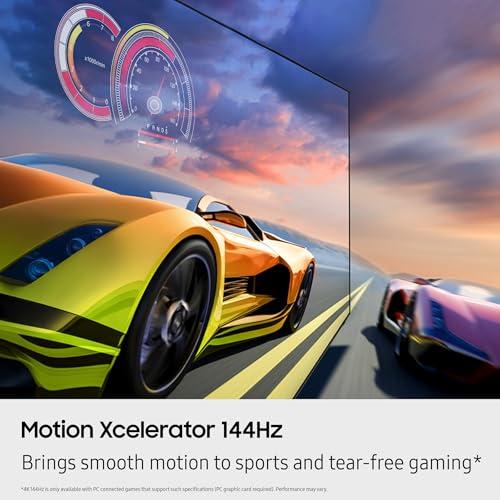
| Motion Xcelerator 144Hz (standard) | AI Motion Enhancer (intelligent, content-aware) |
| Gaming Features - Console and PC gaming optimization | |
| 120Hz, VRR, Auto Game Mode | 120Hz, VRR, enhanced gaming with better shadow detail |
| Smart TV Platform - App support and AI features | |
| Tizen OS with basic Bixby integration | Tizen OS with Vision AI and advanced voice control |
| Value Assessment - Performance per dollar consideration | |
| Higher price for more basic technology | Superior technology often priced lower |
The primary difference is display technology. The Samsung 65" QLED Q8F uses edge-lit LED backlighting without local dimming, while the Samsung 65" Neo QLED 8K QN900F features Mini LED Pro technology with thousands of individually controlled dimming zones. This gives the QN900F dramatically better contrast, deeper blacks, and brighter highlights for superior picture quality.
The Samsung 65" Neo QLED 8K QN900F is significantly better for bright rooms thanks to its matte "Glare-Free" coating that eliminates reflections from windows and lights. The Samsung 65" QLED Q8F has a glossy screen that can become mirror-like in bright conditions, making it difficult to see the picture clearly during daytime viewing.
Yes, even for 4K content. The QN900F's 8K resolution combined with its advanced AI processor provides superior upscaling that makes all content look sharper and more detailed. The AI intelligently reconstructs details in lower-resolution content, so your Netflix shows, YouTube videos, and cable TV will all look noticeably better compared to the standard upscaling in the Q8F.
The Samsung 65" Neo QLED 8K QN900F has significantly better audio with a 4.2.2 channel speaker system, 70W power output, and Dolby Atmos support with Object Tracking Sound Plus. The Samsung 65" QLED Q8F has a basic 2-channel system with 20W output. Many QN900F owners report the built-in sound is good enough that they don't immediately need a soundbar.
Both support 120Hz refresh rates and Variable Refresh Rate (VRR) for smooth gaming, but the QN900F offers advantages for gaming. Its superior contrast provides better shadow detail in dark game scenes, and the AI Motion Enhancer reduces motion blur more effectively. The Q8F provides solid gaming performance but lacks these processing refinements.
The Samsung 65" Neo QLED 8K QN900F is the clear choice for home theater use. Its Mini LED local dimming creates the deep blacks essential for cinematic viewing, while the advanced HDR processing makes movies look their best. The Q8F's edge-lit design cannot achieve true black levels, resulting in grayish dark scenes that reduce the cinematic impact.
Yes, both support Q-Symphony technology that allows them to work in harmony with Samsung soundbars without muting the TV's built-in speakers. However, the QN900F's superior built-in audio means you may not need a soundbar immediately, while Q8F owners often feel compelled to add external speakers sooner.
The Samsung 65" Neo QLED 8K QN900F handles motion more effectively with its AI Motion Enhancer that recognizes different types of movement and applies appropriate smoothing. This reduces motion blur during fast sports action without creating artificial effects. The Q8F has standard motion processing that's adequate but not as refined.
Both run Samsung's Tizen operating system with identical app support, but the QN900F includes Vision AI for more sophisticated content recommendations and better voice control. The AI learns your viewing habits and suggests content across different streaming services. The Samsung 65" QLED Q8F has basic smart features without the advanced AI integration.
The Samsung 65" Neo QLED 8K QN900F is significantly more future-proof with its 8K resolution, advanced AI processor, and Mini LED technology. As streaming services begin offering more 8K content and processing demands increase, the QN900F will handle these developments better. The Q8F meets current needs but offers limited expandability for future technologies.
There's a dramatic difference in black level performance. The QN900F's Mini LED local dimming can turn off specific zones completely, creating true blacks that rival OLED displays. The Samsung 65" QLED Q8F cannot achieve true blacks due to its edge-lit design, resulting in grayish dark scenes. This difference is most noticeable when watching movies or shows with dark scenes.
The Samsung 65" Neo QLED 8K QN900F typically offers superior value despite its advanced technology. You get Mini LED backlighting, 8K resolution, AI processing, better audio, and a glare-free display - often at a competitive price point. The Q8F represents older technology that's harder to justify unless you have very specific requirements that favor its edge-lit design.
We've done our best to create useful and informative comparisons to help you decide what product to buy. Our research uses advanced automated methods to create this comparison and perfection is not possible - please contact us for corrections or questions. These are the sites we've researched in the creation of this article: bestbuy.com - rtings.com - tomsguide.com - youtube.com - samsung.com - youtube.com - youtube.com - youtube.com - rtings.com - rtings.com - linqcdn.avbportal.com - bestbuy.com - samsung.com - samsung.com - samsung.com - youtube.com - youtube.com - billsmith.com - samsung.com - samsung.com - samsung.com - hometechnologyreview.com - shopjetson.com - certappl.com - samsung.com - theapplianceplug.com - samsung.com - manuals.plus - bestbuy.com - device.report - samsung.com - shopsilica.com - dentonstv.com - rtings.com - samsung.com - techradar.com - dolby.com - youtube.com - samsung.com - youtube.com - samsung.com - samsung.com - samsung.com - samsung.com - displayspecifications.com - samsung.com - rtings.com - bestbuy.com - merlinstv.com - news.samsung.com - bestbuy.com

Privacy Policy
Terms and Conditions - Affiliate Policy
Home Security
© Copyright 2008-2026.
11816 Inwood Rd #1211, Dallas, TX 75244