

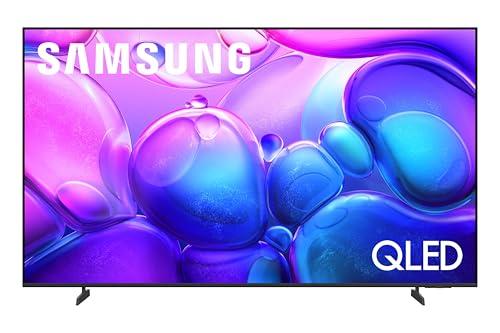
Shopping for a new TV can feel overwhelming, especially when you're comparing two models from the same brand that seem to pull you in different directions. That's exactly the situation with Samsung's 2025 QLED lineup, where the Samsung 75-Inch QLED Q6F Series and the Samsung 65" QLED Q8F present a fascinating choice: do you go bigger or do you go better?
Both televisions use Samsung's QLED technology, which stands for Quantum Dot Light Emitting Diode. Think of quantum dots as microscopic crystals that act like super-efficient color filters. When blue LED light hits these dots, they produce incredibly pure and vibrant colors that regular LED TVs simply can't match. It's like the difference between looking at a photo through a dirty window versus a freshly cleaned one.
Before diving into the comparison, it's worth understanding what makes QLED special and what you should prioritize when shopping. QLED TVs excel in bright rooms because they can push out significantly more light than OLED displays, which tend to look washed out when you've got sunlight streaming through your windows.
The key performance metrics that separate good QLED TVs from great ones include peak brightness (measured in nits), color volume (how many colors the TV can display at different brightness levels), contrast ratio (the difference between the darkest blacks and brightest whites), and motion handling (how well the TV displays fast-moving content without blur).
Since Samsung launched these 2025 models, they've focused heavily on AI-powered processing and gaming features. The TV industry has been racing to accommodate the latest gaming consoles, which demand features like 120Hz refresh rates and variable refresh rate support. At the same time, streaming services continue pushing higher-quality HDR content that requires more sophisticated processing to look its best.
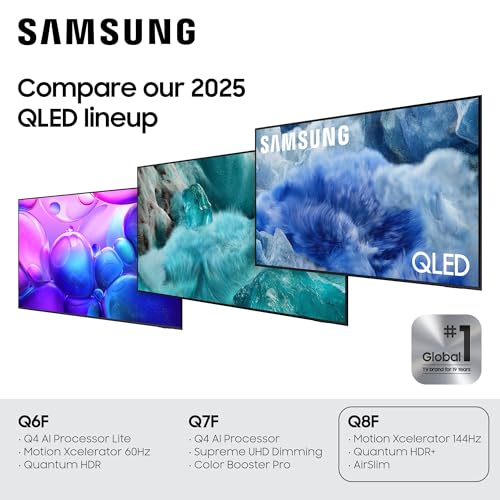
The Samsung Q6F 75" represents Samsung's entry point into QLED technology, offering a massive screen at a relatively accessible price point (at the time of writing). Meanwhile, the Samsung Q8F 65" sits higher in Samsung's hierarchy, packing more advanced technology into a smaller package for a modest premium.
This creates an interesting dilemma that many shoppers face: is it better to have more screen real estate with basic QLED technology, or superior picture quality with less screen to work with?
The most significant difference between these TVs lies in their backlighting systems, which dramatically affects picture quality. The Q6F uses standard edge-lit quantum dot technology with basic UHD dimming. Picture dozens of LED lights arranged around the edges of the screen, trying to illuminate the entire display evenly. It works, but it's not perfect—you might notice some areas appear brighter than others, especially in dark scenes.
The Q8F takes a more sophisticated approach with dual LED backlighting combined with Supreme UHD dimming. The dual LED system uses two different color temperatures of LEDs to create more accurate colors and better contrast. Supreme UHD dimming divides the screen into numerous zones, allowing the TV to brighten or darken specific areas independently. This means when you're watching a movie scene with both bright explosions and dark shadows, each area can be optimized separately instead of the whole screen being forced into a compromise.
From our research into professional reviews and user feedback, this difference is immediately noticeable. The Q8F delivers deeper blacks that don't look gray or washed out, and bright areas that really pop without bleeding into darker sections. The Q6F, while still impressive for its price category, shows its limitations in high-contrast scenes where you might see some blooming (bright areas creating halos around dark objects).
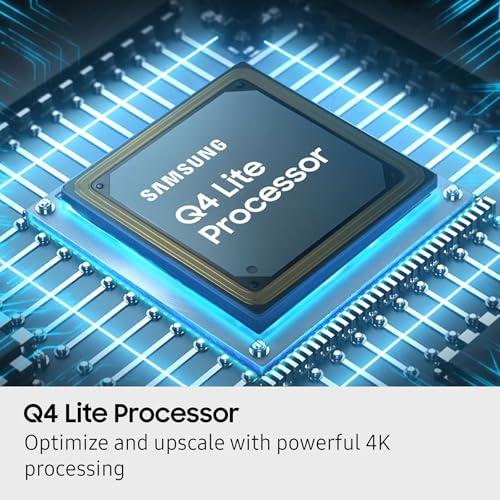
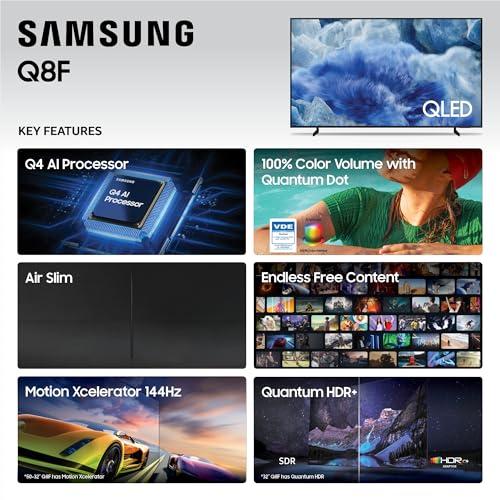
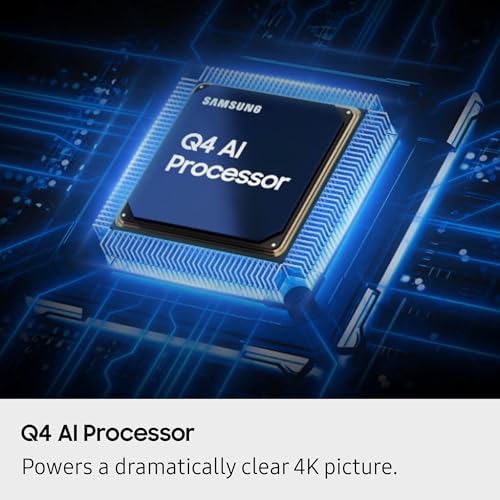
Both TVs run on Samsung's Q4 processors, but there's a crucial difference. The Q6F uses the Q4 Lite processor—think of it as the efficient, no-frills option that handles basic upscaling and optimization. The Q8F steps up to the Q4 AI processor, which brings machine learning into the picture (literally).
This AI processor continuously analyzes what you're watching and adjusts the picture accordingly. Watching a nature documentary? It enhances greens and blues for more realistic foliage and skies. Streaming an older TV show? It works overtime to clean up compression artifacts and make the image look sharper. The difference is particularly noticeable with non-4K content, where the Q8F's superior upscaling makes even standard definition content look surprisingly good on a large screen.
The Q6F can upscale content too, but it's more of a one-size-fits-all approach. It does a decent job making HD content look acceptable on a 4K screen, but it lacks the intelligence to optimize for different content types.
Here's where the divide between these TVs becomes a chasm. The Q6F features a 60Hz refresh rate with basic Motion Xcelerator technology. For regular TV watching and movie streaming, this is perfectly adequate. You'll see smooth motion during most content, though fast sports action might show some judder or blur.
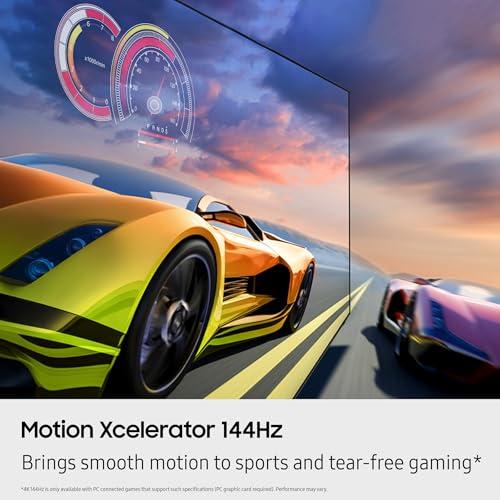
The Q8F jumps to a native 120Hz panel with Motion Xcelerator 144Hz support. This means it can display 120 unique frames per second instead of 60, creating incredibly smooth motion. The difference is like comparing a flip-book animation to smooth video—everything from camera pans to sports action looks more fluid and natural.
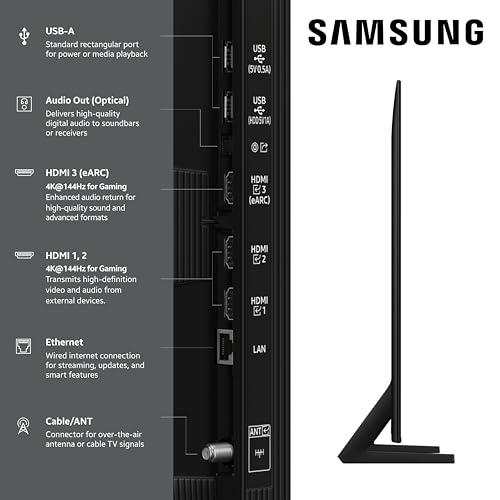
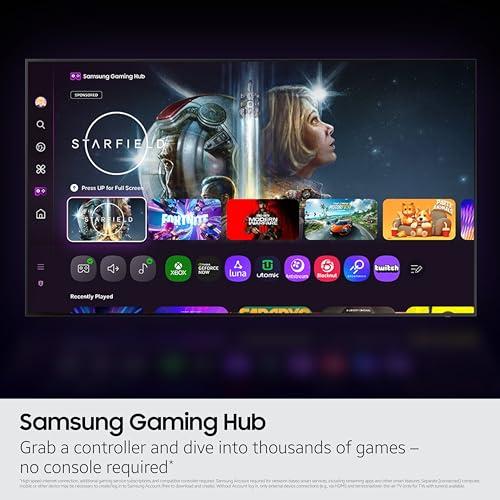
For gaming, this difference becomes even more critical. Modern gaming consoles like the PlayStation 5 and Xbox Series X can output games at 120 frames per second, but they need a TV that can keep up. The Q8F includes comprehensive gaming features: Variable Refresh Rate (VRR) that syncs the TV's refresh rate with your console's frame rate, Auto Low Latency Mode (ALLM) that automatically switches to game mode when it detects a console, and AI Auto Game Mode that recognizes different game genres and optimizes settings accordingly.
The Q6F offers only basic Auto Game Mode. If you're a casual gamer who plays occasionally, this might suffice. But if gaming is important to you—especially competitive gaming where every millisecond of input lag matters—the Q8F is essential.
Peak brightness might sound like a boring specification, but it's crucial for HDR content and bright room viewing. HDR (High Dynamic Range) content contains information about very bright highlights—think of the sun gleaming off a car's chrome bumper or the bright flash of an explosion. To display these highlights properly, your TV needs to get really bright.
The Q6F supports Quantum HDR, delivering respectable brightness that works well in moderately lit rooms. However, our research suggests it struggles in very bright environments where ambient light washes out the display.
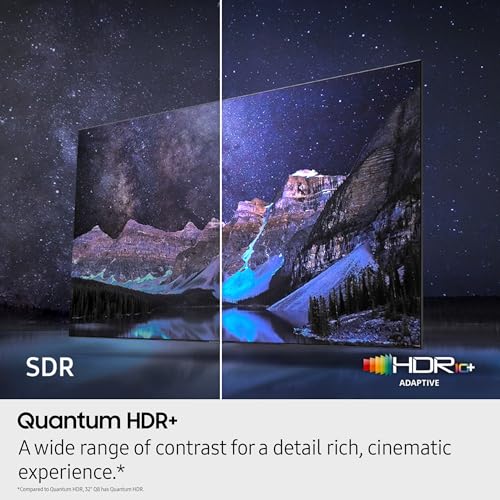
The Q8F features Quantum HDR+ with significantly higher peak brightness. This means HDR content looks more impactful, with bright highlights that actually stand out from the rest of the image. More importantly, the TV remains easily watchable even with windows behind your seating area or bright overhead lighting.
Both TVs support HDR10+ (Samsung's preferred HDR format) but lack Dolby Vision support, which is common across Samsung's lineup. HDR10+ uses dynamic metadata—essentially instructions that tell the TV how to optimize each scene—while standard HDR10 uses the same settings for the entire movie or show.
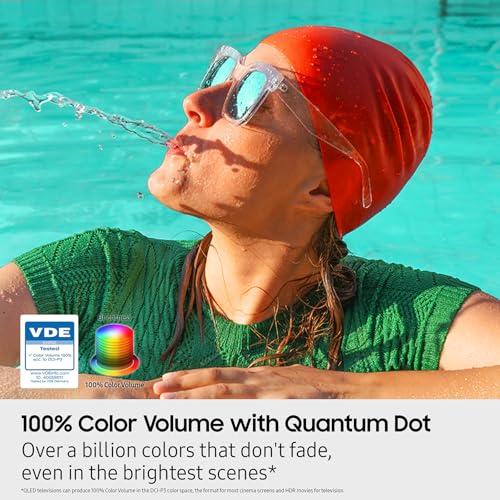
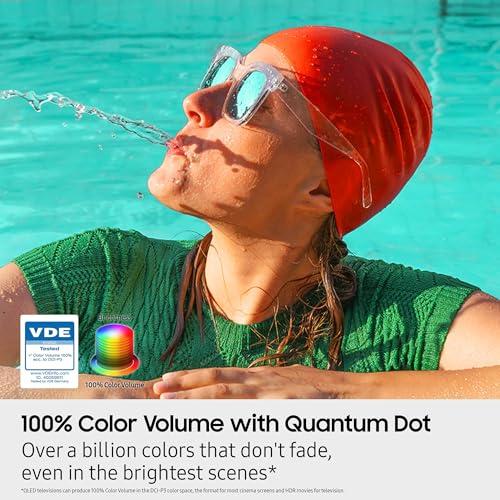
Both TVs benefit from Samsung's Quantum Dot technology, achieving what Samsung calls "100% Color Volume." This means they can display a billion colors at various brightness levels, creating more lifelike images than standard LED TVs.
The Q6F includes Color Booster technology, which enhances color saturation and vibrancy. Colors look punchy and appealing, though sometimes they can appear slightly oversaturated compared to reference standards.
The Q8F upgrades to Color Booster Pro, offering more sophisticated color enhancement that maintains accuracy while still delivering impressive vibrancy. It also includes Auto HDR Remastering, which can enhance standard dynamic range content to look more like HDR material.
Based on professional calibration reviews, the Q8F delivers more accurate colors out of the box, while the Q6F tends toward a more consumer-friendly "wow factor" approach that prioritizes immediate visual impact over accuracy.
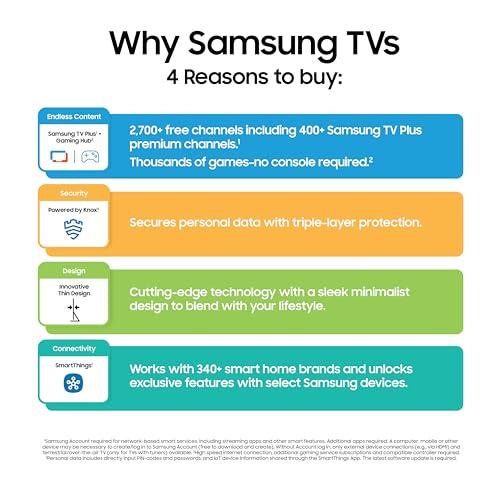
Both TVs run Samsung's Tizen operating system, which is generally considered one of the better smart TV platforms. It's responsive, includes all major streaming apps, and integrates well with Samsung's ecosystem of devices.
Both support voice assistants (Bixby, Alexa, Google Assistant) and include Samsung's SmartThings Hub functionality, turning your TV into a smart home control center. The interface is intuitive, and finding content across different apps is straightforward.
The Q8F includes some additional AI features, like Generative Wallpaper that creates custom backgrounds based on your preferences, and more sophisticated adaptive sound that adjusts audio based on room acoustics and content type.
Neither TV will replace a dedicated sound system, but both offer respectable audio for their built-in speakers. Both feature Object Tracking Sound Lite (OTS Lite), which attempts to make audio follow the action on screen, and Q-Symphony support for seamless integration with Samsung soundbars.
The Q8F includes slightly more advanced audio processing, but the difference isn't dramatic. If audio quality is important to you, either TV will benefit significantly from a soundbar or surround sound system.
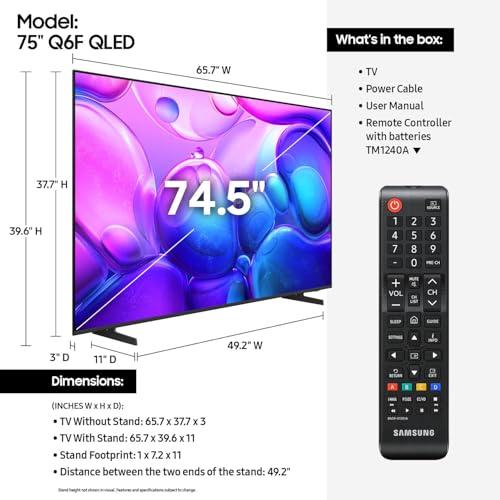
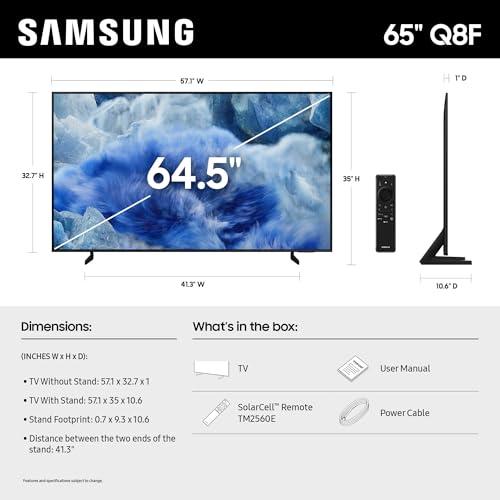
The 10-inch size difference between these models represents more than just numbers—it affects your entire viewing experience. A 75-inch screen provides about 23% more viewing area than a 65-inch display, creating more immersive movie watching and making text easier to read from across the room.
However, there's a point where screen size can work against you if the underlying technology isn't up to par. A larger screen makes flaws more noticeable—compression artifacts in streaming content, motion blur during sports, and uneven backlighting all become more apparent when spread across a bigger display.
The Q6F's larger screen is fantastic when everything is working perfectly, but its limitations become more obvious compared to the Q8F's superior processing on a slightly smaller canvas.
For dedicated home theater setups, several factors come into play. Room size and seating distance matter tremendously—if you're sitting 8-10 feet away, the Q6F's extra size creates a more cinematic experience. But if you're closer (6-8 feet), the Q8F's superior picture quality becomes more important than the size difference.
Light control is crucial too. In a dedicated dark room with controlled lighting, the Q8F's better contrast and black levels create a more theater-like experience. In a multipurpose living room with lots of ambient light, the Q8F's higher brightness is essential for maintaining picture quality.
For movie enthusiasts who care about director intent and color accuracy, the Q8F is the better choice. Its more sophisticated processing and better HDR performance reveal more detail in both shadows and highlights, creating the experience filmmakers intended.
At the time of writing, the Q8F commands a modest premium over the Q6F, but the performance gap is substantial. The question becomes whether you prioritize screen size or overall picture quality.
The Q6F represents good value if you specifically need a large screen and don't care about gaming features or premium picture processing. It delivers genuine QLED benefits—bright, colorful images that look great in most content—at an accessible price point.
The Q8F offers better long-term value for most users. Its superior processing, gaming features, and higher brightness create a more versatile TV that will age better as content quality continues to improve and gaming becomes more demanding.
Choose the Samsung Q6F 75" if you're primarily focused on screen size, have a larger room or seating distance that demands a bigger display, watch mostly streaming content and broadcast TV, rarely or never game on your TV, and want to maximize screen size within your budget.
Choose the Samsung Q8F 65" if you prioritize picture quality over size, game regularly or watch a lot of sports, have a bright room that needs high peak brightness, want future-proof features and processing power, or care about color accuracy and HDR performance.
For most people, I'd recommend the Q8F. The technology improvements significantly outweigh the size reduction, creating a more satisfying long-term ownership experience. The superior processing, brightness, and gaming features make it a more versatile choice that will continue to impress as content quality evolves.
The Q6F makes sense for specific situations where size truly trumps all other considerations, but for general use, the Q8F delivers better value despite its smaller screen. Sometimes, better really is better than bigger.
| Samsung 75-Inch QLED Q6F Series 2025 | Samsung 65" QLED Q8F 4K Smart TV 2025 |
|---|---|
| Screen Size - Bigger screens create more immersive viewing but make flaws more noticeable | |
| 75" (23% more viewing area) | 65" (optimal balance of size and performance) |
| Display Technology - Determines contrast quality and black levels | |
| Standard edge-lit QLED with basic UHD dimming | Dual LED backlighting with Supreme UHD dimming zones |
| Processor - Controls upscaling quality and AI optimization | |
| Q4 Lite processor (basic upscaling) | Q4 AI processor (intelligent scene optimization) |
| Refresh Rate - Critical for smooth motion and gaming | |
| 60Hz with Motion Xcelerator | Native 120Hz with Motion Xcelerator 144Hz |
| Peak Brightness - Determines HDR impact and bright room performance | |
| Quantum HDR (moderate brightness for darker rooms) | Quantum HDR+ (high brightness excellent for bright rooms) |
| Gaming Features - Essential for console gaming and competitive play | |
| Basic Auto Game Mode only | Full gaming suite: VRR, ALLM, AI Auto Game Mode, 144Hz support |
| Color Enhancement - Affects color accuracy and vibrancy | |
| Color Booster (punchy but sometimes oversaturated) | Color Booster Pro with Auto HDR Remastering (accurate and vibrant) |
| Audio Technology - Built-in speaker quality and spatial features | |
| 20W speakers with Q-Symphony support | 20W speakers with Object Tracking Sound Lite and Q-Symphony |
| Design Profile - Affects wall mounting and aesthetics | |
| Standard QLED design with basic feet | AirSlim chassis with premium Aero Linear stand |
| Target User - Who gets the best value from each model | |
| Large room viewers prioritizing screen size over features | Quality-focused users wanting premium QLED performance |
The Samsung 65" QLED Q8F is significantly better for gaming with its 120Hz refresh rate, VRR support, and comprehensive gaming features like AI Auto Game Mode. The Samsung 75-Inch QLED Q6F only offers basic Auto Game Mode and is limited to 60Hz, making it unsuitable for serious gaming.
Choose the Samsung 75-Inch QLED Q6F if you have a large room and sit far from the TV, prioritizing screen size. Choose the Samsung 65" QLED Q8F if you want better picture quality, brighter images for well-lit rooms, and superior processing technology.
The Samsung 65" QLED Q8F delivers superior picture quality with dual LED backlighting, Supreme UHD dimming, and higher peak brightness. The Samsung 75-Inch QLED Q6F uses basic edge-lit technology with standard dimming, resulting in less impressive contrast and brightness performance.
The Samsung 65" QLED Q8F is much better for bright rooms thanks to its Quantum HDR+ technology and higher peak brightness. The Samsung 75-Inch QLED Q6F may appear washed out in very bright environments due to its lower brightness capabilities.
Yes, both the Samsung 75-Inch QLED Q6F and Samsung 65" QLED Q8F run Samsung's Tizen OS with identical app support including Netflix, Disney+, and other major streaming services. Both also support voice assistants and SmartThings integration.
The Samsung 65" QLED Q8F has dramatically better motion handling with its 120Hz refresh rate and Motion Xcelerator 144Hz technology. The Samsung 75-Inch QLED Q6F is limited to 60Hz, which may show motion blur during fast sports action.
Both TVs use quantum dot technology, but the Samsung 65" QLED Q8F features Color Booster Pro for more accurate and sophisticated color enhancement. The Samsung 75-Inch QLED Q6F uses standard Color Booster, which can sometimes appear oversaturated.
The Samsung 65" QLED Q8F is better for home theater use due to its superior contrast, better black levels from dual LED backlighting, and more accurate color reproduction. These features create a more cinematic experience despite the smaller screen size.
No, the Samsung 65" QLED Q8F supports Quantum HDR+ with much better HDR performance and brighter highlights. The Samsung 75-Inch QLED Q6F supports basic Quantum HDR but with limited brightness that reduces HDR impact.
The Samsung 65" QLED Q8F typically offers better value despite its higher price, providing significantly more advanced technology, gaming features, and picture quality. The Samsung 75-Inch QLED Q6F offers good value only if maximum screen size is your primary concern.
The Samsung 65" QLED Q8F uses the Q4 AI processor with intelligent scene optimization and superior upscaling. The Samsung 75-Inch QLED Q6F uses the basic Q4 Lite processor, which provides adequate but less sophisticated processing capabilities.
For streaming content, the Samsung 65" QLED Q8F is the better choice due to its superior upscaling technology and AI processing that optimizes different content types. However, if you prioritize having a larger screen over processing quality, the Samsung 75-Inch QLED Q6F can still provide an enjoyable streaming experience.
We've done our best to create useful and informative comparisons to help you decide what product to buy. Our research uses advanced automated methods to create this comparison and perfection is not possible - please contact us for corrections or questions. These are the sites we've researched in the creation of this article: youtube.com - rtings.com - cnet.com - youtube.com - rtings.com - samsung.com - bestbuy.com - samsung.com - samsung.com - bestbuy.com - manuals.plus - arrowassociatedstores.com - samsung.com - samsung.com - samsung.com - flatpanelshd.com - device.report - bestbuy.com - rtings.com - tomsguide.com - youtube.com - samsung.com - youtube.com - youtube.com - youtube.com - rtings.com - linqcdn.avbportal.com - bestbuy.com - samsung.com - samsung.com - samsung.com - youtube.com - youtube.com - billsmith.com - samsung.com - samsung.com - samsung.com - hometechnologyreview.com - shopjetson.com - certappl.com - samsung.com - theapplianceplug.com - samsung.com - manuals.plus - bestbuy.com - device.report - samsung.com - shopsilica.com - dentonstv.com

Privacy Policy
Terms and Conditions - Affiliate Policy
Home Security
© Copyright 2008-2026.
11816 Inwood Rd #1211, Dallas, TX 75244