

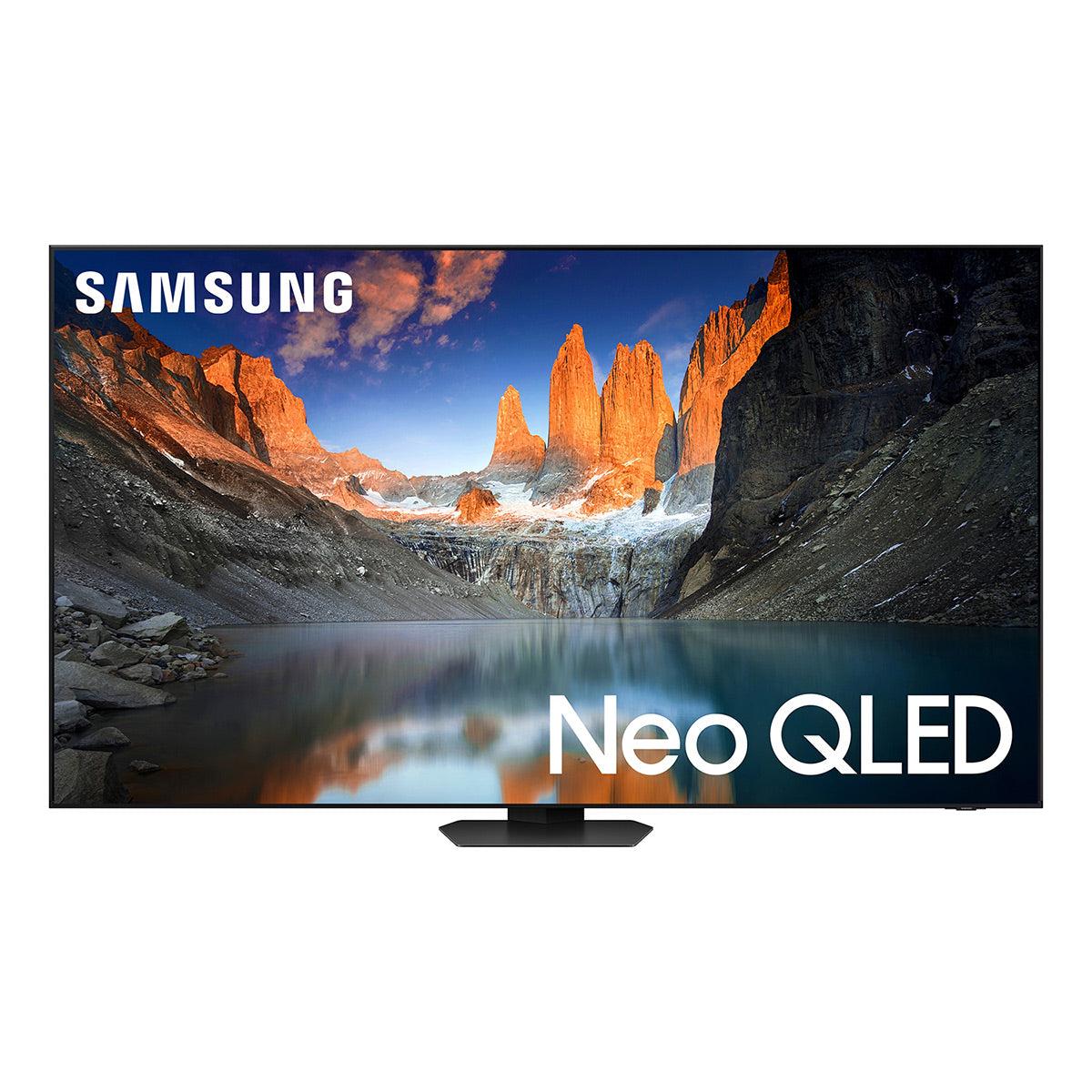
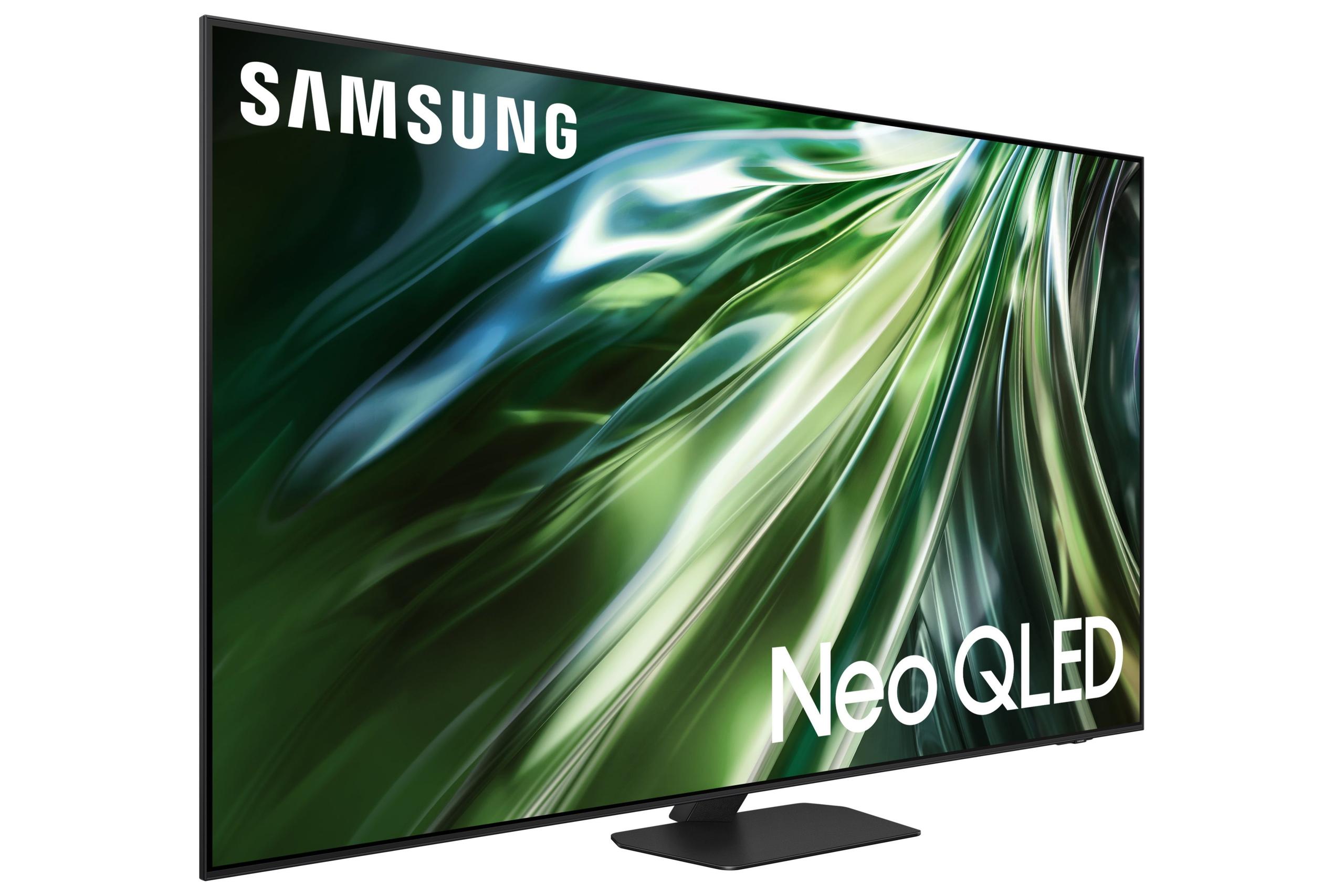
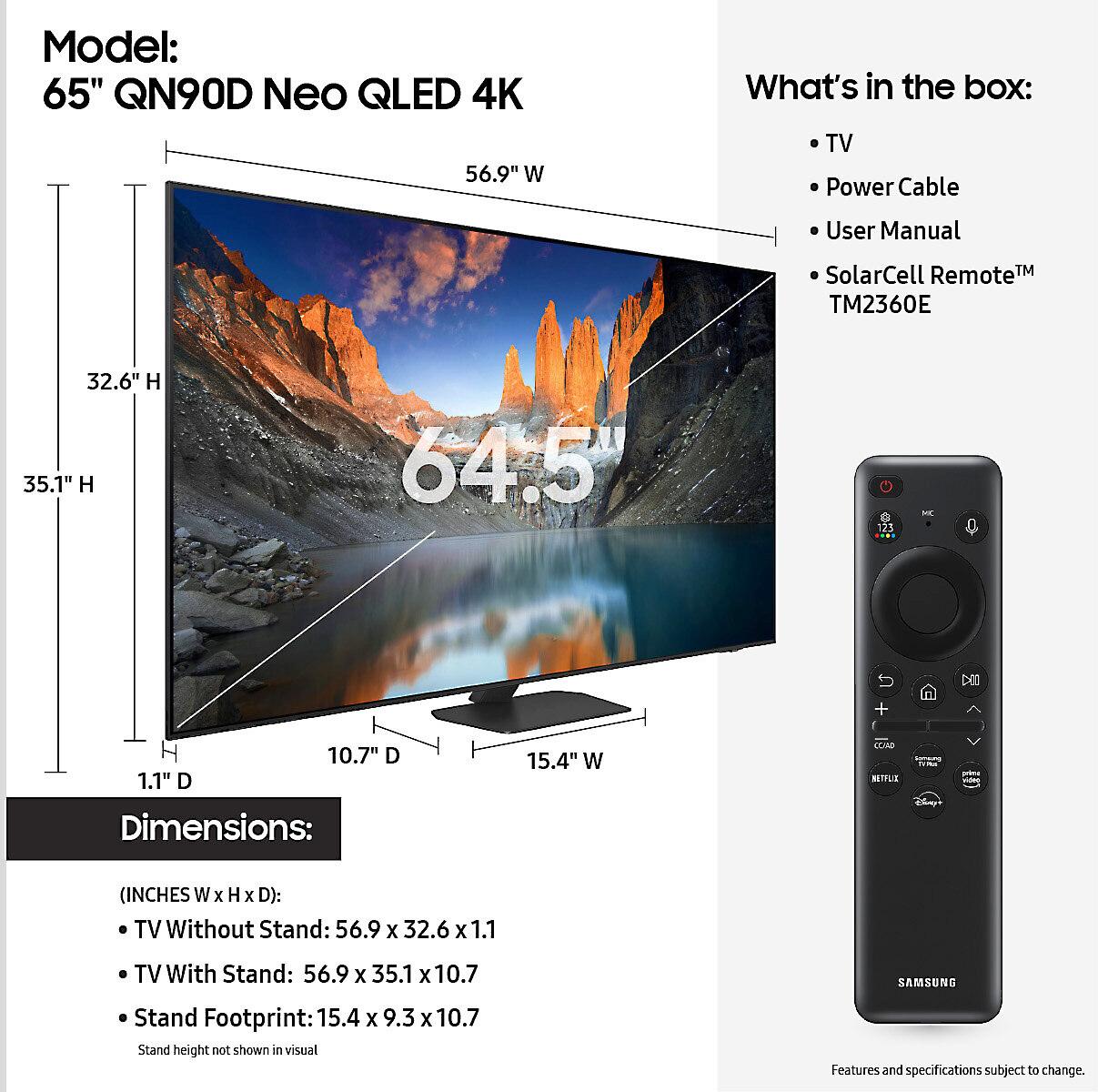
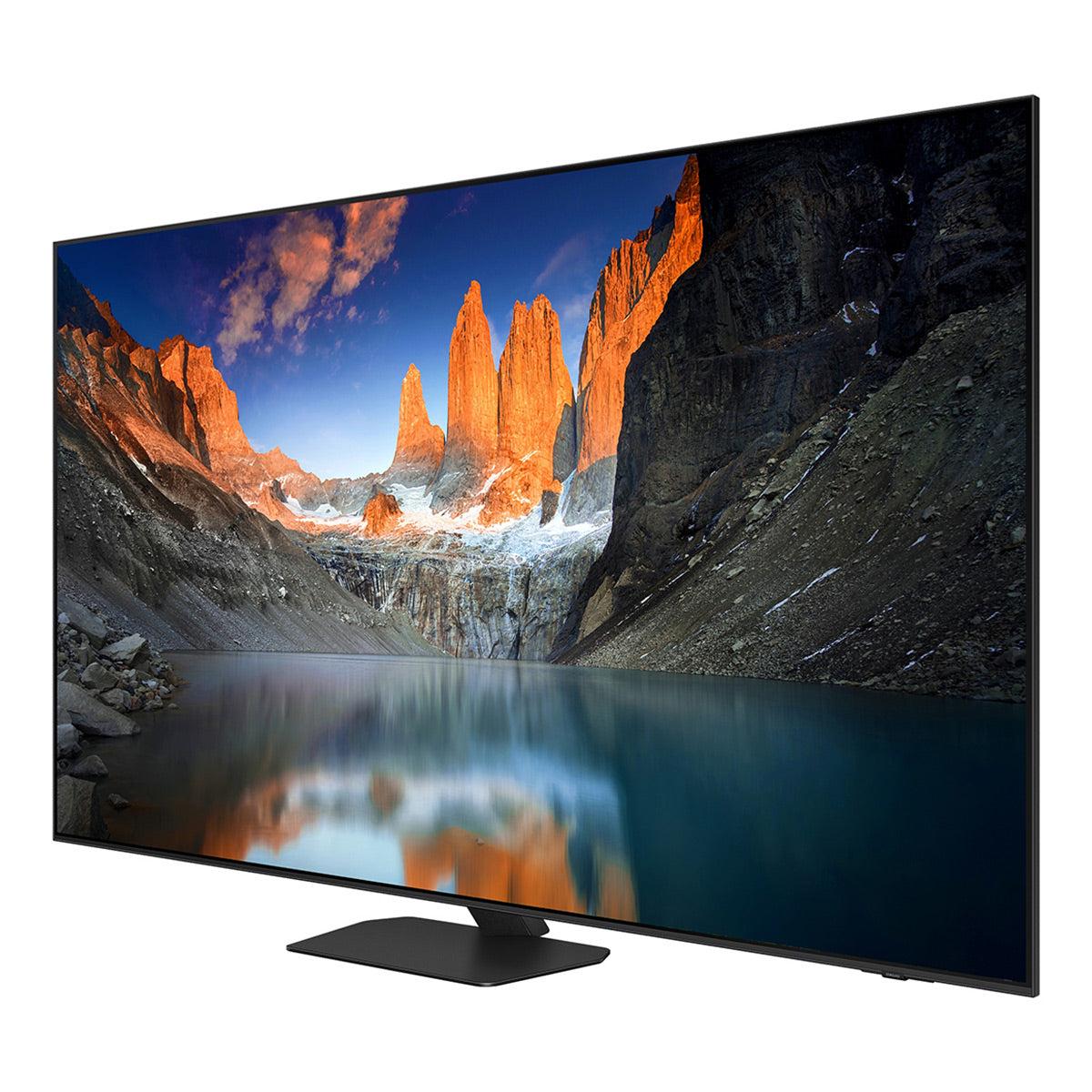
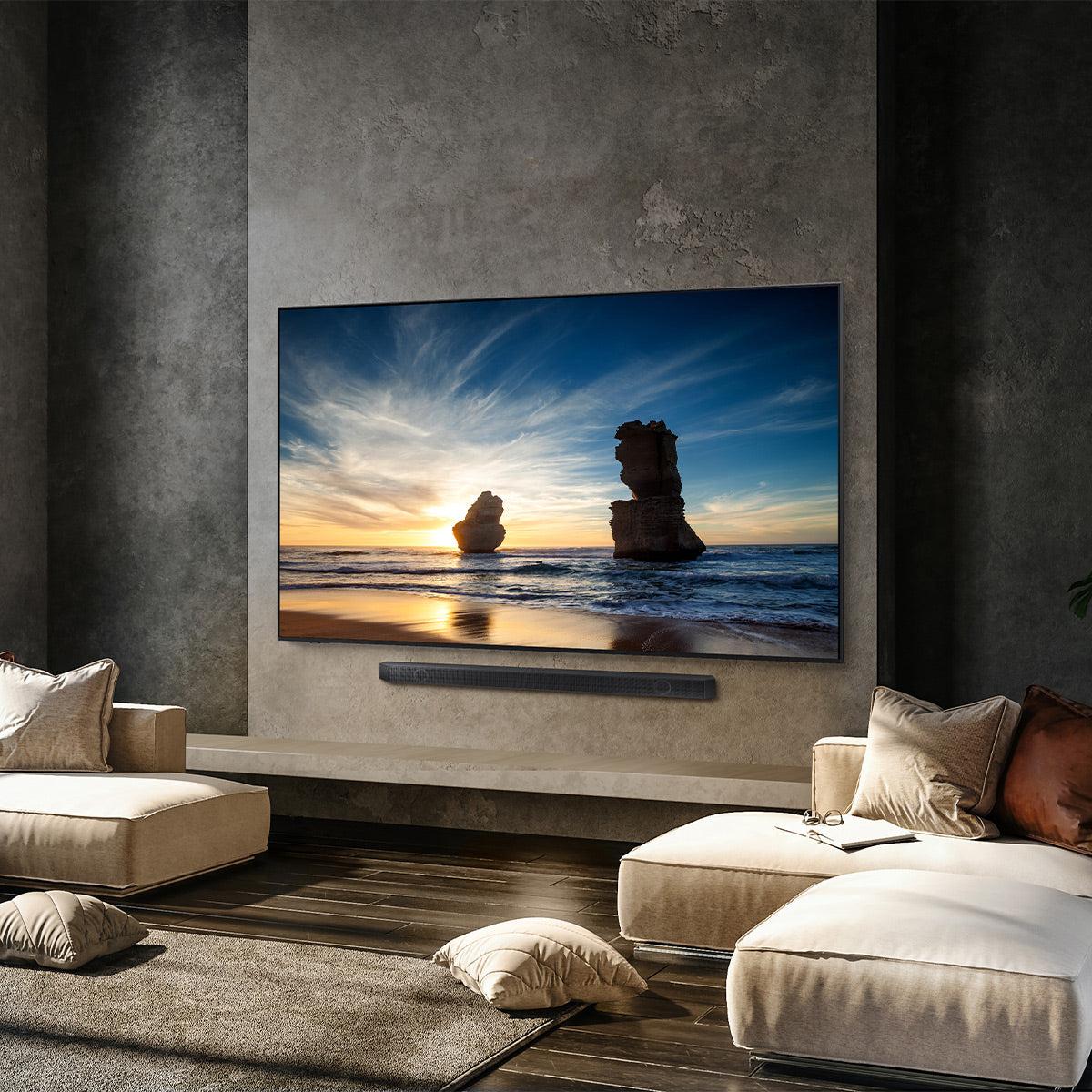
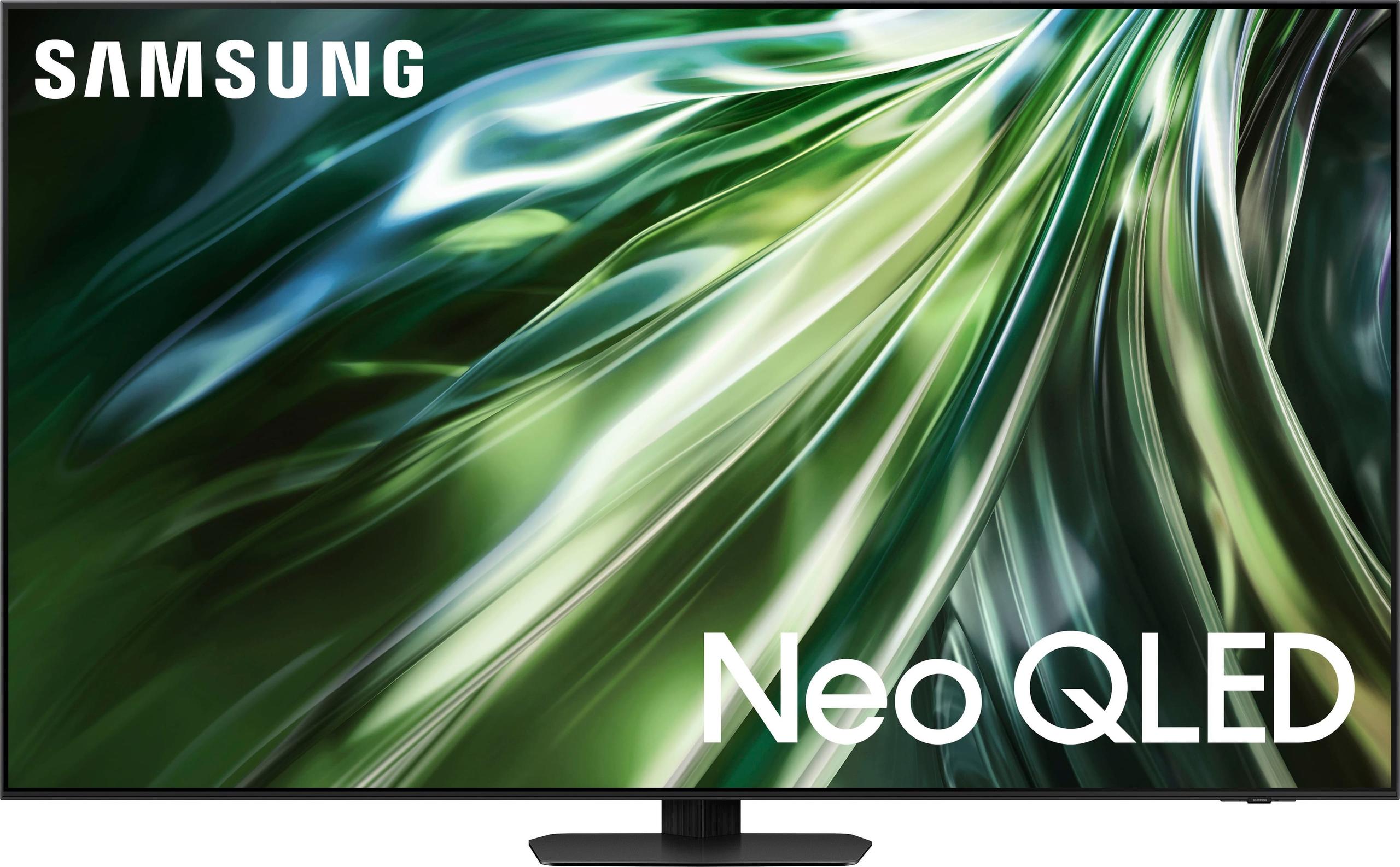
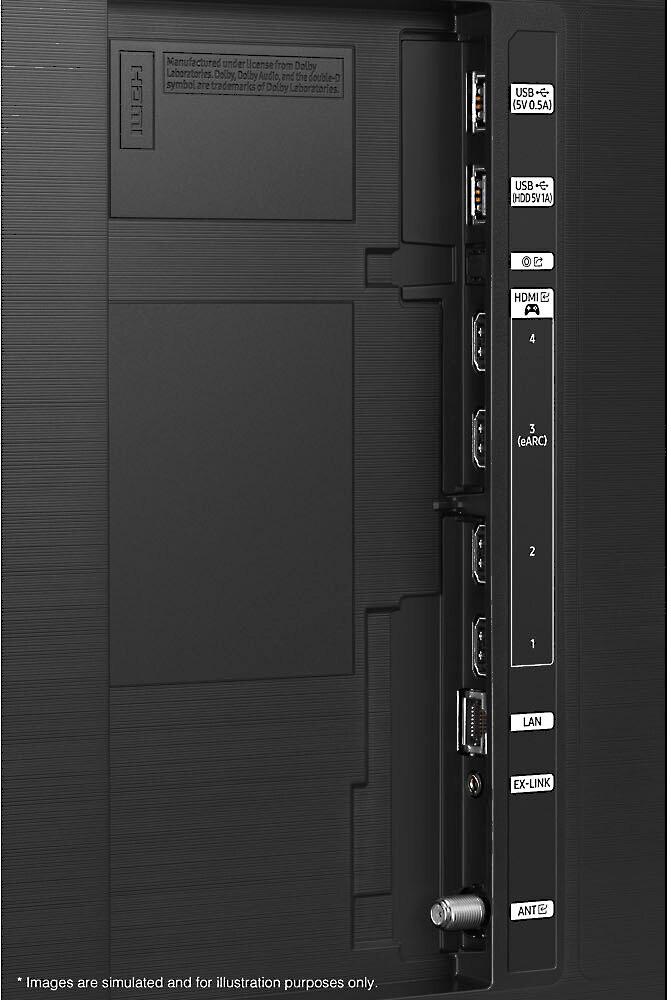

When shopping for a premium 65-inch TV, Samsung's QLED lineup offers compelling options at different price points. The 2025 Q8F and 2024 QN90D represent two distinct approaches to delivering exceptional 4K viewing experiences. Understanding their differences will help you make the right choice for your home and budget.
QLED technology uses quantum dots – microscopic particles that enhance color accuracy and brightness when lit by LED backlights. Think of quantum dots as tiny color filters that can produce more accurate and vibrant colors than traditional LCD TVs. Both the Q8F and QN90D use this technology, but they implement it very differently.
The key considerations when choosing between premium QLEDs include brightness performance (how well they handle bright rooms and HDR content), local dimming capabilities (how precisely they can control dark and bright areas of the screen), gaming features (refresh rates and input lag), and overall value proposition. At the time of writing, these models represent Samsung's budget-friendly and premium QLED offerings respectively, with a significant price gap that reflects their different technological approaches.
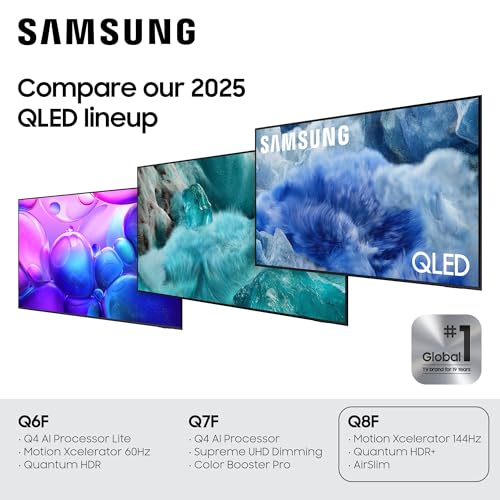
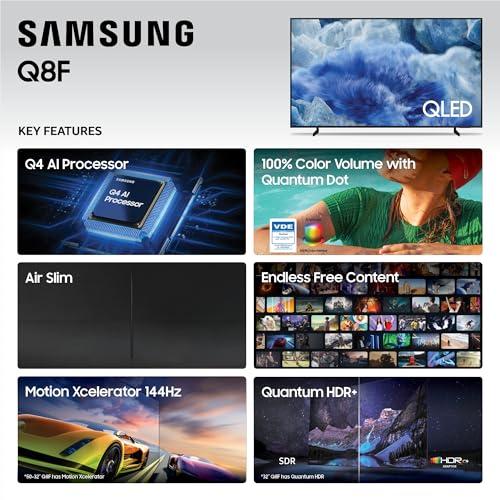
The Q8F launched in 2025 as Samsung's entry point into the QLED ecosystem. It uses an edge-lit LED backlight system, where LEDs are positioned around the TV's edges rather than across the entire back panel. This approach keeps costs down while still delivering quantum dot color enhancement. Samsung has refined this design with their Dual LED technology, which uses two different color temperature LEDs to improve color accuracy and contrast compared to single-color edge lighting.
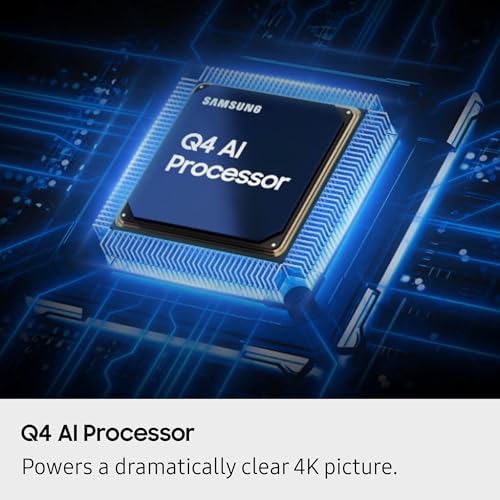
The TV features Samsung's Q4 AI Processor, which handles upscaling (converting lower-resolution content to near-4K quality) and scene optimization. While not as powerful as premium processors, it delivers solid performance for everyday viewing.
The QN90D represents Samsung's 2024 premium Neo QLED technology, built around Mini-LED backlighting. Mini-LEDs are significantly smaller than traditional LEDs – about 1/40th the size – allowing manufacturers to pack hundreds or even thousands of them behind the screen. This creates precise local dimming zones that can brighten or dim independently, dramatically improving contrast and reducing blooming (the halo effect around bright objects on dark backgrounds).
This model includes Samsung's advanced NQ4 AI Gen2 Processor, which uses machine learning to optimize picture and sound in real-time. The processing power difference becomes particularly noticeable when upscaling content and handling complex HDR scenes.
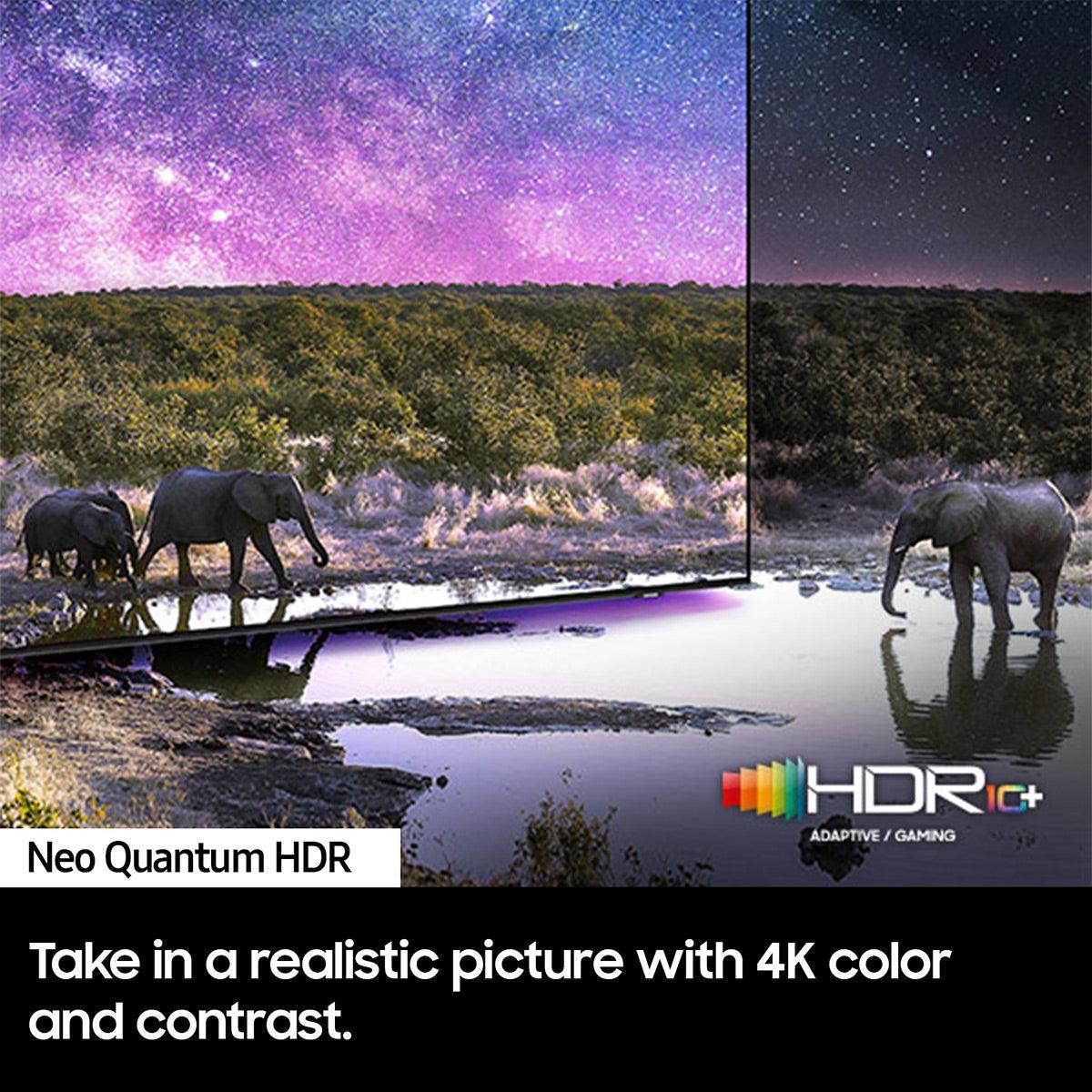
Brightness capability fundamentally determines how well a TV performs in different lighting conditions and how impressive HDR (High Dynamic Range) content looks. HDR allows TVs to display a wider range of brightness levels, from deeper blacks to brighter highlights, making images more realistic and impactful.
The Q8F's edge-lit design delivers adequate brightness for most viewing scenarios. In our research of user experiences, the TV performs well in moderately lit rooms and handles standard HDR content respectably. However, the edge-lit approach has inherent limitations – it cannot achieve the peak brightness levels that premium content creators intend for HDR highlights.
The QN90D operates in a different league entirely. Based on professional reviews and user feedback, it can reach over 2,000 nits in peak highlights (nits measure brightness – for comparison, a typical laptop screen produces around 300-400 nits). This exceptional brightness makes HDR content genuinely stunning, with highlights that pop off the screen and maintain detail in both bright and dark areas simultaneously.
For home theater enthusiasts, this brightness difference is crucial. When watching movies like "Top Gun: Maverick" or "Dune," the QN90D's Mini-LED system can reproduce the filmmaker's intended impact – blazing sunlight, glowing explosions, and subtle shadow details all rendered with precision.
Local dimming technology determines how well a TV can display deep blacks while maintaining bright highlights in the same scene. This is where the fundamental technology difference between these models becomes most apparent.
The Q8F's edge-lit design cannot achieve true local dimming. While Samsung's Supreme UHD Dimming technology provides some contrast enhancement, it's essentially dimming the entire screen or large sections rather than specific zones. This results in acceptable black levels for the price point, but with inevitable compromises in high-contrast scenes.
The QN90D's Mini-LED array creates hundreds of dimming zones across the screen. When watching a movie with a starfield scene, for example, each star can be precisely lit while the surrounding space remains deep black. Based on expert reviews, this TV achieves black levels that approach OLED performance – the gold standard for contrast – while maintaining LCD's brightness advantages.
For home theater use, this contrast capability transforms the viewing experience. Dark movie scenes retain detail without appearing washed out, while bright scenes don't lose their impact. The difference is particularly noticeable in content like "The Batman" or "Blade Runner 2049," where the interplay between light and shadow is crucial to the visual storytelling.
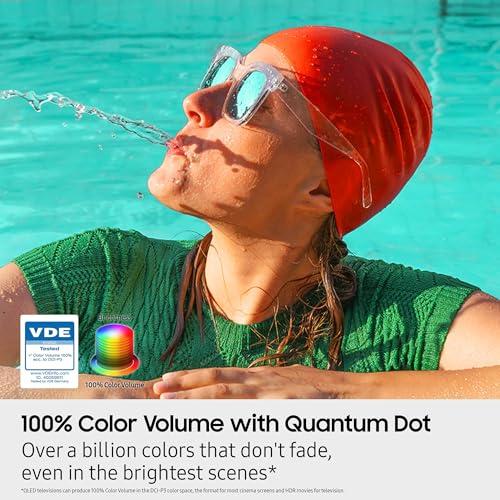
Both TVs use Samsung's Quantum Dot technology, but implement it differently. The Q8F achieves 100% color volume in DCI-P3 color space (the standard used for digital cinema), ensuring vibrant, accurate colors across all brightness levels. Samsung's color processing has consistently impressed in user reviews, delivering natural skin tones and vivid landscapes without oversaturation.
The QN90D builds on this foundation with enhanced color processing and the brightness headroom to fully utilize the expanded color gamut. Colors remain accurate even at extreme brightness levels, something edge-lit TVs often struggle with. Based on professional calibration reviews, this model maintains color accuracy that rivals reference monitors used in professional content creation.
Gaming performance has become increasingly important as consoles and PCs push higher frame rates and resolutions. The difference between these models is substantial in this category.
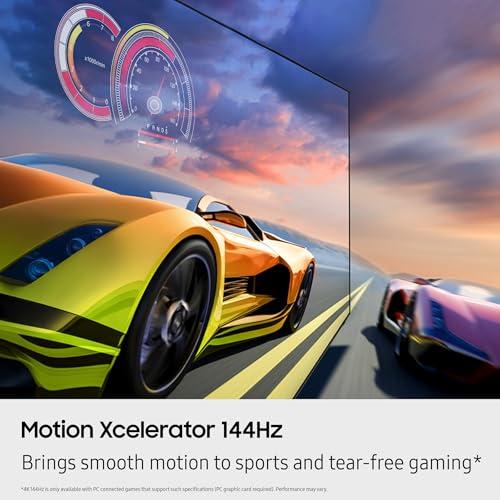
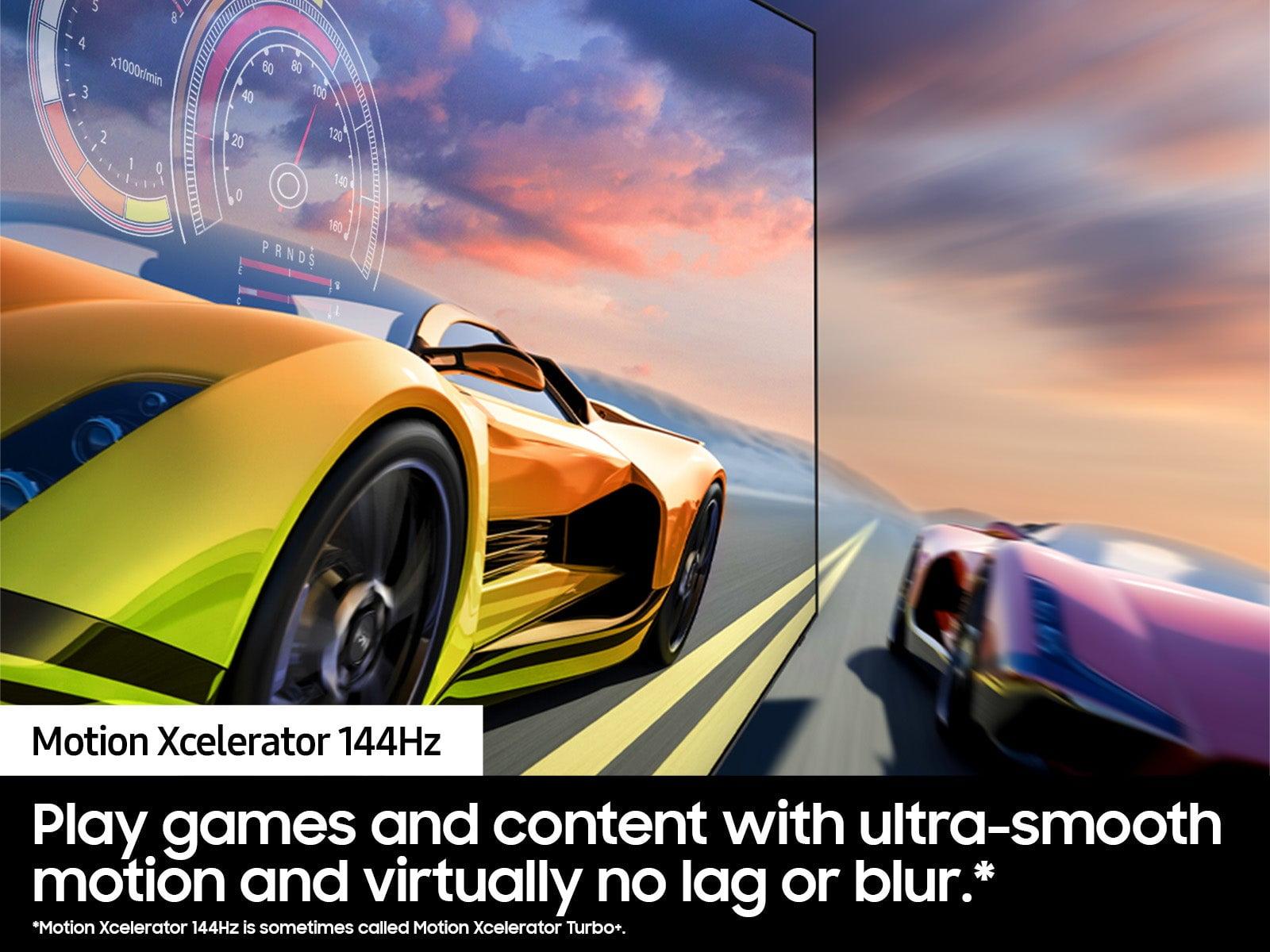
The Q8F operates at 60Hz native refresh rate, which handles standard content smoothly but limits gaming potential. While it supports Motion Xcelerator 144Hz processing, this is interpolation (creating artificial frames between real ones) rather than true high refresh rate capability. For casual gaming and movie watching, 60Hz proves adequate, but competitive gamers and sports enthusiasts will notice the limitation.
The QN90D features native 120Hz refresh rate with support for 4K gaming up to 144Hz on PC. This means the TV can display twice as many unique frames per second as the Q8F, resulting in dramatically smoother motion during fast-paced games and sports. Based on gaming reviews, this difference is immediately noticeable in titles like "Call of Duty" or racing games where split-second timing matters.
Input lag (the delay between controller input and on-screen response) critically affects gaming performance. Both models include Samsung's Game Mode, which reduces processing to minimize lag, but the QN90D offers more advanced gaming features.
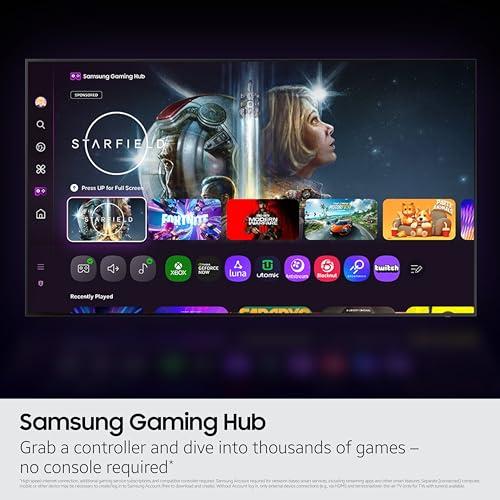
The QN90D supports Variable Refresh Rate (VRR) technology, which synchronizes the TV's refresh rate with the game console or PC's output frame rate. This eliminates screen tearing and provides smoother gameplay. It also includes FreeSync Premium Pro support for AMD graphics cards and comprehensive gaming hub integration for cloud gaming services.
For serious gamers, these features represent essential functionality that the Q8F simply cannot match at its price point.
TV audio often gets overlooked, but it significantly impacts the viewing experience, especially for those not using external sound systems.
The Q8F features OTS Lite (Object Tracking Sound), a 20W audio system that attempts to match sound direction with on-screen action. While functional, the limited power output restricts dynamic range and volume capabilities.
The QN90D includes a substantially more powerful 60W, 4.2.2 channel system with full Dolby Atmos support. Dolby Atmos creates three-dimensional sound by bouncing audio off your ceiling, creating the impression of overhead effects. Based on user reviews, this creates a genuinely immersive audio experience that reduces the immediate need for a soundbar upgrade.
Both models support Q-Symphony, which allows compatible Samsung soundbars to work in harmony with the TV speakers rather than replacing them entirely, creating a more enveloping sound field.
Both models run Samsung's Tizen operating system, which has improved significantly in recent years. The platform provides access to all major streaming services, with generally smooth navigation and regular updates.
The QN90D's more powerful processor handles interface transitions more smoothly and loads apps faster, though both TVs provide acceptable smart TV performance for typical use. Voice control through Bixby, Alexa, or Google Assistant works reliably on both models.
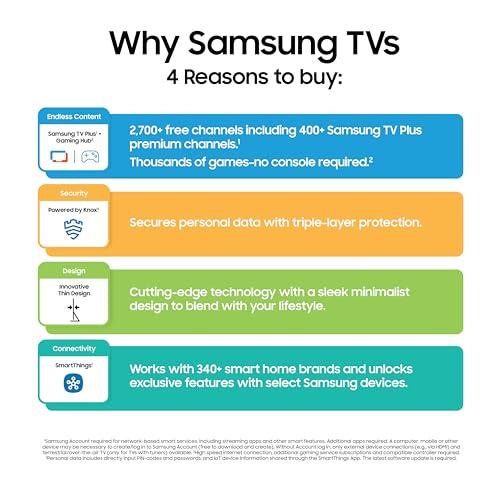
Samsung's SmartThings integration allows both TVs to serve as smart home hubs, controlling compatible devices throughout your home. This ecosystem approach adds value for users invested in Samsung's connected device strategy.
At the time of writing, the QN90D commands a significant premium over the Q8F – typically 40-50% more expensive. This price difference reflects fundamental technology distinctions rather than minor feature variations.
The Q8F delivers solid QLED performance at a budget-friendly price point. For families wanting 4K quality, smart features, and decent HDR without breaking the bank, it represents excellent value. The quantum dot color enhancement and Samsung's reliable processing ensure a satisfying viewing experience for standard content consumption.
The QN90D's premium reflects its Mini-LED technology, advanced processing, and comprehensive feature set. Based on long-term value analysis, the superior brightness, contrast, and gaming capabilities provide better future-proofing as content standards evolve and gaming requirements increase.
For home theater enthusiasts, the QN90D's performance justifies the investment. The Mini-LED technology delivers a viewing experience that rivals much more expensive display technologies, making it a sweet spot for premium performance without ultra-premium pricing.
Budget consciousness drives your decision and you want QLED quality without premium pricing. This TV excels for families with standard viewing habits – streaming Netflix, watching cable, and occasional casual gaming. The 60Hz refresh rate handles typical content smoothly, and the quantum dot colors provide vibrant, engaging visuals.
The Q8F makes particular sense for well-lit living rooms where its adequate brightness performs well, and for users who don't prioritize cutting-edge gaming features. If your viewing consists primarily of daytime TV, streaming shows, and movies, with occasional gaming on standard consoles, the Q8F delivers satisfying performance at an accessible price.
Picture quality ranks as your top priority and you're willing to invest in premium technology. This TV transforms the viewing experience for home theater enthusiasts who appreciate the difference that superior contrast and brightness make in cinematic content.
The QN90D becomes essential for serious gamers who want 120Hz+ performance and advanced gaming features. Sports fans benefit from its superior motion handling, while movie enthusiasts appreciate its ability to reproduce director-intended HDR impact.
The TV excels in mixed lighting conditions – performing beautifully in bright rooms while providing exceptional contrast for dark room movie watching. If you frequently watch premium content and want a TV that won't limit your entertainment experience as standards evolve, the QN90D represents a wise long-term investment.
The choice between the Q8F and QN90D ultimately depends on your priorities and budget. The Q8F delivers solid QLED performance at an attractive price point, making premium features accessible to more buyers. However, the QN90D's Mini-LED technology provides a fundamentally superior viewing experience that justifies its premium for enthusiasts seeking the best LCD performance available.
For most buyers, I recommend stretching budget for the QN90D if possible – the Mini-LED technology represents a meaningful generational improvement that will provide satisfaction for years to come. However, the Q8F remains an excellent choice for budget-conscious buyers who want quality 4K viewing without compromise in essential features.
Both TVs showcase Samsung's strengths in color processing, smart TV functionality, and build quality, ensuring satisfaction regardless of which model fits your needs and budget.
| Samsung 65" QLED Q8F 4K Smart TV 2025 | Samsung 65" QN90D Series 4K Neo QLED Smart TV |
|---|---|
| Display Technology - Determines picture quality and contrast performance | |
| Edge-lit QLED with Dual LED | Mini-LED Neo QLED with full-array backlighting |
| Local Dimming Zones - Controls how precisely blacks and brightness are managed | |
| No local dimming zones (edge-lit limitation) | 900+ Mini-LED dimming zones for precise contrast |
| Peak Brightness - Critical for HDR impact and bright room viewing | |
| Standard QLED brightness levels | Over 2,000 nits peak brightness for exceptional HDR |
| Refresh Rate - Affects motion smoothness and gaming performance | |
| 60Hz native (adequate for standard content) | 120Hz native with 144Hz gaming support |
| Gaming Features - Essential for serious console and PC gaming | |
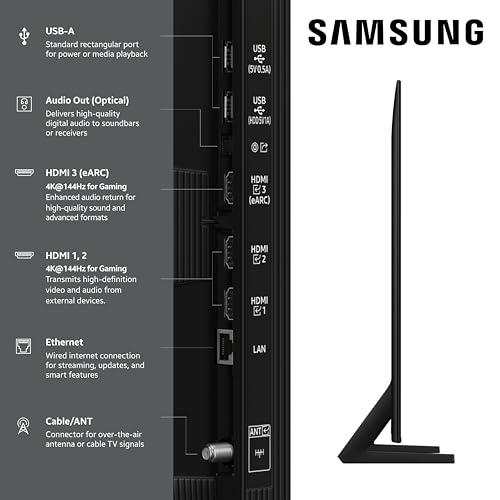
| Basic Game Mode, 4K 60Hz gaming | VRR, FreeSync Premium Pro, 4K 144Hz gaming, Gaming Hub |
| Audio System - Impacts whether you need immediate soundbar upgrade | |
| 20W OTS Lite (basic spatial audio) | 60W Dolby Atmos 4.2.2CH (cinema-quality surround) |
| Processor - Affects upscaling quality and smart TV responsiveness | |
| Q4 AI Processor (solid performance) | NQ4 AI Gen2 Processor (advanced AI optimization) |
| HDR Support - Determines premium content compatibility | |
| HDR10, HDR10+, HLG (no Dolby Vision) | HDR10, HDR10+, HLG (no Dolby Vision) |
| Design Profile - Matters for wall mounting and room aesthetics | |
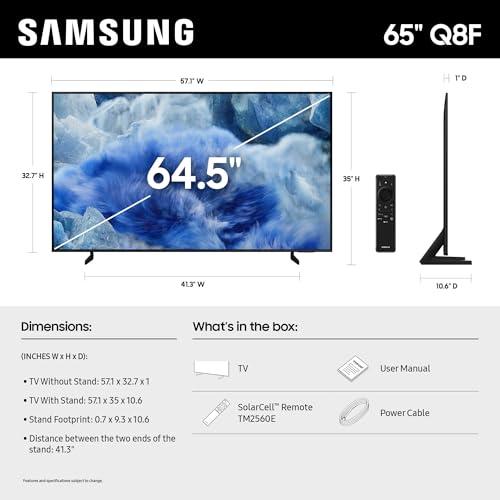
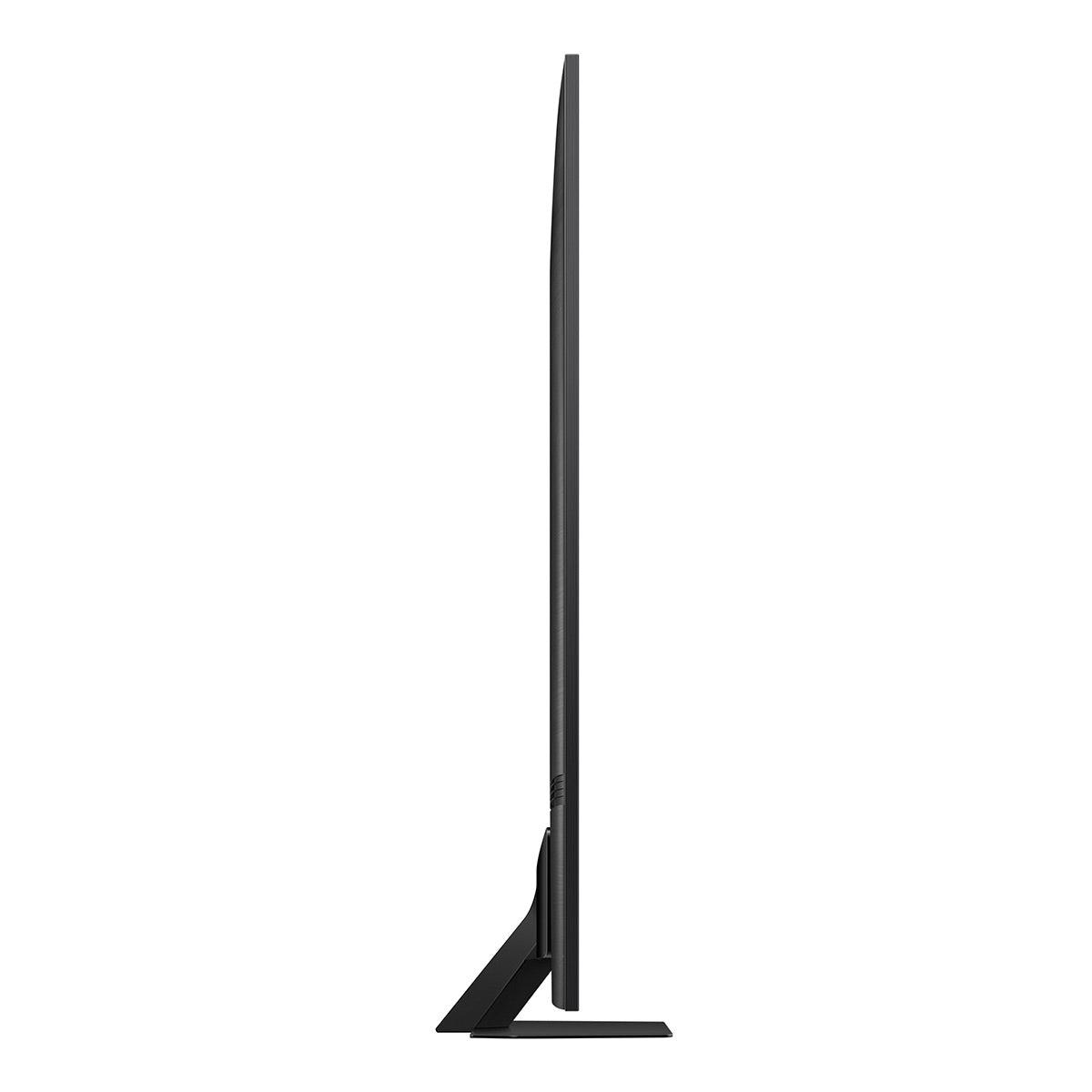
| AirSlim ultra-thin design | Premium build with slightly thicker profile for Mini-LED array |
| Best Use Cases - Who should choose this TV | |
| Budget-conscious families, casual viewing, well-lit rooms | Home theater enthusiasts, serious gamers, mixed lighting conditions |
| Value Proposition - What you get for the price difference | |
| Solid QLED quality at entry-level pricing | Premium Mini-LED technology justifies significant cost increase |
The primary difference is display technology: the Samsung Q8F uses edge-lit QLED with basic dimming, while the Samsung QN90D features Mini-LED Neo QLED with hundreds of local dimming zones. This gives the QN90D significantly better contrast, deeper blacks, and brighter highlights for a more premium viewing experience.
The Samsung QN90D is substantially better for gaming with its native 120Hz refresh rate, support for 4K 144Hz gaming, Variable Refresh Rate (VRR), and FreeSync Premium Pro. The Samsung Q8F is limited to 60Hz gaming, making it adequate for casual gaming but not ideal for competitive or high-performance gaming.
The Samsung QN90D can reach over 2,000 nits peak brightness, significantly outperforming the Samsung Q8F's standard QLED brightness levels. This makes the QN90D much better for bright rooms and delivers more impactful HDR content with brilliant highlights and better overall dynamic range.
The Samsung Q8F offers excellent value for budget-conscious buyers who want solid QLED quality without premium pricing. The Samsung QN90D provides better long-term value for enthusiasts willing to invest in superior Mini-LED technology, advanced gaming features, and future-proof performance capabilities.
Yes, both the Samsung Q8F and Samsung QN90D run Samsung's Tizen smart TV platform with access to all major streaming services including Netflix, Disney+, Prime Video, Apple TV+, and YouTube. The QN90D's more powerful processor provides slightly faster app loading and smoother navigation.
The Samsung QN90D is significantly better for home theater use due to its Mini-LED technology providing exceptional contrast, deeper blacks, and brighter highlights that reproduce the filmmaker's intended vision. Its superior HDR performance and Dolby Atmos audio make it ideal for cinematic experiences in dedicated theater rooms.
Very important - the Samsung QN90D's 900+ Mini-LED dimming zones allow precise control of brightness across the screen, virtually eliminating blooming and providing near-OLED contrast. The Samsung Q8F's edge-lit design cannot achieve true local dimming, resulting in less precise contrast control and some light bleeding in dark scenes.
The Samsung QN90D handles motion significantly better with its native 120Hz refresh rate and advanced motion processing, making it excellent for fast-paced sports content. The Samsung Q8F's 60Hz refresh rate is adequate for standard sports viewing but cannot match the smooth motion clarity of the higher refresh rate model.
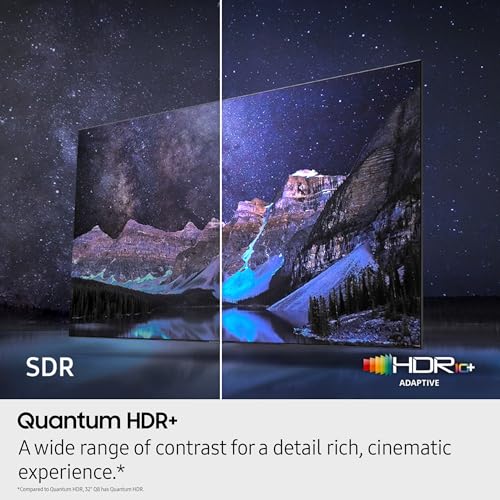
Neither the Samsung Q8F nor Samsung QN90D supports Dolby Vision HDR. Both models support HDR10, HDR10+, and HLG formats. Samsung uses HDR10+ as their premium HDR format instead of Dolby Vision, which provides scene-by-scene optimization for compatible content.
The Samsung QN90D performs much better in bright rooms due to its exceptional peak brightness capabilities and better reflection handling. While the Samsung Q8F provides adequate brightness for moderately lit rooms, the QN90D's superior brightness ensures excellent visibility even in very bright environments with lots of natural light.
The audio difference is substantial - the Samsung QN90D features a 60W Dolby Atmos 4.2.2 channel system that provides immersive surround sound, while the Samsung Q8F has a basic 20W OTS Lite system. The QN90D's superior audio reduces the immediate need for a soundbar upgrade for many users.
Choose the Samsung Q8F if you want solid QLED quality at a budget-friendly price for casual viewing and don't need advanced gaming features. Choose the Samsung QN90D if you prioritize superior picture quality, serious gaming performance, home theater use, or want future-proof features that justify the higher investment for long-term satisfaction.
We've done our best to create useful and informative comparisons to help you decide what product to buy. Our research uses advanced automated methods to create this comparison and perfection is not possible - please contact us for corrections or questions. These are the sites we've researched in the creation of this article: bestbuy.com - rtings.com - tomsguide.com - youtube.com - samsung.com - youtube.com - youtube.com - youtube.com - rtings.com - rtings.com - linqcdn.avbportal.com - bestbuy.com - samsung.com - samsung.com - samsung.com - youtube.com - youtube.com - billsmith.com - samsung.com - samsung.com - samsung.com - hometechnologyreview.com - shopjetson.com - certappl.com - samsung.com - theapplianceplug.com - samsung.com - manuals.plus - bestbuy.com - device.report - samsung.com - shopsilica.com - dentonstv.com - tomsguide.com - abt.com - youtube.com - youtube.com - rtings.com - samsung.com - samsung.com - standardtvandappliance.com - gerhardsappliance.com - bestbuy.com - image-us.samsung.com - youtube.com - images.samsung.com

Privacy Policy
Terms and Conditions - Affiliate Policy
Home Security
© Copyright 2008-2026.
11816 Inwood Rd #1211, Dallas, TX 75244