

![LG B5 Series OLED 65" 4K Smart TV 2025[1][7][9]](https://images.hometheaterreview.com/htr-stateless/2025/07/31238cd0-lg-b5-series-oled-65-4k-smart-tv-2025179.jpg)
![LG B5 Series OLED 65" 4K Smart TV 2025[1][7][9]](https://images.hometheaterreview.com/htr-stateless/2025/07/3368ce40-25ef-4d07-b442-bb0af89e3a29.jpg)
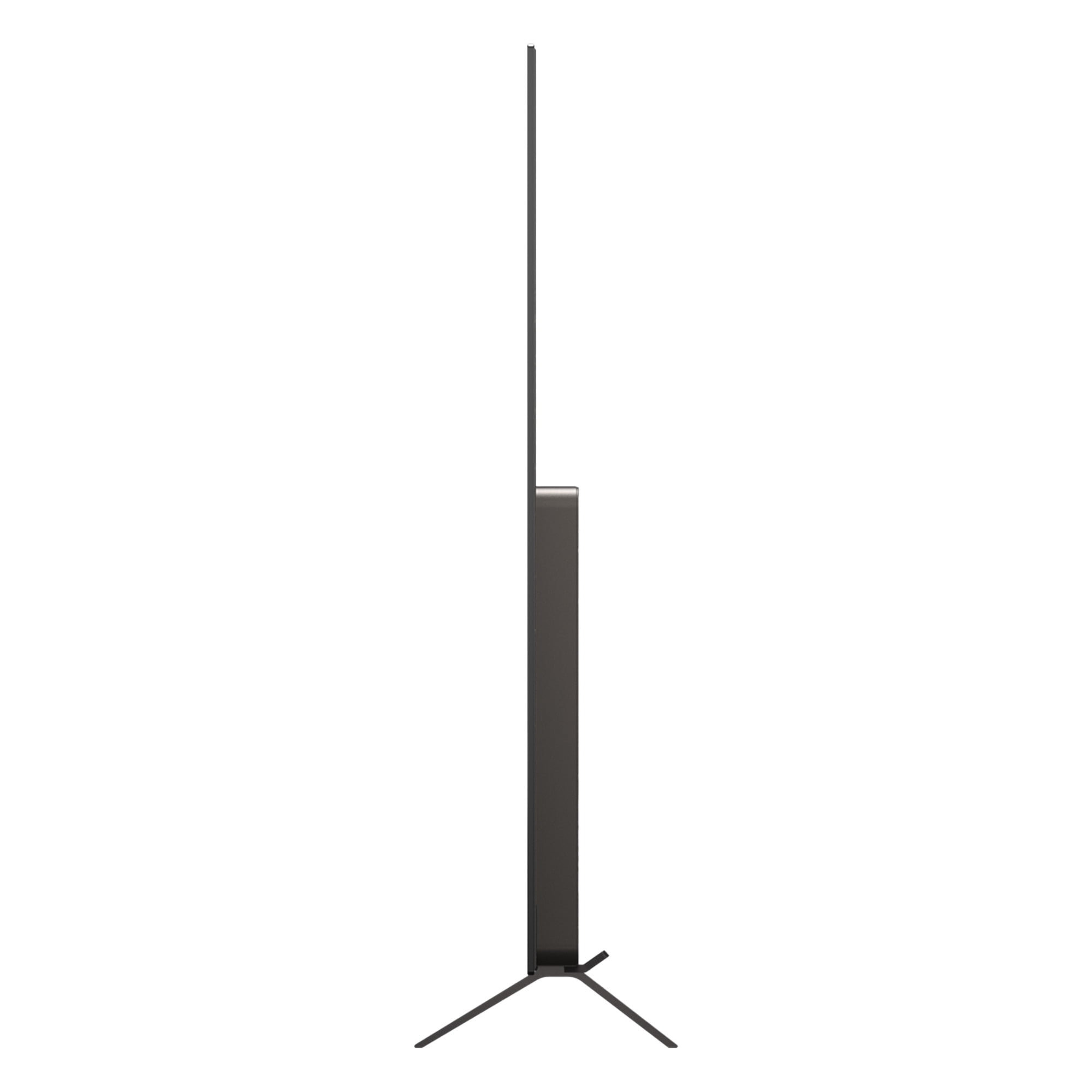
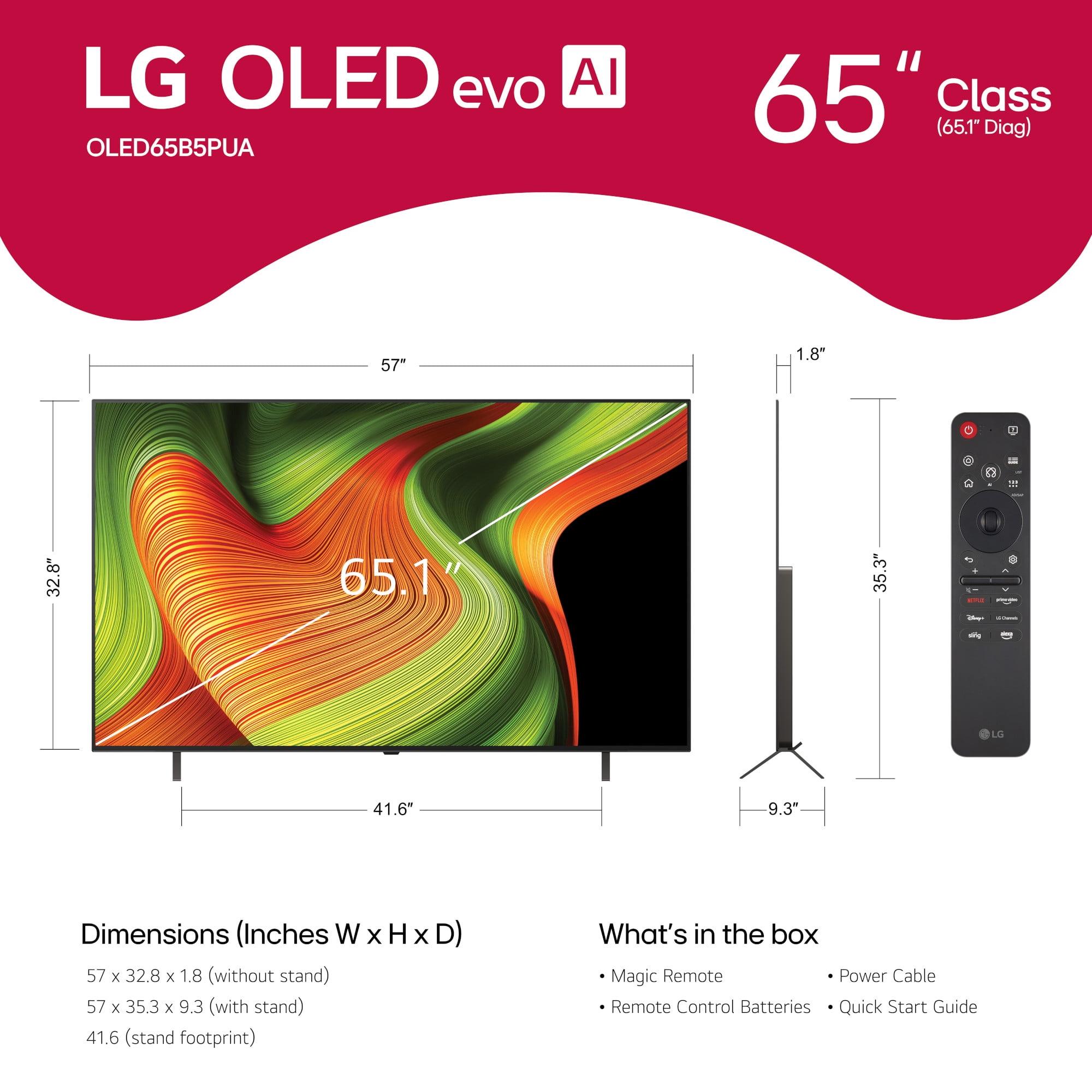
When shopping for a premium 65" TV, you're entering the most competitive segment of the display market. This size hits the sweet spot for most living rooms—large enough for cinematic impact without overwhelming your space. But choosing between technologies can feel overwhelming, especially when comparing fundamentally different approaches like the Samsung Q8F QLED and LG B5 OLED.
At the time of writing, these TVs represent two distinct philosophies separated by roughly $200, with the Samsung Q8F positioned as the more affordable option. That price difference isn't arbitrary—it reflects genuinely different strengths and ideal use cases that we'll explore in detail.
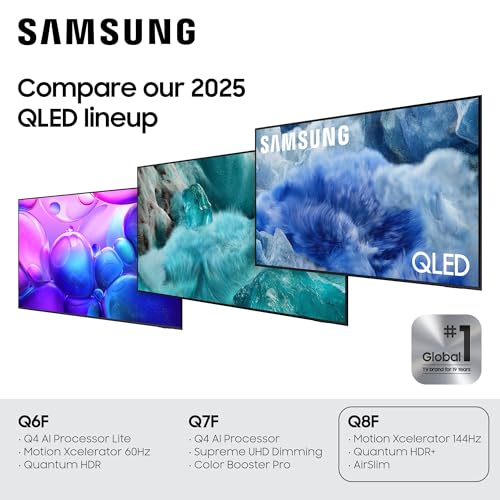
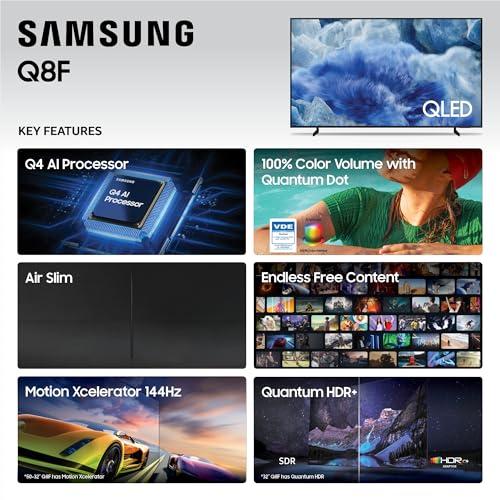
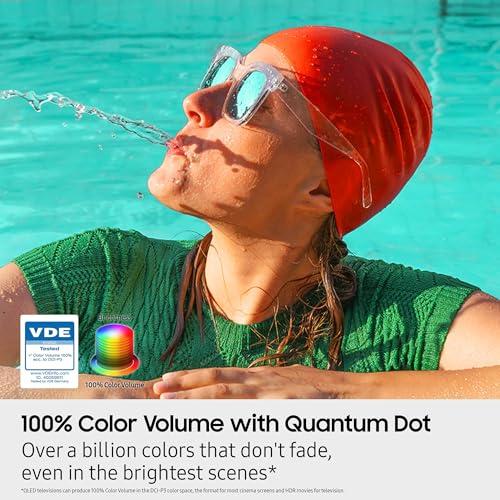
The Samsung Q8F uses Quantum Dot Light Emitting Diode (QLED) technology, which sounds more complicated than it actually is. Think of it as a sophisticated backlighting system where blue LED lights shine through a layer of microscopic quantum dots—tiny crystals that convert that blue light into precise red and green wavelengths. This creates incredibly pure, saturated colors while achieving brightness levels that can compete with sunlight streaming through your windows.
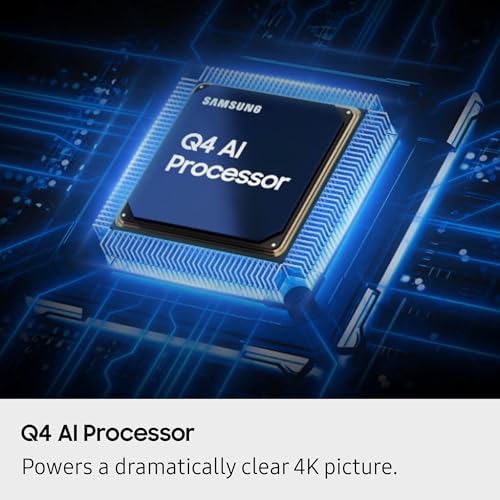
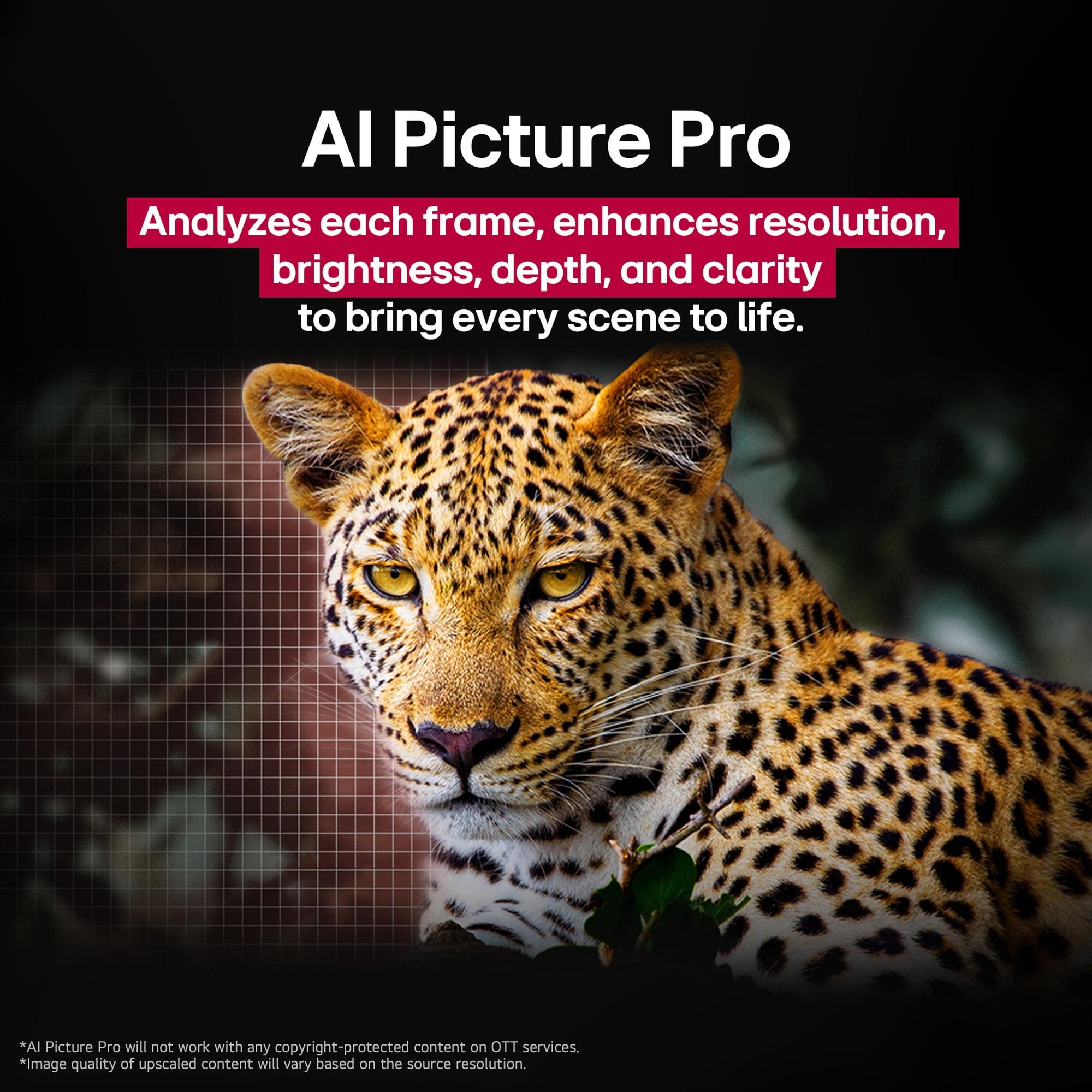
Samsung pairs this with mini-LED backlighting, meaning thousands of tiny LEDs can dim independently across different zones of the screen. While not as precise as OLED's pixel-level control, this local dimming dramatically improves contrast compared to traditional LED TVs. The Q4 AI Processor analyzes each scene in real-time, adjusting brightness, color, and sharpness based on what you're watching.
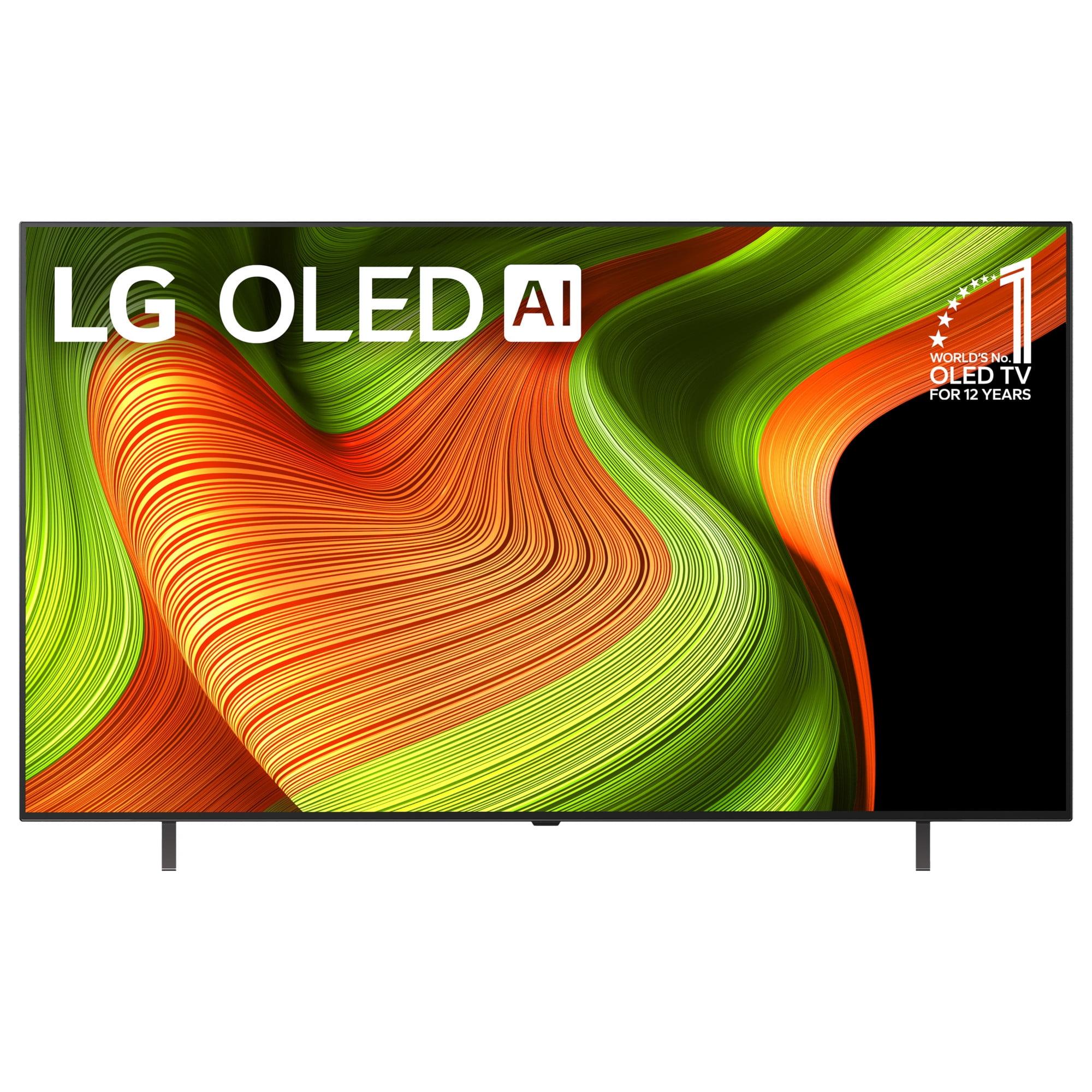
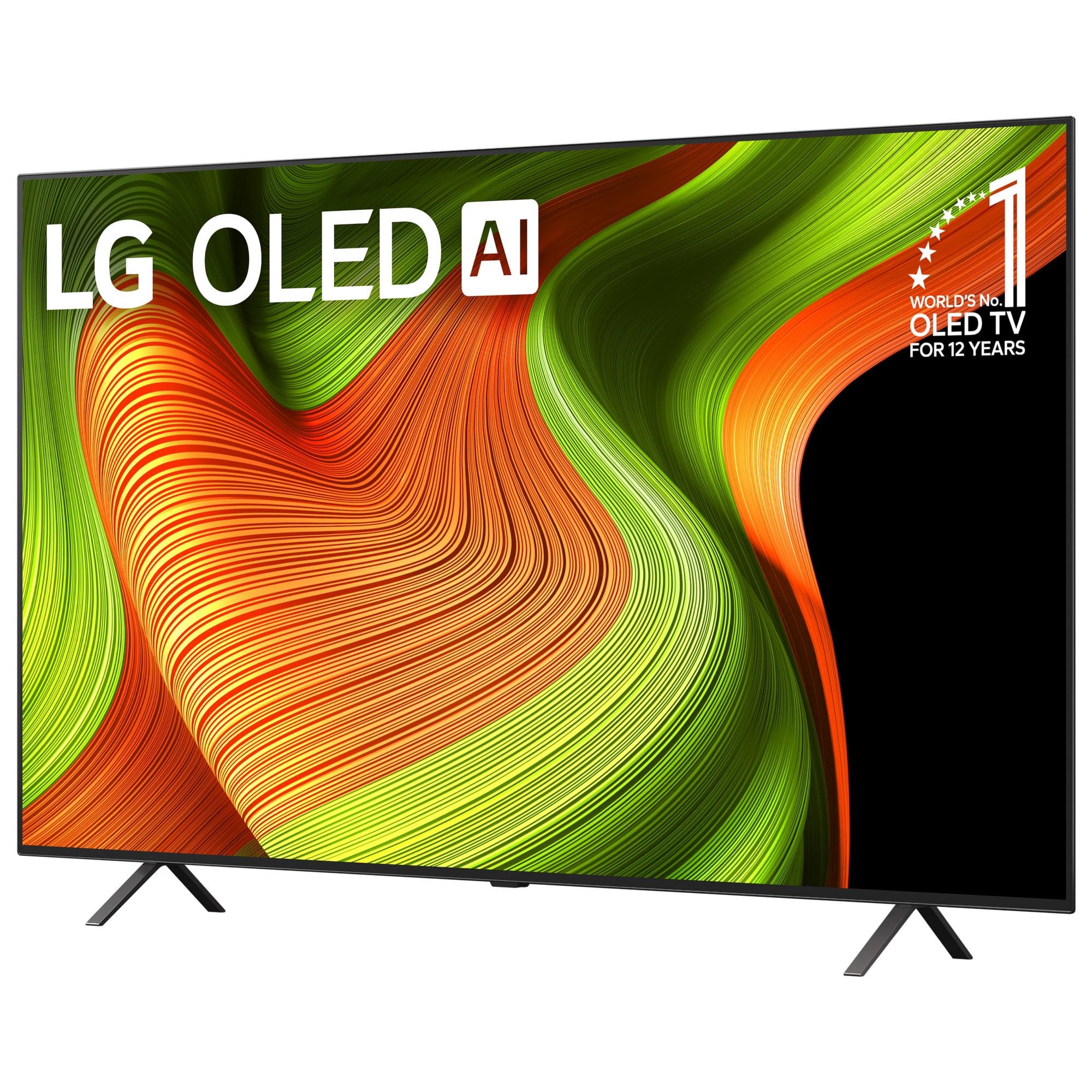
The LG B5 takes a radically different approach with Organic Light Emitting Diode (OLED) technology. Instead of using a backlight, each pixel generates its own light—and crucially, can turn completely off. This means perfect blacks: when the TV displays a black pixel, it produces literally zero light from that spot. It's the difference between shining a flashlight through black paint (LED/QLED) versus having no flashlight at all in that area (OLED).
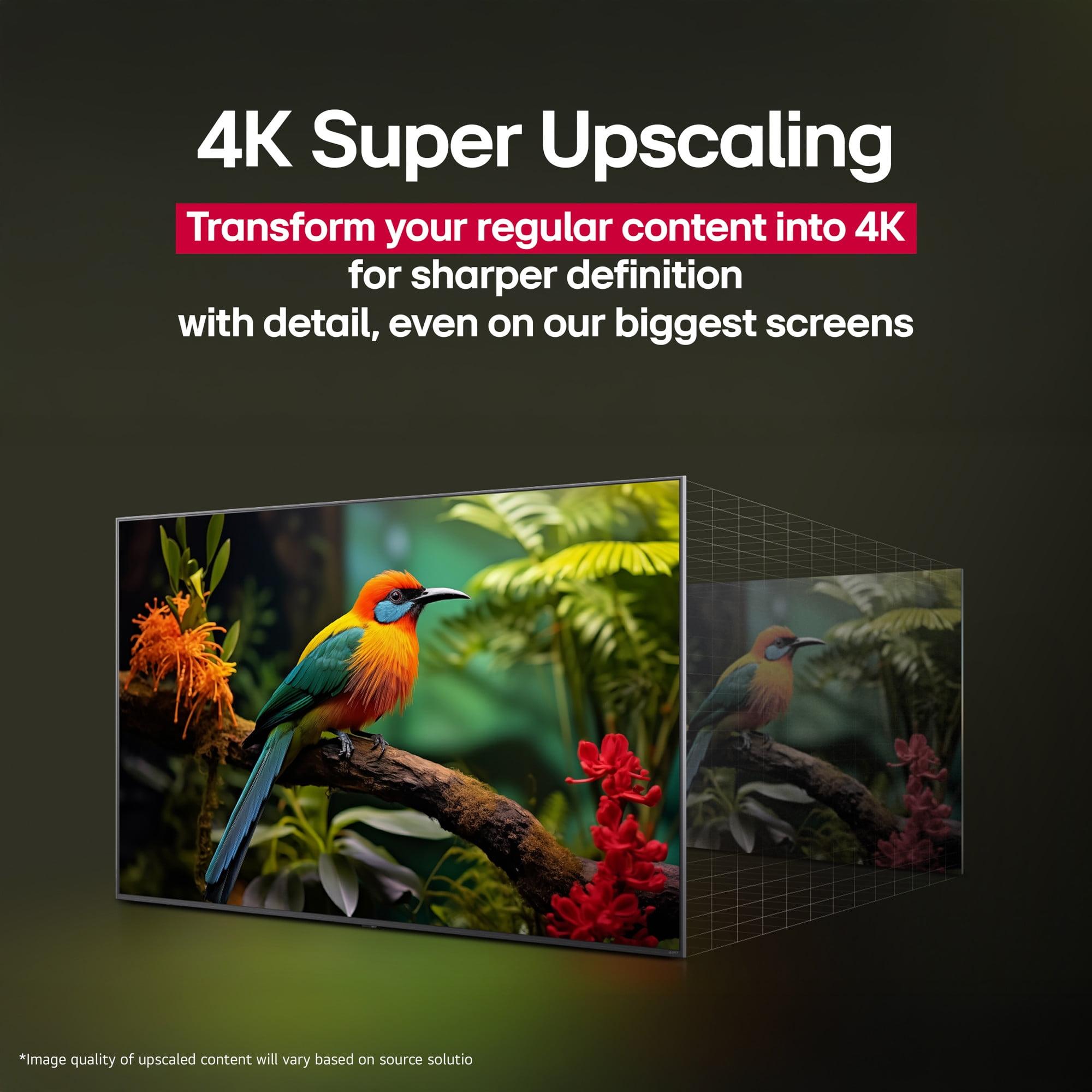
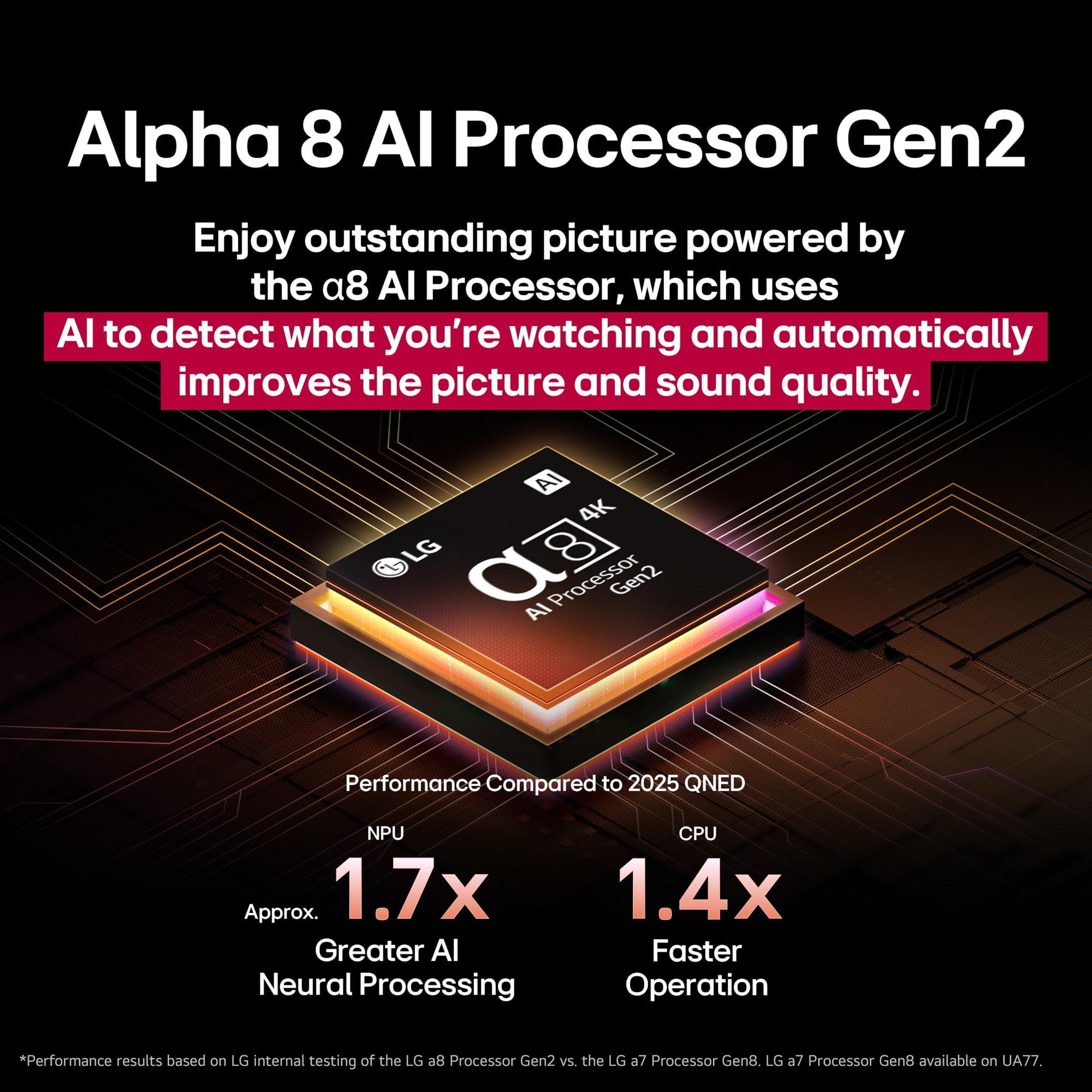
LG's α8 AI Processor 4K Gen2 manages this pixel-level precision while upscaling lower-resolution content and optimizing HDR performance. The processor is notably faster than previous generations, enabling more sophisticated real-time adjustments to both picture and sound.
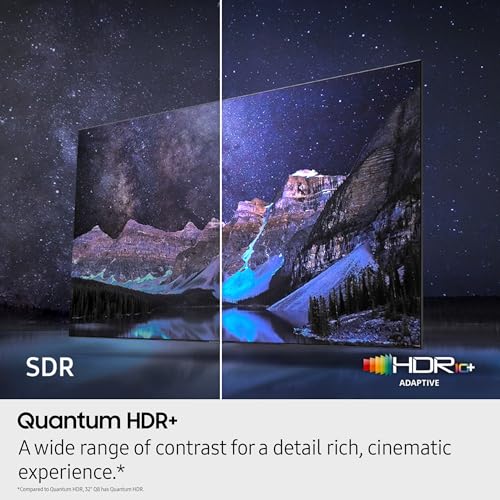
This is where these TVs diverge most dramatically. Based on our research of professional measurements and user experiences, the Samsung Q8F achieves peak HDR brightness around 1,100 nits—bright enough that HDR highlights genuinely pop even with afternoon sunlight in the room. More importantly, its fullscreen brightness capability means the entire image stays vibrant and punchy under ambient light.
The LG B5, by contrast, peaks around 670 nits and manages only about 130 nits across a full white screen. In a dark room, this doesn't matter—the perfect blacks create stunning contrast. But with windows or overhead lights, the B5 can look washed out and lose the visual impact that makes OLED special.
I've experienced this personally with OLED TVs in bright rooms. The technology that looks magical at night can feel disappointing during daytime viewing, especially with HDR content that relies on bright highlights for impact.
Here's where the LG B5 absolutely dominates. When displaying a black pixel, it produces zero measurable light—creating infinite contrast ratios that no LED-based TV can match. In dark scenes, this translates to incredible depth and detail in shadows without the grey wash that affects even the best QLED displays.
The Samsung Q8F, despite its mini-LED local dimming, still shows slightly raised black levels. In a completely dark room, blacks appear more like dark grey with a subtle pink or blue tint. This isn't necessarily bad—most viewers find the overall bright, punchy image satisfying—but it's a fundamental limitation of the backlighting approach.
Expert reviews consistently highlight this as OLED's defining advantage. The visual depth created by perfect blacks makes movies feel more three-dimensional and immersive, particularly in dark viewing environments.
Both TVs excel here, but in different ways. The LG B5 achieves approximately 99.5% of the DCI-P3 color gamut used in professional film production, with exceptional out-of-the-box accuracy. This means colors appear as filmmakers intended without professional calibration.
The Samsung Q8F reaches about 93% DCI-P3 but compensates with Quantum Dot technology's ability to maintain color saturation at high brightness levels. While slightly less accurate in absolute terms, many viewers prefer Samsung's more vibrant, punchy color presentation.
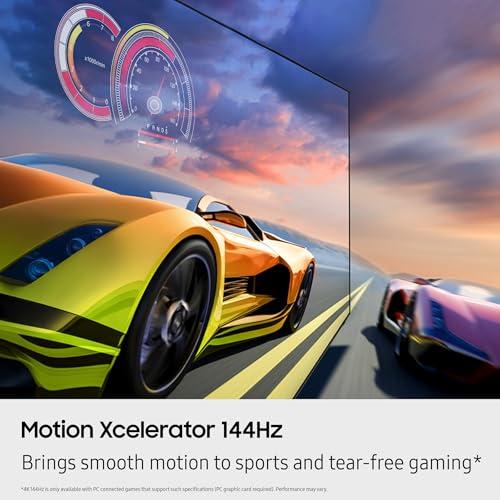
For gaming, the LG B5 offers measurable advantages. Its sub-0.1ms response time means virtually no motion blur or ghosting in fast-paced games. Each pixel changes state instantaneously, creating incredibly smooth motion that competitive gamers appreciate.
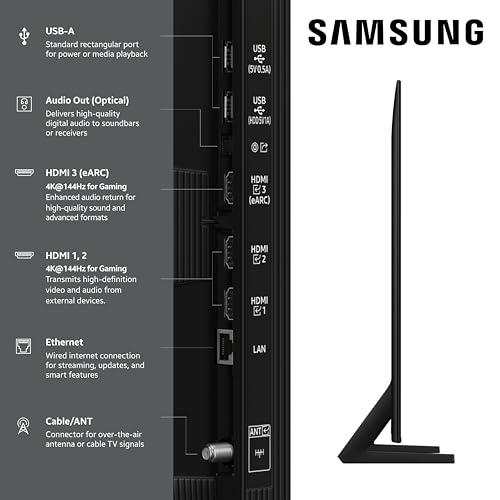
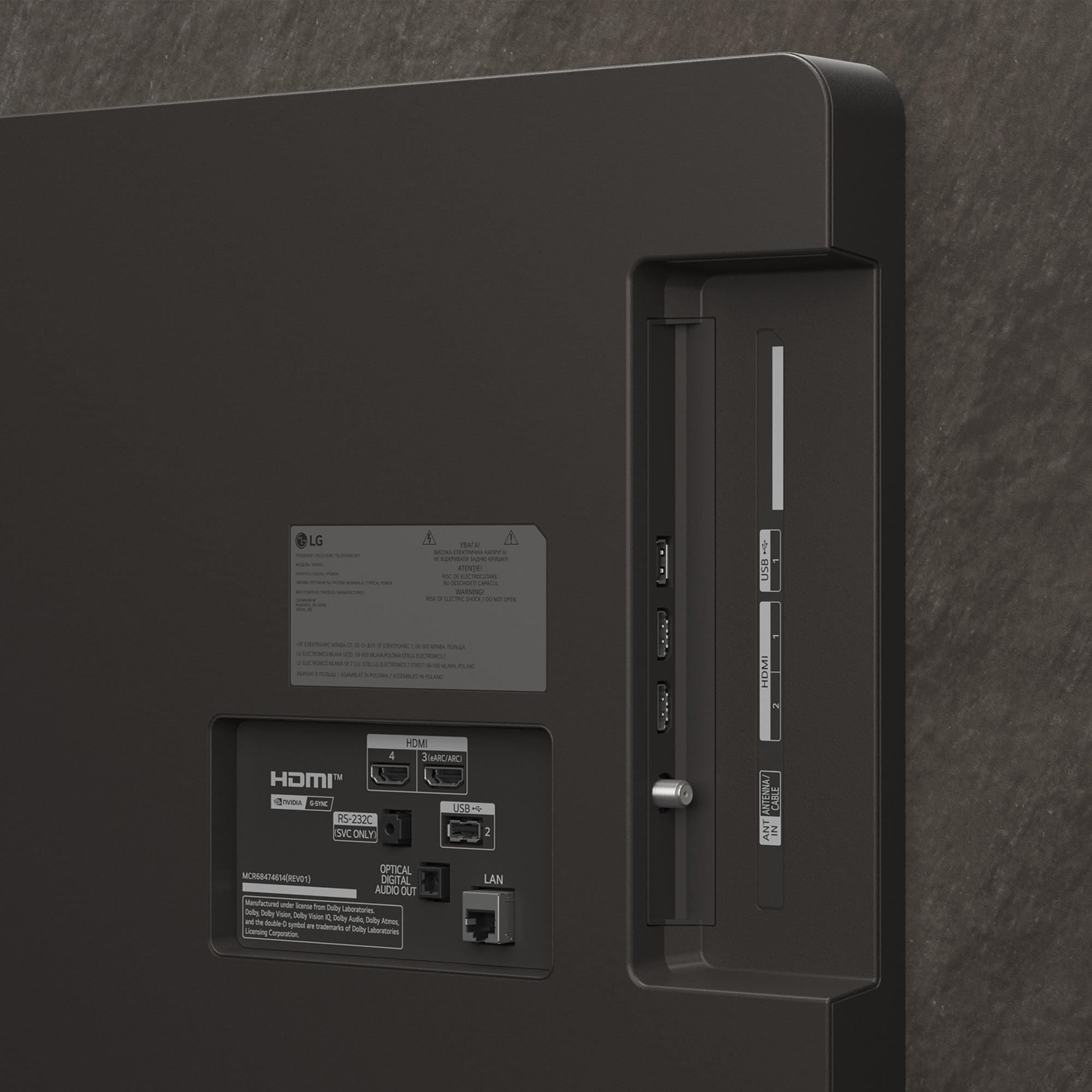
Both TVs support Variable Refresh Rate (VRR), which synchronizes the TV's refresh rate with your gaming console to eliminate screen tearing, and Auto Low Latency Mode (ALLM), which automatically switches to gaming-optimized settings. The LG B5 provides all these features across all four HDMI 2.1 ports, ensuring maximum flexibility for multiple gaming devices.
The Samsung Q8F offers solid gaming performance but can't match OLED's response times. However, its higher brightness can make HDR games more impactful, particularly in well-lit gaming setups.
The LG B5 runs webOS 25, LG's latest smart TV platform that emphasizes AI-driven personalization. Quick Cards let you organize favorite apps into custom categories, while AI recommendations learn your viewing habits to suggest relevant content. The platform provides access to over 300 free channels through LG Channels, though availability varies by region.
The redesigned Magic Remote includes a dedicated AI button for voice commands and smart features. This AI integration extends to picture and sound optimization, automatically adjusting settings based on content type and viewing environment.
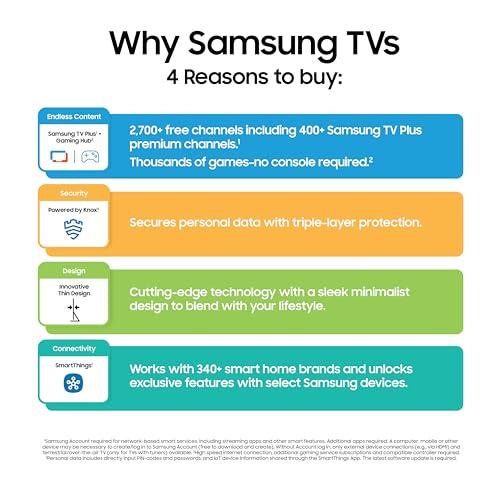
The Samsung Q8F runs Tizen OS with Samsung Vision AI, focusing heavily on smart home integration. The TV can act as a SmartThings Hub, controlling compatible smart home devices directly. This ecosystem approach appeals to users already invested in Samsung devices or those wanting centralized smart home control.
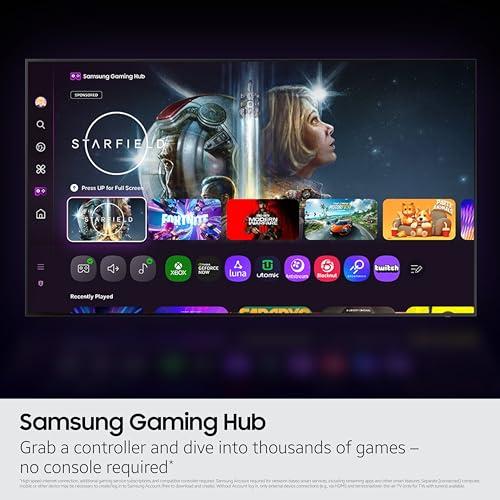
Samsung TV Plus provides free streaming content, while Bixby voice assistant offers hands-free control. The platform's strength lies in its connectivity features, including seamless integration with Samsung phones and tablets.
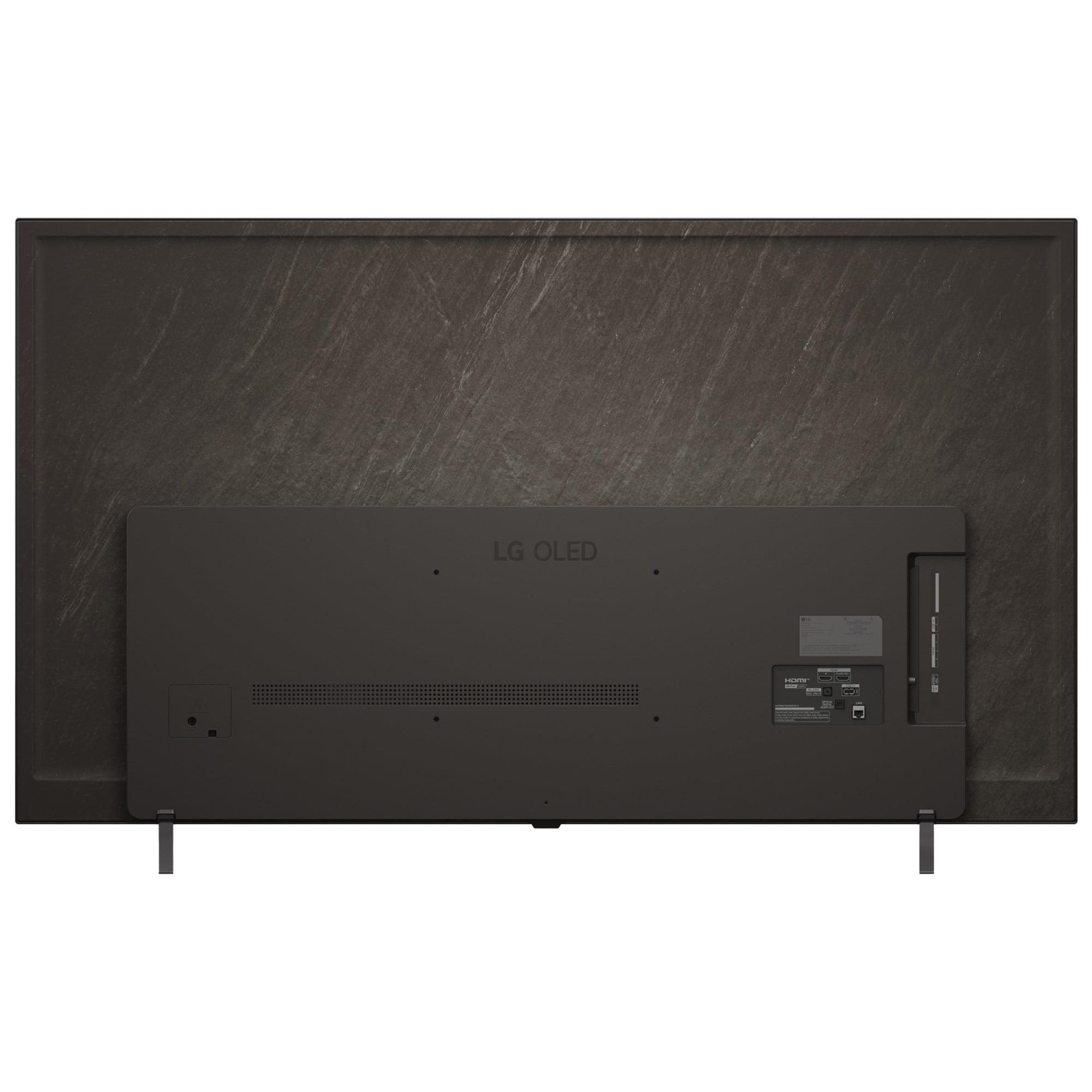
Neither TV excels in built-in audio, which is typical for thin modern displays. The LG B5 includes a 20W 2.0 channel system with Dolby Atmos processing, while the Samsung Q8F features Object Tracking Sound Lite technology that attempts to match audio direction with on-screen action.
Both TVs support eARC (Enhanced Audio Return Channel) for high-quality audio passthrough to soundbars or AV receivers. Samsung's Q-Symphony technology allows compatible soundbars to work alongside the TV's speakers for enhanced sound, while LG focuses on clean passthrough to external audio systems.
For serious home theater use, plan to invest in a dedicated sound system regardless of which TV you choose.
For dedicated home theater setups with controlled lighting, the LG B5 is generally the superior choice. Its perfect blacks and infinite contrast create the immersive experience that makes big-screen viewing special. FILMMAKER MODE preserves director's intent by disabling motion smoothing and color enhancement, ensuring movies appear as intended.
However, the Samsung Q8F shouldn't be dismissed for home theater use. Its superior brightness can actually enhance the HDR experience with certain content, and its excellent reflection handling means you don't need blackout curtains for daytime viewing.
OLED technology has historically raised concerns about burn-in—permanent image retention from static elements like channel logos or gaming interfaces. Modern OLEDs like the LG B5 include sophisticated burn-in prevention features, including pixel shifting and automatic brightness reduction for static elements.
QLED technology doesn't suffer from burn-in concerns, potentially making the Samsung Q8F more suitable for users who frequently display static content or use the TV as a computer monitor.
Your viewing room has significant ambient light. Windows, overhead lights, or bright decor make the Q8F's superior brightness essential for maintaining image quality throughout the day.
Budget is a primary concern. The roughly $200 savings at the time of writing represents meaningful value, especially when the Q8F's brightness advantage suits your environment better anyway.
You prioritize reliability and longevity. QLED technology's freedom from burn-in concerns provides peace of mind for varied usage patterns.
Smart home integration matters. Samsung's ecosystem approach and SmartThings Hub functionality add practical value beyond just watching TV.
You can control your viewing environment. Dark or dim rooms let OLED's contrast advantages shine, creating a genuinely superior viewing experience.
Picture quality is your absolute priority. If you're willing to optimize your room setup for the best possible image, OLED delivers unmatched contrast and color accuracy.
Gaming performance matters most. The sub-0.1ms response time provides measurable advantages for competitive gaming.
You primarily watch premium content. Movies, high-end streaming shows, and content mastered for wide color gamuts benefit most from OLED's capabilities.
Both the Samsung Q8F and LG B5 represent excellent values in their respective approaches to premium TV technology. The key is honestly assessing your viewing environment and priorities.
If I had to choose, I'd lean toward the Samsung Q8F for most buyers. Its superior brightness and reflection handling make it more versatile for real-world living spaces, while the cost savings could fund a quality soundbar that would improve the experience more than the B5's picture quality advantages in bright rooms.
However, for dark room enthusiasts or those building dedicated home theaters, the LG B5 delivers an experience that's genuinely different—not just better in measurable ways, but visually striking in a way that bright TVs simply cannot match.
The choice ultimately comes down to where and how you watch TV most often. Be honest about your room's lighting, your budget, and your priorities. Both TVs will serve you well, but in notably different circumstances.
| Samsung 65" QLED Q8F 4K Smart TV 2025 | LG B5 Series OLED 65" 4K Smart TV 2025 |
|---|---|
| Display Technology - Determines fundamental picture quality approach | |
| Quantum Dot Mini-LED with local dimming zones | Self-lit OLED pixels with individual control |
| Peak HDR Brightness - Critical for bright room viewing and HDR impact | |
| ~1,106 nits (excellent for daytime use) | 668 nits (good for dark rooms only) |
| Black Level Performance - Affects contrast and dark scene detail | |
| Slightly raised blacks with grayish tint | Perfect 0-nit blacks with infinite contrast |
| Color Gamut Coverage - Determines color accuracy and vibrancy | |
| 93% DCI-P3 (very good, punchy colors) | 99.5% DCI-P3 (reference-level accuracy) |
| Gaming Response Time - Essential for competitive gaming | |
| Good but not exceptional for LED technology | Sub-0.1ms (virtually instantaneous) |
| HDMI 2.1 Gaming Features - Future-proofs for next-gen consoles | |
| VRR, ALLM, G-Sync, FreeSync support | All 4 ports support full 4K@120Hz bandwidth |
| Smart TV Platform - Daily usability and app ecosystem | |
| Tizen OS with SmartThings Hub integration | webOS 25 with AI-powered recommendations |
| Built-in Audio System - Determines if soundbar is immediately needed | |
| Object Tracking Sound Lite, Q-Symphony ready | 20W 2.0 channel with Dolby Atmos |
| Burn-in Risk - Long-term reliability consideration | |
| No burn-in concerns with QLED technology | Modern OLED with burn-in prevention features |
| Best Use Environment - Where each TV performs optimally | |
| Bright rooms with windows and ambient light | Dark or controlled lighting environments |
| Ideal Buyer Profile - Who benefits most from each approach | |
| Budget-conscious buyers in bright living spaces | Picture quality enthusiasts with dark viewing rooms |
The Samsung Q8F QLED is significantly better for bright rooms. It achieves peak brightness around 1,106 nits compared to the LG B5 OLED's 668 nits, and handles reflections much better. In rooms with windows or overhead lighting, the Samsung Q8F maintains vibrant colors and contrast, while the LG B5 can appear washed out during daytime viewing.
QLED TVs like the Samsung Q8F use quantum dot technology with LED backlighting to create bright, colorful images. OLED TVs like the LG B5 have pixels that light themselves and can turn completely off, creating perfect blacks. The Samsung Q8F excels in brightness, while the LG B5 delivers superior contrast and black levels.
The LG B5 OLED is better for competitive gaming due to its sub-0.1ms response time and virtually no input lag. Both TVs support VRR, ALLM, and gaming features, but the LG B5 provides all HDMI 2.1 features across all four ports. However, the Samsung Q8F offers good gaming performance with the added benefit of brighter HDR gaming visuals.
For dedicated home theaters with controlled lighting, the LG B5 OLED is superior due to its perfect blacks and infinite contrast creating a more cinematic experience. The Samsung Q8F can also work well in home theaters, especially if you occasionally watch during the day, as its brightness advantage means you don't need complete darkness for great picture quality.
Both offer excellent smart platforms. The LG B5 runs webOS 25 with AI-powered recommendations and Quick Cards for app organization. The Samsung Q8F uses Tizen OS with SmartThings Hub integration for smart home control. Choose the LG B5 for content discovery features or the Samsung Q8F if you want smart home integration.
The LG B5 OLED offers superior color accuracy with 99.5% DCI-P3 coverage and reference-level precision out of the box. The Samsung Q8F achieves 93% DCI-P3 but delivers more vibrant, punchy colors that many viewers prefer. Both produce excellent colors, but the LG B5 is more accurate while the Samsung Q8F is more vivid.
The Samsung Q8F QLED has no burn-in risk, making it potentially more reliable for varied usage including gaming and computer use. The LG B5 OLED includes modern burn-in prevention features, but OLED technology still carries some risk with static content. For peace of mind with mixed usage, the Samsung Q8F is the safer choice.
In dark rooms, the LG B5 OLED significantly outperforms the Samsung Q8F. The perfect blacks create stunning contrast and depth that QLED cannot match. Dark scenes reveal incredible shadow detail without the grayish tint that affects the Samsung Q8F in completely dark environments.
The Samsung Q8F typically offers better value for most buyers, costing less while delivering excellent performance in bright rooms where most people watch TV. The LG B5 provides premium picture quality that justifies its higher price for dark room viewing and picture quality enthusiasts.
Neither TV excels in audio, but the Samsung Q8F includes Object Tracking Sound Lite and Q-Symphony compatibility with Samsung soundbars. The LG B5 has a 20W 2.0 system with Dolby Atmos processing. Both benefit significantly from external sound systems for serious viewing.
For movie watching, it depends on your environment. The LG B5 OLED delivers superior contrast and filmmaker-intended colors in dark rooms, making it ideal for cinematic viewing. The Samsung Q8F works better for daytime streaming and bright room movie watching, maintaining image quality in varied lighting conditions.
Choose the Samsung Q8F if your living room has windows or mixed lighting throughout the day - it performs consistently well in all conditions and costs less. Pick the LG B5 if you can control lighting and prioritize the best possible picture quality, especially for evening viewing and premium content.
We've done our best to create useful and informative comparisons to help you decide what product to buy. Our research uses advanced automated methods to create this comparison and perfection is not possible - please contact us for corrections or questions. These are the sites we've researched in the creation of this article: bestbuy.com - rtings.com - tomsguide.com - youtube.com - samsung.com - youtube.com - youtube.com - youtube.com - rtings.com - rtings.com - linqcdn.avbportal.com - bestbuy.com - samsung.com - samsung.com - samsung.com - youtube.com - youtube.com - billsmith.com - samsung.com - samsung.com - samsung.com - hometechnologyreview.com - shopjetson.com - certappl.com - samsung.com - theapplianceplug.com - samsung.com - manuals.plus - bestbuy.com - device.report - samsung.com - shopsilica.com - dentonstv.com - eftm.com - bestbuy.com - rtings.com - youtube.com - rtings.com - tomsguide.com - youtube.com - nationalproductreview.com.au - lg.com - manchesterbrothers.com - avsforum.com - lg.com - lg.com - lg.com - lg.com - retailspecs.com - american-homeappliance.com - perpichtv.com

Privacy Policy
Terms and Conditions - Affiliate Policy
Home Security
© Copyright 2008-2026.
11816 Inwood Rd #1211, Dallas, TX 75244