

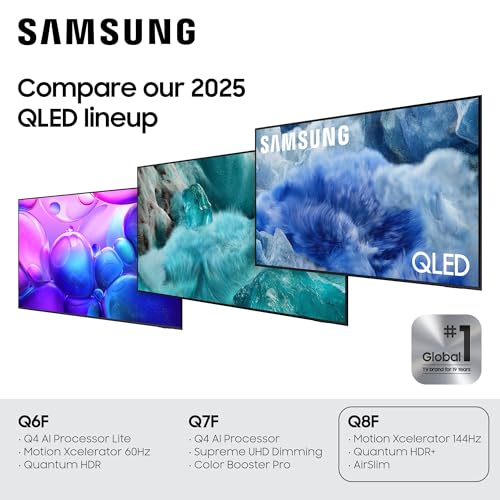
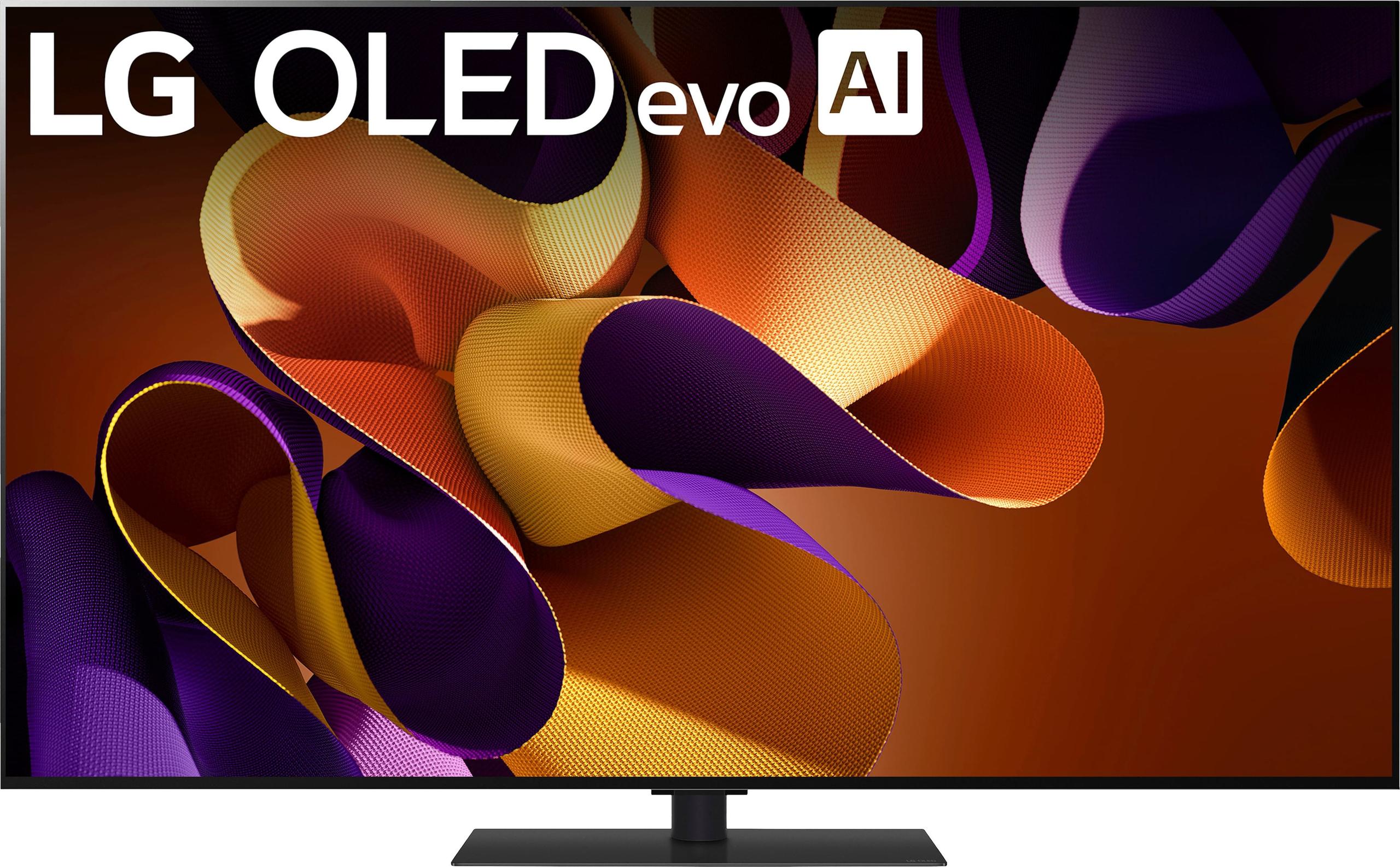
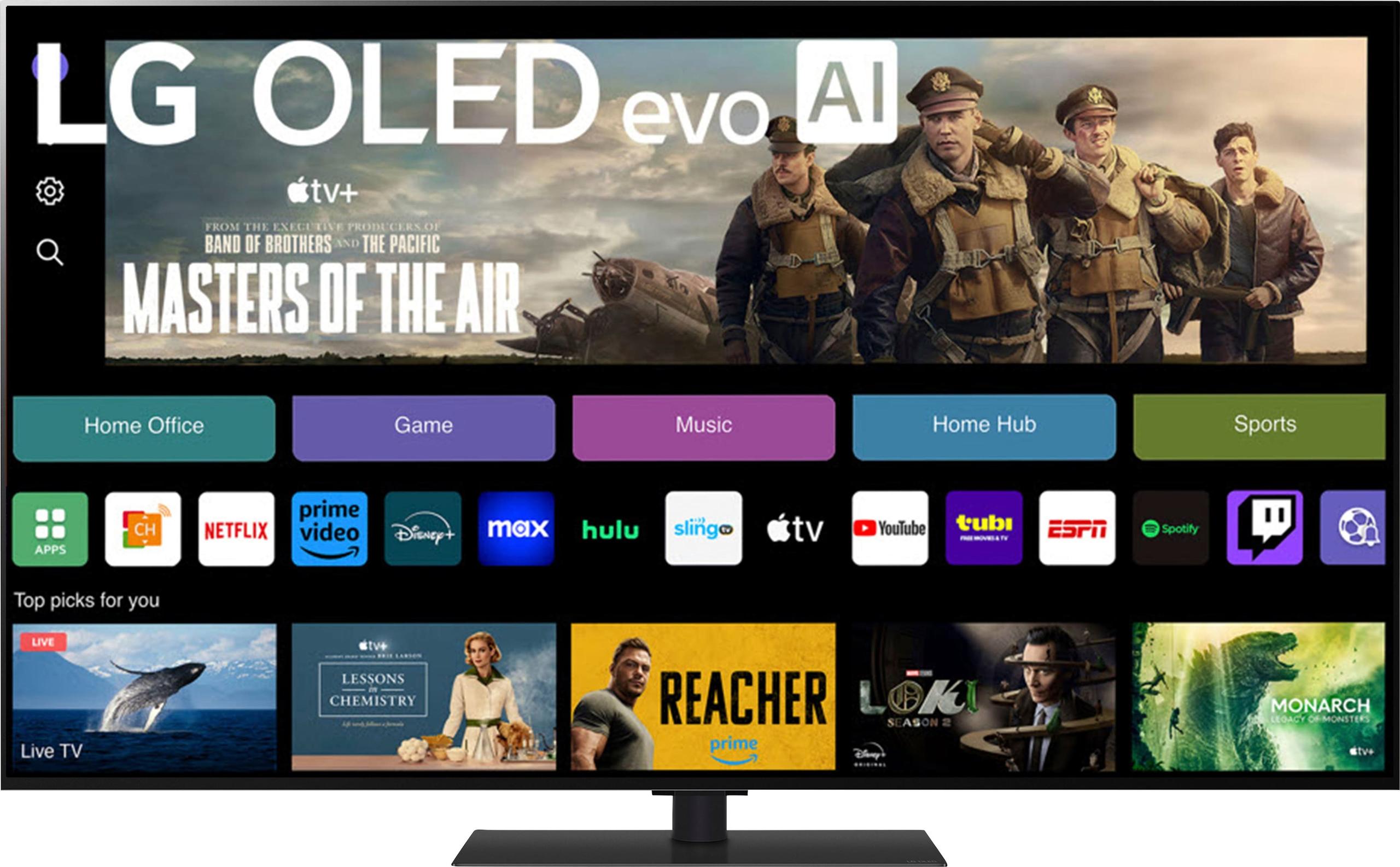
Shopping for a premium 65-inch TV in 2024-2025 means choosing between two fundamentally different technologies that have evolved dramatically over the past few years. The Samsung 65" QLED Q8F, released in 2025, represents the latest in quantum dot LED technology, while the LG 65" G4 Series OLED, launched in 2024, showcases cutting-edge organic light-emitting diode displays. At the time of writing, these TVs sit at vastly different price points—the Samsung typically costs significantly less than the LG, creating a classic value-versus-performance decision.
Understanding which TV suits your needs requires diving into how these technologies actually work and what that means for your viewing experience. After researching extensive user feedback and professional reviews, it's clear that each excels in different scenarios, making your choice highly dependent on your specific situation.
The core difference between the Samsung Q8F and LG G4 lies in how they create the images you see. QLED technology, used in the Samsung, still relies on a backlight system—essentially LED lights behind the screen that shine through layers including quantum dots (tiny particles that enhance color) and an LCD panel that controls which pixels appear bright or dark. Think of it like a flashlight shining through a stained glass window.
OLED technology in the LG G4 works completely differently. Each pixel is essentially its own tiny light source that can turn completely on or off independently. This is like having millions of individual candles that can be lit or extinguished instantly. This fundamental difference creates cascading effects across every aspect of performance.
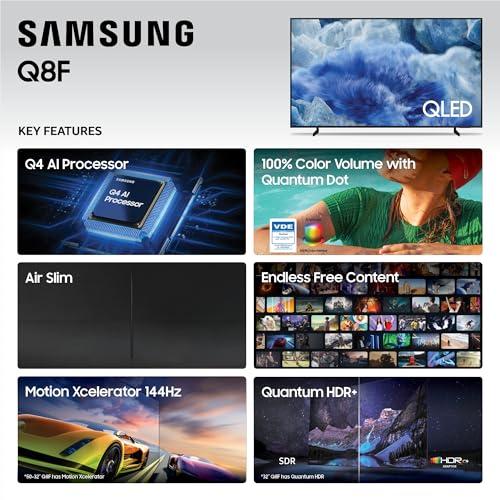
The quantum dots in the Samsung Q8F are microscopic particles that absorb blue light from the backlight and convert it to red and green light, creating more accurate and vibrant colors than traditional LED TVs. Samsung's 2025 quantum dot implementation is cadmium-free and certified for environmental safety while maintaining exceptional color performance.
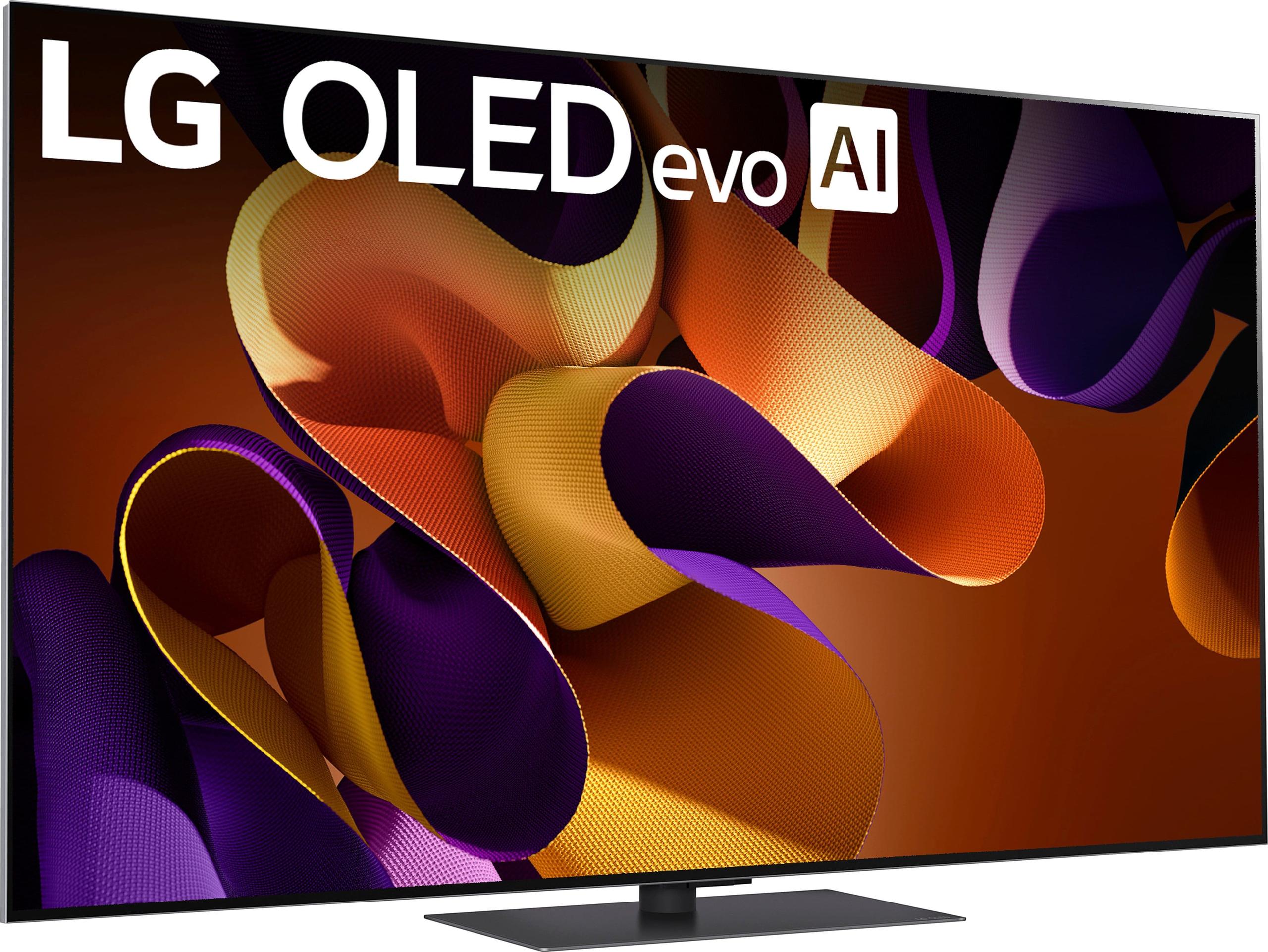
LG's 2024 G4 OLED uses what's called MLA (Micro Lens Array) technology—tiny lenses placed over each pixel that focus and direct light more efficiently. This second-generation MLA technology allows the G4 to achieve brightness levels that were impossible for OLEDs just a few years ago, addressing one of OLED's traditional weaknesses.
When evaluating TVs, contrast ratio—the difference between the brightest whites and darkest blacks—often determines how realistic and immersive images appear. Here, the LG G4 has an insurmountable advantage due to its pixel-level control. When a scene calls for pure black, those OLED pixels simply turn off completely, producing zero light emission. This creates what reviewers consistently describe as "perfect blacks" and infinite contrast ratios.
The Samsung Q8F, despite featuring advanced local dimming technology called Supreme UHD Dimming, cannot achieve true blacks due to its backlight design. Even with dimming zones that reduce brightness in dark areas, some light inevitably bleeds through. In dark movie scenes or when displaying letterbox bars (those black bands above and below movies), you'll notice the difference immediately—the Samsung shows dark gray where the LG shows pure black.
This contrast advantage makes the LG G4 particularly compelling for movie enthusiasts and anyone who watches content in darkened rooms. The difference is especially pronounced in HDR (High Dynamic Range) content, where the contrast between bright highlights and dark shadows creates more realistic, three-dimensional-looking images.
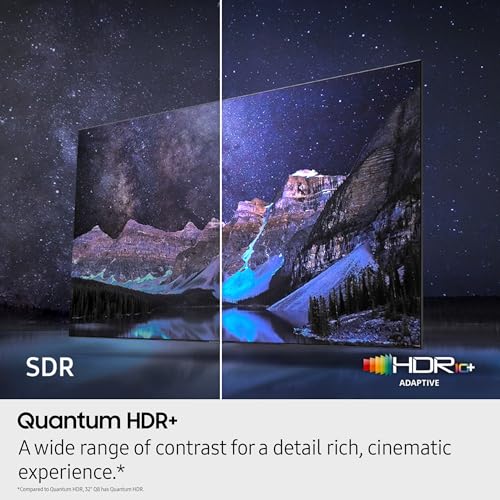
Peak brightness represents how bright the whitest whites can get, and this is where the Samsung Q8F typically holds an advantage. LED backlighting can achieve higher peak brightness levels than OLED technology, making the Samsung better suited for bright rooms with lots of ambient light. The Q8F's Quantum HDR+ technology can deliver punchy, bright highlights that maintain their impact even when sunlight streams through windows.
However, LG made significant strides with the 2024 G4's Brightness Booster Max technology, achieving up to 150% brighter images than previous OLED generations. This improvement brings OLED brightness to levels that compete with many LED TVs, though the Samsung still typically edges ahead in peak brightness measurements.
For HDR content specifically, both TVs perform excellently, but their strengths differ. The Samsung Q8F delivers more aggressive, punchy HDR highlights, while the LG G4 provides more nuanced gradations between bright and dark areas due to its superior contrast control.
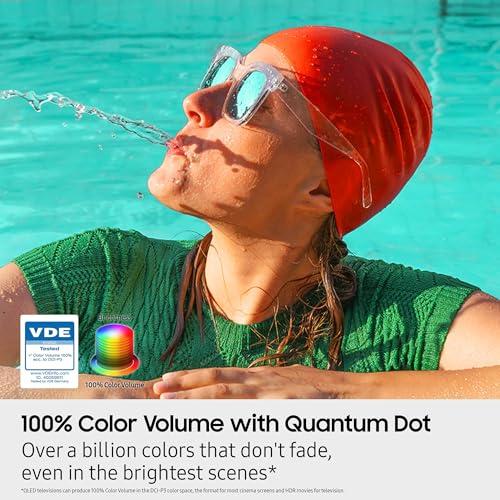
Color reproduction showcases another philosophical difference between these technologies. The Samsung Q8F aims for vibrant, eye-catching colors that pop off the screen. Its quantum dot technology achieves what Samsung calls "100% Color Volume," meaning it can display vivid colors even at high brightness levels. This creates an immediately impressive viewing experience that many people prefer for sports, nature documentaries, and bright, colorful content.
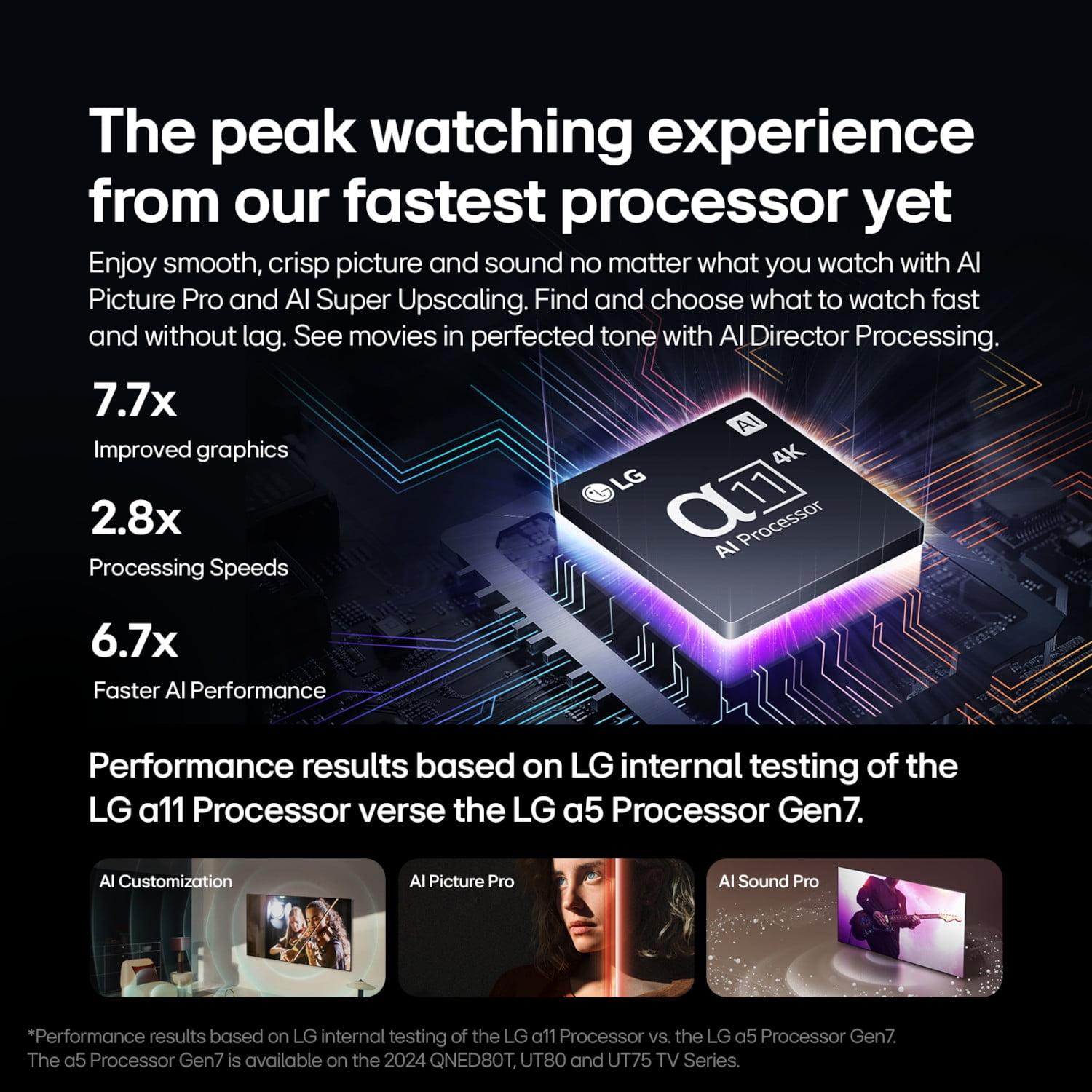
The LG G4 takes a more reference-accurate approach to color. Its OLED panel is certified for "100% color fidelity," meaning colors appear as content creators intended. This makes it particularly appealing for movie enthusiasts who want to see films as directors envisioned them. The G4's α11 AI processor also includes features like AI Director Processing, which preserves original color grading decisions made during film production.
Neither approach is inherently superior—it depends on your preferences. If you want colors that immediately grab attention and create a "wow factor," the Samsung's approach appeals more. If you prefer natural, accurate colors that serve the content rather than overwhelming it, the LG's philosophy aligns better with your needs.
Gaming performance has become increasingly important as TVs compete with dedicated gaming monitors. Both the Samsung Q8F and LG G4 offer modern gaming features, but OLED technology provides inherent advantages that serious gamers will appreciate.
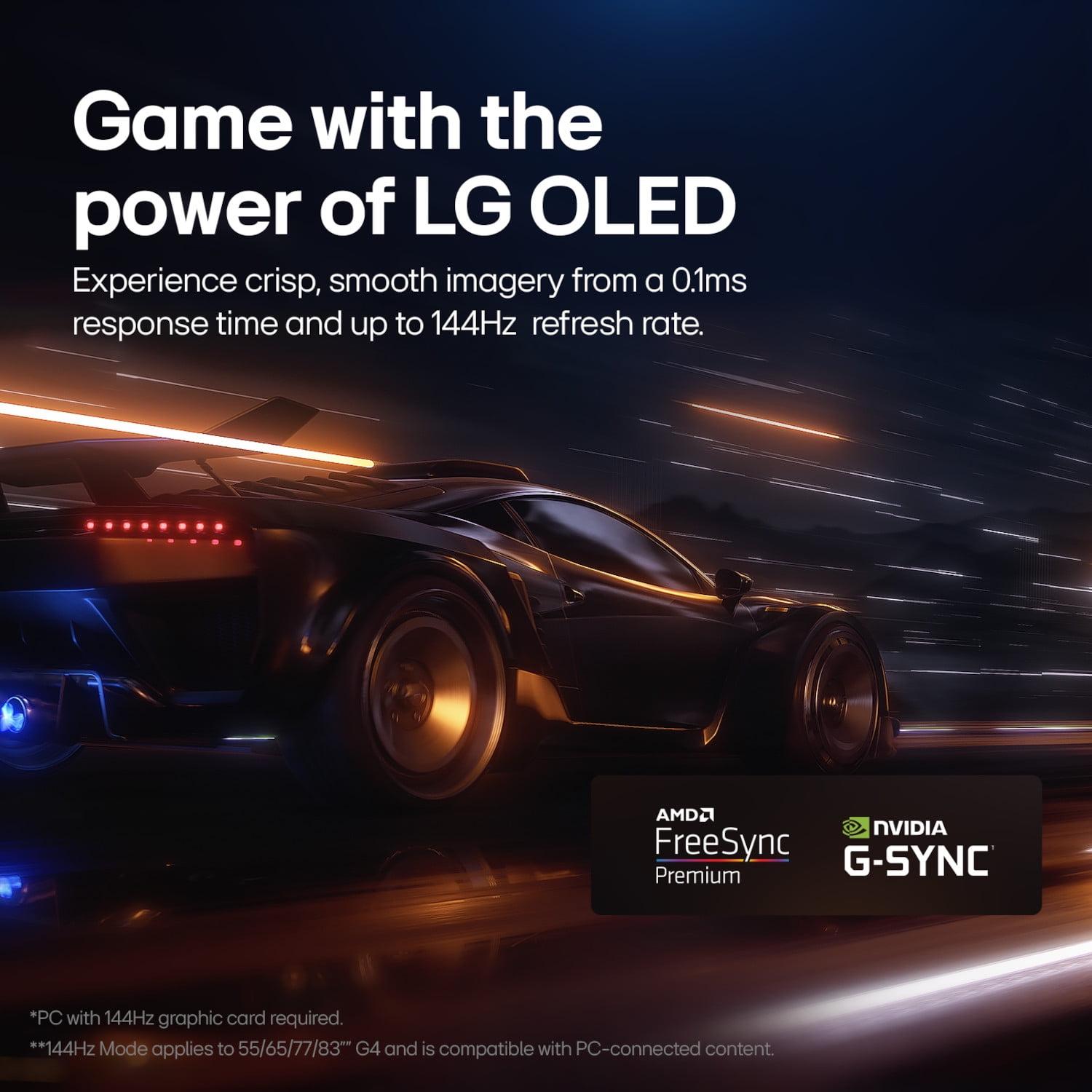
The LG G4's OLED pixels can change states almost instantaneously, resulting in response times as low as 0.1 milliseconds. This means virtually no motion blur during fast-paced gaming sequences. Combined with four HDMI 2.1 ports supporting up to 4K at 144Hz, plus support for both NVIDIA G-Sync and AMD FreeSync Premium (technologies that synchronize the TV's refresh rate with your gaming device to eliminate screen tearing), the G4 represents one of the best gaming TVs available.
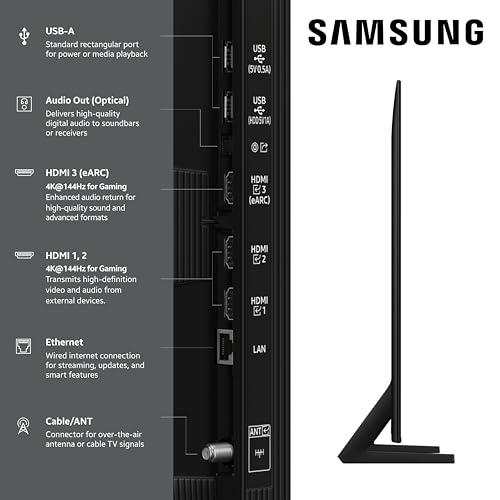
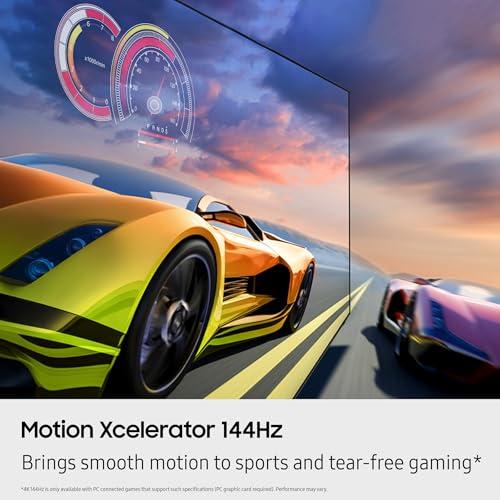
The Samsung Q8F offers solid gaming performance with its Motion Xcelerator 144Hz technology and three HDMI 2.1 ports, but it cannot match OLED's pixel response characteristics. For casual gaming, the difference may be minimal, but competitive gamers and those with high-end gaming PCs will notice OLED's advantages in fast-moving games.
Both TVs support Auto Game Mode, which automatically switches to optimized settings when gaming devices are detected, and both handle Variable Refresh Rate (VRR) technology well. However, having four HDMI 2.1 ports on the LG G4 versus three on the Samsung Q8F matters if you have multiple next-generation consoles or gaming devices.
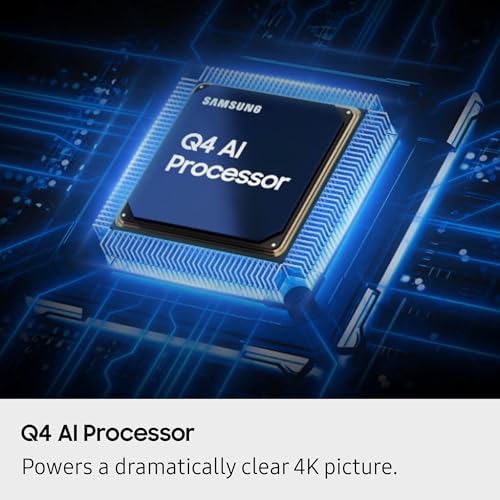
The intelligence behind modern TVs significantly impacts user experience, and both manufacturers have invested heavily in AI-powered features. The Samsung Q8F runs on Samsung's Tizen Smart TV platform powered by the Q4 AI Processor, while the LG G4 uses webOS 24 with the α11 AI Processor.
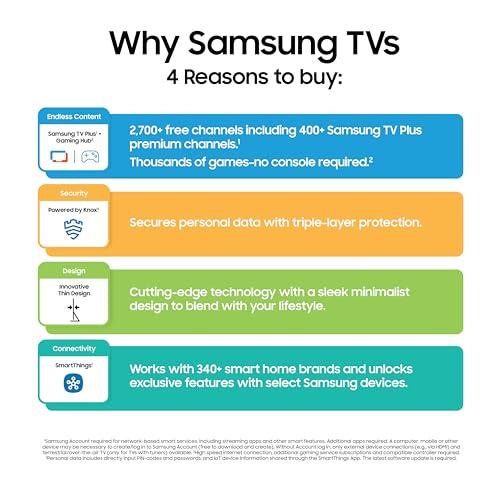
Samsung's approach emphasizes smart home integration and innovative features. The Q8F includes SmartThings Hub functionality with Matter support, essentially turning your TV into a central controller for compatible smart home devices. The Generative Wallpaper feature uses AI to create unique artwork based on keywords you provide, transforming your TV into a customizable art display when not in use.
LG's G4 processor focuses more on picture and audio enhancement, delivering what LG claims is 6.7 times faster AI performance than previous generations. This powers features like AI Super Upscaling, which uses deep learning to improve the appearance of lower-resolution content, and AI Picture Pro, which optimizes picture settings based on content type and viewing conditions.
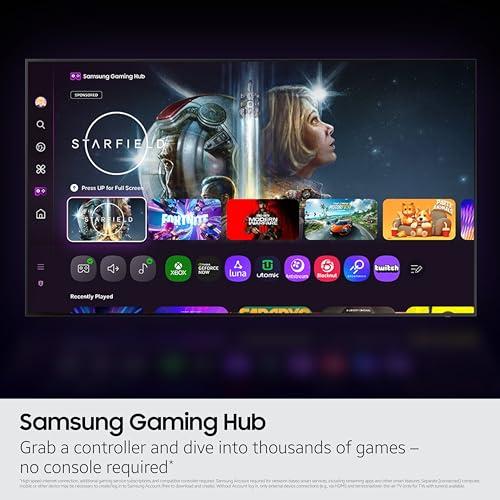
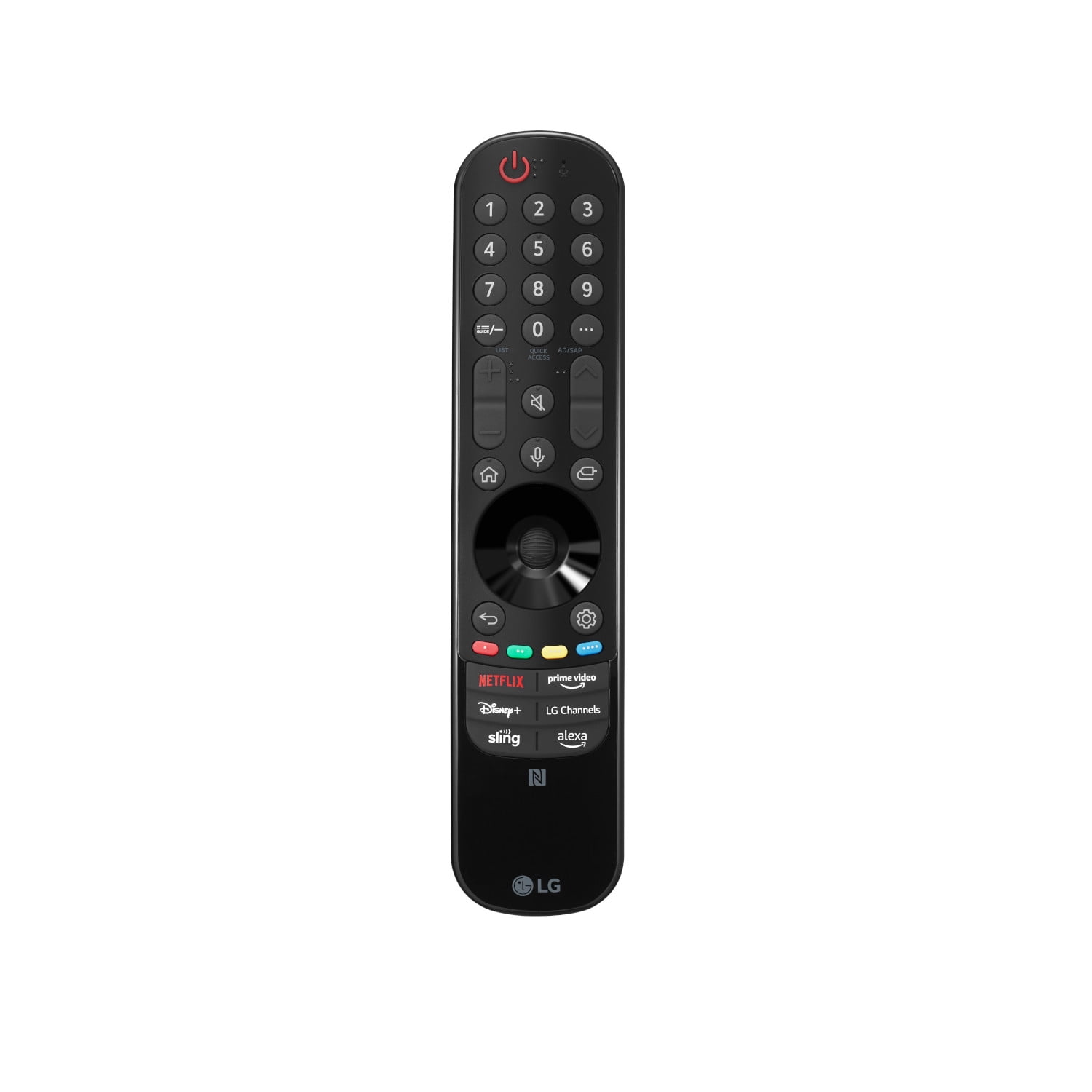
For smart TV functionality, both platforms offer comprehensive app selection and voice control capabilities. Samsung includes Bixby voice assistant with far-field microphones, while LG provides its own voice recognition system. Both support major streaming services and offer hundreds of free channels through their respective platforms.
Room layout significantly influences which TV performs better in your specific situation. The LG G4's OLED technology maintains consistent picture quality when viewed from extreme angles—you can sit far to the side of the TV without experiencing color shifting or brightness loss. This makes it ideal for wide seating arrangements where family members might watch from various positions.
The Samsung Q8F, like most LED-backlit TVs, shows noticeable degradation when viewed from angles. Colors may shift, and brightness decreases as you move away from the center viewing position. Samsung includes Wide Viewing Angle technology to minimize this issue, but it cannot match OLED's inherent wide-angle performance.
If your TV will be mounted in a corner or if you frequently have guests watching from different seating positions, the LG G4's viewing angle advantage becomes practically significant. For centered seating arrangements where viewers sit directly in front of the TV, this difference matters less.
Neither TV excels in audio performance relative to their picture quality capabilities. The Samsung Q8F includes a 2-channel, 20W speaker system with Object Tracking Sound Lite, which attempts to match audio direction to on-screen action. The LG G4 offers more powerful built-in audio with a 4.2-channel, 60W system that can be virtually up-mixed to 11.1.2 channels through AI processing.
However, both TVs benefit significantly from external audio solutions. Samsung's Q-Symphony technology allows the TV speakers to work alongside compatible Samsung soundbars without muting the built-in speakers, creating a more immersive soundscape. LG's system also supports soundbar integration, though less seamlessly than Samsung's approach.
For serious home theater applications, plan to invest in a quality soundbar or speaker system regardless of which TV you choose. The audio improvements will be dramatic and necessary to match the visual quality these displays provide.
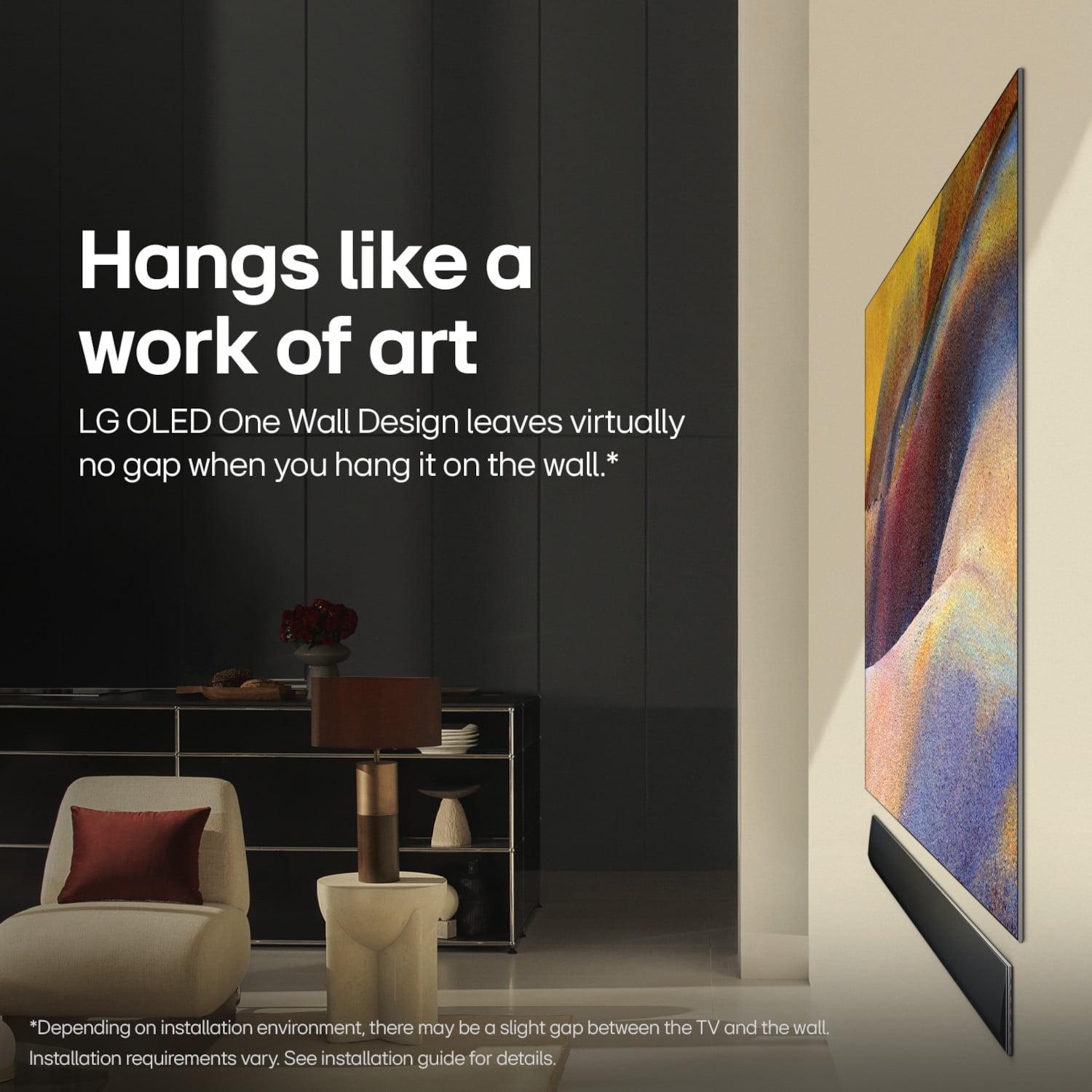
Both TVs prioritize slim, modern aesthetics, but with different approaches. The LG G4 features LG's "Gallery Design" philosophy, with an ultra-thin profile designed for flush wall mounting that resembles artwork when displaying static images. It now includes a tabletop stand in the box, addressing previous user complaints about the G-series requiring wall mounting.
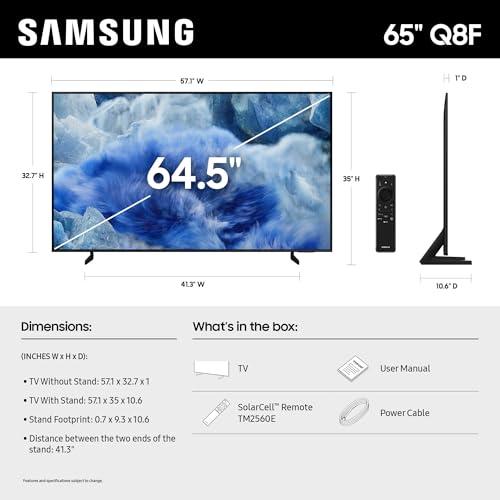
The Samsung Q8F uses Samsung's AirSlim design language, also achieving a thin profile while maintaining more traditional TV proportions. Its included stand offers more flexibility for various furniture arrangements.
Both TVs integrate well into modern living spaces, but the LG G4's gallery-style design makes more of a statement piece when displaying art or photos during non-viewing times.
At the time of writing, the price difference between these TVs is substantial—the LG G4 typically costs significantly more than the Samsung Q8F, often representing a premium of $1,500 or more. This price gap reflects the fundamental cost differences between OLED and QLED manufacturing, but also raises important value questions.
The Samsung Q8F delivers excellent premium TV performance at a more accessible price point. Its quantum dot technology, smart features, and solid gaming capabilities satisfy most users' needs while providing impressive picture quality that rivals more expensive options. For families watching varied content in typical living room environments, it offers compelling value.
The LG G4 represents the pinnacle of current TV technology but demands premium pricing. Its perfect blacks, superior contrast, and gaming advantages justify the cost for enthusiasts who prioritize absolute picture quality and have the budget to match.
Choose the Samsung Q8F if you want flagship TV features without OLED pricing, primarily watch TV in bright rooms, value smart home integration, or consume mixed content types ranging from sports to streaming movies. It excels in bright environments and delivers immediately impressive picture quality that satisfies most viewers without requiring the OLED premium.
Choose the LG G4 if you're building a dedicated home theater, prioritize gaming performance, have wide seating arrangements, or consider yourself a picture quality enthusiast willing to pay for the best available technology. Its advantages in dark rooms, contrast performance, and viewing angles make it worth the premium for discerning users.
The decision ultimately comes down to how much the OLED advantages matter in your specific viewing environment and whether the price premium aligns with your priorities. Both represent excellent TVs that will satisfy their intended audiences, but understanding their different strengths ensures you choose the one that best matches your needs and expectations.
| Samsung 65" QLED Q8F 4K Smart TV 2025 | LG 65" G4 Series OLED evo 4K UHD Smart TV 2024 |
|---|---|
| Display Technology - Fundamental difference affecting all picture quality aspects | |
| QLED with Quantum Dots and LED backlighting | OLED with self-lit pixels and MLA technology |
| Black Levels - Critical for contrast and movie watching | |
| Good blacks but not perfect due to backlight bleeding | Perfect blacks with individual pixel control |
| Peak Brightness - Important for bright rooms and HDR content | |
| Higher peak brightness, excellent for bright rooms | Very bright for OLED (150% brighter than previous gen) |
| Viewing Angles - Matters for wide seating arrangements | |
| Limited viewing angles with color/brightness shifts | Excellent viewing angles with no degradation |
| Gaming Performance - Key for console and PC gaming | |
| 3 HDMI 2.1 ports, 144Hz, solid gaming features | 4 HDMI 2.1 ports, 0.1ms response time, 144Hz VRR |
| Color Performance - Affects visual appeal and accuracy | |
| Vibrant, punchy colors with 100% Color Volume | Natural, accurate colors with 100% Color Fidelity |
| Processor - Powers smart features and image processing | |
| Q4 AI Processor with smart home integration | α11 AI Processor (6.7x faster AI performance) |
| Smart Platform - Daily usability and app ecosystem | |
| Tizen with SmartThings Hub and Matter support | webOS 24 with advanced AI features |
| Audio System - Built-in sound quality | |
| 2CH, 20W with Object Tracking Sound Lite | 4.2CH, 60W with AI Sound Pro (virtual 11.1.2) |
| Design Philosophy - How it fits in your room | |
| AirSlim design with traditional TV proportions | Gallery Design for flush wall mounting |
| Warranty Coverage - Protection for your investment | |
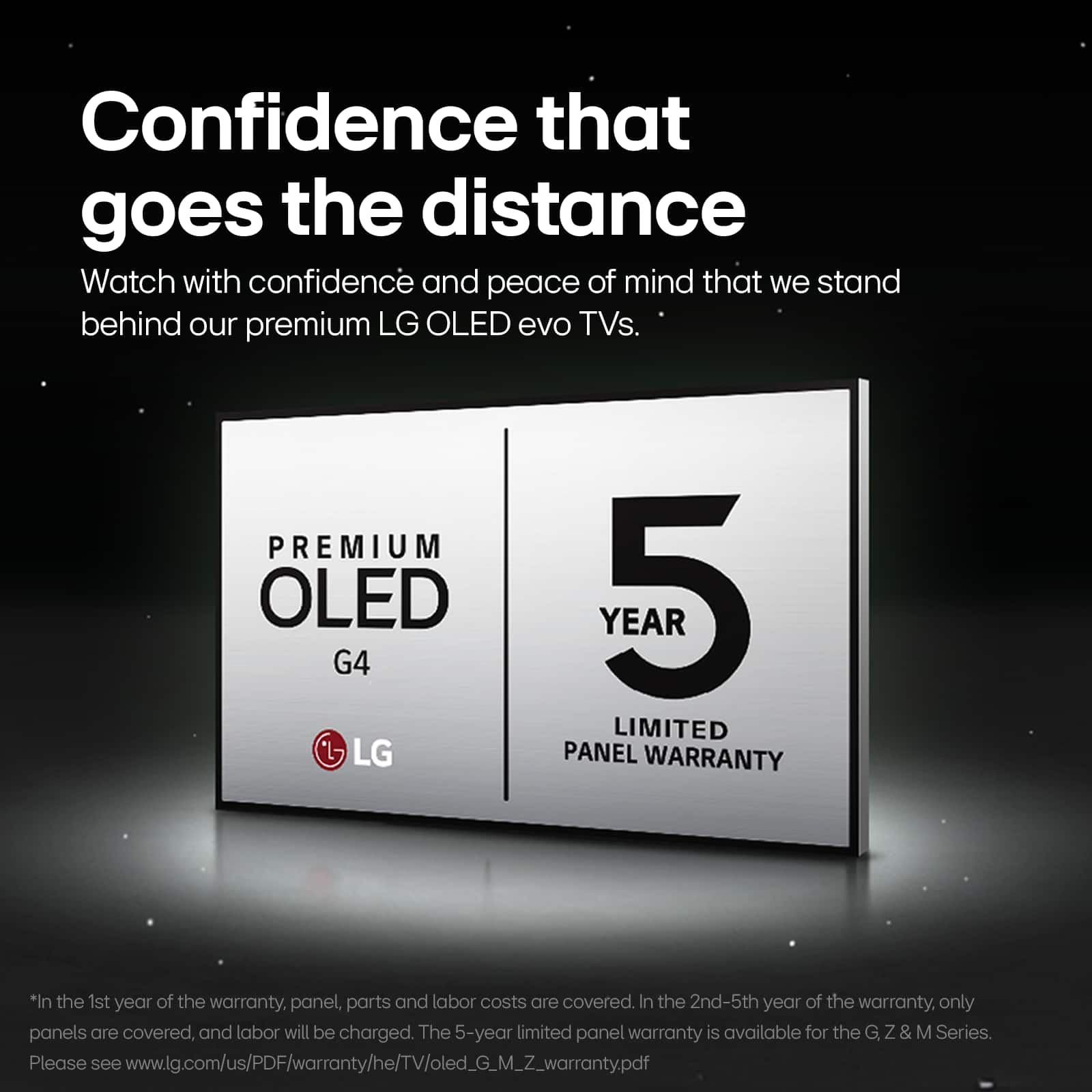
| Standard TV warranty | 5-year panel warranty including burn-in protection |
| Best Use Case - Who should choose this TV | |
| Bright rooms, mixed content, value-focused buyers | Dark rooms, movie enthusiasts, gaming perfectionists |
The LG G4 OLED delivers superior picture quality for movies due to its perfect black levels and infinite contrast ratio. Each pixel can turn completely off, creating true blacks that make dark movie scenes look incredibly realistic. The Samsung Q8F produces excellent images but cannot match OLED's contrast performance due to its LED backlighting system.
The Samsung Q8F performs better in bright rooms thanks to its higher peak brightness from LED backlighting technology. It can overcome ambient light more effectively than OLED displays. While the LG G4 is much brighter than previous OLED TVs, the Samsung still has an advantage when dealing with lots of natural light or bright overhead lighting.
The LG G4 OLED is superior for gaming with its 0.1ms response time, four HDMI 2.1 ports, and support for both NVIDIA G-Sync and AMD FreeSync Premium. The instantaneous pixel response eliminates motion blur during fast-paced games. The Samsung Q8F offers solid gaming features with three HDMI 2.1 ports and 144Hz support, but cannot match OLED's response characteristics.
QLED technology in the Samsung Q8F uses LED backlighting with quantum dots to enhance colors, while OLED technology in the LG G4 uses self-lit pixels that can turn completely on or off. This fundamental difference means OLED achieves perfect blacks and better contrast, while QLED typically offers higher brightness and longer lifespan.
The LG G4 OLED has significantly better viewing angles, maintaining consistent picture quality when viewed from the side. The Samsung Q8F, like most LED TVs, shows color shifting and brightness reduction when viewed from angles, making it best suited for centered seating arrangements.
Both TVs work well for home theaters, but the LG G4 OLED excels in dark room environments with its perfect blacks and superior contrast. The Samsung Q8F is better suited for home theaters with ambient lighting. Both support major HDR formats and offer excellent 4K upscaling for older content.
The LG G4 features the more advanced α11 AI processor with superior processing power and AI-driven picture optimization. The Samsung Q8F offers excellent smart home integration with SmartThings Hub functionality and Matter support. Both run mature smart TV platforms with comprehensive streaming app support.
The LG G4 OLED has potential for burn-in with static images, but LG includes a 5-year warranty covering burn-in and incorporates multiple prevention technologies. The Samsung Q8F uses LED technology that doesn't suffer from burn-in issues, making it worry-free for displaying static content like news tickers or gaming HUDs.
The Samsung Q8F offers better value for most buyers, delivering premium picture quality at a significantly lower price point. The LG G4 commands a substantial premium for OLED technology but justifies the cost for enthusiasts who prioritize perfect blacks, contrast, and gaming performance.
The LG G4 has more powerful built-in audio with a 4.2-channel, 60W system that can simulate surround sound. The Samsung Q8F features a simpler 2-channel, 20W system but supports Q-Symphony technology for seamless soundbar integration. Both benefit significantly from external audio solutions for the best experience.
The Samsung Q8F is generally better for sports due to its higher brightness and vibrant colors that make action pop in well-lit rooms. Both TVs handle fast motion well, but the Samsung's LED technology performs better in typical sports-watching environments with ambient lighting.
Choose the Samsung Q8F if you have a bright living room, want excellent performance at a lower price, or prioritize smart home features. Choose the LG G4 OLED if you can control lighting, have wide seating arrangements, prioritize gaming, or want the absolute best picture quality regardless of cost.
We've done our best to create useful and informative comparisons to help you decide what product to buy. Our research uses advanced automated methods to create this comparison and perfection is not possible - please contact us for corrections or questions. These are the sites we've researched in the creation of this article: bestbuy.com - rtings.com - tomsguide.com - youtube.com - samsung.com - youtube.com - youtube.com - youtube.com - rtings.com - rtings.com - linqcdn.avbportal.com - bestbuy.com - samsung.com - samsung.com - samsung.com - youtube.com - youtube.com - billsmith.com - samsung.com - samsung.com - samsung.com - hometechnologyreview.com - shopjetson.com - certappl.com - samsung.com - theapplianceplug.com - samsung.com - manuals.plus - bestbuy.com - device.report - samsung.com - shopsilica.com - dentonstv.com - hometechnologyreview.com - hometechnologyreview.com - whathifi.com - hometechnologyreview.com - youtube.com - tomsguide.com - tomsguide.com - smarthomesounds.co.uk - rtings.com - rtings.com - bhphotovideo.com - youtube.com - schaeferstv.com - bestbuy.com - costco.com - lg.com - lg.com - shopsilica.com - bestbuy.com - techradar.com - bestbuy.com - bestbuy.com - lg.com - lgnewsroom.com

Privacy Policy
Terms and Conditions - Affiliate Policy
Home Security
© Copyright 2008-2026.
11816 Inwood Rd #1211, Dallas, TX 75244