



Shopping for a premium 65-inch 4K TV in 2025 means navigating a landscape where display technology has advanced dramatically. Two standout models—the Samsung Q8F and TCL QM8K—represent fundamentally different approaches to delivering exceptional picture quality, and the choice between them could define your viewing experience for years to come.
At the time of writing, these TVs are priced with the TCL QM8K commanding a significant premium over the Samsung Q8F, reflecting their different target markets and technological approaches. The question isn't just which TV is better, but which one delivers the right performance for your specific needs and budget.
The 4K TV market has matured considerably since 2020, when basic HDR support and smart platforms were considered premium features. Today's flagship models push boundaries with technologies that seemed impossible just a few years ago. Peak brightness levels have doubled, local dimming zones have multiplied tenfold, and gaming features have evolved to match the capabilities of next-generation consoles.
When evaluating premium 4K TVs, several key factors determine real-world performance: display technology (how the backlight works), HDR format support (what content looks its best), peak brightness (how punchy highlights appear), contrast ratio (the difference between brightest whites and deepest blacks), and gaming capabilities (refresh rates and response times). Understanding these elements helps decode marketing claims and focus on what actually matters for your viewing habits.
The fundamental divide in 2025's premium TV market sits between traditional QLED displays with edge lighting and advanced Mini LED systems with thousands of individual dimming zones. This technological difference drives most of the performance gaps between models like the Samsung Q8F and TCL QM8K.
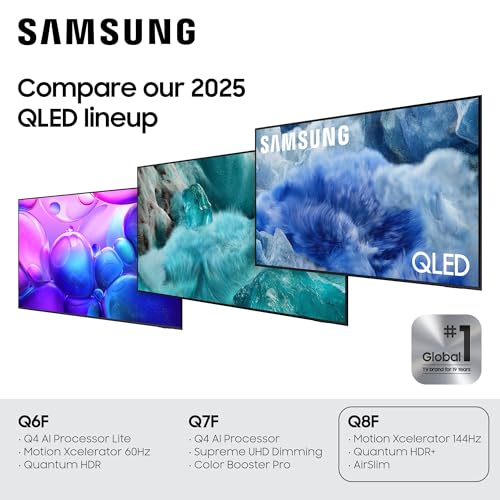
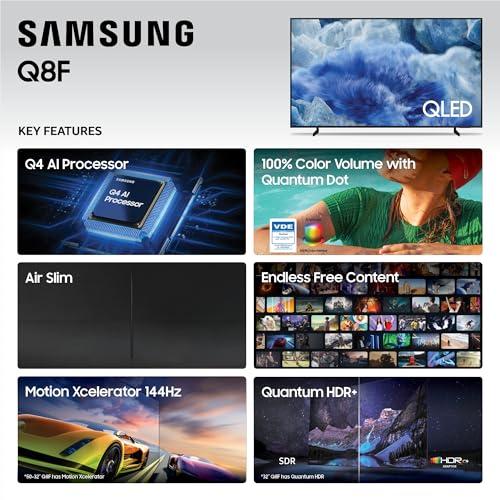
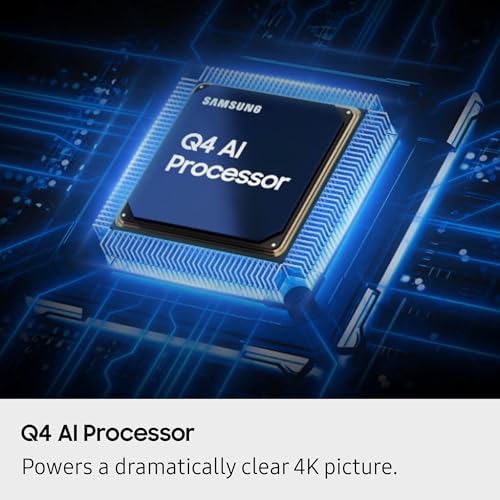
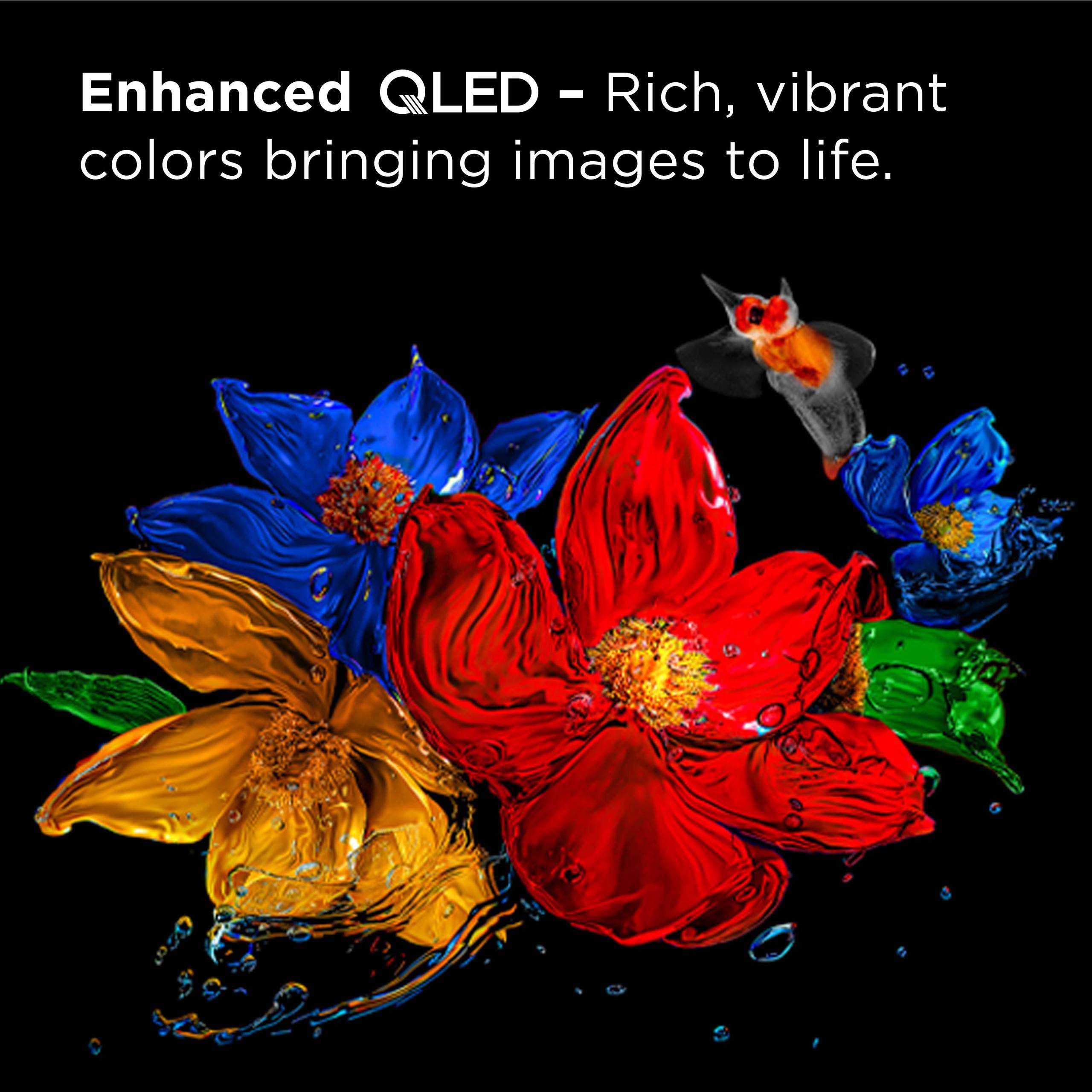
The Samsung Q8F, released in 2025, represents Samsung's continued refinement of QLED (Quantum Dot LED) technology. QLED uses a quantum dot layer—microscopic crystals that emit precise colors when hit by light—to enhance color accuracy and brightness. Samsung pairs this with their Q4 AI Processor, which uses machine learning to analyze each scene and optimize picture settings in real-time.
What makes Samsung's approach interesting is their focus on processing intelligence rather than brute-force hardware. The Q4 AI Processor excels at upscaling lower-resolution content, taking 1080p cable TV or streaming video and intelligently adding detail to approach 4K quality. This matters more than you might expect—despite 4K being standard, much of what we actually watch still comes from 1080p or even 720p sources.
However, the Samsung Q8F uses edge-lit LED backlighting, where LEDs line the edges of the screen and spread light across the entire panel. This design keeps costs reasonable and enables ultra-thin profiles, but it inherently limits contrast performance. When a scene needs both bright highlights and deep blacks simultaneously, edge-lit systems must compromise, dimming entire regions to prevent light bleeding into dark areas.
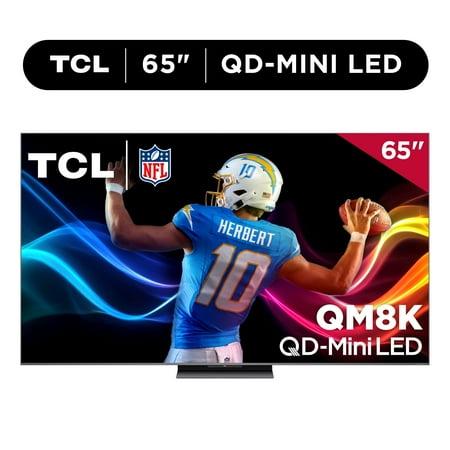
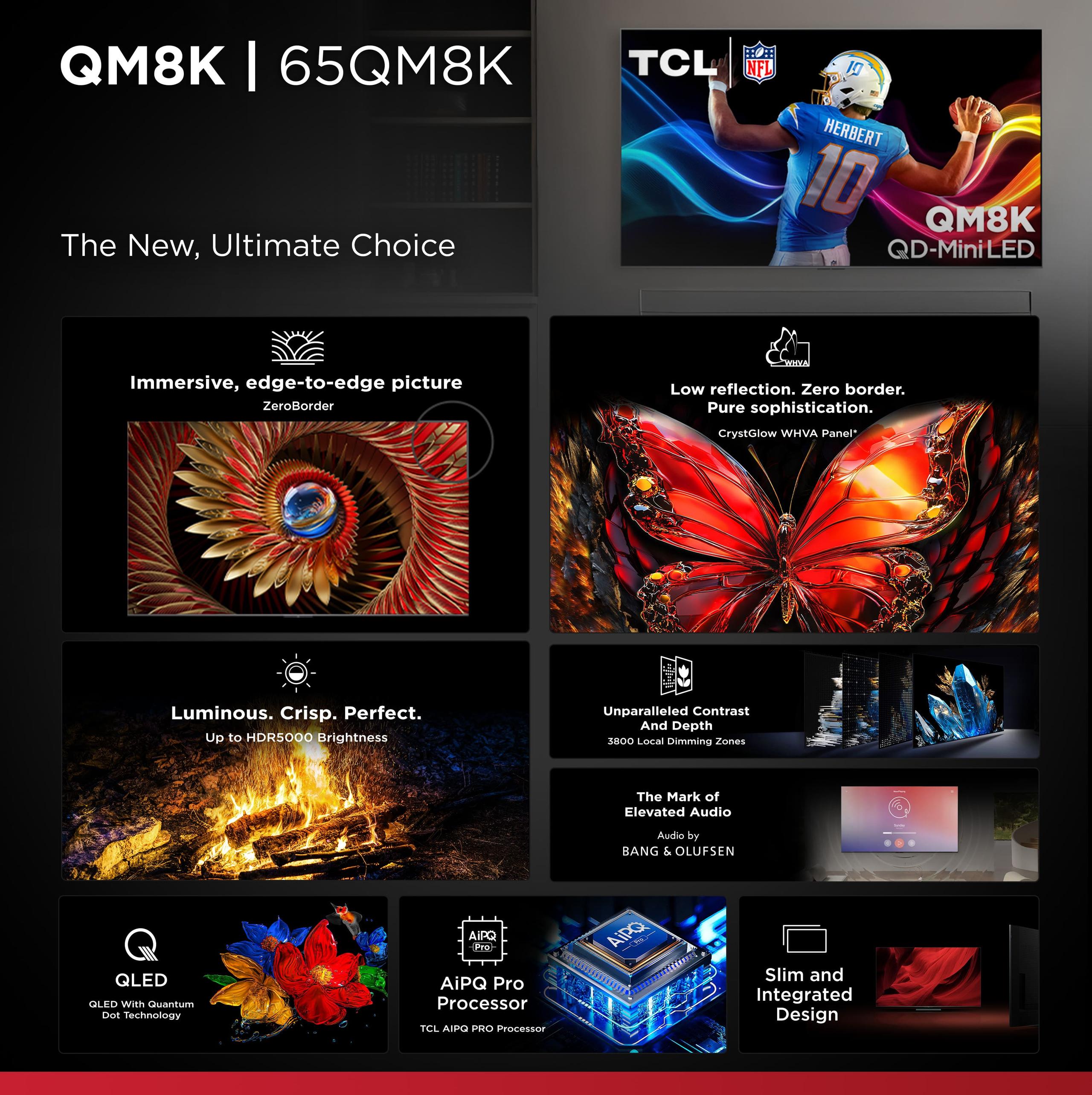
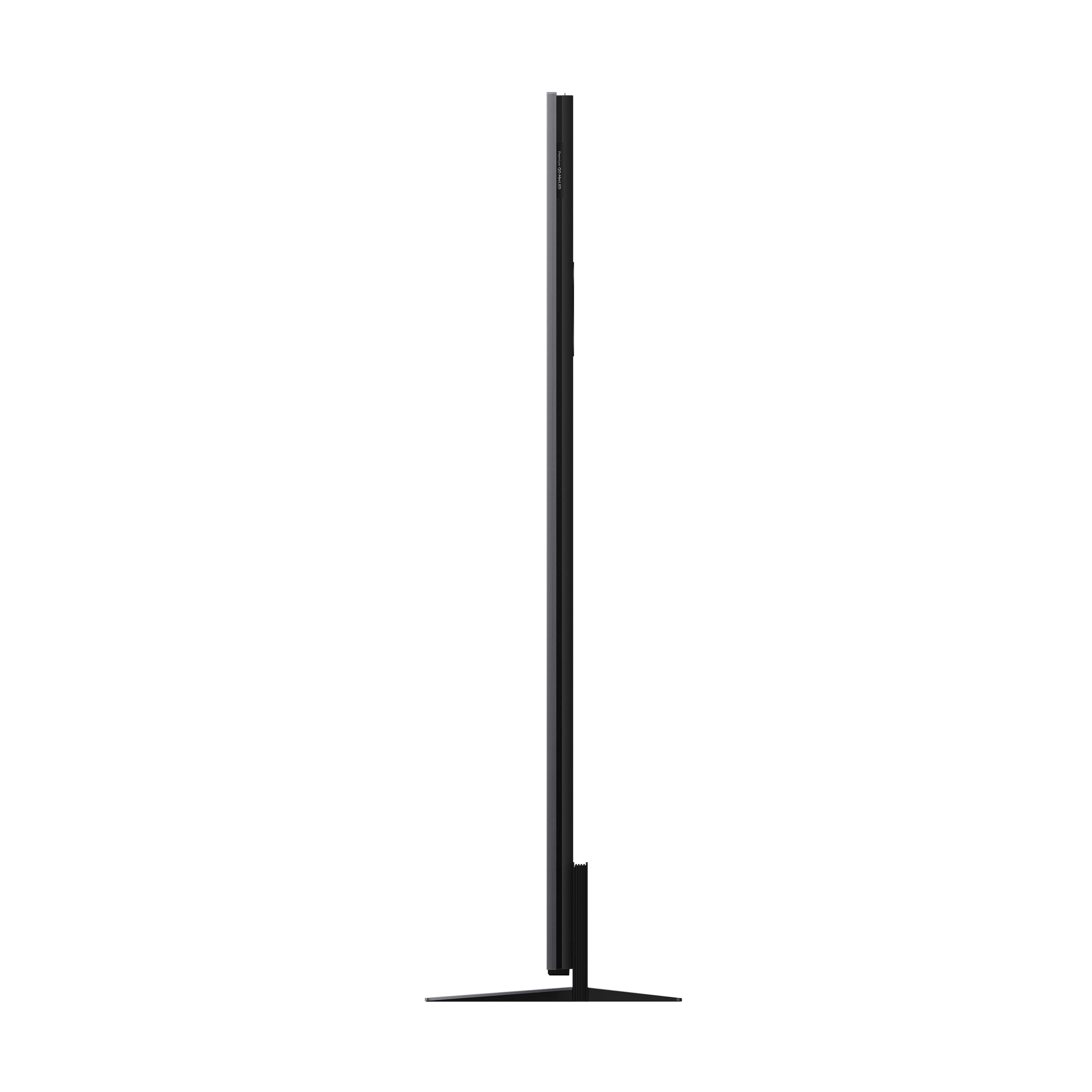
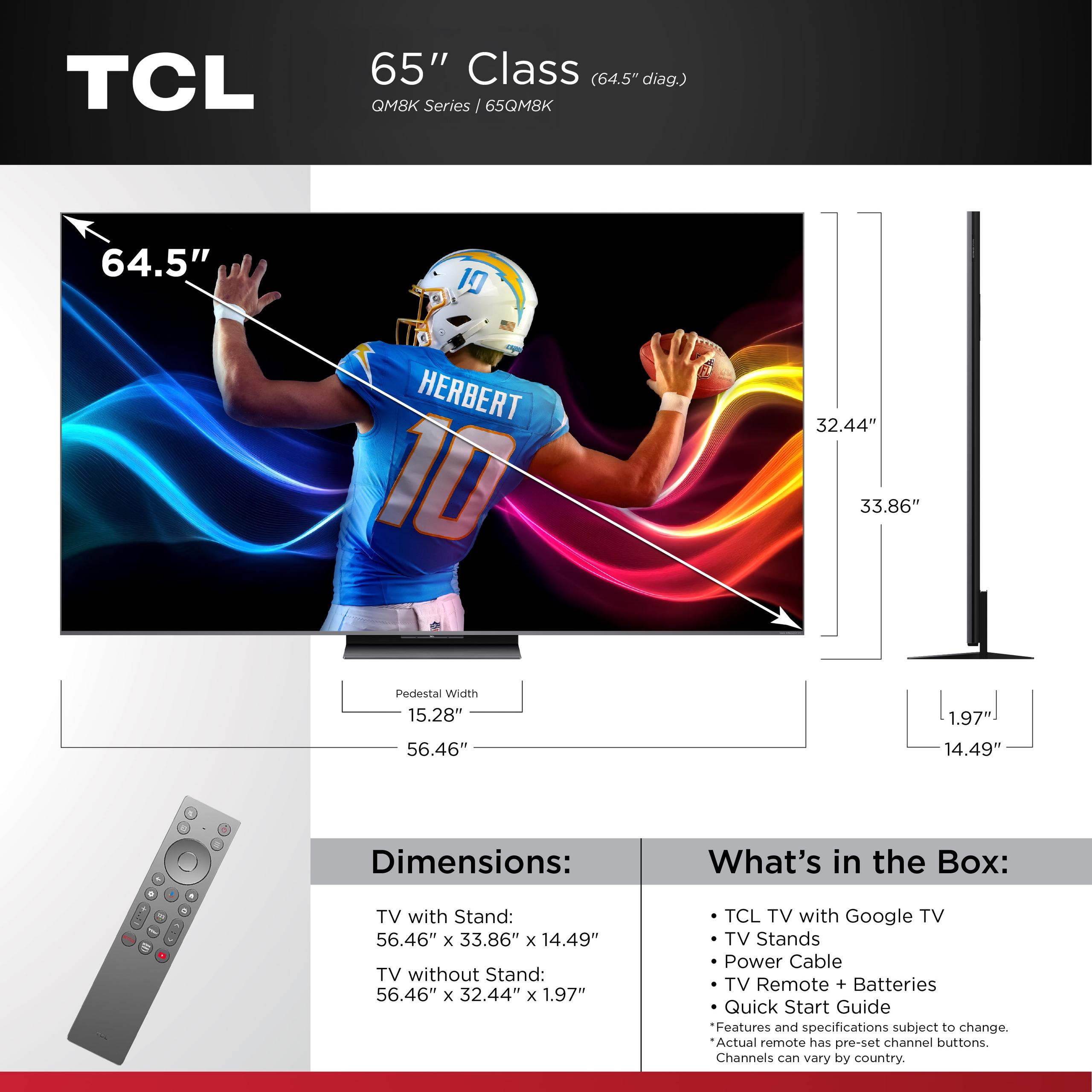
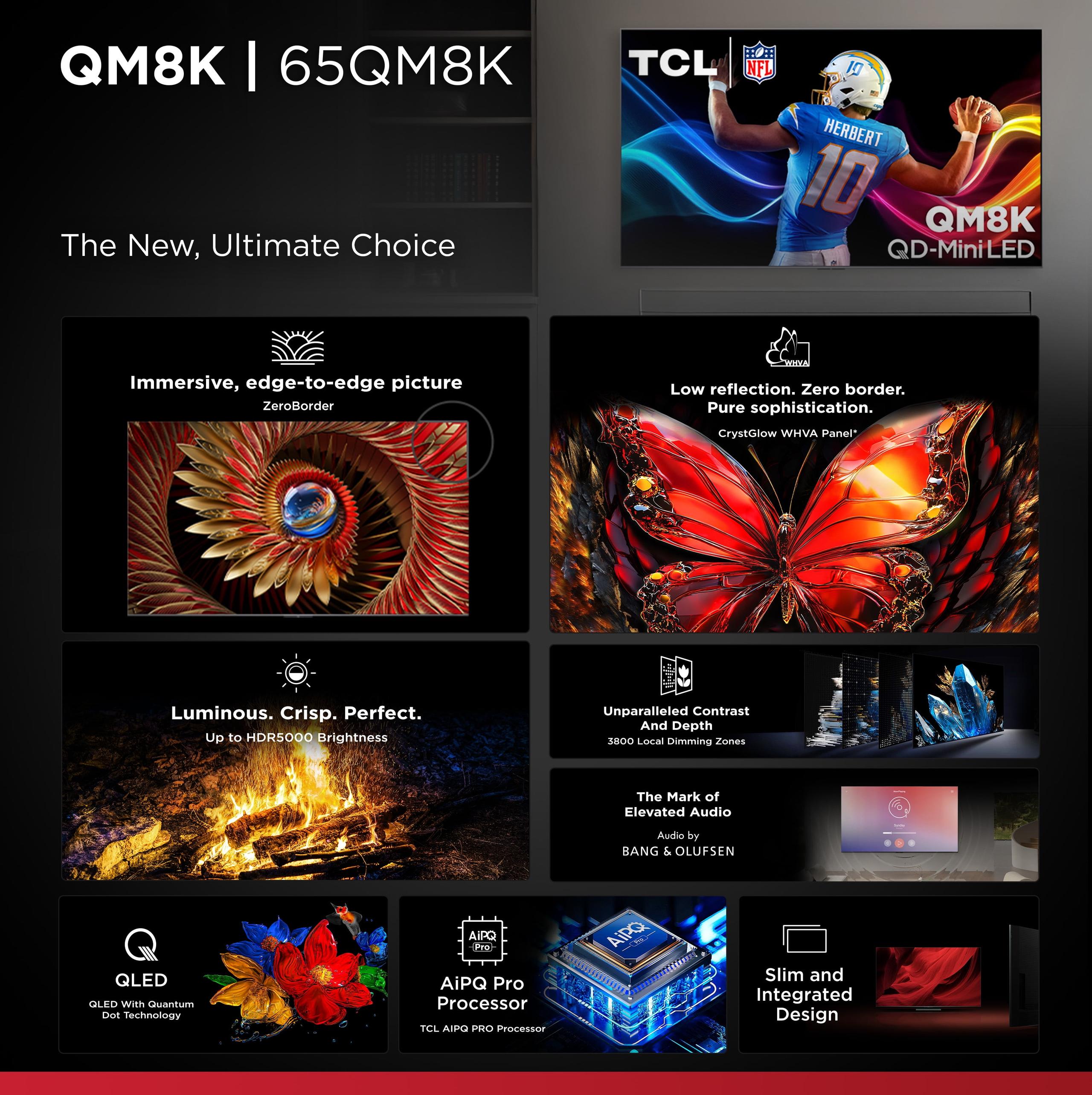
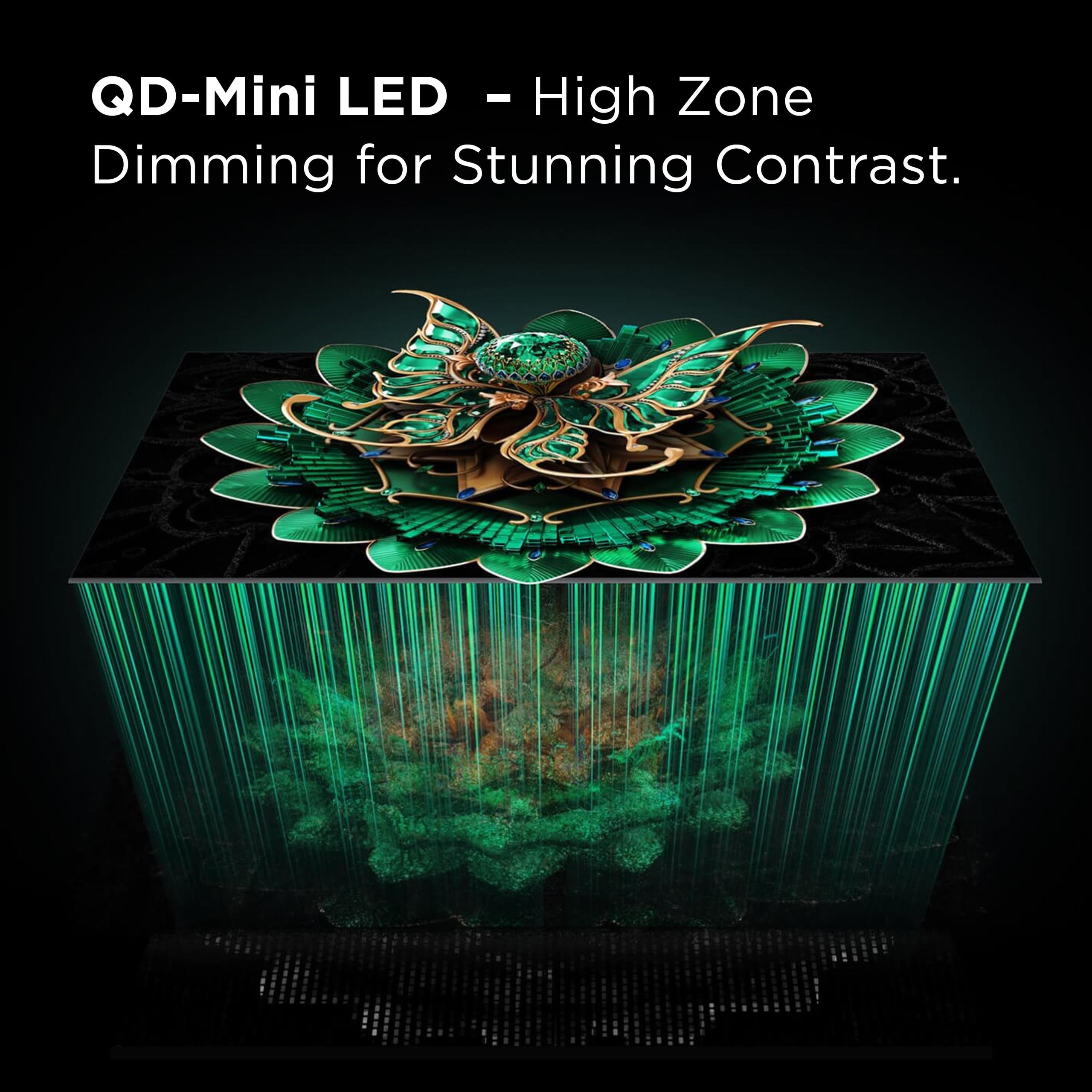
The TCL QM8K, also launched in 2025, takes a completely different approach with QD-Mini LED technology. Instead of edge lighting, it uses thousands of tiny LEDs directly behind the screen, arranged in up to 3,800 individual dimming zones. Each zone can brighten or dim independently, allowing precise control over different parts of the image simultaneously.
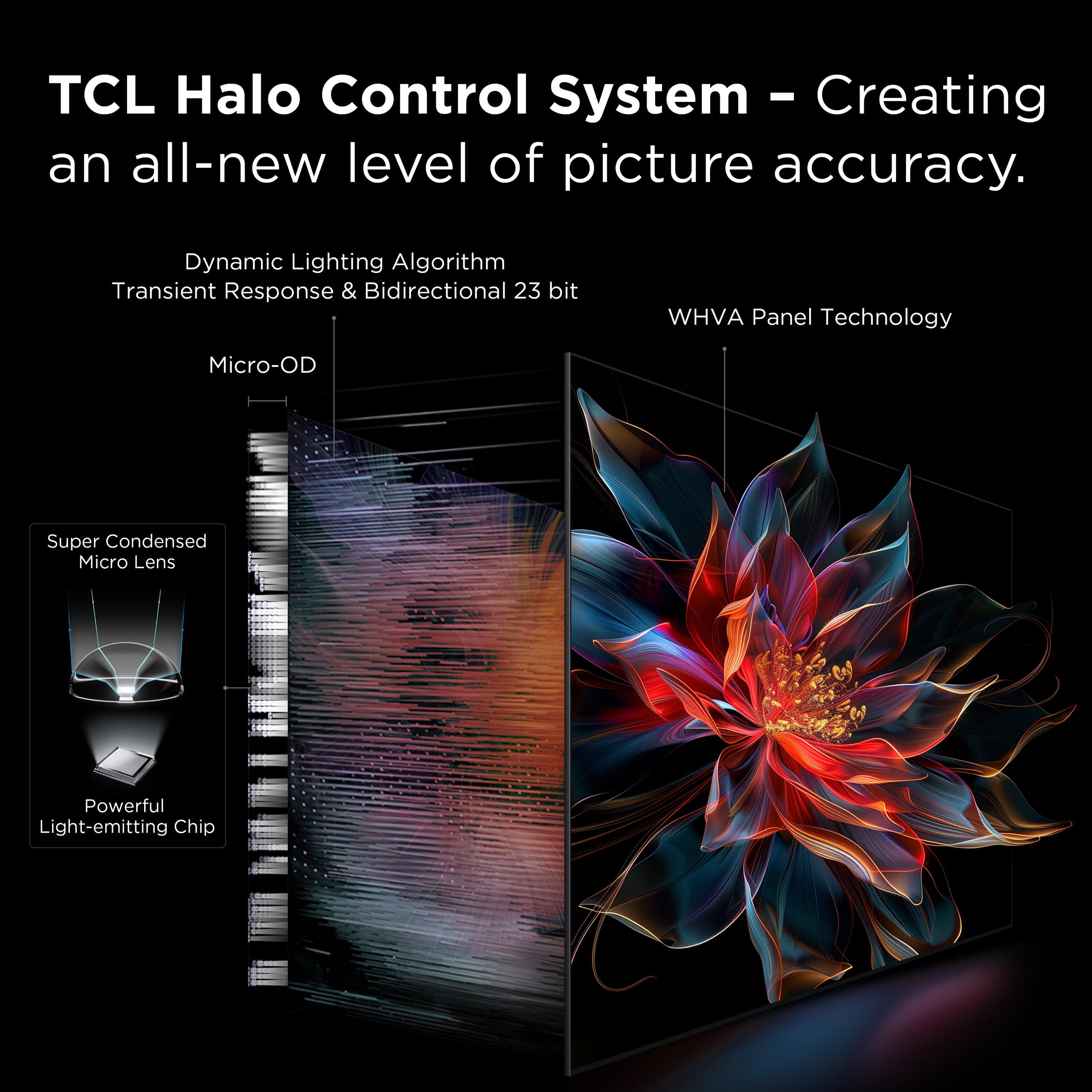
This Mini LED approach represents one of the biggest advances in LCD display technology in decades. Combined with TCL's Halo Control System—which includes specialized micro lenses and algorithms to minimize light bleeding between zones—the TCL QM8K can display deep blacks right next to brilliant highlights without the compromises inherent in edge-lit designs.
The quantum dot layer in the TCL QM8K works similarly to Samsung's implementation, but the real differentiator is that massive array of individual LEDs. Peak brightness reaches an impressive 5,000 nits in small areas, compared to more typical 1,000-2,000 nits in standard QLED TVs. For context, most HDR content is mastered at 1,000-4,000 nits, meaning the TCL QM8K can display virtually any HDR content at its intended brightness level.
Contrast ratio—the difference between the brightest whites and deepest blacks—is arguably the most important factor in perceived picture quality. Higher contrast makes images appear more three-dimensional and lifelike, with better shadow detail and more impactful highlights.
Based on extensive testing from professional reviewers and user consensus, the TCL QM8K delivers significantly superior contrast performance. Its Mini LED backlighting achieves native contrast ratios exceeding 7,400:1, while the Samsung Q8F's edge-lit design typically manages around 3,000-4,000:1. In practical terms, this means dark movie scenes on the TCL maintain detail in shadows while keeping blacks truly black, whereas the Samsung shows more of a dark gray lift in the same scenes.
This difference becomes most apparent when watching movies with challenging lighting, like space scenes in science fiction films or dramatic lighting in thrillers. The TCL QM8K can display a bright spaceship against the inky blackness of space without the ship's glow washing out the surrounding darkness. The Samsung Q8F, constrained by its edge-lit design, tends to raise the black level of the entire screen region to prevent excessive blooming around bright objects.
HDR (High Dynamic Range) represents the most significant advance in home video since the jump from standard definition to high definition. Instead of the limited brightness range of traditional video, HDR allows content creators to use the full range of brightness our eyes can perceive, from deep shadows to brilliant sunlight.
However, HDR's impact depends heavily on both the TV's peak brightness capability and its format support. Here, the TCL QM8K holds substantial advantages in both areas.
The TCL QM8K supports Dolby Vision, HDR10+, HDR10, and HLG—essentially every HDR format currently in use. Dolby Vision, in particular, provides scene-by-scene optimization data that tells the TV exactly how to display each moment for maximum impact. Major streaming services like Netflix, Disney+, and Apple TV+ increasingly use Dolby Vision for their premium content.
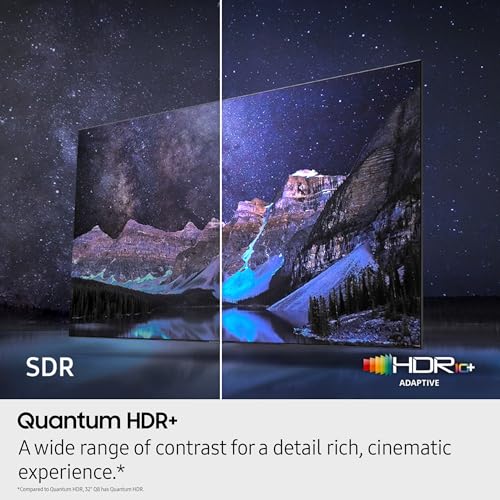
The Samsung Q8F supports HDR10 and HDR10+ but notably lacks Dolby Vision compatibility. This means that Dolby Vision content will fall back to standard HDR10, losing the scene-specific optimization that makes modern HDR content so compelling. For casual viewers, this might not matter immediately, but as more content adopts Dolby Vision, the limitation becomes increasingly apparent.
Peak brightness capabilities reinforce this difference. The TCL QM8K's 5,000-nit capability means it can display HDR content at or near its intended brightness levels. Professional testing has shown it maintains color accuracy and detail even at 4,000 nits, matching reference monitors used in content creation. The Samsung Q8F, while bright enough for most content, lacks the headroom for the most demanding HDR scenes.
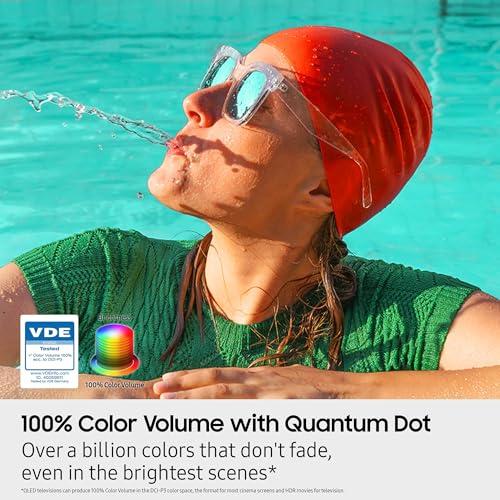
Both TVs use quantum dot technology for color enhancement, but their implementations differ in important ways. The Samsung Q8F achieves 100% color volume within the DCI-P3 color space, which covers most current HDR content. Samsung's color processing has been refined over years of QLED development, resulting in natural-looking skin tones and well-balanced color reproduction.
The TCL QM8K covers 97% of DCI-P3, which is excellent though slightly less comprehensive than Samsung's implementation. However, the TCL's superior contrast helps colors appear more vibrant and three-dimensional, particularly in HDR content where the interplay between bright highlights and deep shadows enhances color perception.
Where Samsung maintains an edge is in upscaling and processing of lower-resolution content. The Q4 AI Processor's machine learning algorithms excel at enhancing cable TV, DVD content, and compressed streaming video. If a significant portion of your viewing consists of non-4K sources, Samsung's processing advantage becomes practically meaningful.
Gaming capabilities represent perhaps the starkest difference between these models, reflecting their distinct target audiences and price points.
The TCL QM8K features a native 144Hz refresh rate with support for variable refresh rates up to 288Hz through its Game Accelerator technology. This isn't just marketing fluff—modern gaming consoles and high-end PCs can actually utilize these capabilities. PlayStation 5 and Xbox Series X games increasingly offer 120Hz modes, and PC gamers with powerful graphics cards can push frame rates well beyond 60fps in many titles.
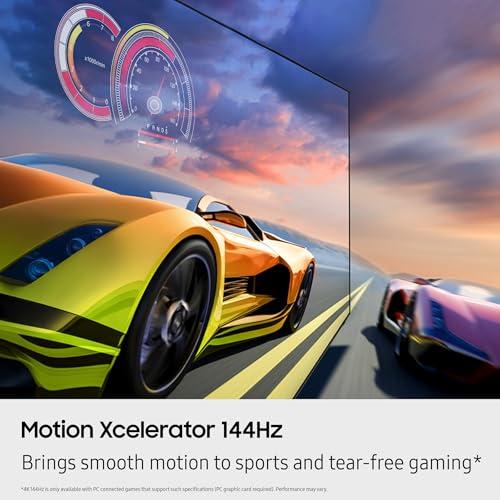
The Samsung Q8F supports up to 120Hz with Motion Xcelerator technology, which handles standard gaming adequately but lacks the competitive gaming features that serious players expect. For casual gaming—playing single-player adventures, family games, or older titles—the Samsung performs perfectly well. However, for competitive multiplayer gaming, racing simulations, or high-end PC gaming, the refresh rate limitation becomes a significant constraint.
Input lag—the delay between pressing a controller button and seeing the result on screen—critically affects gaming performance, particularly in competitive titles. Based on professional measurements and user reports, both TVs implement effective game modes that minimize processing delays.
The TCL QM8K includes dedicated gaming features like Shadow Enhancer (which brightens dark areas to spot enemies) and Aiming Aid (which highlights targets). While purists might consider these gimmicky, they can provide genuine advantages in competitive gaming scenarios.
The Samsung Q8F's game mode focuses on fundamental performance—low lag, smooth motion, and accurate colors—without the specialized features. For most gaming scenarios, this approach works perfectly well and may even be preferable for players who want an unmodified gaming experience.
Gaming technology continues advancing rapidly. Today's consoles are just beginning to utilize their full capabilities, and PC graphics cards grow more powerful each generation. The TCL QM8K's higher refresh rates and HDMI 2.1 ports provide headroom for future gaming developments, while the Samsung Q8F's more conservative specifications might feel limiting in a few years.
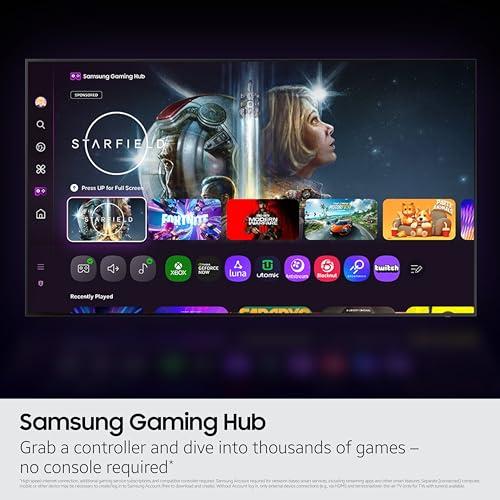
Both TVs offer robust smart platforms, but their approaches differ meaningfully. The Samsung Q8F runs Tizen, Samsung's proprietary operating system, which integrates deeply with Samsung's ecosystem of devices and services. Tizen offers smooth navigation, comprehensive app support, and features like SmartThings Hub functionality, which can control compatible smart home devices directly from the TV.
The TCL QM8K uses Google TV, which provides access to Google's vast app ecosystem and integrates naturally with Android devices and Google services. Google TV's interface tends to be more familiar to users already invested in Google's ecosystem, and its app selection is generally more comprehensive than proprietary platforms.
Both platforms handle streaming services equally well, support voice control, and offer sufficient processing power for smooth navigation. The choice often comes down to existing ecosystem preferences rather than fundamental capability differences.
TV audio has improved dramatically across the industry, but significant differences remain. The TCL QM8K features an audio system tuned by Bang & Olufsen with Dolby Atmos support, delivering noticeably richer sound than typical TV speakers. The upward-firing drivers create a sense of height and immersion that enhances movie watching without requiring additional equipment.
The Samsung Q8F includes Object Tracking Sound Lite and Q-Symphony compatibility, which allows Samsung soundbars to work in tandem with the TV's built-in speakers. While the built-in audio is competent for dialogue and general viewing, it lacks the depth and impact of the TCL's more advanced system.
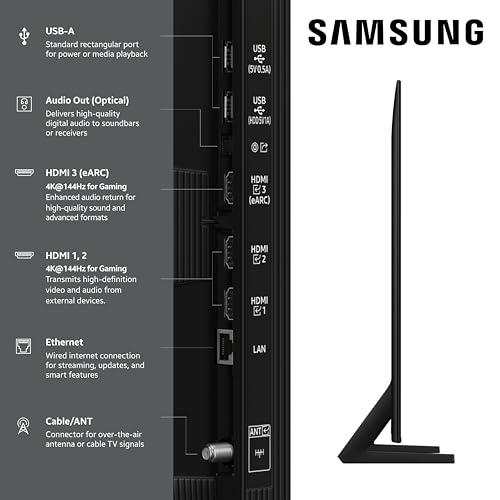
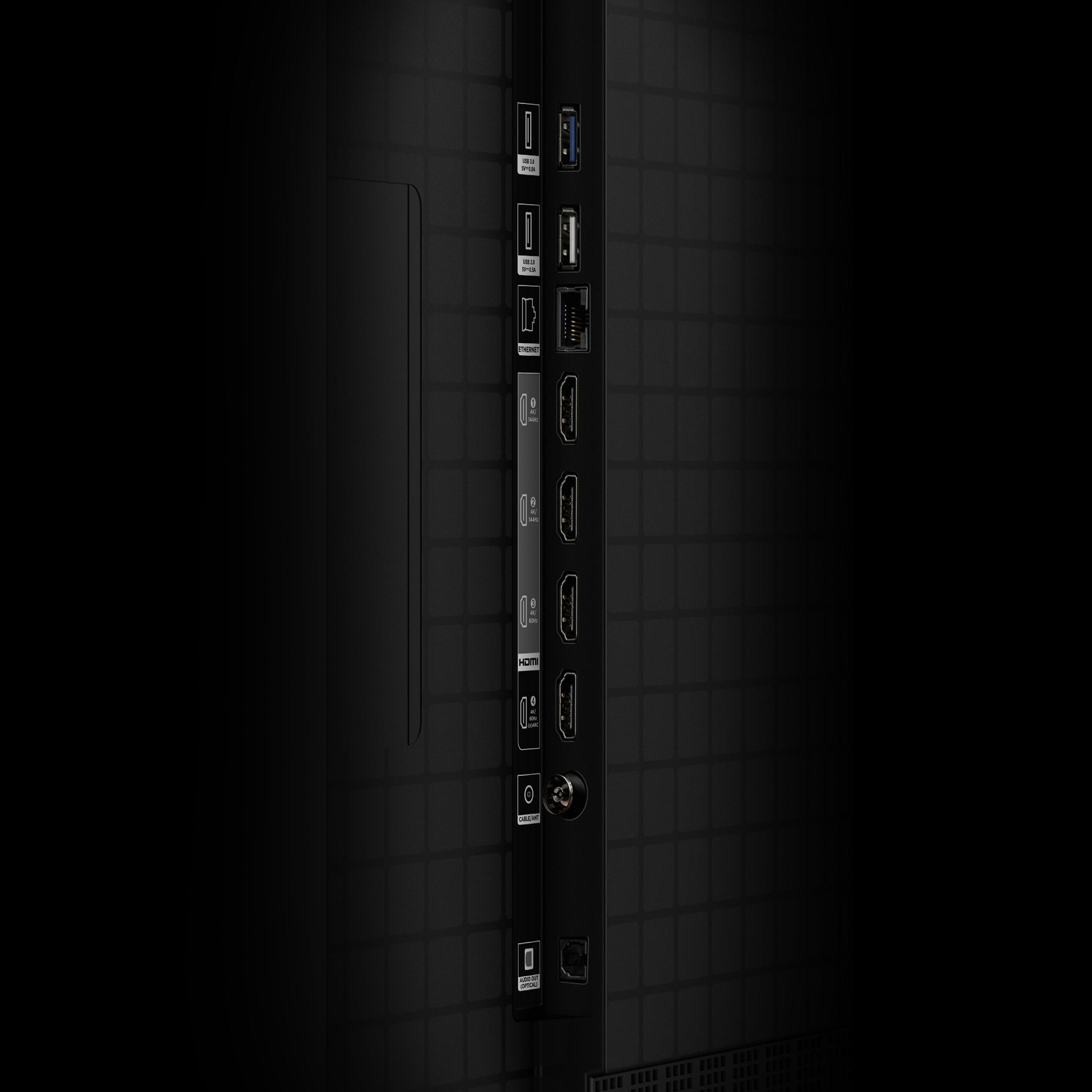
For home theater enthusiasts, both TVs support external audio systems through HDMI eARC connections, so built-in audio quality becomes less critical. However, for users who prefer not to add external speakers, the TCL QM8K's superior built-in audio provides a more complete out-of-the-box experience.
In dedicated home theater environments, the differences between these TVs become more pronounced. Dark room viewing scenarios favor the TCL QM8K's superior contrast and black level performance, making movie watching more immersive and cinematic. The comprehensive HDR format support ensures compatibility with the highest-quality content sources, from streaming services to Ultra HD Blu-ray discs.
The Samsung Q8F performs better in bright rooms where ambient light reduces the perceived impact of contrast differences. If your viewing room has significant windows or ambient lighting, Samsung's processing and bright panel help maintain picture quality despite challenging conditions.
For serious home theater setups, the TCL QM8K's Filmmaker Mode and comprehensive calibration options allow fine-tuning for optimal performance. The Samsung offers similar features but with less granular control over advanced settings.
The decision between these TVs ultimately depends on your priorities, viewing habits, and budget constraints at the time of purchase.
Choose the Samsung Q8F if you primarily watch TV in bright rooms, focus on standard streaming content and broadcast television, play games casually rather than competitively, and want proven reliability from an established brand. Samsung's superior upscaling makes it particularly appealing if you watch significant amounts of non-4K content, and the more affordable price point provides excellent value for mainstream users.
Choose the TCL QM8K if you're serious about picture quality and want the best possible HDR performance, game on modern consoles or high-end PCs, watch significant amounts of Dolby Vision content, have a dark or controlled viewing environment, or prioritize future-proofing your purchase. The premium price reflects genuinely superior performance in critical areas that matter to enthusiast users.
The price difference between these models, substantial at the time of writing, is justified by real performance advantages rather than marketing positioning. The TCL QM8K delivers measurably superior contrast, more comprehensive HDR support, and significantly better gaming capabilities. Whether those advantages matter to you depends entirely on how you use your TV.
For most buyers, both represent solid choices that will provide years of excellent performance. The key is matching the TV's strengths to your specific viewing patterns and expectations. Neither will disappoint in their intended use cases, but choosing the right match ensures you get the most value from your investment.
| Samsung 65" QLED Q8F 4K Smart TV 2025 | TCL 65" QM8K Series QD-Mini LED 4K Smart TV |
|---|---|
| Display Technology - Fundamental difference in picture quality approach | |
| QLED with edge-lit LED backlighting | QD-Mini LED with up to 3,800 local dimming zones |
| Peak Brightness - Critical for HDR impact and bright room viewing | |
| Quantum HDR+ (typical QLED brightness levels) | Up to 5,000 nits (exceptional HDR performance) |
| Contrast Ratio - Most important factor for perceived picture quality | |
| Standard QLED contrast with edge-lit limitations | 30,000,000:1 dynamic contrast with precise zone control |
| HDR Format Support - Determines content compatibility | |
| HDR10, HDR10+ (no Dolby Vision) | HDR10, HDR10+, HLG, Dolby Vision IQ (comprehensive) |
| Gaming Performance - Refresh rate and modern console compatibility | |
| 120Hz with Motion Xcelerator 144Hz | Native 144Hz with Game Accelerator 288 (up to 288Hz VRR) |
| Gaming Features - Advanced capabilities for competitive players | |
| Auto Game Mode, Game Motion Plus (basic) | AMD FreeSync Premium Pro, Shadow Enhancer, Aiming Aid (advanced) |
| Processor - AI enhancement and upscaling capabilities | |
| Q4 AI Processor (excellent upscaling) | AiPQ Pro Processor (solid performance) |
| Audio System - Built-in sound quality | |
| Object Tracking Sound Lite, Q-Symphony (20W, 2CH) | Audio by Bang & Olufsen with Dolby Atmos |
| Smart Platform - User interface and app ecosystem | |
| Tizen Smart TV with Bixby | Google TV with Google Assistant |
| Design Philosophy - Target market and use case | |
| Value-focused with premium features for mainstream users | Enthusiast-grade performance for serious viewers and gamers |
| Best For - Primary use cases | |
| Bright rooms, casual gaming, budget-conscious premium buyers | Dark rooms, serious gaming, HDR enthusiasts, future-proofing |
The TCL QM8K delivers superior picture quality for movies thanks to its Mini LED backlighting with up to 3,800 local dimming zones. This technology provides deeper blacks, higher contrast (30,000,000:1), and better control over bright and dark scenes simultaneously. The Samsung Q8F offers excellent color accuracy and processing but is limited by edge-lit backlighting that can't match the TCL's contrast performance in dark movie scenes.
QLED refers to the quantum dot color enhancement layer both TVs use, while Mini LED describes the backlighting system. The Samsung Q8F uses traditional edge-lit LEDs around the screen's perimeter, while the TCL QM8K uses thousands of tiny LEDs directly behind the screen. This Mini LED approach in the TCL QM8K allows for precise brightness control in different screen areas, resulting in better contrast and HDR performance.
The TCL QM8K is significantly better for gaming, especially for serious gamers. It offers native 144Hz refresh rate with Game Accelerator 288 supporting up to 288Hz VRR, compared to the Samsung Q8F's 120Hz capability. The TCL also includes advanced gaming features like AMD FreeSync Premium Pro, Shadow Enhancer, and dedicated gaming modes that the Samsung lacks.
No, only the TCL QM8K supports Dolby Vision, along with HDR10+ and other HDR formats. The Samsung Q8F supports HDR10 and HDR10+ but lacks Dolby Vision compatibility. This means Netflix, Disney+, and other Dolby Vision content will look better on the TCL QM8K with enhanced scene-by-scene optimization.
The TCL QM8K achieves higher peak brightness at up to 5,000 nits compared to the Samsung Q8F's standard QLED brightness levels. However, both TVs perform well in bright rooms. The Samsung's edge-lit design provides good overall brightness uniformity, while the TCL's Mini LED system delivers exceptional brightness in HDR highlights.
The Samsung Q8F runs Samsung's Tizen operating system with Bixby voice assistant and SmartThings integration, while the TCL QM8K uses Google TV with Google Assistant. Both platforms offer comprehensive app support and smooth navigation. Google TV generally provides broader app compatibility, while Tizen integrates better with Samsung devices and smart home ecosystems.
The TCL QM8K features superior built-in audio with a Bang & Olufsen-tuned system supporting Dolby Atmos and upward-firing drivers. The Samsung Q8F includes Object Tracking Sound Lite and Q-Symphony compatibility but offers more basic audio performance. For users who don't plan to add external speakers, the TCL provides a more immersive audio experience.
The TCL QM8K is better suited for dedicated home theater environments due to its superior contrast, comprehensive HDR support including Dolby Vision, and excellent dark room performance. The Samsung Q8F works well in home theaters but lacks the deep blacks and HDR capabilities that make the TCL QM8K more cinematic in controlled lighting conditions.
Value depends on your priorities. The Samsung Q8F offers excellent value for mainstream users who want premium features at a more affordable price point, especially those who primarily watch in bright rooms. The TCL QM8K provides better value for enthusiasts willing to pay more for superior picture quality, advanced gaming features, and comprehensive HDR support.
Both TVs use VA-type panels with similar viewing angle characteristics. The Samsung Q8F maintains consistent brightness and color when viewed off-center, while the TCL QM8K shows some brightness decrease at extreme angles but maintains good color accuracy. Neither TV matches IPS panels for wide viewing angles, but both perform adequately for typical living room seating arrangements.
The Samsung Q8F excels at upscaling lower-resolution content thanks to its Q4 AI Processor, which uses machine learning to enhance cable TV, DVDs, and compressed streaming video. While the TCL QM8K offers solid upscaling performance, Samsung's processing algorithms are more refined for enhancing non-4K sources to near-4K quality.
Choose the Samsung Q8F for excellent value, superior upscaling, bright room performance, and Samsung ecosystem integration. Choose the TCL QM8K for the best possible picture quality, serious gaming capabilities, comprehensive HDR support including Dolby Vision, and future-proof specifications. The decision ultimately depends on whether you prioritize value and proven performance or cutting-edge display technology and gaming features.
We've done our best to create useful and informative comparisons to help you decide what product to buy. Our research uses advanced automated methods to create this comparison and perfection is not possible - please contact us for corrections or questions. These are the sites we've researched in the creation of this article: bestbuy.com - rtings.com - tomsguide.com - youtube.com - samsung.com - youtube.com - youtube.com - youtube.com - rtings.com - rtings.com - linqcdn.avbportal.com - bestbuy.com - samsung.com - samsung.com - samsung.com - youtube.com - youtube.com - billsmith.com - samsung.com - samsung.com - samsung.com - hometechnologyreview.com - shopjetson.com - certappl.com - samsung.com - theapplianceplug.com - samsung.com - manuals.plus - bestbuy.com - device.report - samsung.com - shopsilica.com - dentonstv.com - tomsguide.com - youtube.com - businessinsider.com - rtings.com - youtube.com - avsforum.com - avsforum.com - bestbuy.com - tcl.com - tcl.com - tcl.com - flatpanelshd.com - romomattressfurniture.com - brandsmartusa.com - pcrichard.com - tvsbook.com - tcl.com - youtube.com - prnewswire.com - tcl.com - tcl.com

Privacy Policy
Terms and Conditions - Affiliate Policy
Home Security
© Copyright 2008-2026.
11816 Inwood Rd #1211, Dallas, TX 75244